Retail News CRM

Tag: power

  • South Korea’s Nuclear Power Output Set to Hit 222.7 TWh by 2035: A Bright Energy Future Ahead!

    South Korea’s Nuclear Power Output Set to Hit 222.7 TWh by 2035: A Bright Energy Future Ahead!

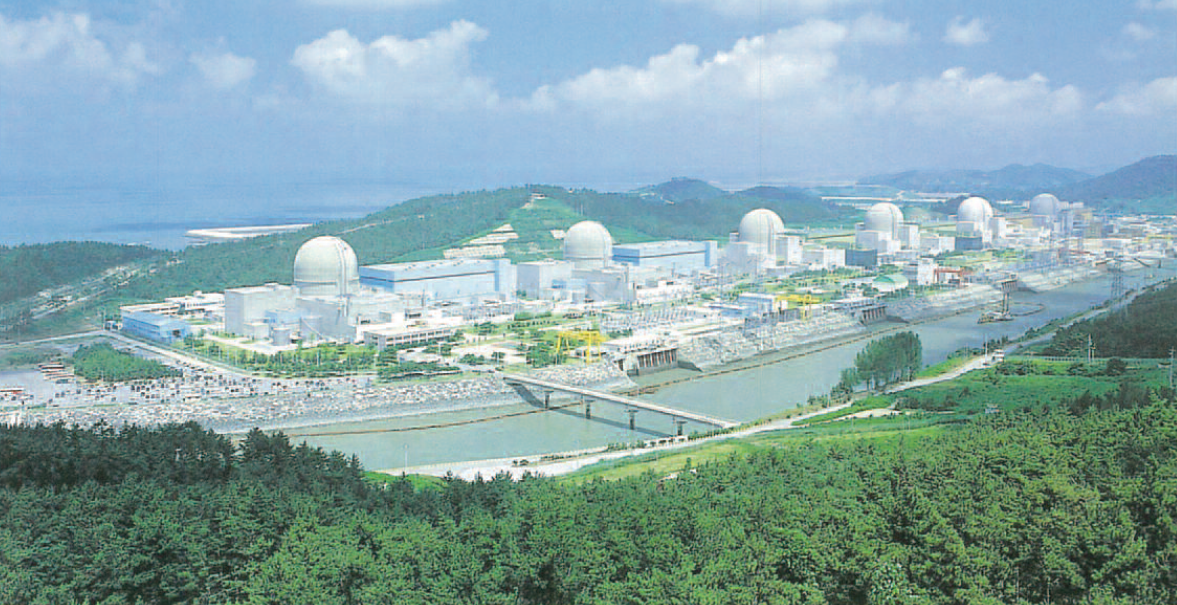
    South Korea is gearing up for a significant boost in its nuclear power generation, with projections indicating an increase to 222.7 terawatt-hours by 2035. This growth reflects a compound annual growth rate (CAGR) of 2.4% from 2024 to 2035, according to insights from GlobalData.

    Rising Nuclear Capacity Amid Energy Demands

    The recent report titled “South Korea Power Market Outlook to 2035, Update 2025 – Market Trends, Regulations, and Competitive Landscape” reveals that the nation’s nuclear power capacity rose to 24.4 gigawatts (GW) in 2024, up from 23.2 GW in 2020. This capacity is expected to expand further to 29.8 GW by 2035, marking a steady growth of 1.8% over the same period.

    Nuclear Power: A Key Player in Electricity Consumption

    Nuclear energy plays a crucial role in fueling nearly one-third of South Korea’s electricity needs. Currently, the country operates 25 reactors, with four more under construction to help meet the escalating energy demands. Attaurrahman Ojindaram Saibasan, a senior power analyst at GlobalData, highlighted South Korea as a major energy consumer and one of the world’s top greenhouse gas emitters.

    Transitioning from Fossil Fuels

    Saibasan pointed out that while the nation depends heavily on both thermal and nuclear power to meet its electricity requirements, this approach contributes to rising emissions. The country’s reliance on fossil fuels for thermal power—compounded by limited natural resources—forces South Korea to import coal and gas, which can be a costly endeavor. It seems some compromises will have to be made on the path to cleaner energy.

    Aiming for Nuclear Leadership

    In line with its ambitious energy strategy, the South Korean government plans to enhance the share of nuclear power in its electricity generation to 35.2% by 2038. This target will be supported by the construction of three additional reactors along with a small modular reactor, contributing an extra 4.4 GW to the grid. Notably, South Korea is not just looking inward; the country aims to become a global leader in nuclear energy, aspiring to secure contracts for the construction of ten nuclear reactors overseas by 2030.

    Questions & Answers

    What is the projected nuclear power generation for South Korea by 2035?
    South Korea is expected to increase its nuclear power generation to 222.7 terawatt-hours by 2035.

    How much does nuclear energy currently contribute to South Korea’s electricity needs?
    Nuclear energy accounts for nearly one-third of South Korea’s electricity consumption.

    What are South Korea’s plans for nuclear energy exports by 2030?
    The country aims to become a leading exporter of nuclear energy, targeting contracts for the construction of ten nuclear reactors overseas by 2030.
  • Vietnam to import coal from Laos

    Vietnam to import coal from Laos

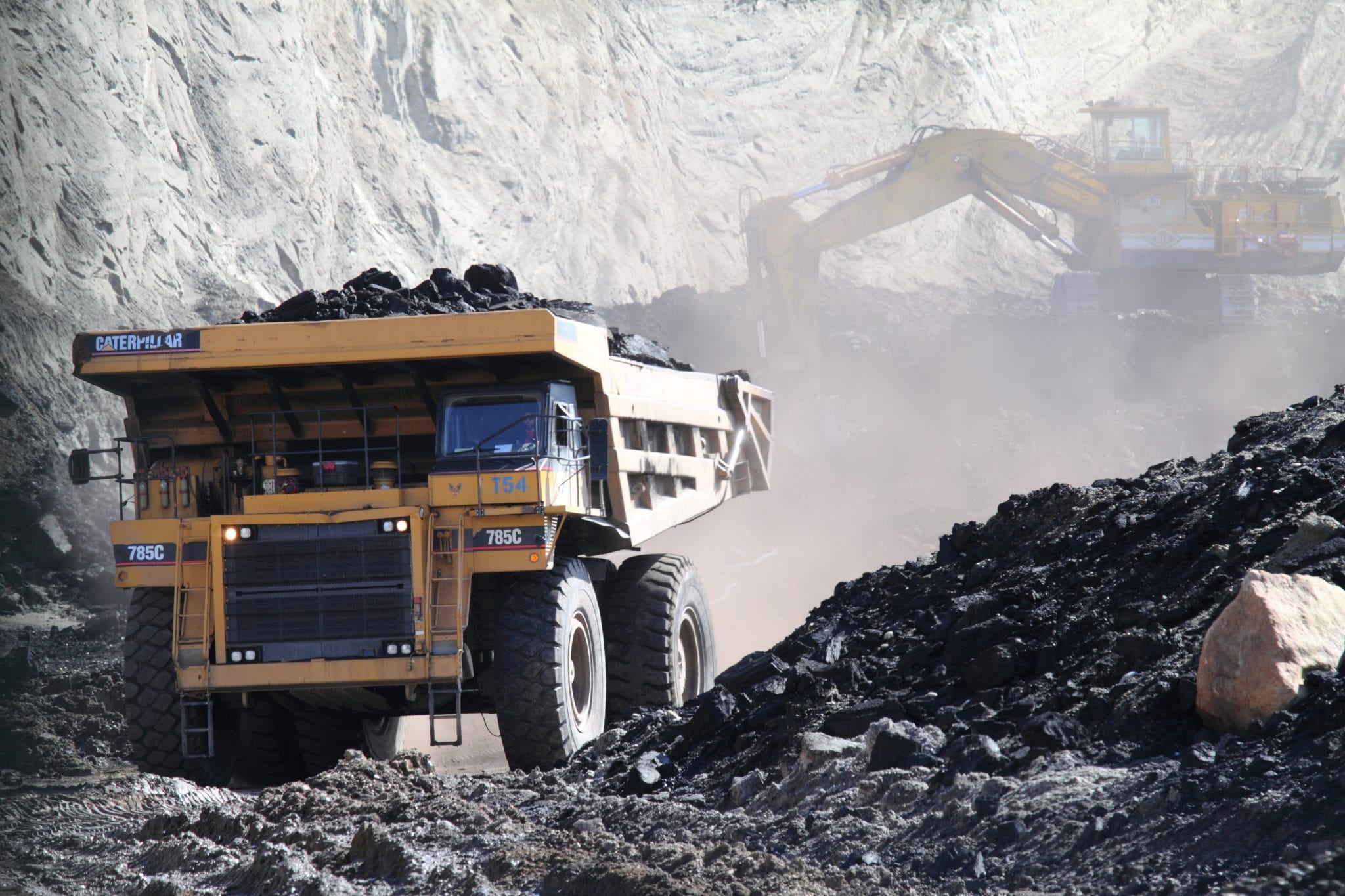
    Vietnam has signed a deal with Laos to import around 20 million tons of coal a year for the next five years.

    The memorandum of understanding was signed for the purpose Thursday by the Vietnamese Ministry of Industry and Trade and the Lao Ministry of Energy and Mines.

    Laos has been an important supplier of coal and other minerals to Vietnam in recent years.

    Vietnam imported 1.8 million tons of ores and minerals for US$78.2 million from that country last year, and 900,000 tons worth $31.6 million in the first half of this year.

    The two also have many cooperation projects in energy such as building hydropower plants and connecting grids while Laos exports electricity to Vietnam.

    Vietnam has 220 kV lines linking Laos, and is set to import at least 3,000 MW of electricity by 2025 and 5,000 MW by 2030.

  • Indonesia to convert waste into fuel, power in 30 big cities

    Indonesia to convert waste into fuel, power in 30 big cities

    Indonesian Deputy Minister of Energy and Mineral Resources Yuliot Tanjung said that the government is targeting to process waste into fuel and electricity in 30 big cities by 2029.

    He added that each city can produce around 20 megawatts of electricity. The products obtained from waste processing will not be limited to electricity but also include fuel oil, which will be produced using pyrolysis technology.

    According to the official, waste can be converted into electricity and fuel oil through integrated waste processing with the help of technology.

    Earlier, the Ministry of Environment informed that the acceleration of waste utilization into energy is expected to support waste management efforts in regions, supported by new regulations regarding electrification.

    The government is unifying three presidential regulations related to waste management to support the utilization of waste to produce electrical energy through waste power plants.

  • Vietnam nuclear power program needs 2,400 workers for revival, shortage feared

    Vietnam nuclear power program needs 2,400 workers for revival, shortage feared

    Vietnam needs around 2,400 engineers, scientists and other personnel to revive its defunct nuclear program with two plants in Ninh Thuan Province, but officials flag a likely shortage.

    A typical nuclear power plant with two reactors requires 600-1,200 personnel, according to the International Atomic Energy Agency, Ly Quoc Hung, director of the Department of Science and Technology, said at a forum Thursday.

    Another 350 people with expertise in nuclear development and regulations are needed, he added.

    The National Assembly approved last November revival of the nuclear program eight years after it was scrapped.

    Nuclear power is expected to help Vietnam diversify its energy sources, ensure energy security and meet its net zero target by 2050.

    But it lacks personnel in terms of both numbers and capability, particularly scientists, according to a report by the Department of Science and Technology.

    The number of professors in nuclear science and technology is limited, and the facilities and equipment available for teaching and research are outdated, it said.

    When the Ninh Thuan nuclear power project was being considered in 2010, the government planned to produce 2,400 engineers and 350 master’s and doctoral graduates in nuclear power and send 13% of them overseas for training.

    While 55 Vietnam Electricity engineers were sent to Russia and Japan for training, most quit the state-owned company or have shifted to other areas after the program was binned in 2016.

    Human resources are critical to the success of the program, Minister of Industry and Trade Nguyen Hong Dien said.

    He emphasized the importance of proactive planning to churn out scientific, technological and technical personnel.

    “This is not just about the program but about building a nuclear power ecosystem and technology for the future.”

    He has directed relevant agencies to make plans for meeting personnel requirements and creating specialized training programs by the first quarter of 2025.

    “The Ministry of Industry and Trade and the Ministry of Education and Training will establish standardized training programs for nuclear power personnel.”

  • Government seeks monopoly over nuclear power

    Government seeks monopoly over nuclear power

    The government wants to retain its monopoly over nuclear power, proposed amendments to the Electricity Law show.

    The government wants to exclusively build nuclear power plants as these are considered critical to national security, Minister of Industry and Trade Nguyen Hong Dien said as he presented the amendments to the National Assembly Monday.

    The construction, operation and decommissioning of the plants and ensuring their safety must comply with the Atomic Energy Law and other relevant regulations.

    The plans for nuclear power generation must be integrated into the national power development plan to ensure energy security.

    Nuclear plants are required to use proven technologies.

    The government will create mechanisms for the investment, construction and operation of the nuclear plants.

    PM Pham Minh Chinh recently instructed government agencies to study the development of nuclear power and make amendments to the National Power Development Plan to include it.

    In 2009 the government had announced plans to build two nuclear power plants in the south-central province of Ninh Thuan at a cost of several billion dollars, but the National Assembly shot down the proposal in 2016 saying they were unaffordable.

  • Daily electricity consumption tops 1B kWh mark for first time

    Daily electricity consumption tops 1B kWh mark for first time

    Power consumption exceeded one billion kilowatt-hours in a day for the first time ever on May 28 amid high temperatures all over the country.

    But on that day power output did not exceed the peak achieved at the end of April, according to the National Load Dispatch Center.

    Hanoi, Da Nang City and Ho Chi Minh City are experiencing highs of 34-37 degrees Celsius these days.

    The center forecast that the maximum demand in the north might rise 17% from a record set last year in April-July to 27,481 megawatts.

    But production plus imports are expected to only rise by 10% year-on-year to 52.3 kilowatt-hours.

    The Ministry of Industry and Trade has been ensuring adequate supply to a region that experienced severe shortages last summer.

    A new 500 kilovolt transmission line is being installed to draw power from the central and southern regions.

    National utility Vietnam Electricity advises its customers to save power especially during peak hours. It also encourages setting air conditioners at a minimum of 26 degrees.

  • Power demand expected to surpass forecasts on early onset of hot weather

    Power demand expected to surpass forecasts on early onset of hot weather

    Power consumption in Vietnam this summer is expected to increase by 13% year-on-year between May and July, 9.6% higher than forecast, posing possible supply challenges.

    This is because the weather is expected to become hot sooner than normal, and this could cause pressure on supply, especially in the north, Nguyen Quoc Trung, deputy director of the National Load Dispatch Center, said at a forum Monday.

    The north needs around 25,000 MW of power, rising by 10% annually.

    This means every year a new Son La hydropower plant, with a capacity of around 2,500 MW, needs to be built, a major challenge to the power sector, Trung said.

    Between April and July this year peak demand in the region might reach 27,500 MW, up 17% year-on-year, while production would only rise 10%, he added.

    But Minister of Industry and Trade Nguyen Hong Dien has ordered state-owned power monopoly Vietnam Electricity (EVN) to “ensure there are no power shortages under any circumstances.”

    To ensure supply, the National Load Dispatch Center has been storing water in dams. There are now 11 billion cubic meters, 2.7 times higher than a year ago.

    EVN plans to generate higher-cost power such as from oil and liquefied natural gas.

    Vo Quang Lam, its deputy director, said the Vietnam requires three times power as the global average to create its GDP, and so all consumers should conserve electricity.

  • Electricity bills double for Hanoians on meter reading date change

    Electricity bills double for Hanoians on meter reading date change

    Households in Hanoi have received electricity bills two or three times higher than usual this month after national utility Electricity Vietnam (EVN) postponed its meter reading date.

    Minh of Ha Dong District said the power consumed and bill for January are both more than double the usual at 2,127 kWh and VND6.7 million (US$271.4) though consumption has been completely normal and he bought no new electrical devices.

    The same thing has happened to Hanoi’s nearly 2.8 million electricity users, and EVN’s change in meter reading date seems to be the reason.

    The reading date has been moved to the end of each month from the beginning.

    Thus the January bill is for until Feb. 29 and not metered until Feb. 7 as used to be the case, meaning the bills are for two months.

    It is a one-time occurrence, EVN noted

    However, many consumers have correctly pointed out that combining two months’ bills would place their electricity usage in a higher tier. The pricing system is in slabs with higher per unit cost with increasing consumption.

    In Huong’s case, the first 350 kWh would be charged at multiple rates from tier 1 to 5 (VND1,806-3,050 per kWh).

    But if the extra 400 kWh is added, it would be charged entirely at tier 5 and 6 (VND3,050-3,151 per kWh) rates.

    EVN Hanoi has however reassured consumers it has made allowance for this, and the bills would be normal.

    For example, the tier 1 rate would be applied for the first 85 kWh instead of the usual 50, it said. Last year the reading date was changed in several provinces and cities. EVN had planned to effect the change in Hanoi last November but postponed it.

    EVN plans to apply the new date across the country by 2025, when electronic meters are installed in every household.

  • Vietnam’s power prices increase by 4.5%

    Vietnam’s power prices increase by 4.5%

    Starting Thursday, Vietnam’s power prices increased by 4.5% to over VND2,000 (8.2 U.S. cents) per kWh, the second time they went up this year.

    Average power prices have increased from VND1,920.37 to VND2,006.79 per kWh, just six months after prices increased by 3% in May, state-owned Vietnam Electricity (EVN) announced.

    Nguyen Quoc Dung, head of the business department of EVN, said the government would continue to support those in circumstances through cash financially, their values being 30 kWh worth of power use a month.

    Nguyen Dinh Phuoc, EVN’s head accountant, said that power prices for domestic use are still lower than those for industrial use after the increase. He also said EVN proposed the 4.5% increase to ensure social security and socio-economic criteria.

    The price increase will help EVN earn an additional VND3.2 trillion (US$131.39 million) until the end of this year.

    EVN said certain factors impacted its costs this year, including hydropower production dropping by 17 billion kWh, while fuel prices remain high.

    Production costs account for 83% of energy pricing, it said. The firm adds that with current fuel prices, each kWh of energy produced costs around VND2,098.

    Last year, EVN reported over VND26 trillion of losses.

    In a recent report by the Ministry of Planning and Investment, its losses have increased by another VND28 trillion in eight months.

  • Power shortage in Vietnam looms until 2050

    Power shortage in Vietnam looms until 2050

    With the construction of many large power plants stalling or slowing and the dependence on imports for energy increasing, electricity shortages are possible until 2050, lawmakers fear.

    According to a report on energy development in 2016-21 done recently by a supervisory team form the National Assembly Standing Committee, Vietnam’s primary energy resources are increasingly depleting with hydropower being fully tapped and oil and gas output in some major fields decreasing rapidly.

    Generation varies between regions with some power projects like Na Duong II, Quynh Lap I, Cam Pha III, Ca Voi Xanh, LNG Thi Vai, and LNG Son My slow to be completed, and some others grinding to a halt. The delays led to shortages in the north in May and June.

    A World Bank report published in August estimated Vietnam’s losses due to the electricity shortages at US$1.4 billion, or 0.3% of GDP.
    Experts warn about continuing shortages in the north since no new plants are going on stream in the next two years.
    The risk of power shortages, especially in 2024-25, was also flagged by Vietnam Electricity (EVN) in a recent report to the Ministry of Industry and Trade.
    It expected there would be “basically enough electricity” in 2024, but said in 2025 the north could face a shortage of 6.8 billion kWh during the peak dry season in May-July. But a slew of new plants is scheduled to go on stream at the end of 2025.
    Besides facilitating the construction of power plants and undertaking grid works to transmit electricity to the north, EVN also plans to step up power purchases from Laos.

    Also according to the report, investment in power plants and power grids in 2016-21 was inadequate. The grid connection and power transmission capacities did not meet the needs of renewable energy plants in the central region.

    Power generation is insufficient in the north and a stable and efficient linkage with Southeast Asia has yet to be set up.
    According to the report, annual electricity output and imports increased 50.8% between 2015 and 2020 to 247 billion kilowatt-hours. Consumption also rose 50% to nearly 217 billion kilowatt-hours.

  • EVN to review electricity prices every three months

    EVN to review electricity prices every three months

    National utility Electricity of Vietnam (EVN) has agreed with a proposal of the Ministry of Industry and Trade to review retail electricity prices every three months to decide whether to make any adjustments.

    If production costs increase by 3-5%, EVN is allowed to raise retail prices accordingly, but it needs to wait at least three months from the last adjustment, according to a draft decision that is being reviewed by government bodies.

    If costs rise by 5-10% the raise must be approved by the Ministry of Industry and Trade, and higher hikes must be decided by the Prime Minister.

    EVN suggested that the cost of electricity transmission includes system management costs after authorities proposed that the National Load Dispatch Center be moved from EVN to the Ministry of Industry and Trade.

    Vietnam in May raised its retail electricity prices by 3% for the first time in four years.

    Analysts said earlier that retail prices were unchanged for a long time and therefore were not updated with changes in production costs.

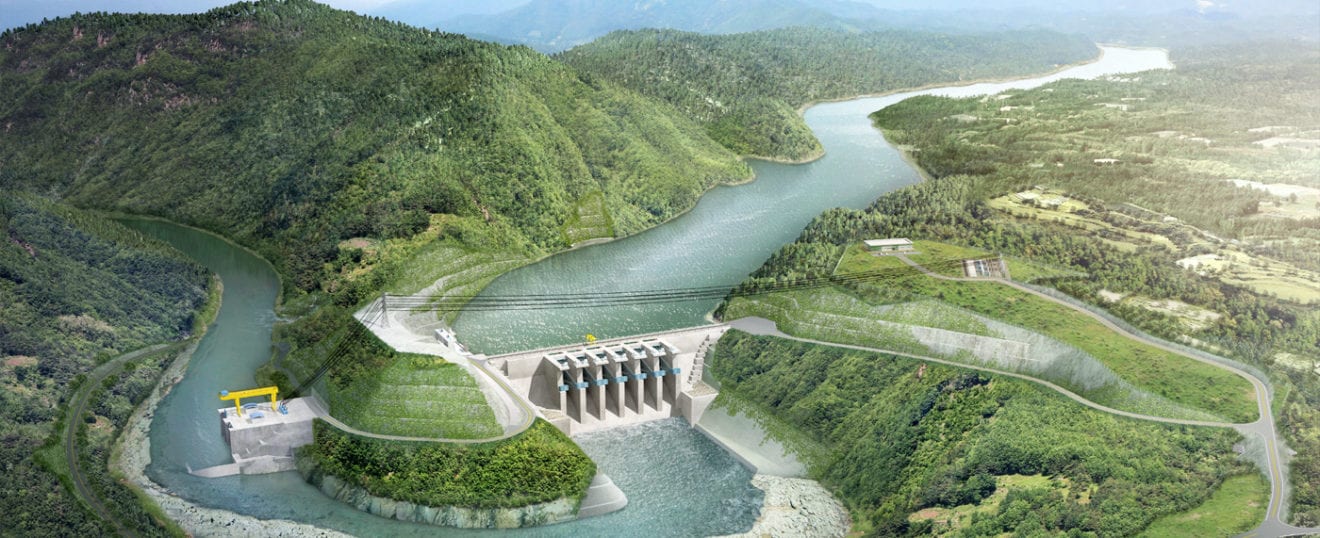
  • Hydropower production rises 24%

    Hydropower production rises 24%

    Hydropower plants in northern Vietnam have pumped up their production by almost a quarter compared to earlier this month, to release water amid forecasts of heavy rain caused by Storm Talim.

    Water levels at most hydropower plants are now 10-20 meters higher than the minimum level for power production, according to the Ministry of Industry and Trade.

    This is why plants in Lai Chau, Tuyen Quang and HoaBinh provinces will increase their production to avoid overflow as heavy rains are expected this week as an effect of Storm Talim making landfall.

    Talim is the first storm to form over Vietnamese waters this year. The national meteorological center said that between July 11 and August 10 tropical convergence tends to be more active and stronger, leading to thunderstorms, tornadoes and high waves at sea.

    Power demand in Vietnam increased last week due to high heat. Maximum production last week recorded a new historic peak of 45,474 megawatts and increased by 1,720 megawatts from the week prior.

    From the beginning of the year until July 13, total production reached 147 billion kilowatt-hours, up 1.35% year-on-year.

    Hydropower accounted for 27.5% of total production.

    Coal supply is now stable as most thermal power plants have secured adequate coal inventory.

    After a major shortage recorded in the last weeks of May and early June, Deputy Minister of Industry and Trade Do Thang Hai had assured that there would be no power shortage for northern Vietnam for the rest of the year.

    Authorities will increase hydropower production and decrease thermal production in the third quarter as storms and heavy rains are expected to arrive.

  • Vietnam Electricity owes Petrovietnam $971M

    Vietnam Electricity owes Petrovietnam $971M

    Oil and gas giant Petrovietnam has liquidity issues because it has not been able to collect payables of VND23 trillion ($971 million) from state-owned utility Vietnam Electricity.

    Over VND14 trillion of the amount is past due, and this is having a major impact on its own business, the oil company said in its first-half financial report.

    EVN has financial problems after making a loss of VND19.5 trillion last year.

    Petrovietnam also said that the oil and gas industry has been hit by plunging prices amid economic challenges.

    In the first six months Petrovietnam produced nearly 12.7 billion kilowatt-hours of electricity, 4.5% higher than the target.

    Its crude oil output was 5.3 million tons of which it sold 83% domestically.

  • European firms worry about power shortages in Vietnam

    European firms worry about power shortages in Vietnam

    The European Chamber of Commerce in Vietnam (EuroCham) has called on the government to focus on long-term plans to mitigate power shortages, which it fears are cyclical.

    Power shortages were among the concerns raised by EuroCham in its second quarter Business Confidence Index report.

    A survey of its member companies found the recent power shortage significantly affected their business.

    While the situation has improved thanks to the heavy rains in recent weeks, 60% of the companies said the shortage had created challenges for them, with 10% saying they have been seriously affected.

    According to EuroCham, reliable power supply is a central requirement for the business sector and overall economic resilience.

    The Government should focus on making long-term plans since power shortages are likely to occur in cycles, EuroCham president Gabor Fluit said.

    Between late May to mid-June this year the northern region was crippled by regular blackouts as electricity demand shot up even as hydropower, one of the two main sources, decreased due to drought.

    European businesses also said Vietnam’s infrastructure is poorer than that of many neighboring countries, with 53% rating it inadequate.

    But the bright spot is that the Government is taking active measures to address this problem like accelerating key infrastructure projects, they said.

    The survey also found that business optimism has increased slightly and Vietnam continues to be considered an attractive destination for foreign investors.

    Some 48% of respondents expected their companies’ direct investment in the country to rise sharply in the next quarter.

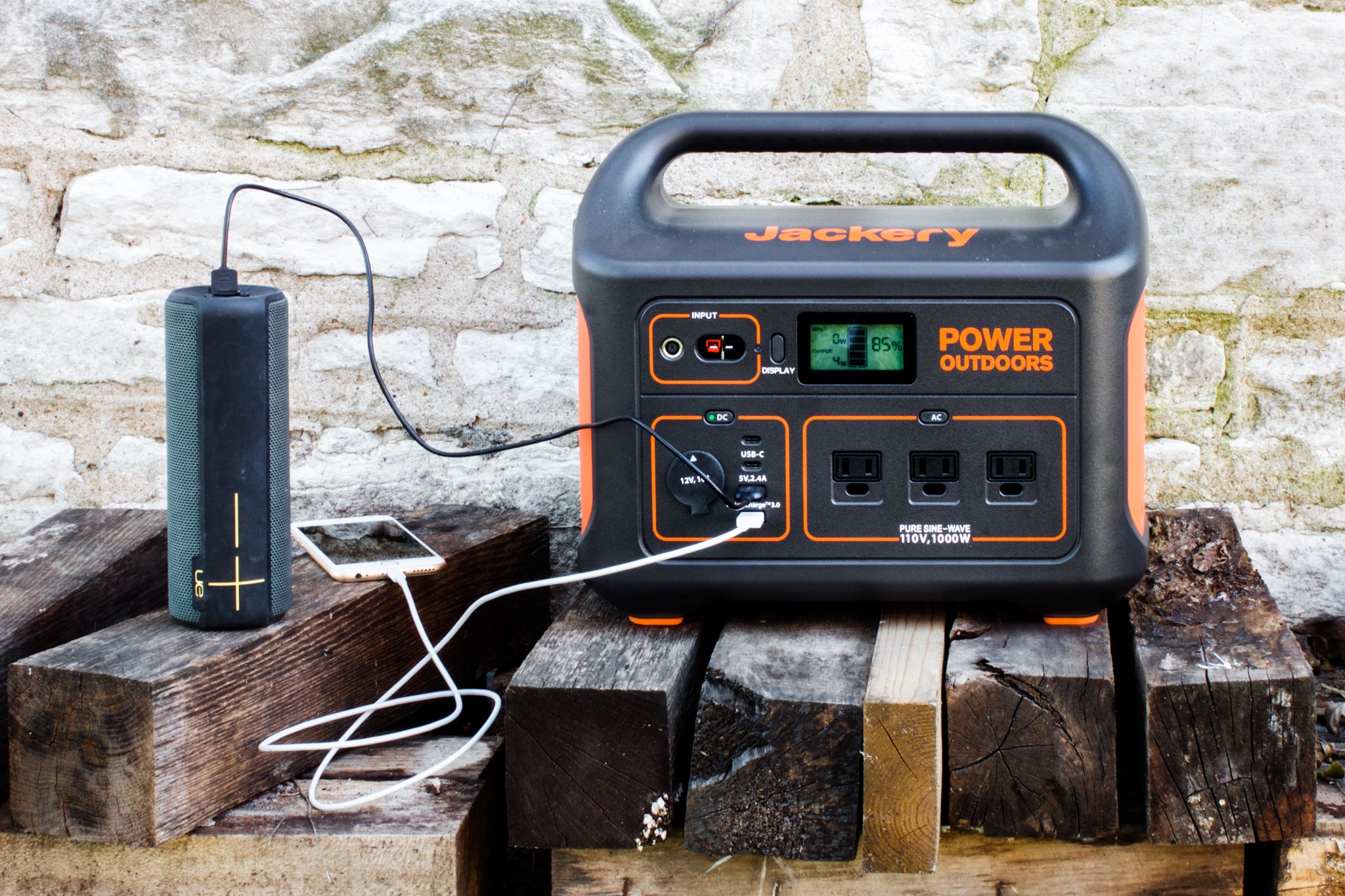
  • Portable power stations sought after amid load shedding

    Portable power stations sought after amid load shedding

    Portable power stations have become sought-after items in northern Vietnam as unpredictable power cuts urged residents to store electricity in advance.

    Quang Minh in Hai Phong has been looking to buy a portable power station for his household, which has been experiencing load shedding of up to several hours at a time in recent weeks.

    The product that he plans to buy is made in China and sold at VND2.3 million (US$98). It can be used for many devices his family use regularly such as Wi-Fi routers, fans, rice cookers, and lamps.

    In contrast to power generators, the portable stations operate without noise and can be easily operated by both adults and children, he said.

    Users say that a station can meet a household’s basic requirement within a day.

    Vu Xuan Tung, an electronic store owner in Hanoi, said that in the past portable power stations are only bought campers, but recently many people buy them as a backup power source in case of power cuts.

    His store has been running out of power stations recently and sometimes customers have to order up to seven days in advance.

    Most stations are made in China, including some that are advertised to have a German brand. Their prices are around several million Vietnamese dong. Some high-end products can be priced more than VND10 million.

    A Facebook group of 10,000 members, which often sold battery-powered fans in the past, has changed its focus to portable power stations in recent weeks.

    Group admin Vien Duong said that power stations can be used for many devices, not just a fan, and therefore is preferred amid power cuts.

    A survey of nearly 400 readers on June 12-13 showed that around 53% were looking into buying a portable power station, while 7% had bought one.

    Northern Vientam has been experiencing frequent load shedding these days as hydropower plants were shut down due to low water levels.