Tag: profit

  • ThaiBev Mulls Over Sale of Thailands Premier KFC Franchise Amid Profit Drop

    ThaiBev Mulls Over Sale of Thailands Premier KFC Franchise Amid Profit Drop

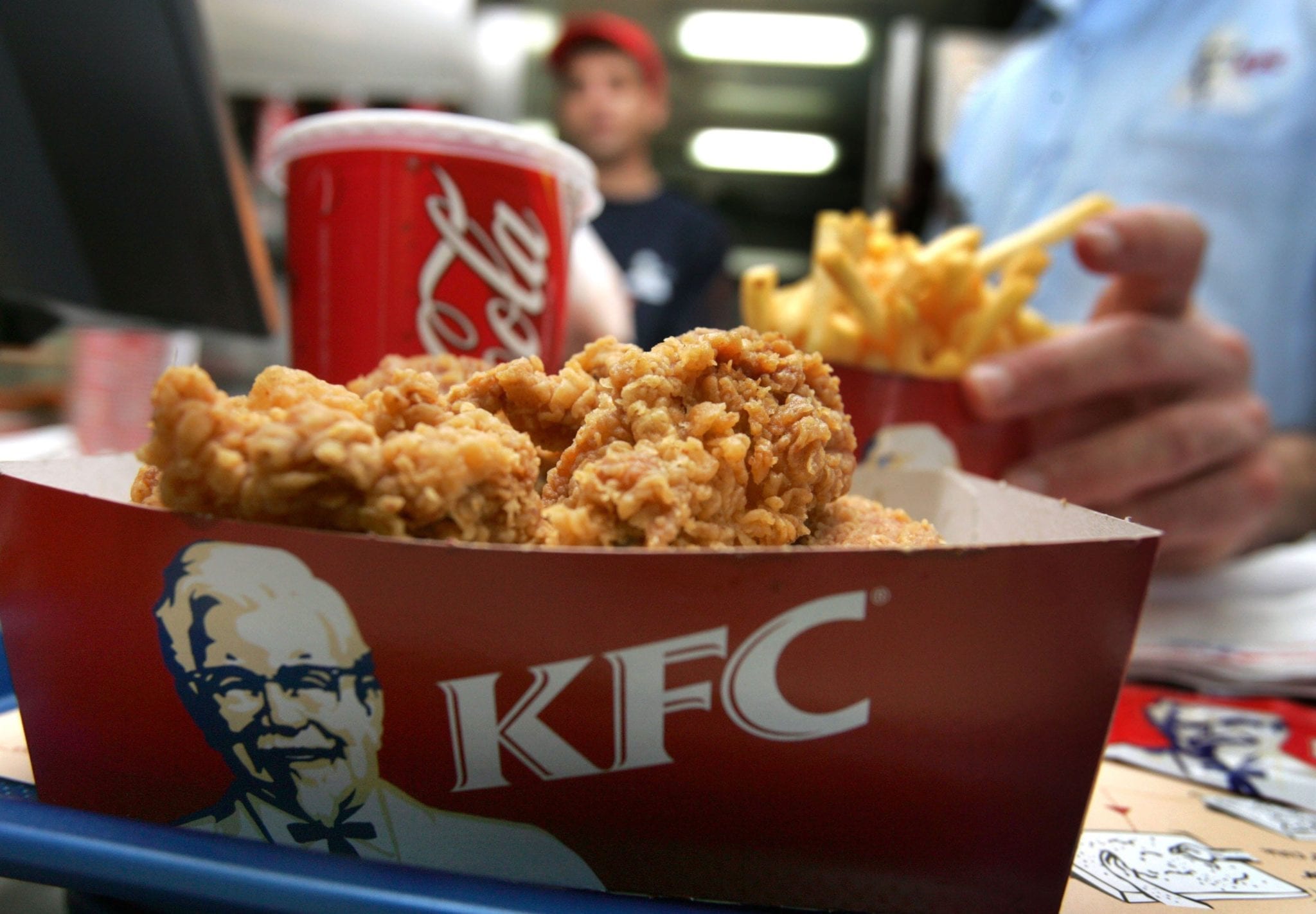
    ThaiBev, owned by Charoen Sirivadhanabhakdi, is reportedly contemplating the sale of its KFC franchise business in Thailand – the largest of its kind in the country. The fast-food chain’s operations are overseen by The QSR of Asia. This takeover was initiated when the subsidiary purchased 240 restaurants from Yum Restaurants International in 2017 for an estimated US$335 million.

    ThaiBev’s Expanding Portfolio and Challenging Profits

    Since the initial acquisition, the number of outlets has more than doubled to over 500 across Thailand, solidifying QSR’s position as the country’s largest franchise. However, this expansion has brought its own set of challenges for ThaiBev. The company, known for producing Chang, has experienced a 21.7% decrease in profits, according to its latest annual fiscal statements.

    The drop in profits is reportedly due to the expenses incurred from the continual expansion of the restaurant chain. Nonetheless, ThaiBev remains a significant player in the market, despite the challenges and costs associated with operating a booming fast-food business.

    The Future of ThaiBev’s KFC Franchise

    Currently, ThaiBev is working with the Bank of America Corp to gauge interest in potential transactions relating to the KFC franchise. However, it is important to note that there are no guaranteed sales at this point. The future of the KFC franchise under ThaiBev’s ownership remains uncertain.

    Questions & Answers

    Who currently owns the largest KFC franchise business in Thailand?
    ThaiBev, owned by Charoen Sirivadhanabhakdi, currently holds the largest KFC franchise business in Thailand.

    What has been the impact of the franchise expansion on ThaiBev’s profits?
    The expansion of the franchise has led to a 21.7% drop in ThaiBev’s profits, largely due to the costs associated with the ongoing growth of the restaurant chain.

    What is the future of ThaiBev’s KFC franchise?
    ThaiBev is contemplating the sale of its KFC franchise and is working with the Bank of America Corp to assess interest in potential transactions. However, no sale is guaranteed at this time.

  • Uniqlo Owner Fast Retailing Reports Stellar 45.7% Profit Boost Amidst Global Challenges

    Uniqlo Owner Fast Retailing Reports Stellar 45.7% Profit Boost Amidst Global Challenges

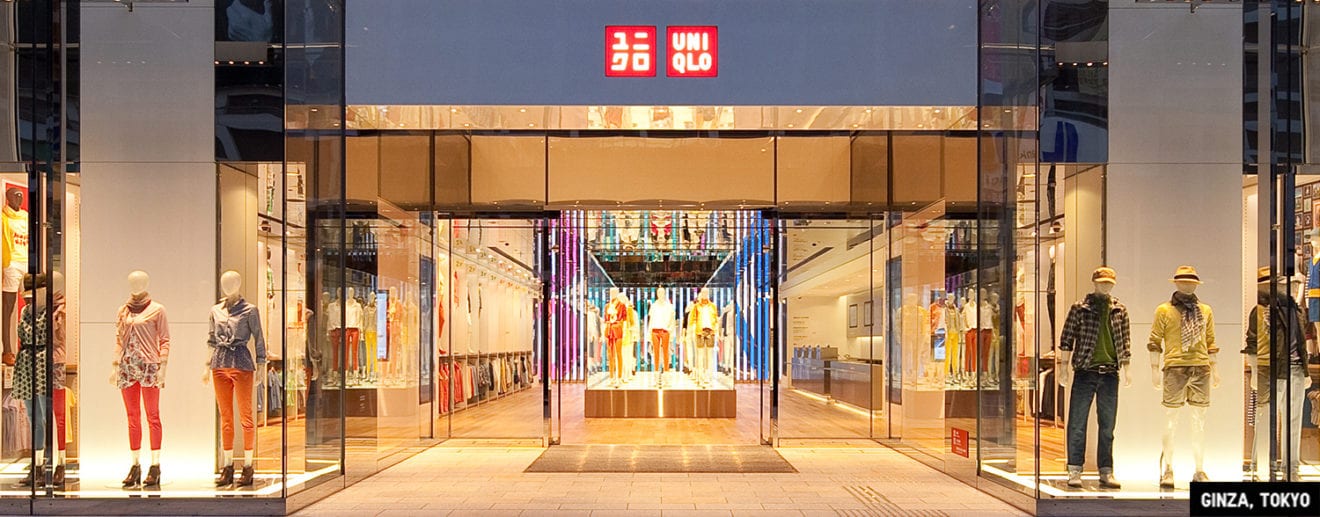
    Fast Retailing, the Japanese firm that owns the popular clothing brand Uniqlo, reported a 45.7% quarterly profit surge, despite facing challenges from the Iran war’s impact on supply chains and logistics. Achieving this milestone puts the company on track for its fifth consecutive year of record earnings.

    Over the three months through May, Fast Retailing’s operating profit reached 213.79 billion yen (US$1.32 billion), a substantial increase compared to 146.74 billion yen during the same period in the previous year. This figure significantly surpassed the average estimate of seven analysts, which stood at 177.73 billion yen. As a result of this positive performance, Fast Retailing raised its full-year operating profit forecast from 700 billion yen to 730 billion yen.

    Uniqlo’s Global Appeal and Challenges

    Fast Retailing’s success is a key indicator of consumer spending trends in Japan and mainland China, with nearly 900 stores in these regions. Starting as a single store in Hiroshima, western Japan, in 1984, the company now operates more than 2,500 Uniqlo stores worldwide, with its products primarily manufactured in Asian hubs.

    In recent times, the brand has seen rapid expansion in Europe and North America as it seeks growth beyond China, its largest overseas market. However, this expansion has come with challenges. In Japan, sales have been bolstered by a tourism boom and a weak yen, but growth in China has slowed, leading to store closures and restructuring.

    The ongoing Middle East conflict and changing weather patterns have also posed challenges for Fast Retailing, along with other global fashion retailers. Supply and logistic disruptions, as well as weather impact on clothing demand, have become significant concerns.

    Fast Retailing’s CFO, Takeshi Okazaki, highlighted these issues earlier this year, indicating that the Iran war had complicated air freight from production bases in Southeast Asia, and that sustained oil price increases could affect the costs of synthetic fibers.

    Questions & Answers

    What was Fast Retailing’s operating profit for the three months through May?
    The company’s operating profit was 213.79 billion yen (US$1.32 billion) during this period.

    How has Fast Retailing’s expansion into Europe and North America impacted the company?
    While the expansion has opened up new markets for Fast Retailing, it has also presented challenges such as coping with the effects of the Middle East conflict on supplies and logistics, and adapting to changing weather patterns impacting clothing demand.

    What factors have affected Uniqlo’s growth in China?
    The growth of Uniqlo in China has been affected by weak consumer sentiment, which led to store closures and restructuring.

  • Misto Holdings Swings into Solid Q1 Profit Boosted by Golf Gear and K-Fashion Surge

    Misto Holdings Swings into Solid Q1 Profit Boosted by Golf Gear and K-Fashion Surge

    Misto Holdings, the South Korean fashion and golf corporation, has announced an impressive surge in their first-quarter earnings, owing to robust demand for K-fashion labels and golf equipment. The company reported a 4.2% year-over-year increase in revenue, generating KRW 1.3 trillion (US$864.9 million) and an operating profit of KRW 193.7 billion (US$128.8 million), marking a 19% increase.

    Driving Factors Behind the Growth

    The impressive growth is attributed to the strong performance of the firm’s golf business and the continued success of its fashion labels in the Greater China region, particularly in Mainland China and Hong Kong. K-fashion brands such as Marithé + François Girbaud, Matin Kim, Rest & Recreation, and Raive have continued to extend their retail presence throughout the region. Their expansion has played a pivotal role in sustaining double-digit growth in Greater China over the quarter.

    Fila, another brand under Misto Holdings, reinforced its position in the lifestyle sector through its footwear and apparel offerings. Standout collections include the Echappe franchise and the newly released Glio lineup. Fila’s Knit Track collection recorded a substantial sales growth of approximately 74% during the first 12 weeks of the 2026 Spring/Summer season, compared to the same period in the previous Fall/Winter season.

    The company’s Acushnet segment also contributed to the successful quarter, generating KRW 1.1 trillion in revenue, an 8% year-over-year increase, due to strong performance across all categories.

    Outlook and Future Plans

    Despite the ongoing macroeconomic uncertainties, Misto Holdings has managed to maintain stable growth momentum. This has been a result of the enhancement of brand competitiveness and improvement of operational efficiency, as stated by the company’s CFO, Ho Yeon (Aaron) Lee. Looking ahead, the company plans to further ensure its sustainable growth through the expansion in Greater China, enhancement of its brand portfolio, and a focus on profitability in management.

    Questions & Answers

    What has contributed to Misto Holdings’ significant first-quarter growth?
    The surge in demand for golf equipment and K-fashion brands have been the key drivers of Misto Holdings’ solid first-quarter growth.

    How does Fila contribute to the growth of Misto Holdings?
    Fila, a brand under Misto Holdings, has reinforced its dominance in the lifestyle sector with its footwear and apparel. Its collections such as the Echappe franchise and the Knit Track collection have recorded substantial sales growth.

    What are the future plans for Misto Holdings?
    Misto Holdings plans to solidify its growth by expanding in Greater China, enhancing its brand portfolio, and maintaining a focus on profitability in management.

  • Commerzbank to Slash 3000 Jobs by 2030, Boosts Profit Forecast Amid Restructuring Plan

    Commerzbank to Slash 3000 Jobs by 2030, Boosts Profit Forecast Amid Restructuring Plan

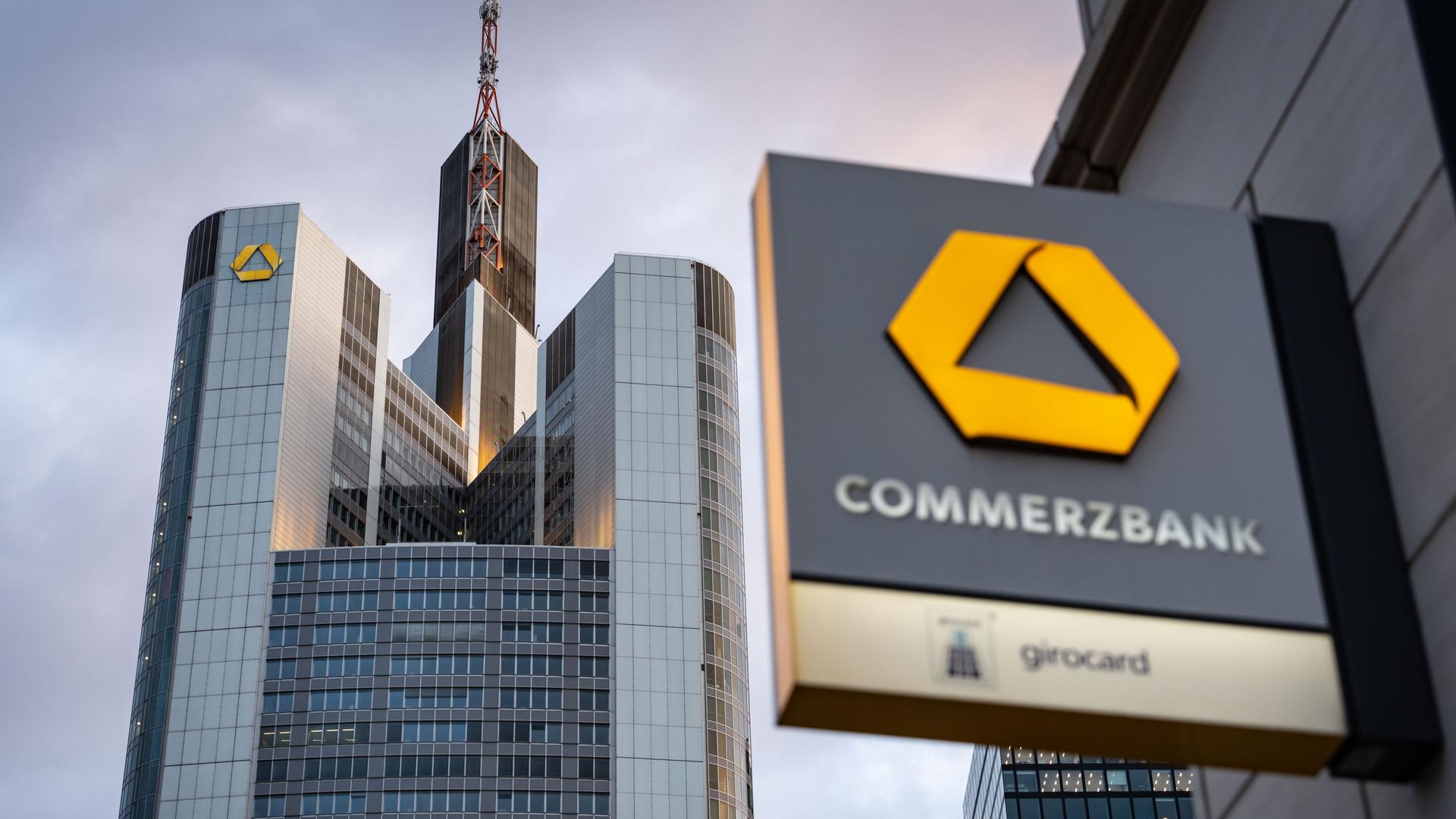
    In an effort to reassure shareholders of its sustainability as a standalone entity, Commerzbank has unveiled a strategic plan that includes significant job reductions and lofty profit goals. The blueprint, which was shared last Friday, anticipates a layoff of approximately 3,000 additional full-time employees throughout the corporation by the year 2030. This is an extension to the cost-cutting measures previously revealed.

    Refocusing on Future-Oriented Sectors

    Simultaneously, the bank is intending to generate employment opportunities within emerging and forward-looking sectors. As of late 2025, Commerzbank’s global full-time workforce was just shy of 40,000.

    In a previous announcement made in February 2025, Commerzbank had outlined its intention to eliminate 3,900 full-time roles by the conclusion of 2027, with the majority of these cutbacks occurring in Germany. During that announcement, the bank also expressed its intent to increase staffing levels at its Polish branch, mBank, as well as at its Asian locations.

    Boost in Profit during First Quarter

    Commerzbank also released its earnings for the first quarter. The operating profit for the initial three months of 2026 escalated to approximately 1.36 billion euro, while the net profit climbed to 913 million euro. Both of these figures saw a growth of roughly 10 percent compared to the corresponding period in the previous year.

    Commerzbank, as part of its updated strategy, now anticipates higher profits for 2026 than initially projected. The bank is aiming for a net profit of at least 3.4 billion euro, an increase of 200 million euro from the previously stated goal. The bank’s ambitious profit targets for subsequent years are 4.6 billion euro by 2028, and 5.9 billion euro by 2030.

    In 2025, the bank’s profit reached 2.6 billion euro, narrowly missing the record high of 2024, when the bank earned nearly 2.7 billion euro, despite the substantial costs associated with the ongoing restructuring program.

    This updated strategy and the raised profit targets can be interpreted as a reaction to criticisms levelled by Andrea Orcel, CEO of UniCredit, who recently described Commerzbank’s operating performance over the past few years as being beneath par.

    Questions & Answers

    How many job reductions does Commerzbank’s new strategic plan anticipate?
    The plan anticipates a layoff of approximately 3,000 additional full-time employees by 2030, apart from the previously announced cutbacks.

    What are Commerzbank’s profit targets as per the updated strategy?
    The bank is aiming for a net profit of at least 3.4 billion euro in 2026, 4.6 billion euro by 2028, and 5.9 billion euro by 2030.

    How has Commerzbank responded to criticisms regarding its recent performance?
    Commerzbank has responded with an updated strategy, which includes significant job reductions and lofty profit goals, to reassure shareholders of its sustainability as a standalone entity.

  • HSBC Profit Falters Amid UK Fraud Charge and Rising Middle East Tensions

    HSBC Profit Falters Amid UK Fraud Charge and Rising Middle East Tensions

    HSBC Holdings Plc recently announced financial results that fell short of projections, impacted by unexpected fraud-related charges in the UK and escalating economic uncertainties due to the Middle East conflict.

    Financial Outcome Below Expectations

    In the first quarter, HSBC’s pretax profit plummeted to $9.4 billion, falling short of the anticipated $9.6 billion. Despite the disappointing results, resilience was observed in the bank’s wealth and Hong Kong sectors. The bank’s net interest income outlook also experienced an upswing, which provided some balance to the outcome.

    The London-headquartered bank reported $1.3 billion in anticipated credit losses for the quarter, a major component of which was a $400 million charge associated with a fraudulent securitization exposure involving a UK financial sponsor. Furthermore, HSBC had to manage a $400 million fallout related to the collapsed mortgage lender MFS.

    The bank also noted a $300 million augmentation in allowances due to a worsening global economic forecast triggered by the initiation of strife in the Middle East.

    Revenue and Net Interest Income Experience Growth

    Despite the challenges, HSBC’s revenue observed a 6% increase year-on-year to $18.62 billion, surpassing estimates. This was largely due to robust wealth fees and other income. Simultaneously, net interest income also experienced an 8% growth year-on-year, reaching $8.9 billion. However, operating expenses mirrored this increase, also growing by 8% as a result of inflation, forex, increased planned expenditure, and performance-related pay.

    The bank flagged potential risks associated with the Middle East conflict such as surging oil prices, heightened inflation, and a significant GDP slowdown. Should these factors transpire, the bank warned of a “mid-to-high single digit percentage” negative impact on its pre-tax profit.

    Although HSBC maintained its target return on tangible equity (RoTE) of 17%, it cautioned that the negative repercussions of the Middle East crisis, if realized, could potentially push RoTE, excluding significant items, below this target in 2026. The annualized RoTE for the reported quarter, excluding items, was 18.7%.

    HSBC expressed confidence in its commitment to deliver $1.5 billion in annualized cost reduction by the end of June 2026. The board also approved its first interim dividend for 2026 of 10 cents per share.

    Questions & Answers

    What was the pretax profit for HSBC in the first quarter?
    HSBC’s pretax profit for the first quarter was $9.4 billion.

    What financial impact was caused by the Middle East conflict on HSBC?
    HSBC noted a $300 million increase in allowances related to a worsening global economic forecast due to the conflict in the Middle East.

    What is HSBC’s target return on tangible equity (RoTE)?
    HSBC has maintained its targeted return on tangible equity of 17%.

  • Vietnam Airlines Sees 30% Q1 Profit Surge to $171M Amid Strong Tet Demand and European Expansion

    Vietnam Airlines Sees 30% Q1 Profit Surge to $171M Amid Strong Tet Demand and European Expansion

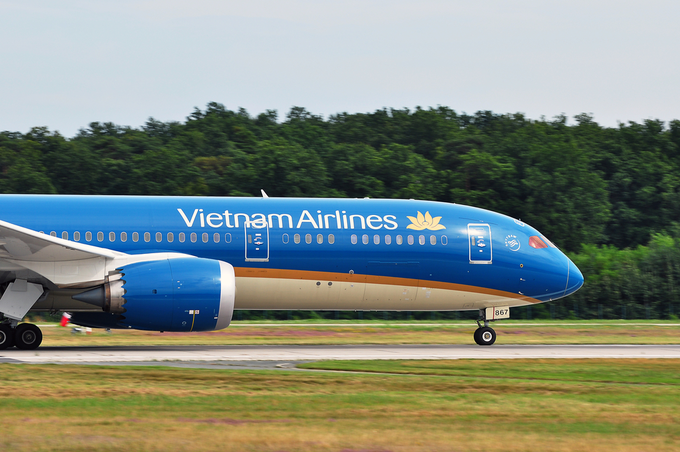
    In the first quarter, Vietnam Airlines experienced a surge in pre-tax profits, reaching over VND4.5 trillion (US$171 million), a 30% increase compared to the same period last year. This substantial growth is attributed to high demand during the Tet holiday and the introduction of new European routes.

    Rising Revenue

    The airline’s consolidated revenues witnessed a 23% rise, totaling VND37.5 trillion. The Lunar New Year’s peak travel season, typically spanning from mid-January to mid-February, contributed significantly to this growth. Daily flights during this period numbered between 660 and 670, marking a 13% increase from the previous Tet season in 2025.

    New European Destinations

    International expansion also significantly bolstered the airline’s performance, especially the addition of fresh European destinations to its schedule. The revenue from international services experienced a 28.6% increase, a stark contrast to the mere 2.9% uptick in domestic revenues.

    At present, Vietnam Airlines operates 11 direct flights to Europe. It has plans to launch a Hanoi-Amsterdam service in June and boost the Hanoi-Moscow service to four flights each week from July, up from the current three flights per week.

    In the first quarter, the airline transported over 6.9 million passengers across nearly 43,000 flights, showing a year-on-year growth of 12% and 11% respectively.

    Future Concerns

    Despite the turbulence in global energy markets caused by conflicts in the Middle East since early March, Vietnam Airlines’ performance in the first quarter remained largely unaffected. However, the airline foresees potential challenges in the second quarter due to rising fuel prices.

    By late April, Jet A1 fuel prices were estimated at $190-220 per barrel, approximately three times the regular levels, occasionally even exceeding $240. A $1 per barrel increase in fuel prices adds an additional VND300 billion to Vietnam Airlines’ yearly costs.

    In response to these challenges, the airline plans to maintain flexible operations and optimize crucial domestic and international routes.

    Questions & Answers

    What factors contributed to the surge in Vietnam Airlines’ pre-tax profits?
    The significant increase in pre-tax profits can be attributed to high demand during the Tet holiday and the addition of new European routes.

    How is Vietnam Airlines planning to handle the potential challenges due to rising fuel costs?
    The airline plans to maintain flexible operations and optimize key domestic and international routes to mitigate risks associated with increasing fuel prices.

    What future plans does Vietnam Airlines have for its European services?
    The airline plans to launch a Hanoi-Amsterdam service in June and increase the frequency of the Hanoi-Moscow service to four times per week, up from the current three, starting from July.

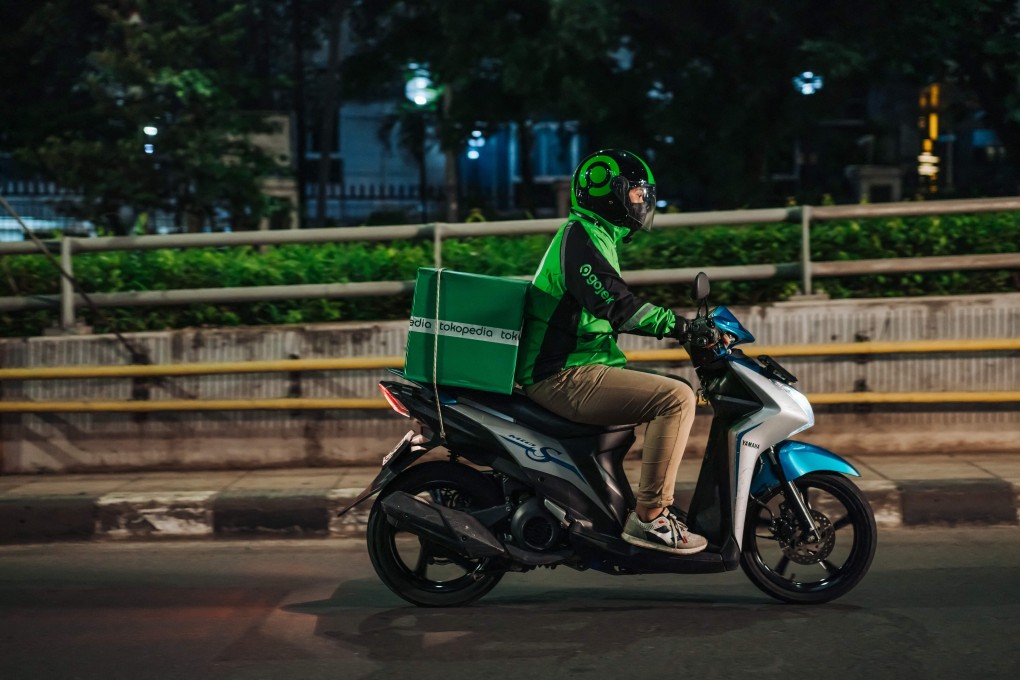
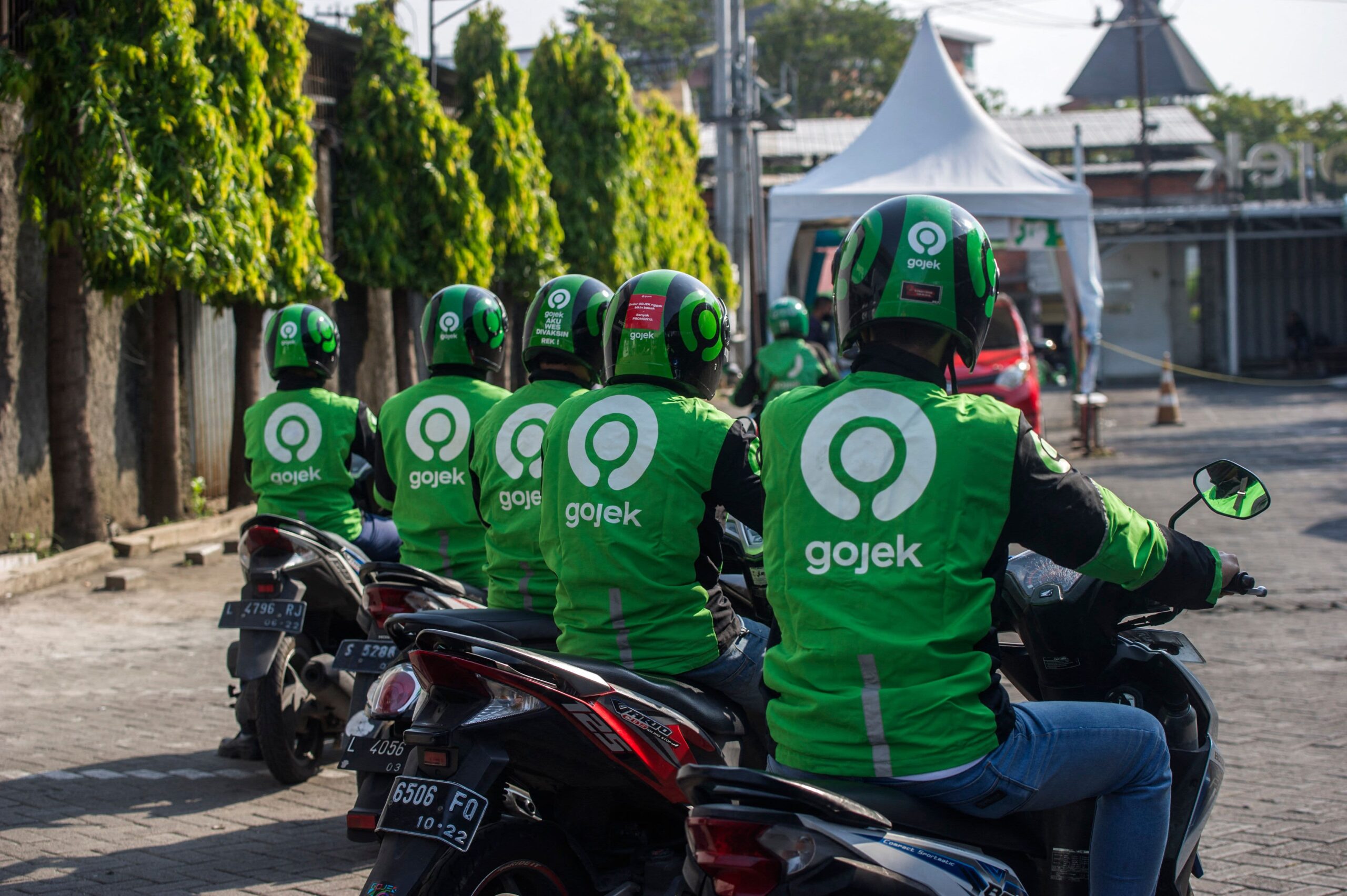
  • GoTo Celebrates First-Ever Quarterly Profit, Signaling Turnaround After Gojek-Tokopedia Merger

    GoTo Celebrates First-Ever Quarterly Profit, Signaling Turnaround After Gojek-Tokopedia Merger

    GoTo, a prominent Indonesian ride-hailing firm, recently announced its first-ever quarterly net profit. This is a significant milestone for the company, which has seen strong revenue growth and increased cost control measures begin to pay dividends.

    The Turnaround

    GoTo was established in 2021 as a result of the merger between Gojek and Tokopedia. Despite its combined strengths, the company has faced difficulties in generating profits due to intense market competition and high operating expenses.

    However, the tides have turned for GoTo, with the company recording a net profit of 171 billion rupiah (US$9.94 million) for the quarter ending March 31. This is a stark contrast to the loss of 367 billion rupiah it incurred during the same period the previous year.

    GoTo’s diverse service offering, which includes ride-hailing, food delivery, logistics, and financial services, has contributed to its improved financial performance. The company announced a 26% year-on-year increase in net revenue for the first quarter, bringing it to 5.3 trillion rupiah.

    Outpacing Costs

    GoTo’s Chief Financial Officer, Simon Ho, explains that the company’s revenue growth has significantly overshadowed its rising costs across both fintech and on-demand services. There has also been a decrease in the cost to serve, as the company’s tech and AI strategies begin to take effect.

    Additionally, GoTo reported an attributable profit of 257.94 billion rupiah for the quarter, a considerable improvement from last year’s loss of 283.33 billion rupiah.

    Looking Forward

    Despite the current global macroeconomic uncertainty, GoTo has maintained its full-year adjusted EBITDA forecast of between 3.2 trillion rupiah and 3.4 trillion rupiah. The company, which enjoys support from Japan’s SoftBank Group and Singapore’s sovereign wealth fund GIC, has previously been the subject of merger rumors with Singapore-based competitor Grab, though no agreement has been formalized.

    Questions & Answers

    What was GoTo’s net profit for the quarter ending March 31?

    GoTo’s net profit for the quarter ending on March 31 was 171 billion rupiah (US$9.94 million).

    What services does GoTo offer?

    GoTo offers a variety of services including ride-hailing, food delivery, logistics, and financial services.

    What is GoTo’s full-year adjusted EBITDA forecast?

    Despite the current global macroeconomic uncertainty, GoTo has maintained its full-year adjusted EBITDA forecast of between 3.2 trillion rupiah and 3.4 trillion rupiah.

  • DFI Retail Group Triumphs with 35% Profit Surge Amid Strategic Overhaul – An In-depth Look at the 2025 Fiscal Year

    DFI Retail Group Triumphs with 35% Profit Surge Amid Strategic Overhaul – An In-depth Look at the 2025 Fiscal Year

    DFI Retail Group, a prominent pan-Asian retailer, has confirmed the efficacy of its ongoing strategic alterations, following a successful 2025 fiscal year. The group reported a substantial 35% increase in underlying profits to US$270 million, despite no growth in its year-end revenue stream, which remained consistent with the 2024 figure at $8.8 billion.

    Strategic Execution and Profitability

    The robust financial performance and enhanced shareholder returns in 2025 have been attributed to the effective implementation of strategic initiatives. DFI Retail Group’s Chairman, Lincoln Pan, emphasized that this was achieved despite the challenging circumstances in the retail industry. Significant strides in portfolio simplification have notably increased the group’s investment capabilities. This shift has facilitated the prioritization of strategic initiatives, providing greater value for customers and paving the way for sustainable growth and returns through accretive inorganic opportunities.

    Portfolio Adjustments and Performance

    In an effort to adapt to changing market conditions and consumer preferences, DFI Retail Group has made adjustments to its brand portfolios. As part of this strategy, 7-Eleven, one of the group’s brands, has shifted its focus towards higher-margin, non-cigarette categories. Ready-to-eat offerings now account for 24% of convenience sales for the brand in 2025, highlighting a considerable change in product focus.

    Financial Performance

    The group’s strong financial performance is also reflected in its operating cash flow. After making lease payments, the operating cash flow for the group stood at $430 million, marking a 30% increase from the previous year. In addition, the group’s free cash flow saw a remarkable year-on-year increase of 78%.

    Questions & Answers

    What were the underlying profits for DFI Retail Group in the fiscal year 2025?
    In the fiscal year 2025, DFI Retail Group reported underlying profits of US$270 million.

    What strategical changes did 7-Eleven, a brand under DFI Retail Group, adopt in 2025?
    7-Eleven shifted its focus towards higher-margin, non-cigarette categories. Ready-to-eat offerings constituted 24% of the brand’s convenience sales.

    How did the operating cash flow of DFI Retail Group fare in 2025?
    After lease payments, DFI Retail Group’s operating cash flow in 2025 stood at $430 million, which was a 30% increase from the previous year.

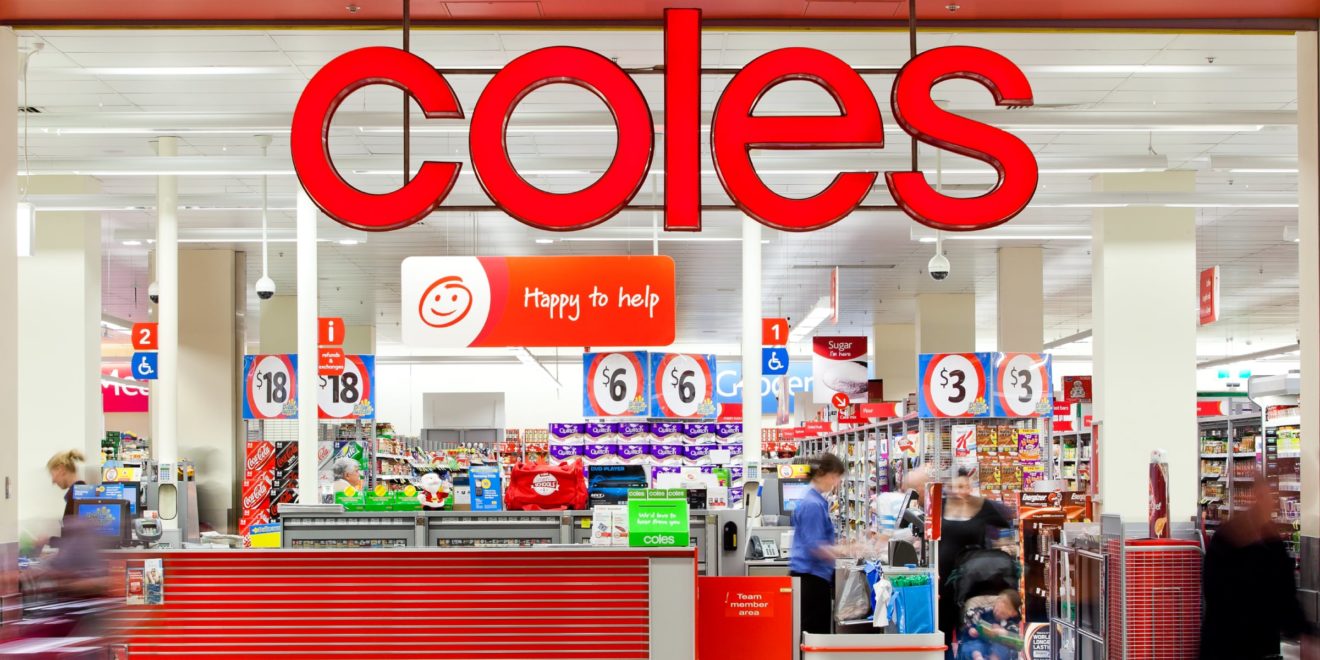
  • Coles’ Profit Dips Amid Ongoing ACCC Pricing Case and Regulatory Disputes

    Coles’ Profit Dips Amid Ongoing ACCC Pricing Case and Regulatory Disputes

    Despite seeing growth in its supermarket division, leading grocery retailer, Coles, has experienced a significant fall in profits, largely due to what has been referred to as the “case of the century”, instigated by the Australian Competition and Consumer Commission (ACCC).

    Profit Decline Amidst Supermarket Growth

    Coles’ after-tax profit for the first half of this financial year saw an 11.3% decline. This happened in spite of a considerable expansion in the company’s supermarket division, where sales, gross margin and earnings before interest and tax (EBIT) all increased. The phenomenal $23.1 billion in revenue from grocery stores contributed to 90 per cent of Coles’ total revenue for the period.

    Liquor Sales Dwindle

    On the contrary to the supermarket division, Coles’ liquor sales witnessed a “subdued” period, according to the company. The segment experienced a 3.2 per cent fall in revenue along with a significant 37 per cent plunge in EBIT.

    Regulatory Disputes Affecting Profits

    Coles’ after-tax profits were substantially impacted by provisions from regulatory disputes. One such dispute involved allegations of the company not adhering to the general retail industry award (GRIA) guidelines in terms of staff remuneration. The Fair Work Ombudsman passed a judgment on this matter on September 5 of the previous year.

    This case, heard in the Federal Court of Australia, along with subsequent settlements, resulted in a staggering $235 million cost to Coles. The company also warned of the “risk” of further payments. The dispute involved 15,011 staff members and led Coles to pay $31 million in remuneration to employees following an internal review.

    Ongoing ACCC Dispute

    In addition to past disputes, Coles is currently faced with an ongoing disagreement with the ACCC. The dispute involves the supermarket’s longstanding “Down Down” promotion which has not yet been resolved.

    Despite the ACCC’s allegations of misleading customers with its discount promotion, Coles maintains its innocence. The company stated that “at least” 245 products are being reviewed, and the financial impact of any outcome remains uncertain.

    Questions & Answers

    What was Coles’ primary source of revenue in the first half of this financial year?
    The primary source of Coles’ revenue was its supermarket division, which contributed to 90% of the company’s total revenue.

    How have regulatory disputes affected Coles’ profits?
    Regulatory disputes have significantly impacted Coles’ after-tax profits. One such dispute resulted in a $235 million cost to the company with the risk of further payments.

    What is the ongoing dispute between Coles and the ACCC about?
    The ongoing dispute between Coles and the ACCC is regarding the supermarket’s longstanding “Down Down” promotion. The ACCC alleges Coles misled customers with this discount promotion, a claim which Coles denies.

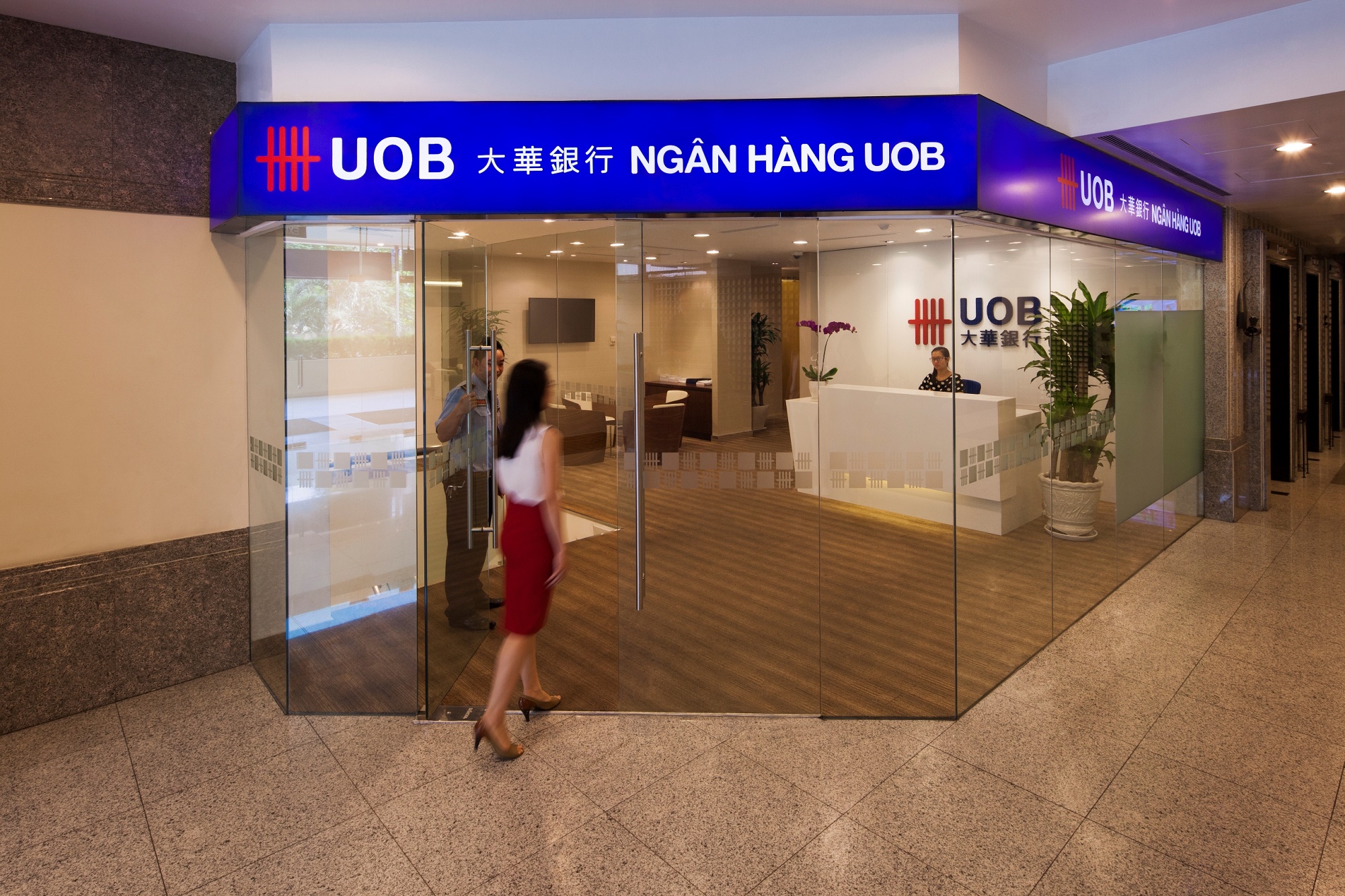
  • UOB Defies Profit Dip to Bestow 6,000 Junior Staff with Surprise Half-Month Salary Bonus

    UOB Defies Profit Dip to Bestow 6,000 Junior Staff with Surprise Half-Month Salary Bonus

    Despite a dip in 2025 net profits, the United Overseas Bank (UOB) of Singapore plans to award approximately 6,000 junior staff members with a half-month base salary payout. This one-time payment aims to recognize their hard work and contributions amidst trying external circumstances.

    A Rewarding Gesture

    UOB intends to distribute these payouts in the second quarter of this year. The total sum of the payouts will amount to roughly S$4 million (US$3.16 million), as disclosed in the bank’s recently released earnings report.

    In the report, UOB also reaffirmed its dedication to uphold a competitive and equitable wage structure for all its employees.

    Financial Performance in 2025

    This generous gesture comes in spite of UOB’s net profit experiencing a 7% year-on-year decline in the fourth quarter, closing at S$1.41 billion. This decrease resulted from margin pressures counterbalancing loan growth.

    For the entire year, UOB’s net profit was recorded at S$4.7 billion, showing a decrease from S$6 billion in 2024. UOB identified the primary cause for this decline as the precautionary general allowances it had allocated in the third quarter, intended to fortify provision coverage in response to increasing macroeconomic uncertainties.

    A critical profitability indicator for the bank, its net interest margin, decreased to 1.89% in 2025, down from 2.03% in the previous year. Simultaneously, net interest income saw a 3% decline, amounting to S$9.36 billion.

    A Trend in Singaporean Banking

    UOB is not the only Singaporean bank showing appreciation for its employees in such a manner. Another prominent bank in the country, DBS, also declared a S$1,000 bonus for its numerous junior employees upon the disclosure of its 2025 earnings earlier this month.

    Questions & Answers

    What is the total amount UOB plans to distribute to its junior staff as a reward?
    UOB plans to distribute around S$4 million (US$3.16 million) among approximately 6,000 junior staff members.

    What caused UOB’s net profit to decrease in 2025?
    The decrease in UOB’s net profit for 2025 is largely attributed to the bank setting aside precautionary general allowances in the third quarter, aimed at bolstering provision coverage due to escalating macroeconomic uncertainties.

    Did other banks in Singapore also provide bonuses for their junior employees?
    Yes, DBS, another prominent bank in Singapore, also announced a S$1,000 bonus for its junior employees when it released its 2025 earnings.

  • Grab Sees Stellar Rebound with First Full-Year Profit, Propelled by Record Q4 Earnings

    Grab Sees Stellar Rebound with First Full-Year Profit, Propelled by Record Q4 Earnings

    Grab Holdings, a Singapore-based technology firm specializing in transportation, food, and e-commerce solutions, has reported a prosperous full-year profit. This marks a significant recovery from the financial deficit experienced in the previous year.

    Strong Financial Performance in 2025

    In the fiscal year of 2025, Grab Holdings generated revenues to the tune of US$3.3 billion and secured profits amounting to $200 million. This powerful comeback effectively eclipsed the previous year’s losses, which stood at $158 million.

    In particular, the fourth quarter of 2025 proved to be a strong period for the company, with earnings totaling $906 million. This figure represents a 19% year-on-year increase.

    Group CEO and co-founder, Anthony Tan, expressed pride in the company’s performance. “We concluded 2025 on a high note, posting our first full year of net profit and surpassing 50 million monthly transacting users,” he said.

    Looking ahead, Tan affirmed plans to maintain this positive trajectory. “Our strategy for the coming years revolves around expanding our market reach through increased affordability and reliability. We also intend to leverage product-led innovations to enhance ecosystem engagement and boost user lifetime values.”

    Growth Across Various Segments

    The company’s robust financial performance was driven by growth across several business segments. Revenues from deliveries increased by 18% year-on-year, while mobility revenues witnessed a 15% growth.

    Peter Oey, CFO of Grab, voiced optimism about the company’s long-term financial prospects, citing the strong foundation built thus far. “We forecast generating $1.5 billion in Adjusted EBITDA with an Adjusted Free Cash Flow conversion of 80% by 2028. This positions us well to accelerate our platform ambitions while maximizing shareholder value,” he stated.

    $500 Million Share Buyback Program

    Reaffirming its commitment to shareholders, Grab Holdings has unveiled a $500 million share buyback program.

    Questions & Answers

    What was Grab Holdings’ financial performance in 2025?
    Grab Holdings reported revenues of US$3.3 billion and a profit of $200 million in 2025.

    What strategies does Grab Holdings plan to implement moving forward?
    Grab intends to expand its market reach through increased affordability and reliability and plans to leverage product-led innovations to enhance ecosystem engagement and boost user lifetime values.

    What does Grab Holdings’ share buyback program entail?
    Grab Holdings has announced a $500 million share buyback program as part of its commitment to providing shareholder value.

  • DBS Shatters Records with Pre-Tax Profit Surge Despite Global Tax Impact

    DBS Shatters Records with Pre-Tax Profit Surge Despite Global Tax Impact

    DBS, a Singapore-based bank, has reported a record pre-tax profit despite the overall net profit experiencing a decrease due to the institution of the new global minimum tax.

    In the year 2025, DBS reported a 3% decline in net profit, amounting to S$11 billion ($8.7 billion). However, the bank’s return on equity and return on tangible equity saw growth, reaching 16.2% and 17.8% respectively.

    Growth in Total Income

    DBS also demonstrated a rise in total income by 3% to a record S$22.9 billion. Key factors contributing to this increase included fee income and treasury customer sales. The bank’s wealth management sector lead the way in these gains, and the markets trading income was the highest observed since 2021. Notably, the cost-income ratio maintained stability at 40%.

    Influence of the Global Minimum Tax

    When considering the impact of the recently introduced global minimum tax of 15%, the bank’s pre-tax profit was slightly higher, reaching an all-time high of S$13.1 billion.

    DBS CEO, Tan Su Shan, expressed confidence in the bank’s performance. He emphasized the bank’s adaptability in capturing market opportunities and meeting client needs as crucial to its successful performance. With ongoing rate pressures and geopolitical tensions, he acknowledged these challenges but was optimistic about the bank’s strong balance sheet and the quality of its franchise to provide a stable foundation for the coming year.

    Questions & Answers

    What were DBS’s net profits for 2025?
    DBS reported a 3% decline in net profits for the year 2025, amounting to S$11 billion ($8.7 billion).

    What contributed to the growth in the bank’s total income?
    The growth in the bank’s total income was largely due to fee income and treasury customer sales, particularly from the wealth management sector.

    What is DBS CEO’s outlook for the coming year?
    Despite acknowledging ongoing rate pressures and geopolitical tensions, DBS CEO, Tan Su Shan, remains optimistic about the bank’s strong balance sheet and the quality of its franchise as a solid foundation for the future.

  • Riding the Retail Wave: SM Investments Sees Profit Surge Despite Weather Challenges

    Riding the Retail Wave: SM Investments Sees Profit Surge Despite Weather Challenges

    SM Investments, a conglomerate with operations in retail, banking, and property, experienced solid retail sales during the first three quarters of the year. These robust sales contributed to a consolidated net income of US$1.09 billion, a 6% rise compared to the same period in the previous year.

    The Impact of Weather Disruptions

    Despite significant weather disturbances in the Philippines, the company maintained steady performance. Frederic DyBuncio, President, and CEO of SM Investments remarked on the resilience of the company. He said, “In the face of adversities such as severe weather and flooding, our businesses have demonstrated sustained financial performance.”

    Income Breakdown

    Banking was the predominant contributor to SM Investments’ net income, accounting for 50% of the total. This was followed by property at 28%, retail at 15%, and portfolio investments at 7%.

    SM Retail’s Performance

    SM Retail disclosed a net income of $206.78 million, marginally lower than the $216.95 million recorded last year. Despite this slight dip, revenues grew by 5% to reach $5.39 billion. As a result, consolidated revenues climbed 4% to $8.17 billion.

    Consumer Behavior Shifts

    DyBuncio highlighted changes in consumer expenditure patterns as a factor impacting quarter-to-quarter comparisons. He explained that the earlier start of the school year in June shifted some expenditures from the third quarter to the second. Despite this shift, there was growth in niche retail spending, particularly in health and beauty, fashion, and kids categories. Essential spending also continued to bolster growth in food retail.

    Category Performance

    In terms of categories, department stores recorded a 3% revenue growth in fashion and children’s items. Food retail saw a 7% surge, largely attributable to store expansions. Specialty retail grew by 4%, driven mainly by increased demand in children’s and home categories.

    DyBuncio expressed confidence in the company’s outlook despite external challenges, declaring, “While external factors may impact the overall economic growth, we remain positive as we head into the fourth quarter.”

    Questions & Answers

    What was the significant factor contributing to SM Investments’ net income?
    Banking was the main contributor, accounting for 50% of the total net income.

    What consumer behavior change affected SM Investments’ quarterly comparison?
    The shift in school opening from the third to the second quarter caused some changes in consumer spending patterns.

    Which categories demonstrated notable growth in SM Investments’ retail sector?
    There was notable growth in specialty retail spending, particularly in health and beauty, fashion, and kids categories, as well as in food retail due to store expansions.

  • Rakuten Shatters Records with Stellar Q3 Performance: Returns to Profit After Six-Year Hiatus

    Rakuten Shatters Records with Stellar Q3 Performance: Returns to Profit After Six-Year Hiatus

    After a six-year hiatus, Rakuten, a well-known e-commerce platform in Japan, has made a successful return to profitability. This significant achievement is attributed to the consistent growth seen across all primary business sectors and an all-time high revenue figure reported in the third quarter.

    During this year’s third quarter, Rakuten’s consolidated revenue saw an increase of 10.9% compared to the previous year, hitting a milestone of US$4 billion. This marks the highest level of Q3 revenue ever reported by the company.

    In terms of EBITDA (Earnings Before Interest, Taxes, Depreciation, and Amortisation), Rakuten reported a record-breaking figure of $767 million. The company also managed to generate $8 million in operating profits throughout the first nine months of this fiscal year.

    Rakuten’s domestic e-commerce wing recorded a 14.5% increase in gross merchandise sales, amounting to $11 billion. This increase was primarily fuelled by a sustained demand for services.

    The company’s International business unit also reported favourable figures. Its revenue increased by 5.4% year on year, reaching $486.9 million, and its operating income rose sharply by 78.8% to $4.2 million.

    Several factors contributed to this growth, including increased sales of devices and content through Rakuten Kobo, a spike in communications and advertising revenue from Rakuten Viber, and a decrease in losses in the international advertising business.

    Rakuten’s improved financial stability and better credit metrics have positively impacted its rating outlook. The firm’s objective is to further improve its credit while maintaining medium-term financial stability. As explained by the company, its strategy involves building a stable financial base and enhancing its corporate value through cautious capital allocation.

    Questions & Answers

    What led to Rakuten’s return to operating profit after six years?
    Rakuten’s return to profitability can be attributed to the consistent growth across all major business sectors and record-breaking revenue in the third quarter of this fiscal year.

    What factors contributed to the company’s growth?
    The growth was due to increased sales of devices and content through Rakuten Kobo, higher communications and advertising revenue from Rakuten Viber, and a decrease in losses in the international advertising business.

    What is Rakuten’s strategy for maintaining its financial stability?
    Rakuten plans to maintain its financial stability by enhancing its credit further, constructing a stable financial base, and increasing corporate value through judicious capital allocation.

  • Singtel Celebrates 14% Profit Leap: A Triumph of Regional Growth and Strategic Investments

    Singtel Celebrates 14% Profit Leap: A Triumph of Regional Growth and Strategic Investments

    The Singtel Group has reported a 14% increase in underlying net profit, reaching SGD 1.35 billion in the first half of the year. This growth has been mainly driven by regional associates Airtel and AIS, as well as operating companies NCS and Optus.

    Profit Increase Despite Economic Challenges

    Neglecting the impact of foreign currency fluctuations and contributions from Intouch, which concluded after its merger with Gulf, the underlying net profit would have increased by 22%. The net profit rose to SGD 3.40 billion, largely as a result of a net exceptional gain of SGD 2.05 billion from the partial sale of a stake in Airtel in May and the Intouch-Gulf merger.

    Operating revenue declined by 1.2% to SGD 6.91 billion, which was affected by the strong Singapore dollar. However, in constant currency terms, the Group’s operating revenue, EBITDA, and operating company EBIT would have increased by 1.9%, 4.9%, and 14%, respectively.

    CEO Insights

    Yuen Kuan Moon, Singtel Group CEO, stated that the group’s H1 results reflect the positive momentum across their diversified portfolio of businesses across the region. They have continued to drive growth in connectivity, digital services, and digital infrastructure and also unlocked value from their asset recycling efforts as they executed their Singtel28 plan.

    Despite the challenging macroeconomic outlook, and uncertainty surrounding the Optus business, Yuen believes their business and geographical diversity is providing stability to the Group’s performance. He expects their growth engines to change the business’s complexion in the mid term as they continue to scale.

    Plan Execution and Active Capital Management

    Since launching the Singtel28 plan, the Group’s active capital management has generated SGD 5.6 billion in proceeds, including SGD 1.5 billion from the recent divestment of a 0.8% stake in Airtel. The Group has achieved more than half of its new SGD 9 billion mid-term asset recycling target, which will be used to fund growth opportunities and provide returns to shareholders.

    The Group’s balance sheet remains strong, with a cash balance of SGD 3.4 billion as of September 2025, helping reduce net debt to SGD 8.7 billion and improve gearing ratios.

    Regional Associates’ Contributions

    The profit contributions from regional associates post-tax increased by 12% to SGD 0.92 billion. Excluding Intouch and considering constant currency terms, these contributions would have risen by 25%.

    Airtel Group saw solid earnings growth in both India and Africa due to effective execution and higher mobile tariffs, while AIS reported stronger profits due to revenue growth and effective cost management. However, Telkomsel’s performance was impacted by weaker mobile performance, a capital gain from the sale and leaseback of indoor infrastructure in the previous period, and higher interest expenses. Globe’s earnings also declined due to weak consumer spending.

    Questions & Answers

    What is the overall financial status of Singtel Group?
    Singtel Group has reported a 14% increase in underlying net profit, reaching SGD 1.35 billion in the first half of the year.

    What were the main contributors to Singtel Group’s growth?
    The growth was mainly driven by regional associates Airtel and AIS, as well as operating companies NCS and Optus.

    What does the Group’s CEO, Yuen Kuan Moon, attribute the positive results to?
    Yuen attributes the positive results to the group’s diversified portfolio of businesses across the region and active capital management as part of the Singtel28 plan. The plan has generated SGD 5.6 billion in proceeds, contributing to the reduction of net debt and improvement of gearing ratios.