Retail News CRM

Tag: profit

  • Global Expansion Fuels 41% Profit Surge for Korean Beauty Mogul, Amorepacific

    Global Expansion Fuels 41% Profit Surge for Korean Beauty Mogul, Amorepacific

    Amorepacific, a renowned South Korean health and beauty conglomerate, has reported robust results for the third quarter. The company attributes this success to the global expansion of its primary beauty brands.

    For the quarter that concluded in September, the consolidated revenue witnessed a 4% increase year on year, reaching US$752 million, whereas the operating profit experienced a significant surge of 41%, amounting to $71 million.

    Domestic Market Performance

    The domestic market also performed well, presenting a 4% increase in revenue and a 24% rise in operating profit. The company credits this rise to increased sales across various channels such as online platforms, department stores, multi-brand shops, and duty-free and cross-border platforms.

    International Market Performance

    Internationally, the company saw a 3% growth in revenue and an impressive 73% leap in operating profit. This growth is seen as a result of the company’s consistent expansion efforts in global markets.

    Brand Performances

    In terms of individual brands, Innisfree topped with a revenue of $338.6 million. This was closely followed by Etude with a revenue of $192.4 million, Amos Professional at $138.7 million, Osulloc at $185.6 million, and Espoir at $129.2 million.

    The company stated, “The robust performance of our flagship brands, coupled with continued efficiency measures, has allowed us to bolster both growth and profitability across markets.”

    Questions & Answers

    What is the key factor behind Amorepacific’s robust Q3 results?
    The company attributes its solid Q3 performance to the global expansion of its main beauty brands.

    Which brand performed the best in terms of revenue?
    Innisfree topped the chart with a revenue of $338.6 million.

    How did the company perform in the domestic and international markets?
    Amorepacific saw a 4% increase in domestic revenue and a 3% growth in international revenue. The operating profit rose 24% domestically and jumped 73% internationally.

  • OCBC Maintains Steady Q3 Profit Amid Lower Interest Income: A Balance Sheet Analysis

    OCBC Maintains Steady Q3 Profit Amid Lower Interest Income: A Balance Sheet Analysis

    OCBC, the Singapore-based banking corporation, has reported that its profits remained stable in the third quarter of 2025. The bank’s net earnings for the period matched the previous year’s figures, standing at approximately S$2 billion ($1.5 billion).

    Income and Expenditure Details

    The results showed that the bank’s non-interest income experienced a growth of 15 percent. It rose to S$1.6 billion, an increase driven by diversified earnings from fees, trading, and insurance. However, this upturn was balanced out by a drop in net interest income. Lowered by 9 percent due to contracting margins in a weakening interest rate environment, the net interest income fell to S$2.2 billion.

    The report also indicated a rise in operating costs, with an increase of 4 percent taking total expenses to S$1.5 billion.

    Year-To-Date Profits

    Considering the performance over the year to date, the bank’s net profit is reported to be S$5.7 billion. This signifies a decrease of 4 percent, indicating a drop in earnings from previous periods.

    Future Outlook

    Looking forward, the prospects appear challenging due to the dynamic policy environment and geopolitical tensions. Despite these complexities, OCBC’s strong balance sheet and robust capital position provide the flexibility to navigate these uncertain times. In the words of OCBC group CEO Helen Wong, their solid financial standing allows them to manage risks while continuing to serve their customers and invest in future growth.

    Questions & Answers

    What is the reported net profit of OCBC for the third quarter of 2025?
    The bank reported a net profit of S$2 billion, which is equivalent to $1.5 billion.

    How do changing dynamics in the policy environment and geopolitical tensions affect OCBC’s future prospects?
    These factors complicate the external environment, creating potential risks. However, OCBC’s robust capital position and strong balance sheet provide the flexibility to manage these uncertainties.

    What factors contributed to the 15 percent growth in OCBC’s non-interest income?
    The growth is attributed to diversified earnings from fees, trading, and insurance income.

  • Amazon’s Q3 Profit Skyrockets, Thanks to Cloud Services and AI-Driven Sales Boost

    Amazon’s Q3 Profit Skyrockets, Thanks to Cloud Services and AI-Driven Sales Boost

    Amazon recently announced robust profit growth for the third quarter, showing sustained double-digit growth due to advancements across the company.

    Strong Sales and Revenue Growth

    The net income for the quarter ending on September 30 experienced a 13% increase, reaching a total of $180.2 billion. Sales in North America grew by 11%, while international sales saw a 14% rise. AWS sales also experienced substantial growth, increasing by 20%.

    According to CEO Andy Jassy, Amazon’s sustained momentum and growth during this quarter can be attributed to the meaningful improvements brought about by AI across all aspects of the business. “AWS is growing at a rate we haven’t seen since 2022. We are witnessing strong demand in AI and core infrastructure, and our focus has been on boosting capacity,” Jassy remarked.

    Key Business Developments

    The most notable achievement for Amazon this quarter was its ability to sustain the high momentum from the last reporting period. This was driven by broad developments across all business areas, which included a 16.3% increase in service revenue and a 9.6% rise in product sales.

    Despite a $2.5 billion legal settlement with the FTC and severance fees related to layoffs, net income increased by 38.2% to $21.2 billion. However, these extra costs resulted in flat operating income growth. Excluding these costs, operating income would have seen a 24.6% rise.

    The 30.2% growth in technology and infrastructure costs signified Amazon’s increased investment in areas like fulfillment and technology, despite its current success. While these investments are critical to foster new growth avenues and maintain competitive sharpness, there is a need for increased efficiency, which is being partially achieved through the elimination of certain roles and corporate hierarchy streamlining.

    Robust Retail Business

    Amazon’s retail business continues to exhibit strong growth, fueled by the ongoing expansion of fast delivery services into more rural areas and the competitive pricing and convenience of household essentials.

    Considering the broader Amazon ecosystem, the increasing sophistication of seller services is helping drive fee revenue and push up advertising sales, while also ensuring one of the widest possible selections for shoppers.

    For the fourth quarter, the company projects net sales to grow between 10% and 13%. Operating income is expected to range from $21.0 billion to $26.0 billion, compared to the $21.2 billion from the previous year.

    As Amazon looks to the future, potential for growth remains. The company is well-positioned to leverage AI more effectively to personalize customer journeys and decision making, and to drive efficiency savings in operations and logistics.

    Questions & Answers

    What led to Amazon’s growth in the third quarter?
    Amazon’s growth in the third quarter was primarily due to improvements across the business, driven by AI and broad advances in all business areas.

    What challenges did Amazon face in its operations this quarter?
    Operational challenges for Amazon this quarter included a $2.5 billion legal settlement with the FTC and severance fees related to layoffs, which affected operating income growth.

    What are Amazon’s plans and expectations for the fourth quarter?
    Amazon expects net sales to grow between 10% and 13% in the fourth quarter, with operating income estimated to be between $21.0 billion and $26.0 billion.

  • Standard Chartered Gears Up for Early RoTE Target Triumph Amid Q3 Profit Surge

    Standard Chartered Gears Up for Early RoTE Target Triumph Amid Q3 Profit Surge

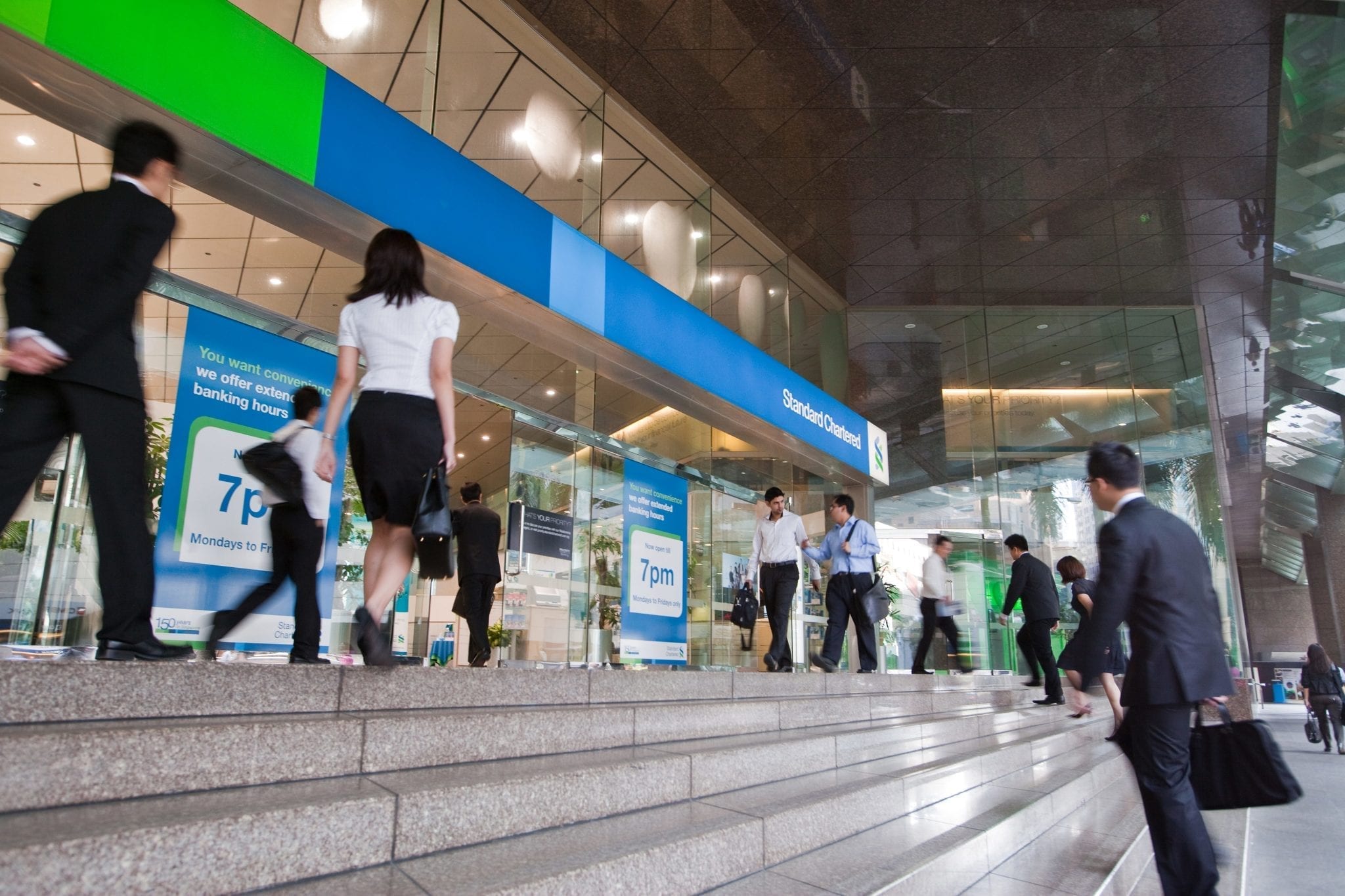
    Following a prosperous third quarter, Standard Chartered Bank, noted for its focus on emerging markets, has reported a rise in profits. The bank now anticipates meeting its return on tangible equity (RoTE) goal ahead of its original schedule by one year.

    Financial Success in Q3

    Standard Chartered’s pre-tax profit for the third quarter of 2025 saw a 10% increase from the previous year, growing to just shy of $2 billion. This is according to the bank’s own recently released financial results.

    An increase of 5% was also noted in operating income, reaching $5.1 billion. Simultaneously, net interest income fell by 1% to $2.7 billion. However, non-interest income demonstrated a significant climb of 12% to $2.4 billion. The majority of this remarkable growth can be attributed to a record-breaking quarter experienced by wealth solutions, in conjunction with global banking. These sectors witnessed respective income growth of 27% and 23%. Meanwhile, operating expenses rose by 4% to $3 billion as a result of strategic investments intended to stimulate business development. Efficiency-related savings helped to partially offset this increase.

    The bank’s year-to-date pre-tax profit similarly displayed a promising trend, increasing by 16% to approximately $6.7 billion.

    Upward Revision of Projections

    Given these promising outcomes, Standard Chartered has revised its projections upwards. The bank now expects its operating income to demonstrate a compound annual growth rate of 5-7% from 2023 to 2026. Notably, the year 2025 is predicted to reach the upper end of this bracket, barring any remarkable items. This represents a shift from the bank’s previous forecast, which placed expectations towards the lower end of the range.

    In addition to these adjustments, the bank has also forecasted that its return on tangible equity (RoTE) will stand at roughly 13% in 2025. This indicates that the bank is on track to achieve its target one year sooner than initially planned.

    Strategic Focus Leads to Growth

    Standard Chartered’s CEO, Bill Winters, commented on the financial results, stating that the progress seen was widely distributed. However, he attributed a significant proportion of the bank’s success to a refined strategic focus on meeting the cross-border and affluent banking requirements of their clients. This stance has shown fruitful results, with substantial double-digit growth being observed in Wealth Solutions and Global Banking. There is also positive momentum in the bank’s Global Markets flow business.

    Questions & Answers

    What has led to Standard Chartered’s increase in profits in Q3?
    Standard Chartered saw a rise in profits due largely to a record-breaking quarter in wealth solutions and global banking, leading to a 10% increase in pre-tax profit for Q3.

    How has the bank revised its future projections?
    Standard Chartered now expects its operating income to demonstrate a compound annual growth rate of 5-7% from 2023 to 2026, with its return on tangible equity (RoTE) estimated to be approximately 13% in 2025.

    What strategic focus does CEO Bill Winters believe is paying off?
    Winters attributes the bank’s recent success to a strategic focus on meeting the cross-border and affluent banking needs of their clients. This has led to substantial growth in the Wealth Solutions and Global Banking sectors.

  • Adidas Announces Record-breaking Third Quarter Revenue And Upgraded Full-year Profit Projection

    Adidas Announces Record-breaking Third Quarter Revenue And Upgraded Full-year Profit Projection

    Adidas, the renowned sportswear brand, recently announced a significant increase in their revenue for the third quarter. This surge was widespread, affecting all markets, categories, and channels.

    For the third quarter, the company’s total revenue skyrocketed to approximately €6.63 billion (US$7.7 billion), marking the highest third-quarter revenue ever for the company. This was primarily due to a 12% growth in the Adidas brand.

    The company pointed out that the impressive third-quarter results did not include revenue from Yeezy. This is because Adidas had successfully sold off the remainder of their Yeezy inventory at the end of the previous year.

    The gross margin for Adidas saw a slight but notable increase, improving by 0.5 percentage points to 51.8%. Additionally, the operating profit rose to €736 million, marking an increase from the €598 million recorded during the same period the previous year.

    Adidas’ CEO, Bjørn Gulden, expressed his pride in the company’s accomplishments during the third quarter. He mentioned, “Our teams delivered record revenues during a period of global volatility marked by tariff hikes in the US and widespread uncertainty among retailers and consumers. Despite these challenges, our brand and products continue to resonate well with consumers.”

    In light of these positive developments in the third quarter, Adidas has revised its full-year operating profit forecast. The company now expects its operating profit to increase to approximately €2 billion. This is a significant upgrade from their previous projection, which ranged between €1.7 billion and €1.8 billion.

    The improved forecast is a testament to the continuing momentum of the Adidas brand. It also acknowledges the company’s better-than-anticipated business performance and its successful efforts to partially offset the additional costs incurred due to increased US tariffs.

    As far as revenue is concerned, Adidas maintains its expectation of achieving double-digit currency-neutral growth for the year.

    Questions & Answers

    What was Adidas’ total revenue for the third quarter?
    Adidas reported a total third-quarter revenue of approximately €6.63 billion (US$7.7 billion), marking its highest ever for the quarter.

    What are the factors attributed to Adidas’ improved full-year operating profit outlook?
    The revised outlook reflects the continuous momentum of the Adidas brand, better-than-expected business performance, and the company’s successful efforts to partially offset additional costs due to increased US tariffs.

    What is Adidas’ expectation for revenue growth for the year?
    Adidas continues to expect double-digit currency-neutral growth for the year’s revenue.

  • H&M Reports 40% Surge In Operating Profit Despite Market Uncertainties And Outlet Reduction

    H&M Reports 40% Surge In Operating Profit Despite Market Uncertainties And Outlet Reduction

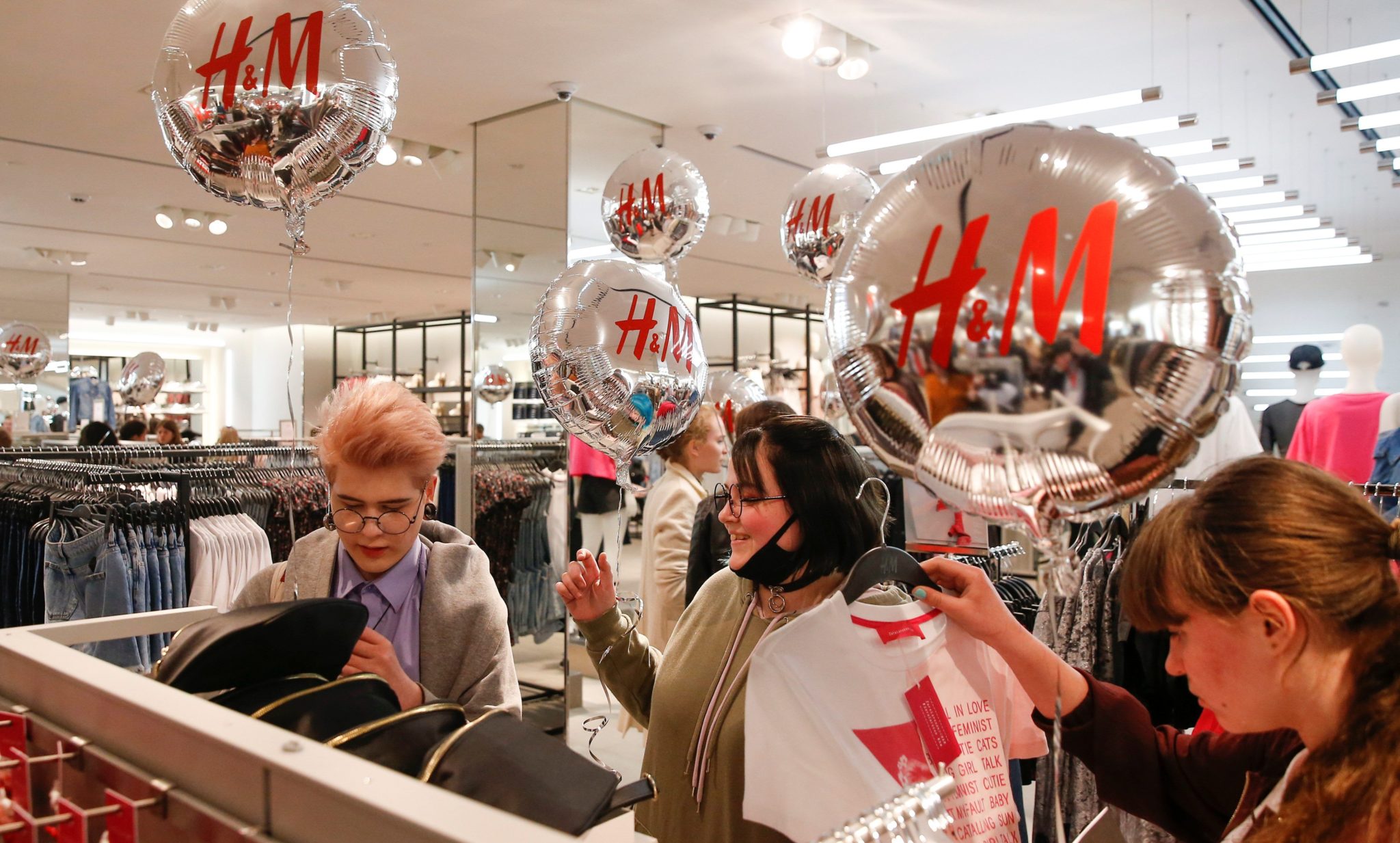
    In the third quarter of this year, Swedish fashion conglomerate H&M reported an operating profit increase of 40% to US$523 million, with its operating margin escalating from 5.9% to 8.6%.

    Key Factors driving the Increase

    The company attributed the favorable performance to enhanced customer offerings, better gross margin, and effective cost control. The company’s gross profit reached US$3.19 billion, with the gross margin rising to 52.9%, a substantial increase from the 51.1% recorded in the same period the previous year.

    Despite a 4% decrease in the number of outlets, H&M still managed to boost its sales in local currencies by 2% compared to the same timeframe last year. Nonetheless, the company’s net sales dropped slightly from US$6.24 billion to US$6.03 billion, a decrease largely influenced by a currency translation effect on the SEK.

    Company’s Strategy amidst Uncertainty

    H&M CEO Daniel Erver acknowledged the ongoing market uncertainty and the cautious consumer behavior it has bred. Despite these challenges, Erver emphasized the company’s unwavering focus on improving its customer offerings and maintaining value for money. Erver believes that the company’s strong culture, combined with effective cost control and flexibility, provides a stable foundation for achieving long-term, profitable, and sustainable growth in an increasingly complex environment. The company remains committed to its ambitious sustainability goals.

    Expansion and Digital Transformation

    H&M marked its entry into the Brazilian market in August by launching its first physical and online stores. The company also opened a new flagship store in Paris’ Le Marais, featuring a curated selection and a novel interior design concept. As part of its global strategy, H&M introduced its revamped digital store earlier this year. The brand is focused on upgrading a significant portion of its physical stores by improving layouts, presentations, and incorporating technology to elevate the customer experience.

    Questions & Answers

    What factors contributed to H&M’s increase in operating profit?
    Enhancements in customer offerings, improved gross margin, and effective cost control led to an increase in H&M’s operating profit.

    How is H&M adapting to the ongoing market uncertainty?
    Despite market uncertainties, H&M is focusing on its customer offerings and maintaining value for money. The company aims to leverage its strong culture, effective cost control, and flexibility to achieve long-term, sustainable growth.

    What are H&M’s recent expansion and digital transformation initiatives?
    H&M recently entered the Brazilian market with both physical and online stores. The company has also launched an upgraded digital store and is working on improving the layouts, presentations, and in-store technology at many of its global outlets.

  • Chagee’s Revenue Soars Amid Expansion, Despite Significant Profit Dip

    Chagee’s Revenue Soars Amid Expansion, Despite Significant Profit Dip

    The second quarter of the financial year saw Chinese milk tea chain Chagee experiencing a double-digit increase in revenue, largely due to its network expansion. However, this growth was accompanied by a notable drop in profit.

    Financial Highlights

    Chagee, which is listed on Nasdaq, recorded a 10.5 per cent rise in net revenues to RMB3.331 billion (US$465.1 million) for the quarter ending on June 30. The company’s teahouse network witnessed substantial growth of 40 per cent, reaching 7038 locations.

    The total gross merchandise value (GMV) also saw an increase, rising by 15.5 per cent to RMB8.103.1 billion. The GMV in overseas markets experienced a significant surge of 77 per cent. However, the same-store GMV witnessed a downturn, falling by 23 per cent following a 38 per cent growth in the same period last year.

    Chagee’s GAAP net income saw a steep decrease of 87.7 per cent to RMB77.2 million. However, the non-GAAP net income, which factors in share-based compensation expenses amounting to RMB552.5 million, saw a marginal rise of 0.1 per cent to RMB629.8 million.

    Leadership Changes and Future Plans

    During the same quarter, Chagee made key leadership appointments to boost its expansion capabilities in North America. These included the appointment of Emily Chang as the Chief Commercial Officer and Aaron Harris as the Chief Development Officer for the region.

    Company management is optimistic about its comprehensive international expansion strategy. This strategy is expected to set the company on a path of sustainable growth. There are proactive strategies already in place for key regions like Indonesia, Thailand, and North America. Additionally, the company has plans to venture into Japan and Korea in the coming year.

    Questions & Answers

    What changes were observed in Chagee’s revenue and profit in the second quarter?
    Chagee witnessed a double-digit rise in revenue, largely due to the expansion of its network. However, its profit saw a significant drop.

    What significant appointments were made by Chagee in the second quarter?
    Chagee appointed Emily Chang as the Chief Commercial Officer and Aaron Harris as the Chief Development Officer for the North American region.

    What are the company’s future expansion plans?
    Management has comprehensive international expansion strategies in place. There are plans for expansion in key regions including Indonesia, Thailand, and North America, and the company intends to enter the Japanese and Korean markets next year.

  • Lovisa Reports Record Sales And Profit Growth Amid Accelerated Global Expansion

    Lovisa Reports Record Sales And Profit Growth Amid Accelerated Global Expansion

    Lovisa, the popular jewelry chain, reported significant growth in its sales and profit in the past fiscal year, alongside an accelerated expansion program.

    Revenue and Sales Growth

    Lovisa’s revenue for the fiscal year, ending June 29, experienced a 14.2% surge, reaching A$798.1 million. This increase was primarily due to the persistent expansion of the store network. During the year, Lovisa launched 162 new stores, wrapping up the year with a total of 1,031 stores across over 50 markets. A noteworthy milestone was the opening of its first store in Zambia and the establishment of three new franchise markets in Ivory Coast, the Republic of Congo, and Panama.

    Comparable store sales also saw a growth of 1.7%, showing a marked improvement in the second half of the year, following a relatively stagnant first half.

    Profit Increase

    Lovisa also reported a significant rise in its earnings and net profit. Earnings before interest tax saw a hike of 8.2%, reaching $138.7 million while the net profit after tax rose by 4.8%, amounting to $86.3 million.

    Lovisa’s global CEO, John Cheston, remarked on the company’s consistent performance, highlighting its impressive gross margin performance and the acceleration of store rollouts in the second half of the fiscal year. Cheston expressed his eagerness to continue prioritizing affordable, high-quality fashion jewelry.

    Outlook for the New Fiscal Year

    In the initial eight weeks of the new fiscal year, Lovisa reported a 28% total sales increase and a 5.6% rise in comparable sales, along with the addition of 10 new stores. The company intends to keep expanding both its physical and digital store networks, with strategic plans to foster growth in both existing and new markets.

    Questions & Answers

    What contributed to Lovisa’s significant growth in the past fiscal year?
    Lovisa’s growth was primarily driven by the continued expansion of its store network, with 162 new stores opened during the year.

    What were the earnings and net profit for Lovisa in the last fiscal year?
    The earnings before interest tax rose 8.2% to $138.7 million and the net profit after tax increased by 4.8% to $86.3 million.

    What are Lovisa’s plans for the new fiscal year?
    Lovisa plans to continue expanding its physical and digital store networks, with strategies in place to drive growth in existing and new markets.

  • Meituan’s Profit Plummets Amid Intense Competition In China’s ‘instant Retail’ Sector

    Meituan’s Profit Plummets Amid Intense Competition In China’s ‘instant Retail’ Sector

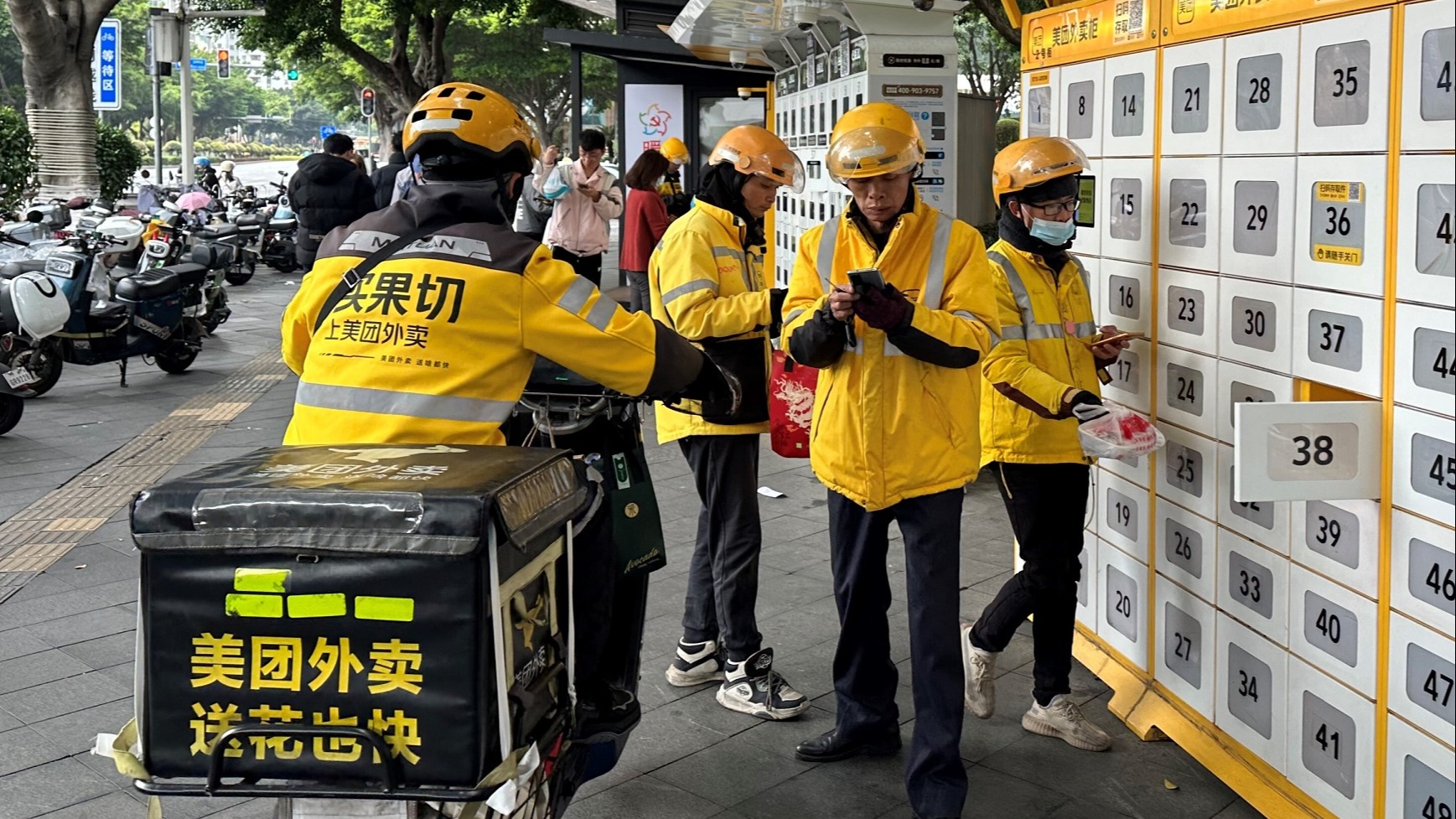
    Meituan, China’s top food delivery company, has reported an 89 per cent decrease in its net profit during the second quarter. The company attributes this major drop to escalating competition in the ‘instant retail’ sector, which specializes in delivering goods within an hour.

    Meituan boasts almost 70 per cent of China’s delivery market. However, the company has expressed concerns that maintaining this dominance will prove costly. The fierce competition is putting the company’s profit margins under significant pressure, at least in the short term. This has led to a fall in the company’s shares, which have declined by over 20 per cent this year.

    The Battle for Market Dominance

    According to analysts, the food delivery sector in China is now in the middle of a full-blown delivery war in which Meituan cannot afford to be defeated. They expect the intensity of the subsidy to gradually decrease after the third quarter. The focus will then shift towards unit economic discipline in the coming year.

    In addition to delivering food, Meituan offers services ranging from bike-sharing to ticket-booking and map services. The company’s CEO, Wang Xing, acknowledges the intense competition, emphasizing that the company will continue to prioritize doing the right things such as ensuring quality selection, competitive pricing, superior service, and prompt delivery.

    New Competitors and Regulatory Challenges

    This year, online retailer JD made its move against Meituan’s attempt to expand beyond meals by aggressively entering the food delivery business, which is Meituan’s core operation. Alibaba, which operates Ele.me, the second-largest food delivery app, also increased its investment in instant retail. Both JD and Alibaba have promised billions of yuan in subsidies to increase sales.

    Future challenges may arise from regulatory adjustments. Chinese authorities are planning to implement new rules for pricing following complaints from merchants and customers about misleading or unfair pricing on major internet platforms. Meituan, alongside Alibaba and JD, released statements last month committing to end price wars. However, Wang Xing has stated that they will stand their ground and defend their market position as the competition becomes even more intense.

    Despite the heightened competition in China, Meituan is broadening its horizons with overseas expansion. The company has boosted the global presence of its Keeta app in Hong Kong, Qatar, and Saudi Arabia. They have also made a significant investment of US$1 billion in Brazil.

    Questions & Answers

    What factors contributed to Meituan’s drop in net profit during the second quarter?
    The 89 per cent drop in Meituan’s net profit was primarily due to increased competition in China’s ‘instant retail’ sector.

    How is Meituan responding to the increasing competition in the market?
    Meituan’s strategy focuses on doing the right things such as ensuring quality selection, competitive pricing, superior service, and prompt delivery. They have also committed to ending price wars.

    What plans does Meituan have for international expansion?
    Meituan has expanded its Keeta app to markets in Hong Kong, Qatar, and Saudi Arabia. The company has also invested US$1 billion in Brazil.

  • Miniso’s sales soar 23 per cent in second quarter, but profit shrinks

    Miniso’s sales soar 23 per cent in second quarter, but profit shrinks

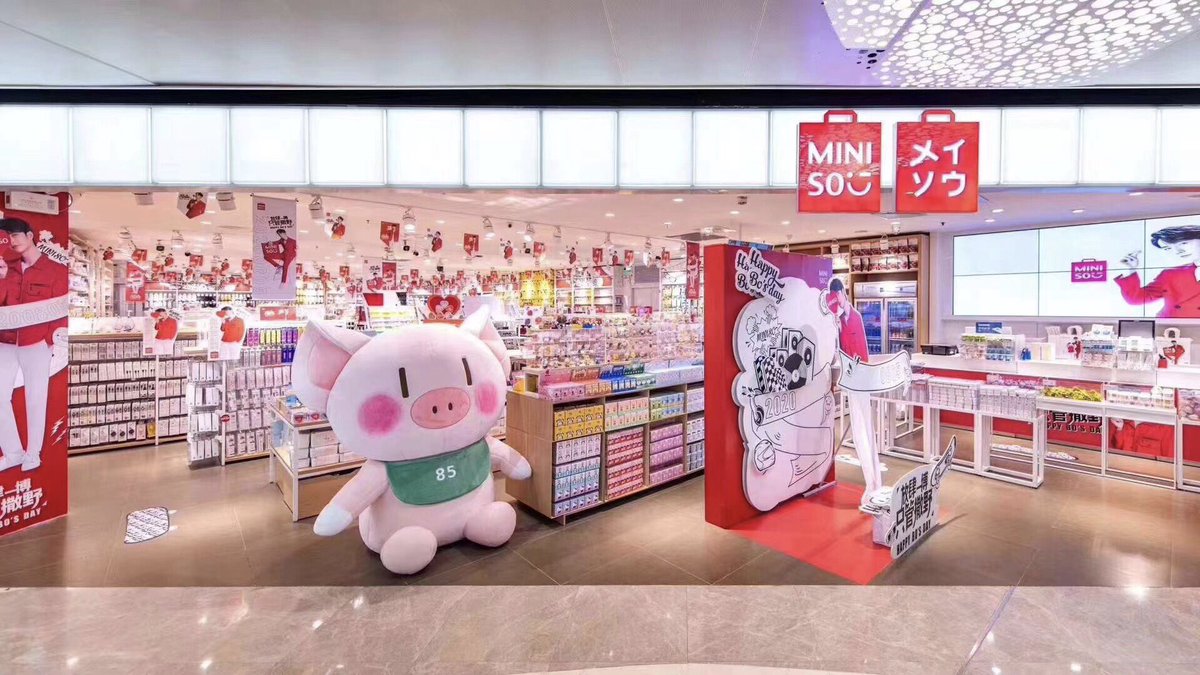
    The retail conglomerate, Miniso, posted a decrease in profits despite its sales increasing by a double-digit percentage in the second quarter.

    Revenue Growth

    Miniso’s revenue for the quarter ending June 30th saw a massive increase of 23.1%, amounting to approximately USD 693.2 million. The retailer has various brands under its umbrella, including Miniso and Top Toy. Miniso’s revenue witnessed a rise of 19.5%, amounting to USD 637 million. This growth included a 13.6% increase in Mainland China and a 28.6% growth in international markets. Top Toy’s revenue surged by 87% to USD 56.1 million.

    Same-Store Gross Merchandise Value

    The same-store gross merchandise value (GMV) of Miniso remained steady, backed by a small growth in mainland China and a slight decline in international markets. However, Top Toy’s same-store GMV registered minor growth.

    Strategic Financing

    Miniso highlighted that Top Toy had finalized strategic financing by Temasek recently, resulting in a post-valuation of approximately USD 1.28 billion.

    Operating Income and Profit

    Although the operating income rose by 11.3% to USD 116.7 million, the profits fell from USD 82.4 million in the same period last year to USD 68.3 million.

    For the first half of the year, revenue grew by 21% to USD 1.3 billion. This rise included an 18% increase in Miniso sales and a 73% rise in Top Toy sales. However, the profit for the same period dropped from USD 163 million to USD 126.5 million.

    Store Expansion

    As of June 30th, the total number of stores at the group level was 7,905, representing a year-on-year increase of 842 new stores. Miniso had 7,612 stores, which included 4,305 in Mainland China and 3,307 in international locations, while Top Toy had 293 outlets.

    The company anticipates that its revenue growth will speed up for the rest of the year.

    Questions & Answers

    How much did Miniso’s revenue increase in the second quarter?

    Miniso’s revenue for the second quarter increased by 23.1%, amounting to approximately USD 693.2 million.

    How did Miniso’s operating income and profit perform in the second quarter?

    The operating income rose by 11.3% to USD 116.7 million, but the profit fell from USD 82.4 million in the same period last year to USD 68.3 million.

    What is the total number of Miniso stores as of June 30th?

    As of June 30th, Miniso had a total of 7,612 stores, which included 4,305 in Mainland China and 3,307 in international locations.

  • My Food Bag Group Sees Profit Surge, Launches Innovative Non-subscription Platform Amid Continued Growth

    My Food Bag Group Sees Profit Surge, Launches Innovative Non-subscription Platform Amid Continued Growth

    My Food Bag Group, a prominent meal kit company, has experienced a favorable upward trend in growth during the second half of the fiscal year 2025 (FY25). This positive trajectory is reflected in the company’s increased profitability and the successful launch of its innovative non-subscription sales platform.

    For the financial year ending on March 31, the company reported a steady revenue of $162.1 million, mirroring the previous year’s figures. The second half of the financial year, however, saw a 5% growth in revenue compared to FY24, and an uptick of 1.9% from the first half of FY25.

    The company’s annual net profit surged by 5%, totaling $6.3 million. The Earnings Before Interest, Taxes, Depreciation, and Amortization (EBITDA) also experienced a slight increase, reaching $16.1 million. Concurrently, the margins improved and the net debt plunged from $11.8 million to $6.9 million.

    Strategic Developments and Partnerships

    The company’s CEO, Mark Winter, expressed his optimism about the company’s efforts translating into sustained business performance and renewed growth.

    A primary strategic progression was the launch of My Food Bag Shop in November, an online platform offering one-time meals and gift boxes catering to non-subscribers.

    The company also enhanced its primary brands, namely My Food Bag, Fresh Start, and Bargain Box, by relaunching its Gluten-Free range and incorporating new specialized options. These new offerings include Low Carb, High Protein, and a Diabetes Plan, which was designed through a collaboration with Diabetes New Zealand.

    FY25 marked digital advancements, such as a revamped website and application to augment user experience. The company joined forces with the NZ Olympic Team and Auckland FC to enhance brand engagement.

    According to Winter, the enhanced user experience on the web and app facilitates an easier navigation for customers to find suitable meals. The partnerships with the NZ Olympic Team and Auckland FC have strengthened the company’s local foothold and boosted its relevance among New Zealanders.

    Future Focus

    The company reported a positive start to the early FY26 trading. Its focus remains on personalization, expanding its Bargain Box offering, and broadening the Shop platform to cater to cost-conscious and flexible consumers.

    Questions & Answers

    What was a significant strategic move by My Food Bag Group in FY25?
    In FY25, My Food Bag Group launched My Food Bag Shop, an online platform that provides one-time meals and gift boxes to non-subscribers.

    How did My Food Bag Group enhance its brand offerings?
    The company reintroduced its Gluten-Free range and added new specialized options including Low Carb, High Protein, and a Diabetes Plan, which was developed in collaboration with Diabetes New Zealand.

    What are the company’s plans for FY26?
    The company plans to focus on personalization, expand its Bargain Box offering, and broaden the Shop platform to meet the demands of cost-conscious and flexible consumers.

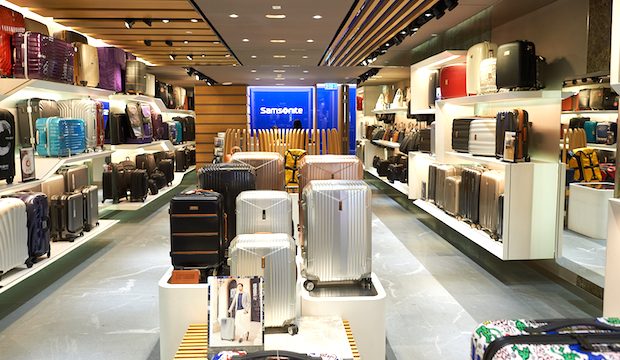
  • Samsonite’s First-half Revenue Declines Amid Reduced Travel Demand In Key Markets

    Samsonite’s First-half Revenue Declines Amid Reduced Travel Demand In Key Markets

    In the first half of the fiscal year 2025, the globally renowned luggage behemoth, Samsonite Group, saw a decrease in net sales and profits. This decline was attributed to a reduced demand for travel within their most significant markets.

    Financial Details

    The firm announced an adjusted net income of US$123.4 million, reflecting a drop of 29.1 per cent from the corresponding period the previous year. Net sales for the period ending 30th June saw a decrease of 6 per cent year-over-year, amounting to US$1.66 billion on a constant currency basis. The decrease was most prominent in the Asian and North American markets.

    The CEO of Samsonite Group, Kyle Gendreau, commented on the situation. He expressed the belief that while consumers continue to value travel and experiences, there was a noticeable drop in travel demand in the first half of 2025. Gendreau attributed this to factors such as macroeconomic uncertainties, changing trade policies, and weakening consumer sentiment. He also forecasted that these trends would likely persist in the second half of the year, negatively impacting the short-term demand. Despite this, he maintained confidence in the long-term demand for travel aiding the business.

    Performance by Region and Brand

    The company’s flagship brand, Samsonite, saw a sales drop of 4.7 per cent. Even though there was robust growth in Europe (+0.6 per cent) and Latin America (+0.2 per cent), there was a visible weakness in Asia (-8.8 per cent) and North America (-5.7 per cent).

    In contrast, the Group’s premium brand, Tumi, demonstrated resilience with a minor sales decrease of 2.5 per cent overall. This was propelled by strong double-digit growth in Latin America (+18.6 per cent) and Europe (+6.2 per cent). However, it also witnessed sales decline in North America (-4.7 per cent) and Asia (-2.5 per cent).

    The value-oriented American Tourister brand encountered a sharper sales decline of 12.7 per cent, especially in North America and Asia. This happened despite a moderate increase in Europe.

    Non-Travel Category and Market Expansion

    Even with the downward trend, the company noted a steady performance in non-travel categories such as backpacks and accessories, which experienced a modest growth of 0.1 per cent. These sectors made up 36.2 per cent of total sales, led by a significant 14.7 per cent increase in Gregory.

    In a bid for market expansion, Samsonite opened 21 new company-operated retail stores in the first half of the year, and continued to invest in product innovation.

    In conclusion, Samsonite Group continues to concentrate on brand elevation and geographical growth, while also considering a potential US listing, dependent on market conditions.

    Questions & Answers

    What are the main factors contributing to Samsonite Group’s sales decline?
    The primary factors are macroeconomic uncertainties, shifting trade policies, and weakening consumer sentiment.

    How has their premium brand, Tumi, performed in comparison to the flagship Samsonite brand?
    Tumi has shown resilience with a smaller overall sales decline, driven by strong growth in Latin America and Europe.

    How have non-travel categories performed?
    Non-travel categories such as backpacks and accessories have shown steady performance, with a slight growth of 0.1 per cent, accounting for 36.2 per cent of total sales.

  • Jollibee Foods Reports 5.6% Rise In Q2 Net Income, Fueled By Overseas Growth And Record Sales

    Jollibee Foods Reports 5.6% Rise In Q2 Net Income, Fueled By Overseas Growth And Record Sales

    Jollibee Foods Corporation (JFC), a leading global fast-food company, has reported a 5.6% year-on-year rise in the second quarter’s attributable net income, reaching $57.78 million. This increase was primarily fueled by robust gains from the firm’s overseas operations and record-breaking system-wide sales (SWS).

    Expansion of Global Store Network

    By the end of June, JFC’s global store network had grown by 45.5% compared to the previous year, sporting a total of 10,119 outlets. This figure includes 6,695 international branches spread across China, North America, EMEA, and other key markets in Asia.

    Record Sales and Revenue

    The SWS for the quarter saw a 19.6% increase, reaching $2.06 billion. This was backed by a rise of 32.6% in the company’s international business. The coffee and tea segment emerged as the top performer, registering a staggering 68.6% growth, largely due to the impact of the South Korean brand, Compose Coffee.

    JFC also saw its revenue jump by 15.5% to $1.4 billion. Operating income followed suit, recording a 19.1% rise to $108.72 million. The group’s same-store sales growth registered a respectable 5.5%, with the Philippine business growing by 6.4% and the international business by 4.1%.

    Successful Business Momentum

    JFC’s CEO, Ernesto Tanmantiong, linked these robust results to the company’s ongoing business momentum and improved operational execution. He highlighted the growth in operating income as a testament to the strength of their coffee and tea segment as well as the consistent contributions from their Philippine business and Jollibee International. Tanmantiong also emphasized the effectiveness of their multi-brand and multi-market strategy in driving the company’s success.

    First Half Performance

    For the first half of the year, the attributable net income showed a 0.7% slip to $101.16 million from $101.88 million the previous year. However, SWS experienced a 19.2% growth to $3.92 billion, and the revenue rose by 15% to $2.66 billion. Correspondingly, the operating income increased by 18.4% to $195.3 million.

    Future Investment Strategy

    Richard Shin, the company’s Chief Financial and Risk Officer, explained their capital would be “selectively deployed” in support of growth in the Philippines, Jollibee International, and the coffee and tea segment. He noted early recovery signs in China and a clear turnaround path for Smashburger in the U.S. Compose Coffee is also expected to surpass 3000 stores, with an anticipated 36% return on invested capital this year.

    Questions & Answers

    What contributed to JFC’s growth in the second quarter?
    The growth was primarily driven by robust gains from their overseas operations and record-breaking system-wide sales.

    Which segment emerged as the top performer for JFC?
    The coffee and tea segment emerged as the top performer, registering a 68.6% growth.

    What are JFC’s future investment strategies?
    JFC plans to selectively deploy capital to support growth in the Philippines, Jollibee International, and the coffee and tea segment. They also anticipate growth in China and the U.S. through brands like Smashburger and Compose Coffee.

  • Coupang Surpasses $8 Billion Mark: Record Revenue And Profit Turnaround Amid Taiwan Expansion

    Coupang Surpasses $8 Billion Mark: Record Revenue And Profit Turnaround Amid Taiwan Expansion

    South Korean retail behemoth Coupang has experienced substantial growth this year, boasting a record revenue of $8.52 billion in Q2, a rise of 19% year-over-year with an FX-neutral basis. This marks the first time the company has surpassed the $8 billion mark.

    Additionally, Coupang achieved a net profit of $31 million, a significant turnaround from last year’s Q2 deficit of $105 million. The company’s adjusted EBITDA hit $428 million.

    Core Strengths

    Coupang’s primary source of income comes from its Product Commerce sector, which encompasses Rocket Delivery, Rocket Fresh, Rocket Growth, and the marketplace. The adjusted EBITDA for this segment climbed to $663 million, and margins reached an unprecedented 9%.

    Most of the revenue growth in Q2 came from existing customers. According to Bom Kim, Coupang’s founder and CEO, even the oldest customer cohorts demonstrated robust spending increases in the double digits.

    Kim stated, “As we expand our selection to match customer preferences, they’re also purchasing across a broader number of categories.”

    The Rocket Delivery model, previously criticized for its extravagant spending and capital intensity, is now viewed as a competitive advantage. Same-day and dawn delivery volumes soared over 40% year-over-year, primarily due to the addition of over half a million new Rocket SKUs in Q2.

    Taiwan’s Progress

    Coupang’s Developing Offerings segment, which encompasses Taiwan Rocket Delivery, Coupang Eats, Coupang Play, and Farfetch, posted a revenue of $1.19 billion, an increase of 33% year-over-year. Although this unit is still not profitable, with an adjusted EBITDA loss of $235 million, a majority of this loss can be attributed to increased investment in Taiwan.

    Coupang’s CFO, Gaurav Anand, noted that Taiwan is the main reason behind a revised full-year EBITDA loss prediction for the segment, estimated to be between $900 million and $950 million.

    Coupang launched its Wow membership program in Taiwan in March, targeting a population of 23 million and a retail sector valued at $152.7 billion. Since entering the market in 2022, the company has invested approximately $355 million in expanding its logistics infrastructure and product selection.

    This investment appears to be producing early results, with Taiwan’s revenue surging 54% quarter-over-quarter and recording triple-digit growth year-over-year. These improvements are not only due to customer acquisition but also improved customer retention and spending.

    Kim commented, “Our Taiwan offering is growing faster and stronger than even the most optimistic forecasts we set at the beginning of the year.” He added that they see a similar growth trajectory in Taiwan as they did in the early years of scaling their retail offering in Korea.

    Despite initial concerns, Coupang’s aggressive investment indicates growing belief that Taiwan could become a second profitable market in the long term.

    While Taiwan’s progress overshadows other areas, Coupang’s other businesses continue to develop. Food delivery service Coupang Eats showed continuous double-digit growth, benefiting from the company’s established logistics infrastructure.

    Additionally, Coupang Play, its streaming platform, has added new features like a Sports Pass, providing access to premium sports leagues ranging from the Premier League to Nascar.

    Although these businesses are not yet profitable, they help to retain users within the Coupang ecosystem.

    Looking forward, Coupang faces significant challenges. The South Korean retail sector has been declining for 13 consecutive quarters – the longest recorded downturn. With limited room for further growth at home, the company’s future hinges on maximizing each customer’s value or finding new customers abroad. Taiwan is off to a strong start, but expanding it into a second growth engine may prove challenging, and the level of investment required could test investor patience if results don’t keep up the pace.

    Questions & Answers

    What contributed to the growth of Coupang’s Q2 revenue?
    Existing customers contributed to most of the growth, with spending increases across all cohorts. Additionally, the company expanded its product selection, leading to customers buying across a wider range of categories.

    What is the role of Taiwan in Coupang’s financial strategy?
    Taiwan is a significant focus for Coupang’s investment, aimed at expanding its market beyond South Korea. The company’s aggressive investment in Taiwan indicates a growing belief that it could become a second profitable market in the long term.

    What challenges does Coupang face moving forward?
    Coupang is challenged by the continuous decline in the South Korean retail sector. With limited potential for domestic growth, the company’s future success increasingly relies on maximizing value from each customer and expanding its customer base abroad. Additionally, the level of investment required in markets like Taiwan could test investor patience if results don’t match the pace of investment.

  • Hershey Sales Surge Amidst Slumping Profits: Navigating Rising Cocoa Costs And Supply Chain Challenges

    Hershey Sales Surge Amidst Slumping Profits: Navigating Rising Cocoa Costs And Supply Chain Challenges

    Hershey, the confectionery giant, has registered a significant increase in sales for the second quarter despite a drastic fall in profits. This arises from the escalating costs of cocoa, supply chain, and adverse effects from commodity hedging.

    In the most recent quarter, Hershey reported net sales of US$2.61 billion, a 26 per cent surge compared to the same quarter the previous year. The growth was a result of robust demand for seasonal products, which included popular items tied to the Easter season and early Halloween shipments.

    However, despite the impressive rise in revenue, net income experienced a 65 per cent decrease, landing at $62.7 million.

    Hershey attributed the sharp decline in net income to a significant drop in gross margins, spurred by the rise in input costs and losses from mark-to-market on commodity derivatives. This was despite the strong volume growth, especially in its North American confectionery division.

    Michele Buck, President and CEO of Hershey, commented on the situation. “Our investments in brands and impactful innovation, along with effective execution, have led to solid sales and share gains in both our US confection and salty snacking businesses,” she said.

    She further added, “In the future, we are committed to delivering balanced growth and have already initiated critical steps to offset cocoa inflation through strategic pricing, improved productivity, and the use of technology for efficiency and speed.”

    In other news, Hershey recently announced the appointment of Kirk Tanner as the new President and CEO, effective from August 18, succeeding Buck.

    Questions & Answers

    What led to the growth in Hershey’s net sales?
    The increase in Hershey’s net sales was a result of strong demand for seasonal products, such as those tied to the Easter season and early Halloween shipments.

    Why did Hershey’s net income decrease despite the growth in sales?
    The decrease in net income was due to a significant drop in gross margins, which was caused by the rising input costs and mark-to-market losses on commodity derivatives.

    What measures is Hershey taking to combat cocoa inflation?
    To mitigate cocoa inflation, Hershey is implementing strategic pricing, enhancing productivity, and leveraging technology for increased efficiency and speed.