Retail News CRM

Tag: profit

  • Grab Holdings Surpasses Wall Street Expectations With Multi-service Superapp Strategy Amid Global Economic Uncertainties

    Grab Holdings Surpasses Wall Street Expectations With Multi-service Superapp Strategy Amid Global Economic Uncertainties

    Grab Holdings, a Singapore-based tech company, surpassed Wall Street’s revenue expectations in Q2, with a surge in consumption across its ride-hailing and food delivery services, seemingly unaffected by global economic uncertainties.

    Superapp Drive Pays Off

    The company’s robust growth can be attributed to its strategic efforts to transform its platform into a multi-functional, superapp. This expansive integration of various digital services, including ride-hailing, food, and grocery delivery, continues to entice a growing number of users, who are increasingly investing in the offered subscription plans.

    Despite the unease in global economic stability induced by ongoing US trade negotiations, resulting in worries over tariffs and heightened costs, particularly in Southeast Asia, the Singaporean economy remains robust. In Q2, it witnessed a growth rate of 4.3%, successfully averting a technical recession.

    According to Peter Oey, Grab’s CFO, the company’s growth strategy focuses on affordability, which not only encourages growth but also serves as a protective shield against global macroeconomic factors. In a bid to attract price-conscious consumers, the company has been simultaneously working on expanding its driver base to keep up with the rising user demand.

    Financial Performance

    Grab reported an impressive revenue of US$819 million for Q2, surpassing analyst predictions of $811.3 million. The company attributed a significant portion of this success to its robust performance in Indonesia. Previously identified as a market with potential for deeper penetration, the company is now striving to capitalize on the country’s vast population and expand its market share.

    According to Oey, Indonesia has proved to be a profitable market for the company, prompting increased investment efforts in the region.

    Market Consolidation

    The online service market in Southeast Asia is witnessing a phase of consolidation, with larger entities acquiring smaller firms to diversify their service offerings. Though rumors of Grab’s potential acquisition of smaller Indonesian competitor GoTo were circulating earlier this year, Oey confirmed that no such discussions are underway.

    The company’s Q2 financials indicate a remarkable turnaround, with a profit of $20 million, in stark contrast to a $68 million loss in the same period the previous year.

    Questions & Answers

    How has Grab Holdings managed to exceed Wall Street’s revenue expectations in Q2?
    Grab Holdings has successfully surpassed revenue projections by transforming its platform into a superapp, integrating various digital services and appealing to a growing number of users.

    How is the company responding to global economic uncertainties?
    Grab Holdings is focusing on affordability as a protective shield against global macroeconomic factors. It is also endeavoring to keep up with increasing user demand by expanding its driver base.

    What is Grab Holdings’ strategy for the Indonesian market?
    Considering the robust performance and profitability in Indonesia, Grab Holdings is aiming to capitalize on the country’s vast population and increase its market share by investing more in the region.

  • Hermes Records Impressive Growth With €8 Billion Revenue In First Half Of Year

    Hermes Records Impressive Growth With €8 Billion Revenue In First Half Of Year

    Hermes, the esteemed French luxury brand, has demonstrated impressive sales growth in the first half of the current year. This surge in revenue was experienced across all regions as affluent customers continued their patronage of the brand’s distinguished leather products.

    The brand recorded a revenue of €8 billion (US$8.78 billion) for the half-year period concluding on June 30th. This performance marks an 8% increase in profits, calculated at a constant exchange rate when compared to the same timeframe in the previous year.

    Sales saw a 9% rise in the second quarter itself, which was bolstered by an excellent performance in the markets of the United States, Japan, and the Middle East.

    According to Hermes, the growth was widespread across all geographical regions, with each one reporting gains. Japan led the way with a robust 16% increase, followed by the Americas with a 12% rise. Sales in France experienced a 9% increase while Europe, excluding France, witnessed a 13% acceleration.

    Axel Dumas, the Executive Chairman of Hermes, has expressed his satisfaction, attributing the firm’s first-half success across all regions to the strength of the Hermes model.

    On behalf of the company, he expressed gratitude to all their customers for their continued trust and to all the employees for their dedication, adding, “We will continue to invest and recruit to ensure the group’s sustained success.”

    The primary driver of growth for Hermes is its core leather goods and saddlery division, which includes the highly coveted Birkin and Kelly bag lines. The brand also reported significant increases in the sales of jewellery and homeware. However, the sales of watches and perfumes exhibited a decline.

    Hermes has laid out plans to persist with investments in craftsmanship, to broaden production, and to reinforce its global retail presence in order to meet the escalating demand for its exclusive merchandise.

    Questions & Answers

    What was the revenue of Hermes for the first half of this year?
    The French luxury brand Hermes recorded a revenue of €8 billion (US$8.78 billion) for the first half of the year.

    Which regions showed significant growth for Hermes?
    Every geographical region posted gains for Hermes. Japan led with a 16% increase, followed by the Americas with a 12% rise. Sales in France experienced a 9% increase, whilst Europe, excluding France, witnessed a 13% rise.

    Which product categories drove the growth for Hermes?
    The primary growth driver for Hermes was its core leather goods and saddlery division, including the popular Birkin and Kelly bags. The brand also reported double-digit increases in jewellery and homeware.

  • Remy Cointreau Records First Sales Growth Since 2023; Updates Annual Profit Forecast

    Remy Cointreau Records First Sales Growth Since 2023; Updates Annual Profit Forecast

    Remy Cointreau, the renowned French spirits manufacturer, has generated its initial quarter of sales growth since the start of 2023, and has accordingly updated its annual profit forecast. This encouraging development is attributed to the easing of tariff threats.

    Recovering from a Sales Slump

    Remy Cointreau’s major markets in the US and China had suffered a significant slump in sales over the past few years. This downturn led to the company repeatedly lowering its guidance and abandoning its mid-term sales objectives. Nevertheless, in June, the company announced that it was beginning to recover.

    The producer of Remy Martin cognac and Cointreau liqueur reported a 5.7% year-on-year surge in organic sales in the first quarter, exceeding market predictions. This upward turn came shortly after the appointment of the new CEO, Franck Marilly, in June. In response to the news, the company’s shares increased by over 4%.

    The company attributed its growth in the quarter to a low comparison base from the previous year in the US. While sales in China continued to decline, the company described the slump as “limited”.

    Charles de Riedmatten, a fund manager at Myria AM and a Remy investor, optimistically remarked, “After two years of declining growth, I think it’s the beginning of good news.” However, he also noted that the character of Remy’s growth, which it described as technical, was challenging to evaluate.

    De Riedmatten also expressed concerns about the underlying demand for cognac and questioned how the new CEO, with his background in luxury goods but not spirits, would perform.

    Impact of Tariffs

    Even before tariffs became a threat to both the US and Chinese markets, high US inflation and a pessimistic Chinese consumer base were already impacting Remy’s business.

    However, in July, the cognac industry reached an agreement with China to alleviate the steep duties enforced since October 2024. Consequently, Remy predicts that the annual economic impact from tariffs will decrease to 45 million euros from the previous estimate of 65 million euros. This reduction is primarily due to a decrease in the financial effect of Chinese duties from 40 million euros to 10 million euros.

    Despite this, the company has increased its projected financial impact from US tariffs on European goods by 10 million euros, bringing the total to 35 million euros. The upward adjustment is in response to US President Donald Trump’s threat to impose a 30 per cent tariff on EU imports as of August 1.

    Future Profit Expectations

    Remy Cointreau now expects its full-year operating profit to decline by a mid- to high-single-digit percentage, exhibiting an improvement compared to the mid- to high-teen decline it had originally anticipated.

    Approximately 70% of the company’s sales are derived from cognac and are primarily concentrated in the US and China. This focus leaves Remy Cointreau more vulnerable to tariffs and economic downturns than their more diversified counterparts.

    Questions & Answers

    What has led to the increase in Remy Cointreau’s sales?
    The easing of tariff threats and a low base of comparison from the previous year in the US have contributed to the increase in Remy Cointreau’s sales.

    What are the concerns about Remy Cointreau’s growth?
    Questions remain about the underlying demand for cognac, and there are doubts about how the new CEO, with his background in luxury goods but not spirits, will perform.

    How has Remy Cointreau adjusted its annual profit forecast?
    Remy Cointreau now expects its full-year operating profit to decrease by a mid- to high-single-digit percentage, an improvement compared to the mid- to high-teen decline it previously anticipated.

  • DFI Retail Group Surmounts Static Sales With Strong Profit Growth: Health And Beauty Sectors Lead The Way

    DFI Retail Group Surmounts Static Sales With Strong Profit Growth: Health And Beauty Sectors Lead The Way

    Despite relatively stationary sales figures, Hong Kong’s DFI Retail Group has reported robust profit growth in the first half of the fiscal year. Sharing profits with shareholders saw an impressive rise of 39 per cent to US$105 million in the six months concluding on June 30. Additionally, subsidiary profits also marked an increase by 3 per cent, reaching $75 million.

    Growth Drivers

    The management cites several reasons for this significant growth. Enhanced profitability in health and beauty sectors, increased contributions from associates, and steady revenue growth trends are the primary contributors to this success. For the first half of the year, subsidiary revenue totalled $4.4 billion, a marginal increase of 0.3 per cent on a comparable basis. This figure excludes the impact of the increased cigarette tax in Hong Kong and the sale of the Hero Supermarket business in Indonesia the previous year.

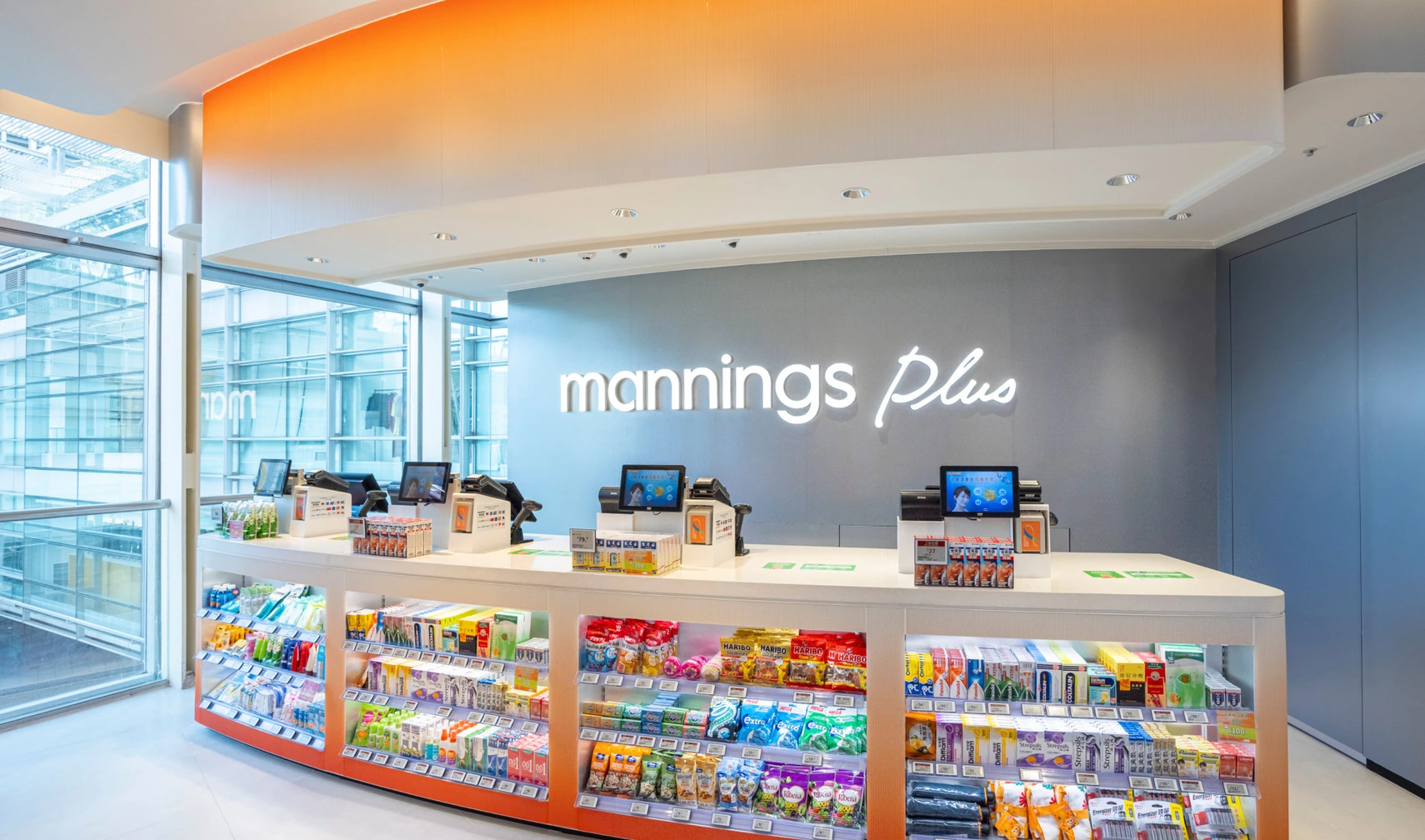
    Total revenue, accounting for 100 per cent of associates and joint ventures, noted a 1 per cent rise to $8.2 billion. The health and beauty division experienced a 4 per cent rise in sales, highlighting the growing brand value of Mannings and Guardian.

    Revenue Fluctuations

    On the other hand, the convenience segment, operating 7-Eleven stores in Hong Kong, Macau, Guangdong province, and Singapore, saw a 4 per cent revenue decline. The food division registered a slight dip in sales, not considering the sale of the Hero Supermarket.

    The home furnishings division, which runs Ikea in Hong Kong, Macau, Taiwan, and Indonesia, continues to face challenges due to fierce competition and changes in consumer purchasing patterns.

    CEO’s Remarks

    “Our ongoing portfolio evolution allows us to focus resources on high-profit businesses and growth initiatives. It also provides strategic flexibility for non-organic opportunities,” remarked Group CEO Scott Price.

    Despite lowering its revenue outlook for the full year, DFI has upgraded its profit guidance. Revenue growth is now anticipated to rise between 0.5-1 per cent, as opposed to the previously estimated 2 per cent. In contrast, an underlying attributable profit is expected to be within the range of $250-270 million, compared to the previously estimated $230-270 million.

    The group asserts its confidence in navigating the evolving market landscape, backed by strategic initiatives designed to increase market share and profit growth across all businesses.

    Questions & Answers

    What was the reason for the significant profit growth?
    Enhanced profitability in health and beauty sectors, higher contributions from associates, and steady revenue growth trends were the primary contributors to the growth.

    How did the convenience segment perform?
    The convenience segment, which operates 7-Eleven stores in various locations, reported a 4 per cent revenue decline.

    What are the expectations for the full-year revenue growth and profit?
    Revenue growth is now anticipated to rise between 0.5-1 per cent, while an underlying attributable profit is expected to be within the range of $250-270 million.

  • Cafe Amazon Drives Record-breaking Quarter For Thailand’s Ptt Oil And Retail Business

    Cafe Amazon Drives Record-breaking Quarter For Thailand’s Ptt Oil And Retail Business

    PTT Oil and Retail Business (OR), the lifestyle and retail subsidiary of Thailand’s PTT Group, has announced a record-breaking financial performance for the first quarter of this year. This success is largely attributable to its leading brand Cafe Amazon, which experienced a period of significant expansion throughout Southeast Asia.

    Noteworthy Performance

    Cafe Amazon sold over 112 million cups of coffee during the first quarter, emphasizing the strength of the brand. With 391 stores now in operation outside of Thailand, the cafe chain has become a key driver of OR’s earnings growth. The company’s total revenue hit an impressive US$5.6 billion, with net profits increasing by 46 per cent from the last quarter to approximately $134 million. This represents a 17.6 per cent growth year-on-year.

    ML Peekthong Thongyai, CEO of OR, credited the robust performance to the resilience of the business model. “Our strong performance this quarter underscores our long-term strategic direction. We are expanding with a clear purpose, delivering value for individuals, contributing to community prosperity and demonstrating our commitment to environmental responsibility.”

    Global Expansion

    Cafe Amazon’s reach extends to nine markets. These include Cambodia, Laos, Vietnam, the Philippines, Malaysia, Oman, Saudi Arabia, Bahrain, and Japan.

    The cafe chain is part of OR’s wider Global Business segment. This segment reported a 30.8 per cent year-on-year increase in sales volume together with an 81.5 per cent rise in EBITDA.

    Peekthong reiterated the company’s mission beyond monetary profit. “We’re not just about selling fuel or coffee. Our goal is to build platforms that strengthen local economies, encourage entrepreneurship, and facilitate long-term, sustainable growth.”

    OR oversees 415 PTT Stations and 391 Cafe Amazon outlets across Asia and the Middle East.

    Questions & Answers

    What factors contributed to OR’s record-breaking financial performance?
    The company attributes its success to the significant expansion of Cafe Amazon, which sold over 112 million cups of coffee in the first quarter.

    What markets does Cafe Amazon currently operate in?
    The cafe chain operates in nine markets, including Cambodia, Laos, Vietnam, the Philippines, Malaysia, Oman, Saudi Arabia, Bahrain, and Japan.

    What is OR’s greater mission beyond selling products?
    OR aims to build platforms that strengthen local economies, promote entrepreneurship, and facilitate sustainable, long-term growth.

  • Sa Sa International Faces Sales And Profit Downturn Amid Economic Uncertainties

    Sa Sa International Faces Sales And Profit Downturn Amid Economic Uncertainties

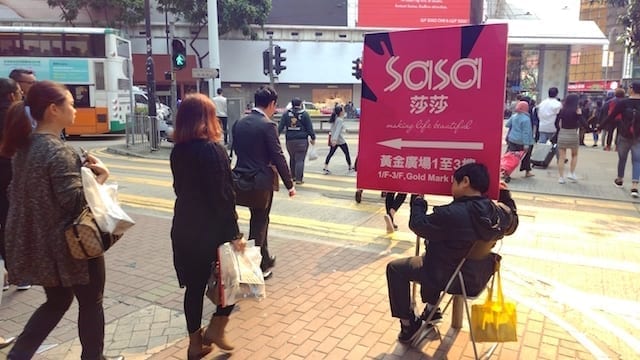
    Sa Sa International, a prominent beauty retailer, has recently disclosed a decrease in both sales and profits for its most recent fiscal year. This downturn is attributed to unfavorable market conditions in Hong Kong and Macau, the principal markets for the company.

    Sales Decrease

    Sa Sa International’s financial reports demonstrate a marked decrease in turnover, with a dip of 9.7% to HK$3.9 billion (US$497 million) for the fiscal year which ended on March 31. This decline is due largely to the continuous outbound travel of Hong Kong and Macau residents to Mainland China and other foreign countries.

    This expatriation, in tandem with a robust US dollar and an increase in economic uncertainties caused by trade tariffs, has led to more cautious spending by those visiting Hong Kong and Macau. The primary markets for the group are indeed Hong Kong and Macau, which represent more than 75% of the company’s total sales.

    In these markets specifically, turnover experienced a decline of 12.3%, and 10.5% in Mainland China, but conversely, a 14.7% increase was observed in Southeast Asia.

    Profit Decline

    The company has also reported a significant decline in profits for the year, with a slide of 64.8% to HK$77 million, aligning with the company board’s previous projections in April. Brick-and-mortar sales decreased by 11.9%, though some improvement was noted in the latter half of the fiscal year. However, online sales saw a modest increase of 1.2%, largely thanks to the growth of third-party e-commerce platforms in the Southeast Asian market.

    As the year concluded, the group maintained 84 stores in Hong Kong and Macau, 18 in Mainland China, and 72 in Southeast Asia.

    Future Plans

    Sa Sa International’s management team has expressed their intent to closely monitor market trends and make adjustments to their portfolio as necessary. Their primary objective is to facilitate growth in both sales and gross profit, while at the same time, maintaining a stable gross profit margin. Their aim is to develop a sustainable model to boost profitability.

    In the first quarter ending June 15, the group witnessed a 4.5% increase in turnover, with growth recorded in all markets, except for Mainland China.

    Questions & Answers

    What are the primary markets for Sa Sa International?
    Hong Kong and Macau are the primary markets for Sa Sa International, accounting for more than 75% of the company’s total sales.

    What caused the recent downturn for Sa Sa International?
    This downturn is due largely to the continuous outbound travel of Hong Kong and Macau residents to Mainland China and other foreign countries, coupled with a robust US dollar and increasing economic uncertainties.

    What is Sa Sa International’s plan moving forward?
    The company plans to closely monitor market trends and make adjustments to their portfolio as necessary. Their primary objective is to facilitate growth in both sales and gross profit while maintaining a stable gross profit margin.

  • Samsung ‘shock’ as profits start to droop

    Samsung ‘shock’ as profits start to droop

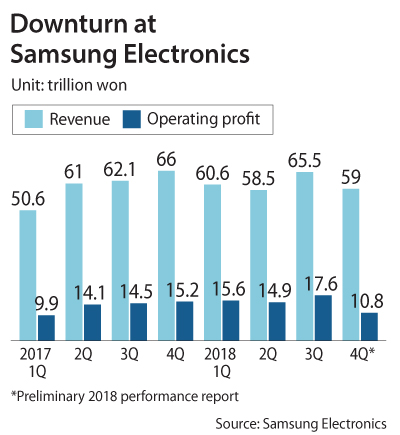
    Samsung Electronics announced sharply lower earnings for the fourth quarter, an earnings “shock” that suggested that the “supercycle” in the global semiconductor market is nearing an end. Preliminary 2018 performance numbers released Tuesday predicted the local IT giant’s operating profit between October and December of last year would be 10.8 trillion won ($9.6 billion), down 28.71 percent year on year.

    This is the lowest figure since the first quarter of 2017’s 9.9 trillion won. Between those two quarters, operating profit had consistently stayed in the 14 to 17 trillion won range.

    Revenue for last year’s fourth quarter slumped 10.58 percent year on year to 59 trillion won. Last year’s third quarter saw record quarterly highs of 65.5 trillion won in revenue and 17.6 trillion won in operating profit.

    Local analysts had expected 13.4 trillion won in operating profit for the fourth quarter and 63.2 trillion won in revenue, according to the stock information provider FnGuide.

    Samsung did not reveal performance figures for different business divisions, but the company cited “slow demand” in semiconductors as a major factor in a public announcement the same day. The IT giant has three major business divisions: chips, smartphones and home electronics.

    The results for all of 2018 showed that the company had a record high operating profit of 58.89 trillion won, a 9.77 percent jump from last year, and 243.5 trillion won in revenue, up 1.64 percent year on year.

    Before starting to slow, semiconductors were the main contributors to Samsung’s high performance over the last two years.

    In the announcement, the company added that demand from data center clients in the fourth quarter had fallen short of expectations.

    “Shipping of memory chips retreated from the third quarter, and the price decline turned out to be bigger than what we expected earlier this year,” it said.

    One reason is because companies with data centers such as Amazon, Facebook and Microsoft bought large amounts of dynamic random-access memory (DRAM) chips during the last two years, which are now piling up.

    DRAM prices started to fall after more than a year of increases – another factor that is affecting demand as companies anticipate more price cuts.

    Slow growth in smartphone sales and one-off expenses including the company’s offering of incentives to staff at the year’s end also affected the profit level.

    Worries that the semiconductor supercycle was ending have surfaced for years, but Samsung and other chipmakers have reported strong earnings – until the fourth quarter.

    December’s chip exports from Korea retreated for the first time in 27 months. The general consensus among local analysts is that Samsung’s revenue will continue to shrink in the first half of this year.

    But they have a more positive outlook for the second half.

    “Memory chip prices will bounce back in the second half of 2019,” said analyst Lee Jae-yun of Yuanta Securities. “Because the supply growth rate of major chipmakers in 2019 will be 19 percent [year on year], whereas demand growth is expected to reach 20 percent.”

  • Chow Tai Fook Overcomes Sales Slump With Increased Operating Profit: Unveils Expansion Plans

    Chow Tai Fook Overcomes Sales Slump With Increased Operating Profit: Unveils Expansion Plans

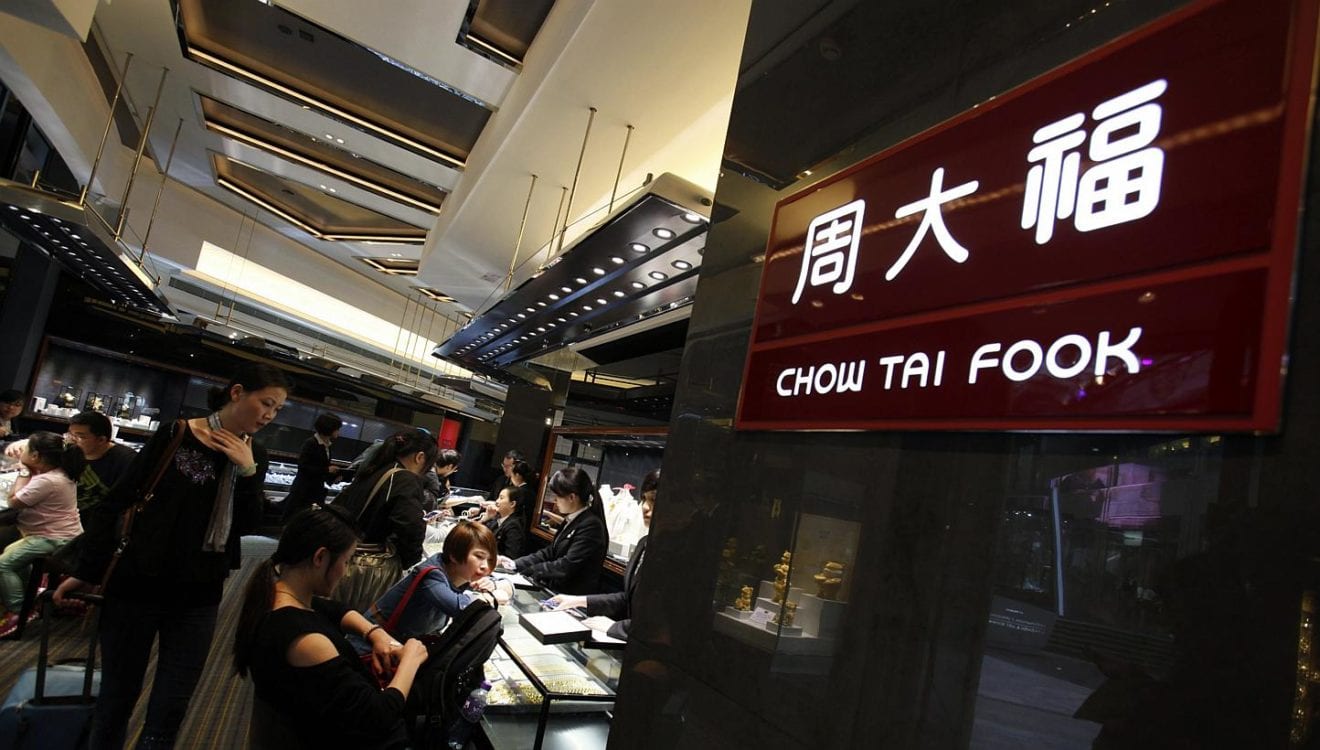
    Despite subdued consumer sentiment impacting its sales in the last fiscal year, Chow Tai Fook witnessed an increase in its operating profit.

    The company’s revenues for the fiscal year, ending on March 31, saw a significant decrease of 17.5 per cent, amounting to HK$89.6 billion (US$11.4 billion). The reasons behind this slump were attributed to wider macroeconomic factors and high gold prices, both of which contributed to dampening consumer sentiment.

    However, the company’s operating profit demonstrated resilience amidst these challenges, marking a 9.8 per cent increase and reaching HK$14.7 billion. This rise in profit can be attributed to a well-curated product mix, increased gold prices, and effective cost management strategies. Consequently, the operating profit margin also saw an enhancement of 400 basis points, rising to 16.4 per cent.

    Nevertheless, the profit assigned to shareholders witnessed a drop by 9 per cent, amounting to HK$5.9 billion. This was due to the fact that the growth in operating profit was overshadowed by the losses incurred through the revaluation of gold loan contracts.

    The company also highlighted that its same-store sales performance in Mainland China demonstrated a progressive improvement on a quarterly basis. Concurrently, the performance of stores in Hong Kong and Macau showed signs of stabilization towards the end of the fiscal year.

    Throughout the year, Chow Tai Fook made notable advances in its brand transformation strategy. The company launched five new stores featuring a premium format in Mainland China and Hong Kong. These were designed to augment brand desirability and enhance store productivity.

    In the upcoming fiscal year, the company is set to continue its strategic expansion by unveiling its new-format stores in Singapore and Canada. Additionally, it also plans to penetrate high-growth markets in Southeast Asia and prime locations.

    Questions & Answers

    What was Chow Tai Fook’s revenue for the year ended March 31?
    The revenue for Chow Tai Fook for the year ended March 31 was HK$89.6 billion (US$11.4 billion).

    What factors contributed to the increase in Chow Tai Fook’s operating profit?
    The rise in Chow Tai Fook’s operating profit can be attributed to an improved product mix, higher gold prices, and effective cost management measures.

    What are Chow Tai Fook’s expansion plans for the upcoming fiscal year?
    Chow Tai Fook’s expansion plans for the upcoming fiscal year include launching new-format stores in Singapore and Canada. It also plans to infiltrate high-growth markets in Southeast Asia and other prime locations.

  • Cafe De Coral Profits Plummet Amid Economic Fragility; Embraces Strategic Adaptations For Resilience

    Cafe De Coral Profits Plummet Amid Economic Fragility; Embraces Strategic Adaptations For Resilience

    Cafe de Coral, a prominent foodservice operator, has disclosed a slump in earnings, attributing the setback to a frail economy and lukewarm consumer sentiment. The fiscal report for the year ending March 31 revealed a 1.4% slide in revenue, resulting in HK$8.568 billion (US$1 billion). Concurrently, the profit attributable faced a steep 29.6% fall, amounting to HK$232.7 million.

    Challenging Industry Landscape

    The management acknowledged a severe downturn in the restaurant sector both in Hong Kong and Mainland China. The slump was aggravated by heightened economic fragility and a tepid consumer sentiment. Additional factors contributing to the downturn included the outbound spending habits of Hong Kong’s residents and stiff price competition in Mainland China’s marketplace.

    In Hong Kong, the revenue loss was marked at 1.4% with casual dining and quick service restaurants experiencing a decline of 6.4% and 0.3% respectively. Revenue from Mainland China recorded a 1.3% decrease.

    Strategic Adaptation

    Sunny Lo, the Chairman of Cafe de Coral, contended that the uncertainty over the course of the previous year was indicative of a long-term transformation in global markets. As per him, this transformation was triggered by geopolitical forces adapting to a new dynamic.

    Lo stated, “Our management team has accepted and embraced the current economic challenges and is adapting the business to thrive in the new environment.” He further emphasized the company’s commitment to the future by refining its restaurant portfolio, hiring new talent, and integrating innovative technological solutions to transform the business operations.

    Cafe de Coral currently oversees a network of over 500 stores spanning Hong Kong, Macau, and nine principal cities in Mainland China.

    Questions & Answers

    What is the main reason for Cafe de Coral’s decreased profits and sales in the last fiscal year?
    The primary reasons for the decrease in profit and sales were attributed to a weak economy and lukewarm consumer sentiment, particularly in Hong Kong and Mainland China.

    How did the downturn affect different restaurant types?
    The downturn affected casual dining and quick service restaurants differently. Casual dining saw a decrease of 6.4%, while quick service restaurants experienced a smaller decrease of 0.3%.

    What steps is Cafe de Coral taking to adapt to the current economic challenges?
    The company is adapting by refining its restaurant portfolio, recruiting fresh talent, and incorporating new technology into its operations.

  • Dickson Concepts sees profit slide amid lower sales and higher costs

    Dickson Concepts sees profit slide amid lower sales and higher costs

    Dickson Concepts, a luxury retail company listed in Hong Kong, reported a significant decrease in annual profit for the year ending in March. The luxury goods retailer, operating across Hong Kong, Mainland China, and Taiwan, experienced a 43.5% drop in annual profit, which amounted to US$25.4 million (HK$198 million). This was accompanied by a 19.9% decline in revenue, which stood at $246.2 million.

    Reason for Decrease in Profits

    Dickson Concepts attributes this decrease in profitability to a combination of reduced sales turnover in Hong Kong and continued low consumer spending in Taiwan. The company, in its statement, indicated that the rapidly evolving retail landscape and changing consumer spending habits make it difficult for the group to revert to its historic growth rate in terms of sales and profitability.

    Profit and Revenue Figures

    Dickson Concepts’ gross profit fell by 11.7% year on year, amounting to $124.2 million. The operating profit also experienced a significant decrease, dropping by 36.4% to $34.4 million. Hong Kong, which accounts for 63% of the group’s total sales and is its largest market, saw a 29% slump in turnover. Meanwhile, Taiwan’s sales decreased by a slight 0.4%, a sharp contrast to the 10.5% increase experienced the previous year.

    Positive Growth in China

    In contrast to the overall decrease in profitability, the company’s retail and e-commerce businesses in China saw a 9.2% increase in sales in local currency. This growth was driven by Dickson’s strategy to consolidate its wholesale network while simultaneously expanding its retail operations.

    Segment-wise Contribution

    In terms of product categories, watches and jewellery remained the largest contributors to sales, accounting for 49.9% of total sales. This was followed by fashion and accessories at 26.1%, and cosmetics and beauty products, which contributed 18%.

    Future Plans

    Going forward, Dickson Concepts plans to continue its conservative approach in managing its retail network and investment portfolio. The company is committed to maintaining a rigorous cost control across all levels of operation. It also remains dedicated to maintaining its presence in key markets, with five stores in Hong Kong, 32 in China, and 26 in Taiwan.

    Questions & Answers

    What factors contributed to the decrease in Dickson Concepts’ annual profit?
    The decrease in annual profit was due to reduced sales turnover in Hong Kong and continued low consumer spending in Taiwan.

    What strategy led to the increase in sales in Dickson Concepts’ retail and e-commerce businesses in China?
    The growth in China was driven by the company’s strategy to consolidate its wholesale network while expanding its retail operations.

    What measures is Dickson Concepts taking to manage its future operations?
    Dickson Concepts plans to remain conservative in managing its retail network and investment portfolio, and will maintain rigorous cost control at all operational levels.

  • Chanel profit tumbles as global sales slow down

    Chanel profit tumbles as global sales slow down

    Despite witnessing a 4.3% slide in sales last year, French luxury conglomerate Chanel has committed to maintaining its heightened capital expenditure this year. The persistence of market instability, especially in Asia and the U.S., has not deterred the company from supporting its worldwide expansion plans.

    Investments and Expansions

    Chanel announced that it would continue its capital investment at the $1.8 billion mark, representing a 43% increase from the previous year, to facilitate global growth. The expansion includes 48 new store launches scheduled for this year. About half of these planned openings will occur in China and the U.S., while additional locations are set for India, Mexico, and Canada. Out of these new stores, only six will be dedicated to fashion. The remaining stores will focus on beauty, jewelry, and other categories.

    Financial Performance

    The fiscal year ending in December saw Chanel reporting revenues of $18.7 billion. However, there was a 30% decrease in operating profit. The Asia-Pacific region was notably impacted, registering a 9.3% drop in sales. North and South America also experienced a decline of 4.3%, while Europe had a modest increase of 1.2%.

    The group’s net profit decreased by 28.2% to $3.4 billion last year. This decline was attributed to difficult market conditions in certain regions.

    Market Uncertainties

    Philippe Blondiaux, the group’s Chief Financial Officer, recognized uncertainties in the market outlook, particularly concerning China and U.S. tariff policies. He noted that while there were “positive signs of stabilization” in China and Hong Kong, it was premature to determine whether these regions were on the road to recovery. He further described the ongoing tariff discussions in the U.S. as “extremely volatile”.

    Chanel increased its prices by approximately 3% last year to counter inflation. Blondiaux stated that further adjustments might be required, especially in the jewelry sector where gold prices continue to escalate.

    Looking Forward

    Despite the challenging macroeconomic and geopolitical climate, Chanel’s global CEO Leena Nair remains optimistic. She stated that while these conditions have impacted sales in some markets, the company continues to focus on long-term investments.

    Last year, Chanel appointed Matthieu Blazy as its creative director. Although there have been rumors regarding an expansion into menswear, the company clarified that there are presently no plans to venture into that category.

    Questions & Answers

    What is Chanel’s strategy in terms of capital investment?
    Chanel plans to maintain its $1.8 billion capital investment to support its global expansion.

    How did Chanel’s financial performance fare in the previous fiscal year?
    For the fiscal year ending in December, Chanel reported a revenue of $18.7 billion. However, both operating profit and net profit saw significant declines, by 30% and 28.2% respectively.

    What are Chanel’s expansion plans for the current year?
    Chanel intends to open 48 new stores across various countries, including China, the U.S., India, Mexico, and Canada. The majority of these stores will be dedicated to beauty, jewelry, and other categories.

  • Shopee parent Sea delivers double-digit growth in sales, profit

    Shopee parent Sea delivers double-digit growth in sales, profit

    Sea Limited, the parent company of Shopee, has announced a notable increase in its revenues and profits during the first quarter of the year, indicating a robust start to the financial year.

    Impressive Revenue and Profit Growth

    The company’s revenue for the quarter ending on March 31st skyrocketed by 29.6% to $4.8 billion. Concurrently, gross profits experienced a 43.9% boost, reaching $2.2 billion. This represents a significant turnaround for the company, which reported a net income of $410.8 million as opposed to a loss of $23 million during the same period last year.

    Record Performance by Shopee

    Shopee, Sea’s e-commerce subsidiary, recorded record numbers for both Gross Merchandise Value (GMV) and total volume of orders, which climbed by 21.5% and 20.5% respectively. The subsidiary’s revenue saw a 28.7% increase, amounting to $3.1 billion. This growth was driven by a 39.2% rise in core marketplace revenue and a 4% increase in revenue from value-added services.

    Strong Growth Across All Segments

    Sea also reported robust growth in its digital financial services (Monee) and digital entertainment (Garena) segments. Forrest Li, Chairman and CEO of Sea, expressed satisfaction with the company’s first-quarter performance. “We have delivered another great quarter of strong growth with improving profitability across all three businesses,” Li said. He added: “Our strong start to the year gives us more confidence of achieving our full-year guidance.”

    Questions & Answers

    What was Sea’s revenue for the first quarter?
    Sea reported a revenue of $4.8 billion for the first quarter, marking a 29.6% increase from the same period last year.

    How did Shopee, Sea’s e-commerce subsidiary, perform in the first quarter?
    Shopee registered record figures for both Gross Merchandise Value and total order volume, which rose by 21.5% and 20.5% respectively. The subsidiary’s revenue increased by 28.7%, reaching $3.1 billion.

    Did Sea’s other business segments also perform well?
    Yes, Sea reported strong growth in its digital financial services (Monee) and digital entertainment (Garena) segments in the first quarter.

  • Ikea South Korea’s sales see first decline in eight years

    Ikea South Korea’s sales see first decline in eight years

    IKEA Korea said Wednesday its sales fell 10 percent in this fiscal year in the first decline after entering Korea in 2014 as more customers held back spending on home furnishing goods amid eased virus restrictions.

    The Korean arm of the Swedish furniture maker said it logged 618 billion won ($444.3 million) in sales in the fiscal year ending August 2022, compared with 687.2 billion won during the same period of last year.

    “Considering the COVID-19 situation, the revenge spending situation, and the availability situation during this fiscal year, this is a result we are very happy with,” said Fredrick Johansson, the country retail manager of IKEA Korea, citing various challenges, such as rising material costs and supply chain disruptions.

    The company blamed the first decline in sales on reduced spending on home furnishing goods, with more customers spending time outdoors after Korea lifted most COVID-19 restrictions in mid-April as part of efforts to return to pre-pandemic life.

    While IKEA Korea’s brick-and-mortar stores saw sales falter, its online and remote channels showed robust performance.

    Sales from its online and mobile shopping platforms increased 12 percent from the previous fiscal year, while its remote channels ― consisting of telesales channels, chat rooms and consulting services via video call ― increased by 18.5 percent from the previous 12-month period.

    IKEA Korea did not disclose operating profit or net income for the cited period. IKEA said it will focus on strengthening its “omni-channels” so customers can order, buy and access consulting services from various touch points beyond its offline retail stores.

    The furniture maker also plans to strengthen its “IKEA for business” service, a furnishing consulting service aimed at small and medium-sized business owners, to double its share in the upcoming fiscal year.

    Executives of the company also mentioned possibilities it could mark down the prices of popular products once supply chain bottle necks and inflation of raw material prices resolve in the near future.

    In August, IKEA Korea increased its retail prices by an average of 3.5 percent, citing a rise in production costs.

    “IKEA Korea has set the fiscal year of 2023 as the leap year of omni-channel. We, as a home furnishing leader with deep expertise, will continue to make best efforts to enable more people to create a happier and more sustainable life at home,” Johansson said.

  • Grocery chain Bach Hoa Xanh revenues drop on store closures

    Grocery chain Bach Hoa Xanh revenues drop on store closures

    Grocery chain Bach Hoa Xanh suffered an 8 percent fall in sales year-on-year in the second quarter to VND6.76 trillion (US$289.47 million) following its closure of hundreds of outlets.

    The subsidiary of electronics retailer Mobile World closed 251 unprofitable outlets in May and June as it restructured and also changed the layout of the remaining stores.

    It has so far renovated nearly 1,500 outlets and it plans to close down more this quarter, keeping only 1,700-1,800 stores open.

    Nguyen Duc Tai, its chairman, has said there will be no expansion this year to focus on improving efficiency and customer service.

    The company is preparing for nationwide expansion in 2023 from its current predominant presence in the south.

    Bach Hoa Xanh reported revenues of VND12.8 trillion for the first half, accounting for 18 percent of Mobile World’s revenue.

    Mobile World’s revenues rose 13 percent to VND70.8 trillion, while profits were up 1 percent at VND2.68 trillion.

  • Apple quietly buys ads for subscription apps as it profits from an arbitrage play

    Apple quietly buys ads for subscription apps as it profits from an arbitrage play

    Several app developers say that Apple is secretly purchasing Google ads for iOS subscription apps found in the App Store without approval from the apps’ developers. The report claims that Apple is doing this to help it collect millions of dollars in subscription revenue and calls it “ad arbitrage.” Arbitrage is the practice of making a hedged bet on Wall Street by buying and selling the same shares in different markets to profit from a small difference in price.

    What Apple is doing, according to Forbes, is paying its own money to advertise an app. Let’s say for example that Apple is paying to advertise HBO Max on Google, spending its own money. Now you might think that having Apple advertise your business would be great, but there is a catch. If the app in question allows subscribers to make their payments through Apple’s in-app payment process, the tech giant gets 30% of the subscription cost for the first year, and 15% for each subsequent year that the subscription runs for.

    Some subscriptions can cost users hundreds of dollars a year. Apple could be paying $5 to $10 for each ad that leads to a new subscription and the revenue could be $50 or more. One source said, “The customer doesn’t know, the user doesn’t know that $54 is going to Apple, not the developer.” And there is more. When a subscriber pays for a subscription through Apple’s in-app payment platform, they are considered Apple’s customers and Apple doesn’t reveal information about them making it hard for the developers to handle customer service.

    A marketing executive from one app developer pointed out the difference between dealing with a customer signed up through Apple and a customer whose subscription was processed by the developer. “The user experience is much worse. When you buy with the developer, they have a relationship with you … when you buy from Apple: sorry, you’re Apple’s customer, not ours, and if you have a problem with a subscription … we can’t really help them.”

    And this doesn’t take into account the hike in ad prices that Apple is causing when it bids for the same slots. While Apple is spending money on advertising HBO Max in order to get that percentage of subscription fees that run through its platform. This forces HBO to spend more than Apple to get the top ad slot so it can be noticed by consumers.

    Another source explains how Apple’s little arbitrage game is negatively affecting developers. “It hurts the advertiser LTVs (life-time value of a customer) are lower, so it doesn’t just cost more to advertise, but you can’t spend as much. Apple is not just making more money off developers, it’s hurting their business.”

    Some analysts have told clients that Apple’s App Tracking Transparency feature is a smokescreen to cover up Apple’s own advertising ambitions. As one source says, “Anyone that understands the basics of arbitrage could invent this. We all know what Apple’s doing for its privacy stuff is for its own pockets. It didn’t sit right that in the background they’ve been doing this to developers, it’s not ethical.”

    You can tell whether an ad for a subscription service was placed by Apple or the app developer by clicking the link. If it takes you to the App Store, the ad came from Apple. If the link takes you to the developer’s website, the ad came from the app’s developer.