Tag: profit

  • Aeon Malaysia reports second-quarter loss likely due to virus outbreak

    Aeon Malaysia reports second-quarter loss likely due to virus outbreak

    Japanese mall brand Aeon’s operations in Malaysia have reported a net loss of US$2.3 million for its second fiscal quarter this year.

    The losses, which followed a first-quarter net profit of $1.8 million, are being considered as an effect of the coronavirus outbreak and the movement control orders executed in the territory and subsequent closures of non-essential tenants, along with lower rental pricing. It is a drop of 19.9 percent from the same period last year.

    Aeon MD & CEO Shafie Shamsuddin said that recent months had been a tough journey while expressing gratitude to the group for managing to bounce back in May and June.

    Aeon Malaysia’s current priorities include enhancing its safe-shopping environment with its personal shopper and home delivery services, as well as the launch of its online virtual mall. The group’s malls expanded their drive-thru services to more locations following an introduction of the service using personal shoppers in March.

  • Apple defends its 30% cut of in-app purchases

    Apple defends its 30% cut of in-app purchases

    This coming Monday the CEOs of Apple, Alphabet, Amazon, and Facebook will testify before the U.S. House Judiciary Antitrust Subcommittee. Each of the four firms is being investigated for alleged anti-competitive behavior. Alphabet is Google’s parent company and Google is being accused of putting its products ahead of the competition when it comes to search results. It also is accused of forcing phone manufacturers to use Google Search and Chrome as the default search engine and browser on phones using the licensed version of Android. Amazon’s large share of the e-commerce market is under scrutiny and Facebook has a large share of the social networking scene.

    And that leaves Apple. The company is being investigated for taking a 30% cut of in-app payments and subscriptions made through the App Store (although the cut on subscriptions drops to 15% after the first year). Because Apple doesn’t allow iOS users to sideload apps from third-party app stores, it forces users to pay Apple’s prices for apps. The so-called 30% Apple Tax has led companies like Spotify and Netflix to stop accepting new subscribers from the App Store. And to make matters worse, Spotify competes directly with Apple’s own Apple Music app.

    The App Store is part of Apple’s fast-growing Services unit. After the number of iPhones it shipped peaked in fiscal 2015, the company decided that it would be a shrewd move to concentrate on a large number of active iPhone users worldwide. Apple could continue to generate profits from these consumers even without selling them a new iPhone by having them sign up for a service with a recurring subscription plan. Apple set a goal to hit $50 billion in Services revenue by fiscal 2020 from the $25 billion it took in during fiscal 2016. So far, halfway through fiscal 2020, Apple is on track to take in $52 billion in services revenue for the year. This unit includes Apple Music, Apple Pay, Apple News+, Apple Arcade, iCloud, iTunes, Apple Care+, the App Store, and more. Speaking of the App Store, it brings in twice the revenue of the Android app storefront, the Google Play Store.

    It is estimated that the App Store brings in $15 billion in revenue for Apple annually which is approximate twice the haul brought in by the Google Play Store despite the much larger share of the smartphone market that is owned by Android. The latter has approximately 85% of the connected handset market, but still, it trails badly when it comes to collecting revenue from its app storefront.

    The Wall Street Journal published Apple’s defense and the tech giant says that it does not run a monopoly. Instead, it says that the revenue it takes in from the App Store comes from a small percentage of the two million apps that are available from the store. One argument that Apple often cites on its behalf is that the 30% it charges is still cheaper than what software developers were paying to distribute their products to stores prior to the 2008 launch of the App Store.

    Apple decided to run a comparison study that sought to compare the App Store with other “digital marketplaces” including ones run by Amazon, Microsoft, Uber, and Walmart. Economists at Analysis Group, commissioned by Apple, came to the conclusion that the 30% cut charged by Apple is in line with the cut taken by Google and other peers. It is below 37% and 31% cuts taken by ticket sellers StubHub and Ticketmaster, respectively.

    European competition attorney Damien Geradin, who co-authored a study on this topic a couple of months ago, said that the App Store fee structure is “uneven.” He notes that while apps like Tinder pay 30% of their App Store sales to Apple, Uber and Airbnb don’t pay anything. “Problems are much deeper than the 30%,” he said.

  • Cebu Pacific net income doubled in 2019

    Cebu Pacific net income doubled in 2019

    Cebu Pacific on Wednesday reported a 132.6-percent jump in net income for 2019, before the coronavirus pandemic grounded world travel and plunged airlines into financial turmoil.

    The Philippines’ largest airline posted net income of P9.123 billion last year from nearly P4 billion in the previous year, according to a stock exchange filing. Passenger revenue grew 8.7 percent to P4.3 billion while cargo revenue rose 19.3 percent to P887.8 million.

    Gokongwei-led Cebu Pacific, Philippine Airlines and AirAsia Philippines on Tuesday sought credit relief from Manila, saying their survival was at stake. Flight were suspended throughout the 1-month Luzon lockdown, scheduled to end on April 12.

    “While it is difficult to predict when operating conditions will improve, the Group believes that it remains a going concern, given the measures undertaken, its liquidity position, its access to short and long term funding, and the strong relationships it has with major suppliers,” Cebu Pacific said.

    Cebu Pacific earlier said its senior management took pay cuts to avoid layoffs.

  • Li Ning profit boosts almost double

    Li Ning profit boosts almost double

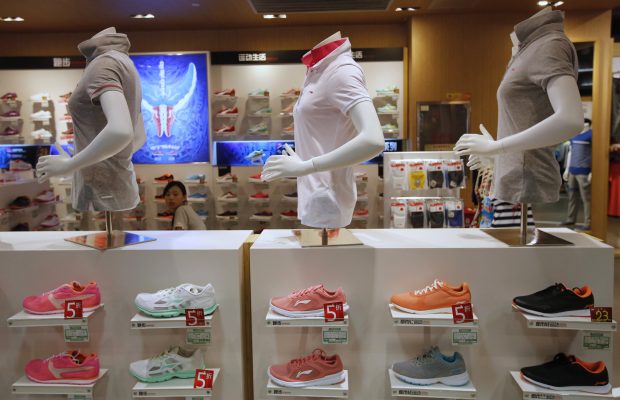
    Chinese sportswear giant Li-Ning reported a massive 110-per-cent boost in profit for last year on sales up 32 percent.

    Total revenues reached ¥13.87 billion (US$127.9 million) compared with ¥10.51 billion ($96.95 million) in 2018. Net profit attributable to shareholders increased from ¥715.3 million ($6.6 million) to ¥1.5 billion ($13.8 million).

    CEO and executive chairman Li Ning, said the result reflected the company’s strategy of creating and enhancing the brand’s “experience value”.

    “We have adopted diversified strategies and approaches to consolidate the advantages of online and offline and also made use of digital marketing to further promote our engagement with different consumer groups and hence enhance the image and value of the Li-Ning brand.”

    The former Olympian said throughout last year the company steadily improved profitability and operational efficiency.

    The group improved its gross profit margin by a whole percentage point to 49.1 percent.

    “The increase in gross profit margin was mainly attributable to the group providing a higher percentage of tag price on delivery to franchised distributors due to the increasing brand recognition, and there was better sales discount on both new and old products in self-operated channels, while the tag-cost-ratio further improved,” the company said.

    Last year, Li Ning continued to focus on five core categories: basketball, running, training, badminton and sports casual.

    At the customer front, Li Ning opened full-category flagship stores and China Li-Ning stores in shopping malls, while actively exploring new channel types.

    “To enhance channel efficiency and optimize store structures, the company continued to accelerate the closure of loss-making stores, as well as upgrade and improve low-efficiency stores.”

    The company ended the year with 6449 Li Ning points of sale in Mainland China, a net increase of 105 for the year, along with 1101 Li-Ning Young stores, a net increase of 308.

  • Le Saunda profit downhill as store network slashed

    Le Saunda profit downhill as store network slashed

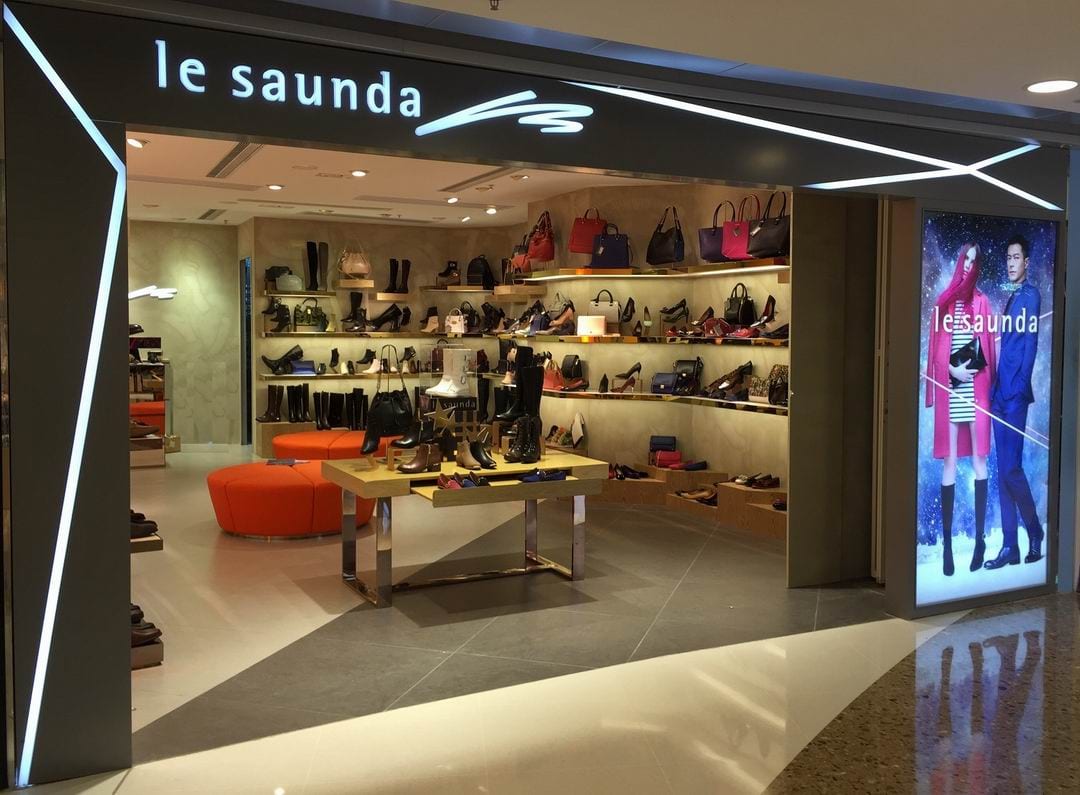
    Le Saunda sales slumped in the latest quarter as the Hong Kong footwear retailer slashed its store network.

    In a stock-exchange announcement covering the fourth quarter, Le Saunda sales declined by 30.9 percent for the three months to February. It also noted a same-store sales decline of 18.5 percent, compared to last year.

    Le Saunda currently operates 441 outlets in Mainland China, Hong Kong and Macau, including 55 franchised outlets – 85 fewer stores than it held as of February last year.

    Despite the drop in sales at Le Saunda’s physical stores, the firm’s e-commerce business saw a total growth of 7.2 percent compared to last year.

  • UBS Profit Climbs, Disposes of Fund Unit

    UBS Profit Climbs, Disposes of Fund Unit

    UBS’ quarterly profit more than doubled on the year amid big spending cuts. The Swiss bank set out two-year targets and disclosed the sale of a funds business.

    The Zurich-based bank’s fourth-quarter net profit rose to $722 million, from $315 million year-ago, amid a nearly six percent cut in spending, it said on Tuesday. It lifted its dividend to 0.73 Swiss francs per share, after paying out 0.70 francs in 2018.

    We are balancing investments to take advantage of opportunities for growth across our businesses and regions while managing for efficiency,» the Swiss bank said. It recently unveiled a major restructuring of its flagship private bank, which is the centerpiece of CEO Sergio Ermotti’s 2012 new strategy for the bank.

    The private bank’s newly-disclosed goal is to hike profit before taxes by at least ten percent annually. As a whole, UBS’ year was more mixed: net profit dropped nearly five percent to $4.3 billion. The wealth manager couldn’t cut annual spending quickly enough to match a tumble in revenue.

    UBS is disposing of a majority of Fondcenter, a money management platform for its institutional clients, to Clearstream for $600 million, it said in a separate statement. The move will bolster UBS’ hardest type of capital, the bank said.

  • Estee Lauder Asia sales rose 24 per cent in latest quarter

    Estee Lauder Asia sales rose 24 per cent in latest quarter

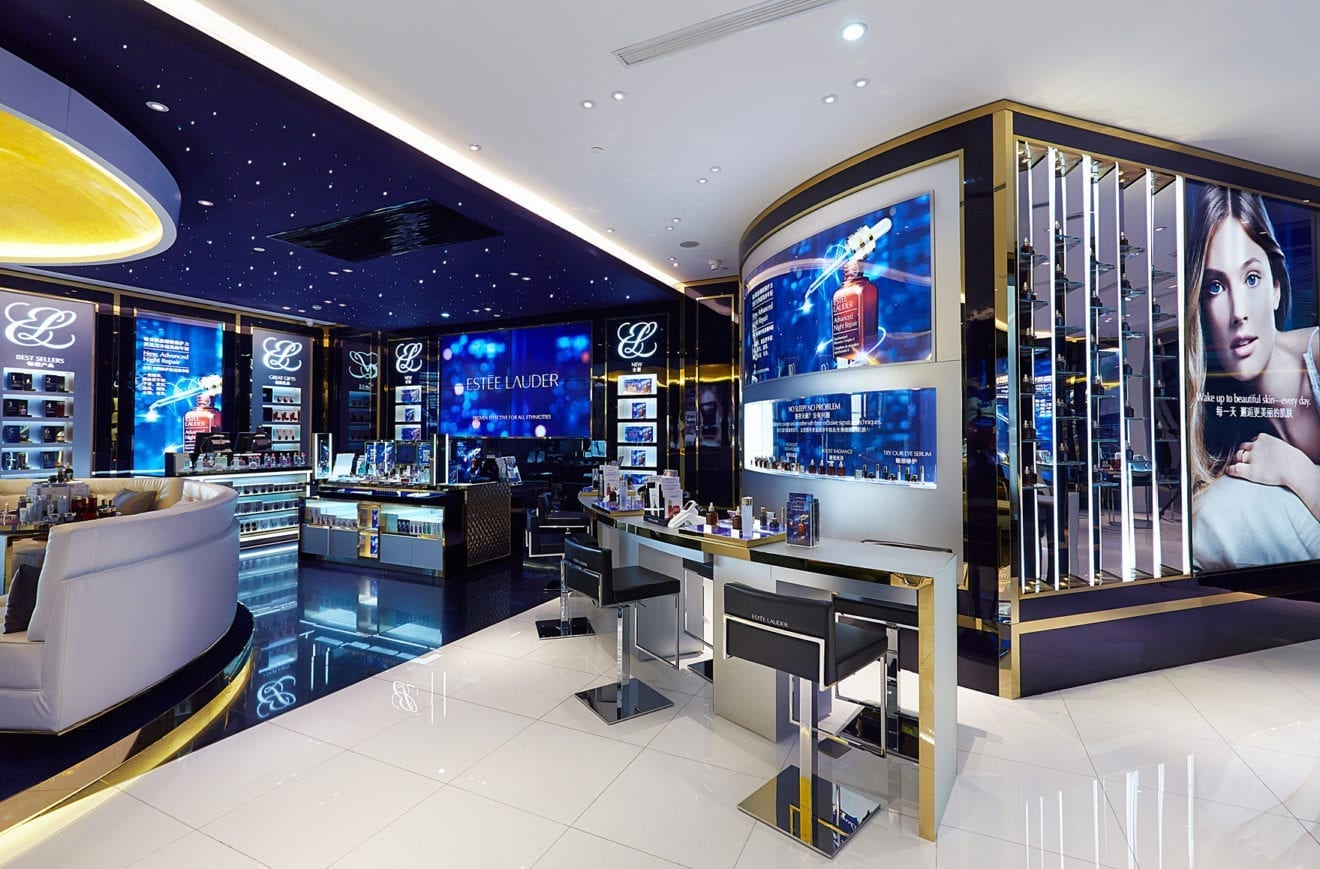
    Estee Lauder Asia Pacific sales rose 24 per cent in the latest quarter – a stark contrast to the cosmetics giant’s US performance, where revenue fell 6 per cent.

    Global net sales increased 11 per cent to US$3.9 billion, or by 12 per cent on a constant-currency basis. Net earnings rose 19 per cent to $595 million

    But the company has cautioned that the ongoing Hong Kong protests and the stronger US dollar will impact on the current quarter.

    Estee Lauder said sales in Hong Kong fell 20 per cent in the first quarter, but given they account for just 4 per cent of global sales, the impact so far is muted.

    CEO Fabrizio Freda told analysts on an earnings call that Hong Kong “has been difficult” and as yet no improvement is evident.

    The economic gloom in Greater China, fuelled by trade tensions and the appreciating Renminbi, is also worrying Estee Lauder.

    “Given the fact that there are global macro slowdowns, even though we haven’t, in fact, seen it in China and haven’t seen it affect our Asia business in general … it certainly could happen,” said CFO Tracey Travis, quoted by Reuters.

    Freda said in a statement that sales growth was led by excellent results from international markets – particularly China – and other emerging markets. The skin-care category, travel retail and online channels globally, the flagship Estee Lauder brand and several luxury brands, all grew by double-digit rates.

    “In addition, all four of our biggest brands, each with annual sales well over $1 billion, grew globally. This demonstrates the enduring consumer interest in established brands and their proven, desirable products.”

  • Giordano sales down across China

    Giordano sales down across China

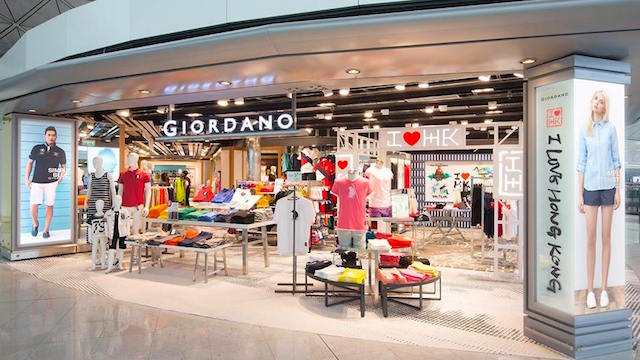
    Giordano sales slid by 8.6 percent in the three months to September, or by 7.1 percent if measured by constant exchange rates. Comparable same-store sales fell by 10.3 percent.

    The damage to Giordano sales was largely borne in Hong Kong and Mainland China, where protests have hit inbound mainland tourist numbers since June and Chinese are spending less, spooked by the ongoing Sino-US trade war.

    Giordano sales in Hong Kong and Macau fell from $226 million to $169 million and in Mainland China from $251 million to $208 million.

    However, the China decline was mitigated in part by a strong performance in Giordano’s relatively new Middle Eastern markets. Sales there rose from HK$134 million to $153 million.

    Wholesale sales were constant.

    Despite the Hong Kong sales decline, Giordano maintained a network of 75 stores in Hong Kong during the period, the same number it had a year earlier.

    Group sales for the quarter totalled $1.075 billion, down from $1.176 billion a year earlier. Year-to-date sales (for nine months) were down from $4.036 billion to $3.617 billion.

  • Asia cited as Ted Baker swings to a loss

    Asia cited as Ted Baker swings to a loss

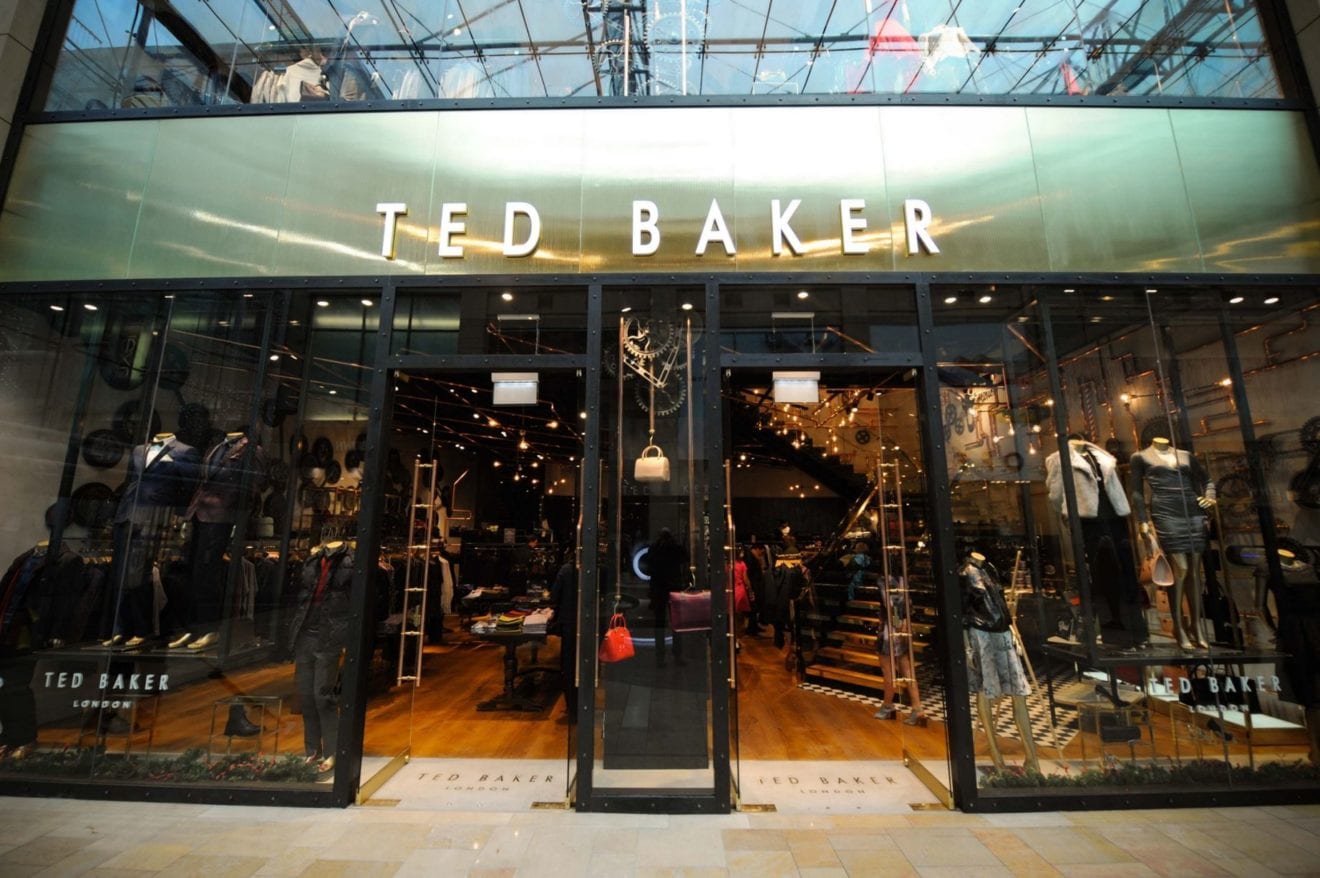
    UK fashion house Ted Baker has slumped into the red in the first half of the year, its position not helped by a 15.2-per-cent fall in sales in Asia.

    Global revenue was down by a more modest 0.7 percent (or by 2.5 percent in constant currency) to £303.8 million, but pre-tax profit turned from a £25 million surplus in the first half of last year to a loss of £2.7 million. The company took a £11.8 million one-off hit on the restructure of its Asian business, where it has appointed partners in Greater China and Japan, and £3.5 million relating to the purchase of a footwear business in January.

    Sales in Asia were £9.5 million and sales per square foot excluding e-commerce sales decreased by 4.6 percent.

    E-commerce concession businesses in China and Japan delivered sales of £1.4 million, down from £1.7 million, which represented 14.7 percent of Ted Baker’s Asian sales.

    Licensed stores across Asia continued to perform well with existing license partners in Thailand, Singapore and India opening new stores. However, in Indonesia and South Korea, several partner stores were closed.

    Despite the loss, Ted Baker is optimistic about its future prospects, saying its Autumn/Winter collections have been well received and that it is excited about new product initiatives including monthly product drops and speed to market developments.

    “Despite the structural challenges and cyclical pressures on the industry, we remain confident in Ted Baker’s ability to navigate the market and further develop as a global lifestyle brand,” the company said in a results statement. “This confidence remains underpinned by the group’s flexible, omnichannel model, the continuing strength of the brand, and the skill, passion and commitment of our talented teams worldwide.

    “We are continuing to pro-actively manage the significant challenges impacting our sector including weak consumer spending, macro-economic uncertainty, and the accelerating channel shift towards e-commerce. However, we are not immune to these pressures which have impacted our financial performance during the first half of the year.”

    Emily Salter, retail analyst at GlobalData, said it was worrying that Ted Baker’s online sales had declined given its strong multichannel proposition.

    “The retailer can therefore not solely blame the troubles of the physical high street for its fall from grace, as it has previously performed strongly online even as retail revenue growth became more subdued. This points to more significant problems with demand for the brand and the impacts of regular discounting.”

    Salter says that for Ted Baker to be able to revive itself without its founder and former leader playing a key role, it needs to re-establish its brand identity, retain its loyal shopper base and reduce its reliance on discounting.

    “The retailer should take the opportunity to poach Karen Millen and Coast shoppers who are reluctant to purchase online, as the premium brands’ stores and concessions are now closed as a result of the acquisition by the Boohoo group. Ted Baker should review its sales channels, as it sells through department store retailers and online pureplays, leaving it exposed to the troubles of players such as House of Fraser and Debenhams. Moving its childrenswear license from Debenhams to Next in Spring 2020 will help to address this as Next’s leading online platform will be able to generate much stronger growth than the embattled department store,” she said.


  • Five things to watch for as AirAsia reveals earnings

    Five things to watch for as AirAsia reveals earnings

    Budget airline pioneer Tony Fernandes has built AirAsia Group into a benchmark for aviation in Southeast Asia in the 17 years since he founded the company.

    No longer satisfied with just flying passengers from A to B, Fernandes wants to use the data collected from the 100 million passengers he transports each year to transform the group into the “Amazon of travel.”

    Buffeted in recent months by the global trade war, high fuel costs, increased competition and other hurdles such as a failure to crack the lucrative Vietnamese market, the company’s shares are down nearly two-thirds from the all-time high of 4.6 ringgit ($0.53) in February last year.

    As AirAsia Group reveals its financial results for the second quarter on Wednesday in Kuala Lumpur, here are five things investors will be watching.

    One of the aviation industry’s most important metrics that measures the average fare per passenger per kilometre, Maybank Investment Bank’s Mohshin Aziz, is expecting lower yields to dampen profits.

    Mohshin is forecasting a second-quarter net profit of 111 million ringgit ($13 million), that’s 65% lower than for the same period last year, but up 9% on the first quarter.

    “Load factor declined by 0.4 percentage points year-on-year to 85.1% in second-quarter 2019 on the back of 16.8% year-on-year capacity growth,” Mohshin said. ” This is a very respectable load but it likely came at the expense of lower yields, in our view.”

    Mohshin said in terms of yields, AirAsia’s published fares look relatively weak in the second quarter of 2019 when compared to the same period last year.

    In the first quarter of 2019, yield declined by 4.1% year-on-year. “We expect more of this in the reported second quarter of 2019.”

    Fuel Prices

    Rising fuel prices have hit other regional carriers such as Virgin Australia hard, with the airline reporting a loss of AU$315.4 ($212.5 million) on Wednesday for the 12 months to June 30.

    But MIDF Amanah Investment Bank’s Adam Mohamed Rahim believes AirAsia’s prudent hedging policy could help the bottom line this quarter.

    “Our positive outlook on the group stays intact on its more prudent hedging policy, stable operations with added capacity and continuous improvement to derive higher values per kilometre flown,” said Adam.

    Adam will also be watching out for any estimate from AirAsia on whether a new departure tax to levied from September 1 of 8 Ringgit per passenger for destinations within the Association of Southeast Asian Nations, and 20 Ringgit for non-ASEAN destinations will cause a dip will impact on passenger growth.

    Geographic Segment

    AirAsia carried 42.2 million passengers in Malaysia last year, making it one of the group’s most profitable markets, but operations in Indonesia, Thailand and elsewhere have struggled, with net income slipping 92% in the three months to the end of March from the same period a year ago.

    Second quarter earnings could tell a different story though, said Ahmad Maghfur Usman of Nomura Securities, who believes AirAsia’s short-haul operations, especially to Indonesia and Japan, will show significant improvement.

    Ahmad added that improving supply and demand dynamics were in the carrier’s favor, with lower fuel costs going forward also expected to help boost profitability.

    ‘Amazon of Travel’

    After announcing a leadership reshuffle earlier this month, Fernandes’ ambitious plans to morph AirAsia into something other than a budget carrier is starting to take shape.

    “We are now the 13th largest airline flying about 100 million passengers annually and collecting piles of data in the process,” Fernandes said in June. “It is not a huge leap to say we are becoming a digital power.”

    Any further light that Wednesday’s results can shed on exactly how Fernandes plans to expand online, and fend off established rivals such as Expedia and Booking.com, will also be keenly anticipated.

    Philippines AirAsia

    When Philippine business mogul Michael Romero revealed in June that he had upped his stake in Philippines AirAsia to 45%, as well as announcing a $350 million capital infusion, it seemed like the long-awaited initial public offering of the AirAsia Group affiliate would finally get off the ground.

    That was until last weekend when Fernandes told reporters in Bangkok that he was still in wait-and-see mode regarding the Philippine unit’s bid to go public.

    “It’s there, but with no particular rush to be honest,” Fernandes said. “We want to maximise the valuation, so you know after a very tough start our earnings are very strong, the fuel price is going down, tourism is going up.”


  • 7-Eleven Malaysia store sales rise with new stores openings

    7-Eleven Malaysia store sales rise with new stores openings

    7-Eleven Malaysia has boosted sales by 7.2 per cent in the first half of this year, aided by new store openings, increased promotions and a higher average spend per customer.

    The company now has 2323 stores trading and plans further openings in the second half of this year.

    For the six months to June 30, 7-Eleven Malaysia group revenue reached RM1.17 billion (US$277.9 million) Revenue from its food-service business surpassed 3.5 per cent of the group’s total, an increase of more than 30 per cent year on year.

    Gross profit improved by RM33.7 million or 8.5 per cent year on year, despite expenses related to store openings. The adoption of MFRS 16 accounting standards relating to leases reduced post-tax profit by RM4.6 million. Excluding that factor, the group would have achieved a profit after tax of RM30.3 million, which would have been 37.4 per cent ahead of the same period last year.

    CEO Colin Harvey said the company was pleased with its overall results, especially given the impact of MFRS 16.

    “We are confident that continuous implementation and improvement of our strategy roadmap in strengthening the key areas of assortment, supply chain, operational excellence, store base and digitally enabling the organisation will continue to deliver positive results despite challenging headwinds as we look forward to ensuring that 7-Eleven remains Malaysian consumers’ preferred convenience store brand.”

    The 7-Eleven Malaysia board believes trading conditions for the next quarter are expected to remain challenging

  • Zara India reports drop in profit

    Zara India reports drop in profit

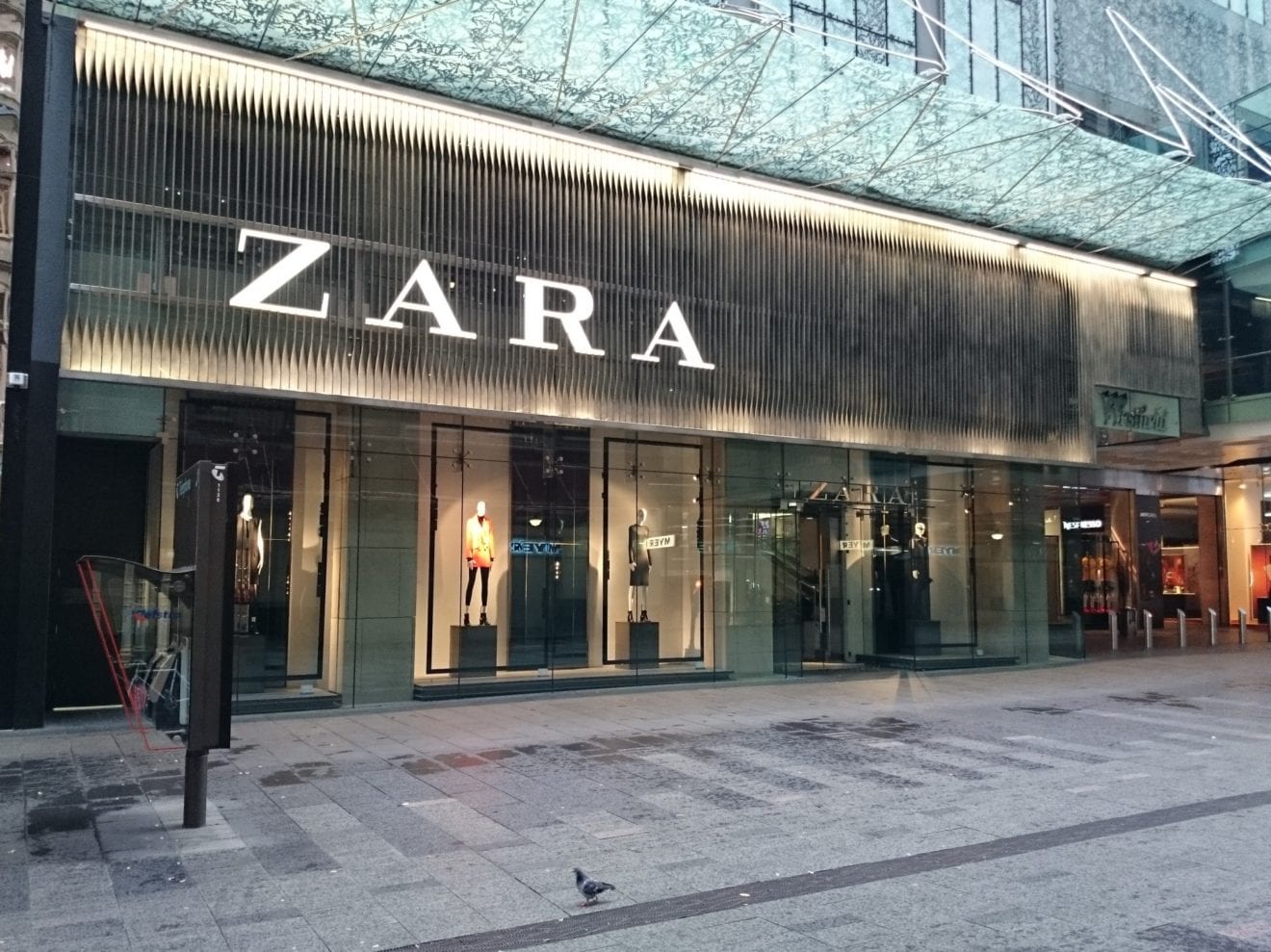
    Fashion retailer Zara India has reported a 13.4-per-cent drop in net profit over the last financial year, reflecting increased competition and a drop in demand during the period.

    The loss came despite a 17.7 percent increase in sales over the year to  ₹1438 crore (US$208 million), which suggests the company has been heavily discounting to maintain stock turnover.

    Two years ago, Zara India saw a 40-per-cent drop in profits after ruthlessly slashing prices to beat competitors.

    The brand opened two new stores in the territory and expanded its presence to a total of 10 Indian cities during the last financial year.

    “The numbers could reflect a dip in same-store sales growth,” noted an Indian retail industry commentator. “Also during the year, India saw no major new net mall additions in large cities for a brand such as Zara to open add more stores”.

    A spokesperson for Zara’s local partner Trent maintained that the primary challenge to the brand’s faster expansion is the availability of high-quality retail spaces that could be expected to generate reasonable sales throughput.

  • Li Ning issues positive-profit alert

    Li Ning issues positive-profit alert

    Li Ning has issued a positive-profit alert after a preliminary review of its half-year results.

    The alert bodes well for the company which has emerged from a troubling era after its founder, Li Ning himself, reasserted control of the business as interim CEO.

    Last year, the company’s first-half profit soared 42 per cent as the effects of the long-term restructure continued to pay dividends. This year is shaping up to be even better with Li Ning saying profit attributable to shareholders will be no less than RMB440 million (US$63.9 million), considerably higher than the RMB268.6 million ($39 million) for the corresponding period last year.

    Li Ning said the improvement was due to increased profit from continuing operations of not less than RMB240 million thanks to higher sales and a stronger operating margin.

    A one-off non-operating income (mainly derived from investments) of not less than RMB200 million also contributed to this year’s result.

    With the half year not yet over, the figures are only provisional. The company expects to release results in August.

  • E-commerce sales up in New Zealand with 16 per cent last year

    E-commerce sales up in New Zealand with 16 per cent last year

    New Zealand consumers spent $4.2 billion online last year, a 16 percent increase in 2017, according to the latest e-commerce report from NZ Post.

    This compares to just 2 percent annual growth in bricks-and-mortar shopping, the postie said in a statement released last week.

    The rise in spending was driven by Kiwis shopping online more often, with consumers hitting the ‘buy’ button 22 times each.

    Last year also saw the emergence of ‘super shoppers’ – with nearly 10 percent of the 1.8 million Kiwis who shopped online last year spending over $9000.

    The report found that spending with New Zealand online stores grew nearly twice as fast as spending with international online stores, though roughly a third of the dollars consumers spent online in 2018 overall went overseas.

    Around 12 percent of online shoppers used to buy now pay later methods, such as Afterpay, last year – with younger users and women being the majority of users.

    The most prominent online shoppers in New Zealand are women aged between 30 and 45 who live in rural areas, NZ Post found.

    “NZ Post is delivering well over half of all parcels bought online in New Zealand and we’re proud to be integral to that moment of joy when your online shopping parcel arrives,” Bryan Dobson, NZ Post’s chief marketing officer, said.

  • Deliveroo Riders Can Now Get Same-day Access to Earnings

    Deliveroo Riders Can Now Get Same-day Access to Earnings

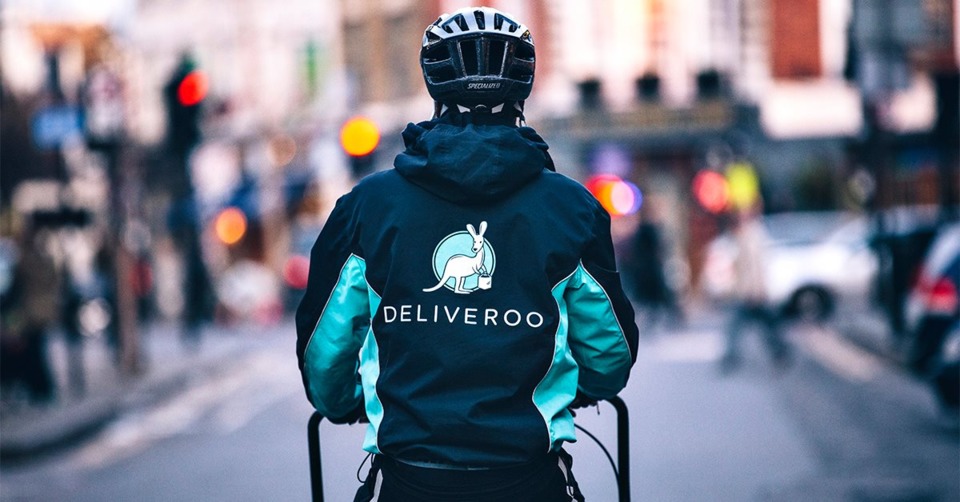
    Deliveroo riders in Hong Kong can now get paid quicker as part of a new initiative being introduced by the company. The leading food delivery service has launched ‘Get Paid’, which allows riders to opt to receive their fees as early as the same day at the tap of a button, should they wish to.

    This new feature will help riders manage their finances, to access money in an emergency or simply if they need instant money. Whether it’s a student needing extra cash before their loan arrives, someone with a part-time job needing money to tie them over until their payslip arrives, or a parent needing funds to pay for an unexpected household bill, Get Paid will help ensure riders’ fees have access to their earnings when they need it most.

    Riders in Hong Kong currently receive their earnings on a bi-weekly basis, however they can now also choose to get these earnings more quickly. If they want, riders can get their earnings on the same day if requested by midday, or on the following day if requested after midday; rather than waiting. It is completely riders’ free choice whether they want to make use of this new service.

    This new feature reflects the changing world of work, with more and more people choosing flexible, on-demand ways of working to fit their lifestyle. Just as riders’ work is on-demand, many now also want to be able to access their earnings on-demand.

    This new option for riders cements Deliveroo’s commitment to offering flexible work and attractive earnings. Riders can not only login and logout where and when they want, they can now get paid when they want.

    Brian Lo, General Manager of Deliveroo Hong Kong, said, “Workforce today want flexible work that puts them in control of their hours and earnings, and Deliveroo is proud to continually innovate our offerings to deliver on these demands. ‘Get Paid’ empowers our outstanding fleet of riders, so they can enjoy more control over when and how they get paid. This is great news for riders and it’s an exciting step forward for Deliveroo in our ongoing push to offer the flexible, well-paid work riders want.”

    Since its global launch in March, 70% of Deliveroo’s riders have used Get Paid, and up to 25% of active riders on a given day are using it to access their pay. Deliveroo is also seeing riders Get Paid more than once a week, at an average of every four to five days, with Sundays being the biggest day.

    Mr. Leung, a 28 year-old Deliveroo rider in Hong Kong who is a part time rider and a full time car maintenance technician has tried the Get Paid feature, said, “Get Paid is a great option in case I need to access my pay earlier than expected. I appreciate that being a rider with Deliveroo means I get more choice and flexibility, which is essential for my busy lifestyle. I can decide when I want to work and access well-paid work on demand, and now thanks to Get Paid I can also access my earnings when I need them.”

    Get Paid emerges on the heels of other recent Deliveroo initiatives to support the needs of riders in Hong Kong and help them enjoy well-paid, secure, flexible work from Deliveroo which can be combined with other responsibilities such as studying. In 2018 Deliveroo launched a completely free, first-of-its-kind insurance package for all on-demand self-employed Deliveroo riders in Hong Kong and worldwide. This year, Deliveroo is providing over 150 riders in Hong Kong with access to 13 first aid training courses administered by the Hong Kong Red Cross, to equip them with life-saving skills which can benefit the riders and the Hong Kong community where they live and work.