Tag: profit

  • Esprit’s loss in line with forecast

    Esprit’s loss in line with forecast

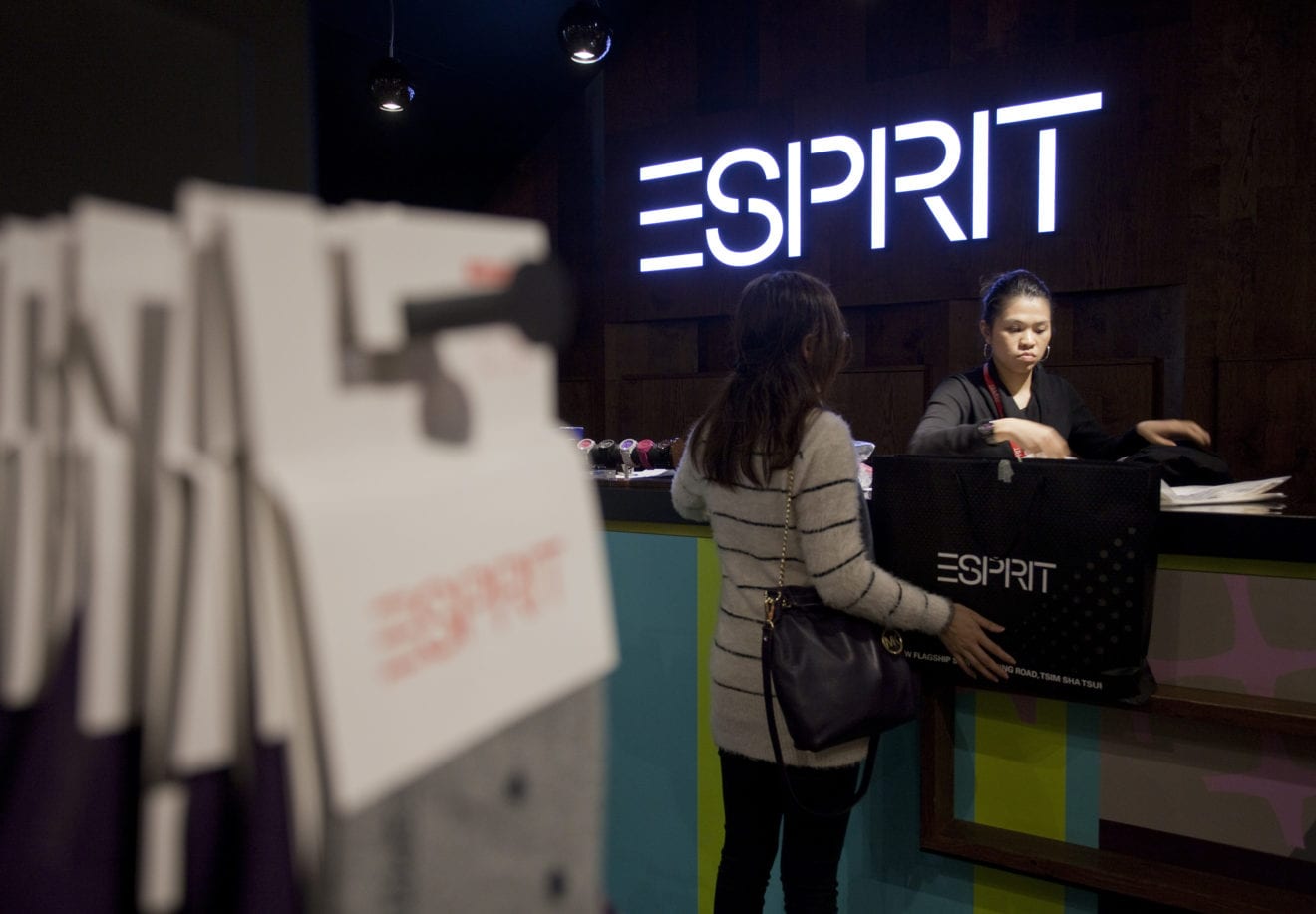
    Fashion retailer Esprit shuttered 91 stores in the six months to December and recorded a loss of HK$1.773 billion (US$225.876 million). While the loss is massive, it is within the estimates Esprit provided at an investor presentation last November when it unveiled its rescue strategy for the embattled Hong Kong-listed brand. The 91 stores closed during the fiscal half year come on top of another 50 in the half year preceding it. More closures are to come as the company trims its network to meet falling consumer demand for its range and save on rent.

    Esprit’s revenue for the half year fell to $6.766 billion, down 14.4 per cent in local currency terms, due to fewer stores and “reduced customer traffic across the distribution channels due to the weakness in brand identity and product appeal,” the company said in a stock exchange filing.

    The company’s share price fell from $2.04 to $1.83 (US 23 cents) as the results were released, before recovering a little this morning despite the results being inline with the company’s forecasts last November.

    Esprit “has a clear strategy plan in place setting forth bold changes to build a powerful organisation and restructure the cost base and develop a new model for the future,” the company reiterated in its filing. That plan includes becoming a leaner and more efficient organisation, eliminating loss-making areas of the business, sharpening the Esprit brand identity and putting the customer at the centre of everything the group does, and

    improving the product offer and its relevance to consumers.

    “The execution of the strategy plan is progressing well and is on track. While the group is encouraged by the initial progress and [has] a committed team in place to see the execution through, it is important to appreciate that it will take time to see this translate into a positive business performance, as most initiatives are still at this stage a work-in-progress and it will require time to make the corresponding improvements in brand and product visible to our customers for attracting them back into Esprit stores.”

    Included in that process is the reduction of between 35 and 40 per cent of non-store employees, already completed in Asia and on track in Europe.

    Meanwhile, the company said that while revenues continued to decline in the first half, the rate of decline is slowing. In the three months to September, sales in local currencies fell by 16.2 per cent, while in the following three months, sales fell by 12.5 per cent.

    Asia Pacific – comprising mainly China, Hong Kong, Singapore, Malaysia, Taiwan, Macau, Thailand, India and the Philippines – accounted for just 10.4 per cent of the group’s total revenue, or $698 million. That was down 26.6 per cent, in part affected by the closure of the Australia and New Zealand Esprit businesses last year.

    Transition period

    Esprit says it expects the next two years to be a period of transition for the company and its brands

    “Revenue is expected to see further decline in the next two financial years due to closure of loss-making stores, before reverting to growth to be driven by impact from product and brand initiatives. Overall, the group expects revenue to increase at a compound annual growth rate of a mid-to-high single-digit percentage in local currency between FY19/20 and FY23/24.”

    It reiterated its earlier forecast of breaking even in two to three years time.

    A “low double-digit” decline in topline sales is expected in the second half of the current financial year.
  • Allianz Malaysia earnings up 15.3% to RM100m in fourth quarter

    Allianz Malaysia earnings up 15.3% to RM100m in fourth quarter

    Allianz Malaysia Bhd’s earnings increased by 15.3% in the fourth quarter ended Dec 31, 2018 (Q4) to RM100.04 million, from RM86.78 million in the previous corresponding quarter mainly due to higher underwriting profit from motor business arising from lower claims and management expenses. For the quarter under review, the general insurance segment recorded a profit before tax of RM78 million, an increase of 15.7% as compared to the preceding year quarter.

    Meanwhile, the life insurance segment recorded a profit before tax of RM50.3 million, a decrease of 15.5% due mainly to higher group claims.

    Allianz reported a 7.63% increase in revenue to RM1.3 billion in Q4 from RM1.21 billion, driven by higher gross earned premiums and investment income.

    For the full year, its net profit grew 30.9% to RM377.02 million from RM287.96 million a year ago, while revenue was up 7.9% to RM5.18 billion from RM4.8 billion previously.

    The general insurance industry reported a marginal growth of 1.5% in gross written premium for the year ended Dec 31, 2018.

    Allianz said the group anticipates similar trend in the medium-term given the economic uncertainty and subdued consumer sentiments.

    However, it said the general insurance segment will continue to offer innovative products and services in anticipation of a fully liberalised insurance market while further expanding its multi-distribution model to maintain market leadership.

    For the life insurance segment, Allianz will continue to leverage on the strength of its multi-distribution channels and increase productivity across distribution channels to generate growth.

    The group will also continue to focus on optimising the performance of its insurance businesses and expect to maintain satisfactory results in 2019, it added.

  • Higher fuel prices dent AirAsia X’s Q4 performance

    Higher fuel prices dent AirAsia X’s Q4 performance

    AirAsia X Bhd suffered a net loss of RM99.27 million in the fourth quarter ended Dec 31, 2018 compared with a net profit of RM84.42 million a year ago due to higher fuel prices. In a filing with Bursa Malaysia, the airline reported an increase in average fuel price to US$89 per barrel during the quarter from US$69 per barrel a year ago, which resulted in a lower net operating profit of RM27.4 million from RM120 million a year ago.

    In addition, the group provided an impairment on amount due from joint venture amounting to RM24 million during the quarter under review.

    During the quarter, the group reported a 1% improvement in cost per available seat kilometre (CASK) to 12.27 sen while CASK ex-fuel improved by 16% from 8.22 sen to 6.94 sen a year ago, due to enhanced cost management.

    Revenue for the quarter fell 5.93% to RM1.15 billion from RM1.22 billion a year ago.

    For the financial year ended Dec 31, 2018 (FY18), the group also swung into the red registering a net loss of RM312.7 million compared with a net profit of RM98.89 million a year ago while revenue fell marginally to RM4.54 billion from RM4.56 million a year ago.

    AirAsia X said its current forward booking trend and average fares for the first quarter of 2019 are within expectation and prospects are anticipated to remain encouraging.

    The airline will be adding up to five aircraft through operating leases this year via AirAsia X Thailand while AirAsia X Malaysia will remain with 24 aircraft.

    AirAsia X Malaysia will focus on maximising aircraft utilisation of its current fleet and leverage on the group’s strategy in new route launches as well as increasing frequencies of core routes.


  • Rising active customer count gives Vipshop good impact

    Rising active customer count gives Vipshop good impact

    Chinese online discounter VIPShop is reaping the benefits of a 13 per cent increase in active customers last quarter to 32.4 million – well ahead of the 5 per cent full-year improvement. Its annual results released overnight showed net revenue soared 15.9 per cent last year to RMB84.5 billion (US$12.3 billion) and net income attributable to shareholders rose 9.2 per cent to RMB2.1 billion ($309.6 million). VIPShop says its Gross Merchandise Volume (GMV) for the full year rose 21 per cent to RMB131.0 billion.

    “We are pleased to have finished the fourth quarter of 2018 with solid operational results,” said chairman and CEO Eric Shen.

    “Going forward, we will continue to strengthen our core capabilities, aiming to bring highly desirable selections of products to our valued customers on a daily basis, which will drive our long-term growth and profitability.”

    CFO Donghao Yang said the fourth quarter saw “a healthy sequential recovery” of VIPShop’s bottom-line, which was mostly attributable to a focus on the highly profitable apparel category.

    “During this quarter, we began to shift some low-margin categories from our first-party business into the marketplace platform, reducing their drag on our bottom-line while still delivering a solid GMV growth of 15 per cent year over year. We remain focused on stabilising our margins, aiming to drive enhanced shareholder return in the long run.”

    During the fourth quarter of last year, VIPShop added about 86,000sqm of warehousing space, taking its capacity to 3 million sqm.

    For the first quarter of the new year, the company expects net revenue to grow by up to 5 per cent, to between RMB19.9 billion and RMB20.9 billion.

  • Air France-KLM more than doubles profits in 2018 despite strikes

    Air France-KLM more than doubles profits in 2018 despite strikes

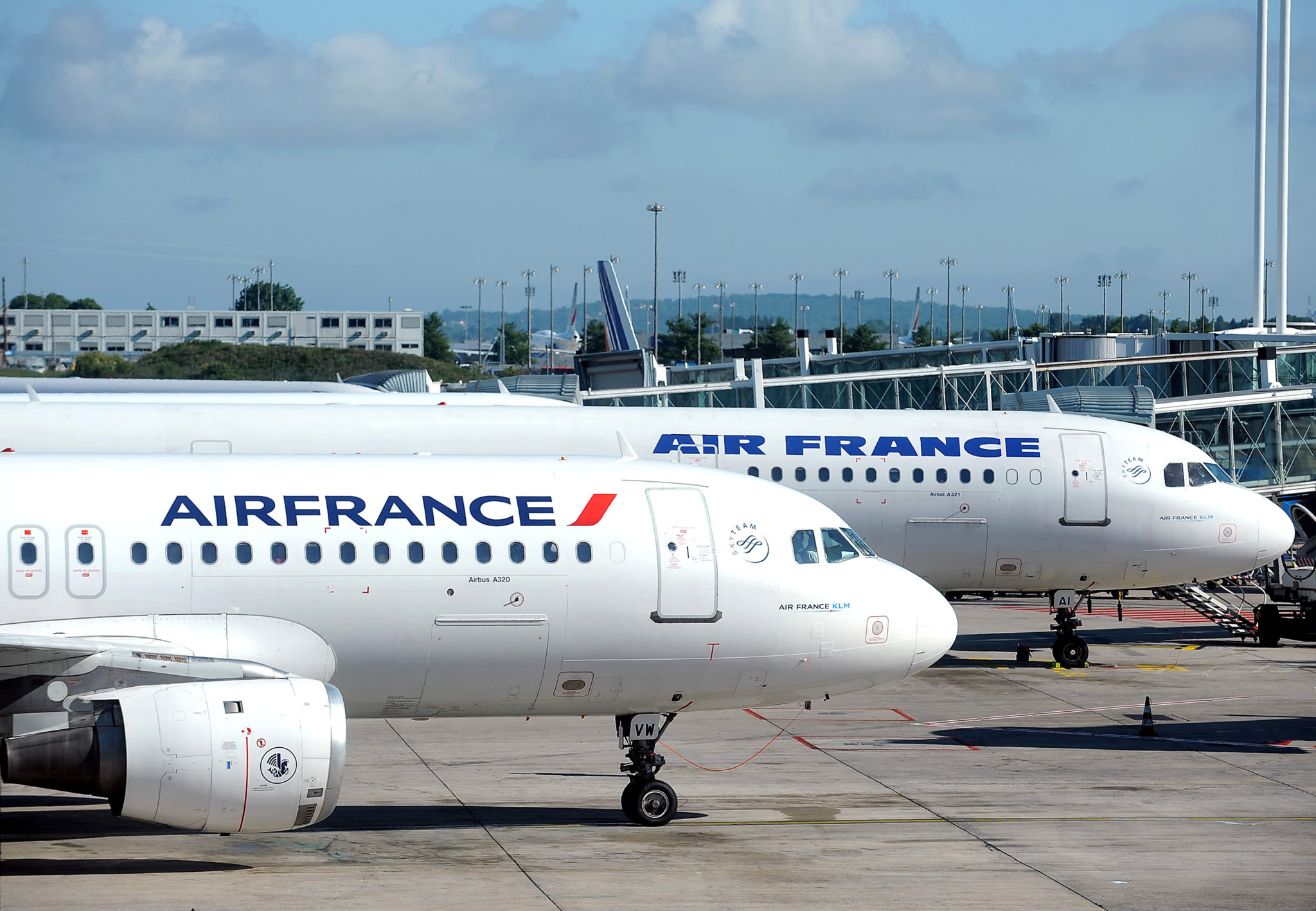
    Air France-KLM, which was badly hit last year by strikes and management upheaval, reported on Wednesday that its annual net profits rose by 150% to 409 million euros (US$463 million). “The strong performance of our front-line teams and continued cost control helped partly offset the impact of strikes at Air France in the first half of the year, as well as significant fuel headwinds,“ Benjamin Smith, the company’s new chief executive, said in a statement.

    The Canadian businessman took over in September following Jean-Marc Janaillac’s sudden exit in a bitter dispute over salaries in the group’s French wing.

    Fifteen days of strike cost the company 335 million euros, Air France said.

    On Tuesday, Air France pilots voted by 85% in favour of a new pay deal, concluding a series of long employee-management negotiations.

    Revenue growth last year was up in all business segments, with operating earnings coming in at of 1.3 billion euros, the Franco-Dutch airline group reported.

    The group said it had carried more than 100 million passengers last year, making it the leading European airline for long-haul traffic.

    Transavia, a low-coast subsidiary, carried 15.8 million passengers last year, an increase of 7.1% on 2017.

    Full year 2018 capacity increased by 2.1%, mainly driven by the South American, North Atlantic and Asian networks, with respective growth of 8.6%, 3.0% and 2.1%, Air France-KLM said.

    In 2019, the group will concentrate on “operational efficiency”, financial director Frederic Gagey said.

    “We can make a lot more money compared to last year,“ he said, adding that Air France-KLM would also be looking to renewing its fleet to replace some of its more fuel-guzzling planes.

  • CIMB Niaga posts 16.9% net profit growth in 2018

    CIMB Niaga posts 16.9% net profit growth in 2018

    CIMB Group Holdings Bhd’s 92.5%-owned T Bank CIMB Niaga Tbk reported an audited consolidated net profit of 3.5 trillion rupiah (RM1 billion) for the financial year ended Dec 1, 2018 a 16.9% growth compared with a year ago. The bank said the improved net profit came on the back of a 13.8% increase in on-interest income to 3.8 trillion rupiah and a 63 basis-point improvement in credit charges from 2.26% to 1.63% as provisions declined 25.7%.

    CIMB Niaga’s loan loss coverage remains comfortable at 105.86%.

    “We aim to maintain a targeted growth trajectory while keeping asset quality as a priority,” said CIMB Niaga president director Tigor M. Siahan.

    Total loans grew by 1.8% to 188.5 trillion rupiah mainly from growth in mortgages of 11.2% to 30 trillion rupiah, small- and medium enterprise loans of 8.5% to 29.6 trillion rupiah and credit card of 5.5% to 8.6 trillion rupiah.

    With total assets of 266.8 trillion rupiah as at Dec 31, 2018, CIMB Niaga maintained its position as Indonesia’s second largest private owned bank by assets.

    Its capital adequacy ratio stood at 19.66% as at end-December 2018, representing a 106 basis-point increase from the previous year.

    “Going forward, we will continue to focus on expanding our consumer and SME businesses, building our CASA (current account savings account) franchise and strengthening our Sharia business proposition and Sharia-compliant product offerings,” Tigor added.

  • No more loss for Hong Kong’s Cathay

    No more loss for Hong Kong’s Cathay

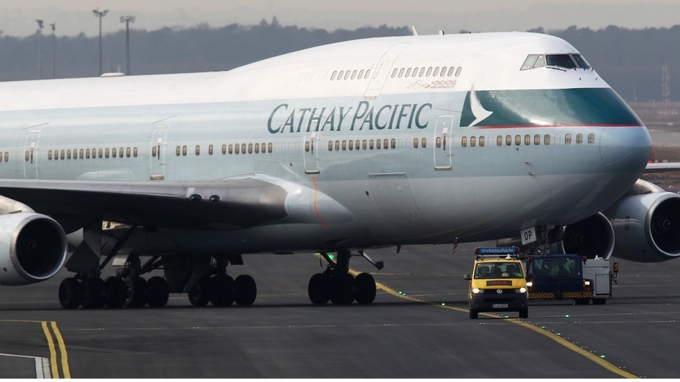
    Hong Kong flag carrier Cathay Pacific said on Wednesday it is expected to have swung back to profit in 2018, ending two successive losses as it embarks on a massive overhaul. The recovery also came in a year that saw it suffer an embarrassing data breach that dented its reputation and could could prove costly. The airline said it expects to record a consolidated profit of around US$293 million (RM 1.2 billion) for 2018, compared with US$160 million (RM651 million) losses the year before, according to a preliminary profit alert.

    The company’s share price jumped more than seven percent after the announcement as investors took comfort in the turnaround after two grim years for Asia’s largest carrier.

    “In 2018, the passenger business benefited from capacity growth, a focus on customer service and improved revenue management,“ the company said in a statement, adding its cargo sector was also “strong”.

    Cathay has been overhauling its business after posting its first losses in eight years in 2016, firing more than 600 workers and paring overseas offices and crew stations as it faced stiff competition from budget rivals on the mainland.

    It also added international routes and better services on board its flights in a bid to compete with well-heeled Middle Eastern long-distance carriers.

    The profit alert suggests those moves have paid off.

    The airline narrowed its losses to US$33.5 million for the first half of 2018 – a tenth of what their losses were for the same period in 2017. But the second half of the year appears to have brought Cathay squarely back into the black.

    Dickie Wong, an analyst with Kingston Securities, said Cathay is expected to further benefit from the end this year of costly fuel-hedging contracts.

    “I would say the unfavorable impact to Cathay would continue to reduce,“ he said.

    Wong said the introduction of premium economy had attracted new customers while ticket discounts helped it compete against budget carriers. But he said the company still had “much room to improve in their luxury classes” if it wants to take on Middle Eastern rivals.

    Cathay will announce its full-year result next month.

    But the year was not without trouble.

    In October it sparked outrage when it admitted to a massive breach five months after hackers made off with the data of 9.4 million customers, including some passport numbers and credit card details.

    The airline faces potentially steep payouts in Europe, which boasts strong protection laws and financial penalties for companies that do not swiftly own up to data breaches.

    British-based law firm SPG Law has already launched a group action against the carrier over the breach to help customers seek compensation.

    This year Cathay’s website mistakenly offered first and business class flights for a fraction of their value in two high-profile and costly blunders.

  • Petronas Gas Q4 profit weighed down by Kimanis Power

    Petronas Gas Q4 profit weighed down by Kimanis Power

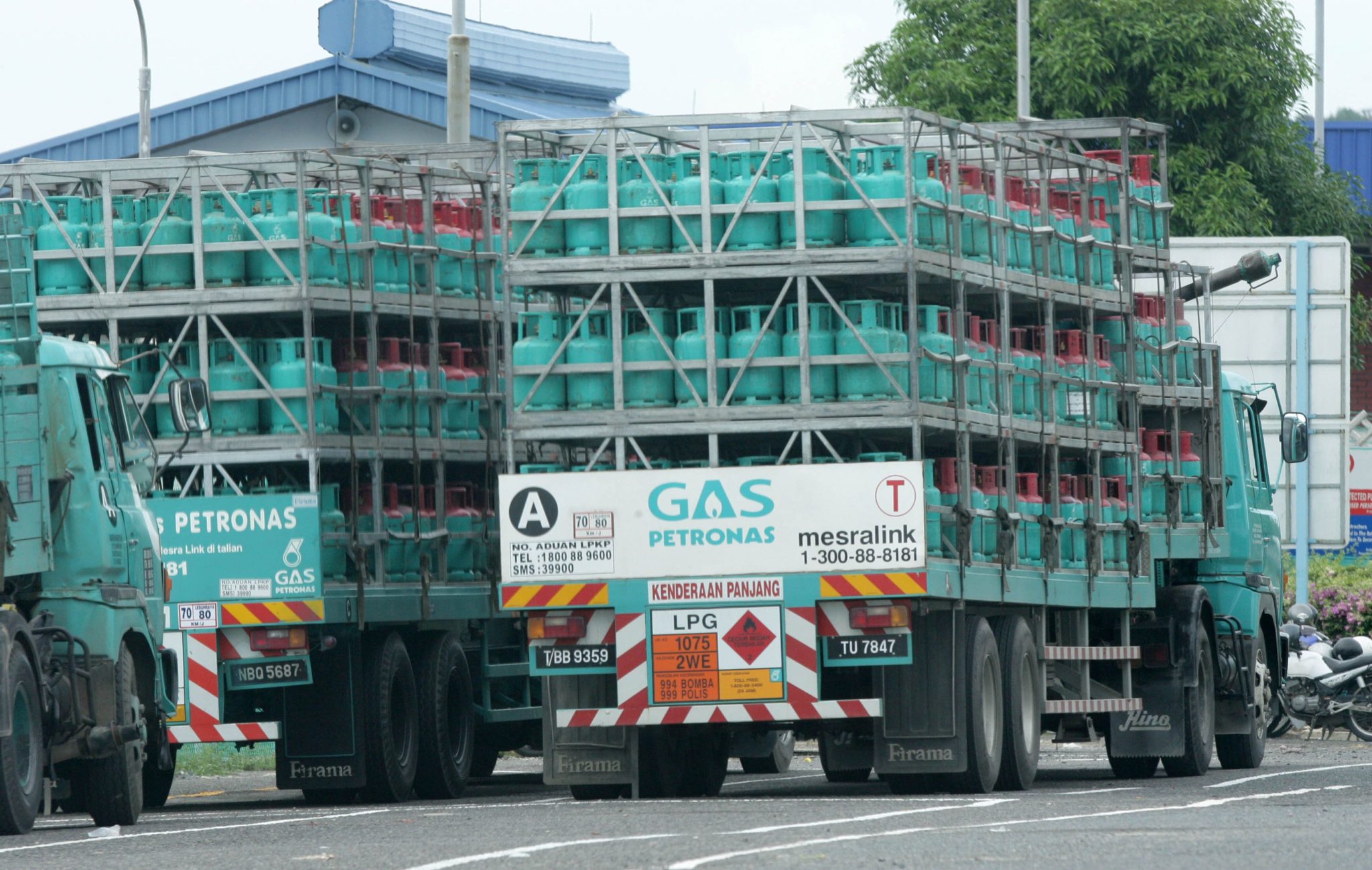
    Petronas Gas Bhd’s net profit fourth quarter ended Dec 31, 2018 fell 34.7% to RM317.90 million from RM486.70 million a year ago, largely attributed to share of losses from a joint venture company, Kimanis Power Sdn Bhd. The losses were due to de-recognition of deferred tax assets amounting to RM124.3 million (being 60% share of the group) in relation to certain tax benefits which now have a seven-year utilisation limit under the new Finance Act 2018.

    Its revenue grew 4.9% to RM1.39 billion compared with RM1.32 billion in the previous year’s corresponding quarter mainly contributed by the second liquiefied natural gas (LNG) regasification terminal in Pengerang, Johor which commenced commercial operations in November 2017, coupled with higher revenue from utilities and gas transportation segment.

    The group has approved a fourth interim dividend of 22 sen per share amounting to RM435.3 million in respect of the financial year ended Dec 31, 2018.

    For the full-year period, Petronas Gas’ net profit grew 0.98% to RM1.81 billion from RM1.79 billion a year ago, while revenue of RM5.5 billion was the highest in history, an increase of 12.3% compared to RM4.90 billion last year.

    The Energy Commission has approved the tariffs for the gas transportation and regasification services for 2019. While the tariffs are expected to affect the group’s transportation and regasification business segment revenues in 2019, both segments are anticipated to continue contributing positively to its earnings.

    The group’s gas processing segment is expected to deliver improved earnings pursuant to the higher fixed remuneration charge under the second term of the 20-year Gas Processing Agreement effective from 2019 until 2023.

  • HSBC pre-tax profit up 16% at US$19.9 bn in 2018

    HSBC pre-tax profit up 16% at US$19.9 bn in 2018

    Banking giant HSBC said on Tuesday that pre-tax profit rose 16% to US$19.9 billion last year with growth across its global businesses despite a “challenging external environment in the fourth quarter”. The results capped the first full year at the helm of the Asia-focused bank for chief executive officer John Flint, who has vowed growth while keeping a lid on costs as trade tensions between the United States and China rumble.

    However, earnings in the last three months of 2018 came in below expectations as Washington’s trade war began to bite globally and hammered the stock markets, especially in Hong Kong and China.

    Adjusted pretax profit fell one percent to US$3.39 billion in October-December, missing the US$4.4 billion consensus average by Bloomberg Newsderived from estimates compiled by the bank.

    Global markets adjusted revenue was down US$202 million to US$1.1 billion over the same period, while wealth management dropped 18%, also to US$1.1 billion.

    Overall the year saw strong growth for HSBC with net profit ballooning 30%to US$12.6 billion while adjusted pre-tax profit rose three percent to US$21.7 billion.

    The bank had to lay off tens of thousands of staff as part of a wide-ranging overhaul that also saw it sell its Brazil operations in 2015.

    But it showed a healthy doubling of profits by 2017, a year that also saw it nominate Mark Tucker as chairman, breaking a longstanding tradition of appointing insiders to the post.

    In a statement attached to Tuesday’s earnings, Tucker and Flint said the bank was prepared to weather fallout from both a possible deterioration in the trade talks between Washington and Beijing and Britain’s impending departure from the EU.

    “The fundamentals for growth in Asia remain strong in spite of a softer regional economic outlook,“ Tucker said in a statement attached to the annual report.

    “The system of global trade remains subject to political pressure, and differences between China and the US will likely continue to inform sentiment in 2019,“ he added.

    With Brexit looming, HSBC followed the other major British financial giants in ring-fencing its UK bank.

    “We continue to prepare for the UK’s departure from the EU” Flint said, adding its operations in France “gives us a major advantage in this regard”

  • Amazon enjoys positive performance with increases in sales, profit

    Amazon enjoys positive performance with increases in sales, profit

    Global online shopping platform Amazon reported growth in both net sales and profit for the fourth-quarter 2018 and full-year, adding its Alexa use and Prime membership continues to thrive, particular in the all-important holiday season. For the fourth quarter ending December 31, net sales increased 20% to $72.4 billion in the fourth quarter, compared with $60.5 billion in fourth quarter 2017. Excluding unfavourable foreign exchange rates, sales increased 21%.

    Amazon said net income for the quarter increased to $3 billion in the fourth quarter, or $6.04 per diluted share, compared with net income of $1.9 billion, or $3.75 per diluted share, in 2017.

    For the twelve months ending December 31, Amazon’s net sales increased 31% to $232.9 billion, up from $177.9 billion in 2017. Excluding the $1.3 billion favorable impact exchange rates, net sales increased 30% compared with 2017.

    For the full-year 2018, Amazon’s net income increased to $10.1 billion, or $20.14 per diluted share, compared with net income of $3 billion, or $6.15 per diluted share.

    In the earnings announcement, Amazon’s founder and CEO Jeff Bezos, praised the recent holiday season, in particular, the Amazon customer uptake of Alexa, the voice activated shopping device and its associated Echo products.

    “Alexa was very busy during her holiday season. Echo Dot was the best-selling item across all products on Amazon globally, and customers purchased millions more devices from the Echo family compared to last year,” said Bezos.

    “The number of research scientists working on Alexa has more than doubled in the past year, and the results of the team’s hard work are clear. In 2018, we improved Alexa’s ability to understand requests and answer questions by more than 20% through advances in machine learning, we added billions of facts making Alexa more knowledgeable than ever, developers doubled the number of Alexa skills to over 80,000, and customers spoke to Alexa tens of billions more times in 2018 compared to 2017. We’re energized by and grateful for the response, and you can count on us to keep working hard to bring even more invention to customers,” he added.

    Other highlights for Amazon in 2018 included the increase in Prime memberships. During the holiday season alone, tens of millions of customers worldwide started Prime free trials or began paid memberships. More customers signed up for Prime worldwide in 2018 than ever before, said Amazon.

    In Asia, Amazon Fashion launched Prime Wardrobe in Japan, allowing Prime members to order clothing, shoes, and accessories and only pay for what they keep.

    Looking ahead to the first quarter 2019, net sales are expected to be between $56 billion and $60 billion, up 10% to 18% compared with first quarter 2018. Meanwhile, operating income is expected to be between $2.3 billion and $3.3 billion.

  • Positive result from anti-plastic campaigns by Starbucks, 7-Eleven

    Positive result from anti-plastic campaigns by Starbucks, 7-Eleven

    Starbucks Korea and 7-Eleven Thailand have announced positive results for their respective anti-plastic campaigns. A report revealed that the local Starbucks subsidiary has seen consumption of single-use straws cut by half in the months since introducing strawless lids on drinks without whipped cream or that do not need stirring. The initiative, introduced last November, has resulted in the monthly average of 15 million straws used across its coffee chain stores drop to 7.5 million per month. The company now only provides straws to customers who request them.

    Aiming to further reduce straw usage by up to 70 per cent, Starbucks Korea is planning an online event to offer rewards to customers who upload pictures of drinks taken without using straws. It has also introduced paper straws for usage in some beverages.

    7-Eleven saves 169 million bags

    Meanwhile, in Thailand, more than 169 million plastic bags have remained unused over the past two months at 7-Eleven stores, according to a report in local news site The Thaiger, the result of a management initiative to phase out their use. The move, which has been supported by local celebrities, encourages shoppers to refuse plastic bags or bring reusable bags to the store.

    The reductions are reported to have saved the chain more than 33 million baht, which operator CP All Public Company will donate to a local hospital.

    All about perception?

    Despite these reports, there have been growing concerns among critics in the media regarding the perceived environmental benefits of similar plastics initiatives worldwide.

    The sippy cup lid adopted in Korea is identical to the design used in North American stores, which was shown in a Reason magazine report last year to use more plastic than the previous lid design and straw put together.

    Plastic shopping bag initiatives similar to the one adopted by 7-Eleven have provoked skepticism among observers who point out that of all single-use plastic packaging used throughout supermarkets and convenience stores, the shopping bag is the only item that tends to be reused in the home.

    A 2017 report in Australia’s journalism hub The Conversation called getting rid of plastic bags a windfall for supermarkets without much perceptible benefit to the environment. It reasoned that most alternatives that were recyclable ended up in landfills anyway.

  • Japan’s Zozo expects profit fall, cuts outlook

    Japan’s Zozo expects profit fall, cuts outlook

    Online fashion store Zozo reported its firs-ever profit decline since its launch, adding to the announcement that it plans to discontinue its innovative Zozo suit, as it moves away for custom-fit fashion. One of Japan’s fastest-growing start-ups, Zozo said it expects full-year for the fiscal year ending March 2019 to fall 12%, dipping to 17.8 billion yen ($164 million).

    Zozo said it expects full-year operating profit of 26.5 billion yen, down around 19% from a year earlier. It previously forecast profit to rise to 40 billion yen.

    Sales are still predicted to reach double-digit growth, up 20% to 118 billion yen. However, that’s much lower than an initial forecast of 247 billion yen.

    By category, private-brand revenues are forecast to total 3 billion yen, just 15% of the 20-billon yen prediction made last year. Profits at the new apparel brand will also be negative, registering a loss of 12.5 billion yen.

    Zozo holds close to a 50 percent share of Japan’s e-commerce market for mid to high-end fashion. The Tokyo-based retailer had tried to branch out by launching its private brand and a made-to-measure service. Dubbed the ‘Zozosuit’, a black-and-white spotted body suit that allowed user to take and upload personal body measurements, the suit was overhauled after complaints on how long the suits took to arrive, with some customers complaining the suit did not fit, causing more delays.

    “By distributing the ‘Zozosuit’ for free so that people could take measurements, we were hoping to create demand for the Zozotown business, including the private brand. But the impact did not have the scale that we had hoped for,” the company said in a statement.

    Zozo said it now expects to pay a year-end dividend of 10 yen per share instead of an original forecast of 22 yen.

  • H&M profit drops due to online investment

    H&M profit drops due to online investment

    H&M profit dropped in the year to November 30, the Swedish fast-fashion retailer blaming investment in its online business for the decline. The world’s second largest clothing retailer embarked on a transformation program last year, investing heavily in logistics and digital technology aiming to improve the shopping experience and product range. This included an upgrade in its mobile app, faster deliveries and the rollout of click-and-collect.

    The company is also working on a new H&M concept store.

    In the last three months of its financial year, the company spent around US$48.5 million on logistics and technology, including resolving problems it flagged earlier last year.

    H&M CEO Karl-Johan Persson said the upgrade in the company’s logistics systems inevitably resulted in increased costs but will lead to a range of improvements for customers.

    “Against a backdrop of rapid changes in the fashion industry, in 2018 we accelerated our transformation to future proof our business, ending a challenging year for the H&M Group and the sector with strong signals that we are on track,” he said.

    Persson said it may have been a challenging year for H&M and the industry but after a difficult first half, there were signs the company’s transformation efforts were beginning to take effect.

    H&M posted a 5 per cent increase in full-year revenue to $22.7 billion, while in local currencies, net sales rose by 3 per cent. Profit fell by 21.8 per cent to $1.36 billion from the same period last year.

    Online sales rose 22 per cent to SEK 30 billion ($3.2 billion) and now comprise 14.5 per cent of the company’s total revenue.

    “With a stronger customer offering and the ongoing improvements in buying and logistics, we expect this trend to continue,” Persson said.

    “While this performance is still some way off the targets that we set at the beginning of 2018, these positive signals confirm we’re making progress across all our strategic focus areas: to create the best customer offering; a fast, efficient and flexible product flow; a stable scalable tech foundation; and adding new growth through store and online expansion.”

    According to Persson, the company opened three new fulfilment centres in the fourth quarter with a total of around 230,000sqm so it can offer customers faster deliveries and a wider assortment while reducing the capacity constraints that slowed them down in some markets in 2018.

    “We have also completed our online transition with investments in 2018, enabling us to successfully migrate online in Germany to the new platform earlier in January 2019,” he said. “With this, all H&M online markets are now on the new platform.”

    Persson said the difficulties with the logistics upgrade in some of their markets earlier in 2018 led to additional costs in the fourth quarter.

    “Applying lessons learned, we have not increased investments to secure upcoming transitions.”

    He added that while these initiatives have a short-term impact on margin, they will lead to continued improvements for their customers, driving increased profitability in the long term.

    “With the transformation now underway, capital expenditure will reduce this year compared to last and we will continue to shift the balance of our investments towards digital.

    “Changing consumer behaviour and technological innovation will continue to transform how and when people shop, we are building a business with the flexibility to respond to this constant evolution.”

  • Courts Asia continues negative trend as Malaysian sales tank

    Courts Asia continues negative trend as Malaysian sales tank

    Group sales fell 6.2 per cent to $175.3 million, largely due to a 22.2 per cent decline in Malaysian sales measured in ringgit with lower consumer demand for goods and services.  Singapore sales, which account for three-quarters of the business’ overall sales, slipped a negligible 0.7 per cent, while the company’s Indonesian woes continued. Although the market accounts for just 3.4 per cent of Courts Asia’s sales, revenue fell 7.3 per cent in local currency. Courts Asia is already taking steps to stem losses in Indonesia, recently announcing the closure of one of its megastores and the downsizing of another.

    Japanese electronics retailer Nojima Corp lodged a takeover bid for Courts Asia last month, conditional only on the formal acceptance by Courts Asia’s majority shareholder  Singapore Retail Group, which has already indicated its acceptance. The Japanese company plans a strategic review of the business and will consider delisting it.

    Meanwhile, Courts Asia says it will continue to endeavour to improve efficiencies in its Malaysian business to improve productivity and return to profit. Twelve underperforming stores have already been closed reducing the network to 54.

  • Asia-Pacific boosts Estee Lauder revenue

    Asia-Pacific boosts Estee Lauder revenue

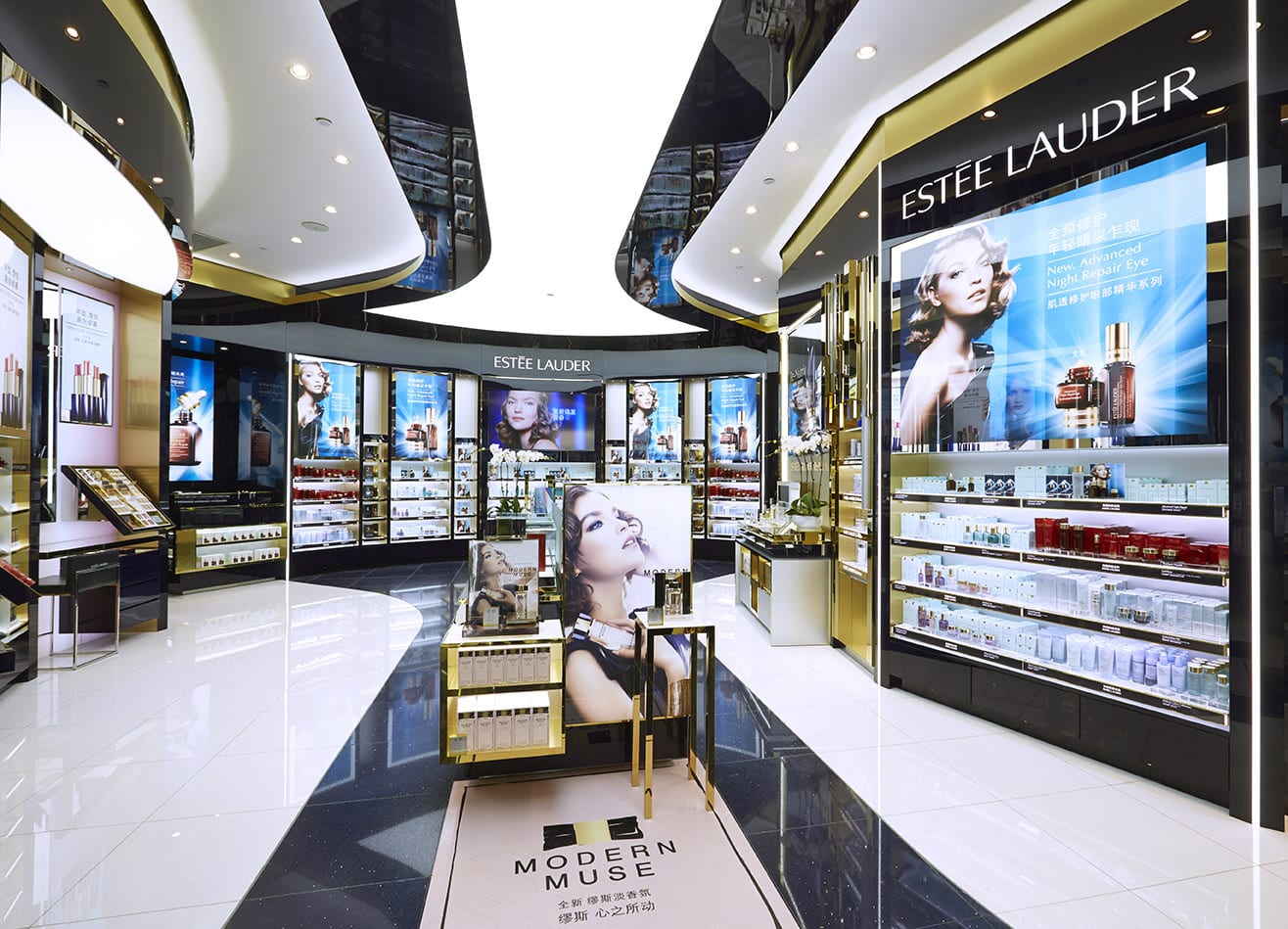
    Estee Lauder Asia-Pacific sales achieved double-digit growth in the December quarter. The beauty giant says the growth was broadbased, with nearly half of the markets in the region growing by double digits. “China, Hong Kong and Japan continued to deliver strong growth, and Korea net sales accelerated. Prestige beauty in China accelerated and the company continued to build share,” the company said in a statement.

    “[We] generated double-digit net sales growth in virtually every major product category and channel. Operating income increased, primarily due to higher net sales.”

    Globally, Estee Lauder sales exceeded US$4 billion for the first time, up 7 per cent from the same time a year earlier. Net earnings rose to $573 million compared with $123 million last year.

    “We delivered an excellent performance in our fiscal second quarter,” said president and CEO Fabrizio Freda. “Importantly, this was our eighth consecutive quarter of impressive net sales growth that met or exceeded our long-term goal, all while navigating many global macro issues.

    “Our sustained progress is the result of our multiple engines of growth strategy, and demonstrates our agility in moving resources to the best global opportunities,” he said.

    The strongest growth engines during the quarter included the skin care category globally, the Estee Lauder Asia-Pacific business, online and travel retail channels, and most brands, including Estee Lauder, La Mer, Mac and the company’s artisanal fragrance brands.

    “Despite a volatile and challenging backdrop, we are optimistic about our company’s long-term outlook. We are very well-positioned to build share in global prestige beauty,” Freda said.

    “We plan to increase our investments during the next six months behind our successful innovations, high-quality products, compelling digital advertising and effective commercial execution, while also enhancing our capabilities to strengthen our industry leadership and deliver long-term profitable growth.”