Tag: profit

  • Low export numbers put Hyundai profit in the red

    Low export numbers put Hyundai profit in the red

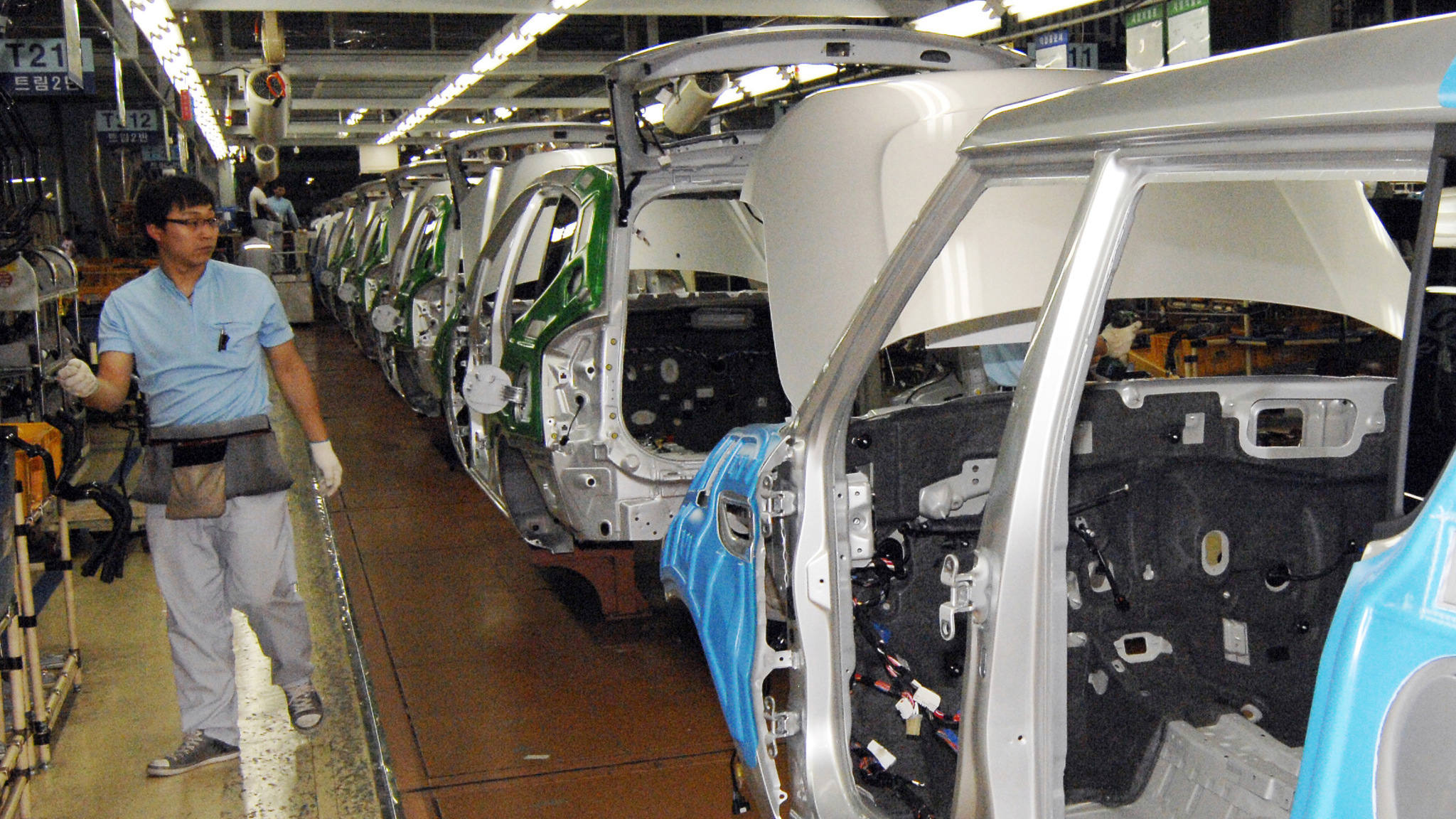
    Hyundai Motor swung to a net loss in the fourth quarter last year, largely due to the strength of the won over the U.S. dollar and weak global sales. It is the worst quarterly earnings reported since 2010, when the company first started posting earnings based on the International Financial Reporting Standards. Korea’s No. 1 automaker by sales on Thursday posted a net loss of 203.3 billion won ($180 million) for the quarter that ended December, a considerable drop from the 1.29 trillion won net profit inked a year earlier.

    The company cited weak earnings from its affiliated locomotive maker Hyundai Rotem, unfavorable currency rates and the sluggish growth of the global automotive industry as major reasons that pulled down earnings in the fourth quarter.

    It added that the cost of its investment into developing futuristic cars was also reflected.

    Hyundai already surprised investors when it posted 306 billion won in net profit in the third quarter, a 67.4 percent year-on-year drop. At the time, the company blamed one-off costs of airbags, engine quality control and marketing activities as well as currency rates to explain its losses and said the fourth quarter would be a better quarter.
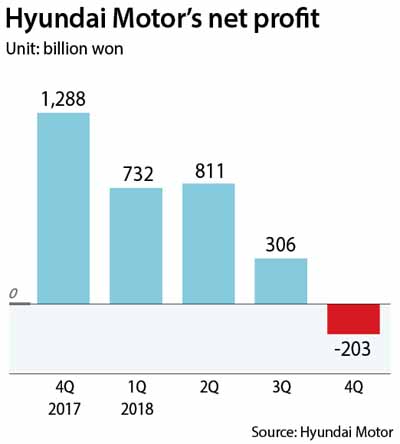
    Following the two bad quarters, the carmaker’s annual net profit also dropped to a record low since 2010 – 1.645 trillion won last year, less than half of 2017’s 4.546 trillion won. In 2012, its annual net profit exceeded 9.056 trillion won.

    Choi Byung-chul, chief financial officer at Hyundai Motor, however, said the automaker was able to ramp up automotive sales in the fourth quarter thanks to newly-released SUVs and that the company’s performance could bounce back with several new car launches scheduled this year.

    According to the earnings report, revenue from the automotive business increased by 9.3 percent on year to 20,399 billion won in the fourth quarter. Operating income also jumped up 556.7 percent year on year to 463 billion won for automotives.

    The most recently launched Palisade SUV has been well received by Korean consumers after its launch last month, and a Hyundai Motor spokesperson said it is considering expanding production of the SUV in accordance with the demand. The carmaker has taken orders for 30,000 Palisades so far, according to Koo Za-yong, head of investor relations at Hyundai Motor.

    “Growth of the global automotive market is expected to slow down, but we will strengthen our brand competitiveness by launching cars in segments [that Hyundai had little presence in],” said Koo during a conference call with analysts on Thursday.

    Highly anticipated Hyundai cars this year include a new Sonata sedan and a premium SUV GV80 branded under Genesis.

    Hyundai plans to sell a total of 4.68 million cars this year by selling 712,000 units domestically and 3.97 million units abroad. Last year, the company sold 4.59 million cars at home and abroad, a 1.8 percent increase year on year.

    The automaker commented on its governance reform plans during the conference call as well. It plans to complete reforms this year to break the cross-shareholding structure between affiliates and improve shareholder returns. Last year, its attempt to reform its governance structure failed after facing a series of complaints from U.S. activist hedge fund Elliott Management.
  • Reliance Retail Q3 revenue up 89.3 percent

    Reliance Retail Q3 revenue up 89.3 percent

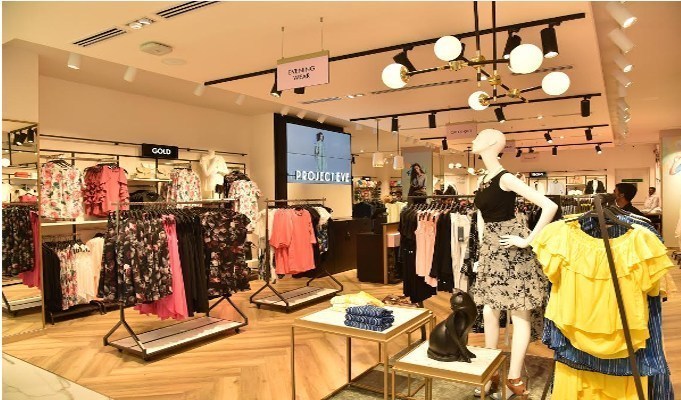
    Healthy festive season sales and new store openings led Reliance Industries’ organised retail business — Reliance Retail — to report a 89.3 per cent rise in its revenue for the third quarter of 2018-19. The firm’s revenue figure was disclosed under the Reliance Industries (RIL)’s third quarter results, on Thursday. Accordingly, the firm’s revenue for 3Q FY19 grew by 89.3 per cent to Rs 35,577 crore from Rs 18,798 crore reported for the corresponding quarter previous year.

    The company’s Earnings Before Interest and Taxes (EBIT) rose 210.5 percent on a year-on-year (Y-o-Y) basis to Rs 1,512 crore from Rs 487 crore demonstrating strong operating profit during the quarter.

    In addition, EBIT margin for the segment improved by 160 basis points to 4.2 percent reflecting scale benefits. Retail now has 9,907 stores with a reach across more than 6,400 towns and cities

  • Supermarket, apparel sales not looking good in Japan

    Supermarket, apparel sales not looking good in Japan

    Japanese supermarket sales edged down 0.2 per cent in a third consecutive year of declines, according to figures released by an industrial body this week showing last year’s financial performance. The data for last year shows sluggish consumption regardless of the country’s current period of economic growth. Observers have attributed the slump to a low demand for apparel in supermarkets relative to stronger sales in food.

    Apparel sales fell 5.3 per cent, the 27th straight year of declines, influenced by the warm winter and increased competition with retailers online. Food, by comparison, saw 0.4 per cent higher sales with an uptick in prices for vegetables and sweltering summer temperatures.

    While total sales rose 0.5 per cent to ¥12.99 trillion ($118.71 billion) last year, they still fell short of the hoped-for ¥13 trillion mark for the second year in a row.

    “Spending is weak as a deflationary mindset is still deeply rooted among consumers”, said Atsushi Inoue, a senior official of the Japan Chain Store Association.

  • Hugo Boss Asia-Pacific boosted sales

    Hugo Boss Asia-Pacific boosted sales

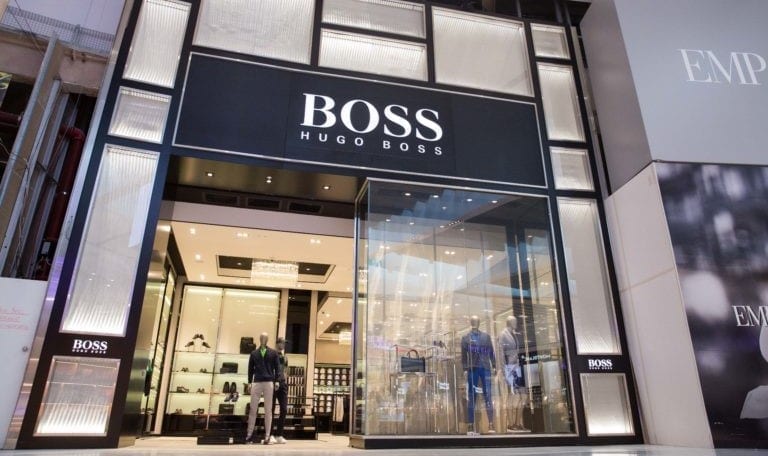
    German menswear retailer Hugo Boss has seen sales growth accelerate in the fourth quarter of 2018, driven by Asia. Comparable-store sales rose 4 per cent compared to the previous corresponding period and online sales rose 37 per cent, marking the fifth consecutive quarter of double-digit e-commerce sales growth. Group sales also grew 6 per cent in the fourth quarter, adjusted for currency differences, to €783 million – compared to €735 million in the previous corresponding period.

    On a comparable-store basis, Asia Pacific was the fastest growing region for the brand, with China achieving high single-digit currency-adjusted store-sales growth for the period.

    Europe and the Americas saw comparable-store sales growth in the mid-single-digit and low-single-digit rates respectively, while sales in the business’ wholesale division increased 15 per cent.

    The brand issued a preliminary full-year total sales figure of €2.79 billion for 2018 – an increase of 2 per cent compared to 2017 – with the “dynamic growth” of the brand’s retail business seen as the key contributor.

    Hugo Boss expects operating income to remain flat at approximately €491 million – the same figure seen in 2017.

    “We look back on a successful 2018. We increased our pace of growth and achieved our full-year targets, supported by a very good fourth quarter,” Hugo Boss CEO Mark Langer said.

    The brand is to focus on sustainable growth and profitability this year, according to Langer, who notes that the new year will be focused on the execution of the business plan until 2020.

    “We will personalise our offerings even more and accelerate important business processes. In doing so, we drive brand desirability and set an important milestone for achieving our mid-term targets,” Langer said.

  • Apple took unfair profits: Korea FTC

    Apple took unfair profits: Korea FTC

    Korea’s corporate watchdog claimed Apple Korea has bargaining power over local mobile carriers and that it has reaped unfair profits from them in a statement Monday. According to the Fair Trade Commission (FTC), experts called in by the antitrust body said Apple Korea exploited its market position to place part of its advertising costs on local telecommunications companies.

    The statement comes after exchanges between the FTC and the iPhone maker during a deliberation on the company’s position on Jan. 16. It was the second round of hearings since the first deliberation in December.

    Apple Korea has been under investigation by the FTC since 2016 on whether it forced carriers to pay advertising and warranty costs.

    Korea’s fair trade law prohibits abuse of one’s position during a transaction.

    Apple Korea claimed through its expert witnesses, which included economists and business experts, that it does not have leverage over local carriers and defended its actions, saying that its advertisement fund was able to help all parties involved.

    The experts also argued that Apple’s involvement in advertisements was justifiable to maintain the iPhone brand.

    Expert witnesses for the FTC responded that Apple Korea can be regarded as being in a position of power over carriers and that the advertisement fund served to collect additional profit from them. They also stated that the company’s activities in taking part of carrier advertisements cannot be seen as part of their branding strategy.

    The FTC’s Economic Analysis Division provided similar analysis to those made by its witnesses.

    The hearings on the investigation will continue, with the third round of deliberations scheduled for Feb. 20.

    The antitrust body said that the third hearing will discuss specific actions made by Apple. It is unclear whether the third hearing will be the last.

    If found to have abused its position, Apple Korea could face fines worth up to two percent of its related sales.

    The iPhone maker has a history of trouble with the FTC.

    The company made corrective measures under the corporate watchdog for its product replacement policy back in 2011 and its services agreements with local companies in 2016.

  • Northern Vietnam casino reports first profit in three years

    Northern Vietnam casino reports first profit in three years

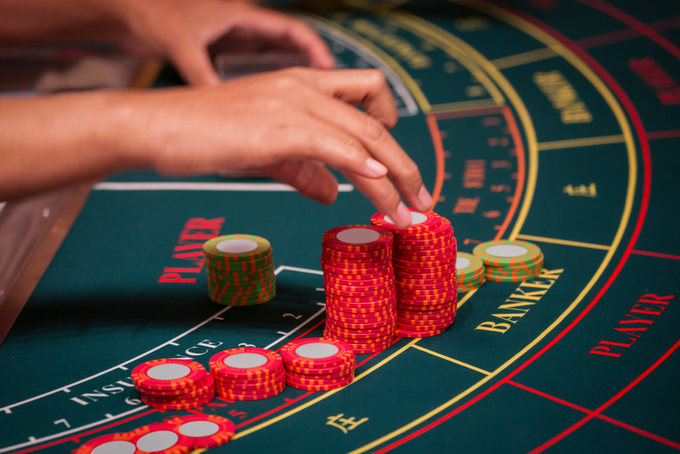
    Royal Casino, the largest in the northern Quang Ninh Province, last year reported a profit for the first time in three years. Royal International Corporation, its operator, said revenues grew by 48 percent from the previous year to VND288 billion ($12.39 million), and profit after tax to VND17 billion ($731,263) in 2018. This is the company’s first profit since 2015.

    The owner of the company is Khai Tiep International Investment Limited, registered in the Cayman Islands.

    The casino accounted for VND178 billion ($7.66 million) with the rest coming from hotel, villas and hospitality-related services.

    The company’s management said in a financial report that the growth in the casino’s revenues was due to the sharp increase in the number of customers after an expressway connecting Quang Ninh’s Ha Long town  with northern Hai Phong City was built last September.

    Linking up with the Hanoi-Hai Phong expressway, it cuts the travel time from the capital to Ha Long by half to just 90 minutes.

    The company also saved VND16 billion ($688,192) last year in sales and management costs.

    At the end of last year the casino had 1,346 employees, 80 fewer than at the beginning of the year.

    On Saturday Corona Resort and Casino in the southern Phu Quoc Island became the first casino in Vietnam to allow Vietnamese to gamble.

    The government has allowed a three-year trial period.

    Vietnamese who gamble here must be over 21, earn a minimum of VND10 million ($430) a month and have no criminal record or objections from family.

  • Vietnam liquor maker makes a loss, 4 years in a row

    Vietnam liquor maker makes a loss, 4 years in a row

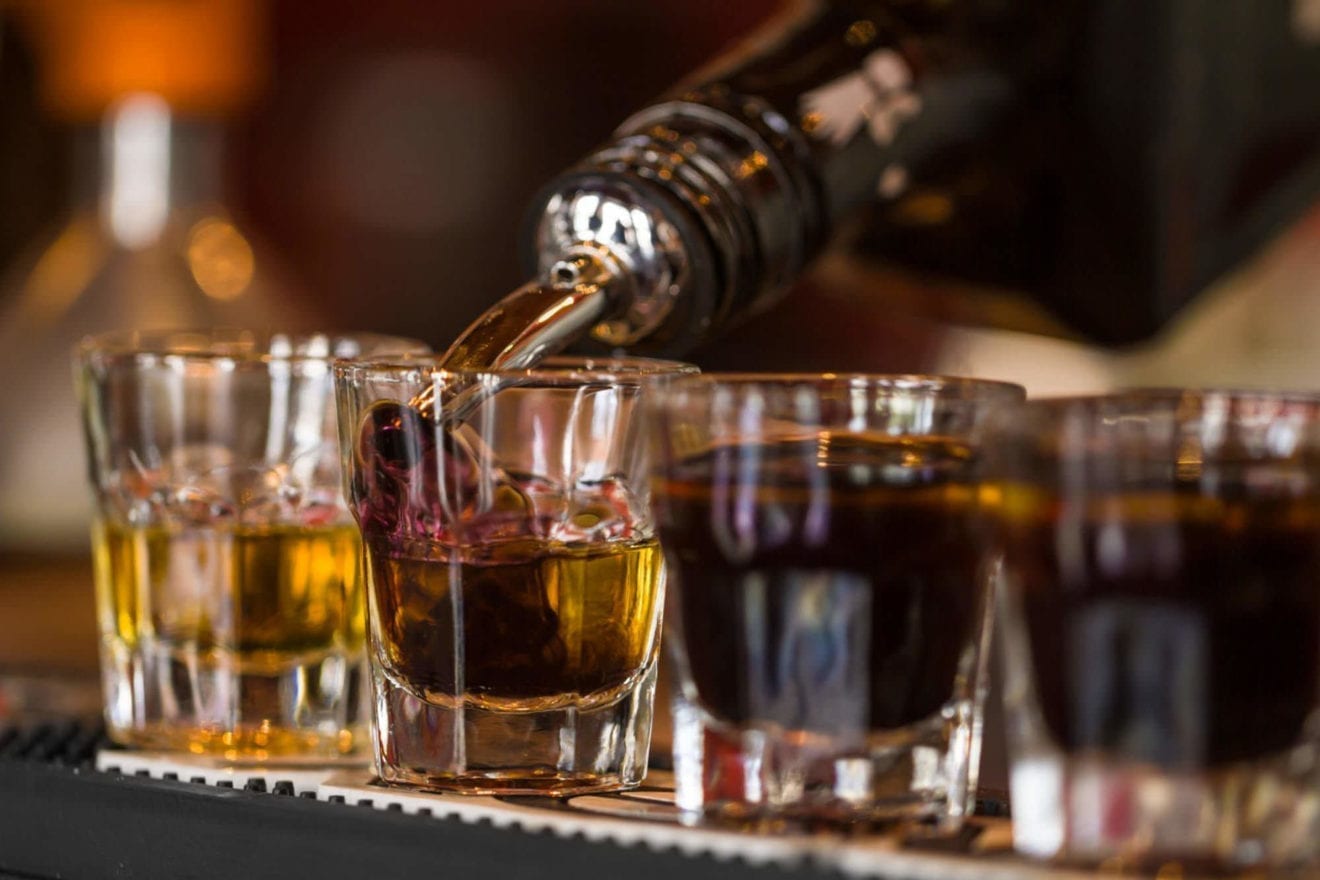
    Nation’s leading liquor maker Halico has reported a loss of VND75 billion ($3.22 million) for 2018. With Vietnamese consumers moving towards foreign brands, the 120-year-old liquor maker, in which Vietnam’s second biggest brewery Habeco has 54.29 percent ownership and British multinational Diageo holds a 45.5 percent stake, Halico has reported losses for the fourth year in a row.

    It reported a loss of over VND20 billion ($859,780) in the fourth quarter of 2018, raising the total annual loss to VND75 billion ($3.22 million).

    In its annual statement for 2018, Halico’s board expressed doubts that the company can continue operating, with Vietnamese consumer tastes shifting to imported beer and foreign alcoholic products. It conceded that it has failed to capture younger consumer segments.

    In addition, Diageo has been unable to negotiate any substantial supply contracts with foreign partners, so the company has not been able to do well in exports.

    Furthermore, management costs have risen to over 60 percent of revenue. Despite a 30 percent rise in sales in 2018 (VND155 billion or $6.66 million), the difference was not able to compensate for expenses incurred.

    The Hanoi Liquor Joint Stock Company was originally a Hanoi winery, founded in 1898 and equitized in 2004 with initial charter capital of nearly VND50 billion ($2.15 million).

    In early 2011, Diageo Plc, a British multinational alcoholic beverages company, acquired an 18.67 percent stake in Halico for a total of VND800 billion ($34.4 million) from investment fund VinaCapital.

    Diageo is the world’s biggest liquor company, owning famous brands such as Johnnie Walker, Bailey and Smirnoff. It bought another 26.83 percent stake in 2012, hoping to cash in on the growing consumer market.

    Halico’s accumulated losses at the end of last year topped VND330 billion ($14.19 million), 1.6 times higher than its current charter capital at VND200 billion ($8.6 million).

  • Tiffany sales reported drops

    Tiffany sales reported drops

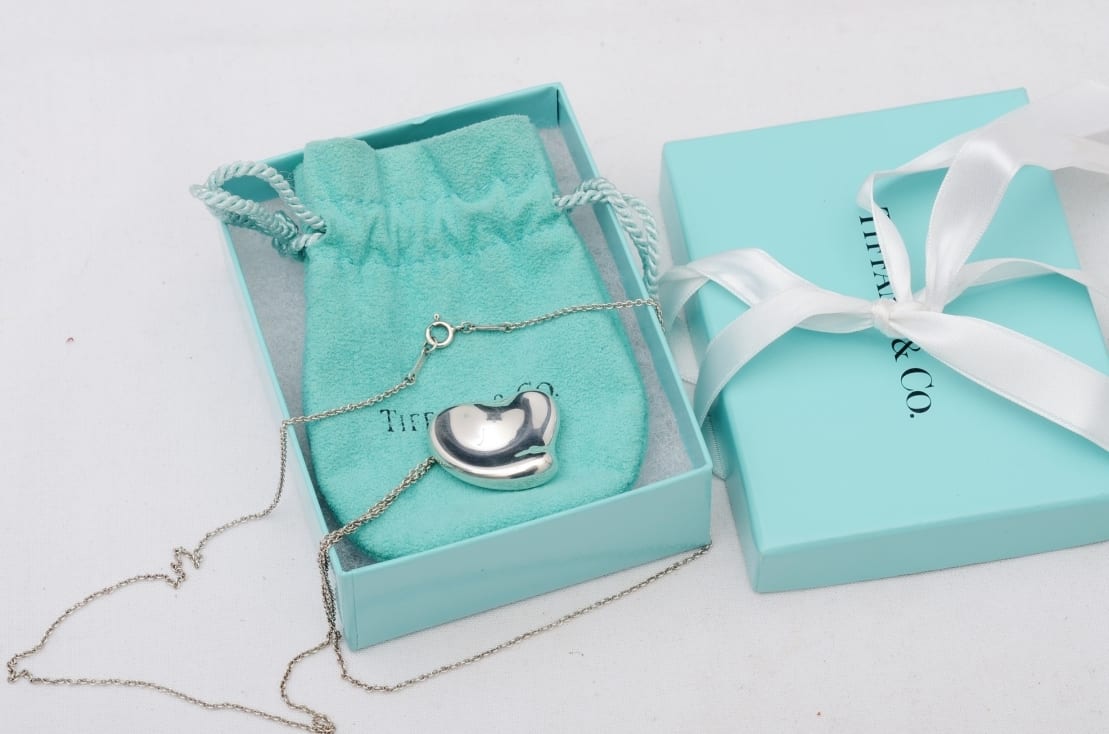
    US jewellery retailer Tiffany & Co has reported a 1 per cent drop in worldwide net sales and 2 per cent drop in comparable sales for the two months to December 31. While Tiffany sales grew strongly in China over the holiday period, softening in other markets that are more dependent on foreign tourist spending led total net sales across Asia Pacific to fall 3 per cent from the prior corresponding period to US$226 million. Comparable sales in the region fell 4 per cent.

    “With continued strong sales growth in mainland China (by a double-digit percentage), solid results in Japan and healthy growth in e-commerce sales, overall holiday sales results came in short of our expectations which had called for modest year-over-year growth,” Tiffany CEO Alessandro Bogliolo said.

    “We attribute the difference partly to lower sales to foreign (primarily Chinese) tourists globally, and to softening demand attributed to local customers in the Americas and Europe, which we believe may have been influenced more than expected by external events, uncertainties and market volatilities.”

    Total sales across the Americas declined 1 per cent to US$514 million, while Europe dropped 4 per cent to US$132 million.

    Japan, however, saw positive growth over the period of 4 per cent – increasing to US$150 million, attributed to higher spending by local customers.

    Based on these results, the business now expects worldwide net sales for fiscal 2018 will increase by 6 to 7 per cent compared to the prior year, as opposed to the high-single digits previously expected.

    “Now the focus is to grow to new heights,” Bogliolo said. “To this purpose, we will continue to pursue the six key strategic priorities we introduced earlier in 2018 … which will require our ongoing effort and commitment for years to come.

    “We acknowledge that external pressures, difficult year-over-year sales comparisons and annualised internal spending are expected to have some negative effects on fiscal 2019 results, mostly in the first half of the year, but we believe Tiffany is on a solid path for improved sales, margins, earnings and cash flow generation over the long term.”

  • Vans, The North Face boost parents sales

    Vans, The North Face boost parents sales

    VF Brands has posted strong third-quarter results, with balanced growth across its entire portfolio. The US-listed apparel company, which owns and operates Vans, The North Face, Timberland, Wrangler and Lee, among others, says sales grew 8 per cent in the third quarter, to US$3.9 billion. Its share price soared 12.39 per cent after the announcement on Friday (US time) to $82.47.

    Vans sales soared 25 per cent and The North Face’s, by 14 per cent.

    “VF’s third-quarter results were fuelled by strong growth in our largest brands and balanced growth across the core dimensions of our portfolio,” said VF Brands president, chairman and CEO Steve Rendle.

    Revenue from VF’s ‘active’ segment, which includes brands such as Vans and JanSport, increased 16 per cent, while revenue from its ‘outdoor’ segment, which includes brands such as The North Face and Timberland, increased 11 per cent.

    VF reported $592 million in operating income, 22 per cent up on the prior year. Net income for the period was $463 million, a 613 per cent increase over the $90 million loss posted in the same period last year.

    “Based on the strength of our third-quarter performance and the growth trajectory we see for the remainder of fiscal 2019, we are again increasing our full year outlook,” Rendle said.

    The business expects revenue from its ‘work’ segment, which includes brands such as Dickies, is expected to increase 39 per cent, while revenue from its ‘active’ segment is expected to increase 16 per cent and revenue from its ‘outdoor’ segment is expected to grow 8 per cent.

    VF expects revenue from its ‘jeans’ segment, which includes brands such as Wrangler and Lee, to decline 3 per cent, while direct-to-consumer revenue is expected to increase 13 per cent, and digital revenue is set to increase by more than 30 per cent.

  • Vietnam seafood export remains red

    Vietnam seafood export remains red

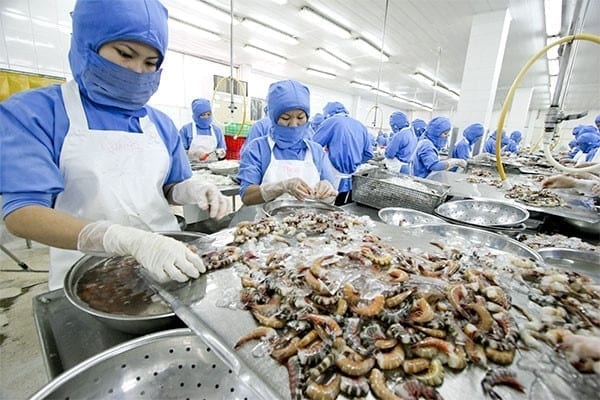
    Agifish, a major seafood company, reported a second straight year of losses in 2018 as both exports and domestic sales fell. The recently released 2018 audited financial report of one of Vietnam’s 10 largest seafood export companies puts its loss at VND178 billion ($7.66 million). The An Giang Fisheries Import Export Joint Stock Company, to give its formal name, had lost VND190 billion ($8.2 million) a year earlier.

    The company said the loss came as sales downed 43 percent to VND1.29 trillion ($55.27 million) in 2018, due to lower fish exports and domestic sales as well as lower revenues from by-products.

    The poor performance last year caused auditors to raise doubts about the company’s ability to remain a going concern, but the management rejected this, saying it would increase domestic and export sales, adjust prices and reduce costs to return to the black in 2019.

    Agifish has total assets of VND1.23 trillion ($52.92 million) and debts of VND800 billion ($34.42 million).

    The Vietnamese seafood industry faced some challenges last year such as being subject to a “yellow card” warning by the European Commission for failing to demonstrate sufficient progress in the fight against illegal, unreported and unregulated (IUU) fishing. There were also technical barriers and anti-dumping duties in several markets.

    Seafood export value rose 5.8 percent year-on-year in 2018 to reach $8.8 billion, according to the Vietnam Customs.

  • Bossini losses set to double

    Bossini losses set to double

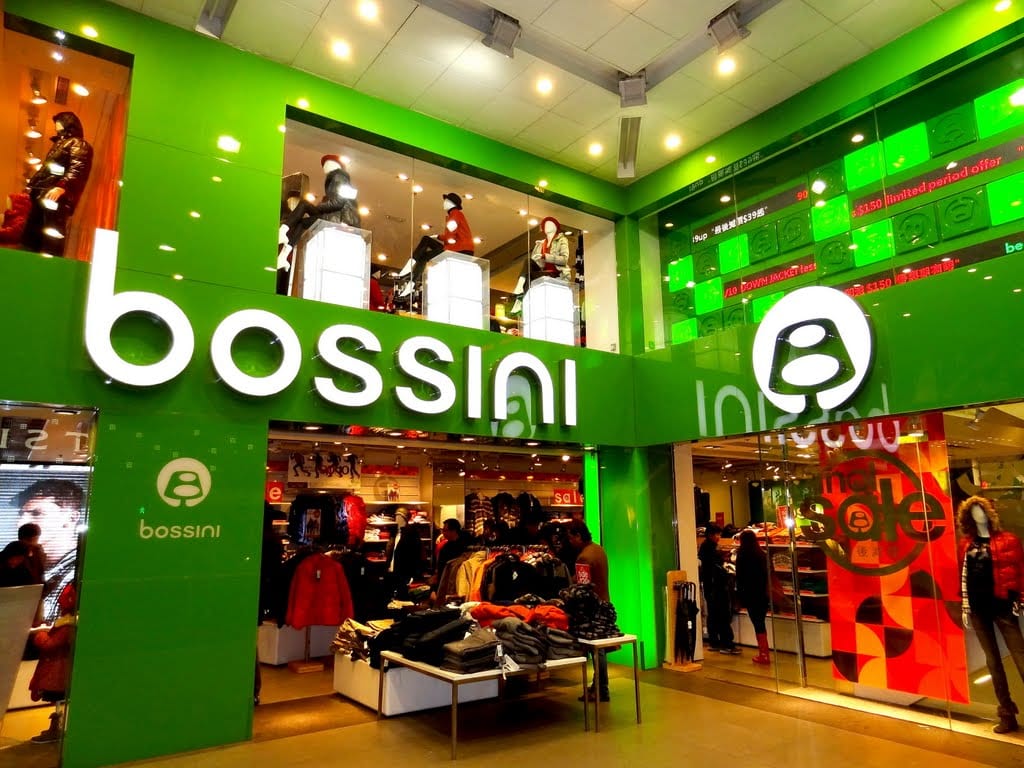
    Bossini International has warned the group is expected to record a loss attributable to owners of between HK$23 million and $28 million (US$2.93 million to $3.6 million) for the six months to December – roughly double the loss of the same period last year. Chairman Bess Tsin said in a stock exchange filing that the loss was largely due to “unseasonal warm winter weather and weak consumer sentiment in several core markets” where the group operates.

    The company said the estimate was based on a preliminary assessment of the company’s accounts for the period and details would be confirmed in late February, when the company announces its annual results.

  • CIMB Thai’s FY18 net profit drops on higher tax expenses

    CIMB Thai’s FY18 net profit drops on higher tax expenses

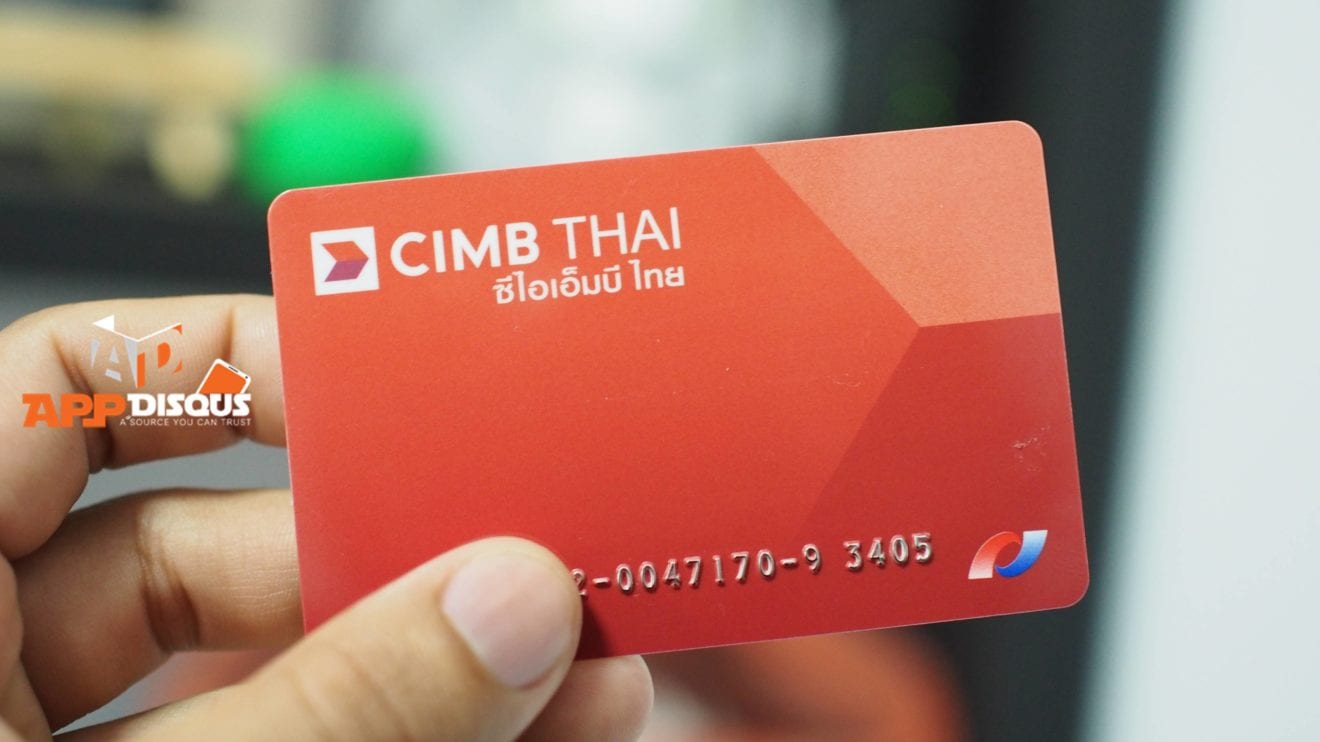
    CIMB Thai Bank PCL’s unaudited con-solidated net profit for the year ended Dec 31, 2018 (FY18) fell 98.2% year on year to 6.9 million baht (RM883,732), dragged down mainly by higher income tax expenses. Profit before tax decreased 44.5% to 271.2 million baht year on year, mainly due to a 9.6% increase in operating expenses and lower net fee and service income and other income of 7.0% and 2.6% respectively. This was offset by a 5.3% growth in net interest income and a 2.6% decline in provisions.

    President and CEO Kittiphun Anutarasoti said CIMB Thai group’s consolidated operating income, on a year-on-year basis, increased 2.9% from 2017 to 13.54 billion baht from higher net interest income of 5.3% on the back of loan expansion and higher interest income on investments.

    Net interest margin over earning assets stood at 3.71% in 2018, compared with 3.89% in 2017 as a result of lower yield on earning asset.

    As at Dec 31, 2018, CIMB Thai’s total gross loans stood at 227.8 billion baht, making an increase of 6.9% from Dec 31, 2017.

    Deposits stood at 234.3 billion baht, an increase of 6.5% from at the end of December 2017. CIMB Thai said the modified loan-to-deposit ratio was higher at 97.2% against 96.8% as at Dec 31, 2017.

    The gross non-performing loan (NPL) stood at 9.9 billion baht, with a lower gross NPL ratio of 4.3% compared with 4.8% as at Dec 31, 2017. The lower NPL ratio was due to more efficient risk management policies, improved asset quality management and loan collection processes as well as the sale of some NPLs in 2018.

  • 7-Eleven parent sales surges: Report

    7-Eleven parent sales surges: Report

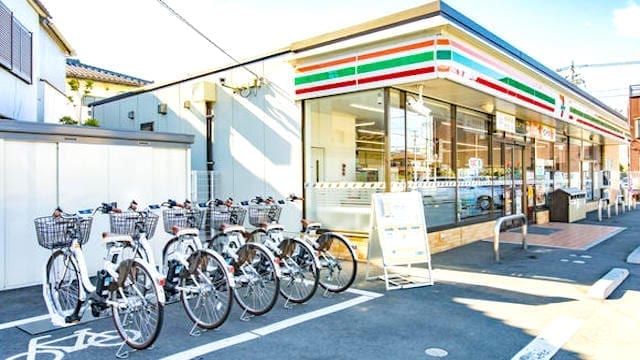
    Japanese retail giant Seven & I has reported a 15.8 per cent increase in net sales for the nine months to November. Profit rose by a less impressive 2.9 per cent. The 7-Eleven parent said its overseas convenience store business achieved an impressive 15.7 per cent increase in operating profit year on year.

    At home, its Ito-Yokado superstore managed to reduce its operating loss to ¥200 million (US$1.85 million), however its York-Benimaru supermarket division and Sogo & Seibu department stores both struggled, the latter losing ¥937 million ($8.6 million).

    Seven & I’s net sales totalled ¥4.11 trillion ($38 billion).

  • Vietcombank’s profit skyrockets, Vietinbank’s falls

    Vietcombank’s profit skyrockets, Vietinbank’s falls

    Two of Vietnam’s largest banks reported contrasting performances in 2018, with Vietcombank’s profits rising by 63.5 percent and Vietinbank’s falling by 27 percent. Vietcombank, the largest listed bank by market capitalization, said profit before tax was VND18.02 trillion ($772.73 million) last year, up 63.5 percent over 2017. Vietcombank earlier this month raised VND6.2 trillion ($265.86 million) from selling a 3 percent stake to foreign investors.

    Singapore sovereign fund GIC bought 2.55 percent while Japan’s Mizuho Bank bought the remaining 0.45 percent to keep its 15 percent stake unchanged. Nghiem Xuan Thanh, Vietcombank’s chairman, said at a recent conference his bank had achieved all its target last year.

    Bad debts last year accounted for 0.97 percent of total loans and the bank hopes to keep it below 1 percent this year too. Vietcombank plans to have its total asset value increased by 12 percent, and its capital mobilization up by 13 percent this year.

    Vietinbank, the fourth largest listed bank by market cap, saw profit before tax slip to VND6.7 trillion ($287.3 million) in 2018 from VND9.2 trillion ($394.5 million) in 2017. Asset growth, credit growth and capital mobilization grew by 6-10 percent, lower than targeted.

    The lender’s proposal to increase charter capital has not been approved. Its chairman Le Duc Tho said increasing capital is “vital” since it has remained unchanged for years. The State Bank of Vietnam owns 65 percent of the bank, while foreign ownership has reached the 30 percent cap.

  • Tesco Asia sales continue dropping despite growth in profit

    Tesco Asia sales continue dropping despite growth in profit

    Tesco Asia like-for-like sales continue to decline while the UK-headquartered company repositions its offer – masking a stronger underlying performance for the business. “We have made good progress in our discussions with suppliers towards a new commercial approach,” explained Tesco CEO Dave Lewis in a quarterly update. “We also accelerated planned changes to our operating model in Thailand, helping to reduce costs and underpinning our profit recovery.”

    Lewis said that despite minor changes to the government-issued welfare cards scheme during the third quarter, Tesco Thailand sales fell by about 1 per cent for the 19-weeks including the key Christmas trading period.

    Restructured Thailand store operations have led to reduced costs, underpinning profit recovery at the expense of sales.

    Referring to Tesco’s global operations, Lewis added: “We have more to do everywhere but remain bang on track to deliver our plans for the year and as we enter our centenary we are in a strong position.”

    The December quarter represented the 12th consecutive quarter of like-for-like sales growth for Tesco globally, with sales up 2.6 per cent.