Tag: profit

  • Coffee Day India Q2 net profit plunges

    Coffee Day India Q2 net profit plunges

    Coffee Day Enterprises Ltd Wednesday reported a 59.78 percent fall in consolidated net profit at Rs 23.83 crore for the September quarter due to higher expenses. The company had reported a net profit of Rs 59.26 crore in the corresponding period of the previous fiscal.

    According to a report, Its total income grew to Rs 1,015.13 crore during the quarter under review, up 12.42 per cent, as against Rs 902.9 crore in the corresponding quarter of the year-ago period, Coffee Day Enterprises said in a BSE filing.

    Expenses during the quarter stood at Rs 1,014.99 crore, up 13.83 per cent, as against Rs 891.6 crore a year ago.

    The company said board of directors, at its meeting held on 14 November 2018, discussed the potential restructuring of the company’s business to segregate its coffee business and its subsidiaries from their non-coffee businesses (including integrated multi-nodal logistics, financial services, development and management of commercial space, hospitality services and investment operation).

    “No decision to undertake any restructuring has been taken by the board at this stage,” it added.

  • Snapdeal trims losses for FY18, exudes confidence on hitting profits

    Snapdeal trims losses for FY18, exudes confidence on hitting profits

    E-commerce firm Snapdeal has narrowed its consolidated losses substantially to Rs 613 crore for FY2017-18, as per regulatory documents. According to a report: The company, which competes with larger rivals like Amazon and Flipkart, had posted a consolidated loss of Rs 4,647.1 crore in FY2016-17, documents filed with the Corporate Affairs Ministry showed.

    The consolidated revenue from operations declined to Rs 436.1 crore for 2017-18 as against Rs 903.8 crore in the previous financial year.

    On standalone basis too, Snapdeal trimmed its losses to Rs 440.7 crore in 2017-18 from Rs 4,638.9 crore in the year-ago period. Total revenue was at Rs 514.6 crore in FY18 as against Rs 1,105.7 crore in the previous fiscal.

    Snapdeal, in its filing said, the company had embarked on its journey towards profitability last year.

    “This year, we continued on this path and focused on building a leaner and more capital efficient business. We substantially reduced our costs, both variable and fixed overheads,” it added.

    The company said it reduced its business promotion expense by 88 percent year-on-year, whereas fulfilment expenses were lower by 67 percent y-o-y.

    “We optimised the team structure and leveraged technology more efficiently, which was critical in trimming our employee expenses by 68 per cent y-o-y. While all of this has come at the expense of lower top line, your company is extremely proud of its achievements over the year and is absolutely confident that it is heading in the right direction to achieve profitability,” it said.

    When contacted, a Snapdeal spokesperson said, “Our prime focus last year was to maximize the operating efficiency of the marketplace ahead of implementing our planned growth initiatives. We are extremely pleased to see the incredible results from our disciplined execution with losses reducing by 88 percent”.

    In addition, parts of the revenue, which were disproportionately loss-making, were identified and curtailed during the year in order to realign the business for growth with healthy margins, the spokesperson added.

    Snapdeal, which had seen its business being impacted severely by the intense competition in the e-commerce segment, had last year dumped the US$ 950-million takeover offer from rival, Flipkart.

    It was then that Snapdeal Co-founders, Kunal Bahl and Rohit Bansal had said the company will pursue a fresh strategy in the Indian market.

  • Pandora sales declining, relies on China

    Pandora sales declining, relies on China

    Jewellery retailer Pandora is looking to China, India and Latin America to arrest a decline in global sales. The Danish company has unveiled an initiative that it hopes will reignite sustainable revenue growth, Programme Now, after group revenue dropped 3 per cent in the third quarter of this year.

    Under the program, Pandora will significantly reduce its franchise acquisitions and scale back new store openings. For the stores it does open, it will concentrate on growth markets, such as China, India and Latin America. It hopes the move will grow like-for-like sales, if not total sales.

    To achieve this, the business plans to enhance its marketing, personalisation, digital and e-commerce capabilities, as well as the in-store customer experience.

    Pandora also noted that part of its success moving forward lies in execution in all parts of the value chain, as well as more closely coordinating parts of the business to work in tandem, to reduce costs.

    The implementation of the program, as well as the weak third-quarter results, however, have led the company to revise its full-year earnings guidance. It has cut its annual revenue forecast from between 4 and 7 per cent to between 2 and 4 per cent, or DKK 1.2 billion to DKK 1.4 billion (US$184 million to $214 million).

    “The third quarter results were unsatisfactory and we adjust our full year guidance,” Pandora CFO Anders Boyer said.

    “We have taken the first major step in the programme today by changing our network expansion plan. We have confidence in a strong future for Pandora and will use this year and next to reset the business.”

    Pandora expects revenue and total like-for-like growth to be impacted through to 2020 by the planned reduction of mark-downs, though this is likely to cause a margin neutral result on the group level.

  • Asiana Airlines net profit jumps up 181% in Q3

    Asiana Airlines net profit jumps up 181% in Q3

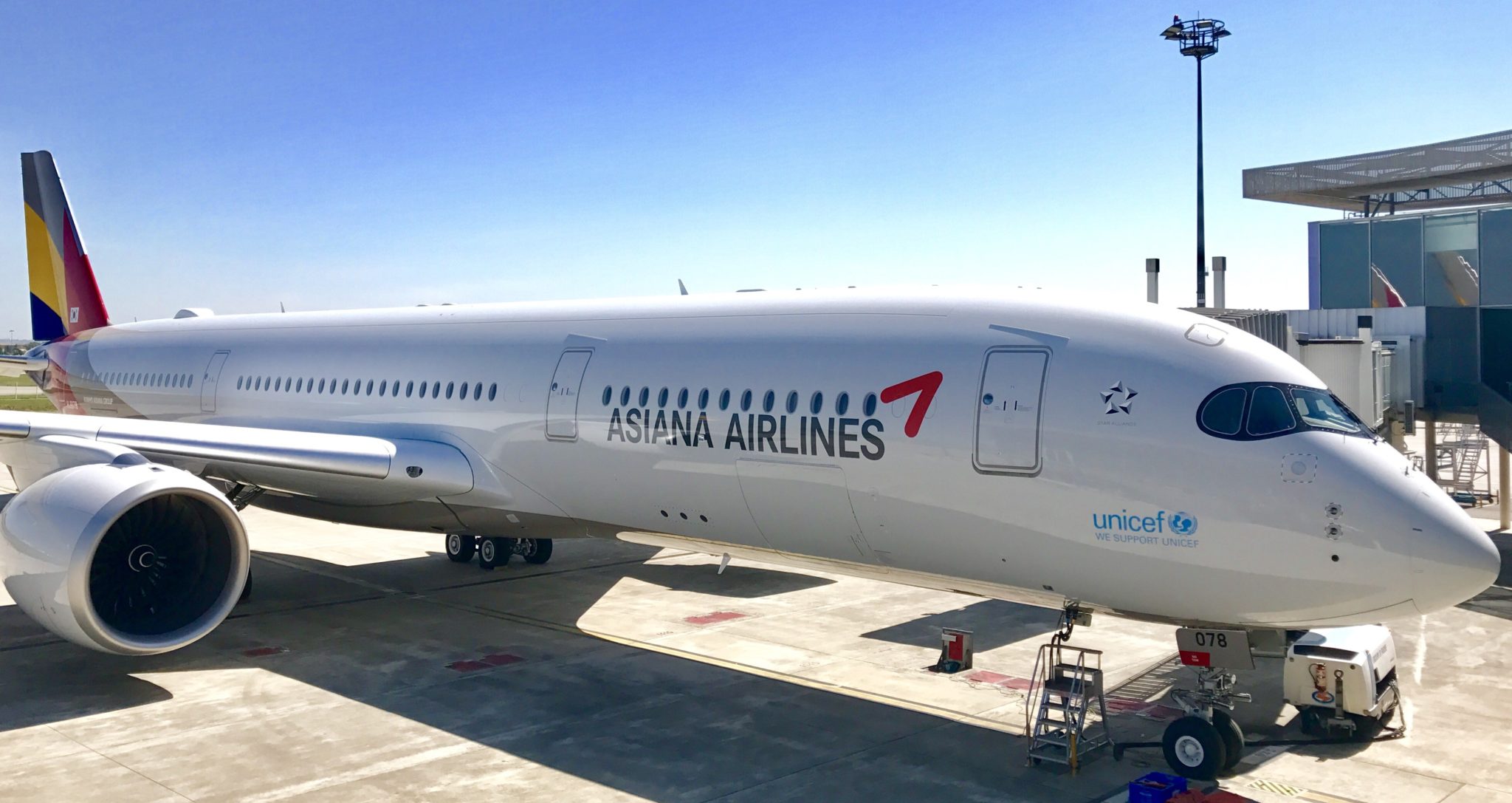
    Asiana Airlines, Korea’s second-largest airline by sales, said on Tuesday that its third-quarter net profit skyrocketed 181 percent on improved financial status. Net profit in the July-September period came to 47.8 billion won ($42.5 million), up from 17 billion ($15 million) won a year earlier on a consolidated basis, the company said in a statement.

    Operating profit fell 15 percent to 101 billion won ($89.7 million), while sales increased 14 percent to 1.85 trillion won ($1.64 billion) over the cited period.

    The company attributed the rise in net profit to an improvement in its financial structure.

    Asiana said its debt reduced from 4.06 trillion won ($3.6 billion) by the end of last year to 3.14 trillion won ($2.68 billion) by the end of September.

    Profit from the summer peak season and sales of its group office building in downtown Seoul were reflected in the latest earnings, according to the company.

    Meanwhile, Asiana cited rising oil prices as the cause of the drop in operating profit.

    Shares of the flag carrier closed at 3,920 won ($3.48) on the Seoul bourse, up 1.16 percent from the previous session’s close.

  • Parkson Retail Asia continues drowning

    Parkson Retail Asia continues drowning

    Struggling department store operator Parkson Retail Asia has hinted it may close further stores as it posted yet another loss. For the first quarter of the new trading year, the Singapore headquartered company lost S$11.1 million, a slight improvement on the $12.9 million of a year ago.

    Last full trading year, the company lost $40.1 million for the full year.

    In a statement, the company said it would will continue to prioritise on enhancing product offerings “as well as on optimising both our operational efficiency and network of stores,” suggesting further exits, most likely in Vietnam where it has just five stores remaining from a peak of 10 and continues to lose money.

    Parkson credited the reduced loss on an improved performance of the Malaysian and Indonesian store networks, together with the effect of the closure of seven loss-making stores last financial year.

    Group sales rose 1.7 per cent to $92.6 million.

    On Friday the company announced the immediate resignation of its CFO Chia Cang Yang, with immediate effect. CEO Michael Remsen will oversee financial matters until a replacement is recruited.

  • Le Saunda closes stores as profit goes red

    Le Saunda closes stores as profit goes red

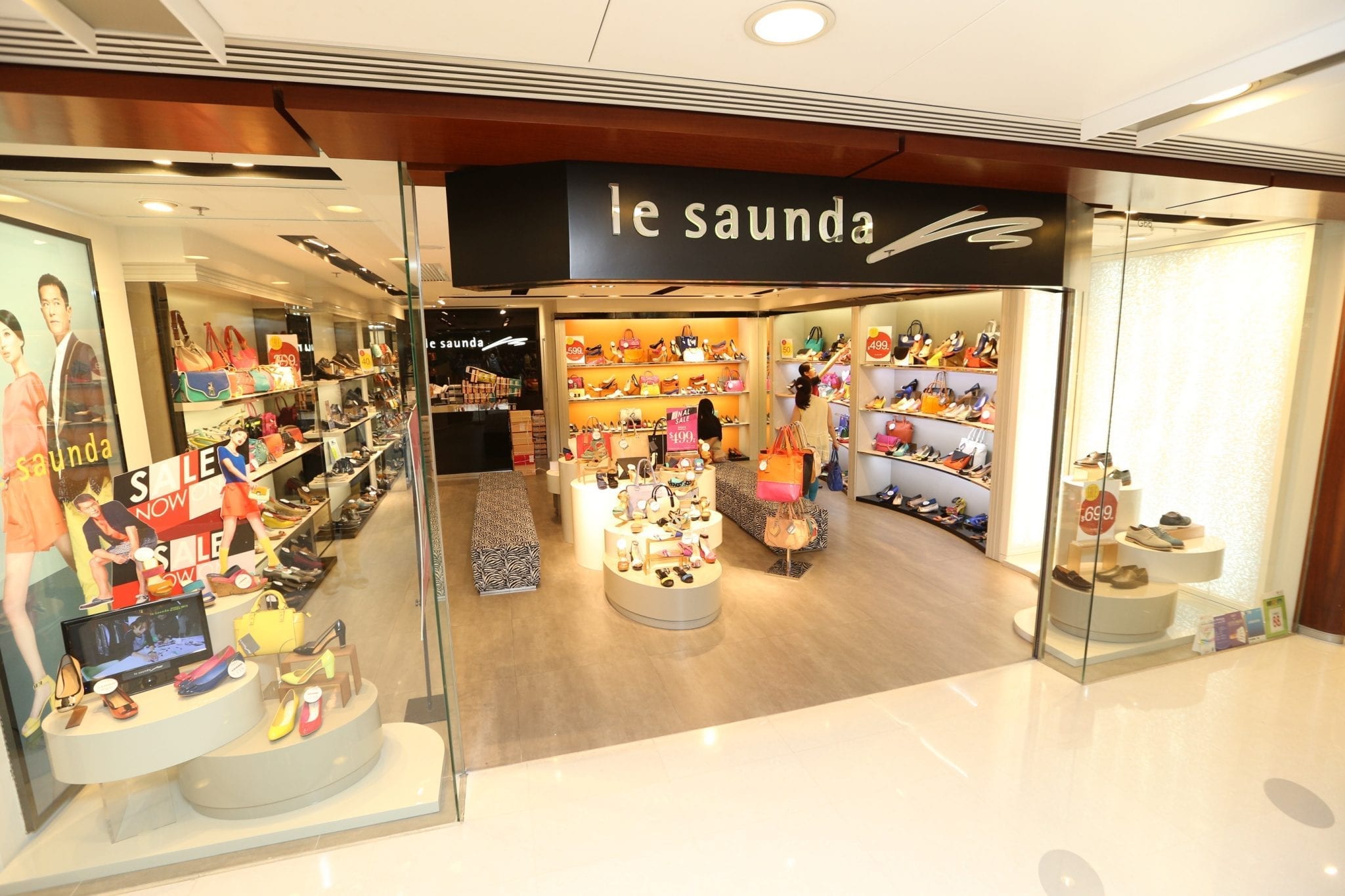
    Struggling shoe and accessories retailer Le Saunda has shuttered more than 100 stores on Mainland China in the last year as it tries to reduce overheads and return to profit. Group sales fell 14.4 per cent in the first half of this year, to RMB 460.4 million, (US$66.1 million), gross profit margin slipped 3 per cent and the company recorded a loss of RMB 9.6 million (US$1.4 million), compared with a profit of RMB22.9 million in the same period last year.

    The company blamed a slowing of retail sales in Mainland China for its poor result, with same-store sales down 10.2 per cent, as well as a decline from the closure of unprofitable stores.

    On the mainland, Le Saunda shuttered 96 of its self-run stores, cutting its network back to 549 and a further eight franchised outlets were closed, leaving a total network of 611.

    In Hong Kong and Macau, where sales rose 4.5 per cent, it closed one store leaving 10.

    Le Saunda chairman James Ngai said the company’s reduced gross profit margin was a result of lowering prices to meet market demand. The growth rate of fashionable ladies’ footwear sector had “slowed down significantly” on the mainland, Le Saunda’s core market, he said.

    “With a change in customers’ buying behaviour, the e-commerce segment experienced rapid expansion, striking a tremendous hit on the sales of traditional retail stores.

    “To cope with the ever-changing market environment, the group is fully committed to enhancing product quality, promoting a new pricing model, enhancing consumers’ shopping

    experience and thereby improving same-store sales,” said Ngai.

    “Facing the challenges posed by the economic environment, the group is determined to [return] to the basic principles of retailing, which include adjusting the pricing strategy, closing down low-profit stores, and actively exploring its franchise and wholesale businesses.”

    With Hong Kong and Macau sales up, totalling RMB 30.7 million, Ngai said the group would pursue growth there “in a proactive yet prudent manner and establish new stores in desirable locations”.

    Le Saunda designs manufactures and retails shoes and accessories under the Le Saunda,

    Linea Rosa, Pitti Donna and CNE brands.

  • LimeLife acquisition helped boost L’Occitane sales

    LimeLife acquisition helped boost L’Occitane sales

    Hong Kong-listed, Luxembourg-headquartered beauty products retailer L’Occitane has reported healthy sales growth on the back of a key acquisition. Same-store L’Occitane sales in Hong Kong rose 18.6 per cent on a currency-neutral basis in the six months to September 30, and by 14.1 per cent in Mainland China.

    Chairman Reinold Geiger said the Hong Kong growth was primarily driven by “dynamic” travel retail sales.

    But that was far less dramatic than the 65.8 per cent boom in the US, driven by the LimeLife by Alcone business which became part of L’Occitane in January, and the continued recovery of the core L’Occitane en Provence brand.

    Global group sales rose 8.6 per cent at reported rates and 12.4 per cent at constant exchange rates. After excluding the LimeLife business, like-for-like sales growth rose 4.9 per cent, which was higher than the 3.6 per cent of the first quarter.

    Global L’Occitane sales reached €595.4 million for the six months. It finished the period with 1555 of its own stores.

  • Asia-Pacific telcos to face slower revenue growth: Moody’s

    Asia-Pacific telcos to face slower revenue growth: Moody’s

    Moody’s Investors Service expects stronger competition for the Asia Pacific (APAC) telecommunications sector and stronger commoditisation, and slower revenue growth for companies across 11 markets in the region, including Malaysia. The other markets are Hong Kong, India, Indonesia, Japan, Korea, the Philippines and Singapore.

    The rating agency’s report entitled “Telecommunications – APAC: 2019 Outlook” noted that while slower overall revenue growth will be evident in all 11 markets, the emerging market is expected to see a more pronounced slowdown with revenue growth to fall to 3-3.5% in 2019 versus the 3.9% in 2017.

    “Comparing overall revenue growth across APAC with GDP (gross domestic product) growth, Moody’s says that companies as a whole will show modest revenue growth of 2-2.2%, with such growth lagging average GDP growth of about 4.6% for the region,” said Moody’s vice-president and senior analyst Nidhi Dhruv.

    Meanwhile, new entrants are expected to intensify competition in Singapore, Japan and Australia.

    High shareholder returns and capital expenditure levels will continue to temper free cash flow generation, which will consequently make companies to look into diversifying revenue as traditional telecommunications revenues contract. This will eventually lead to more cross-industry partnerships.

    Additionally, while 4G will remain the dominant technology used by telecommunications companies in APAC, 5G will gain some traction in 2019-20.

    Japan, Korea and Australia are expected to lead the region in rolling out 5G services in 2019.

    Nevertheless, Moody has given a stable outlook for the sector in APAC 2019, with companies in the region likely to show relatively stable leverage and debt levels over the next 12-18 months.
    Moreover, while liquidity is weakening, it remains supported by the companies’ access to the banks and bond market at current levels.

  • Jubilant FoodWorks Limited Q2FY19 standalone net profit rises yoy

    Jubilant FoodWorks Limited Q2FY19 standalone net profit rises yoy

    Jubilant FoodWorks Limited (JFL) has reported its financial results for the quarter and half year ended September 30, 2018. Operating revenues for Q2 FY19 were Rs 8,814 million, a growth of 21.3 percent over Q2 FY18 and a sequential growth of 3.1 percent over the previous quarter, driven by a strong same store growth (SSG) of 20.5 percent in Domino’s Pizza.

    EBITDA for Q2 FY19 came in at Rs.1,475 million at 16.7 percent of revenue, a growth of 44.4 percent over Q2 FY18. Profit after Tax in Q2 FY19 was at Rs 777 million at 8.8 percent of revenue and a growth of 60.2 percent over Q2 FY18.

    The strong performance in Q2 FY19 was a result of continued momentum driven by strategic initiatives taken during the recent past such as the product upgrade All New Domino’s, Every Day Value (EDV) extension to regular pizza and the continued momentum of online sales driven by the new Domino’s app.

    In particular, the new Domino’s app introduced during Q1 FY19 has been liked and received strong user ratings. Features like Easy Location Selection, Automatic Re-ordering, Train Ordering, Advance Ordering and hassle free payments have been well received. Online sales were up to 68 percent of delivery sales in the quarter, with 1.7 million downloads of the new app, the highest ever.

    The company stepped up the store opening momentum during the quarter, with 24 new Domino’s stores being opened, the highest in the last seven quarters.

    Dunkin’ Donuts too did well with strong growth driven by donuts and beverages; its losses more than halved over last year.

    Commenting on the performance for Q2 FY19, Shyam S. Bhartia, Chairman and Hari S. Bhartia, Co-Chairman, Jubilant FoodWorks Limited said, “We are pleased with our Q2 FY 19 performance. Strong growth momentum continues to be driven by successful execution of growth strategy outlined at the beginning of FY 2018. ”

    Commenting on the performance for Q2 FY19, Pratik Pota, CEO and Whole time Director, Jubilant FoodWorks Limited said, “Despite significantly increased competitive intensity, Q2FY19 was yet another strong quarter delivered by our continued focus on the basics. Growth was driven by a strong and sustained momentum in delivery orders. In particular, our digital focus showed good results with strong online sales growth, enabled by the new Domino’s app garnering strong user ratings and having a slew of innovative and user friendly features. Dunkin’ Donuts too delivered healthy growth and is moving towards profitability.”

  • Fast Retailing profit soars, mainly Uniqlo

    Fast Retailing profit soars, mainly Uniqlo

    Uniqlo parent Fast Retailing has reported a record full-year profit, due to strong growth in Asia and lessening losses in the US. And the company says current year performance to date suggests even better results lie ahead. Fast Retailing profit rose 34 per cent to US$2.11 billion in the year to August.

    In July the company reported a solid third-quarter, again based on strong sales across Asian markets. Across the first nine months, sales outside Japan rose 28 per cent year on year and operating profit outside Japan soared 65 per cent, driven largely by Uniqlo Asia.

    Online sales were also strong as the Uniqlo brand expanded its reach to new markets.

  • Samsung expected to post record operating profit

    Samsung expected to post record operating profit

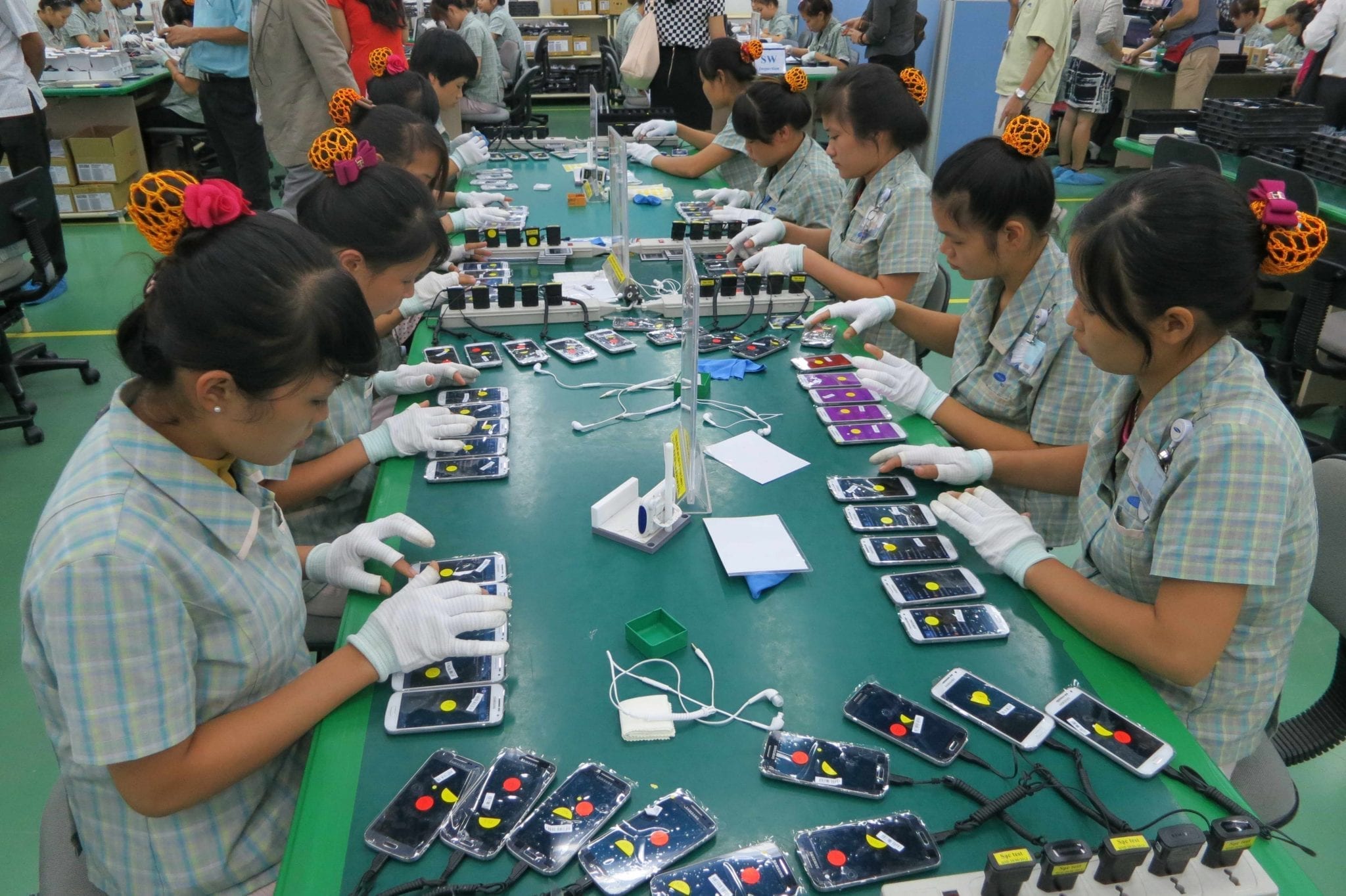
    Samsung Electronics is expected to post a record operating profit of 17.2 trillion won ($15.4 billion) in the third quarter, backed by firm demand for memory chips, market sources said Tuesday.

    The consensus by major brokerage firms marks an 18.5 percent on-year increase in the tech behemoth’s profit for the July-September period.

    The revenue is forecast at 65.2 trillion won, up 5.1 percent from a year ago.

    The company is expected to release its third-quarter earnings preview next Friday.

    The world’s top smartphone maker logged a record high 65.9 trillion won in sales in the fourth quarter of last year and a record high of 15.6 trillion won in operating profit in the first quarter of this year.

  • Esprit confirms to experience heavy loss

    Esprit confirms to experience heavy loss

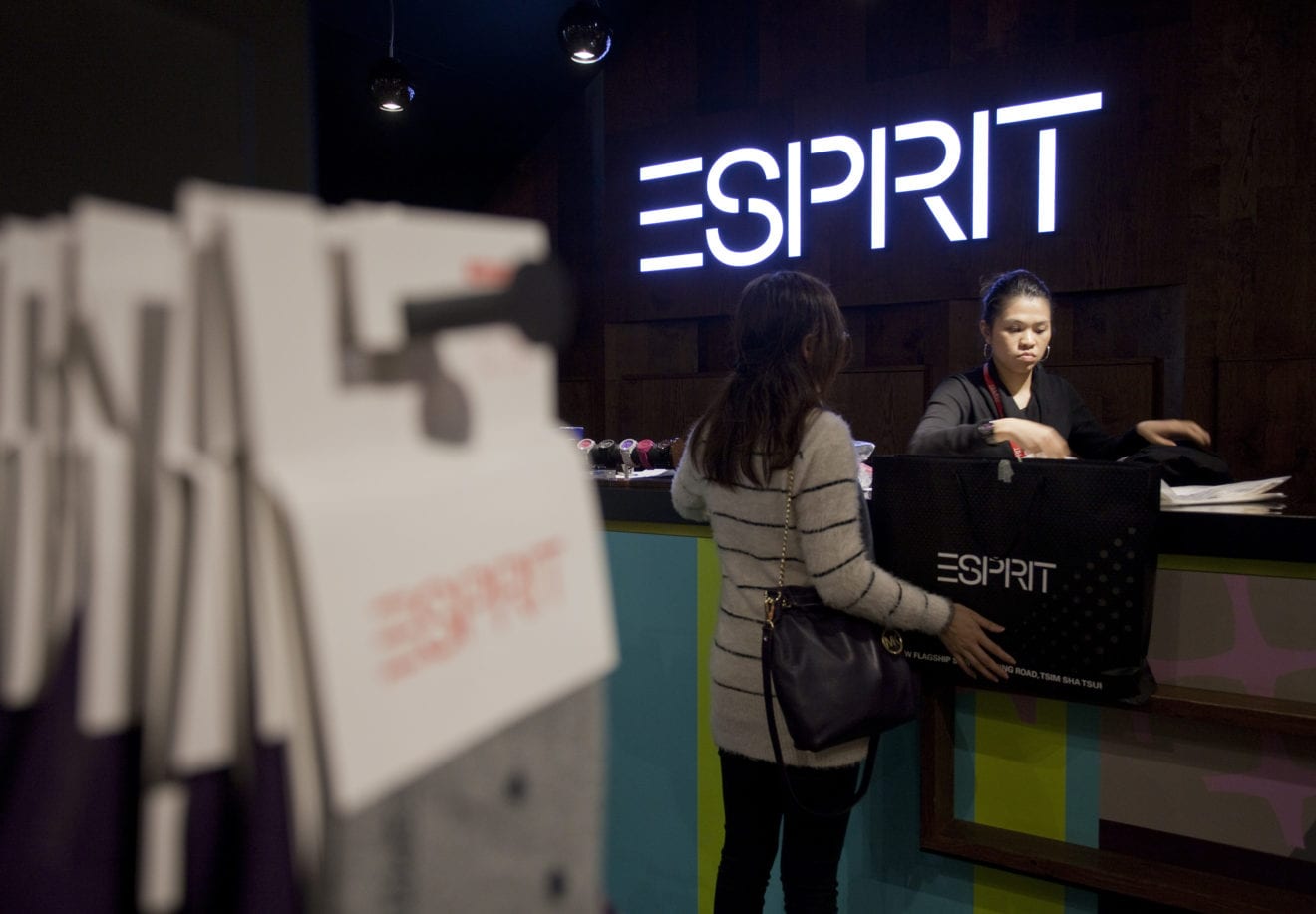
    Struggling fashion label Esprit is looking to a new CEO and incoming chairman to turn the business around after a horror year.

    The Hong Kong-listed company posted a loss of HK$2.554 billion (US$325.5 million) for the year to June 30, pretty much in line with a profit warning issued early last month.

    On the plus side, the result included a raft of write-downs, including costs of exiting the Australia and New Zealand markets, cancelling leases for non-performing stores and many other one-offs, leaving the new management team with a clean slate to commence a turnaround.

    With widespread store closures, total group revenue fell 11.1 per cent to $15.455 billion, yet overheads were trimmed just 3.3 per cent, widening the business’ operating loss. New executive chairman Dr Raymond Or Ching Fai, said in a stock exchange filing the sales decline was higher than expected with falling customer traffic at both online and offline stores.

    He said Esprit had been affected during the year by “the rapidly evolving retail industry, fueled by the continuous growth of e-commerce leading to changes in consumer consumption patterns, and the intensification of price competition driven by both pure digital players and fully vertical retailers”. To be fair, the same factors are affecting every fast-fashion and mid-tier fashion brand, yet few of them are performing as badly as Esprit.

    By region, in Germany, Esprit’s largest market accounting for about half of total sales, revenue of $7.79 billion was down 10.9 per cent on last year.

    For the rest of Europe, America and the Middle East, sales fell 9.8 per cent and in Asia Pacific, which accounts for just 12.3 per cent of total revenue, sales fell 15.2 per cent. Offline sales in Asia-Pacific fell 17.1 per cent and online sales fell 5.3 per cent.

    ‘Far from satisfactory’

    Or said the company recognises the results are “far from satisfactory” and the situation has challenged both the board and the management team.

    “We believe the fundamentals of the strategic initiatives as presented in our last annual report (namely brand rejuvenation, product elevation, channels next generation, markets rightsizing and expansion, and cost reduction) remain sound and are necessary to recharge the potential of the group. However, we concede that the progress to date has yet to reignite sales momentum or translate into a positive financial performance.”

    He said that despite the operating loss, the company remained in a healthy financial position, debt-free and with a net cash balance of $4.5 billion, $700,000 less than at the end of the previous year. Some of that cash – $237 million – was used to repurchase about 2.9 per cent of the company’s shares.

    New group CEO Anders Kristiansen, who took the helm on June 1, Is leading what Or describes as a “vigorous” update of the strategic plan, scheduled to be finalised within three months.

    “In our drive to support growth, we must sharpen the brand identity, create an inspiring omnichannel shopping experience for our customers, and launch stylish and geographically adapted collections to improve sales per square meter productivity. We will continue to leverage on the newly installed dual product engines organisation, whereby the main line focuses on catering to existing customers in our core markets, and the fast-to-market line aims to introduce trendier products for the online and Asia markets, particularly China,” he said.

    “These efforts will work in tandem with data generated from extensive consumer research to ensure that our brand, products and channels properly resonate with Esprit’s target customers. We will bring our customers and what Esprit stands for as a brand to the centre of everything we do in order to become more relevant to our customers again and provide them with a strong brand experience.

    “While we certainly have a lot of work in front of us, I am convinced that by aligning the execution of our Plan, the better days of Esprit are ahead of us.”

    However the company has warned shareholders of a further drop in sales for the current financial year in the “low double-digit percentage” range year on year, mainly due to the continuing rationalisation of its distribution footprint and further decline in customer traffic amid Esprit’s execution of a plan to rebuild store visitor numbers.

    This year marks the 50th anniversary of Esprit, and its 25th anniversary of listing on the Hong Kong stock exchange.


  • Public Bank Malaysia Q2 earnings up 4.8%

    Public Bank Malaysia Q2 earnings up 4.8%

    Public Bank Bhd’s net profit for the second quarter ended June 30, 2018 rose 4.8% to RM1.40 billion from RM1.33 billion a year ago mainly due to higher net interest income, higher income from Islamic banking business, lower loan impairment allowance and higher net fee and commission income.

    Its revenue jumped 5.2% to RM5.44 billion compared with RM5.17 billion in the previous year’s corresponding quarter.

    For the six months period, the bank’s net profit increased by 8.6% to RM2.80 billion from RM2.58 billion a year ago, mainly due to higher net interest income, higher net fee and commission income and higher income from Islamic banking business.

    Its revenue jumped 5.8% to RM10.79 billion compared with RM10.20 billion in the previous year’s corresponding period.

    Public Bank founder and chairman Tan Sri Dr Teh Hong Piow said the higher profit for the period was largely driven by growth in its loan and deposit business, with further impetus from a 4.9% growth in non-interest income.

    “Sustained business strength continued to place the group in a strong competitive position, with its net return on equity standing at 15.0%. Similarly, the group’s cost-to-income ratio of 33.1% and gross impaired loans ratio of 0.5% remained the best in the domestic banking industry,” Teh said.

    The board of directors declared a first interim dividend of 32 sen per share, which will be paid on Sept 19, 2018, resulting in a total dividend payout of RM1.24 billion.

    “The Public Bank group will continue to ride on the growing economy to strengthen its banking business along its organic growth strategy. The group’s resilient fundamentals, consistent financial performance, agility to market changes and strong customer service culture will continue to be the essential qualities in driving the sustainability of the group’s business, for the interests of all its stakeholders,” Teh said.

  • CIMB Thai’s Q2 profit down 46.4% on higher bad debts, impairment losses

    CIMB Thai’s Q2 profit down 46.4% on higher bad debts, impairment losses

    CIMB Group Holdings Bhd’s 94.11%-owned indirect subsidiary CIMB Thai Bank PCL reported a 46.4% decline in net profit to THB191.2 million (RM23.2 million) for the second quarter ended June 30, 2018 against THB356.6 million (RM43.3 million) in the previous corresponding period, mainly dragged by bad and doubtful debts and impairment losses.

    Its operating income expanded 4.9% to THB3.4 billion from THB3.25 billion for the quarter under review.

    For the six-month period, CIMB Thai’s net profit went down 24.6% to THB 360.1 million, due to higher operating expenses coupled with a 1.0% increase in provisions. Meanwhile, its operating income rose 6.5% to THB6.8 billion.

    CIMB Thai’s net interest margin over earning assets stood at 3.87%, higher than the 3.81% a year ago, driven by more efficient management of funding costs.

    As at June 30, 2018, total gross loans (inclusive of loans guaranteed by other banks and loans to financial institutions) stood at THB215.2 billion, an increase of 1% from December 31, 2017.

    Loan loss coverage ratio decreased to 90.1% as at 30 June 2018 from 93.2% at the end of December 2017. As at 30 June 2018, total provisions stood at THB11.3 billion, translating to a THB4 billion excess over the Bank of Thailand’s reserve requirements.

    Total consolidated capital funds as at June 30, 2018 stood at THB43.9 billion. Bank of International Settlement (BIS) ratio stood at 17%, 12% of which comprised Tier-1-capital.

    At the noon break, CIMB Group’s share price fell 2 sen or 0.3% to RM5.83 on 7.55 million shares done.

  • Muji parent posts new profit record

    Muji parent posts new profit record

    Muji parent Ryohin Keikaku has revealed another record quarter in both sales and operating profit.

    In the three months to May, Muji achieved group-wide sales of 106.5 billion yen (US$963.5 million), up 9.7 per cent year on year. Its net profit reached 9.5 billion yen, its best quarterly result ever.

    Citing strong sales in its Japan home market, and the broader Asia-Pacific region, Muji’s president Satoru Matsuzaki said the company expects even better results to come from overseas markets in the future.

    With profit in Japan, where the population is declining, up a modest 1 per cent, its East Asian surplus soared 36 per cent during the quarter.

    Looking forward, Muji expects strong growth in China. Sales there accounted for 17 per cent of the group’s sales during the quarter, making it the second-largest market for the brand behind Japan, with 65 per cent.

    Muji will start designing products in China for Chinese, after some previous missteps with items created in Japan. Matsuzaki cited water bottles as an example, which Chinese consumers shunned because they were too small.

    “We want to sell appropriate products to match China,” he said.

    Muji this week revealed plans to open an office in Switzerland which will become the headquarters for its struggling European business. Despite a loss of 273 million yen in Europe and North America during the quarter, the company is confident it can turn the business around and is planning more stores in both regions.