Tag: real estate

  • Can Lippo Malls Indonesia Retail Trust Turn Itself Around?

    Can Lippo Malls Indonesia Retail Trust Turn Itself Around?

    With China’s stock market turmoil and Greece’s debt issues, it’s easy to miss out the woes that are befalling Singapore’s southern neighbour, Indonesia.

    The rupiah, Indonesia’s currency, has crashed by around 50% against the Singapore dollar since the start of 2010. In fact, the rupiah has tumbled in recent times to levels that were last seen during the Asian Financial Crisis of the late 1990s, some 17 years ago.

    Indonesia’s currency issues have heaped pressure on Indonesia-based but Singapore-listed companies and investment trusts.

    One good example is Indonesian retail malls owner Lippo Malls Indonesia Retail Trust the real estate investment trust has seen its units fall by 30% in price since the start of 2010 even as the broader market, a tracker for the Straits Times Index has climbed by 12%.

    Can things ever turn around for the REIT? Here are three reasons why it may.

    Hedging in place

    Lippo Malls Indonesia Retail Trust is well aware of the risk which can come with a falling rupiah and as a result, the REIT mentioned in its 2014 annual report that it “has entered into foreign exchange hedges to hedge its estimated quarterly cash flows in Indonesian Rupiah until the end of 2016.”

    These hedges can help to cushion any negative impacts from adverse currency swings which may affect the REIT’s bottom-line and distributions.

    Growth by acquisitions

    My colleague Stanley Lim had noted only two weeks ago that Lippo Malls Indonesia Retail Trust has made two new acquisitions of the Indonesian malls Lippo Plaza Batu and Palembang Icon and the purchases are accretive to the REIT’s distributions on a per unit basis.

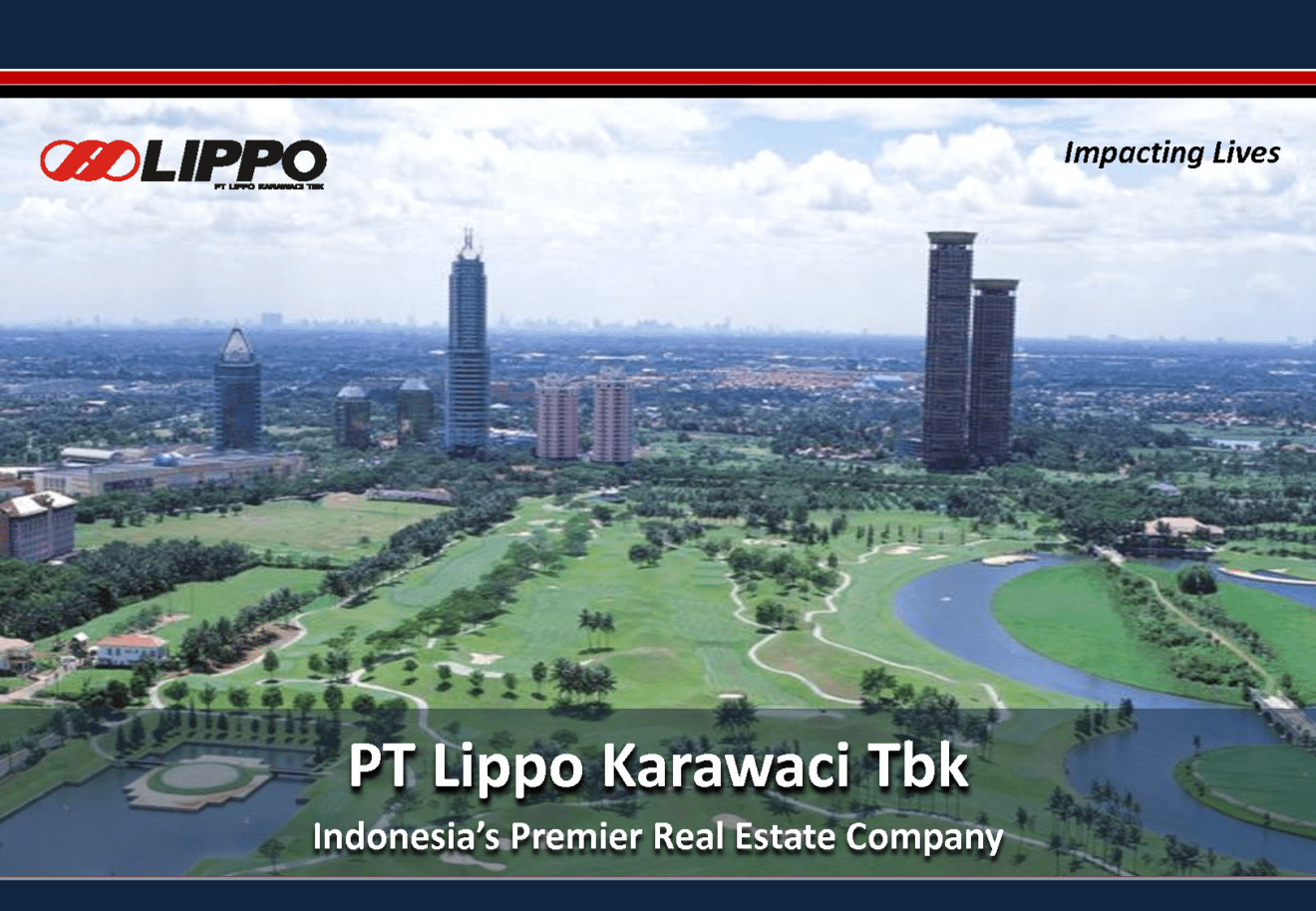
    The REIT may also have a healthy pipeline of assets to acquire given the reach of its sponsor, PT Lippo Karawaci Tbk, Indonesia’s largest listed company by total assets.

    Undemanding valuation and juicy yield

    At its current unit price of S$0.35, Lippo Malls Indonesia Retail Trust has a very high trailing-12-months dividend yield of 8.2%.

    In the first quarter of 2015, the REIT’s distributions per unit (DPU) for the quarter had jumped by 16% year over year from 0.68 Singapore cents to 0.79 cents. Based on the REIT’s reading of its own micro-economics, it’d appear that brighter days are ahead. Here’re the REIT’s comments from its first quarter earnings release:

    “As the shopping centre moratorium continues, the near term retail space supply in Jakarta will be limited. This will create a favourable market condition for existing shopping mall owners as retail space in Jakarta will be keenly sought after in the next few years.

    The outlook for quality retail spaces looks promising in the next 12 months as both local and foreign retail players continue to remain active. Higher disposable income, lower inflation, coupled with an emerging trend of lifestyle shopping malls are expected to drive the demand for retail space.”

    While currency woes may still plague the REIT, it’s worth noting, as I mentioned earlier, that currency hedges have already been put in place till the end of 2016.

    In the meantime, Lippo Malls Indonesia Retail Trust is also selling for just 0.8 times its latest book value. These low valuations could potentially give some downside protection for investors.

    Foolish Bottomline

    While there may be things to like about Lippo Malls Indonesia Retail Trust, it’s important to note that its history with its DPU has been less than impressive.

    The REIT’s first annual distribution was in 2008 and it had doled out a DPU of 4.96 Singapore cents. But in 2014, its annual DPU was just 2.76 cents, a fall of some 44%.

    This undesirable track record is a source of risk, in the sense that while a weak rupiah may have played a part in the REIT’s shrinking distributions (this is something not within the REIT’s control), it could also be a sign that the REIT may not be the best operators of retail malls around.

    Investors would have to weigh the risks and rewards with Lippo Malls Indonesia Retail Trust before any investing decision can be reached.
  • Hangzhou Joy City marks No 8 for HK developer

    Hangzhou Joy City marks No 8 for HK developer

    Hong Kong’s Joy City Property will open an eighth Joy City mixed use development in Hangzhou.

    The company says the urban complex and commercial property project will become a lifestyle hot spot for the Hangzhou residents.

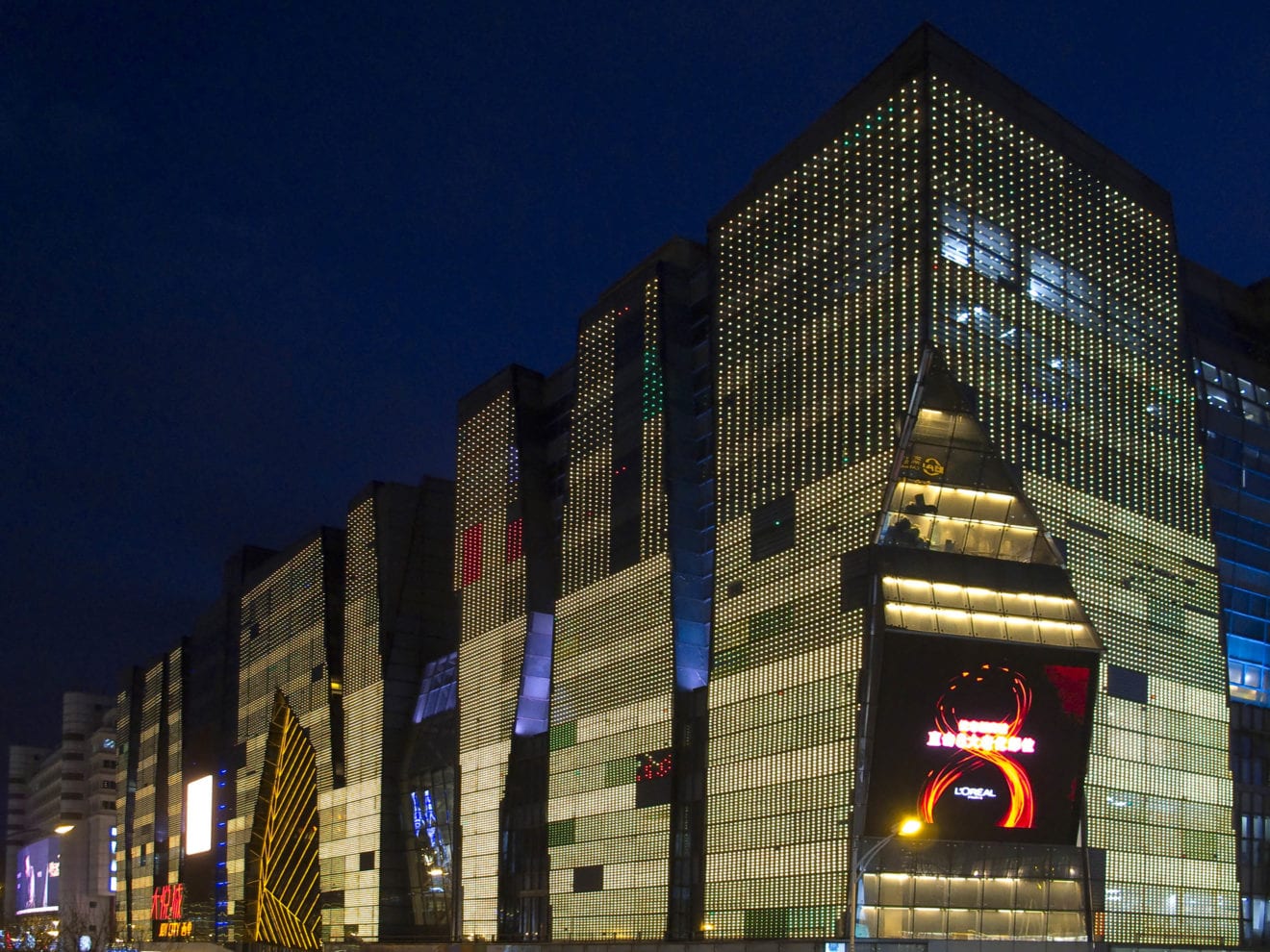
    Alas it has not released any images of the planned development (the image above is of an exciting Joy City project).

    Brands which have already proven successful in other Joy Cities will have an option to open in the new Hangzhou project.

    Hangzhou Joy City will replicate the Joy City brand’s unique architectural style, featuring sky walkways and an open atrium to project a “youthful, fashionable, trendy and quality” image of the brand. It will target the city’s middle-class customers aged between 18 and 35.

    The project will also adopt characteristics peculiar to Hangzhou’s culture while positioning itself as a mecca for the local trendy shoppers, introducing new brands into Hangzhou, the Yangtze River Delta and even Mainland China.

    Hangzhou Joy City comprises an urban complex and commercial properties with a combined gross floor area of 500,000 sqm. At the southern side of the project, a port will be built at the bank of the Grand Canal, which links Beijing with Hangzhou and is a UNESCO World Heritage Site. Consumers will be able to start a boat trip at the port to reach Wulinmen port and Xixi National Wetland Park directly, allowing them to enjoy shopping at Hangzhou Joy City and a boat tour of the park.

    In addition, Hangzhou Joy City will be the first Joy City to launch an outdoor commercial district where all types of shops will be opened for business round the clock.

    Representatives of retailers I.T., Zara, Uniqlo, China Film, Waipojia and Starbucks attended the inauguration ceremony for Hangzhou Joy City.

    Zhou Zheng, VP of COFCO and chairman of Joy City Property said Hangzhou has always been strategically important to Joy City.

    “We hope that Hangzhou Joy City will not only become the lifestyle destination of the city but will also drive consumption and improve the shopping experience in the Hangzhou Bay area. Hangzhou Joy City aspires to be a dazzling pearl in the southern Yangtze River Delta and will work with Shanghai Joy City to reshape the commercial real estate sector in the region.”

  • Singapore’s Perennial Real Estate expands into healthcare with China venture

    Singapore’s Perennial Real Estate expands into healthcare with China venture

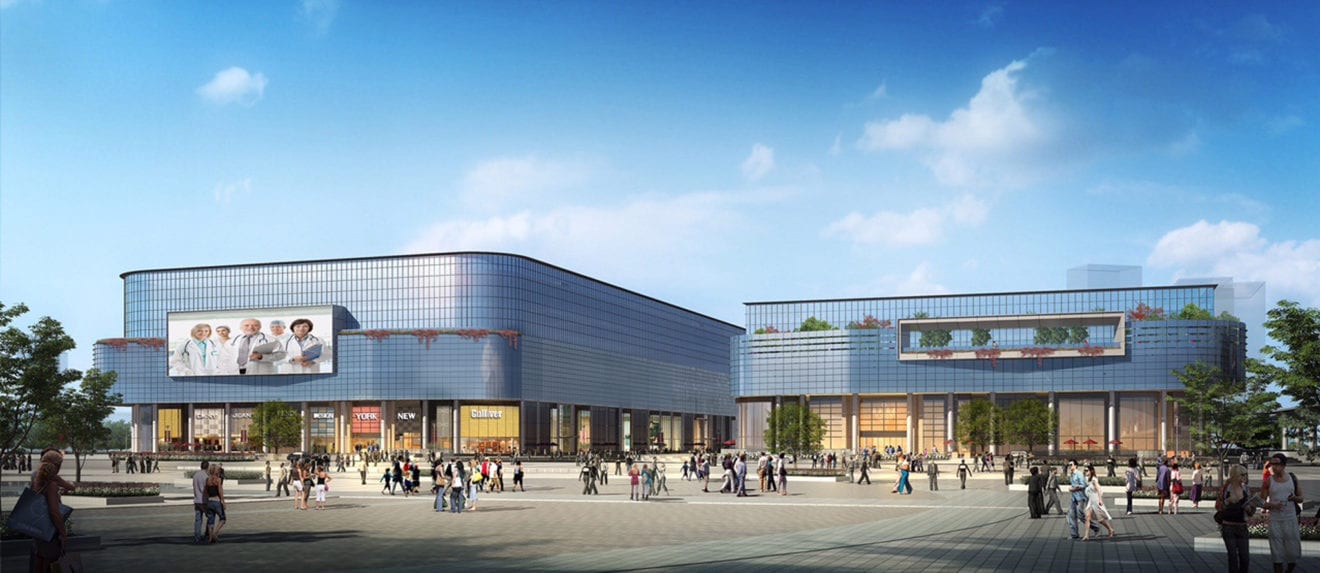
    Singapore’s Perennial Real Estate Holdings said it would expand into healthcare for the first time through a joint venture in China that will buy and develop hospitals as well as medical service businesses.

    Seeking to take advantage of China’s strong demand for healthcare, Perennial said it will buy a 40 percent stake in a venture for about S$63 million ($47 million). The remaining 60 percent will be held by a subsidiary of China Boai Medical Group, a Chinese hospital operator.

    The company also said a mall it was building near the Chengdu East high-speed railway station would now become a healthcare hub in addition to a retail shopping centre. ($1 = 1.3478 Singapore dollars)


  • Futuristic Chengde mall planned

    Futuristic Chengde mall planned

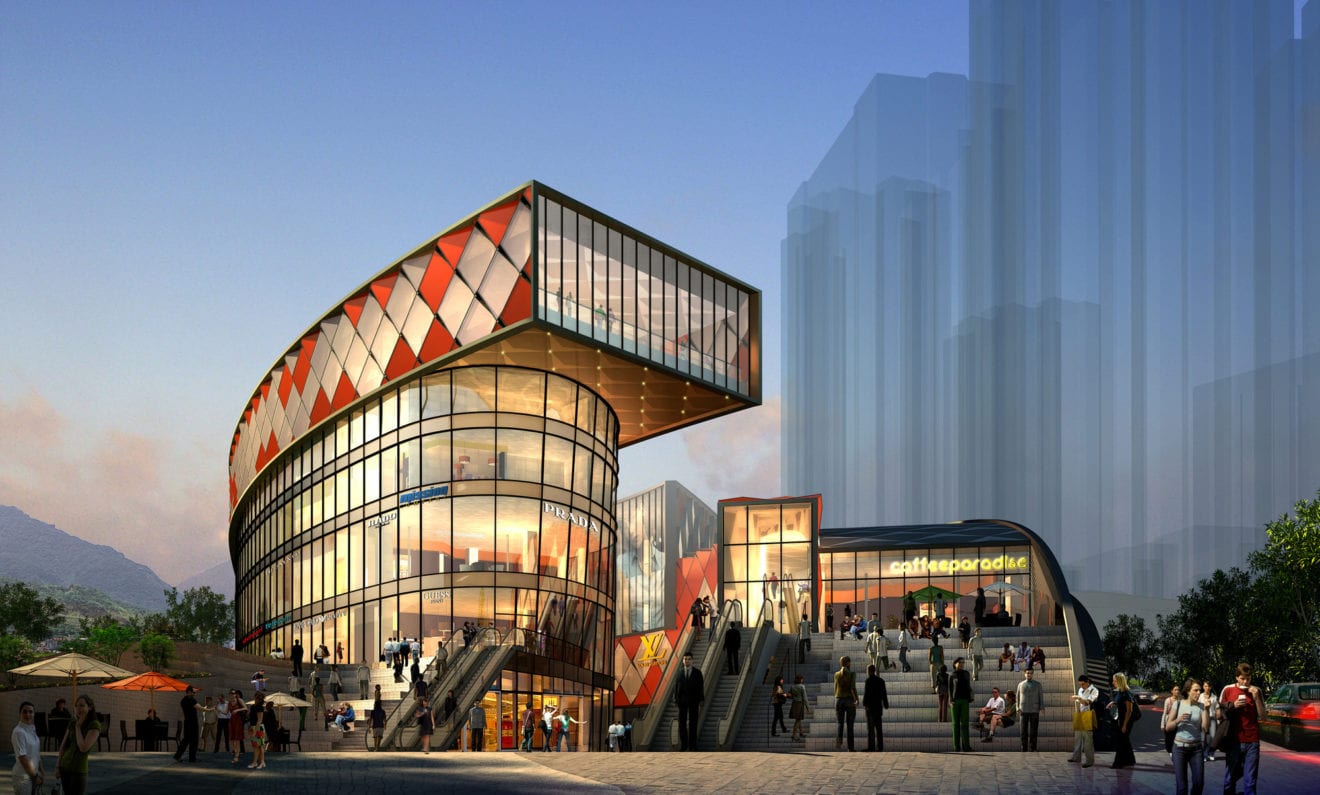
    Sunlay Design Group has created a stunning, futuristic design for the planned Chengde mall in China’s Hebei province.

    The modern shopping center has heavy ties to China’s ancient cultural influences, inspired by classical dragon mythology and the principles of feng shui.

    Named the Chengde Tianshan Retail Center, it will offer the Hebei province a mixed-use shopping experience that fuses contemporary form with traditional methodology. Construction is scheduled to commence within a few months.

    In creating the mall’s exterior design, Sunlay faced a major challenge: such is the mountainous nature of the site, a conventional building would have lacked visibility from the street. Whatever design they settled on, the had to also maximise the centre’s usable area.

    The result is best described as “a fluid form” that defines the site’s perimeter and creates a natural flow from indoor to outdoor food and beverage and retail tenancies.

    Sunlay says that by wrapping the building around the site’s edges, the mall gained elevation necessary for it to become a landmark and focal point for the neighbouring city.

    A tall cantilevered wing rests about 20 meters above the mall.

    Besides a retail tenancy mixing local and international brands, Chengde mall, on a 27,535 sqm site, features a cinema complex, restaurants, a karaoke bar and a hotel.