Tag: real estate

  • CapitaLand Singapore launched annual My Schoolbag programme

    CapitaLand Singapore launched annual My Schoolbag programme

    This season of giving, CapitaLand is rallying its employees, tenants and shoppers to give back to the community through a series of charity events and fundraisers across its Singapore properties. Through these events, CapitaLand targets to contribute up to S$166,000 towards various charity organisations to build an inclusive and caring society.

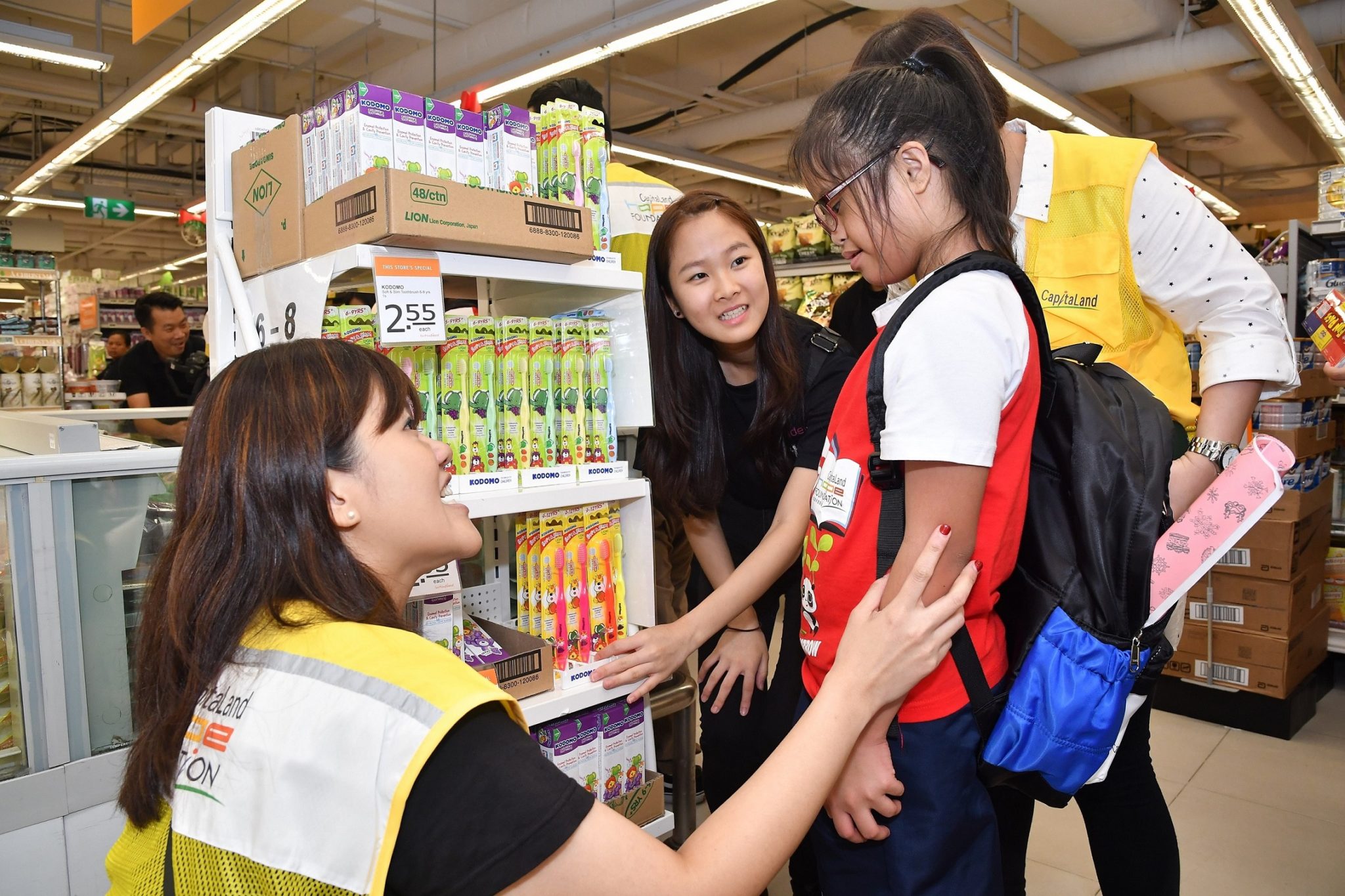
    Taking place at Junction 8 was CapitaLand’s annual My Schoolbag programme supported by CapitaLand Hope Foundation (CHF), the philanthropic arm of CapitaLand. Each of the 183 children beneficiaries – including students from the Movement for the Intellectually Disabled of Singapore (MINDS) and the Association for Persons with Special Needs (APSN) – received a new school bag, as well as school and daily necessities worth S$150. Accompanied by over 170 CapitaLand staff volunteers, the young beneficiaries went through a simulated shopping experience while picking up tips about prudent spending. Through an educational skit, they also learnt the importance of saving for the future, reducing food waste and leading a healthy lifestyle.

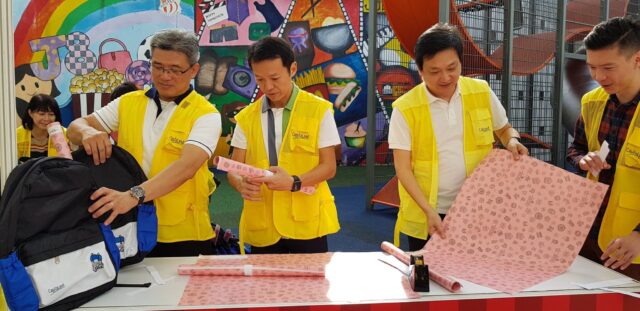
    The children beneficiaries at Junction 8 this morning were among the first in Singapore to get their hands on CapitaLand’s popular year-end gift wrappers. This year’s design features carnival-inspired motifs drawn by Mr Jovan Neo, a 19-year-old special needs artist from The Art Faculty, a platform that promotes the abilities of people with autism and related challenges. The design of the gift wrappers resonates with the carnival-themed décor that CapitaLand malls across Singapore are decked out to mark the festive season. Shoppers can redeem the special edition gift wrappers at participating CapitaLand malls from 16 November 2018.

    Mr Tan Seng Chai, Group Chief People Officer of CapitaLand Group and Executive Director for CapitaLand Hope Foundation, said: “From developing inclusive and accessible buildings to our philanthropic activities, CapitaLand firmly believes in fostering an inclusive community through our actions. We leverage our real estate network and tap on the strong spirit of volunteerism within CapitaLand to build a more caring Singapore. For the second consecutive year, our staff volunteers will interact and guide special needs students. This year, we are engaging beneficiaries from MINDS and APSN in CapitaLand’s My Schoolbag programme, which supports the educational needs of the underprivileged children in our shared communities. We are also supporting The Art Faculty and showcasing the talent of special needs artist Jovan Neo through our malls’ gift wrappers.”
    Mr Wilson Tan, CEO of CapitaLand Retail, said: “We are delighted to leverage CapitaLand’s unique advantage as Singapore’s largest mall operator in galvanising our employees, tenants, and shoppers to do good. CapitaLand’s centrally-located and well-connected malls are magnets for crowds and are especially popular with shoppers during the festive season. They are thus well-positioned to amplify the fundraising initiatives of charity organisations. This season of giving, CapitaLand Retail is pleased to work with CHF and partners to support and promote a variety of meaningful causes across our malls. Through these efforts, we hope to provide a meaningful retail experience for our shoppers and to do our part in fostering a more caring, compassionate and inclusive society in Singapore.”

    Examples of giving activities at CapitaLand properties include CapitaLand Giving Marketplace at Raffles City Singapore on 27 November, where charities and social enterprises are offered space to promote their merchandise and volunteer opportunities to the public. For every transaction at the CapitaLand Giving Marketplace, CHF will donate S$6 to the participating charities. Over at Plaza Singapura, shoppers can donate any amount they wish for the giftwrapping service provided by volunteers from Blossom World Society from 12 December to 23 December. At Bedok Mall, shoppers take home one mini plant for every S$10 contribution, which will be matched dollar-for-dollar by CHF, to benefit MINDS and Very Special Arts (VSA) Singapore.

  • Vietnam’s biggest airport start building in 2020

    Vietnam’s biggest airport start building in 2020

    Work on Vietnam’s biggest airport would start in 2020 and it will become operational in 2025, the Airports Corporation of Vietnam (ACV) says. ACV, which manages and operates civil airports in the country, also says that it will complete business appraisals and feasibility reports for submission to the National Assembly for approval in October 2019.

    Transport Minister Nguyen Van The had told legislators at a meeting late last month that the government was likely to approve land acquisition plans for the project this month, and release funds for it immediately after.

    Situated 40 kilometers east of Ho Chi Minh City, the Long Thanh International Airport is expected to take up overflow from the largest existing airport in the country, the Tan Son Nhat International Airport.

    Tan Son Nhat now receives 32 million passengers a year, far beyond its designed capacity of 25 million.

    The Long Thanh Airport, to be built in three phases over three decades, was recently listed by CNN Travel as one of the world’s 16 most exciting airport projects.

    The first phase is scheduled for completion in 2025 when it will be able to handle 25 million passengers annually. The next two phases will be built in 2030-2035 and from 2040-2050.

    The new airport would have an annual capacity of 100 million passengers and five million tons of cargo when completed.

    The first phase is estimated to cost VND114 trillion ($4.87 billion), and will be raised from public funds, a bond issue and private sources.

    Experts have warned that the cost of the airport could double every five years.

    ACV announced that in its 2019 plan, the company will spend more than VND10 trillion ($432.71 billion) on upgrading and expanding several airports, including Cat Bi in northern Hai Phong City, Vinh in central Nghe An Province, Phu Cat in southern Can Tho City, and Noi Bai in Hanoi.

    Most of these upgrades are expected to be completed by the third quarter of 2019.

    According to a recent announcement by ACV, by the end of October, the total amount of passengers going through airports this year was estimated at 87 million, by 12 percent over the same period in 2017.

    This year, the number of international passengers rose by 23 percent, while the figure for domestic customers increased by 7 percent.

  • Semen Indonesia Snaps Up LafargeHolcim Unit to Bolster Market Lead

    Semen Indonesia Snaps Up LafargeHolcim Unit to Bolster Market Lead

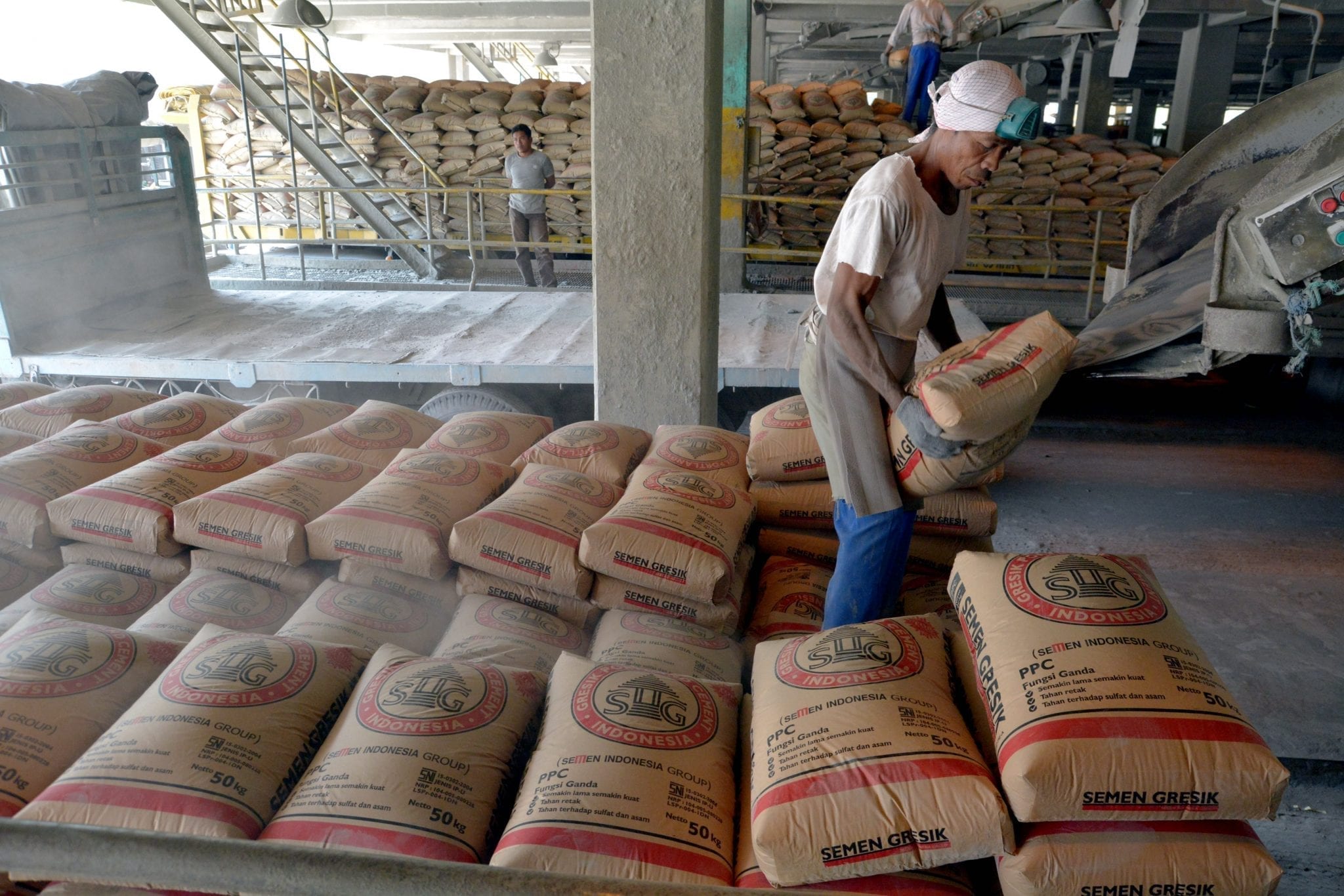
    Cement maker Semen Indonesia is buying the local unit of Swiss rival LafargeHolcim for around $917 million, as it seeks to extend its dominant position in Southeast Asia’s largest market. Semen Indonesia said in a statement it had signed a deal to acquire LafargeHolcim’s 80.6 percent stake in Holcim Indonesia, which is the third-biggest cement producer in the country.

    A fully owned subsidiary of the state firm would launch a mandatory offer for the remaining shares owned by public shareholders, it said.

    “In the competitive environment of the national cement industry, the combination between Semen Indonesia and Holcim will be stronger and larger,” Semen Indonesia president director Hendi Prio Santoso said.

    The company said the acquisition will boost its total cement capacity to 53 metric tons per annum. Analysts say this will give the combined entity a total capacity share of about 50 percent, in a market that has 15 companies.

    Sources familiar with the matter said Malaysian infrastructure company YTL Corp and privately owned Chinese firm Hongshi Cement had also been among the final bidders but the strategic fit with Semen Indonesia helped LafargeHolcim’s Indonesian unit to win the auction.

    The initial round of the auction drew interest from about a dozen companies, including from Japan, the Philippines and other countries, the sources said.

    YTL and Hongshi declined to comment.

    A spokeswoman for LafargeHolcim said it had received strong interest from bidders for its Indonesian business but declined to give details on the parties involved.

    Though President Joko “Jokowi” Widodo’s infrastructure push has fueled a boom in the building of airports, roads and housing projects, an aggressive expansion in the industry and entry of newer players such as Anhui Conch has created excess capacity and a price war in the last few years, analysts say.

    Semen Indonesia has secured financing from local, regional and international banks such as BNP Paribas, said the sources, who declined to be named as complete details of the deal have not been announced.

    “This secures Semen Indonesia’s position as a market leader for many years. Cement prices are improving and there is significantly less new capacity coming,” one source said.

    In an August report on potential consolidation in the Indonesian cement industry, Deutsche Bank analysts said: “A bull-case scenario would be that domestic consolidation reduces the number of players competing in the overcapacity market, supporting higher ASP [average selling prices] and a profitability recovery.”

    “A bear-case scenario would be a prolonged condition in which the industry loses its pricing power due to the new players’ strategy to overtake market share,” the report said.

    Semen Indonesia said the acquisition would give it significantly larger capacity and broader product portfolio and geographical footprint, while LafargeHolcim, the world’s largest cement maker, said in a separate statement that it was selling the business as it reviews its portfolio to improve its financial strength.

    LafargeHolcim’s local unit has four cement plants with a capacity of 14.8 metric tons per annum and 30 ready-mix plants, Semen Indonesia said.

    It was advised by BNP Paribas, while LafargeHolcim was advised by Citigroup.

  • Solid six months for Link Reit

    Solid six months for Link Reit

    Link Reit has improved like-for-like revenue by 7 per cent in the first half year, with car park revenues up 10 per cent and retail up 6.6 per cent. The valuation of Link’s investment properties portfolio reached HK$209.8 billion, an increase of 3.3 per cent compared to March 31.

    In a results announcement, the company said its portfolio “continued to demonstrate its resilience and provide a productive platform for our tenants to thrive” during a time of geopolitical and economic uncertainty.

    “Our efforts invested in asset management have yielded positive results for our retail portfolio,” the company said. “As at September 30, occupancy rate for the portfolio remained stable at 95.5 per cent and the overall portfolio reversion rate stood at 22.5 per cent. Average monthly unit rent improved to $65.7 per square foot (psf) as at September 30, up from $62.4 psf as at March 31.

    Four asset enhancement projects were completed during the six-month period: Fu Shin Shopping Centre, Homantin Plaza, Sam Shing Commercial Centre and Wan Tsui Commercial Complex. Link’s asset enhancement pipeline is filled with projects in various stages, including 10 projects currently underway, five preparing to commence and 19 projects undergoing review.

    On the mainland, Link’s three properties – EC Mall in Beijing, Metropolitan Plaza in Guangzhou, and Link Square 1 & 2 in Shanghai – performed “satisfactorily”, contributing a combined revenue of $490 million and net property income of $390 million. Increases of 22.8 per cent and 25.8 per cent, respectively. The retail portfolio occupancy rate was 98.8 per cent.

    “The latest addition to the portfolio, Metropolitan Plaza, continues to be a growth engine with vast potential to be unlocked. EC Mall’s reversion rate stayed at a satisfactory level and the new tenants have been warmly welcomed by the local community. Reversion rate of retail portfolio stood high at 43.2 per cent. We will continue to tailor asset management strategies to enhance our asset qualities and offerings to the neighbourhoods,” the company said.

    CEO George Hongchoy said Link is “well-placed to sustain its long-term growth trajectory while keeping foundation of business fundamentally sound and resilient”.

    The company is considering acquisitions and/or divestments that can drive sustainable return long term.

  • Big C to open in Malaysia

    Big C to open in Malaysia

    Thai Hypermarket Big C appears to be preparing to enter Malaysia. According to several websites, Fraser and Neave, a subsidiary of billionaire Charoen Sirivadhanabhakdi’s TCC Group, is in the process of completing local regulatory requirements through Ministry of International Trade and Industry to prepare for the launch of Big C Malaysia.

    The target opening date has not been confirmed.

    However, the first Big C Malaysia Supercentre is expected to be located in Kedah in northwest Malaysia, near the Thai border.

    Big C currently operates in Thailand, Vietnam and Laos.

    Many Malaysians reportedly cross the border into Thailand to shop at the Big C hypermarket in Hat Yai, in Thailand’s south, giving the company confidence its offer would be popular among residents of its neighbouring country.

  • China’s Mosaic Xi’an mall opened door

    China’s Mosaic Xi’an mall opened door

    Pradera Retail Asia has opened Mosaic Xi’an mall in China’s Xi’an city.

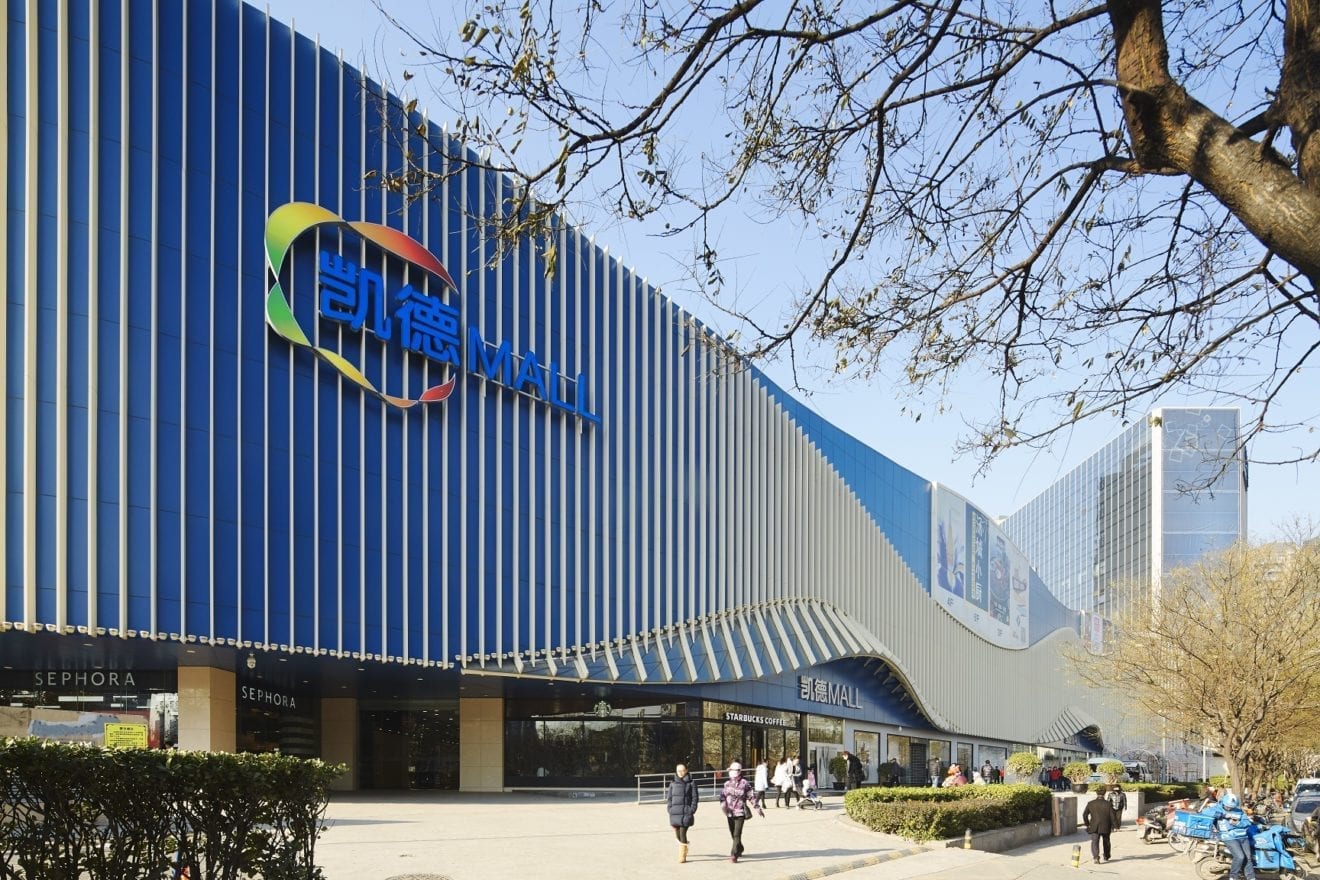
    The new 120,000sqm mall is Pradera’s fourth retail asset in China and targets the 20-45 age group with international fashion tenants and entertainment/F&B providers. Already 80 per cent leased, it will hold a one-year promotional program to establish the location in the local market.

    “Mosaic Xi’an creates an innovative shopping experience, so as to satisfy consumers’ booming demand for situating more creative means of entertainment in malls,” said Pradera’s CEO Alison Rehill-Erguven.

    The accents on entertainment are designed to draw customers from the surrounding region who may otherwise shop online.

    “Experiential business is critical for the overall industry,” said Rehill-Erguven. “When more and more shopping centers are transforming into ‘one-stop’ shopping experience centres, we go further to provide the latest advancements in entertainment, F&B and fashion, as well as events, customer service and technology, leading young customer groups on an unforgettable, entertaining journey.

    “Technology has inevitably changed the retail industry; consumers still want to shop in the stores to feel and touch the products … We must not underestimate the power of human interaction and the need for it.”

    Renowned as China’s ancient capital, Xi’an is located in the central Chinese province of Shaanxi. It is surrounded by 14th century city walls, an architectural feature that has been reflected in the design of the new mall.

    Pradera already operates three Mosaic retail properties in Shanghai, Qingdao and Chongqing respectively.


  • WeWork signs deal to open office in Busan next year

    WeWork signs deal to open office in Busan next year

    WeWork, a global shared work space provider, said Tuesday it has signed an agreement with Busan to make inroads into the country’s second-largest city next year. The company signed a memorandum of understanding (MOU) with the southeastern port city on Monday with a plan to open its first Busan branch in the Seomyeon area by the first half of next year, it said.

    WeWork said more locations, including in Centum City and Busan Station, will be launched down the road.

    “WeWork will contribute to creating jobs and global business opportunities as well as revitalizing the startup ecosystem in Busan,” Matthew Shampine, General Manager of WeWork Korea, said.

    Established in New York City in 2010, WeWork currently has over 300 offices in 23 countries, including 10 in Seoul. The first Korean WeWork office opened in 2016.

  • Tmall, Swire Properties launch New Retail initiative

    Tmall, Swire Properties launch New Retail initiative

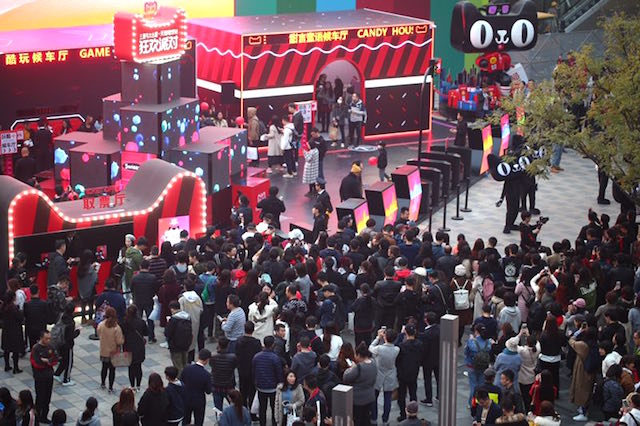
    Alibaba Group’s Tmall and Swire Properties are launching a New Retail initiative creating tailored retail experiences at Swire Properties’ five shopping malls in Mainland China. The partnership will bring benefits to customers in time for Alibaba’s 11.11 Global Shopping Festival on Sunday with Taikoo Li Sanlitun in Beijing the first brick-and-mortar shopping mall in Mainland China to experience this year’s 11.11 “red packet rain” this week.

    Swire Properties will introduce Tmall’s New Retail technologies at five of its developments: Taikoo Li Sanlitun and Indigo in Beijing; HKRI Taikoo Hui in Shanghai; Taikoo Hui in Guangzhou and Sino-Ocean Taikoo Li in Chengdu. The five New Retail initiatives include Tmall Smart Stores, a Tmall Pop-Up Store, Interactive Idol Engagement Photo Booths, Smart Nursery Rooms and a Smart Parking Service.

    Tmall Smart Stores: Shoppers will enjoy a seamless online and offline shopping experience from order to delivery (for participating physical stores). By signing up as members of selected brands, customers can instantly receive details on the latest promotions, and enjoy a return service by simply using their digital devices.

    Tmall Pop-Up Store: Tmall will open an interactive pop-up store featuring cutting-edge technology at Taikoo Li Sanlitun. This nine-day promotion during the Festival will offer shoppers in-depth and enhanced experiences.

    Interactive Idol Engagement Photo Booth: Fans will have a chance to ‘virtually interact with’ and snap a photo with their idol. This is the first-of-its-kind check-in hot spot in Mainland China.

    Smart Nursery Rooms: These offer mothers a relaxing and private space where they can nurse their babies at shopping malls. Vending machines will also offer essential nursing necessities.

    Smart Parking Service: By linking Alipay with their car license plates, drivers can pay parking fees with ease. This service will save drivers 80 per cent of the time usually spent on paying the parking charge and exiting the car park.

    “At Swire Properties, we are always looking for new ways to innovate and integrate the latest technologies into our business, so that we can bring unique experiences to our customers,” said Han Zhi, director, retail at Swire Properties. “Our collaboration with Tmall is a powerful example of digitisation. By harnessing rapidly developing online technologies and big data, our goal is to define the New Retail shopping experience.

    “This year marks the 10th anniversary of Taikoo Li Sanlitun and Alibaba’s 11.11 Global Shopping Festival, both of which have grown in leaps and bounds the past decade. We’re confident that our partnership, which also celebrates this milestone, will set a new benchmark in our respective industries and in the digital space.”

  • High occupancy pays off for CapitaLand China malls

    High occupancy pays off for CapitaLand China malls

    High occupancy rates of the CapitaLand China malls portfolio helped deliver a 10.5 per cent increase in distributable income in the three months to September. CapitaLand Retail China Trust Management Limited (CRCTML), the manager of CapitaLand Retail China Trust (CRCT), says income reached S$23.6 million this year, compared with $21.4 million the same quarter last year.

    CRCTML CEO Tan Tze Wooi said China’s retail sales rose 9.3 per cent year on year during the first nine months of this year to RMB 27.4 trillion (US$3.93 trillion), while urban disposable income and expenditure per capita grew 7.9 per cent and 6.5 per cent respectively.

    “China is now growing from a larger base and its long-term fundamentals remain strong,” he said. “With our quality portfolio of malls offering holistic lifestyle experiences, CRCT will stand to benefit from China’s improving household income and rising consumer aspirations.”

    During the latest quarter, CRCT achieved a 2.2 per cent increase in net property income to $36.7 million, driven by broad-based rental growth and effective cost management.

    Wooi said the trust’s portfolio achieved an occupancy rate of 97.7 per cent at the end of September and rental reversion was “a robust 12.1 per cent”.

    “Our active asset management strategy with a tailored approach for each mall is progressing well. Rock Square registered a strong positive rental reversion above 20 per cent for the third consecutive quarter by bringing in 25 prominent international and domestic brands, many of which are new-to-market in Haizhu District.

    “To differentiate CapitaMall Qibao’s offerings, we increased its exposure to the resilient learning and education sector by more than three times over the last five years. We also expanded the rooftop playground to host more interactive activities that are popular with children, further enhancing CapitaMall Qibao’s attractiveness to young families.”

    CRCT is the first China shopping mall Real Estate Investment Trust (Reit) in Singapore, with a portfolio of 11 shopping malls: CapitaMall Xizhimen, CapitaMall Wangjing, CapitaMall Grand Canyon, CapitaMall Shuangjing in Beijing; Rock Square in Guangzhou; CapitaMall Xinnan in Chengdu, Sichuan Province; CapitaMall Qibao in Shanghai; CapitaMall Minzhongleyuan in Wuhan, Hubei Province; CapitaMall Erqi in Zhengzhou, Henan Province; CapitaMall Saihan in Hohhot, Inner Mongolia; and CapitaMall Wuhu in Wuhu, Anhui Province.

  • Golden Mile Complex launches en bloc tender

    Golden Mile Complex launches en bloc tender

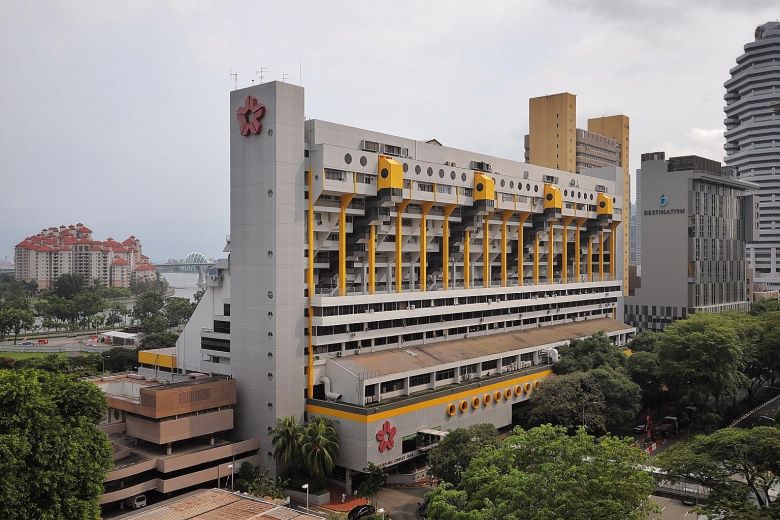
    Singapore’s Golden Mile Complex has been put up for sale by tender. The landmark property is being sold through sole marketing agent Edmund Tie & Company. It has a land area of approximately 1.3ha and is zoned for commercial use.

    The complex is considered an icon of Singaporean urbanism with its signature step-terraced building design created by DP Architects, but it has fallen into disrepair in recent years.

    There is a fascinating feature story and video about the complex here on Channel News Asia.

    Senior director of investment advisory Swee Shou Fern said Golden Mile Complex is a national icon that has shaped the visual character of our built landscape.

    “We are proud to present this rare opportunity for adaptive reuse. Its distinctive architecture and worldwide iconic status will offer tremendous potential to transform the property into an exciting work-live-play destination in this growth area. The new Golden Mile Complex will be an essential part of the rejuvenation of the Beach Road corridor and we are working closely with DP Architects and URA on the conservation of the building and further ways to enhance its potential.

    “This unique adaptive reuse opportunity provides the developer with the chance of incorporating a new vision into this iconic development. Many exciting development concepts may be considered for the Property. The collective sale of a large-scale conserved building in Singapore is unprecedented and we will be conducting a longer tender process to allow interested parties to carry out a detailed study.”

    Outline Application has been submitted to retain the existing 16-storey building and addition of a new block next to the building, subject to authorities’ approval. The Golden Mile Complex is under conservation study and discussions to facilitate conservation are open.

    The reserve price for the property is SGD800 million (US$577 million). The tender exercise will close on Wednesday, January 30.

  • Malaysia to reach 700 malls by end of the year

    Malaysia to reach 700 malls by end of the year

    Malaysia can expect to have close to 700 shopping malls trading by the end of next year, according to Malaysia Retail Chain Association (MRCA) president Datuk Seri Garry Chua. The malls will represent a net lettable area of 170 million sqft in total, potentially higher than current market demand.

    In an report, Chua said: “Currently we have about 560 Malaysian malls operating nationwide with total net lettable area of about 135 million sqft. The occupancy for majority of the malls in Klang Valley is between 85 and 87 per cent and that is considered okay if compared with neighbouring countries like Singapore.

    “One way to fill the malls, both new and existing, is tourism. The government has to do a lot more in getting tourists from around the world to come here, especially from China.

    “Chinese tourist spend about US$260 billion globally. They are the biggest spenders.”

    Chua added that tourism is likely to be the largest contributor of GDP worldwide by the 2030s. Its impact on Malaysian retail could contribute to industry growth from the current 10 per cent of GDP to 15 per cent within the next five years.

    The MRCA is estimating an average growth of 6.1 per cent during the third quarter of this year compared to the same time last year.

    “There is huge potential in the local retail industry, despite concerns of a glut in retail space,” said Chua.

    “For future retail, it will have to encompass a lot of digital and concept stores. The malls must be interactive. It must have things like artificial intelligence where you have robots moving around and interacting with people.

    “There should be new dynamics in shopping. Mall owners must keep abreast with latest trends. Pricing and design must be right, especially for fashion brands.

    “Malls are also adding more and more food and beverage (F&B) outlets. Previously, tenant mix comprised 20 per cent of F&B but today, it is 30 per cent,” he said.

  • Calm water for Singapore’s CapitaLand Mall Trust quarter

    Calm water for Singapore’s CapitaLand Mall Trust quarter

    CapitaLand Mall Trust Management (CMTML), the manager of CapitaLand Mall Trust (CMT), says CMT has achieved a distributable income of S$103.5 million (US$75 million) for the quarter to September 30. That marks an increase of 4.9 per cent over the $98.7 million for the same period last year.

    Year to date, distributable income was $302.5 million, an increase of 3.3 per cent.

    CMTML CEO Tony Tan says the portfolio continued to deliver stable returns during the quarter, despite uncertain market conditions. Occupancy was 98.5 per cent, “well above the market occupancy level of 92.7 per cent”, he said.

    Asset enhancement initiatives to uplift the customer experience at Tampines Mall and Westgate are on track to complete in the fourth quarter of this year.

    During the third quarter, CMT’s gross revenue and net property income rose by 0.7 per cent and 1.1 per cent respectively year-on-year. Gross revenue was higher from Junction 8, IMM Building, Plaza Singapura, Bedok Mall and Tampines Mall, partially offset by lower gross revenue from Sembawang Shopping Centre, which was sold in June, and lower occupancy and rental rates contracted on new and renewed leases from JCube and Bukit Panjang Plaza.

  • Sunway Malls wins best in Asia award

    Sunway Malls wins best in Asia award

    Sunway Malls has been recognised as one of Malaysia’s best companies to work for in Asia. HR Asia, Asia’s most authoritative publication for senior HR professionals – created the HR Asia Best Companies to Work for in Asia platform, where best practices and inner workings of companies are investigated to understand what distinguishes them from the rest. The Awards covered 12 markets across the region, and culminated with an award ceremony recently to celebrate the winners.

    Sunway Malls’ vision is “to create experiences that enrich lives” and this vision is extended to our external stakeholders and our employees. Sunway has 4 core values as the guiding factors to our vision; Integrity, Humility, Excellence and Togetherness. Through constant innovation and brain storms, the company take into account the employees’ needs and aim to provide to our best of ability.

    Their first mall, Sunway Pyramid is 21 this year. Sunway Carnival, opened in 2007, is undergoing expansion, Sunway Giza is our friendly community mall opened in 2009 whilst their newer malls are Sunway Putra Mall and Sunway Velocity Mall. To date, Sunway has amassed 54 renowned international and national awards.

  • Avison Young opens its first office in Asia

    Avison Young opens its first office in Asia

    Mark E. Rose, Chair and CEO of Avison Young, the world’s fastest-growing, private and Principal-led, global commercial real estate services firm, announced today that the company has opened a new office in Seoul, South Korea.

    The new Seoul office represents Avison Young’s first office in Asia, 85th office globally, and an additional step in the firm’s ongoing aggressive global growth and expansion strategy. Full operations in Seoul will begin on November 1, 2018.

    Over the past 10 years, Avison Young has grown from 11 to, now, 85 offices in 76 markets and from 300 to more than 2,700 real estate professionals in Canada, the U.S., Mexico, Europe and Asia.

    Effective immediately, 63 new members, including brokerage and other service specialists, join Avison Young from Seoul, South Korea-based commercial real estate firm Mate Plus Advisors Co. Ltd. Byoung Gon Choi becomes a Principal of Avison Young’s Seoul Operations and Managing Director of the new office. He will focus on expanding Avison Young’s business-line coverage across South Korea, servicing new and existing clients, and managing the day-to-day operations of the office.

    Choi brings 34 years of commercial real estate experience in South Korea to Avison Young, most recently as CEO of Mate Plus Co. Ltd., a leading real estate property management company in Korea; CEO of its affiliate Mate Plus Advisors, which specializes in investment sales, retail, project management, asset management, leasing, research and advisory services; and CEO of Genstar, of which Mate Plus is a key affiliate.

    “The opening in Seoul represents another milestone in our global expansion strategy,” comments Rose. “We’re thrilled to be launching our first office in Asia in Seoul as we begin to fulfill our long-sought goal of entering the highly dynamic Asian marketplace and expanding our footprint across another continent. Furthermore, we’re delighted to have Byoung Gon Choi, who is a highly regarded commercial real estate professional, guiding our expansion program in Seoul and the rest of South Korea. Byoung Gon’s ability to foster deep relationships is evident in his previous companies’ geographic and project-type diversity. He understands current market trends and uses that knowledge to provide creative solutions that meet each client’s unique business needs. He and his team, which include leading capital markets and corporate services professionals, have comprehensive knowledge of Seoul’s commercial real estate sectors and can also give clients highly strategic advice on asset management and property management. The new team’s experience and expertise will benefit our clients and company alike. We couldn’t be more pleased to have Byoung Gon and our other new colleagues on board.”

    Rose adds: “We believe that Seoul is an underserved market that offers great potential for increased local, national and international investment sales and leasing activity. Seoul, which has a young, highly educated and tech-savvy workforce, is a gateway to China and the rest of Asia. The new Seoul office will also enhance our ability to facilitate multi-market transactions – and sets us up for further expansion within the Pacific Rim.”

    Choi will work closely with Hiren Thakar, a Principal of Avison Young and the firm’s Chief Operations Officer, International Operations.

    “We were impressed by Byoung Gon’s professional manner in meeting client needs and his proactive approach to commercial real estate brokerage company management and service,” states Thakar. “A well-established industry leader, he and the entire Seoul team will fit well in our client-centric culture. We are already working on developing potential new partnerships and generating client assignments together. Furthermore, South Korea is a stable, rapidly growing Pacific Rim country that has become a destination for investors, landlords and occupiers as they seek to establish a foothold in the region. Each real estate sector is expanding rapidly and has a large, diverse client base. Byoung Gon and his team are experienced in working with international clients and have been successful at completing assignments throughout South Korea.”

    Today’s announcement follows Avison Young’s announcement on July 16, 2018 that Caisse de dépôt et placement du Québec (CDPQ), one of Canada’s leading institutional fund managers, has made a $250-million preferred equity investment to accelerate Avison Young’s strategic growth plan.

    Thakar adds: “The opening of our new Seoul office will allow us to capitalize further on CDPQ’s investment in Avison Young’s strategic initiatives. Our global team will continue to eye additional markets for expansion through the deployment of capital obtained via CDPQ’s recent investment.”

    Avison Young made its first investment under its strategic partnership with CDPQ by acquiring leading U.K. firm Wilkinson Williams LLP and opening a new office in London’s West End on August 1, 2018.

    “We are delighted to join the Avison Young family and be the faces of the company’s first office in Asia,” says Choi. “Avison Young’s entrepreneurial and collaborative culture resonates well with the way we conduct business in South Korea. Our team strongly expects that, by sharing in the benefits of Avison Young’s Principal-led and collaborative business philosophy, we can take our consulting services in South Korea to the next level. Moreover, in co-operation with Avison Young colleagues, we can complete the value chain, providing all types of commercial real estate services to clients.”

    Choi adds: “We believe that our clients will be better served by tapping into Avison Young’s global brand and resources. We look forward to working with our new colleagues throughout the company and developing many trans-Pacific partnerships on behalf of our clients. We also look forward to recruiting new top professionals as we expand the firm’s presence throughout South Korea.”

    Effective November 1, 2018, Avison Young’s new Seoul office will be located at 9F Samhwa Tower, Eulji-ro-5-gil 16, Jung gu, Seoul, Korea 04539.

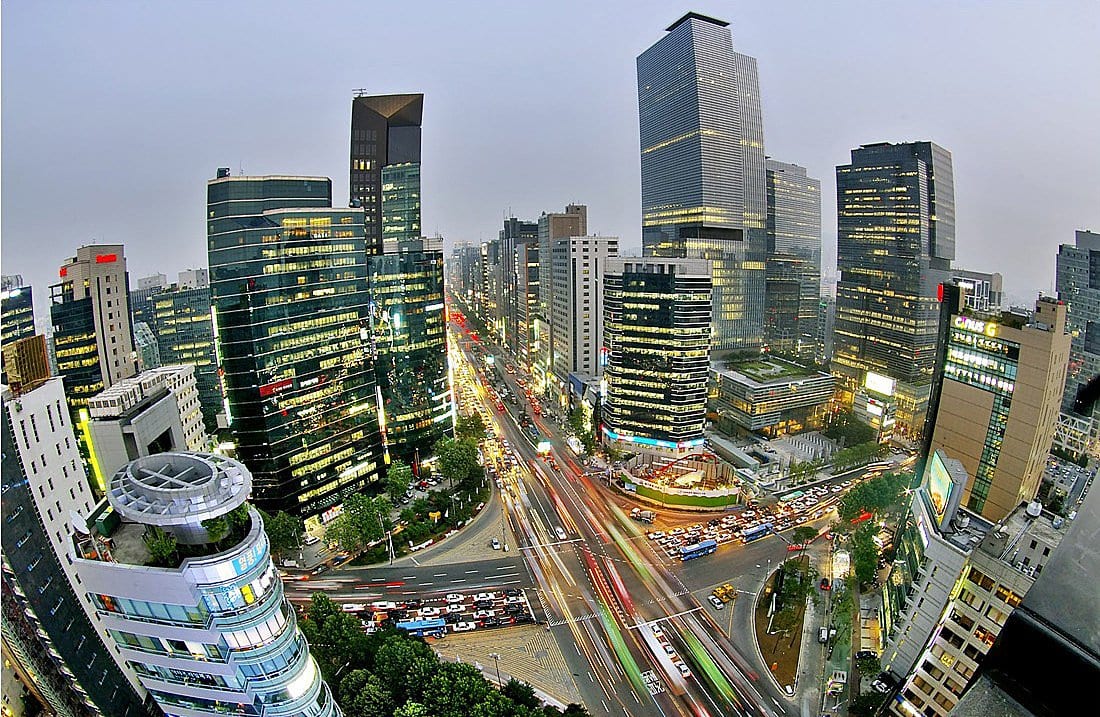
    Seoul, the capital of South Korea, is located on the Han River and serves as the main gateway and logistics hub for Northeast Asia. With a population of approximately 10 million, Seoul ranks among the world’s most dynamic marketplaces. The region is home to many manufacturing sectors, including steel, electronics, automobiles and auto parts, textiles and footwear, chemicals and pharmaceuticals. Other sectors with a strong presence include information and communications technology, financial technology, fashion and construction. International trade also plays a key role in the city’s economy, thanks to South Korea’s status as one of the world’s top exporters. The city’s workforce benefits from low local (5%) and national (4%) unemployment rates (as of August 2018). The World Bank’s latest rankings list South Korea fourth globally for ease of doing business. Seoul’s commercial real estate market features vibrant office, retail, industrial, multi-family and investment real estate sectors. However, the city is also known for its high levels of alternative assets, including data centres, self-storage facilities, student accommodation, education-related buildings and healthcare and seniors-care properties.

  • Now’s the time to buy properties

    Now’s the time to buy properties

    The best time to look for properties is now, as the property market picks up from a low base last year, and with a feel-good factor in the air as the industry anticipates new policies from the new government, said Reapfield Properties Sdn Bhd group COO Jonathan Lee.

    “Everybody’s looking for bargains. This is the best time to look. We’ve had the lowest transaction volume since 2012 last year. When you come to that point, what’s going to happen is probably up. Based on new policies, systems and restructuring (by the new government), we’ll have a good reset of the entire systemic approach. This is the right time to be investing,” Lee said in an interview.

    “There will be some adjustment period and in the midst of uncertainties, there are lots of opportunities to explore now.”
    He said although the current scenario is a curveball, it still brings value because the government’s kitchen sinking exercise will positively impact the property market from a systemic point of view.

    “Property is an inelastic product. You cannot build or cut down a lot of things in a short time. Because of the inelasticity, you will see some effect in certain places but it will not be a major impact to the ecosystem. It will change the way developers plan but we don’t see that as a major impact in the short run,” opined Lee.

    He said the sector is anticipating how policymakers will shape the new housing policy (to be announced this month) to dictate the direction of the property market.

    “There is a feel-good factor in the market now where people are more willing to look at the market for their own stay or for investment. We’ve seen some incremental movements due to this.”

    Lee pointed out that one of the challenges in the market is “noises”, where many investors or home buyers are confused about what is good value.

    “A decade ago, Cheras was A price, KLCC was B price and Mont Kiara was C price. There was a fixation of value in certain locations but, today, that has ran a lot, so a property in Cheras, Mont Kiara or Bangsar South could be selling at RM800 psf also. Where is the true value?”

    He said in today’s data-driven world, real-time data is important for the property market, as valuation is based on transactions.
    “If there is more streamlined approach to valuation, where transaction data is real time, then you will see better trends, supply and demand.”

    He said the data in Malaysia is delayed but in markets like Singapore and Hong Kong, there is real-time transaction data that can be retrieved from the local agencies.

    “With data based on transaction volume, price movement, indexes, this will help home buyers, developers, owners, investors to be aligned so you will have more relevant and accurate development and we know what is a good value. A lot of perception is running in the market now. If there’s a systemic way to have cleaner, real-time data, it will be more helpful,” Lee explained.

    He said home ownership in Malaysia is safe, attributed to a solid system, and that the laws that govern the system are well prescribed and codified. “In Malaysia, all ownership of property is undertaken through a registration process. The minute you transfer a title, you have a record of the transaction.”