Tag: retail expansion

  • China’s Kailas Opens First Directly Operated European Store in Chamonix

    China’s Kailas Opens First Directly Operated European Store in Chamonix

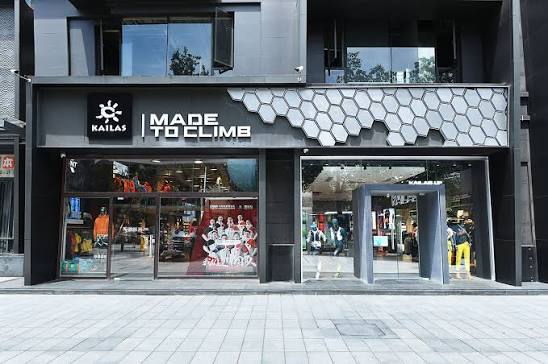
    Chinese mountain sports brand Kailas opened its first European retail store in Chamonix, France. The site gives the brand a direct physical foothold in the continental outdoor hub.

    It is the company’s first directly operated store outside China. Kailas already runs more than 300 wholesale and retail sales outlets worldwide.

    Direct operations replace third-party distribution

    Founded in 2003, Kailas built its business across mountaineering, rock climbing, ice climbing and trail running. The Chamonix store shifts that strategy. Instead of relying on wholesale accounts, event sponsorships and athlete outfitting, the brand now operates its own storefronts in competitive Western markets.

    Inside, the branch focuses on the Kailas Fuga trail-running line and doubles as a community hub for local runners. Kailas used the location to launch its Fuga Ex Pro G shoe. More than 80 runners and ambassadors from its Fuga Team and Fuga Mountain Club attended the debut.

    Challenging established alpine competitors

    Setting up shop in Chamonix puts Kailas in direct competition with European mountain sports incumbents on their home terrain. The French Alps draw dense traffic from elite trail runners and mountaineers. That makes the town an expensive proving ground rather than a high-volume revenue generator.

    For Asian sportswear makers, direct European retail brings higher overhead, strict labour regulations and steep lease commitments compared to domestic operations. Kailas bets that technical validation in the Alps will lift brand equity across international accounts and its core domestic market in China.

    Building on athlete partnerships

    This opening follows years of sports marketing that assembled an international roster of 107 sponsored athletes. Those sponsorships previously fed third-party retail distribution and online orders rather than dedicated company-owned doors.

    Future expansion will show whether the Chamonix location remains a standalone flagship or serves as a template for more direct-to-consumer stores across Western Europe.
  • Mixue Shifts Malaysia Strategy Toward Food Safety and Quality Control

    Mixue Shifts Malaysia Strategy Toward Food Safety and Quality Control

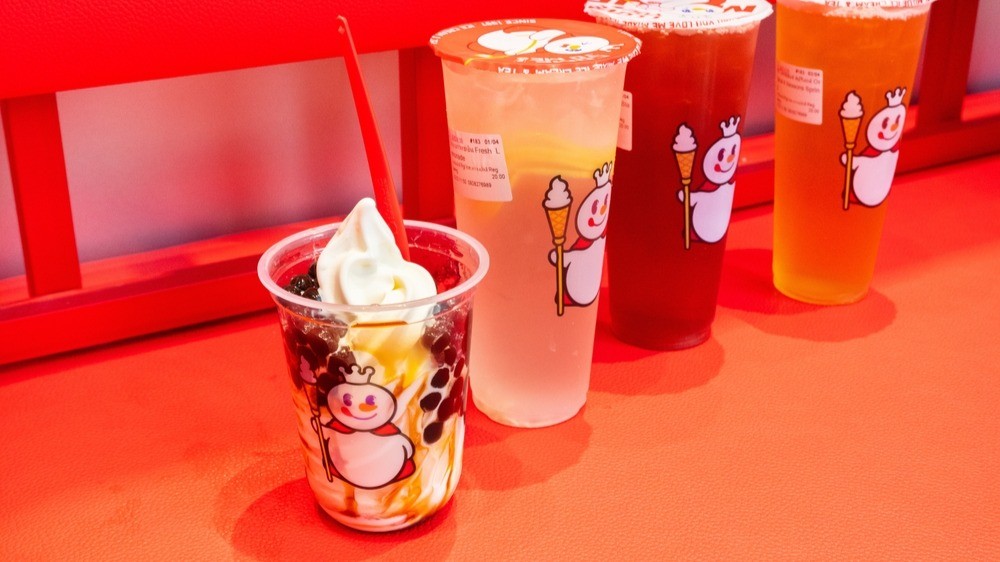
    Mixue has shifted its operational focus in Malaysia to food safety and standardized store management this quarter. It has slowed its rapid store openings to protect franchise consistency.

    The value-priced ice cream and tea operator is standardizing ingredient handling, audits, and franchise training across hundreds of independently run franchised outlets in the country.

    Standardising Store Operations

    Headquarters teams are rolling out stricter supplier checks, central storage compliance, and mandatory staff retraining. The goal is curbing hygiene inconsistencies across high-volume suburban counters.

    For franchisees, the tightened rules raise daily discipline and audit frequencies. Store managers face unannounced inspections covering temperature logs, equipment sanitization, and ingredient shelf-life tracking.

    Pressure on Value Tea Rivals

    Rival low-cost bubble tea chains in Malaysia now face immediate pressure. Many compete on single-digit ringgit price points. Churning out high volumes at discount prices leaves little room for error in cold chain logistics or store sanitation.

    Protecting customer trust before hygiene lapses damage the brand drives the compliance push. The main risk sits behind the counter. Enforcing uniform standards across hundreds of independently run franchised outlets demands continuous oversight costs.

    Next Phase of Southeast Asian Expansion

    Mixue entered Southeast Asia aggressively, relying on low franchise fees and an integrated Chinese supply chain to blanket Indonesia, Vietnam, and Malaysia. Rapid expansion quickly secured brand recognition across shopping malls and commercial shop lots.

    Maintaining product consistency across thousands of regional outlets poses a major challenge as local health authorities step up inspections of quick-service beverage chains.

    Malaysian franchisees will complete updated audit cycles over the coming quarter as headquarters evaluates network compliance across Peninsular Malaysia.

  • Lululemon Appoints Heidi O’Neill as CEO After Comparable Sales Drop Nine per Cent

    Lululemon Appoints Heidi O’Neill as CEO After Comparable Sales Drop Nine per Cent

    Former Nike executive Heidi O’Neill took charge of Lululemon on September 8 after second-quarter comparable sales dropped nine per cent.

    Net revenue fell four per cent year over year. In the United States, comparable store sales sank 12 per cent.

    The Vancouver-based activewear company lowered its full-year financial outlook and scaled back its physical retail pipeline. Lululemon now plans to open 35 net new stores in 2026, down from an earlier target of 40. It will also trim its operational pop-up fleet to about 40 locations, down from 65 at the end of last year.

    Slowing Demand Hits Global Expansion

    For landlords and retail operators across Asia and the Pacific, the pullback signals that premium athleisure no longer guarantees footfall. Rapid international sales growth previously cushioned softening retail demand in North America. That buffer eroded in the second quarter when international comparable sales slipped into decline.

    Fast-growing rivals such as Vuori and Alo Yoga continue to capture shelf space and customer loyalty across key metropolitan hubs. Lululemon must defend high price points without the product novelty that originally justified them. That leaves franchise partners and department store landlords facing softer conversion rates.

    Product Fatigue and Pricing Pressure

    Expansion into non-core lifestyle categories failed to resonate with shoppers looking for technical performance. High price tags compounded the problem as consumers rejected premium pricing on basic assortments.

    “The reason they are is that Lululemon has gone firmly off the boil,” said Neil Saunders, managing director at GlobalData.

    O’Neill’s operational task centres on rebuilding the product engine rather than relying on discounts. Americas revenue slipped three per cent in the first quarter, then dropped eight per cent in the second quarter. Core customer fatigue is accelerating.

    Targets for the Turnaround

    Momentum has slowed over several quarters. The brand built its original market dominance on proprietary yoga fabrics and studio ambassador networks. Aggressive international scaling then diluted its product focus and slowed its development cycles.

    Investors and retail property operators are tracking O’Neill’s initial 90-day operating review and the third-quarter earnings release. Progress against the revised 35-store opening plan will show whether core product fixes can stabilise full-price sales.

  • Oh!Some Scales Back in Vietnam 16 Months After Opening Flagship

    Oh!Some Scales Back in Vietnam 16 Months After Opening Flagship

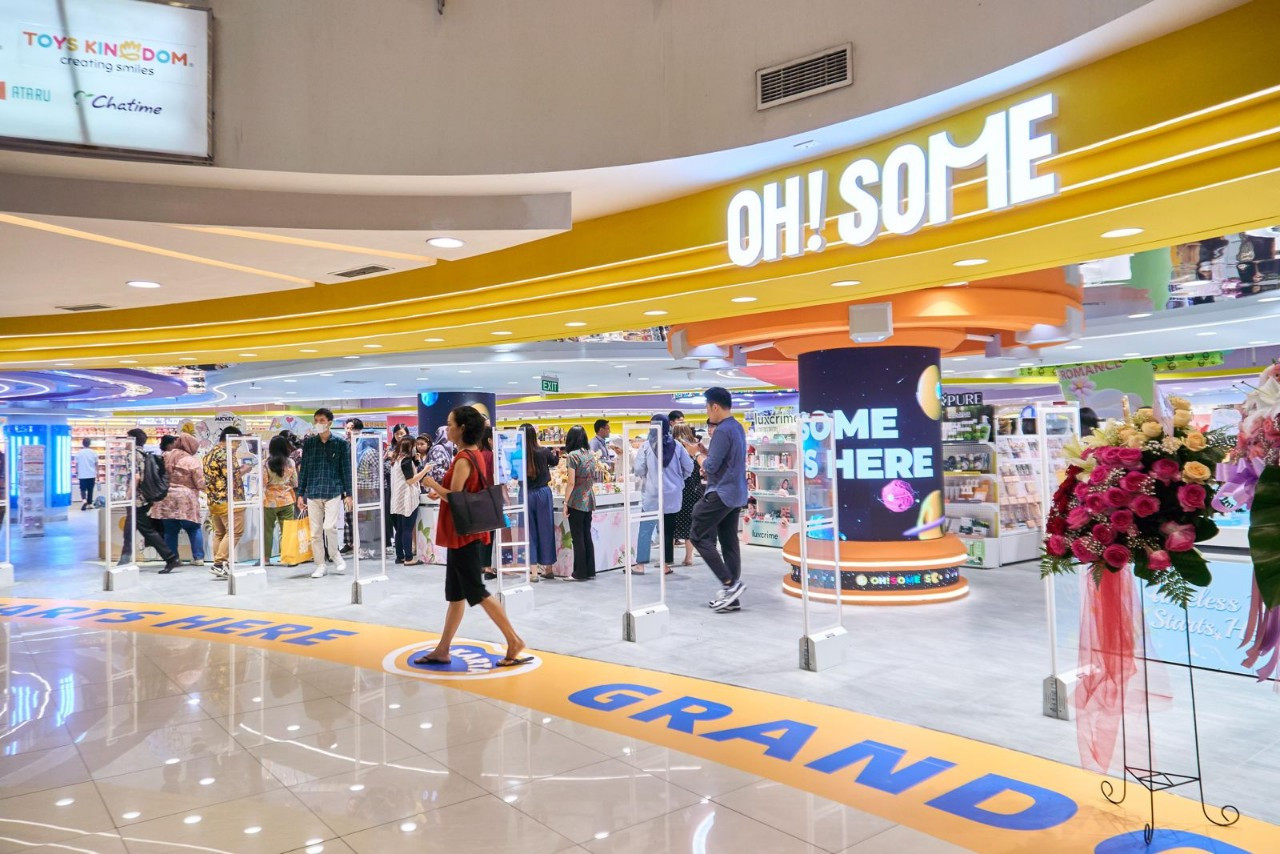
    Chinese lifestyle chain Oh!Some is closing stores across Vietnam. The closures come 16 months after it opened a 2,000-square-metre flagship in central Ho Chi Minh City.

    The retailer entered Vietnam in April 2025 and expanded quickly. Mounting losses soon forced a reassessment. High mall rents, logistics expenses and rising wages squeezed margins across its Vietnamese outlets, according to people familiar with the operations.

    Retreat across regional hubs

    Vietnam is not the only market where the chain has pulled back. Oh!Some has already shut all stores in Singapore, where parent firm Blue Origin Group is based. Its only branch in Hong Kong also closed recently.

    Oh!Some sells beauty products, homeware, accessories, toys and daily essentials. The group had targeted Southeast Asia for rapid expansion. It drafted launch roadmaps for Thailand and Cambodia, and named Indonesia as its main regional engine.

    High overheads pinch lifestyle chains

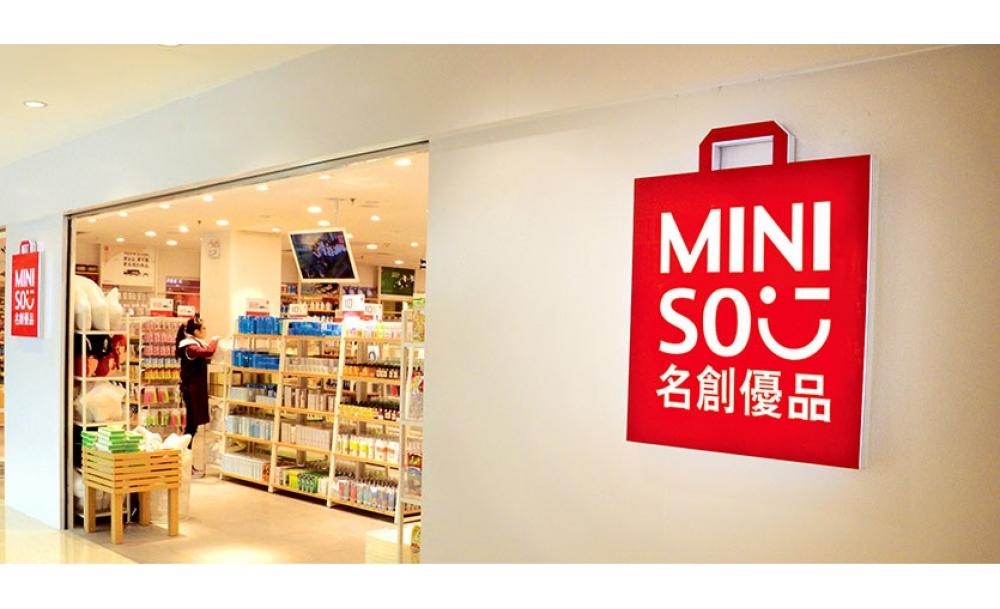
    Budget lifestyle chains across Southeast Asia face stiff competition from rivals like Miniso and local value merchants. Massive central footprints make the problem worse. Oh!Some took a multi-level site at Vincom Center Dong Khoi, leaving the low-margin business exposed when basket sizes failed to cover prime leasing costs.

    Blue Origin Group has not stated whether it will exit Vietnam entirely or keep a smaller store footprint in secondary shopping centres.

  • Miniso Starts Global Pop-Up Tour with Lisa Featuring 70 Products

    Miniso Starts Global Pop-Up Tour with Lisa Featuring 70 Products

    Miniso opened a global pop-up tour in Bangkok on September 1 with K-pop star Lisa. The rollout introduces more than 70 co-branded products across Asia and the Americas. It follows a 22.4 per cent jump in first-half revenue as the retailer expands its international store network.

    The lineup spans apparel, bags, blind boxes and lifestyle accessories. Central to the range is the YoYo x Lisa Collection Vinyl Plush Surprise Box series. That line pairs the artist’s brand directly with Miniso’s proprietary character IP, YoYo.

    Tour Schedule and Asian Locations

    Bangkok’s IconSiam shopping complex hosted the debut before the tour heads to East Asia. The next activation opens at Omotesando Hills in Tokyo, running from September 11 to October 5.

    Three flagship pop-up locations in Beijing, Shanghai and Shenzhen will open simultaneously on September 12. Jakarta hosts the final Southeast Asian stop in October.

    Beyond Traditional Licensing

    Merchandise strategy is shifting across the business. Instead of relying purely on third-party entertainment licenses, the chain couples its proprietary IP with celebrity partnerships. The approach aims to lift average selling prices and drive foot traffic into physical stores.

    For mall operators and rivals, the push raises competition for temporary space. Pop-up formats let Miniso test local demand and build shopper volume in prime retail corridors without immediate long-term lease commitments.

    Americas Rollout Follows Revenue Gains

    Financial results reported last month showed a 22.4 per cent revenue increase for the first half. Growth was driven by performance across mainland China and international markets.

    Overseas expansion follows the Asian run, with pop-up locations opening across the United States and Mexico in November.

  • Gentle Monster Parent Iicombined Appoints Renaud Divisia as Europe GM

    Gentle Monster Parent Iicombined Appoints Renaud Divisia as Europe GM

    In September 2026, Seoul-based Gentle Monster parent Iicombined appointed Renaud Divisia as general manager of Europe to lead its regional expansion.

    Divisia previously served as general manager of Puig Korea and international director of Byredo, following several years at LVMH’s Dior Parfums in leadership roles across Europe and the Middle East.

    In his new role, Divisia oversees organisation, retail expansion, and commercial strategy across Europe, where the South Korean group first launched in 2018.

    Expanding Beyond the London Beachhead

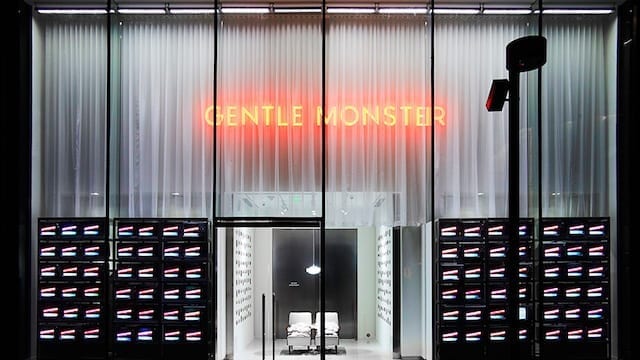
    Iicombined entered Europe in 2018 with a Gentle Monster store in London’s West End. Standalone locations in Paris and Milan followed. Those openings tested European appetite for the brand’s gallery-style retail spaces in competitive fashion capitals.

    Europe demands a different commercial model than Asia. In Asian markets, Gentle Monster built scale through experiential flagships that rotate art installations every few months. European high streets present steeper prime rents in cities like Paris and Milan. These locations require tighter retail economics and established wholesale accounts alongside mono-brand real estate.

    Bringing in a leader with roots in European luxury fragrance and cosmetics gives Iicombined a structure capable of handling multi-brand rollouts. The company cannot rely solely on the eyewear playbook that drove its early international visibility.

    Managing a Multi-Brand Portfolio

    Founded in 2011, Iicombined has expanded well beyond eyewear into a broader lifestyle business. Its wider portfolio includes fragrance and skincare brand Tamburins, bakery cafe concept Nudake, headwear label Atiissu and kitchenware brand Nuflaat.

    Tamburins gives the group a second growth vehicle with direct appeal to European department stores and specialty beauty retailers. Fragrance brands scale faster than luxury eyewear. Replenishment cycles are shorter, and distribution networks through multi-brand retail are already built.

    Operational risks remain across fragmented European real estate markets. Opening high-cost flagships in London or Paris requires major capital. Western European luxury consumers also demand sustained brand heritage rather than rapid trend turnover.

    Capital Backing and the Next Phase

    Private equity firm ZWC Partners invested in Iicombined earlier this year to finance global expansion. That capital targets growth across Asia alongside deeper penetration into Europe and North America.

    Divisia must now decide how to expand the wider portfolio. His immediate challenge is whether to introduce Tamburins and Nudake into existing flagships or secure dedicated real estate across prime retail streets in France, Italy and the United Kingdom.

  • Burma Burma Expands to 21 Outlets Across India with D2C Lines

    Burma Burma Expands to 21 Outlets Across India with D2C Lines

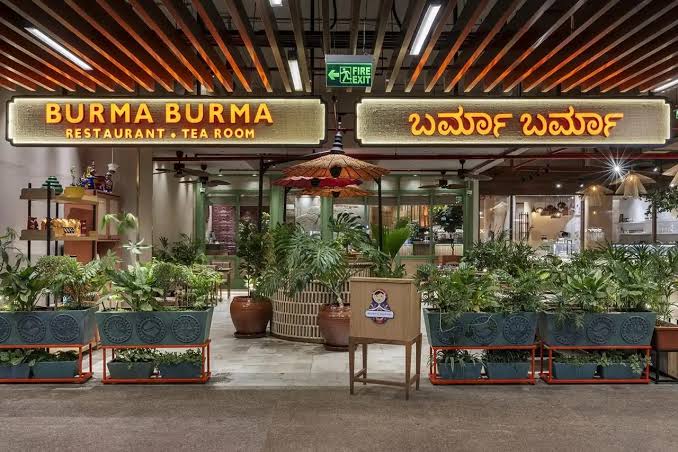
    Indian dining chain Burma Burma has expanded its footprint to 21 outlets across India while adding direct-to-consumer pantry goods and ice cream lines. The concept, launched in Mumbai in 2014, built its network by converting traditionally meat-heavy and fish-sauce-based Burmese dishes into an entirely vegetarian, alcohol-free format.

    Founder Ankit Gupta began development for the concept in 2011, three years before opening the first restaurant in Mumbai’s Kala Ghoda district. Gupta spent that period travelling through Mandalay, Yangon, and Sagaing to document street food preparations, dine in private homes, and secure supply links directly from local agricultural markets. His connection to the cuisine came through his mother, who lived in Myanmar for more than 20 years.

    Adapting a Regional Menu

    Traditional Burmese cooking relies on fermented seafood pastes and meat broths, ingredients that Gupta stripped out entirely to fit Indian dining preferences. The resulting menu created a new reference point for a cuisine that had virtually no commercial presence in India prior to the chain’s launch.

    Most international food concepts entering India rely on pre-existing consumer awareness or western brand equity. Burma Burma established demand for an unfamiliar Southeast Asian category by pairing strict vegetarian compliance with specialized ingredient sourcing, demonstrating that niche regional formats can scale nationally without serving alcohol or meat.

    Retail Pantry and Ice Cream Expansion

    Alongside its 21 physical restaurants and tea rooms, the business has diversified into packaged consumer goods. The brand now sells a direct-to-consumer pantry line and an artisanal ice cream range, targeting at-home consumption across major urban centres.

    The company continues to distribute its packaged line online while managing supply chain flows for imported specialty ingredients across its 21-store restaurant network.

  • Carsome Posts US$8.3 Million Quarterly EBITDA as Retail Shift Widens Margins

    Carsome Posts US$8.3 Million Quarterly EBITDA as Retail Shift Widens Margins

    Malaysian used-car platform Carsome posted an operating EBITDA of US$8.3 million for the second quarter of 2026. That is a 38 per cent increase from the same period a year earlier.

    Sales reached 35,903 vehicles during the three months ended June 30, up 11 per cent. That volume lifted gross profit 15 per cent to US$43.8 million. The result gave Carsome its tenth straight profitable quarter on an EBITDA basis. Consumer retail transactions and auto financing drove the gains.

    Retail and Financing Drive Margin Expansion

    Gross profit outpaced unit sales as the platform shifted volume toward retail buyers. Ancillary products helped widen margins. Financing packages, extended warranties and direct retail margins yield higher earnings per transaction than wholesale dealer auctions.

    Under a new agreement, Carsome will serve as the exclusive official trade-in partner for Suzuki Cars Malaysia. The pact channels structured inventory directly into its inspection network. It secures steady supply while carmakers use trade-in valuations to support new-vehicle sales as borrowing costs pinch consumer budgets.

    Other players across Southeast Asia show a similar pattern. Regional rivals Carro, based in Singapore, and Indonesia’s Moladin have also pivoted away from venture-funded volume acquisition. Both now target unit profitability, credit distribution and ancillary services.

    Showroom Additions in Malaysia and Jakarta

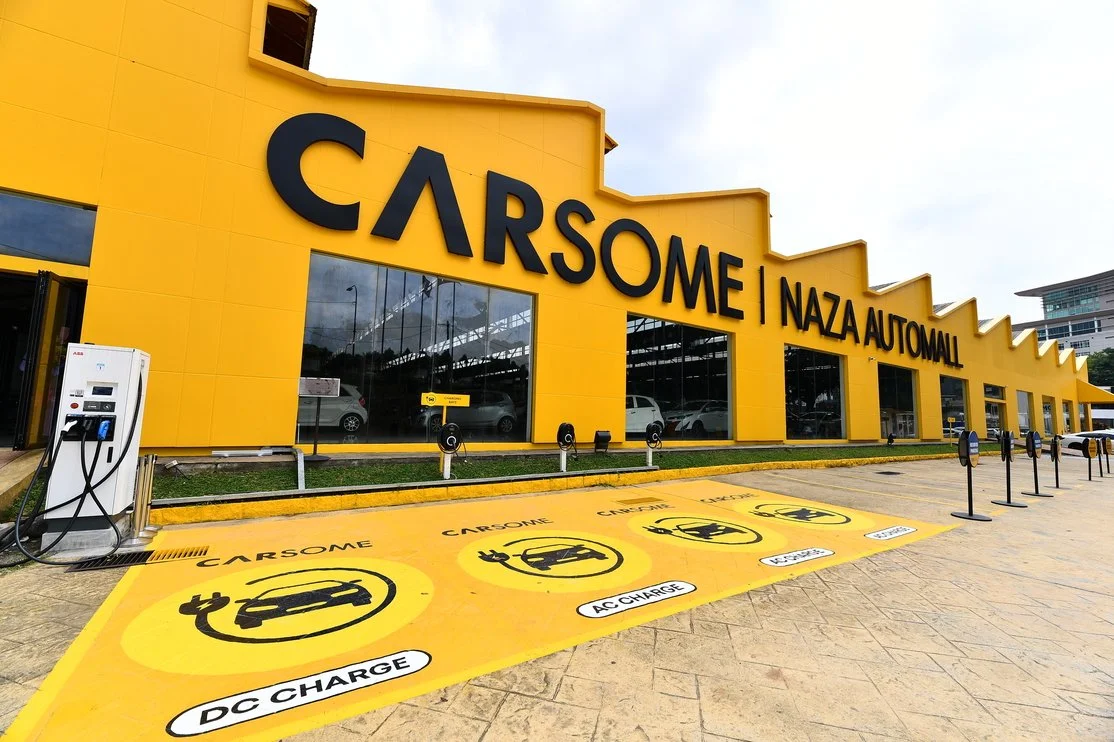
    Physical inspection hubs and retail centres led network growth during the quarter. In Malaysia, Carsome opened three locations in Sungai Petani, Bukit Tinggi in Klang, and Sungai Buloh. That took its domestic network to 55 inspection centres and showrooms.

    Across Indonesia, the company added four locations in Greater Jakarta, expanding its local footprint to 10 sites. Vehicle ownership in Indonesia trails Malaysia and Thailand. Even so, the market offers heavy transaction volume for operators able to resolve fragmented title transfers, vehicle vetting and buyer credit access.

    Looking ahead, management will focus the rest of the financial year on transaction growth, financing attachment rates and fixed-cost efficiency across its 65 combined retail locations.

  • Indian Sneaker Brand Comet Raises $10.5 Million to Expand Retail Network

    Indian Sneaker Brand Comet Raises $10.5 Million to Expand Retail Network

    Indian footwear brand Comet raised 10.5 million dollars in Series B funding led by global investment firm Verlinvest. The capital injection follows a ninefold revenue increase since the company’s prior round and will fund physical store rollout across India.

    Existing backers Elevation Capital and Nexus Venture Partners joined the round. Angel investors including Urban Company chief executive Abhiraj Singh Bhal, Snap Inc. Global chief business officer Ajit Mohan, and VegNonVeg co-founder Anand Ahuja also participated.

    Tooling and Product Development

    Comet allocates the fresh capital toward retail expansion, technology infrastructure, and in-house research and development. The shoemaker designs proprietary sole moulds and tooling internally rather than relying on off-the-shelf white-label outsoles, a choice that drives higher upfront capital expenditure per silhouette.

    “We want to continue pushing the boundaries of what an Indian footwear brand can build, which means investing deeply in sole technology, R&D and engineering,” co-founder Utkarsh Gupta said. The company spent twelve months engineering a women-specific model with bespoke sole tooling ahead of an upcoming market release.

    Footwear startups across South Asia face steep unit economics when trying to compete directly with global sportswear incumbents. Developing custom moulds costs tens of thousands of dollars per silhouette before a single production run ships, leaving little margin for inventory errors if consumer uptake falters.

    Retail Footprint and Expansion

    Physical stores provide direct access to street-level shoppers who still demand tactile trial for sizing and cushioning. Direct-to-consumer digital channels in India grapple with high return rates and customer acquisition costs, forcing domestic lifestyle labels into brick-and-mortar storefronts to secure stable cash flow.

    Landlords in top tier metros now allocate dedicated lifestyle wings to local challenger labels that pull younger foot traffic into shopping centres. Comet faces competition for prime high-street square footage against well-funded apparel and footwear peers rapidly securing leases in the same commercial corridors.

    Fundraising Track Record

    Founded in 2023, Comet previously raised 42.3 crore rupees in a Series A financing round led by Elevation Capital in 2024. The brand built its early presence around limited-run design drops and four core footwear models.

    The company reaches 10 operational stores this month. Management targets a portfolio of eight distinct footwear models by late next year while expanding the retail fleet to 20 stores across India by the close of fiscal 2027.

  • Richemont Anchors Asian Network Through Dual Hubs in Hong Kong and Tokyo

    Richemont Anchors Asian Network Through Dual Hubs in Hong Kong and Tokyo

    Richemont manages its expanding Asian luxury operations through dedicated regional hubs in Hong Kong and Tokyo, supporting a global footprint of 2,369 monobrand boutiques generating 22 billion euros in revenue. Direct sales to retail clients now account for 77 per cent of total group turnover across its 23 Maisons and businesses.

    The Swiss luxury conglomerate employs more than 40,000 people across upwards of 150 international locations. Central corporate management in Geneva coordinates policy and governance across five regional headquarters, with Asia commanding two distinct reporting territories.

    Regional Footprint Across Nine Asian Markets

    From its regional Asia Pacific headquarters in Hong Kong, Richemont directs operations across nine major territories: mainland China, Australia, South Korea, Macau, Malaysia, Singapore, Taiwan, and Thailand. A separate regional headquarters in Tokyo oversees the Japanese market, backed by two satellite offices in Fukagawa and Osaka.

    Western Asia and South Asian expansion run through a third regional division based in Dubai. That office coordinates commercial operations across India, Saudi Arabia, and South Africa from an operations base at the Dubai Airport Free Zone.

    Direct Retail Shift and Infrastructure Targets

    The operational concentration in Hong Kong and Tokyo reflects the luxury sector’s reliance on Asian consumer demand, even as brand houses take closer control of physical distribution. Operating 2,369 monobrand boutiques allows the group to secure higher margins while managing client relationships without wholesale intermediaries.

    Richemont also reported that renewable electricity powers 97 per cent of its global operations, alongside holding Global Equal-Salary certification across its business units. Group leadership continues to focus resources on store productivity and direct boutique expansion across key metropolitan shopping districts in Greater China and Southeast Asia.

  • Philippine Seven Corp to Open 5,000Th 7-Eleven Store in Cebu

    Philippine Seven Corp to Open 5,000Th 7-Eleven Store in Cebu

    Philippine Seven Corp will open its 5,000th 7-Eleven store in Lapu-Lapu City, Cebu on Dec. 3, completing an expansion of 1,000 outlets in two years.

    The convenience chain closed June with 4,650 branches nationwide after net profit climbed 3.8 per cent to 1.84 billion pesos in the first half. System-wide sales rose 15.1 per cent over the same six months, with locations opened within the period generating more than 6 per cent of total turnover.

    Franchise Split and Store Economics

    Half of the 350 outlets needed to hit the year-end target will be company-owned, with franchisees taking the remainder. The rapid buildout follows the opening of store number 4,000 in 2024, four decades after 7-Eleven entered the Philippine market.

    PSC chair Victor Paterno told reporters that unit economics improved despite rising electricity, fuel and labor expenses. Cashless checkout terminals installed across tourist destinations and higher-income districts lifted average spend by enabling credit card transactions.

    The operator is also adjusting its merchandise mix to attract younger shoppers while brushing off competition from fast-spreading hard discounters. Paterno noted that discount grocers stock minimal immediate-consumption items, leaving local convenience formats largely insulated from their price pressure.

    Next Targets in Mindanao

    Across Southeast Asia, convenience store chains are racing to build dense logistics networks outside capital cities to capture rising provincial purchasing power before regional competitors establish dominance. PSC is mirroring strategies used by convenience operators in Thailand and Indonesia, where rural expansion delivers higher sales gains than saturated tier-one metros.

    PSC plans to open approximately 600 additional stores in 2027, subject to broader macroeconomic conditions. Distribution routes will push deeper into Western Mindanao, with Zamboanga City designated as a key focal point for logistics development.

  • Singapore Attracts over 50 Consumer Brand Investments as Regional Hub

    Singapore Attracts over 50 Consumer Brand Investments as Regional Hub

    Singapore secured more than 50 new consumer company investments between 2022 and September 2025, drawing global brands seeking a regional operating base for Asia.

    Danish jeweller Pandora opened its regional headquarters in Singapore in November, adding roughly 50 corporate positions to support 62 stores and 400 retail and office staff across Asian markets.

    Headquarter hubs and flagship rollouts

    Pandora Chief Commercial Officer Massimo Basei said the Singapore hub focuses on market development, digital operations, and marketing across both mature markets like Japan and South Korea and expansion targets including India and Indonesia.

    Swiss sportswear maker On and activewear brand Alo opened flagship locations at Jewel Changi Airport and The Shoppes at Marina Bay Sands in July and August. South Korea’s Lotte Shopping plans to open its international headquarters in Singapore in 2026 to direct its Southeast Asian store network.

    Global consumer groups increasingly treat Singapore as an operational bridge between headquarters in Europe or the United States and fragmented retail markets across Southeast Asia. Establishing central merchandising and supply chain teams in the city reduces the risk of running decentralized Asian market entries.

    American dining brands brave high failure rates

    Food and beverage chains from North America are also expanding their footprint in the city despite intense local competition. Fast food operator Chick-fil-A opens its first Asian outlet in Singapore on 11 December, following Blue Bottle Coffee, which launched its debut local cafe on 3 April.

    Tapestry broadened its luxury label Coach into hospitality with the Coach Cafe in 2023, followed by a Coach Coffee Shop and the woodfire-focused Coach Restaurant. In grocery retail, US potato supplier Lamb Weston rolled out retail frozen fries across FairPrice, FairPrice Xtra, and FairPrice Finest stores in November.

    The expansion runs counter to tough local operating conditions. Over 60 per cent of Singapore food businesses closed within five years between January and October 2025, and 82 per cent operated without a profit, according to parliamentary figures from Deputy Prime Minister Gan Kim Yong.

    US chain Chipotle Mexican Grill opens its first Singapore restaurant in 2026, while Lotte prepares its international headquarters for operation the same year.

  • Haigh’s Chocolates Enters Queensland with First Brisbane Store

    Haigh’s Chocolates Enters Queensland with First Brisbane Store

    Haigh’s Chocolates has launched its first physical store in Queensland at Westfield Mt Gravatt in Brisbane. The opening establishes a direct retail footprint in the state ahead of two further Brisbane outlets scheduled for November.

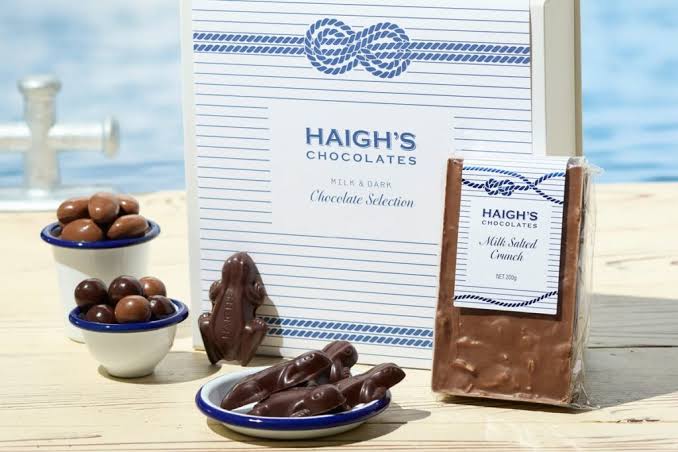
    The family-owned South Australian confectioner took space on Level 2 of the shopping centre next to cosmetics retailer Mecca. The store sells the brand’s core artisan chocolate lines alongside complimentary tasting counters.

    Queensland Footprint Expands

    Online sales in Queensland prompted the physical rollout. Customer order volumes across the state showed sufficient local demand to justify bricks-and-mortar leases, according to the company.

    “Since announcing that we were coming to Brisbane, we have had so many Haigh’s fans and online customers reaching out, asking where they can visit and when we will be open,” said Haigh’s Chocolates chief executive Peter Millard.

    Two more retail sites are in the pipeline. Outlets at Westfield Chermside in Brisbane’s north and Westfield Carindale in the east will open before the end of the year.

    Supply Chain Backing

    The Queensland rollout relies on supply chain capacity completed last year. Haigh’s opened a 120 million Australian dollar production and logistics facility in Salisbury South, South Australia, designed to support national distribution and higher store volumes.

    Converting digital customer density into shopping centre tenancies mirrors how regional specialty retailers derisk capital expenditure in Australia. By validating regional demand through online fulfilment first, brands reduce opening risk in major retail malls before committing to long-term leases.

    Fit-out work is continuing at both the Chermside and Carindale locations ahead of their planned November trade debut.

  • Mixue Closes 89 Overseas Stores as First-Half Profit Drops 15%

    Mixue Closes 89 Overseas Stores as First-Half Profit Drops 15%

    Mixue cut its overseas footprint by 89 stores in the first half of 2026, driven by closures across core Southeast Asian markets Vietnam and Indonesia.

    Net profit fell 15 percent year on year to 2.32 billion yuan, even as total revenue edged up 2.3 percent to 15.2 billion yuan ($2.26 billion). Group filings show higher selling and distribution expenses ate directly into margins across its franchise network.

    Rising Distribution Costs Squeeze Margins

    The Henan-headquartered drinks giant operated 63,987 outlets globally by June 30, with 59,609 locations in mainland China. That leaves roughly 4,378 international stores, concentrated heavily in Southeast Asia where the brand sells budget soft-serve ice cream and milk tea.

    Mixue did not publish country-level closure totals for Vietnam or Indonesia. The company stated in its interim report that reducing store density improved individual unit quality and created a cleaner base for sustainable operations.

    Franchisee economics have tightened across the region. Rapid street-level expansion in major cities sparked cannibalisation between neighbouring outlets, forcing operators to absorb higher logistics costs on imported syrups and packaging without room to raise retail prices.

    Rebalancing Southeast Asian Footprints

    Vietnam was Mixue’s first international market when the chain launched in Hanoi in 2018. By September 2024, the brand ran 1,304 stores across the country, according to its Hong Kong listing prospectus filed in early 2025.

    Mass-market tea and coffee chains in Southeast Asia now face heavier competition from local discounters and Chinese rivals copying the low-price franchise playbook. Mixue’s retreat from sheer store count growth signals that overseas networks cannot rely solely on relentless opening schedules to deliver profit.

    Investors now await Mixue’s updated capital-raising timeline in Hong Kong, where full-year store productivity figures will test whether the overseas pruning protected operating cash flow.

  • Skechers Opens 8,650-Square-Foot Superstore at Sunway Pyramid in Malaysia

    Skechers Opens 8,650-Square-Foot Superstore at Sunway Pyramid in Malaysia

    Skechers opened an 8,650-square-foot Superstore at the Sunway Pyramid mall in Subang Jaya, expanding its physical presence in Malaysia.

    The relocated store is nearly six times larger than the brand’s previous 1,453-square-foot unit at the same shopping centre. It is the company’s first Superstore format in Subang Jaya. The launch lifts its nationwide network to 120 doors.

    Zoned layout and digital fitting

    Dedicated zones divide the catalogue into sections for walking, running, trail, pickleball, performance apparel and children’s collections. The store also includes SafeSize 3D foot-scanning hardware to generate personalised sizing data. Alongside the scanners, an in-store customisation station lets shoppers modify selected shoes and garments.

    Footwear retailers across Southeast Asia continue to trade standard mall units for large experiential spaces. The bigger layouts capture higher basket sizes and accommodate specialized athletic lines that boutique footprints cannot hold.

    Expansion pipeline across Malaysia

    Malaysia is a key sales volume driver for the American brand. Cedrick Tan, president of Skechers Southeast Asia, Hong Kong and South Korea, said the group will maintain its brick-and-mortar investment pace to keep up with domestic demand.

    More outlets will launch across the country over the coming months to build on the 120-store base.