Tag: retail expansion

  • Cold Stone Announces Malaysian Expansion

    Cold Stone Announces Malaysian Expansion

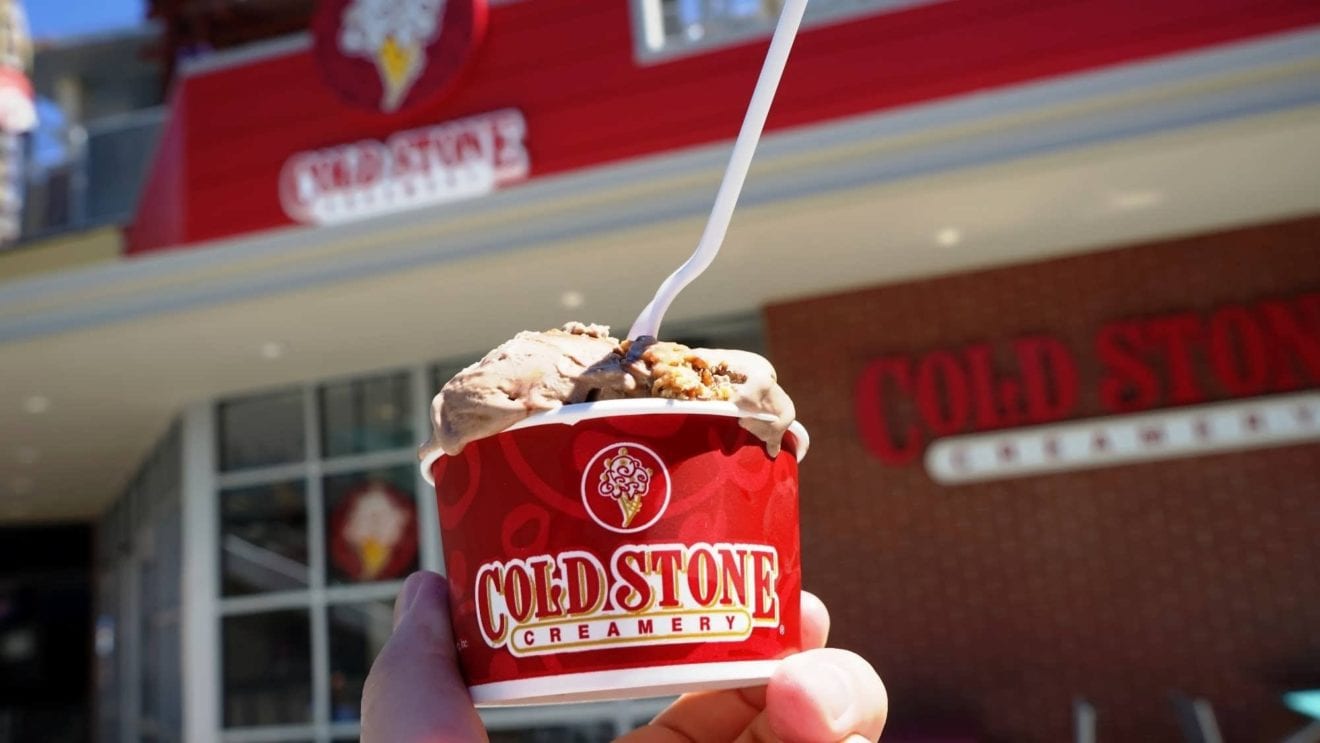
    Scottsdale, Ariz.-based Cold Stone Creamery has signed a master franchise agreement with Srivijaya Sdn. Bhd. to expand its presence into Malaysia. The company plans to roll out 20 stores over the next five years, beginning with a location in Kuala Lumpur.

    Cold Stone operates approximately 300 international outposts in more than 28 markets.

  • Gemfields introduces Faberge to India

    Gemfields introduces Faberge to India

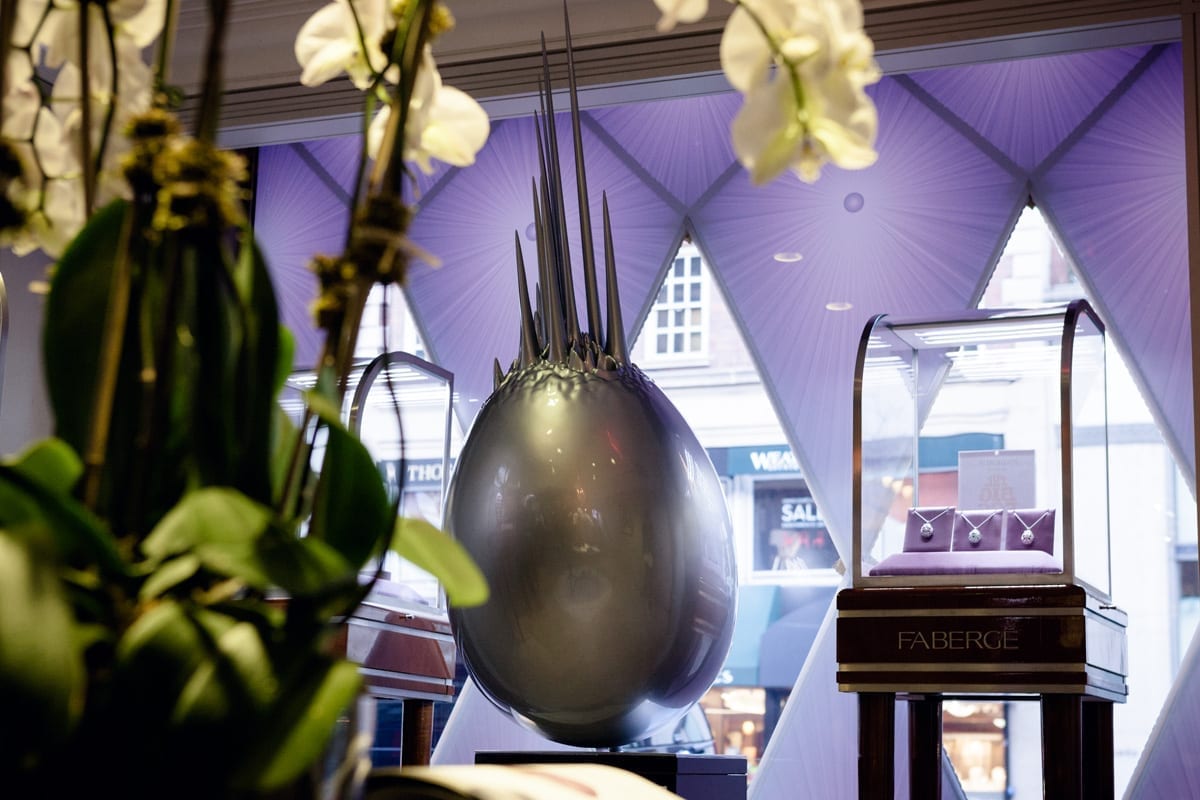
    Faberge, owned by UK emeralds and rubies mining company Gemfields, is the latest in a growing list of global luxury brands to enter India.

    It is following on the heels of such brands as Burberry and Rolex as India’s economic expansion spawns more billionaires than in Japan, the traditional bastion of ultra-rich in Asia, reports ET Retail.

    Faberge, an ultra-luxury jeweller known for its Easter eggs and tracing its roots back to Russia in the days it had royalty, will set up in Delhi and Mumbai, selling its products through select showings for the uber-rich.
    “India and other Asian markets have tremendous potential,” says Faberge CEO Sean Gilbertson. “Asia has largely been an unexplored area for us.”

    Faberge, which retails through 39 multi-brand outlets including Harrods and Mayfair, plans to hold more trunk shows in Hong Kong, Malaysia and Singapore.

    Products being sold in India include coloured gemstones, emeralds, rubies and sapphires, and timepieces including the award-winning Lady Compliquee peacock watch. Prices range from US$5000 to $3 million.
    Founded in 1842, the company was founded by Peter Carl Faberge, who was official goldsmith to the Russian Imperial Court.

    In the quarter to the end of December, Faberge’s sales jumped by 48 per cent over the same period in 2015, says Gemfields, while the average selling price per piece increased by 12 per cent.

    Faberge has not been affected by the overall slowdown in the luxury market, says Gilbertson, as it deals with a smaller clientele with an average selling price “extraordinarily high compared with most other brands”.

  • Topshop to open 80 stores in mainland China

    Topshop has signed a deal with a Chinese partner that could lead to up to 80 stores being opened in mainland China with the first opening in spring/summer 2017.

    The British high street retailer has agreed a deal with Shangpin, which already sells the Topshop brand on Shangpin.com. It is anticipated that the first store will be opened in either Beijing or Shanghai in the spring or summer of next year.

    In a statement Topshop owner Sir Philip Green said: “For the first time both brands will deliver high fashion to the shop floor and beyond by opening full-scale stores in China — host to the world’s fastest-growing retail economy.”

    Green owns a 75% stake in Topshop having sold 25% to US private equity firm Leonard Green & Partners in 2012. The brand, which is the jewel in the crown of Green’s Arcadia Group, has 300 stores in the UK and 140 in international territories including 10 in the US.

  • Alipay reaches Australian stores

    Alipay reaches Australian stores

    Innovative Australian payments provider Quest Payment Systems is launching Alipay in Australian stores.

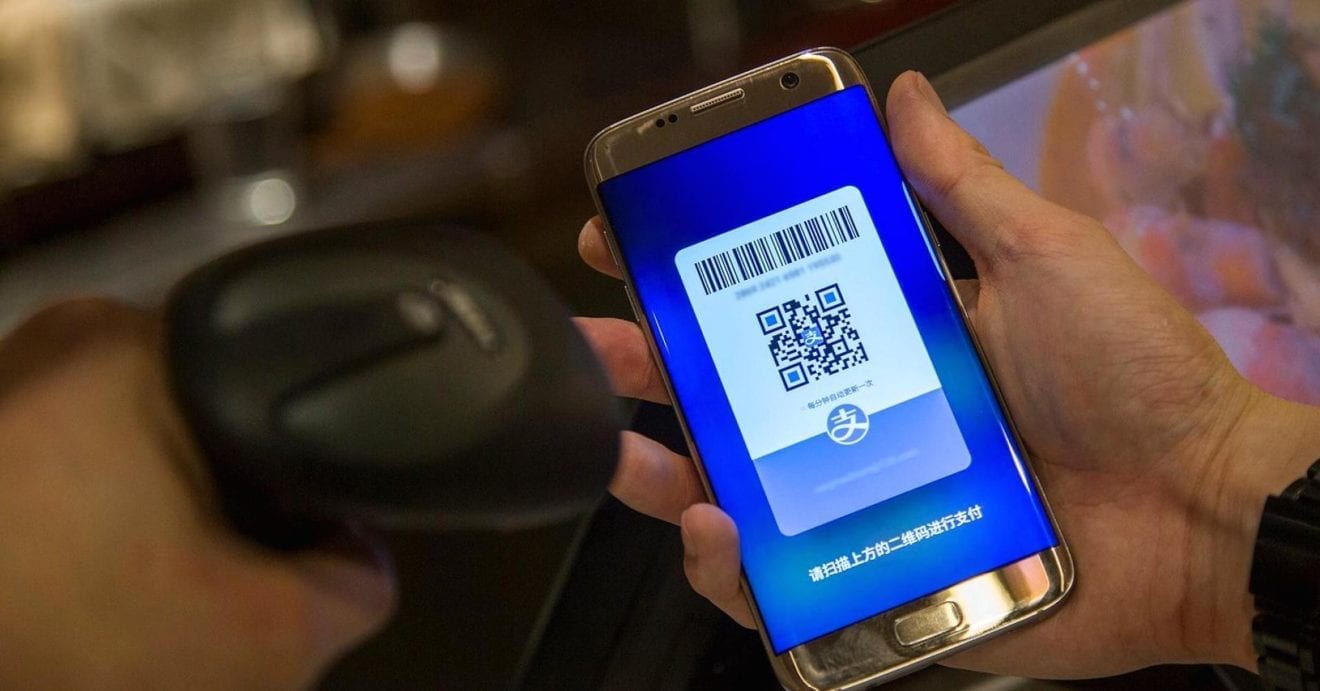
    Its collaboration with Alipay, the world’s largest mobile and online payment company, will make it easy for Chinese nationals to pay for purchases in-store using their mobile phones, and in their own currency.

    Quest has designed the software to integrate with POS systems to ensure a seamless experience for both retailers and customers.

    Tourism Australia says Chinese visitors spent a record AU$8.9 billion over the 12 months to March this year. On average, Chinese tourists spend about AU$8000 each visit to Australia.

    Quest has already enabled Alipay at select stores within The Chemist Warehouse and My Chemist pharmacy groups, with full rollout planned for early next year.

    Quest innovation manager Luke Fuller says Alipay customers in Australia simply need to scan a code displayed on a payment terminal screen in order to pay from their mobile phone. “It’s simple, intuitive and ensures the customer can see exactly what their purchase will cost in both Australian dollars and their local currency.”

  • New York milestones for Japanese jeweller Tasaki

    New York milestones for Japanese jeweller Tasaki

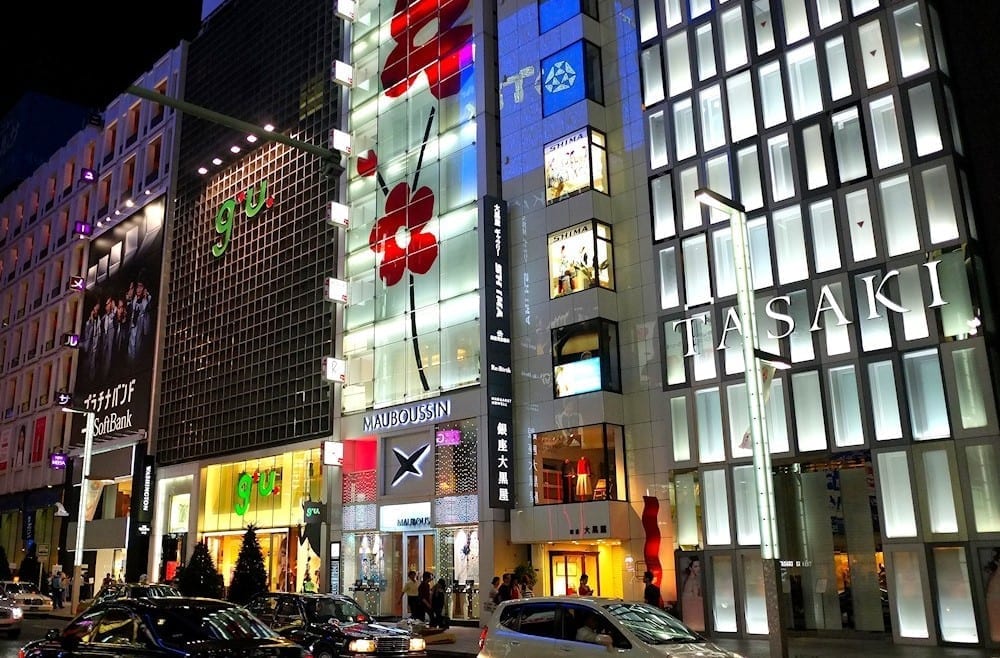
    Japanese luxury jewellery Tasaki plans to open its first US standalone store in New York City next year.

    It will also be the retailer’s first directly run store in the US.

    tasaki

    Tasaki also has a directly run store in London, plus an outlet at Hong Kong’s Lee Garden. The brand is already available at Barneys New York and Dover Street Market in New York City, Ikram in Chicago, The Webster in Miami and Capitol in North Carolina.

    Founded in 1954, Tasaki began producing and selling pearls domestically before opening a design office in 1962 to create other jewellery designs. In 2009, the company hired New York City-based designer Thakoon Panichgul as creative director.

    Tasaki jewellery is available in nine countries including China, Japan, Korea, Malaysia and Taiwan.

  • Spar Thailand launching 300 stores

    Spar Thailand launching 300 stores

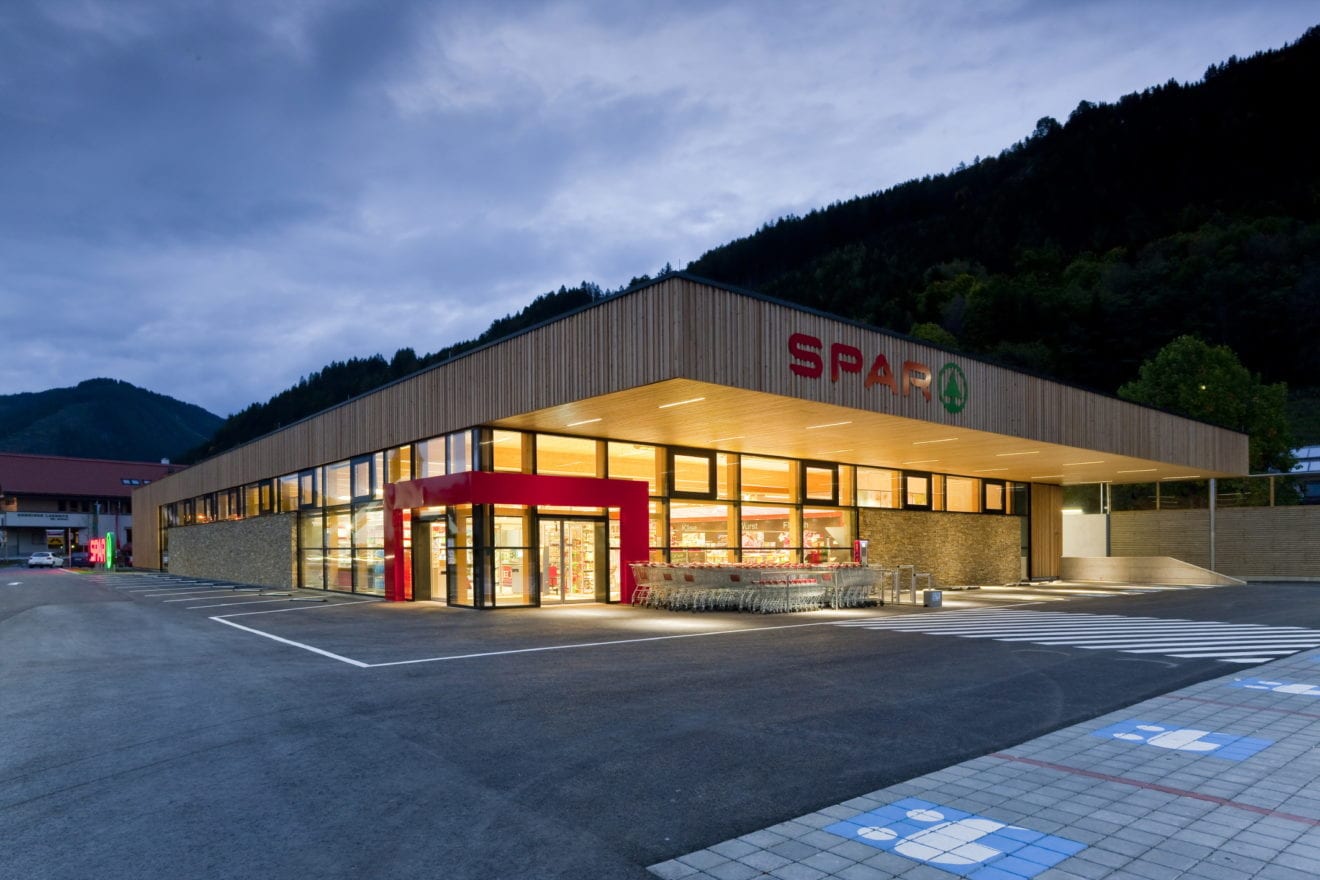
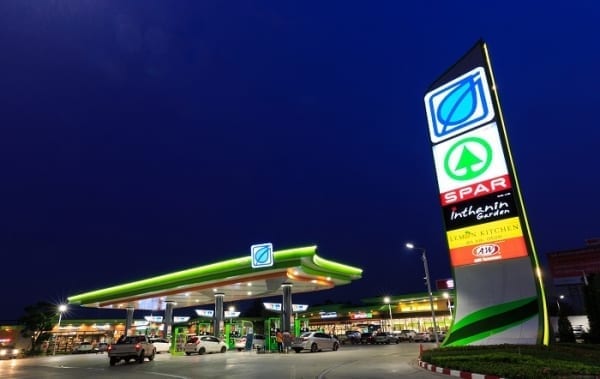
    An agreement has just been signed that will lead to more than 300 Spar Thailand food retail stores opening over the next four years.

    It is part of a €102 million (US$108 million) investment by Netherlands-based Spar International, which has partnered with Bangchak Retail Company (BCR).

    spar-thai
    Spar International has more than 12,100 stores worldwide and had global retail sales of €33 billion last year. It works in partnership with independent retailers to share global scale and expertise.

    BCR plans to open seven stores this year, comprising key flagship convenience stores and neighbourhood developments. From next year the company plans to open 50 to 80 stores annually, creating up to 2500 jobs.

    Under the partnership, Spar is sharing industry expertise including best practice across supply chain, staff training, retail design and brand development strategy.

    “The launch of Spar in Thailand in partnership with BCR represents a significant and important step forward in our ongoing expansion into Asian markets,” says Spar International MD Tobias Wasmuht. “Today, we have a significant multi-format presence including hypermarkets, supermarkets, convenience and online in China, India and Indonesia.”

    BCR MD Viboon Wongsakul says Spar and BCR share many key values “such as a dedication to growth, a commitment to local suppliers, supporting communities and offering diverse retail solutions”.

    As a shared core value, BCR and Spar focus on supporting the communities in which they have a presence. During the development of the flagship stores, special focus is being given to the ability to source produce and product locally.

    Spar International has been working with BCR on the development and launch of a national range of own-brand products.

    Formed this year, BCR is affiliated with energy company The Bangchak Petroleum Public Company. As well as the Spar portfolio, BCR will expand its Inthanin Coffee and Lemon Kitchen brands.

  • 7-Eleven Malaysia committed to store expansion

    7-Eleven Malaysia committed to store expansion

    7-Eleven Malaysia is committed to further store network expansion despite the economic headwinds in the nation.

    Releasing the company’s third quarter results, CEO Gary Brown said the network now numbering 2057 stores achieved sales growth of 5.5 per cent in the three months to September 30, despite a sluggish retail market.

    However there was a “significant negative impact” from the increase in the minimum wage from July 1 on third-quarter profit.

    “The third quarter of 2016 highlights the tough retail market in which we have operated since the introduction of GST coupled with low consumer sentiment and spending.

    “[However] we remain confident that continuous store expansion, refurbishment, promotional activity, improved merchandise mix and expanded in-store services will continue to deliver positive results despite the challenging headwinds.”

    Brown noted that average spend per customer increased by about 4 per cent during the third quarter, compared with the same period last year.

    Group revenue for the quarter totalled RM547.8 million (US$23.31 million) driven by new stores, improved merchandise mix and consumer promotion activity.

    Gross profit of RM169 million improved by 5.8 per cent, mainly attributed to the 5.5 per cent revenue growth.

    Selling and distribution expenses for the quarter increased by RM14.8 million or 10.4 per cent, mainly caused by new store expansion resulting in higher staff cost, rental cost, store depreciation expense and utility costs. The increase in the minimum wage caused store staff costs to rise by approximately 10 per cent in the current quarter.

    The pre-tax profit of RM15.5 million decreased by RM7.0 million or 31.2 per cent, despite positive sales growth – and due to higher selling and distribution expenses caused by new store expansion and the impact of minimum wage increase.

    For the nine months to September 30, the group’s revenue grew by 4.9 per cent against the corresponding nine months’ revenue.

  • Honor Malaysia launches first concept store

    Honor Malaysia launches first concept store

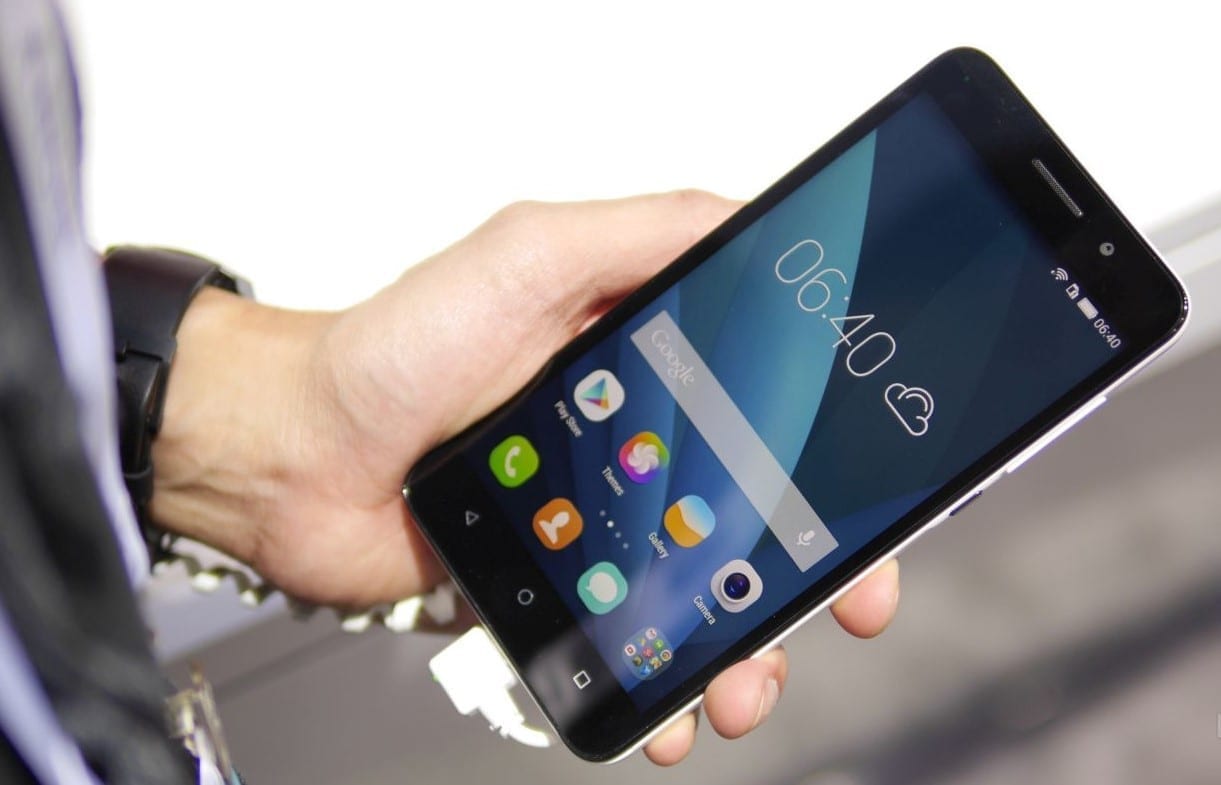
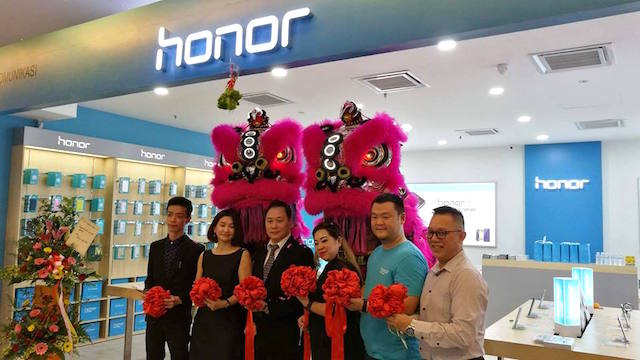
    In collaboration with mobile phone retailer TF Mobile Enterprise, technology brand Honor Malaysia has opened its first concept store at Plaza Low Yat in Kuala Lumpur.

    Honor Malaysia instore

    A spokesman says the move aims to strengthen the company’s interactions with consumers by complementing its eCommerce presence with retail stores.

    Honor Malaysia 1

    Featuring its line-up of Honor devices, the store has a launch promotion until November 21 during which buyers will receive gifts. They can also enter a draw to win Honor products.

    Honor Malaysia is a subsidiary of Huawei Technologies (Malaysia).

    honor-malaysia-open

  • New Phuket boutique opens for Furla at Shilla Duty Free

    New Phuket boutique opens for Furla at Shilla Duty Free

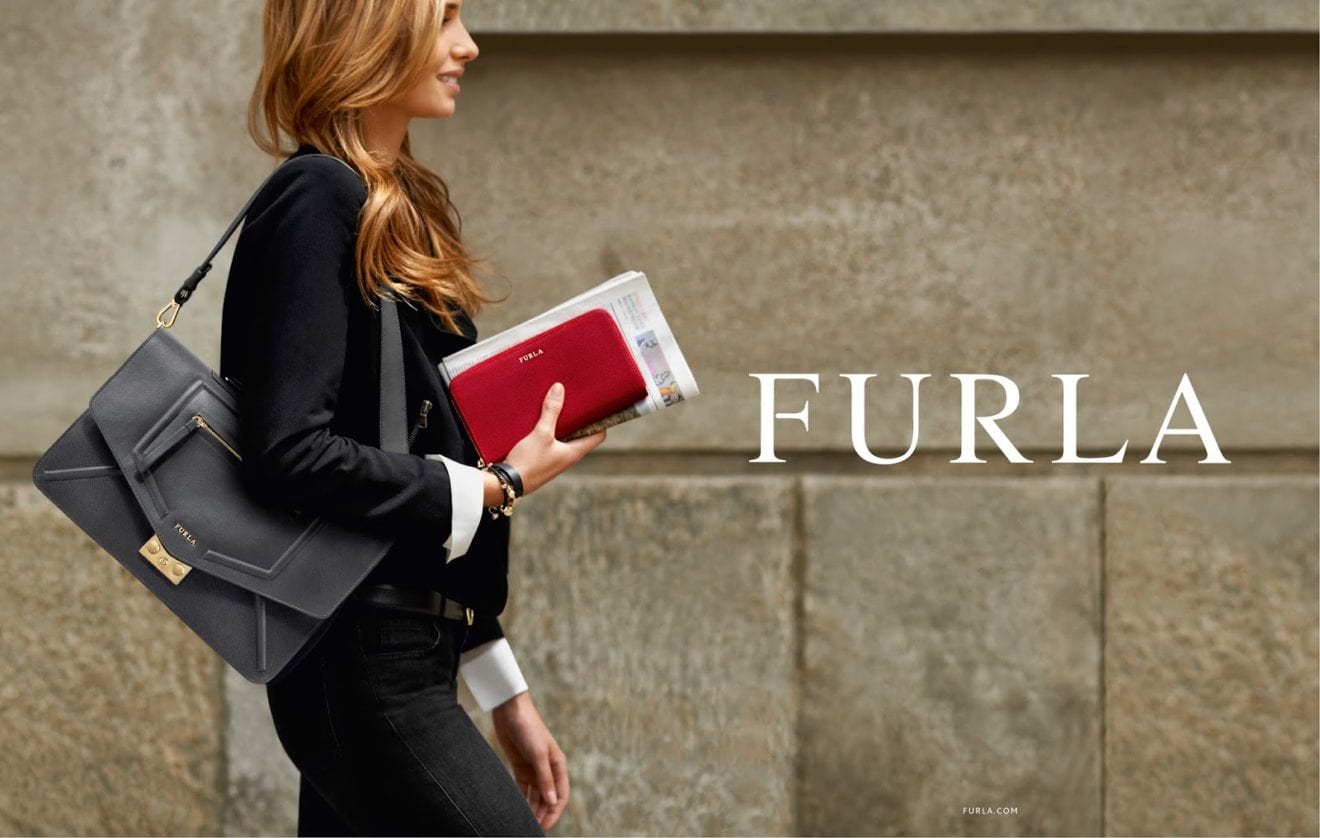
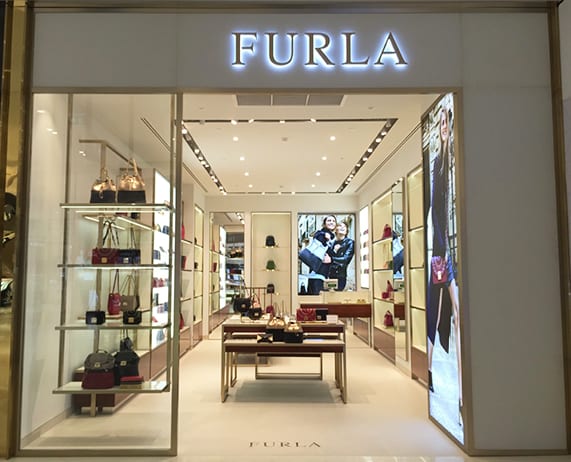
    The new boutique was officially opened last Saturday ^ featuring Furla’s Autumn and Winter 2016 Collection.

    The outlet is well lit and easily browsed with aisle room for customers to browse the wall-mounted leathergoods collections, as light boxes reinforce the brand’s product presentation and lifestyle.

    Gerry Munday, Furla’s Global Travel Retail Director said: “We thank Shilla Duty Free for their continued support of the brand.”

    Furla Phiket November 2016 Shilla
    The new boutique offering at Shilla Duty Free’s downtown store in Phuket.

    BACKGROUND TO PHUKET STORE OPENING

    It is first reported this new downtown duty free store development back in July of this year when Shilla Duty Free joint venture partner GMS Duty Free talked directly with our Asian Correspondent David Hayes.

    GMS Duty Free is the joint venture company formed by Shilla Duty Free with local partners, Gems Gallery Group and The Mall Group, to operate the store.

    The Mall Group is one of Thailand’s leading shopping mall operators with six malls, five of which are in Bangkok and one in northeast Thailand. The Gems Gallery Group is a leading Thai jewellery retailer and wholesaler with four showrooms in Bangkok, Chiang Mai, Pattaya and Phuket.


  • Paris label BA&SH eyes Asia expansion

    Paris label BA&SH eyes Asia expansion

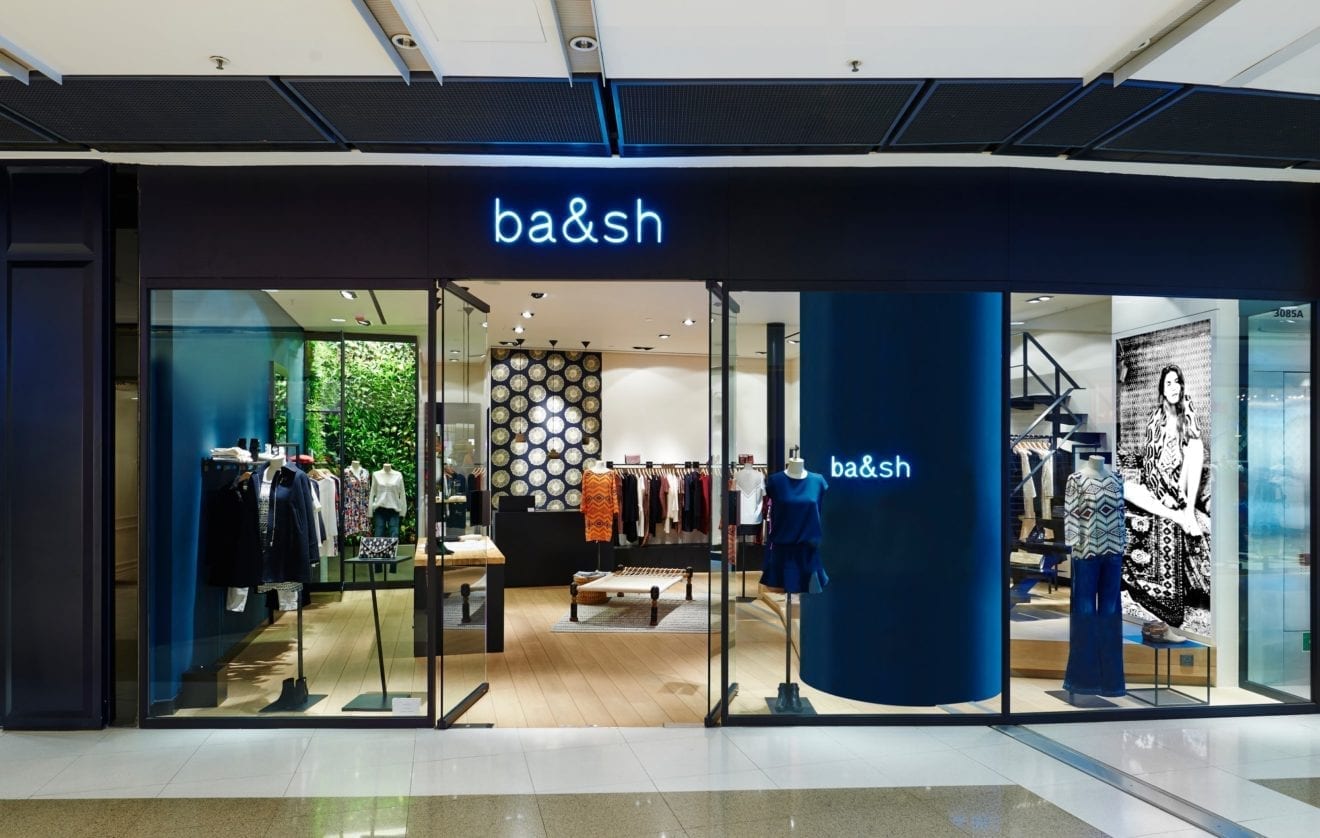
    Parisian fashion house BA&SH has partnered with Hong Kong retail and brand management company ImagineX Group to strengthen its presence in Asia.

    BA&SH has hopes of accelerating its expansion in Hong Kong, Macau, Singapore, Taiwan and China. The label opened its first Asian store at Hong Kong’s IFC Mall in September 2014 and with ImagineX now plans 30 more openings in the region, including a second Hong Kong outlet early next year.

    “Hong Kong customers have taken to our style and our collections,” say designers Barbara Boccara and Sharon Krief. “We are very happy to share our vision of fashion and femininity.”

    Associate general directors Dan Arrouas and Pierre-Arnaud Grenade say the new partnership marks an important and supplementary stage in the company’s development strategy following its establishment in the Middle East and the US.

    They say the ImagineX Group’s expertise in fashion retail and marketing will help BA&SH expand rapidly and contribute to its globalisation.

    ImagineX Group president Alice Wong says the label’s Parisian flair, combined with its unique positioning and price point, make it appealing to Asian customers.

    Childhood friends, Boccara and Krief established BA&SH in 2003 to offer contemporary fashion in the affordable luxury sector. With 91 stores last year, the brand aims to reach 130 stores this year.

    Founded in 1992, ImagineX Group introduced luxury brands such as Cartier, Gucci, Prada and Salvatore Ferragamo to China more than 20 years ago. It represents more than 18 international brands including DKNY, Marc Jacobs and Paul Smith. The portfolio also includes such lifestyle and beauty brands as Apivita, Aveda and Natura Bisse.

  • Hong Kong leads Asia retail expansion

    Hong Kong leads Asia retail expansion

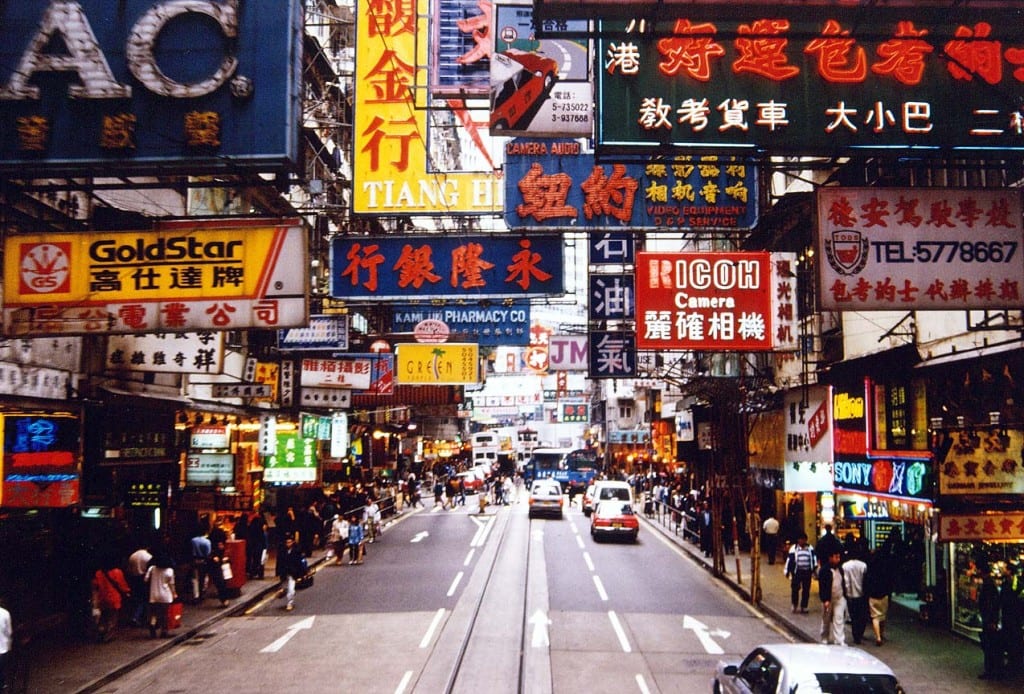
    Asia Pacific remains retail industry’s growth engine – with Hong Kong at the top of the Asia retail cross-border expansion rankings.

    Despite the sharp decline in Hong Kong retail sales during the last 18 months or so, Hong Kong is the second most favoured destination for global retailers entering new markets – top in Asia and second only to London internationally.

    JLL’s Destination Retail report, which looks at the top cities worldwide for retailing, reveals 50 major global cities which have risen to the top of the list for mainstream, premium and luxury retailers’ expansions. While the list is dominated by cities in Asia Pacific, those in the Middle East are coming on strong, propelled by an ever-increasing array of international retailers. In a battle between historic, established markets versus modern newcomers, JLL indexed the global cross-border retailer activity and attractiveness of 50 meccas and found:

    • London stands at the forefront of international retailing as a global retail powerhouse, and the Number 1 retail market.
    • One-third of the top 15 global retail cities are located in the Middle East (Dubai 4th, Kuwait City 9th, Abu Dhabi 11th and Jeddah and Riyadh tied for 12th.).
    • Asia Pacific outranks all regions with 18 cities making the cut driven by sheer market size.
    • Cities in the United States make up just over one-quarter of the top 50 cities, with only one city (New York 5th) in the top 15.

    “Structural change is sweeping the retail industry as technology and eCommerce platforms become more sophisticated; however, demand for the right physical space, in the right location, is stronger than ever,” said James Brown, director of global retail research for JLL.

    “Borders are becoming less of an issue for retailers pursuing opportunities overseas and we’re seeing the global retail landscape shifting fast to accommodate the change.”

    JLL’s report examines the presence of 240 international retail brands and 140 international cities, including the drivers of their growth, opportunity and barriers, and also ranks and assesses the vitality and attractiveness of cities.

    The top 10 ranked cities on the list are:

    Size matters

    The sheer size of Asia Pacific’s leading cities – in terms of population and economic might – is one of the most compelling drivers for retailers’ expansion into the region.

    “Many Asian markets benefit from a burgeoning middle class and growing levels of affluence, which are attractive in particular to a wide-range of retailers,” the report concludes.

    “The cities also benefit from large amounts of new, fit-for-purpose modern retail space.”

    Hong Kong remains Asia’s leading shopping destination, with top brands from luxury to fast fashion competing for prime locations. Across the region, cities are catching up to modern retail markets in Europe and the US.

    China is the second largest economy in the world, and its key cities, Shanghai and Beijing, have undergone a transformation in the last two decades driven by a swelling middle class and high concentration of high-net-worth individuals. Both are now firmly on international retailers’ maps as key locales for tremendous brand exposure and test markets. Key cities outside of Greater China that are also gaining attention from international retailers include Tokyo, Singapore, Seoul, Osaka and Bangkok.

    Europe’s retail powerhouse

    London has the highest presence of international retailers compared to its global peers, and edges out Hong Kong in terms of international luxury brand presence. London continues to be a magnet for new brands thanks to its unique blend of market size, maturity and high degree of transparency. The UK capital has a long history of success, driven by a diverse base of locals and tourists, and many retailers regard London as the entry point to Europe, including recent entrants J.Crew, Arc’teryx, Club Monaco, Kit and Ace, and John Varvatos.

    Middle East hotbed

    The Middle East’s top cities, including Dubai, Kuwait City, Abu Dhabi, Jeddah and Riyadh are emerging as business and travel hubs, and are increasingly catching the eye of global retail brands. The cities’ strong in-place tourism plays an important role in increasing the flow of foreign money, a key driver for retail spend. The markets each have large quantities of affordable retail space, supported by franchise structures, which present viable options for international retailers and reduce their operational risk at entry. Additionally, the domestic retail market in the Middle East is not as mature as other regions, allowing international brands to enter without too much competition from domestic brands. JLL’s report found that pent up shopping demand across the region has spurred some of the highest sales volumes for retailers.

    Stars, stripes and strong sales

    While the Americas region only captures one-quarter of the top 50 cities for attractiveness, 15 out of the 16 cities identified are located in one country, the US. The ‘Land of Opportunity’ has more retail space than any other country with 12.8 billion sqft, and presents retailers with several options for entry, either in malls, shopping centers, power centers or general retail space. While the US remains one of the most advanced retail markets globally, with significant amounts of retail spend, the market overall is daunting to international retailers. The portal cities of New York, San Francisco, Miami, Chicago and Los Angeles remain robust with global brands, but the 137 remaining key markets are largely untapped by international retailers.

    Looking forward

    “Expansion into new markets is catching on quicker than ever, but not without risk. International retailers that are focused on measured and balanced growth will find that the world’s mega-retail cities are a productive opportunity,” said David Zoba, chairman of JLL’s Global Retail Leasing Board.

    The acceleration of international brand expansion across the world’s best and most attractive cities in the next decade will continue, driven by fast-growing middle classes, new powerhouse economies and rising tourism.

    “Retailers who succeed in acquiring the right space and at the right time are expected to benefit from successful and profitable growth.”