Tag: retail expansion

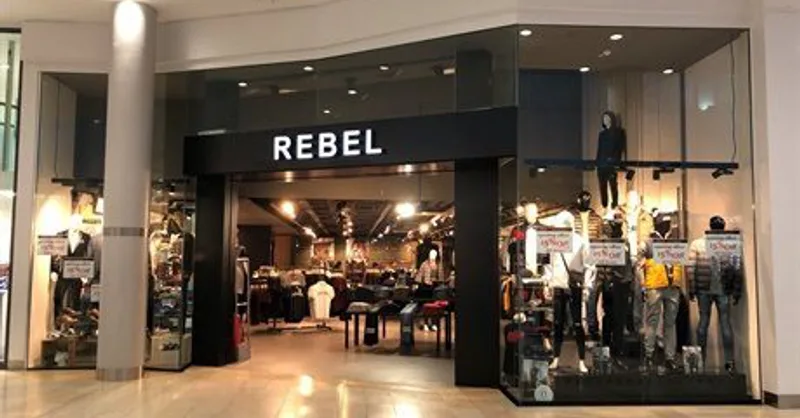
  • Rebel Opens 3,000Sqm Flagship Store in Hobart

    Rebel Opens 3,000Sqm Flagship Store in Hobart

    Rebel opened its largest Tasmanian store on Murray Street in Hobart in September 2026, spanning 3,000 square metres across two floors. The flagship created more than 40 jobs.

    The two-level site replaces a former H&M location in the central business district. It brings the sporting goods chain to three outlets across the state alongside existing stores in Rosny Park and Launceston.

    Interactive format on Murray Street

    This Hobart flagship is the retailer’s second Rebel Customer Experience format in Tasmania. An interactive football zone lets shoppers test boots and equipment before paying. The store also stocks gear for cricket, basketball and Australian rules football.

    Shelf space leans heavily into Tasmanian Devils teamwear and guernseys ahead of the state entering the Australian Football League. Dedicated testing zones help defend physical store sales against online sports apparel retailers.

    Shifting footprints across regional centres

    Athletic specialty stores face rising occupancy costs in central business districts, yet taking over vacated department and fast-fashion spaces provides pre-built foot traffic. For landlords, experiential sporting anchors balance slowing apparel footfall in secondary city centres.

    Conversion rates must stay high to justify multi-level rents. Interactive zones increase customer dwell times, but they require higher staffing ratios on the floor to manage testing areas and equipment fittings.

    Five-year expansion targets 70 stores

    Super Retail Group appointed Jenny Child as managing director of Rebel earlier in 2026. Store portfolio expansion sits at the centre of the brand’s capital deployment.

    We know how passionate Tasmanians are about sport and with the state’s first AFL team on the horizon, there’s never been a more exciting time to open a store of this scale in Hobart.

    Hobart’s opening kicks off a five-year development cycle aimed at mid-sized and regional hubs. Rebel currently operates 39 regional locations across Australia. It plans to scale that network to 70 sites by June 2031 across RCX, foundation and compact formats.

    Next openings in the pipeline

    Rollout schedules over the next four quarters will determine how quickly Rebel opens the remaining 31 regional sites to meet its June 2031 target.


  • Kopi Kenangan CEO and Investors Raise Stakes in Coffee Chain

    Kopi Kenangan CEO and Investors Raise Stakes in Coffee Chain

    Kopi Kenangan co-founder and group chief executive Edward Tirtanata increased his equity holding in the Indonesian coffee chain in September 2026 as part of an ongoing funding round backed by existing investors.

    Tirtanata acquired shares directly from early team members and shareholders to consolidate ownership during the regional expansion of the chain, which was founded in 2017.

    Cap Table Consolidation

    Existing institutional backers joined the transaction to increase their own positions in the beverage operator. Venture firm Alpha JWC Ventures, Tybourne Capital Management and Horizons Ventures participated in the share purchase alongside company leadership.

    The secondary buyout allows early employees and initial angel backers to cash out equity built up since the company started operations in 2017. Bringing those shares back to the core founder and late-stage institutional funds tightens voting control ahead of further capital deployment across Southeast Asian retail locations.

    Regional Retail Pressure

    Grab-and-go coffee formats across Southeast Asia face tighter store-level margins as local competitors and international chains fight for footfall in commercial hubs. Consolidating ownership gives management more latitude to make long-term real estate commitments and manage pricing without friction from early angel investors seeking quick exits.

    For retail landlords and retail competitors in markets like Malaysia and Singapore, better-capitalised flagship operators can sustain commercial rent terms and marketing outlays longer during expansion phases. The backing from long-term capital providers like Horizons and Tybourne keeps the balance sheet steady as outlet networks build density.

    Building Out the Footprint

    Tirtanata co-founded Kopi Kenangan in Jakarta seven years ago to sell espresso drinks tailored to local palates at affordable price points. The brand built an extensive domestic network before introducing grab-and-go outlets outside its home market.

    The latest funding round clears out legacy shareholder blocks while management focuses on store opening targets and regional unit economics across targeted overseas metropolitan markets.

  • Insta360 Opens Times Square Store as Global Shipments Pass 10 Million

    Insta360 Opens Times Square Store as Global Shipments Pass 10 Million

    Insta360 opened its first flagship store outside Asia at 1515 Broadway in New York’s Times Square on September 19. The opening follows 10 million total camera shipments worldwide.

    The company held nearly 70 per cent of the global 360-degree camera shipment market in the first quarter of this year, according to IDC data.

    Inside, visitors test action cameras, pocket gimbals, 360-degree capture rigs, and wearable hardware before buying. Staff provide live technical demonstrations and setup support on site. The store sits in one of the world’s densest pedestrian corridors. Co-founder and vice-president of marketing Max Richter led the opening alongside digital video creator Casey Neistat, an early adopter of the hardware.

    Shifting from Viral Feeds to Prime Real Estate

    For Asian hardware makers, physical retail in prime Western shopping districts is an expensive structural pivot. Insta360 built its export business through direct digital sales, Amazon storefronts, and third-party electronics retailers. Taking direct leases in high-rent transit hubs changes the equation. It shifts inventory holding costs, retail staffing overhead, and lease liabilities directly onto the corporate balance sheet.

    Direct flagships solve a conversion problem that e-commerce cannot fix. High-end panoramic and action cameras require hands-on demonstration. Casual buyers need proof that editing spherical footage is practical. By placing physical units directly into consumer hands, the company cuts return rates and avoids marketplace platform fees. The risk lies in fixed overhead if foot traffic fails to yield high-margin hardware purchases.

    The Asian Retail Template Moves West

    This Times Square location mirrors the retail playbook Asian consumer electronics brands deployed across regional capitals over the past decade. The company opened a direct flagship in Tokyo in August. It already oversees dozens of authorized partner stores across mainland China and Southeast Asia. Expanding that network across North America gives the hardware brand parity against legacy action-camera competitors on their home turf.

    Suppliers and component makers in Shenzhen gain direct visibility into Western consumer demand through owned point-of-sale channels. Selling directly at full retail price protects gross margins against distributor discounts and retailer margin squeeze. That cushion gives the manufacturer more room to absorb rising overseas logistics expenses and import tariffs.

    Ten Years from Launch to Global Scale

    Insta360 entered the United States market in 2016. It initially distributed compact smartphone clip-on cameras before expanding into modular action systems. Tracking data from Circana shows the brand led the United States market in 360-degree capable camcorder dollar and unit sales between January 2020 and February 2025. That domestic position supported its wider portfolio rollout, which now includes the X Series action units and thumb-sized GO cameras.

    Reaching 10 million cameras shipped worldwide is a milestone we owe to our community, but opening in Times Square is about building lasting roots.

    Munich Flagship Next in European Pipeline

    New York serves as the staging ground for a broader rollout outside Asia. Corporate retail plans outline direct expansion into mainland Europe, starting with a flagship location in Munich. Operations at 1515 Broadway will establish the sales and inventory benchmark for those forthcoming European sites.

  • Newme Expands Indian Store Footprint Targeting Break-Even

    Newme Expands Indian Store Footprint Targeting Break-Even

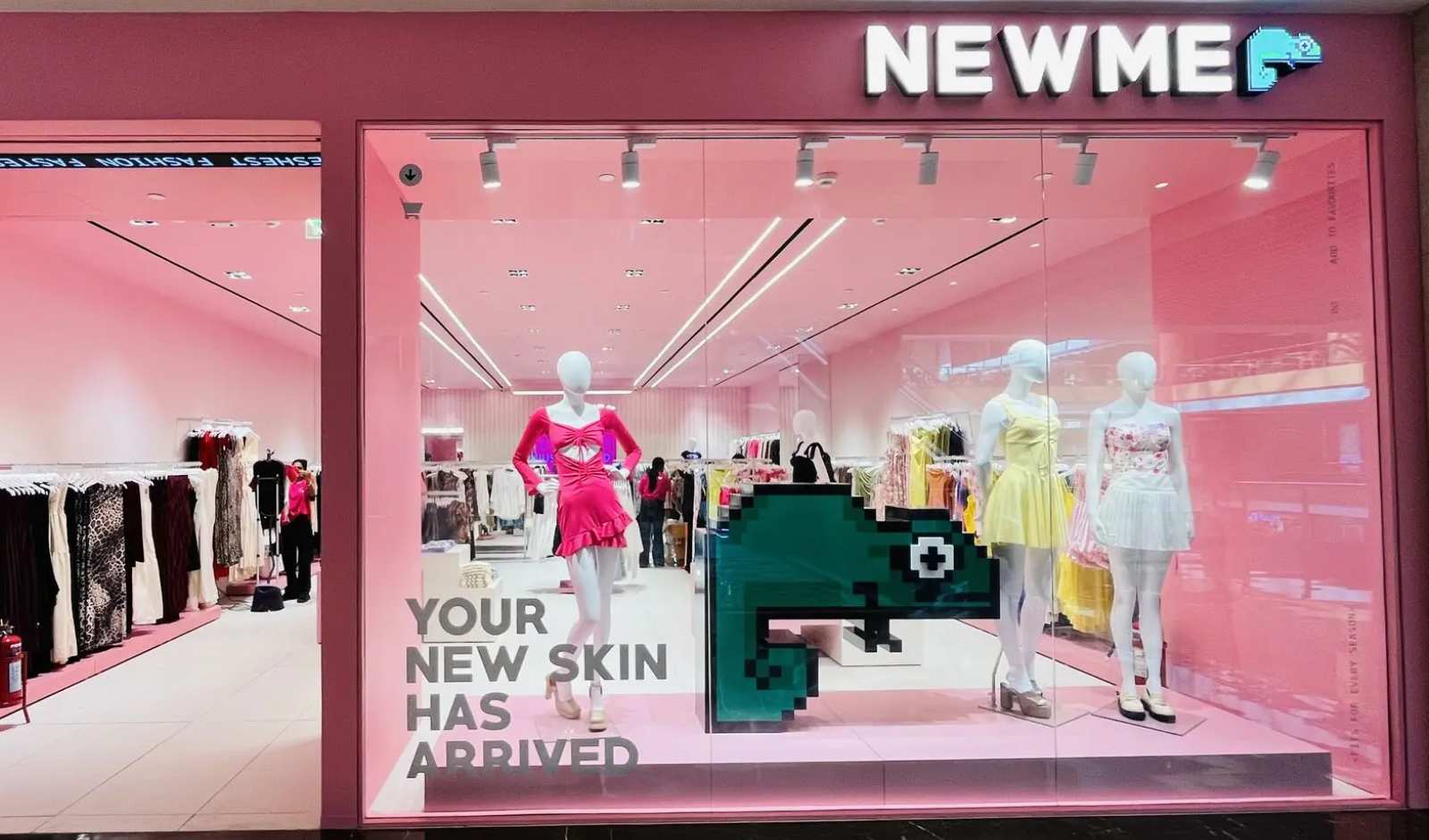
    Indian apparel brand Newme is expanding its brick-and-mortar footprint across secondary cities to reach young female shoppers and achieve break-even this year.

    The Bengaluru-based fast-fashion startup recorded revenue gains through the financial year ended March 31, 2025, and is pushing into regional markets where digital sales are accelerating ahead of physical retail supply.

    Targeting Underserved Regional Hubs

    Chief executive officer and co-founder Sumit Jasoria said the company is opening stores in cities that established apparel chains often overlook. The brand focuses on affordable Western wear designed for Gen Z women.

    Physical expansion is targeting tier-two and tier-three centers, including Ahmedabad and markets across northern India, where online customer acquisition has outpaced physical retail space.

    “Ahmedabad is a market which is underserved by every brand. North is a market underserved by every brand. We feel there is a very big space for us to go and build a very big brand there,” Jasoria said.

    Balancing Unit Economics and Expansion

    Opening physical stores across non-metro cities lowers customer acquisition costs compared to pure-play online marketing, but it introduces fixed overheads and inventory risks.

    For retail landlords in secondary Indian cities, fast-fashion brands targeting young shoppers offer high footfall and reliable rental yields. The risk for Newme sits in managing inventory turnover across a wider physical network while keeping prices low enough to retain Gen Z buyers.

    The Shift to Omnichannel Retailing

    Direct-to-consumer apparel labels across India have increasingly moved offline after reaching digital growth ceilings. Rising digital ad rates on social platforms have made pure-play online customer acquisition prohibitively expensive.

    By setting up storefronts in high-density shopping districts, Indian fashion startups are converting digital brand awareness into immediate cash flow, mirroring strategies deployed by regional value-fashion competitors.

    Financial Targets and Next Steps

    Newme recorded revenue gains through the financial year ended March 31, 2025, and is prioritizing operational profitability over growth at any cost.

    Management is tracking store opening targets through the end of the calendar year as the company works to deliver its first break-even financial year.

  • Saeki Selva Holdings Begins Training for 100-Store Vietnam Push

    Saeki Selva Holdings Begins Training for 100-Store Vietnam Push

    Japanese supermarket operator Saeki Selva Holdings plans to enter Vietnam with an operational rollout targeting 100 stores across the country. The Tokyo-based grocer is now training local personnel in Japan and Vietnam to handle store operations from floor basics to full management.

    The retailer is using its Japanese stores to teach prepared food assembly, inventory controls and daily floor management. Vietnamese staff working in Japan will move directly into store leadership tracks once the company begins opening locations in Southeast Asia.

    Building a Store Management Pipeline

    Staff development forms the baseline of the expansion model. Trainees learn food preparation, food safety standards and Japanese service techniques at existing domestic sites before deploying to Vietnam. That pipeline cuts the overhead of dispatching large teams of Japanese expatriates to run individual sites.

    Supermarket operators expanding into Southeast Asia frequently struggle with middle-management retention. By offering a defined career path from floor staff to store manager, Saeki Selva Holdings aims to stabilise its local store leadership before opening its first doors.

    The Competitive Field in Vietnam

    Vietnam remains one of the primary targets for foreign food retailers seeking growth outside mature home markets. Japanese retail giants like Aeon have already invested heavily in large shopping malls and compact supermarket formats across Hanoi and Ho Chi Minh City, while domestic chains retain strong footholds in the convenience and neighbourhood grocery segments.

    Saeki Selva Holdings enters a market where ready-to-eat meals and fresh foods drive foot traffic. Japanese supermarket formats carry a strong reputation for cleanliness and cold-chain reliability among urban Vietnamese consumers. Success for a 100-store network will hinge on whether the operator can price its fresh offerings to compete with entrenched local wet markets and neighbourhood minimarts.

    Supply Chain and Fresh Food Execution

    Prepared foods serve as a core differentiator for Japanese supermarket operators entering overseas markets. Saeki Selva Holdings is placing food preparation at the center of its training curriculum to maintain consistent product quality across its planned store base.

    Sourcing fresh ingredients locally while maintaining Japanese hygiene standards requires rigorous back-of-house supervision. Training workers directly in Japanese kitchens allows the company to replicate its central kitchen and in-store deli workflows before rolling out physical units in Vietnamese cities.

    Next Steps for the Market Entry

    Establishing operational readiness in Tokyo marks the initial phase of the cross-border strategy. Saeki Selva Holdings must next secure local store sites, establish distribution partnerships and clear regional commercial licensing requirements in Vietnam.

    The pace of the 100-store rollout will depend on site acquisition and the speed at which the first cohort of trained managers completes their preparation in Japan.

  • L Catterton Buys $30 Million Minority Stake in Nandhana Foods

    L Catterton Buys $30 Million Minority Stake in Nandhana Foods

    L Catterton has acquired a minority stake in South Indian restaurant chain Nandhana Foods for $30 million this week.

    The cash injection gives the global consumer private equity firm a direct foothold in India’s regional casual dining market. Regional food service businesses across southern India have historically relied on internal cash flows and promoter capital to fund new locations. That pattern is breaking down as institutional investors seek scalable dining concepts with proven local demand.

    Capital deployment in regional dining

    Consumer appetites in tier-1 and tier-2 Indian metros continue to shift toward organized dining formats. Nandhana Foods built its brand identity around regional South Indian cuisine, catering to everyday lunch traffic and family dining. Securing $30 million in equity funding provides the balance sheet capacity required to expand kitchen footprints, secure premium retail real estate, and build out centralized supply chains.

    Institutional backing allows regional operators to compete directly with national multi-brand conglomerates. When well-funded private equity sponsors enter single-concept restaurant groups, the immediate focus turns to margin protection and real estate acquisition. Prime retail frontage across major South Indian commercial corridors commands rising rents, making external capital essential for multi-city expansion.

    Private equity playbook in Indian food service

    L Catterton has targeted consumer-facing food and lifestyle brands across Asia-Pacific to capture rising household discretionary spending. The firm looks for high-repeat transaction models with defensible regional loyalty. Fast-casual and specialized regional dining concepts offer clear unit economics, predictable inventory cycles, and steady cash generation compared to untested Western formats.

    Competition among private capital allocators in India has tightened around profitable consumer businesses. Global funds that previously backed digital consumer platforms are now directing capital into cash-generating physical retail and restaurant chains. Food service operators that control their supply relationships and maintain consistent kitchen standards represent defensive bets against broader market volatility.

    Operating risks and scaling discipline

    Scaling a regional dining chain beyond its home base presents operational friction. Standardizing recipes, managing bulk procurement of specialty ingredients, and maintaining identical service quality across dozens of outlets tests management teams. Expanding too fast across state borders often dilutes the brand equity that made the original footprint successful.

    Labor retention and kitchen staff training create additional cost pressures. As restaurant networks grow, operators must invest in central commissary hubs to keep unit costs manageable. Centralized production cuts kitchen square-footage requirements at retail outlets, lowering rental expenses while stabilizing gross margins.

    Valuation discipline and the road to liquidity

    Private equity investors enter minority positions with clear timetables for liquidity. For Nandhana Foods, bringing in a global investor sets an institutional governance framework and prepares the operating company for larger equity rounds or a public listing once network scale is achieved.

    The benchmark for this investment sits in how effectively the chain uses the $30 million check to open new doors without compressing unit-level operating margins. Industry attention now shifts to the company’s real estate pipeline across key southern metro hubs and the rollout speed of its next batch of restaurant locations.

  • Uniqlo Expands in Queensland with 777-Square-Metre Sunshine Plaza Store

    Uniqlo Expands in Queensland with 777-Square-Metre Sunshine Plaza Store

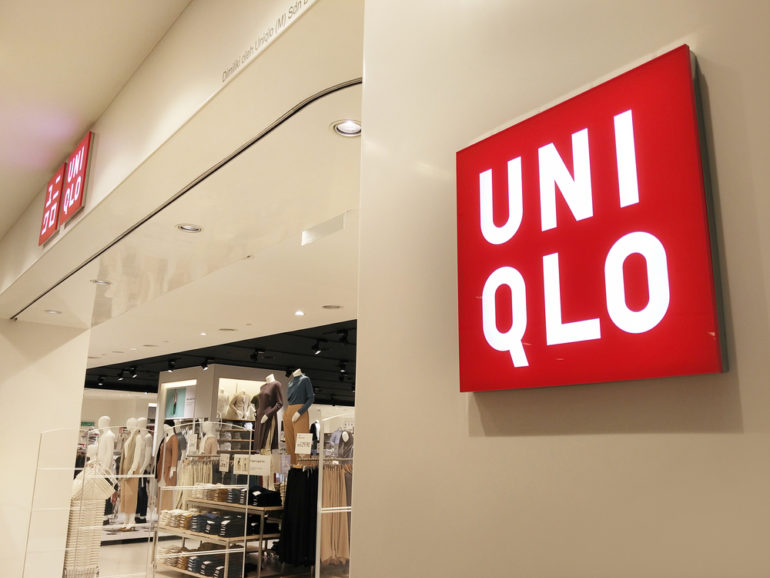
    Uniqlo will open its first store on Queensland’s Sunshine Coast on October 15, anchoring a 777-square-metre space at Sunshine Plaza. The site introduces the Japanese apparel brand’s full LifeWear lineup to the coastal region across men’s, women’s, children’s and baby categories.

    The store features an updated layout alongside digital interactive elements designed to streamline foot traffic and product discovery. It will also sell exclusive UT graphic T-shirts developed with a local Sunshine Coast artist.

    Regional Expansion Across Australia

    Satoshi Naito, chief operating officer of Uniqlo Australia, said the location reflects how the brand adapts its physical format as it broadens coverage outside core metropolitan centres. The Sunshine Coast site extends the retailer’s footprint beyond Brisbane and the Gold Coast, capturing population shifts toward regional commercial hubs.

    This store represents the evolution of Uniqlo in Australia, offering not only our full range of LifeWear essentials, but also a dynamic and interactive shopping experience that reflects our Japanese roots and global vision.

    Fast Retailing continues to push Uniqlo into regional Australian shopping centres where stable domestic spending balances volatile tourist footfall. By securing mid-sized formats under 1,000 square metres, the retailer limits inventory holding costs while maintaining full product category presentation.

    Shifting Demographics and Suburban Leases

    Shopping centre landlords across Queensland face heightened competition for reliable international fashion tenants as departmental store footprints shrink. Securing Uniqlo at Sunshine Plaza gives the asset a resilient traffic driver capable of drawing everyday basics shoppers from across the Maroochydore catchment.

    Rival international fast-fashion operators face higher pressure to refresh regional mall presences. Where competitors rely heavily on rapid turnover trends, Uniqlo’s core staple strategy provides steady sales volumes, though managing supply chain distribution to non-metro sites introduces minor freight overheads.

    Building on Decade-Long Groundwork

    The Sunshine Coast rollout follows a major reinvestment phase across Australia’s eastern seaboard. Late last year, the company reopened its refurbished Emporium Melbourne flagship after extensive works, marking ten years since Uniqlo entered the Australian retail sector.

    Trading begins at the Sunshine Plaza location on October 15, with trading hours and regional footfall performance over the fourth quarter set to inform further outer-metro site selections across Queensland.

  • Fast-Food Chains Cross Borders as McDonald’s Plans 1,000 New Outlets in China

    Fast-Food Chains Cross Borders as McDonald’s Plans 1,000 New Outlets in China

    American fast-food brands and Chinese restaurant chains are accelerating cross-border expansion, trading burgers and bubble tea across both markets despite trade friction.

    McDonald’s plans to open 1,000 new Chinese restaurants this year on its way to a target of 10,000 locations by 2028. Burger King expects to triple its Chinese footprint to 4,000 stores by 2035, while Wendy’s aims to open 1,000 restaurants in the country over the next decade.

    Church’s Texas Chicken entered the market last month with an opening in Shanghai that drew long queues in the rain, with plans for at least 600 outlets nationwide. At the same time, Chinese beverage and fast-food operators are pushing into North America to build alternative revenue streams away from intense domestic discounting.

    American giants target lower-tier Chinese cities

    China remains the largest market for Yum China’s KFC, which operates roughly 13,000 outlets in the country compared with 3,750 in the United States. Having entered Beijing in 1987, followed by McDonald’s and Pizza Hut in 1990, western quick-service brands are now looking beyond saturated top-tier cities.

    Growth is shifting into smaller, inland municipalities where lower operational costs and rising disposable incomes support store additions. Even with high consumer familiarity, foreign operators increasingly rely on regional joint ventures to manage site selection and financial commitments. Starbucks restructured its mainland operations earlier this year by selling a 60 per cent stake to Boyu Capital following several years of softer store traffic.

    Menu adjustments remain essential for western chains looking to protect customer volumes. KFC menus across mainland outlets feature localized breakfast congee and egg tarts alongside fried chicken, balancing core imports with domestic dining habits.

    Chinese operators push abroad to escape price wars

    Sluggish domestic consumer spending and a property slump have squeezed margins across China’s 16 million food and beverage outlets, where the average operational lifespan was projected to drop to 15 months last year. After expanding across Southeast Asia, Chinese brands are taking their supply chains directly into the United States.

    Drink and ice cream giant Mixue, which operates more than 53,000 stores globally, entered the US market in December with three locations, including a store in New York’s Herald Square. The chain has outlined plans for at least 24 additional sites across four American states.

    Tea and coffee specialists are scaling alongside them. Heytea now runs 40 US branches, while Luckin Coffee has established 20 locations in New York after overtaking Starbucks by store count in China.

    Value positioning and operational friction

    Chinese entrants rely heavily on aggressive price points to gain market share against entrenched western competitors. At a Mixue store in Hollywood, a medium matcha latte sells for $6.83, undercutting nearby Starbucks pricing by nearly a dollar. Fast-food operator Wallace, which runs over 20,000 hamburger and fried chicken restaurants in China, opened its second California restaurant selling three chicken sandwiches for $10.

    For landlords and retail operators, the influx provides active leasing demand in suburban strip centers and urban transport hubs. However, maintaining aggressive pricing abroad introduces margin pressure, particularly if supply chains rely on imported ingredients exposed to tariff adjustments.

    Data governance and consumer perception present additional operational hurdles for Chinese operators abroad. Wallace does not highlight its Fujian headquarters on its American web pages, reflecting the brand sensitivity required as trade ties face political scrutiny.

    Scale tests across both retail markets

    The cross-border push represents a clear divergence in operational objectives. Western chains need China’s massive consumer base to meet long-term unit growth targets, while Chinese chains need the high-margin dollar revenues of the US market, which accounts for one-third of global restaurant industry sales.

    Luckin Coffee chief executive Jinyi Guo told investors the American market represents an important long-term target that the group will pursue with disciplined capital allocation. Industry attention now turns to Mixue’s next round of store openings across the US West Coast and McDonald’s pace of store rollouts across inland Chinese provinces through the end of the financial year.

  • Tsutaya to Open First Thailand Store in Bangkok in October

    Tsutaya to Open First Thailand Store in Bangkok in October

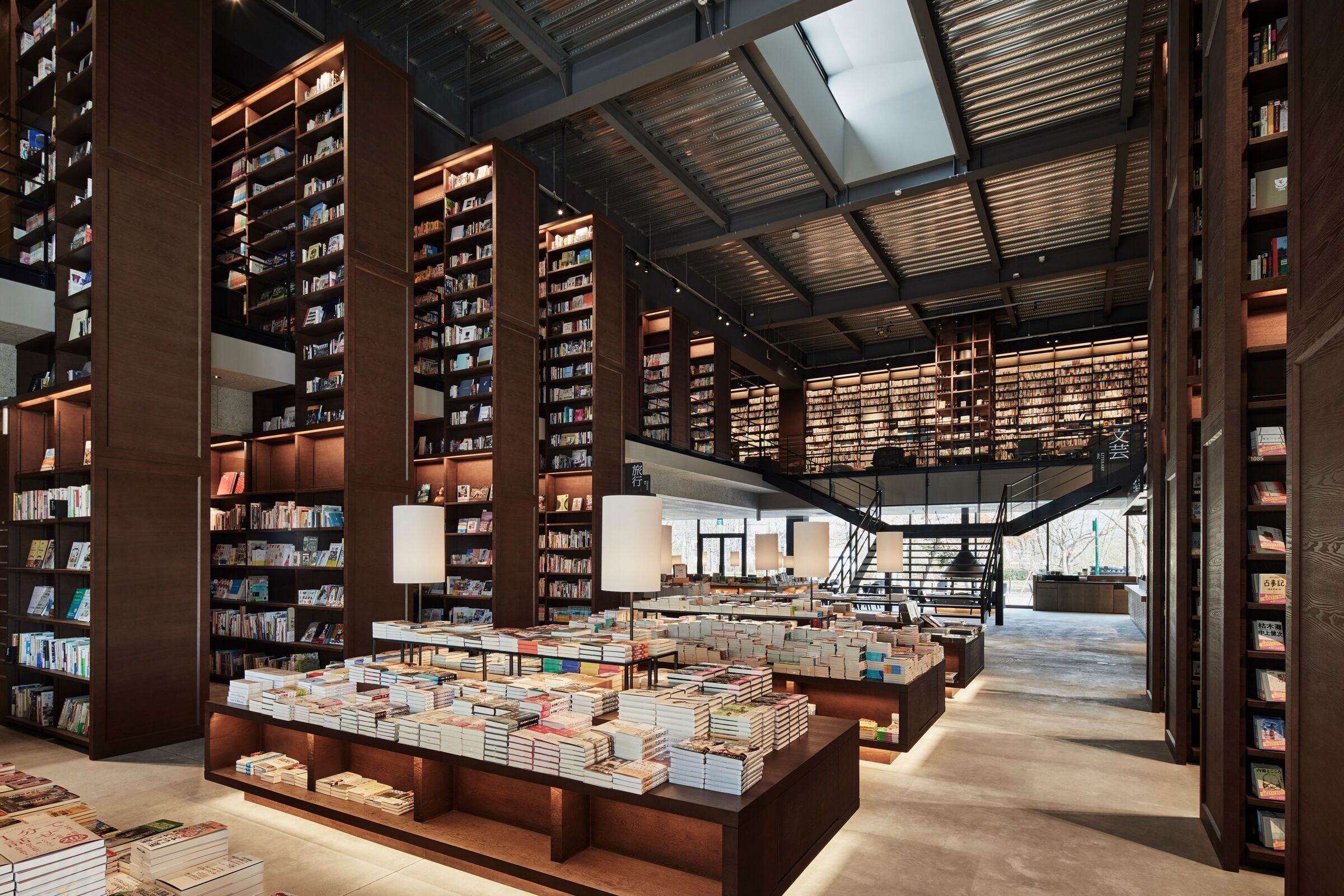
    Culture Convenience Club, operator of Japanese bookstore chain Tsutaya, will open its first store in Bangkok in October.

    The Tokyo-based company is expanding across Southeast Asia as interest in Japanese content such as anime and manga continues to rise.

    The Lifestyle Retail Formula

    The operator is building its Asian strategy around a mix of bookshelves, restaurants, and community spaces.

    Selling physical books alone carries thin margins in high-rent metropolitan malls. Integrating dining, curated lifestyle products, and fandom merchandise gives the operator higher basket values and longer dwell times per visitor.

    Competitive Terrain in Bangkok

    Bangkok already hosts established Japanese retail operators, including Kinokuniya and specialized character-goods shops. Tsutaya enters the market by pitching a broader lifestyle proposition rather than running as a pure bookseller.

    For mall landlords, experiential book concepts act as steady foot-traffic anchors. The operational challenge lies in maintaining novelty once the initial opening buzz fades, particularly among younger shoppers who consume digital media rather than physical publications.

    Regional Expansion Drive

    Culture Convenience Club has steadily widened its overseas footprint, adding locations in Taiwan, China, and Malaysia. The Thai launch extends that Asian network into one of the region’s most active consumer retail hubs.

    The Bangkok branch opens its doors in October, with the operator monitoring initial store traffic before committing to further sites across the country.

  • Ferndale Foods Takes Jila into 16,500 South Korean Stores

    Ferndale Foods Takes Jila into 16,500 South Korean Stores

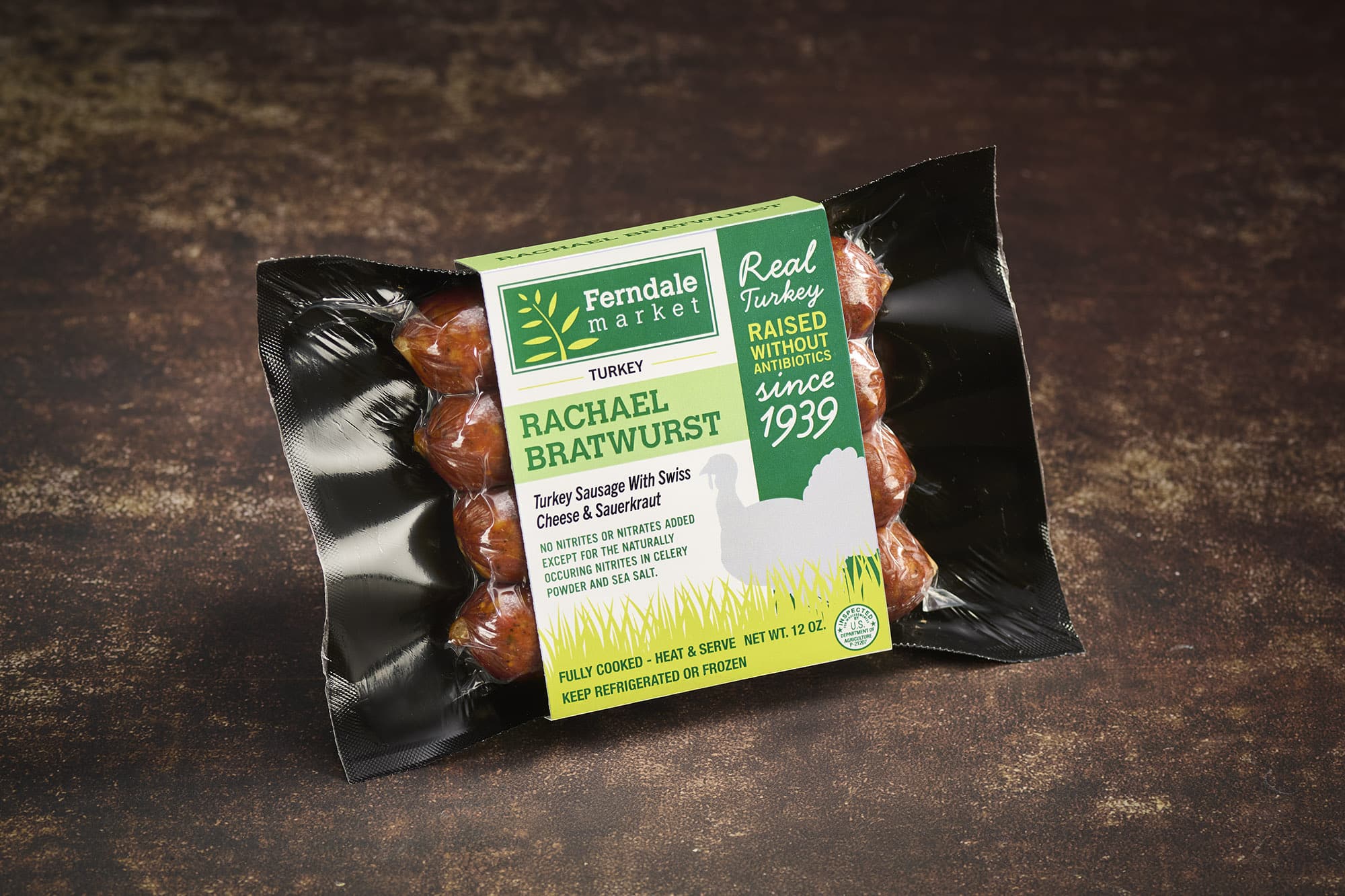
    Ferndale Foods Australia secured its largest international deal in September 2026, launching four Jila confectionery products across 16,500 South Korean retail outlets.

    The Ballarat-based manufacturer rolled out the range across CU convenience stores and Olive Young health and beauty locations nationwide.

    Distribution across CU and Olive Young

    Initial shipments introduce four stock-keeping units from the Jila range, led by sugar-free gum, directly into high-traffic retail points across the peninsula.

    CU operates one of South Korea’s largest convenience store footprints, while CJ Olive Young dominates the domestic health and beauty sector with prime foot-traffic locations in commercial centres and transit hubs.

    Convenience retail dynamics in Seoul

    South Korea represents one of the densest convenience store markets per capita globally, where checkout counter space dictates brand visibility and repeat impulse buying.

    For imported confectionery makers, securing immediate nationwide distribution through established convenience and drugstore chains eliminates the friction of building fragmented regional sales routes.

    Export expansion beyond domestic borders

    The agreement marks a major geographic expansion for Ferndale Foods, which manufactures its sugar-free confectionery and mints out of regional Victoria.

    Ballarat production facilities will supply the South Korean network directly, testing the manufacturer’s export packaging and high-volume supply chain logistics across North Asia.

    Targeting 45,000 doors by June

    Ferndale Foods is targeting 45,000 retail doors in South Korea by June 30 next year.

    Talks are currently under way with additional major Korean convenience store operators to secure the remaining shelf space needed to meet that distribution target.

  • Hyundai Department Store to Open 10 Overseas Multi-Brand Stores by 2030

    Hyundai Department Store to Open 10 Overseas Multi-Brand Stores by 2030

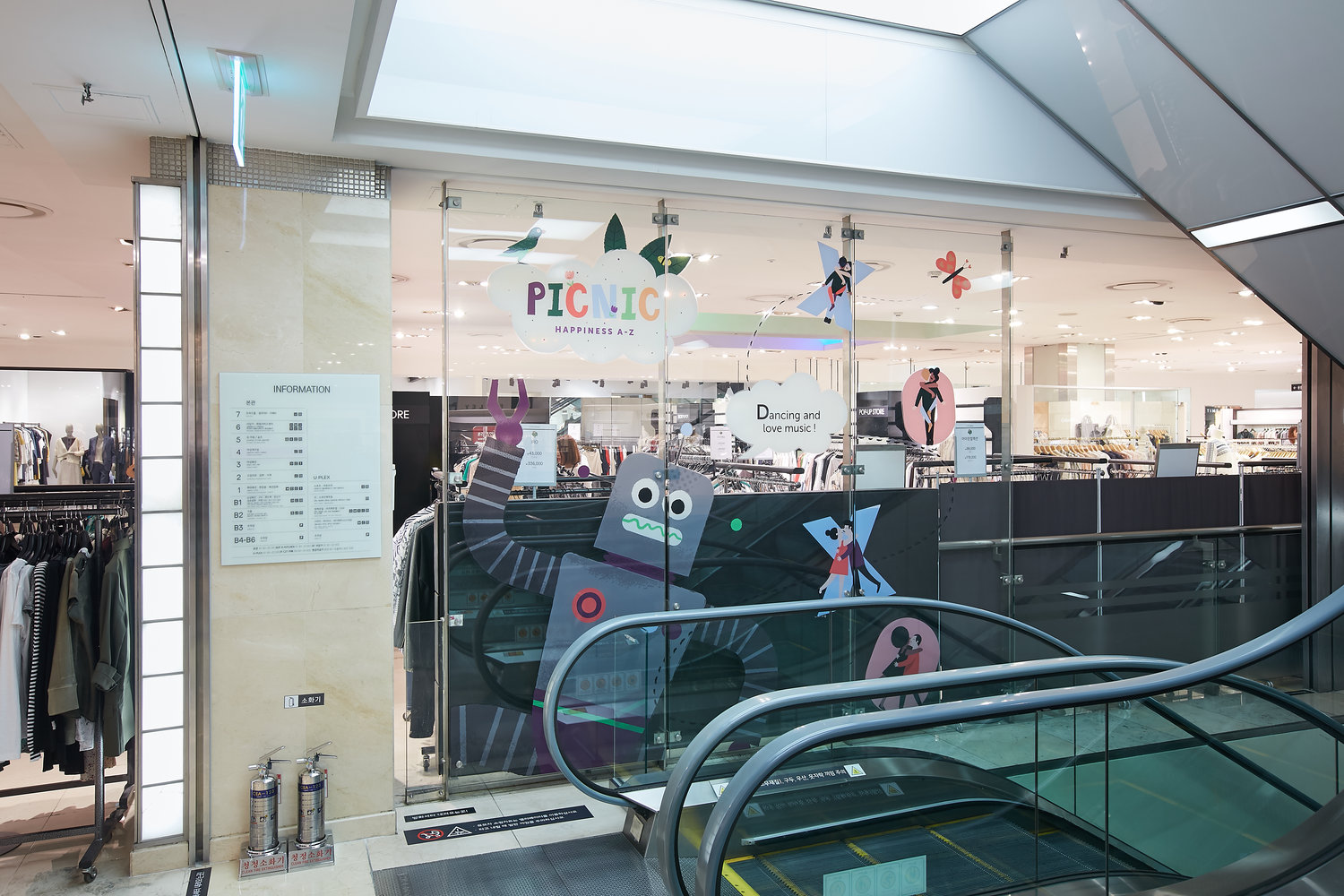
    Hyundai Department Store will open 10 large multi-brand retail stores across Japan, Europe, and the United States by 2030. It is partnering directly with domestic apparel labels. These partnerships create permanent multi-brand platforms outside South Korea.

    The rollout begins in Tokyo. The company established a permanent location inside the Omokado shopping center in the Omotesando fashion district. That site puts multiple Korean fashion brands onto a single operated floor plan.

    Building an Export Channel for Korean Labels

    South Korean department store operators face slowing domestic consumption and saturated prime retail zones in Seoul. Exporting curated fashion spaces creates a secondary revenue channel. It also cuts market-entry risk for smaller independent labels.

    Individual Korean fashion brands frequently struggle with overseas lease negotiations, local regulatory compliance, and foreign staffing. Hyundai acts as the master tenant and operational umbrella. This structure gives smaller labels turnkey access to high-footfall international corridors.

    Tokyo Footprint as the Launchpad

    The Omokado location tests foreign shopper demand in Tokyo before the company expands into Western markets. Japanese shoppers already represent a solid buyer base for Korean consumer culture, cosmetics, and street apparel.

    Floor space in Omotesando positions the business directly against Japanese department store groups and specialty concept stores. Results in Tokyo will shape the retail layout and brand mix for planned European and American flagships.

    Shifting Away from Short-Term Pop-Ups

    Domestic retail groups spent years testing overseas appetite through short-term pop-ups in major Asian gateway cities. Permanent real estate requires consistent foot traffic and higher baseline sales to cover fixed operating costs.

    Landlords in Tokyo, London, and New York want differentiated international tenants to draw shoppers offline. Hyundai is pitching its Korean apparel curation as an anchor draw for commercial property operators overseas.

    Milestones Toward the 2030 Target

    Execution risks center on international supply chains, localized inventory management, and sustained sales momentum. Store profitability hinges on balancing prime retail rents against the average order values of youth fashion brands.

    Site reviews are underway in European and US retail capitals. Performance data from the Omotesando site over coming quarters will guide the next phase of store openings.

  • Asian Fast Food Chains Accelerate Australian Expansion Beyond 10 Outposts

    Asian Fast Food Chains Accelerate Australian Expansion Beyond 10 Outposts

    Asian quick-service restaurant operators are accelerating their Australian rollouts. Chinese beverage group Mixue leads the charge. It has expanded beyond 10 locations across the country since entering Sydney in 2023.

    The push targets Australia’s youth demographic. Consumers aged 15 to 24 represent the largest single group buying takeaway food, according to IbisWorld data.

    New entrants target metropolitan centres

    Arrivals across Sydney and Melbourne picked up sharply after 2023. Malaysian halal fried chicken chain Marrybrown, Japanese cafe brand Nana’s Green Tea, Philippine soft-serve seller Miguelitos and Chinese tea group Molly Tea have all opened corporate or franchised doors.

    Indonesian restaurant operator Sederhana opened in Melbourne to serve West Sumatran Minang dishes. In Sydney, Chinese tong sui specialist Makkee Dessert launched its first storefront with street-level queues on opening day. Korean fried chicken franchisor NeNe Chicken laid early groundwork for Asian QSR formats when it entered Melbourne in 2015.

    Operational shifts favour grazing and small transactions

    These incoming concepts rely on high-turnover, small-ticket sales rather than traditional full-meal sittings. Menus built around single-portion fried chicken, sweet soups, soft-serve ice cream and brewed teas match changing routines geared toward all-day snacking.

    Store footprints are configured around digital ordering infrastructure. Outlets deploy self-service touchscreen kiosks, QR-code ordering tables and flexible modular seating. This setup cuts labour overheads and handles heavy foot traffic during afternoon and late-evening peaks.

    Merchandising drives youth brand loyalty

    Visual branding and proprietary merchandise drive customer retention across these chains. Operators sell accessories including cooler bags, character magnets and toy outfits alongside drinks and meals. Collectable goods anchor repeat business.

    Mascots give these brands instant visibility. Mixue uses its Snow King snowman across store facades and packaging, while Marrybrown deploys Brownie the chipmunk. Both characters provide social media cut-through in prime urban retail strips that carry high commercial rents.

    Pipeline builds for late 2026 rollouts

    Japanese curry specialist Coco Ichibanya is preparing its first Melbourne opening before the end of the year, introducing its spoon-wielding cat mascot to the local market. Philippine fast-food giant Jollibee is also tracking Australian real estate after signaling entry plans for several years.

    Industry attention now turns to execution. Rivals are watching how fast Coco Ichibanya scales its initial Melbourne footprint and whether Jollibee secures its first Australian flagship site.

  • Hikiniku to Come Opens Second Manila Store at SM Megamall

    Hikiniku to Come Opens Second Manila Store at SM Megamall

    Japan’s charcoal-grilled hamburg chain Hikiniku to Come opened its second Philippine outlet at SM Megamall, setting up a third location for 2027.

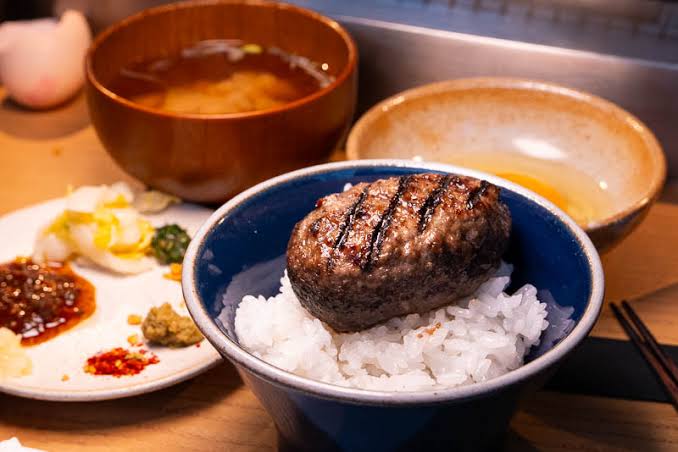
    The expansion adds prime mall retail space in Metro Manila to the Japanese concept, which entered the market under local operator The Standard Group. Diners receive freshly ground, charcoal-grilled beef patties served individually on bowls of rice rather than pre-cooked patties held in warmers.

    How the concept operates

    Founded in Tokyo in 2020, the brand built its format around single-item execution. Counter seating surrounds central charcoal grills where staff cook patties directly in front of customers.

    The format relies on high inventory turns and strict batch preparation. The Standard Group handles daily operations, sourcing, and retail site selection across the country.

    Mall landlords and format demand

    Japanese dining concepts continue to secure high-traffic anchor positions in Metro Manila shopping centres. Landlords favour specialty operators that generate queues and consistent ticket averages over standard food-court counters.

    For Philippine mall operators, bringing single-specialty Japanese brands into central retail clusters drives weekday footfall and boosts food and beverage revenue per square metre. The model carries operational discipline: tight menus minimise raw material waste, while the open-grill theatre speeds customer turnaround.

    The operational hurdles

    Replicating Tokyo counter dining across Southeast Asia carries supply chain pressure. Operators must maintain daily beef consistency and import Japanese short-grain rice while navigating local import tariffs and currency fluctuations.

    Labor training presents another operational bottleneck. Grilling fresh beef to precise specifications at a live counter leaves little room for service errors during peak meal rushes.

    What comes next

    Hikiniku to Come launched its initial Manila flagship earlier before expanding to the Mandaluyong retail corridor. The Standard Group is now scouting real estate for the brand’s third branch, with additional metropolitan sites under review for development over the coming year.

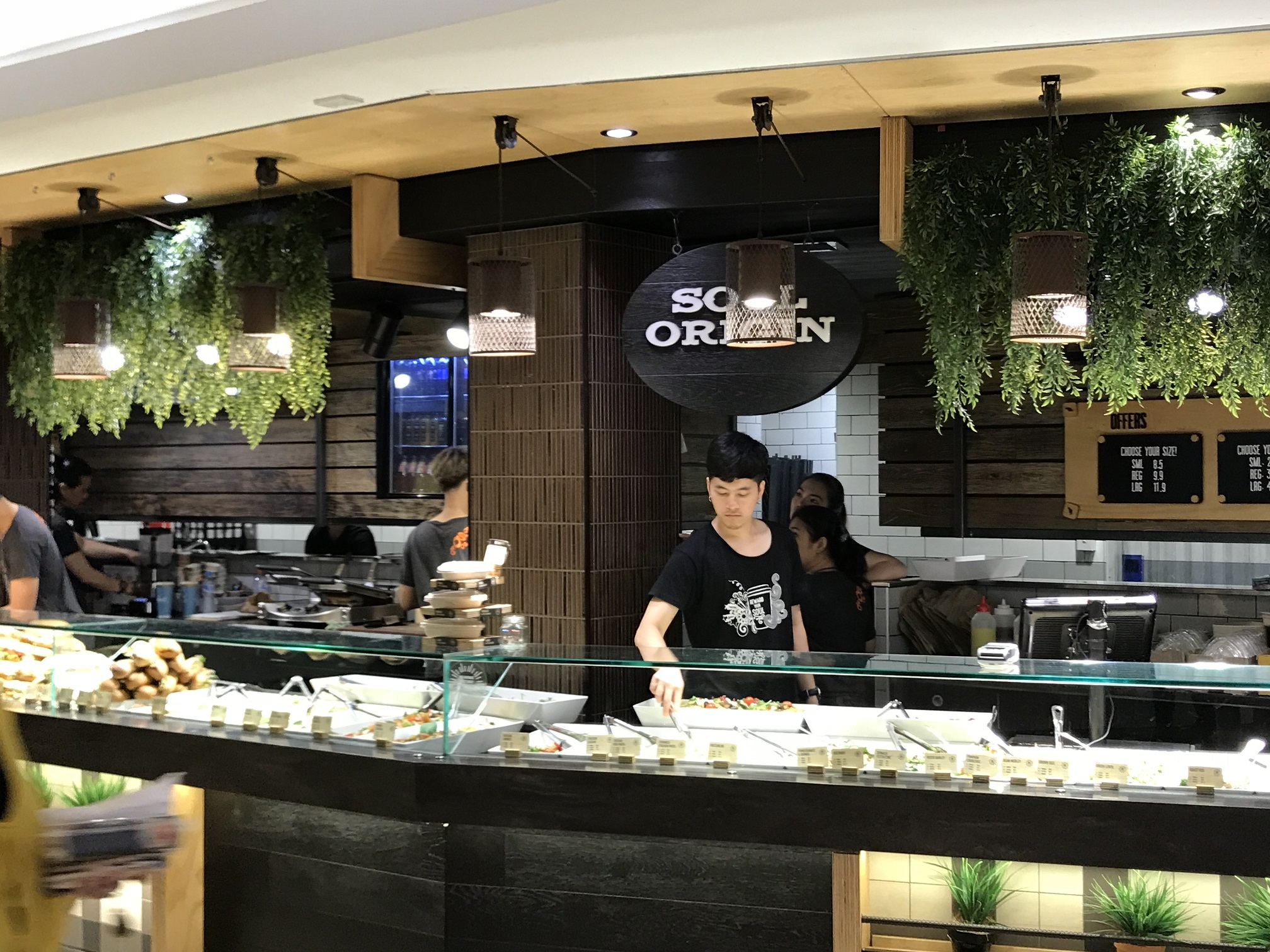
  • Soul Origin to Double Store Network to 400 Locations over 10 Years

    Soul Origin to Double Store Network to 400 Locations over 10 Years

    Fast-casual chain Soul Origin plans to more than double its store network to approximately 400 locations globally over the next 10 years.

    The company, which marks its 15th anniversary this year, has grown into a network of 178 locations with around 22 million customer visits each year. Opening 15 to 20 stores annually across Australia, New Zealand and additional international markets will drive the expansion.

    Shifting Out of the Food Court

    Alongside continued growth in shopping centres, Soul Origin will add more regional, drive-through, airport, hospital, university and service-centre locations. Six new stores are scheduled to open before Christmas, including a new company-owned flagship at Sydney International Airport.

    Highway retailing forms a central pillar of the push. Soul Origin operates a hybrid service-centre format in partnership with fuel retailer Ampol, with two additional co-located sites scheduled to open before the end of the year. The business is scouting further roadside and regional plots across New South Wales, Queensland and Victoria.

    Trans-Tasman Growth and Extended Trading

    New Zealand represents the immediate cross-border priority. The company currently runs four stores across the country and has mapped out approximately 10 additional openings there over the next two years.

    Longer operating hours in roadside and transit hubs require a wider menu. Kitchens across the network are rolling out hot dinner items, matcha drinks and expanded iced beverage selections. Soul Origin is also taking side dishes and add-ons first tested in its drive-through prototypes and adding them to traditional metro counters.

    Franchise Pressures and Highway Formats

    Transitioning from enclosed shopping mall food courts into roadside and transit locations alters the underlying store economics. Food court units rely on captive foot traffic with heavy daytime peaks, whereas highway service centres and airport terminals demand split-shift staffing, higher capital expenditure for kitchen fit-outs and steady evening volume to recover rent.

    Competing quick-service operators across Australia and the wider region have pursued identical fuel-convenience partnerships to escape rising mall occupancy costs. For Soul Origin, sustaining average transaction values during afternoon and dinner trading will determine whether these extended-hour formats generate acceptable returns for franchise partners.

    Management Transition at Fifteen Years

    The expansion plan arrives as the company marks 15 years since its founding as a single family-run food outlet. Current chief financial officer George Gebran will step into the chief executive role on October 1 to manage the operational expansion.

    Co-founder and current managing director Hao Quach will step down from day-to-day management on the same date. Quach will remain with the business to focus on long-term strategy, market entry and corporate development.

    Network development will center on the delivery of the six pre-Christmas openings, the performance of the new Sydney Airport terminal site, and the execution of the 10-store pipeline planned for New Zealand through 2028.

  • Guangzhou Fashion Label Mithridate Plans Retail Expansion and Footwear Push

    Guangzhou Fashion Label Mithridate Plans Retail Expansion and Footwear Push

    Guangzhou fashion label Mithridate will open new physical stores this year. It is also expanding into commercial accessories and footwear categories.

    The Chinese brand announced the retail push alongside its Spring 2027 ready-to-wear runway presentation at London Fashion Week.

    Store Openings and Category Growth

    Management is using the international runway schedule to back a broader commercial build-out. Creative director Daniel Fletcher confirmed the label will add brick-and-mortar locations this year to capture domestic and regional demand.

    Teams spent recent seasons developing production lines for shoes and accessories. Those categories carry higher margins and faster replenishment cycles than runway garments.

    “We have new stores opening this year, we’re really growing, and when you look at what we’re doing with accessories and shoes, categories that have taken some time to develop, the ambition is big,” Fletcher said.

    Runway Format and Product Lineup

    Its latest women’s and men’s collection mixed British tailoring with casual separates to anchor the retail mix. Looks included Victorian-style uniform tailoring, bubble-hem party dresses and headwear designed by milliner Noel Stewart.

    Commercial pieces centered on British preppy sportswear. Offbeat rugby jerseys, ribbed polos, school-style scarves, striped micro shorts and relaxed studded denim formed the core line for retail distribution.

    Shifting Playbook for Chinese Labels

    Chinese independent designer houses have overhauled their expansion strategies over the past two seasons. Instead of relying solely on domestic multi-brand stockists and wholesale showrooms, brands based in Guangzhou and Shanghai are funding direct store networks.

    Standalone shops require reliable footwear and leather goods to lift revenue per square meter. Ready-to-wear draws foot traffic. Leather goods and shoes protect operating margins when department store wholesale orders drop.

    Building Foundation Beyond Domestic Wholesale

    Earlier, the company established its production base in Guangzhou before tapping Fletcher to lead design and raise its profile in European markets. Early collections tested international wholesale interest before management committed capital to retail leases and category diversification.

    Mithridate will roll out its Spring 2027 footwear and accessories lines as the upcoming retail locations open later this year.