Tag: retail problems

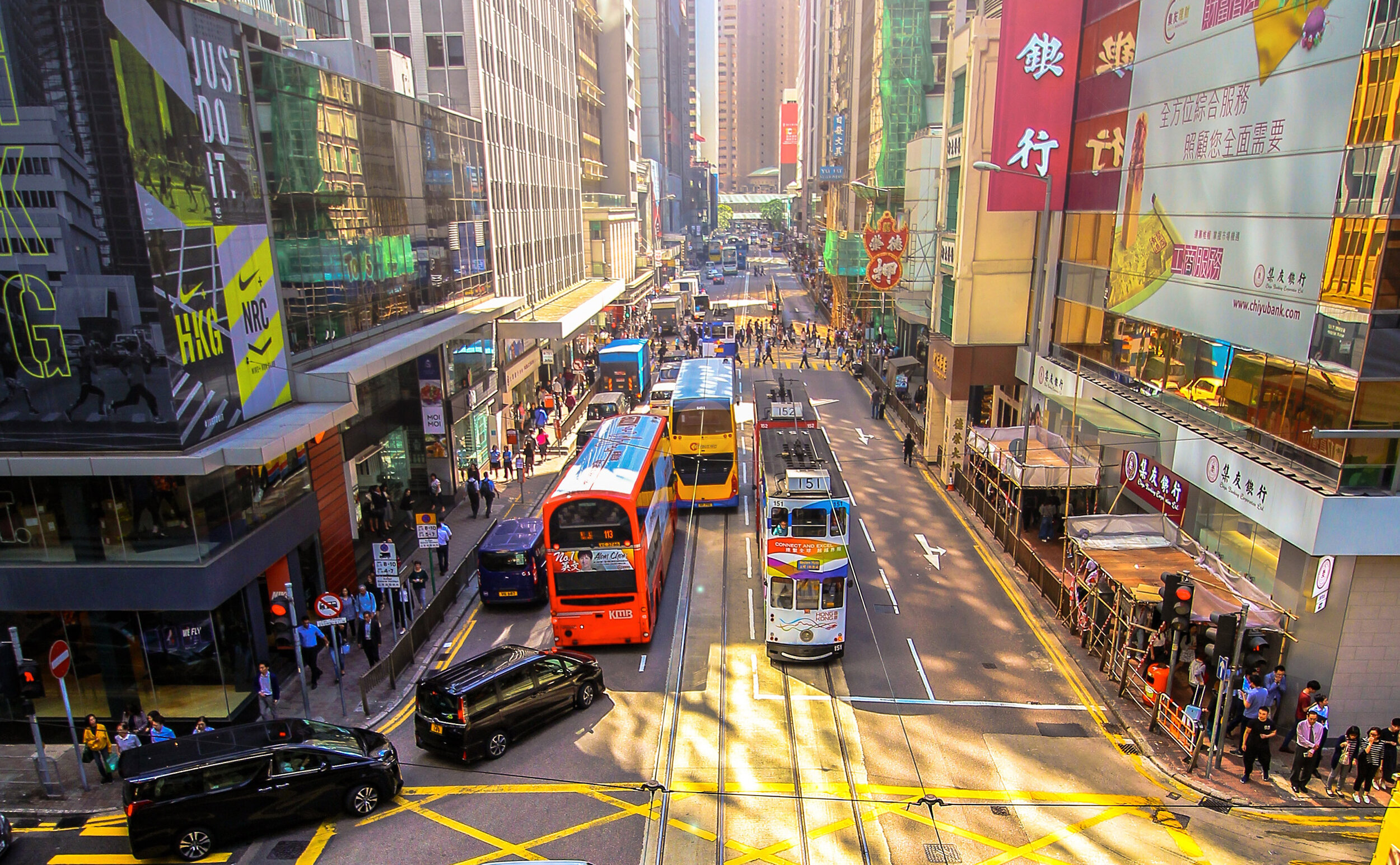
  • Hong Kong retail sales fall again in October

    Hong Kong retail sales fall again in October

    Hong Kong’s retail sales fell 8.8% in October, the first single-digit fall since June last year, showing further signs of a recovery after coronavirus restrictions had slammed the brakes on spending and tourism in the global financial hub.

    The drop compared with a revised 12.8% decline in September and a 6.7% fall in June 2019.

    October’s sales plummeted from a year earlier to HK$27.4 billion ($3.5 billion), government data showed on Tuesday, falling for the 21st consecutive month.

    In volume terms, retail sales slumped 9.3%, compared with a revised 13.3% fall in the previous month. It was also the first single-digit decline since June 2019.

    “With the fourth wave of the local epidemic spreading widely and quickly, the business environment of the retail trade may deteriorate again in the near term,” a government spokesman said.

    For the first 10 months of 2020, the value of total retail sales fell 27%, and 28.3% by volume, from the corresponding 2019 period.

    Hong Kong leader Carrie Lam on Tuesday again urged residents to stay at home and avoid unnecessary family gatherings as the global financial hub scrambles to contain a rise in coronavirus cases.

    Games centres, karaoke lounges and swimming pools will close from Wednesday, while the Ocean Park theme park and DisneyLand will also close.

    The worsening situation in the city also prompted the government to extend the postponement of an air travel bubble with Singapore on Tuesday to beyond 2020.

    Hong Kong’s economy shrank 3.5% in the third quarter compared with a year earlier as the coronavirus pandemic hammered consumer spending, trade and tourism, but at a slower pace as the outbreak had eased.

    The city’s tourist arrivals in October plunged 99.8% from a year earlier to 7,817 visitors, the tourism board said, compared with a drop of 99.7% in September.

    Sales of jewellery, watches, clocks and valuable gifts, which depend heavily on mainland tourists, fell 26.6% in October versus a revised 25.6% plunge in September.

  • Singapore’s retail recovery remains to be seen

    Singapore’s retail recovery remains to be seen

    Shortly after the outbreak, e-commerce sales surged in many countries as consumers avoided crowded places and social distancing measures kicked in.

    In Singapore, a surge in online grocery sales overwhelmed booking systems. Demand for online food delivery soared, requiring operators to expand their workforce. Retailers, ranging from home furnishings to healthcare products and electronics, also saw a rise in online sales.

    Many shoppers, staying at home, buying online for the first time, and discovering the ease of online shopping, could form new digital habits, which may become permanent. This could propel the surge in online shopping to the next level, especially in Singapore, where the internet penetration rate is high and the online market share of retail sales is still low (8.5% in March 2020, according to SingStats), compared to developed countries.

    Amid rapid structural changes, retailers accelerated the adoption of e-commerce strategies. Some outsourced their online businesses by partnering with large established e-commerce marketplaces that offer integrated services, ranging from hosting product listings to sales, payment, inventory management, delivery and tracking. This minimises their capital commitment and administrative burden in the face of a liquidity crunch amid the pandemic. Robinsons partnered with Lazada to expand its e-commerce reach, for example.

    Many F&B players partnered with food logistics operators, including GrabFood and FoodPanda, or logistics providers, Lalamove and Zeek, while others looking to establish a stronger online presence built their own e-commerce platform. A new digital platform offered by DBS Bank built a branded e-menu with an integrated shopping cart, order management and payment platform within three business days. The service includes connecting merchants with logistics partners to offer food delivery services.

    Nevertheless, post-pandemic, consumers will return to physical stores for real-life shopping experiences. Frustrated shoppers without a grocery delivery slot may return to the supermarket.

    According to SingStat, the online market share of grocery sales in Singapore for March 2020 has fallen to 7.5%, from 7.8% and 8.5% in January and February 2020, respectively. The surge in food delivery may ease as some consumers prefer to enjoy the full dining experience in a restaurant ― when safe ― rather than eating out of takeaway boxes. Shoppers generally desire the “look, touch and feel” experience of buying.

    However, concern about pandemic safety is set to continue. Restoring shoppers’ confidence regarding their safety is key to driving foot traffic back into physical stores. Industry players need to enforce safe distancing and hygiene rules and step up efforts on contactless buying initiatives such as self-checkout and cashless payment options.

    Shoppers will also have reduced spending power amid the economic downturn. Industry players need to revamp their offerings at accessible pricing to widen the consumer base and target promotions towards visiting stores upon their reopening.

    Incorporating in-store strategies for pent-up demand, alongside an omnichannel strategy for the medium-term, could drive a post-pandemic recovery of the retail market in Singapore.

  • Retail sales in South Korea going slowly up

    Retail sales in South Korea going slowly up

    Retail sales in South Korea increased 8.4 per cent in October from a year earlier on the back of the pandemic and consumption-boosting events. Sales of furniture and other consumer goods moved up 18.6 per cent over the period, according to the data.

  • Online boom sees South Korean retail sales surge in September

    Online boom sees South Korean retail sales surge in September

    South Korean retail sales rose by 8.5 percent year on year in September as online stores enjoyed brisk sales amid the new coronavirus pandemic, government data shows.

    The combined sales of 26 major offline and online retailers reached US$10 billion last month, up from $9.87 billion won in September last year, according to the data compiled by the Ministry of Trade, Industry, and Energy.

    Online platforms led the overall growth, with their revenue advancing 20 percent over the period, the data showed, apparently as people purchased more goods through such stores amid the country’s social distancing scheme.

    Sales of foodstuffs from online stores jumped 60.2 percent, while those of electronic goods and daily products advanced 26 percent and 14.7 percent, respectively.

    Due to the Covid-19 pandemic, however, sales of tour packages and concert tickets dipped 12.3 percent, while those of fashion items also moved down 1.6 percent.

    Sales from offline stores edged up 1 percent as people purchased more gifts to celebrate the Chuseok holiday, which ran from late September to early this month.

    Convenience stores saw their sales improve 2.3 percent, due to higher sales of tobacco products and alcohol.

    Sales from supermarkets also climbed 5.3 percent on the back of gift sales.

    Department stores, on the other hand, saw their sales drop 6.2 percent due to sluggish demand for fashion goods.

    In the first six months of the year, the combined retail sales reached $59.1 billion, up 3.7 percent from the previous year. Shipments by online stores advanced 17.5 percent, while those of offline stores dipped 6 percent.

    Last year, South Korean retail sales rose by 4.8 percent year-on-year, with online shopping up 14.2 percent, and offline down 0.9 percent.

  • Singapore retail rents tipped to slide up to 15 percent

    Singapore retail rents tipped to slide up to 15 percent

    The increased activity in Singapore’s retail sector hints at a bottoming out of rents by the end of this year or early next year, Knight Frank’s research team said in a report published on Friday (Oct 16).

    Overall retail rents are expected to fall by 10-15 percent for the whole of this year due to recessionary pressures and safe-distancing restrictions, according to the real estate consultancy.

    That being said, in the suburban region, rents of retailers will likely decline by just 7.5 percent or less.

    “As physical retail stores resumed operations, shopper traffic also returned to a greater extent in the suburban malls compared to the centrally located ones that are more reliant on the tourist dollar,” Knight Frank analysts wrote.

    Thus, the rental gap between suburban malls and those in Orchard will likely continue to narrow, given that the inflow of tourists into Singapore is still impeded by travel restrictions. Suburban retail rents are expected to recover sooner because they are supported by the domestic catchment resident population.

    In the third quarter this year, prime retail rents islandwide decreased by 10.3 percent year on year to average $27.40 per square foot (psf) per month, as safe-distancing measures and border controls remained in place.

    This drop was largely led by the 11 percent fall in gross rents for prime retail spaces along the Orchard Road shopping belt, as stores there continued to struggle with the absence of international tourists, Knight Frank noted.

    Prime spaces refer to rental-yielding units between 350 and 1,500 square feet with the best frontage, connectivity, footfall and accessibility in a mall. Such spaces are typically located on the ground level of a mall or the basement level of a mall that is linked to an MRT station or bus interchange.

    In the Marina Centre, City Hall and Bugis region, gross rents of prime retail spaces tumbled by 13.5 percent year on year to $25.40 psf per month on average for the third quarter.

    The city fringe, meanwhile, posted an 8.6 percent decline from a year ago, to $23.40 psf per month.

    Propping up the retail market was the suburban areas, where rents started to stabilize during the July-September period.

    “As more employees work from home, the malls located within residential population centers were visited by many for daily necessities and household sundries,” the analysts wrote.

    The suburban region recorded the smallest drop in gross prime retail rents during the quarter, slipping 6.9 percent on the year to average $26.60 psf per month.

    Quarter on quarter, rents of prime retail spaces in suburban areas also inched down by just 1.4 percent, compared to the bigger declines of 6.4 percent in Orchard, 7 percent in Marina Centre, City Hall, and Bugis, and 4.5 percent in the city fringe.

    While traditional retailers such as Topshop at VivoCity and Robinsons at Jem closed during the latest quarter, there were also newcomers to the scene. For instance, 100-year-old Hong Kong bakery Hang Heung opened its first Singapore outlet at Ion Orchard, Knight Frank noted.

    Other notable retail openings in the three months include store expansions such as Foot Locker at Orchard Gateway @ Emerald and Decathlon at The Centrepoint.

    In August, retail sales – excluding motor vehicles – fell by 8.4 percent year on year, according to figures released by the Department of Statistics last week.

    On a seasonally-adjusted month-on-month basis, total retail sales were higher by 1.4 percent in August. Excluding motor vehicles, sales edged up 0.1 percent on the month.

  • Hong Kong retail rents slip

    Hong Kong retail rents slip

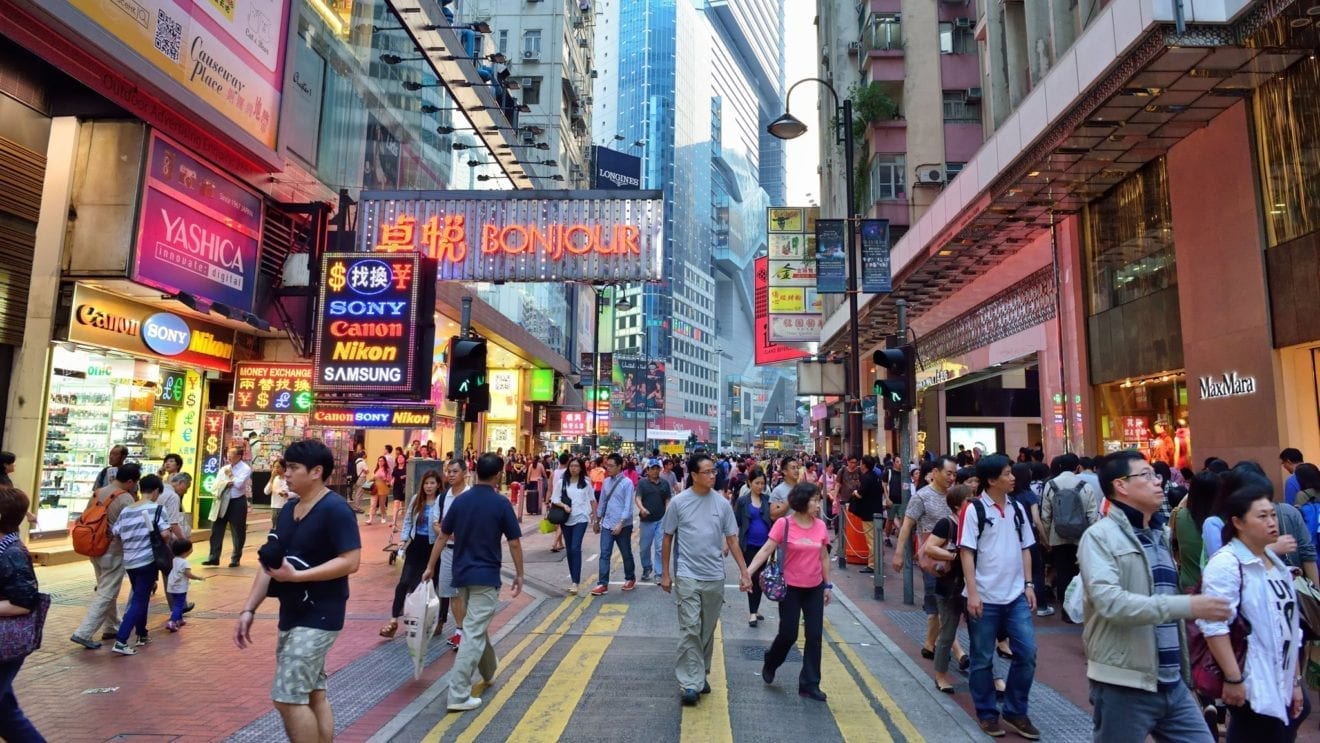
    The world’s most expensive retail strip is likely to endure another six months of industry slump as shop owners struggle to replace premium tenants amid Hong Kong’s deepening recession.

    Global brands from Prada to Rolex and Victoria’s Secret have in the past year vacated their space near or along Russell Street in Causeway Bay – whose rents exceeded those in New York, London, or Paris at the peak of the cycle – as the economy suffered from political upheavals and public health crisis.

    “The market has not seen the bottom yet. I think the worst will only come at year-end,” said Edwin Lee, founder, and chief executive of Bridgeway Prime Shop Fund Management, which owns 18 street shops across the city. “People expect the Covid-19 vaccine to be ready and available by early or the middle of next year when confidence is expected to recover.”

    Those vacant shops could end up being absorbed by mass-market fashion stores or supermarket chains, potentially devaluing rent premiums, he added. The pandemic and dwindling tourist arrivals have been a major blow and local consumers alone could no longer support big brands, he added.

    Hong Kong’s economy has contracted in the past four straight quarters, marking its worst recession on record. The Covid-19 pandemic since January, as well as months of social unrest last year, have choked tourism and undermined the government’s efforts to revive activity.

    Without the power of tourist dollars, Hong Kong has recorded steep declines in retail sales for 18 straight months, according to official statistics. They amounted to HK$187 billion (US$24 billion) this year through July, or HK$26.7 billion a month, compared with an average of HK$36 billion a month in 2019.”>“Now that the big brands have left the scene, it is quite difficult to find new tenants,” said Tony Lo, director of shops at Midland IC&I. They are unlikely to be leased out this year as the pandemic has not been resolved, he added. “I’m not very optimistic. Many of the shops in Causeway Bay cater to individual travelers mostly from mainland China.”

    Hong Kong retailers should create experiences for local shoppers to survive with ‘zero tourists’

    Emperor International, one of the bigger landlords on Russell Street, said some of its units “are for lease now,” according to WhatsApp reply to questions from the Post. The firm has “been in touch with different tenants,” it added.

    Shop vacancy rate in Causeway Bay has risen to 11.6 percent in August, according to data compiled by Centaline Commercial, more than triple the level in January. The rate in Central has surged to 20.4 percent from 8.1 percent over the same period, and to 16.5 percent from 10.5 percent in Tsim Sha Tsui.

    “Causeway Bay has almost zero tourists and people are reducing their outings,” said Raiky Wong, director of shops at Centaline Commercial. “The streets seem deserted these days.”

    Hong Kong is not alone in bearing the brunt of the Covid-19 pandemic. Twenty out of 22 Asia-Pacific cities tracked by Knight Frank reported a drop in valuations and forecasts of prime retail property in the first half of this year.

    The bleak outlook suggests rents will weaken in the coming months, said Lee of Bridgeway Prime Shop Fund Management, who regularly buys and sells shop lots in the city.

    Rents along Russell Street have fallen by two-thirds from around HK$3,000 (US$387) per sq ft in 2013 to HK$1,000 currently, Lee said. They could bottom out at HK$500 per sq ft by year-end before some signs of recovery after the Lunar New Year in February, he added.

    Shop owners may be pressured to accept offers even if the rents are lower to generate cash flow, according to Lo of Midland. Some have offered to take up short-term leases this year as many businesses have low visibility on the recovery prospects.

    New tenants that decide to take over the vacant space will be banking on neighborhood spending to survive, said Lee of Bridgeway. These would include mass-market fashion retailers or high-end supermarkets selling imported foods like Japanese wagyu beef, he added.

    For Russell Street’s big brands, retailers can no longer sustain their businesses without tourist spending power. “They definitely cannot sustain by just relying on local consumption,” Lee said.
  • Singapore retail sales slip further down in August

    Singapore retail sales slip further down in August

    SINGAPORE retail sales dropped 5.7 percent on the year in August, an improvement from the 8.5 percent year-on-year decline recorded in July, according to the Singapore Department of Statistics (SingStat) on Monday.

  • Hong Kong retail sales fall again in August

    Hong Kong retail sales fall again in August

    Hong Kong retail sales plunged 13.1 percent year on year in August, as the coronavirus pandemic continued to batter the struggling sector, marking a 19th consecutive month of contraction. Consumer spending dropped to HK$25.6 billion (US$3.2 billion) in August, contributing to sales for the first eight months of the year falling 30 percent from the same stretch in 2019, according to provisional figures released by the Census and Statistics Department on Wednesday.

    The monthly year-on-year decline was not as steep as recorded recently, but that was mainly attributed to the data comparison with last August when the city was gripped by anti-government protests.

    “I hope everyone can understand that and won’t be misled by the figure,” said Annie Tse Yau On-yee, chairwoman of the Hong Kong Retail Management Association, adding this August’s slump reflected a serious situation for the industry.

    The total value of retail sales in the city between January and August this year was HK$213 billion, compared with HK$305 billion for the same period last year.

    Most retailers continued to suffer a contraction in sales in August, with supermarkets once again among the exceptions, a trend Tse linked with residents staying in to cook during the city’s third wave of Covid-19.

    All eyes are on how retail businesses perform between October 1 and October 4, which is traditionally a peak period for sales because of the National Day holidays, popularly known as “golden week”.

    Previously, millions of mainland Chinese would travel domestically and overseas during the break but would be kept away from Hong Kong this year by the city’s travel restrictions for the pandemic.

    Tse noted that sales might improve for those selling goods relating to people’s daily lives, such as furniture and food, due to the long weekend in Hong Kong overlapping with the Mid-Autumn Festival.

    “But everyone predicts it will help boost the footfall rather than sales. Maybe due to the ease of pandemic, then the foot traffic, in general, will be better… the sales will still remain weak,” she said.

    “The help for sectors which had continued to record a decline in sales would be minimal.”

    A government spokesman said as economic conditions remained under pressure and inbound tourism was unlikely to recover in the short term, the business environment would continue to be difficult.

    “Nonetheless, local consumption sentiment may further improve if the recent stabilization of the local epidemic situation sustains,” he said.

    After the third wave of infections intensified in July, evening dine-in services were banned in Hong Kong restaurants for nearly 1½ months, only reopening in late August. Most entertainment premises such as bars and karaoke lounges also remained closed in August, dampening consumer sentiment across the city.

    The ongoing global lockdown also played a role in subdued consumption, as tourist arrivals to the city collapsed 99.9 percent, with fewer than 4,500 people in August.

  • Amazon Prime Day 2020 finally has a start date

    Amazon Prime Day 2020 finally has a start date

    Everything was delayed due to the COVID-19 pandemic this year, including Amazon’s huge sale known as Prime Day. Typically, Amazon Prime Day takes place in July, but this year, due to obvious reasons, the sale was reportedly delayed for October.

    The initial reports dated early July claimed Amazon Prime Day will be scheduled for the week starting October 5, and that a definitive date will be announced later. However, a new report mentions another start date for Amazon Prime Day.

    Without further ado, Amazon’s Prime Day 2020 will start on October 13, at least according to four people familiar with Amazon’s plans. Although Amazon declined to comment on the date, it looks like the company has already “blacked out vacation for its full-time warehouse workers from October 13-20.”

    It’s important to mention that the sources of this crucial information don’t know how long the sale will last, just the start date. It’s hard to make any assumptions at this time since Amazon has already extended these huge sales in the last couple of years, so it won’t be a surprise to learn that this year we’ll have a 3-day Amazon Prime Day sale event.

    Last year, the annual deal event exclusively for Prime members lasted for two days, whereas the year before it was squeezed into a 36-hour sale event. If the information proves to be accurate, Amazon should make an official announcement in the next couple of weeks, so stay tuned.

  • New Wealth to Grow Distribution in Indonesia

    New Wealth to Grow Distribution in Indonesia

    The Singapore-based digital wealth engagement solutions provider has its sights on the retail and affluent banking segments in Indonesia.

    New Wealth has inked a strategic partnership with digital engineering firm HAXtech to distribute its solutions to banks, insurance, and fintech firms in Indonesia, the company announced in a press release on Friday.

    The partnership promises improved market access, faster project delivery, and enhanced in-country client support, New Wealth said in the announcement.

    CEO Löic Pitrou said the company is currently expanding its ability to deliver multiple digital finance projects in Indonesia to support the fast-growing digital savings and wealth management sector there.

    Pitrou, a digital finance strategy and Robo-advisory specialist, founded New Wealth company in 2018. Its senior management team includes head of the experience lab Sudhir Nain and chief technology officer Simon Mazas. The company provides sales and advisory tools and applications for both relationship managers and self-directed investors.

    Its clients and partners include Commonwealth Bank, Standard Chartered, Morningstar, Eastspring, and Savio, according to its website.

  • Japan retail sales remain lacklustre last month

    Japan retail sales remain lacklustre last month

    Japan’s retail recovery continued to proceed slowly during August following the largest recorded single-quarter sales decline in the nation’s history.

    According to the country’s Cabinet Office, the national real gross domestic product for April to June fell by 28.1 percent year on year, performing worse than at the depths of the global financial crisis in 2009.

    WWD reported a poll of major retailers in the market, finding sales performance between the firms generally low. Uniqlo operator Fast Retailing was an exception, seeing a 29.8-pera-cent increase in same-store sales growth during August, with summer products selling fast in the midst of the current Japanese heatwave. About 90 Uniqlo stores are still operating below peak hours, however, two have been permanently shuttered and six remain closed due to the Coronavirus pandemic.

    In contrast, Isetan Mitsukoshi saw sales drop by 29.1 percent under last year’s results, especially hard hit at its Mitsukoshi store in an area traditionally popular with foreign travelers, where sales fell 47.8 percent. Takashimaya’s sales dropped 18.8 percent against August figures for last year across 13 department stores.

    “In addition to a drastic decline in tax-free sales, the effects of a heatwave and the continuing trend of people refraining from going out resulted in not being able to meet the sales levels of last year,” Takashimaya was quoted by WWD. “On the other hand, we did see the movement of items meant to make people’s time spent at home more comfortable, as well as of luxury brand goods.”

    Hankyu and Hanshin department store chains operator H2O Retailing saw a sales decline of 15 percent, with same-store sales down 26.9 percent. J. Front Retailing was hit with a sales drop of 29.4 percent year on year in August, commenting “Sales of volume fashions and food products in particular suffered”.

  • Singapore startup helps companies pivot to online marketplaces during virus outbreak

    Singapore startup helps companies pivot to online marketplaces during virus outbreak

    Techsembly, a Singapore technology startup, is securing clients worldwide after developing a Software-as-a-Service platform allowing businesses to replicate a curated and customized in-store shopping experience online.

    The three entrepreneurs who founded Techsembly have a background in e-commerce and online retailing and built their own Gifts Less Ordinary marketplace into a million-dollar business. They recognized a need among companies forced to pivot their business due to the Covid-19 pandemic to maintain sales at a time it may be impossible for customers to interact in person.

    “The retail industry is at an inflection point and we are increasingly seeing the emergence of new players who are changing the rules of the game,” explains Techsembly co-founder and CEO Amy Read.

    “Businesses, whether they are retailers, media or hotels, are all impacted by the Covid-19 crisis, and marketplaces have become the new normal – already accounting for more than 56 percent of all online sales. Some industry experts are predicting that will increase to 80 percent in the future.”

    But many businesses who know they have to move online are daunted by the cost and logistics of building their own marketplace and concerned how it might integrate with their existing online experience.

    That’s where Techsembly comes in – and the company has recently signed three significant clients as customer partners: Boutique Fairs Singapore (BFS), Anglo-American fashion platform Not Just a Label, and luxury accommodation provider The Peninsula Hotel Group.

    BFS is regarded as one of the leading calendar events in Singapore, taking place bi-annually at the F1 Pit Building, attracting more than 300 local designers and artisans and 37,000 visitors per event. With social-distancing requirements due to Covid-19 forcing the cancellation of the latest edition of the fair, the company recognized the need to pivot online quickly to serve both vendors and visitors.

    In a matter of weeks, BFS was able to launch an online marketplace featuring 200 local brands and 4000 products by partnering with Techsembly.

    Charlotte Cain, Founder of Boutique Fairs Singapore, said the company needed a solution that combined offline experiences with online shopping through the launch of an e-commerce marketplace immediately.

    Not Just A Label (NJAL), another Techsembly client, is a design platform based in California and a UK-based designer showcasing and nurturing today’s pioneers in contemporary fashion. NJAL needed to pivot its business from a B2B to B2C model at the height of the pandemic. Not Just A Label operates the largest global network of contemporary fashion designers, having access to 4 million styles designed by more than 40,000 independent and emerging creative designers.

    NJAL, like BFS, reacted quickly to the global crisis by adopting a new strategy to provide a capital-light and highly profitable sales channel, thus saving a generation of emerging designers and brands that were impacted by the downfall of the brick-and-mortar retail sector during the pandemic. Many designers on the NJAL platform are also now moving to ‘Made to Order’ to increase sustainability, with more than 60 percent of items on the marketplace now carrying a made to order label.

    NJAL founder Stefan Siegel said using Techsembly’s solution allows NJAL to have multiple localized storefronts through one centralized platform, ensuring each regional storefront can be tailored to the needs of the local audience.

    Amy Read says the experiences of these companies underline the importance of moving quickly to embrace online trends and implement solutions to stay competitive.

    “This shift is not just limited to the fashion and retail industry, but many other businesses, including hotels and media outlets, are also looking to pivot and find new innovative ways to support their customers and generate additional revenue streams and value, without investing in inventory or new builds.”

    The Peninsula Hotels, like many other hospitality providers, has suffered significant a decline in turnover as a result of the global pandemic closing borders and social-distancing requirements limiting events and dining out. The firm launched a marketplace solution that allows for global sales of gift cards and experiences. As a result, despite their hotels having to remain closed, they were able to generate supplementary revenue for those customers wishing to give and purchase ‘experiences’ they could look forward to.

    “Marketplaces allow businesses to innovate and grow without the risk of holding stock, to support their local suppliers and replicate the mall experience online. This omnichannel approach is the future of modern retailing,” explains Read.

  • Covid-19 precautions drag Hong Kong retail sales in July

    Covid-19 precautions drag Hong Kong retail sales in July

    The tightening of social-distancing regulations helped fuel a 23.1-per-cent decline in Hong Kong retail sales in July.

    Nevertheless, the decline was sharper than expected given July last year was the first full month when retail was affected by the outbreak of social unrest sparked by the proposed anti-extradition law, creating a lower base for this year’s July figures.

    A government spokesman said that while Hong Kong’s Covid-19 situation has stabilized since July, potentially improving consumer sentiment, the retail business environment will continue to be “very difficult in the near term” with inbound tourism remaining at a standstill.

    The decline in Hong Kong retail sales in July was only marginally less than June’s adjusted 24.7-per-cent drop.

    For the first seven months of this year, Hong Kong retail sales have dropped by 32.1 percent compared with the same period last year. However, on a more positive note, retail sales for the three months to July rose by 16.9 percent over the prior quarter.

    Reflecting on the limitations on restaurant and cafe trading, the value of sales in supermarkets in July surged 26.5 percent over last year’s figures. Sales of fuels rose by 3.8 percent and of furniture and fixtures by 0.3 percent.

    Every other retail category recorded a decline for the month, with the greatest impact on the overall decline being sales of food, tobacco, and liquor, down by 12.9 percent. In descending order of impact, declines were posted of 7.2 percent for miscellaneous consumer goods, 53.7 percent for jewelry and watches, and 5.6 percent for electrical goods and other consumer durables.

    Sales in department stores fell by 28.8 percent, of apparel by 42.5 percent, of medicines and cosmetics by 50.9 percent, motor vehicles and parts by 13.1 percent, books, newspapers, stationery, and gifts by 41 percent, of Chinese drugs and herbs by 26.5 percent, of footwear and accessories by 53.6 percent, and at optical shops by 37 percent.

  • Clarins opens first kiosk-style store in Singapore

    Clarins opens first kiosk-style store in Singapore

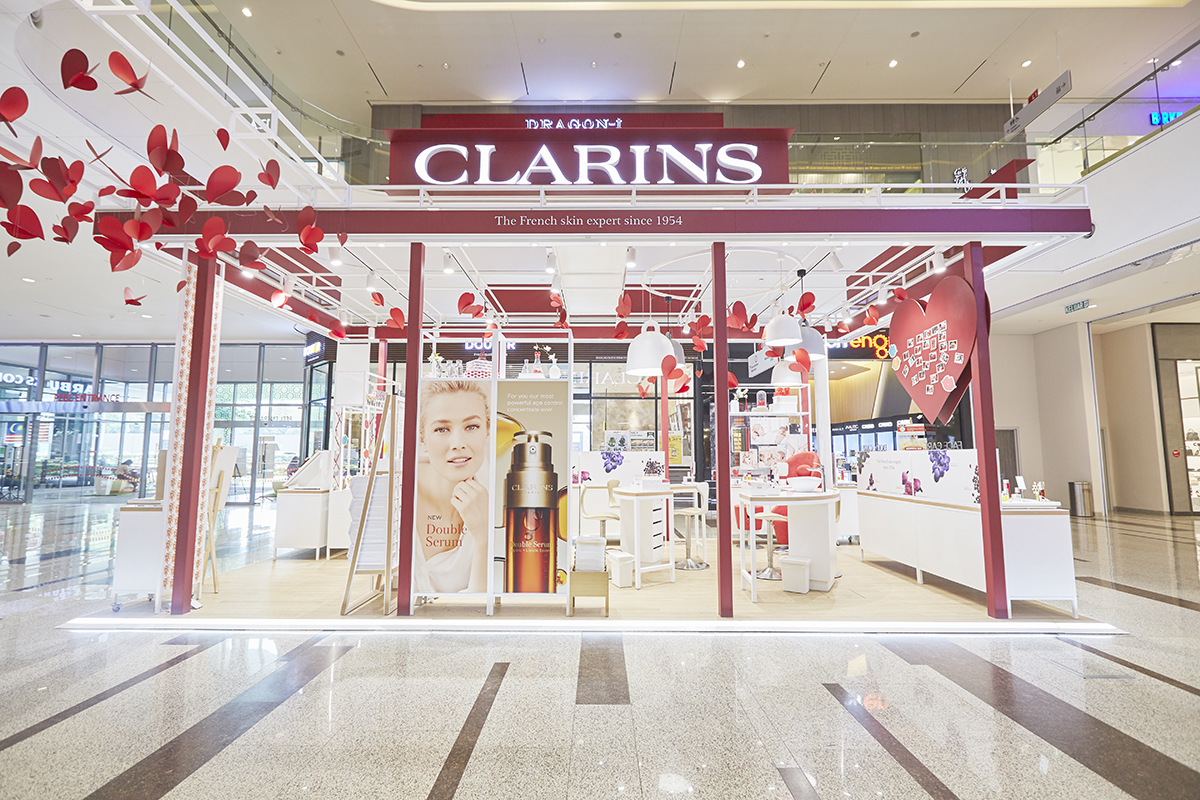
    French beauty brand Clarins has opened its first kiosk-style concept store in Singapore, its fourth boutique in the city.

    Located in the heart of the Nex shopping center, the store occupies just 20sqm, but offers a wide range of products, including the Clarins hero product Double Serum and the V Shaping Facial Liftline.

    To celebrate the opening, the store introduced the brand’s Clarins Scented Collection which is made from plant ingredients and available in a series of products, including foaming gel, body lotion, home fragrance, and scented candles.

    “The new Clarins kiosk at Nex is perfect for time-strapped shoppers who appreciate the convenience of grab-and-go,” the company said in a statement.

    Clarins operates stores in more than 140 countries including Mainland China, India, Japan, and South Korea.

  • Vietnam suffers most phishing attacks on small businesses in Southeast Asia

    Vietnam suffers most phishing attacks on small businesses in Southeast Asia

    Vietnam led Southeast Asia in the number of phishing attacks targeting small enterprises in the first half of this year. There were more than 1.6 million attacks on small and medium-sized enterprises with 50-250 employees in the region, up 39 percent from the same period last year, Russian cybersecurity firm Kaspersky Lab said a report it released on Tuesday.

    Vietnam accounted for 464,300, followed by Indonesia (406,200) and Malaysia (269,500). Singapore had the least number of attacks, but the number of cases was up 60.5 percent. On a global scale, Brazil topped followed by Russia, France, Columbia, and the U.S.

    The most common scams included using information about the novel coronavirus as bait, swindling people by offering to sell masks, seeking donations for vaccine research, and offering relief payments.

    The report also mentioned several other common phishing tricks such as evaluating job performance, important announcements from administrators, requesting emergency password checks, and urgent press releases.

    Yeo Siang Tiong, Kaspersky’s general manager for Southeast Asia, said the surge in attacks in Southeast Asia was due to the fact many companies let employees work from home since the end of March, resulting in a large number of users clicking on an infected link or attachment.

    Vietnam recorded 2,017 cyber attacks on its information systems in the first half of 2020, down 27.1 percent year-on-year, according to the Ministry of Information and Communications’ Department of Information Security.