Tag: retail problems

  • Temples inspire design of Uniqlo’s latest Tokyo retail store

    Temples inspire design of Uniqlo’s latest Tokyo retail store

    Uniqlo opened the doors of its newest large-format store on Friday, in the historic and culturally significant neighborhood of Asakusa. The store follows the concept of “our neighborhood” and aims to support the area’s local businesses, residents, and artisans.

    With a selling area of more than 21,000 square feet, Uniqlo Asakusa also boasts one of the longest continuous store windows of any Uniqlo store. It is located in the heart of Asakusa, which prior to the COVID-19 pandemic was bustling with international tourists on any day of the week. The area is known for its historic pedestrian lanes lined with souvenir stores and leading up to Senso-ji, Tokyo’s oldest Buddhist temple and one of its most significant. It is also a district that hosts the workshops and stores of many traditional craftspeople, some of whom Uniqlo featured in various ways inside the store.

    The double-level main entrance to the store is dominated by a giant paper and wooden lantern, which was created by a local workshop and hand-painted with the Uniqlo logo. At nearly six feet per side, it was both the largest lantern the shop had ever created, as well as the first cubic one. In addition, signage used throughout the store was inspired by “senjafuda” votive strips that are a common sight at temples and shrines across Japan.

    Uniqlo also collaborated with local businesses on various products to mark the opening of the store. For example, small ceramic plates designed with traditional snack-maker Asakusa Tokiwado will be available for sale in limited quantities, while original teacups will be given to the first 3,000 customers to spend 5,000 yen or more during the opening weekend. There are also original UTme! stamps that are only available at the Asakusa store to use in customizing T-shirts and tote bags.

    Throughout the store, Uniqlo has highlighted products from local shops, from stationery to skateboards, encouraging customers to explore the neighborhood in order to purchase such items and discover others. Other features of the store include a larger than usual space where customers can try on and order tailor-made items, areas highlighting sustainability and fitting rooms that feature artworks by a local artist, and photographs of Asakusa from the past and present.

  • Industry ministry seeks Covid vaccination priority for retail workers

    Industry ministry seeks Covid vaccination priority for retail workers

    The Ministry of Industry and Trade wants employees at retailers selling essential goods to be prioritized for Covid-19 vaccination, saying they face a high risk of infection.

    It has made the proposal to the Government following demands from large retail chains and the Association of Vietnam Retailers.

    It said workers at supermarkets, convenience stores, traditional markets, and grocery stores come in contact with large numbers of customers on a daily basis. Vaccinating them would also ensure supply chains of essential goods are not disrupted.

    It also urged the Ministry of Health to assist retail businesses with sourcing vaccines and immunizing their workers.

    Some retailers have said they will pay for the vaccines.

    Enterprises in some other sectors like textile and garment, footwear, fisheries, and electronics have also called for prioritizing their workers since most work in industrial zones and face great risk.

    Le Tien Truong, chairman of the Vietnam National Textile and Garment Group (Vinatex), said delayed deliveries could result in contract cancellations and penalties running into billions of dollars, and so textile and garment workers should be prioritized for vaccination, especially in pandemic-hit areas like Bac Ninh and Bac Giang Provinces, HCMC and Hanoi.

    “Vinatex is willing to pay for the vaccines.” He said it is prepared to spend VND100-200 billion ($4.3-8.6 million) for the vaccinations.

    The Private Economic Development Research Board has recommended that the government should allow enterprises to directly buy vaccines from suppliers for their employees.

    Vietnam has had 5,008 Covid cases as of Friday morning in 37 cities and provinces since the new wave began on April 27.

  • Le Saunda sales continue to fall

    Le Saunda sales continue to fall

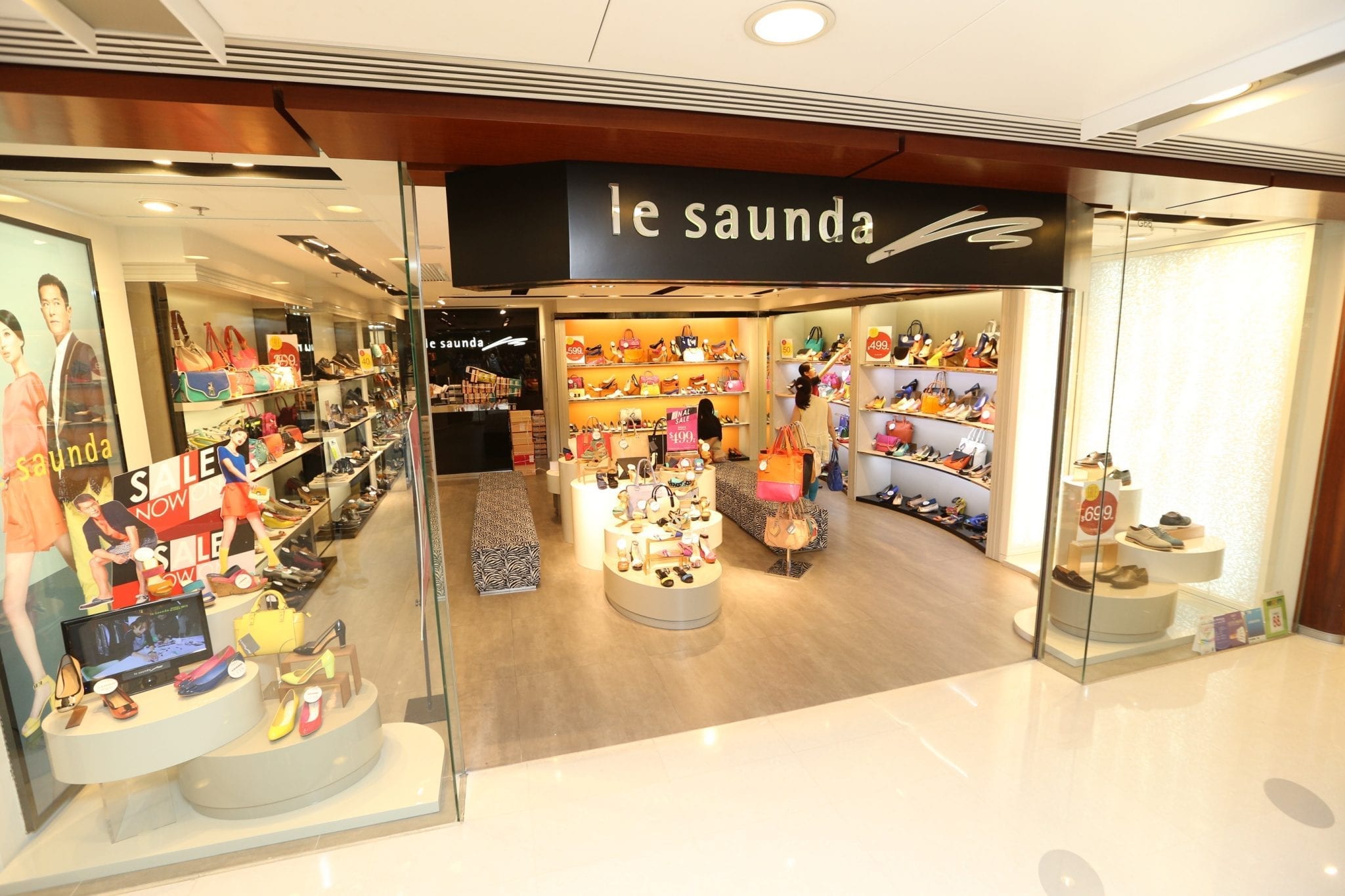
    Hong Kong-headquartered shoe retailer Le Saunda shut down 52 stores during the year to February as it worked to mitigate falling sales in the wake of the Covid-19 pandemic.

    The embattled shoe retailer recorded a profit for the full year of US$16.6 million, although this was entirely due to material gains on the return of its former manufacturing plant at Shunde in Guangdong for which Le Saunda booked a material gain of $25.4 million. Local government grants to mitigate the impact of the pandemic added around $1.4 million to income.

    Total revenue for the year fell by 19.3 percent to US$97.2 million due to store closures and trading restrictions related to government measures to slow the spread of Covid.

    Efforts to reduce overheads across the business resulted in selling and distribution expenses falling 28.5 percent to $37.4 million. The company also managed to cut inventory by 44.1 percent year on year, some of that relating to fewer raw materials after the Shunde plant was closed.

    In a stock exchange filing, chairman James Ngai said the pandemic led to a “severe winter” for greater China’s retail industry.

    Le Saunda responded by outsourcing manufacturing, closing unviable stores, tapping into social commerce, and expanding online sales channels through the “livestream shopping” model. It launched the Le Saunda Y collection online, aimed at catering to the preferences and buying behavior of younger female consumers, and upgraded its loyalty scheme to a WeChat Mini Program.

    “During the pandemic, the group was determined to innovate, grasp the pulse of the market and introduce new elements to its brands, so as to maintain the competitive edge of its brands and its leading position in the female footwear market,” he said.

    As at the end of February Le Saunda had 297 stores (down 34) under its core branding, and 40 Linea Rosa stores (down 12).

  • Disputes keep pace with e-commerce growth

    Disputes keep pace with e-commerce growth

    As Vietnam’s digital economy grows, so does the incidence of disputes between online sellers and buyers. The e-commerce market grew by 16 percent to $14 billion in 2020 and is expected to be worth $52 billion by 2025, according to a report by Google. The number of disputes is also growing rapidly, with 24.4 percent of sellers embroiled in disputes last year,a survey by the Central Institute for Economic Management (CIEM) found.

    The Vietnam E-Commerce and Digital Economy Agency said it handled over 250 cases of e-commerce violations last year like unregistered websites, selling low-quality products, and assuming false business identities to cheat consumers.

    Besides, e-commerce platforms took down over 17,400 online stores and 34,600 products in the first five months of 2020, according to the agency.

    Nguyen Anh Duong, head of the general research department at CIEM, said though e-commerce platforms have procedures for receiving customer complaints and settling disputes, they can only handle sellers’ violations by closing the stores and cannot to make them compensate customers they cheated.

    Experts said the demand for an online dispute resolution (ODR) system in e-commerce is growing since many enterprises and individuals do business online.

    But Vietnam lacks a clear legal framework for the ODR, and experts said it is needed immediately so that an ODR system could be deployed.

  • Hongkongers return to stores – but sales still well down over two years

    Hongkongers return to stores – but sales still well down over two years

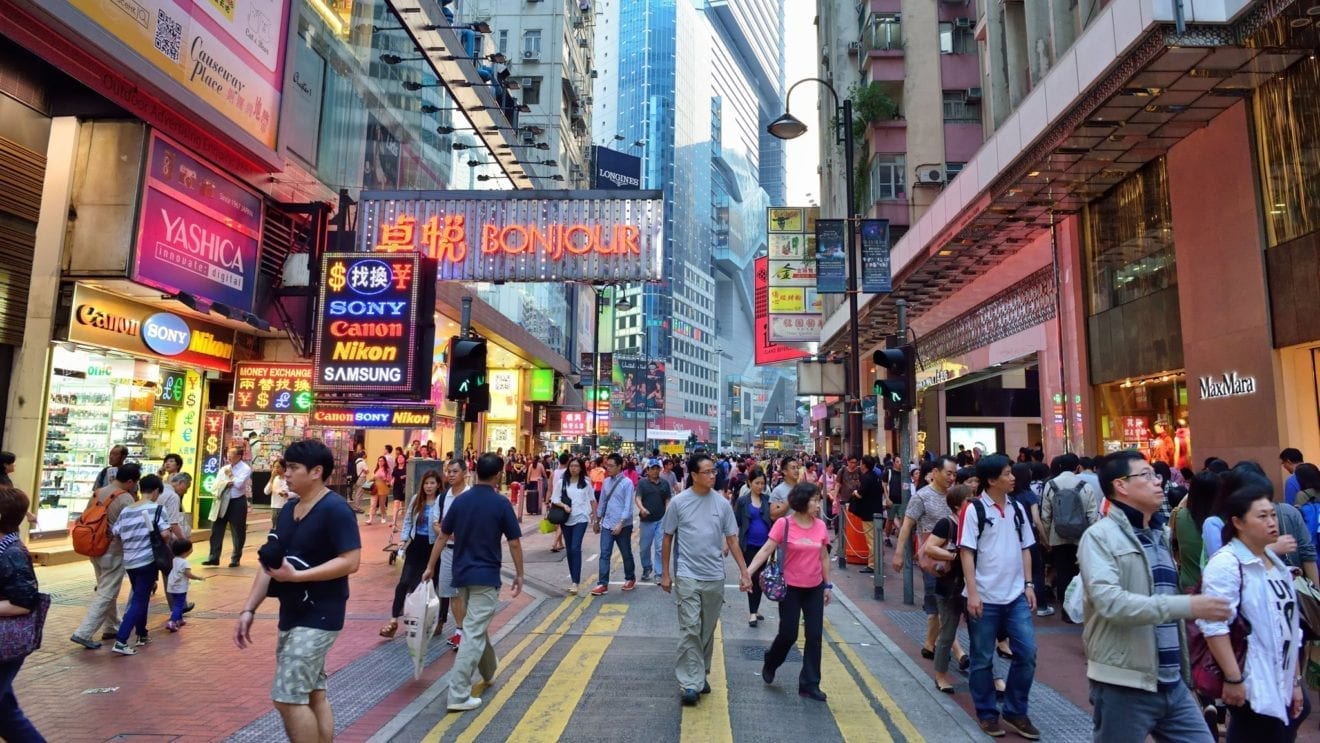
    The local consumer retail demand is projected to get worse in the new year, most especially those that are riding on the tourism sector, which is also expected to be sourer at the same time. In a survey by the Hong Kong Retail Management Association (HKRMA), 97% of the respondents have posted losses starting mid-2019. About 30% of this figure said that they will resort to laying off 10% of their staff, whilst 43% stated that they will have to close down in the next six months.

    The respondents of the survey involves 176 companies, which have more than 4,000 stores and 89,700 employees.

    However, a Bloomberg report stated that this equated to around 5,600 employees that are set to lose their jobs and the retail sector will not be saved by usual holiday rush. David Ji, describes this as the worst-case scenario for the sector.

    “Retailers who used to have stores concentrated in major shopping areas may consider dispersing their stores to the neighborhood areas. As people have avoided going to crowded areas, sales in community malls, neighborhood malls and suburban malls, which offer daily necessities to locals, were relatively more resilient and saw solid sales even amid Hong Kong’s social unrest,” Ji added.

    In a study by PwC in 2017, the total retail sales in Hong Kong was likely to relive its 2013 peak of $494.4b (US$63.3b) in 2020, whilst jewellery and watch sales may also return to a high of $118.3b recorded in the same year.

    Its healthy growth pace continued throughout 2018 and started off positively in 2019, according to a report by Cushman & Wakefield. It was well-supported by the new transportation links to mainland China as it fueled an increase in visitor arrivals to Hong Kong. Over the first two months of the year, mainland arrivals saw the largest growth in five years, growing by 19% YoY and by 21% YoY for same-day visitors.

    It went on through June and provided a boost to foot traffic and retail sales in some sectors such as cosmetics and non-discretionary retail.

    Then by July, Hong Kong’s retail market has struggled amidst the growing social unrest and resulting disruption to retailers’ businesses throughout the city. Mainland tourist arrivals plummeted as the unrest escalated and in October, the number of visitors from the Mainland dropped by 45.9% YoY, the steepest decline ever in a single month. Retail sales naturally followed, dropping by 24.3% YoY in the same month, after a drop of 18.2% YoY in September.

    The decline was led by jewelry and watches which recorded a fall in sales of 42.9% YoY, followed by medicines & cosmetics (down 33.5%). These two used to lead Hong Kong’s retail sector two years ago.

    It wasn’t just the social unrest that kept the retail market at bay. “The continuation of social unrest is obviously the key challenge followed but the further deterioration of the Chinese economy, which is key for HK’s growth,” said Alicia Garcia-Herrero, chief economist at Natixis.

    A note by DBS Group Research also noted that exports of travel services (down 32.2%) was dampened by a weaker Chinese yuan. Tourist’s hot picks such as clothing, jewelry, and cosmetics/medicines fell by 20%-40% and will be a big slap for retail sales where tourist spending accounts for 40% of the sector’s performance.

    In addition, the unemployment rate of consumption and tourism-related sectors (16.5% of labor force) already leapfrogged from 3.9% in June to 5.0% in October, lifting the headline 3 months moving the average jobless rate from its 20-year low of 2.8% to 3.1%.

    “Looking ahead, the retail sector will stay weak due to subdued local demand. Hopefully, the temporary rental adjustments for tenants could contain the risks of large-scale closure of businesses and laid-off,” DBS said in the report.

    Across the retail property scene, rents continue to go down which will endanger Hong Kong’s status as the most expensive retail street. Cushman & Wakefield stated that in Q4 2019, the decline in rentals across all submarkets has become even steeper, falling to its lowest level in more than five years.

    Landlords are struggling to retain their tenants, Lawrence Wan, senior director for advisory & transaction services– retail at CBRE Hong Kong added that local pharmacies and larger F&B outlets have abandoned leases over the past few months.

    “Landlords and high street shop owners are considering to provide short-term lease discounts to retain tenants, to alleviate the impact of the social unrest on retailers’ performance. Retailers are consolidating their operations and looking to upgrade their products and service offerings with enhanced customer experience to encourage spending,” Wan said.

    He also added that the rent levels will continue to drop in the short run. But in the long run, this might as well be the “new normal” that retailers have to adjust to. Such will be largely dependent on any government policies and measures that will help the market recover.

    “[W]e can expect a rental adjustment which will allow the retail market to  become more sustainable than what we had experienced in the past few years whereby rents were at very high levels. It will be difficult to predict the timeframe but retailers should get prepared and review their business strategies to cater to the “new normal,” Wan noted.

    Even though there are a number of retailers looking to leave Hong Kong, the region still saw some new openings during the events of the social unrest. Charles Chan, senior Asia retail analyst at IGD, cited the re-launch of beauty retailer Sephora, who have left the market ten years ago. It promised to bring 40 brands in their stores.

    “The re-launch of Sephora provides an indication of how Hong Kong’s retail landscape has shifted. Shoppers expect exciting digital store engagements and touch points rather than just a range of products presented to them. We have also seen Lush, for example, launch its first Asia Naked concept store in Hong Kong, whilst Don Don Donki opened its first store in Hong Kong in July earlier this year,” Chan shared.

    On the digital front, ecommerce platforms may not be as affected as they are still grabbing a larger market share, according to Ji. “In view of this, more physical retailers have already set up online sales channel to catch up the trend. On the other hand, some have leveraged the latest technology such as AR to enhance in-store shopping experience for customers,” Ji added.

    However, Chan still warned that brands and retailers need to be articularly careful on inadvertently choosing a political side in their marketing and messaging.

    A survey by YouGov showed which brands have been the most negatively affected in terms of consumer spending, where most cases are correlated to controversies around the protests. Chinese electronics firm Xiaomi’s brand metric score dropped 40.5 points to -4.1 from a score of 36.4 last August. Its decline started when it released a new smart TV carrying a slogan that is said to mimic chants in the gathering.

    “Despite the uncertain economic and political circumstances, we have seen businesses continue to innovate to stay relevant. The re-launch of Sephora provides an indication of how Hong Kong’s retail landscape has shifted. Shoppers expect exciting digital store engagements and touch points rather than just a range of products presented to them. We have also seen Lush, for example, launch its first Asia Naked concept store in Hong Kong, whilst Don Don Donki opened its first store in Hong Kong in July earlier this year.”

  • Japan’s retail sales rise at fastest pace in five months

    Japan’s retail sales rise at fastest pace in five months

    Japanese retail sales rose 5.2 percent year-on-year in March, representing the fastest pace of growth in five months as consumer demand returned after suffering a huge hit due to the coronavirus pandemic last year, according to a report.

    The world’s third-largest economy’s retail sales gains beat the median market forecast of 4.7 percent growth with the fastest rise since a 6.4 percent jump in October and the first positive growth seen in four months. Compared with the previous month, retail sales rose 1.2 percent on a seasonally adjusted basis.

    Fashion items were one of the categories driving growth in March and department stores saw particularly strong gains, posting a 19.3 percent jump in sales.

    This said, Japan’s slow vaccine rollout and a resurgence of Covid-19 cases, leading to new state of emergency declarations last week, are expected to weigh on consumption in the near term.

  • Alibaba fined US$2.75bn for anti-monopoly violations by Chinese regulators

    Alibaba fined US$2.75bn for anti-monopoly violations by Chinese regulators

    Chinese regulators have fined Alibaba 18 billion yuan ($2.75 billion) – around 4 percent of its revenues in 2019 – for violating anti-monopoly rules and abusing its dominant market position.

    The State Administration for Market Regulation (SAMR) said that after an investigation launched in December, it had determined that Alibaba Group had been “abusing market dominance” since 2015 by preventing its merchants from using other online e-commerce platforms.

    It said the practice violates China’s anti-monopoly law by hindering the free circulation of goods and infringing on the business interests of merchants.

    The SAMR ordered Alibaba to make “thorough rectifications” to strengthen internal compliance and protect consumer rights.

    The company said in a statement posted on its official Weibo account that it “accepted” the decision and would resolutely implement SAMR’s rulings. It said it would also work to improve corporate compliance.

    The practice of preventing merchants from listing on rival platforms is a long-standing one. The market regulator spelled out in rules issued on February that it was illegal.

    Alibaba has also been under heavy scrutiny since its founder Jack Ma criticized China’s regulatory system in October.

    Ant Group, Alibaba’s fintech arm, also saw its $37 billion listing plans dramatically suspended by authorities in November.

  • New Year fails to help retail sales in Singapore

    New Year fails to help retail sales in Singapore

    Retail sales grew by 5.2 percent year-on-year in February, a reversal from the 6.1 percent decline recorded in January. This improvement was mainly associated with Chinese New Year celebrations in February, said the Singapore Department of Statistics (SingStat) on Monday (Apr 5). Chinese New Year was in January last year.

    Comparing the performance for the January to February two-month period of the festivities, retail sales fell 1.2 percent in 2021 compared to 2020. Excluding motor vehicles, retail sales increased 7.7 percent in February, compared to the 8.4 percent decline in January. On a seasonally adjusted basis, retail sales decreased 1.6 percent in February compared to the previous month. Excluding motor vehicles, seasonally adjusted sales fell 1.2 percent.

    The estimated total retail sales value for February was about S$3.3 billion. Online retail sales made up about 10.1 percent of this, similar to the 10.2 percent recorded in January, said SingStat.

    Online retail sales made up 44.3 percent of total receipts in the computer and telecommunications equipment industry, 26 percent of sales in furniture and household equipment and 10.7 percent of sales in supermarkets and hypermarkets.

    While most retail industries recorded improved year-on-year sales in February due to the Chinese New Year boost, on a seasonally adjusted month-on-month basis, the watches and jewelry, petrol service stations, and computer and telecommunications equipment increased between 2.8 percent and 5.6 percent during this period.

    SALES OF FOOD AND BEVERAGE SERVICES REMAIN WEAK

    Sales of food and beverage services fell 3.5 percent in February on a year-on-year basis, a smaller contraction compared to the 24.6 percent decline in January 2021. This was again mainly attributed to Chinese New Year celebrations, SingStat said.

    Food and beverage sales remained weak due to capacity constraints arising from safe distancing measures, SingStat added.

    On a seasonally adjusted basis, sales of food and beverage services declined 1.1 percent in February over the previous month.

    The total sales value of food and beverage services in February was estimated at S$699 million.

    Of this, online sales made up about 22.2 percent, slightly higher than 22.1 percent in January.

  • South Korean retail sales record double-digit growth

    South Korean retail sales record double-digit growth

    Department store sales jumped 40 percent in February against a year-ago period in the biggest year-on-year gain since the data became available from 2005 to suggest a rebound in private consumption in South Korea.

    According to the Ministry of Strategy and Finance’s monthly economic review, department store sales jumped 39.5 percent on year in February, a record-high growth rate since monthly records became published.

    Sales at discount stores also gained 24.2 percent, the largest increase since the 34.8 percent gain in Feb 2015.

    Domestic credit card spending last month rose 8.6 percent from a year ago, rebounding for the first time in three months.

    The boost in consumer spending was spurred by the Lunar New Year’s holiday in early February in a pent-up demand after protracted social distancing measures, the finance ministry noted.

    The figure also goes against poor numbers a year ago when the country was swept up in the first wave of Covid-19 outbreak.

    In Feb last year, the department store sales fell 30.6 percent. Discount store revenue declined 19.6 percent, the biggest drop since Jan 2015 when the figure was down by 24 percent.

    An official from the finance ministry said that the low base effect from last year may have made the February figures look better than they really are.

  • China retail sales rebounds after Covid-19

    China retail sales rebounds after Covid-19

    China’s industrial output and retail sales surged in the first two months of the year, official data showed yesterday, underscoring the country’s recovery from the COVID-19 pandemic. Industrial production spiked a forecast-busting 35.1 percent on-year, the biggest bounce in decades, while retail sales also beat expectations with 33.8 percent growth.

    However, the Chinese National Bureau of Statistics said the latest surge was in part due to distortions from last year’s “low base in the same period.”

    Both indicators fell in the early months of last year after COVID-19 surfaced in central China and spread rapidly across the nation.

    However, the world’s second-largest economy became the first to bounce back globally after imposing strict lockdowns and virus control measures, clocking a full-year economic growth of 2.3 percent.

    “After removing the base effect, the growth of main indicators is stable and macro indicators are in a reasonable range,” the bureau said.

    Data for January and last month were released together to eliminate the influence of uncertainties brought about by the Lunar New Year holiday, which typically falls within this period.

    Industrial activity was likely boosted by the fact that many migrant workers were discouraged from returning to their hometowns because of COVID-19 restrictions, meaning some factories remained open through the holiday or reopened sooner.

    “We expect activity to remain strong in the near-term, as the easing of virus restrictions boosts consumption and fiscal stimulus among key trading partners should keep exports strong,” Capital Economics senior China economist Julian Evans-Pritchard said.

    Urban unemployment rose to 5.5 percent last month, up from 5.2 percent in December, data showed, but experts said the real rate might be higher owing to the high number of workers in unofficial employment.

    “Even though we do see improvement on the global economic environment, they are still very cautious,” Oversea-Chinese Banking Corp (華僑銀行) Greater China head economist Tommy Xie (謝東明) said on the issue of unemployment.

    While urban unemployment rate remains within the government’s target, the caution was likely due to another potential record number of graduates entering the job market this year, he said.

    He added that there is an “uneven recovery” ongoing as well, with smaller firms and industries, such as travel, not fully recovered from the pandemic hit.

  • Malaysia retail sales slump to worst in the recent 22 years

    Malaysia retail sales slump to worst in the recent 22 years

    Malaysia retail sales last year dropped to the lowest level in 22 years as the country has been heavily impacted by the Covid-19 pandemic.

    According to the Malaysia Retail Sales Report, turnover plummeted 16.3 percent last year, with most retail sub-sectors recording double-digit declines. The department store and fashion segments shrunk at 38.3 percent and 37.9 percent respectively, the worst-performing sectors.

    Since the Movement Control Order (MCO) was in place for most of the first quarter, retail sales this year are expected to drop 4.1 percent, with the first quarter’s sales down by 13.4 percent. The next three quarters will show recovery, the report predicts.

    “Last year, Malaysia’s retail industry recorded the worst performance since the Asian financial and economic crisis that took place 22 years ago,” said Tan Hai Hsin, MD at Retail Group Malaysia. “In 1998, retail sales in Malaysia dropped by 20 percent.”

    While most retail sub-sectors, including F&B, children products, and pharmacy, contracted by double digits, the convenience-store sector posted its best performance with 14.8 percent growth last year. The furniture and electronics sector surged by 0.4 percent despite the pandemic.

  • Chinese New Year timing impacts Singapore retail sales in January

    Chinese New Year timing impacts Singapore retail sales in January

    Shops in Singapore had a quieter-than-usual January ahead of muted Chinese New Year celebrations, with official data showing retail sales down 6.1 percent year-on-year.

    “The larger decline in January 2021 was due partly to higher sales in January 2020, when the Chinese New Year was celebrated,” the Department of Statistics said in a Friday statement.

    Although Singapore has lifted most domestic pandemic-related restrictions on business and socializing, the usual street pageantry did not take place during this year’s holiday, which was celebrated in mid-February.

    The usual big and boisterous family parties, during which gifts are handed out, were limited to eight visitors or two households.

    January sales of food and beverages were down by around 25 percent, the department reported, as families did not stock up as usual ahead of the holiday.

    The annual Chinese or Lunar New Year is one of the main public holidays in Singapore, where around 70 percent of the population is of Chinese descent.

    With Singapore closed to almost all visitors and business travel limited to a handful of countries, tourist-dependent sectors such as department stores and cosmetics also saw huge declines, the department said, falling by around 30 percent compared to January 2020 “as they continue to remain affected by low visitor arrivals.”

    Singapore’s economy shrank by a record 5.4 percent in 2020, though the government expects a rebound this year and is projecting growth of around the same percentage as last year’s contraction.

  • Consumers complain most about transport sector

    Consumers complain most about transport sector

    The transport service sector received the highest number of customer complaints in 2020, with travel restrictions related to the Covid-19 pandemic triggering more disputes than usual.

    A report released Monday by the Vietnam Competition Authority (VCA) under the Ministry of Industry and Trade says that complaints in the transport sector accounted for 49.1 percent of the total, followed by banking, finance and insurance (9.3 percent), and telephone and telecommunications (8.8 percent).

    Tourism and restaurant ranked fourth with 6 percent of customer complaints, says the report, also noting that sectors hit hardest by the Covid-19 crisis, like aviation and tourism, have elicited more complaints from customers than in previous years.

    Last year, when Vietnam experienced two Covid-19 outbreaks in March and July, the government had imposed stringent travel restrictions to try and curb the spread of the virus.

    The VCA said that it had answered 9,965 out of 11,211 calls its center received last year, up 63 percent from the previous year.

    Around 56.4 percent of all complaints related to businesses’ violation of commitments. Others related to the quantity and quality of goods as also delivery time. There were complaints about contracts with service providers (7.5 percent) and information provided by sellers (5.2 percent), the report says.

    Last year, Ho Chi Minh City topped the list of localities receiving the highest number of customer complaints, followed by Hanoi.

  • Indian officials to examine Amazon after Reuters probe

    Indian officials to examine Amazon after Reuters probe

    India’s federal financial crime-fighting agency will examine findings in a Reuters report, which revealed that Amazon.com Inc has for years given preferential treatment to a small group of sellers on its India platform and used them to circumvent the country’s foreign investment rules, a senior agency source told Reuters on Thursday.

    It provided an inside look at the cat-and-mouse game Amazon has played with India’s government, adjusting its corporate structures each time the government imposed new restrictions aimed at protecting small traders.

    On Thursday, a senior Enforcement Directorate source told Reuters that “we will be examining findings” of the story. The subject matter “is not entirely new for us,” said the source, without elaborating. The source asked not to be identified.

    Amazon didn’t immediately respond to a request for comment.

    Amazon is already under investigation by India’s Enforcement Directorate for possible violation of foreign investment rules. Such probes typically take years in India, and in most cases, details aren’t made public. In the Reuters report published Wednesday, Amazon said it was confident of its compliance when asked about the agency’s probe.

    In tweets issued on Wednesday, Amazon criticized the Reuters report as “unsubstantiated, incomplete, factually incorrect,” without going into specifics. “In last several years, there have been (a) number of changes in regulations; Amazon has on each occasion taken rapid action to ensure compliance,” the company said.

    In an e-mail to employees on Thursday, Amazon’s India head Amit Agarwal addressed the Reuters story, saying he understood “such instances can be distracting.”

    The company was on “the threshold of creating a legacy,” he wrote in the e-mail, which was reviewed by Reuters. “It will require significant innovation, it will push our abilities, we will be misunderstood, but it will be fulfilling.”

    Indian retailers, who are a crucial part of Prime Minister Narendra Modi’s support base, have long alleged that e-commerce giants like Amazon and Walmart’s Flipkart flout federal regulations and that their business practices hurt small traders. The companies deny the allegations.

    The documents reviewed by Reuters revealed that Amazon helped a small number of sellers prosper on its India platform, giving them discounted fees and helping one cut special deals with big tech manufacturers such as Apple Inc. The company has also exercised significant control over the inventory of some of the biggest sellers on Amazon.in, the documents show, even though it says publicly that all sellers operate independently on its platform.

    Government rules announced in 2016 required that an e-commerce platform should “not exercise ownership” over sellers’ inventory.

    Gopal Krishna Agarwal, a national spokesman for Modi’s ruling party, said the findings in the Reuters story were “serious” and that “any predatory policy, deep discounting … will not be tolerated by the government. The party will take a stand on that.”

    Small businesses are “very important” for the party, he said. “Their concerns will be taken care of.”

    In a written response to the Reuters report published on Wednesday, Amazon said it “does not give preferential treatment to any seller on its marketplace,” and that it “treats all sellers in a fair, transparent, and non-discriminatory manner.”

    A leading group of Indian retailers urged the government to ban the local operations of Amazon and said it was considering taking legal action, after the Reuters story was published.

    The Confederation of All India Traders, which says it represents 80 million retail stores, said “the shocking revelations” are “sufficient enough to immediately ban operations of Amazon in India.”

    Amazon did not respond to a request for comment on the trader group’s statement.

  • Retail chains rush for expansion

    Retail chains rush for expansion

    The race for domestic retail market share was heating up as local and foreign firms looked to expand their networks, experts said.

    At a recent meeting in HCM City, Trương Công Thắng, general director of VinCommerce Company, told partners that the retailer wanted to open nearly 10,000 stores and more than 300 Vinmart supermarkets in the next five years.

    In addition, the company also plans to attract 100 strategic partners with an ambition to lead the Vietnamese retail market. The company’s financial report showed that in the first nine months of the year, revenue reached VNĐ23.6 trillion, posting a 56.5 percent year-on-year increase.

    Meanwhile, Saigon Co.op is looking at expanding its network to at least 2,000 stores and annual average revenue growth of 8-10 percent in the next five years.

    It has already opened 849 stores in 43 provinces and cities that attract 350,000 customers a day, up 26 percent compared to five years ago.

    Another leading retailer in HCM City, Satra, said that they targeted to have five Satramart supermarkets and four malls by 2025, and depending on the market situation, 150-250 Satra branded stores.

    Local retail giants are looking to expand their market share in the face of fierce competition from big foreign investors such as Aeon, Lotte, Big C and Mega Market.

    The latest example is in October 2020, Japan’s largest retailer cosmetics chain Matsumoto Kiyoshi opened its first store in HCM City.

    In July 2020, leading Japanese retailer Muji also opened a store in HCM City. Japanese fashion retailer Uniqlo, launched its first store last year.

    Japanese retailer Aeon is also surveying a third shopping mall in HCM City in 2021, and plans to have 25 shopping malls in Việt Nam by 2025 with a capital source of US$2 billion for the investment.

    Hirai Shinji, chief representative of JETRO HCM City (Japan External Trade Organisation) was quoted as saying by Thời báo Kinh Doanh that after the COVID-19 pandemic and the market was gradually recovering, it was a favorable time for Japanese retail groups to open in Việt Nam.

    This would lead to fiercer competition, the experts said.

    It was also important to note the efforts of domestic retailers to expand their systems into neighboring areas of big cities, as urbanization and incomes in these areas had been increasing.

    Experts said that although retail sales were concentrated in major cities and key economic regions, with the high speed of urbanization, these areas would become the driving force for growth instead of existing big cities.

    As a result, many domestic retailers had been gradually expanding to areas surrounding the big cities. The evidence is quite clear from data showing that suburban stores brought in more revenue with higher growth than inner cities.

    According to retail expert Nguyễn Văn Thịnh, the number of supermarkets in 2020 had been decreased by 20 percent compared to 2019 – from 336 to 330. This decrease mainly came from Vinmart.

    Meanwhile, the number of convenience stores has marked a growth of 60 percent – from 2,495 in 2019 to 5,228 stores in 2020. This came from Vinmart+ and Bách Hoá Xanh.

    Small stores recorded a slight increase in 2020, while shopping centers posted a growth rate of about 11 percent from 96 centers in 2019 to 107 in 2020.

    Thịnh said that although there were many changes in 2020, Việt Nam was still one of the most attractive retail markets in the world, and competition in the market was becoming more and more intense.

    For some brands, it was an increase in the number of stores, others had to face restructuring, he said.