Tag: retail problems

  • Tmall seeks to boost engagement with Chinese Gen Z luxury consumers

    Tmall seeks to boost engagement with Chinese Gen Z luxury consumers

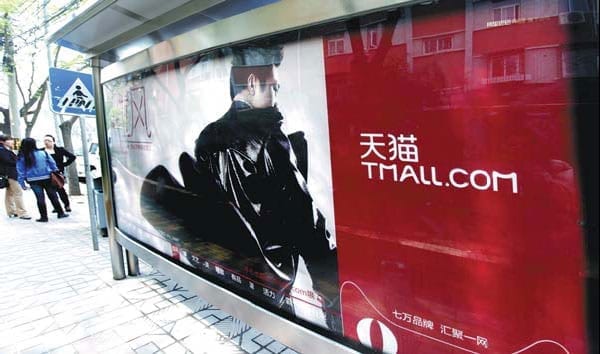
    High-end Chinese e-commerce platform Tmall Luxury has implemented new features to boost its brands’ appeal for Gen Z consumers in the region.

    The three new features include a daily live streaming service on luxury topics, a content-rich magazine channel featuring fashion news, and an upgraded membership program offering personalized services. The features are a response to the strong spending power for luxury items exhibited by consumers within the Gen Z age group, spending on average US$3600 annually on high-end goods.

    Data collected by Tmall Luxury shows that four-fifths of its user base are below the age of 35, with the number of luxury consumers aged 18–25 age group more than doubling between July 2018 and June last year. The emerging consumer dynamic has attracted top brands in the category such as Valentino and Balenciaga to collaborate with the platform.

    “By providing Tmall’s unparalleled analytics and insights on luxury consumption in China, we empower luxury brands with a deeper and more accurate understanding of local consumer preferences,” said Alibaba VP and GM of Tmall luxury, fashion, and FMCG Mike Hu. “These insights allow luxury brands to precisely tailor their communications to Chinese young audiences while staying true to their brand identities.”

    Almost 200 brands have opened flagship stores on the Tmall Luxury platform.

  • Malaysian retail on the recovery track

    Malaysian retail on the recovery track

    Malaysia’s retail sector is projected by the government to reach 80-per-cent recovery this year, up from the current 70 percent.

    Statistics department figures showed improved employment numbers during the recent period since the lifting of Malaysia’s movement control order to counter Covid-19. The country’s unemployment rate was down by a record 5.3 percent month on month during May, but was recently measured at an improved 4.9 percent.

    “Subject to the second lockdown, the [retail] sector will be normalized, with local consumption to be the growth driver for the country,” said Minister Datuk Seri Mustapa Mohamed following a private conference with retailers. The Edge reports he also urged Malaysians to support home-grown products.

    Around 90–95 percent of mall retailers are back in business within the country, as mall footfall hit 80 percent of levels recorded prior to the coronavirus outbreak.

  • Thai, Vietnam retail back at pre-Covid-19 levels says Central Retail CEO

    Thai, Vietnam retail back at pre-Covid-19 levels says Central Retail CEO

    Thailand’s Central Retail Corporation says sales in its home and offshore markets have already bounced back to pre-Covid-19 levels.

    Revealing a loss of US$80.7 million in the June quarter, CEO Yol Phokasub said its businesses are showing a positive sign of recovery, thanks to the group’s agility.

    “Since June, our business in Thailand, Vietnam and Italy has resumed its sales at the same pace as what had happened before the Covid-19 outbreak in February,” he said. “Its profit (EBITDA) has also been positive again.”

    Phokasub said trading at more than 80 percent of the group’s retail space was suspended for more than 46 days of the 91-day second quarter when the pandemic hit all three countries. But despite the restricted trading, the company’s quarterly revenue was down only 21 percent year on year to $1.33 billion.

    Revenue for the first six months of the year reached $3.07 billion, declining by just 10 percent, with a half-year loss of $52.2 million, down by 139 percent.

    Phokasub said the company’s investment in an online model three years paid off during the pandemic as it was able to migrate some trade online.

    “During the Covid-19 crisis, the main factor that allowed the business to continue in a secure manner was solid support from customers, business partners, and the contribution from all employees who whole-heartedly worked hard and adjusted their work to offer the best services to customers, as well as resilient business strategies, including cost, investment, and expenditure management, and an efficient liquidity boost enabled Central Retail to regenerate its profit quickly,” he said.

    “Central Retail foresees the continuous recovery of the business in the second half of 2020 regarding positive signs including the policies of the government and the capability of its new economic team that will be driving the economy, helping SMEs and stimulating employment, especially in retail and service sectors which cover more than 19 million workers. Public health measures are also important.”

  • Indian retail sales plummet, but RAI points to early signs of recovery

    Indian retail sales plummet, but RAI points to early signs of recovery

    Indian retail sales figures reflect signs of recovery in the nation’s economy, even as the overall number shows a massive drop against last year due to the impact of the coronavirus pandemic.

    The Retailers Association of India (RAI), in the fifth edition of its fortnightly business survey, reported a 63-per-cent year-on-year decline in retail sales during July. The massive decrease compares favorably with that recorded for June (67 percent) and April (more than 80 percent).

    The trend towards recovery was most pronounced in the food & grocery and consumer durables product categories, but not apparent in the apparel, sports goods, and beauty & wellness sectors.

    The statistics signal challenges still facing retailers despite the easing of India’s lockdown last month.

    “With Unlock 3.0 now being rolled out across the country, there is a possibility of significant sales recovery for retail businesses,” said RAI CEO Kumar Rajagopalan. “However, localized lockdowns, weekend curfews, and not allowing formats like food courts and cinema halls to reopen are creating roadblocks on the path to revival.

    “In places where local authorities have been supportive, there is confidence in the minds of consumers. If the retail industry continues to be under pressure, it will have a serious rippling effect on other sectors such as manufacturing, entertainment, and artisans among others.”

  • June Indonesian retail sales down again

    June Indonesian retail sales down again

    June Indonesian retail sales fell 17.1 percent over the same month last year – but that decline was slower than during the previous month.

    According to data from the country’s central bank, retail sales fell by 20.6 percent in May, as the Covid-19 pandemic forced store closures and consumers stayed home.

    Sectors to show improvement were food, beverages & tobacco, along with communication services.

    The Bank Indonesia is expecting the decline in Indonesian retail sales to further slow in July, to 12.3 percent.

  • New retail brands join line-up at The Shoppes at Marina Bay Sands

    New retail brands join line-up at The Shoppes at Marina Bay Sands

    The Shoppes at Marina Bay Sands has revealed a list of store openings and new brands for the shopping center this year.

    In the childrenswear category, Italian label Monnalisa has opened its first Southeast Asian standalone store, following the opening of Fila Kids last month.

    The Shoppes at Marina Bay Sands has also announced a plan by British luxury fashion house Alexander McQueen to refurbish its retail store. Relocated in the center, the new store will occupy a 3300sqft space, three times the size of its existing outlet, and featuring a new-generation store design. It is scheduled to re-open at the end of this year.

    Watch and jewelry brands to join The Shoppes include Japan’s Ahkah (this month) and Chinese label Qeelin whose first Singapore store will open later this year.

    High-end luxury Korean skincare brand Su:m37 will launch its first standalone kiosk and a skincare line in Singapore in the fourth quarter of this year.

    In the food & beverage category, renowned Chinese restaurant Putien is to join The Shoppes dining options early next year, taking up space previously occupied by the DC Comics SuperHeroes cafe.

  • Asian online shoppers are visiting more sites before buying

    Asian online shoppers are visiting more sites before buying

    Savvy Southeast Asian consumers are shop-hopping across an average of 5.2 online sites before making a purchasing decision, up from 3.8 sites last year.

    The insight is among those unveiled by a new joint Facebook and Bain & Company report that shows digital growth in the region has surpassed previous projections. This year’s survey covered around 16,500 digital consumers in six nations within the territory who made an online purchase in at least two product categories within the past three months.

    The report finds that consumers are ultimately searching for better pricing (42 percent of respondents) and product quality (34 percent) when browsing across sites, suggesting the potential for building brand loyalty and growth in a fractured e-commerce market for players offering reliability and value.

    According to the report, Southeast Asian digital consumers will number around 310 million by the end of the year, 75 percent of total consumers within the region – growth originally forecasted for 2025 in last year’s study, indicating a five-year acceleration within this year alone. The average spend per consumer by 2025 is now projected to be 3.5 times that of figures for 2018, with spending patterns between Tier 1 and 2 cities narrowing.

    “With five years of digital acceleration condensed into one – the impact of digital adoption on businesses has never been more apparent,” said Gaming MD Sandhya Devanathan. “It is vital for businesses to connect with consumers in ways that are frictionless and to replicate in-person interactions through social platforms, messaging and short videos as much as possible to drive discovery and loyalty,”

    Stronger disposable incomes and a distinct lean towards contactless transactions are now significant driving factors in digital-economy growth. At the same time, 68 percent of consumers admit to not knowing what they want to purchase before going online to shop, 62 percent of whom learn about new products and brands via social platforms – especially short videos.

    “The last decade was about bringing consumers online,” said Facebook director of digital natives and technology Dhruv Vohra. “Now, with the rapid immigration of digital consumers from offline to online, coupled with the evolution of home-consumption habits, we will see more brands shifting their business models beyond the ‘omnichannel’ option to meet the consumers where they are.

    “What’s key is that businesses will need to adapt to today’s consumer trends as it continues to shape the next normal.”

  • Vietnam retail sales continued to recover before Covid-19 second wave hit

    Vietnam retail sales continued to recover before Covid-19 second wave hit

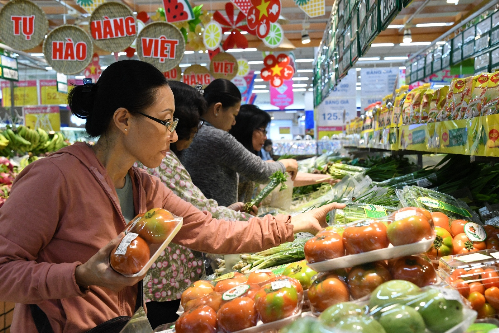
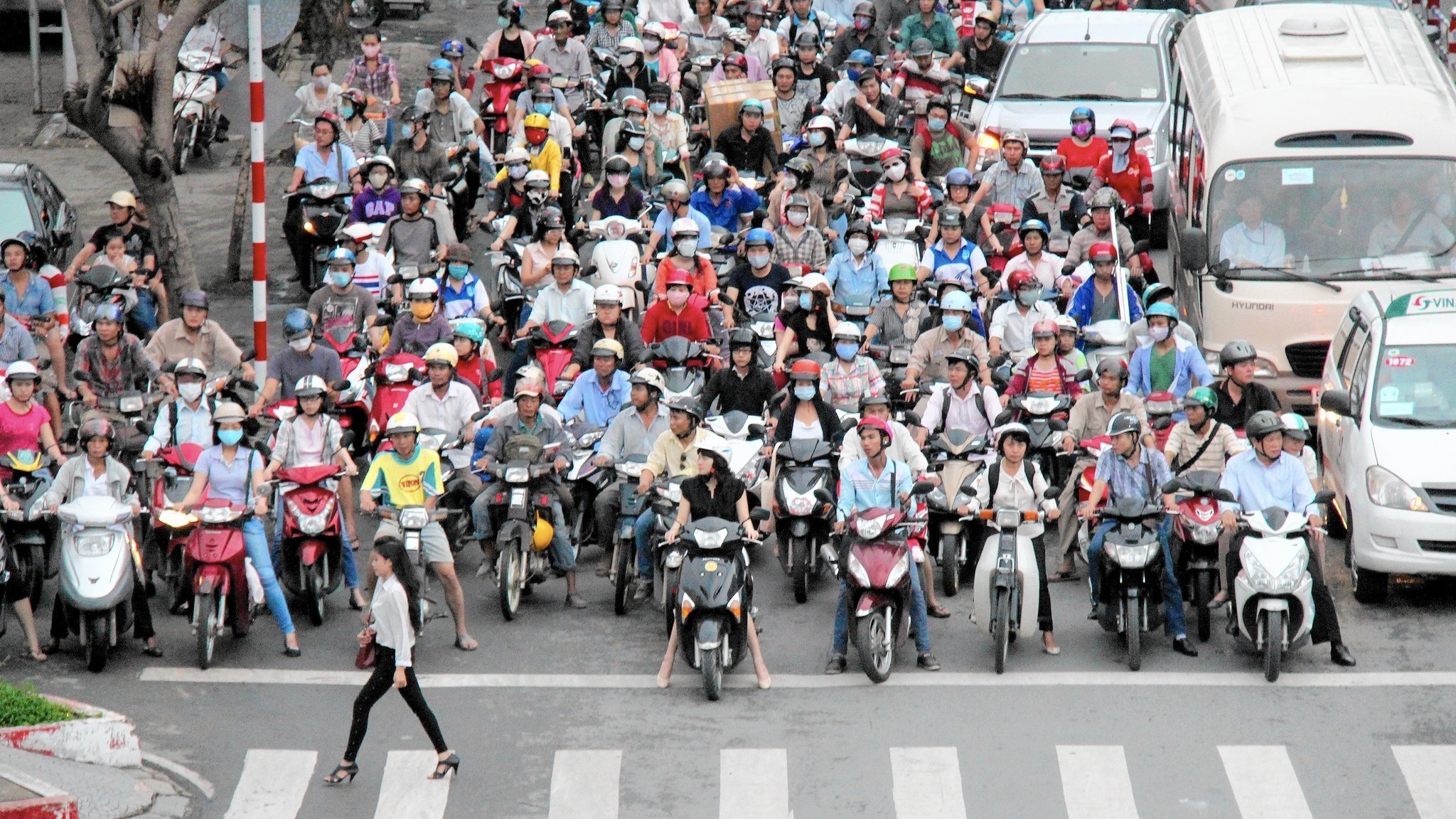
    Vietnam’s retail industry continued to recover after the March lockdown to fight Covid-19, with a 4.3-per-cent increase year on year in July’s retail sales.

    However, after being virus-free for more than three months, Vietnam is now facing the second wave of Covid-19 which originated in the coastal city of Danang. With a full lockdown in Da Nang and partial lockdown in Ho Chi Minh City and Hanoi, retail sales are expected to be impacted this month.

    According to the General Statistics Office (SGO), retail sales dropped just 0.4 percent year on year over the first seven months of this year, reaching about US$121.7 billion.

    The office said Vietnam’s retail sales have shown positive signs of economic recovery due to domestic consumption and tourism push in July. Last month, Vietnam retail sales rose 3.3 percent from June’s figures.

    Sales of consumer goods reached $96.4 billion, increasing by 3.6 percent year on year. Growth sectors include home appliances and fresh-food products with 7.6 percent and 7.5 percent increases respectively. Meanwhile, F&B revenues fell 16.6 percent, generating $12.2 billion.

  • I.T Limited sales, margins eroded due to Covid-19 lockdowns

    I.T Limited sales, margins eroded due to Covid-19 lockdowns

    Hong Kong-headquartered fashion retailer I.T Limited says its sales have fallen in all of its markets, with the US and Japan the worst affected. Same-store sales of its Hong Kong and Macau stores fell by 49.1 percent in the three months to May 31, while US and Japan store sales plunged 66.1 percent. In Mainland China, the sales decline was a less dramatic 11.8 percent.

    I.T Group operates its own brands, including Chocolate and 5cm, concept stores Izzue and Double-Park; international brands it has local licenses for including Kurt Geiger and Camper; and A Bathing Ape, which the company rescued from Japanese owners in 2011.

    Chairman Sham Kar Wai has warned that the company will post a loss for the first quarter compared to a profit for the same period last year.

    “It remains difficult for the group to precisely predict and quantify the negative impact that will result from the Covid-19 pandemic and social unrest around the world, but we expect our business will continue to face strong headwinds for the remainder of the year,” he said in a stock-exchange filing.

    Stores were closed or forced to trade for reduced hours, in most markets due to the Covid-19 crisis.

    “Although our initial strategy was to focus on full-price sales and reduce discount related activities in order to secure gross margin, we eventually had to increase mark-downs to boost sales volume amidst an incredibly difficult trading environment,” he said.

    Gross profit margin fell by 8.8 percent globally, with a 9.5-per-cent decline in Hong Kong and Macau resulting in a final margin of 49.9 percent. Despite the size of the sales decline in Japan and the US, gross margin remained higher than in any other market at 64.5 percent, down 7.8 percent in the quarter. In Mainland China it fell 8.7 percent to 55.3 percent.
  • Japan retail sales tumble during June

    Japan retail sales tumble during June

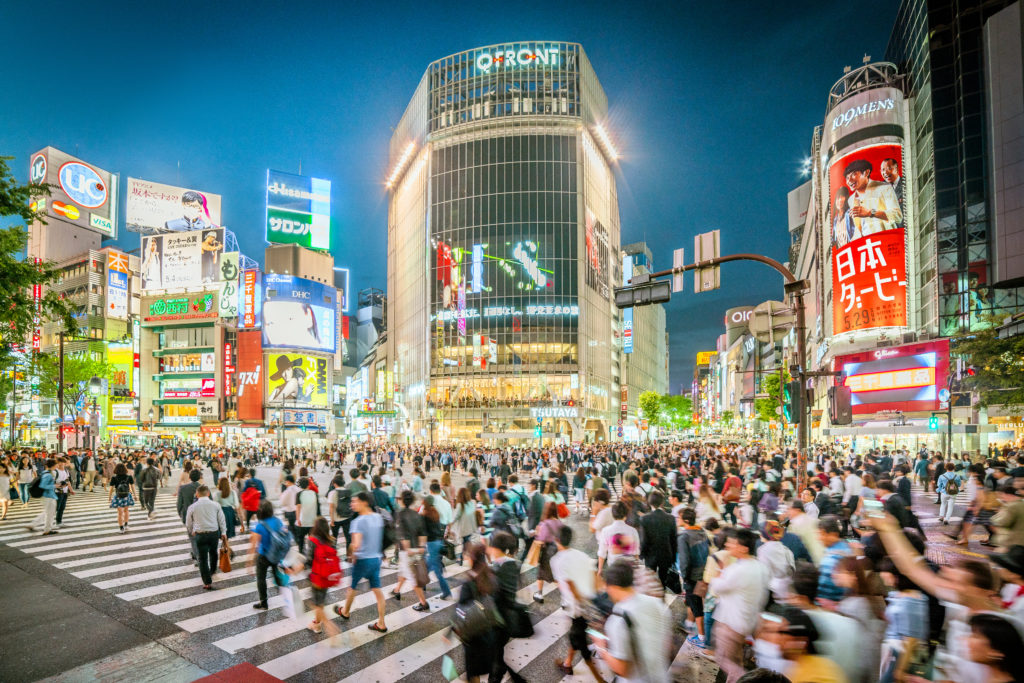
    Japanese retail sales have fallen by 1.2 percent during the month of June over the same month last year. It was the fourth consecutive month of a decline in retail trade, largely brought about by the impact of the coronavirus pandemic.

    The drop stands in contrast with earlier median market projections that forecasted a 6.5-per-cent decrease.

    The information was revealed yesterday in government data released by the Ministry of Economy, Trade, and Industry.

    Sales continued to plummet in categories such as general merchandise, fabrics apparel & accessories, motor vehicles, and fuel – although not as sharply as in the month previous. By contrast, sales rebounded for machinery & equipment

    A bright spot in the figures showed food & beverage sales continuing to increase by 3 percent following a 1.9-per-cent rise in May.

  • Hong Kong retail sales in June slip

    Hong Kong retail sales in June slip

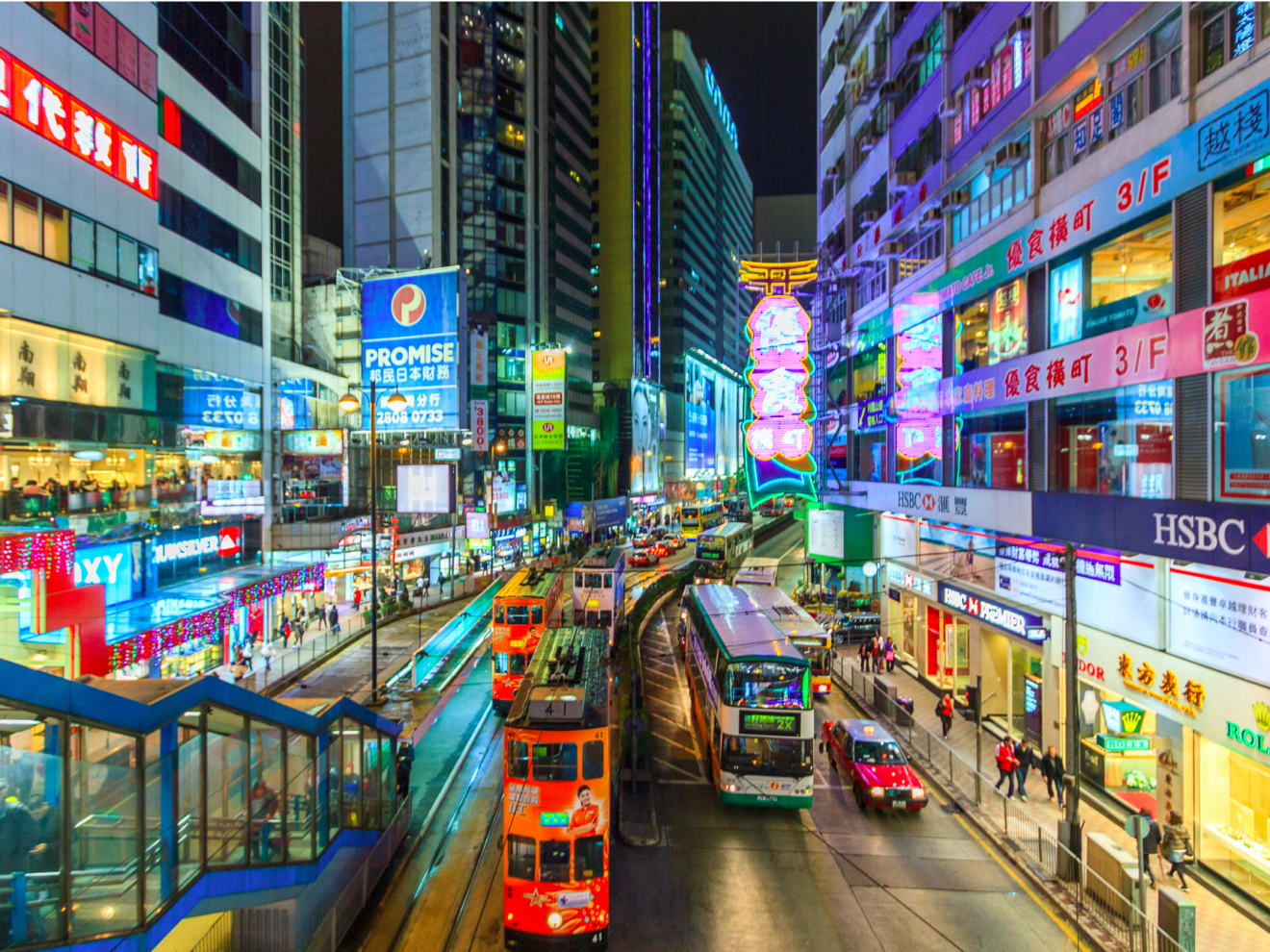
    Hong Kong retail sales in June slumped by 24.8 percent to US$3.42 billion as the territory’s borders remained all but closed to tourists due to the Covid-19 pandemic.

    The decline was lower than in May when sales were down 32.9 percent year on year and the 33.3-per-cent rate for the six months to June.

    A Hong Kong government spokesman said the slowing rate of the decline reflected the pandemic’s abatement during the month, resulting in more locals returning to the shop.

    However, with inbound tourism remaining at a standstill in July and local consumption hit by the surge in local Covid-19 cases resulting in a tightening of social-distancing measures, the retail trading environment “has turned more austere again” since June, they said.

    June last year was when the social unrest began to impact Hong Kong retail, so the year-on-year declines each month for the rest of this year will likely be less dramatic than in recent months, due to the lower base.

    In order of the category’s impact on the overall figures, the biggest declines were in department-store sales down 7 percent; miscellaneous consumer goods by 10 percent, food, alcohol and tobacco down 13.2 percent; jewelry and watches by 56.5 percent; electrical goods by 8.8 percent; and apparel by 38.8 percent.

    The medicines and cosmetics category was down by 57.4 percent; motor vehicles and parts by 17.9 percent; footwear and accessories by 39.7 percent; Chinese drugs and herbs by 29 percent; books, newspapers, stationery, and gifts by 41.3 percent; and sales at optical shops fell by 32.5 percent.

    The only categories showing growth in Hong Kong retail sales in June were supermarkets up by 4.5 percent, fuels by 8.4 percent, and furniture and fixtures by 0.3 percent.

  • Revenge shopping and getting personal

    Revenge shopping and getting personal

    Shanghainese women purchasing luxury goods in the post-Covid-19 era are making conscious choices in consumption – with a tendency towards revenge shopping amongst younger buyers.

    The insights were revealed in new research by local luxury intelligence agency Gusto Luxe. The firm’s latest report analyses trends in luxury shopping among Shanghai’s women, highlighting several factors with implications for how brands should position and communicate in the market.

    “It’s fascinating to understand the deep impact of the pandemic on Chinese luxury consumers, said Gusto Intelligence research director Lee Folland. “It also offers opportunities for brands to further explore how Chinese luxury consumers expect a specific category and brand to engage in this new environment.”

    For the survey, Gusto interviewed 20 women in Shanghai aged between 20 and 55 years old via LookLook Mobile Ethnography (a product of Spark Ideas), all qualified luxury buyers who spent a minimum of US$5000 on jewelry within the past year, of which more than $2000 was on a single item.

    According to the data, cooking classes, interior decoration, home improvements, and fragrances are top of mind among Shanghainese women in the luxury market. The women interviewed indicated a desire for more personalization on digital platforms and placed high importance on wellness, beauty and vitality. They have a heightened interest in what brands are doing to minimize environmental and social impacts and exhibit greater pride in Chinese Brands.

    For the time being, travel outside of China is not on the cards with the continuing impact of the pandemic.

    “From live streaming to the future of private events to how to leverage relationships with SAs, this study unveiled great clues into what luxury buyers truly desire, as seismic shifts are occurring in the luxury retail landscape,” said Spark Ideas founder & CEO Malinda Sanna.

  • Covid-19 drives broad shift in shopping behaviour

    Covid-19 drives broad shift in shopping behaviour

    The coronavirus pandemic has had a lasting impact on the shopping behavior of global consumers, according to new research by Adobe.

    The figures show that despite the lifting of lockdown restrictions in many countries worldwide, customer shopping habits and brand interactions have not returned to pre-coronavirus norms.

    According to the survey, 67 percent of responding consumers remain concerned about the pandemic’s impact on personal health (73 percent), jobs (40 percent) and the economy (36 percent). Millennial consumers registered far greater levels of concern than any other respondent age group.

    “The outbreak of Covid-19 has accelerated a broad shift in APAC consumer behaviors and attitudes that have been in the making for some time,” said Adobe MD Southeast Asia Simon Dale. “It is clear from the results of the study that brands that are nimble in pivoting to this digital ‘new norm’ will be able to create deep and enduring brand resonance while helping their customers feel truly supported. Marketers will need to pay close attention to their customers and ensure that they adapt their CX strategy to address different groups with relevant messages, more so now than ever.”

    Close to 100 percent of consumers expressed patience with those restrictions that remain in place, while just 61 percent agree with full lockdown measures – Chinese consumers being notably content to wait things out.

    Other findings showed increasing consumer concern with the way businesses treat staff (77 percent), while just 54 percent of consumers think firms care for the wellbeing of their employees. A high proportion of consumers think it important for brands to mirror the state of the world in their marketing collaterals in response to Covid-19 and have a duty to proactively offer help or provide special offers to customers in this era.

    Despite a sharp growth in online shopping and widespread anticipation of a permanent shift in consumer behavior towards e-commerce adoption, 70 percent of consumers reported a preference for purchasing grocery items in person, particularly in Australia.

    To respond to these and other nuances in customer preference, the majority of organizations are transforming their long-term strategy in case this period lasts for more than a year (79 percent), and are also changing their approach to future marketing efforts (82 percent).

  • Shiseido looks to China’s online model for post-Covit 19 growth

    Shiseido looks to China’s online model for post-Covit 19 growth

    Shiseido Co is pumping up its e-commerce presence amid a “deep crisis” in the beauty business, with the Japanese company looking to its China strategy as a post-pandemic model for growth.

    The 148-year-old beauty giant sees its online proportion of overall sales growing to 30 percent in two or three years if current conditions continue, from about a fifth right now, according to CEO Masahiko Uotani.

    “From a business standpoint, we’ve been trying to come up with solutions to the current situation and use this as an opportunity to go at a faster pace with some reforms,” Uotani said in an interview in Tokyo.

    The reforms for Shiseido, which has relied heavily on department-store sales, involve training beauty consultants to use live streaming and social media, working more closely with retailers on the tech-enabled shopping experience, and investing in new marketing content for online, Uotani said. All strategies the company has implemented in China.

    “We need to merge online and offline to get people to buy more. Beauty products are different from others in that a human touch is very important, so we need to think about a structure that allows that,” he said. “There’s a lot we can learn from what’s going on in China.”

    Uotani’s focus comes as the beauty industry faces unexpected challenges because of the global pandemic that is different from previous downturns. Measures to control the spread of the coronavirus have melted away social norms like putting on makeup in the morning or spritzing on perfume before a night out. As people stay home, the need for beauty care has become a lower priority, making it difficult for businesses to bounce back quickly.

    The situation has also been complicated as department stores and beauty salons have closed during lockdowns, sending consumers to seek cheaper cosmetics brands online.

    Shiseido’s sales fell 17 percent in the first quarter and operating profit plunged 83 percent, mostly due to clampdowns on movement in China, where it does a fifth of its business, and a hit to tax-free sales to Chinese tourists in Japan. The company withdrew its annual forecast, acknowledging it would be unable to hit its mid-term goal of more than US$11 billion in sales by this year. For the second quarter, analysts are expecting Shiseido to swing to a loss.

    “The near-term earnings outlook will be difficult,” said Ritsuko Tsunoda, an analyst at JPMorgan Chase & Co. “But I think Uotani will leverage that for any material structural change that he couldn’t have implemented otherwise.”

    Mini-influencers

    Transitioning beauty-product sales online isn’t an easy step for an industry built on consumer preferences and dominated by the image of rows of samples at physical retailers that encourage trying and buying on the spot.

    Shiseido is training its sales staff in Japan to follow the example of Chinese employees, turning beauty counter ladies into mini-influencers. In China, department store consultants have taken to social media to stream the newest products that have arrived. Interested customers are then directed to the website of the department store to purchase the products.

    China has developed a booming culture for live video merchandising, and companies are beginning to catch on to the trend.

    Uotani sees China’s e-commerce sales hitting 40 percent of revenue from the region this year, jumping from 30 percent currently. He said China’s fast recovery — sales of high-priced prestige brands in April, after the strictest lockdowns ended, were at levels before the coronavirus hit — could bode well for other regions.

    Drunk elephant

    The focus in the short-term will be prioritizing its high-end beauty brands that can generate cash flow to invest in e-commerce, according to Uotani. The company, which owns Nars and Laura Mercier makeup, is looking to speed up the expansion of its Drunk Elephant brand, which it bought in an $845 million deal last year, as prestige skincare products have been resilient during the pandemic.

    Dealmaking, such as selling off non-core assets or buying businesses that can support the focus on prestige and e-commerce, is also part of the equation, Uotani added.

    “It’s a very deep crisis for our business, and we need to protect employees and the company,” he said.

    At stake is the legacy of Uotani’s tenure. When he took the helm of Shiseido in 2014 following stints at companies including Coca-Cola Japan, it was a rare instance of an outside executive joining the C-suite in the island nation, where managers are typically elevated through decades of service to one firm.

    Analysts and investors have praised Uotani’s efforts at Shiseido, whose value more than quadrupled during his tenure before the coronavirus hit. After such success, the current crisis is shaping up to be his biggest test.

    “In my 40 or so years working in business,” he said, “the unexpected and uncontrollable impact from the global pandemic is the biggest I’ve dealt with in my career yet.

  • Covid-19 has trapped US$111 billion of luxury spending in China

    Covid-19 has trapped US$111 billion of luxury spending in China

    Jeff Meng, a 25-year-old watch lover from a well-heeled Guangdong family, had US$22,800 burning a hole in his pocket. He could not find the Rolex Daytona watch he wanted, dubbed “panda” for its black-and-white face, anywhere in China.

    Thanks to the coronavirus pandemic that’s halted travel and disrupted networks of parallel importers, Chinese high-end shoppers like Meng – who collectively spend $111 billion a year on luxury goods, powering over a third of the global industry – are finding it hard to spend their cash.

    That’s forcing global luxury houses from Balenciaga to Montblanc to rethink how to reach Chinese consumers on the mainland, despite long-standing concerns that range from counterfeiters to powerful e-commerce platforms that set the rules. The halt to travel is also fuelling the rise of a second-hand luxury market in China as consumers seek certain styles or models they can’t find in local stores.

    Prior to the pandemic, two-thirds of Chinese luxury purchases were made overseas, according to consultancy Bain & Co. The spending took place either on shopping spree vacations or through resellers called “daigou”. Meaning to “buy on behalf,” these were platforms or individuals who used Chinese people living, studying or traveling abroad to purchase sought-after goods from boutiques in Europe or the US and bring them back home.

    “Now, travel is impossible, and daigou sellers are either back on the mainland or stranded in Europe,” said Meng. “The pandemic made me realize you can’t easily get what you fancy in China.”

    From Savile Row to Swiss watches, luxury rules have changed

    Cognisant of the potential of Chinese consumers who don’t travel overseas, luxury houses had already been rolling out plans to expand on the mainland. The pandemic has now hastened that shift and imbued it with urgency.

    With other factors like perceived anti-Chinese racism in western countries exacerbated by the coronavirus, and the Chinese government’s desire to bring spending home to boost its ailing economy, it’s likely that Chinese luxury buyers won’t revert to previous patterns even after the crisis passes.

    More than half of Chinese purchases for luxury goods will happen domestically by 2025, Bain & Co estimated in May, compared to a third in 2019.

    “Chinese feel unsafe in foreign countries, which is why they consume at home,” said Amrita Banta, MD at luxury consultancy Agility Research. “Brands should increase importing from foreign countries into China and offer a wider and well-priced range. They can now expand their reach to more cities — even smaller towns which have a propensity to spend.”

    E-commerce, live-streaming

    With China having largely contained its epidemic, including a new outbreak in Beijing last month, shoppers are spending again. This is set to boost the luxury market on the mainland as much as 10 percent this year, compared to a 45-per-cent plunge in the global industry, according to estimates by Boston Consulting Group.

    “Things are normal again internally, and we are seeing the results throughout our stores,” Richemont Chairman Johann Rupert said of China, where it has around 460 boutiques. “But they’re not traveling. Nobody is traveling. And until people feel sufficiently safe, I doubt that we will return to a pre-Covid stage.”

    The loss of Chinese travel spending has been cited as a blow to earnings by companies from LVMH to Moncler SpA in recent months. While luxury companies mostly do not break out Mainland China numbers, sales to Chinese tourists are likely to far outstrip revenue from local boutiques, analysts say.

    The trend of more spending within China “will push us to reconsider our store network,” said Jean-Marc Duplaix, CFO of Gucci-owner Kering SA during an April 21 earnings call. “It will lead to a clear re-shuffling of the distribution.”

    A wave of luxury brands like Prada, Miu Miu, Balenciaga, Piaget and Montblanc have opened virtual storefronts on Alibaba Group Holding’s Tmall luxury platform this year, some setting aside long-standing objections to working with third-party online channels.

    Brands like Louis Vuitton, Givenchy and Chloe have started using live-streaming to push products in China, a popular style of social commerce where an influencer speaks live to audiences for hours at a time, promoting and trying out items.

    In the past, luxury houses were worried about diluting brand prestige and losing control of customer data by working with Chinese internet giants like Alibaba, but the urgency of reaching Chinese shoppers has now eclipsed those concerns.

    “Most luxury brands were too reliant on their offline experience and they lacked presence outside major cities where there is no decent shopping mall,” said Jason Yu, MD at Kantar Worldpanel Greater China. “Counterfeits and resellers were also prevalent on e-commerce platforms in the past. But that is fast changing now.”

    Demand for some items has surged past supply in China. In May, Swiss watch exports to China fell 55 percent from a year ago, according to industry data, largely due to supply bottlenecks.

    “Due to the travel curbs during the pandemic, all the consumption power is locked inside China, so our sales there are growing,” said Alain Lam, the finance director of Oriental Watch Holdings. The high-end watch seller has 46 stores in mainland China. “But the supply is very tight, as Swiss factories are not yet fully returned to work.”

    Prior to the pandemic, luxury brands largely avoided stockpiling in China and kept local manufacturing to a minimum. Brands will now need to rethink how to avoid delayed stock and lost sales, said Agility’s Banta.

    Chinese shoppers desperate for certain items are turning to second-hand luxury platforms to procure them, fueling a surge of investment in such startups. Jeff Meng finally found his “panda” Rolex watch on one such platform called Ponhu (Beijing) Technology.

    Boosted by the pandemic, Ponhu’s gross sales will triple this year compared to last year, said founder Ma Cheng.

    JD’s used-goods platform Paipai saw sales in second-hand luxury goods jump 138 percent during the 18 days of its annual summer sale period in June compared to a year ago, including a record 300 Rolex timepieces changing hands. The demand for luxury watches, in particular, is due to the delay of new stock supply to Chinese retail stores, said Paipai’s luxury business manager Tony Yao.

    Rise of Hainan

    Facing its worst economic contraction since at least 1992, when official data was first released, China wants to keep spending within its borders.

    On July 1, China increased the tax-free shopping quota for travelers to its southern Hainan province, which has been designated a free trade zone, to 100,000 yuan annually per person from the previous 30,000 yuan. Sales on the first day of the new policy at four malls amounted to nearly 60 million yuan, reported state media.

    Some Chinese consumers say that the pandemic has unexpectedly shifted their perspectives: shopping at home can be convenient and pleasant in contrast to infrequent vacations or daigou platforms with no-returns policies.

    “I realize it’s so nice that I can try on the clothes in the malls, and salespeople treat me as a long-term client instead of just a tourist,” said Michelle Zhang, a finance executive from Fuzhou, Fujian province. “Even after global travel resumes, I will continue to shop more at home.”