Tag: retail problems

  • Global apparel spending to slump by $300 billion in 2020

    Global apparel spending to slump by $300 billion in 2020

    Global apparel spending is predicted to decline by 15.2 percent this year – equivalent to US$297 billion – as a direct result of the coronavirus pandemic.

    According to research by GlobalData, the worldwide apparel market will not return to the level of last year’s value until at least 2022.

    “The 10 worst impacted markets, in terms of value, will represent the vast majority of this total loss with mature regions suffering the hardest,” said GlobalData principal analyst Honor Strachan. “The US will account for more than 40 percent of all lost spend, which will contribute to more major chains filing for Chapter 11 over the next few months.”

    Evidence collected by the firm shows that even markets released from lockdown restrictions are performing with dramatic variance depending on consumer confidence, the respective country’s reliance on tourism, the state of economy and unemployment, and the level pent-up demand among potential consumers. The impact of Covid-19 on global apparel spending is thus calculated to reflect an average across all markets.

    “Some brands across China, for instance, are seeing store sales reach back up to 80–100 percent of pre-Covid-19 trading levels, while apparel retailers in parts of Germany are also experiencing a better bounce back than forecast,” said Strachan.

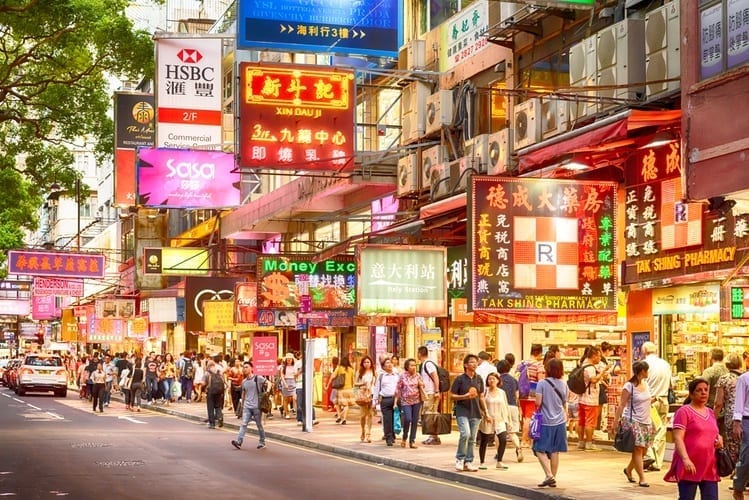
    He said that contrasted with markets heavily reliant on tourism spending – such as Hong Kong – which are experiencing far tougher trading conditions.

  • Uniqlo Japan same-store sales down in April

    Uniqlo Japan same-store sales down in April

    Uniqlo Japan same-store sales, including online, plunged 56.5 percent in April as the Covid-19 crisis led to restricted store opening times.

    According to data released by parent Fast Retailing, total sales, including those of new stores, decreased by 57.7 percent.

    The company said customer visits to stores “dropped sharply”. Sales were “adversely impacted by the temporary closure or reduction in operating hours at more of our stores, and consumers deciding to stay at home to combat Covid-19,” the company said.

    During the month of April, 311 stores were temporarily closed due to the advent of the coronavirus, and 299 operated on reduced trading hours.

    Fast Retailing said the monthly data was calculated without excluding stores that were either open for fewer hours or closed temporarily from the total number of same stores or own stores.

    While Uniqlo Japan same-store sales data has been released, the company has not as yet shared data on its international operations.

  • Vietnam retail sales down since January

    Vietnam retail sales down since January

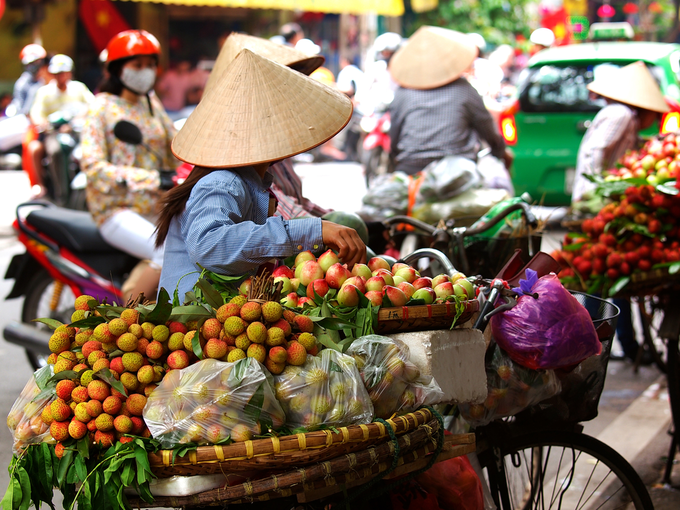
    Vietnam retail sales fell 9.6 percent year on year over the first four months of this year, according to the General Statistics Office.

    However, sales of consumer goods across the country increased by 0.4 percent, reflecting increasing demand for groceries and online shopping during the Covid-19 outbreak.

    Sales in the restaurant and accommodation sector plunged 23.6 percent year on year as consumers were banned from eating on-premises and due to travel restrictions.

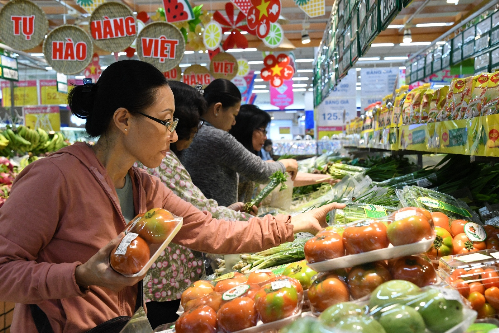
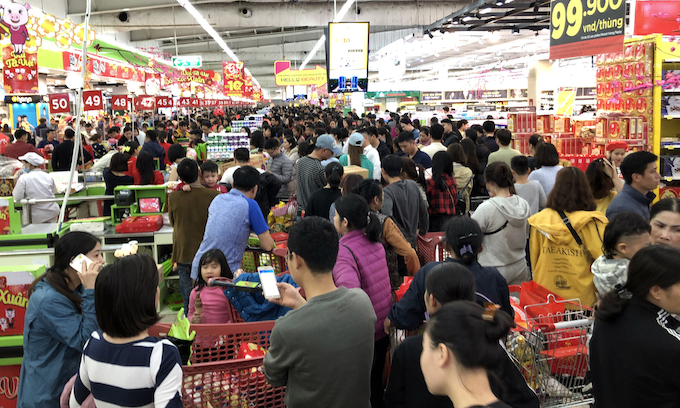
    Meanwhile, retail sales in Ho Chi Minh City, the country’s commercial capital with a population of 9 million, surged in both supermarkets and traditional markets ahead of the country’s four-day holiday which began on April 30, as myriad promotions were offered.

    According to the Vietnam News Agency, discount promotions at Co.opmart and Co.opXtra supermarkets during the holiday saw sales rise by more than 30 percent compared to normal days.

    The most popular items include local seafood, poultry, fruit and vegetables, soft drinks, masks and kitchenware.

  • Institutional and retail investors: US vs China

    Institutional and retail investors: US vs China

    When being compared to the USA’s stock markets, China’s markets are fairly young. Even though the Shanghai Stock Exchange (SSE) dates back as early as the 1860s, it was in fact closed down in 1949, then reopened only in 1990, with the mission to create a reliable, efficient and transparent marketplace. The Hong Kong Stock Exchange was also founded in the late 1800s, it wasn’t until the mid-1990s that it started listing the largest Chinese state-owned enterprises.

    The USA’s stock market, in comparison, can be dated back to the late 1700s, meaning that it’s over 200 years old. The New York Stock Exchange (NYSE) originated on Wall Street in 1792 and since then, many more stock exchanges have derived in the US.

    The stock exchanges and their role on the economy

    The USA’s stock exchanges play a significant part in their economy, which isn’t the case as much in China, due to it being a lot younger. While companies in the US rely on equity financing, corporations in China often look to the likes of bank loans.

    Around 52% of the US population owe part of their wealth to equities, while in China it is roughly only 7%, with bigger proportions of their investments going into property and wealth management products, for example.

    With less people owning stocks in China, they aren’t as at risk of having to suffer from the ups and downs in the markets. However, it has been suggested that retail investors there do not put enough focus on their long-term investments, instead choosing to chance their wealth. If China strives to grow its stock markets and attract professional investors, it is going to have to change the opinions of those comparing it to a ‘crazy casino’.

    Coronavirus and the financial markets

    The ongoing pandemic has naturally had a dramatic impact on the global stock markets, disrupting worldwide economic activity. Since the outbreak, the markets have suffered huge losses: more than 30 million people in the US have filed for unemployment benefits, the Dow Jones Industrial Average has seen a significant fall and US oil prices turned negative for the first time. In China, retail sales plummeted 20.5% year on year in January and February, and with their factories being unable to run, they have also been heavily affected by a supply shock. Equity markets have fallen, and the drop in these prices has lowered household wealth in the US to a huge extent.

    With no confirmed end date to the pandemic, there is still some uncertainty when it comes to both the US and China’s economic future. Will the economy be able to snap back once the restrictions on activity have been lifted?

  • Covid-19 exacerbates apparel-sales down in Japan

    Covid-19 exacerbates apparel-sales down in Japan

    Sales of apparel and accessories at Japanese department stores plummeted 40 percent last month compared with a year earlier.

    The figures were released by the Japan Department Stores Association showing the impact of the coronavirus outbreak on its member businesses. Data showed ¥97,548 million (US$911.5 million) in revenues for the month, compared to ¥243,870 million ($2.28 billion) for March last year.

    According to the association’s data, based on member polls, womenswear sales fell 44.2 percent during the period, with menswear falling 39.7 percent and kidswear 24.9 percent.

    Covid-19 is not the sole factor in the industry downturn, with sales figures already dropping since October last year, well before the coronavirus was discovered.

    The downward trend was aggravated by the Japanese administration’s restrictions on movement and by temporary store closures during the pandemic.

  • Hong Kong govt hands out HK$1.5 billion support to retailers

    Hong Kong govt hands out HK$1.5 billion support to retailers

    More than HK$1.5 billion (US$193.5 million) in subsidies have been approved so far for eligible retailers under the Hong Kong government’s Retail Sector Subsidy Scheme.

    The scheme is the first round of the administration’s Anti-epidemic Fund, involving more than 19,000 applications. Roughly 93,000 applications were received within the three-week application period, and disbursement of subsidies to approved applicants commenced on April 9.

    “The government has been striving to speed up the implementation of the measures under the fund,” said chief secretary for administration and chairman of the Anti-epidemic Fund Steering Committee Matthew Cheung Kin-chung.

    “We were able to launch the RSSS within one month after the Legislative Council approved the setting up of the fund, providing timely relief to retailers hit by the epidemic.”

    The government’s Subsidy Scheme for Beauty Parlours, Massage Establishments, and Party Rooms are expected to be open for application early next month.

  • Four ways the Covid-19 pandemic will reshape shopping behaviour in Asia

    Four ways the Covid-19 pandemic will reshape shopping behaviour in Asia

    Shopping behavior in Asia will be redefined by the Covid-19 crisis: here are four key trends to expect in the post-pandemic world.

    Retail solutions provider Tofugear has just published the Digital Consumer in Asia 2020 report, based on a survey of 6000 consumers across 12 markets in Asia in February, including markets where the coronavirus pandemic had already impacted retail.

    Due to the timing of the research, the report offers a fascinating glimpse of what online and offline shopping behavior might look like in the region once the recovery sets in. With that in mind, here are some key retail trends we predict will come to define the post-Covid-19 world.

    Shift in spending towards essentials and ‘affordable luxuries’

    Consumer confidence in Asia is currently at an all-time low, with only 27 percent of all shoppers having a positive view about their personal finances over the year ahead. Unsurprisingly, the majority of consumers intend to cut back on big-ticket items such as luxury fashion and furniture.

    While demand for essentials such as groceries and household goods will remain firm, four in five Asian consumers also state that they will not be cutting back their expenditure on beauty and personal care items. Many fashion retailers have expanded into the beauty space in recent years, but this is certainly an area that others might want to follow. During times of economic crisis, beauty and cosmetics are seen as affordable luxuries that provide a form of escape from the doom and gloom.

    It has been mentioned many times now, but the pandemic is indeed resulting in a surge in e-commerce activity. Nearly half of all shoppers in Asia intend to increase their online spending versus physical retail over the coming year, while 38 percent will keep it at the same level. With so much spending set to shift to digital commerce, retailers will need to stand out from the competition by sharpening their fulfillment proposition.

    While consumers in Asia value a free shipping service the most (86 percent), in terms of costs this might not be feasible for all retailers. However, offering transparency in the fulfillment process – such as being able to track deliveries (83 percent) and picking a delivery time slot (76 percent) – trumps speedy fulfillment services such as same-day deliveries and delivery within two hours.

    Broader acceptance of retail formats that support the circular economy

    The notion that Asia is behind the curve when it comes to supporting for sustainability initiatives can be put to rest. Two-thirds of all consumers in Asia state that they will consider a brand’s sustainability credentials when making a purchasing decision.

    At the same time, nearly half of all respondents say that they shop for pre-owned and second-hand merchandise – perhaps a noticeably high percentage given the stigma of ‘bad energy’ that surrounds second-hand goods in some markets such as China.

    The report also finds that the acceptance of rental services – such as those offered by Style Theory and Covetella – are gaining traction.  With personal finances expected to remain under pressure, demand for circular business models like these look set to increase further in the next year.

    Technologies that aid social distancing in a physical retail

    Once lockdowns are lifted across Asia, it stands to reason that there will be renewed enthusiasm for simply going out to visit the shops. However, retailers need to take note that the consumer psyche has changed and shoppers will naturally be more hesitant about physical contact in a store setting.

    Brick-and-mortar retailers need to latch on to this sentiment and invest in the appropriate technologies to make shoppers feel more comfortable. Scan-and-go technology, whereby consumers’ mobile phones are used to scan products and pay at the end, would be a great way to achieve this as four in five Asian shoppers (79 percent) state that they are open to using this technology if available. Similarly, 71 percent would make use of automated check-outs – such as those seen in unmanned retail concepts.

  • One in four Hong Kong retail stores set to close this year

    One in four Hong Kong retail stores set to close this year

    With sales decimated by the coronavirus crisis, and with little support coming from landlords, some 20,400 Hong Kong retail stores will close by year-end, according to research from the HKRMA.

    A study conducted amongst 152 retailers ranging from SMEs through to large chains shows most retailers will have insufficient resources to survive beyond June, even after the first round of government support.

    Respondents to the HKRMA (Hong Kong Retail Management Association) study collectively operate some 3350 stores and account for 23 percent of the territory’s retail workforce.

    So far this year, an estimated 5200 Hong Kong retail stores have closed permanently. With 62,400 retail stores still operating, the HKRMA predicts that a further 6600 stores will shutter between May and August, and another 8600 between September and December – totaling up to 20,400 stores by year-end, including those already closed since the crisis evolved.

    Just half of the retailers responding to the survey said they had received rental relief from their landlords – but four in five had found the support to be inadequate with rent reductions of less than 50 percent.

    Meanwhile, only 16.5 percent of retailers had found the government grant to be useful in their aid, with the amount not sustainable for continued operations in addition to restrictions on how the funds could be used.

    About 40 percent of survey respondents said they can sustain their businesses for only four more months at most, and only 20 percent of retailers for eight months.

    Thousands to lose their jobs

    Nine out of 10 retailers revealed a “severe to medium loss” in their business from the epidemic, more so than the initial impact from the social unrest in the past year. As the sector continues to struggle, two-thirds of retailers had forced workers to take unpaid leave and the majority of the remainder had laid-off workers or imposed pay reductions.

    While the Hong Kong government has implemented a HK$80 billion plan to subsidize employers to pay workers 50 percent of their salaries (capped at HK$9000 a month, or £930), in contrast, the UK government is offering a furlough scheme financing 80 percent of workers’ wages (capped at £2500 per month) during government-enforced lockdown periods.

    The HKRMA calculates that 10,400 employees in the local retail sector lost their jobs in the past three months alone.

    As the Hong Kong government prepares to launch a second round of pandemic-relief funds to businesses, the HKRMA warns that the amount of relief will be insufficient to cover the wages of all retail employees and lay-offs will continue.

    With Hong Kong retail sales already plunging 44 percent in February, the government subsidies have arrived too late, says the HKRMA, because retailers will be unable to continue trading through until the cash arrives in June.

  • Asian consumer behaviour may change forever after Covid-19

    Asian consumer behaviour may change forever after Covid-19

    New research has shown that some shifts in Asian consumer behavior in response to the coronavirus outbreak could be lasting beyond the pandemic.

    And that is something that should prompt food retailers to act – and in some cases, accelerate – the changes they have already made in response to the crisis.

    The survey, conducted by US management consulting firm McKinsey & Company, is based on research conducted with more than 5000 consumers in Asia across seven countries – Australia, China, India, Indonesia, Japan, South Korea, and Thailand. The data determined that there are four areas within the food industry that may need to be reimagined following the end of the crisis.

    Firstly, food retailers should reimagine the safety, health, and scope of their supply chains.

    Consumers across the countries surveyed appeared to care more about in-store safety and to prefer healthy, locally sourced offerings than they did before Covid-19. Consumers have shown a heightened awareness of hygiene and cleanliness that may remain important in the post-coronavirus period.

    The data on Asian consumer behavior showed an increase in the consumption of products perceived by consumers to be healthy, such as fresh food, eggs, dairy, and bottled water – and a drop in purchases of alcoholic beverages and snacks.

    The research suggests retailers should rethink their offerings and provide healthier, more locally sourced products with a smaller environmental footprint. To meet rising customer expectations, companies should rethink the safety of the customer journey – for example, by using technologies such as self-checkout and cash-free transactions to reduce risks.

    Secondly, retailers should reimagine how technology can enhance delivery services. The survey results show consumers are shifting their food spending online and have yet to return to their normal spending levels for food service. Responses suggest an opportunity for grocers to digitalize their stores.

    Respondents in most countries showed a 30–70 per-cent drop in preferences for dine-in spending and an increase in grocery shopping and purchases of ready-made food in grocery stores, which consumers tend to prefer more than meal delivery from restaurants.

    Consumers are indicating they intend to continue shopping online at the new pace.

    To respond to the current crisis and meet future ones, food retailers should scale up their e-commerce channels and their capacity for home delivery, perhaps by partnering with last-mile players and cold-storage warehouses; by expanding shifts in existing warehouses; by using hybrid picking models or by converting some retail locations into dark stores.

    Thirdly, retailers should reimagine the meaning of value for money. People are currently concerned about the pandemic’s impact on their personal incomes, and consumers are willing to forgo planned future purchases because of uncertainty related to Covid-19. To address these shifts, food retailers should rethink their promotional calendars to safeguard their marketing spending for use only when needed to stimulate demand, either for discretionary products or for post-crisis essentials to meet people’s desire for value.

    Finally, retailers should reimagine loyalty. During the crisis, Asian consumer behavior has reflected loyalty to retailers and brands offering essential products in their assortments. The location and availability of goods have been the primary reasons why consumers have changed stores, rather than promotions or pricing.

    Retailers are advised to determine which stores are being affected disproportionately by customers shifting to other primary stores. Targeted marketing may help bring these customers back, as would retailers finding a way to better communicate the efforts they are taking to support customers and their societies more broadly.

    These measures should help retailers be better equipped to provide employment opportunities to people who are currently out of work, reshape their industry ecosystem, and work closely with business partners on how to operate under the new normal.


  • Coronavirus lockdown to slash Malaysian retail sales

    Coronavirus lockdown to slash Malaysian retail sales

    The six-week-long coronavirus lockdown is expected to slash Malaysian retail sales by 60.7 percent this month as non-essential stores are forced to close.

    Retail Group Malaysia, which calculates data on behalf of the Malaysia Retailers Association, estimates that retail sales for the full year will drop by 5.5 percent, should the government’s Movement Control Order be lifted at the end of this month. It has already been extended from March 18 until April 28

    RGM’s MD Tan Hai Hsin told The Edge that the majority of the nation’s retailers are recording zero sales this month. “This has never happened before in history”.

    While online sales have surged in Malaysia since the coronavirus struck the nation, and consumers are spending more on food and groceries, categories like jewelry, furniture and luxury goods have been decimated.

    Last year, Malaysian retail sales grew by 3.7 percent to RM107.5 billion (US$24.8 billion), but RGM is now forecasting RM101.6 billion ($23.45 billion) for the full year, a figure which must take into account a rebound once the lockdown order is lifted.

    The MRA estimates 209,000 stores have been forced to close during the lockdown and 90 percent of stalls and markets have been affected, which previously accounted for 63 percent of the nation’s total retail sales. The remaining 126,000 stores classified as essential include supermarkets, hypermarkets, convenience stores and pharmacies.

    Meanwhile, RGM has estimated that operating costs, including staff and store overheads, are likely to reach RM20.48 billion (US$4.7 billion) during the lockdown which retailers will have to carry in the absence of sales.

    It is, as yet, unclear the volume of online sales during the period and whether these will help mitigate in part the sales decline of any non-essential retailers.

  • Indonesian retail sales down last February

    Indonesian retail sales down last February

    Indonesian retail sales declined by 0.8 percent year on year during February.

    The drop was brought about by a decline in demand for clothing, as well as a blanket downturn in recreational spending, according to the monthly Bank Indonesia survey.

    The sales decline occurred as the Indonesian administration was claiming zero cases of the Covid-19 coronavirus had been reported in the country. Indonesia announced its first confirmed case in March, and is currently approaching 3000 infections.

    Sales figures in the territory have been falling since last December, which yielded a 0.5 percent decline in Indonesian retail sales. Trading figures in January contracted 0.3 percent.

    The central bank’s survey predicted March Indonesian retail sales will contract further, with a year-on-year drop of 5.4 percent in key categories.

  • Sustainability concerns on hold as Covit 19 virus wreaks havoc

    Sustainability concerns on hold as Covit 19 virus wreaks havoc

    The coronavirus pandemic has slowed progress on sustainability issues in the retail industry, says GlobalData analyst Emily Salter.

    While sustainability was a buzz word last year and set to be a key focus of retailers through 2020, progress has now all but halted, says Salter.

    “Making changes to materials, logistics and production processes to improve the sustainability of products and operations will slow, as sustainability is no longer top of retailers’ and consumers’ agendas. This is due to long-term adjustments being costly and many non-food retailers will be financially unstable as they emerge from this crisis after a significant period of low or no sales,” she explains.

    Before the coronavirus pandemic brought retail to a standstill in most countries around the world, there were clear signs shopping habits were changing. For example, a survey undertaken in the UK last year showed 74 percent of consumers would prefer to shop at a supermarket that had more loose fruit and vegetables than packed. However, nowadays, people are seeking security and safety and there are signs shoppers prefer produce to be wrapped.

    There has also been a dramatic increase in sales of hand sanitizers and anti-bacterial gel in plastic bottles. Salter says consumers are showing little regard for plastic-free alternatives or refills.

    “Sustainability and single-use plastic will be less important to many consumers in the short term where hygiene and cleanliness is more of a priority to prevent the spread of the virus.

    “Another issue is the problem of unsold stock that retailers will be stuck with, as all non-essential stores and some websites have ceased trading temporarily,” she says.

    “Some items and ranges may be able to be sold at a later date, but this may not be the case for highly seasonal and trend-led pieces, raising questions about how these items will be disposed of.

    “Given Burberry came under fire for burning stock in 2018, retailers must be careful how they deal with this issue.”

    Accessories label Kurt Geiger took the initiative to donate some of its surplus stock to National Health Service staff excess, which reduced inventory and generated positive media exposure.

    “Although sustainability will slowly become more important again once the spread of Covid-19 has ceased, the increased awareness of cleanliness and germs is likely to remain at the forefront of shoppers’ minds and will continue to hinder the growth of sustainability initiatives, such as refill stores,” Salter concludes.

  • South Korean duty-free stores cut hours since travel restrictions

    South Korean duty-free stores cut hours since travel restrictions

    South Korean duty-free stores are electing to temporarily close for business as the coronavirus pandemic continues.

    With the continued idling of airport gateways, the industry has been hit particularly severely, with operators making tough decisions on opening hours that usually run 24/7/365.

    Shilla Duty-Free will shutter its store on the popular Jeju Island on weekends and holidays for the month, while Shinsegae Duty-Free closed yet its fifth outlet out of 19 stores at Incheon International Airport. Shinsegae has also agreed with the airport to stop midnight sales at the remaining stores in operation.

    Lotte Duty-Free and Shilla have also reduced hours at their Incheon Terminal 2 stores, closing at 9.30 pm. Shilla is also expected to shutter its Yongsan downtown store in Seoul.

  • Singapore retail sales down with 10 percent in February

    Singapore retail sales down with 10 percent in February

    Singapore retail sales in February fell by 10.2 percent, excluding motor vehicles.  Including motor vehicles, sales were down by 8.6 percent year on year. In releasing the data, Statistics Singapore attributed the decline to falling sales of discretionary items due to fewer inbound tourists and lower domestic consumption in the wake of the coronavirus pandemic.

    The month-on-month decline in Singapore retail sales in February was 11.2 percent, excluding motor vehicles.

    The two worst-affected categories in February were apparel and footwear, down 41 percent year on year, and food and alcohol, down by 40.5 percent.

    Sales in department stores dropped by 36.3 percent, while sales of watches and jewelry fell by 23.8 percent.

    On the plus side, sales by supermarkets and hypermarkets surged by 15.3 percent and of furniture and household equipment by 5.9 percent.

    Statistics Singapore estimated total Singapore retail sales in February at $3.1 billion. Of that figure, online retail sales accounted for 7.4 percent, with the computer & telecommunications equipment the largest contributor, accounting for 30.4 percent.

    Meanwhile, year-on-year sales of food & beverage services fell by 16.6 percent in February, on the back of declining consumption related to the coronavirus pandemic. On a seasonally adjusted basis, sales of food & beverage services decreased by 18.3 percent month on month.

    Statistics Singapore estimated sales of food & beverage services in February totaling $732 million, of which online sales accounted for 12.5 percent.

    The turnover of food caterers and restaurants decreased by 31.5 percent and 29.1 percent respectively, while sales by cafes, food courts and other eating places decreased by 2.3 percent. Sales by fast-food outlets rose 5.8 percent during the month.

  • Digital Payments in China Surge

    Digital Payments in China Surge

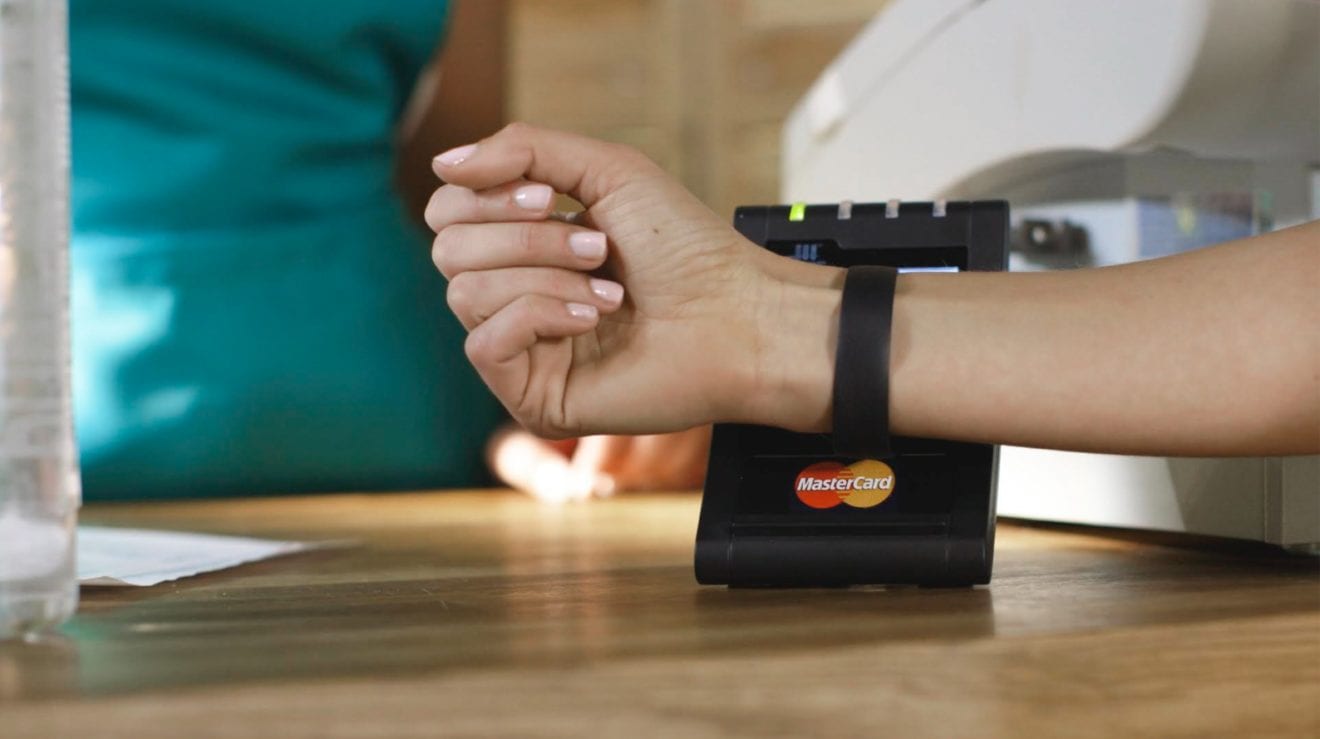
    China’s digital payment market grew to $8.4 trillion in the last quarter of 2019 and there are signs of still robust momentum in the months following the outbreak.

    By transaction volumes, Alipay retained the top rank with 55.1 percent followed by Tencent’s two platforms – WeChatPay and QQ Wallet – at 38.9 percent, according to a report (Mandarin only) by independent research firm iResearch.

    The remaining 6 percent where split between 1qianbao (1.4%), JD Pay (0.9%), UMPay (0.6%), 99bill (0.6%), Yeepay (0.5%), China UMS (0.3%), Sunin Pay (0.2%) and others (1.5%).

    59.8 trillion yuan ($8.4 trillion) in total digital payment representing a year-on-year increase of 13.4%

    Even in the midst of an ongoing coronavirus outbreak, the Chinese digital payment market signaled strength, the report underlined.

    Beijing-based grocery startup Meicai attracted 800,000 new users in one week on an online platform that connects farmers with consumers and restaurants. Between March 18 and 22, Alipay registered average daily purchase of nearly 1.1 million cups of milk tea via branding programs.