Tag: retail problems

  • Vietnam retail sales down

    Vietnam retail sales down

    Retail sales in Vietnam’s commercial capital Ho Chi Minh City surged 11.2 percent last month to an estimated US$4.8 billion.

    But celebrations may be short-lived with the coronavirus impacting spending patterns in February and the early timing of Lunar New Year boosting January’s figures.

    According to official government data, Ho Chi Minh City retail sales in key sectors including food & beverage, household appliances and apparel reached US$3.25 billion for the month, all spurred by increased demand during Lunar New Year (it is customary for Vietnamese to wear new clothes to mark the onset of a new year).

    And while shopping malls and convenience stores have suffered declining footfall due to the coronavirus crisis in February, supermarket sales have surged dramatically since reopening after the holiday, which officially ended on January 29.

    According to a spokesperson from the South Korean-owned Emart, the supermarket chain has since experienced double-digit daily sales growth, peaking at 40 percent one day. Most commonly purchased products are fresh food, dry food (such as instant noodles, sugar, rice), hand sanitizer and antiseptic water.

    “Sales of fast-moving consumer goods increased by more than 50 percent,” said the spokesperson. “While dry food increased 1.5 times, toilet paper sales nearly doubled.”

    Although the number of other retail sectors experienced declining sales, the average retail sales growth seemed to hold up, the spokesperson said.

    Supermarket and hypermarket operator Saigon Co.op also reported significant growth since the coronavirus outbreak. Fastest-moving items were essential consumer goods, especially sanitizing and consumer health products.

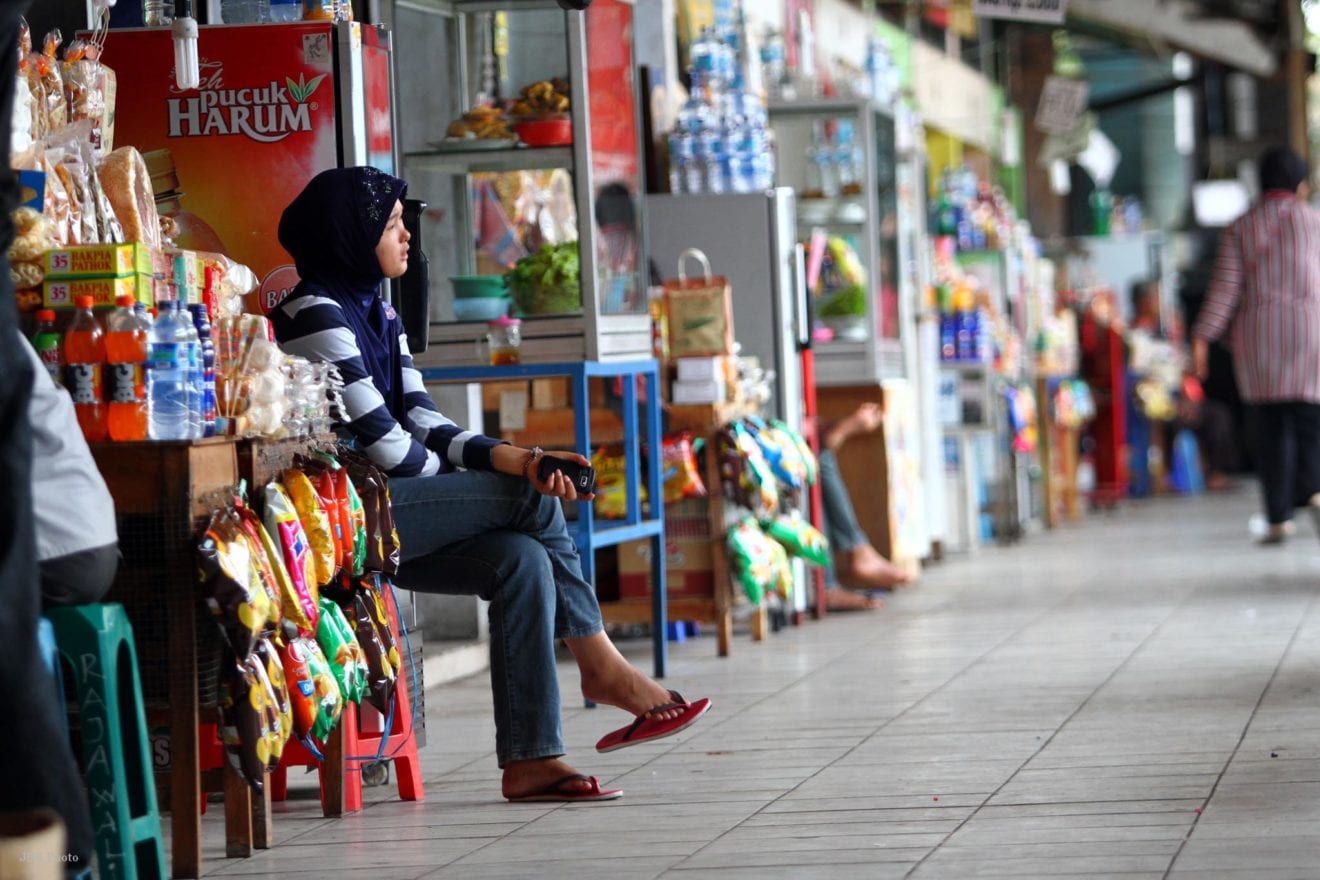
    Meanwhile, the coronavirus crisis has left major shopping malls and department stores such as Vincom and Takashimaya into what local media have described as “deserted” venues as people avoid going to public areas.

    For convenience stores, the circumstances are little better. Korean c-store chain GS25 has reported sales have dropped by 40 percent.

    Retail industry experts in Vietnam predict that consumption will shift from electronics products to health items and that supermarkets and e-commerce will replace traditional markets due to lower perceived risk of virus transmission.

    As of February 13, there have been only 15 confirmed cases of coronavirus infection recorded in Vietnam, of which six are listed as having fully recovered.

  • Coronavirus may fundamentally change retail across South East Asia

    Coronavirus may fundamentally change retail across South East Asia

    The coronavirus is driving many Asian consumers to shop online – and it could mark the early stages of a long-term fundamental shift in the region’s retail industry.

    As the virus continues to spread, especially in Mainland China, physical retailers are being forced to shutter stores – either by local-government decree or due to a lack of available staff or customers to make trading viable.

    But as the crisis nears entering its second month, consumers still need supplies and many are going online.

    Hong Kong online portal HKTV Mall, has revealed the average number of daily orders on its site last month was 22,400 – up 64.7 percent on January last year and nearly 20 percent on December.

    HKTV Mall’s average daily gross merchandise volume last month was $10.9 million, up 49.3 percent on the same time a year ago, when it was $7.3 million.

    February figures are expected to be higher still with the growth momentum extending into this month and the fact the virus really only began to impact retailers during the second half of January.

    ‘Long-lasting effects’

    Pascal Martin and Veronica Wang, partners at OC&C believe the coronavirus outbreak may have long-lasting effects on the retail industry, especially on the mainland.

    “By forcing many consumers to try grocery shopping online for the first time and to experience the convenience of it, is accelerating the adoption of this channel – providing a structural boost to the growth outlook of new retail grocers like Alibaba supermarket, Hema and JD’s 7Fresh – and at the same time accelerating the relative decline of traditional players,” the pair said in an email to Inside Retail Asia.

    “And once grocery-shopping shifts to online, the entire retail sector may move online at an even faster pace than before, because grocery is the category that requires the most frequent shopping transactions and therefore fundamentally shapes consumer behavior.”

    Their predictions are supported by S&P Global Ratings in a research note issued this week which likened the current shift online to the similar Sars outbreak back in 2003 which was widely credited with kick-starting China’s e-commerce market. S&P said coronavirus would “further the long-term structural shift” to an online economy, according to an AFP report.

    The move to online is not only affecting purchases of essential supplies. Gift Flowers HK, an online florist, has reported Valentine’s Day orders are up by 20 percent this year.

    “Hong Kong has always been slow in shopping online and the events in the past eight months has really shifted people away from brick and mortar stores to online,” said founder Justin Chung.

    Since June, conventional florists have suffered declining sales due to the social unrest, a situation made far worse by the arrival of coronavirus.

    Logistics challenge

    The challenge for online players is delivering products at a time when many people are effectively self quarantining at home to avoid catching the virus. Logistics has become a major headache along with the sourcing of some goods given border restrictions between Mainland China and other territories.

    As of yesterday, HKTV Mall raised the delivery threshold for orders until the end of the month from HK$350 for VIP members and $500 for general members to $800. A delivery fee of $80 (previously $40) will be charged if the total bill fails to fulfill the free-delivery threshold.

    “In addition to this, we are working with our merchant partners to have their stores become our order pick-up points,” said Jessie Cheng, a spokesperson for HKTV mall.

    “As for issues getting products into stock from across the border, we do encounter this issue and the operations of some factories and warehouses are suspended at the moment.”

    There is a broader challenge evident for regional trade, with an increasing number of reports of export orders being canceled due to cross-border logistical challenges and falling sales in restaurants and physical retail stores. New Zealanders were told this week they may expect lower beef and lamb prices in supermarkets as export orders were canceled or cut back. And in the north of Vietnam, there are reports of fresh produce shipments unable to be shipped across the border into China, resulting in appeals for local consumers to buy products to support struggling local growers.

    Restaurant impact

    The impact of coronavirus is clearly being felt across Asia, not just in Greater China. In Singapore yesterday, the Restaurant Association of Singapore said it had written to 24 major retail landlords in the city-state seeking temporary rent reductions for food-and-beverage outlets.

    Some restaurateurs are fearing a reduction in sales of as much as 80 percent during the next three months due to a downturn in inbound tourism (especially from Mainland China) and a teen by locals to reduce going out.

    “Looking at the situation right now, we are hoping at least 50-per-cent rental rebate for the first three months,” RAS president Vincent Tan was quoted by Channel News Asia.

    Tan, MD of foodservice company Select Group, says with rent and wages comprising more than half a typical Singapore restaurant operator’s costs, relief is urgently needed, especially when margins were as tight as 1.7 percent before the virus broke out.

    “If your sales drop by 50 per cent and your margin is about 1.7 percent, you just imagine how difficult we are at this moment,” he said.

    In Thailand, inbound tourism arrivals are expected to decline by between 50 and 60 percent during the next three months as outbound tour groups are banned from leaving Mainland China and most international airlines have canceled or curtailed services to almost all mainland airports.

    HKTV Mall to boost resources

    Meanwhile, HKTV Mall is introducing changes behind the scenes to smooth the ordering and delivery process after customers experienced long loading times and difficulties in checking-out during peak times last month.

    The company will launch a separate “purchase by invitation” platform to direct the heavy user traffic flow on popular products, such as personal health items, away from the main HKTV Mall platform. Customers will need to pre-register for each popular product offered at this new platform and based on the available stock level, a unique code will be allocated on a random basis for inputting to HKTV Mall for purchase.

    The group is working on adding staff and work shifts, strengthening the partnership with existing merchants and recruiting new ones.

    It will also partner with retail chain stores to expand its order pick-up network so as to increase the geographic convenience and available pick-up time slots for customers. At the moment, the Group has already added seven pick-up points from Foodwise, one of its existing merchant partners.

    HKTV Mall will also expand its delivery fleet capacity by increasing outsourced logistics resources, including third-party logistics companies and individuals, to increase the door-to-door fulfillment capacity and thus reduce delivery lead times.
  • Phnom Penh Megamall launch delayed

    Phnom Penh Megamall launch delayed

    The Phnom Penh Megamall developer has delayed the mall’s launch until the fourth quarter of this year owing to lagging interior design work, according to its marketing representative CBRE Cambodia.

    The 47,000sqm, 11-storey shopping hub is being constructed as a mixed-commercial centre.

    “The delay has nothing to do with market issues,” said CBRE Cambodia MD Ann Sothida. “Companies have expressed their interest and have leased about 70–80 percent of the building’s retail space, with the ninth floor entirely leased out.”

    According to local news media reports, the Phnom Penh Megamall, which is being constructed in the building which used to house a Parkson department store, requires additional foundation works unexpectedly when the project commenced.

    CBRE Cambodia reports 19 buildings in Phnom Penh currently offering 314,000sqm of retail space in total, with an additional 261,746sqm in retail space supply expected to launch this year.

  • Should retailers use emoticons in customer service support chats?

    Should retailers use emoticons in customer service support chats?

    Service providers who use emoticons are perceived as warmer, but less competent, according to a new research paper, which offers sage advice for retail brands engaging with consumers across digital platforms.

    The effect held true regardless of whether or not a customer service employee used emoticons that were pictorial or text-based, showing that the impact of emoticons is not purely driven by eye-catching graphics and colors.

    The Hong Kong Baptist University study investigates what happens when emoticons figure into commercial service discussions. Through laboratory and field experiments, the research showed the major effects of emoticons in customer service interactions and found that emoticon usage by a customer service employee had conflicting effects.

    According to the report, how emoticons are perceived is highly dependent on the recipient’s preferences. The individual customer’s personality and expectations on how a service relationship should be conducted plays an important role in how emoticon senders are ultimately seen. Customers who enjoy friendlier relationships with brands perceive service providers who use emoticons to be warmer, which in turn makes them feel more satisfied with the service provided. Conversely, exchange-oriented customers see a customer service employee using emoticons as less competent, making them more likely to be less satisfied. These effects apply to all emoticons, regardless of whether the emoticon used had positive or negative connotations.

    When service is deemed unsatisfactory and is failing to resolve the situation, the study reasons that all customers will increasingly place value on competence as opposed to warmth. In these situations, any emoticon usage by a customer service rep will have a negative impact on the customers’ attitude towards the employee.

    Conversely, when a customer service employee successfully addresses a customer’s needs with messages accompanied by an emoticon, the study finds that customers are more likely to buy.

  • Conscious consumers a major threat to fashion and footwear retailers

    Conscious consumers a major threat to fashion and footwear retailers

    Conscious consumers pose “the biggest threat to clothing and footwear retailers in 2020” according to research by GlobalData.

    When asked about their intentions last month, 19.2 percent of UK consumers said they planned to spend less than average on retail products, according to the survey of 2000 nationally representative shoppers.

    “A worrying 48.9 percent of these consumers said they are making a conscious effort to buy less stuff,” said Sofie Willmott, lead retail analyst at GlobalData.

    “Although some shoppers will struggle to keep up this mindful mentality past January, the shift away from spending on non-essential retail products is set to continue throughout the year as consumers prioritize spend on holidays, activities and meals out, and especially as sustainability concerns seep into their consciences.

    “With sustainability becoming a bigger consideration for more consumers, the easiest way they can reduce their impact on the environment is by not buying anything new. Buying second-hand items or reducing the number of clothing and footwear products they purchase is a win-win for consumers who are focused on spending their disposable income wisely while also acting in a sustainable way, but these shifting shopping habits will not help struggling retailers in what is already a challenging and highly competitive trading landscape,” said Willmott.

    Early signs of a new wave of conscious consumers came with the results of discount-fashion retailer Primark. For the 16 weeks to January 4, Primark recorded a marginal decline in like-for-like sales. Willmott says that suggests volume growth will be difficult for clothing retailers to achieve this year.

    “In order to thrive in testing times, it is vital that retailers provide transparency in their supply chains and although years of building a production process with the main aim of providing fast fashion at accessible prices will be difficult to transform into an environmentally sustainable operation, retailers should clearly convey the steps they are taking.

    A brand’s positive environmental stance must be communicated through aspects that customers can interact with. For example, & Other Stories offers 10 percent off a purchase when you bring back an empty beauty container and H&M has garment collection bins in store which customers can donate a bag of clothes to and receive a £5 voucher to use at H&M when they spend £25 or more,” she said.

    “Sustainable clothing pioneer Reformation has taken it to more of an extreme giving their customers the option to purchase ‘climate credits’ such as a credit for an international flight for £22 which offsets the carbon emissions.”

  • Tea chain Nayuki expanding to USA and Japan

    Tea chain Nayuki expanding to USA and Japan

    Chinese tea chain Nayuki will launch its first stores in Japan and the US this year.

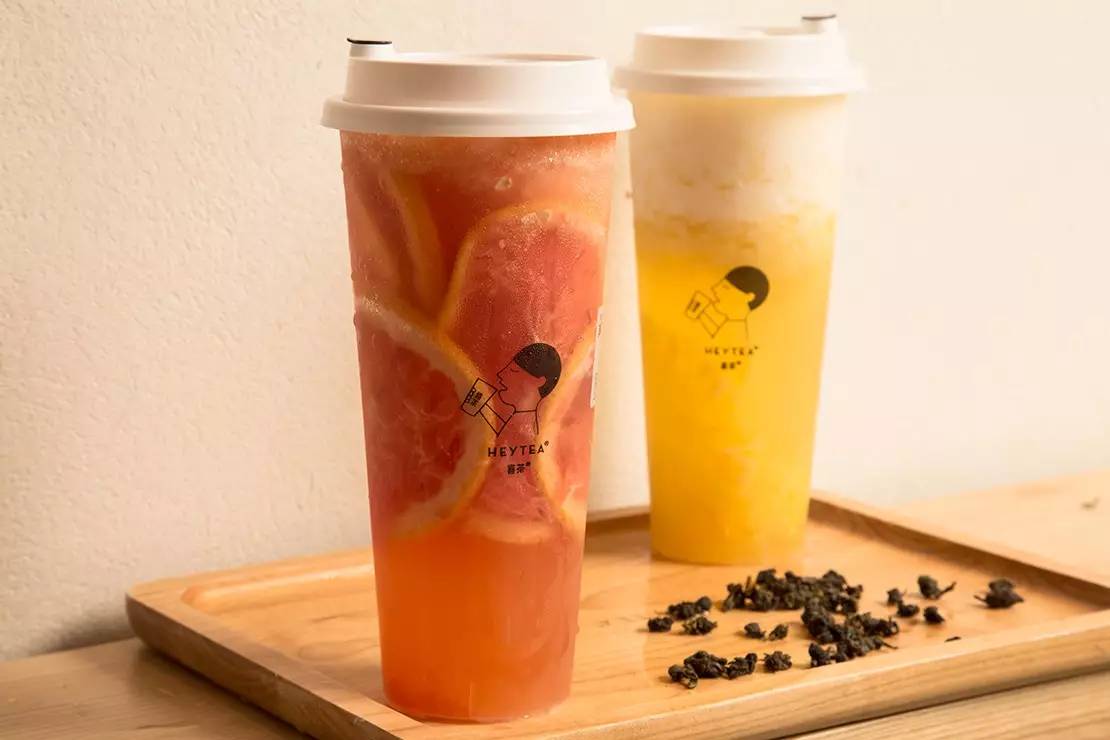
    The firm, which operates nearly 400 stores in China and three in Singapore, serves tea blended with fruit, cream cheese and toppings.

    “With our commitment to becoming an innovator and purveyor of Chinese tea culture, we hope to deliver our unique and exceptional tea experience to the world,” said Nayuki founder Peng Xin. “To achieve this goal, we have established tea fields where tea is cultivated under strict conditions from cultivation to processing.”

    In recent years, China’s traditional tea culture has been revamped by new-style tea franchises backed by large investments. The tea chain Nayuki, valued at RMB6 billion (US$865 million), received a multi-hundred-million RMB injection in Series A plus funding from TianTu Capital in 2018.

    In November last year, the company opened its largest shop – Nayuki’s Dream Factory – in Shenzhen, an 11,000sqft retail space offering an immersive in-store experience. Visitors are invited to see, hear and learn about the innovations of Nayuki’s teas while enjoying a menu of handcrafted teas, coffees, cocktails, baked goods, desserts and more exclusive to the store.

  • Amazon India to use mom-and-pop shops as delivery points

    Amazon India to use mom-and-pop shops as delivery points

    Global online retailer Amazon has partnered with more than 20,000 local “kirana” stores in India to serve as delivery points.

    The move is part of the firm’s “I Have Space” program to build relationships with such stores in 350 Tier 1, 2 and 3 cities within the territory. It reflects competitor Flipkart’s recent investment in its ShadowFax network of neighborhood stores.

    “We believe the recent partnerships are expected to drive Amazon’s momentum across the country’s shoppers and mom-and-pop shops,” read a report by stock research firm Zacks. “Consequently, this will bolster the company’s presence in the retail space of India, which holds immense prospects.”

    Local stores stand to benefit from the initiative from the extra income they may receive as Amazon’s delivery partners.

    The Zacks report notes that Amazon’s stocks have returned just 14.2 percent over the past year, well below the industry’s rally of 22.4 percent.

  • Indonesian retail sales growth slower as expected

    Indonesian retail sales growth slower as expected

    Indonesian retail sales growth in November slowed to 1.3 percent year-on-year, well below October’s rate of 3.6 percent.

    However, the figures, released by Bank Indonesia, reflect the continuing uptick in Indonesian retail sales which has now lasted five consecutive months.

    “Retail sales continued to grow positively in November,” wrote the central bank in a statement, “although it slowed compared to sales in the previous month”.

    Indonesia retail sales growth is expected to slow in the coming months, however, with declines recorded in several metropolitan areas surveyed – a harbinger of growth expected for December.

    Sales declined in the cities are projected to flow on from the estimated contractions of 9.4 percent and 4.8 percent over the previous period.

    The bank’s survey revealed respondents believe retail sales will decline over the next quarter.

  • E-commerce drives boost in Singapore retail sales in November

    E-commerce drives boost in Singapore retail sales in November

    Singapore retail sales in November remained sluggish, rising just 0.6 percent year on year after motor vehicles were removed from the data. Including vehicles, sales fell by 4 percent.

    Significantly, online sales rose to a new high, accounting for 8 percent of the estimated S$3.6 billion (US$2.7 billion).

    “Compared to the 6.1 percent recorded in October 2019, the increase was due to higher online retail sales from major online shopping events such as Singles’ Day, Black Friday and Cyber Monday,” Statistics Singapore said in a statement.

    Month on month, Singapore retail sales in November rose by 1 percent.

    Year on year, sales of motor vehicles and furniture & household equipment decreased 22.4 percent and 10.9 percent respectively. Sales through department stores and of recreational goods declined by 8.4 percent and 4.5 percent respectively.

    Conversely, apparel & footwear sales grew by 4.3 percent, due partly to higher demand for bags and footwear. Mini-marts & convenience stores, watches & jewelry, and computer & telecommunications equipment sales, as well as supermarkets & hypermarkets, recorded sales increases ranging from 1.2 percent to 3 percent

    Food & beverage services sales

    Sales of food & beverage services grew by 5.5 percent year on year in November, reaching $898 million.

    All food & beverage services sectors registered growth, with fast-food outlets leading the way, at 12.4 percent. Sales at restaurants, cafes, food courts & other eating places and by food caterers increased by between 1 percent and 6.4 percent.

  • Hong Kong toy shop fined for deceptive conduct

    Hong Kong toy shop fined for deceptive conduct

    An unidentified Hong Kong toy-shop owner has been convicted of misleading omission commercial practice.

    The owner was convicted of engaging in commercial practices involving misleading omission according to the Trade Description Ordinance (TDO) and sentenced to 200 hours of community service by Kowloon City Magistrates’ Courts. The court also ordered him to compensate HK$11,210 (US$1440) to three victims.

    An investigation carried out after Hong Kong Customs received a complaint from the victims alleging that a toy shop owner had engaged in unfair trade practices, showed that the owner had failed to explain the risks of late delivery to its customers on a social-media platform page. The owner has sold eighteen types of toy models without regard to the risk of delay.

    Under the TDO, any trader who engages in a commercial practice that omits or hides material information or provides material information in a manner that is unclear, unintelligible, ambiguous or untimely, or fails to identify its commercial intent and as a result causes, or is likely to cause, an average consumer to make a transactional decision commits an offense. The maximum penalty upon conviction is a fine of $500,000 and imprisonment for five years.

  • JD’s 7Fresh launches two new concepts in Beijing

    JD’s 7Fresh launches two new concepts in Beijing

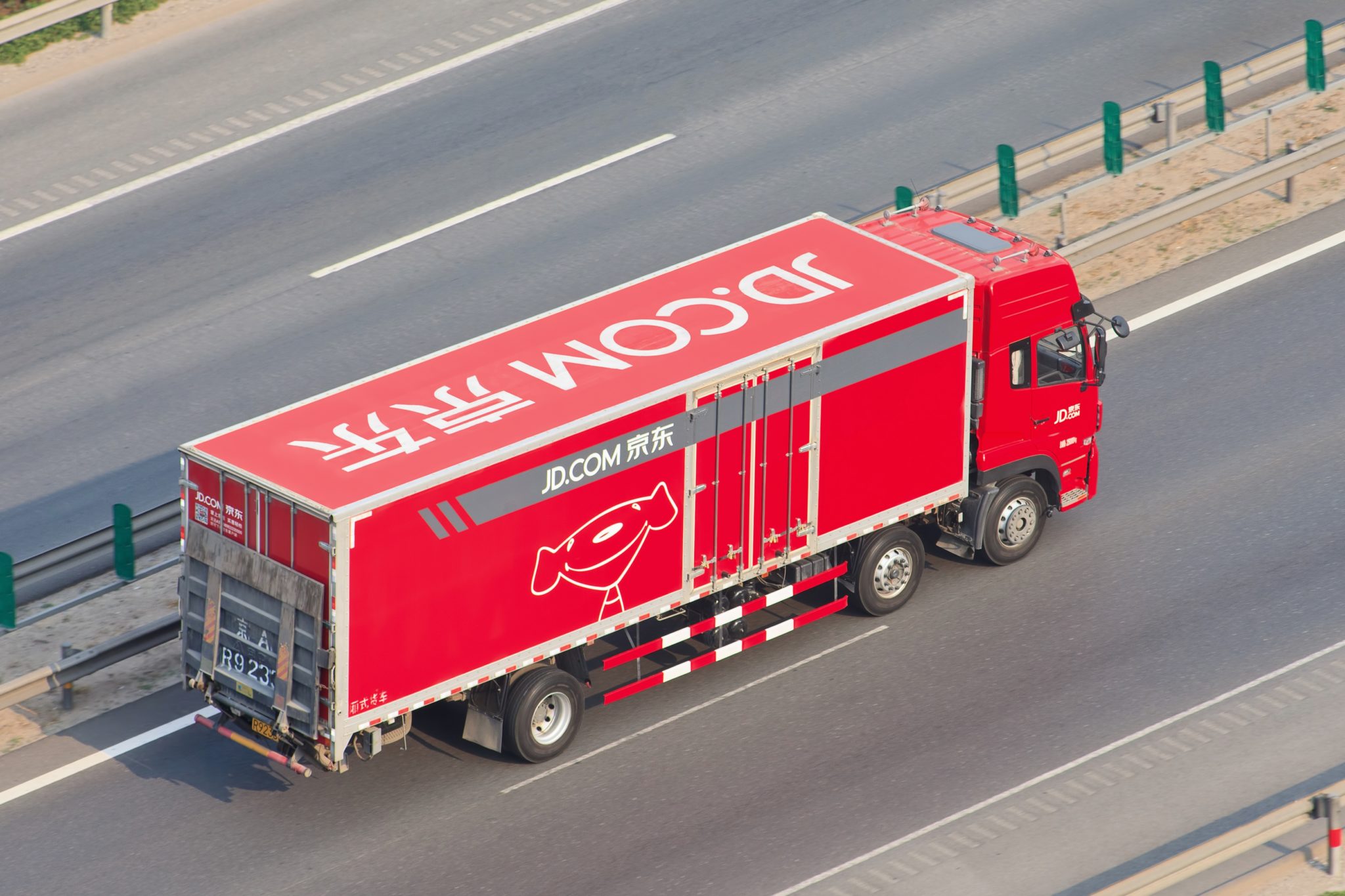
    E-commerce giant JD.com has opened a 24/7 store chain, 7Fresh Life, in Beijing.

    At the same time, the firm has launched its first Seven Fun lifestyle space in Beijing, intended to serve as a “third place” for working professionals.

    The 7Fresh Life food chain supermarket, which launched last month, offers mealtime solutions within a 300–400sqm area. The venue is located in the Huilongguan residential area in northern Beijing, one of the largest residential neighbourhoods in Asia.

    Targeting especially young mothers and kitchen owners, the chain is conceived of as a restaurant, fresh food store and convenience store combination, providing more than 3000 selected fresh items of produce, daily groceries and also ready-to-cook and ready-to-eat food, equipped with an in-store dining area.

    It also provides a location-based online channel through its app for consumers to buy from the community shop anytime and have items delivered to their doorstep within as fast as 30 minutes from the time of order. The home-delivery service covers a 1.5km radius, including 38 surrounding communities and three office areas, reaching 50,000 families and 1000 office professionals.

    As a brand under 7Fresh, Seven Fun consumers can order anything in the store from the same 7Fresh app to be delivered to their doorstep.

    In addition to the items offered in-store, a large number of products from JD’s e-commerce platform can be ordered through the chain’s online channel, such as seasonal, large-size, beauty and baby and maternal products. It also provides services such as power bank rental, 24-hour parcel pick-up lockers, bill payment, top up, courier and a dry cleaning service, among others.

    “With JD’s deep understanding of consumers and our strong supply chain providing global and local fresh produce and mealtime solutions, 7Fresh has become a trusted source for consumers buying fresh food offline,” said JD’s head of 7Fresh Jonathan Wang. “7Fresh Life will better serve the diverse and unique needs of Chinese families, providing for each person at any time for any need, online or offline.”

    Dine, drink and socialise

    The firm’s Seven Fun concept is a dining, drinking and social venue offering breakfast from sunrise and late night drinks as well as lunch, afternoon tea, snacks and daily groceries.

    Located in Galaxy Soho on the second ring road of Beijing, the roughly 1000sqm store is designed specifically to cater to working professionals aged between 26 and 45 in first-tier cities. It was designed to meet the trend of global consumers shifting from going to the store to buy products to going to the store to experience products and buy services.

    The inaugural Seven Fun outlet offers more than 3500 products such as fresh food, baked goods, fresh flowers, and groceries. It features 12 selected eateries targeting the 200,000 working professionals within a 1km radius of the store.

    “As a lifestyle retailer, Seven Fun is innovating the retail landscape in China,” said Wang. “Through this concept, JD provides an unprecedented “Solomome” (social, local, mobile and personalised) offline experience that serves as a pioneering model for future brick-and-mortar stores.”

    Future expansion of Seven Fun is expected to focus on tier-one cities, targeting working professionals with an annual income of more than RMB100,000 (US$14,360).

  • Vietnam improves its online shopping readiness

    Vietnam improves its online shopping readiness

    Vietnam has jumped five places to 64th in this year’s global index of readiness for online shopping, a UN report says.

    With an average score of 61.1 points on a scale of 100, Vietnam did better than most of its Southeast Asian peers in terms of its preparedness for e-commerce, according to the B2C (business-to-consumer) E-commerce Index recently released by the United Nations Conference on Trade and Development.

    Singapore ranked third on the global list while Malaysia came in 34th, Thailand (48th),  Indonesia (84th), the Philippines (89th), Laos (113rd), Cambodia (122nd), and Myanmar (126th).

    The ranking measured 152 countries and territories around the world based on four indicators with a high correlation to online shopping: Internet server access, postal service reliability, share of the population who use the Internet, and share of population aged above 15 who have an account with a financial institution or mobile-money-service provider.

    According to the report, 70 percent of Vietnamese people use the Internet and 31 percent of individuals aged from 15 and above have bank accounts or mobile bank accounts.

    Vietnam has proportions of secure Internet servers and postal reliability at 66 and 77 percent respectively.

    The report also showed online shoppers in Vietnam account for 31 percent of Internet users and 19 percent of the 94-million population.

    The country has targeted that 30 percent of its population shop online between 2016 and 2020, with yearly sales value of approximately $350 per person.

    E-commerce revenue reached $2.26 billion last year, up 30 percent over 2017, according to Germany-based data portal Statista.

    Vietnam’s e-commerce market is estimated at $5 billion this year and is set to reach $23 billion in 2025, according to a recent report by Google, Singapore-based investment firm Temasek, and U.S.-based consultancy Bain.

  • Sagging consumer sentiment dents Thai retail industry

    Sagging consumer sentiment dents Thai retail industry

    The Thai retail industry is facing a period of low consumer confidence, according to a CBRE research report, resulting in little sales growth.

    The firm’s 2019 Year-End Wrap-Up For Bangkok Commercial Market report revealed that the Thai retail industry has remained stagnant this year as Thailand faced a low sentiment period and a decrease in spending power due to high household debt.

    The Consumer Confidence Index (CCI) hit its lowest point in 39 months, falling to 72.2 in September 2019, dropping by 10.1 percentage points year on year. In addition, the household debt was reported to have broken a new record since 2017 at 78.7 percent of total GDP, which heavily impacted the overall spending power.

    “While the trend of ‘retailtainment’ continues to develop in Bangkok’s retail scene, this year, we have started to see more co-working space occupying large space in retail centers in CBD areas,” said CBRE Thailand head of advisory and transaction services – retail Jariya Thumtrongkitkul.

    “Retail developers expect this synergy to increase their retail centers’ foot traffic on weekdays as well as fill large, vacant space in less-desirable zones. To compete in a highly competitive market, some retailers also resized their own traditional stand-alone stores to allow these stores to fit in other shopping malls, community malls and superstores.”

    In the second half of this year, the Thai government launched new policies and campaigns to stimulate domestic spending, including welfare cards, an interest rate cut, and the “Shim-Shop-Chai” (Eat-Shop-Spend) scheme where the government gives away e-money and tax breaks for domestic travelers.” She said the campaign could be more beneficial to major Thai retail industry players, especially in a department store and superstore formats, because of their ease of accessibility compared to local shops located in the countryside.

    According to CBRE research, Bangkok’s total retail supply as of this year’s third fiscal quarter was 7.8 million sqm, increasing by 4.39 percent year on year.

    Not only have offline retailers moved towards omnichannel retailing, but many new online retailers have also been expanding into offline outlets in physical retail space as showrooms and “click & collect” points. In order to survive in a market with a large number of future retail supply in the pipeline, retail developers will need to embrace the fast-moving technology and create new unique selling points for their retail centers.

  • Bonjour Holdings warns of substantial loss

    Bonjour Holdings warns of substantial loss

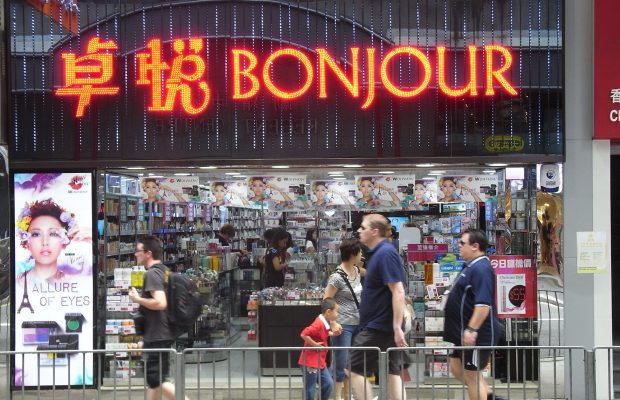
    Beauty retailer Bonjour Holdings has warned shareholders of a “substantially increased loss” for the current year as the social unrest and falling Mainland Chinese visitor numbers take their toll.

    Last year, Bonjour Holdings reported a net loss of HK$39.6 million (US$5 million). In a letter to shareholders, chairman Wilson Ip did not put a figure on the loss anticipated in the year to December, but his words were ominous.

    “The group’s turnover has deteriorated severely and is expected to record a double-digit year-on-year decline for the year,” he said. “The average gross profit margin also decreases mainly due to the change in sales mix, consumer’s spending patterns and the increase in the promotion to attract customers.”

    He said Hong Kong’s economy suffered “an abrupt deterioration” in the second half of the year when consumption and tourism-related sectors were hit hard by local social incidents.

    “Moreover, the global economic slowdown and escalated US-Mainland trade tensions weighed further on the Hong Kong economic outlook.

    “Facing such an economic downturn, in a view to ease the difficult situation, the group now has key focuses on cost optimization and value creation by streamlining operational efficiency and better business planning to build or sustain our competitive advantage.”

  • Asia will account for 45 per cent of global retail sales next year

    Asia will account for 45 per cent of global retail sales next year

    The world’s retail market is expected to slow down next year, but Asia will account for 45 percent of global retail sales, according to a new report from economic and business research group The Economist Intelligence Unit.

    In terms of volume, sales growth will slow compared to this year, but in US-dollar terms growth will accelerate. This divergence will reflect differing regional trends in demand, pricing and exchange rates, with developing markets outpacing developed ones.

    “It’s a mixed picture for global retail sales in 2020,” said The Economist Intelligence Unit consumer goods analyst Shveta Sharma. “Although there will be areas of opportunity, particularly in Asia, there are several threats to the industry.

    “The US-China trade war, Brexit and the protests in Hong Kong will all take a toll, while some retailers will also struggle to keep up with the continued shift online. We expect more store closures and job cuts.”

    Online retail will continue to undermine the competitiveness of brick and mortar stores next year, she said. Growth will be driven by social media apps such as TikTok and Instagram, as well as better digital payment systems. Retailers and consumer goods producers will need to adapt quickly to changing local conditions, shifting suppliers and closing stores as demand patterns change.

    The EU, however, is leading a backlash, scrutinizing the marketing tactics of online players as well as their efforts to avoid taxes. The scale of job cuts will also prompt more scrutiny in the US, in the run-up to November’s presidential election.

    The group’s full report on global retail sales is available for download here.