Retail News CRM

Tag: retail problems

  • ‘Unprecedented’ South Korean boycott damaging Japan’s retailers

    ‘Unprecedented’ South Korean boycott damaging Japan’s retailers

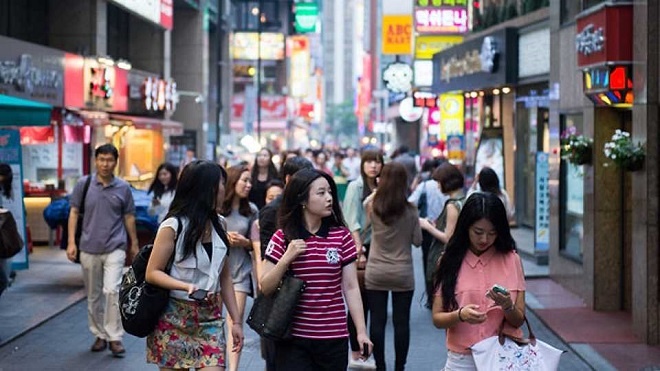
    Having now run for more than 100 days, the scale and impact of the South Korean boycott movement against Japanese products is unprecedented.

    It is costing retailers, importers, airlines and travel companies millions of dollars as a largely volunteer group of consumers rally citizens to their cause, popularised by its slogan ‘I Will Not Buy, I Will Not Go, and I Will Not Wear”.

    The South Korean boycott is rooted in discord between the two countries dating back to Japan’s colonial occupation of the Korean Peninsula before and during the Second World War and controversy over forced labor and sexual slavery. It expanded into a diplomatic crisis in July after Japan threatened to throttle exports of materials essential to South Korean industries.

    Prior to July, Japan was South Korea’s largest source of imports by value. Shortly after the boycott began, its ranking fell to third in July and to 13th in August. Last month it fell to 28th.

    Emforce, a South Korean digital marketing firm, has reported that the word ‘boycott’ appeared 1.18 million times on social media networks this year, which was 10 times the size of the previous boycott movement following Japan’s celebration of Takeshima Day in 2013.

    Japanese retailer Uniqlo is a prime example of the impact of the ‘I Will Not Wear’ boycott movement. Uniqlo has closed four Uniqlo stores since July and the number of people visiting stores that remained open has plummeted.

    According to records from eight credit-card companies, Uniqlo sales plunged by 70.1 percent to 1.77 billion won (US$1.49 million) in the fourth week of July from 5.94 billion won ($5 million) in the last week of June.

    However, amid the decrease in brick-and-mortar store sales, there is a sign of consumption picking up at Uniqlo’s online mall, with its popular winter products, heat-retaining underwear called Heattech and light-weight padded jackets selling out.

    Uniqlo is still expected to experience mixed fortunes in Korea this winter, as social media is still awash with messages urging users not to buy Japanese products and support the boycott.

    According to the Emforce analysis, among some 1.28 million posts on Twitter related to the boycott movement between July and August, 93.3 percent were retweets, and 6.7 percent were new posts. While retweets still account for the majority, there were 85,000 new posts about the boycott movement between July and August, which was eight times more than the total number of relevant tweets posted in the entire year of 2013.

    “It shows the scale of the movement and how each participant is taking deep interest in the matter from various standpoints,” said the report.

    “Netizens retweeted posts made not by the media or civil groups, but by other netizens advancing their own opinions and sharing the boycott list of Japanese products.”

    Data Lab, Line parent Naver Corp’s big-data platform, reported a decrease in the number of clicks on Japanese products throughout almost all sectors at online shopping malls.

    “The initial drive that’s been leading the movement is weakening. Nevertheless, it is now being replaced with a collective habit of rejecting Japanese products since more consumers are less inclined to buy due to the bad economy,” Data Lab said.

    “The aftereffects of the movement are expected to continue.”

    While some South Koreans are still purchasing Japanese products, the voluntary participation of the public still leaves little room for Japanese companies, according to Korea Bizwire.

    Japanese beer has all but disappeared from store shelves, with the Korea Customs Service, reporting just $6000 worth of Japanese beer crossed the border in September.

    The South Korean boycott of travel to Japan has also sent shockwaves through the Japanese economy. Passengers on flights bound for Japan dropped 30 percent in September from a year earlier during the Chuseok holiday season, the peak travel season.

    According to the Korea Economic Research Institute, there was a 27.6-per-cent drop in the number of South Korean tourists visiting Japan in July-August which cost the Japanese economy an estimated US$292 million.

    The October reservation rate also dropped and despite a reduction in the number of flights, occupancy was just 60 per cent on those still scheduled.

  • Singapore retail sales down in August

    Singapore retail sales down in August

    Singapore retail sales eased down by 1 percent year on year in August, after excluding motor vehicle sales.

    A 20.3-per-cent fall in the value of motor vehicles sold during the month caused the topline figure to decline by 4.1 percent.

    However, month on month, real retail sales rose by 2.2 percent (they fell by 1.3 percent with motor vehicle sales included in the data).

    On a year-on-year basis, sales of furniture & household equipment and watches & jewelry fell by 9.8 percent and 8.6 percent respectively, largely attributed to lower demand for household equipment and jewellery, according to Statistics Singapore.

    Other retail industries that recorded declines in sales included petrol service stations (down 3.3 percent), recreational goods (down 2.7 percent) and food retailers (down 2.3 percent).

    Conversely, sales of apparel & footwear, in department stores, and of medical goods & toiletries rose by between 4 percent and 4.9 percent.

    Online sales comprised 5.5 percent of the total.

    Sales of food & beverage services

    Meanwhile, sales of food & beverage services grew by 3.6 percent year on year in August.

    On a seasonally adjusted basis, sales rose by 1.4 percent, month on month.

    Turnover of fast-food outlets, restaurants and food caterers increased by between 3.7 percent and 10 percent, while sales of other eating places (such as cafes) decreased by 0.4 percent.

  • Retailers commit to reduce climate footprint

    Retailers commit to reduce climate footprint

    Gen Less, a government sponsored initiative to help New Zealanders and local businesses reduce their climate footprint, launched on Saturday – with several retailers already committing to take part.

    Some of the methods Gen Less puts forward for a business to reduce its carbon footprint are to replace vehicles with EVs, video conference rather than travelling to meet, support low carbon suppliers, encourage staff to commute without a car, switch to LED lights, setting up a ‘green team’ to oversee sustainable initiatives in the business, and better understanding where your business could save energy.

    Countdown, NZ Post, Ecostore and Ethique all voiced their support for the program, with Countdown noting it will reduce its carbon emissions by 60 per cent by 2030.

    “There is no denying the impact that changes to our climate is having, and will continue to have, on the planet,” Countdown general manager of safety and sustainability Kiri Hannifin said.

    “At Countdown, we’ve got an unwavering focus on reducing our emissions and, since 2016, we’ve reduced them by 21 per cent.

    “Our new carbon emissions target makes our intention clear – we want to significantly reduce our emissions even further to help protect Aotearoa for future generations.

    “We absolutely agree that by using less, we can have more. That’s why we are really proud to be a part of Gen Less and encourage anyone wanting to do their bit to join this exciting movement.”

    Skincare brand Ecostore recently announced it would be targeting carbon neutrality by the end of 2019 across its New Zealand and Australian operations.

    “Businesses need to step up and recognise that they can and must be a force for good,” Ecostore managing director Pablo Kraus said.

    “Corporates have an incredible opportunity to pave the way for future generations. We must lead by example, empower others, act, make changes.”

  • Hong Kong retailers may close as protests impact sales

    Hong Kong retailers may close as protests impact sales

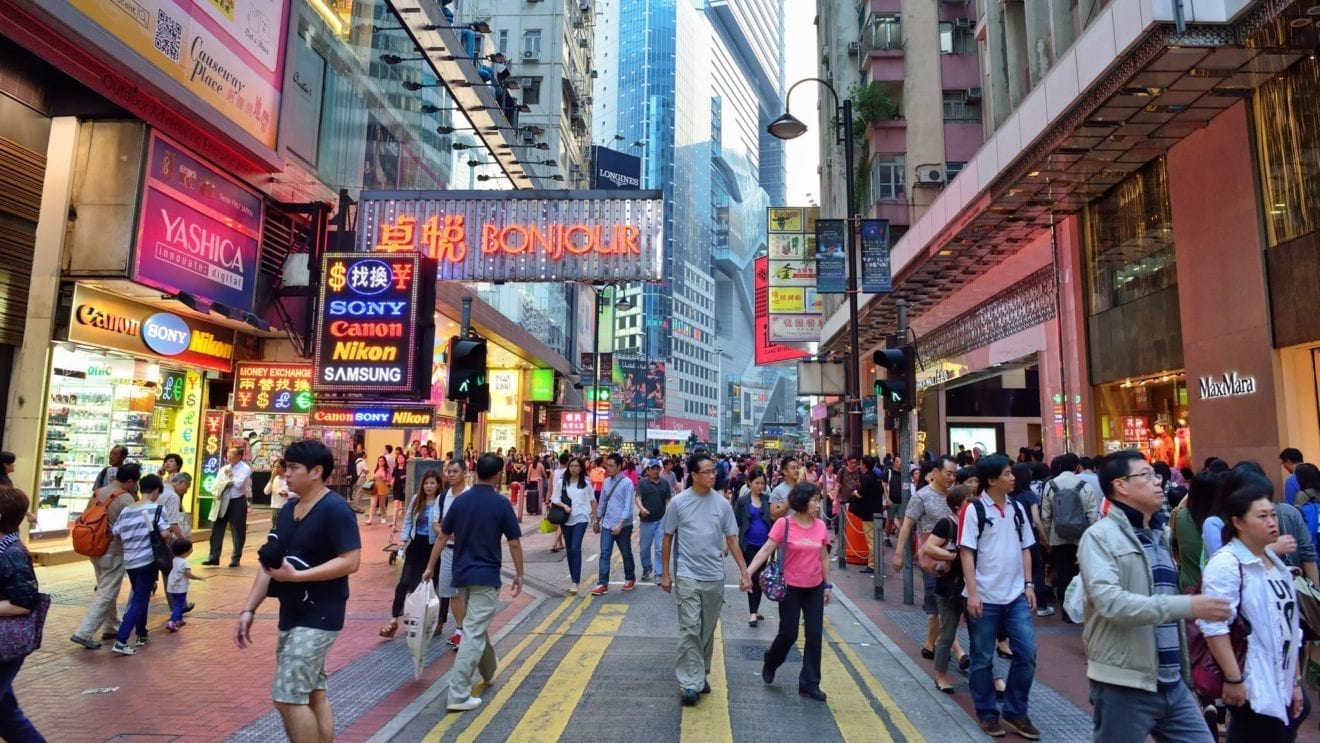
    “Dozens” of smaller Hong Kong retailers may be forced to close their doors as ongoing protests – now into their 15th week – impact trade.

    The Hong Kong Retail Management Association has repeatedly been warning of critical impact on the retail sector as store owners in areas frequently hosting protests have had to shutter their shops for safety reasons.

    Now, the South China Morning Post has reported that “several dozen small retailers are likely to shut shop as soon as the end of this month” because overseas shoppers have been deterred from entering Hong Kong by news of protest activity.

    Alexa Chow Yee-ping, MD of AMAC Human Resources, told the SCMP her clients were considering laying off staff to keep afloat.

    “It is just too hard to survive,” she told the paper, saying she feared “thousands of layoffs”.

    Annie Yau Tse, chairman of the HKRMA said last month that damage to retail business has directly impacted the frontline staff’s take-home income. “Some member companies reported that their staff’s income, which is paid on a commission basis, has also declined accordingly because of the tremendous sales drop caused by significant business disruptions,” she said in a message posted on the association’s website.

    “Furthermore, retail-related industries, such as the import and export trade, wholesale, transportation and storage sectors, will also suffer from the subdued retail market.”

    Tse was commenting after the release of June’s retail sales data for Hong Kong, which showed a 6.7 decline year on year. Since then July figures have shown an 11.4-per-cent drop. There is a widespread expectation that sales in August will be down even further, given 851,000 fewer passengers used Hong Kong International Airport and the number of mainlanders entering through land-based border crossings continues to decline while the protests roll on.

    The HKRMA has called on landlords to extend relief to embattled retailers given the circumstances.

    “As the recent incidents have made an immediate and profound impact on the retail industry, the Association has issued a letter to call for all landlords to collaborate at these critical moments by offering rental and management fee relief measures,” Tse wrote.

    “Facing such an unprecedented crisis, retailers are in critical need of the support from our stakeholders to sail through the challenges without going out of business or cutting headcount.”

  • Niska introduces robotic vendor through ice cream

    Niska introduces robotic vendor through ice cream

    Australian retail start-up Niska is bringing an interactive robotic experience to Melbourne with the launch of a game-changing ice cream store at Federation Square.

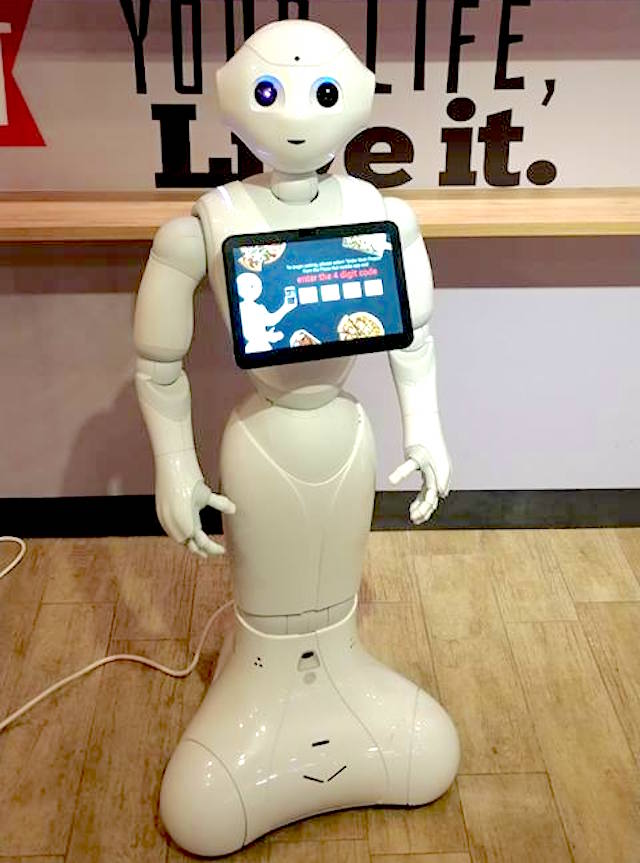
    Niska, Australia’s first-ever robotic retail store, offers Australian-made artisan ice-cream with a variety of flavors and toppings, all served by a team of robot staffers: Pepper, Eka, and Tony.

    The robots create a unique customer experience and “world-class service” by establishing meaningful interactions with each person.

    Visitors can even take selfies with Pepper, the social humanoid robot, and their ice cream, with photo spaces available within the store.

    With bricks-and-mortar retailers realizing the importance of creating unique and curated merchandise experiences, Niska is getting ahead of the curve with robotic retail.

    CEO and co-founder Kate Orlova said the company plans to revolutionize the retail space.

    “For us, ice-cream is just the beginning. We’re looking to expand the robotics into other areas of retail. The future is here and it is exciting! We look forward to changing the retail game and pioneering retail robotics,” she said.

    Minister for Jobs, Innovation, and Trade, Martin Pakula called it a “real feather in the cap for Victorian innovation”.

    “There is amazing work going on here in areas like robotics and artificial intelligence – and the ice-cream’s also pretty good,” he said.

    Niska is now open at Tenancy 20, Crossbar Building Federation Square.

  • AliExpress launches free-returns program in 8 markets

    AliExpress launches free-returns program in 8 markets

    Alibaba Group’s global online marketplace AliExpress is to offer free return and refund for participating categories across eight countries.

    Buyers in main areas of eight pilot countries including Russia, France, Germany, Spain, the UK, the US, Canada, and Australia will be first to participate in the new program.

    Products participating in the new program range from consumer electronics, jewelry, shoes to cosmetics products. Under the new policy, customers in the eight countries with an eligible address will see a “free return” sign on the webpage of the eligible products. Customers can request a free return and refund for those products within 15 days of receiving their order.

    According to the return and refund policy, products must be returned in new and unused condition. In addition to products such as mobile phones, underwear, food categories, and customized products, products priced over US$1000 are excluded from the program.

    Customers can go to local post offices to return unwanted products and expect to receive their refund in as little as three days. The processing time varies depending on the payment solution they used to buy the product.

    Cheer Zhang, the head of Global consumer and market operation at AliExpress, says the objective of the new policy is to improve the shopping experience and give consumers more confidence to explore the platform’s wide range of brands and products.

    The new “free return” program is an upgrade from a previously launched “local return” program that had been operating in seven countries. Under the previous plan, customers had to cover the delivery fee for the return orders.

  • David Jones profit almost halves this year

    David Jones profit almost halves this year

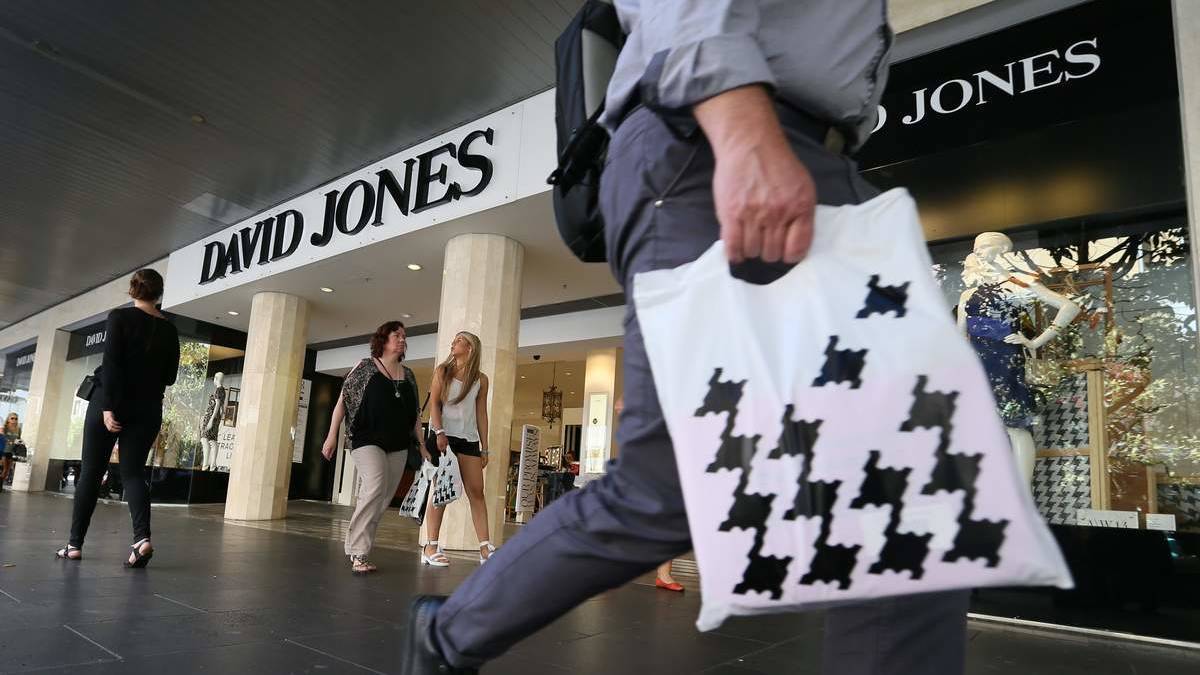
    David Jones’ operating profit fell 42 percent to $37 million in the 2019 financial year, hampered by tough trading conditions and little economic growth in the Australian market.

    Parent company Woolworths Holdings chief executive Ian Moir said the performance was fair considering the conditions, and that the management team has adapted their strategy to the changing retail landscape.

    “Our businesses are well-positioned to see through the significant economic and structural challenges retailers are facing,” Moir said in a statement to investors.

    “We are focused on building future-fit, customer-focused businesses with strong portfolios of brands that deliver long term value.”

    The South African retail group said it didn’t expect conditions to improve significantly in the short-term, with the retail market continuing to be tough due to heavy discounting and promotional material.

    As such, Woolworths Holdings said the previously announced plans to reduce store count is underway across the David Jones portfolio to improve stock productivity as online sales grow. David Jones didn’t specify which stores are being closed.

    The 2019 financial year also saw turnover and concession sales fall 0.8 percent for the department store, and comparable sales fall 0.1 percent. However, online sales grew 46.8 percent and now makeup 7.7 percent of total sales.

    Moir said he believes “the worst is over” for the struggling department store chain.

    “We’ve had many bad years at David Jones and learned many lessons,” Moir said.

    “We know more about the Australian customer through fixing the David Jones business because we have collected data and research about what they want. We believe the worst is over.

    “The year 2021 will be a much stronger year for David Jones.”

    Moir will relocate to Sydney to oversee the turnaround more closely, as he understands the Australian market from his time running Country Road Group.

    Country Road

    Country Road also saw its operating profit fall over the year – a 2.9 percent drop to $100 million.

    Sales at the clothing retailer grew 0.5 percent, while comparable sales fell 0.6 percent. Online sales now represent 20.3 percent of total sales, having grown 12.9 percent over the period.

    Net retail space reduced 2.9 percent over the period, with further space reductions a priority.

  • Ted Baker appoints Sojitz Infinity as its partner for Japan

    Ted Baker appoints Sojitz Infinity as its partner for Japan

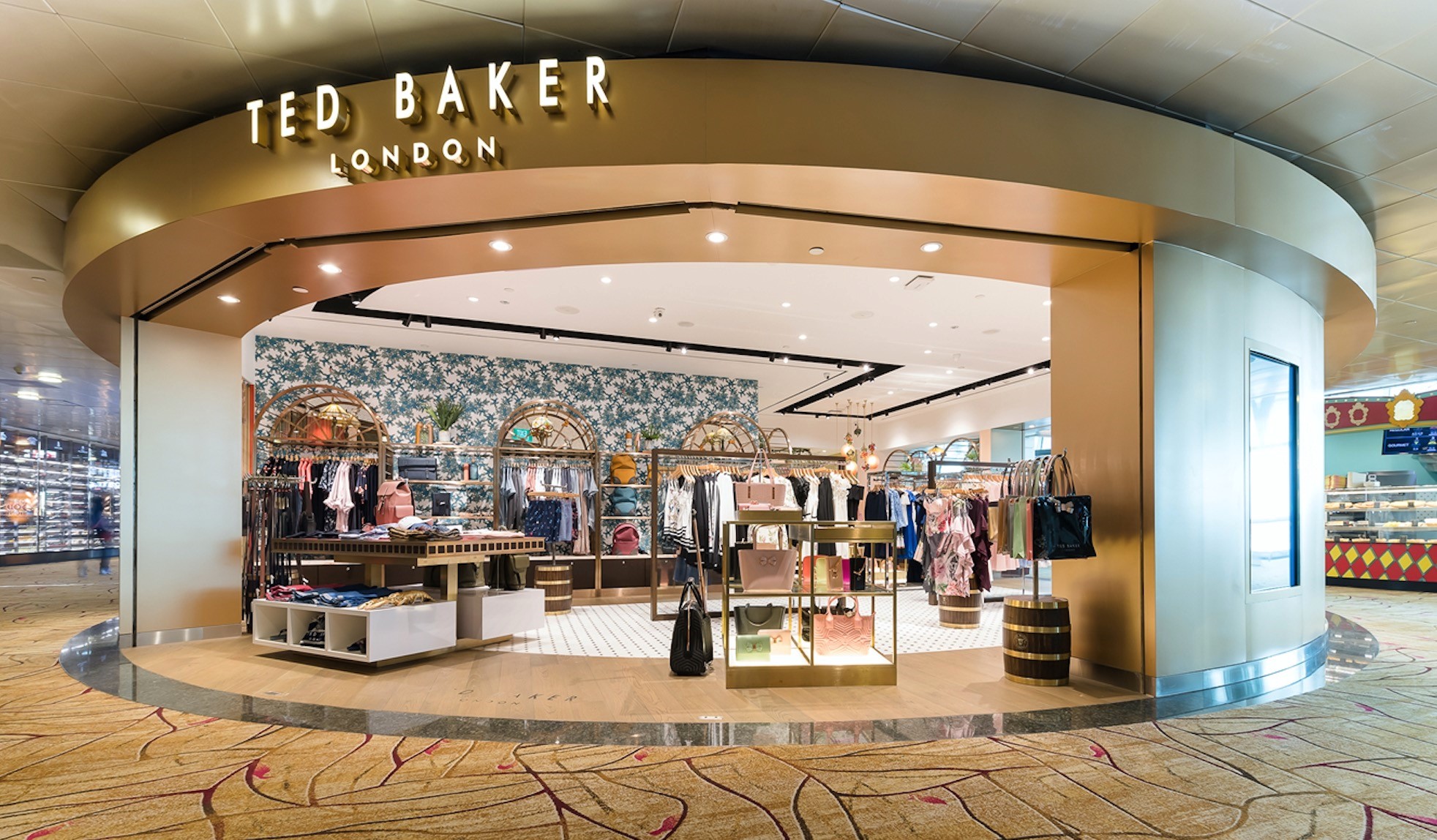
    Lifestyle fashion brand Ted Baker has signed an exclusive retail license deal for Japan with local apparel manufacturer and distributor Sojitz Infinity, initially for five years.

    Sojitz Infinity will drive the long-term expansion of the Ted Baker brand in the region, combining its local expertise – especially within the department store sector – with the buying, merchandising and brand-building expertise of Ted Baker.

    The licence, expected to commence on October 1, marks Ted Baker’s 17th retail license partner globally.

    Over recent years, the firm has invested in introducing and developing the Ted Baker brand in the Japanese market, having opened five stores in the territory to date. Sojitz Infinity intends to build on Ted Baker’s existing store portfolio, expanding the concession network and investing in Ted Baker’s online presence.

    The deal will kick off the brand’s next growth phase in Japan, said Ted Baker CEO Lindsay Page. “Over recent years, we have invested in introducing Ted Baker to Japanese customers and we are confident that our new Japanese retail-license partner will build on this platform and deliver meaningful long-term growth.

    “In Sojitz Infinity, we have an extremely capable partner that brings local market expertise to our brand alongside our already well-established design, buying and merchandising skillset. This combination will drive an acceleration in the performance of the business. We firmly believe that Japan has the long-term potential to be an important market for the Ted Baker brand.”

    As part of the appointment, Ted Baker will transfer certain existing assets relating to its Japanese business (which includes existing non-current stock, fixed assets, and leases) to Infinity at nil value to support the successful transition of the operations.

    As a consequence, Ted Baker anticipates exceptional transaction-related costs of approximately £4 million (US$4.88 million); the costs include onerous lease expenses, restructuring charges, and deal-related costs. The non-cash charges of about £1 million ($1.22 million) include the transfer of non-current stock and fixed assets. Current season stock is being transferred on commercial terms.

    It is expected that the appointment of the license partner will be accretive to the group’s pre-tax profit in the current financial year. The positive impact of profit will increase during the later years of the contract.

    Sojitz Infinity CEO Kohei Ono said Ted Baker is a brand the company has followed since its arrival in Japan.

    “We believe it has the potential to appeal to more consumers in this market. Our knowledge and experience in building fashion brands through stores, concessions and online should add value to Ted Baker and we look forward to working together.”

  • Gome Retail to target smaller cities as part of restructuring

    Gome Retail to target smaller cities as part of restructuring

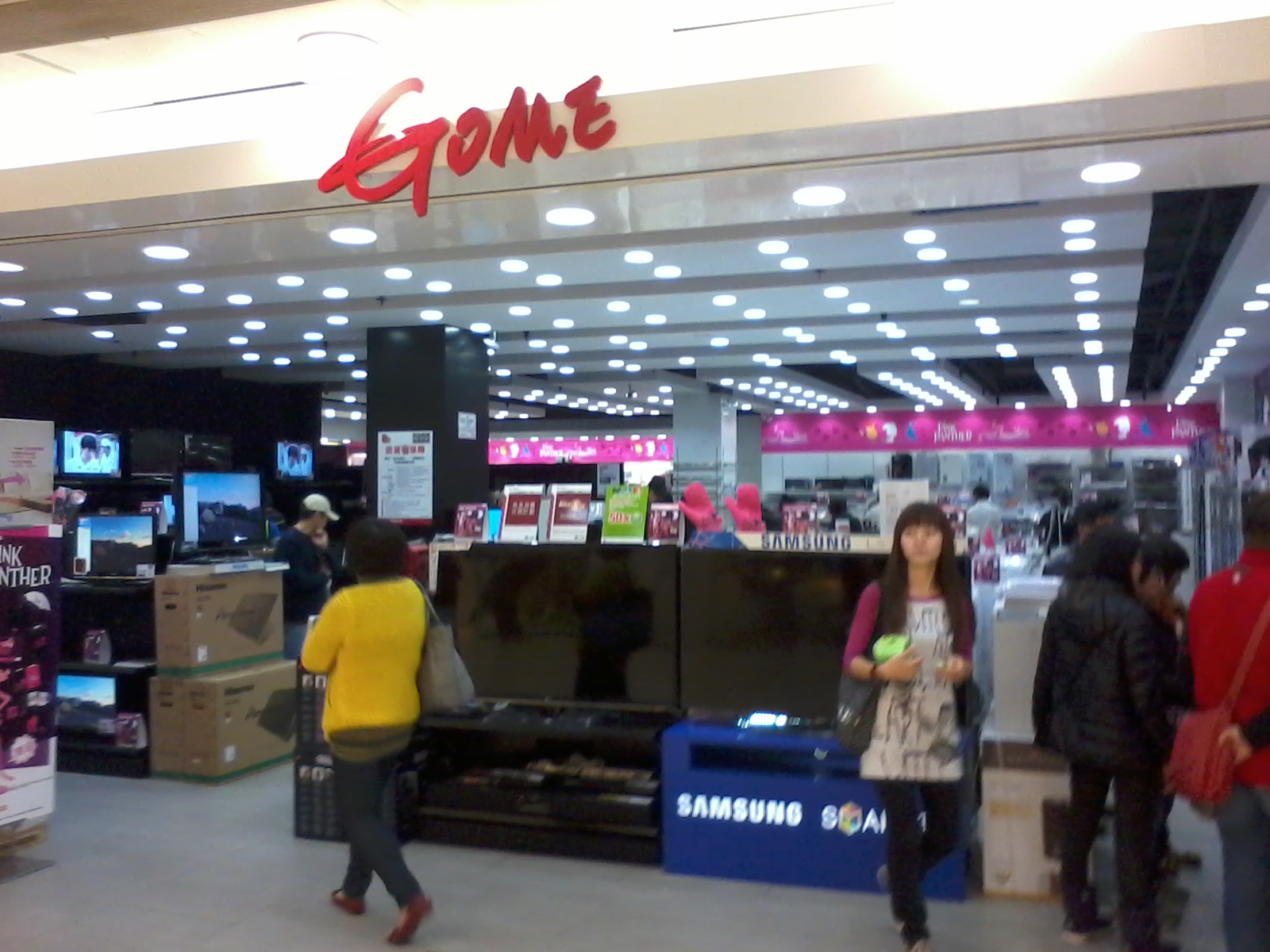
    Gome Retail Holdings will speed up its penetration into lower-tier Mainland China markets during the year ahead, with about 1000 stores slated for opening.

    The move is part of a broader strategy dubbed ‘Home.Living’ in which the retailer is rolling out innovation and transformation throughout the business.

    For the first half of this year, Gome Retail reported a loss attributable to shareholders of RMB380 million (US$53.1 million), a reduction of the RMB457 million loss during the  corresponding period last year as its restructuring began to show results.

    Group sales for the first half were RMB34.333 million, relatively stable compared with RMB34.706 billion for the corresponding period last year.

    Chairman Zhang Da Zhong says that in the months ahead, the company will further expand into third- to sixth-tier Chinese cities to meet the constantly growing demand of these markets.

    Moving into these markets efficiently is possible due to Gome’s advantages in brand, supply chain and logistics, he said.

    During the first six months of this year, the group’s total gross merchandise volume (GMV) increased by about 1.8 per cent compared with the same time last year, with GMV of its county-level stores (both self-operated stores and New Retail stores) growing by 339 per cent. Sales through its Me Shops grew by about 123 per cent, while sales from smart products grew by 62 per cent. Sales by its new businesses, such as home solutions and the integration of kitchen cabinets with electrical appliances, grew by 108 per cent, and service GMV grew by 32 per cent.

    This year, Gome has entered “a critical stage of its strategic transformation” said Zhang Da Zhong.

    “Leveraging on the advantages of internet technology, Gome has set up a user-base interaction and operation platform under the integration of the three terminals – the Gome app, physical stores and Me Shop.”

    As well as the company’s foray into smaller cities, the company will begin opening a second wave of new Ixina stores, its self-operating integrated kitchen cabinets and electrical-appliances business collaboration with European cabinet brand Ixina. Stores will open in cities including Wuxi and Nanjing, after Beijing and Shanghai, to further boost the brand’s awareness and reputation. Cozy Home, the home-hardware integration solutions chain, will also be developing at full speed, he said.

  • Toddler dies at Urban Revivo store in Jewel Changi

    Toddler dies at Urban Revivo store in Jewel Changi

    An 18-month-old girl has died following an accident at Urban Revivo fashion store at Jewel Changi Airport, according to reporting in The Straits Times.

    The toddler suffered fatal injuries after a standing mirror fell on top of her. She died in hospital after staff at the store administered first aid while paramedics were en route. Police stated that the child was unconscious while being transported to Changi General Hospital, where she was pronounced dead.

    “We are working closely with the tenant to ascertain the details of the incident,” said an airport spokesperson. “Out of respect for the privacy of the family, we are unable to comment further.”

    Urban Revivo stated that it was “deeply saddened by the tragic accident”. It is currently assisting police in investigating the incident.

    Media reports say the parents of the child are visitors from Mainland China.

  • Korea’s largest retailers forced to think about delivery services

    Korea’s largest retailers forced to think about delivery services

    South Korea’s largest retailers are having to invest in logistics to cope with rising online spending and personalized delivery services.

    South Korean online shopping malls Coupang and Market Kurly have led the paradigm shift in the delivery industry after introducing the early morning delivery service, which has led many to adjust to the new and more convenient ways to purchase goods.

    Large brick-and-mortar retailers can no longer wait for the customers to visit their store.

    Homeplus, a South Korean hypermarket chain operator, said this week it has opened two fulfillment centers, located in Anyang and Suwon, Gyeonggi Province to provide better online delivery services.

    In a 6600sqm logistics center, pickers collect products in a tray to ship them for online orders. A Digital Picking System informs the picker on which tray to use, where the product is located, and the final results of the picking process.

    Homeplus plans to improve 140 stores across the country with enhanced capabilities for online shopping and delivery by 2021.

    SSG.com, Shinsegae Group’s online marketplace, currently runs NE.O, logistics centers for online shopping located in Yongin and Gimpo. NE.O will open its third center in Gimpo later this year.

    SSG.com is also in charge of receiving orders at E-mart’s picking and packing centers as part of a two-track strategy.

    Lotte Mart plans to expand its logistics centers for online shopping to meet the rising demand from the online community.

    Lotte’s signature delivery service is same-day nighttime delivery service. If a customer places an order before 8pm, the product will be delivered before midnight on the same day.

    As such, large offline retailers are now in competition over expanding logistics centers for online shopping, which may turn out to be the only way to outlive the ‘delivery war.’

    But for South Korea’s largest retailers, building separate logistics centers for online shopping may also provide stores with a wider leeway since offline malls are subject to various restrictions, including mandatory business holidays.

  • Shopee signs Cristiano Ronaldo

    Shopee signs Cristiano Ronaldo

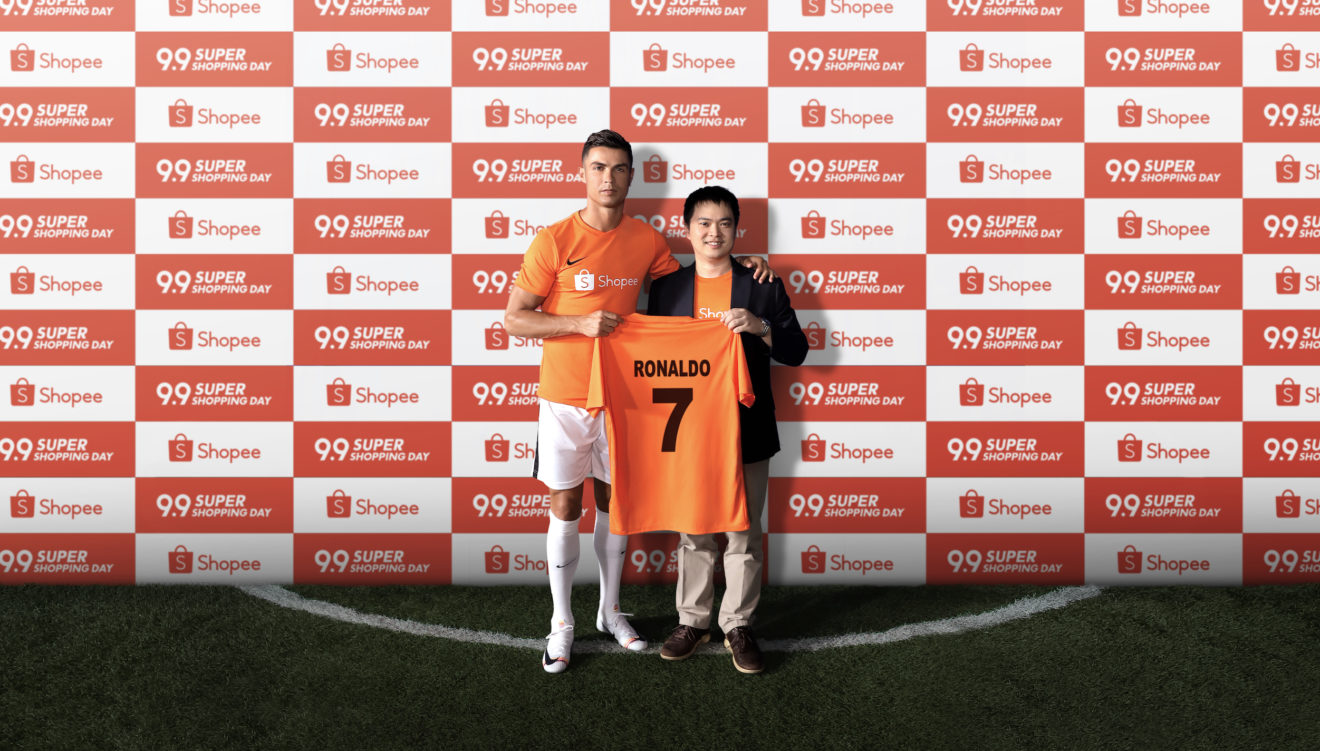
    Southeast Asian/Taiwanese e-commerce platform Shopee has appointed global football icon Cristiano Ronaldo as its newest brand ambassador.

    Ronaldo will work with Shopee on a wide range of initiatives to engage and inspire customers in the region, starting with Shopee’s annual shopping event, 9.9 Super Shopping Day.

    “Cristiano Ronaldo is one of the greatest athletes of our time,” said Shopee CEO Chris Feng. “He is an inspiration to many, and his dedication to football matches the deep commitment we have towards our users. Together with Cristiano Ronaldo, we look forward to creating a lasting positive impact on our region.”

    “I am proud to be Shopee’s brand ambassador as we share the same ambition to be the best in our fields,” said Ronaldo. “I am always improving my game for my fans and my team, just as Shopee innovates to benefit their users in this region. I am excited by this partnership, and I look forward to creating more special moments for my fans together with Shopee.”

    Cristiano Ronaldo stars in Shopee’s newest 9.9 TVC, which will air in all seven Shopee markets in the region.

  • E-Mart posts first-ever loss ; restructuring lures

    E-Mart posts first-ever loss ; restructuring lures

    Korean discount chain operator E-Mart has posted its first-ever net loss, amid growing competition from online shopping rivals and e-commerce giants.

    The company’s quarterly results showed a net loss of KRW26.6 billion (US$24.7 million) between April and June, its first negative result since it was spun off from Shinsegae Group in 2011. The loss stands in comparison to a net profit of KRW94.8 billion ($77.7 million) during the same period last year.

    The company says it plans to raise 1 trillion won (US$820 million) by selling assets and will buy back stocks worth some 100 billion won to boost shareholder value.

    E-Mart says it expects its losses will to continue into the next financial period.

    “Online archrivals, such as Coupang Inc and other major e-commerce operators are forecast to expand their food category later in the year,” said Hana Financial Investment expert Park Jong-dae, “which could further weigh down E-Mart.”

  • Re:store store aims to change the way we shop

    Re:store store aims to change the way we shop

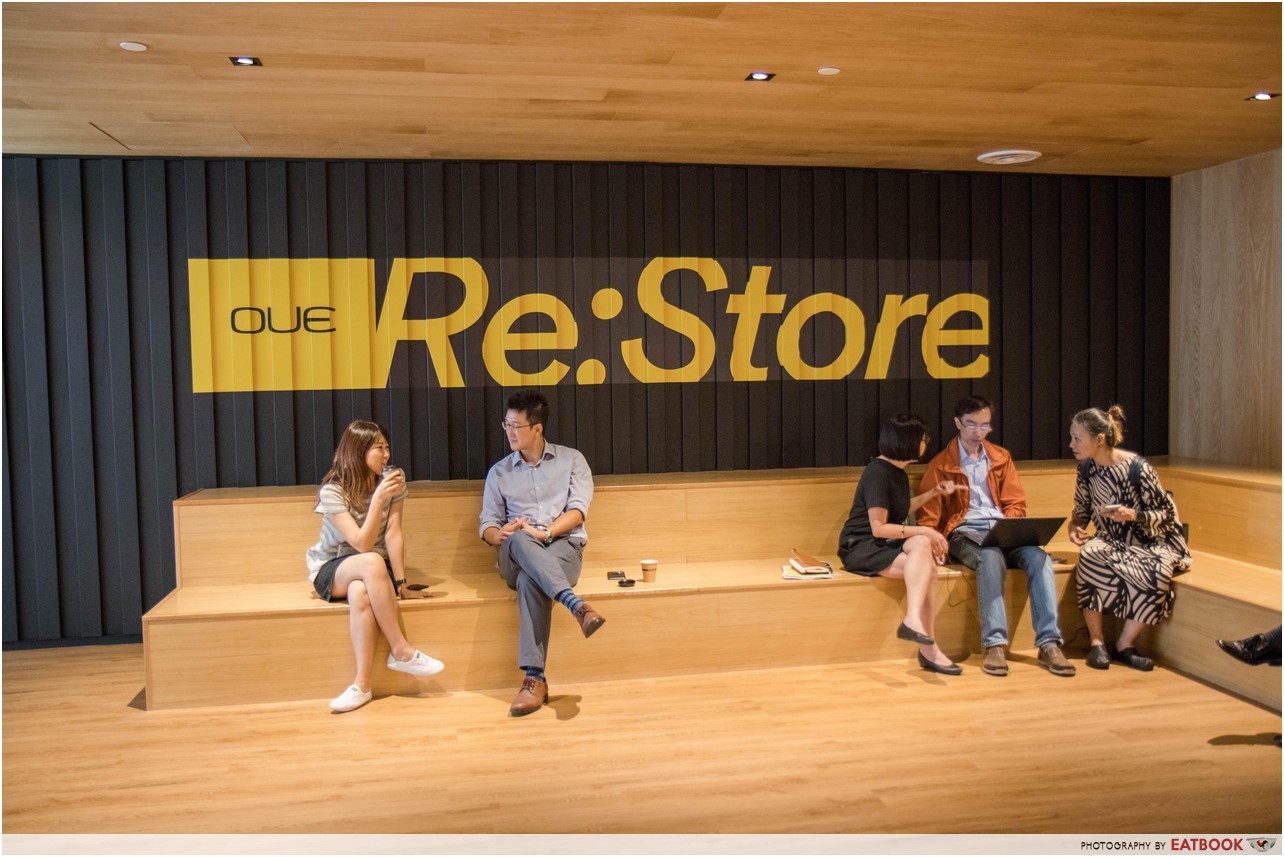
    San Francisco-based retail space and collaboration hub Re:store has been launched to help customers discover “Insta-famous” products into a tangible and immersive experience.

    By bringing niche brands closer to their customers and fostering community-based innovation, the Sequoia-backed startup is an attempt to change not just how we shop, but how we engage with brands, ideas, and the people inspiring them.

    “Creating an authentic connection between customers and brands is a fundamental building block of a dynamic shopping experience,” said creative entrepreneur Selene Cruz. “Re:store is poised to make scroll-to-stroll the new normal.”

    Partnering with a team of experienced curators, including former Refinery29 senior fashion market editor Alyssa Coscarelli and influencer “it girl” Vivid Wu, Re:store hand-picked 70 coveted direct-to-consumer brands as its debut partners, leaving more than 2000 other labels on the waitlist for future consideration. Among those featured at launch were CFDA award winner Mansur Gavriel, sustainability-minded fashion icon Sezane, and cult brand & Other Stories, with design ateliers in Paris, Stockholm and LA.

    Each startup brand receives its own dedicated area within the three-level 4200sqft space, located on the same San Francisco retail block as Fendi and Hermes, and fashion-meets-tech brands Warby Parker, Rent the Runway and Cuyana. Re:store’s interior was designed by Robert Storey of Storey Studio (Nike, Everlane, Gentle Monster) to reflect a shifting colors Cape, referencing San Francisco’s vibrant culture and “dreamy sky”.

    Re:store is not designed for the passive shopper; it’s a community space where customers can interact personally with brand leaders and founders through services such as feminist-focused Lacquerbar manicure pop-in, or entrepreneurial creativity installations like the Living Wall – a fashionable take on a Post-it ideation process.

    Re:store also seamlessly connects a digital mindset with the analog world. Through technology touchpoints, customers can communicate directly with brands, attaining deeper knowledge about their favorite items while sharing insights that can influence future products.

  • Retail sales in Indonesia decline

    Retail sales in Indonesia decline

    Retail sales in Indonesia declined 1.8 percent in June, compared with an annual growth rate of 7.7 percent a month earlier, a central bank survey showed on Thursday.

    The last decline from a year earlier was in January last year when retail sales also dropped 1.8 percent.

    The survey predicted retail sales would rise 2.3 percent on an annual basis in July, when the new school year begins.