Tag: retail problems

  • Malaysia retail sales forecast remains gloomy

    Malaysia retail sales forecast remains gloomy

    Malaysian retail sales are expected to fall for the third consecutive quarter.

    Retail Group Malaysia, which prepares quarterly reports for the Malaysia Retailers Association, is now projecting total sales of RM107.5 billion (US$25.75 billion) for the financial year to March 31, a 3.7-per-cent growth over last year. However, early projections suggest a more positive performance next year with an expected growth of 4.6 percent.

    “The coming New Year will remain a challenge for the Malaysian retail industry,” said RGM MD Tan Hai Hsin. “Externally, trade disputes among countries are not expected to end soon. Internally, economic policies that can stimulate consumer spending are limited in the near term.”

    Particularly worrisome figures for the supermarket and hypermarket sector predict a contraction of around 9 percent for this year’s final quarter.

  • Japan retail sales tumble as tax rise takes effect

    Japan retail sales tumble as tax rise takes effect

    Japan retail sales fell by 7.1 percent in October – the greatest single monthly fall in almost five years.

    The reason: the implementation of a sales-tax increase from 8 percent to 10 percent on October 1, aimed at helping reduce the country’s public debt, which is running at twice the size of its GDP.

    The headline figure was driven by a significant reduction in sales of big-ticket items such as motor vehicles and appliances. But department stores and apparel retailers also bore the brunt.

    Japan retail sales fell by 14.4 percent month on month, higher than the 13.7-per-cent month-on-month decline which followed previous sales-tax increases 1997 and 2014.

    Some analysts, however, have suggested the October decline may have been worsened by weather during the month, which included severe typhoons in the central and eastern parts of the country. There was also likely to be an element of extra spending in September as consumers tried to mitigate the tax effect.

  • Amazon opens on Pinduoduo pop up store

    Amazon opens on Pinduoduo pop up store

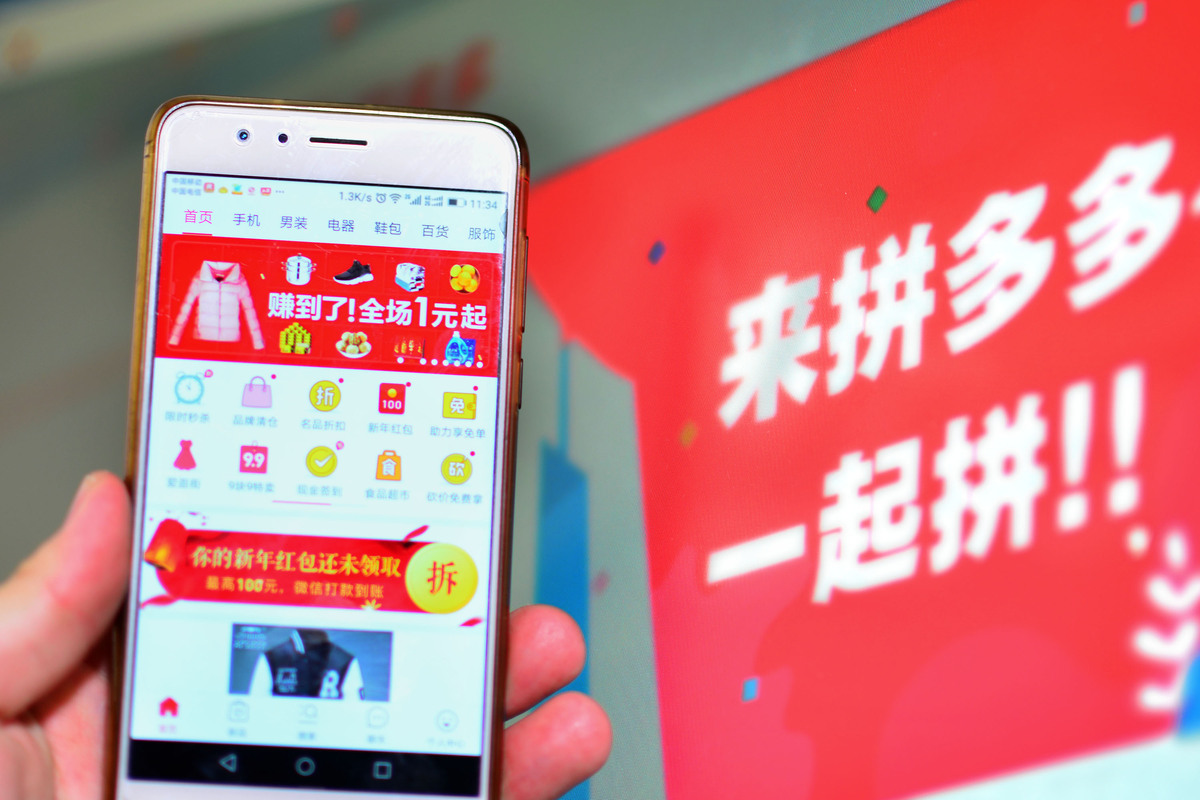
    Global online retailer Amazon is set to launch a Pinduoduo pop-up store.

    According to reporting in Reuters, the Pinduoduo pop-up store will run until the end of the year with around 1000 selected overseas products.

    Amazon recently closed its Chinese marketplace for domestic sellers and is shifting focus to products sold in the Chinese market by overseas producers, as well as offering its cloud server services.

    The decision to host its pop-up on Pinduoduo reflects the platform’s popularity with rural Chinese residents over the more established Alibaba and JD services.

    “The Amazon Pinduoduo pop-up store provides customers with a curated selection of about 1000 overseas products, with competitive prices, an authenticity guarantee and convenient shipping,” said an Amazon spokesperson.

    “We look forward to enabling customers to enjoy cross-border shopping through this store, in addition to more deals and tens of millions of products available on [amazon].cn.”

  • Sands Shoppes Macao honours its top selling retailers

    Sands Shoppes Macao honours its top selling retailers

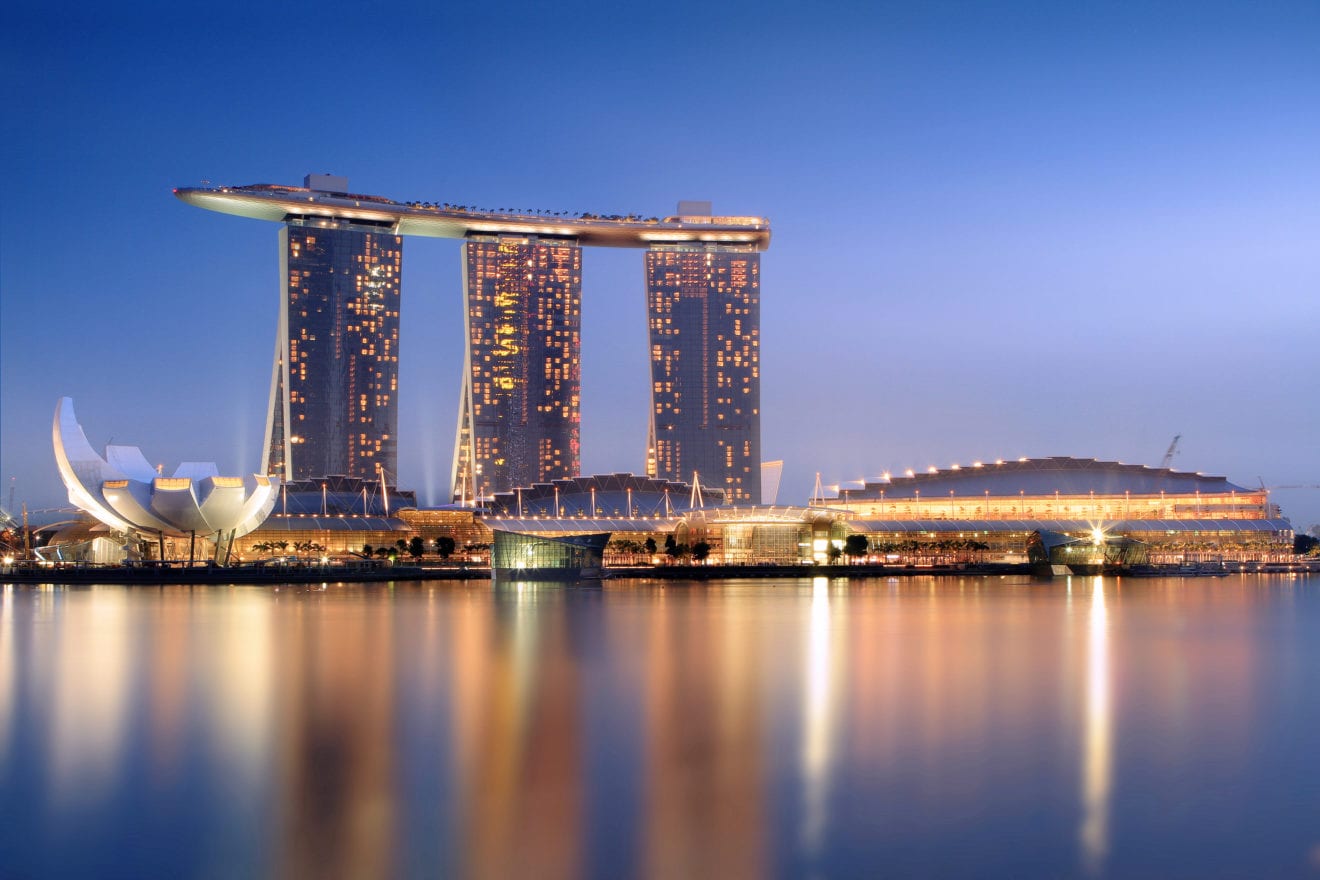
    Sands Shoppes Macao held its fifth Sands Retail Awards this week, at the Four Seasons Hotel.

    The awards honor retailers who achieved outstanding performance this year across 13 categories including best store performance, best loyalty program, best window display, best store design, and best customer service, along with a rising star.

    “While the Sands Retail Awards recognize the best of the best, all our retailers across Sands Shoppes Macao set incredibly high industry standards,” said David Sylvester, executive VP of global retail at Las Vegas Sands Corp.

    “There is huge competition for these coveted awards and the retailers who make it through have demonstrated total commitment to ensuring visitors to our shopping malls enjoy their experience here.”

    Sands Shoppes Macao Retail Awards Winners are:

    Best Store Performance – Luxury: Louis Vuitton (Shoppes at Four Seasons)

    Best Store Performance – Luxury Watch & Jewellery: Rolex (Shoppes at Venetian, Shoppes at Cotai Central, Shoppes at Parisian)

    Best Store Performance – High Street Fashion: MSGM (Shoppes at Parisian)

    Best Store Performance – High Street Watch & Jewellery: Swarovski (Shoppes at Cotai Central)

    Best Store Performance – Beauty: Temptation (Shoppes at Parisian)

    Best Store Performance – General Retail: Mannings (Shoppes at Venetian)

    Best Store Performance – Food & Beverage: Lei Garden (Shoppes at Venetian)

    Best Loyalty Program Performance – Highest Point Redemption: Fortress (Shoppes at Venetian)

    Best Loyalty Program Performance – Highest Number of Transactions: Tai Hing Restaurant (Shoppes at Venetian)

    Best Window Display: Versace (Shoppes at Four Seasons)

    Best Store Design: Apple (Shoppes at Cotai Central)

    Best Customer Service: Victoria’s Secret (Shoppes at Venetian)

    Rising Star: Sandro (Shoppes at Venetian)

  • Real Singapore retail sales stable in September

    Real Singapore retail sales stable in September

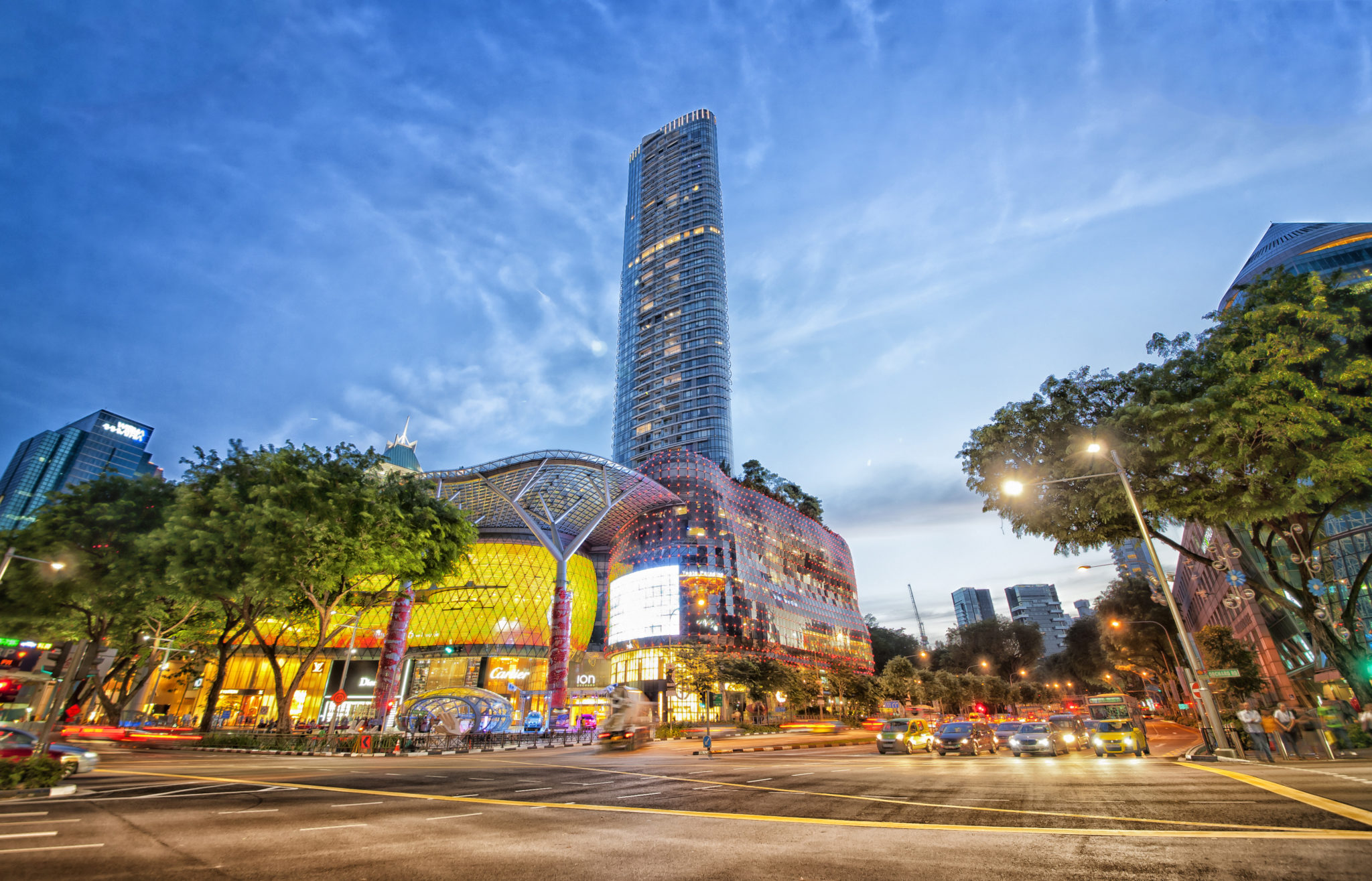
    Real Singapore retail sales (excluding motor vehicles) slipped by 0.3 percent in September compared to the same month last year.

    With motor vehicle sales included, the decrease was 2.2 percent, marking the eighth consecutive monthly decrease in the headline figure.s

    Month on month, retail sales excluding vehicles rose by 0.8 percent.

    Significantly, online sales grew to account for 6.9 percent of total sales in September.

    Year on year, the worst affected categories aside from vehicles (down 12.3 percent) were furniture and household equipment; recreational goods; and watches and jewelry which experienced declines of between 4.4 percent and 8.9 percent. Sales of department stores declined by 1.2 per cent respectively.

    On the positive side, retailers of computer and telecommunications equipment posted sales growth of 8.7 percent, while sales of apparel and footwear; medical goods and toiletries; and optical goods and books increased by between 2.1 percent and 4.2 percent.

    Singapore retail sales of food and beverage services grew by 4.3 percent year on year in September and by 0.4 percent month on month.

    Sales at fast-food outlets; cafes; food courts and other eating places; and restaurants reported sales up by 12.5 percent, 4.6 percent and 2.7 percent respectively, while turnover of food caterers declined 0.5 percent.

  • Accor and Alibaba form strategic partnership

    Accor and Alibaba form strategic partnership

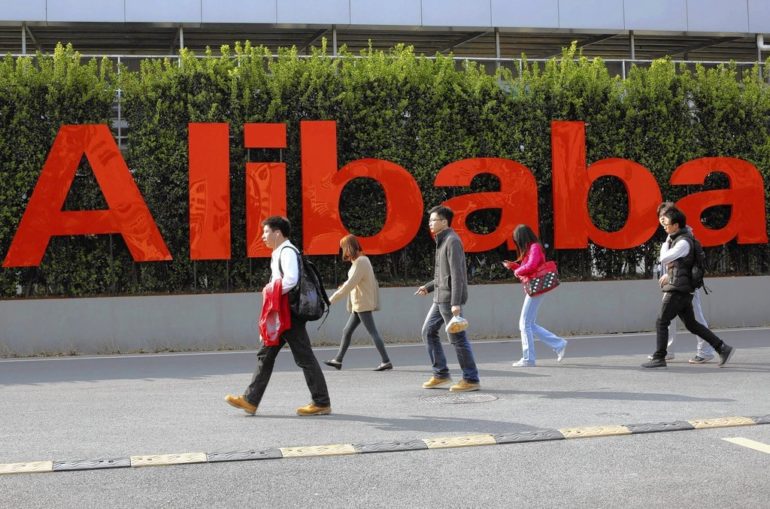
    International hospitality group Accor and e-commerce giant Alibaba have entered a strategic partnership to develop a series of digital applications and loyalty programs to improve the consumer and traveler experience over the next five years.

    The announcement was made at a ceremony in Beijing during this year’s China International

    Import Expo. Accor was among the delegation of French companies accompanying President Emmanuel Macron on a state visit to China.

    The strategic collaboration will leverage Alibaba’s nearly 700 million consumers across its China retail marketplaces to enable more Chinese travelers to access Accor’s consumer offerings. It will allow for seamless integration of Accor’s customer journeys within Alibaba’s ecosystem. Alibaba’s travel arm Fliggy will allow consumers to book hotels, access catering services, book entertainment and take advantage of other lifestyle services. Payments can be made using Alipay, a digital payment service operated by Alibaba affiliate Ant Financial.

    Accor will also offer Chinese consumers a hassle-free hotel experience through its “Haoke” program – geared towards Chinese travelers. Haoke, which means “Welcome” in Chinese, is a certification program that ensures Accor’s hotels are ready to welcome Chinese guests by incorporating Chinese-language, Chinese dishes on menus, Chinese-speaking staff, and other services and payment systems that meet the needs of Chinese travelers.

    The collaboration between Accor and Alibaba will be instrumental to the roll-out of Accor’s soon-to-be-launched lifestyle loyalty program, ALL – Accor Live Limitless. Alibaba will make the program’s services and benefits available to its massive consumer base, using its ecosystem, consumer insights and digital marketing capabilities, accelerating the roll-out of ALL in China and around the world.

    “We are excited to enter into this strategic global partnership with Alibaba, a leading global technology company in the world,” said Accor’s chairman & CEO Sebastien Bazin. “China’s importance to the world’s tourism industry and this key collaboration with Alibaba will symbolically strengthen economic ties between China and France, while giving Chinese travelers access to exciting events and benefits through ALL – Accor Live Limitless.”

    “Over the past 20 years, Alibaba has formed two flywheels with one focused on consumers and the other on enterprises, said Alibaba Group executive chairman and CEO Daniel Zhang. “Our consumer-facing business facilitates and stimulates consumption, of which travel consumption is an important segment. Through the Alibaba business operating system, we enable tourism industry partners such as Accor to fully digitize their business operations, from sales to marketing, brand building to member management and service Innovations.”

  • Alibaba’s Singles Day next week will be ‘grander than ever’ predicts analyst

    Alibaba’s Singles Day next week will be ‘grander than ever’ predicts analyst

    While eye-popping sales numbers have become routine for Alibaba’s Singles Day on 11.11, Forrester senior analyst Xiaofeng Wang expects this year’s event will be “grander than ever in terms of scale and reach innovations, and social responsibility”.

    Singles’ Day, the world’s largest online shopping event, will be held on Monday, but a huge share of sales are set up in advance. Here are four points to watch out for on Alibaba’s Singles Day this year, according to Wang:

    Bigger discounts will come with more complex promotion schemes. 

    Major players such as Alibaba, JD and Shopee rolled out preorder campaigns with varying start dates, and their promotion schemes have become increasingly complex. Consumers fall into a dilemma between deals that are too good to resist and schemes that are too many and too complex to follow.

    Alibaba will continue to push the boundaries of what to buy online. 

    Last year, Alibaba expanded its 11.11 product portfolio to new industries like automobiles and hotels. This year, it is expanding into new areas such as entertainment to offline services to real estate. Consumers in China can buy tickets to Disney Parks, car-care services, home decoration, and renovation services online. What’s more, Alibaba plans to sell 10,000 apartments on its auction platform.

    Live-streaming commerce will be the key driver of revenue growth.

    Live-streaming commerce is increasingly gaining momentum in China and quickly expanding to Southeast Asia and beyond. Lazada, Shopee, and Rakuten all launched live-streaming features. Beauty brand Whoo already created a jaw-dropping record of achieving 100 million yuan Gross Merchandise Volume in six minutes of live streaming during the preorder campaign period. Fifty-five cars were sold in just one second in another live-streaming session of Chinese automobile brand JMC. We expect to see more record-breaking live streaming sales like this emerge on 11.11 this year.

    Leading retailers and brands will differentiate with their social responsibility.

    Alibaba announced the plan of “a greener 11.11.” It is committing to set up 40,000 recycling stations across China through its Cainiao Smart Logistics Network, along with an additional 35,000 by its express-courier partners. It also encourages consumers to participate by rewarding them with “green energy” points on Ant Forest. Not exactly for Singles Day, Singapore-based online retailer Carousell recently launched a “reboxing” campaign with a similar idea of reducing waste. We expect to see more retailers and brands participate and initiate social responsibility campaigns like this.”

  • September Hong Kong retail sales down across the board

    September Hong Kong retail sales down across the board

    Hong Kong retail sales in September were down 18.3 percent in the same month last year, but the decline was less than in August. The luxury sector again took the biggest hit.

    Census and Statistics Department data released Friday provisionally estimated sales at HK$29.9 billion. The revised estimate for August’s decline was 22.9 percent, with sales for the third quarter down 15.1 percent on the second quarter, and by 19.5 percent year on year, almost on a par with 1998’s third-quarter record decline during the financial crisis.

    Year-to-date, sales are down by 7.3 percent.

    A government spokesman described the decline as “significant” as “local social incidents continued to take a heavy toll on inbound tourism and consumption-related activities”.

    “As protests involving violence continue to deter tourists and reduce local consumption, and the subdued economic outlook also dampens consumer sentiment, the performance of retail sales is likely to stay weak in the near term.”

    Hong Kong retail sales of jewelry, watches and luxury goods fell 40.8 percent during the month, which was less than the 50-plus percent that some retailers were fearing. Department-store sales fell by 25.6 percent, apparel by 26.3 percent, accessories by 16.6 percent, and medicines and cosmetics by 21.7 percent.

    Perhaps the greatest difference between August and September was the obvious impact of locals spending less – to date the protests have had the greatest effect on retailers serving the inbound tourist market. Supermarket sales fell by 2.6 percent in September; food, alcohol and tobacco sales by 13.8 percent; furniture and fixtures by 7.2 percent; books, newspapers, stationery, and gifts by 9.6 percent; and motor vehicles and parts by 16.1 percent.

    Sales of Chinese drugs and herbs were down 18.2 percent, of electrical goods by 1.4 percent and at optical shops by 15.8 percent.

    The only category to show growth in September was fuel, up by 5.9 percent.

  • Asia dominates global retail acquisitions in September

    Asia dominates global retail acquisitions in September

    Asian deals dominated global retail acquisitions in September according to a database compiled by GlobalData.

    Retail industry deals for the month were worth more than US$7.52 billion, representing an increase of 94.9 percent over August and 38.6 percent above the 12-month average of $5.43 billion.

    In terms of a number of deals, the sector saw a rise of 15.1 percent over the 12-month average with 145 deals against the average of 126 deals.

    In value terms, Asia-Pacific led the activity with deals worth $5.14 billion.

    The top five retail deals accounted for 72.7 percent of the overall value during September – and three of them were in Asia.

    The top five retail industry deals of September tracked by GlobalData were:

    • Yahoo Japan’s $3.72 billion acquisition of Zozo.
    • The $750 million acquisition of Jetro Restaurant Depot by Fomento Economico Mexicano.
    • GIC Singapore’s $500 million private equity deal with VCM Services and Trading Development Joint Stock (VinGroup’s VinMart in Vietnam).
    • The $300 million venture financing of Zhuan Zhuan by 58.com and Tencent Holdings.
    • Glade Brook Capital Partners, TCV and Thrive Capital’s venture financing of Capsule for $200 million.
  • Uniqlo to quadruple SE Asia retail store network

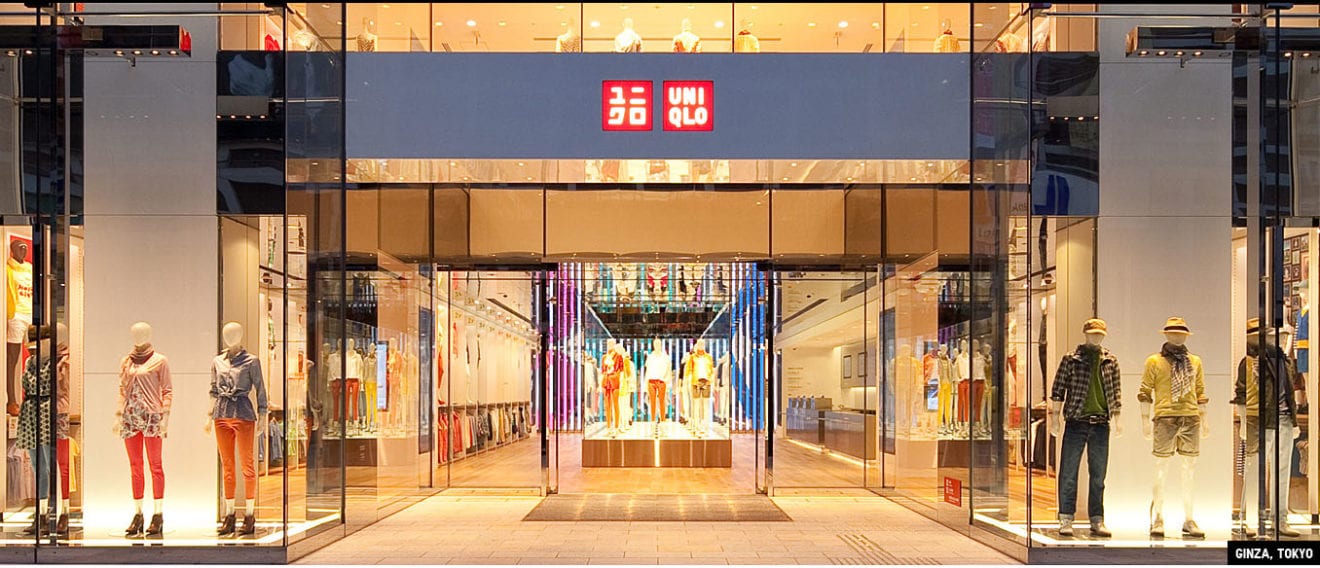
    Uniqlo to quadruple SE Asia retail store network

    Japanese casual wear retailer Uniqlo plans a four-fold increase in its Southeast Asian store count during the next decade.

    Tadashi Yanai, chairman, and CEO of the firm’s parent company Fast Retailing said in an interview with Nikkei that Uniqlo is seeking a much faster rate of expansion than it took to build its 800-strong network of stores in greater China.

    “Asia, from China to India with 4 billion people, is the world’s only region that is showing steady growth,” said Yanai.

    He said that for the time being, Cambodia, Laos, and Myanmar are not being considered as potential markets for the brand because there are too many opportunities outside those countries.

    Next month the Japanese retailer will open its first store in Vietnam. Located in Ho Chi Minh City, the store will be its largest in Southeast Asia and located across the road from Zara’s two-year-old Vietnam flagship and a rival H&M’s store.

    Uniqlo operates around 2200 outlets internationally.

  • Japan and South Korea battle for Vietnamese retail market

    Japan and South Korea battle for Vietnamese retail market

    South Korean companies are engaged in a fierce battle with Japanese rivals in the Vietnam retail market, which has emerged as a “post-China.”

    According to the Korea Trade-Investment Promotion Agency, the Vietnam retail market has been growing rapidly, with an annual average growth rate of 10.9 percent between 2013 and 2018.

    Currently, South Korea and Japan lead the market in all areas, including convenience stores, department stores and online shopping.

    Lotte Group has had a presence in the Vietnam retail market since 2008 and has invested US$390 million so far.

    Currently, the company has 14 shopping malls, one department store, and two duty-free shops operating across the country.

    Japanese rival Aeon entered Vietnam in 2011 with a capital of $190 million. Since then, it has built and operated shopping malls in three centers: Ho Chi Minh City, Hanoi and Binh Dương.

    Besides Aeon, Japanese companies such as 7-Eleven, Fuji Mart are also operating in Vietnam.

    The channels that are growing rapidly in the local market are convenience stores and e-commerce.

    In particular, the growth of the convenience-store market is steep due to rapid urbanization, rising income levels and the expansion of the young consumer population.

    IGD Research ranked Vietnam as the top country among the fastest-growing convenience store markets in Asia by 2021.

    The South Korean convenience store chain GS25 entered Vietnam in January last year when it opened a store in Ho Chi Minh through a joint venture with SonKim Group, a Korean company that has emerged in the region.

    It currently operates about 50 stores but plans to expand to 70 by next year and to 2000 over the next decade.

    South Korea’s BGF Retail, which operates the convenience store chain CU, also recently signed a master franchise contract with Vietnam’s CUVN to start making inroads into the Vietnamese market.

    Japan’s 7-Eleven entered Vietnam in 2017 and is currently operating 24 stores. It aims to build 1000 new stores, mostly focused for now on Ho Chi Minh City and Hanoi. It followed Circle K and FamilyMart which have gained considerable traction in Ho Chi Minh City.

    South Korean conglomerates such as Lo

  • Alibaba launches 2019 11.11 Global Shopping Festival

    Alibaba launches 2019 11.11 Global Shopping Festival

    Alibaba Group has launched its 2019 11.11 Global Shopping Festival, taking the annual event into its second decade.

    The shopping holiday this year focused on “new consumption,” “new business” and actively contributing to a greener society.

    “Our goal is to stimulate consumption demand and support lifestyle upgrade in China through new brands and products,” said Taobao and Tmall president Fan Jiang. “We will enable merchants in China and around the world to grow their businesses through data-driven product innovation and consumer insights, as well as leverage our recommendation technology and content-driven user engagement to delight consumers in urban coastal cities and less-developed areas of China.

    “Given its scale, minimizing environmental impact is essential and our technology will ensure it is a green 2019 11.11 Global Shopping Festival.”

    The festival taps a global supply chain to meet the growing demand of Chinese consumers for new brands and new products. More than 200,000 brands are participating; one million new products are on offer and more than 500 million users are expected to participate in this year’s festival – about 100 million more than last year.

    Estimated consumer savings from brand and platform promotions and coupons are around RMB 50 billion (US$7 billion).

    For the first time, Alibaba held a concurrent kickoff event in the northeastern city of Harbin, underscoring its focus on serving consumers and small businesses in China’s less-developed markets. In the last quarter, more than 70 percent of Alibaba’s new annual active consumers came from lower-tier cities.

    “The success of our focus on less-developed markets in China is reflected in our new customer acquisition growth,” said Alibaba Group CMO Chris Tung. “We are equally driven to help local enterprises and factories digitize, which improve their operational efficiency and ability to engage with customers across the country.”

    More than 22,000 international brands from 78 countries and regions will participate in this year’s 11.11 on Tmall Global, Alibaba’s cross-border online marketplace, providing an expansive international product selection for consumers.

    For the second year, Lazada will take part and expects its “shoppertainment” – a blend of shopping and entertainment – to attract a record number of participating merchants and consumers in its six markets.

    While continuing to serve over 200 countries and regions, AliExpress will enable local merchants from Russia, Spain, Italy, and Turkey to participate in 11.11 for the first time.

    Daraz disrupted South Asia’s retail market with 11.11 last year and is gearing up again with celebrations in Pakistan, Bangladesh, Sri Lanka, Myanmar, and Nepal. India will celebrate with the UC Shopping Fest, in association with Paytm, VMate, and 9Apps.

    Fliggy will offer 30,000 different vacation packages to over 200 destinations to serve Chinese tourists. Thousands of travel experts will offer tips and suggestions via live streams during 11.11.

    Cainiao and its partners will make November 20th a day focused on the recycling of cardboard packaging. They will work to convert 75,000 locations into permanent recycling stations, and express courier companies to pick up used cardboard boxes and wrapping.

    Consumers will be incentivized to recycle through rewards of “green energy” points on Ant Forest.

    Alibaba Cloud expects to save 200,000 kilowatt-hours of energy on November 11th at its data centers, which will be powered by renewable energy and energy-conserving technology such as liquid-cooled servers.
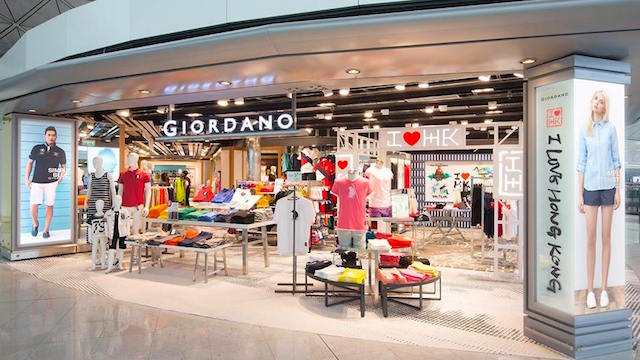
  • Giordano sales down across China

    Giordano sales down across China

    Giordano sales slid by 8.6 percent in the three months to September, or by 7.1 percent if measured by constant exchange rates. Comparable same-store sales fell by 10.3 percent.

    The damage to Giordano sales was largely borne in Hong Kong and Mainland China, where protests have hit inbound mainland tourist numbers since June and Chinese are spending less, spooked by the ongoing Sino-US trade war.

    Giordano sales in Hong Kong and Macau fell from $226 million to $169 million and in Mainland China from $251 million to $208 million.

    However, the China decline was mitigated in part by a strong performance in Giordano’s relatively new Middle Eastern markets. Sales there rose from HK$134 million to $153 million.

    Wholesale sales were constant.

    Despite the Hong Kong sales decline, Giordano maintained a network of 75 stores in Hong Kong during the period, the same number it had a year earlier.

    Group sales for the quarter totalled $1.075 billion, down from $1.176 billion a year earlier. Year-to-date sales (for nine months) were down from $4.036 billion to $3.617 billion.

  • Amazon has no specific time frame for Vietnam website

    Amazon has no specific time frame for Vietnam website

    A senior Amazon official says the firm sees Vietnam’s potential but has not decided on a time to launch services for Vietnamese buyers.

    Bernard Tay, head of Amazon Global Selling Southeast Asia, Australia and New Zealand, said at an event Thursday that the global e-commerce giant sees Vietnam has a potential market.

    He noted that after launching Amazon in Singapore, they would look at opportunities to expand their services to more countries, including Vietnam.

    Amazon Thursday established a team of specialists in Vietnam to support Vietnamese sellers in taking their products to global customers. The company stated that it sees the majority of Vietnamese businesses are small and medium enterprises with large demand for global sales.

    Many Vietnamese leather, footwear, handmade and consumer goods items are selling well on Amazon’s website, Tay said.

    Vietnamese sellers can reach up to 300 million Amazon accounts in 185 countries and territories. Amazon also has 175 fulfillment centers worldwide, he added.

    Bui Kim Thuy, owner of a textile company whose products are being sold on Amazon, said that the e-commerce giant has strict criteria on product origin and quality which Vietnamese sellers will have to meet.

    An apparel product that suits Vietnamese customers might not suit Americans, therefore Vietnamese sellers need to make careful research for international sales, she added.

    Amazon launched a Singapore website last week, the first in Southeast Asia. Vietnamese shoppers can access Amazon.com, but many products are not available for shipping to Vietnam, and those that are available typically involve high shipping fees.

  • Asos profits tumble as international sales growth slows

    Asos profits tumble as international sales growth slows

    Global fashion online retailer Asos has seen profits tumble 68 percent in the year to August, despite a 13-per-cent increase in sales.

    In what Sofie Willmott, lead retail analyst at GlobalData, described as “a tumultuous” year, Asos reported sales of £2.73 billion and a profit of just £33.1 million. After two profit warnings during the year, investors were unsurprised by the numbers and its share price actually rose 16 percent in post-announcement trading.

    Asos says it received 72.3 million orders and its core UK market performed the best, where sales rose by 15 per cent.

    “This financial year was a pivotal period for Asos, where we have invested significantly and enhanced our global platform capability to drive our future growth,” said CEO Nick Beighton.

    “Regrettably this was more disruptive than we originally anticipated. However, having identified the root causes of our operational issues, we have made substantial progress over the last few months in resolving them.

    “Whilst there remains lots of work to be done to get the business back on track, we are now in a more positive position to start the new financial year.”

    Willmott said with overseas sales accounting for 62.6 percent of group turnover, a modest 11.4-percent rise had a major impact on top-line growth.

    “Although its reliance on territories outside of the UK has been an asset in the past, helping to drive total performance while its domestic market has been challenging, its troubles overseas remain a concern going forward as Asos attempts to improve its proposition and entice shoppers back. The retailer’s plans to bolster its management team with the addition of four new c-suite roles, alongside the four non-executive directors due to join imminently, is a wise one considering it has a number of key areas of focus in the year ahead.”

    Willmott said it bodes well for Asos that it is clearly willing to adapt to survive – unlike some of its multichannel rivals that have been slow to respond to changing consumer needs and shopping habits.

    “Although a quantifiable forecast for the new financial year was omitted from the results today, we expect the online pureplay to continue to outperform in the year ahead.”