Tag: Retail

  • Estee Lauder travel-retail revenue falls

    Estee Lauder travel-retail revenue falls

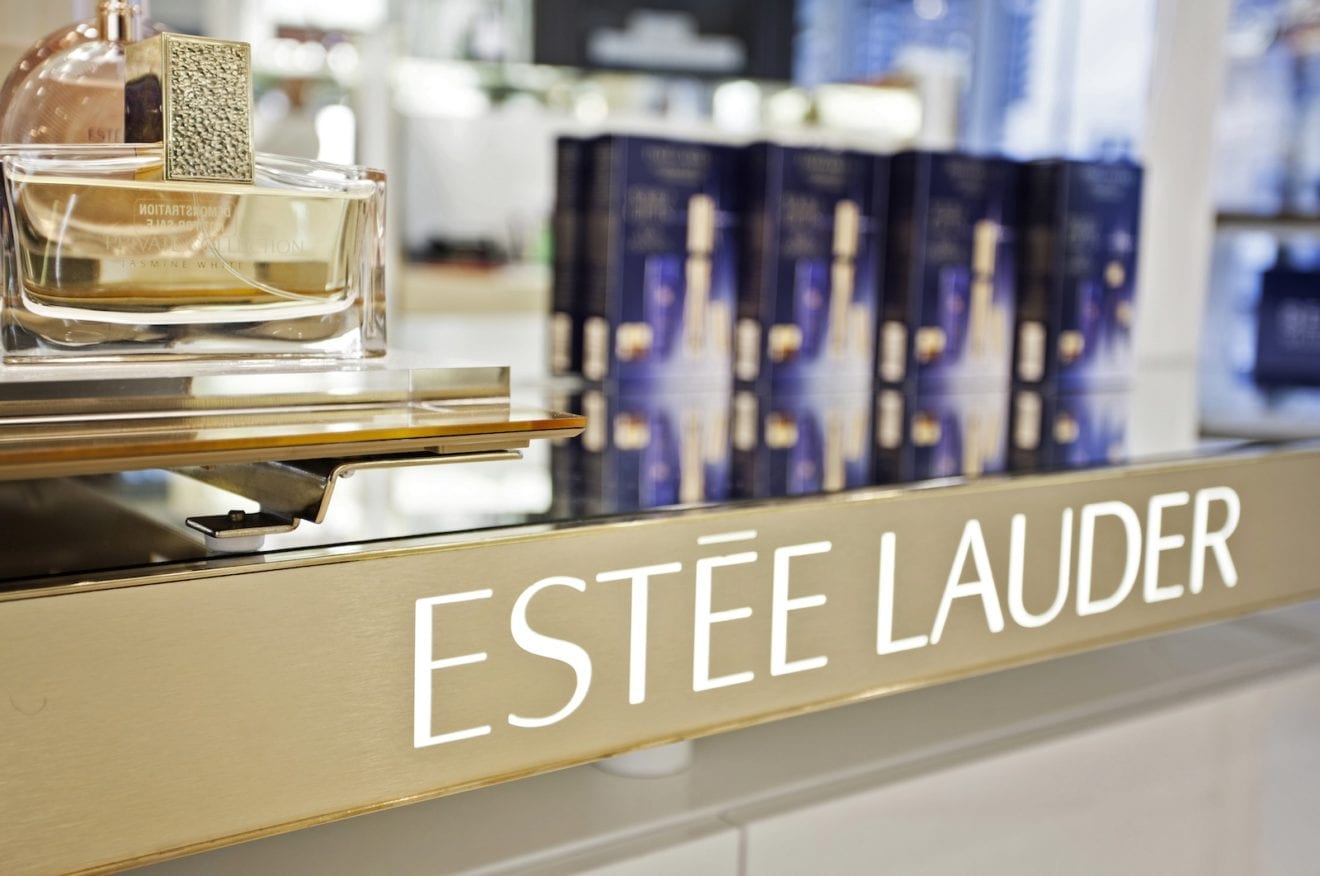
    Cosmetics-giant Estée Lauder Companies reported a decline in travel-retail sales in fiscal year 2015 (ended June 30, 2015), despite an increase in global airline traffic and expanded distribution in the channel.

    The company said that a stronger dollar and the outbreak of Middle East Respiratory Syndrome (MERS), which killed nearly 40 people in South Korea this year, contributed to decline, with travel-retail sales falling by 4% in the last quarter of fiscal year 2015.

    Over 55,000 tourists had cancelled trips to South Korea by the mid-June, according to the World Economic Forum.

    Slower retail growth in Hong Kong and China, as well as a decline in spending by Russian and Brazilian travellers are also expected to impact sales revenue into the 2016 fiscal year.

    The news came as the company also forecasted below-estimated earnings across the whole business for the coming fiscal year, and announced that net sales in the fiscal year ending in June went down to $10.78bn, a 1.7% decrease from $10.97bn the previous year. The company said it missed its 7% growth target because of accelerated sales orders in Latin America and the use of constant currencies to calculate international profits.

    For the three months ended June 30, 2015, the company reported net sales of $2.52bn, compared with $2.73bn the previous year. Skincare products were chiefly affected, with overall sales falling by 16% in Q4.

    However, expanded distribution, including in travel-retail, also helped lift some labels’ revenues. While sales for heritage-brands Estée Lauder and Clinique slumped, the conglomerate’s current global-marketing focus has been on growth for youthful or luxury brands like Smashbox and Tom Ford. Along with Aveda hair-care product, these brands’ expanding travel-retail channels were reported by Estée Lauder Co. to have resulted in year-on-year revenue growth that has helped offset some of this year’s losses.

    The company has said that by adjusting to factors like constant currencies and accelerated orders in the fiscal year 2014, strong underlying growth in the company becomes apparent.

    President and CEO Fabrizio Freda said in the company’s report for the fiscal year 2015 (Q4 and full year): “Together with our powerful brand portfolio and financial discipline we finished our fiscal year with a strong Q4, generating 7% constant currency sales growth, after adjusting for the accelerated sales orders we reported in fiscal 2014.

    He added “For the full year, our adjusted 6% local currency sales growth met our expectations, and we exceeded our earnings per share forecast …Our sales grew at a faster rate than global prestige beauty, due to the success of our multiple engines of growth. Standout performances generated double-digit sales gains in most of our makeup and luxury brands and the online, specialty-multi and freestanding store channels.

    “In fiscal 2016, we expect constant currency net sales growth of 6% to 8% and double-digit earnings per share growth, after adjusting for the accelerated sales orders.”

    Reuters reported on Monday that Estée Lauder Cos Inc shares fell by up to 5.3% to $82.8 per share yesterday, but the value rose to $84.48 today (still down from $90 reported at the beginning of this month). Estée Lauder is currently expanding its travel-retail offering, focusing on colourful, clean brands like Mac and Smashbox, as well as its successful London brand Jo Malone.

  • Wal-Mart says heavy e-commerce investments put a crimp on earnings

    Wal-Mart says heavy e-commerce investments put a crimp on earnings

    The retailer’s global online sales increased 16% in Q2, excluding the impact of the stronger U.S. dollar.

    Wal-Mart Stores Inc. says its heavy investment in e-commerce infrastructure is paying off, with online sales growing by double-digit percentages, but that it hit a rough patch in international online sales and that the spending is weighing on its earnings.

    The retail giant, No. 3 in the Internet Retailer 2015 Top 500 Guide, said Tuesday its global online sales, excluding the impact of the strengthening dollar, grew 16% in the second quarter. But investments in e-commerce are estimated to lower full-year earnings per share by between 6 cents and 9 cents, company officials said. With 3.23 billion shares outstanding, that suggests Wal-Mart will spend between $190 million and $295 million on e-commerce this year.

    “The highlight was solid growth in the Walmart.com and SamsClub.com U.S. businesses, while international was soft, due to economic challenges in several of our key markets,” chief financial officer Charles Holley said on the company’s earnings call. The international results led Wal-Mart to revise its e-commerce sales growth forecast for 2105 to the mid to high teens from the previous mid-20s range.

    Wal-Mart also said its e-commerce investments, meant to vie with Amazon.com and other online retailers, are vital given the competitive environment.

    “We’re pleased that the investments we’ve made are helping to improve our business,” CEO Doug McMillon told analysts during the company’s earnings conference call, according to a transcript from Seeking Alpha. “Even if it’s not as fast as we would like, the fundamentals of serving our customers are consistently improving. In this case, our desired changes require investments, which are pressuring earnings this year.”

    Also in the quarter, the retailer opened two automated online fulfillment centers in the U.S., each bigger than 20 football fields, and two more are coming this quarter, said Holley. The centers will serve customers this holiday season and serve as the cornerstones of Wal-Mart’s fulfillment network, he says.

    On the call, Wal-Mart executives discussed its deal, announced last month, to acquire the remaining 49% it did not already own in Yihaodian, a Chinese online grocery retailer that’s been expanding into other categories and is No. 7 in the Internet Retailer 2015 China 500 Guide. Wal-Mart spent $760 million in the quarter to acquire the remaining 49% of Yihaodian, the online retail site in China with 100 million registered users.

    “Our primary goal is to continue to accelerate Yihaodian’s core e-commerce business and maintain strong local Chinese expertise,” Neil Ashe, CEO of Wal-Mart Global e-Commerce, told analysts. “Now that we are the sole owners, we will be expanding our leadership team from within the Yihaodian business, from within Wal-Mart and from the e-commerce industry in China. We will also leverage Walmart’s global reach and scale to better benefit Yihaodian, including global sourcing. China is an exciting, dynamic, large and competitive market. We are excited about our long-term opportunity in China.”

    For the quarter ended July 31, Wal-Mart reported:

    • Net sales of $120.229 billion, relatively flat from $120.125 billion.
    • Wal-Mart did not report online sales but said e-commerce sales increased 16% globally when adjusting for the strengthening dollar, which is reducing the dollar value of sales outside the United States. The total value of purchases on Wal-Mart’s e-commerce sites in 11 countries increased 18% on a constant-currency basis. That includes sales by outside merchants selling on Walmart.com and other sites that offer goods from other retailers.
    • Net income of $3.475 billion, down 15.1% from $4.093 billion in the same period in 2014
    • A decline in operating income in the retailer’s three primary divisions. At Wal-Mart U.S. it was $4.819 billion, down 8.2%; at Wal-Mart International it was $1.277 billion, down 14.2%; and at Sam’s Club it was $428 million, down 13.4%.
  • Hong Kong pop-up mall aims to ease tensions over mainland shoppers

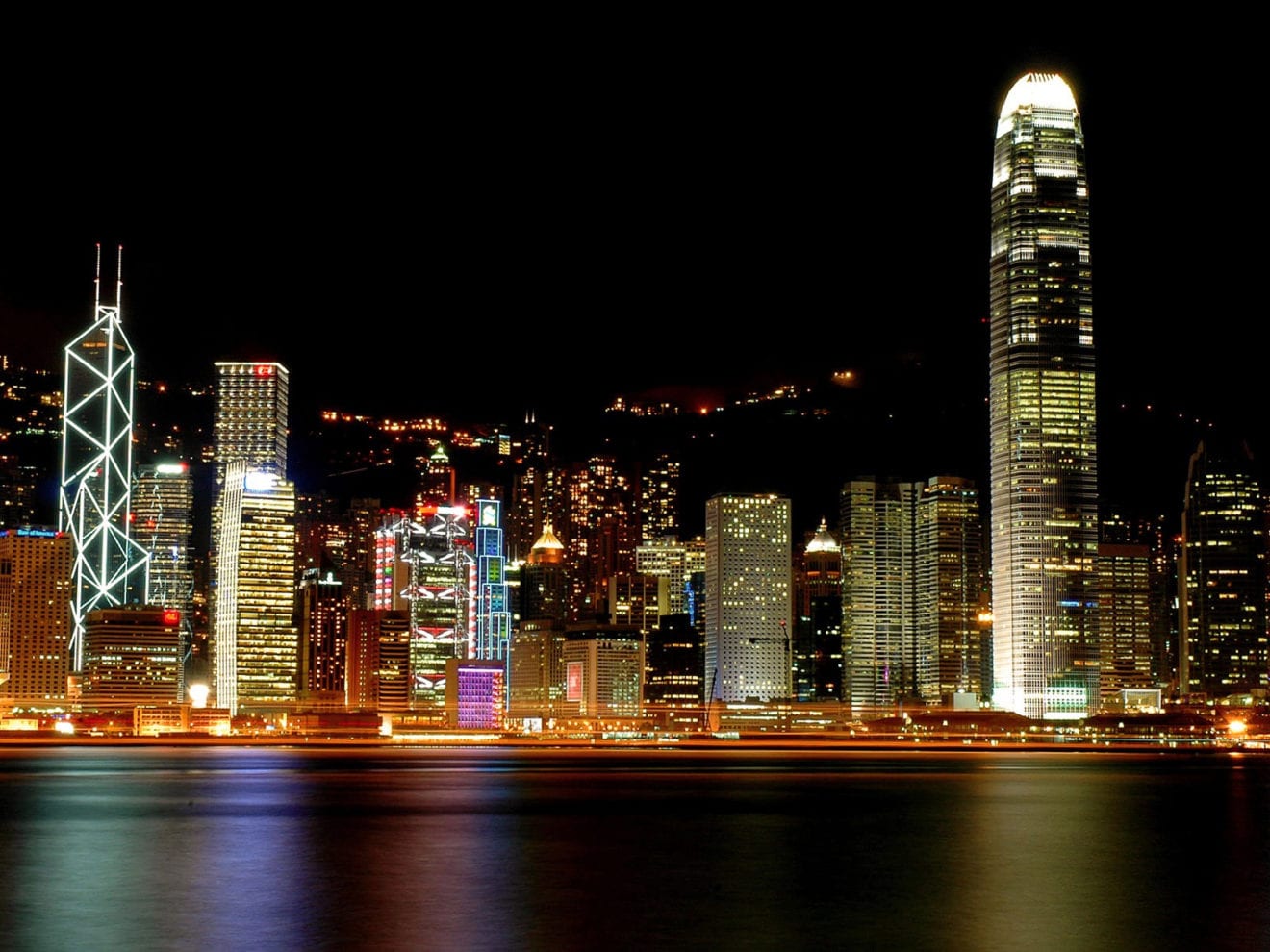
    Hong Kong pop-up mall aims to ease tensions over mainland shoppers

    From London’s trendy Shoreditch to a downtown revitalisation project in Las Vegas, pop-up shopping malls have become all the rage among urbanites keen to sample craft beer and buy designer sneakers.

    But, in Hong Kong, plans for the first temporary mall are designed to assuage popular anger with visiting shoppers from mainland China — derided by locals as “locusts” — rather than cater to the whims of hipsters.

    As political tensions between Hong Kong and Beijing have risen, the semi-autonomous Chinese territory has seen a growing backlash against the thousands of “parallel traders” who come from the mainland every day in search of cheap baby milk, jewellery and other goods they can sell back home for a profit.

    Now two of Hong Kong’s biggest property developers have teamed up with lawmakers to turn a car park near the Chinese border into a mall made out of shipping containers that is meant to serve mainland visitors attracted by the city’s low-tax shopping.

    Wong Ting-kwong, one of the legislative council members promoting the project, said it would “reduce the nuisance brought by excessive mainland tourists and relieve the traffic inside the city”.

    Mr Wong is a member of the main pro-Beijing political party in Hong Kong, which has frequently come under attack for failing to defend residents’ interests in the face of pressure from the central government in China.

    He hopes that the mall, which will be about the size of two football pitches, according to a recently submitted planning application, will open for business early next year.

    The land for the pop-up mall is jointly owned by Henderson Land and Sun Hung Kai Properties, which are controlled respectively by Hong Kong billionaires Lee Shau-kee and the Kwok brothers.

    SHKP said that if the plan was approved by the government, they would lease the land for a nominal HK$1 ($0.13) per square metre to a charitable foundation, which would run the pop-up mall on a non-profit basis for two years.

    After that period, the developers expect to remove the shipping containers and start construction of a permanent mall on the same site.

    The initiative has succeeded in grabbing the headlines in Hong Kong, but those who have organised protests against mainland shoppers are far from convinced it will solve their problem.

    Ray Wong, a member of HK Indigenous, a group that campaigns against mainland Chinese influence in Hong Kong, said that while the pop-up mall could alleviate some pressures, it could also disturb local residents if it generated too much traffic.

    “I think the root of the problem is that mainlanders don’t trust Chinese goods so they have to turn to Hong Kong for guaranteed quality,” he said.

  • Shilla launches Miu Miu global travel-retail first in Singapore

    Shilla launches Miu Miu global travel-retail first in Singapore

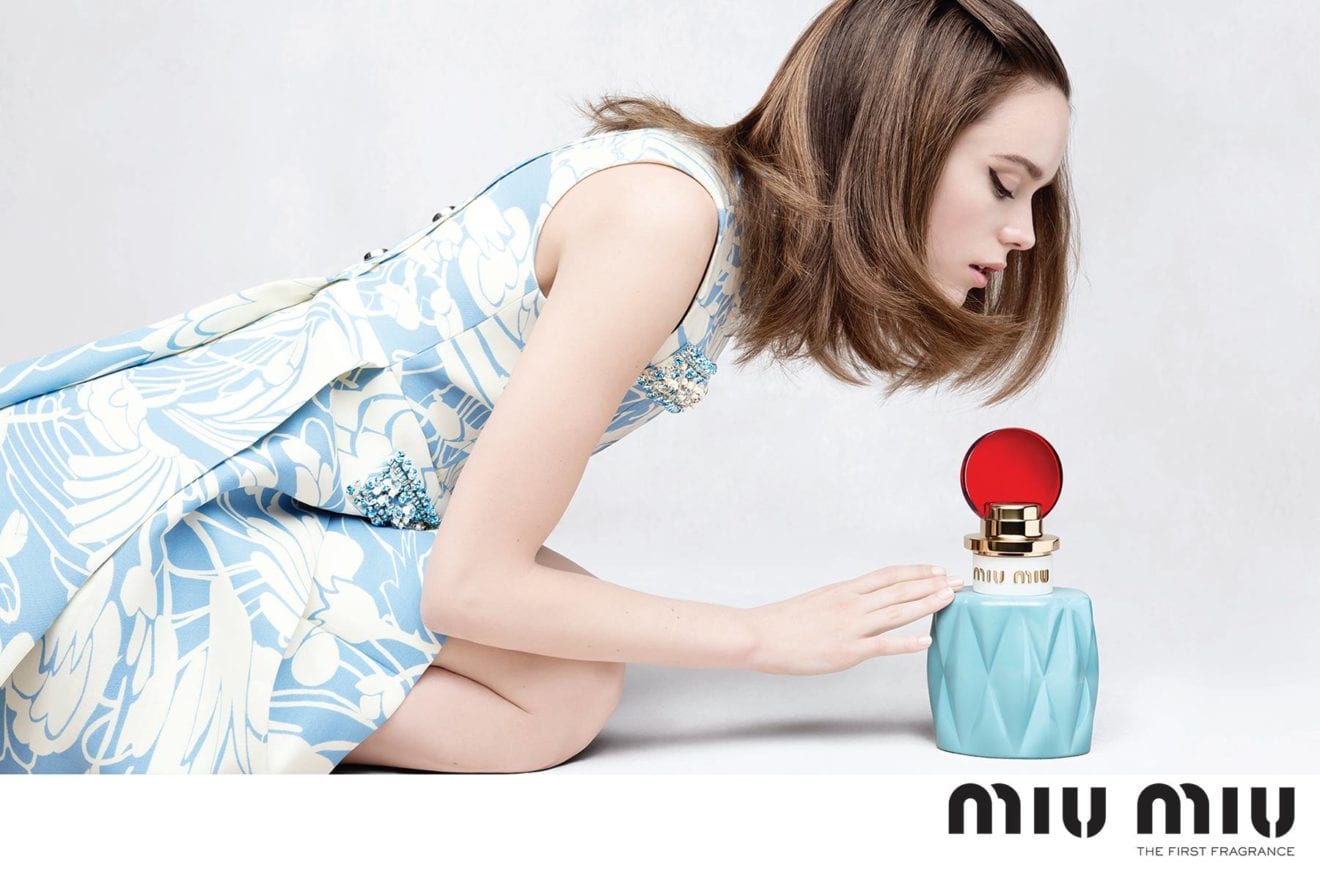
    The Shilla Duty Free has launched the global travel-retail first Miu Miu fragrance at Singapore Changi International airport.

    The global travel-retail exclusive launch from August 1-31 is part of the The Shilla Duty Free’s commitment to continuously present unique and coveted travel exclusives, and to provide world-class shopping experiences to its consumers, according to the retailer.

    Strong partnerships with key brands have resulted in a series of global launches in the form of brand outposts in Changi airport. Similarly, for the launch of Miu Miu’s signature fragrance, a special outpost has been set up beside the terminal one perfumes and cosmetics central store in the transit departure area from August 12 to September 6. Travellers can be among the first to experience the Miu Miu fragrance as have bottles personalised with their initials at the Miu Miu outpost.

    According to the retailer, perfumer Daniel Andrier creates a scent beginning with an elegant, sensual floral, lily of the valley, composed of real jasmine, real rose absolute, and synthetic green notes. The bottle is also described as simultaneously traditional and pop.

    Miu Miu Eau de Parfum (50ml and 100ml) retails at S$113 and S$152 ($80 and $108). Miu Miu Body Lotion (200ml) retails at S$58 ($41).

  • ThaiBev consolidates all beers into Chang Classic to shake up market

    ThaiBev consolidates all beers into Chang Classic to shake up market

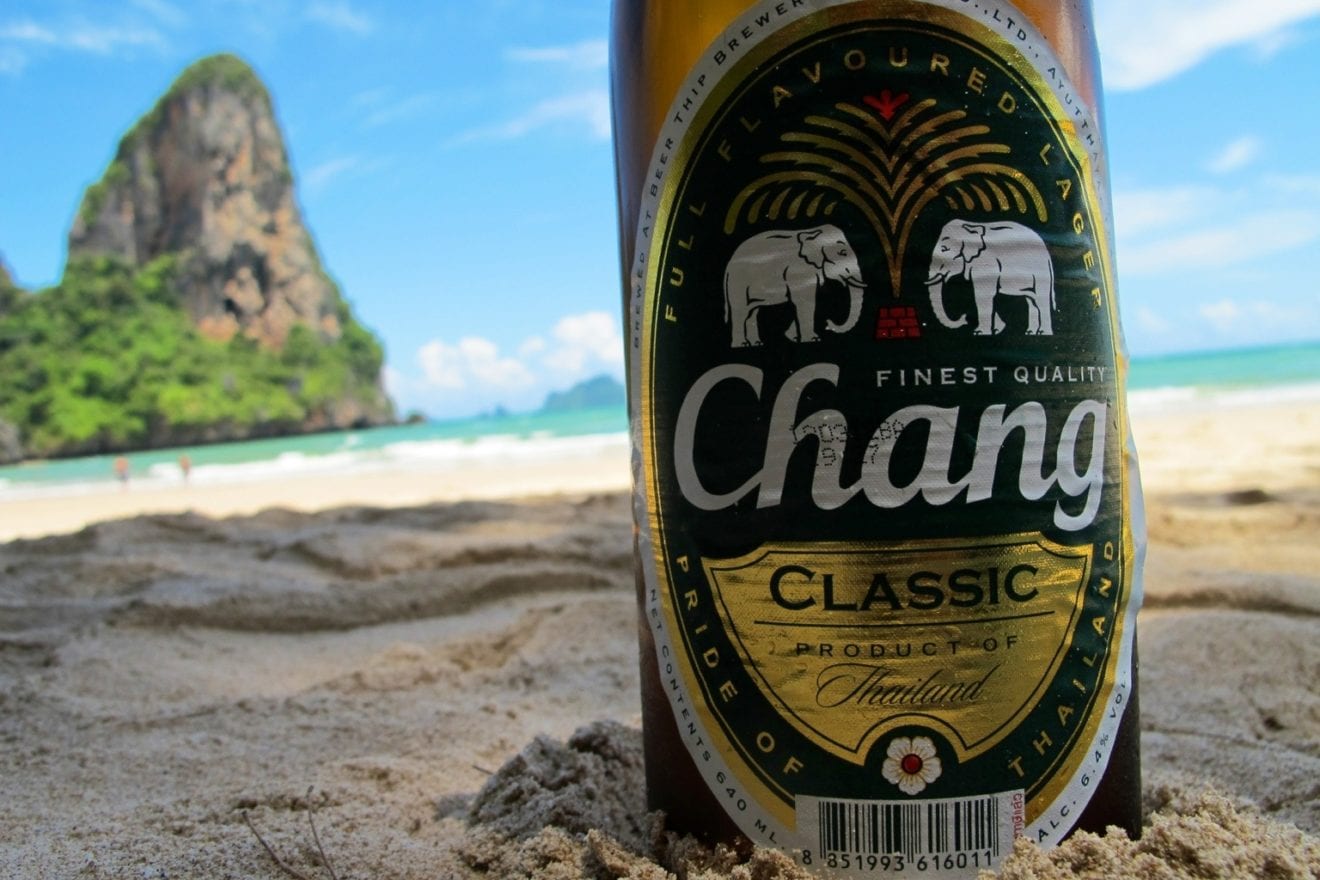
    Thai Beverage (ThaiBev) has consolidated all its beers under the Chang Classic brand in line with its vision to become a “sustainable leader” in the beer and non-alcoholic beverages market in Asean by 2020.

    “We are able to make a perfect liquid for consumers. So, we would like to contribute a single-minded focus actually on one single brand,” Edmond Neo Kim Soon, chief executive officer for beer in Thailand at Chang International Co, said late Wednesday.

    As part of the group’s 2020 vision presented by Thapana Sirivadhan-abhakdi, president and CEO of ThaiBev, to more than 2,000 Chang dealers on Wednesday evening on the occasion of the twentieth anniversary of Chang beer in Thailand, the company aims to increase Chang’s share of the local beer market from about 30 per cent to 45-50 per cent, making it the market leader.

    The company has already given up the distribution of several beer products – Chang Light, Chang Export and Chang Draught.

    The Chang Classic brand will be used for both the domestic market and export markets around the world.

    “We have also launched the new look Chang Classic bottle, with a more elegant and very nice contour and good hand-feel. The new Chang Classic will be easy to drink with only a 5.5-degree alcohol level, down from 6 degrees previously.

    “The new beer is in line with the company’s strategy to deliver products that meet customer needs,” Soon said. The bottle’s colour has also been changed from amber to green to attract more premium and younger drinkers of 20-35 years of age, down from 25-44 previously. The new Chang Classic bottles come in two sizes – 320cc and 620cc – at prices of about Bt34-Bt37 and Bt53-Bt55, depending on the retail outlet.

    Thailand’s beer market is looking to expand 3-4 per cent to about 18 million hectolitres this year after dropping sharply by about 5 per cent last year.

    “We want to grow faster than the overall beer market in Thailand,” he said, adding that the companyhas launched new marketing activities and have been able to increase market share substantially in the past six months. Our market share is as high as 30 per cent currently.

    Thailand is one of the very important markets for Chang. The company will focus on various issues, including those involving image and products, to strengthen its core business.

    “We have a significant presence in many markets in Asean, comprising Thailand, Myanmar, Singapore and Malaysia. We are launching our Chang beer in Cambodia and also looking at the rest of Asean,” he said.

    Vichate Tantiwanich, senior vice president for corporate affairs at ThaiBev, said the company was fully prepared to expand its presence in Asean. The company’s largest brewery in Kamphaeng Phet province is now running at only 50 per cent of capacity.


  • Taiwanese embrace E-Land concept

    Taiwanese embrace E-Land concept

    South Korean retailer E-Land says its first full scale store in Taiwan’s capital Taipei drew 80,000 shoppers in its first week.

    Collectively, they spent US$843,000 in the week-long trial opening.

    E-Land opened its first Taiwanese boutique as a concession inside the Taipei 101 skyscraper last September. That helped build brand awareness in the city.

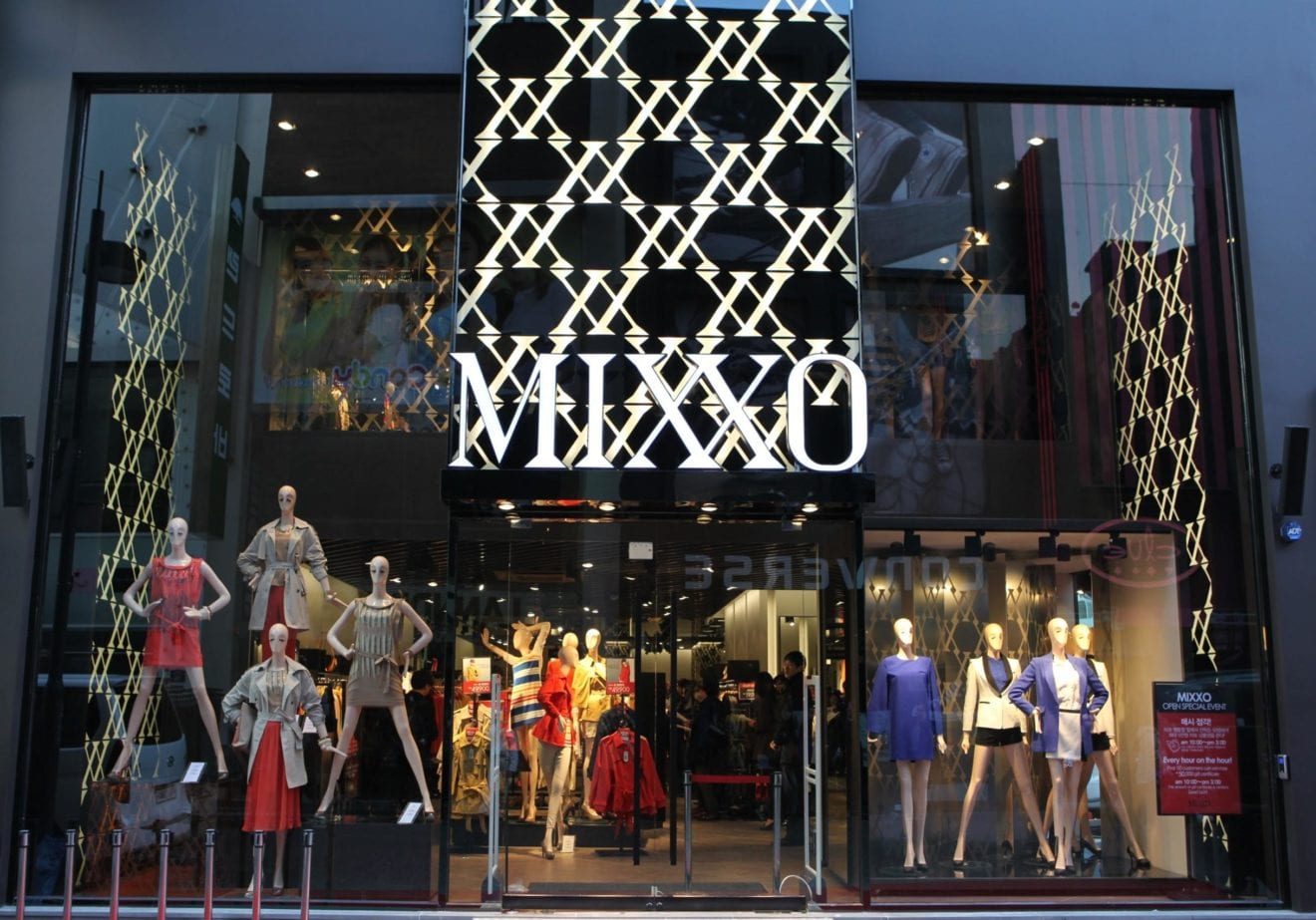
    Now the company has opened its first standalone store, in a shopping district in eastern Taipei, selling clothes and accessories under E-Land’s Mixxo and Spao labels. The 2800 sqm store also features its Lugo cafe concept

    “The response was very enthusiastic,” E-Land Group executive director Yoon Kyung-Hoon told theChosun Ilbo Daily newspaper.

    E-Land made its Greater China debut in 2013 opening stores on the China Mainland and followed in Hong Kong last year.

  • Marimekko Asia continues expansion

    Marimekko Asia continues expansion

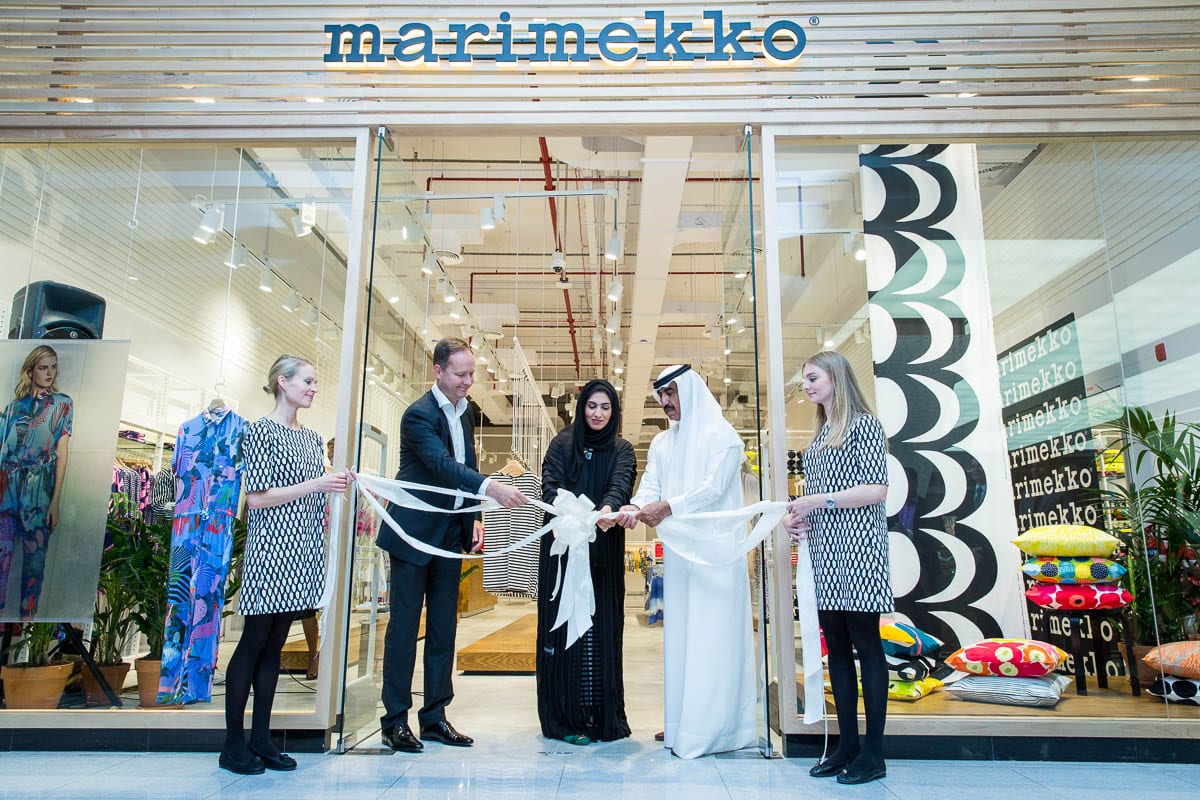
    Finnish homewares retailer Marimekko says it will stick to its Asia and Middle East expansion program despite declining profits.

    “We continue our expansion in line with our internationalisation strategy, particularly in the Asia-Pacific region,” said Marimekko president Tiina Alahuhta-Kasko.

    “This year, new markets have opened up in Bangkok and Singapore as well as Dubai in the Middle East. Deliveries to Japan and the rest of Asia were on a good level in the second quarter, although sales for the whole year are forecast to be lower than in 2014.”

    Marimekko has reported a net sales growth of six per cent globally in the six months to June 30, to euro 43.6 million, driven by new stores and the development of discount outlet stores and an online shop in Finland, together with the stronger US dollar.

    Besides building its Marimekko Asia operations, the company is focusing on its eCommecre offer.

    “The development of digital business is an important part of the current stage in our strategy,” explained Alahuhta-Kasko.

    “The trend in our online sales has continued to be positive and we will continue to focus on enhancing the customer experience to make it even more inspiring and more seamless between our online and offline stores. As part of this process, we are also updating our store and service concept.”

  • Uniqlo Malaysia plans seven new stores

    Uniqlo Malaysia plans seven new stores

    Japanese retail giant Fast Retailing is planning to open seven new Uniqlo Malaysia stores.

    Two of the stores are planned for Sabah and Sarawak in eastern Malaysia and will mark the brand’s first foray into the eastern region after establishing a strong network of stores in central Malaysia.

    The seven stores will begin trading between September and November this year.

    Uniqlo said they will be located in the Klang Valley (The Curve), Perak (Aeon Klebang), Kedah (Aman Sentral), Sabah (Imago KK Times Square and Suria Sabah) and Sarawak (The Spring Mall and Vivacity Megamall).

    “The new store openings mark Uniqlo Malaysia’s first entry into East Malaysia, as it looks to provide more Malaysians with high quality, comfortable and stylish clothing at affordable prices,” the company said in a statement.

    Uniqlo Malaysia currently has 25 stores located within the Klang Valley, Johor, Malacca, Pahang and Penang.

    “We are excited with the upcoming new store openings, as it means more Malaysians will be able to purchase and experience our product offerings,” said Uniqlo Malaysia’s co-COO Jocelyn Ng.

    “We remain committed to provide the best shopping experience and make our innovative products, such as Airism and Heattech, more accessible to the communities in these locations.”

  • Korean banks back Samsung Pay

    Korean banks back Samsung Pay

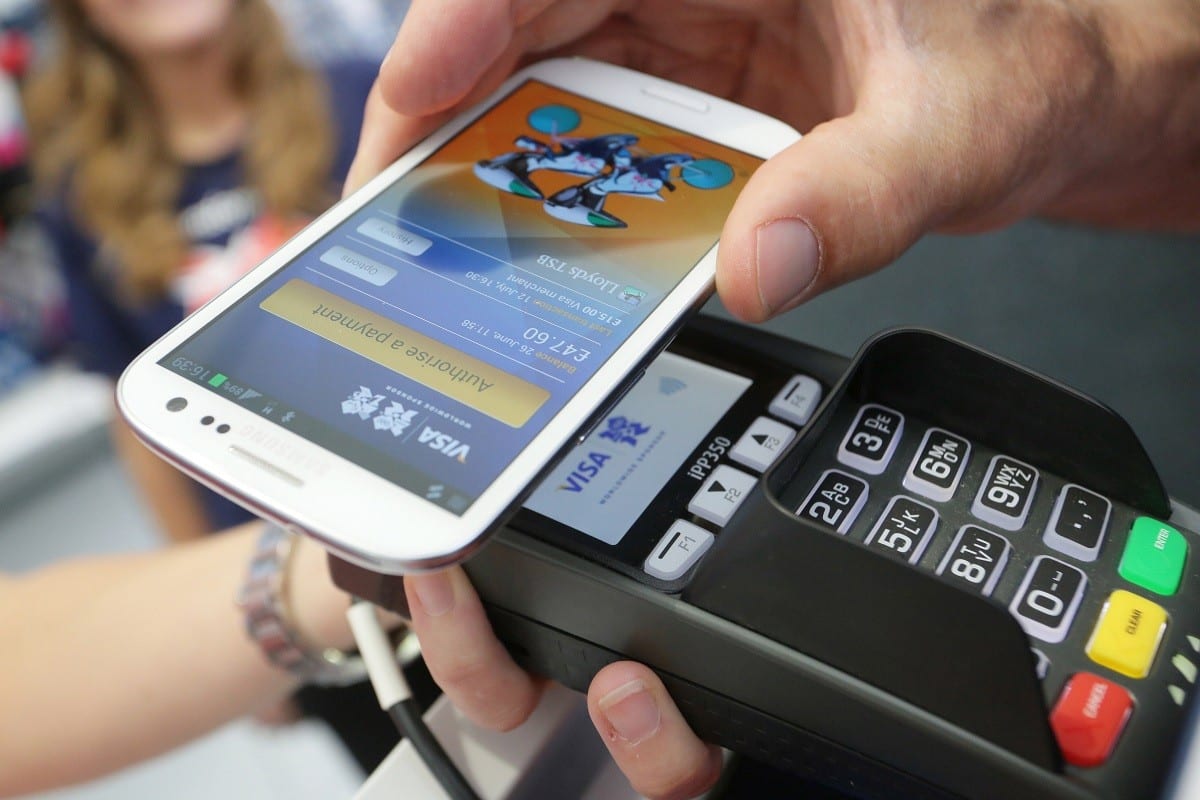
    South Korean tech giant Samsung Electronics says the country’s 10 credit card companies have agreed to support its new mobile payment system, slated for launch today, Thursday.

    Korea will be the first market in which the Samsung Pay service is launched. It supports not only the near field communication (NFC) technology like its rivals but also magnetic secure transmission (MST) and bar code technologies.

    The MST technology is significant as it is compatible with conventional credit card devices, and therefore, it can be used in a larger number of shops compared with Apple Pay. Samsung’s progress was made possible as it had bought US mobile technology firm LoopPay, which has patent rights related to MST.

    Samsung Pay is available through the Galaxy Note 5 and the Galaxy S6 Edge+ that were showcased last week, and software upgrades will be provided to the users of the two smartphones.

    The service will officially reach the United States on September 28.

  • Teabox has the World’s first tea subscription service

    Teabox has the World’s first tea subscription service

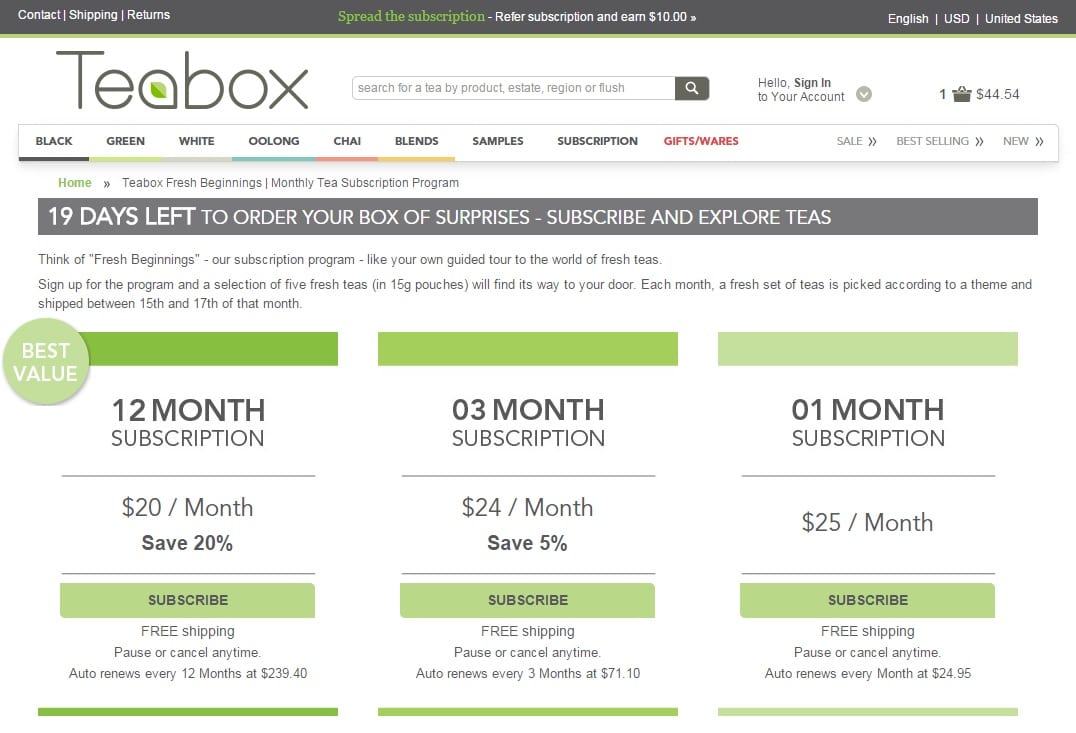
    Indian online tea retailer Teabox the global eCommerce tea company, has launched the world’s first ‘Personalized Tea Subscription Service’.

    The program is powered by Teabox’s patent-pending ‘machine-learning technology’ that it says personalises and matches every individual’s tastes to a selection of teas.

    The Teabox subscription program allows tea drinkers to choose the kinds of tea they would enjoy by breaking down their ‘perfect cup’ into 75 different attributes, such as aroma, astringency,

    strength and body, into objective components which are matched to user preferences, habits and taste characteristics.

    When consumers sign up to the plan, Teabox has them take a quick five-question quiz online, the results of which are analysed by Teabox’s ‘prediction engine’ software.

    “Each user is assigned a ‘signature’ tea based on their responses. The machine ­learning algorithms look for patterns to identify a selection of teas best suited to go with this signature profile,” the company says.

    “And as the users repeat and share their experiences with our prediction engine, it improves its discerning capabilities thereby improving its understanding of a user’s choices and matches our teas to them better. This feedback loop enables a reinforced learning behavior of the system allowing it to fine tune itself to specific taste profiles as we go further,” said Teabox founder and CEO, Kaushal Dugar.

    “When it comes to taste preferences, there are no universals. One’s taste preferences are unique and theirs alone,” he said. “But the descriptions of teas, like wines, can be subjective. We understand this, and that’s why our prediction engine has been developed to break down subjective words like “floral,” “sweet” and “astringent” into over 75 quantifiable attributes.

    “This, coupled with the habits and preferences of our customers enables us to pick out teas perfectly suited to their palate – making our subscription program the most personalised tea experience out there.”

    Teabox ships a package of tea based on the user’s habits and preferences each month. The teas come from the company’s broad selection of tea gardens and suppliers and the company promises fresh teas.

    Teas are delivered within five days of ordering and subscription packages are priced from US$9.99 to $39.99 a month.

    Founded in 2012, Teabox sources fresh teas from 200 growers in Darjeeling, Assam and Nilgiri to the entire world. In two years, Teabox has delivered over 30 million cups’ worth of tea to customers in 80 countries.

    The company is backed by Jafco Asia, Accel Partners, Keystone Group and Dragonee Investment Group.

  • SM Malls embrace future style

    SM Malls embrace future style

    On her first visit to SM Aura in Taguig, Michelle Dabuet, 38, an IT project manager, noticed that it had an “odd” shape.

    “It’s clean and classy and not like the other SM malls that are boxed-shape,” Dabuet noted.

    Gail Dacquel-Perez, 39, and a mother of three also distinctly remembers the fragrance that accosted her upon entering the mall, as well as the cleanliness and the look and feel of a bigger “Podium” mall, one of SM’s earliest upscale shopping malls in Ortigas.

    Noticeably, SM malls today have undergone a major transformation to cater to a new breed of shoppers.

    The sleek designs, open spaces, and iconic edifices in the newest SM malls are attracting shoppers who have become more aware and appreciative of style, fashion and global trends.

    Architect Fides Garcia-Hsu of SM’s Engineering, Design and Development shared that SM, in general, has taken into account two kinds of customers in retail which are also reflected in the design of its malls. Those that are focused and those who act on impulse.

    Focused buyers go to the mall with the intention of buying and carrying the right amount of money to achieve their objectives. Impulse buyers are those who visit the mall with no original intention of buying but will do so if something appeals to them or continue to window shop.

    “Both types are important for SM and that’s why zoning is equally important for us. We try to achieve the right tenant mix to cater to both types,” Hsu said.

    Take Mall of Asia, SM’s premier mall in Pasay as an example. The Hypermarket and THE SM Store are located on both north and south car parks. The Entertainment Mall which houses cinemas and various dining establishments are at the seafront side while the Cyberzone is on another floor. The Food and Beverage units are along the pedestrian streets.

    SM North EDSA, which has undergone several renovations and upgrades in the last few years, follows a similar zoning pattern which aims to provide a more convenient shopping experience while also allowing equal exposure to majority if not all the mall tenants.

    Hsu shared that SM patriarch Henry Sy, Sr. or Tatang (father) as he is fondly called, has provided the direction for the design of SM malls and is, in a way, the first architect of the SM malls.

    SM malls usually follow a straight or H-path which makes it convenient for shoppers to find their way from point A to point B, said Hsu.

    “Tatang  also taught us how to plan the space. He told us that every inch is valuable,” she said

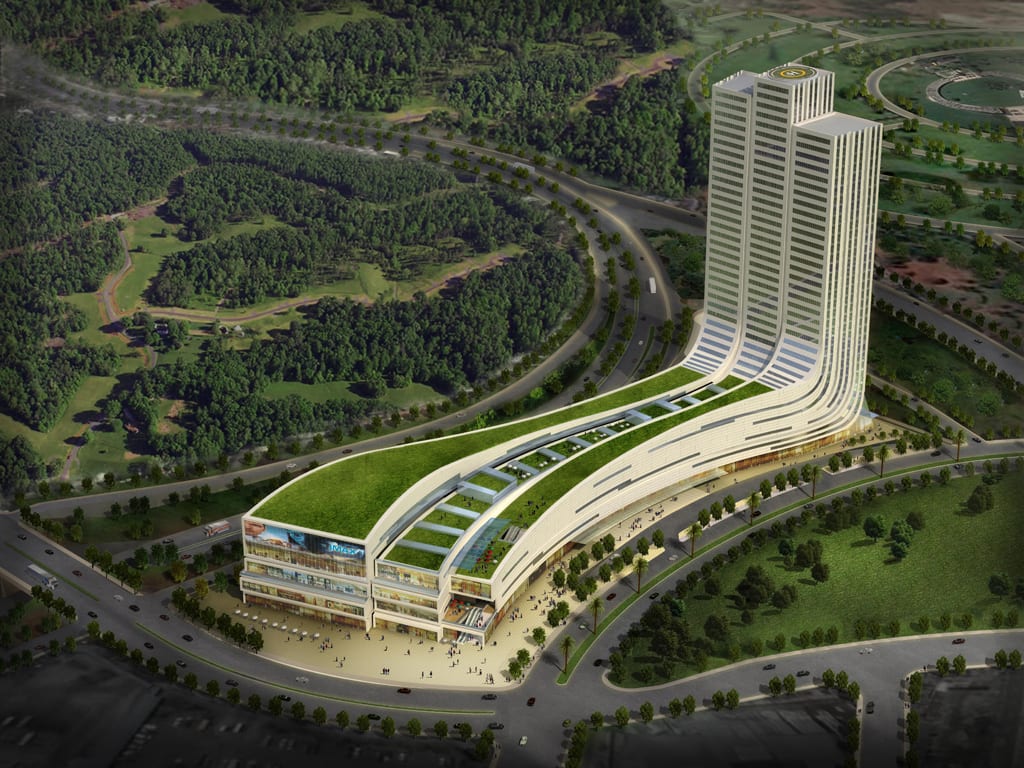
    In recent years, SM malls have transcended the boxy look to develop into bolder and more artistic designs. SM Aura in Taguig, which was designed by Miami-based Arquitectonica drew inspiration from the elements – much like a tree melding with its roots or a waterfall cascading into a river. It also aims to be one of the first civic centers to be certified Gold under the US Green Building Council Leadership in Energy and Environmental Design (LEED) program.

    The 470,000 sqm SM Seaside City in Cebu, which promises to be a regional landmark in the Visayas, meanwhile takes inspiration from the legendary nautilus shell. The mall, which will feature a steel cube sculpture and a 148-meter tower with a viewing deck that has a breathtaking 360-degree view of Cebu, is expected to cater to various segments of the market.

    These new designs are a huge departure from the original designs of SM malls. Interestingly, the old design mirrored the shopping preferences of the era. In the 1980s, Filipinos mainly  flocked to the box-type SM malls, usually rising three storeys, for their basic needs, for convenience and for novelty while others just wanted to bask in the air conditioning to get away from the scorching heat that a tropical country like the Philippines is known for.

    The straightforward design also appeared to echo both the personality and the vision of Sy who was known to many as a “no-nonsense”, straightforward man.

    “Every mall has a touch of Tatang (as Sy is fondly called by family, friends and employees). He is always involved in the design. His direction was to make it (mall design) simple, straightforward, convenient and efficient for shoppers,” Hsu said.

    Sy was inspired by his travels to the US where he saw malls starting to proliferate, or a series of retail stores and major stores put under one space with a common pathway. The desire to offer this emerging retail concept to Filipinos was strong, says SM Prime Chairman Henry Sy, Jr , the eldest son of Sy.

    “My father saw the US model. Being in the retail business, he was attentive to the needs of the people and what will make things convenient for them here in the Philippines. When he built the first SM mall on North EDSA, what he had in mind was the real estate play and that everything should be under one roof,” Henry Jr. said.

    Many thought that the opening of SM North EDSA, with a gross floor area of 125,000 sqm then, was ill-timed in 1985, with the country plunged into political upheaval.  But Filipinos quickly latched on to the new concept, much also to the surprise of the Sy family.  The first mall opened with SM’s own brand of supermarket and department store as many businesses were fearful then to open in uncharted waters such as in North EDSA.  Cinemas in the mall were also a novelty and as more tenants warmed up to “SM City”, the new business venture flourished and was soon replicated across the country at a rate of three to four malls a year.

    The next wave: sustainable malls

    Hsu said environmental sustainability has become the paramount consideration at present and for years to come in terms of mall development.

    “SM will continue to incorporate sustainable features in its malls. Rain harvesting, water recycling and expansive skylights to provide sufficient daylighting, the use of solar panels to provide adequate percentage of the mall’s power requirement, the use of high performance IGU (insulating glass units), deck landscaping and a host of other measures will be looked into and integrated into the planning,” Hsu said.

    SM Marikina which is within the Marikina River watershed and situated in a flood prone area was built on concrete stilts to elevate the structure. The mall was constructed 20 metres farther than the suggested 90-meter distance from the center of the Marikina river.

    SM Center Muntinlupa was also enhanced to be more resilient in light of two fault exposures in the area. It stands with a five-meter buffer zone to minimise the impact of earthquakes and other disasters such as the rupturing of both sides of the fault.

    SM City Masinag in Antipolo has fully revolutionised the company’s approach to sustainable and disaster resilient design. It incorporates a 3 million gallon holding tank to reduce the impact of super typhoons that plague the area. The tank has the capacity to hold water volume generated from constant rainfall of a storm similar to Typhoon Ondoy (Ketsana) for over three hours.

    Other unique sustainable features of SM malls include high windows above eye level that use natural light to illuminate company facilities; the use of LED and CFL light bulbs to further reduce electricity consumption; environmentally-friendly materials and technology for all heating and cooling processes; water-efficient fixtures systems to reduce potable water consumption such as waterless urinals and faucet aerators; and prudently-selected construction materials that minimise the impact of certain structures, promote healthier indoor environments and enhance performance of all company facilities.

    Roof gardens are also incorporated in the malls which make both commercial and environmental sense. These not only cool the mall, but also draw people upwards, thereby providing better footfall to tenants on the higher floors; retain water during heavy rainfall and reduce flooding; reduce heat transfer to the local environment by absorbing heat through trees, plants and fauna. “The roof gardens we design for SM make a solid contribution to disaster resilience that should be considered countrywide,” Arquitectonica MD Asia Peter Brannan said.

    “As builders, we know that the most iconic monuments depend on a great foundation. Our approach to sustainability works the same way. By designing green, we are not only making a commitment to revolutionising the retail industry, but we are also creating a solid foundation for future stewards of the environment to build on,” SM Prime President Hans Sy had said.

    Indeed, today’s shoppers are exposed to international trends through frequent travels, unafraid to risk resources for experience, always on the prowl for what’s “trending” or “viral” in terms of venues, “eats”, technology and are constantly in search of new advocacies to champion.

    “The Philippines is currently one of the fastest growing economies in the world; that will inevitably result in rising disposable incomes and a much more sophisticated consumer. They will want a better environment, a better workplace, and a better home. Both designers and developers will have to respond to that, and constantly strive to improve the quality of their product. Doing business as usual will simply leave you behind in this fast-moving, interconnected world,”Arquitectonica’s Brannan said.

    This new generation of shoppers now view malls as destinations. More than just a place to hang out with friends or family, they now demand the best quality experience, the best food, the best product, the best service. And as shoppers evolve, SM malls too will adapt to ensure that there is a preferred destination for all.

  • China business confidence soars

    China business confidence soars

    Confidence among executives at China’s largest companies bounced back to a one-year high in August, implying that the fall in July was driven by temporary factors related to stock market volatility.

    According to the latest MNI China Business Sentiment Survey, a gauge of current business sentiment, China business confidence surged back into expansion, rising 17 per cent to 57.1 in August – a big leap from 48.8 in July.

    Discounting last month’s plunge, which looks to have been driven more by animal spirits than a tangible lull in activity, sentiment has been increasing since May alongside the stabilisation in official data, said MNI Indicators in a statement.

    “However, it’s still too early to tell whether the latest improvement will be sustained over the following months or if it was a normal bounce after a very weak outcome in the month before.”

    Firms also revised up their expectations for the future, with the Future Expectations Indicator up 12.6 per cent to 60.9 in August, the highest reading since the same month a year earlier.

    Both Production and New Orders picked up strongly in August following a setback in July, leaving both at the highest so far this year. Companies expected increased activity to continue over the next three months, with the Future Expectations Indicators for both measures regaining the ground lost in the previous month.

    In a further sign of increased demand, both Input Prices and Prices Received rose in August, with the latter jumping just above the 50 breakeven level after 12 months in contraction. The hike in Prices Received is an indication that CPI inflation may continue to push higher over the coming months.

    The sharp devaluation of the yuan following the PBOC’s introduction of new guidelines for the exchange rate fix came just before the survey period ended and will therefore not be fully captured until the September survey. The August survey showed most companies were dissatisfied with the impact of the exchange rate on their business with the Effect of the Yuan Exchange Rate Indicator dipping below 50 for the first time in five months.

    “Last month we noted that the impact of the stock market turmoil on business confidence would be difficult to gauge. For now businesses have shrugged it off, with key activity measures in the August survey increasing sharply and the stimulus policies of the authorities seemingly having a significant positive impact,” said Philip Uglow, chief economist with MNI Indicators.

    MNI China Business Sentiment is a monthly poll of Chinese business executives at companies listed on either the Shanghai or Shenzhen stock exchanges. Companies are a mix of manufacturing and service sector firms.

  • Malaysian online shopping habits evolve

    Malaysian online shopping habits evolve

    More men are shopping online in Malaysia than ever before. And nearly half of the nation’s online shoppers are doing so on mobile devices.

    Those are two of the key findings of online marketplace 11street’s Online Shopping Index for 2015.

    The split between men and women in the nation’s online shopping community is now 48:52, according to the study based on the four week  Ramadhan and Raya period from June 22 to July 19.

    11street said gross merchandise value (GMV) more than doubled during the Ramadhan and Raya period and in just a few months, 11street has achieved various milestones including a rank of 40 on Alexa

    Hoseok Kim, 11street CEO, says Malaysia is one of the top leading countries in the world when it comes to smartphone Internet access with the number of connected devices per person used by Malaysians which stood at 1.2 devices.

    “As online shopping becomes part of the Malaysian lifestyle, smartphones will play a vital role in enabling shoppers to grab good products and offers online at anytime, anywhere,” said Kim.

    The 11street Online Shopping Index shows that contrary to the popular belief that fashion and electronics are the most sought after categories, Malaysians shop in diverse categories including health & beauty, kids & baby, home & living, grocery, services such as e-vouchers and more. Also, popular items that customers mostly searched during Ramadhan include baby car seats, Tupperware, Bluetooth earphones, and skincare.

    The index found that customers bought from either two or more product categories within a single transaction and that is expected to increase over the next few years.

    By gender, women mostly purchased mobile, tablets, beauty, health and personal products as well as baby and kids items. Men shopped for electronics, sports and leisure items – and kids & baby, especially gear such as baby car seats.

    11street currently carries more than 700,000 products making it one of the largest online marketplaces in Malaysia.

  • Chinese shoppers feel safer online

    Consumers across Southeast Asia and Greater China feel safer paying in a brick and mortar environment as opposed to online; sole exception is China

    According to the inaugural MasterCard Safety and Security Index, consumers across Southeast Asia and Greater China cited identity theft and ATM-related fraud as the top two security concerns when it comes to electronic payments.

    Some 42 per cent of consumers in Southeast Asia (Indonesia, Malaysia, Philippines, Singapore Thailand, and Vietnam) were most concerned with ATM-related fraud such as a stolen card, card cloning or skimming. In the Greater China markets (China, Hong Kong and Taiwan), this figure was 31 per cent.

    But the biggest surprise was in confidence in shopping online. The Index showed that in general, consumers across Southeast Asia, and the markets of Taiwan and Hong Kong still feel safer paying in a bricks and mortar environment than buying online. China differed, being the only market where consumers felt paying online was safer than in a physical store; even more so than in Singapore.

    Almost every consumer polled in the Greater China markets had made an online payment in the past year. Consumers in China (62 per cent) particularly favored the use of digital wallets in online electronic payments over those in Hong Kong (14 per cent) and Taiwan (29 per cent).

    Consumers across Southeast Asia (35 per cent) and Greater China (32 per cent) were almost as equally concerned about identity theft in relation to data breaches. This includes personal data such as bank details, personal IDs, addresses, and signatures that are stolen or compromised through websites. In both regions however, it appears that these concerns do not directly stem from consumers’ own personal experiences but rather, as a result of the perceived severity of fraud based on what was reported in the media.

    MasterCard chart1

    Meanwhile, the Index also reinforced that banks continue to play a critical role in ensuring payment safety and security for consumers in Southeast Asia. This is both, because of the high levels of trust consumers place in banks as well as the reliance that consumers have on banks to help them resolve issues that crop up in this area.  Banks are often the first line of defense and recourse for the affected consumer – nearly half of all consumers in Southeast Asia who experienced ATM fraud first approached their card-issuing banks for advice.

    “The fact that most cardholders have a primary relationship with their banks, has an obvious and deep-rooted correlation to their sentiment, around who they trust most when it comes to ensuring the safety and security of electronic payments,” said Ari Sarker, oo-president, Asia/Pacific, with MasterCard.

    “This was emphatically reflected in the feedback from all the markets in Southeast Asia and Greater China. However, in Singapore in particular, in addition to banks, consumers also placed significant trust in the government, which is a natural outcome given the country’s strong regulatory environment and overall reputation around safety and security.”

    None of the respondents surveyed in Southeast Asia placed any trust in local websites, suggesting that there is still a lot of work to be done by local eCommerce merchants to ensure that they meet global security standards for payments and build consumer confidence on this front.

    In Greater China, aside from banks and governments, merchants were also seen to have a growing responsibility in ensuring payment safety and security, with 28 per cent of consumers in these markets going to merchants as their first recourse in seeking resolution for payment safety and security issues. Furthermore, merchants in these markets were instrumental in solving 40 per cent of all online electronic payment disputes.

    These and other key findings of the MasterCard Safety and Security Index will be discussed at the MasterCard Global Risk Leadership conference in Singapore on August 26 – 27. The 20th edition of this conference will gather global payment risk leaders to share best practices in fighting fraud together, as an industry. The conference demonstrates MasterCard’s commitment in helping partners and customers fight fraud using the latest tools, processes, and technologies so there is no one weak link in the payments ecosystem.

    The survey was carried out across in six markets in Southeast Asia (Indonesia, Malaysia, Philippines, Singapore, Thailand, and Vietnam) as well as three markets in Greater China (China, Hong Kong, and Taiwan). A total of 6600 consumers and 100 merchants were polled online and face-to-face between January and May 2015 on questions relating to the payments security landscape, payments in brick and mortar and online, safety and security payment concerns and experience with payment fraud, among others.

  • RedMart Singapore raises $26.7m

    RedMart Singapore raises $26.7m

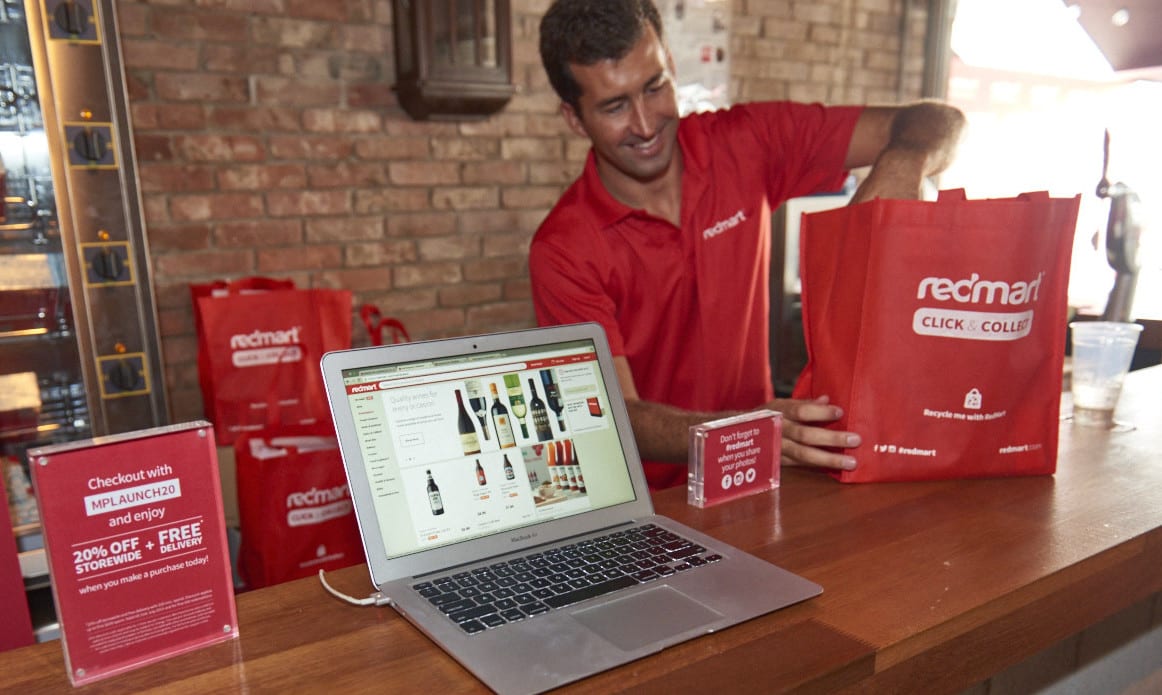
    Singapore online grocer RedMart has raised more capital and appointed a former Amazon executive to drive regional expansion.

    RedMart Singapore has previously indicated an interest in expanding into Vietnam, Thailand, Manila, Hong Kong, Indonesia, Malaysia and Taiwan – but it has not disclosed which markets it sees as a priority with its newly secured funds.

    RedMart has secured US$26.7 million in a round of funding tapping existing shareholders Garena, Softbank Ventures Korea, Visionnaire Ventures and Facebook co-founder Eduardo Saverin. It has also attracted a new investor – Far East Ventures, part of Singapore property developer Far East Organization which is diversifying its investment portfolio eyeing startups and tech ventures.

    The funds will be used to expand into regional markets outside Singapore, a move to be led by new recruit Colin Bryar, a former VP of US eCommerce giant Amazon.

    RedMart Singapore increased sales to US$9.43 million in 2014, but massive investment in infrastructure saw its losses balloon to $29.4 million – a not uncommon scenario of eCommerce startups.

    Bryan will oversee engineering, marketing and operations, taken over from co-founder Vikram Rupani, who takes on the title of President of RedMart.