Tag: Retail

  • Major Cineplex plans Laos rollout

    Major Cineplex plans Laos rollout

    Thai cinema chain Major Cineplex plans to have 30 screens in Laos within three years.

    Major Cineplex has entered the Laos market in a 60:40 joint venture with local partner Platinum Cineplex.

    With a population of 7 million, a growing economy and young population, the Thai company believes it offers strong opportunity to expand its business outside Thailand.

    “Laos is a growing area for the movie business with its young population,” Major Cineplex chairman Vicha Poolvaraluck said in an interview with The Nation this week.

    “The country is [also] attracting foreign investors, particularly from China, to erect a number of new projects including shopping malls, hotels and business centres.”

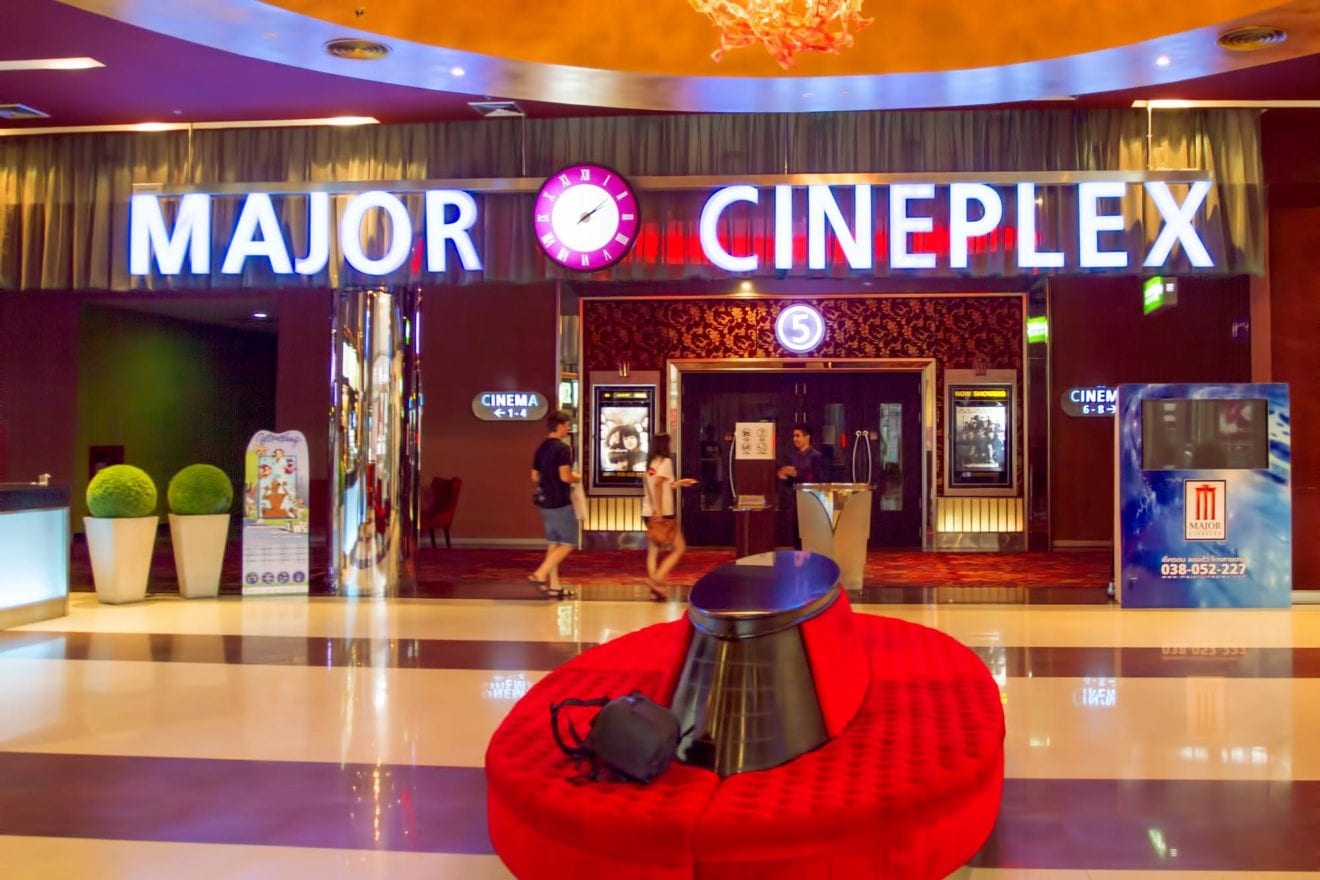
    Major Cineplex typically operates its multiplex cinemas as anchors of modern shopping malls. It has just opened its first five screen, 1148 seat facility in Vientiane Center an upmarket shopping centre developed in a partnership including China’s Huawei

    Vicha said his company expects to sell at least 500,000 tickets within the first year of operation.

    “Forty per cent of Vientiane’s 700,000 residents are aged between 10 to 35 years,” he added.

    Major Cineplex will open three more cinemas in Vientiane by 2018, one in the planned World Trade Centre and another in a development planned by Thai investors.

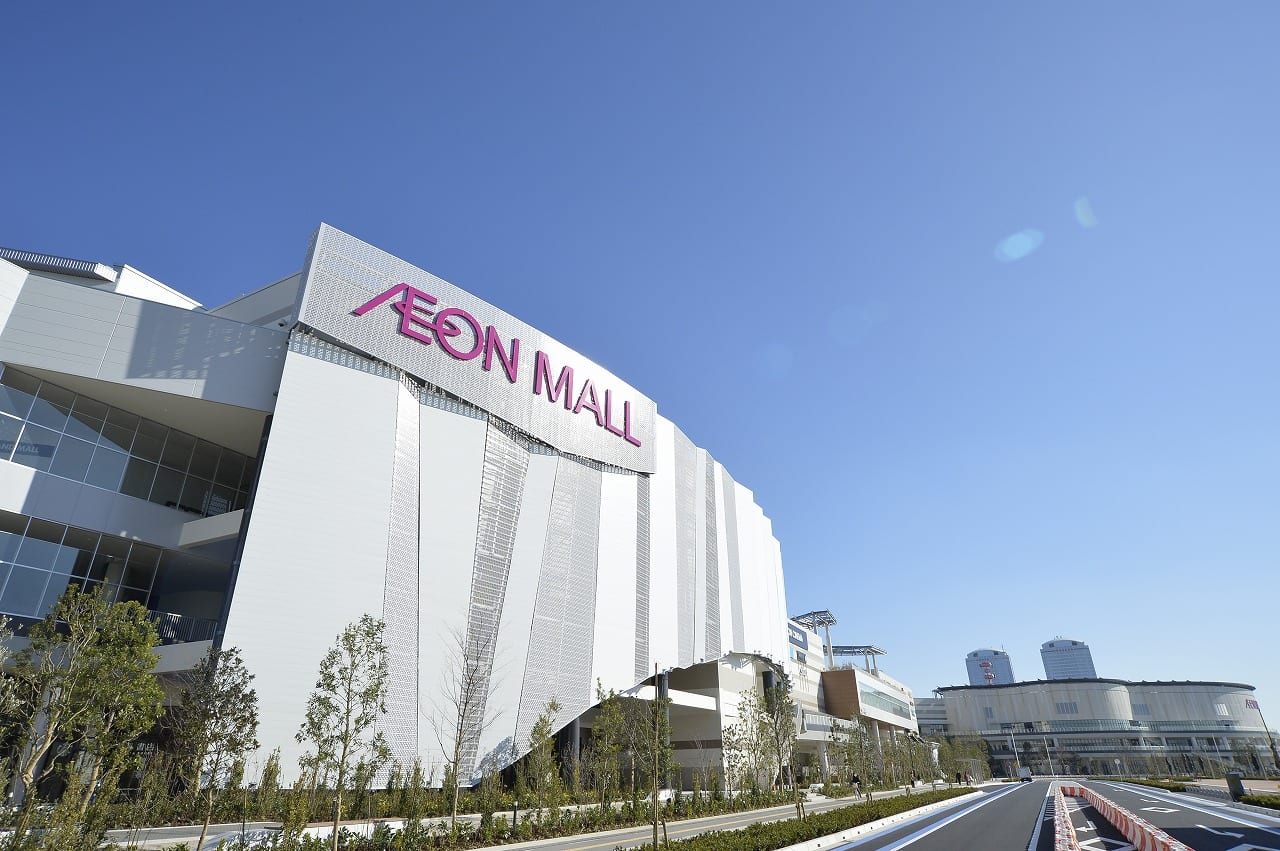
    Vicha says his company is also eyeing opportunities in Cambodia, Myanmar and Vietnam. It currently operates just one cinema outside Thailand – in the year old Aeon Mall in Phnom Penh, also in partnership with Platinum.

    He told The Nation he expects to have 100 screens outside Thailand by 2020, creating 10 per cent of the company’s revenue.
  • Defining the ‘perfect store’

    Defining the ‘perfect store’

    The ultimate goal of the “perfect store” is to enhance a customer’s shopping experience to maximise your sales opportunities.

    Many consumer goods companies operate on a one “perfect” size fits all principle. But we know treating all stores the same does not work. There are marked differences that exist not only by region, but also by market, channel and retailer.

    A better way to define your “perfect store” is to acknowledge that every store is different and break your business down to the individual store level defining in-store objectives by store.

    Consider factors like:

    1. What is the perfect assortment for this store?
    1. What are the perfect pricing and promotion strategies for this store?
    1. What is the perfect location for your product in this store?
    1. What are the perfect displays for this store?
    1. How to take the perfect order in this store?

    To understand what “perfect” translates to in each case, use information like point of sale, distribution and inventory data to help you define the specific goals around assortment, price and promotion and placement. The use of shopper insight data, consumer demographics and spend data and scan sales data will also help provide a rich understanding of what the perfect store looks like.

    For example:

    Company A has a large seasonal promotion upcoming with major TV and supporting media advertising.

    Company A negotiates with a major grocery chain with tight control over store ranging a certain promotional position and in store plan.

    o Store A has a very high scan sales for this type of product. Perfection in Store A means convincing the store to place two additional touch points through a large secondary floor display along with an upgraded aisle end position, and ensuring the manager has enough additional stock available to refill the display and prevent stock outs.

    o Store B has low scan sales for this type of product. Perfection in Store B means ensuring the upcoming promotion will be implemented correctly, avoiding any downgrading of position or placement Company A also looks for incremental opportunities in other types of retail outlets (independent retail, pharmacy, HORECA, route trade or others).

    o Store C has high sales potential for this type of product (for example based on consumer demographics in surrounding areas), and uses distributors to get products into store. Perfection in Store C is the same as Store A, however securing additional facings on shelf to increase product visibility during and after the promotional period is required. Plus taking a turn in order that is sent back to the retailer’s distributor for fulfilment to avoid stock outs.

    o Store D trades directly with Company A. Perfection in Store D means aligning the store to Company A’s view on the ideal product assortment on shelf and the ideal position, while ensuring that the perfect amount of stock is ordered based on ordering history and upcoming promotion expectations.

    Finally, whose responsibility is it to define the perfect store and set the goals?

    To succeed it must be the senior leadership team. Company leaders need to be engaged at the outset. It is easy to view this as an execution task rather than a strategic one – however it is both. The Perfect store has to be a pillar for your brand(s) and considered one of the company’s strategic goals. Then it can be brought to life through in-store execution.

    Using the right processes, tools and technology will help; so make sure this is part of your discussions. The end goal is well worth it – winning over your competitors, at the shelf, every time.

  • LG Electronics opens Middle East stores

    LG Electronics opens Middle East stores

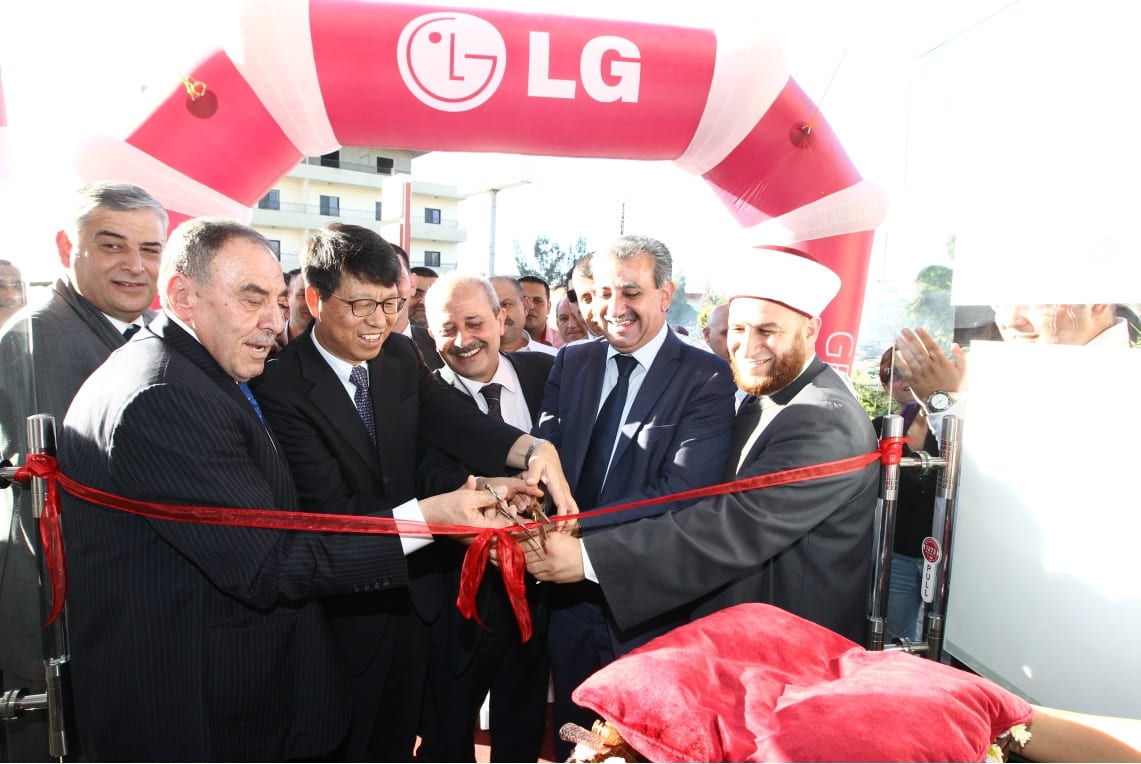
    South Korea’s LG Electronics is making a strong push into the Middle East, opening premium brand shops in the area.

    The company is deliberately positioning its brand at the higher end of the market to differentiate it from lower cost brands.

    LG says it has opened a premium brand shop in Jordan on Mecca Street, the premium home electronics business district. The shop is the third premium brand outlet to open in the region this year after Tehran in Iran and Beirut in Lebanon.

    The Jordan store is the largest of the brand’s shops in the area. The exterior of the store is made of glass, allowing potential customers to look inside. A video pillar that shows a moving image on an LED screen is set on the outside of the building.

    The latest premium products from LG electronics, such as a 65-inch ultra all-red TV, 105-inch curved surface ultra HD TV, double magic space refrigerator, and premium smartphones are exhibited. Consumers can actually use the devices and learn about their features in the convenience room.

    LG Electronics is planning to expand its premium brand shops to other major countries in Africa and the Middle East.

    “We will strengthen our leadership in the premium market through the premium brand shops that maximise convenience in living,” a company spokesman said.

  • Lotte.com launches China app

    Lotte.com launches China app

    South Korea’s Lotte.com has launched a Chinese mobile shopping mall service known as ‘china.lotte.com’ to meet demands of consumers chasing the ‘Korean Wave’.

    Growing numbers of Chinese are buying goods online from offshore sources – a practice referred to as ‘Haitao’ locally. And Korean goods – especially in the beauty and fashion categories – are enormously popular among the younger demographic.

    China.lotte.com, launched Wednesday (August 19) is’ exclusively focused on customers from Greater China. After global.lotte.com launched in February last year, Lotte spent a whole year preparing for the Chinese version of the site.

    More than 10,000 lines have been selected for China.lotte.com and another 5000 local Chinese lines are being added progressively.

    Chinese customers can shop using regular payment services including Alipay, UnionPay, Tenpay, PayPal and local Chinese credit cards.

    Lotte.com’s global business team manager Hwang Hyun Jung says China.lotte.com considered even minute details to meet the expectations of the rapidly growing Chinese overseas shopping market.

    “Through meticulous translations and user tests via Chinese supporters, this service is mainly composed of local-friendly user interface,” she said.

    Lotte.com has attracted “hundreds of thousands followers and supporters” via Weibo during the last six months in preparation for the launch.

    The company is also promising to work with Korean small businesses to help expose their brands and products to Chinese consumers via the portal.

  • Aeon Hong Kong to invest in new stores

    Aeon Hong Kong to invest in new stores

    Aeon Hong Kong is ramping up its store network expansion in the territory and the mainland.

    The Japanese retailer’s locally listed subsidiary has set aside HK$420 million to build new stores and refurbish existing ones, MD Christine Chan Pui Man said in announcing the company’s half year result. The cash – vastly more than the $51 million spent in the first half of this year – will be spent during the second half of 2015 and in 2016.

    Chan said despite a “stagnant” retail industry in both China and Hong Kong, the group improved its sales by 2.4 per cent to $4.499 billion in the six months to June 30, largely from stable growth in the mainland. Gross margin rose from 30.6 per cent to 31.1 per cent due to merchandise enhancement, boosting the core business profit by 20.8 per cent to $43.7 million.

    In the first half of this year Aeon Hong Kong opened four new stores – two in Tsuen Wan, one in Sai Ying Pun and another in Sham Shui Po, giving it a network of 46 on June 30.

    Revenue from the group’s Hong Kong operations was maintained at HK$1.87 billion, down marginally on a year ago, but profit fell from $44.7 million to $23.6 million.

    On the mainland, revenue rose by 6.8 per cent to $2.626 billion and the segment results achieved a turnaround with profit of $20.2 million compared with a loss of $8.4 million last year. Aeon now has 29 stores in south China, no more than at the end of last year.

    With a focus on now expanding the network, Aeon Hong Kong believes the mainland will become a major growth driver of the group.

    “In spite of the unstable macroeconomic environment and the volatile stock market, the PRC is still one of the economies with the largest potential for further business growth,” Chan said.

    In the second half of 2015, a new store will open in Zhongshan and in the first half of 2016, one will open in Panyu and two in Guangzhou and Shenzhen respectively in the second half.

  • National Gallery Singapore to get new food, retail concept

    National Gallery Singapore to get new food, retail concept

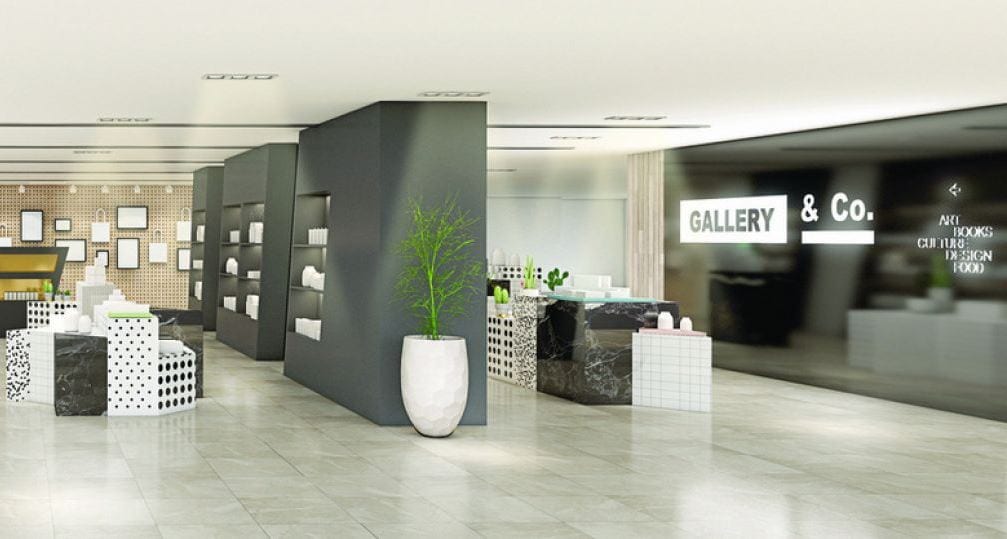
    New retail business ‘& Co’ has partnered with the National Gallery Singapore to create a food and beverage and retail concept called Gallery & Co.

    Inspired by Southeast Asian art and culture, Gallery & Co fuses art and design into a curated retail experience featuring specially designed products for the museum, books, design collectibles and prints, amongst others, as well as a quick-service, casual dining venue (comprising a café and cafeteria). The new space, to open in November, spans the entire frontage of the City Hall Wing on the ground floor, overlooking the historically significant Padang.

    The partners of & Co. are local industry heavyweights Loh Lik Peng (Unlisted Collection), Yah-Leng Yu and Arthur Chin (Foreign Policy Design), along with Alwyn Chong (Luxasia). This new venture combines their diverse experience and depth of expertise, creating a unique platform for cross-disciplinary projects spanning retail, F&B, art, design and culture.

    Leading the culinary direction at Gallery & Co. will be Lik Peng, while Yah-Leng and Arthur oversee the branding, space and product design. Alwyn heads & Co’s retail strategy, forming a dream team with Yah-Leng to direct & Co’s merchandising vision, curate brands and identify exciting collaborations exclusive to Gallery & Co.

    “This collaboration creates a seamless experience for visitors as they extend their art journey into Gallery & Co to shop, read and dine,” said Chong Siak Ching, CEO of the National Gallery Singapore.

    “We are delighted that & Co responded to our brief with a pitch that reflects our unique visitor experience philosophy. We welcome visitors to explore Gallery & Co when it opens, and be among the first to immerse in an experience that is unique to National Gallery Singapore.”

    With Chef Sufian Zain of Restaurant Ember as consultant chef, the cafeteria’s menu will feature the distinctive flavours of Southeast Asia, reinterpreted with his signature pared down style. The café offers cakes, coffee and sweets from choice local purveyors and artisans, a perfect respite between exhibition hopping and a gathering place for friends.

    “At Gallery & Co, we want to dispel the elitist stigma associated with art,” said Arthur Chin.

    “Being the first-ever museum shop in the world to house a bookstore, F&B establishments and retail in one continuous space, we hope to create a dynamic visitor experience that not only bookends a visit to the National Gallery Singapore, but is also a destination in its own right. By curating and purveying products that provoke curiosity and inspire, we hope to make art accessible to everyone.”

  • Marks & Spencer Vietnam opens second store

    Marks & Spencer Vietnam opens second store

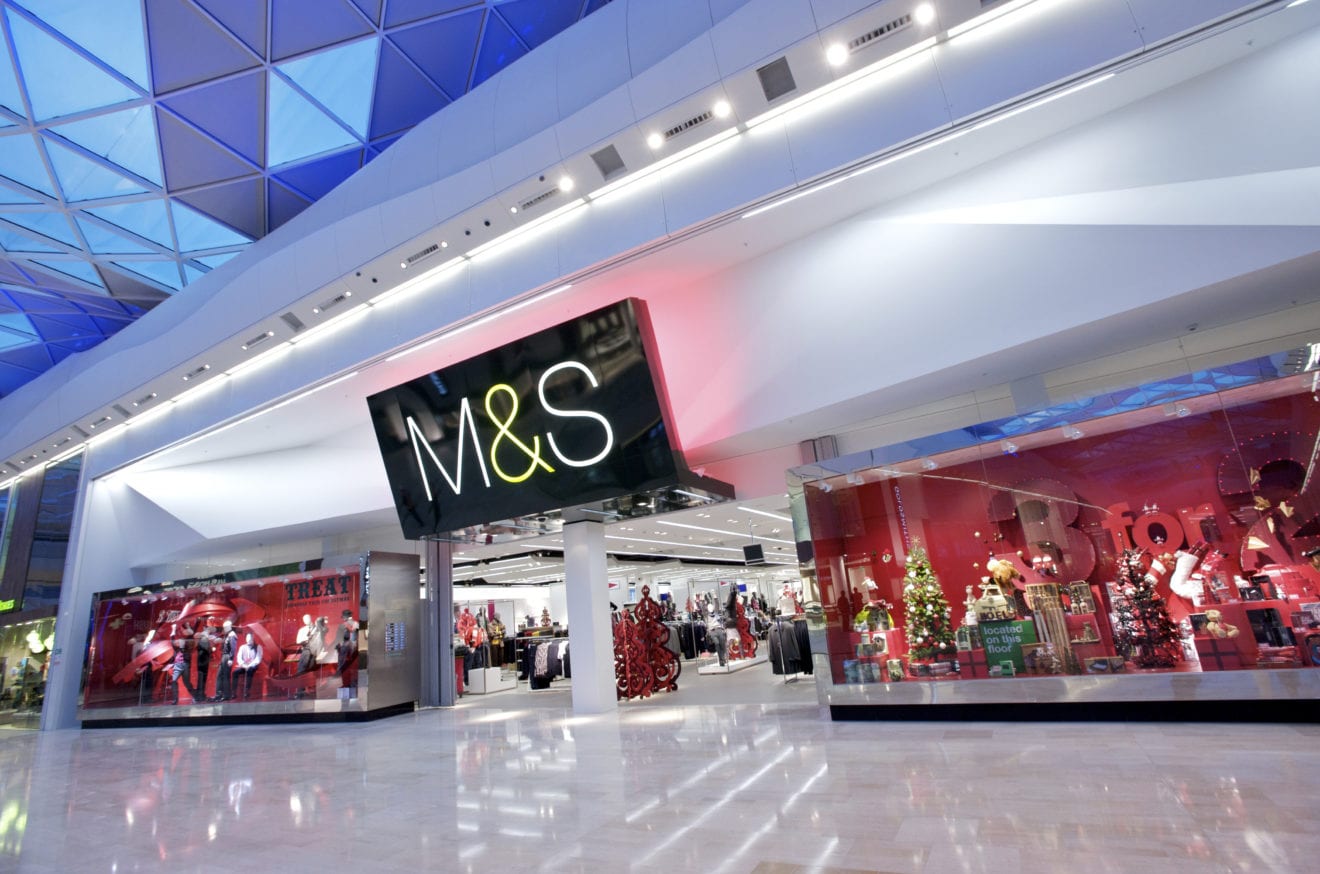
    UK-based department store retailer Marks & Spencer has opened a second store in Vietnam’s largest city, Ho Chi Minh.

    Marks & Spencer Vietnam plans to have 20 stores trading in the country by 2020, focused on selling womenswear and menswear.

    The new store is at Crescent Mall in Ho Chi Minh City’s District 7, a four year old mall which also hosts a newly opened Robins Department store.

    It is operated by Marks & Spencer’s long-term franchise partner, Thailand-based Central Retail Corporation, a member of Central Group, which also owns Robins.

    The first Marks & Spencer Vietnam store opened in a 1200 sqm space in the Vincom Center in downtown Ho Chi Minh City last year, the site previously occupied by UK rival Debenhams.

    M&S now has over 800 stores in the UK and more than 460 international stores across 56 markets in Europe, the Middle East and Asia.

  • CapitaLand may sell Rivervale Mall

    CapitaLand may sell Rivervale Mall

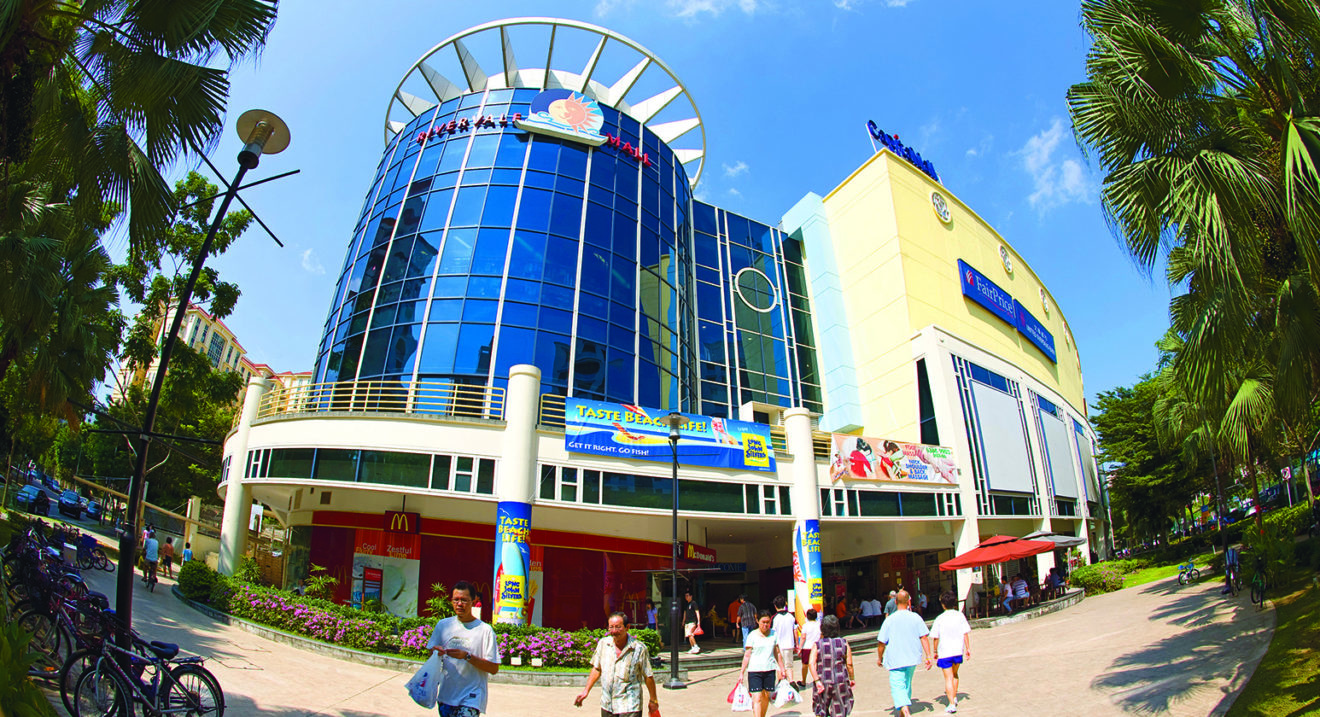
    Singapore property conglomerate CapitaLand has confirmed it is reviewing its options for the future of Rivervale Mall.

    “CapitaLand Mall Trust has not come to any decision or entered into any agreement or transaction in connection with the options, nor is there any certainty or assurance that CMT will enter into or conclude any such transactions,” the company said in a disclosure to the Singapore stock exchange.

    The company said the consideration was in line with its policy of continually evaluating its portfolio of assets “and exploring opportunities to maximise” their value.

    Rivervale Mall is located in the Sengkang housing estate close to Rumbia LRT station in the north-eastern region of Singapore. The three-storey mall has a net lettable area of 81,159 sqft and serves the local community.

    Key tenants include NTUC Foodfare, Daiso, Bata, Eu Yan Sang TCM, McDonald’s, Long John Silver’s, Guardian, KFC, BBQ Chicken, Watsons, Kimage, NTUC Denticare, Unity NTUC Healthcare.

    In 2014, it had a footfall of 9.9 million.

  • Missha expands in Vietnam

    Missha expands in Vietnam

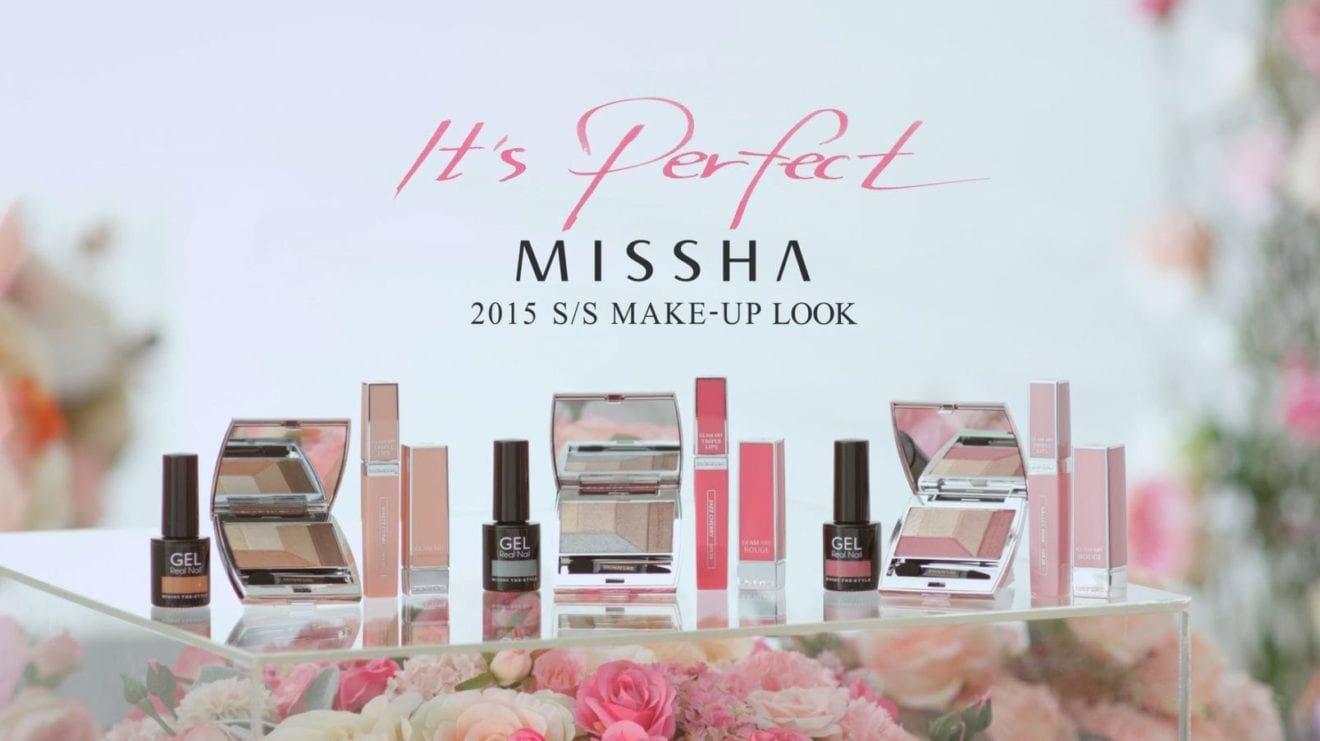
    Korean cosmetics retailer Missha has opened its 15th retail store in Vietnam.

    The newest store, at Cach Mang Thang St in downtown Ho Chi Minh City, is located in a neighbourhood popular with tourists and locals.

    Besides its focus on Vietnam’s most populous city, Missha is expanding in other Vietnamese cities. In April it opened in the holiday resort of Danang

    Missha Korea has 1650 stores in 29 countries including about 110 in Southeast Asian markets including Indonesia, Thailand and Singapore.

    The company says it sold US$570,000 worth of products in Vietnam in the first half of 2015, up 32.5 per cent on the same time last year.

    The Korea Cosmetics Industry Institute predicts Vietnam’s cosmetics markets will grow by 17.5 per cent this year, making it the second fastest growing market in Asia, behind India.

    “With Missha’s main items of makeup cosmetics, including mascaras and BB creams, we will accelerate the market invasion in Vietnam,” said Lee Kwang-sup, chief manager of Missha’s overseas business unit.

    “As Missha has already been established as one of the most popular brands in the country, we will dominate the market in advance by actively expanding stores.”

  • Studio City retail tenants revealed

    Studio City retail tenants revealed

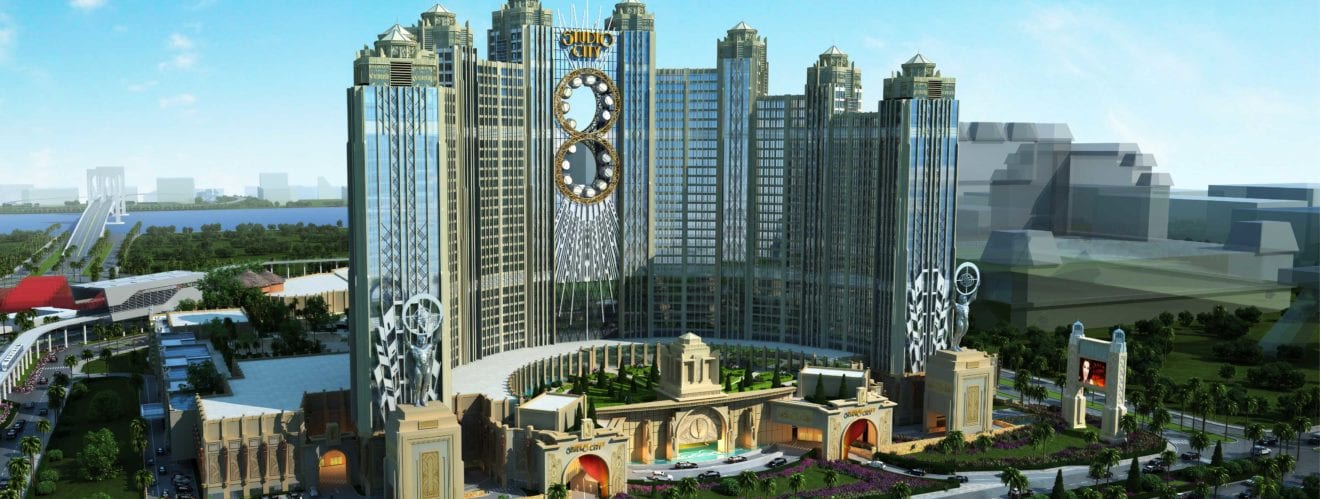
    Studio City and Taubman Asia, have revealed the lineup of fashion brands that will open inside The Boulevard at Studio City.

    A mix of fashion-forward labels and internationally-renowned luxury brands include Macau’s first Balmain, Macau’s first Belstaff, and Tom Ford’s largest store in Asia, amongst many others. The selection was assembled by Taubman Asia and Melco Crown Entertainment’s combined team of retail specialists to meet Chinese consumers’ increasing desire to express their individuality through high quality, expertly crafted clothing and accessories. Bespoke and personal services will be offered to ensure our shoppers take center stage.

    Taubman says The Boulevard at Studio City will bring “an unparalleled shopping experience” to Studio City.

    “Unlike any retail offering to be found in Asia, the unique 35,000 sqm ‘immersive’ retail entertainment environment brings shopping to life by ‘transporting’ visitors to high-energy street-scapes and entertaining them at every turn with featured streets and squares inspired by iconic shopping and entertainment locations, including New York’s Times Square and Hollywood’s Beverly Hills,” Taubman said in a statement.

    “At the futuristic Times Square Macau, inside The Boulevard at Studio City, a variety of entertainment from ‘virtual’ musicians to film stars will be shown through holographic projections.

    “Leveraging our global expertise increating extraordinary retail environments, and our exceptional relationships with the world’s leading brands, our talented team in Asia has brought together an exciting mix of brands for The Boulevard at Studio City,” said René Tremblay, president of Taubman Asia.

    “Our merchandising and management services are the industry standard for performance and excellence. We are thrilled to welcome these brands to our latest project and are committed to supporting them for the long term.”

    List of brands:

    Aeronautica Militare
    Balmain
    Bank of China
    Belstaff
    Boss
    Bottega Veneta
    Bulgari
    Cigar Emporium
    Coach
    Cosmos Food Station
    Din Tai Fung
    Dunhill
    Emporio Armani
    Fendi
    Girard-Perregaux
    Givenchy
    Glashutte Original
    Graff
    Gucci
    Hide Yamamoto
    Hublot
    ICBC
    Trattoria Il Mulino
    Image Digital
    IWC Schaffhausen
    Jaeger-LeCoultre
    Jaquet Droz
    kate spade new york
    Kenzo
    Longines
    McCafe
    McDonald’s
    MCM
    Michael Kors
    Montblanc
    Philipp Plein
    Piaget
    Prada
    Rainbow
    Rimowa
    Roberto Cavalli
    Saint Laurent Paris
    Shiki Hot Pot Restaurant
    Starbucks
    Tag Heuer
    T Galleria Beauty by DFS
    Tiffany & Co.
    Tom Ford
    UM
    Vacheron Constantin
    Valentino
    Van Cleef & Arpels
    Versace Collection
    Ermenegildo Zegna
    Zenith

  • Telent to open Malaysia stores

    Telent to open Malaysia stores

    Chinese outdoor apparel brand Telent says it plans to set up retail points of sale in Malaysia as a first step in a broader Southeast Asian push.

    Telent specialises in the design, manufacture, marketing, brand management and distribution of branded outdoor apparel, footwear and equipment. It is China’s second largest outdoor wear brand measured by retail sales value.

    Telent is undertaking an IPO in Malaysia, issuing 103.39 million new shares at ten US cents each.

    The first new store will open in Kuala Lumpur with other Southeast Asian stores will follow as early as the third quarter of this year, in part funded with the funds raised in the IPO

    Telent Group executive director Hui Tang Tat says the product sales mix percentage in outdoor apparel and outdoor footwear respectively posted 43.8 per cent and 49.5 per cent sales growth last year, while equipment products grew by a more modest 6.7 per cent.

    As of October, Telent had 817 retail points of sale and 23 network distributors across China.

    “The Malaysian market is competitive and building our presence there will offer us a platform and opportunity to expand in this region,” Hui said during a media conference.

    “Perhaps in the next five to 10 years, we can go down the road to tap other Asian markets as we want our brand to be globally recognised,” he said.

  • China Fordoo boosts store network

    China Fordoo boosts store network

    China Fordoo Holdings opened 42 new stores in the first half of this year, helping it boost sales in a soft Mainland retail market.

    Fordoo, a specialist menswear designer, manufacturer and retailer, now has 1494 stores across the Mainland, including two self-managed. Trousers account for 58 per cent of its revenue.

    For the six months to June 30, group profit was about RMB136.9 million (US$21.4 million), up 6.4 per cent on the same period last year. Sales increased by 8.1 per cent to RMB828.4 million ($129.56 million).

    “The increase was mainly due to the expansion of the group’s distribution network and the enhancement of its brand recognition,” the company said in its statement.

    Fordoo said in the first half, China’s economy had entered into a “New Normal” phase.

    “The economy has shifted from high growth to medium-to-high growth, and the economic structure has improved and been upgraded. Under the “New Normal” phase, the economy is increasingly driven by innovation rather than input and investment.”

    Apparel retail growth slowed. Total retail sales of garments, hats, footwear and knitwear in China recorded a 8.3 per cent year on year increase which was 0.4 percentage points lower than that of the corresponding period in 2014.

    “The overall retail market in China remained weak and consumer sentiment showed no sign of notable recovery. However, we are glad that China Fordoo Holdings was able to continue to grow at a stable and moderate pace during the period in terms of number of retail outlets, distributors and revenue.”

  • Corrupt Chinese supermarket exec jailed

    Corrupt Chinese supermarket exec jailed

    The former chairman of China’s Bright Food Group has been found guilty of embezzling US$31 million between 2000 and 2006 when he was chairman of Shanghai Lianhua Supermarket Holdings Ltd.

    Corrupt Chinese businessman Wang Zongnan was sentenced by the People’s Court in Shanghai on Tuesday to 18 years in prison for embezzlement and accepting bribes.

    According to the court hearing, Zongnan had accepted 2.69 million yuan in bribes, hiding the money through the purchase of two villas.

    In 2003, Wang’s parents bought two villas in Shanghai for 2.08 million yuan, 2.69 million yuan below the market price. The sellers were associated to a subsidiary of a company that had owed Wang a favor, according to the verdict. Wang sold the two villas in 2010 and 2013 for 14.8 million yuan in total.

    In the ruling, the court ordered that 1 million yuan of Wang’s personal property be confiscated and more than 12 million yuan in bribes and illegal earnings be returned.

  • The Children’s Place lands in India

    The Children’s Place lands in India

    US retailer The Children’s Place has opened its first store in India.

    The brand has entered the market in partnership with Arvind Lifestyle Brands, opening its first store in Bengaluru.

    The Children’s Place operates about 1200 stores internationally and Arvind Lifestyle hopes to open up to 40 in India during the next four years, largely located in Delhi, Mumbai, Bengaluru, Hyderabad and Chennai.

    Arvind Lifestyle CEO J. Suresh said the children’s clothes and accessories market is dominated by the ‘unorganised” retailers and his company sees a significant opportunity to gain first to market advantage in the category.

    “We should hopefully be the leading player in the market,” said Suresh.

    Mridumesh Kumar Rai, who heads The Children’s Place business in India added: “We want to be for kids wear what Zara and Mango are for women’s fast fashion in India,” said.

    Arvind Lifestyle sells a broad range of franchised lifestyle brands including Gap, Nautica, Ralph Lauren, US Polo and Elle. Earlier this year it announced a partnership with US teen fast fashion brand Aeropostale.

  • Profit falls as QKL Stores buys market share

    Profit falls as QKL Stores buys market share

    QKL Stores  a regional supermarket chain in Northeastern China and Inner Mongolia, has announced improved sales, but lower profit in the second quarter.

    Zhuangyi Wang, chairman and CEO, said the company had boosted its promotional activities in existing stores to strengthen its competitive position.

    Second quarter sales rose 9.2 per cent to US$56.4 million and gross profit decreased 4.3 per cent to $9.1 million.

    “The decrease in gross profit relative to net sales was due to competitions arising from the increasing challenge from the online shopping that have significant pricing pressure on our selling of high margin products.”

    Wang said QKL plans to slow down the pace of its new store openings this year.

    “Currently, we expect to open two new supermarket stores this year. We maintain confidence in our strategy of strengthening our store presence in Tier 4 and 5 cities in northeastern China as well as in our core region of operation around Daqing where the majority of our older stores are based.”

    Based in Daqing, QKL Stores sells a broad selection of merchandise, including groceries, fresh food, and non-food items, through its 40-odd retail supermarkets, hypermarkets and department stores; the company also has its own distribution centers that service its supermarkets.

    “As QKL expands its market presence in northeast China, we are uniquely positioned against our local competitors through our large product offering, strong supplier relationships, efficient distribution network and state-of-the-art IT system,” said Wang.

    “We are comfortable with our opportunities in the second half of the year and believe we’ll see an improvement in operating expenses and net result from the current quarter.”