Tag: Retail

  • E-Land Group to open large shopping mall in China

    E-Land Group to open large shopping mall in China

    South Korean retail giant E-Land Group said Monday that it plans to open its first shopping mall in mainland China later this year in a joint venture as part of its strategy to tap deeper into the world’s biggest market.

    E-Land Group and Malaysia-based Parkson Group have agreed to establish a joint venture and open “Parkson-New Core Mall” in Shanghai in November.

    The South Korean company said it will be in charge of management of the joint venture, with a 51-percent share.

    Parkson Group is one of the largest department store operators in the Asian region, with 127 stores in China, Malaysia and Indonesia.

    It is the first time for the South Korean retailer to run a large multiplex shopping mall in China, while E-Land now operates around 7,300 apparel stores in the neighboring country.

    E-Land said the Parkson-New Core Mall will house its own fashion, houseware, shoes and accessory brands, as well as American and European luxury goods.

    “China’s retail industry has already reached a saturation point,” said an official from E-Land Group. “We will introduce a new type of retail store in the market.”

    Rival retailers including Lotte Group and Shinsegae have already entered the Chinese market but failed to produce outstanding results due to fierce competition.


  • Tony Roma’s Indonesia enters Surabaya

    Tony Roma’s Indonesia enters Surabaya

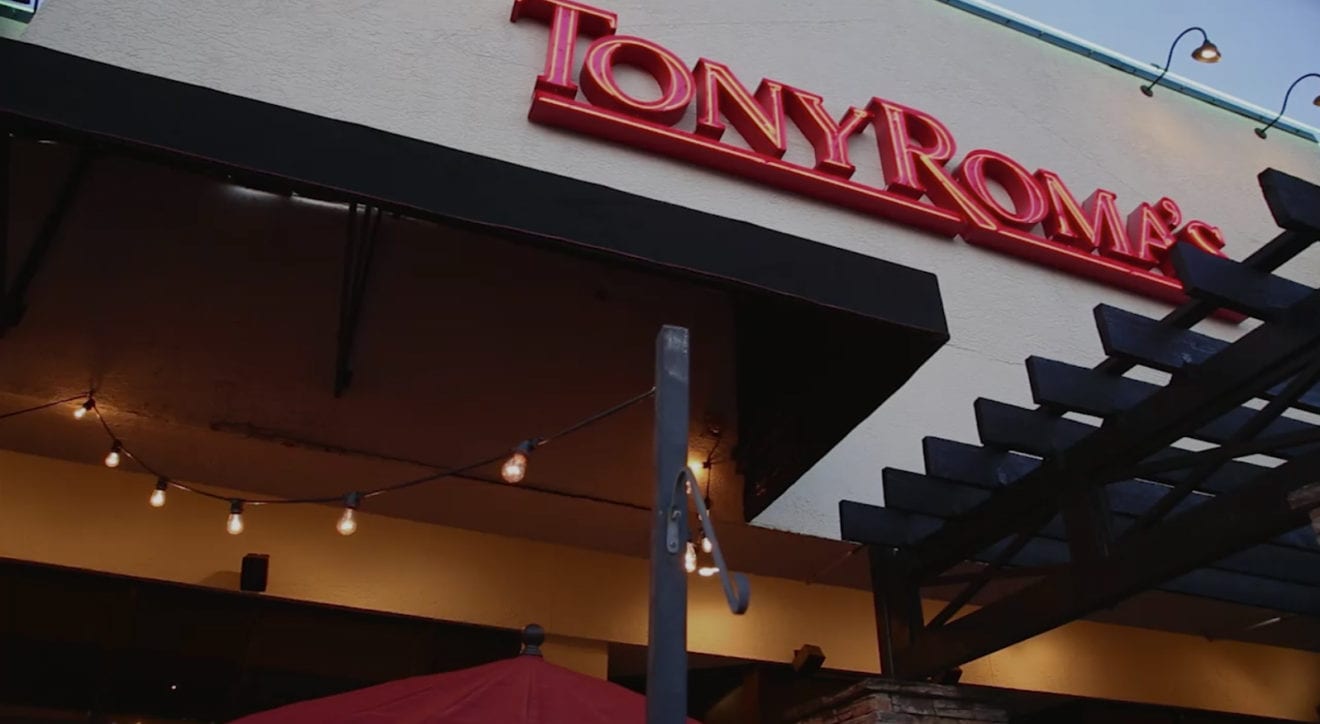
    Romacorp, US parent of Tony Roma’s, has opened its first restaurant in Surabaya, Indonesia.

    The restaurant opened on Kupang Indah St –  locally known as the “restaurant street” – a popular destination for locals and tourists in Indonesia’s second biggest city.

    With three Tony Roma’s Indonesia restaurants in Jakarta and one each in Tangerang and Bali,  Surabaya makes it six. The restaurants in Surabaya, Jakarta, and Tangerang are owned by Mas Millennium, and the restaurant in Bali is owned by PT WDI Indonesia.

    “Our franchise partner Mas Millennium has been working with us since 1991, operating Tony Roma’s restaurants in four Asian countries, and we’re excited to continue our relationship with them,” said John Brisco, president of international for Roma Systems.

    The 6458 sqft restaurant has seating for 212 including a semi-private and private dining room, a full-service bar, and a courtyard for outdoor dining underneath a glass ceiling.

    “We are very excited about the opening of our first Tony Roma’s restaurant in Surabaya. Second only to Jakarta in size and importance, and with a population of around 3 million residents, we are confident that this restaurant will perform well,” said Lucy Prananto, president & CEO of Mas Millennium.

    “With very few international restaurant chains in Surabaya, Tony Roma’s casual dining concept, offering great tasting, true American cuisine will be a hit among locals and foreign patrons.”

    Romacorp now has more than 150 restaurants in more than 30 countries and also operates the newTR Fire Grill concept, a chef-inspired American bistro in Orlando, Florida.

  • Indonesia retail sales surge in June

    Indonesia retail sales surge in June

    Indonesia’s retailers appear to be among Asia’s most pessimistic.

    One month ago after government data showed a 19.8 per cent rise in May retail sales, the 700 retailers polled to create the index said they expected sales growth would slow in June.

    This week, the government has released revised figures showing a 20.6 per cent increase in May – and a massive 22.9 per cent rise in June, only just behind April’s 23.1 per cent.

    In this month’s poll, they said they expected sales growth to slow in September as demand returned to normal after the Ramadan festivities.

    The Bank of Indonesia said June’s Indonesia retail sales  increase was largely attributable to greater demand for food, beverages and tobacco, in line with increased consumption during the Muslim fasting month of Ramadan.

  • Korean retail sales recover post MERS

    Korean retail sales recover post MERS

    Korean retail sales are returning to normal as the impact of the MERS outbreak fades.

    Data released by South Korea’s finance ministry shows combined sales at department stores run by Hyundai Department Store, Lotte Shopping and Shinsegae Co rose 0.9 per cent in July, year on year.

    That contrasts with a drop of 11.9 per cent in June, as shoppers stayed home to avoid possible exposure to the Middle East Respiratory Syndrome (MERS) virus.

    South Korea’s government has officially declared the MERS outbreak over.

    Sales at major discount store chains also improved, but still recorded a year on year decline. In July they fell 1.9 per cent which compares favourably with a fall of 10.2 per cent in June.

    In its statement, the ministry said while consumption was showing signs of a recovery, there was “insufficient” improvement in the service industry.

  • Aeon Cambodia to build second mall

    Aeon Cambodia to build second mall

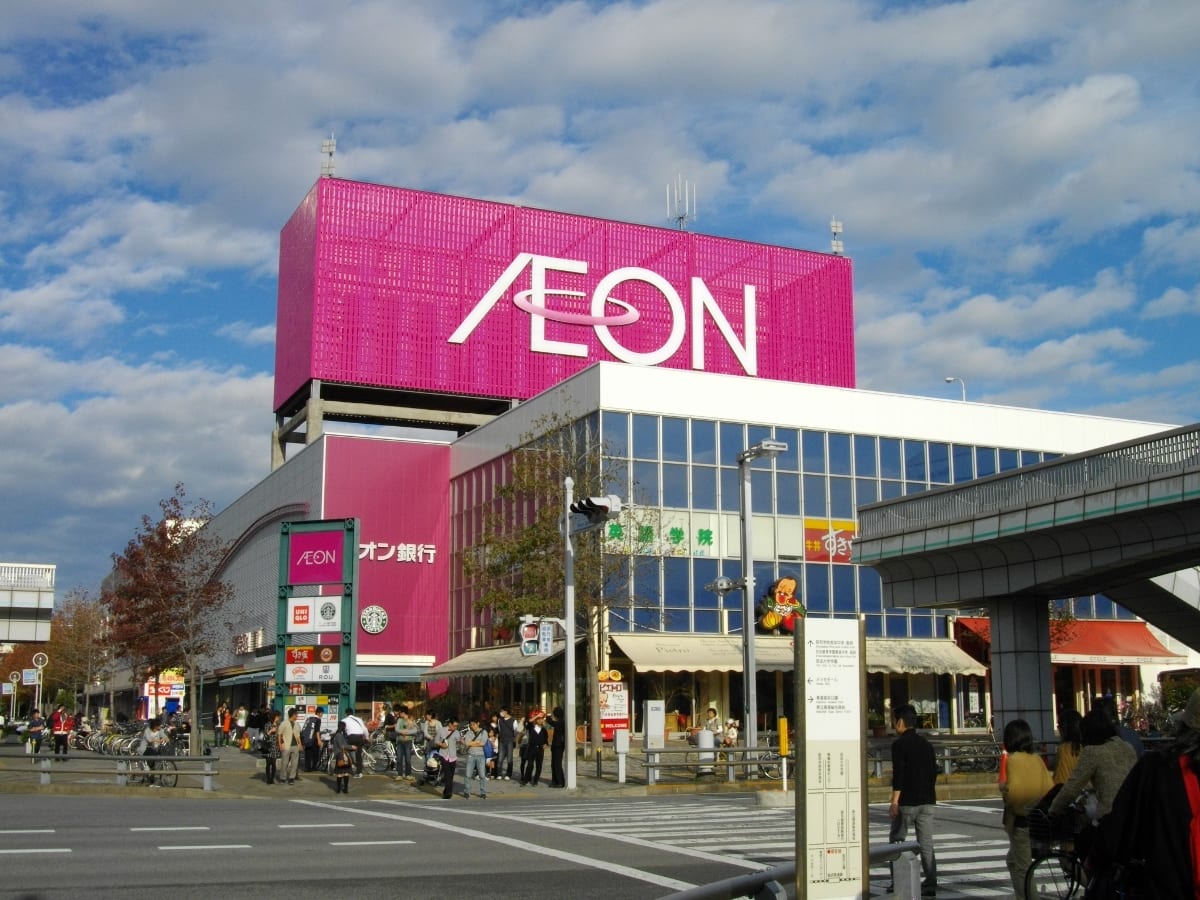
    Japan’s Aeon is to build a second shopping mall in Cambodia’s capital city Phnom Penh.

    The news was revealed on the first birthday of Aeon’s first Cambodia mall, which it says has attracted 15 million visitors.

    The new mall will be built about 10km north of Phnom Penh’s CBD in the Pong Peay City, a new residential and commercial development by the LYP Group on the city’s north side.  LYP is owned by prominent local businessman and ruling party senator Ly Yong Phat.

    With a 151,000 sqm footprint it will be significantly larger than the first mall, which is 108,000 sqm. The gross leasable area will be 70,500 sqm.

    Like all of Aeon’s malls in Asia, the centre will be anchored by an Aeon supermarket. Supporting retailers will include Japanese brands who partner with Aeon in new developing markets and international brands such as Puma, Adidas and Levi’s.

    Aeon Asia MD Washizawa Shinobu said his company is confident Cambodia’s emerging middle class will make the new centre a success, aiming to attract 10 million visitors in its first year.

    “I am sure Cambodian people will be richer with economic growth like that, which means they will buy more products,” he said.

  • Korea’s GearX finds favour online

    Korea’s GearX finds favour online

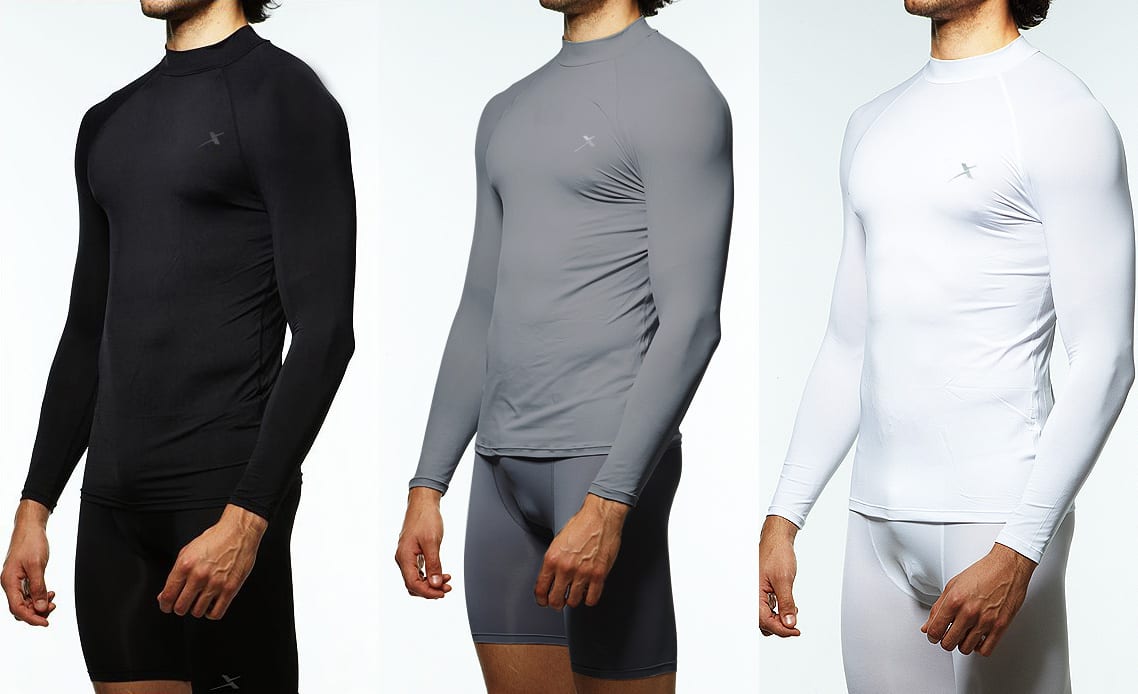
    Korean underwear brand GearX says sales of its functional sportswear online is booming – especially in Japan, China, Southeast Asia and America.

    While not revealing actual sales figures the company says its online mall is succeeding because the brand is building popularity by maintaining reasonable prices for products that boast excellent functions, “contrary to a number of global functional wear brands that started out as offline businesses and formed high price range”.

    Now, Lee is planning to expand GearX’s product range to include functional yoga outfits, running and cycling apparel.

    GearX is running its shopping mall in multiple languages including English, Chinese, andJapanese using the Global Service of cafe24, Korea’s largest shopping mall solution provider. GearX’s products are also available on global online shopping malls such as Amazon.com of America and Qoo10 of Singapore.

    GearX’s products include base layer, rash guard, and underwear; all of them offer fast-drying, UV blocking, and antibacterial features. GearX applies a seamless sewing technique on the clothing to achieve excellent flexibility. Thus, all of GearX products fit the body without extreme tightness.

    “From the very beginning, we focused on developing a highly functional fabric that relieves heat, maintains coolness, and repels insects. As a result, we have become Korea’s first, and only, functional clothing manufacturer to acquire a patent for the fabric,” said Sang-hun Lee, president of GearX.

    “After successfully developing the fabric, he had also developed and introduced a sewing technique that would not irritate the skin considering the the fact that the product is in direct contact with the skin.”

  • Coca Cola’s China rise

    Coca Cola’s China rise

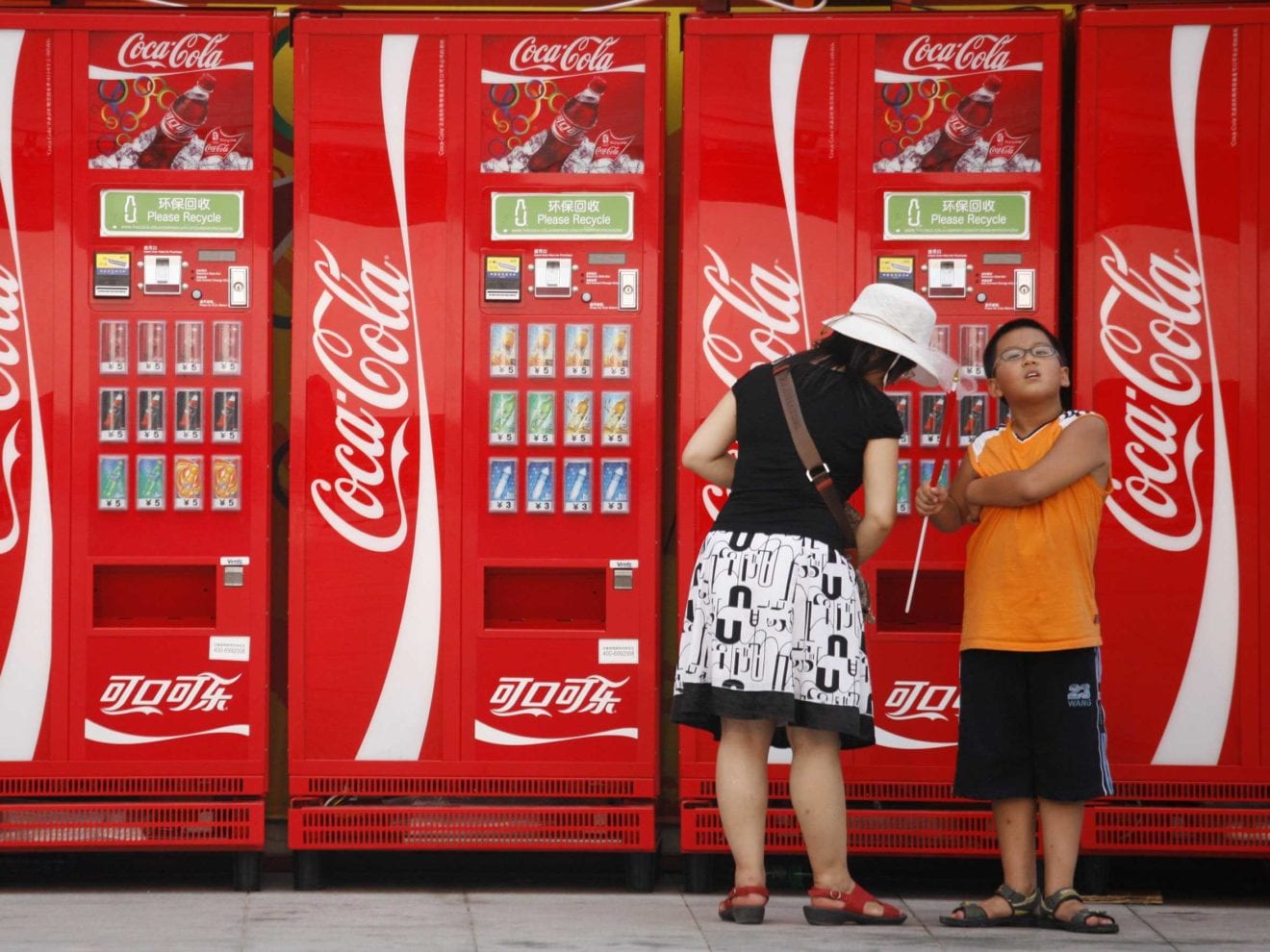
    Coca-Cola has been a symbol of Western commercialism since its founding in the late 19th century, with one of the world’s most highly recognizable logos.

    Forty years ago, it was unthinkable that Coca-Cola would ever be available in what is now one of the brand’s biggest markets: Communist China. The story of its entry into China is not only inspiring, but can also still provide valuable lessons to foreign brands trying to enter the world’s fastest-growing market today.

    Coca-Cola’s factories were nationalised in 1949 under order of Chairman Mao Zedong, who deemed the drink a ‘bourgeois concoction’. After Deng Xiaoping opened the Chinese economy in the late 1970s, the company was eager to return. Its rival, PepsiCo, had just won the bid for the Soviet Union, putting pressure on Coke not to lose the world’s other communist giant.

    It all started when Peter Lee, now known as the first President of Coca-Cola China, received a call from former Coca-Cola Chairman J. Paul Austin asking him to try to launch the brand in China. Lee got to work right away, telexing the China National Cereals, Oils and Foodstuffs Corporation (currently known as COFCO). After a six-month wait, he was finally sent a message saying he was “welcome to come to Beijing for negotiations”.

    Once in China, Lee managed to convince his Chinese counterparts to sign an agreement under the premise that since the country was finally open to tourists from all over the world, “we have a product we believe most tourists will love.” They signed the agreement on Dec. 13, 1978, though the deal was not publicized until after US President Jimmy Carter announced the mutual recognition of the US and China and the re-establishment of diplomatic ties between the two nations two days later on December 15, 1978.

    As the first foreign FMCG-company to enter the Chinese market, Coca-Cola faced various challenges. The company was limited to selling only to tourists with their first shipment in 1979, while under strict supervision of Chinese officials. Coca-Cola, however, wanted to reach Chinese consumers and was punished with a 12-month ban after holding an illegal street promotion in Beijing in 1980. After the restriction was eased, Coca-Cola built its first production facility on Chinese soil, which was wholly owned by COFCO. In 1988, the company had another breakthrough when it launched its first Shanghai cooperative joint venture. From then onwards, it could be said that Coca-Cola truly had entered China.

    After Coca-Cola’s entry to China, its subsidiary brands soon followed in its footsteps. The most successful brand was Minute Maid, which entered China in 2004 with the flavors orange and grapefruit. This decision was very deliberate: Although the Chinese didn’t know Minute Maid very well, it had a strong reputation in the global beverage industry. And by positioning Minute Maid as a “global brand”, it was easier to generate buying confidence among Chinese consumers.

    The Coca-Cola Company started a revolution in China, as well, by focusing not on the brand name Minute Maid in commercials, but on the flavor of the product itself: “Fruit Pulp Orange.” This decision to name the product benefit before the brand name turned out to be a great success: Minute Maid became the first billion-dollar brand to emerge in the Chinese market for Coca-Cola. The success of “Fruit Pulp Orange” also came at a cost—it sparked a huge number of copycats and counterfeits. The lesson learned was that the IP-holder Coca-Cola needed to keep an eye out for counterfeit products in order to protect its trademark.

    Coca-Cola is a model for “first-in-market advantage”. It was the first foreign brand to move into China, and is therefore ingrained in the collective Chinese memory and consumer market.

    This paved the way for other well-known brands: Coke’s main competitor, PepsiCo, entered China in 1981. PepsiCo’s current CEO, Indra Nooyi, remembers her first time in China for PepsiCo where she saw local Chinese eating Lay’s potato chips with chopsticks. Nooyi believes that corporations that want to be successful in China need to behave in a way that also benefits the country. PepsiCo signed a Memorandum of Understanding with the Chinese Ministry of Agriculture in 2011 to “promote sustainable agriculture projects and accelerate the development of the Chinese countryside”. In order to fulfill its promise, PepsiCo has opened eight sustainable demonstration farms in order to educate Chinese farmers how to grow sustainably. Also, they invested in partnerships with more than 10,000 rural Chinese households in the last 15 years.

    In 1995, Red Bull followed Coke’s lead by forming an alliance with the Thai-Chinese Reignwood group to enter China. Today, Red Bull has five manufacturing hubs in China: Beijing, Hubei, Jiangsu, Guangzhou and Hainan, with over 10,000 employees. Its share of the vitamin drink market is also increasing by 20 per cent every year. Just like Minute Maid, Red Bull was able to leverage its global brand to make a successful launch in China. This has also come with the same problem of counterfeit products, but Red Bull maintains it is taking the problem seriously by monitoring the Chinese market attentively and checking cans regularly to protect its trademark from any infringements.

    The five key lessons for building a beverage brand in China are:

    1. Get a ‘first-mover-advantage’ in your beverage category.
    2. Leverage your global brand equities.
    3. Form strategic partnerships that bring scale.
    4. Behave in a way that benefits ‘China’.
    5. Get local with production facilities on Chinese soil.

    Coca-Cola’s entry to China can serve as a model for all FMCG companies that want to enter China. Besides this, it reveals a country with a dynamic market that requires patience, expertise, and adaptability, but in exchange offers the opportunity to grow beyond a company’s imagination.
  • Max’s Group takes Yellow Cab Pizza to UAE

    Max’s Group takes Yellow Cab Pizza to UAE

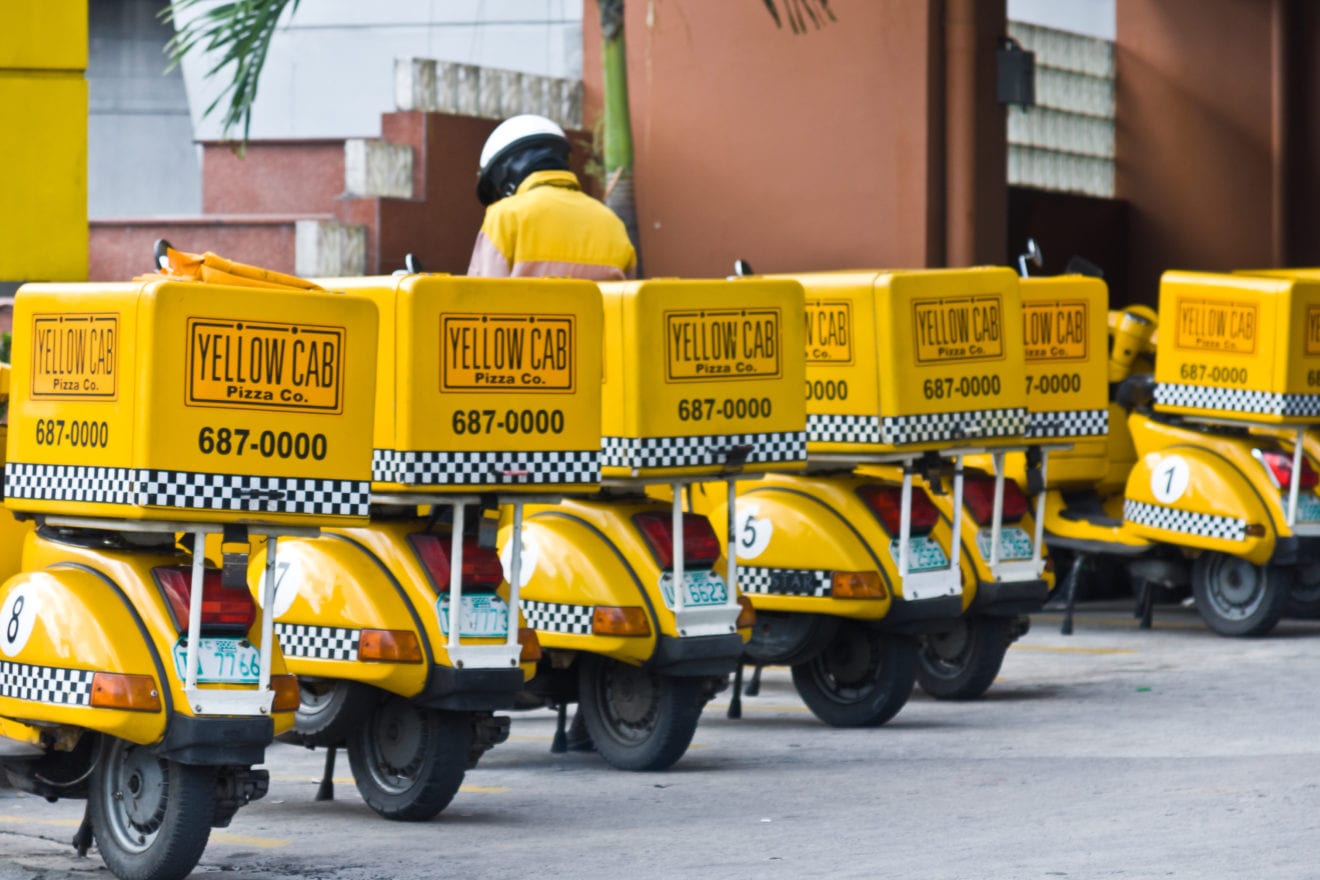
    Philippines-based Max’s Group is to launch its Yellow Cab Pizza chain in the UAE after signing a partnership with Cartoon Fashion Group.

    Cartoon will open 10 Yellow Cab outlets in the UAE over the next five years. IT’s the second overseas market for the Filipino brand, following six stores in Qatar.

    Yellow Cab specialises in New York style pizzas and has 112 branches in the Philippines.

    President and CEO of Max’s Group, Robert Trota, said the Cartoon Fashion Group had a proven track record and solid reputation in the UAE. “We knew they were the best partner for this endeavor.”

    Dubai-based Cartoon Fashion is one of UAE’s largest retail and hospitality consortiums, operating local franchises for brands including Adidas, Ed Hardy and French Connection.

  • Vipshop doubles income

    Vipshop doubles income

    Chinese online discounter Vipshop Holdings has doubled its profit in the second quarter to June 30.

    It reported total net revenue soared 77.6 per cent to US$1.5 billion, its gross profit by 78.6 per cent to $360 million and its income by 192.5 per cent to $70.6 million.

    Chairman and CEO Eric Shen said the strong quarter was largely driven by expansion of mobile operations and continuing growth in customers and orders in its our core flash sales business.

    “Our smooth and swift execution on the mobile front – with 76 per cent of our gross merchandise value now coming from mobile devices – has helped set us apart in the market, and further clarifies the unique value of our flash sale model for on-the-go shoppers,” he said.

    “Our cross-border expansion, supplier financing initiatives and logistical enhancements have further improved our ecosystem for brands and customers. Going forward, we will focus on expanding our market share and scaling our operations through enhancing the customer shopping experience, attracting new customers and elevating our brand value in China and globally.”

    Donghao Yang, CFO, said Vipshop was on track to meet its 1.5 million sqm warehouse target by the end of the year.

    “We also continue to expand our local delivery and services network, which we are currently using to deliver over 70 per cent of our total orders across almost all provinces in mainland China.”

    The number of active customers for the second quarter of 2015 increased by 47.2 per cent to 14.2 million from 9.7 million in the prior year period. The number of total orders for the second quarter of 2015 increased by 55.2 per cent to 44.9 million from 28.9 million in the prior year period.

  • Seiko Japan opens ‘Premium Boutique’

    Seiko Japan opens ‘Premium Boutique’

    Seiko Japan has opened a world first “Seiko Premium Boutique” in Tokyo.

    The new store is the first shop to carry Seiko’s three luxury brands exclusively: Grand Seiko, Credor and Galante. It is located in the high-end Ginza shopping district.

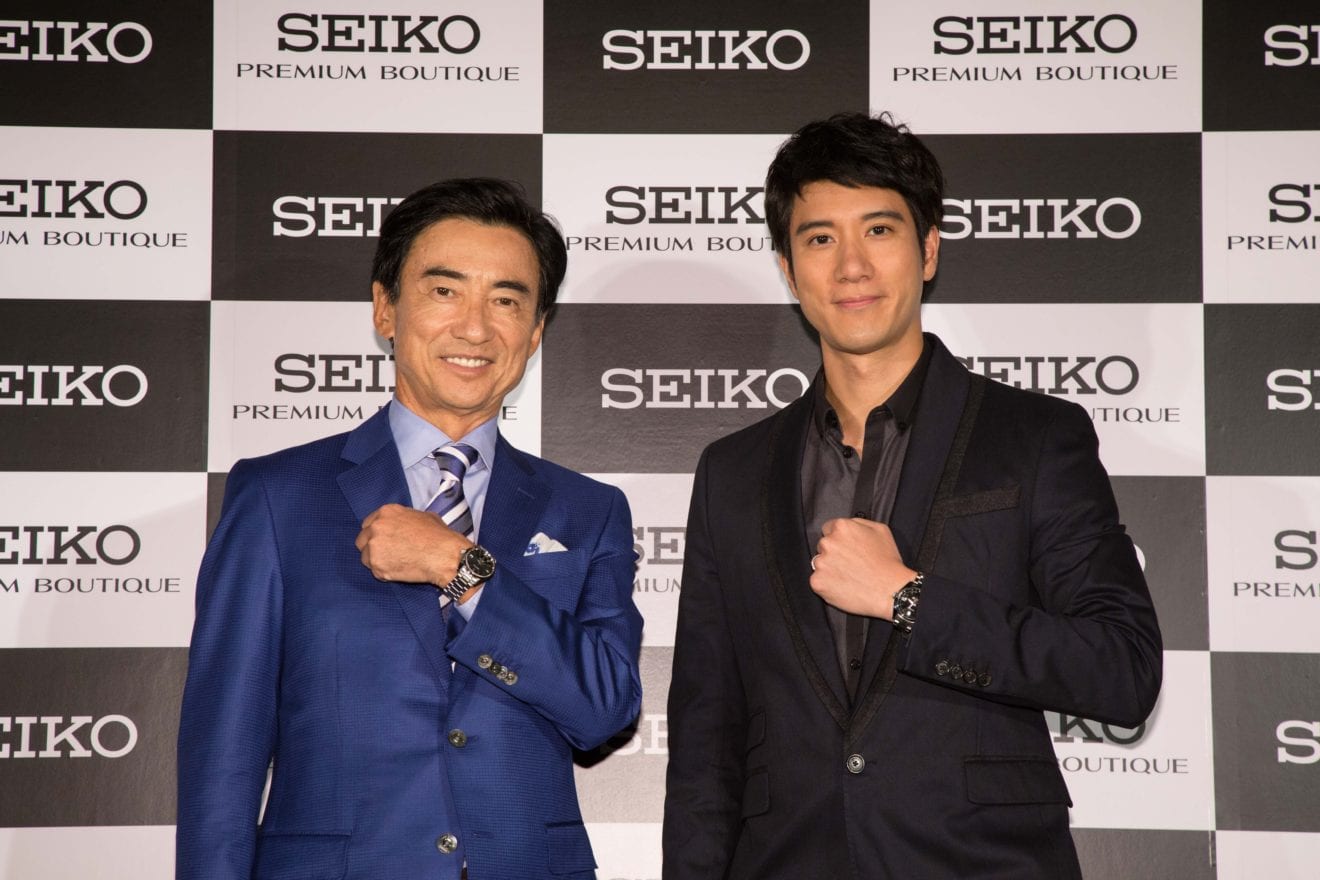
    Wang Leehom, a famous Chinese-American singer and actor who has been Seiko’s brand ambassador in Asia since 2011, joined Shinji Hattori, president & CEO of Seiko Watch Corporation to open the store.

    “Showcasing our prestigious collections, this boutique will offer a true window to the Seiko world and visitors will experience the uniqueness of Seiko’s craftsmanship and Japanese hospitality,” Hattori said at a press conference to mark the opening.

    After a ribbon-cutting ceremony with Hattori at the boutique, Wang Leehom became the store’s first customer, perusing the topline products on display, including Credor Spring Drive Minute Repeater which sells at 33,000,000 yen (US$265,000).

    “It is my great honor to have a chance to attend this festive occasion in the center of Tokyo. I was deeply impressed with Seiko’s masterpieces such as Credor Minute Repeater. They are true culmination of legendary Japanese craftsmanship and cutting-edge technologies,” he said.

  • Dairy Farm buys more Yonghui shares

    Dairy Farm buys more Yonghui shares

    Dairy Farm International has agreed to acquire a further 143 million shares in a placement by Yonghui Superstores for about US$210 million.

    The investment by DFCL is being made in conjunction with JD.com acquiring a 10 per cent interest for consideration of about US$700 million and protects Dairy Farm’s existing 19.99 per cent stake.

    Zhang Xuansong, Yonghui’s chairman, is acquiring a two per cent interest in the enlarged share capital in the placement for US$140 million, and his brother, Zhang Xuanning, the deputy chairman of Yonghui, will between them hold a reduced 29.15 per cent interest.

    Dairy Farm Group CEO Graham Allan, said his company was pleased to support Yonghui and its leadership team with the transaction.

    “The co-operation with JD.com will accelerate Yonghui’s participation in the rapidly expanding

    eCommerce space in China and offer significant opportunities for Yonghui. The related capital raising will strengthen Yonghui further as it implements its store development plans, builds a leading food supply chain in China and invests in an integrated online-to-offline business model.”

    The placement to JD.com requires the approval of Yonghui’s shareholders and certain regulatory approvals in the PRC which will take up to six months to complete.

    Shanghai-listed Yonghui operates hypermarkets and supermarkets from its Fuzhou, Fujian province, headquarters and operates 351 retail outlets across 17 provinces in China.

  • After 165 years, Lane Crawford looks forwards

    After 165 years, Lane Crawford looks forwards

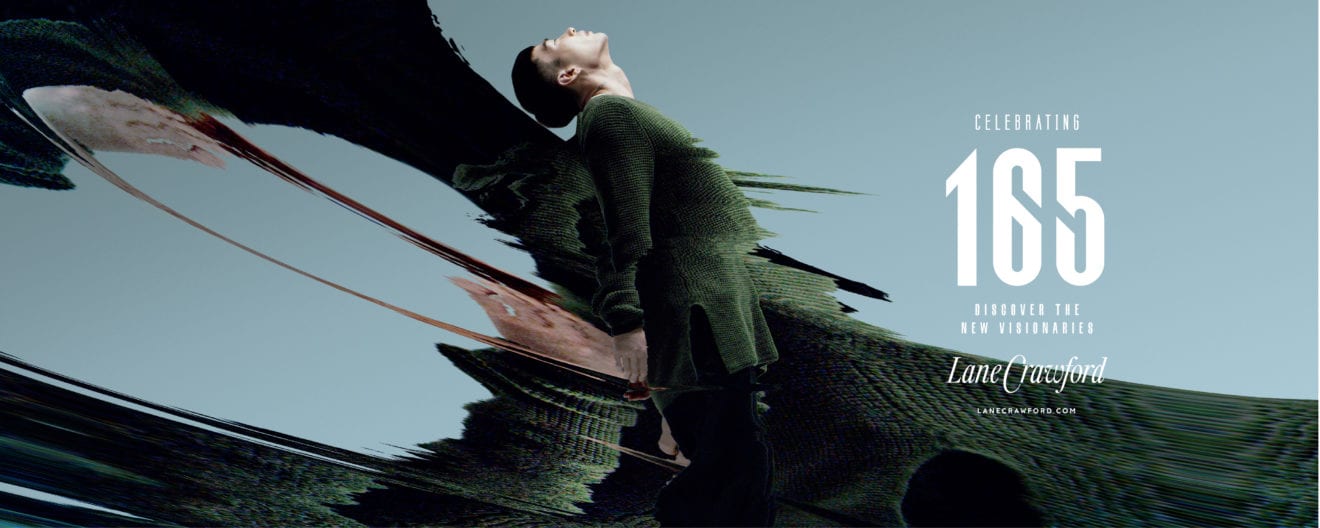
    To mark its 165th birthday, luxury department store Lane Crawford invited its community of leading and emerging brands and creative talents to share their vision of the future.

    Their perspectives are transformed into a series of exclusive designs, capsule collections, artistic installations and uniquely curated product showcases that engage customers to imagine what the future may bring.

    With more than 600,000 square feet of retail space, Lane Crawford has 11 points of sale across Hong Kong, Beijing, Shanghai and Chengdu. With an online store, purpose built for China while also shipping globally, Lane Crawford is China’s first luxury omni-channel fashion retailer. Featuring the largest designer portfolio across Womenswear, Menswear, Cosmetics, Home and Lifestyle, and Fine Jewellery in the region, Lane Crawford showcases more than 1000 international brands.

    Innovative Beijing-based architecture and design firm People’s Architecture Office presents its vision of the future of modern living through giant twisting metal tubular structures that customers can climb inside to explore a whole other landscape. Hong Kong-based architectural design studio Sky Yutaka has created a mesmerising kinetic installation where the future is a haunting rendition of machine-made beauty, featuring robotic rain flowers that gently furl and unfurl their petals in response to a flowing stream of water. Musical wunderkinds Mimi Xu and Rosey Chan continue to inspire the future of sound with their distinctive take on classical electronica music accompanied by a stunning multisensory visual narrative. Other creative luminaries such as Li Lihong, Angel Chen and Alan Chan have also contributed their visions of what the world will look like in 165 years.

    Limited Editions

    The store has also collaborated with an array of brands to offer a selection of exclusive editions as part of the 165 celebrations. Womenswear designer and Chairman of the Council of Fashion Designers of America, Diane Von Furstenberg has redesigned her signature wrap dress with a Chinese twist. There are also capsule collections from T by Alexander Wang, MSGM, Ms Min and Chictopia Fine Jewellery exclusives come from Nathalie Melville and Tasaki, and there is an exclusive watch design from Mad.

    Menswear designers including Haider Ackermann, Neil Barrett, Paul Smith, Rick Owens, Uma Wang and Ziggy Chen have been invited to develop the Silk Capsule collection, incorporating the traditional Chinese fabric in refreshing styles.

    In addition, there are limited editions from a number of cosmetic and lifestyle brands. Shanghai Tang presents an exclusive lacquer box set with its signature women’s fragrance collection, including a personalised engraving service. Valmont offers the Elixir Tribute to Lalique in a sublime red lacquer box topped with Lalique crystal.

    On the local front, Tom Dixon brings another global exclusive to the party with the launch of his new coffee range, “Brew”, and the maverick British product designer also curates the “Living Room of the Future” installation, which offers a vision of home entertainment in years to come. Another iconic British brand, Fortnum & Mason has created the exclusive Lane Crawford 165 tea blend special edition. Other home products include a limited-edition “165” scented candle from L’Objet; a specially made game table by Chinese architect and designer Naihan Li; a digital printed rug from Dutch brand Moooi; neon light décor with Chinese characters meaning ‘prosperity’, ‘fortune’ and ‘home’ from Italy’s Seletti; and an Asia-exclusive launch of a new lamp in taupe and brass from Anglepoise.

    Lane Crawford will hold its 165th Anniversary Celebrations Party at the IFC Mall store on September 9. The festivities continue with a weekend of shopping privileges and anniversary-themed prizes across all Lane Crawford stores in Hong Kong from September 11 to 13.

    Who Is Nick Wooster

    Having worked with highly respected fashion brands and renowned retailers around the world, street style guru Nick Wooster demonstrates his flair for fashion and eye for detail by co-curating a dedicated space for modern men’s wardrobe essentials at Lane Crawford IFC Mall, where Wooster + Lardini, his eclectic collaboration with Italian brand Lardini, is also showcased.

    The dapper Wooster will also make a personal appearance at Lane Crawford ifc mall for an exclusive styling session and cocktail party on August 13.

  • Alibaba counterfeit guide launched

    Alibaba counterfeit guide launched

    Alibaba Group has launched an English-language version of its online system for reporting intellectual property (IP) infringements that occur on its giant Chinese e-shopping marketplaces Taobao.com and Tmall.com.

    The system, called TaoProtect, is designed to make it easier for companies to report merchants who are selling counterfeit products on the Taobao and Tmall platforms, facilitating the efficient removal of infringing product listings. Through TaoProtect, companies can also file complaints for other IP violations such as copyright infringement, patent infringement and unfair use of trademarks.

    TaoProtect is similar to another IP-complaint system operated by Alibaba called AliProtect that covers global wholesale marketplace Alibaba.com, global shopping website AliExpress and China wholesale marketplace 1688.com.

    The debut of the English version of TaoProtect will make the system more accessible to Western companies, said Xinghao Wang, Alibaba Group’s U.S.-based senior intellectual property protection manager. “Because the success and integrity of our marketplaces depend on consumer trust, we have comprehensive policies and practices in place to fight IP infringement,” Wang said, including the use of data-analysis technology to monitor the sites for counterfeit-product listings.

    Due to the sheer size of Taobao and Tmall – Alibaba’s China retail platforms host some 10 million active sellers – the company also works with rights holders to make its efforts more effective. That’s where TaoProtect comes in, Wang said. By providing an online system for alerting Alibaba to infringement on Taobao and Tmall, Alibaba is better able to identify suspicious listings that may be missed by the company’s internal countermeasures, he said.

    Wang noted that filing a complaint does not automatically result in takedowns. To safeguard the rights of all parties, the TaoProtect process is set up to determine whether complaints are legitimate, and to ensure that Taobao and Tmall merchants who abide by the platforms’ established rules are not unfairly penalised.

    The reporting system helps serve a larger purpose, too, he said: “Information received through TaoProtect and AliProtect is an essential part of the rule-making effort, and the data in the reporting system may also be used in the monitoring system.”

    In the video, the founder of a US maker of innovative cutting tools explains how he uses AliProtect to keep copycats at bay.

    “The more popular your products are, the higher the likelihood that someone is going to be copying you at some point, that form of flattery that no one really wants,” says TJ Scimone of Slice. By using AliProtect, he says he successfully got knock-offs of his products “shut down (and) off the site.”

  • Hong Kong police seize 30,000 fake bags

    Hong Kong police seize 30,000 fake bags

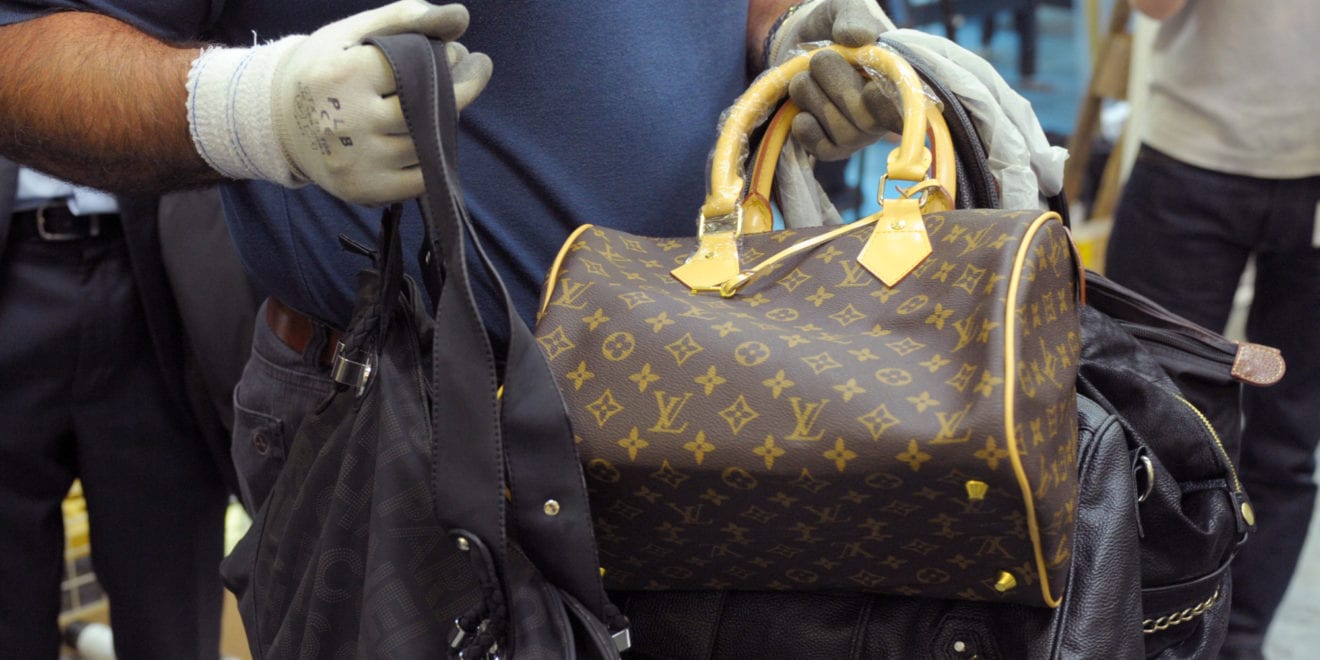
    Hong Kong police and customs officers have made the biggest seizure of counterfeit bags and accessories in a decade.

    The authorities say they netted 30,000 bags in a two day operation on July 28 and 29, details of which have only just been revealed.

    Customs and police say they successfully smashed a syndicate suspected of selling counterfeit goods by operating two upstairs showrooms and a storehouse in Tsim Sha Tsui and Tsuen Wan.

    The operation involved a record seizure in terms of quantity among similar cases in the past decade. The more than 30,000 suspected counterfeit products have an estimated street value of about $3 million, including leather goods, watches, apparel products, footwear, sunglasses and perfume, were seized.

    The syndicate was suspected of establishing a sales network with a membership scheme.

    A man thought to be the mastermind of the syndicate and two women, aged between 32 and 37, were arrested and released on bail pending further investigation.

    The Divisional Commander (Intellectual Property Transnational Investigation) of the Intellectual Property Investigation Bureau of Customs, Cheuk Tak-wai, and the Police assistant divisional commander (operations) of Tsim Sha Tsui Division, Ho Siu-tung, said at a press conference that Customs and the Police would continue to combat counterfeit activities with stringent joint enforcement actions. Customs also appealed to members of the public to shop at retail stores with a good reputation or at official brand stores.

    Under the Trade Descriptions Ordinance, any person who sells or possesses for sale any goods with any forged trademark commits an offence. Upon conviction, offenders are liable to a maximum fine of $500,000 and imprisonment of five years.

  • Singapore in recovery mode

    Singapore in recovery mode

    Singapore has bounced back from a drop in new business formations, with a nine per cent increase in the second quarter of this year.

    According to official data, 15,964 new businesses were registered in the three months to June 30, underscoring the confidence in Singapore as an international business centre.

    Jacqueline Low, COO of Hawksford Singapore, says, the significant quarter on quarter growth rate reflects the improving confidence of the entrepreneurial community and investors alike.

    “Despite various global challenges, the numbers have shot up in this quarter. This is reflective of the high business confidence and the trust in the strong business fundamentals of Singapore and the business community’s proactive mind-set to capitalise on the early signs of economic growth,” she said.

    Though the numbers contracted by more than 28 per cent in quarter one, compared to the last three months of 2014, in this second quarter it appears to be returning to normal.

    Singapore, with its strong business-friendly fundamentals and its strategic location amidst the burgeoning Asian markets, continues to attract foreign investors and enterprises. One third of the new business formed in the second quarter had foreign shareholders, while 47 new foreign company branch offices were set up – 11.9 more than in the first quarter.

    Entrepreneurs continue to take advantage of the favourable share capital clause of the Singapore Company Act that provides for businesses to be formed with share capital as low as S$1. As a result, in this quarter 74 per cent of the businesses were formed with less than $10,000 share capital.

    International enterprises continue to set up their subsidiaries in Singapore. The share of US companies setting up subsidiaries increased in this quarter by two per cent to five per cent.

    “For the second half of 2015 we anticipate the economic growth to remain muted yet the business incorporation numbers will continue to grow at the present level aided by strong domestic consumption, sustained recovery of the west and the regional growth pockets,” added Low.

    Private limited companies continued to be the dominant type of business formation, accounting for 54.7 per cent of the total registration, with Sole Proprietorship the second most popular type of entity, with 6021 new business formations.

    More detailed analysis and information can be found in the Q2 2015 Singapore Business Formation Statistics Report here.