Tag: Retail

  • Waterway Point Mall Singapore 90% leased

    Waterway Point Mall Singapore 90% leased

    The new Waterway Point Mall in Singapore is already 90 per cent leased, a whole six months ahead of its scheduled opening date.

    Developer Frasers Centrepoint Malls says the new centre in Punggol won’t be open for business for about six months, but the vast majority of space is now leased.

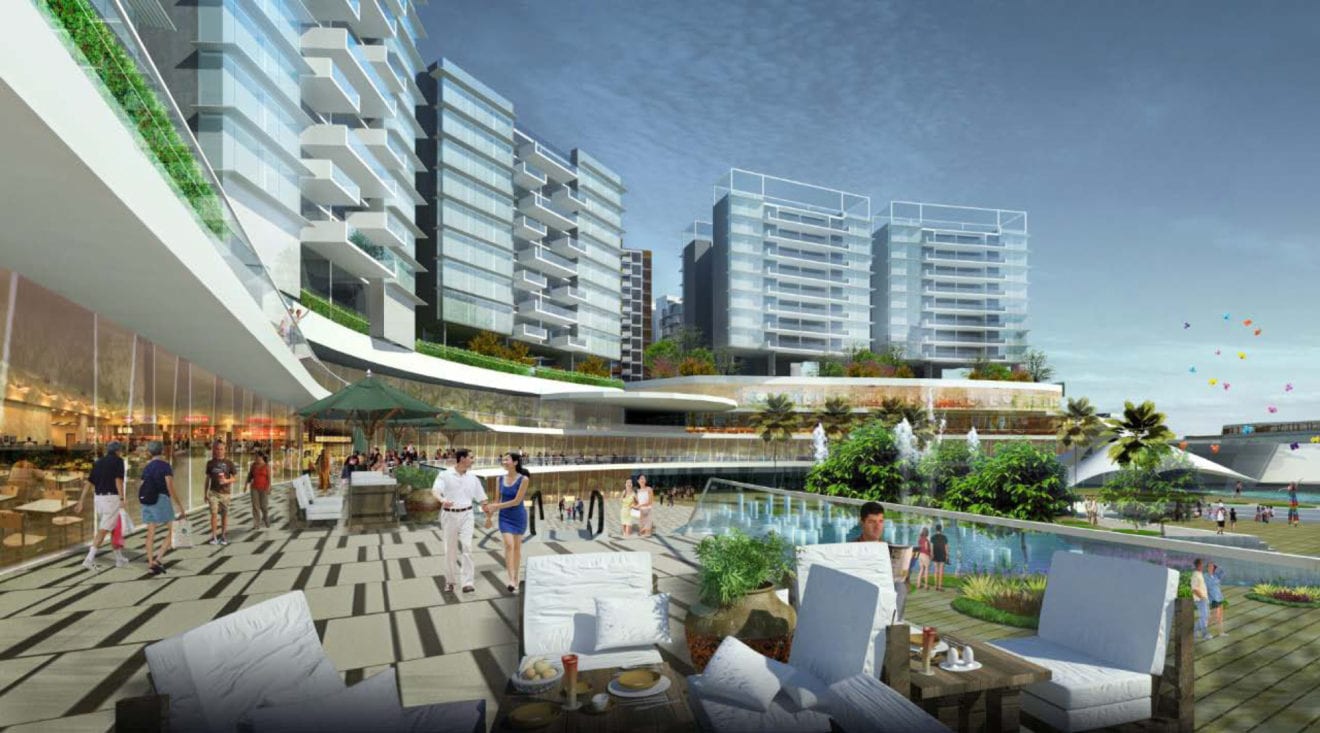
    Waterway Point is part of Watertown, an integrated waterfront residential and retail development by Frasers Centrepoint, Far East Organization and Sekisui House.

    A 24 hour FairPrice Finest supermarket, a 1500 seat Shaw Theatres multiplex cinema and a large Times Bookstore have been named as anchor tenants.

    The new 370,824 sqft mall will feature four levels of indoor retail space, alfresco dining and leisure space.

    The Times Bookstore will be the chain’s largest in Singapore with a 7335 sqft footprint.

    “Once underserved, Punggol today is a picture of rapid development,” said Christopher Tang, CEO for commercial and Greater China with Frasers Centrepoint.

    “The positive take-up underscores a healthy demand for retail space in this developing area.”

  • Burberry Beauty Box enters China

    Burberry Beauty Box enters China

    British luxury apparel brand Burberry has opened two more Beauty Box stores in greater China.

    It follows the opening of Beauty Box’s first Asian store in Korea last December in Seoul’s Coex Mall.

    Burberry Beauty Box concepts are now trading in Hong Kong and Shanghai.

    In Hong Kong, the store has opened in Times Square at Causeway Bay. The store closely follows the Burberry Beauty Box flagship in London’s Covent Garden.

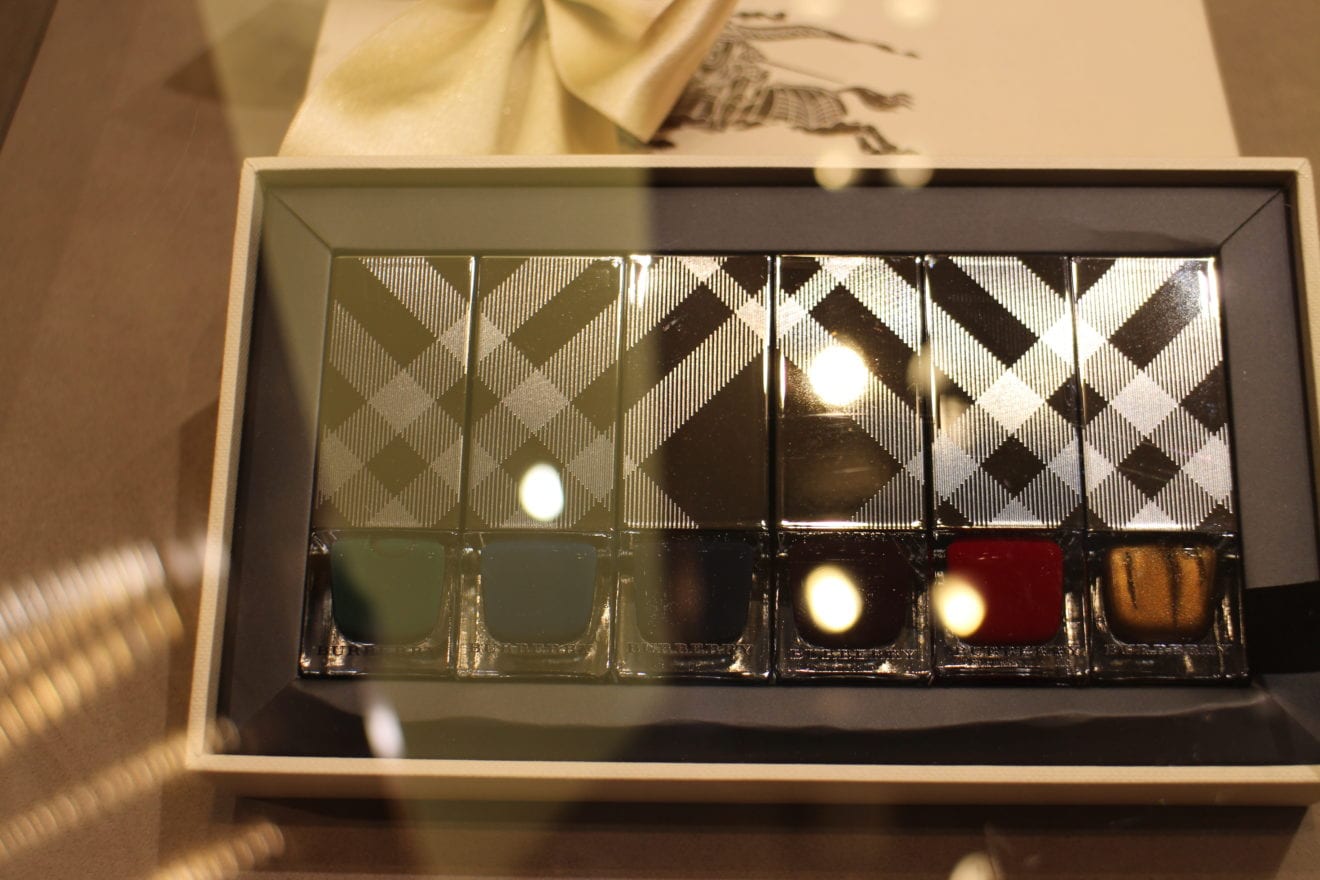
    The new Beauty Box concept focuses on make-up, including Burberry Eyes, Lips, Face and Nails lines, fragrances for men and women, including My Burberry, and assorted luxury accessories.

    It includes a digital Lip & Nail Bar, a 95 degree screen broadcasting Burberry catwalk shows, and the My Burberry Digital Experience that lets customers digitally interact with the brand.

    Customers can order in-store monogrammed labels for 90ml bottles of My Burberry Eau de Parfum and My Burberry Eau de Toilette to create an exclusive, customised gift.

  • Tag Heuer Hong Kong to close store

    Tag Heuer Hong Kong to close store

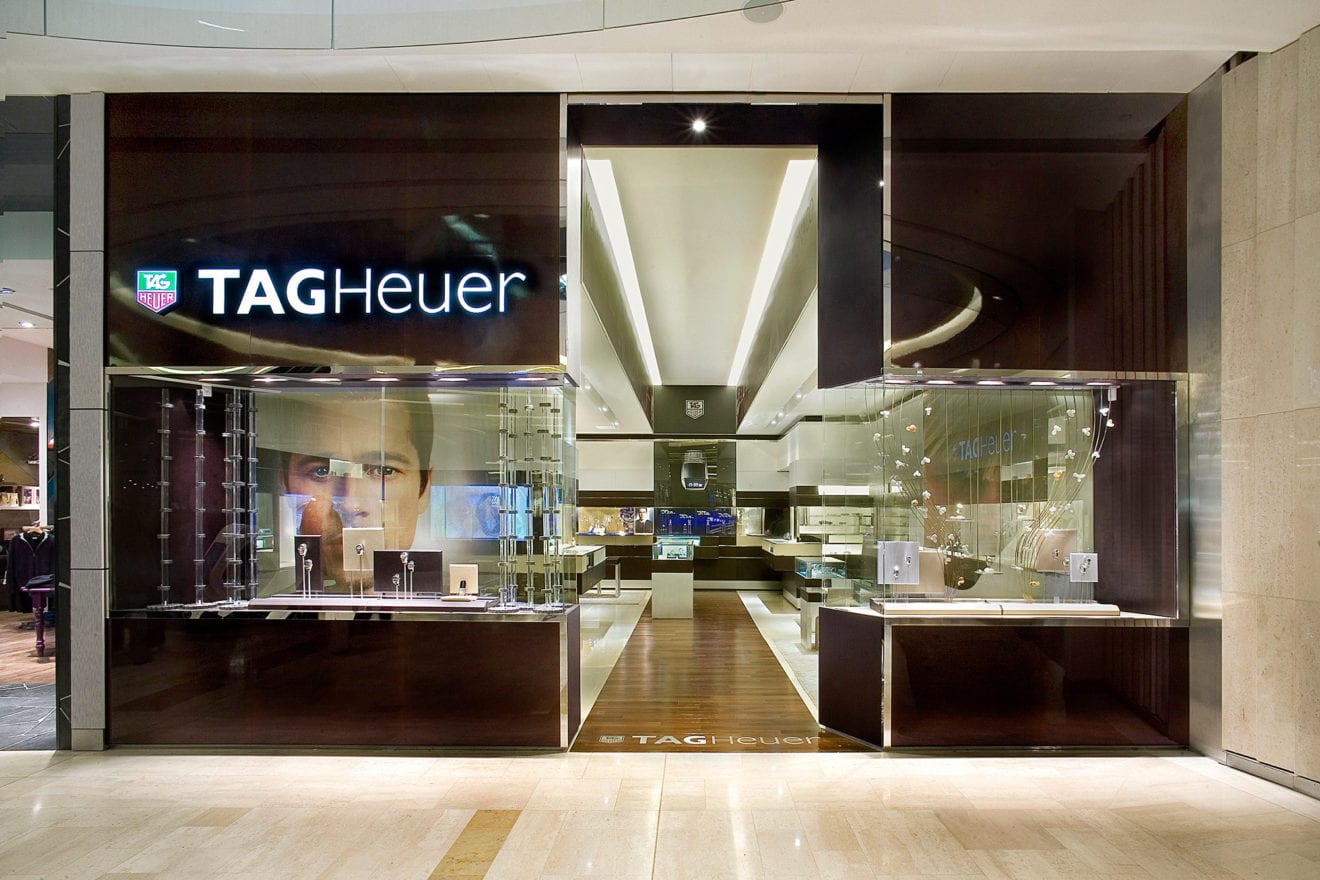
    Tag Heuer is to close one of its Hong Kong stores as it battles high rents and falling sales.

    Tag Heuer Hong Kong’s Causeway Bay store on Russell St will close soon, according to Jean-Claude Biver, the head of Tag Heuer’s parent LVMH’s watch unit.

    While local watch and jewellery retail chains have been adjusting their store networks in the wake of plummeting sales to Chinese tourists over the last 12 months, this is the first significant closure announced by a global luxury player. Rival luxury retail group Kering has hinted it may close some stores, but has not announced firm plans as yet.

    However, the Tag Heuer plan itself is vague.

    “I am not sure if the shop will be closed this year or next but for sure I want to close it because of high rental costs and a drop in traffic,” Jean-Claude Biver told Reuters.

    Local jewellery retailers like Luk Fook and Chow Tai Fook have been renegotiating rents as they come up for renewal, and reporting reductions  of between 10 per cent and 20 per cent.

  • Chow Tai Fook wins 40 per cent rent cut

    Chow Tai Fook wins 40 per cent rent cut

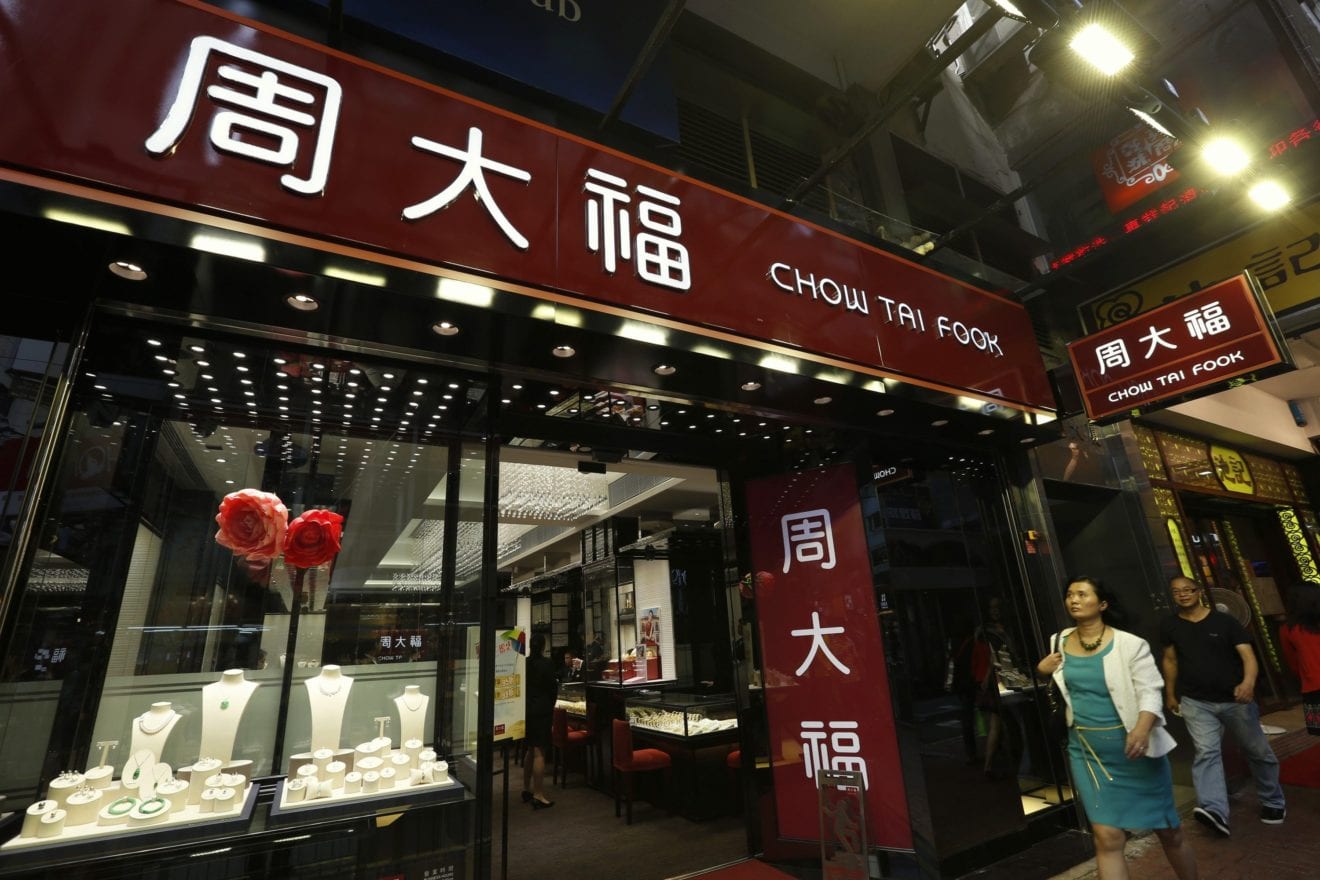
    Jeweller Chow Tai Fook has reportedly re-signed a retail shop rental lease at a 40 per cent reduction.

    It’s a rent reduction which will energise the retail sector, but not doubt send shivers through Hong Kong’s property community.

    Several listed luxury retailers have in recent months been openly discussing expectations of reduced rents when re-negotiating with landlords over lease renewals. Their expectations are grounded in falling sales of luxury goods resulting from Mainland China;s gift-giving crackdown and a reduction in the number of cashed up, big spending Chinese tourists hitting the territory.

    But the sort of reductions being discussed have ranged between 10 and 20 per cent.

    According to Ming Pao, Chow Tai Fook has renewed the lease on its Mong Kok Bank centre branch – shops 6 and 7, on the ground floor.

    The previous rent agreed was $1.3 million in 2012. The new rent rate is 40 per cent lower. Other terms, such as the lease term, have not been disclosed.

  • New malls boost SM Prime revenue

    New malls boost SM Prime revenue

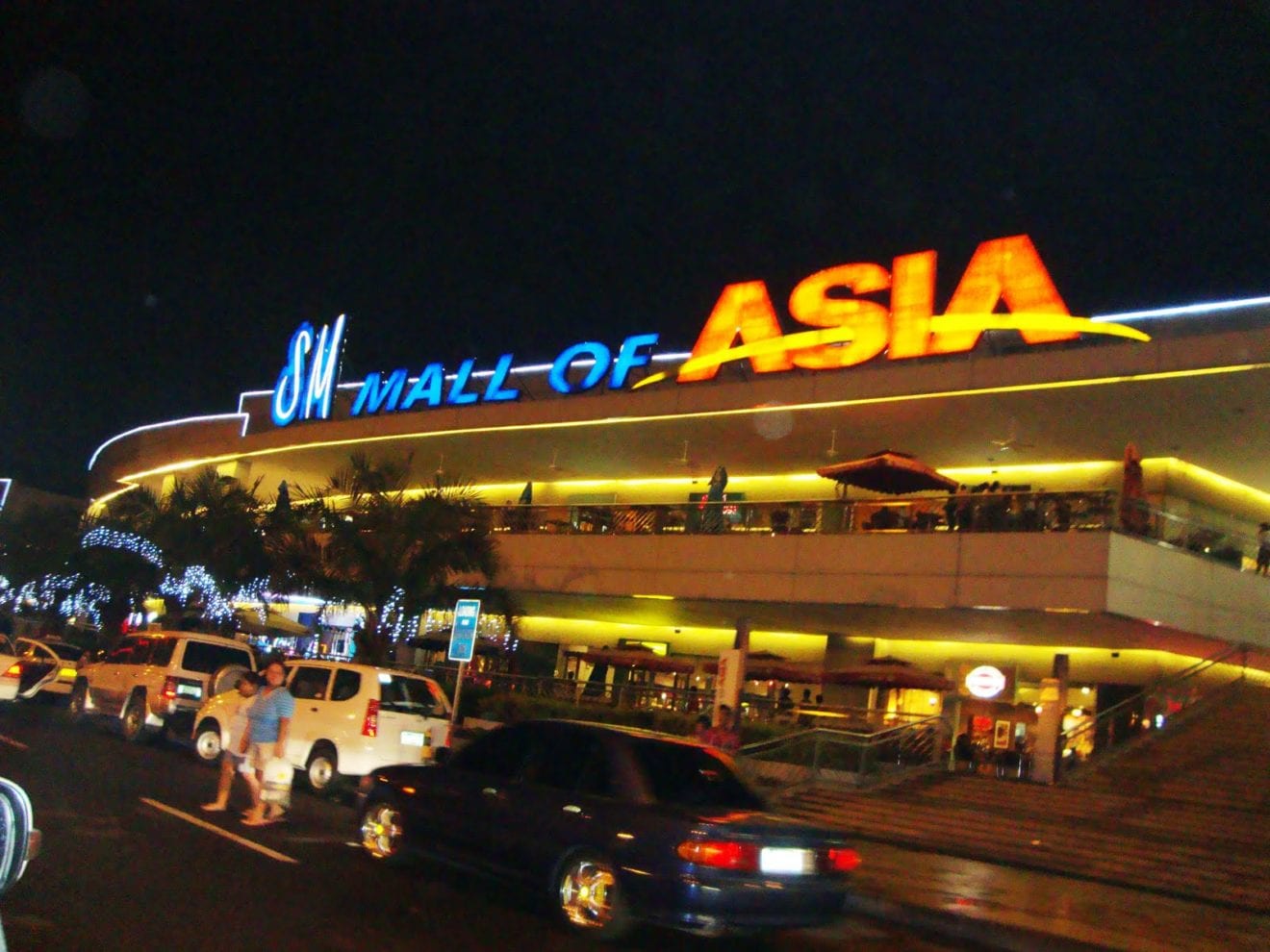
    SM Prime Holdings has posted a 90 per cent increase in first half year sales to PHP18.7 billion (US$408 million).

    However the increase was largely due to one time gains on the sale of securities; recurring income grew by a more modest, but still healthy, 15 per cent.

    The company says new malls helped boost its turnover.

    Rental revenues from retail and commercial spaces, accounted for 54.2 per cent of consolidated revenue, up 10 per cent. The growth in rental revenues was mainly driven by rising contribution from the new malls and the expansion of shopping spaces in existing malls in 2013 and 2014. These include SM Aura Premier, SM City BF Parañaque, Mega Fashion Hall in SM Megamall, SM City Cauayan, SM Center Angono and the expansion of SM City Bacolod with a total gross floor area of 652,000 sqm.

    In the first half of the 2015, SM Prime opened SM Megacenter Cabanatuan and SM City San Mateo last April and May, respectively, taking the total Philippine operating malls to 52 with a GFA of almost 6.6 million sqm. For the rest of the year, SM Prime is set to open one mall in Metro Manila, SM Center Sangandaan in Caloocan, and two malls outside Metro Manila namely SM City Cabanatuan in Nueva Ecija, and SM Seaside City Cebu.

    The company is also expanding two existing malls, SM City Lipa in Batangas and SM City Iloilo. Combined, these new and expanded malls will have a total GFA of almost 716,000 sqm. By the end of 2015, SM Prime will have 55 malls in the Philippines and six malls in China with an estimated combined GFA of 8.3 million sqm.

    Cinema and event ticket sales, accounted for 6.6 per cent of consolidated revenues, recovered in the second quarter registering a seven per cent year-on-year increase to PHP1.4 billion as compared to a decline year-on-year of eight per cent to almost PHP1 billion the previous quarter. This brought cinema and event ticket sales to an almost flat point when compared with the same period last year.

    The recovery of ticket sales in the second quarter was due to Hollywood blockbusters like Avengers – Age of Ultron, Fast and Furious 7 and Jurassic World.

    “The strong financial performance posted by SM Prime in the first half of the year is reflective of the benefits derived from a diversified property portfolio as both rental and developmental incomes contributed to the overall performance of the company,” said SM Prime president Hans T. Sy.

    “The sustained growth could be attributed to the consolidation of SM Prime, which resulted to a strong balance sheet that allowed us to pursue all projects as planned. We are confident that we can sustain this growth in the long-term.”

  • BreadTalk Singapore apologises for soy slipup

    BreadTalk Singapore apologises for soy slipup

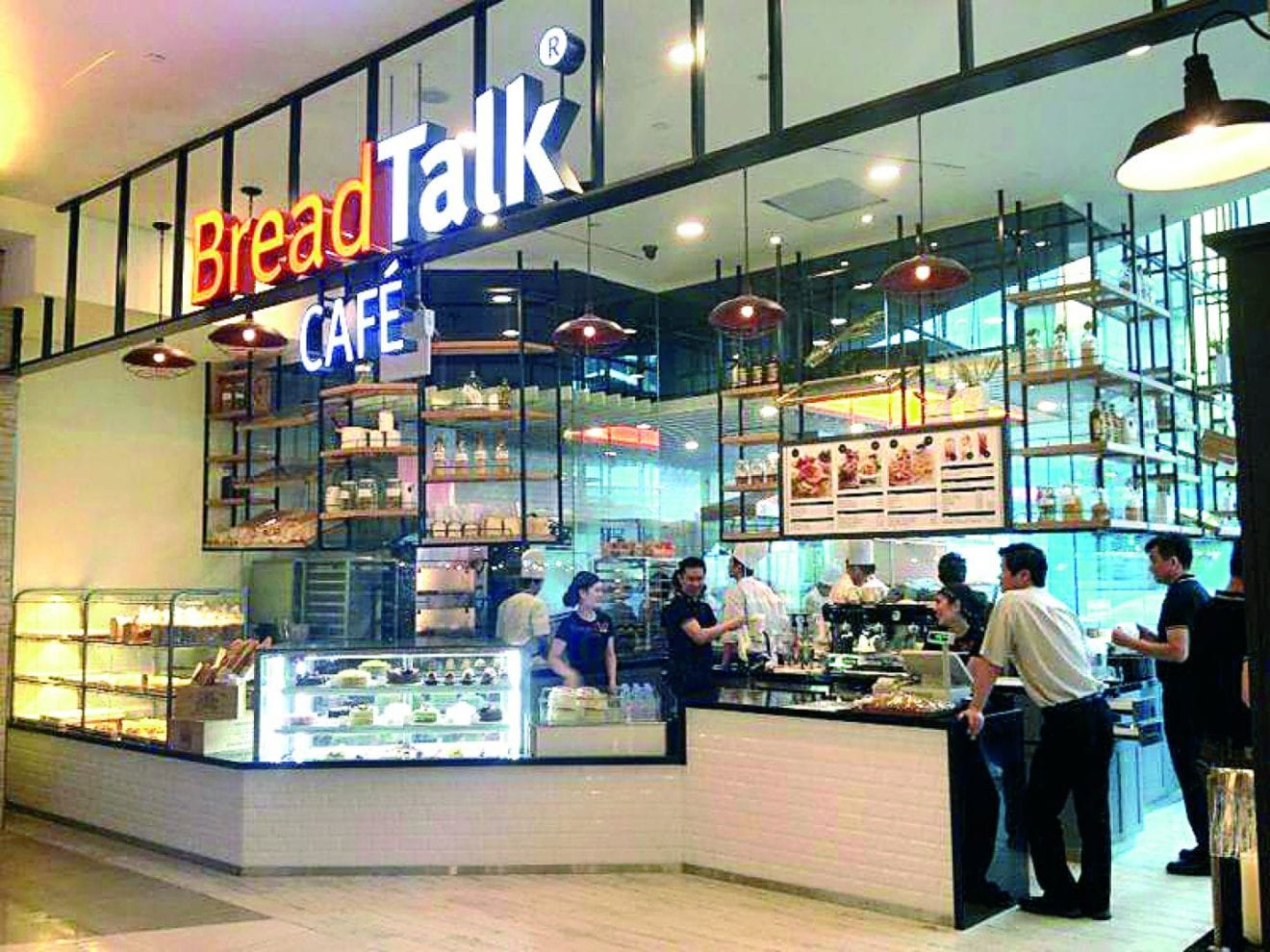
    Breadtalk Singapore has apologised to customers and withdrawn its soy milk for sale after a backlash on social media.

    The company has been labelling and promoting its bottled soy milk as “freshly prepared” – the claim was disproved by a photograph uploaded onto social media by a customer who was shocked to see a store employee hand filling plastic bottles from bulk containers of Yeo’s brand soya bean milk.

    The photo was posted on Sunday and has since gone viral forcing BreadTalk Singapore into damage control.

    The company has confirmed it buys the milk in one litre packs from Yeo’s before repackaging it in plain plastic bottles in-store. It claims an employee used plastic bottles labelled “freshly prepared” intended for fresh juice, not the soy milk.

    “We have heard our customers’ feedback about our bottled soya bean milk,” a BreadTalk spokeswoman said. “We would like to apologise for any misaligned presentation or wrong impressions created, and clarify that it is never our intention to mislead.”

    The chain says it will discontinue rebottling the milk and instead sell if from drink dispensers “to prevent misunderstanding”.

  • Sogo ‘resilient’ in tough market

    Sogo ‘resilient’ in tough market

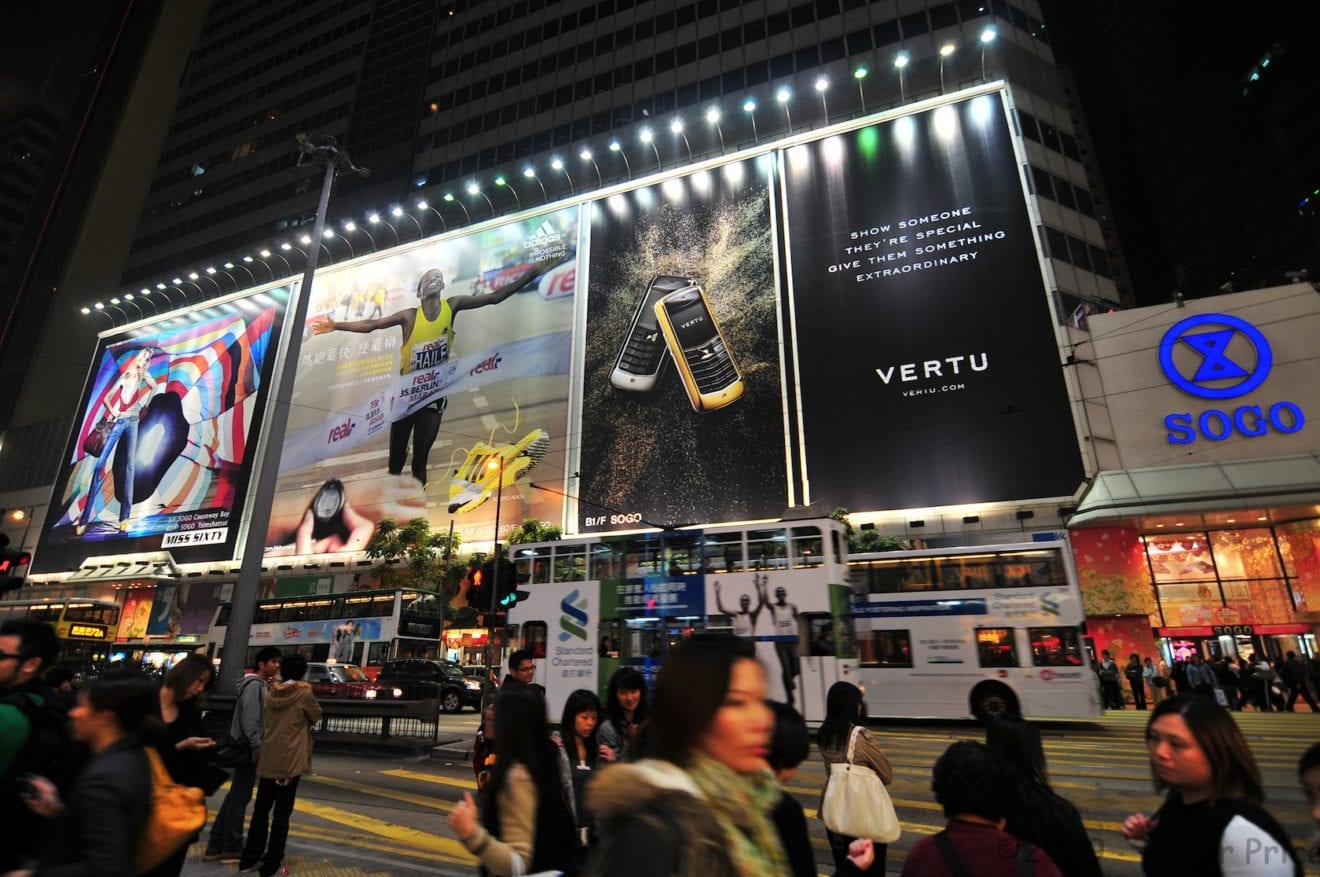
    Department store operator Lifestyle International says its Sogo department stores in Causeway Bay and Tsim Sha Tsui helped it achieve a 15.1 per cent boost in first half year profit.

    In the six months to June 30, group turnover increased 6.6 per cent to HK$3.07 billion and profit attributable to owners of the company to $1.17 billion “The Sogo Causeway Bay store proved resilient,” the company said in its half year report.

    “It put in a steady and solid performance during the review period and delivered a healthy set of business results. The store generated HK$4.493 billion in total sales revenue, representing a slight decrease of 1.4 per cent from the same period last year, largely in line with the market as a whole. As with previous years, the store remained the biggest contributor to the group’s revenue, accounting for 64.4 per cent.”

    That trading result was achieved despite a renovation program and during a period of “relatively weak market sentiment”, which caused a decline in traffic footfall.

    “Notwithstanding the drop in traffic footfall, the store saw an increase in the stay-and-buy ratio that went up by 2.3 percentage points from the same period last year, which reflected customer loyalty for the store.”

    Across the harbour, the Sogo Tsim Sha Tsui store, which moved to a new location in November, has quickly attracted a significant amount of old and new customers, thus enabling it to grow steadily and deliver a better-than-expected performance, the company said.

    “The stay-and-buy ratio, average ticket size and the traffic footfall all performed well above the expectation of the management. During the period, continuous efforts had been made to adjust and refine the brand portfolio and merchandise of the boutique-style store, in reference to customers’ reception and the group’s market research. To enrich the product selection, SOGO TST opened in May the Freshmart in the previously unfilled area of the store, which houses a wine cellar and offers a vast array of food and confectionery items.”

    In Mainland China, Lifestyle’s operations delivered “encouraging results” in spite of the prevailing weak sentiment in the retail market.

    “The performance of operations in bigger cities was relatively more positive, as the decline in consumer confidence showed signs of bottoming out. The larger middle-class population with stronger spending power also enhanced the resilience of operations in big cities. Nonetheless, intensifying market competition remained a challenge. On balance, the generally healthy results of the mainland operations attest the Group’s core competency and its ability to drive operational efficiencies in good or bad times.”

    Shanghai Jiuguang performed strongly throughout the review period, with sales revenue up 9.7 per cent from the same period last year. The group said it had made an extensive effort to adjust the store’s brand and merchandise portfolio over the past years, which was now starting to pay off, and the store is now believed to own the strongest portfolio of cosmetic brands in its locality.

    “While Shanghai Jiuguang’s total traffic footfall fell 10 per cent during the period, the average ticket size was up 5.7 per cent and the stay-and-buy ratio improved by 6.2 percentage points, which again points to strong customer loyalty. In May, the store kicked off its renovation program, which is to be carried out in phases and is scheduled for completion in 2016.

    “Suzhou Jiuguang, which has established itself as a sought-after shopping destination in Suzhou, stayed firmly on a growth trajectory. It turned profitable in 2013 and has remained so since then. For the first half of the year, it reported a 5.1 per cent growth in sales revenue. The traffic footfall and ticket size was up 10.5 per cent and 1.7 per cent respectively, while the stay-and-buy ratio was largely stable at 38 per cent,” Lifestyle reported.

    “Of late, competition in the local department store sector has grown increasingly fierce. Being one of the first department stores to have secured a solid market position in the city, Suzhou Jiuguang enjoys first-mover advantage and has developed a loyal clientele that is still growing. Nevertheless, the group will continue to monitor closely the market situation in order to devise sound and sensible marketing and business strategies to respond promptly to new development in the market.”

    However, Dalian Jiuguang in Northeast China performed “largely in line with the local market situation”, recording a 13.2 per cent negative growth in sales revenue.

    “The results were within expectation of the management, in light of the fragile business environment and weak consumer sentiment of the city over the past few years. However, the group has been realigning the product range and tenant mix to widen the appeal of the store.”

    Shenyang Jiuguang, which opened in October 2013 as the Group’s fourth Jiuguang establishment in mainland China, continued to face a sluggish retail environment, with weak consumer sentiment and restrained economic activity.

    “With persistent efforts to enhance its product mix and to promote a wide range of local and imported products catering to a broad customer base, Shenyang Jiuguang managed to keep its business on a stable footing. For the first half of the year, sales revenue was stable when compared with the corresponding period in 2014. The traffic footfall showed signs of improvement, indicating the group’s marketing strategy is in the right direction. The management is aware that under the current economic climate, it would take notably more time for a young department store like Shenyang Jiuguang to turn profitable.”

    And Beiren Group, an established Shijiazhuang-based retailer in which the Group has strategic investment, continued to deliver “stable performance despite slack demand” in the highly competitive local market. For the first six months of the year, the investment contributed about HK$179.7 million in profit (including profit attributable to non-controlling interest) to Lifestyle International, compared with HK$142.7 million in the same period last year. The significant improvement in share of results was mainly due to the fact that its results in the previous year were negatively impacted by an audit adjustment.

    Beiren Group operates approximately 1.2 million sqm of retail space encompassing 17 department stores, 37 supermarkets and various outlets specialising in electrical appliances, consumer electronics and gold and jewellery. Most of the operations are located in Shijiazhuang.

    Nearly two years since its opening in July 2013, the group’s standalone “Freshmart” store in

    Changning, Shanghai, continued to deliver consistently and satisfactory results. Sales revenue for the first six months of the year saw a year-on-year growth of 11.6 per cent.
  • Kitsune touches down in Hong Kong

    Kitsune touches down in Hong Kong

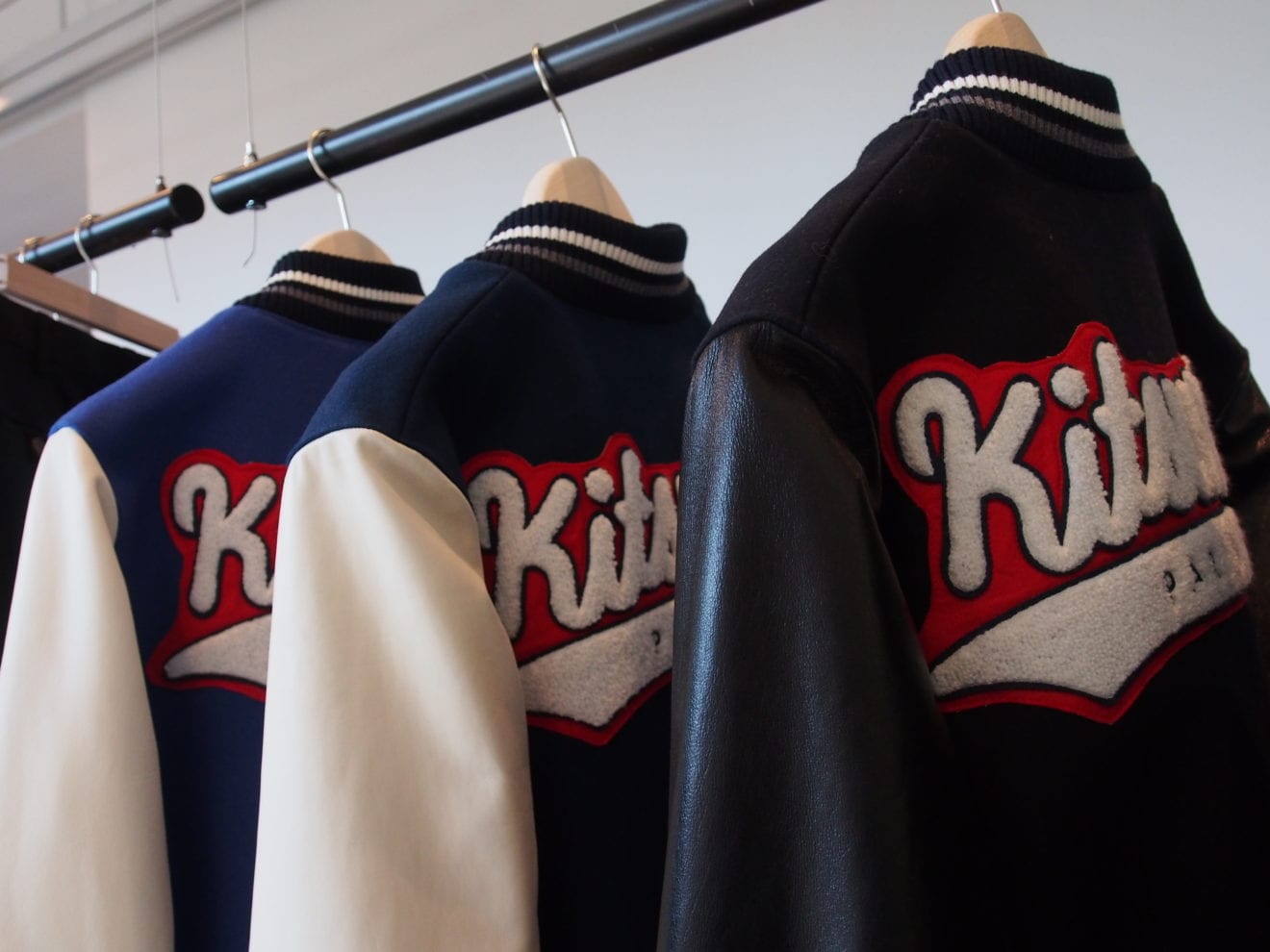
    French fashion label Maison Kitsune has opened its first permanent store in Hong Kong.

    Kitsuné is a French electronic music record label and fashion label created in 2002 by Gildas Loaëc, Masaya Kuroki and the London-based company Åbäke. Kitsune is the Japanese word for “fox” and the brand uses references to foxes in its marketing material.

    “Following the success of our Maison Kitsuné Gallery, the brand’s first ever pop-up shop in Hong Kong inaugurated last March 2015, we’re now settling down in the city for good with the opening of our very own Hong Kong pied-à-terre,” the company announced on its blog.

    Located in Causeway Bay, the 80 sqm store reveals a ‘post-modern chic space fusing the brand’s Parisian heritage with some subtle touches of traditional Asian decors’.

    Co-founders and creative directors Gildas Loaëc and Masaya Kuroki have created a unique retail experience that aligns fashion, music and design, featuring industrial-style floor, black and white tiles, oak shelf with white painted wood bracket, white walls and Asian antique furniture bargain-hunted in Hong Kong.

  • Banks, insurers to face new rules when selling at malls, public places

    Banks, insurers to face new rules when selling at malls, public places

    As financial institutions (FI) jostle to get a bigger share of the consumer dollar by sending their salespeople to hawk everything from credit cards to insurance and investment products at shopping malls, MRT stations and other public places, the Monetary Authority of Singapore (MAS) has stepped in to minimise the risks to consumers from such aggressive marketing tactics.

    In a consultation paper released today (July 23), the financial regulator proposes `Market Conduct Guidelines’ setting out safeguards that FIs — including banks, non-bank credit card and charge card licensees, insurance companies, capital markets and financial advisers — are required to implement while marketing their products and services at retail outlets and public places.

    “These proposals seek to strike a balance between allowing FIs flexibility with their marketing and distribution activities, while safeguarding consumers’ interests when they purchase financial products at retailers and public places,” said Mr Lee Boon Ngiap, assistant managing director of capital markets at the MAS.

    He emphasised that the regulator does recognise the importance of such marketing initiatives as a part of the FIs’ business models. The proliferation of such practises could lead to problems including harassment of consumers, confusion over the roles of the FI and the retailer, enticing consumers to purchase unsuitable products, buying financial products in an unconducive environment and mishandling of monies collected, the MAS said.

    Under the proposals, FIs will have to notify the MAS of their marketing and distribution activities at retailers and public places on a quarterly basis so that the regulator is able to monitor the situation more closely and tailor its supervisory approach accordingly.

    The MAS also proposed that the board and senior management of FIs be accountable for ensuring proper controls over their marketing campaigns at such places. FIs are also expected to call back customers roped in at public places before or within the free-look or cooling-off period to ensure they have understood the insurance and investment schemes they purchased. FIs must regularly conduct mystery shopping and site visits to ensure that their representatives adhere to the required standards and guidelines.

    The proposals complement existing rules and practises, and ensure consistency and alignment of standards across the financial industry, the MAS said, referring to existing guidelines that most FIs already have in place.

    Mr Antony Eldridge, financial services leader at business consultancy PwC Singapore said: “Given innovations in marketing and distribution techniques used by FIs, these proposals should not be unexpected. In fact, the proposals should also help to protect FIs in Singapore from getting caught in the kind of hugely costly scandals that have hit a number of overseas institutions.”

    Mr Rajan Raju, head of retail clients at Standard Chartered Bank Singa­pore, said: “The initiative is about responsible selling, treating customers fairly, and ensuring a robust process for the marketing of financial products and services. Treating customers fairly remains a key priority for us at Standard Chartered.”

    The Life Insurance Association of Singapore said its members are aligned with the MAS in safeguarding consumers’ interests. The implementation of numerous initiatives such as compareFIRST, balanced scorecard and Direct Purchase Insurance products are some examples of the industry’s efforts to ensure that consumers are well-informed and given flexibility in managing their portfolios to meet their protection, savings and investment needs, LIA added.

    The public consultation will close on Aug 24.

  • Lotte China loses a trillion

    Lotte China loses a trillion

    Reports from Korea suggest Lotte Group has lost more than 1 trillion won (US$853 million) in China in just three years.

    Data assembled by CEO Score shows Lotte China made heavy losses between 2011 and 2014 as South Korea’s fifth largest company struggled to understand the Chinese consumer and build market share.

    Last month, Lotte said it would close four loss-making stores in its Mainland China network – all in in East China’s Shandong Province.

    Lotte is said to be losing market share in Mainland China unable to differentiate itself in the middle ground between local retail chains and the growing power of online retailers such as Alibaba and JD.com.

    CEO Score’s data shows the losses are growing, not narrowing. It started with 92.7 billion won in 2011, reached 250.8 billion won in 2012 and a massive 580.8 billion won in 2014.

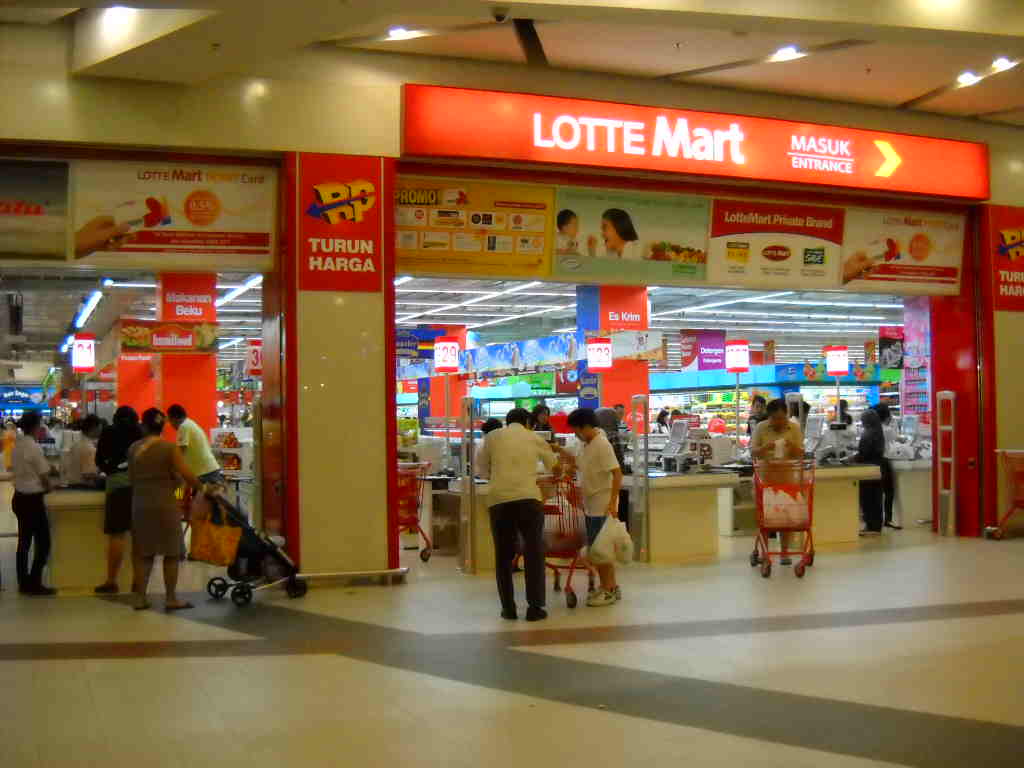
    Lotte Mart has 120 stores in China, 116 in Korea, 39 in Indonesia and 10 in Vietnam.

    The company is family owned with the leadership locked in a bitter power struggle and two brothers compete to take control from their 93 year old father.

  • McDonald’s make Minions

    McDonald’s make Minions

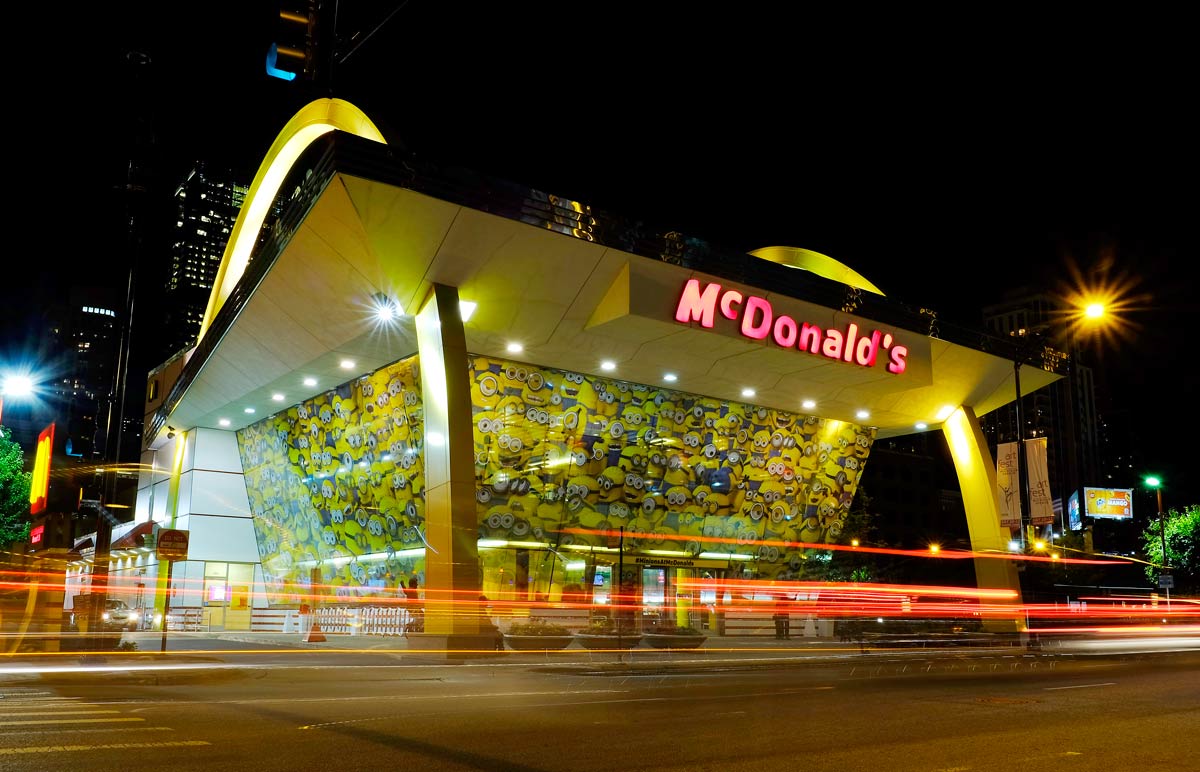
    Sales of products affiliated with animation characters – such as ‘Minions’ and the cast of Frozen – are soaring.

    According to McDonald’s, Happy Meals with Minion toys are in high demand in South Korea.

    The ‘Minion Happy Meal Special Set’, which consists of five Minion toys, one Happy Meal, and four coupons for Happy Meals were all sold out the minute they were released on July 23, with people queuing for hours before their 3pm release. With stock limited to 100 per store, the Minions disappeared fast.

    From July 24, McDonald’s started to sell Happy Meals including one Minion toy each.

    “It is hard for us to reveal how many Happy Meals are sold in a day, but ever since we gave out Minion toys, sales definitely went up.”

    McDonald’s said Minion-themed products such as the ‘Minion Shrimp Beef Burger’, ‘Minion Yellow Muffin’, ‘South Pole Lemonade’, ‘Ba-nana Shake’ and ‘Ba-nana McFlurry’ are also popular among customers.

    McDonald’s is planning the second release of the ‘Minion Happy Meal Special Set’ for August 9, at 3pm. The five Minion toys will be different from the previous event. The fast food chain is expecting another early sell-out.

    McDonald’s is not the only company using cute Minions in marketing.

    Sam Lip General Foods released four types of Minions bread in time for the movie’s release.

    Not to be outdone, Binggrae’s ‘Yomamte’ yogurt ice cream is affiliated with the beloved characters from Disney’s ‘Frozen’. According to Binggrae, sales of the product tripled compared to 2013.

    The places selling the ‘Frozen‘ Yomamte’s were shared on online communities, and consumers gave cute nicknames to the products. Named after the characters printed on the packages, Elsa, Anna and Olaf, the popsicles were named ‘El-mamte’, ‘An-mamte’ and ‘Ol-mamte’.

    Officials from Binggrae are looking into expanding their product line.

    “There were six different designs from ‘Frozen’ printed on the packages in the early stages of the renewal, but we are planning to expand the designs to 23 different types so that consumers can have a wider variety of choice.

  • Dairy Farm reports modest growth

    Dairy Farm reports modest growth

    Dairy Farm says it achieved “modest” like-for-like sales growth in most of its major markets in the first half of this year.

    However, underlying profit fell 14 per cent to US$193 million, largely due to margin pressures in the food businesses and a disappointing half for its Guardian health & beauty group in Malaysia.

    With the early completion of the acquisitions of the San Miu supermarket business in Macau and the Yonghui stake (20 per cent) in China, both in April, sales for the period rose 27 per cent to US$8 billion. But like for like sales rose a more modest three per cent to $6.5 billion, or by seven per cent on a constant exchange rate basis.

    Dairy Farm International says that despite solid sales growth, cost pressures and food price deflation on certain commodities combined to squeeze margins in the first six months for the group’s Food businesses.

    “In Hong Kong, there were higher rental and labour costs. In Singapore profits were significantly lower due to competitive pressures, higher rents and a weaker Singapore dollar. Sales were buoyant in Malaysia, but there was continued margin investment to attract customers,” said chairman Ben Keswick in his half yearly report.

    “There was good like for like sales growth in Indonesia, but profitability declined materially due to higher labour costs following a further increase in the minimum wage, a rise in shrinkage costs associated with greater fresh sales and more rigorous stock management, and store rationalisation.

    “In the Philippines, the upscale and community supermarkets enjoyed sales growth, but the hypermarkets struggled.”

    Dairy Farm’s convenience store businesses in Hong Kong and Macau performed satisfactorily. Sales in Singapore, however, were weaker due to a reduction in the number of stores and the impact of recently introduced regulations restricting late night sale of alcohol.

    The Health & Beauty division produced higher sales. Hong Kong and Macau performed well despite some impact from a decline in tourist arrivals. In mainland China, there was further growth in the store base and an improvement in results. In Malaysia, profitability was lower following the introduction of GST on 1st April. In Indonesia, the results were impacted by wage and rent increases, while sales growth remained good. In the Philippines progress was made on the integration of Rose Pharmacy.

    In Home Furnishings, the IKEA stores in both Hong Kong and Taiwan traded well, and the new IKEA store in Indonesia continues to perform in line with expectations.

    In the Restaurant division, Maxim’s maintained its consistent performance with increased sales and profits in Hong Kong and mainland China. The group is growing its presence in Mainland China and continuing to expand its Starbucks network in Vietnam.

    At the end of June, Dairy Farm operated over 6400 outlets across all formats, including the newly added San Miu and Yonghui stores, and employed in excess of 170,000 colleagues.

  • Hong Kong retail sales stable

    Hong Kong retail sales stable

    Hong Kong retail sales are not as depressing as many luxury retailers would have us believe.

    Figures for June released unusually late in the day on Friday show a year on year decrease of just 0.4 per cent, a figure low enough to adjust the first half year’s sales slippage to just 1.6 per cent – from the 2.3 per cent for the first four months.

    But take the effect of inflation out of the equation, and the territory’s retail sales increased by 4.4 per cent in June 2015. In volume terms, sales rose 4.7 per cent in the month, and for the first half of the calendar year are up by 4.7 per cent.

    Basically, it is the luxury sector – high end fashion, watches and jewellery – which is suffering the most. For most other retailers, there’s nowhere near the same level of decline.

    A Census and Statistics Department (C&SD) spokesman indicated that retail sales volume grew moderately further in June over a year earlier.

    “The fall in the sales of jewellery, watches and clocks, and valuable gifts narrowed, while retail outlets selling certain consumer durable goods registered visible growth in sales.”

    But the C&SD spokesman maintained a conservative outlook for the remainder of the year.

    “Looking ahead, the near-term performance of retail sales is still subject to uncertainties, depending on inbound tourism growth and any spillover to consumption sentiment from the recent stock market volatility.

    “Nevertheless, the stable job and income conditions should provide some support. The Government will monitor closely how these factors, as well as the various uncertainties in the external environment, would affect the retail business going forward,” he said.

    By broad retail category, and in descending order of value of sales, the value of sales of jewellery, watches and clocks, and valuable gifts decreased by 10.4 per cent in June 2015 compared with a year earlier.

    This was followed by sales of commodities in supermarkets (down 0.5 per cent), wearing apparel (down 3.8 per cent), commodities in department stores (down 3.3 per cent), medicines and cosmetics (down 4.2 per cent), footwear, allied products and other clothing accessories (down 8.4 per cent), furniture and fixtures (down 3.7 per cent), books, newspapers, stationery and gifts (down 9.5 per cent) and Chinese drugs and herbs (down 4.2 per cent).

    On the other hand, the value of sales of electrical goods and photographic equipment increased by 21.4 per cent in June 2015 compared with a year earlier. This was followed by sales of food, alcoholic drinks and tobacco (up 3.6 per cent) and optical shops (up 0.4 per cent).

    Based on the seasonally adjusted series, the value of total retail sales decreased by 4.4 per cent in the second quarter of 2015 compared with the preceding quarter, while the volume of total retail sales decreased by three per cent.

  • Disney, Uniqlo form global partnership

    Disney, Uniqlo form global partnership

    Uniqlo has announced a global collaboration with Disney Consumer Products, dubbed Magic For All.

    The initiative will see characters from Disney’s brands, including Marvel action, Star Wars adventure and Pixar creativity to everyday Uniqlo LifeWear fashions and introduce “innovative new products, pop-up displays, and in-store and online customer experiences,” the Japanese apparel retailer said in a statement.

    “We want to help everyone’s dreams come true,” said Tadashi Yanai, chairman, president and CEO of Fast Retailing.

    “I look forward to bringing together LifeWear and the magic, excitement and adventure of Disney, Marvel, Star Wars and Pixar to deliver enjoyment to customers all around the world through our products, customer service and shopping experience.”

    Paul Candland, president of The Walt Disney Company Asia, said the entertainment giant prides itself on delivering magical experiences to fans of all ages, “whether it’s at the movies, retail, our theme parks or at home”.

    “Uniqlo shares our passion for storytelling and we look forward to expanding our global collaboration creating unique experiences for fans to immerse themselves in the Disney, Marvel, Star Wars and Pixar brands.”

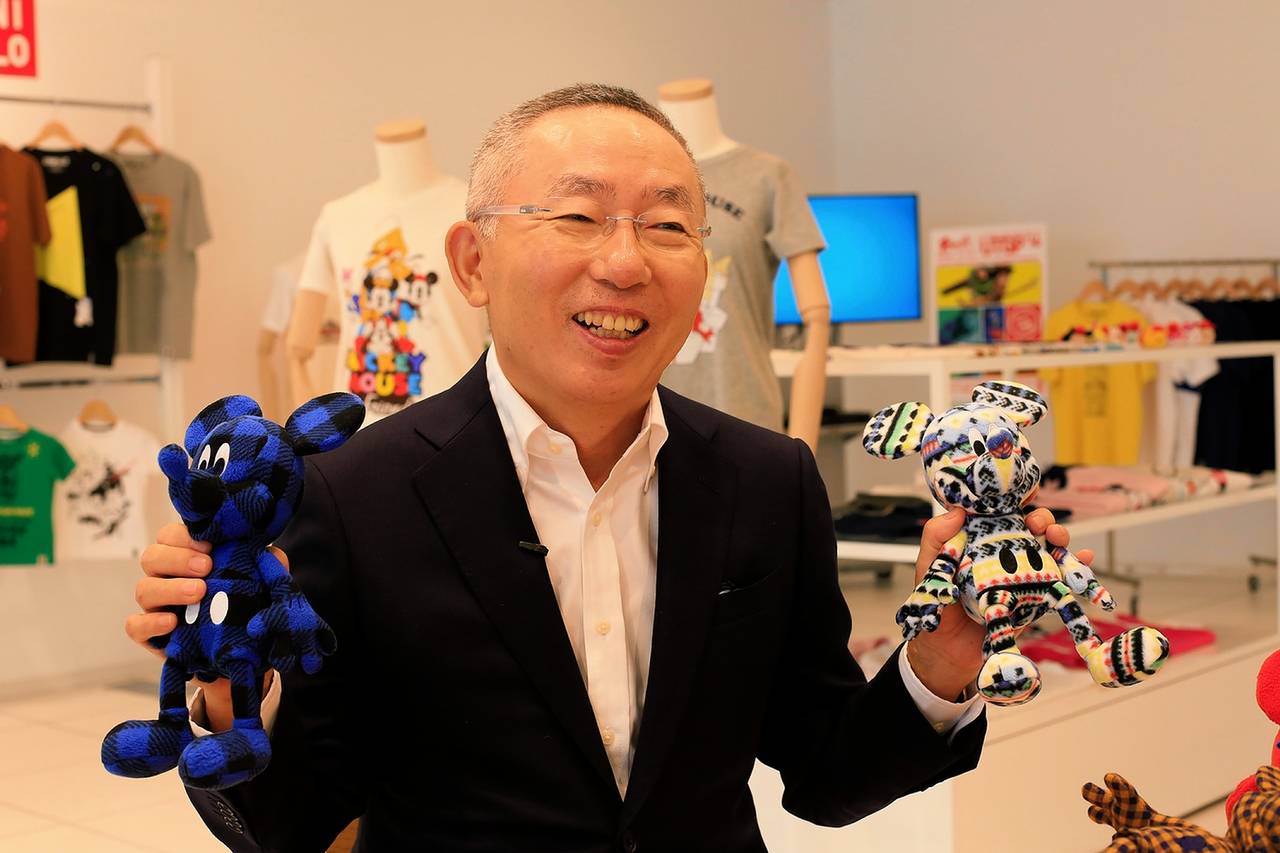
    The Disney, Uniqlo relationship began in 2009, when the company launched its first collection of UTs (Uniqlo T-shirts) featuring iconic and treasured Disney characters, Mickey Mouse and Minnie Mouse. Through Magic For All, Uniqlo will extend its collaboration beyond the UT and sweat parka lines and introduce new LifeWear items beginning in fall 2015.

    Products will range from Ultra Light Down, fleece, and flannel shirts to umbrellas, plush toys, and other offerings featuring Mickey Mouse and Minnie Mouse and then expand to include popular characters from Star Wars, Pixar Animation Studios’ Toy Story, Marvel’s Avengers and Disney’s Frozen.

    Customers will be introduced to Magic For All at D23 Expo, The Ultimate Disney Fan Event, in Anaheim, California from August 14-16.


    A concept store featuring the full product range will open in Shanghai at the end of September. Currently under construction, it will occupy the fifth floor of the five story Uniqlo Shanghai Global Flagship, the brand’s largest worldwide.

    Global flagships and large-format stores around the world will also offer Disney, Marvel and Star Wars-themed products through newly created Magic For All sections.

    In spring 2016, Uniqlo will open its first store in the US southeast, at Disney Springs in Lake Buena Vista, Florida. This flagship will house the brand’s assortment of Magic For All offerings for men, women and children in a setting that captures the fantasy and magic of Disney.

    On July 13, Uniqlo announced “friendship in Disney-Pixar movies” as the theme for its annual UT (Uniqlo T-shirt) Grand Prix 2016 Design Contest. First launched in 2005, the contest attracts thousands of entries from around the world. The winning designs are included in the following year’s spring summer UT Collection, which is sold worldwide. An exclusive animated short was produced to support the 2016 competition.

  • MobiFone Vietnam moves into retail

    MobiFone Vietnam moves into retail

    Vietnam telco MobiFone says it will focus on expanding its retail presence in the coming year as it competes for market share.

    MobiFone Vietnam is one of three key mobile phone networks fiercely competing for a share of the nation’s burgeoning telecommunications business.

    In recent years rivals Viettel and VinaPhone have all stepped up their retail presence, but MobiFone has less profile at storefront level.

    Speaking at a shareholders meeting last week, MobiFone Vietnam general director Cao Duy Hai said the company will focus on its businesses in telecom, television, retail and multimedia in the 2015-20 period.

    He said the company planned “a large distribution channel” to increase MobiFone’s market share. Local commentators suggest this may include partnerships with mobile phone brands such as Samsung, Apple, Oppo and Huawei, all strong players in Vietnam.

    Viettel has stores in many cities and provinces throughout the country and VinaPhone has co-operated with Apple, among others, to distribute its products. But MobiFone tends to rely on trade through independent stores who can connect customers to any of the networks.

    MobiFone is 100 per cent Government owned and also has businesses in construction, minerals, broadcasting and multimedia.