Tag: Retail

  • Implications of China’s Stock Market Crash

    Using extreme measures, the Chinese regime eventually managed to stabilize the stock market crash that started in mid-June, during which both the Shanghai and Shenzhen stock market indices fell more than 30 percent in three weeks.

    While many retail investors have begun to show signs of relief, even expressing gratitude to the government for “saving” the stock market and their investments, the episode has a very different meaning to foreign governments and investors alike.

    Most importantly, it reveals that China’s stock market is still at a very premature stage, and the Chinese authorities’ inclination to exercise control is overwhelmingly strong. Many analysts and international media are beginning to cast doubts on the future direction of China’s economic and financial reforms.

    In recent years, China has made great efforts to liberalize its stock market. Reform measures have been implemented, such as the gradual introduction of Renminbi Qualified Foreign Institutional Investors (RQFII) to participate in the A share market, as well as the launch of the Shanghai-Hong Kong Stock Connect last November that allows investors in each market to trade shares on the other market.

    China has never shied away from its aspiration to transform Shanghai into a regional or even international financial center.

    However, the meltdown of the stock market and the regime’s drastic responses—which include banning any new IPOs, prohibiting major shareholders to dispose of their shares within a 6-month period, and allowing listed companies to suspend trading without any valid reasons—have undoubtedly damaged the confidence of international investors.

    Unlike the more mature stock markets, China’s stock market is dominated by retail investors who have little investment knowledge and experience.

    Increasing the participation of institutional investors, particularly from the West, will be an important step for the market’s further growth and development. The pace of such reforms will definitely be stalled in the aftermath of the stock market crash.

    Another of China’s important financial goals is the internationalization of the yuan. According to the International Monetary Fund (IMF), the opening of its capital account might help Beijing meet IMF’s criteria to join its Special Drawing Rights currency basket, which would greatly enhance the yuan’s popularity and status.

    Yet again, one possible consequence of the stock market turmoil is that China’s chance of success in this endeavor might be compromised.

    What lessons the Chinese authorities have learned and what direction they choose will be the focus of international attention.

  • Tmall global celebrates new partnership again

    Tmall global celebrates new partnership again

    Tmall Global, part of the Alibaba Group B2C Tmall.com business in China is celebrating its relatively new partnership with The Shilla Duty Free and The King Power International Group of Thailand.

    As reported last May, the trio are aiming to enhance the duty free shopping experience for Chinese travellers to these two countries with their newly-launched innovative ‘World Duty Free service’ which is described as the first of its kind in China created to offer consumers and travellers ‘a seamless solution for purchase and pickup of duty free goods’

    The partnership allows Chinese consumers to enjoy more savings and increased convenience by pre-purchasing products and discount vouchers on Tmall Global before they travel, and then collect their purchases or use their discount vouchers at the duty free stores in South Korea and Thailand through their Alipay receipt or barcode from their mobile phones.

    The ‘World Duty Free’ service also allows merchants to target specific consumer groups from China and thereby discover trends and demands of hundreds of millions of Chinese shoppers across Alibaba Group’s China retail marketplaces.

    Alvin Liu, general manager of Tmall Global said: “The World Duty Free service is an important strategic initiative of Alibaba Group’s globalization strategy. This project connects Tmall Global, Alipay and various major duty free retail groups from around the world to create an integrated e-commerce model offering a seamless cross-border shopping experience for Chinese travellers.

    “We want to make the duty free shopping experience as simple and easy as possible for our customers. The new service will save them time in exchanging foreign currency, queuing, product wrapping and tax refunds. In the future, Tmall Global aims to bring more duty free shops onboard to broaden coverage to other popular destinations around the world.”

    Tmall Global claims to be the first and only e-commerce platform in China to partner with a Korean duty-free store chain. To commemorate the launch of this new service, The Shilla Duty Free is offering a promotion of up to 50% off the price of selected items, while King Power is also offering a free RMB500 ($80) coupon for purchases above a certain level.

    Tmall Global now claims to be in discussion with dozens of duty-free companies in other countries to offer this service for Chinese travellers travelling to other destinations. Tmall Global also plans to work with other Alibaba Group businesses such as Alipay and Alitrip to provide an integrated and comprehensive travel and shopping experience to Chinese consumers.

    Around 5,400 overseas brands from 25 countries and regions have opened stores on Tmall Global, which is used by a growing number of brands from the U.S., Germany, Australia, South Korea, Japan, Taiwan and Hong Kong as a stepping-stone into China.

  • Samsung Galaxy Tab S2 to Hit Hong Kong Next Week

    Samsung Galaxy Tab S2 to Hit Hong Kong Next Week

    Last week, Samsung introduced its latest Galaxy Tab S tablets line up which is already up for pre-orders in some regions across the globe.

    If you’re based in Hong Kong waiting for the new tablet, you be glad to find out it will hit retail in the region next week.

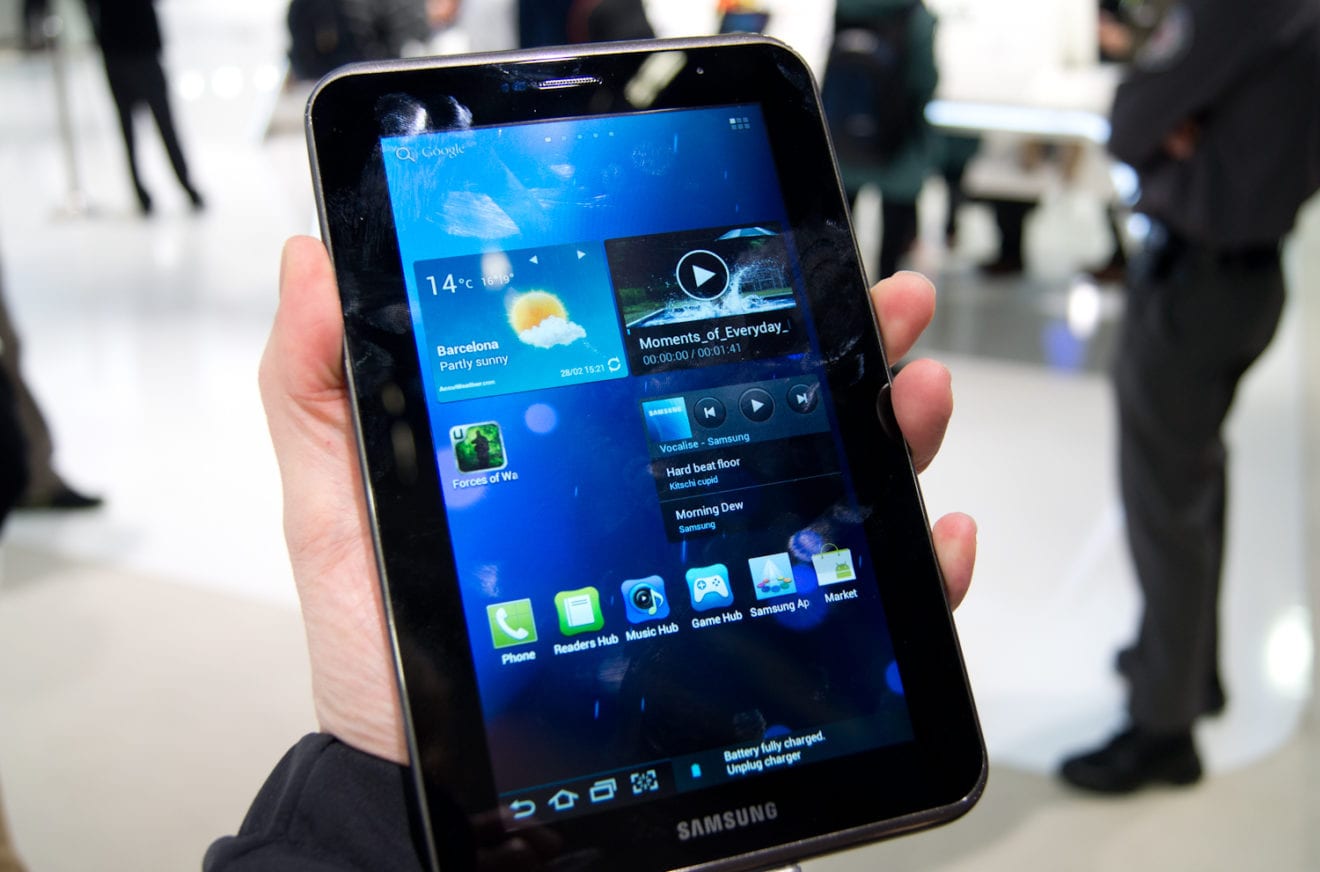
    The Samsung Galaxy Tab S2 will be available in both WiFi and LTE configurations. The 9.7-inch WiFi variant is priced at HKD3,888 ($500), while the 8-inch model carries a slightly lower HKD3,088 ($400). The tablets will be available in both white and black color options, and will hit retail shelves in Hong Kong on August 4th. A gold color option for both tablets will also hit retail in mid-August.

    Users looking for LTE connectivity will have to shell out even more money as the 9.7-inch LTE Galaxy Tab S2 costs HKD4,888 ($630). On the other hand, the smaller 8-inch LTE model comes with a HKD4,088 ($527) price tag. Both LTE variants will hit retail in mid-August with the gold color option hitting retail sometime at the end of August.

    The tablets also comes with a number of goodies, including two-year free 100GB OneDrive storage, a coupon code from Expedia, free download of 1 book per month from Kindle and a little more.


  • China’s Too Large for Retailers to Ignore

    When it comes to online retail markets, China is in a class by itself. The country is already home to the world’s largest e-commerce market, and there’s room for more growth.Chinese consumers are attaining middle class spending power at a historically unprecedented rate and using it to treat themselves to personal luxuries.

    That spending has made the country the world’s fastest growing “vanity goods” market—increasing by 15% year over year—for such purchases as high-end fashion and beauty goods, jewelry, and personal care items.China presents a vast growth opportunity for international retailers, and like any business expansion, requires a considered approach.

    It’s important to understand the market, its nuances and challenges in order to succeed.In 2013, online purchases accounted for 8% of the country’s total retail sales. E-commerce transactions totaled USD $305 billion that year, and Singles Day, the popular online shopping holiday in November, accounted for USD $5.7 billion of that total.

    E-commerce in China already outpaces that in the US, and within 5 years it’s expected to dwarf the combined online retail markets of the US plus the UK, France, Germany, and Japan.That booming growth is due in part to the rise in mobile phone usage among Chinese consumers, which helps them bypass brick-and-mortar shopping obstacles such as distance and traffic.

    It also owes something to Chinese internet-use habits. According to a McKinsey & Company report, Chinese internet users are online for as many as 6 hours more per week than the average US user, giving them more time to search for and purchase products.China is a huge nation with a middle class that will soon top 630 million people—more than 8 times larger than the US “Baby Boomer” generation that was once the world’s leading middle-class consumer demographic.

    According to McKinsey, only 4% of China’s urban residents were middle class as recently as 2000. By 2020, 75% of Chinese urbanites will have middle class status and newfound spending power.In general, Chinese shoppers like international brands and upscale goods, so offshore retailers have a certain cachet. French wines, American electronics, and Italian designer clothing are popular prestige purchases among Chinese shoppers.

    In a competitive market, your company’s “outsider” status can be an asset, especially if it’s backed up by excellent quality control and responsive customer service.Beyond that, experts recommend getting to know particular regions, rather than treating such a populous and diverse nation as a monolithic market. For example, McKinsey reports that certain cities are stronger markets for particular luxury items. By 2025, the firm expects Shanghai and Beijing to be among the top 20 global cities for upscale spirits consumption, while Hong Kong will rank first for luxury beauty goods, with Shenzen, Shanghai, and Beijing also in the top 20 for that category.

    Determine which cities and regions are a good match for your product line, and give serious thought to how you will market to those areas, as the most popular channels may be ones your company is not currently using.

    The McKinsey report on Chinese consumer internet habits makes the point that online video and instant messaging are more popular with Chinese online shoppers than email and search, which are prevalent in the US. Mobile sales accounted for 12% of all Chinese online sales in 2014, so all online efforts should be designed to display well on mobile devices.Promote sales timed to major in-country shopping holidays, such as Singles Day in the fall and the Lunar New Year in the spring.

    Shoppers expect deals at these times and will go elsewhere if your shop doesn’t provide them.As an online merchant, your customers can reach you from anywhere, but as the Australia China Quarterly points out, Chinese shoppers tend to prefer familiar outlets such as Tmall, Alibaba’s B2C platform. (For perspective, US e-tail giant Amazon recently opened a Tmall shop of its own.) If you sell from outside the country or use Tmall, you won’t need a Chinese business license, and that can save you time and money. The potential drawback for small merchants is the fee schedule. For Tmall Global, the fees include a USD $25,000 security deposit, in addition to annual fees and transaction fees.

    In order to save on fees and avoid tying up cash in a security deposit, offshore merchants always have the option to sell independently. To do so successfully, Daria said, “such merchants must seek out a payment services provider that supports multicurrency transactions and has established relationships with in-country banks and with UnionPay, which is the government-backed bankcard and interbank network for all of mainland China.”

    Globally, there are more than 3 billion UnionPay cards in use across 141 countries. A reliable and efficient shipping carrier is a must as well; look for one that can streamline the customs paperwork for your shipments into China.No matter what size your online business is, China is a market worth exploring. Capturing even a small percentage of this large and robust market can yield rewards now and in the future as China’s economy and purchasing power continue to grow.

  • SE Asian consumers switch to ecommerce

    SE Asian consumers switch to ecommerce

    International information technology players have been piling in.

    Japanese telecoms group Softbank has made a string of acquisitions across Asia. It invested $250m in the region’s ride-hailing app GrabTaxi at the end of last year. In Indonesia, it invested $100m in online marketplace Tokopedia and mobile device retailer Trikomsel.

    Singaporean blue-chip companies such as Singapore Press Holdings and MediaCorp, the latter controlled by Temasek Holdings, Singapore’s government-controlled investment company, have also been involved in a raft of deals.

    This month, Temasek said it would partner with United Overseas Bank to set up a venture and debt financing fund of nearly $500m to help finance the growth of ecommerce and other technology and healthcare initiatives around the region.

    Online sales account for only 1 to 2 per cent of total retail sales in many southeast Asian countries, providing ample scope for the kind of breakneck growth that online trade has enjoyed in China — where ecommerce now accounts for 11 per cent of total retail sales, up from 2.5 per cent just five years ago, according to estimates by FT Confidential Research, a Financial Times research service.

    But ecommerce operations in Southeast Asia are often hindered by factors such as high logistics costs and the limitations of online payment systems. In Indonesia, more than 95 per cent of ecommerce transactions are settled in cash on delivery, and more than 90 per cent of visits to ecommerce sites do not result in sales.

    Nevertheless, online retailers Lazada and Zalora, both owned by German tech investor Rocket Internet, have built up robust online sales across the region. They have tackled logistical constraints by investing heavily in their own in-house logistics and supply chain providers.

    Chinese ecommerce giant Alibaba, meanwhile, is expanding its international ecommerce site AliExpress across the Asean region. It recently acquired a 14.5 per cent stake in Singapore Post, which last year announced plans to spend $145m on a regional ecommerce logistics hub. Its rivals in the logistics sector include Singapore-based aCommerce, which is backed by Japan’s NTT Docomo.

    A number of pan-Asean online payment systems are in the process of being established, meanwhile, such as 2C2p and Coda Payments.

    As ecommerce expands, consolidation is set to follow. Many domestic start-ups have focused excessively on building initial sales volume at the expense of profitability. At some point soon, a shake-out appears inevitable.

  • Mobile Accounts for Almost Half of China’s Retail Ecommerce Sales

    Retail sales on tablets, smartphones and other mobile devices will reach $333.99 billion this year in China, according to eMarketer’s latest estimates of retail sales around the world, up 85.1% from 2014. That figure represents 49.7% of all retail ecommerce sales in the country this y

    This estimate puts retail mcommerce sales in China at nearly 450% of those in the US, where such sales are expected to rise 32.2% in 2015. Even more striking, in the US, retail mcommerce sales will represent 22.0% of the retail ecommerce total and just 1.6% of all retail sales this year. That compares with 7.9% of total retail sales in China coming from mobile.

    These figures indicate that China’s retail market is more digital—and specifically, more mobile—than its US counterpart. This speaks to both the power of mobile in China as well as the power of the desktop (and the store) in the US.

    “An overwhelming majority of China’s internet users now regularly access the internet via mobile phones—87.4%, vs. 74.6% of US internet users,” said Monica Peart, eMarketer’s forecasting director. “The sheer number of mobile internet users pushes retail ecommerce activities toward mobile devices in a way that is not yet seen in the US, where desktop computers still factor quite prominently for shopping activities.”

    eMarketer estimates that around the world, digital buyers will spend $1.672 trillion on retail ecommerce sales this year, or 7.3% of total retail sales. By 2019, retail ecommerce will account for 12.4% of total retail sales around the world. eMarketer does not estimate retail mcommerce sales on a global basis.

    eMarketer’s forecasts and estimates are based on an analysis of quantitative and qualitative data from research firms, government agencies, media firms and public companies, plus interviews with top executives at publishers, ad buyers and agencies. Data is weighted based on methodology and soundness. Each eMarketer forecast fits within the larger matrix of all its forecasts, with the same assumptions and general framework used to project figures in a wide variety of areas. Regular re-evaluation of available data means the forecasts reflect the latest business developments, technology trends and economic changes.

  • Hong Kong Luxury Goods Stores Want Cheaper Rents

    Hong Kong Luxury Goods Stores Want Cheaper Rents

    Rents for retail space on the island of O‘ahu rose to a record earlier this year.  Colliers International says commercial rents here have been rising for the past several years, a trend that’s expected to continue. Commercial rents have also risen in Hong Kong, but some luxury retailers are fighting back.  HPR’s Bill Dorman has more in today’s Asia Minute.

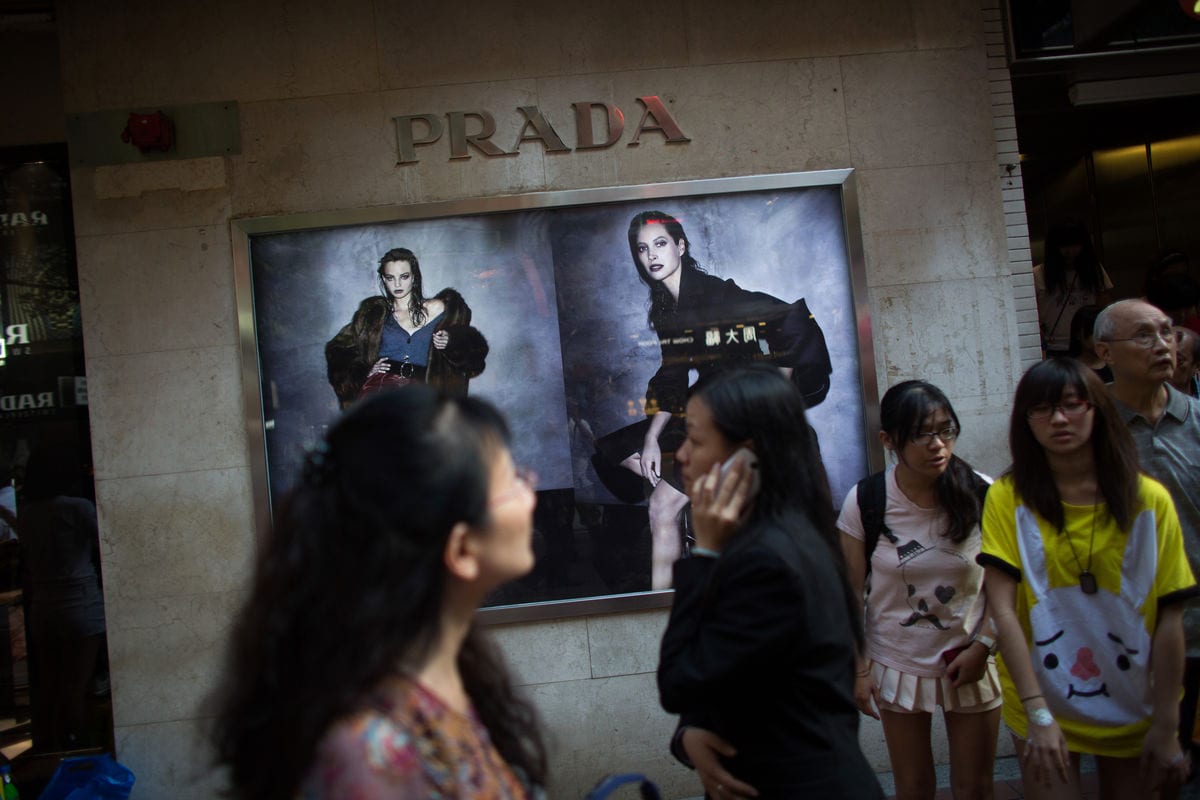
    Selling luxury goods in Hong Kong is not the business it used to be.  Part of that reflects a slowing Chinese economy.  But those who follow the sales say an even bigger impact has been the crackdown on extravagant spending by Chinese government officials.

    This week, the chief financial officer of Gucci’s parent company threatened to close some stores in Hong Kong unless rents are reduced.  He told a conference call of analysts that “many landlords have not necessarily understood that the markets have changed.”

    Bloomberg reports Burberry may also try to lower its rent after its sales in the city fell to a two-year low.  Commercial rents have come down in some parts of Hong Kong, but they remain among the most expensive in the world.  Reuters reports a 500-square foot store space in the neighborhood of Causeway Bay can cost the equivalent of 64-thousand US dollars a month.

    Commercial real estate firm Cushman and Wakefield says annual rent for retailers tops two-thousand dollars a square foot in three different Hong Kong neighborhoods.  Many Chinese shoppers are now traveling beyond Hong Kong to buy luxury goods.  In a report last month, Bain and Company said the world’s luxury goods market is continuing to grow, and its major driver is tourism.

  • Vista Land bags multiple awards at the 2015 Philippines Property Awards

    Vista Land bags multiple awards at the 2015 Philippines Property Awards

    Amore, an Italian-themed residential property under the luxury brand of Vista Land, Brittany, was awarded Best Housing Development in Metro Manila and Best Housing Development in the Philippines for 2015.

    Amore is a massive development that infuses Italian elements such as cupolas, cobblestone pathways, gabled roofs and pocket gardens that draw the beauty of landscape and light within an expansive central business district emerging at the south of Manila.

    The affordable housing brand, Camella, won as the Best Mid-Range Development (Resort) for the Camella Palawan development.

    Meanwhile, Vista Land’s Vista City was recognized as Highly Commended for Best Retail Development and Best Retail Architecture for its Evia Lifestyle Center. To date, the center’s first two buildings are already up and running with an elite selection of stores and restaurants.

    Concluding the list of awards Vista Land earned is the Highly Commended for the Best Architectural Design recognition for the Vista Hub at the Bonifacio Global City.

    Vista Land has been in the business of building quality homes and communities for four decades now. Its developments are present in 38 provinces and 90 cities all over the Philippines.

  • Cellphone makers switch to budget handsets after law change

    Cellphone makers switch to budget handsets after law change

    South Korea’s mobile phone makers are breaking away from their premium-oriented smartphone lineups to churn out cheaper phones as consumers are more price-conscious due to tougher subsidy rules, industry watchers said Wednesday.

    Samsung Electronics Co. recently rolled out its latest mid-end phone, the Galaxy A8, at an about 20 percent discounted price compared with the flagship Galaxy S6, and the budget phone Galaxy J5 for less than 300,000 won (US$259).

    It also started selling the Galaxy Folder, with a price tag similar to the J5 model, which is designed to woo older generations, who need fewer features.

    Samsung’s move came after the Galaxy Grand Max, a low-end model that was released in January, became a smash hit in Korea, with 700,000 units sold so far, watchers said.

    LG Electronics Inc., Samsung’s smaller rival, has also been bolstering its budget phone lineup, unveiling five new models this year, including the LG Volt, the G style and the LG Bello II.

    Industry watchers said such a shift in their lineup strategy is attributable to the enactment of a new law in October last year, which caps the phone subsidies that mobile carriers can provide to retail stores at 330,000 won.

    Although the law was revised to restrict excessive incentives that had led to cutthroat competition, it has prompted consumers to look for cheaper phones because of the reduced subsidies.

    As part of a bid to diversify portfolios, SK Telecom Co., the top mobile carrier in the country, is apparently mulling launching a cellphone rental service in a joint project with its information technology service unit.

    If the rental business kicks off in Korea in fall as widely forecast, it will bring a significant change in the market landscape as it will be an unprecedented move and affect other rivals, market watchers said.

    Skeptics, however, played down its growth potential because the device has more personal elements like banking details and photos compared with other common rental products.

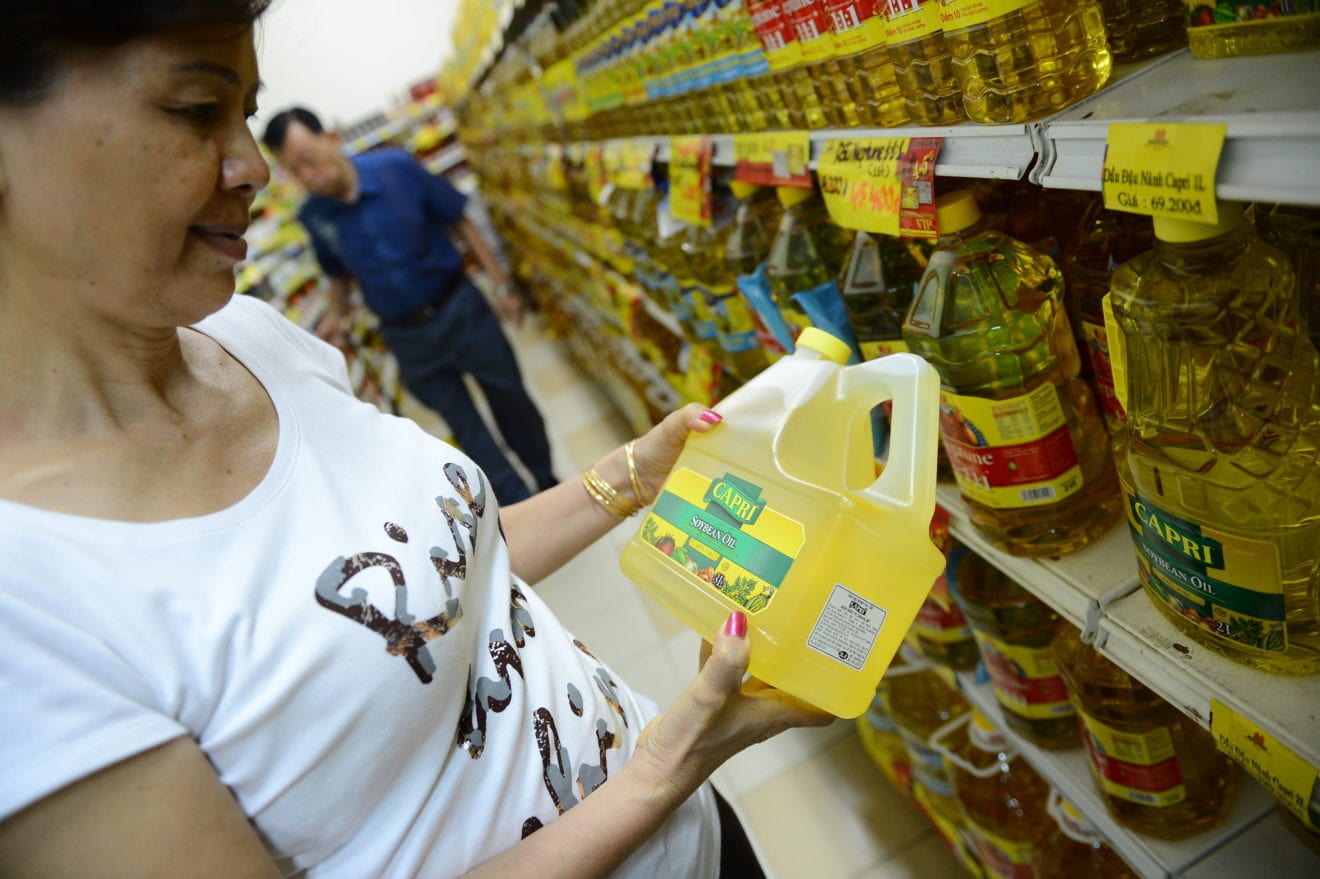
  • Thai products flood Vietnam market

    Thai products flood Vietnam market

    Thai products can be seen everywhere, gradually replacing cheap Chinese low-quality goods on supermarkets’ shelves and at pavement shops.

    “In the past, Chinese motorbike accessories flooded the domestic market, but 70-80 percent of the products available in the market are from Thailand,” said Hai, a distributor of Michelin tires, a Thai brand well known in Vietnam.

    Thai tycoons in recent years have been flocking to Vietnam, taking over a series of Vietnamese distribution chains. The move were described as a step to clear the way for Thai products to penetrate the home market.

    Thai BJC Group, for example, spent $876 million to take over Metro Cash & Carry Vietnam. Meanwhile, Thai Corporation International, a subsidiary of BJC, bought 51 percent of Phu Thai Group, which ran 42 Family Marts.

    Thai products, however, usually cost more than Chinese and Vietnamese products.

    “Thai goods fit Vietnamese tastes and they are not too expensive,” said Le Thi Thanh Lam, deputy general director of Saigon Food.

    The greatest success of Thai businessmen is that they are very professional in penetrating the Vietnamese market.

    Robert Tran from Robenny, a Canadian consultancy firm, noted that the cementing of firm positions in the market with the retail growth rate of 15 percent and Vietnam’s high population of 90 million can help Thai retail groups increase the number of shops in Vietnam.

    “This allows the companies to have an advantage in negotiating with manufacturers about commissions and prices,” he explained.

    Meanwhile, Pham Ngoc Hung, deputy chair of the HCM City Business Association, noted that Thai businesses followed sound business strategies.

    “The distributors develop their chains in a 5-10-year term plan, and do not do ‘hit-and-run’ business,” he said. “The larger the distribution networks expand, the more easily they can bring Thai products to Vietnam.”

    While Thai businessmen have conducted rapid-fire attacks at the Vietnamese market, domestic businesses remain ‘bewildered’.

    Tran said he was surprised about the way Vietnamese do business.

    “Vietnamese businesses say they can completely satisfy requirements set by foreign partners. However, they cannot show sample products,” he noted.

    “A large business even said it would only make an investment if the partner agreed to sign the contracts first,” he said.


  • Lotte Group Founder Loses Japan CEO Title Amid Succession Battle

    Lotte Group Founder Loses Japan CEO Title Amid Succession Battle

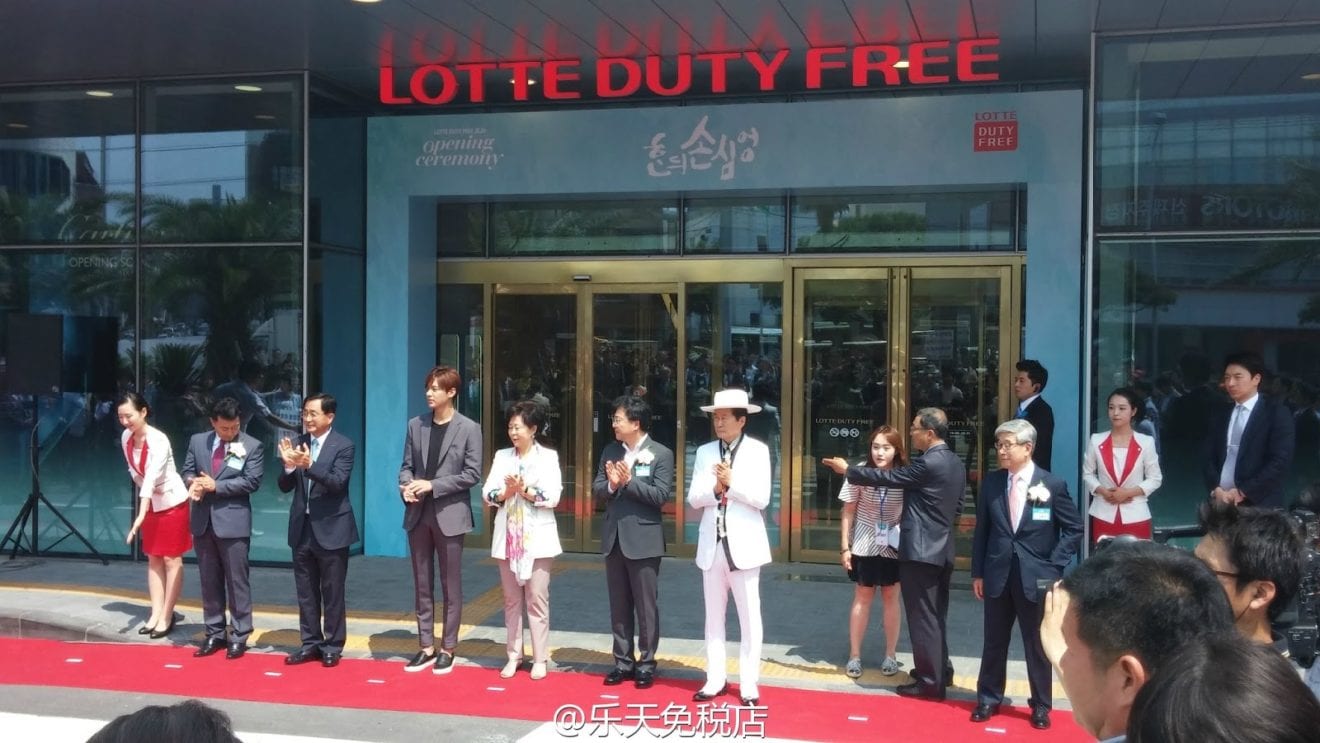
    Turmoil has erupted atop South Korea’s largest retail giant Lotte Group, shining a spotlight on one of the biggest family feuds the country has seen.

    The week began with 92-year-old Lotte founder Shin Kyuk Ho and his eldest son flying to Japan to fire a group of senior managers at a key unit, a maneuver that backfired and left the patriarch sidelined the next day. By Wednesday, Shin Dong Bin had successfully fended off his elder brother’s attempt to derail him from taking over control of the group.

    At stake is leadership over a conglomerate with 80 units across Korea, operating everything from department stores, amusements parks to hotels with 112 trillion won ($97 billion) of assets. Though the country saw sibling rivalries tear up Hyundai Group more than a decade ago, power struggles at businesses of Lotte’s size are rarely displayed in public in a corporate landscape dominated by family-run businesses, known locally as the chaebol.

    “It was an unexpected move as everyone had assumed that the founder had already selected Shin Dong Bin as his heir,” said Chae Yi Bai, an analyst at corporate watchdog Center for Good Corporate Governance. “This puts Lotte’s succession plans back in debate.”

    The drama at Lotte Group comes at a time when concerns over dynastic succession is fresh in people’s memories. Less than two weeks ago, Samsung Group narrowly defeated billionaire activist investor Paul Elliott Singer in a hotly-contested proxy fight, paving the way for the founding Lee family to tighten its grip over the nation’s largest conglomerate.

    Back at Lotte, co-chairman Shin Dong Bin apologized to employees on Wednesday for the turmoil brought by the dispute and urged them to put faith in him.

    “I am very sorry for causing uncertainties and turmoil to you all — the corporate value that Lotte has held up for a long time should not be rattled simply by an individual’s family issues,” 60-year-old Shin said in a note to employees, a copy of which was distributed to the media.

    The founder’s act to support elder son Shin Dong Joo, 61, had been unexpected as the younger Shin had been heir-apparent after executive titles including the vice chairman role at the parent group were stripped from Dong Joo in January.

    Lotte declined to make Shin Kyuk Ho or Shin Dong Joo available for comment.

    Shares Spike

    Shares of Lotte’s listed South Korea affiliates spiked on speculation the contesting Shin brothers would snap up the shares to solidify their control, Kim Tae Hong, an analyst at Yuanta Securities Korea Co. said by phone.

    Lotte Shopping Co. rose for a second straight session to end 6.6 percent higher by the close of trading in Seoul, the largest gain since 2010. Lotte Confectionery Co. closed up 4.7 percent, after jumping as much as 16 percent. The benchmark Kospi index ended little changed.

    In an earlier statement sent to media Wednesday, Lotte Group said the older son and his father’s July 27 act to fire executives at the closely held Japan unit Lotte Holdings Co. didn’t follow legal procedures.

    Tokyo-based Lotte Holdings’ board of directors held a meeting a day after to nullify the dismissals, and decided to move the founder into an honorary chairman role, according to the statement. Such a role typically carries no specific duties or voting rights.

    The older Shin brother’s attempt to gain influence over the Japan unit is aimed ultimately at capturing control over the entire group, due to the conglomerate’s shareholding structure, according to Chae.

    Attack Blocked

    “Whoever holds Lotte’s holding companies in Japan pretty much holds the entire group because of how the group’s corporate governance structure is designed,” Chae said. “It’s too early to say who won the crown, but Shin Dong Bin seems to have successfully blocked the attack this time around.”

    The founder holds a 28 percent stake in Lotte Holdings Co., Dong Joo holds 20 percent and Dong Bin has 19.1 percent, while a company called Kwang Yoon Sa holds 27.65 percent, according to data compiled by Bloomberg. Kwang Yoon Sa, a packaging company also based in Tokyo, is said to be owned by the founder, according to the Korea Economic Daily.

    Lotte Holdings spokeswoman Ruka Mizuno declined to comment on the governance structure of Lotte Holdings and Kwang Yoon Sa. when reached by phone, saying the companies aren’t listed.

    Shin Kyuk Ho, born in Ulsan, South Korea in 1922, started Lotte in Japan in 1948 after completing his university studies there. The company started off selling chewing gum in postwar Japan and quickly grew into a major confectionery company.

    When diplomatic relations normalized between Korea and Japan in 1965, Shin began investing in his home country and established Lotte Confectionery Co. in 1967, according to the Seoul-based Center for Good Corporate Governance.

  • Tmall.com promotes same-day grocery delivery in China

    Tmall.com promotes same-day grocery delivery in China

    Tmall.com, China’s largest business-to-consume platform and a unit of Alibaba Group, said on Friday that it has launched a CNY1 billion (USD161 million) online grocery promotional campaign targeted at Beijing users, and teamed up with Cainiao, the logistics affiliate of Alibaba Group, to offer same-day delivery services to Beijing city residents.

    Online grocery shopping is a rapidly growing e-commerce segment and a strategic area of interest for Alibaba Group. The convenience of online grocery shopping has already drawn in millions of users. According to Kantar Worldpanel, China’s FMCG (fast moving consumer goods) e-commerce penetration rate was 36 percent in 2014, while McKinsey states that 40 percent of Chinese consumers have bought food online.

    Tmall Supermarket will run its promotion three times a day, allowing Beijing-based internet users a chance to win “red packets” that subsidize their grocery purchases. The promotion will end by the end of this month.

    Beijing residents who order from Tmall’s supermarket before 11 am will be eligible for same-day delivery service. In the future, Tmall Supermarket and Cainiao plan to roll-out same-day delivery services to Shanghai and other Chinese cities.

    Jeff Zhang, President of Alibaba Group’s China Retail Marketplaces said Tmall Supermarket will draw on Alibaba Group’s complete e-commerce ecosystem – including Alibaba’s advantage in logistics, strength in online payments, big data and cloud computing, to bring consumers the most convenient and secure online shopping experience for quality products.

    Tmall Supermarket was established in 2012 and provides a one-stop shopping solution for Chinese users looking to purchase authentic food products, cosmetics, beverages, snacks, imported items, etc. In the past year, Tmall Supermarket’s Beijing area GMV soared more than 700 percent with 90 percent of consumers shopping on their mobile phones.

  • Flipkart launches 20 pick-up centres to mitigate delivery issues

    Flipkart launches 20 pick-up centres to mitigate delivery issues

    A pilot project, Flipkart claimed, has received an overwhelming response from customers with more than 80% of shipments picked up through the stores over a period of 6 months. Banking on the success of the first phase launch, the company aims to open 100 such centres by March 2016.

    Logistics and good customer experience are the most common sticking points for e-commerce companies in India. As a result, most online retailers are increasingly partnering with logistics firms to address the problem.

    “Our efforts are focused on expanding our delivery network without compromising on the customer service levels and expectation,” said Neeraj Aggarwal, Senior Director (Delivery Operations) at Flipkart. “We also plan to offer several value added services like instant returns, spot trials, open box deliveries and exclusive product demos at these experience zones to enhance customer engagement.”

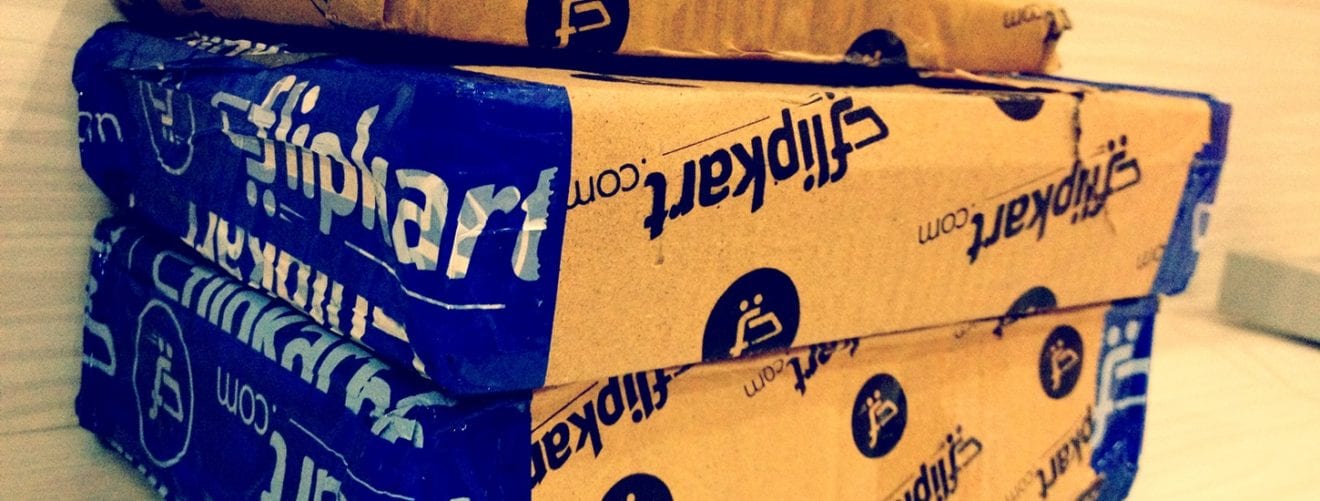
    Online retailer Flipkart on Tuesday introduced 20 pick-up centres for its customers in 10 cities across the country. These so-called ‘experience zones’ will allow customers to walk into a centre at their own convenience and collect products ordered online.

    The centres have been set up by Flipkart’s logistics and delivery unit Ekart.

    Unavailability of customers during delivery and restricted entry of delivery boys into informationtechnology parks, gated communities and educational institutions are among the primary reasons that leads to customer dissatisfaction with the delivery process, Flipkart said in a statement.

    Flipkart expects this alternative delivery model to catapult customer convenience, while enhancing scale and reach in supply chain expansion.

    The company said these collection points will form a key element of Flipkart’s rural expansion strategy. “Flipkart plans to expand their reach into Tier 4 towns and rural areas by making the entire town serviceable from a pick-up centre, a reliable alternative to door delivery in small towns,” it said.

  • China’s shoppers may take 10 years to step up

    China’s shoppers may take 10 years to step up

    Chinese policymakers are gung-ho to transition their economy away from investment and toward consumption, but that may not happen for another decade, new data shows.

    “Without a substantial intervention, we believe consumption’s share of China’s economy is unlikely to rise substantially before 2025,” The Demand Institute, a non-profit organization operated by The Conference Board and Nielsen, said in a new report.

    Private consumption as a share of gross domestic product (GDP) will average 28 percent from now until 2025, the think-tank said.

    To be sure, the mainland has long underperformed the global average in this regard as Beijing previously focused on export-led growth.

    Consumption as a share of GDP was 37 percent last year, according to the Brookings Institution, compared with around 70 percent in the U.S. and 60 percent in fellow emerging market, India.

    The indicator has only recently started to stabilize in recent years. Consumption relative to GDP declined 48 percentage points from 1952 to 2011, one of the longest and largest drops of any nation on record.

    Based on an examination of 167 countries between 1950 and 2011, the report found that nations with similar economic characteristics to China saw consumption remain flat relative to GDP for a considerable period following previous declines.

    China’s desire to rebalance its economy stems from the need to avoid the dreaded “middle-income trap,” in which developing countries are unable to graduate into high-income countries after achieving a certain level of per capita GDP.

    While many economists believe the economic transition is already underway, albeit at a gradual pace, they also expect it will take a while before consumption’s share of GDP spikes higher.

    “Only towards the end of decade, when the economy slows further to 5-6 percent, consumption’s share of GDP will become more important,” said Jian Chang, China economist at Barclays. “But we have seen investment slow significantly and I think total consumption as a share of GDP could near 50 percent this year.”

    Beijing’s strategic vision of boosting consumption was first outlined in 2011’s 12th Five-year Plan and since then, the government has unleashed a slew of measures, including raising wages and slashing import tariffs on high-demand goods.

    But The Demand Institute warns that the burden can’t rest on the government alone: “It is up to business to nurture the demand that policy unleashes, aligning goods and services with consumers’ shifting preferences.”

    Ensuring access to products and services via reliable distribution channels, satisfying demand across different income, regional and age groups as well as offering more financial services to support consumption are some of the factors that businesses can embrace, the report said.

  • Lawson to open 450 stores in Japan this year

    Lawson to open 450 stores in Japan this year

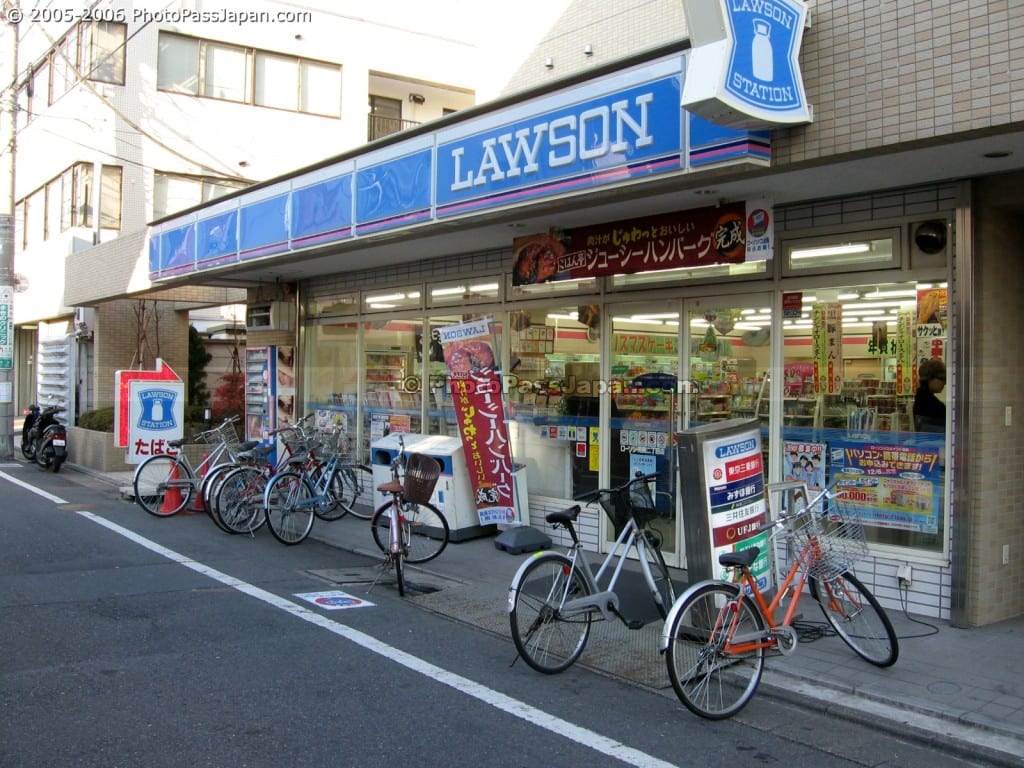
    Even though Japan’s convenience store sector faces numerous challenges, the country’s second-largest operator, Lawson, plans to open another 450 stores this year, the company’s CEO has revealed.

    Genichi Tamatsuka said there are 55,000 convenience stores in Japan but the market has not yet reached saturation point.

    He sees massive potential for growth because of demographic and other social changes that are altering consumers’ buying behaviour.

    “Whereas people used to go to a big supermarket and prepare meals for a family of four or five, now they’re busier, they’re older, and they prefer to buy in a small neighbourhood store,” he explained.

    Lawson currently runs a network of 12,000 stores – soon to be expanded – and, combined with its logistical muscle, Tamatsuka expressed confidence that it would be able to meet the needs of these “combini” neighbourhood stores.

    “With our scale of 12,000 stores, our supply chain and platform, we can supply food and necessities to these neighbourhoods,” he said.

    Expansion overseas is another source of potential growth, he indicated, considering the value placed on the high level of customer service provided by Japanese retailers.

    Lawson has 500 stores in China and has also started up operations in Thailand, Indonesia and the Philippines.

    Despite Tamatsuka’s confidence, research group Euromonitor earlier this year published a more downbeat assessment of Japan’s retail landscape.

    “Japanese grocery retailers are expected to face numerous challenges imposed by such factors as changing demographics and operational difficulties,” it warned.

    However, in what could be seen as endorsement of Tamatsuka’s expansion strategy, the report went on to say, “in order to fight against such negative circumstances, grocery retailers may attempt to expand in size and diversify business portfolios”.