Tag: Retail

  • SingPost flourishes on eCommerce focus

    SingPost flourishes on eCommerce focus

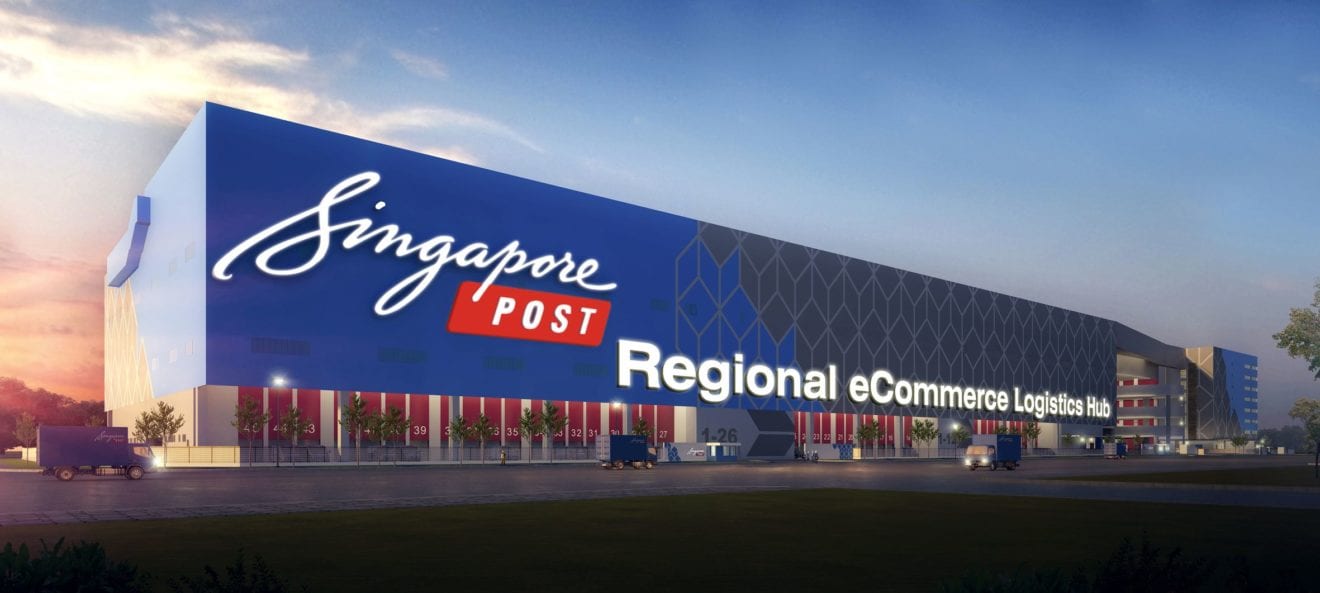
    A firm focus on serving the booming eCommerce market has helped Singapore’s national postal service achieve a record first quarter profit.

    SingPost on Wednesday says in made S$46.6 million net profit in the first three months as its eCommerce strategy paid dividends. Its performance comes in an era when postal services internationally are struggling to break even and remain relevant as traditional mail volumes fall.

    Like every other mail service provider, traditional mail volumes declined in the quarter – by 1.6 per cent – but a modest increase in postal charges offset declining traditional postage income. However revenue from logistics, which includes SingPost’s eCommerce logistics business, soared 43.6 per cent to S$140.1 million – $15 million more than postage revenue.

    The company also achieved a one-off gain from divestments.

  • CapitaLand China malls post solid growth

    CapitaLand China malls post solid growth

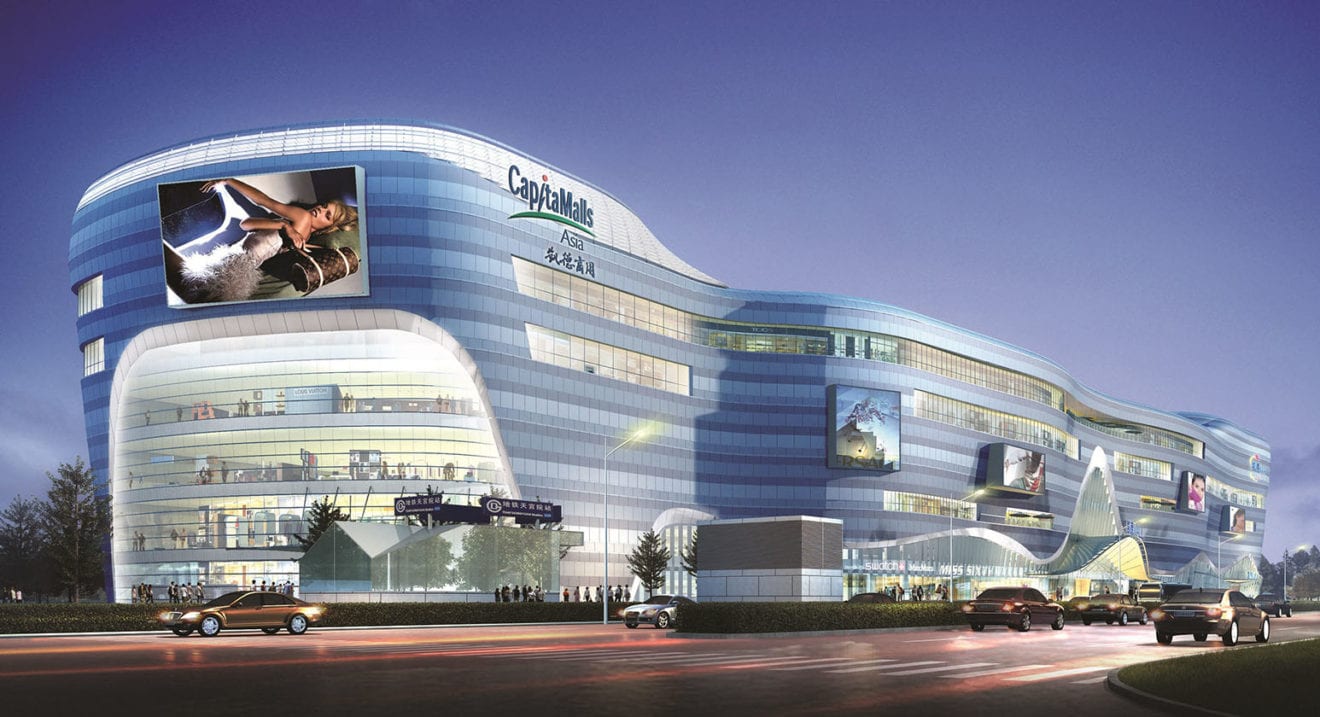
    CapitaLand is making the most of China’s retail sales growth, its mall portfolio posting growth of 6.1 per cent in net property income.

    In results released this morning, CapitaLand Retail China Trust Management Limited (CRCTML), the manager of CapitaLand Retail China Trust (CRCT), announced distributable income of S$45.1 million for the first half of this year, an increase of 10.3 per cent over the S$40.9 million for the same period last year – a percentage rate coincidentally matching China’s 2015 retail sales growth.

    CRCT owns 10 quality shopping malls six Chinese cities: CapitaMall Xizhimen, CapitaMall Wangjing, CapitaMall Grand Canyon, CapitaMall Shuangjing and CapitaMall Anzhen in Beijing; CapitaMall Qibao in Shanghai; CapitaMall Erqi in Zhengzhou, Henan Province; CapitaMall Saihan in Huhhot, Inner Mongolia; CapitaMall Wuhu in Wuhu, Anhui Province; and CapitaMall Minzhongleyuan in Wuhan, Hubei Province. As at 30 June 2015, the total asset size of CRCT is approximately S$2.5 billion.

    Tony Tan, CRCTML CEO, said the portfolio of malls ended the period 95 per cent leased and achieved 6.1 per cent growth in net property income. Rental reversions of 4.6 per cent (excluding CapitaMall Minzhongleyuan, which reopened in May last year after refurbishment).

    “Tenants’ sales at our multi-tenanted malls increased 17.8 per cent year on year, while shopper traffic grew two per cent.

    “As part of our proactive mall management strategy to keep abreast of the latest retail trends, we continue to upgrade and refresh the tenant mix at our malls. CapitaMall Xizhimen enriched its F&B offerings on Level 1 with a popular restaurant Bellagio.

    “CapitaMall Wangjing signed popular international brands including Tommy Hilfiger and New Balance, while key tenant Le-Wellness Gym reopened after renovations with improved facilities and an enhanced image that strengthened CapitaMall Wangjing’s position as a one-stop family and lifestyle mall in the affluent Wangjing District.

    “CapitaMall Grand Canyon continued to enhance its fashion and beauty offerings by bringing in well-known brands such as British fast-fashion retailer New Look; and Korean cosmetic and skincare brands Etude House and Innisfree.

    “At CapitaMall Qibao, we reconfigured the space formerly occupied by a gym tenant on Level 3 and brought in Rucker Park to maximise the outdoor space for popular sporting activities such as street soccer, basketball and badminton.

    “At CapitaMall Saihan, we strengthened the sports brand offerings with Nike, New Balance and Fila, which helped to diversify the mall’s overall fashion offerings. We will continue to optimise the retail mix in our malls and increase their appeal to shoppers to further enhance unitholder value, while continuing to be on the lookout for suitable acquisition opportunities to drive our next phase of growth.”

    Victor Liew, CRCTML chairman, said in the first half of 2015, China’s economy surpassed expectations and expanded seven per cent year on year, while the country’s retail sales grew 10.4 per cent year on year to RMB14.2 trillion.

    “Notably, consumption accounted for a record 60 per cent of China’s Gross Domestic Product in the first half of the year. As the Chinese government has identified domestic consumption as a key driver of economic growth, this should augur well for our malls.”

    All the CRCT malls in the portfolio are positioned as one-stop family-oriented shopping, dining and entertainment destinations for sizeable population catchment areas. A significant portion of the properties’ tenancies consists of major international and domestic retailers such as Beijing Hualian Group and Carrefour under master leases or long-term leases. Anchor tenants are complemented by popular specialty brands such as KFC, Paris Baguette, Pizza Hut, Sephora, Uniqlo, Vero Moda, Watsons and Zara.

  • Dairy Farm Indonesia reviews struggling Starmart

    Dairy Farm Indonesia reviews struggling Starmart

    Dairy Farm Indonesia is reviewing the future of its Starmart convenience store chain after closing nearly a third of its stores in the latest half year.

    The chain has been hit hard by the Indonesian government’s moves to limit the sale of alcohol, banning liquor sales in c-stores in April.

    Since then, Hong Kong headquartered Dairy Farm Indonesia subsidiary PT Hero Supermarket group has closed 39 stores leaving just 95.

    “A detailed strategic review of this business is currently being undertaken,” the company said in its earnings statement released Tuesday.

    The company said the closures would improve the profitability of the banner, but its prospects do not appear bright.

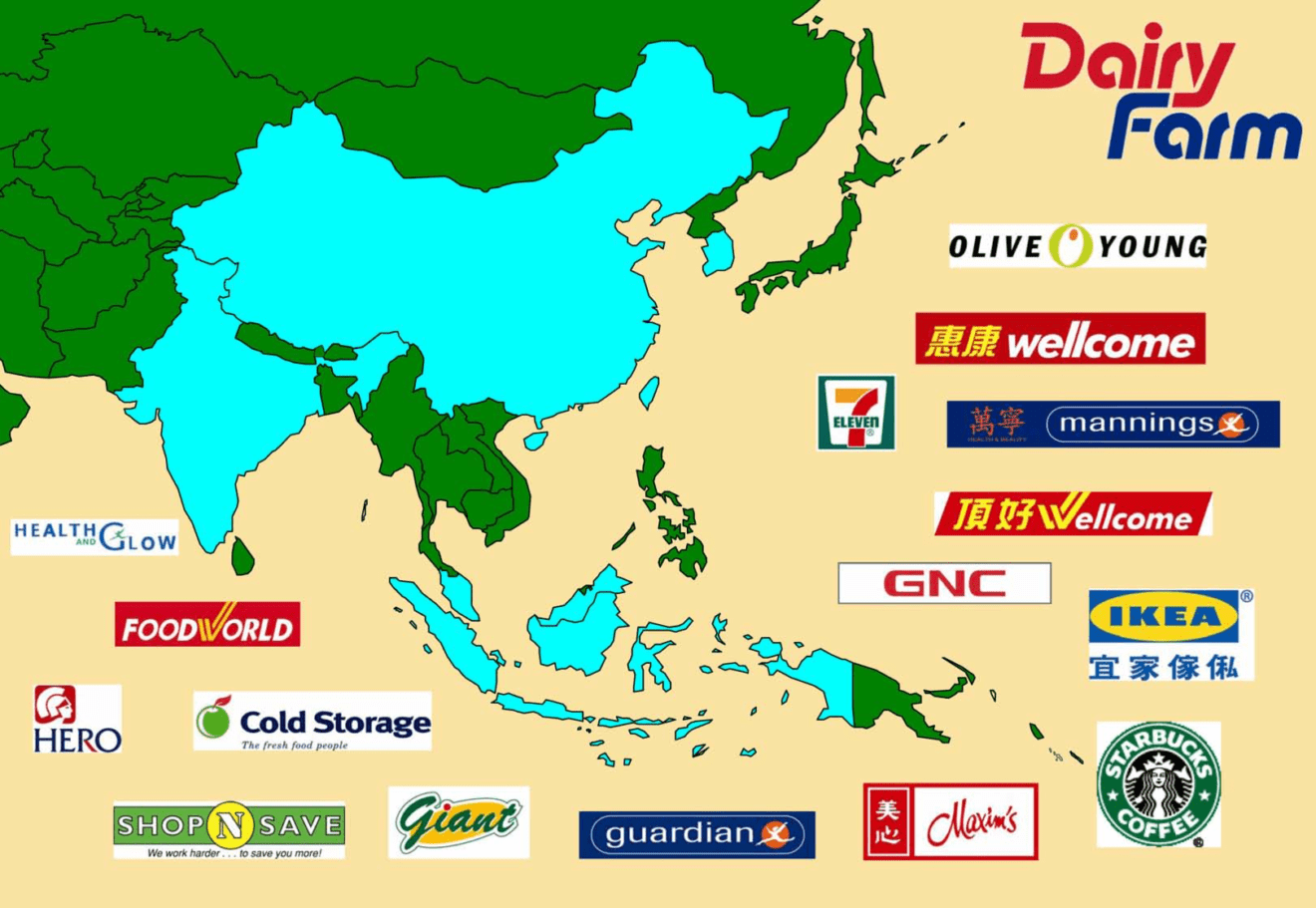
    PT Hero operates 641 stores in all, including 53 Giant Ekstra hypermarkets, 155 Hero Supermarkets and Giant Ekspres stores, 337 Guardian health and beauty stores and one Ikea.

    Overall, the group experienced a 15 per cent increase in revenue in the first half year, with gross profit up nine per cent, but it still posted a net loss of Rp 32 billion (HK$18.4 million).

    Food and health & beauty sales, showed strong like for like growth in the half year, despite a soft trading environment, and Ikea showed “very promising” early trading figures, the company said.

    “Despite the sales momentum, profitability was negatively impacted by outpacing costs resulting from minimum wage increases, stocktake improvements and store rationalisations. Strong actions on energy saving and productivity are being taken to mitigate the impact of increasing costs. In Food, investment in price has led to a reduction in the gross profit margin.”Besides the Starmart closures, PT Hero shuttered another 24 stores across its brands.

    Stephane Deutsch, president director, said in food, the company was concentrating on increasing fresh produce sales.

    “This has helped to increase like for like sales, especially in Giant where progress is being made on growing its market share. Action is also being taken to improve the efficiency of the supply chain.”

    The hypermarket operation, Giant Ekstra, and the supermarket operation, Giant Ekspres, are both taking steps to improve the customer shopping experience in selected stores prior to rolling out the initiative more broadly across the country, he said.

    “The upscale format, Hero Supermarket, is continuing to enhance its offer across the fresh, imported and exclusive ranges to provide a more distinctive choice for customers.”

    In Health and Beauty, Guardian’s store expansion program is “progressing well” alongside the introduction of refreshed branding and increasing private label development, leading to further improvements in like for like sales.

    “The strategic partnership with the local pharmacy operator Apotik Melawai, which combines their local pharmacy strengths with the broader health and beauty offering of Guardian, is showing encouraging results.”

  • Japan retail sales growth slows

    Japan retail sales growth slows

    Japan retail sales grew 0.9 per cent in June – ahead of expectations but much slower than May’s three per cent.

    Analysts had been tipping a rise of just 0.5 per cent after the relatively strong May growth.

    Government data showed rising fuel prices could have unduly affected the figures in the first half of the year – fuel accounts for about eight per cent of total retail sales, and fuel prices have risen by about six per cent since January.

    Capital Economics, in a research note, warned not to pay too much attention to retail sales data as a measure of consumer sentiment.

    “We would instead pay more attention to core household spending, due on Friday. This measure of consumer expenditure has done a good job lately in explaining moves in the Cabinet Office’s synthetic consumption expenditure, the monthly equivalent of private consumption as measured in the national accounts.”

    A Reuters survey of economists projects a 1.7 per cent growth in household spending year on year in June – far lower than the 4.8 per cent of May.

    Nevertheless, May’s retail spending increase marks the third month in a row of growth after mixed results for a year.

    In March, retail sales fell nine per cent, although that was largely due to an irregular March 2014 when consumers brought forward spending prior to a sales tax increase on April 1.

  • Big differences in Asian travel spending

    Big differences in Asian travel spending

    Koreans travel abroad most frequently, Chinese spent the most money and Japanese visit the most faraway places most often.

    Those are findings from a study by Visa card, 2015 Survey on Travel Plans, in which 13,603 people from 25 different countries shared information about their travels.

    According to the results, Koreans traveled an average of five times during the past two years, ranking the highest in travel frequency – well above the global average of three times.

    Around 90 percent of the Korean respondents answered they had travelled abroad within the past two years. But as travellers, Koreans seem to be of frugal mind when it comes to expenses. They spent an average of $1808, which was way below the global average ($2281). They also have a tendency to set a budget and stick to it. Korean travelers paid 46 per cent of their expenses before departure, and 75 per cent of the payments were made by credit card.

    On the other hand, the average travel expense for Chinese travelers was $4780 – more than double the global average. Unlike Koreans, Chinese people had a tendency to decide what they wanted to do on the trip first and then calculate the expenses.

    While 36 per cent of Korean travelers and 34 per cent of Chinese travellers visited Japan, 36 per cent of Japanese travellers visited the US, showing their preference for long distance travel. The average time taken to get to the destination was longer for Japanese travelers (nine hours), compared to eight hours for Chinese travellers and six hours for Korean travellers.

    The average travelling expense for Japanese was $3165, which was less than the average of Chinese.

    In terms of accommodation, 41 per cent of Korean travellers and 62 per cent of Chinese preferred hotels with more than four stars, while 49 per cent of Japanese preferred one to three star hotels.

    The portion of Koreans who preferred package tours (47 per cent) was similar to the portion of those who liked to travel freely (52 per cent). However, more than half of the Chinese (65 per cent) and Japanese (77 per cent) preferred tour packages.

    Ian Jamieson, head of Visa Korea, said it was impressive that Korean travellers prepare well and frequently go on trips and the purchasing power of Chinese travellers was also interesting.

  • UK retailers to launch online d-store in China

    UK retailers to launch online d-store in China

    A group of former executives of high profile British retail brands are planning to launch a department store online in China, via JD.com.

    The creators of the virtual department store to be called The Jack Russell Emporium are ex Marks & Spencer, Burberry and Jonathan Saunders. The new store will go live in September.

    It will stock goods from brands such as Hackett, Reiss and Jigsaw, targeting the rising ranks of China’s middle class who aren’t yet quite cashed up enough to splurge on Louis Vuitton.

    “That emerging market has disposable income for the first time; they are cultured and may have travelled to the UK once or twice so they don’t want domestic product, but they cannot afford luxury brands like Burberry and Louis Vuitton,” co-founder Jamie Powell, told Drapers.

    The Jack Russell Emporium will launch with 10 brands initially and expand to 25 by Christmas, before adding a further 75 brands next year.

  • Kering expects Hong Kong rent relief

    Kering expects Hong Kong rent relief

    Luxury international retail group Kering says it expects to be paying less rent in Hong Kong by the end of the year.

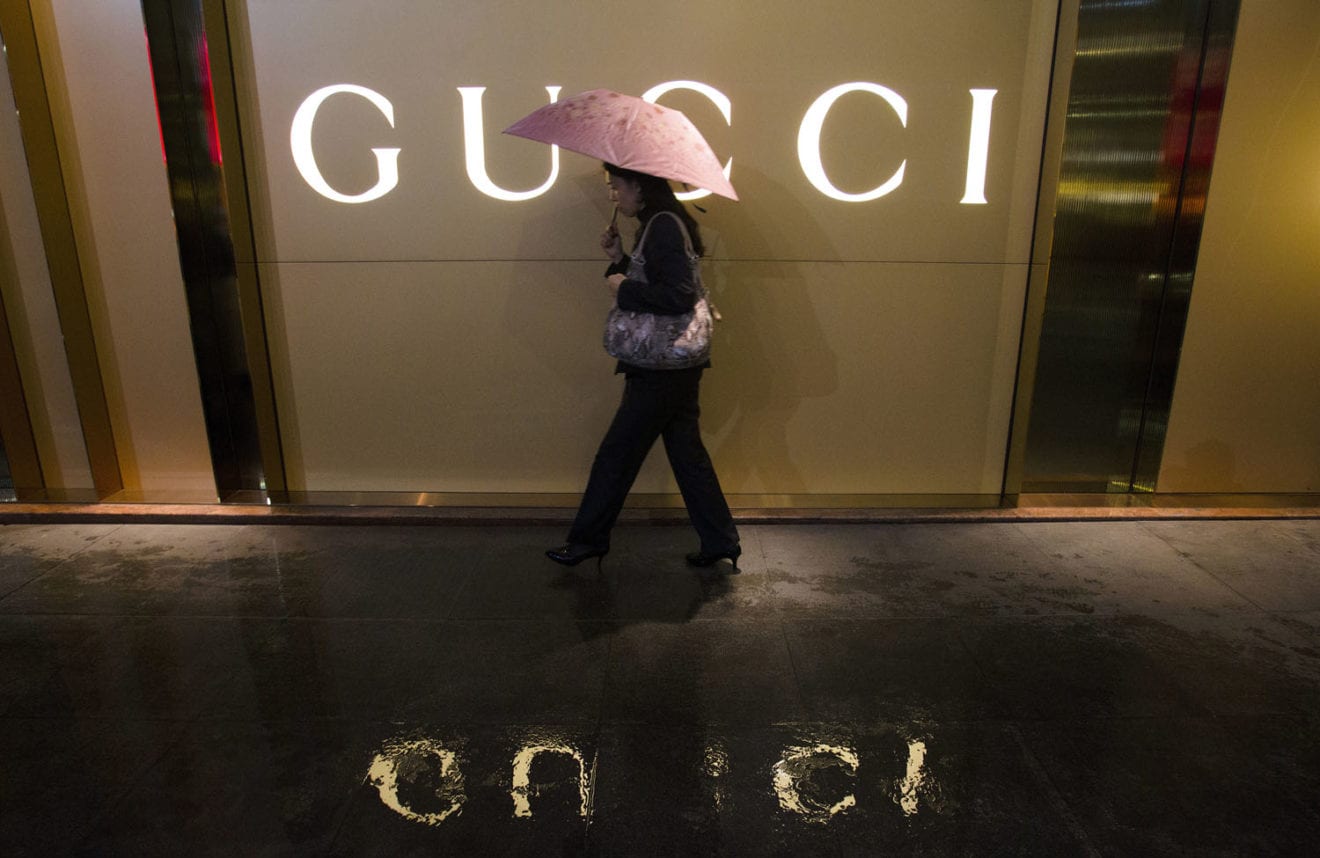
    Kering is the owner of a raft of luxury fashion brands, including Yves Saint Laurent, Bottega Veneta and Gucci, the latter of which comprises a third of its turnover.

    Kering says its global sales rose 22 per cent in the second quarter of this year, aided by a weakened euro and growing numbers of Asian shoppers in Europe. Sales reached €2.86 billion (US$3.18 billion). Excluding the impact of exchange rates, real organic growth was 7.7 per cent.

    CFO Jean-Marc Duplaix said a significant fall in sales in Hong Kong has given the company leverage in renegotiating rental terms with its landlords in the territory.

    He told an analysts’ call to discuss second half year sales that he “expects to pay less rent” by the end of the year.

    Duplaix described the retail climate in Mainland China and Hong Kong as “difficult” but said despite weakened sales it has no plans to close any of its 70 company owned stores there.

    The reality for Kering is that Chinese are still buying its luxury goods – they’re just shopping elsewhere instead of making short retail therapy sojourns to Hong Kong. The number of Chinese visitors to European stores rose nearly 30 per cent year on year and by a similar ratio in Japan.

    “All luxury brands, including Gucci, have benefited from the shift of Chinese tourists to Japan and Europe,” said Duplaix in the conference call.

    For the first six months of the current financial year, Kering’s profit fell 13 per cent to €489 million.

  • Asics restructures global operations

    Asics restructures global operations

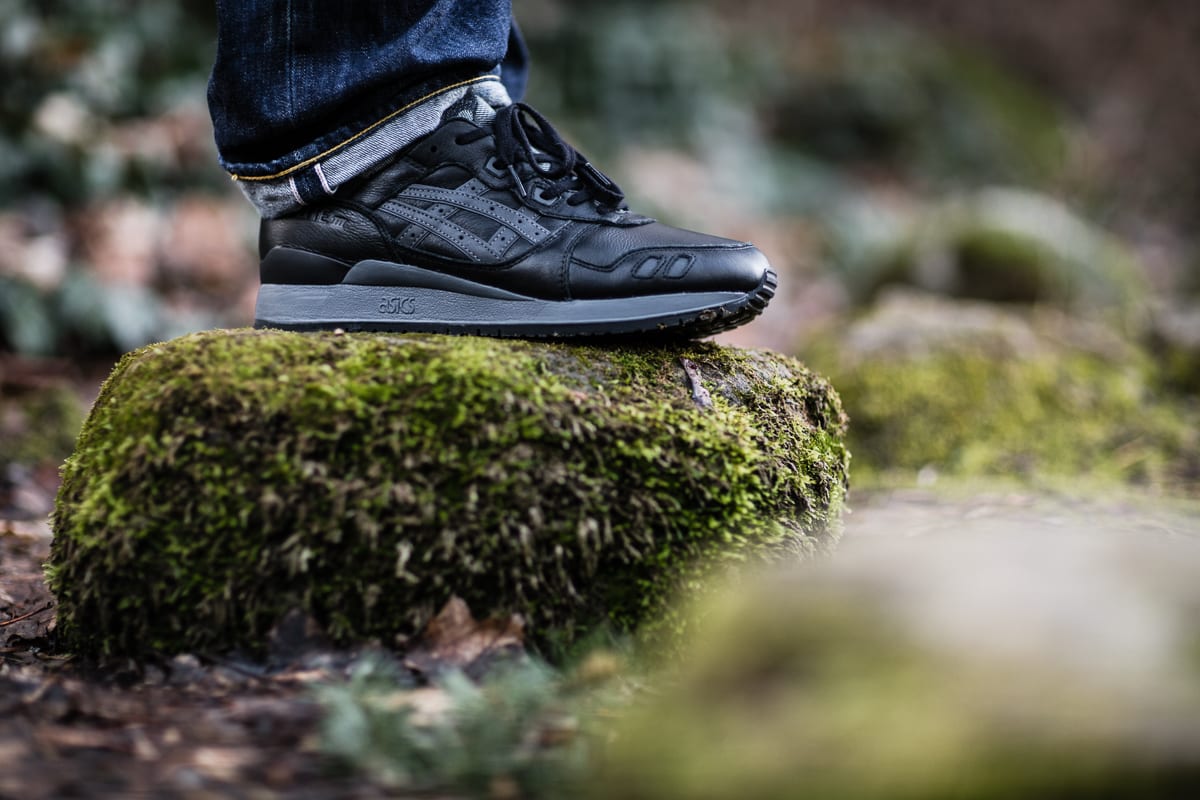
    Japanese sports brand Asics has announced an organisational restructure and the appointment of experienced international executives to accelerate business growth.

    Under what it calls ‘The Center of Excellence Initiative’ Asics is strengthening its global business, which includes the Onitsuka Tiger brand and retail network, through the appointment of “top talent to lead and manage its global categories from the most influential regional markets by category”.

    From September 16, a new Global Lifestyle Division will be established to lead global marketing for Lifestyle brands such as Onitsuka Tiger and Asics Tiger. Europe will be designated as the Center of Excellence for this category with the offices based in Amsterdam. This division will be headed by the newly appointed senior GM, Torsten Widarzik, who moves from his current position as CEO of German fashion label Campus. Widarzik was previously Levis Strauss Germany/Switzerland GM and business and brand director with Nike Sportswear at Nike CEMEA, where he built the sportswear business across Central and Eastern Europe.

    Asics says strengthening its footwear and apparel business is also a key part of the business growth strategy following the appointment of Asics as Gold Partner in Japan for Tokyo 2020 Olympic and Paralympic Games.

    “To further accelerate growth, the design functions will be added to the Global Footwear Product Marketing Division.

    “The seamless integration of the product design, development and manufacturing functions will boost the development of competitive products.The reformed Global Footwear Product Marketing Division will continue to be led by Gerard Klein, senior GM, who returned to Asics in August 2014 after seven years at Converse where he was in charge of the go-to-market strategy and merchandising in the EMEA market.”

    Earlier this year, Asics also strengthened its Global Brand Marketing Division by appointing a new leader, Paul Miles, senior GM, who joined Asics in May 2015 from Nissan Motor, where he was VP of marketing and communications. Miles previously worked for Fast Retailing in France and Japan, where he was responsible for the market launch and expansion of the Uniqlo brand.

    “The restructuring of our global operations and the appointment of top talent as our new leaders shows our commitment to accelerate growth as a global sporting goods company,” said Motoi Oyama, CEO of Asics Corporation.

    “I am confident that the Center of Excellence initiative will enhance organisation’s capacity and effectiveness, and lead us into the next stage of growth.”

  • How to open a restaurant in China

    How to open a restaurant in China

    Many expats in China at one point or another have dreamed about opening up their own restaurant, café, or other sort of food and beverage operation.

    The largest food market in the world, China offers many exciting opportunities for foodies and savvy business people alike, but foreigners can be daunted by the often bureaucratic process of establishing a business in China. In this article, we provide a step-by-step guide to the process involved.

    Step 1: Finding the Right Location

    The first step of business is to find the location for the food and beverage operation. This can be particularly tricky, as the investor must lease the restaurant premises before starting the registration process for the food and beverage business. In order to avoid renting out a location that will be denied business registration, investors should take extra precautions to find a business location that can pass inspections. It is often possible to ask for consultations from the Environmental Protection Bureau, Hygiene Bureau, local department of the Ministry of Commerce and the Administration of Industry and Commerce (AIC) to verify certain requirements, like whether the location will be able to obtain a license for the disposal of waste water.

    It is often safer to find a location that is currently in use as a food and beverage operation. This will require the investor to pay a transfer fee to the current lessee. The fee will vary by location, but it is usually at least RMB 100,000. If investors instead choose a space that was not previously used as a food and beverage operation, they will need to remodel it to make sure it passes inspections. This option can be more risky, and costly too – redecoration companies tend to charge a service fee of around RMB 10,000 per sq. meter, on top of the costs of materials. Even if the investor acquires the necessary permits and certifications, if residents in the area find the food and beverage operation to be disruptive in the community, the business license can be revoked.

    Step 2: Licensing and Registration of the Food Business
    Company Name Registration

    Before applying for any licenses and permits, it is necessary to apply to register the business name at the local AIC. The AIC will issue a “Notice of Company Name Reservation” after they double check to make sure that the company name has not previously been used anywhere else in the province.

    Health and Food Hygiene Licenses

    After obtaining a company business license, investors then face the task of health and food safety inspections for their food and beverage operations. For businesses involved in the food and beverage industry in China, there are three main types of food and beverage licenses, and some businesses may require more than one license depending on the scope of their food and beverage business operation:

    • A Catering License (餐饮服务许可证)is required for catering service providers, both individuals and organizations, that are involved in the provision of group meals (food stalls and providers of semi-finished food products are not required to carry this license). If an entity provides catering services in different locations, it must apply for a license for each location
    • A Food Production License (食品生产许可证) is required in order to ensure that businesses comply with standards pertaining to manufacturing capabilities and environmental regulations. All staff involved in food service must undergo training approved by the China Food and Drug Administration (CFDA), and there should be a health management system in place in order to ensure the health and hygiene of personnel. The state-level General Administration of Quality Supervision, Inspection and Quarantine (AQSIQ) is responsible for the nationwide administration of the food production license.
    • A Food Distribution License (食品流通许可证)is required for businesses engaging in the sale of food items and is administrated by the AIC. Any entity, both individuals and organizations, that is involved in food distribution (including retail and the wholesale distribution of pre-packaged food and bulk food) is required to acquire a Food Distribution license. However, sometimes when an entity holding a food production license sells food products on the premises of production, it can get around the requirement to hold a food distribution license.
    Alcohol Permit Registration

    For food and beverage operations that will be serving alcohol, an alcohol permit is required. The permit will be issued after the business license, tax registration permit, and food licenses are acquired, but the intent to sell alcohol should be clearly stated within the application for the health and food hygiene license.

    Environmental Protections Approval

    Before any catering service can began operation, it must get approval from the local Environmental Protection Bureau. This will include an evaluation of the indoor and outdoor surroundings of the site in order to ensure that the location complies with standards listed in the Directory for the Management and Classification for Construction Items and Environmental Influence.

    Step 3: Establishing the WFOE or JV Entity

    The steps for establishing the business entity will ultimately depend on how the food business is being registered. In China, foreigners are not allowed to be the sole owners of the restaurant or food business, but they are able to open it as a limited-liability Wholly Foreign Owned Enterprise (WFOE) or through a Joint Venture (JV) with a Chinese citizen as a business partner. In addition, some foreign investors may choose to choose to let the Chinese partner(s) open the business to simplify the registration process, but investors should be aware that this will not allow them to have any legal rights.

    The business project will be approved by the Ministry of Commerce, which will issue an approval letter  and an approval certificate that can be taken to the AIC to register the company business license.

    Risks and Challenges

    Investors should also brace themselves to be ready to battle China’s often volatile real estate market in order to develop their business operation. While most restaurants in global cities like New York City and London operate on at least 10 year leases, leases for food and beverage operations in China are often five-year leases, some even just three years.

    In addition, restaurant owners in top tier cities like Shanghai pay a much larger percentage of their profits on business leasing than they would in other parts of the world. In a survey on restaurant leasing fees conducted by SmartShanghai, it was found that paying 15 per cent of restaurant earnings on rent is the norm, with most restaurant owners paying between 10 per cent and 20 per cent on leasing.

    In contrast, restaurant owners in some of the world’s most expensive cities, like New York City, pay around 10 per cent of their profits in rent. High rental costs can often be reasons why food and beverage businesses go out of business, especially in the beginning, when changes to business strategy sometimes have to be made.

    In addition, after signing the lease investors should be ready to spend at least two to three months in order to acquire all the required licenses and permits to open the food and beverage business. It is sometimes possible to negotiate with the landlord to have a rent-free period of one to two months after signing the lease, which will be helpful in case the investor encounters delays in obtaining all the appropriate licenses necessary to start operation.
  • Fake iPhone maker shut down

    Fake iPhone maker shut down

    A Chinese manufacturer of fake iPhones has been shut down after authorities learned it had produced a stunning 41,000 handsets.

    Nine people have been arrested including the husband and wife couple behind the venture,

    reportedly aged in their early 40s.

    The factory was raided after a tipoff from US officials which had seized some of the fake iPhones after they had been landed in America.

    So sophisticated was the operation that many of the workers at the plant genuinely believed they were making the real thing.

    The factory, located on the northern edge of Beijing, was actually discovered and raided back in May, but the event was only revealed by Chinese authorities over the weekend.

    According to the BBC, “hundreds” of staff were employed in the ruse, which included repackaging used smartphone parts in new iPhone cases.

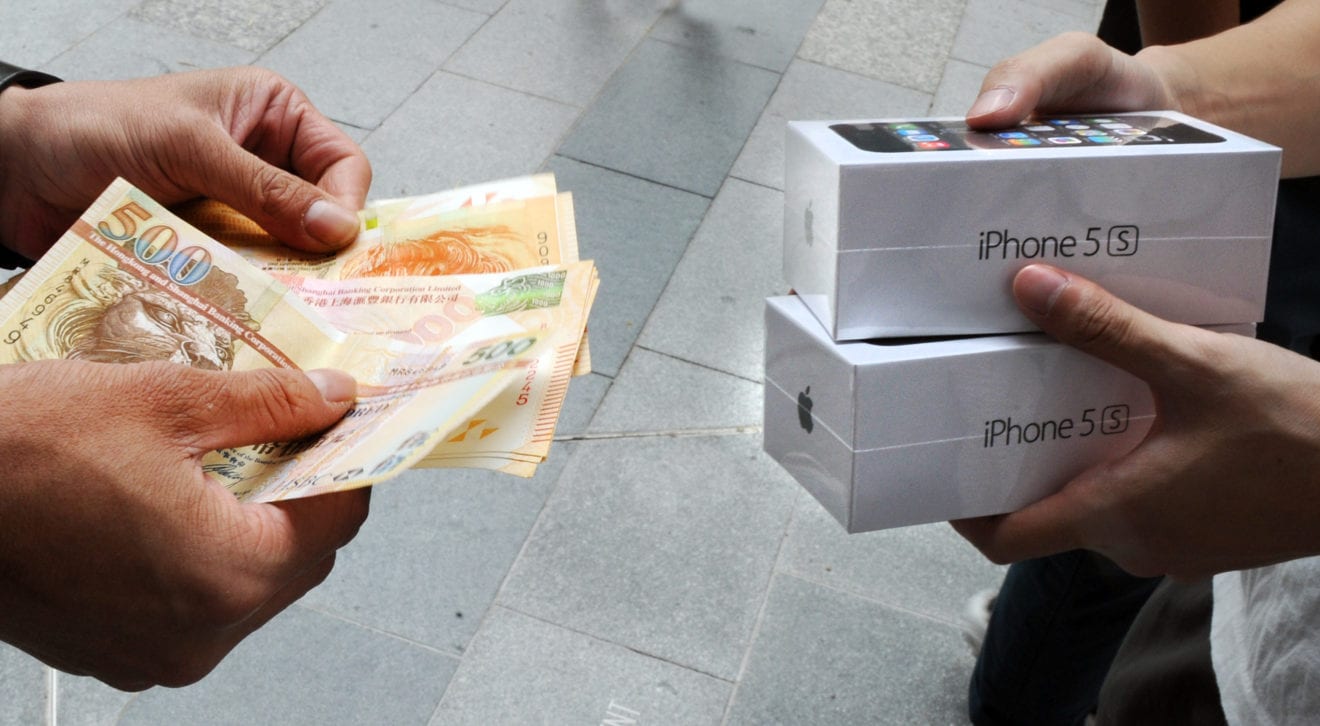
    It took just four months for the company to make 41,000 phones, all of which were exported, with sales topping US$19 million. By our calculations, that values each fake iPhone at US$463.

    All of which rather makes Hong Kong Customs’ weekend seizure of 88 smartphones being smuggled across the border into the Mainland pale into insignificance. Photos suggest those phones were iPhones, although likely to be gray imports.

  • To match Apple and Google, retailers ready mobile-pay system

    To match Apple and Google, retailers ready mobile-pay system

    After almost three years in development, the retail industry’s answer to Apple Pay is finally getting off the ground.

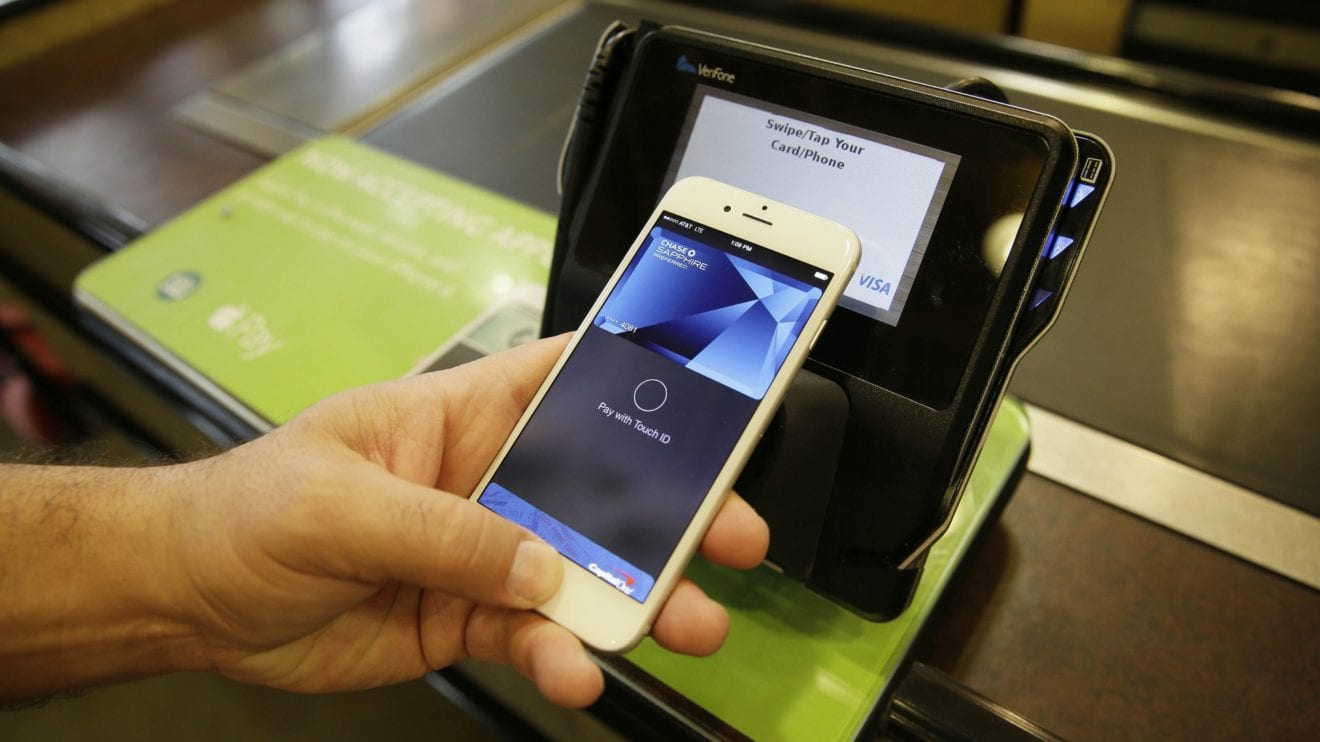
    A mobile payment app developed by Merchant Customer Exchange – a company founded in Aug. 2012 with funding from Wal-Mart Stores Inc., Target Corp. and Best Buy Co. – has been tested by employees of the retailers and will get a limited trial run next month in stores, according to three people familiar with the situation.

    That means shoppers will soon be able to use the technology, called CurrentC, to pay for items with their phones.

    The challenge for CurrentC now is playing catch-up against established apps from Apple Inc., Google Inc. and others, and explaining to customers why they should use it. When Apple Pay rolled out last year, CurrentC was derided by critics as a lower-tech alternative that retailers supported because it would give them tighter control over shoppers’ transactions.

    Customers also will need assurances that the technology is safe, given the high-profile data breaches at retailers over the past few years, said Julie Conroy, a payments security analyst at Aite Group.

    CurrentC itself was hacked last year during an early test.

    “Trust is going to be a huge issue for them,” Conroy said.

    Merchant Customer Exchange (MCX), expects to formally introduce CurrentC some time in the third quarter, a spokeswoman for Lowe’s, part of the consortium, said in an e-mail.

    But Lowe’s will not be part of the initial rollout.

    Scott Rankin, MCX’s chief operating officer, confirmed in an e-mail that CurrentC will begin public tests this year, without being more specific. He also said MCX was “making good progress” on bringing the app to the market.

    “We expect there to be more than one successful player in mobile payments, and we expect to be one of them,” said Rankin, a former executive at Staples Inc.

    At stake is a fight over money and customer data. Retailers have long loathed paying fees for credit card use in their stores. That has led to battles on multiple fronts, including multibillion-dollar lawsuits and a successful lobbying effort that cut fees in the 2010 Dodd-Frank financial reform.

  • Uniqlo eyes Philippines as garments production site

    Uniqlo eyes Philippines as garments production site

    GLOBAL clothing retailer Uniqlo is planning to tap Philippine garments manufacturers as it considers making the country one of its production sites that will cater to its global retail network.

    In a briefing on Thursday, Katsumi Kubota, chief operating officer of Fast Retailing Philippines Inc., said he had started studying a list of 40 local garments factories that was given to them by the Philippine government during President Aquino’s state visit to Japan recently.

    Kubota said this was also one of the topics discussed by the Uniqlo head and President Aquino when they met in Tokyo.

    “I think we have to study it carefully…We do not own any of our factories so what I’m checking now is, first of all, the quality (of the products produced by these factories). We cannot sacrifice quality. We’re also looking at their (capacities) because most the time, one factory produces one item for Uniqlo branches all over the world, so we have to work with large factories. These factories must also be operated by good owners,” Kubota said.

    Kubota, however, did not provide any timeline as to when the study on the prospective factories would be completed. If the company decides to pursue this plan, the local garments factories that will be selected will have to supply to all Uniqlo stores globally.

    For now, Kubota said Uniqlo was focusing on expanding its retail network aggressively over the next five years and in beefing up the local market’s awareness of the Uniqlo brand.

    He said Uniqlo would be opening two branches in Cebu by the fourth quarter of this year, marking the company’s first foray outside Luzon. Plans to put up stores in key areas in Mindanao such as Davao, Cagayan de Oro and GenSan are being studied.

    “Opening our stores in Cebu, after our third year in the Philippines, is another important phase of our business in the country. We have opened 23 stores in Metro Manila and Luzon, and entering the Visayas market is a milestone in our growth strategy,” he added.

    The two Uniqlo stores in Cebu will cover at least 1,000 square meters each and create 200 jobs per branch. Kubota did not say the amount the company was investing in these stores but said it was compliant with Philippine laws that required foreign retailers to invest a minimum of $800,000 a store.

    He said Uniqlo was targeting to have 29 stores in the country by the end of the year and 200 by 2020.

  • Snow Leopard Vodka makes Indian TR debut

    Snow Leopard Vodka makes Indian TR debut

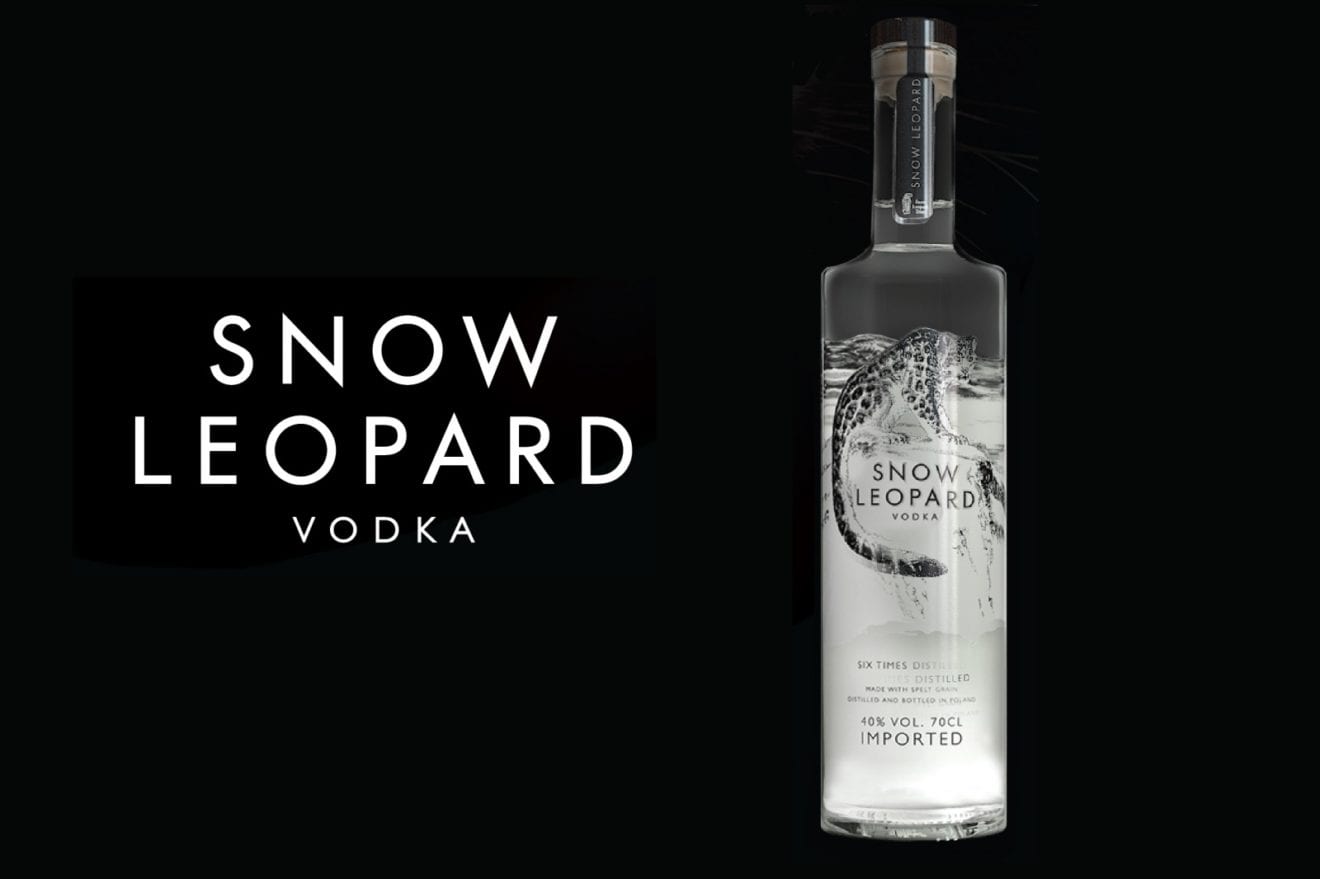
    Snow Leopard Vodka has made its debut in Indian travel retail in May 2015, after hitting the shelves at Hyderabad Airport. Edrington Asia Travel Retail, which distributes the brand, believes this is evidence of a growing momentum in Asian travel retail.

    Ryan Hill, Managing Director of Edrington Asia Travel Retail said: “Snow Leopard Vodka continues to gain strong traction in Asia and we’re now excited to introduce it in India, where we see great potential for it.

    “With vodka sales in India up 14% in 2014, this is clearly a growth market and given Snow Leopard Vodka’s unique story and close ties to this region through conservation projects, we are confident that we have a strong opportunity here.”

    Snow Leopard Vodka’s launch in Indian travel retail will contribute to the work of The Snow Leopard Trust, particularly active in the region, as well as its local partner Nature Conservation Foundation (NCF).

    It has recently accelerated its awareness-raising and educational activities in India through NCF’s eco-camp programme, which help increase knowledge and understanding of local ecology and foster positive attitudes toward local wildlife.

    “2014 was an extremely positive year for the Snow Leopard Trust in India with over 350 children attending 11 camps throughout the year,” commented Siri Okamoto of the Snow Leopard Trust. “These eco-camps inspire and educate future generations, with many participants subsequently aspiring to become wildlife biologists. We look forward to growing this programme in 2015 and continuing our successful partnership with the team behind Snow Leopard Vodka.”

    Snow Leopard Vodka was created to help save the critically endangered snow leopards from extinction, says Edrington, which adds that 15% of all profits from Snow Leopard Vodka are donated to snow leopard conservation projects through the Snow Leopard Trust. Edrington’s goal is to raise US$1m for snow leopard conservation projects each year that will safeguard the snow leopard’s future.

  • Alibaba drive perks up China sperm donations

    Alibaba drive perks up China sperm donations

    Alibaba has used the internet to revolutionise China’s retail, banking and transport markets, and now the ecommerce juggernaut has turned its attention to the country’s sperm shortage.

    Amid spiralling infertility rates, sperm banks across China have been running dry. Worsening environmental conditions and hectic work schedules have taken their toll on male fertility in China, experts say.

    According to a 2012 study by the China Population Association, a state agency, 12.5 per cent of Chinese couples are infertile.

    Enter Alibaba, whose Groupon-like website Juhuasuan markets everything from underwear to insurance. The ecommerce group’s move into boosting sperm donation features a banner advertisement with a phallic cartoon candle exploding into a white cloud, bearing the Chinese character for “semen” in bold lettering.

    “Avid concentration” the ad reads, with a pun on the character jing which in Chinese means both mind and sperm. During the donation drive, Alibaba offered payments of up to $800 for successful sperm donations.

    Posted between July 15-17, the campaign garnered 22,000 new registrants for the seven participating provincial sperm banks — equivalent to nearly a year’s worth of traffic for some of the centres.

    “This exceeded all expectations,” said Wang Zhiqiang, director of the state sperm bank for Guanxi province. “On average, we get about 300 donors a year, but during the three days of the Juhuasuan event, more than 1,000 people signed up. Assuming 20 per cent of them will donate, that is 200 new donors.”

    The mismatch in supply and demand for sperm has prompted donation centres to overcome many taboos in tradition-bound China. In April, the shortage had become so dire in Hubei province that the regional sperm bank turned to Weibo, China’s equivalent of Twitter, to broadcast: “Stop wasting all that tissue paper!”

    “Under-achievers! This is your opportunity! Hubei Sperm Bank is badly in need of sperm,” it said.

    The shortage of sperm donations is partly caused by stringent requirements for donors — roughly one in five is acceptable — but mainly because men in China have “shyness about such topics”, according to Mr Wang. “We mainly try to get recruits by passing out flyers and holding awareness seminars, but we do not get enough qualified men.”

    But Alibaba has made a speciality out of taking dysfunctional markets and overcoming everything from supply bottlenecks to onerous government regulations to low demand — it has done so in areas such as finance and taxis.

    Matching sellers with the masses of online traffic is the company’s speciality, usually combining with a bit of fun, marketing savvy, big data and, most importantly in the case of sperm donation, anonymity.

    “People feel shy and embarrassed when we meet them face-to-face,” said Mr Wang. But he said that marketing via the internet added a layer of privacy that makes previously forbidden topics acceptable.

    “Online, when they don’t have to face a human being, they are more comfortable, and this is a major reason why this project is a success,” he said, adding: “We don’t know whether they will actually come in or not.”

  • Rents down, vacancy rate up for retail space in Q2

    Rents down, vacancy rate up for retail space in Q2

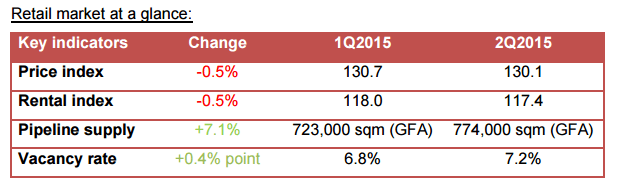
    Prices and rentals of retail space both dipped by 0.5 per cent in the second quarter of this year, according to data from the Urban Redevelopment Authority on Friday.

    It was the second straight quarter of rental decline and comparable to the level seen early last year. Prices had stayed stable in the first quarter.

    Vacancy rate of retail space rose 0.4 percentage points to 7.2 per cent for the second quarter, the highest in over four years.


    SOURCE: URA

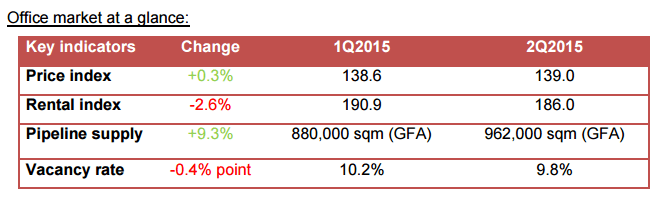
    Office rents also weakened by 2.6 per cent in the second quarter, after rising 0.6 per cent in the first quarter.


    SOURCE: URA

    Office prices rose 0.3 per cent in the quarter, after falling 0.1 per cent in the first quarter.

    Vacancy rate of office space dipped by 0.4 percentage points to 9.8 per cent for the second quarter.