Tag: Retail

  • Skechers to donate more than 62,000 pairs of BOBS shoes

    Skechers to donate more than 62,000 pairs of BOBS shoes

    Skechers USA Inc. will donate more than 62,000 pairs of BOBS shoes to support children affected by the devastating 7.8-magnitude earthquake in Nepal through charitable footwear donation program, the footwear maker said on Thursday.

    The donation will add to the company’s 11 million-pairs distributed to children in need worldwide since the BOBS charitable program launched in 2011.

    Working with donation partners K.I.D.S./Fashion Delivers and Soles4Souls, more than 62,000 pairs of BOBS from SKECHERS donation shoes will be transported to Nepal to aid victims of the April 25 earthquake.

    Working with donation partners K.I.D.S./Fashion Delivers and Soles4Souls, the first delivery of more than 36,000 pairs is scheduled to arrive for May distribution. As more rubble is cleared and transitional housing is established for victims of the earthquake, an additional container of 26,000-plus pairs of BOBS will arrive in Nepal for distribution in August.

    “BOBS was created as an ongoing program to help children in need around the world, but when a natural disaster strikes we need to step up even more to help families affected by these tragedies,” began SKECHERS president Michael Greenberg. “With reports of more than 300,000 homes destroyed, 16,000 people injured and thousands of lives lost, we need to do our part to help the people of Nepal rebuild. The need for food, water and shelter is critical, but shoes to protect a child’s feet can offer a feeling of comfort and safety in the midst of a chaotic disaster zone. We are happy to work with our charitable partners K.I.D.S./Fashion Delivers and Soles4Souls to transport BOBS shoes into Nepal, and we hope this donation will help thousands of children in need.”

    The BOBS donation in Nepal is Skechers’s latest contribution to help families affected by disaster. In addition to Typhoon Haiyan relief in the Philippines, the company’s previous donations have provided footwear for survivors of Hurricane Sandy in New York in 2012 and victims of the devastating Haiti earthquake in 2010. BOBS also regularly donates its product to more than 30 countries worldwide, from communities in need in the United States to families around the globe.

  • China duty cuts details released

    China’s mainland government will halve duties on imported clothing, accessories, skincare products and nappies from Monday June 1.

    The China duty cuts were first flagged early this month as Beijing’s lawmakers sought a way to revive flagging retail sales growth and encourage locals to spend more at home rather abroad.

    The cuts are aimed at incentivising travellers to purchase luxury goods from local retailers rather than abroad, and discourage cross-border trading, especially through Hong Kong.

    The duty cuts average 50 per cent and will go a long way towards addressing an imbalance where mainlanders can pay as much as 40 per cent premium on foreign made goods due to import duties and other taxes.

    While the biggest impact of the duty cuts will be on luxury goods, Hong Kong’s border traders and cosmetics and personal care chains will take a significant hit. The mainland government has already clamped down on cross-border runs, limiting mainlanders to one trip a week to Hong Kong. That has reduced sales of nappies, cosmetics and infant milk formula in Hong Kong, for resale in Shenzhen and beyond.

    Hong Kong General Chamber of Pharmacy committee member Cheung Tak-wing told the South China Morning Post that local pharmacies had seen sales drop by one-fifth in April year-on-year. Drugstores in the northern district were hardest hit by the loss of bulk buyers from across the border.

  • Walmart reduces Li & Fung reliance

    Walmart reduces Li & Fung reliance

    Walmart, the world’s largest retailer, says it can take in-house a few of the inventory sourcing it has beforehand contracted out to Li & Fung subsidiary Direct Sourcing Group.

    It expects by dealing with its personal sourcing, it should scale back prices in its provide chain.

    Wal-Mart stated in a press release: “We have now made a enterprise choice to switch sure sourcing features for Wal-Mart in-house, and as such will work collaboratively with DSG to make sure a clean transition over the subsequent a number of months.”

    DSG retains the enterprise of sourcing merchandise for Walmart’s Sam’s Membership operation, which has 648 shops within the US.

    The US firm has partnered with Li & Fung for nearly 5 years. On the time the contract was introduced in 2010 the 2 corporations estimated the sourced merchandise can be value round US$2 billion a yr. They stated they might type a three way partnership, Direct Sourcing Group.

    However two years later Walmart backed out of that plan, deciding to not take up its shares however to retain Li & Fung as a sourcing provider.

    The Hong Kong firm has declined to touch upon the information, first damaged within the Wall Road Journalnewspaper and subsequently reported by Reuters.

    Reuters quoted a analysis word by UBS analyst Spencer Leung, saying Walmart’s transfer was unlikely to have vital monetary influence on Li & Fung, however “will almost certainly set off different main retailers to evaluation their sourcing preparations (with Li & Fung)”.

    Trend model Kate Spade earlier this month stated it had taken sourcing of equipment in-house, however would proceed to make use of Li & Fung for sourcing clothes provides and different providers.


  • Xiaomi in US, Europe check

    Xiaomi in US, Europe check

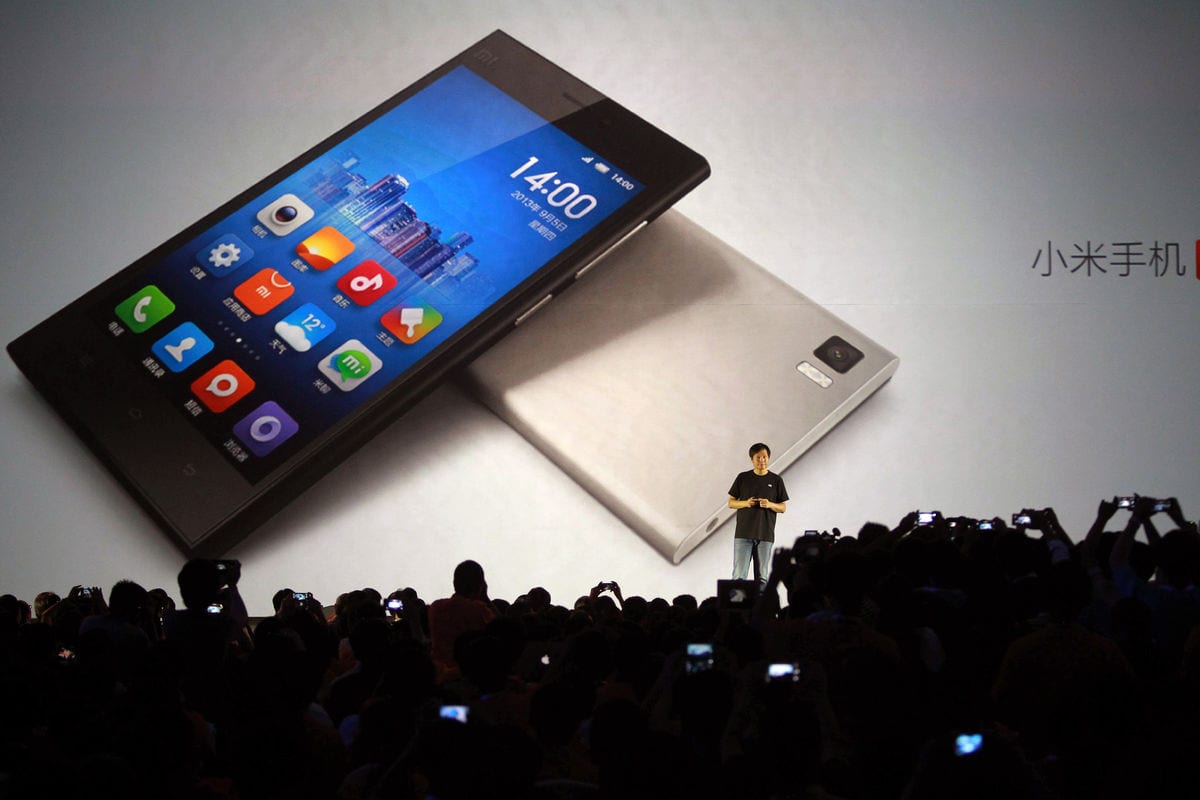
    China’s market main smartphone firm Xiaomi is making what’s being interpreted as a tentative step into the US and Europe.

    The fast-growing younger firm, which sells extra telephones in China than another handset maker has but to open its first retailer outdoors Higher China – however final Friday, it quietly switched on an internet site promoting equipment and electronics – however not telephones – to People and Europeans.

    In line with a report on The Verge https://www.theverge.com stories, Xiaomi opened a website promoting restricted quantaties of simply 4 merchandise in a “beta check sale” to residents of the US, UK, Germany and France.

    This launch line-up of merchandise features a US$14.99 health tracker, a pair of US$79.99 headphones, and two sizes of USB energy packs: a $9.99 5,000mAh mannequin able to two full iPhone expenses and a bigger, 10,400mAh model that bought for $13.99.

    The corporate inspired guests to create their accounts on the location, clearly a way to start out constructing a database of potential clients in every market.

    Xiaomi, an organization now value US$46 billion, is scheduled to open its first retail retailer – dubbed a Mi Retailer – outdoors mainland China, in Hong Kong this week.

    In response to The Verge, Xiaomi’s VP Hugo Barra introduced a transfer into the US and Europe earlier this yr, however wouldn’t say when its low-cost, however feature-packed smartphones may go on sale.

    “On the time, Barra cited causes reminiscent of hardware certification, software program testing, and different logistical challenges as obstacles to entry for smartphones and tablets in US market,” The Verge reported.

    “Nevertheless, the corporate has but to shake the notion that it has additionally copied American corporations’ designs — a criticism that’s troublesome to disregard when taking a look at side-by-side comparisons of Apple’s and Xiaomi’s merchandise. Nonetheless, if the corporate can discover an viewers for its equipment, then its smartphone certainly gained’t be too far behind.”

  • JD.com strikes into gadget making

    JD.com strikes into gadget making

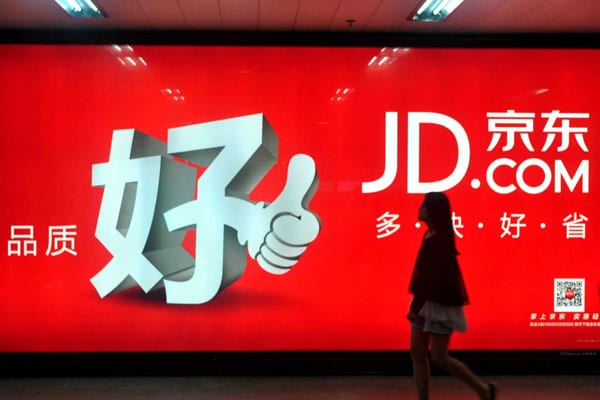
    Chinese language on-line retailer JD.com has chosen CES Asia to unveil two new devices to be bought by its JD Sensible division.

    JD Sensible is a just lately launched ‘sensible gadget platform and enterprise unit’ which has created what it describes as an ‘open ecosystem initiative’, integrating merchandise from a variety of producers seamlessly on a JD.com sensible platform.

    The brand new merchandise are a DingDong Sensible Speaker, developed in partnership with iFlyTech. It’s a voice-controlled gadget that may pull information, climate and round three million songs and four million hours of audio content material instantaneously from third get together sources on the Web and play them by way of the high-quality speaker system.

    The voice interface system may also help in schedule administration by establishing alarms, calendars and comparable planning instruments, all by way of voice instructions. The DingDong Sensible Speaker makes use of the JD+ tremendous app (referred to as “Jingdong Weilian” in Chinese language) to permit full voice management of all merchandise within the JD+ ecosystem, centralising the consumer expertise.

    JD Sensible additionally launched Changhong’s EleCloud Wi-fi Sensible Rechargeable Storage System to its JD+ ecosystem. The gadget, which equally leverages the Weilian app, is an exterior charger for cellular units that integrates the functionalities of wi-fi sharing and a excessive velocity flash drive, permitting customers to share paperwork, music and movies concurrently with as much as greater than 30 individuals.

    JD Sensible president Zhenhui Wang stated the brand new merchandise underscore JD Sensible’s shut relationships with producers and its concentrate on delivering a very built-in open platform for sensible units.

    “Leveraging JD.com’s unrivalled assets, we help our associate corporations all through the event course of, together with massive knowledge evaluation of consumer conduct, sensible cloud computing platform, fairness crowdfunding by means of JD Finance for start-ups, advertising help and entry to our greater than 100 million customers for market-ready sensible merchandise.”

    JD Sensible’s ecosystem supplies customers a handy single level of management over related sensible units from collaborating producers by means of its Weilian cellular tremendous app.

    “We’ve created an ecosystem that permits merchandise from totally different producers to work collectively on a seamless sensible platform, JD Sensible is ready to bypass the ‘ache level’ created when a consumer’s units can’t speak to one another,” stated Leslie Liu, JD Sensible’s CTO.

    “The DingDong Sensible Speaker leverages the Weilian app we now have developed to seamlessly combine into clients’ sensible house networks with a single voice command middle, avoiding the ‘bottleneck’ of closed platforms.”

    By way of its JD+ business companion program, JD Sensible builds partnerships with conventional and early-stage hardware producers across the open JD Sensible platform. Presently JD+ consists of over 100 producers, together with Haier, Hisense, Midea, TCL, Joyoung and Fotile, with a complete of greater than 400 JD Sensible-enabled merchandise. JD Sensible helps its associate corporations by means of a number of improvement levels, together with offering incubators, accelerators, technological help, go-to-market options, provide chain and cloud computing providers, in addition to entry to JD.com’s big base of upwardly cellular shoppers.

  • Montblanc ’s new India companion

    Montblanc ’s new India companion

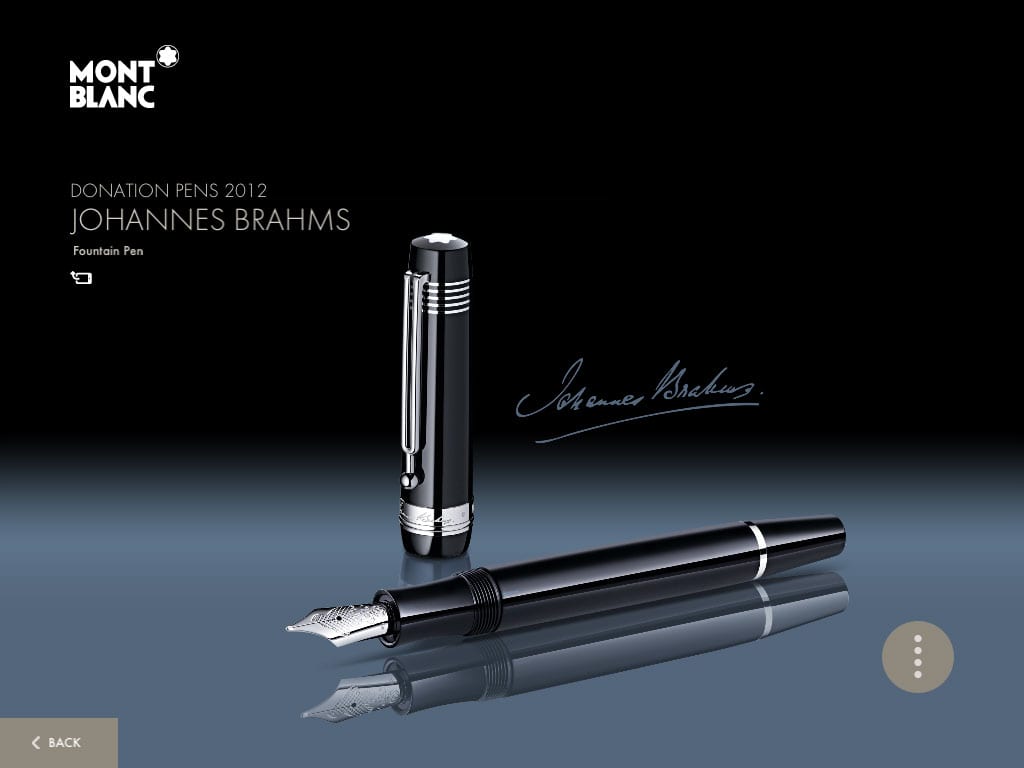
    German luxurious pen model Montblanc and Indian three way partnership companion Tata Group, have acquired authorities approval for his or her single model retail enterprise in India.

    India’s Overseas Funding Promotion Board (FIPB) on Monday authorised the 51:49 three way partnership, to be managed by Tata subsidiary Titan Co, with the german firm’s Dutch subsidiary to carry the stability.

    The brand new partnership will supersede the present distribution settlement with retired cricketer Dilip Doshi, who launched the model there 20 years in the past and retailed it by means of 17 boutiques, most in luxurious motels.

    Titan says it’s going to take over the shop community, however Doshi is planning authorized motion towards Titan and Montblanc, referring to the phrases by which his distributorship was annulled.

  • Flatscreen TV sales slide in SE Asia

    Flatscreen TV sales slide in SE Asia

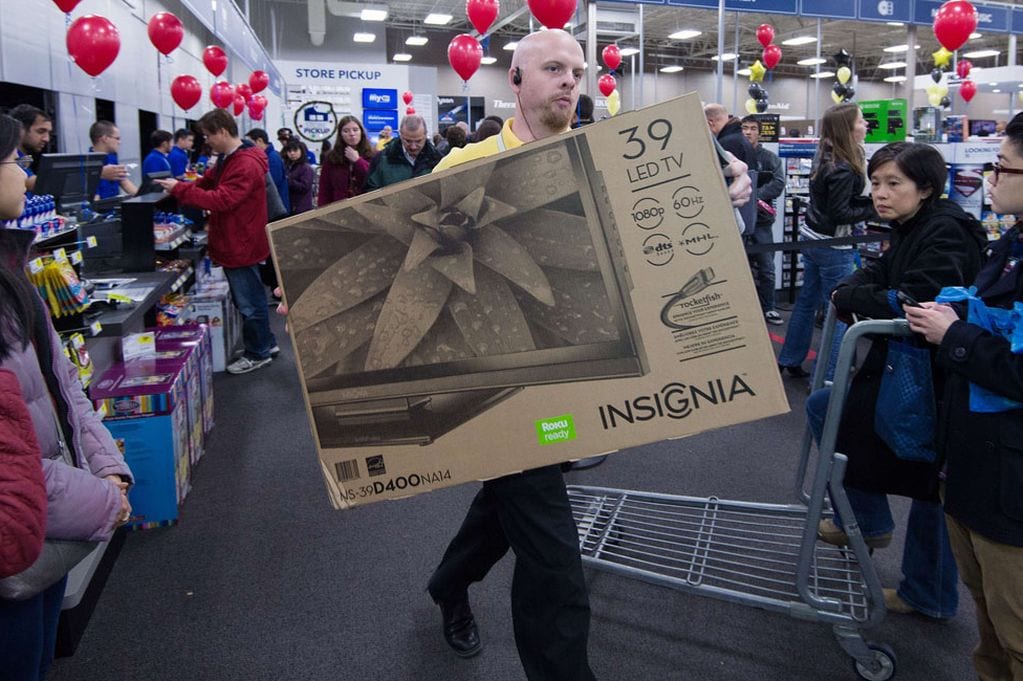
    The total sales volume of flat panel TV continues to slow in six key Southeast Asian markets monitored by research house GfK.

    But consumer demand for ultra-high definition (UHD) models has spiked exponentially in the past year to help fuel the strong growth of this segment as well as the overall value growth of the TV market.

    According to GfK’s point of sales tracking in Singapore, Malaysia, Thailand, Vietnam, Indonesia and the Philippines, the 11.8 million TV sets sold in April 2014 to March 2015 marks a 2.9 per cent drop compared with the same period a year ago. However, robust sales of the higher value UHD models managed to drive up dollar value generated by the entire TV market by 2.9 per cent.

    “With the near completion of switchover trend in developing Southeast Asian countries, consumers are now focusing on upgrading to the latest screen technology,” said Gerard Tan, account director for Digital World in GfK.

    “Manufacturers and retailers have been aggressively launching attractive promotions to stimulate take up rates.”

    The six individual countries reported surges in sales value of their respective UHD TV markets in the range of 20 to 77 per cent, with Singapore (77 per cent), Indonesia (67 per cent) and Vietnam (47 per cent) registering the fastest growth. In unit terms, sales volume from a year ago climbed  in the range of nine to 37 per cent – led by Singapore and Indonesia (37 per cent) and followed by Vietnam (23 per cent).

    According to GfK findings, the UHD segment contributed nearly eight per cent of the region’s TV sales dollars; accounting for US$354 million – an increment of 280 per cent over the same period the year before. Penetration is highest in the most developed market of Singapore, where more than one in every 10 (13 per cent) of sets sold UHD.

    The rising share of UHD in the TV market has also resulted in the average price of a UHD TV falling around 61 per cent, from US$5500 to $2160.

    Meanwhile, the most commonly purchased screen size for this segment is 41”-50”, making up 35 per cent in share of the UHD sales volume.

    “TV technology is constantly evolving, and with each new launch, we see the progression of consumers moving from small to big screens, with affordability increasing over time,” said Tan.

    “Moving forward into the rest of 2015, we can expect to see rising excitement in the UHD TV market as manufacturers battle for the consumer dollar with more offerings at more attractive prices; and at the end of the day, consumer s are the ones who get to enjoy the good deals resulting from the fierce competition,” he concluded.

  • Bebelian flourishes on celebrity cast-offs

    Bebelian flourishes on celebrity cast-offs

    A unique Indonesian eCommerce venture is making money by selling local celebrities cast-offs to starry-eyed fans.

    And if the concept works in Indonesia, surely it’s a fit for other Asian markets, like Thailand and Korea, where celebrity-spotting is almost a national obsession.

    As TechInAsia.com reports, in an article written by Lina Noviandari. and translated from Indonesian,Bebelian founder Khairiyyah Sari was a former executive fashion and beauty editor at Indonesia’s Femina magazine. It was a role which kept her up to date – and in stock – with everything related to branded apparel and accessories, particularly handbags. Her work in the media also allowed her rare access to the nation’s exclusive pool of models, actresses, and celebrities who were deeply entrenched in the archipelago’s fast-moving fashion world.

    Having cultivated relationships with many socialites and famous women, those in Indonesia’s fashion and beauty industry came to endearingly know her by one name; Sari. In mid-2011, however, she resigned from her safe and cushy media job to chase down a daring eCommerce dream. Bebelian was born, with the vision to sell branded, fashionable apparel and accessories that were pre-owned by Indonesian celebrities.

    “On eBay, I found Hollywood celebrities putting their goods up to be auctioned. I then thought, Indonesia should have a place that sells items previously owned by celebrities. Because I knew a lot of them, I was sure they had a lot stuff that they rarely used. And certainly, there were many fans out there who wanted a piece of their style, right?”

    Realising she couldn’t do it alone, Sari invited her friend Dewi Rezer – an Indonesian model, TV presenter, and actress – to help develop the company. Now a two-woman operation, Bebelian had an even deeper network of celebs it could tap into for secondhand goods. Sari went right to work creating the site and populating it with content, while Rezer helped legitimise the business and build buzz in the right circles.

    As a fashion journalist, Sari already knew that people in Indonesia bought branded apparel that was endorsed or pre-owned by celebrities, but that there wasn’t a formal place where people were doing it.

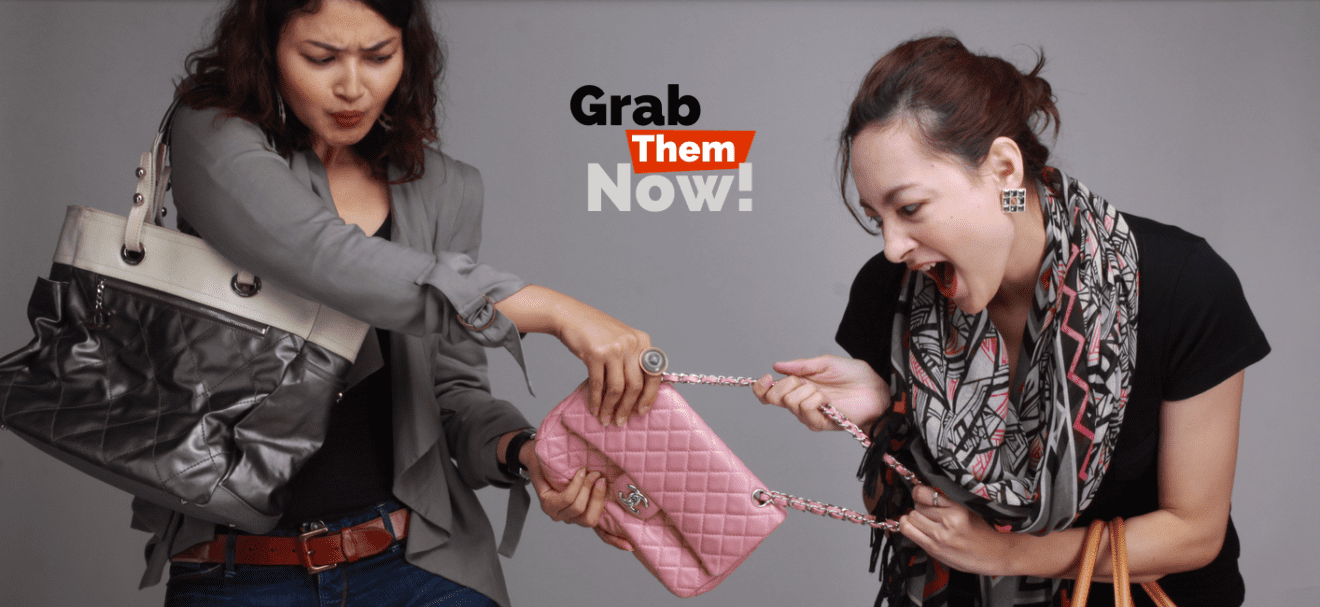
    She also knew that there was no website that was specialising in pre-owned celebrity handbags. With this in mind, she decided to focus her site solely on handbags in order to capture an early niche audience.

    “Because I was a fashion journalist, the concept of an online store that I made didn’t seem too arbitrary. Each celebrity has to make a profile, so it’s sort of like a magazine. Complete profiles are linked with the celebrity’s own signature style, including handbags. Each bag is photographed in our studio and celebrities share tips on how to wear them.”

    Sari claims that apart from the potential earning power of Bebelian, the site also has a mission to provide a means for average consumers to get their hands on designer brands at affordable prices. According to her, buying a pre-owned, branded handbag from a celebrity has a better value proposition than buying a counterfeit one.

    However, when you look at the site, it’s plain to see that the prices are somewhere between what they’d be for counterfeit items versus real branded ones. So in that sense, shopping on Bebelian is still a step above buying fake branded items, but still not as expensive as picking something up from the Gucci store.

    On Bebelian, users can browse via brands, celebrities, price, or product. According to Sari, around 30 celebrities have signed up, and she says she’s been dividing her time between Bebelian and her own private consultancy. She declined to comment on Bebelian’s traction, including the number of transactions it has facilitated to date. However, Bebelian currently features brand names like Chanel, Gucci, Guess, and Louis Vuitton as well as famous local names such as Astrid Tiar, Sandra Dewi, Jill Gladys, and Edies Adelia.

    While Bebelian is a unique business model, it does see indirect competition in local site WokuWoku, an eCommerce firm that sells clothes and apparel from fashion lines owned by celebs. The primary difference is that Bebelian sells designer brands from the personal closets of celebrities, while WokuWoku deals in brands that are part of celebrity-made clothing lines.

    However, Sari says she doesn’t need to worry too much about competitors just yet, as Bebelian seems to be performing beyond her expectations.

    “The next obstacle we face is that our celebrities don’t have any more items they want to sell,” says Sari. “Because of this, we must always be looking for new celebrity partners to feature on Bebelian.”


  • SingPost POPStation: a worldwide eCommerce mannequin

    SingPost POPStation: a worldwide eCommerce mannequin

    SingPost’s intelligent embracement of the web buying revolution is a case research different nationwide postal providers all over the world ought to take discover of.

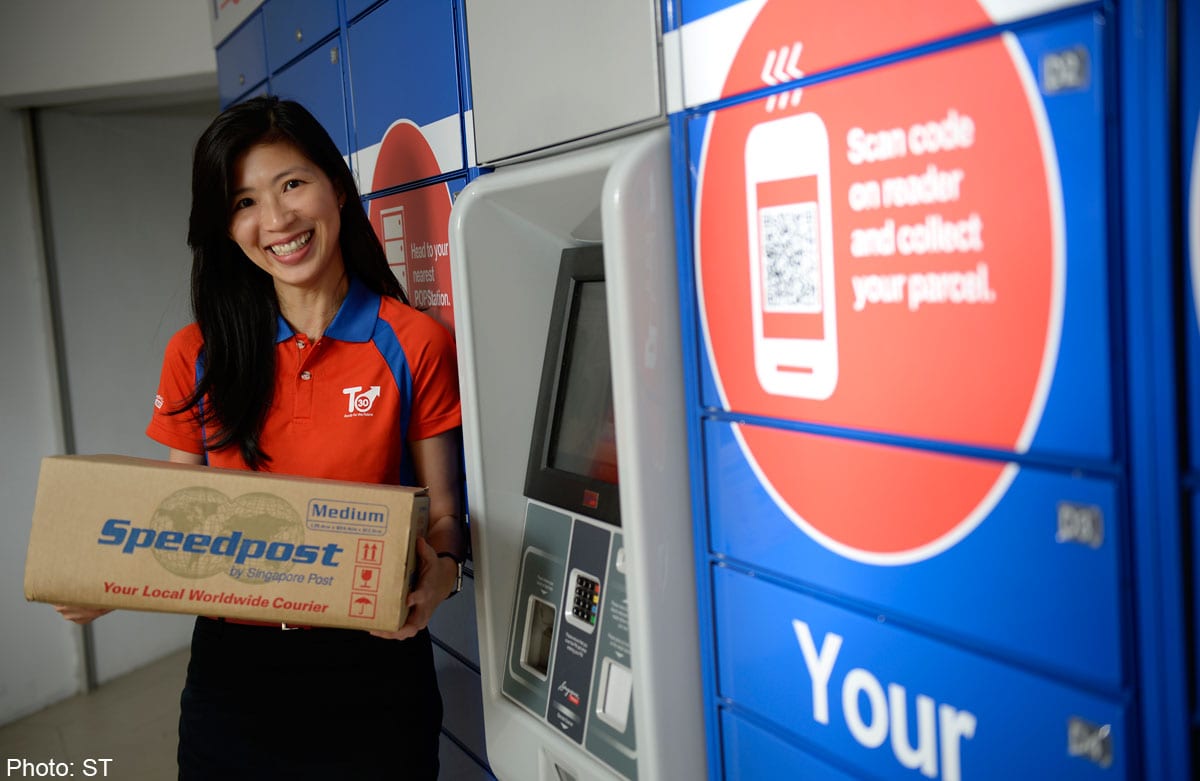
    Final week, SingPost opened its 100th POPStation – a parcel supply and assortment service which has minimize the supply time of on-line purchases by as a lot as a day, boosted comfort for patrons and distributors alike – and decreased its personal operational overheads and logistical challenges on the similar time.

    The SingPost POPStation is a supply and assortment community system which now offers a receiving level for patrons with a mean distance of not more than 2.5 km from any resident within the metropolis state.

    Primarily, POPStation is a locker supply service which does away with the necessity for patrons to should be obtainable at one place to obtain their deliveries, and for postal employees to traverse the town making private deliveries. It’s tailor made to the web retailing business, as a result of it standardises supply techniques and provides each distributors and SingPost the economies of scale of creating a lot of deliveries to a single level.

    Buyers can have their gadgets delivered to automated sensible lockers in any one of many 100 POPStations, all of that are accessible 24-seven. In addition to receiving gadgets, shoppers could make returns simply onsite as properly. Clients obtain their supply notifications and a PIN for his or her safe locker by way of smartphone.

    “POPStation is nicely fitted to city cities like Singapore because it lets the parcels do the ready, catering to busy way of life of Singaporeans on this digital age,” explains SingPost senior VP of Singapore Parcel, Lim Ann Nee, in a press release.

  • Burberry bemoans Larger China problem

    Burberry bemoans Larger China problem

    Higher China has put a dampener on the in any other case stellar success story of revamped luxurious model Burberry.

    The corporate had earlier posted an 11 per cent rise in income to £2.5 billion and a seven per cent improve in pre-tax revenue to £456 million within the yr to March.

    However on Friday is warned that a beneficial fluctuation in foreign money would increase its backside line by £50 million would truly solely in reality ship £10 million, because of an increase in worth of the pound towards the Hong Kong and US dollars.

    Buyers have been spooked, maybe extra by the size of a monetary miscalculation which was by some means out by £40 million in simply 11 days as by any concern over the worth or efficiency of the model as an entire. Shares shed six per cent of their worth within the day’s buying and selling.

    Final yr’s pro-democracy protests in Hong Kong, together with the much-publicised shift within the demographic of mainland Chinese language vacationers hit Burberry arduous, given the territory accounts for 10 per cent of its international gross sales.

    So a gross sales drop in Hong Kong measured within the mid single digits can simply impression the underside line. So, too, wallet-tightening in China’s mainland. So whereas Burberry had anticipated some cushioning from beneficial trade price tendencies, additional evaluation since has apparently revealed much less constructive developments.

    The weakening of the euro has elevated what luxurious manufacturers confer with as ‘gray market gross sales’, the place inventory is purchased from wholesalers or shops in Europe on the market at a revenue in China and Southeast Asian markets. This prompted the model to extend Europe costs, and scale back them in Asia, affecting income at each ends, however defending the integrity of its provide chain.

    One vendor noticed that decreasing the 2016 steerage had harm Burberry, hinting the share worth influence was an unfair judgment.

    “Beneath, the numbers learn nicely and are forward of forecasts and the corporate is doing lots to make the enterprise sustainable,” one London supplier advised UK information media.

  • Coaching, CTV for Sim Lim Sq.

    Coaching, CTV for Sim Lim Sq.

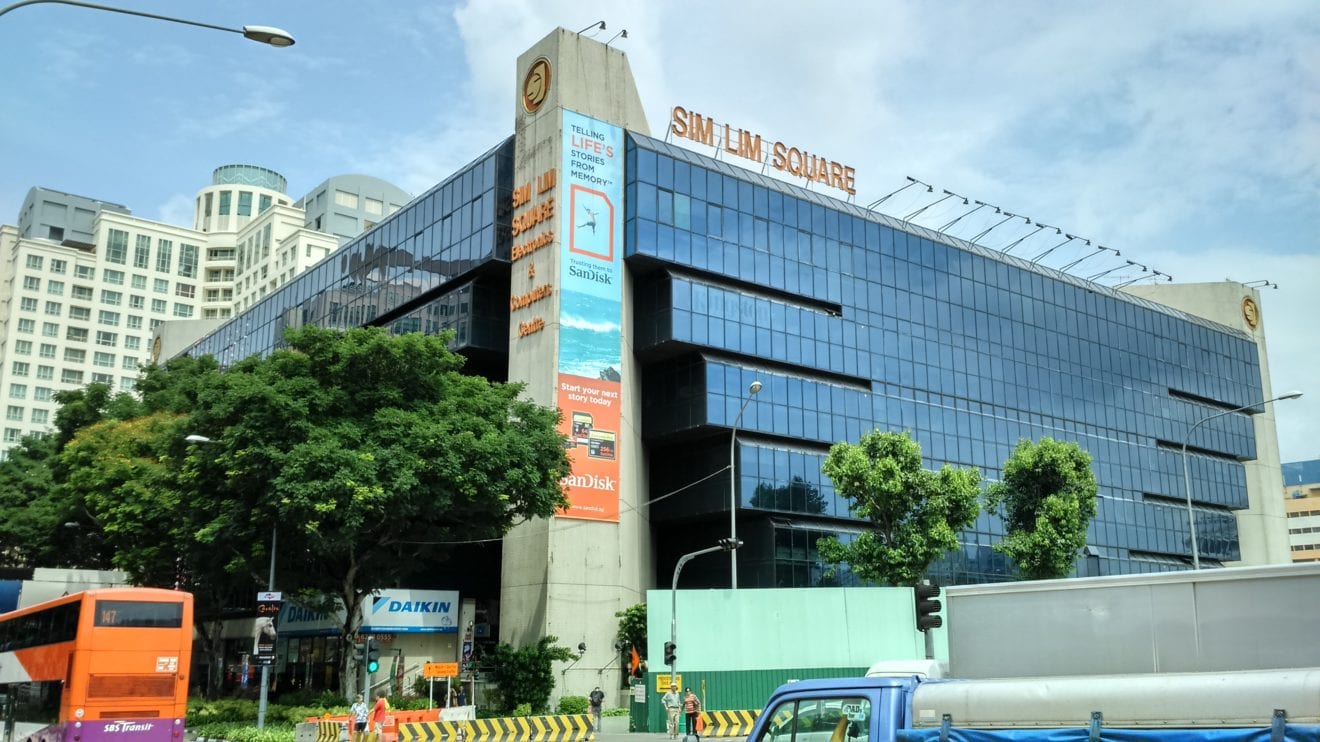
    Sim Lim Sq., Singapore’s infamous electronics mall the place overseas vacationers have been ripped off in dodgy cell phone offers, appears to have turned a nook.

    The Shoppers Affiliation of Singapore (Case) says it has acquired solely 12 complaints towards the mall’s electronics retailers within the first 4 months of this yr – about one third the quantity it fielded throughout the identical interval final yr.

    Final November the mall acquired international information and social media publicity after a Vietnamese vacationer was left in tears after spending his life financial savings to purchase his girlfriend an iPhone – which with an pointless ‘guarantee’ payment he was required to pay ended up costing him 3 times the worth of the identical telephone in Ho Chi Minh Metropolis.

    That retailer shut up store and deserted the mall – together with a number of others ‘outed’ by Case and native information media for comparable unconscionable conduct and since then the mall’s administration has labored onerous to enhance its popularity.

    On the core of the development is an accreditation program recognising dependable and reliable retailers. To realize accreditation, tenants should attend a subsidised coaching program run by Nanyang Polytechnic’s Singapore Institute of Retail Research. The coaching will give employees expertise in coping with clients in addition to finer factors of shopper legal guidelines.

    That follows information of the introduction of CCTV cameras and recording units in entrance of outlets topic to 3 or extra complaints to Case or the Singapore Tourism Board, together with stickers warning would-be clients to be cautious of the shops.

    A mall administration spokesman informed The Straits Occasions newspaper: “Our council members instructed this and it received unanimous approval throughout our annual assembly final month.”

    Case president Lim Biow Chuan, Central Singapore District mayor Denise Phua and Singapore commerce and business minister Teo Ser Luck met at Sim Lim Sq. on Friday for a walkabout of the centre and discussions with mall administration about progress on cleansing up the centre’s picture.

  • Jumei gross sales soar

    Jumei gross sales soar

    Jumei Worldwide, the Chinese language on-line retailer of magnificence merchandise, has revealed a 61.eight per cent improve in first quarter gross sales to US$250.6 million.

    Gross merchandise quantity lept 20.three per cent because of a 14.three per cent improve within the variety of lively clients to five.6 million, and an 18.four per cent improve in complete orders.

    Gross revenue was US$78.7 million, a rise of 15.2 per cent from the primary quarter of 2014. However expressed as a proportion of gross sales it decreased from 44.1 per cent to 31.four per cent, largely because of the firm’s shift in technique from pure play magnificence market to a broader merchandise supply.

    Founder and CEO Leo Chen stated the expansion price was stronger than anticipated for the primary quarter.

    “We efficiently accomplished our transition for magnificence merchandise from market gross sales to merchandise gross sales on the finish of 2014, and our new enterprise initiative – Jumei International, took off early this yr and skilled excessive progress when it comes to gross sales quantity. Jumei is at present one of many main gamers in cross-border eCommerce in China.

    “We expanded into cross-border child and maternity class in mid-April, 2015 and shortly achieved market main place on this new class in China. Our goal for 2015 is concentrated on prime line progress and enlargement into different cross-border classes as we glance to broaden our buyer base and considerably develop our order numbers. We’re assured that we will obtain our quarterly and yearly gross sales goal for 2015,” he concluded.

    For the second quarter of 2015, the corporate tasks complete internet revenues to be between US$270.1 million and US$277.eight million, representing a year-over-year progress fee of between 75 per cent and 80 per cent.

  • Carrefour Taiwan, China open shops

    Carrefour Taiwan, China open shops

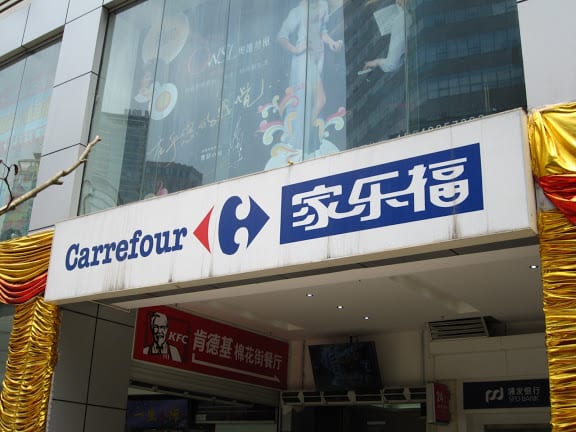
    French hypermarket operator Carrefour has additional prolonged its footprint in Taiwan and China, with three new shops opening their doorways in current weeks.

    Carrefour Taiwan has opened its 73rd retailer – the Xi Ke retailer in Hsi Chih science park. The only degree retailer has a complete 6864 sqm gross sales space and stands above the Taiwan Railway Xi Ke station by means of which 70,000 commuters move day-after-day.

    Within the Xi Ke retailer, Carrefour makes use of digital units to supply product info and work together with clients. A video wall on the entrance attracts clients in from the exterior mall.

    Carrefour Taiwan additionally launched the primary ‘Pure and Healthful’ merchandising space in its grocery part to supply extra HOPE (Wholesome, Natural, Premium and Eco-Nature) merchandise whereas selling traceability, natural options and high quality recent strains.

    Different retailer options embrace  a sports activities space the place clients can truly shoot basketball hoops and check health or biking gear.

    Carrefour China lately opened two new hypermarkets.

    The primary retailer to be opened within the north-east of China. With a gross sales space of greater than 7000 sqm, it has 22 checkouts and parking for 750 automobiles. This hypermarket anchors a purchasing centre of 25 shops.

    The second retailer – Hefei Mingbang Retailer – has a 7761 sqm gross sales space, 22 check-outs and parking for 780 automobiles. It’s situated in a big buying centre made up of 48 shops.

  • Competitors eats into Nation Fashion gross sales

    Competitors eats into Nation Fashion gross sales

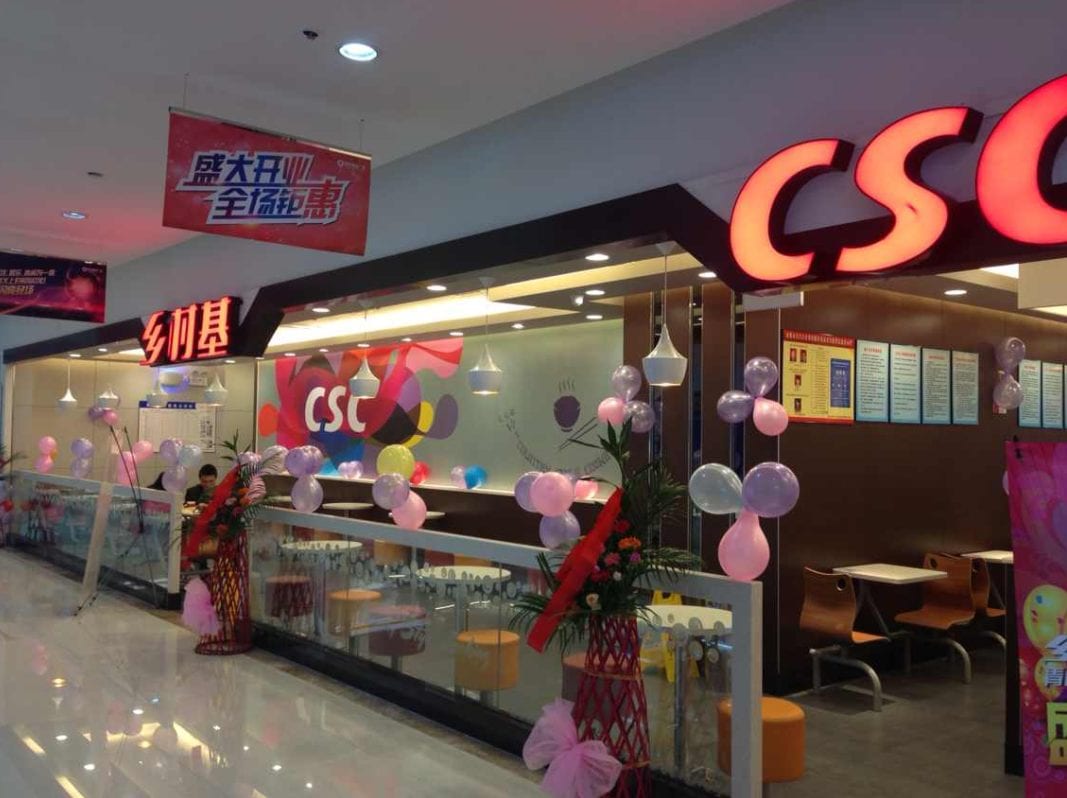
    China QSR operator Nation Type Cooking Restaurant Chain says same-store gross sales slumped 7.three per cent within the first quarter of this yr.

    The corporate, which is on monitor to open 60 new eating places this yr, reported first quarter revenues of RMB353.5 million ($57 million), a rise of 1.9 per cent on the identical quarter in 2014. The corporate had 245 eating places buying and selling in each quarters, however as on the finish of March had 344 buying and selling, in 29 Chinese language cities, 77 beneath the Mr Rice model.

    Its eating places working margin was 12.9 per cent, a lower of 170 foundation factors from the identical quarter of 2014.

    Internet revenue for the quarter was RMB8.three million ($1.three million), in comparison with RMB11.6 million in the identical quarter of 2014.

    Xingqiang Zhang, CEO, stated the corporate was happy with continued income progress and community enlargement within the first quarter.

    “Through the quarter, we targeted on additional enhancing meals security and vitamin through the use of high-quality uncooked supplies like non-GMO oil, sea salt and cage-free chickens to our product choices. We consider these efforts to enhance meals high quality is in keeping with the evolving eating habits of our clients, can higher differentiate CCSC from its rivals and should result in greater per-order spending over time,” he stated.

    “We’re additionally engaged on modifying our picture and the eating setting in our eating places to strengthen buyer notion of CCSC eating places as a perfect location for younger individuals and households who recognize an distinctive buyer expertise and a spot for socialising.”

    The corporate stated growing competitors had led to the discount in gross sales, together with a rise in meals and packaging prices and wages.

    CCSC expects second quarter revenues of between RMB 360-380 million ($58.1-$61.three million), representing a year-over-year progress of between roughly four.four per cent and 10.1 per cent.

  • Futuristic Chengde mall planned

    Futuristic Chengde mall planned

    Sunlay Design Group has created a stunning, futuristic design for the planned Chengde mall in China’s Hebei province.

    The modern shopping center has heavy ties to China’s ancient cultural influences, inspired by classical dragon mythology and the principles of feng shui.

    Named the Chengde Tianshan Retail Center, it will offer the Hebei province a mixed-use shopping experience that fuses contemporary form with traditional methodology. Construction is scheduled to commence within a few months.

    In creating the mall’s exterior design, Sunlay faced a major challenge: such is the mountainous nature of the site, a conventional building would have lacked visibility from the street. Whatever design they settled on, the had to also maximise the centre’s usable area.

    The result is best described as “a fluid form” that defines the site’s perimeter and creates a natural flow from indoor to outdoor food and beverage and retail tenancies.

    Sunlay says that by wrapping the building around the site’s edges, the mall gained elevation necessary for it to become a landmark and focal point for the neighbouring city.

    A tall cantilevered wing rests about 20 meters above the mall.

    Besides a retail tenancy mixing local and international brands, Chengde mall, on a 27,535 sqm site, features a cinema complex, restaurants, a karaoke bar and a hotel.