Tag: Retail

  • ‘Fantastic start’ to Malaysia tax refund scheme

    ‘Fantastic start’ to Malaysia tax refund scheme

    Retail tax refund specialist Global Blue says the first month of the electronic Tax Refund Scheme in Malaysia has got off to a “fantastic start”.

    With the introduction of a six per cent GST on April 1, Malaysia’s government launched a refund scheme for tourists, in line with other Asian economies.

    Nigel Dasler, Global Blue’s head of commercial for South Asia, said the introduction was a “great collaborative effort” with more than 1000 merchants affiliated by April 30.

    However more than 4000 more are still awaiting approval via the Customs Approval portal.

    “It’s is very encouraging to note that the average spend per traveller is over EUR700, making Malaysia one of the highest average spend countries within Global Blue. This, coupled with the strong merchant pipeline and transaction growth validates our decision to enter Malaysia. Malaysia is shaping up to be a strong pillar for our Asia Pacific ambitions and I look forward to its continued development.”

    Gareth Costello (eTFS Programme Implementation Manager), added that local Customs management and officers have fully recognised the benefits of eTFS with over 8000 transactions digitally validated in the first 30 days of production.

    “Our success in Malaysia is due to an exceptionally committed local and international team, which continues to dedicate itself to completing all deliverables and managing a solid handover to operations.”

    Azraf Bin Mohamed Tahir (head of commercial, Malaysia), noted that “it has been an exhilarating experience to see the team working hard and cooperating with colleagues from several continents, succeeding to launch a nationwide project so successfully and on schedule.”


  • Asian cities top rankings for global brands

    Asian cities top rankings for global brands

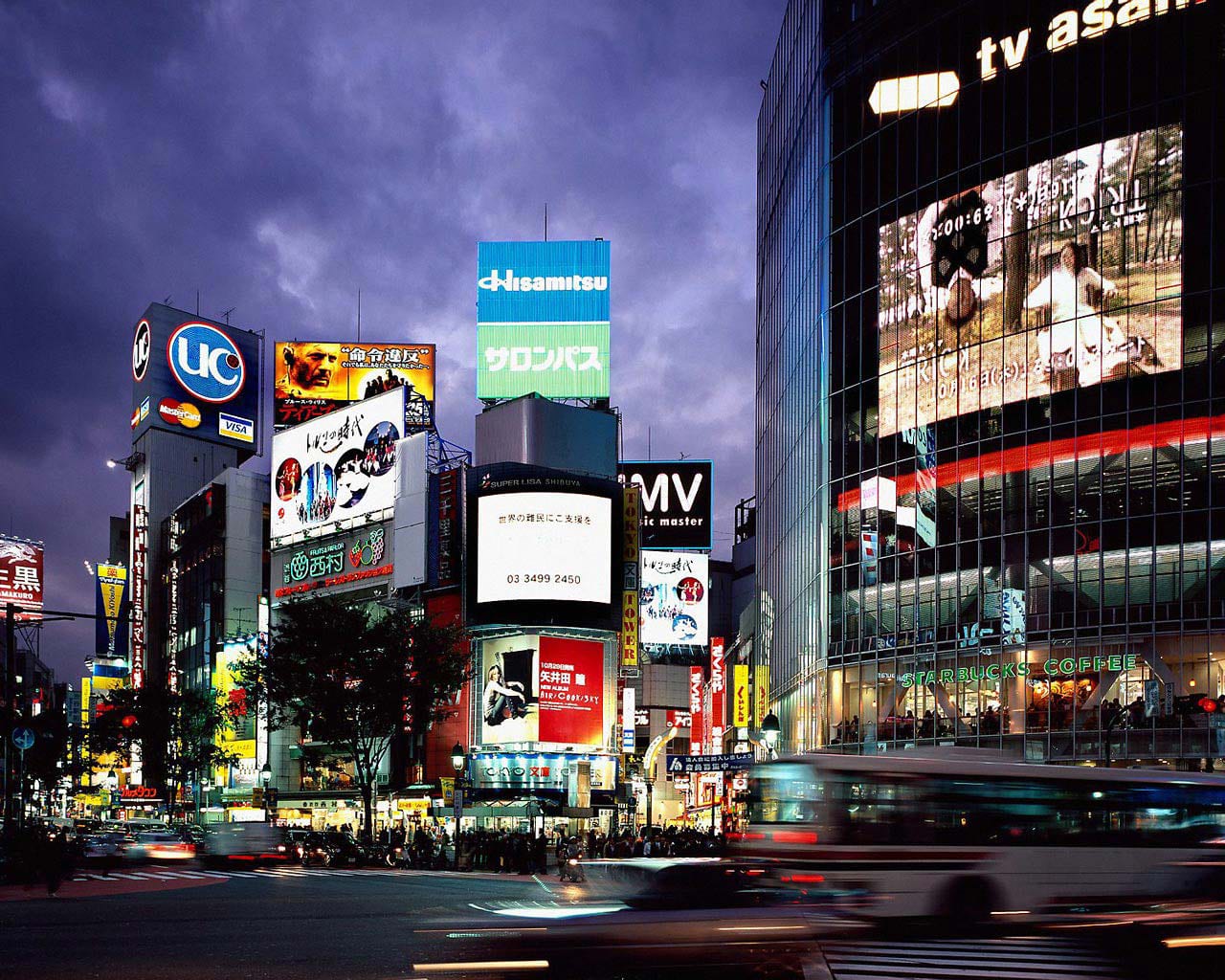
    Tokyo is the world’s hottest market for retail expansion, attracting 63 new global brands last year as leasing momentum in core areas remained strong.

    In a list dominated by Asia and Middle East cities, Singapore ranked second with 58 new entrants, outshining Hong Kong which tied for fifth with Dubai (45 each) in the CBRE Group’s report How Global is the Business of Retail?

    Singapore’s new entrant count was double the number of 2013 – with entrants largely in the food and beverage sector, with apparel and accessories chains a little further behind.

    While Hong Kong finished fifth equal with Dubai on the list, it was still a respectable showing given CBRE surveyed 164 cities in 50 countries. In between Singapore and Hong Kong came Abu Dhabi and Taipei.

    For foreign retailers entering Singapore for the first time, the Shoppes at Marina Bay Sands ranked as their top choice f destination, largely due to the steady flow of affluent customers streaming to and fro the connected casino facilities.

    Globally, mid-range fashion retailers are the most active category looking at new market expansion, accounting for 21 per cent of activity, just a little more than luxury brands at 21 per cent.

    In Asia, luxury and business fashion retailers drove 24 per cent of the region’s business expansion, followed by coffee and restaurant retailers at 22 per cent.

    Meanwhile, the report found that the primary expansion targets for America’s retailers are Asia (41 per cent) Europe (33 per cent), and the Middle East and Africa (12 per cent).

  • Komehyo Hong Kong opens showroom

    Komehyo Hong Kong opens showroom

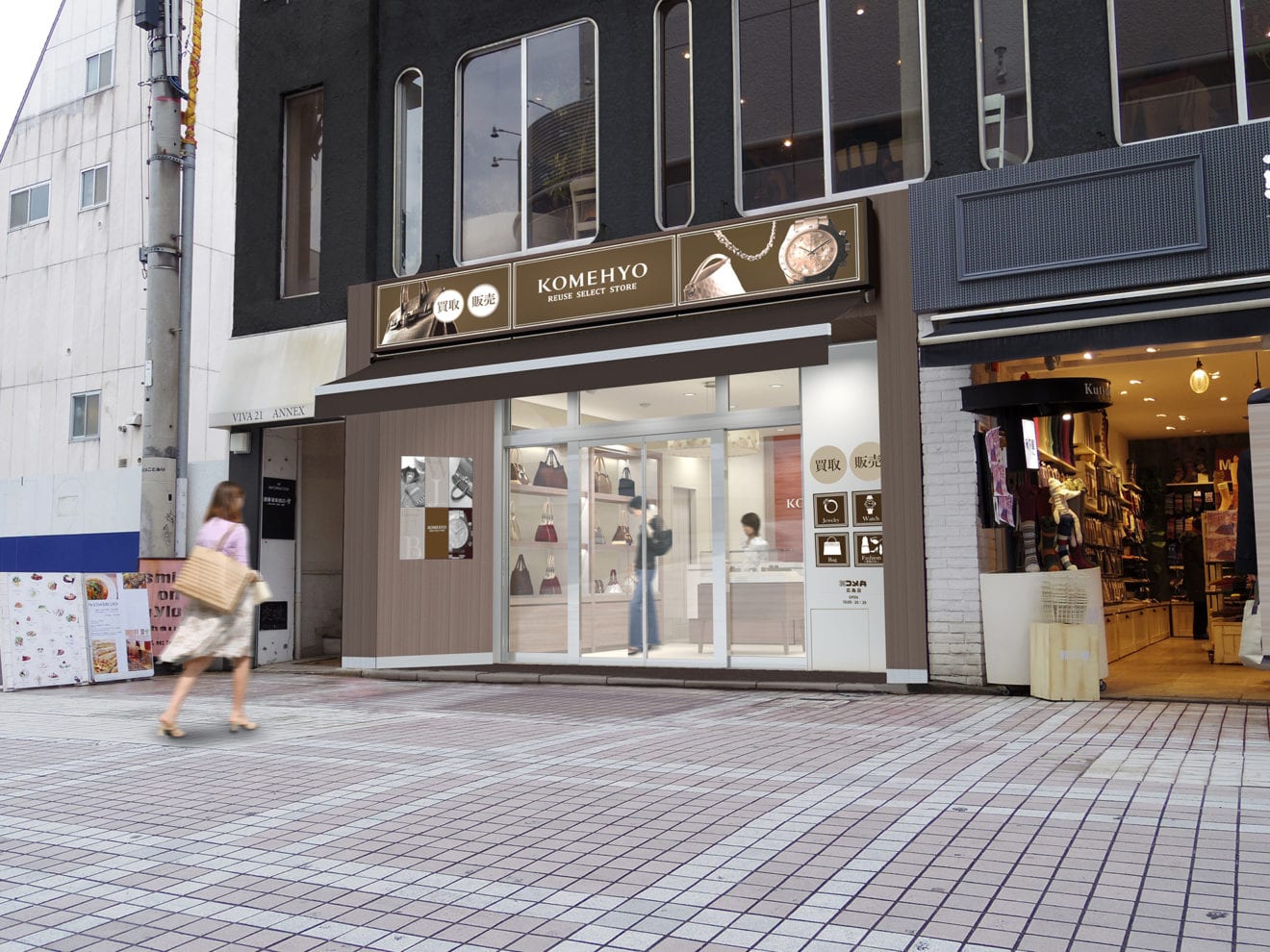
    Used luxurious items retailer Komehyo Hong Kong has opened a downtown showroom as a part of its Japanese mum or dad’s regional enlargement technique to succeed in out to consumers outdoors Japan.

    President of Komehyo Hong Kong, Toshio Sawada, stated the showroom will assist the corporate set up a robust presence within the territory and join with abroad consumers.
    The showroom will supply second-hand jewelry, watches, branded luggage and equipment to related enterprises.

    “Hong Kong is properly related with the world and Mainland China,” stated Sawada. “It’s a handy and strategic location for Komehyo to serve its abroad consumers who’re principally from Mainland China.

    “We anticipate that the Hong Kong workplace will assist our firm increase its gross sales channels and supply higher customer support to abroad consumers outdoors Japan.”

    Sawada stated that through the previous few years, Komehyo has been actively buying and selling its second-hand jewelry and watches via commerce festivals in Hong Kong.

    “We have now seen robust demand for luxurious watches and diamond jewelry from abroad consumers. The opening of the showroom exhibits our rising confidence in Hong Kong.”
    Affiliate director-general of funding promotion, Jimmy Chiang, stated, with its free port and low tax regime, Hong Kong stays a really perfect location to overseas corporations wishing to showcase and market high-end high quality items to Mainland Chinese language and different Asian clients.

    “Establishing a everlasting location in Hong Kong facilitates commerce with worldwide consumers all year long. Komehyo, with its robust branding within the business, will simply discover a foothold in Hong Kong. I want its enterprise each success.”

    Based in 1947, Komehyo Co buys and sells second-hand and new merchandise by means of 33 retail shops in Japan. The corporate trades in recycled and new merchandise together with jewelry, valuable metals, watches, branded luggage, clothes, kimonos, cameras and musical devices in Japan. Komehyo is listed on the second part of each the Tokyo Inventory Change and the Nagoya Inventory Trade.

  • Worldwide gross sales drive Mothercare restoration

    Worldwide gross sales drive Mothercare restoration

    Struggling UK childrenswear idea Mothercare has reported bought worldwide gross sales and a burgeoning on-line enterprise because it recovers its mojo.

    Within the full yr to March 28, Mothercare says its pre-tax, underlying revenue rose 37 per cent to £13 million. Worldwide gross sales have been up 5.6 per cent – a good more healthy 12.four per cent on a continuing foreign money foundation – and on-line gross sales rose 18 per cent, accounting for 30 per cent of complete UK gross sales with over a 3rd of on-line orders collected in retailer and 82 per cent of on-line visitors now generated from cellular.

    UK like-for-like gross sales have been up two per cent, and gross margin stabilised, the corporate stated in its annual assertion.

    Complete UK house market gross sales have been down zero.9 per cent as an extra 31 underperforming shops have been closed. However the concentrate on increasing internationally is clearly bearing fruit: Mothercare stated complete promoting area was up 9 per cent, now numbering 1273 shops in 60 nations, with 52 new ones opened in the course of the monetary yr. Mothercare made its Korean debut, opening 4 shops.

    Chairman Alan Parker stated the yr was certainly one of “main change” for the corporate, with a brand new CEO and CFO recruited, new financing preparations entered into with its banks, an uninvited takeover supply rebuffed and a efficiently accomplished a rights difficulty.

    “I’m assured that we now have the appropriate management and plans to realize our clear potential of being a world main international retailer.”

    CEO Mark Newton-Jones stated the corporate’s worldwide enterprise has delivered progress when it comes to area, gross sales and revenue, regardless of elevated financial and overseas foreign money headwinds.

    “We’re making good progress towards all six pillars of our technique and we’ll proceed to construct from this platform within the yr forward. There’s nonetheless a lot to do and buying and selling circumstances might stay difficult, however we’ll keep singularly targeted on our imaginative and prescient of being the main international retailer for folks and younger youngsters.”

    Mothercare’s worldwide enterprise now accounts for 64 per cent of the model’s worldwide area and 62 per cent of gross sales.

    The corporate stated Asia, the place Mothercare now has 397 shops in 13 nations, continues to supply thrilling excessive progress alternatives.

    “We opened our first 4 shops in South Korea, within the final quarter of the yr. This market provides vital alternative with a rich center class, good high quality retail area and a mature on-line market. Because the finish of the yr, we’ve got exited our three way partnership in India, which not wanted our help to develop the enterprise. India now operates on a pure franchise foundation. Area was up about 17 per cent year-on-year with mid-single-digit like-for-like gross sales progress. Robust fixed foreign money gross sales progress was diluted by ongoing foreign money devaluation which resulted in excessive single-digit gross sales progress in precise foreign money.

    “Asia now has transactional web sites in China, India and Indonesia.”

    Within the yr forward, Mothercare says it plans to proceed to develop its enterprise to turn out to be digitally led by investing in its on-line platform.

    “On the similar time, in keeping with the plans we communicated final yr, we’ll modernise and refurbish 35-40 shops while closing 25-30 underperforming shops.”

  • NZ Mad Group sure for Japan, US

    NZ Mad Group sure for Japan, US

    New Zealand restaurant idea Mad Group, says it has signed Memorandums of Understanding to enter Japan and the US.

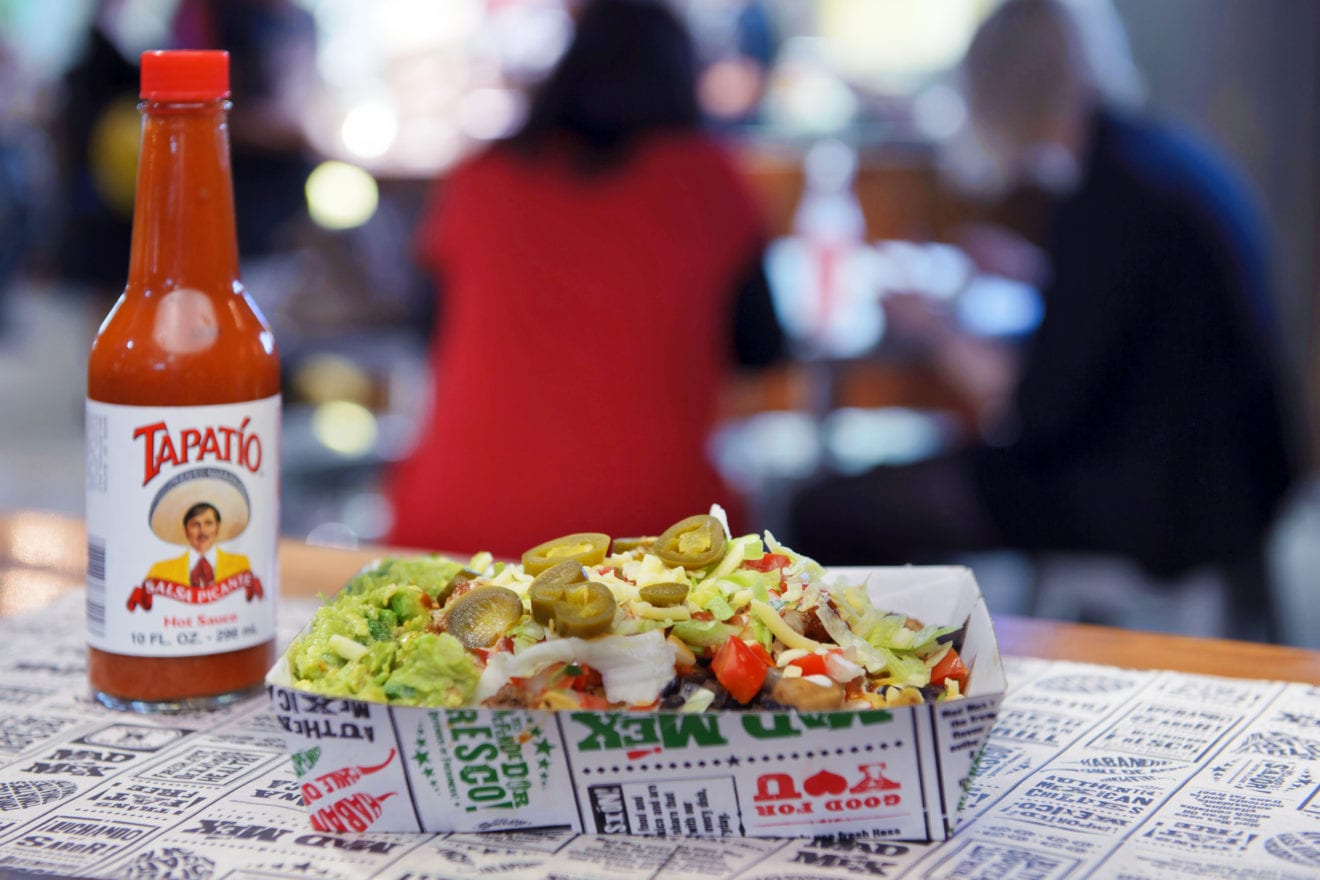
    Mad Group runs the Mad Mex Mexican fast service restaurant idea and Ordinary Repair, which specialises in wholesome wraps, salads, smoothies and juices.

    A 10-year Memorandum of Understanding (MoU) has been signed with an nameless American associate to launch 30 Ordinary Repair restaurant chains within the US beginning in Los Angeles in 2016. The deal is value over NZ$6 million in franchise royalties over the preliminary time period and could be renewed for an additional 10 years after the preliminary time period expires at a franchise royalty fee of greater than $1 million per yr. The corporate plans to have Ordinary Repair places in at the least 5 totally different US states inside 5 years.

    Mad Group has additionally signed a separate MoU with one other as but unidentified companion in Japan, however not but launched additional particulars about plans for that market..

    The enlargement of the wholesome consuming ideas follows a worldwide development towards more healthy consuming of high quality recent meals, for which Mad Group is famend. Only recently McDonald’s added kale to its menu to maintain up with altering dietary preferences.

    The corporate lately raised fairness in a crowdfunding marketing campaign to develop the Mad Mex enterprise regionally, rolling out each manufacturers round New Zealand and aiding within the gross sales and advertising of worldwide franchise licences for Ordinary Repair.

    Ordinary Repair eating places are to date situated in Auckland and Wellington and can doubtless quickly be coming to the South Island as properly.

  • Money increase for iprice comparability idea

    Money increase for iprice comparability idea

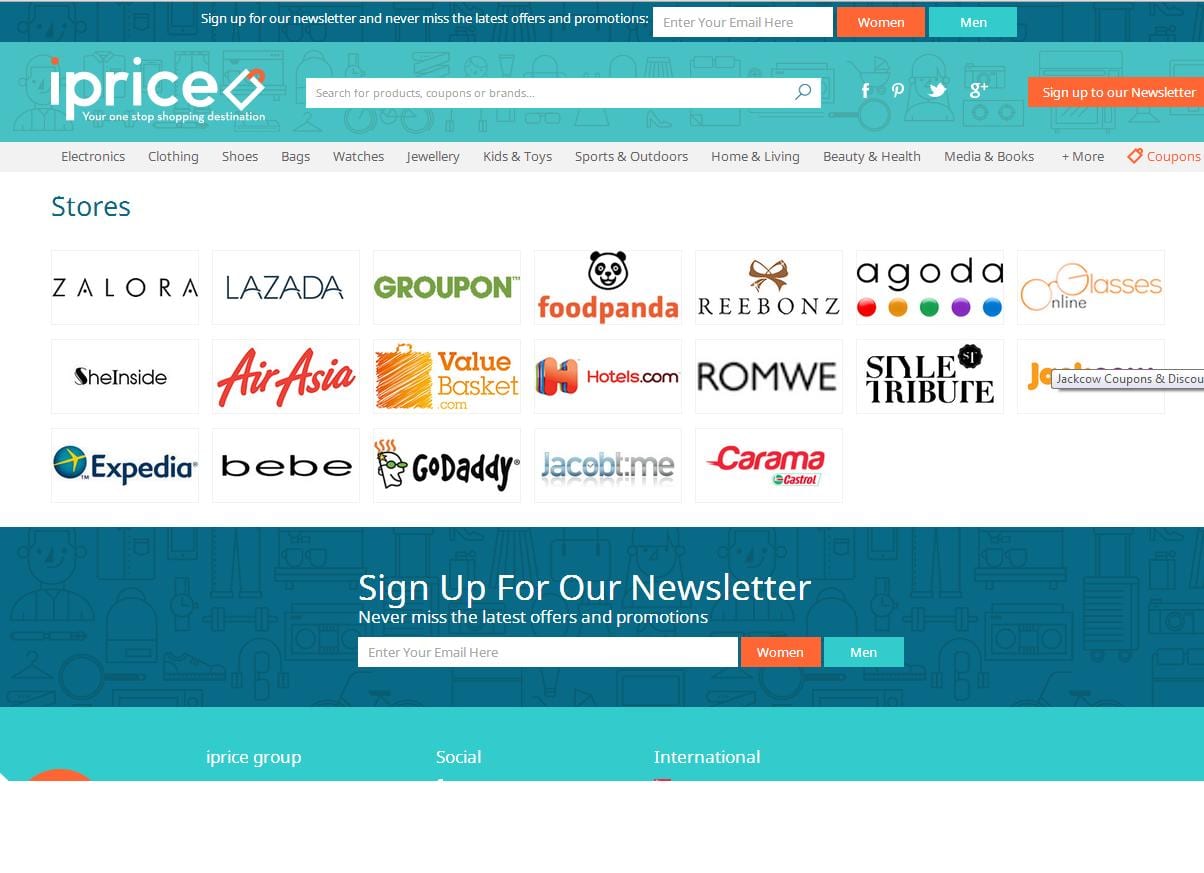
    Iprice Group, a Malaysia-based on-line worth comparability service for consumers, has acquired a $550,000 money funding from an angel investor enterprise capital group.

    Based solely final October, the enterprise is already lively in its residence base Malaysia, together with Hong Kong, Singapore, the Philippines, Thailand, Indonesia and Vietnam. The corporate says its on-line visitors is greater than doubling each month.

    The US$550,000 in funding was invested by from Asia Enterprise Group, a Malaysia-based angel investor, which needs to assist Iprice create “the most important on-line buying group in Southeast Asia”.

    Iprice co-founder Heinrich Wendel says the thought of the web site is to create “a pleasant on-line purchasing expertise” by giving buyers an intuitive and visible option to uncover merchandise.

    “Whereas different websites within the area are all about evaluating costs, we give attention to narrowing down the huge quantity of merchandise to your private choice. Regardless of you’re on the lookout for a blue and black gown, three-inch excessive heels, a strong backpack or a basic Chesterfield couch, we’ll present you the place you will get one of the best supply.”

    Because the younger Web inhabitants within the area is rising by greater than 50 per cent inside the subsequent three years – based on a report by UBS – it can drive eCommerce quantity no less than five-fold by 2020. Tapping into this potential, the web site already provides greater than three million merchandise from over 10,000 native and worldwide manufacturers, sourced by way of trusted on-line shops.

    Consumers flick through the hundreds of thousands of merchandise by classes, manufacturers, fashions and hues, amongst different attributes, to get inspiration. All merchandise are mechanically linked to particular promotions and coupons which might be provided by the respective eCommerce shops. Sooner or later, the corporate says it’ll double down on its machine studying algorithms to additional enhance the “sensible search” and supply particular person suggestions in response to the consumer’s searching behaviour.

    Working from its Kuala Lumpur headquarters, the corporate employs expertise from throughout Southeast Asia, enabling them to deal with the wants of every native market individually.

    For eCommerce shops, iprice supplies invaluable experience in on-line advertising, serving to them to increase their attain to new markets and develop their buyer base. Tito Costa, Zalora Group MD, says he recognises iprice as a robust affiliate associate.

    “Iprice helps internet buyers to seek out what they’ve been on the lookout for and to find new merchandise. They ship excessive changing visitors to Zalora throughout the Southeast Asia area and drive our income considerably,” he stated.

  • Huawei plans main retail rollout

    Huawei plans main retail rollout

    Chinese language cell phone model Huawei is planning a serious Asian regional retail rollout.

    “Our model constructing finances might be doubled for the Southeast Asian markets since there’s a robust risk of progress in market share,” says Huawei Shopper Enterprise Group CEO Richard Yu.

    Huawei will add about 1500 customer support facilities worldwide – and greater than 100 of these will probably be in Thailand, which is Huawei’s regional hub for the Southeast Asian area.

    Yu stated Huawei recognises Southeast Asia as a high-potential market, and the corporate is planning to beef up its funding in model constructing actions on this area.

    “Our merchandise have good high quality, so we’ve little question that we’ll attain our goals,” he stated.

    For instance, Huawei’s market share in Myanmar is 50 per cent “as a result of the merchandise meet the calls for of the shoppers, and the gross sales improve by phrase of mouth”.

    Yu stated Thailand would be the focus of Huawei’s funding within the area. The corporate has chosen Bangkok because the venue for a regional press launch for its new Huawei P8 handset and its wearable units subsequent week, (Might 28).

    “Our income is excellent in Myanmar, India, the Philippines, and Malaysia. Thailand can also be an enormous market with plenty of potential, so we at the moment are specializing in it,” stated Yu. “Thailand is admittedly a sophisticated market, but in addition a gorgeous one, so Huawei is prepared to enter this market. Though it takes time, we’re decided to succeed right here. We’re prepared to take a position all yr spherical.”

    In accordance with an IPSOS International Analysis report masking 32 nations, Huawei’s model consciousness rose from 52 per cent in 2013 to 65 per cent in 2014, representing a year-on yr improve of 25 per cent.

    As an Asian model, Huawei’s model consciousness within the international market simply rivals different Western manufacturers. In Western Europe, Huawei recorded model consciousness of 61 per cent within the Netherlands, 60 per cent in Spain, 57 per cent in Germany and 54 per cent in Italy.

    Huawei has turn out to be the primary Chinese language firm to efficiently enter Interbrand’s Prime 100 International Manufacturers of 2014 record, taking 94th place.

    Huawei began out so small virtually 30 years in the past, and has grown right into a multinational telecommunication big at present. Based in 1987, the China-based firm is now generally known as the world’s third largest smartphone vendor, following Apple and Samsung. However in its China house market it’s already lagging behind quick rising current entrant Xiaomi which is the highest promoting model presently, forward of Apple and Samsung.

  • Transit tasks to rework international cities

    Transit tasks to rework international cities

    A collection of things are converging to create international alternatives for Transit Oriented Developments (TODs) which might be metropolis altering in scale based on a brand new report from CBRE.

    Transit oriented improvement includes larger density, combined use tasks which might be adjoining to, or built-in with, public transport hubs. These tasks are sometimes master-planned to create interfaces with transport providers and have the power to revitalize underutilized precincts whereas bringing vital financial and social advantages to the broader group.

    CBRE’s report examines a variety of profitable TOD tasks across the globe, together with the Hong Kong Station redevelopment, Perth Metropolis Hyperlink in Western Australia, the King’s Cross regeneration challenge in London;,Transbay Transit Centre in San Francisco and One North Precinct in Singapore.

    The report highlights a variety of things which are creating alternatives for TOD tasks, together with growing charges of urbanisation, declining productiveness linked to elevated journey occasions, a rising authorities concentrate on public transport/decentralisation and higher sophistication in venture and infrastructure funding.

    Key findings embrace the essential position that authorities our bodies play in profitable TOD outcomes, the attraction these developments have for each residents and the enterprise group, and the alternatives inherent in a lot of these tasks.

    Henry Chin, Hong Kong-based head of analysis, Asia Pacific, with CBRE, stated TOD tasks have the capability to deal with most of the challenges dealing with main cities in developed economies because of a speedy improve in urbanisation.

    “A profitable TOD will obtain a considerable shift from personal automobiles to public transport, whereas enhancing livability and native employment alternatives.”

    CBRE’s report highlights that authorities imaginative and prescient and sponsorship is essential in facilitating TOD tasks given the position that public transport performs in addressing the long run sustainability of main cities – particularly points corresponding to visitors congestion, journey occasions, housing affordability and air pollution.

    Chin added: “Whereas TOD tasks are extra complicated than typical brownfield or greenfield mixed-use tasks, the advantages clearly warrant the trouble in addressing the challenges. Authorities facilitation is crucial and may take numerous types, together with the supply and rezoning of applicable websites, offering improvement certainty, immediately funding transport infrastructure and coordinating points with the related authorities. “

    The power to draw enterprise occupiers is one other key component of a profitable TOD venture, therefore the essential want for linkages to public transport.

    “Companies are requiring work environments which each appeal to and retain staff. The mixed-use nature of TODs creates activated precincts with retail and leisure providers for workers. TOD places additionally scale back enterprise demand for automotive parking, which in flip reduces challenge development prices and leasing prices for occupants,” Chin stated.

    Nevertheless, CBRE’s report spotlight that incentives can also be required to draw tenants, as illustrated by the long run tax incentive schemes and rental subsidies provided in Singapore to facilitate the One North Precinct.

    One other discovering is that TODs in established markets inside inside and center ring suburbs have a larger probability of success.

    Chin concluded: “Going ahead, TODs may have a dramatic influence on shaping cites, in Asia and at a worldwide degree, as governments give attention to crucial public transport infrastructure initiatives.”
  • Robinsons Philippines profit surges

    Robinsons Philippines profit surges

    Robinsons Retail Holdings says its net income rose 39.1 per cent to P781 million (US$17.5 million) in the first quarter of 2015.

    Robinsons Philippines runs a raft of retail businesses split into six operating divisions: Robinsons Supermarket, Robinsons Easymart and Robinsons Selections; department stores; DIY stores under the Handyman Do it Best, True Value and the new big box hardware brand AM Builders’ Depot; Ministop convenience stores; South Star Drug and Manson Drug stores; and specialty stores selling appliances and consumer electronics.

    It has 1356 stores – 211 more than at the end of March 2014.

    In its quarterly trading disclosure the company says its core net earnings grew by 10.1 per cent to P584 million ($13.1 million) in the three months to March 31.

    “I am pleased with our results of the first quarter of 2015, particularly our same store sales growth performance. Nonetheless, we remain vigilant as competition continues to intensify on all fronts,” RRHI president Robina Gokongwei-Pe said in the statement.

    “We are optimistic with the recent opening of True Home, a segment of True Value focusing on furnishings at Robinsons Magnolia, and also excited about the scheduled launch of our first Costa Coffee in the middle of this year as well as the opening of our second Robinsons Selections, the premium format of our supermarket segment, at the Fort.”

    Combined net sales grew 13.1 per cent to P19.72 billion ($442.8 million), largely due to contributions from new stores and a solid same-stores growth of 3.4 per cent.

  • Alibaba Taiwan sent home

    Alibaba Taiwan sent home

    Alibaba Taiwan has been told by government officials to pack up and head home.

    The Taiwanese government’s Investment Commission has formally instructed the Chinese Mainland-based eCommerce giant to withdraw from the country within six months ruling the company had violated investment rules required for a Chinese company.

    The banishment was reported by Reuters and other major news services, based on information provided by an official from the economics ministry.

    Alibaba has been fined T$120,000 (a meagre US$3,824) and must “withdraw or transfer its holdings from its operation in Taiwan”, Emile M.P. Chang, acting executive secretary for the Investment Commission, was quoted by Reuters.

    That Alibaba will ultimately be forced to discontinue its business in Taiwan is unlikely.

    It is common for Mainland Chinese companies to fall foul of investment laws with Taiwan and the Mainland still technically political enemies despite fast-growing economic and trade ties which have been building steadily over the last five years. Mainland China does not recognise Taiwan as an independent state.

    The commission’s ruling follows an investigation launched last September. The commission says it requested documentation from Alibaba to prove it complied with local business regulations. When those documents were not forthcoming, the cessation order was made.

    Alibaba considers the move a misunderstanding.

    “We will actively communicate with the authority and provide the required supporting materials to comply with the latest requirements,” the company said in a statement.

    “Since Alibaba Group, the parent company of Alibaba.com, went public in the United States last September, the authority took a different view about the internal structure of Alibaba Group and deemed it as a mainland Chinese company.”

    Alibaba Taiwan was founded in 2008 through a Singapore-registered subsidiary. Alibaba says that business was founded in compliance with Taiwanese regulations applicable at the time.

  • Second Longchamp boutique for Changi

    Second Longchamp boutique for Changi

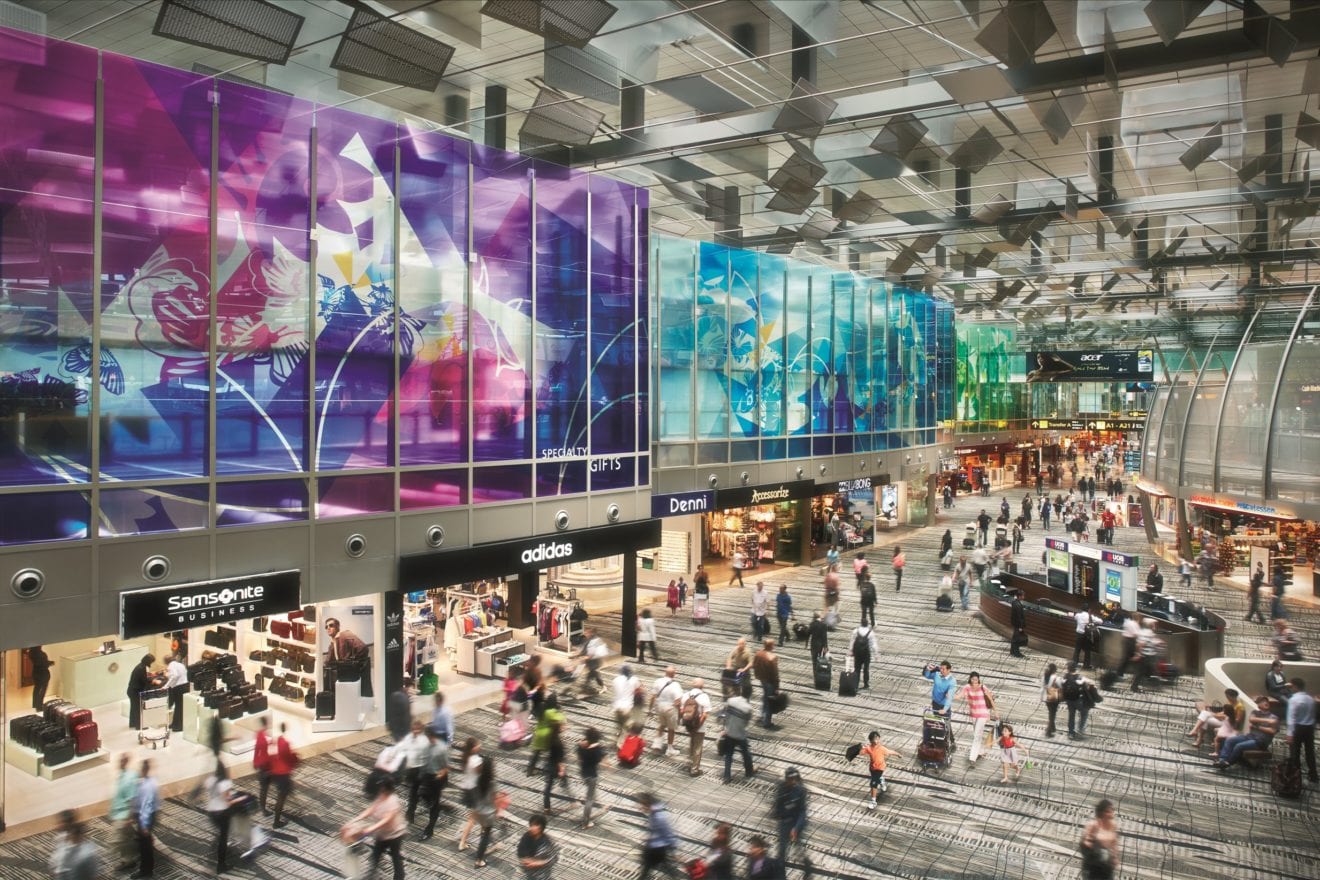
    LS Travel Retail has won another luxury brand concession at Singapore’s Changi Airport.

    LS will open a 41 sqm Longchamp boutique in Terminal 3, located in the Southern section of the departure/transit lounge.

    It will be the second Longchamp boutique at Changi: LS Travel Retail has operated one in Terminal 1 since 2011.

    The new concession has a three year, six month term, commencing November 1, but without an automatic renewal option.

    Five operators bid for the concession, the defeated bidders being Bulgari (Luxury Ventures), Gassan, Nuance (for an Etro store) and Sideframe (for Anteprima Wirebag).

  • China’s on-line cross-border buying growth

    China’s on-line cross-border buying growth

    Guangzhou has taken the lead in a pilot cross-border purchasing eCommerce scheme, offering each challenges and large alternatives for Hong Kong companies.

    Cross-border on-line purchasing is more and more in style on the Chinese language mainland. Generally known as haitao, the apply permits shoppers to order merchandise by way of abroad on-line buying platforms, and have their purchases dispatched by worldwide couriers or collected and shipped to China by forwarding brokers. Its reputation has been spurred by the comparatively restricted vary of abroad items out there throughout the mainland and the premium costs of such gadgets when obtainable.

    A number of mainland cities have been authorised to hitch the pilot program for cross-border e-commerce. However solely six cities – Shanghai, Chongqing, Hangzhou, Ningbo, Zhengzhou and Guangzhou – have been assigned the proper to undertake complete import-export actions. This has given these cities the prospect to determine typical retailers designed to facilitate abroad on-line purchasing. Guangzhou has been on the forefront of maximising this chance.

    Three cross-border eCommerce companies – MeijoyBest (Guangzhou MeijoyBest E-commerce Co Ltd), zero20 (Guangzhou Lingerling Cross-Border E-Commerce Co) and Ieasy (Guangzhou Yangxitai E-Commerce Co Ltd) – lately commenced operation within the metropolis. A fourth, Nansha Cross-Border Direct Purchasing Expertise Centre, will open shortly. On its first day of buying and selling, almost 100,000 individuals visited MeijoyBest’s 230 sqm retailer, a transparent indication of the large demand in Guangdong for imported items.

    1. Decrease costs

    General, costs are typically some 30 to 60 per cent cheaper than comparable items obtainable elsewhere. In line with the procedures for basic commerce, imported items are required to pay three taxes – a customs tariff, VAT and a consumption tax.

    The tax charges differ in line with the class of the products. The tax price for cosmetics, for instance, might be as excessive as 50 per cent. Moreover, each logistics step within the distribution of a product, from the importing agent to wholesalers and retailers, provides to the general value.

    As abroad on-line bodily shops place orders on-line and gather items offline, the one tax payable is on baggage and private postal articles, thus significantly decreasing the general tax burden. Moreover, these shops are entitled to supply tax exemptions for single purchases valued beneath Rmb50. This, along with the shortage of a day by day ceiling (although every buy might not exceed Rmb1000 in worth and the unit worth of indivisible commodities might not exceed Rmb1000), drastically boosts shopper’s inclination to spend.

    The tax on baggage and private postal articles is a type of import tax levied by the Chinese language customs on baggage and articles carried by incoming travellers, in addition to on private postal articles. This tax has 4 tax bands – 10 per cent (meals, toys, and books and periodicals), 20 per cent (textiles, residence electrical home equipment and audio-visual gear), 30 per cent (high-end watches and golf golf equipment), and 50 per cent (tobacco, wine and spirits, and cosmetics).

    2. Peace of thoughts and authenticity

    There have been some situations of eCommerce websites promoting counterfeit items in recent times. There have additionally been many instances the place individuals didn’t obtain items that they had paid for. These incidents have prompted shoppers to return to bodily retail channels, that are perceived as decrease danger. Sometimes, shoppers have larger religion in items they will contact and look at and that they will pay for on the spot.

    Gross sales at abroad on-line bodily shops are monitored in real-time by the related authorities departments. The sources and high quality of products and the monitoring procedures are extra clear than is the case with online-only buying, thus they’re extra dependable. Guangdong shoppers appear to have welcomed these abroad on-line buying bodily shops as a most popular and extra reliable buy route.

    three. On-site assortment

    In accordance with Tao Zili, chairman of Meijoybest E-Commerce Co, on-site pick-up is simply attainable on the firm’s bodily retailer within the Guangzhou Bonded Space. Its Guangzhou Pearl River New Metropolis retailer nonetheless has to dispatch on-line orders to shoppers. Upon customs approval, the acquisition is dispatched from the bonded space and delivered by the suitable logistics corporations. This course of takes as much as 48 hours, quicker than the prevailing supply association for items bought at abroad on-line buying web sites. The corporate is constructing a 50,000sqm abroad on-line purchasing bodily retailer within the Guangzhou Bonded Space, which is because of open subsequent month. This new retailer will permit on-site pick-up and supply buyers with an expertise similar to that of typical purchasing. The power is predicted to offer a further increase to the uptake of abroad on-line purchasing within the metropolis.

    The bodily retailer at Pearl River New Metropolis is, actually, primarily a promotional outlet for its abroad on-line shopping center within the bonded zone. To draw clients, the Pearl River New Metropolis retailer has a “obligation paid part”. All items bought right here have the three taxes pre-paid and can be found for instant on-site assortment. The disadvantage is that costs are similar to typical market costs elsewhere within the metropolis.

    four Eradicating language and transaction obstacles

    Most abroad eCommerce websites, sometimes that includes an English interface, will not be obtainable in Mandarin. If shoppers encounter issues with their purchases, they need to make long-distance calls and talk with the seller who typically doesn’t converse Chinese language. As well as, most of the bank cards issued by mainland banks are usually not accepted by abroad purchasing web sites. Establishing abroad on-line buying bodily shops on the mainland addresses each of those issues.

    When it comes to Hong Kong companies, the emergence of those shops has two clear implications:

    1. Fewer cross-border purchasing journeys by Guangdong residents

    Whereas costs for many items at these shops are greater than these for comparable items in Hong Kong (after taking the tax on baggage and private postal articles under consideration), if journey time and prices are factored in, it’s nonetheless cheaper than buying immediately in Hong Kong. This can inevitably have an effect on Hong Kong’s retail enterprise and scale back commerce between the 2 cities. It might, nevertheless, assist to alleviate Hong Kong’s gray market items drawback.

    2. Larger entry to home gross sales channels

    Provided that there are not any restrictions on the sorts of products bought in these shops, there’s appreciable scope for Hong Kong-sourced gadgets.  Tao, for example, welcomes the chance for elevated cooperation with Hong Kong suppliers. As MeijoyBest will maintain points referring to taxation, promotion, advertising and logistics, this provides Hong Kong companies that haven’t any advertising community in Guangdong a streamlined route into the huge mainland market.

    When it comes to the operation of those shops, Tao believes there are three key parts required for fulfillment – a vendor system (administration of provide and suppliers); a gross sales system (eCommerce platform and cost system); and a logistics system (administration of dispatch and transportation of products). These all require customs approval and should adjust to the related customs monitoring techniques.

    Whereas Tao was reluctant to reveal the precise quantity of funding required to ship this, he did point out that an eight-figure sum went into creating these three techniques over the previous two years.

  • Esprit warns of “substantial loss”

    Esprit warns of “substantial loss”

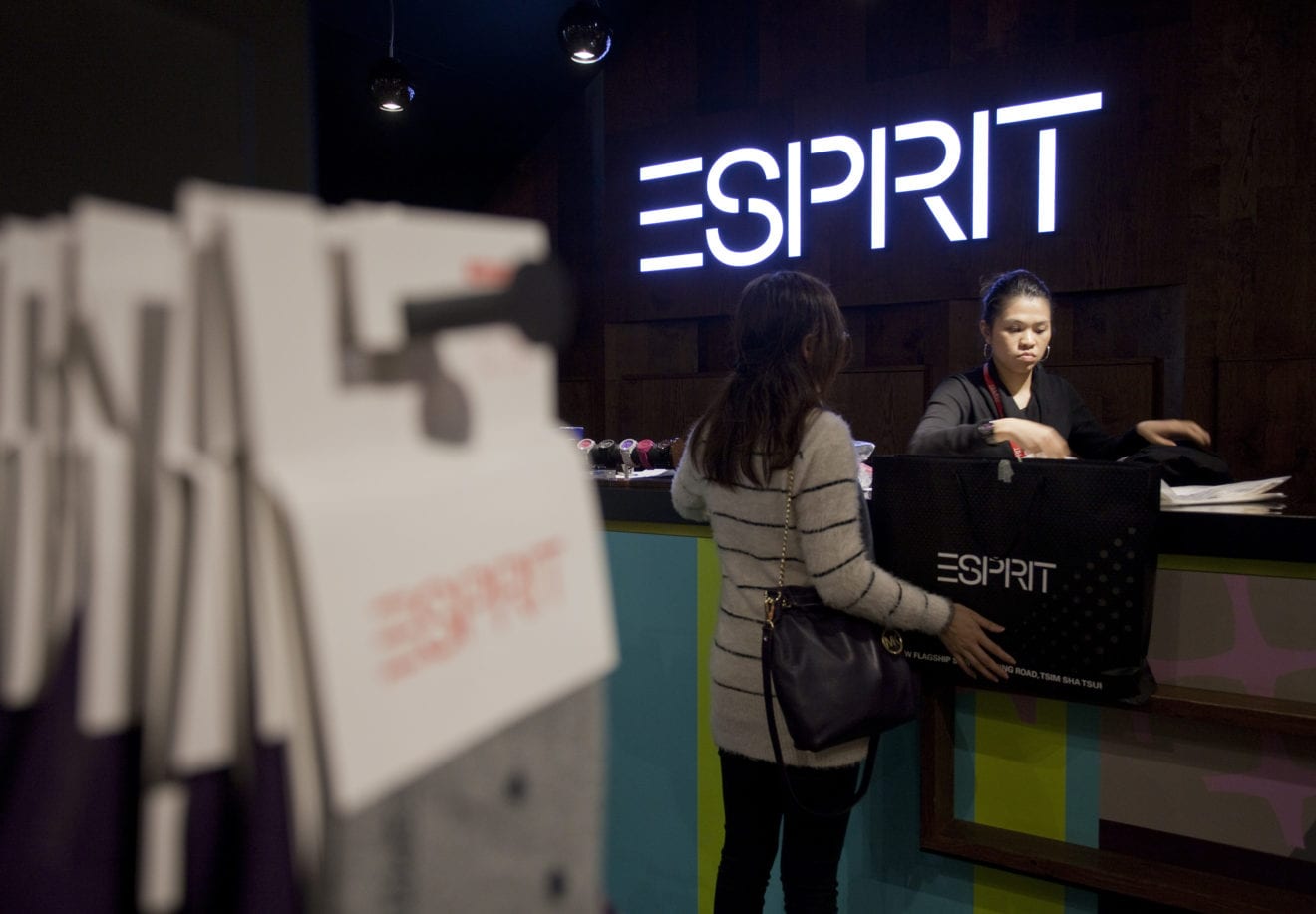
    Esprit has issued a surprise profit warning to investors saying it expects a “substantial loss” in the full year to June 30.

    The warning is a surprise, because just 11 days earlier the Hong Kong-listed fashion retailer said its turnaround program was “on track” with a good customer response to new ranges and positive traing improvements.

    “We remain fully confident that our current strategies will enable us to turn around Esprit and to establish a strong foundation for future long term growth.”

    However, in a document filed with the Hong Kong Stock Exchange yesterday (Monday May 18), Esprit appears to have reconsidered its position based on figures for the 10 months to April 30.

    “The anticipated loss is mainly attributable to the following non-recurring provisions and impairments resulting from management’s assessment of the fair values of the assets of the group, as well as an expected operating loss:

    “Due to the significant underperformance of the group’s operations in China in the past two years (turnover decline of 28.3 per cent and 21.6 per cent year-on-year in local currency for 2014 year and for the first half of 2015 respectively), there is an impairment of the goodwill in association with the China business estimated to be in the range of HK$2,500 million to HK$2,700 million. This impairment is a non cash item. A number of factors, both external and internal, have led to such weak performance in China, mainly the year-on-year reduction in total controlled space (down 24.3 per cent in 2014 and 23.1 per cent in the first half of 2015) which results from our decision to close unprofitable retail stores and the large decline of controlled wholesale space; and Inventory clearance by wholesale partners, including the special return agreements to solve our long time problems with aged inventory in the wholesale channel; and a challenging operating environment and softer domestic economic growth.”

    Esprit says the necessary restructuring of the operations in China is now complete and it is beginning to work on growth development in the country.

    Furthermore, due to the weaker than expected sales performance of directly managed retail stores, there are provisions and impairments, which are non-cash items for 2015, resulting from provisions for store closures and onerous leases, estimated to be in the range of HK$280 million to HK$300 million and impairment of fixed assets of directly managed retail stores, estimated to be in the range of HK$160 million to HK$170 million.

    Finally, the company is expecting an operating loss, as a result of higher than expected decline in the group’s turnover, especially during its Autumn/Winter 2014 season, and the corresponding operating deleverage effect.

    The company said final results for the year to June 30 are expected to be released in September 2015.

    Esprit reiterated its “good progress” in various fronts of the transformation plan.

    “In anticipation for continued improvement in product performance, we will be increasing our efforts in marketing as well as in implementing an ambitious omni-channel model that will enhance the customer experience across our multiple distribution channels.

    “The group remains confident our current strategies will enable us to turnaround Esprit and to establish a strong foundation for future long term growth.”

  • Japan retail sales rebound

    Japan retail sales rebound

    Reported sales from Japanese department stores suggest a significant improvement in spending in April.

    Japan retail sales, based on department stores data, lept 13.7 per cent on a same store basis compared with the same month in 2014.

    The Japan Department Stores Association said a major part of the reason for the increase is that Japanese consumers restrained their spending last year following the increase of the national sales tax to eight per cent.

    Official figures for Japan retail sales in March showed a plunge of nearly 10 per cent, year-on-year. But when that data was released last month, analysts cautioned that in March 2014, sales were artificially high as Japanese brought forward spending to avoid a sales tax increase that took effect on April 1.

    That decrease was the worst March fall since 1998.

    This year, however, tourism is proving a boon to at least some of Japan’s retailers. Foreign tourists are spending more: their purcashes more than trebled for the third month in a row, the most popular items being cosmetics and luxury watches.

  • American Eagle to open in two new Asian markets

    American Eagle to open in two new Asian markets

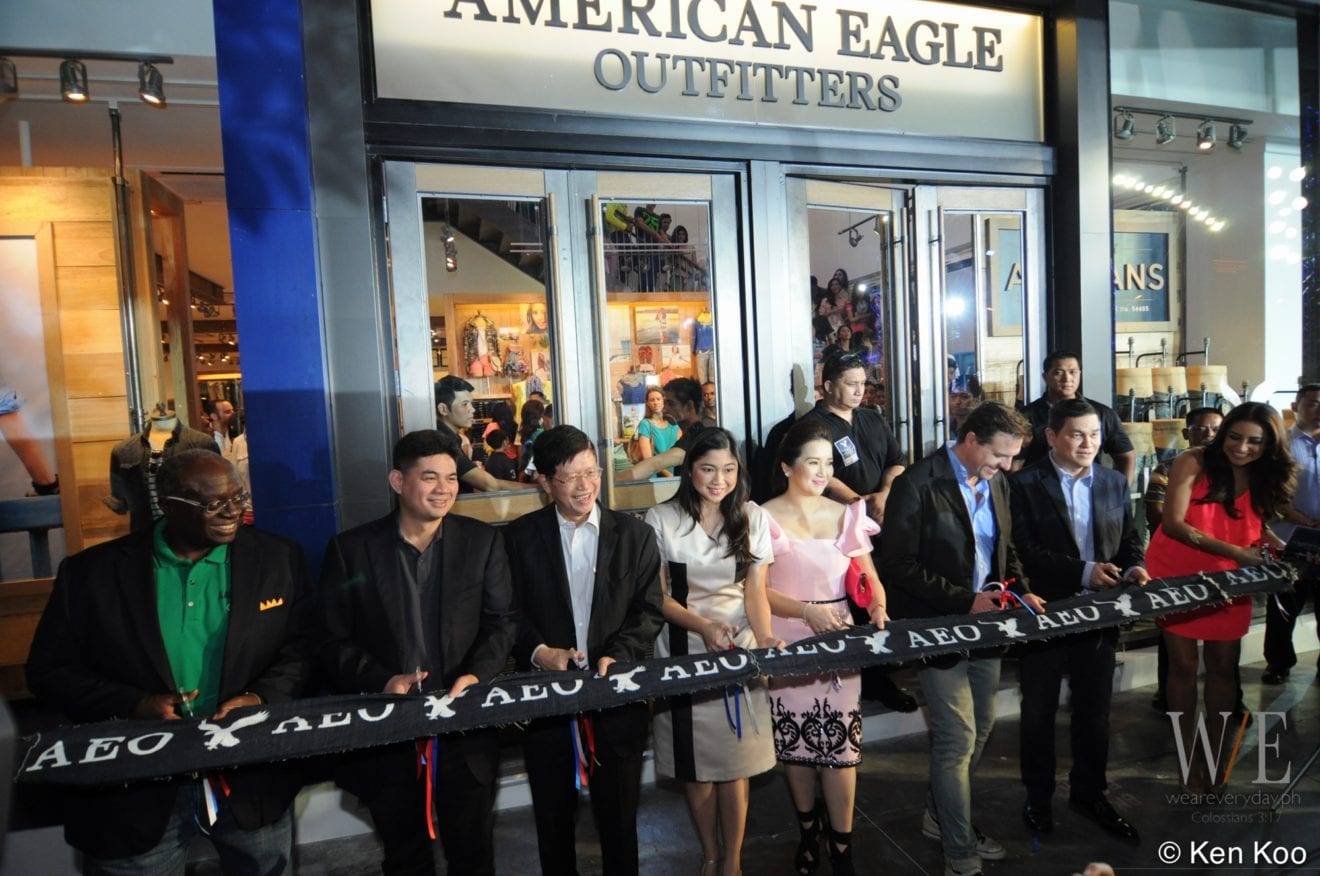
    “We look forward to bringing our casual American style and iconic American Eagle Outfitters jeans brand as well as Aerie intimates to new customers,” said Simon Nankervis, executive VP of global commercial operations.

    “Together with our licensed partners, we will offer the very best brand experience. Our partners bring vast knowledge in their respective markets, an expertise in building businesses and a strong passion for our brands.”

    In Korea, SK Networks has vast fashion brand experience, representing international brands including Tommy Hilfiger, DKNY, Donna Karan Collection, Club Monaco and Calvin Klein. Store openings will begin in mid-2015, with several shops planned to be trading byyear end.

    In Singapore, Trendz 360 is an established distributor and retailer of international brands,representing Patagonia, DKNY Kids, Nike Equipment and Patrick. It plans to open the first store in mid-2015.

    American Eagle Outfitters currently has 111 licensed stores in 17 countries, including Hong Kong, the UAE, Kuwait, Russia, Saudi Arabia, Lebanon, Jordan, Morocco, Egypt, Israel, Japan, Poland, the Philippines, Colombia, Panama, Thailand and Indonesia. The company currently expects to open approximately 40 licensed stores in fiscal 2015.