Tag: Retailer

  • Moncler Soars High: Luxury Retailer Rides the Wave of Asia Market Expansion With Robust Sales Growth

    Moncler Soars High: Luxury Retailer Rides the Wave of Asia Market Expansion With Robust Sales Growth

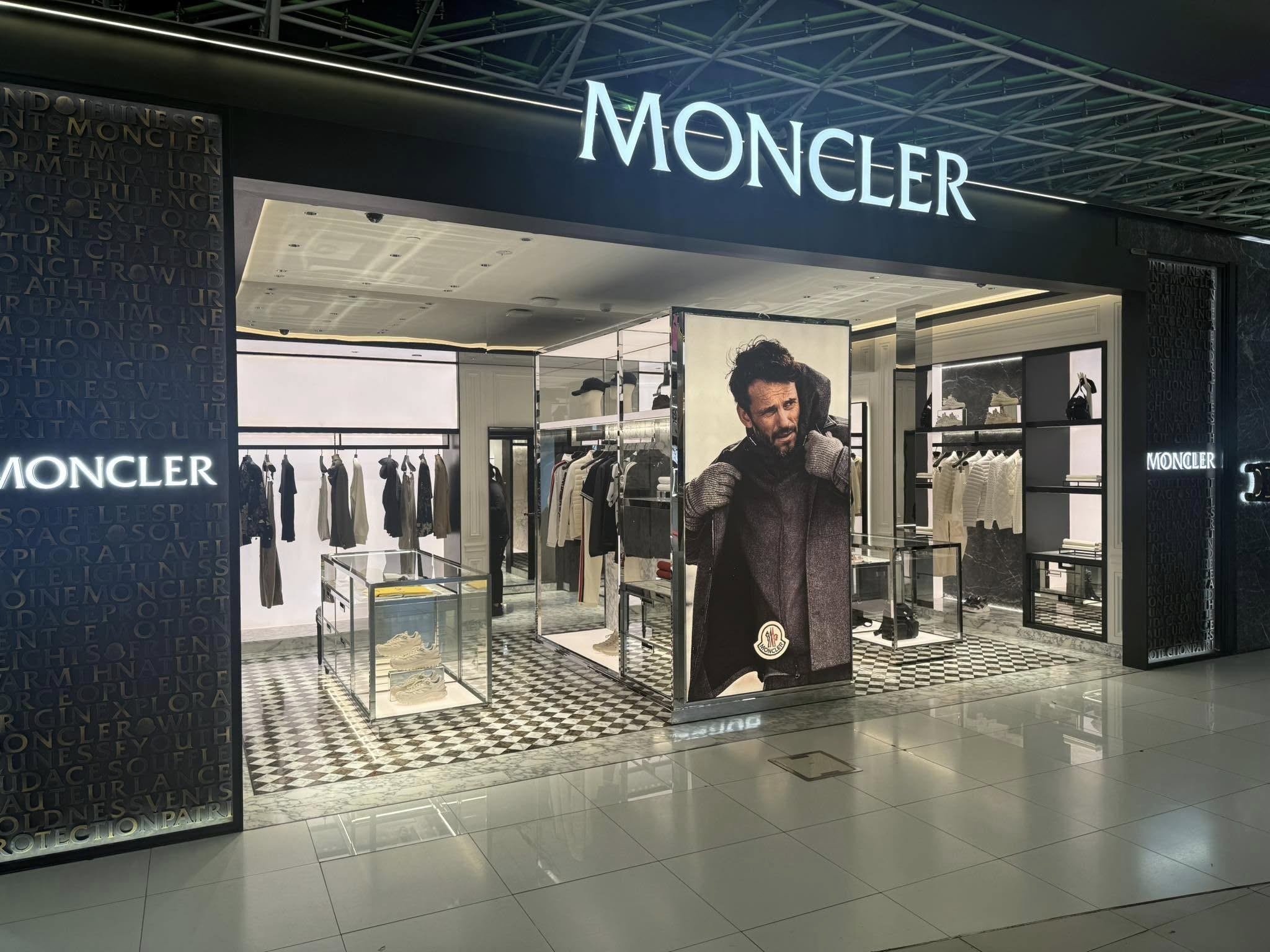
    Luxury fashion retailer Moncler has reported a strong momentum in sales growth, driven predominantly by its expanding presence in Asia.

    Strong Performance Across Moncler and Stone Island Brands

    The first half of their financial year saw a significant rise in revenues across its Moncler and Stone Island brands, with increases of 9% and 11% respectively. This strong performance for both brands contributed to a combined first-half group revenue of $1.47 billion and earnings before interest of $280 million.

    Remo Ruffini, Moncler’s Executive Chairman, is of the view that the group’s resilience stems not solely from its ability to swiftly adjust to changes, but also from staying true to its identity and maintaining close ties with the communities they serve. “In the first half of the year we delivered solid growth and profitability across both our brands, staying focused on our products, the creativity that characterizes our brands and the collective energy we share with our audiences,” he said.

    Moncler’s Rapid Growth in Asia

    Asia has proven to be the fastest-growing market for Moncler Group, now representing 54.4% of total sales. In comparison, the share of sales in Europe, the Middle East, Africa, and the Americas has seen a decline.

    Ruffini added that the group is continuously seeking innovative ways to remain relevant throughout the year, beyond the core season. Despite the complex and unpredictable operating environment, he believes these challenging times test their ability to be sharper, bolder, while maintaining discipline and staying grounded. “We approach the second half of the year and the opportunities ahead with this same spirit, and with a clear sense of direction,” he concluded.

    Questions & Answers

    What has driven Moncler’s recent sales growth?
    Moncler’s sales growth was primarily driven by its expansion in Asia, contributing to 54.4% of total sales.

    How did Moncler and Stone Island brands perform in the first half of the year?
    Both brands showed significant growth with their revenues increasing by 9% and 11% respectively, leading to a combined first-half group revenue of $1.47 billion.

    What strategy does Moncler implement to stay competitive in the market?
    Moncler strives to remain relevant throughout the year by continuously seeking innovative ways to engage audiences, focusing on their products and the creativity that characterizes their brands while staying true to their identity and maintaining close ties with the communities they serve.

  • Ferrero Expands Beyond Sweets: Innovation and Brand Extension Fuel Retailer Growth Opportunities

    Ferrero Expands Beyond Sweets: Innovation and Brand Extension Fuel Retailer Growth Opportunities

    Ferrero, a globally recognized confectionery brand, is venturing into new categories, offering retailers a chance to expand their growth. The company’s commitment to quality, local manufacturing, and exceptional execution is supporting this expansion. As Ferrero broadens its reach, it is capturing growth across diverse formats and consumption opportunities.

    Expanding Beyond Confectionery

    Ferrero’s move beyond confectionery into the broader packaged food sector was revealed by Nick Dawes, Sales Director at Ferrero Australia. Dawes emphasized that this expansion is not just about introducing new products, but also about unlocking new occasions and driving incremental growth. This strategy is reinforced by strong brand equity, innovation, and a continued dedication to quality, which facilitates recognition, trial, and repeat purchases across categories. Ferrero is capitalizing on its established trust among shoppers as it extends its brands into new categories.

    A significant development area for Ferrero is frozen desserts, where the company is making its mark with brands like Ferrero Rocher, Raffaello, Kinder Bueno, and Kinder Chocolate Ice Cream. These brands offer new consumption opportunities and support incremental growth. Nutella, another iconic Ferrero product, is contributing significantly, with its range now including spreads, biscuits, and frozen bakery items. These additions encourage cross-category purchases and increase basket value, supported by Ferrero’s local manufacturing facility in Lithgow. The Lithgow facility is also championing sustainable production while maintaining high-quality standards.

    Embracing Sustainable Manufacturing

    The Lithgow site recently installed a vertical electric hazelnut roaster, a global first, which has cut gas usage by almost 90%. Additionally, a rooftop solar array provides up to 20% of the facility’s electricity, demonstrating Ferrero’s commitment to continuous improvement and emission reduction in its manufacturing process.

    Recognizing shifting consumer preferences, Ferrero is innovating with targeted products such as Tic Tac Two Sugar Free and expanding into the health-conscious segment with Fulfil Protein Bars. Kinder, another beloved brand, is also evolving with new formats and product innovations, catering to different life stages and consumption occasions without compromising on quality.

    As Arslan Shah, ANZ Head of Supply Chain, points out, execution is crucial. Enhancements in demand planning, forecasting, and logistics flexibility are improving product availability and in-store performance. Ferrero is working on managing demand fluctuations more efficiently to ensure that products are available when and where customers expect them.

    With its strong brand equity, focus on quality, ongoing innovation, and commitment to sustainable manufacturing, Ferrero is well-positioned to assist retailers in achieving sustainable, long-term growth beyond confectionery.

    Questions & Answers

    What new categories is Ferrero venturing into?
    Ferrero is expanding into broader sweet-packaged food categories, frozen desserts, and health-conscious options.

    How is Ferrero’s Lithgow manufacturing site contributing to sustainable production?
    The site has installed a vertical electric hazelnut roaster that reduces gas usage by nearly 90% and a rooftop solar array that generates up to 20% of the site’s electricity needs.

    What strategies is Ferrero employing to handle demand fluctuations?
    Ferrero is combining stronger planning with a flexible logistics model to build a resilient and responsive supply chain.

  • Modella Capital Scoops Up Danish Retailer Flying Tiger, Eyeing Global Expansion

    Modella Capital Scoops Up Danish Retailer Flying Tiger, Eyeing Global Expansion

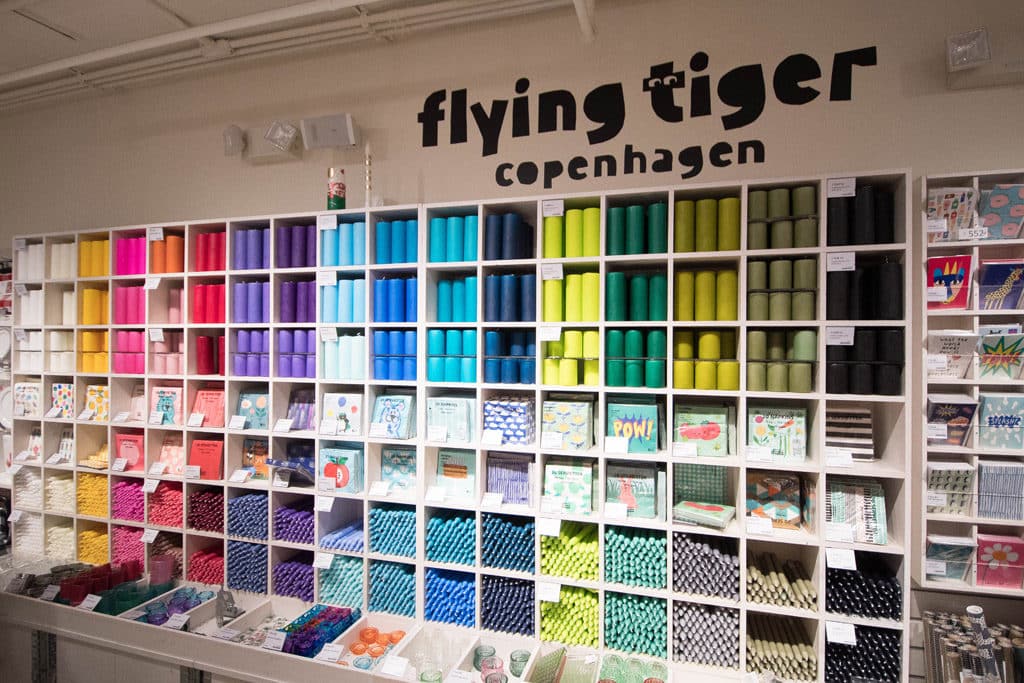
    Flying Tiger Copenhagen, a Danish variety store chain renowned for its affordable home goods and craft kits, has been acquired by Modella Capital, a UK-based private equity firm. Established in 1995, Flying Tiger Copenhagen operates nearly 1000 outlets in over 40 markets. Since last year, the chain has been managed by Danske Bank, Nordea, and its leadership team as part of a debt restructuring effort.

    Modella Capital’s First Acquisition Outside The UK

    TG Jones’s owner, Modella Capital, also owns Claire’s and The Original Factory Shop, both of which declared bankruptcy earlier this year. This acquisition of Flying Tiger Copenhagen signifies Modella’s initial venture beyond the UK.

    Modella’s Managing Director, Joseph Price, lauded Flying Tiger Copenhagen’s unique product offering and strong retail brand, which has garnered a loyal customer base spanning over 40 countries. “Flying Tiger Copenhagen is a business with tremendous potential. We are delighted to invest in its future, and we eagerly anticipate collaborating closely with the management team to furnish the stability, capital, and retail expertise the business requires to realize its growth plan,” stated Price.

    The chair of Flying Tiger, John Dueholm, declared that the management team had been dedicated to identifying the most suitable long-term proprietor for the business. He expressed confidence that Modella is “exceptionally well-positioned” as the new primary shareholder.

    Modella Capital pledged to back Flying Tiger’s expansion strategy, which includes adding over 700 franchise stores by the year 2030. The financial conditions of the agreement were not made public.

    Questions & Answers

    What does Flying Tiger Copenhagen specialize in?
    Flying Tiger Copenhagen is a variety store chain recognized for its affordable home goods and craft kits.

    Who has purchased Flying Tiger Copenhagen?
    The UK-based private equity investor, Modella Capital has acquired Flying Tiger Copenhagen.

    How does Modella Capital plan to support Flying Tiger Copenhagen’s growth?
    Modella Capital plans to support Flying Tiger’s expansion strategy, including the addition of more than 700 franchise outlets by 2030.

  • EU Slaps Chinese Retailer Temu with $232M Fine for Failing to Halt Sale of Illegal Products

    EU Slaps Chinese Retailer Temu with $232M Fine for Failing to Halt Sale of Illegal Products

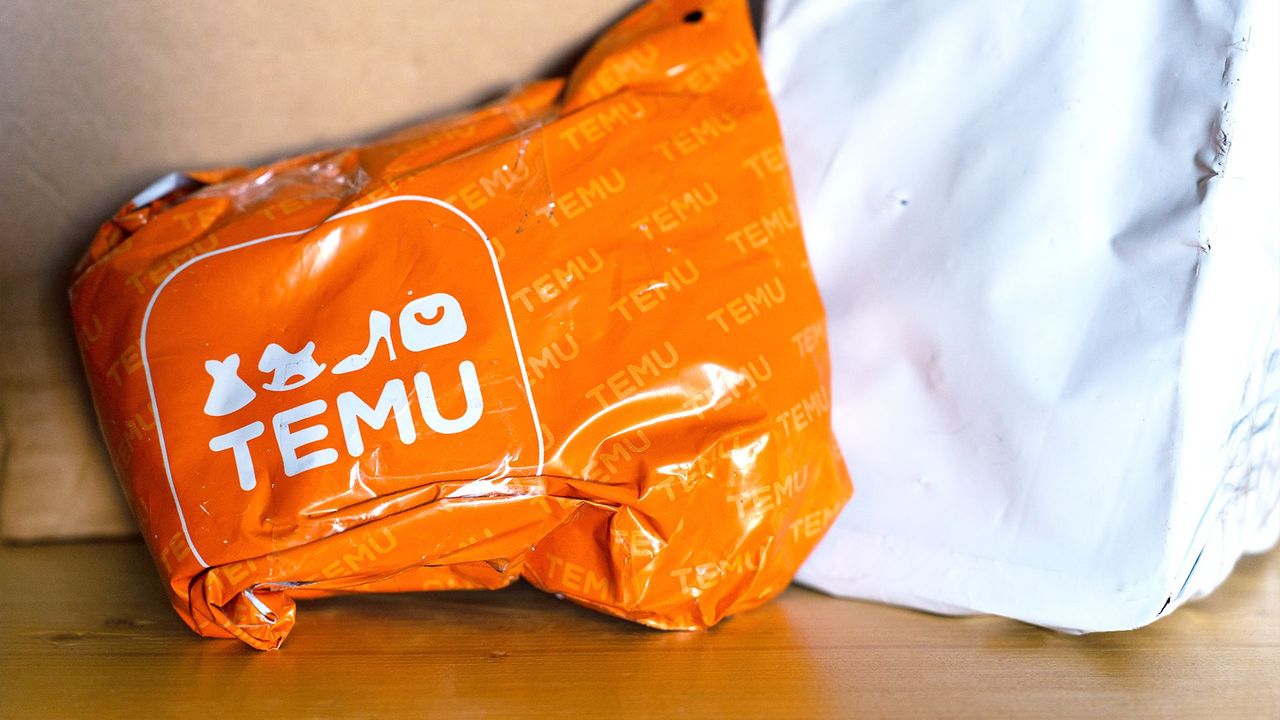
    Temu, a prominent Chinese online retailer, has been penalized with a €200 million (US$232 million) fine by European Union (EU) tech regulators for their apparent laxity in addressing the sale of prohibited products on its platform. The judgement came as part of an extensive investigation’s initial phase, conducted under the guidelines of the Digital Services Act. This legal standard necessitates major online companies to exert more effort to suppress unlawful and harmful content on their platforms.

    The ongoing probe began almost two years ago and could result in additional sanctions in the coming months. Temu came under the regulators’ lens after BEUC, a pan-European consumers’ organization, and 17 of its national members lodged complaints against them.

    EU Commission’s Allegations Against Temu

    The EU executive, the European Commission, criticized Temu for its perceived failure to systematically identify, scrutinize, and gauge the ramifications of illegal products marketed on its site, which consequently posed a threat to consumers within the EU. The commission also reproached Temu for its apparent lack of assessment in how its recommendation systems and product marketing strategies, led by affiliated influencers, could escalate the risk of illegal product sales.

    Despite the regulatory judgement, Temu maintained its disagreement with the European Commission’s decision, deeming the imposed fine to be excessive. In their official statement, Temu acknowledged the objectives of the Digital Services Act and the necessity for solid, uniform regulations throughout the digital industry. However, the company argued that the decision was based on their initial DSA evaluation in 2024 and does not exhibit the current state of their systems.

    Temu confirmed that they have been actively engaged with the Commission throughout the process and have since amplified their efforts to bolster risk assessment, platform governance, and user protection initiatives. They also expressed their intent to maintain engagement with regulators and are contemplating all potential responses to the matter.

    Commission Awaits Temu’s Action Plan

    The Commission has given Temu until August 28 to submit a comprehensive action plan for regulator appraisal, and a decision regarding the company’s compliance with the DSA is anticipated in two months. EU tech chief Henna Virkkunen emphasized the importance of risk management under the DSA and noted that the decision sends a powerful message to Temu.

    She also confirmed that regulators will persist in investigating whether Temu’s service design is excessively addictive and if it continues to sell prohibited products. The access of Temu’s recommenders and researchers to data is also under scrutiny. Non-compliance with DSA rules may result in penalties amounting to as high as 6% of the company’s global annual turnover.

    Temu’s penalty is the second instance of DSA violation, following a €120 million fine imposed on Elon Musk’s social media network, X, last December.

    Questions & Answers

    What is the reason behind Temu’s €200 million fine?
    The European Union tech regulators have fined Temu for their perceived failure in preventing the sale of illegal products on their platform, as per the guidelines of the Digital Services Act.

    What are the potential implications for Temu if they do not comply with the DSA?
    If Temu fails to comply with the DSA, they could face further penalties, including fines amounting to as much as 6% of their global annual turnover.

    What further steps has the Commission required of Temu?
    The Commission has given Temu until August 28 to deliver an action plan for regulator assessment, which will determine whether the company has adequately complied with the Digital Services Act.

  • End of an Era: Iconic Japanese Retailer Isetan Shuts its Doors at Singapore’s NEX Mall After 15 Years

    End of an Era: Iconic Japanese Retailer Isetan Shuts its Doors at Singapore’s NEX Mall After 15 Years

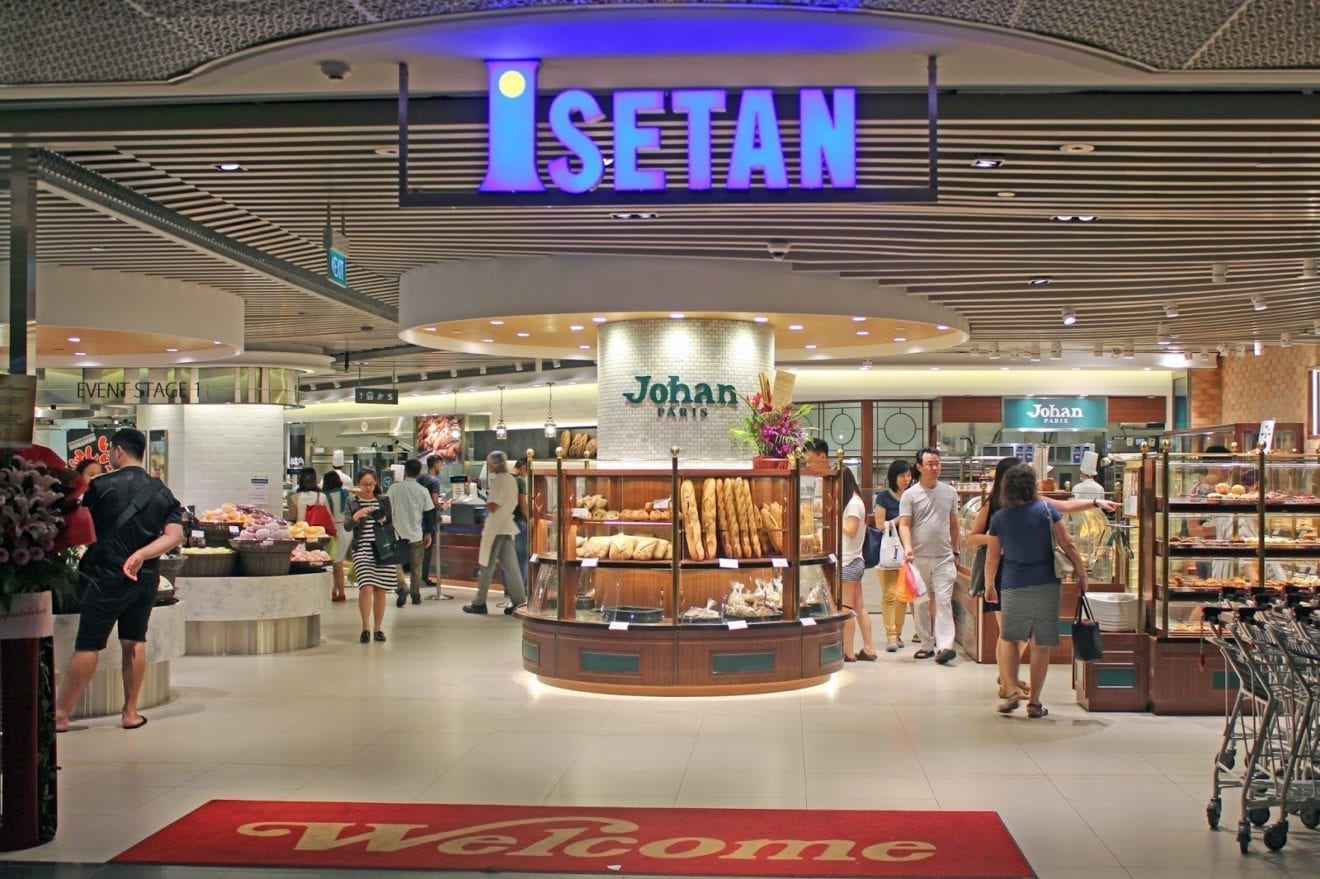
    Isetan, a Japanese department store chain offering a variety of products ranging from home goods to fashion and beauty items, has recently shuttered its outlet located in NEX shopping mall, Singapore. This closure comes to fruition after a successful 15-year long business operation.

    End of an Era

    The termination of this business venture was formally announced on April 26 following the expiration of its lease. This announcement, made via a Facebook post, expressed the company’s profound gratitude to its customers and stakeholders for their steadfast support throughout these fruitful years.

    Footage that circulated online showed the store’s staff bidding their final farewells to their loyal customers on the day of the store’s closure. A notable gathering of people was observed at the store’s entrance during which the store manager expressed heartfelt gratitude towards the customers for their continuous support and goodwill over the years.

    As the manager announced the end of their business operations, he extended well wishes of good health and happiness to all.

    Pioneer of Japanese Retail in Singapore

    Isetan has held a strong presence in the Singaporean market since its inception in 1972. The opening of its Havelock outlet marked the first instance of a Japanese retail store in the city-state. At the height of its success in 2013, the company operated a total of six outlets across Singapore.

    However, the recent years have seen a gradual decrease in the number of operational stores. The retail giant closed its Tampines Mall outlet in November after 30 years of operation. This decision was taken after careful assessment of local conditions and future profitability prospects.

    Earlier store closures include the Isetan Katong outlet at Parkway Parade shopping center in March 2022 and the Isetan Jurong outlet at Westgate Mall in March 2020.

    Questions & Answers

    When did the Isetan outlet at NEX shopping mall in Singapore close?
    It closed on April 26, following the expiration of its lease.

    When did Isetan first establish its presence in Singapore?
    Isetan first established its presence in Singapore in 1972 with the opening of its Havelock outlet.

    How many Isetan outlets were operational in Singapore at the company’s peak?
    At its peak in 2013, Isetan operated a total of six outlets in Singapore.

  • Chinese Retailer KKV Makes Splash in Hong Kong, Launches First Store Flaunting ‘100 Lifestyles’ Concept

    Chinese Retailer KKV Makes Splash in Hong Kong, Launches First Store Flaunting ‘100 Lifestyles’ Concept

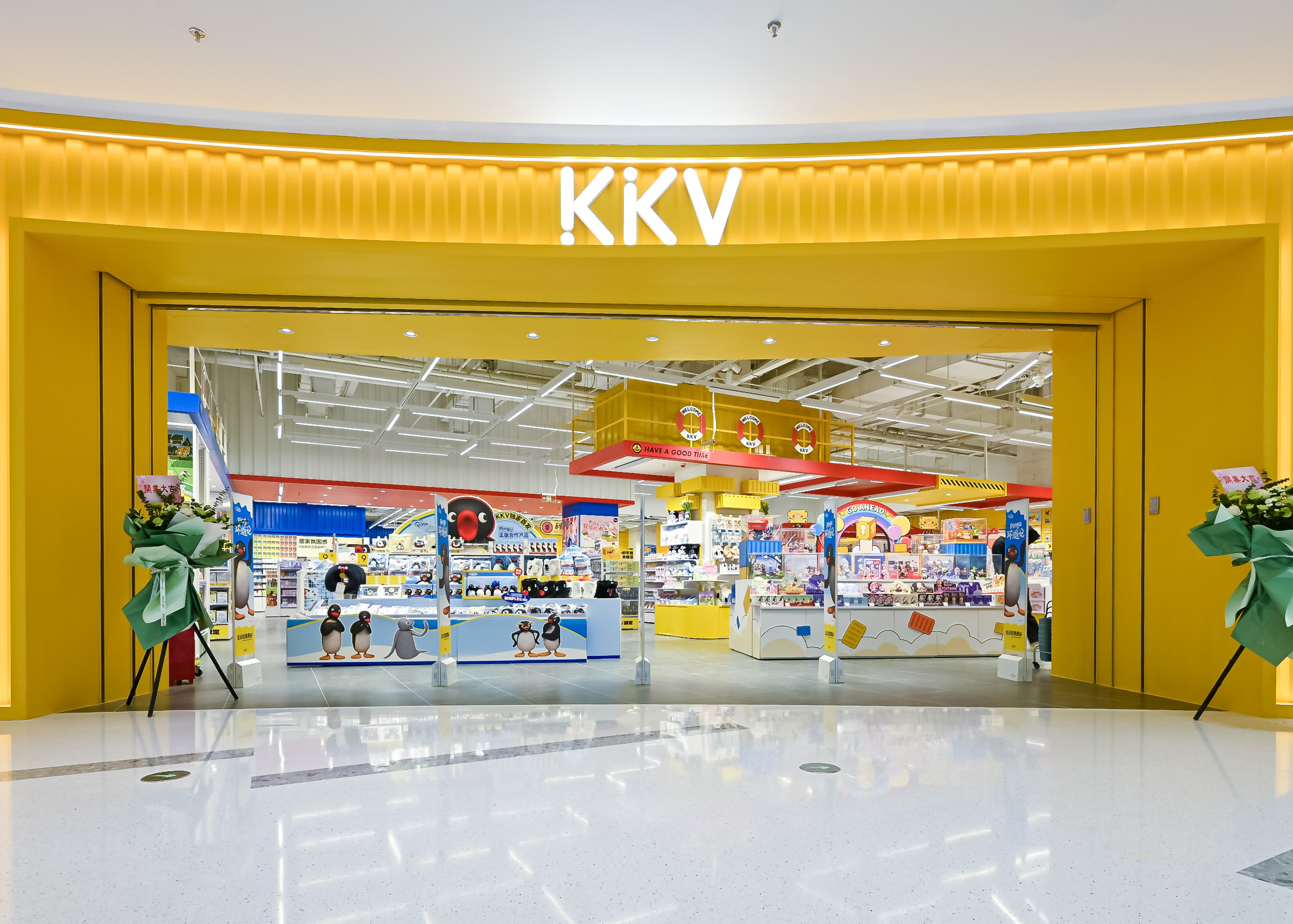
    KKV, a leading Chinese lifestyle retailer, has paved its way into Hong Kong, initiating its first store at the bustling Lee Tung Avenue.

    Phase of Expansion

    This unveiling signifies yet another step in the brand’s strategy to strengthen its presence in the region. KKV, a brainchild of KK Group, was established in 2019, and since then, it has swiftly gained wide acceptance across mainland China and other Asian markets. This popularity can be attributed to its large-format stores that offer an array of beauty products, snacks, toys, stationery, and lifestyle items, all under a discovery-driven shopping atmosphere.

    ‘100 Lifestyles’ Concept

    The newly launched store in Hong Kong offers local consumers a unique shopping experience, underpinned by KKV’s ‘100 Lifestyles’ concept. This approach is characterized by visually immersive merchandising, quick product turnover, and a vast range of economically priced goods. The main target group for these offerings is Generation Z and young urban consumers.

    Recent Developments

    In the recent past, KKV marked its presence in Vietnam, where the KK Group opened its first standalone flagship store. This was situated in the heart of Ho Chi Minh City, further extending its regional footprint.

    Today, KK Group operates a robust network of over 1000 stores in more than 200 cities across China. In addition, it has over 150 outlets spread across Southeast Asia. The brand portfolio under the group includes KKV, The Colorist, and X11.

    Questions & Answers

    What is the ‘100 Lifestyles’ concept introduced by KKV?
    The ‘100 Lifestyles’ concept by KKV focuses on visually immersive merchandising, quick product turnover, and a large variety of affordable goods, primarily targeting Generation Z and young urban consumers.

    Where was the first standalone flagship store of KKV outside China opened?
    The first standalone flagship store of KKV outside China was opened in Ho Chi Minh City, Vietnam.

    What is the total number of stores operated by KK Group?
    KK Group operates over 1000 stores in more than 200 cities in China, along with more than 150 outlets across Southeast Asia.

  • Pull&Bear Bids Farewell to Singapore: Iconic Spanish Retailer Closes Final Store

    Pull&Bear Bids Farewell to Singapore: Iconic Spanish Retailer Closes Final Store

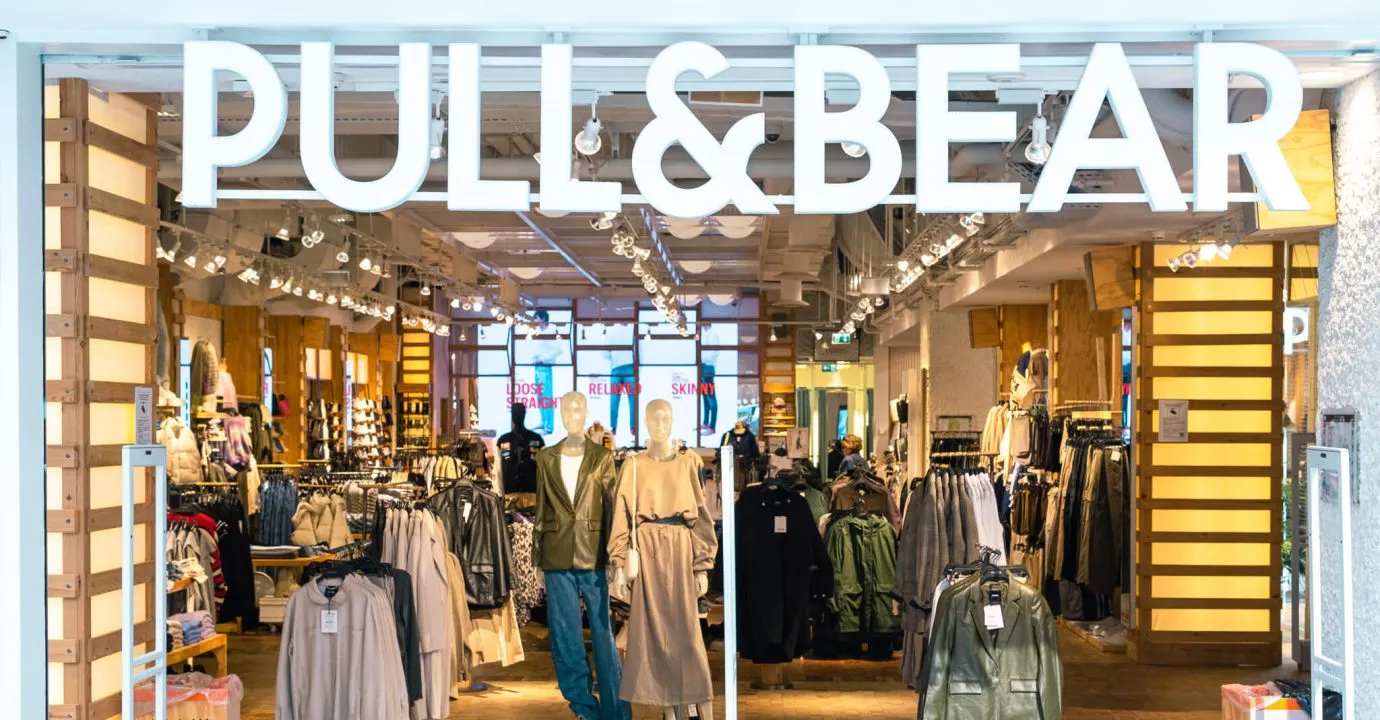
    Pull&Bear, a renowned Spanish fashion label, has decided to withdraw its presence from Singapore following the closure of its remaining outlet at VivoCity Mall. The final day the store was open for business was February 22, 2026, as indicated by an announcement on the brand’s official website. Unfortunately, the company did not reveal the rationale behind the decision.

    Despite the closure, the fashion retailer has assured that customers are still able to return purchased items at the closed outlet. It encourages those who have recently made purchases to inspect their receipts to understand the return timeframe.

    Pull&Bear first launched in Singapore in 2006 with a prominent flagship store inaugurated at VivoCity. At the height of its operations, the brand had four operational outlets in the country.

    Pull&Bear is one of the principal brands under the umbrella of Spanish fashion conglomerate Inditex, which also owns other popular brands including Zara, Bershka, Massimo Dutti, and Stradivarius.

    The exit of Pull&Bear from Singapore is part of a larger global strategy of the parent company that involved the closure of over 100 outlets in the previous year. Furthermore, two other Inditex brands, Stradivarius and Bershka, have also confirmed the closure of their respective outlets in Singapore.

    Questions & Answers

    When did Pull&Bear close its last store in Singapore?
    The last Pull&Bear store in Singapore closed on February 22, 2026.

    Why did Pull&Bear decide to exit Singapore?
    The company did not provide specific reasons for the closure of its Singapore outlet.

    Are other Spanish fashion brands also closing outlets in Singapore?
    Yes, Stradivarius and Bershka, two other brands owned by Inditex, the parent company of Pull&Bear, have also closed their outlets in Singapore.

  • Beauty Retailer Sasa’s Sales Skyrocket by 12.5% Amid Intense Promotions and Online Boost

    Beauty Retailer Sasa’s Sales Skyrocket by 12.5% Amid Intense Promotions and Online Boost

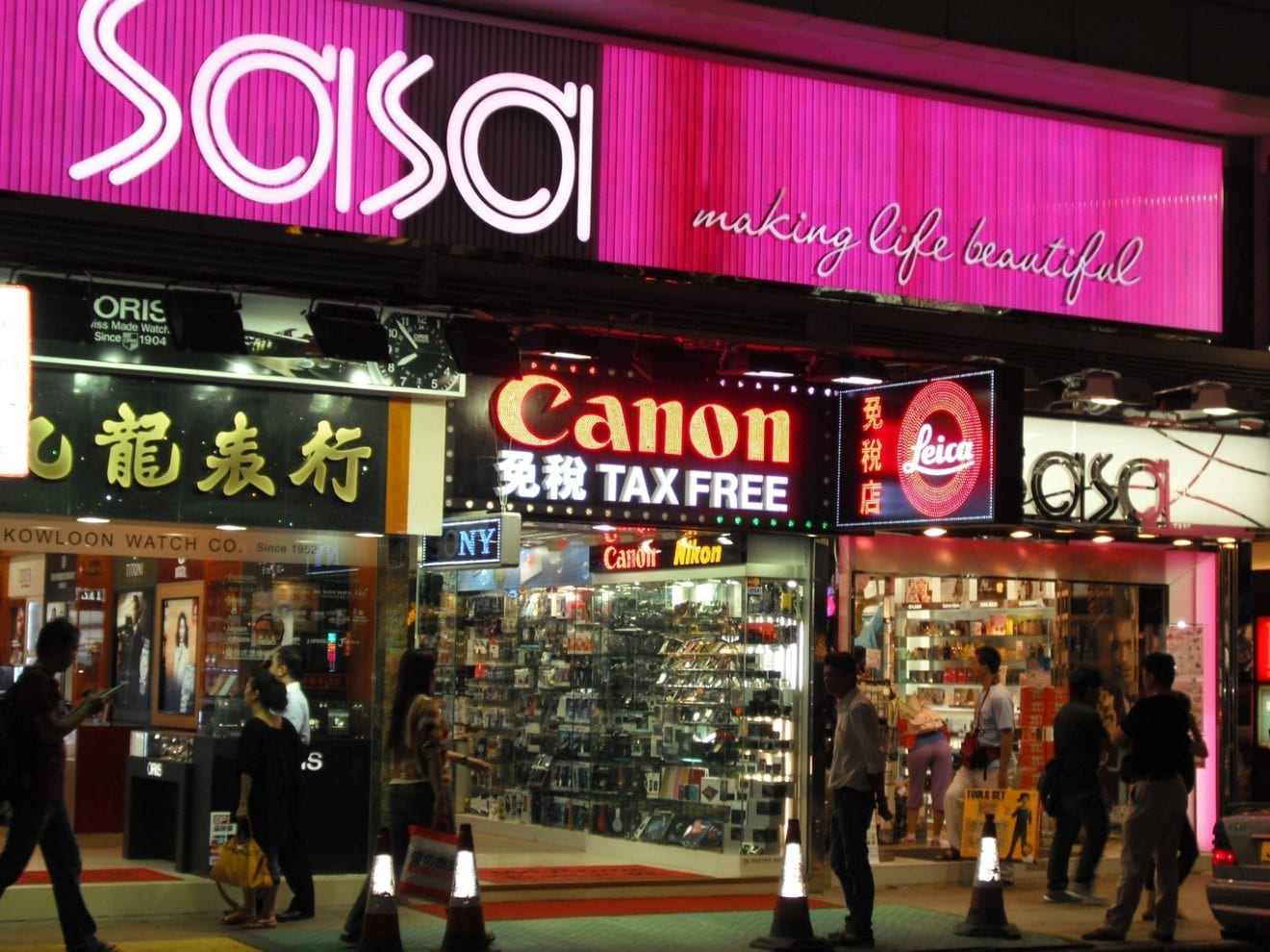
    Sa Sa International, the prominent Hong Kong beauty retailer, has reported a widespread increase in sales during the fiscal third quarter. After a lengthy phase of dwindling profits, which the company previously attributed to a “languid macroenvironment”, Sa Sa International has witnessed a revenue surge of 12.5% in Q3 compared to the same period last year.

    Online Sales Growth

    The upturn was driven by a 14.9% rise in online sales, whilst in-store sales across Hong Kong, Macau, and Southeast Asia also showcased impressive growth of over 10%. In the third quarter, Sa Sa International posted revenues of HK$1.15 billion (US$147 million).

    A spokesperson for the company outlined the strategic moves that led to the turnaround: “The group ramped up promotional activities and rolled out time-limited offers in association with brand partners at key events. This included the National Day Golden Week in October, the Sasa mega sale in November, and the Christmas holidays in December. The result was a notable year-on-year growth in both online and brick-and-mortar sales.”

    The Chinese Mainland Tourist Factor

    The spokesperson further highlighted the role of increasing Chinese mainland tourist arrivals in Hong Kong and Macau. It was observed that traditional tourist districts of Hong Kong and Macau saw a satisfying increase in store sales.

    Sa Sa International also saw an uplift in the total number of transactions recorded in Q3, which increased by 2.9% year-on-year. Concurrently, the average sales per transaction showed a 9.4% rise in the same period.

    Questions & Answers

    What was the percentage increase in Sa Sa International’s revenue in Q3?
    Sa Sa International’s revenues increased by 12.5% in Q3 compared to the same period the previous year.

    What factors contributed to the growth in Sa Sa International’s sales?
    The growth was due to an increase in promotional activities, time-limited offers in association with brand partners at key events, and a rise in Chinese mainland tourist arrivals in Hong Kong and Macau.

    Did the total number of transactions and average sales per transaction rise in Q3?
    Yes, the total number of transactions recorded in Q3 increased by 2.9% year-on-year, and the average sales per transaction also rose by 9.4% in the same period.

  • Oh!Some Breaks Into Philippine Market: Unique Lifestyle Retailer Unveils First Flagship Store in Makati

    Oh!Some Breaks Into Philippine Market: Unique Lifestyle Retailer Unveils First Flagship Store in Makati

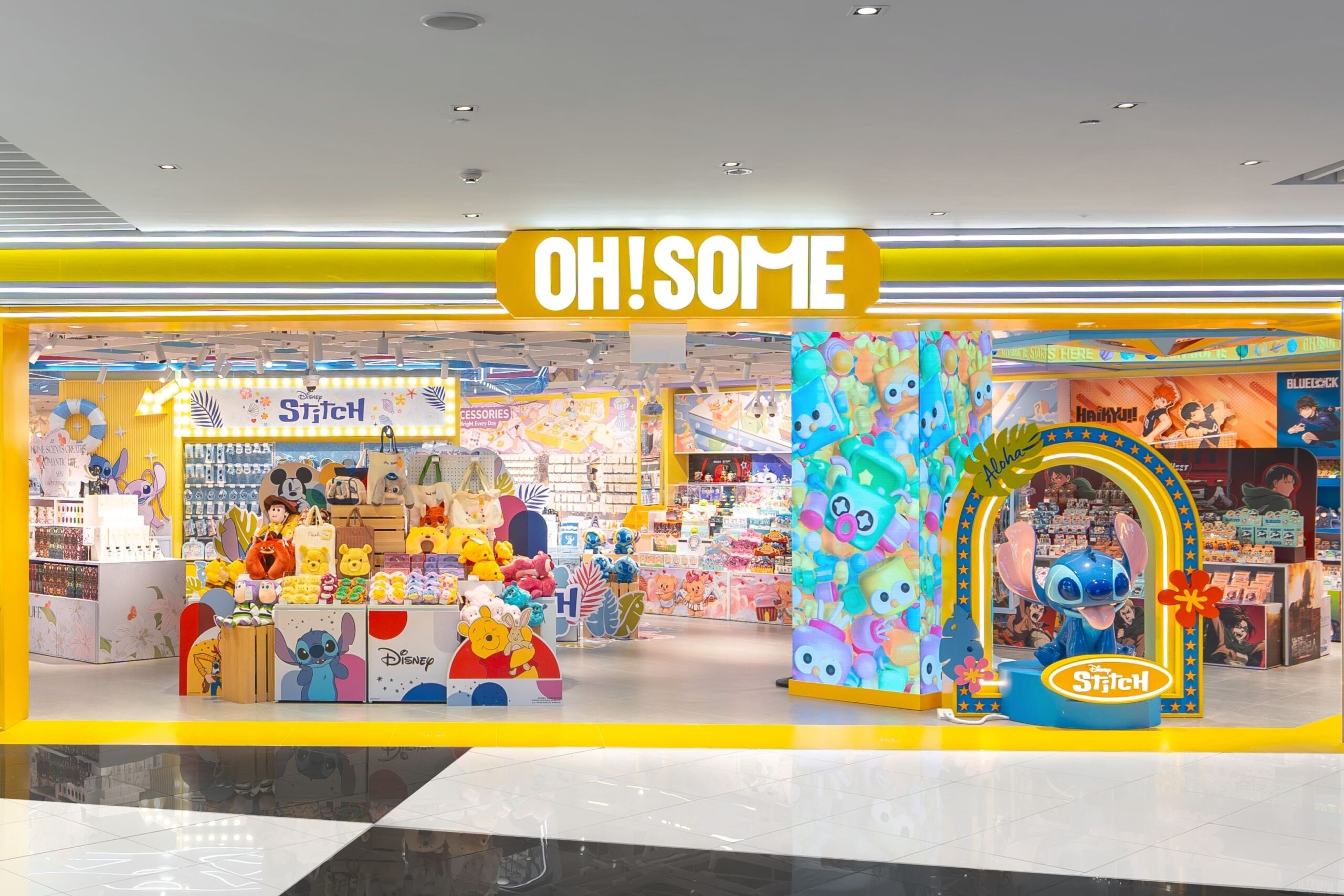
    Lifestyle retailer Oh!Some has expanded its operations into the Philippines by launching its inaugural flagship store at One Ayala in Makati.

    The Oh!Some Brand

    Oh!Some has a reputation for its unique, intellectual property-driven merchandise. In keeping with this trend, its product line in the Philippines includes items such as Korean designer toy Zizone, Pingo Cat-themed toys, phone charms, plush bags, and various collectibles.

    Continuing its tradition of carrying licensed merchandise from globally recognized franchises, the flagship store also offers products from the popular Japanese anime series, Spy x Family, as well as from the Disney entertainment conglomerate. Customers can expect to find a vintage-styled Toy Story dining and kitchen range, as well as travel accessories inspired by the Disney movie Zootopia.

    Expansion Across Asia

    The company’s entry into the Philippine market is part of its strategy to continue building momentum in its regional growth across Southeast Asia. Currently, Oh!Some operates over 180 stores throughout Asia, with a steadily increasing presence in markets that include Singapore, Malaysia, Thailand, and now, the Philippines.

    Questions & Answers

    What is Oh!Some known for?
    Oh!Some is known for its unique, intellectual property-driven merchandise, including licensed products from globally recognized franchises.

    Where has Oh!Some recently expanded its operations?
    Oh!Some has recently launched its flagship store in the Philippines, located at One Ayala in Makati.

    What regions does Oh!Some have a presence in?
    Oh!Some has established a presence in several markets across Asia, including Singapore, Malaysia, Thailand, and now the Philippines.

  • Singapore Retail Boom: Record 5.8% Jump in Sales Marks November’s Highpoint of 2025

    Singapore Retail Boom: Record 5.8% Jump in Sales Marks November’s Highpoint of 2025

    In November, Singapore’s retail sales, excluding motor vehicles, saw an upswing of 5.8%, making it the most substantial rise recorded for the year 2025.

    Singapore’s Retail Landscape

    Data provided by the Department of Statistics indicates that the estimated total retail sales value for the month was approximately SG$3.9 billion (equivalent to US$3 billion). Of this total, online transactions accounted for nearly a fifth, or 19.3%.

    When comparing the sales on a seasonally adjusted basis, it was found that November’s retail sales witnessed a modest increase of 0.8% in comparison to the previous month, October.

    Performance by Sector

    An industry-wise analysis revealed that several sectors reported significant rises in sales. The sales of recreational goods, watches and jewellery, and cosmetics, toiletries and medical goods saw a surge between 11.4% and 13.9% year-on-year.

    Moreover, other sectors, including apparel and footwear, supermarkets and hypermarkets, mini-marts and convenience stores, furniture and household equipment, and computer and telecommunications equipment, also registered growth, with an increase in sales between 6.1% and 9.4%.

    However, not all sectors experienced growth during this period; petrol service stations and food and alcohol retailers reported sales declines of 6.7% and 3.1% respectively.

    Food and Beverage Services Sector

    Meanwhile, the food and beverage services sector reported a rise of 2.5% in sales during November, a slight increase compared to the 2.4% rise seen in October. The total sales value of the F&B services for the month was estimated at SG$1 billion, with a significant 24.8% derived from online sales.

    Questions & Answers

    What was the overall growth in Singapore’s retail sales in November, excluding motor vehicles?
    The overall growth in Singapore’s retail sales, excluding motor vehicles, was 5.8% in November.

    Which sector reported the most significant growth in sales?
    The sectors of recreational goods, watches and jewellery, and cosmetics, toiletries and medical goods reported the most significant growth, with an increase between 11.4% and 13.9%.

    Did all sectors experience growth in November?
    No, not all sectors experienced growth. Both petrol service stations and food and alcohol retailers saw sales declines of 6.7% and 3.1% respectively.

  • Woolworths Sees 2.7% Surge in Sales: Riding the Wave of E-commerce and Food Sector Growth

    Woolworths Sees 2.7% Surge in Sales: Riding the Wave of E-commerce and Food Sector Growth

    Woolworths, a major retail group, has announced a rise of 2.7 percent in its total sales for the first quarter of the current fiscal year. The increase, which pushed the company’s revenue to $18.5 billion, is mainly due to a surge in food sales and the expansion of its on-demand services.

    Growth Powered by E-Commerce and Food Sales

    The company’s e-commerce sales experienced significant growth, rising by 13.2 percent to reach $2.7 billion. Australian food sales also saw an increase of 2.1 percent, amounting to $13.8 billion. This was largely fueled by an increase in the sales of chilled food, meat, and fruits. However, long-life sales experienced slower growth.

    Long-life sales saw a boost from drinks, snacking, and health and wellness products, while sales of baby, pet, and home essentials proved to be a challenge. Additionally, tobacco sales saw a considerable drop, declining by 51.5 percent compared to the same period the previous year.

    Increase in On-Demand Services

    Woolworths’ WooliesX sales in Australia increased by 12.9 percent, amounting to $2.2 billion, primarily driven by same-day and on-demand services. Among all of Woolworth’s e-commerce offerings, Milkrun, a grocery-delivery service, demonstrated the most growth. It is now supported by 628 stores, with 113 new stores added during the quarter.

    New Zealand Sales Performance

    In New Zealand, food sales reached $1.98 billion, marking a 2.5 percent year-on-year increase. This was primarily driven by the growth of e-commerce and sales of fruits and vegetables, meat, chilled, and frozen categories. E-commerce sales in the country grew by 15.8 percent, fueled by consumer demand for convenience and the company’s Same Day services. Milkrun also expanded its reach, extending to 87 stores across the nation.

    Other Notable Performances

    W Living, a division of Woolworths, saw a sales increase of 3.3 percent to $1.35 billion, largely due to the strong performance by Petstock. Petstock’s sales surged by 15.8 percent to $238 million, following the expansion of six stores and the inclusion of wholesale revenue from distributors Big Dog and TimePet.

    Big W saw a moderate increase in sales of 1 percent to $1.13 billion. However, the decline in items due to the cycling of winter clothing and clearance activity was evident. The brand’s e-commerce gross transaction value rocketed by 46.3 percent to $213 million, largely due to a 148 percent growth at Big W Market.

    Futures Outlook

    Woolworths’ group CEO Amanda Bardwell expressed cautious optimism for the key trading quarter ahead. She mentioned robust plans for the festive season, including a refreshed seasonal range. Bardwell concluded by stating that while it might take time for the full benefits of the company’s strategic actions to be realized, they remain confident these steps will lead to meaningful improvements for both their customers and shareholders.

    Questions & Answers

    What led to the growth of Woolworths’ sales in the first quarter?
    The growth was primarily driven by an increase in food sales and the expansion of on-demand services.

    How did Woolworths’ e-commerce perform in the first quarter?
    E-commerce sales rose by 13.2 percent to reach $2.7 billion, demonstrating strong performance.

    What is the company’s outlook for the future?
    Woolworths remains cautiously optimistic about the key trading quarter and has strong plans in place for the festive season, including a refreshed seasonal range.

  • Gap Inc. Partners With Google Cloud, Leveraging Ai To Revolutionize Retail And Customer Experience

    Gap Inc. Partners With Google Cloud, Leveraging Ai To Revolutionize Retail And Customer Experience

    Gap Inc. has joined forces with Google Cloud in a multi-year partnership aimed at fast-tracking the company’s tech strategy through the application of artificial intelligence (AI). The overarching objective is to bolster operations and improve consumer interactions throughout its various brands.

    Harnessing the Power of AI

    According to Sven Gerjets, Gap Inc’s Chief Technology Officer, the company is embracing AI as a transformative tool in retail, building its future tech roadmap around it.

    He stated, “This partnership offers us the proficiency and speed to integrate AI throughout our operations, enabling our teams, igniting creativity, and delivering to our customers more swiftly and with a higher degree of personalisation than ever before.”

    The collaboration with Google Cloud will equip Gap with a cohesive, AI-powered platform devised to enhance product development, planning, and pricing processes. This will spark creativity and efficiency across all its brands, which include Old Navy, Gap, Banana Republic, and Athleta.

    To facilitate product design, customer experience, and employee enablement, Gap will utilize Google Cloud technologies such as Gemini, Vertex AI, and BigQuery.

    Reinventing Retail with AI

    Thomas Kurian, CEO of Google Cloud, expressed his enthusiasm about the partnership, saying it’s about revolutionising the retail landscape with AI and supporting Gap in leading the industry in terms of speed, personalisation, and game-changing customer experiences.

    With AI, Gap envisages creating a hyper-personalised shopping experience for consumers, enabling stronger storytelling and relevance to engage a wider audience. Furthermore, Google AI will assist Gap in optimizing ad placements and fortifying omnichannel marketing through Google Ads.

    Gap has already begun leveraging AI tools to aid employees in decision-making and execution, thereby enhancing efficiency.

    Sven Gerjets stated, “By re-engineering our workflows and empowering every employee with AI, we are allowing Gap Inc teams to concentrate on creativity, culture, and customer connection, while preserving the company’s human-centric DNA at the heart of innovation.”

    Questions & Answers

    What is the aim of the partnership between Gap Inc and Google Cloud?
    The partnership aims to accelerate Gap Inc’s tech strategy through AI, thereby improving operations and customer experiences across all of its brands.

    How will Gap Inc implement Google Cloud technologies?
    Gap Inc will utilize Google Cloud technologies to enhance product development, planning, and pricing procedures, and streamline product design, customer experience, and employee enablement.

    How will AI effect the shopping experience for Gap Inc’s customers?
    With AI, Gap Inc aims to create a hyper-personalised shopping experience for customers, enabling stronger storytelling and reach to a wider audience.

  • Uniqlo’s Bold Expansion In U.s. Amid Rising Tariffs: A Strategy For Success?

    Uniqlo’s Bold Expansion In U.s. Amid Rising Tariffs: A Strategy For Success?

    In the face of ever-changing tariffs and an increase in living costs that have impacted consumer spending, many brands are struggling to maintain a physical retail presence, let alone expand it. However, one international retailer is boldly rising to this challenge: Uniqlo.

    Uniqlo’s Expansion Plans

    This week, the Japanese retail and lifestyle behemoth Uniqlo announced plans to expand its retail footprint in the United States by 2026. The expansion entails the opening of flagship stores in Chicago and San Francisco, and four new locations in New York City.

    Uniqlo plans to inaugurate a total of 11 new stores across the United States in the forthcoming spring/summer season, increasing the total number of its American stores to 89. This is a significant milestone for the clothing titan.

    Uniqlo’s management had previously announced their intention to add between 20 and 30 new locations every year in North America, aiming for a goal of 200 stores by 2027.

    Christine Russo, Principal of Retail Creative and Consulting Agency (RCCA), noted that although Uniqlo is slightly off its projected schedule with its current 76 stores, geopolitical instability and tariffs are likely the cause.

    Russo explained that the timing of Uniqlo’s expansion aligns with the rise of “recession-core”, a consumer behavior trend that emerges during economic downturns. This trend is characterized by a preference for minimalism, with consumers opting for practical, versatile, and durable clothing over more flamboyant items that have a shorter shelf life.

    Uniqlo’s Appeal to Consumers

    Uniqlo has garnered consumer attention with its commitment to steadfast quality, a stark contrast to other fast-fashion brands. The company offers durable basics and a limited number of designs per season, and their dedication to technological innovation is evident in their patented Heatech and Airism fabrics.

    Neil Saunders, Managing Director of Global Data, also believes that Uniqlo’s appeal lies in its commitment to creating sturdy, yet stylish basic wardrobe items. He stated that Uniqlo’s reputation for quality distinguishes it from other fast-fashion competitors, a characteristic that appeals to shoppers who prefer to buy durable items that last.

    Moreover, Uniqlo has made significant efforts to create engaging store environments in its U.S. locations that encourage consumers to browse and make purchases. For instance, several U.S. stores now offer services that were once exclusive to its Asian locations, including custom embroidery and clothing repair services.

    The Brand’s Future Growth

    Despite its success in the U.S. market, Uniqlo has yet to fully penetrate this retail region. Saunders believes that Uniqlo’s expansion plans will allow the brand to establish a presence in larger cities where they can open flagship stores, thus increasing brand visibility and potentially boosting sales volume in the U.S.

    Uniqlo’s unique differentiation points, according to style publications such as Esquire and GQ, include a carefully curated selection of items ranging from innovative products designed to combat extreme temperature variations to the perfect everyday white t-shirt. The brand’s methodical approach to growth and consistency in quality underscore its enduring appeal.

    Questions & Answers

    What is Uniqlo’s expansion plan in the U.S.?
    Uniqlo plans to open 11 new stores across the U.S. in the forthcoming spring/summer season, bringing the total number of its American stores to 89.

    What makes Uniqlo stand out from other fast-fashion brands?
    Uniqlo distinguishes itself with its commitment to quality, offering durable, basic clothing items and a limited number of designs each season. The company’s focus on technological innovation is also prominent, as reflected in their patented Heatech and Airism fabrics.

    How is Uniqlo planning to increase its brand visibility and sales in the U.S.?
    Uniqlo aims to increase its brand visibility and sales by expanding into larger cities where it can establish flagship stores. It also continues to offer engaging store environments and services that encourage consumers to browse and make purchases.

  • Court Sides With Nelly In Copyright Dispute Against Shein’s Subsidiary

    Court Sides With Nelly In Copyright Dispute Against Shein’s Subsidiary

    A recent legal dispute between two large fashion retailers, Shein and Nelly, has resulted in the court favoring Nelly on the grounds of copyright infringement. The court’s ruling states that Shein, through its Irish subsidiary Infinite Styles Ecommerce, utilized Nelly’s copyrighted photographs without obtaining permission.

    Copyright Infringement Verdict

    The Patent and Market Court announced the verdict last Friday, stating clearly that Shein’s subsidiary, Infinite Styles Ecommerce, had unlawfully duplicated and displayed Nelly’s copyrighted photographs on Shein’s Swedish website. The court stated in its ruling, “Infinite Styles Ecommerce is guilty of infringing Nelly’s exclusive rights to the photographs.”

    Nelly, the owner of the e-commerce platform Nelly.com and its own branded clothing line, initially filed a lawsuit against Shein for copyright infringement in September 2024. The court noted that Nelly demanded a penalty of 500,000 Swedish crowns (equivalent to $53,400), to which Infinite Styles Ecommerce did not object.

    A spokesperson for Shein stated, “We are dedicated to defending IP rights holders and treat all accusations of infringement seriously,” adding that the disputed images were promptly removed from their platform.

    Legal Costs and Future Actions

    In addition to the penalty, the court also ruled that Infinite Styles Ecommerce is obligated to cover all of Nelly’s legal expenses, along with the applicable interest. However, the court rejected Nelly’s claim against two other Shein establishments – the parent company Roadget Business and the Dublin-based entity Infinite Styles Services. Instead, Nelly was directed to pay the legal fees of these two firms.

    Reacting to the verdict, Nelly CEO Helena Karlinder-Ostlundh expressed mixed feelings. She welcomed the aspects of the ruling that favored Nelly, but displayed disappointment and surprise at the overall outcome. The CEO hinted that Nelly might consider appealing the court’s decision.

    Questions & Answers

    What was the basis of the lawsuit between Shein and Nelly?
    The lawsuit was based on copyright infringement. Nelly claimed that Shein’s subsidiary, Infinite Styles Ecommerce, had used copyrighted photographs belonging to Nelly without obtaining permission.

    What was the penalty imposed on Shein by the court?
    Shein, through its subsidiary Infinite Styles Ecommerce, was ordered to pay a fine of 500,000 Swedish crowns, equivalent to $53,400.

    What are the possible next steps for Nelly following the court ruling?
    Nelly’s CEO, Helena Karlinder-Ostlundh, indicated that the company might consider appealing the decision due to their dissatisfaction with some parts of the verdict.

  • South Korean Fashion Retailer Musinsa Teams Up With Anta Sports To Expand Into China

    South Korean Fashion Retailer Musinsa Teams Up With Anta Sports To Expand Into China

    Musinsa, a fashion retailer from South Korea, has recently expanded its operations into China, thanks to a collaboration with Anta Sports. By creating a joint venture known as Musinsa China, the two companies aim to stimulate growth in both online and physical store outlets. Majority ownership (60%) of the joint venture will be held by Musinsa, while Anta Sports will possess the remaining 40%.

    Advancing Korean Fashion in China

    Musinsa currently collaborates with over 1500 brands on its platform and intends to use this new venture to assist Korean designer labels in making their debut in China. According to Musinsa’s CEO, Joonmo Park, this alliance merges Musinsa’s knowledge of fashion with Anta’s expertise in retail and brand management.

    Park enthusiastically shared his vision for the partnership, stating that it would utilize diverse retail channels to provide Chinese consumers with unique brand experiences. He expressed eagerness to captivate young consumers in the vibrant Chinese market.

    Roles and Responsibilities

    The implementation of Musinsa Standard, the retailer’s private-label line, and the Musinsa Store will be managed by Musinsa China. Meanwhile, Anta Sports will oversee strategic and financial aspects of the venture through its representatives on the joint venture’s board.

    Co-CEO of Anta Sports, Wu Yonghua, believes that the agreement aligns perfectly with Anta’s ‘Single-Focus, Multi-Brand, and Globalisation’ strategy. He stated their intention to integrate sportswear with fashion-forward design to better cater to the preferences of China’s younger generation.

    Anta Sports aims to use its value chain capabilities and successful ‘Brand + Retail’ operating model to empower Musinsa China. The goal is to deliver standout, style-conscious products to consumers interested in sports and lifestyle.

    The business transaction is set to be finalized by the end of the month, subject to approval from regulatory bodies.

    Questions & Answers

    What is the purpose of the partnership between Musinsa and Anta Sports?
    The partnership aims to advance the growth of both online and offline channels in China by creating a joint venture, Musinsa China.

    How does this partnership fit into Anta Sports’ business strategy?
    The collaboration aligns with Anta’s ‘Single-Focus, Multi-Brand, and Globalisation’ strategy, allowing them to integrate sportswear with fashion-forward design to cater to China’s younger generation.

    Who will oversee the operations of this new venture?
    Musinsa China will manage the implementation of Musinsa Standard and the Musinsa Store, while Anta Sports will handle strategic and financial oversight through its representatives on the board of the joint venture.