Retail News CRM

Tag: Retailer

  • JD.com To Acquire German Retailer Ceconomy In €2.2 Billion Strategic Expansion Move

    JD.com To Acquire German Retailer Ceconomy In €2.2 Billion Strategic Expansion Move

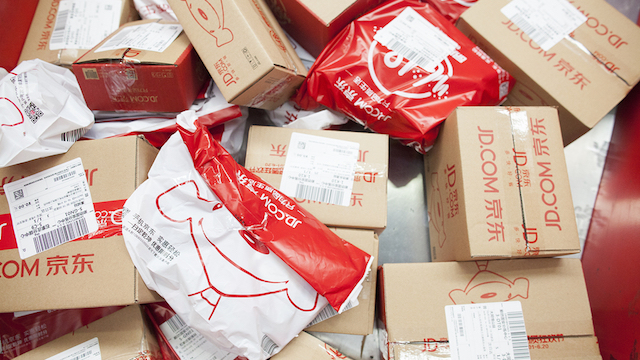
    JD.com, one of China’s leading online retailers, is set to acquire German electronics retailer, Ceconomy. The acquisition deal is worth an estimated 2.2 billion euros (US$2.5 billion). This strategic move signals JD.com’s intentions to expand beyond its domestic market.

    The Details of the Acquisition

    Ceconomy operates under the renowned MediaMarkt and Saturn brands. The acquisition will grant JD.com, a competitor of international giants like Alibaba and Amazon, access to one of Europe’s most extensive online electronic goods platforms, as well as a network of approximately 1000 stores spanning several European nations. The two chains currently employ around 50,000 individuals.

    The deal, announced recently, prices Ceconomy at 4.60 euros per share. CEO Kai-Ulrich Deissner revealed that the deal is expected to be finalized in the first half of the upcoming year.

    According to Deissner, JD.com is the perfect partner at this opportune time. He expressed enthusiasm about the partnership, noting that it would provide them with unrivaled access to cutting-edge technologies, unparalleled retail expertise, and world-leading supply chains.

    Deissner also affirmed that both Ceconomy’s management board and supervisory board would recommend acceptance of the offer to its shareholders. Furthermore, the company’s Duesseldorf headquarters will continue to operate as usual.

    Implications of the Acquisition

    Sandy Xu, CEO of JD.com, has voiced her commitment to working with the team to bolster their capabilities, while also utilizing their advanced technology to expedite Ceconomy’s ongoing transformation.

    Xu added that their objective is to foster Ceconomy’s growth across Europe, thereby creating long-term value for their customers, employees, investors, and local communities.

    The Kellerhals family, Ceconomy’s largest single shareholder, owning just under 30 per cent of the shares, has accepted an offer for 3.81 per cent of its shares. The family intends to retain its investor status, maintaining approximately 25.35 per cent stake.

    Other shareholders, Haniel, Beisheim, BC Equities, and Freenet – who collectively hold about 27.9 per cent of the shares – intend to sell their shares to JD.com.

    Deissner assured that there would be no compulsory redundancies within three years of closing the transaction. He also expressed confidence in avoiding any significant issues from antitrust authorities.

    Impact on Ratings

    Acquiring Ceconomy could potentially fortify JD.com’s presence in Europe significantly. In the wake of the acquisition, JD.com stands to benefit from the more than 1000 stores operating under the MediaMarkt and Saturn brands, not to mention its healthy online presence, which contributes to 24 per cent of sales.

    According to Fitch Ratings, this acquisition could potentially enhance Ceconomy’s credit profile, given JD.com’s strong credit profile. As one of the world’s largest e-commerce platforms, JD.com’s $160 billion revenue from retail, technology, logistics, and healthcare sectors could be a game-changer.

    Questions & Answers

    What is the estimated value of the acquisition deal between JD.com and Ceconomy?
    The acquisition deal is valued at approximately 2.2 billion euros (US$2.5 billion).

    How will the acquisition of Ceconomy benefit JD.com?
    The acquisition will grant JD.com access to one of Europe’s largest online platforms for electronic goods and a network of nearly 1000 stores across several European countries.

    What are the implications of the acquisition deal for Ceconomy’s shareholders?
    The Kellerhals family will sell 3.81 per cent of its shares but intends to remain an investor. Other shareholders, including Haniel, Beisheim, BC Equities, and Freenet, intend to sell their shares to JD.com.


  • Asian Retailers Revolutionize Shopping Experience Amid E-commerce Surge And Pandemic Challenges

    Asian Retailers Revolutionize Shopping Experience Amid E-commerce Surge And Pandemic Challenges

    As retailers across Asia grapple with the seismic shifts wrought by e-commerce and the COVID-19 pandemic, one company is forging a distinct path by embracing an innovative, customer-centric approach. With soaring demands compelling brands to rethink their strategies, the spotlight is now on how these businesses can leverage digital tools to enhance the shopping experience while staying grounded in the needs of consumers.

    Transforming the Retail Experience

    The metamorphosis of retail has never felt so urgent. Traditional brick-and-mortar establishments are increasingly blending their physical offerings with digital solutions—an evolution driven by a desire not only for survival but for a renaissance in customer engagement. Take the booming popularity of live commerce in Asia, for instance, a format that combines video streaming with shopping, allowing consumers to purchase items in real-time as they watch entertaining hosts showcase products. It’s like TV shopping, but on a TikTok diet. This approach has seen huge participation rates, especially among younger demographics, effectively turning shoppers into active participants in the purchasing process.

    Innovative players in the market are capitalizing on this shift. By utilizing data analytics and AI, retailers can personalize shopping experiences to an unprecedented degree—from tailored offers sent straight to consumers’ smartphones to predictive inventory management that eliminates out-of-stock woes. As one industry expert noted, the success of retail now hinges on its ability to understand and anticipate customer needs in a rapidly changing landscape.

    Technology Meets Tradition

    Retailers navigating this dynamic environment are finding that striking the right balance between technology and traditional values can yield remarkable dividends. Innovations like augmented reality (AR) are being deployed to bridge the gap between online and offline shopping. Imagine trying on clothes virtually before making a purchase—a convenience that not only enhances customer satisfaction but also reduces return rates that have plagued online retailers.

    Meanwhile, loyalty programs are being revitalized to reward not only purchases but engagement, turning passive consumers into loyal advocates for brands. This transformation signals a shift where relationships, rather than mere transactions, take center stage in the retail arena.

    Challenges Ahead

    Despite these strides, challenges remain pronounced. Supply chain disruptions and increasing costs due to inflation are causing retailers to rethink their operations. Moreover, high consumer expectations for seamless service, whether online or offline, can be daunting. As one CEO aptly remarked during a recent industry conference, “In a world where customers are kings, delivering a mere pizza is not enough—you better have a side of innovation served hot with that.”

    With competition intensifying on all fronts, retailers must exhibit agility and responsiveness. The race for attention in the bustling Asian market demands that brands are not only quick to adapt but also innovative in their approach, leveraging technologies that resonate with their core audience.

    In the journey to reshape retail, it is clear that adaptability is no longer optional; it’s essential. The path forward will undoubtedly involve embracing change and continuously experimenting with new concepts while maintaining the integrity of the customer experience.

    Questions & Answers

    How is live commerce influencing retail in Asia?
    Live commerce is transforming retail by blending entertainment with shopping, allowing consumers to purchase items in real-time as they engage with hosts, particularly appealing to younger audiences.

    What role does technology play in enhancing customer experience?
    Technology is central in personalizing shopping experiences through data analytics, while innovations like augmented reality help bridge online and offline experiences by enabling virtual try-ons.

    What challenges do retailers face in the current environment?
    Retailers face challenges like supply chain disruptions, rising operational costs, and heightened consumer expectations, necessitating agility and innovation in their strategies to remain competitive.

  • F&F Engages Goldman Sachs For Potential Acquisition Of Taylormade Amid Legal Tensions

    F&F Engages Goldman Sachs For Potential Acquisition Of Taylormade Amid Legal Tensions

    South Korean apparel company F&F Co announced on Monday that it had engaged Goldman Sachs as its advisor on the prospective purchase of TaylorMade. The company also stated that it would pursue legal action if the current owner of TaylorMade proceeds with an independent sale process.

    The Context of the Acquisition

    Earlier this year, Centroid Investment Partners, a private equity firm headquartered in Seoul, initiated a sales process for TaylorMade, which it had acquired in 2021. The company, based in Carlsbad, California, could potentially be sold for as much as $3.5 billion, according to those familiar with the transaction.

    F&F Co was a pivotal player in the 2021 acquisition of TaylorMade, participating as a strategic investor. As the most significant investor, F&F secured written Consent Rights over major business decisions, which included borrowing, key management decisions, and sales of equity. However, F&F has not approved Centroid’s current attempt to sell TaylorMade, and it views this action as a considerable violation of its contractual consent rights.

    Despite the potential acquisition, F&F stated that it is fully prepared to use all available legal and contractual measures to hold Centroid accountable for any violations. The company is carefully preparing to exercise its Right of First Refusal (ROFR) if necessary, to ensure alignment with its original investment thesis.

    Investment Breakdown

    F&F’s investment in the acquisition of TaylorMade by Centroid was substantial, contributing 358 billion won ($258 million) of a total subordinated equity investment of 619.2 billion won. This made F&F the primary equity investor as a limited partner (LP).

    Additionally, F&F contributed 195.7 billion won to a mezzanine investment of 471.5 billion won. The fashion company had already expressed its intent to acquire TaylorMade last month, explaining that its significant investment in TaylorMade in 2021 was made with the ultimate aim of acquiring the company.

    Centroid’s Sale Process

    According to insiders, Centroid’s advisors have sent confidential memoranda and process letters concerning the sale of TaylorMade to potential buyers. However, no official process has been initiated yet. Responding to a request for comment, Centroid confirmed it was in the process of selling TaylorMade to maximize its LPs’ return on investment.

    In the private equity sector, a GP, or General Partner, refers to the manager of a fund who is responsible for making investment and operational decisions. In contrast, LPs, or Limited Partners, are investors in the fund who usually have a passive role in individual deals. F&F is an LP investor in a fund managed by Centroid as the GP.

    Centroid confirmed that F&F holds the right of first refusal, which it guarantees. However, it pointed out that this right does not preclude a sale process from occurring.

    TaylorMade Overview

    Established in 1979, TaylorMade produces golf clubs, balls, and other golf-related accessories. The company has offices in Canada, China, Japan, South Korea, and Australia, in addition to its U.S. base.

    Questions & Answers

    What is F&F Co’s role in TaylorMade’s acquisition?
    F&F Co participated as a strategic investor in the 2021 acquisition of TaylorMade and is the largest equity investor as a limited partner (LP).

    What are the potential legal actions that F&F Co might take?
    F&F Co stated that it is fully prepared to use all available legal and contractual measures to hold Centroid accountable for any violations of its contractual consent rights.

    What is the right of first refusal that F&F Co holds?
    The right of first refusal allows F&F Co to decide whether or not to match the terms of a sale determined through the auction process.

  • Retailer Temu’s daily US users halve following end of ‘de minimis’ loophole

    Retailer Temu’s daily US users halve following end of ‘de minimis’ loophole

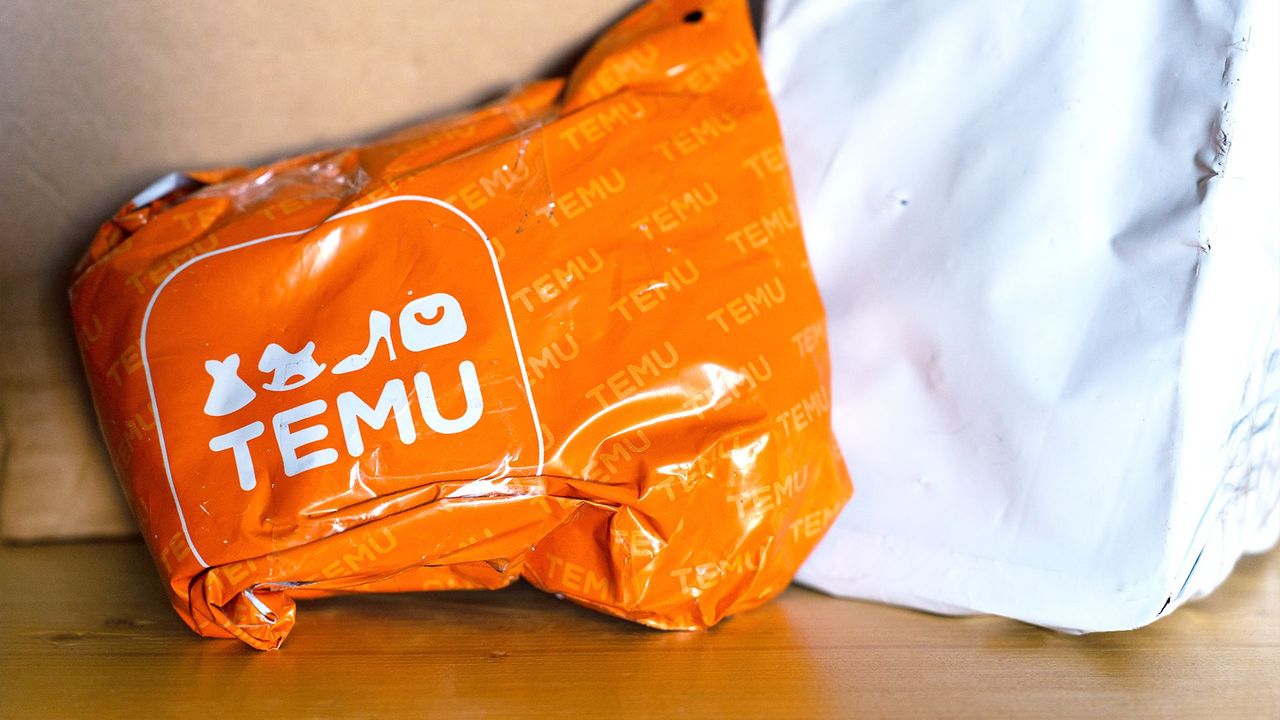
    PDD Holdings’ international discount e-commerce platform, Temu, reported a 58 per cent decrease in daily US users in May. This downturn is just one of the challenges the online retailer is grappling with in the face of the US-China trade war.

    Temu made the strategic decision to cut advertising expenses in the US and alter its order fulfillment approach after the cessation of the “de minimis” practice by the White House on May 2. This regulation had previously granted Chinese companies the ability to ship low-value packages to the United States without incurring tariffs.

    For years, Temu and the large fast-fashion company, Shein, had availed themselves of this provision. This allowed them to deliver items directly from suppliers in China to consumers in the US, thereby maintaining low prices.

    Since the announcement of sweeping trade tariffs by US President Donald Trump, both Temu and Shein have noted a marked decline in sales growth and customer acquisition rates. However, according to data gathered by consultancy firm, Bain & Company, Temu’s downward trends surpass those of its competitor.

    Both platforms were forced to increase prices due to tariffs, yet Shein has managed to raise the amount of money spent per customer in comparison to the previous year, data indicated. Conversely, Temu has grappled with this challenge.

    Temu declined to comment on the drop in daily US users or the challenges it is encountering in the US market.

    According to a May note from Morgan Stanley equity analyst Simeon Gutman, engagement on Temu has significantly decreased following the termination of the de minimis exemption.

    Gutman expressed his belief that, if the current tariff conditions remain unchanged for an extended period, Temu’s competitive position is likely to continue to weaken.

    PDD’s first quarter earnings were recently reported and failed to meet growth expectations. In a post-earnings call, executives stated that tariffs had imposed significant pressure on its merchants.

    They reaffirmed Temu’s prior commitment to maintain stable prices and collaborate with merchants across regions, highlighting a move towards a local fulfilment model announced at the start of May.

    Previously, Temu’s business model held merchants accountable for ordering and supplying their products, while the China-based company managed the majority of logistics, pricing, and marketing.

    Under the new model, Temu’s merchants “can ship individual orders from China to Temu-partnered US warehouses, but they would need to address tariffs and customs charges and paperwork”. Temu continues to handle order fulfillment close to consumers, pricing, and online operations.

    Despite these difficulties, HSBC analysts reported last week that Temu’s growth in non-US markets has increased, with non-US users constituting 90 per cent of its 405 million global monthly active users in the second quarter.

    Questions & Answers

    What factors contributed to the decrease in daily US users of PDD Holdings’ platform, Temu?
    The US-China trade war and the cessation of the “de minimis” practice, which allowed tariff-free shipping of low-value packages to the US, contributed to this decline.

    How have changes in global trade conditions affected Temu?
    The company has been forced to alter its order fulfillment strategy and increase prices. Additionally, it has experienced a decrease in sales growth and customer acquisition rates.

    What adaptations has Temu made in light of these challenges?
    Temu has shifted to a local fulfillment model in the US and is working collaboratively with its merchants. It continues to manage logistics, pricing, and online operations, despite the changes in market conditions.

  • How Seamless Shopping Journeys Are Reviving Physical Retail Stores

    How Seamless Shopping Journeys Are Reviving Physical Retail Stores

    With ecommerce projected to capture 41% of global retail sales by 2027, it might seem counterintuitive for retailers to continue investing in new and existing physical stores. Yet, retailers like Fujifilm, Sketchers, and North Face are not only maintaining their brick-and-mortar presence but actively innovating with new store concepts to better serve modern shoppers and stand out in a competitive market.

    Rather than signalling the decline of physical stores, the rise of ecommerce is actually fuelling the revival of retail spaces, where fresh, exciting store concepts are drawing in consumers. This trend highlights the evolving behaviours and preferences of today’s shoppers. Retailers recognise that modern consumers engage with multiple sales channels during their buying journey, and in fact, 73% of shoppers prefer to combine online and in-store experiences. This omnichannel approach underscores the enduring importance of physical stores in a digitally driven retail landscape.

    Flexible Payments

    In today’s omnichannel digital age, offering flexible payment solutions is essential. According to Manhattan’s Unified Commerce Benchmark Singapore, 31% of ecommerce consumers will not retry if they must re-enter their payment details at checkout. Modern shoppers expect to pay using their preferred method, whether it’s a credit card, digital wallet, contactless payment, cash, or pay-by-link—regardless of the shopping channel they choose.

    By providing a range of payment options, physical stores can better meet the flexibility and convenience expectations of modern shoppers. Offering popular alternative payment methods not only increases the likelihood of attracting new customers but also encourages repeat visits from those who find their preferred payment options available. Satisfying these preferences is key to fostering customer loyalty.

    Omnichannel Promotions

    Retailers plan and execute promotions to boost sales, attract new customers, and enhance brand awareness. However, without the right technology in place, promotions can negatively impact already narrow margins. It’s essential for retailers to focus on promotional effectiveness, ensuring these initiatives deliver the desired financial results and customer satisfaction.

    Seamless integration across all sales channels is critical, as promotions should be defined once and shared consistently with unified targeting, qualification, and calculation logic. If a customer is eligible for a promotion online, that same offer should be available in stores and at the contact centre, unless it is an exclusive online deal. Yet, executing promotions consistently in-store remains a significant challenge due to the fast-paced environment.

    An omnichannel promotions engine can address this challenge by providing a single source of truth for promotion logic, ensuring consistency across all sales channels. Effective omnichannel promotions are well-planned, targeted to the right customers, and executed consistently, playing a crucial role in the modern retail brand experience.

    Clienteling

    Modern shoppers highly value personalised shopping experiences, especially in retail segments like high-end luxury goods, where personalisation is expected. According to McKinsey, companies that excel in personalisation can potentially generate 40% more revenue, highlighting its significant impact.

    For brick-and-mortar retailers, personalised one-on-one shopping experiences provide a unique advantage over digital-only competitors. By incorporating clienteling capabilities, such as Mobile Clienteling, stores can seamlessly connect all sales and service functions, empowering store associates with rich customer data to enhance interactions throughout the store.

    Virtual clienteling is also emerging as a powerful tool, allowing store associates to maintain customer engagement beyond the store. Whether it’s responding to product inquiries via phone, text, or email, or providing additional information to assist with purchase decisions, virtual clienteling extends the personalised shopping experience beyond the store’s physical boundaries.

    In 2024, the key to effective clienteling lies in enabling store associates to quickly access and utilise customer purchase history, engagement history, and preferences. This allows for personalised interactions and tailored recommendations that resonate with customers, whether in-store or through virtual channels.

    Store Order Fulfilment

    Modern shoppers appreciate the convenience, immediacy, and cost savings of buying online and picking up in-store (BOPIS), driving increased demand for this fulfilment service. Simultaneously, retailers are increasingly leveraging their stores to ship orders, reducing shipping costs and speeding up delivery times.

    To meet customer expectations while maintaining profitability, modern stores must excel in fulfilment efficiency, scalability, and accuracy. BOPIS not only caters to shoppers’ desire for convenience but also drives additional foot traffic and sales in stores. According to a survey by the International Council of Shopping Centres, 67% of BOPIS users buy additional items when picking up their orders.

    Physical stores have evolved into multifunctional hubs within the omnichannel retail ecosystem, offering retailers a strategic way to meet growing shopper demands for speed and convenience. When optimised to handle increasing volumes and rising customer expectations, store fulfilment can significantly boost sales and enhance customer satisfaction.

    Unified Returns and Exchanges

    In 2022, returns cost retailers a staggering $817 billion, with 78% of shoppers finding the returns and exchanges process inconvenient, and 41% considering it time-consuming. Beyond the financial impact, returns significantly contribute to CO2 emissions and landfill waste. A March 2023 report by the British Fashion Council’s Institute of Positive Fashion, Solving Fashion’s Product Returns, revealed that in the UK, 3% of returned items are not resold—50% of which end up in landfills, 25% are incinerated, and only 25% are recycled, underscoring the environmental toll.

    Unified returns and exchanges enable modern shoppers to return or exchange any item at a store, regardless of the original sales channel, including online purchases. This approach offers customers the convenience of a straightforward return or exchange process, with the immediate satisfaction of an instant refund or a new item.

    By implementing unified returns and exchanges, retailers not only meet the needs of today’s shoppers in this crucial area of customer service but also reduce both business and environmental costs by minimising the need to ship returns.

    By Richard Wright, Managing Director, SEA, Manhattan Associates


  • Uniqlo parent’s profit seen soaring to a Q3 record on China recovery

    Uniqlo parent’s profit seen soaring to a Q3 record on China recovery

    The Japanese operator of apparel retailer Uniqlo is expected by analysts to post a 25 percent jump in profit to a third-quarter record on Thursday (Jul 13), when the focus will be on whether its sales recovery in China is on track.

    Fast Retailing’s operating profit in the three months through May likely reached 102.4 billion yen (US$733.37 million), according to the average of forecasts from seven analysts surveyed by Refinitiv. That’s compared to 81.8 billion yen posted last year, a company record for the third quarter.

    The company, known for its fleece jackets and inexpensive basics, has 925 Uniqlo outlets in mainland China, more than in Japan and making it a bellwether for a retail market that was hammered by strict COVID-19 restrictions in recent years.

    Business in China started to turn around in January, resulting in sharp increases in sales and profit from the region in the second quarter, the company said in April.

    Fast Retailing’s shares have soared 30 percent so far this year, helping founder Tadashi Yanai cement his place as Japan’s richest person. The shares have outpaced a 23 percent advance in the benchmark Nikkei which has been one of the hottest equity markets worldwide.

    “The recovery in China has been weaker than expected, but Uniqlo is well positioned,” said Jamie Halse, who manages US$500 million in Japan strategies at Platinum Asset Management in Sydney but does not currently own Fast Retailing shares. “We have a positive view on the business, but are apprehensive of the elevated expectations represented in a premium valuation.”

    While China languished under lengthy pandemic curbs, Fast Retailing put more focus on its North American and European operations.

    Uniqlo had 61 locations in North America as of February, and is adding four stores in the US and two in Canada this summer as part of a plan to reach 200 by 2027.

  • Miniso eyes Hong Kong stock market listing

    Miniso eyes Hong Kong stock market listing

    Miniso Group Holding, the New York-listed Chinese household and consumer goods retailer, is planning a second listing in Hong Kong, joining an increasing number of US-listed mainland companies seeking a listing closer to home.

    The retailer submitted its application to Hong Kong stock exchange on Thursday, according to the bourse’s website.

    The Guangzhou-based company is following in the footsteps of electric-vehicle makers Li Auto and Xpeng in seeking a dual primary listing in Hong Kong to hedge against the risk of being delisted from US exchanges. Legislation introduced by the Trump administration in 2020 seeks to delist Chinese companies that fail to pass US audit reviews for three consecutive years, and the Biden administration is not letting up.

    Miniso raised US$608 million from its IPO on the New York Stock Exchange in October 2020. The company’s shares, however, have fallen more than 66 percent since listing and were trading at US$7.88 on Thursday.

    Miniso’s revenue increased by 24.2 percent to 5.42 billion yuan (US$853.5 million) for the six months ended December 2021, while adjusted net profit rose 114 percent to 398.6 million yuan, according to its listing application.

    The company said it expects to see strong growth because of China’s booming retail and pop toy market.

    The estimated growth rate of the pop toy market in China, which saw gross merchandise value (GMV) reach 34.5 billion yuan in 2021, is 24 percent from 2022 to 2026, according to Miniso’s filing, citing data from Frost & Sullivan.

    Miniso, which opened its first store in China in 2013, has built a global network with over 5,000 stores in around 100 countries, including 3,100 in China as of end 2021.

    The aggregate GMV of products sold through its network was about 18 billion yuan in 2021, making it the largest global branded variety retailer of lifestyle products, according to Frost & Sullivan.

    BofA Securities, Haitong International Capital and UBS are the joint sponsors.

  • The Philippines to loosen restrictions on foreign retailers

    The Philippines to loosen restrictions on foreign retailers

    President Rodrigo Duterte has signed into law a measure that would further open up the Philippine retail sector to more foreign retail businesses by lowering their required paid-up capital.

    Republic Act (RA) 11595, which amends RA 8762, also known as the Retail Liberalization Act of 2000, was signed by Duterte on Dec. 10, 2021, and was released to reporters on Thursday.

    Duterte earlier certified the bill as urgent as part of efforts to encourage the entry of more investors and further boost economic recovery amid the prevailing coronavirus disease 2019 (Covid-19) pandemic.

    Under the law, “a foreign retailer shall have a minimum paid-up capital of PHP25 million.”

    The current law sets the required capital at USD2.5 million or PHP119.67 million.

    The law also mandates the entry of foreign retailers coming from countries that do not prohibit the entry of Filipino retailers.

    In the case of foreign retailers engaged in retail trade through more than one physical store, the minimum investment per store must be at least PHP10 million “provided that this requirement shall not apply to foreign investors and foreign retailers who are legitimately engaged in retail trade and were not required to comply with the minimum investment per store at the time of the effectivity of this Act.”

    The Department of Trade and Industry, Securities and Exchange Commission, and the National Economic and Development Authority shall review the required minimum paid-up capital every three years and their recommendations should be submitted to Congress.

    Foreign retailers are encouraged to have a stock inventory of products that are made in the Philippines.

    As for penalties, violators may face imprisonment of not less than four to six years and a fine of not less than PHP1 million but not more than PHP5 million.

    In the case of partnerships, associations, or corporations, the penalty shall be imposed upon its partners, president, directors, general manager, and other officers responsible for the violation.

    If the offender is not a citizen of the Philippines, he or she shall be deported immediately after the service of sentence.

    If the Filipino offender is a public officer or employee, he or she shall, in addition to the penalty prescribed, suffer dismissal and permanent disqualification from public office.

    RA 11595 is a consolidation of House of Representatives Bill 59 and Senate Bill 1840 passed by the House and the Senate on September 21 and 20 last year, respectively.

  • L’Occitane posts record profit as China becomes its largest market

    L’Occitane posts record profit as China becomes its largest market

    Beauty products retailer L’Occitane International has reported sales and profit beyond expectation after successfully adapting to the challenges of selling products during a global pandemic.

    Despite the Covid crisis, like-for-like net sales of US$1.83 billion were down just 1.1 percent against the previous year, but net profit grew by 36.3 percent to a record $187 million, representing 10.2 percent of net sales.

    China is now the company’s largest market, with year-on-year growth of 36 percent.

    The overall performance was largely driven by a strong focus on online sales in the absence of travel retail business and long periods of physical store closures – more than 75 percent of the company’s outlets were closed at the peak of the pandemic. Global e-commerce turnover soared 69.2 percent and accounted for more than one-third of overall sales.

    Social selling was a key component of the online push, with 68 projects in Europe alone, including personal shopping concierge services, live streaming, and online consultation services.

    “Thanks to the group’s agility and adaptability in a socially distant world, the strong sales recovery in the second half of the year helped recover most of the ground lost earlier in the year, resulting in only a slight sales decline,” said chairman Reinold Geiger in a Hong Kong stock exchange filing.

    “Importantly, the group made tremendous progress in expanding its bottom line – recording an operating margin of 14.3 percent with contribution from its online channels, excellent performance in key markets in Asia, strong results from its newer brands, as well as greater operational efficiency.”

    He put the strong performance down to the group adhering to five pillars of its strategy to build trust, sustainable growth and profitability: empowering teams; executing fundamentals, especially in a retail context; adopting an omnichannel, mobile and digital approach; engaging customers; and strengthening brand commitments.

    Geiger said China was undisputedly the group’s best-performing market, coinciding with it being among the first to emerge from Covid-19. During the fourth quarter, L’Occitane International’s China sales grew by more than 50 percent, boosted by successful Chinese New Year and Women’s Day promotional campaigns, as well as a low base the previous year. Physical roadshows during Chinese New Year encouraged product sampling and conversion.

    Meanwhile, Geiger says two major restructuring activities will help the business achieve greater efficiency in future years.

    Last October, the company announced a reorganization that led to the loss of some 300 positions globally from its 9000-strong workforce, mostly at corporate offices. And in January, its US subsidiary, L’Occitane, Inc, commenced voluntary Chapter 11 bankruptcy protection in order to accelerate its store rationalization process. By the end of March, 25 underperforming US stores were closed. The Chapter 11 process is expected to achieve savings of up to $12 million annually for the next four to five years.

  • Burberry CEO resigns to lead rival luxury retailer

    Burberry CEO resigns to lead rival luxury retailer

    Marco Gobbetti is to give up his role as CEO of Burberry after leading the brand and business for almost five years.

    According to a report, Gobbetti will return home to Italy to lead rival luxury goods group Ferragamo.

    Gobbetti will stay with Burberry until the end of this year while the company searches for a successor, and to ensure an orderly transition.

    “Gobbetti has had a transformative impact and established a clearly defined purpose and strategy, an outstanding team, and strong brand momentum,” said Gerry Murphy, chairman of Burberry. “The board and I are naturally disappointed by Marco’s decision but we understand and fully respect his desire to return to Italy after nearly 20 years abroad”.

    Gobbetti became CEO and joined Burberry’s board in 2017, succeeding Christopher Bailey who left the group the following year. Prior to Burberry, Gobbetti was chief executive of Moschino and Givenchy before holding executive positions at French brand Celine in 2008.

    “With Burberry re-energised and firmly set on a path to strong growth, I feel that now is the right time for me to step down,” said Gobbetti. “I would like to thank my colleagues as well as Gerry and the board for their partnership.

    “I am fully committed to supporting them through the transition and I have every confidence that the creativity and strong values that define Burberry will continue to drive the company’s future success.”

  • Fashion giant H&M’s sales recover in March as stores reopen after lockdowns

    Fashion giant H&M’s sales recover in March as stores reopen after lockdowns

    Sales at fashion group H&M fell slightly less than expected in the three months through February and rose in the first half of March as pandemic restrictions were eased in some markets, allowing hundreds of stores to reopen.

    The world’s second-biggest apparel retailer said on Monday net sales fell 27% from a year earlier, or 21% when measured in local currencies, to 40.1 billion crowns ($4.72 billion).

    Analysts had on average forecast a 30% decline in net sales for the period – the Swedish group’s fiscal first-quarter – according to Refinitiv SmartEstimate.

    “Sales development was significantly affected by the COVID-19 situation, with extensive restrictions and at most over 1,800 stores temporarily closed,” H&M said in a statement.

    “Since the beginning of February, a number of markets have gradually allowed stores to reopen and at the end of the quarter around 1,300 stores remained temporarily closed,” it said, adding that online sales had continued to develop very well.

    RBC analyst Richard Chamberlain, who has a “sector perform” rating on H&M’s shares, said the figures implied that online sales had provided a stronger-than-expected boost in February.

    H&M said sales in the March 1–13 period were up 10% in local currencies as many countries, including single-biggest market Germany, began allowing some stores to reopen. However, about 900 of H&M’s approximately 5,000 stores remained closed due to pandemic lockdowns as of March 13.

    Chamberlain said most stores should be open by mid-April bar new lockdowns in Europe, H&M’s main market.

    “As such, we see the potential for a strong sales recovery in the remainder of the year, with potential for gross margin to surprise on the upside, due to the weaker U.S. dollar,” he said.

    Market leader Inditex, the owner of Zara, last week forecast a return to healthy sales as soon as lockdown are lifted, as it reported a 70% fall in profit for its fiscal year through January. It predicted all its shops would be open by mid-April.

    H&M, whose full December-February earnings report is due on March 31, is bracing for a loss in the quarter after the pandemic slashed 2020 profits by 88%.

    Shares in H&M were up 3% in early trading, taking a year-to-date rise to 32%

  • JD.com cashes in on steady online demand, beats market expectations

    JD.com cashes in on steady online demand, beats market expectations

    JD.com Inc’s fourth-quarter revenue beat expectations on Thursday as more shoppers flocked to its website on the back of a broader shift to online shopping triggered by the COVID-19 pandemic.

    While China has largely emerged from coronavirus lockdowns with most businesses resuming production, JD.com’s domestic consumers continue to shop online for everything from daily groceries to luxury products.

    The Beijing-based company posted revenue of 745.8 billion yuan ($114.97 billion) for the year, beating analysts’ estimate of 740.81 billion yuan.

    In a pandemic-struck year, during which retail sales fell 3.9% in China, JD.com’s strategy of ramping up its in-house delivery network enabled faster deliveries.

    The company has also been working to expand into price-sensitive lower-tier cities through its shopping platform Jingxi in a bid to stave off stiff competition from rivals like Alibaba and Pinduoduo that are equally popular.

    As a result, JD.com raked in 110 million new active customer accounts during the year. Meanwhile, Jack Ma’s Alibaba added about 68 million active buyers in the same period.

    U.S.-listed shares of the company, which have been volatile as China looks to tighten scrutiny on its tech giants, were up 3% at $91.98 in early trading.

    The world’s second-largest economy has vowed to strengthen oversight of its big tech firms, which rank among the world’s largest and most valuable, citing concerns they have built market power that stifles competition, misused consumer data, and violated consumer rights.

    The long-term impact of this on JD.com’s business, though unclear, remains a threat. In late December, regulators fined the company, along with Alibaba and other e-commerce sites, 500,000 yuan for engaging in irregular pricing.

    The company’s net revenue rose 31.4% to 224.3 billion yuan in the quarter ended Dec. 31, beating analysts’ estimate of 219.73 billion yuan, according to IBES data from Refinitiv.

  • The entire Retail News Editorial team wishes you a Joyful and Merry Christmas

    The entire Retail News Editorial team wishes you a Joyful and Merry Christmas

    It’s been a difficult year; we better say the most difficult year in decades with Covid-19 and all social restrictions that were put in place. But we were resilient, and prepare ourselves for a better year.

    Hopefully with more and more retail events and summits; cause that’s what we retailers live from. Showcase and demo products, networking, and meeting up with customers and vendors. It’s not that far ahead of us… we already prepare ourselves in order to get ready when the markets are ready again to shift gears.

    Thanks for being part of the largest retail community covering Asia this year. The entire Retail News Editorial team is wishing you a Happy Holiday season. We wish you joy and peace in the upcoming year. Wishing you all the joys of the season and happiness throughout the coming year.

    Thanks for support us; thanks for reading us and stay close in the new year!


  • Bukalapak Establishes Strategic Partnership with Microsoft to Enhance Indonesian E-commerce

    Bukalapak Establishes Strategic Partnership with Microsoft to Enhance Indonesian E-commerce

    Microsoft and Bukalapak, one of Indonesia’s leading e-commerce platforms, have formed a strategic partnership to reshape how e-commerce is conducted in the country. Kicking off the collaboration between the two companies, Bukalapak will adopt Microsoft Azure as its preferred cloud platform and Microsoft will make a strategic investment in Bukalapak.

    The partnership will leverage Microsoft’s expertise in building a resilient cloud infrastructure to support Bukalapak services for more than 12 million micro, small and medium enterprises, and 100 million customers.

    “This partnership signals a deep collaboration with Microsoft on an array of technology projects that will transform the technology-driven commerce solutions and operations solution and operations in Indonesia,” said Rachmat Kaimuddin, CEO of Bukalapak. “As a global technology leader, Microsoft’s confidence with Bukalapak highlights our position as the leading homegrown technology player in Indonesia and our continued objective to create a positive impact on our country and customers.”

    Through this partnership, Bukalapak and Microsoft will collaborate on key initiatives including:

    • Building resilient infrastructure – Bukalapak will adopt Microsoft Azure as its preferred cloud platform to support its more than 6 million online merchants, 6 million offline merchants and 100 million customers.
    • Bridging the digital gap – The companies will explore opportunities to help make the digital world relevant for every individual daily.
    • Skilling – Providing digital skills training for Bukalapak employees and their merchants.

    “Bukalapak and their services have had real and enduring impact on Indonesian society, and their innovation mindset in a rapidly changing market will create new opportunities for merchants, businesses and consumers,” said Haris Izmee, President Director of Microsoft Indonesia. “We are excited to empower Bukalapak with a trusted cloud, that allows them to scale their customer experience on Microsoft Azure. Through this partnership, merchants and consumers will have a more efficient and reliable buying and selling experiences, which in turn, creates business resilience and helps in accelerate growth in the Indonesian digital economy.”

    As a leading e-commerce platform in Indonesia, Bukalapak was founded with the singular mission of empowering Indonesia through digital technology. The company also offers financial services and payment options for its users, including but not limited to, gold and mutual funds’ investments, bill payments and credit services. They aim to transform the economy beyond e-commerce, by digitalizing traditional warungs (mom and pop kiosks) so every business in Indonesia has access to the online economy.

  • Singapore retail sales slip further down in August

    Singapore retail sales slip further down in August

    SINGAPORE retail sales dropped 5.7 percent on the year in August, an improvement from the 8.5 percent year-on-year decline recorded in July, according to the Singapore Department of Statistics (SingStat) on Monday.