Retail News CRM

Tag: Retailer

  • AR will become very important to retailers

    AR will become very important to retailers

    Although take-up has been patchy so far, there is a bit of a buzz around augmented reality (AR) in the retail sector, and it is definitely getting louder.

    Kate Ancketill, the CEO and founder of GDR Creative Intelligence is something of an evangelist on the subject of AR in retail and the benefits of connecting the physical retail experience with the digital one. With 5G on the horizon, she is certain that AR’s importance is going to grow even faster, and she has some advice for retailers who want to implement AR.

    “I think AR is very important and becoming more important,” says Ancketill. “AR is relatively inexpensive to implement and it is getting cheaper all the time, and with 5G, when it comes on board we’ll have no latency issues.”

    Ancketill thinks AR is going to bring all the best advantages of browsing the web into the physical environment, and that means cracking the omnichannel.

    “A company that cracks omnichannel basically wins, and AR is a big part of that.”

    Ancketill lists retailers Show Fields, Beta, Neighbourhood Goods, and Storey, which she describes as a new generation of department store arriving mostly in the US, as examples of the trend.

    “Places like all of these have something in common, which department stores have been sadly lacking in. That something is frequent newness and uniqueness of the product. They have products that are never seen anywhere else in the physical world and are only available online.

    “So you basically have to go there if you want to physically experience them. They’re usually concession based so there’s a frequent turnover and they’re usually very high tech, so you get great data if you are the seller.”

    The idea of going somewhere where you see things that you’ve never seen before, cannot find anywhere else, will be changed in a month’s time and will have lots of experience-based activities going on makes for a compelling offer says Ancketill.

    “It is not rocket science that it is more appealing to today’s consumer with a very short attention span.”

    But to win with AR as a retailer, you need to reduce your portfolio by at least 30 per ce, nt, she says, and make sure what you keep is in high footfall areas in places where people have money to spend.

    “Make it different every month, make it highly experiential, and make sure you fully connect the physical with the digital experience,” says Ancketill.

  • Japan and South Korea battle for Vietnamese retail market

    Japan and South Korea battle for Vietnamese retail market

    South Korean companies are engaged in a fierce battle with Japanese rivals in the Vietnam retail market, which has emerged as a “post-China.”

    According to the Korea Trade-Investment Promotion Agency, the Vietnam retail market has been growing rapidly, with an annual average growth rate of 10.9 percent between 2013 and 2018.

    Currently, South Korea and Japan lead the market in all areas, including convenience stores, department stores and online shopping.

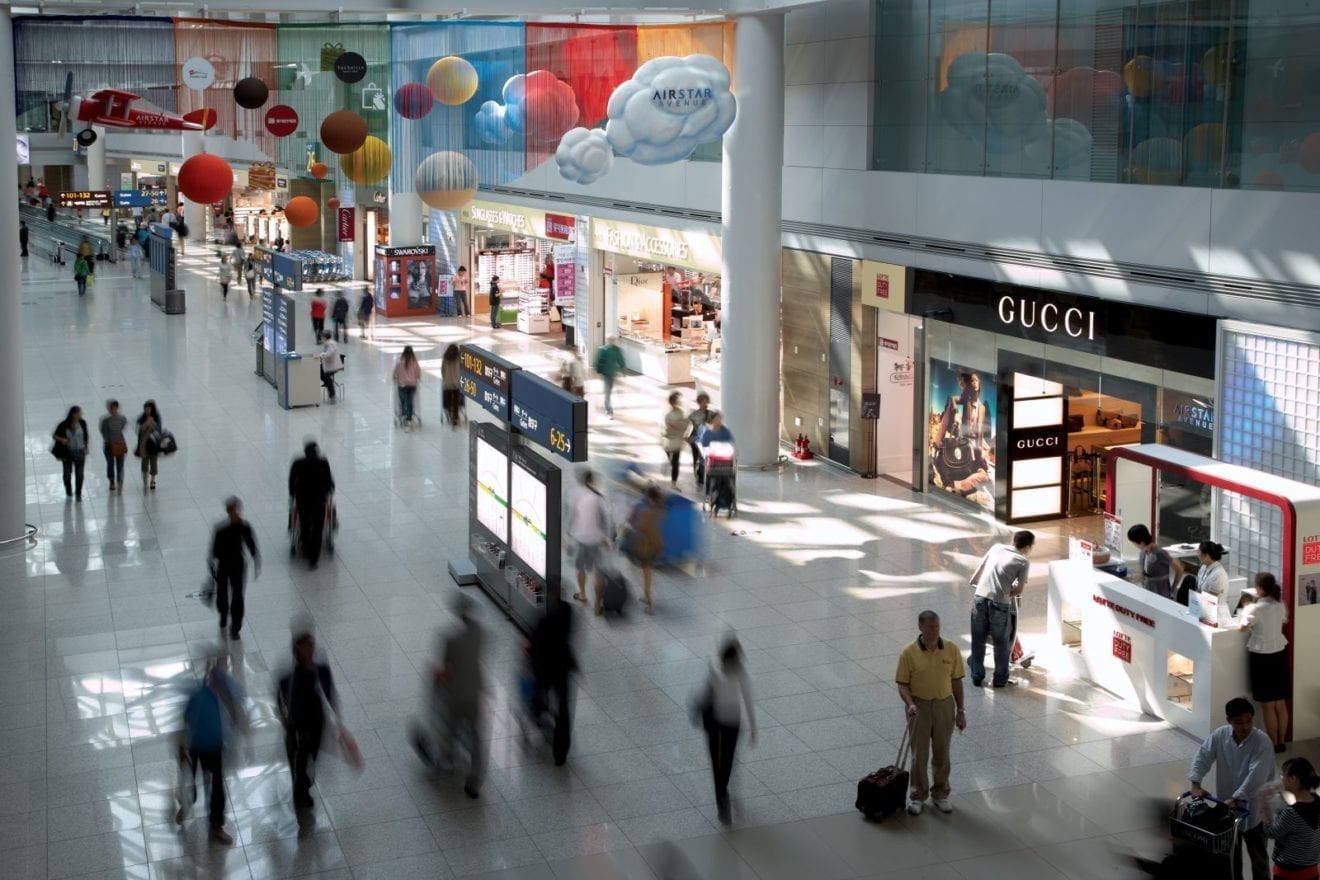
    Lotte Group has had a presence in the Vietnam retail market since 2008 and has invested US$390 million so far.

    Currently, the company has 14 shopping malls, one department store, and two duty-free shops operating across the country.

    Japanese rival Aeon entered Vietnam in 2011 with a capital of $190 million. Since then, it has built and operated shopping malls in three centers: Ho Chi Minh City, Hanoi and Binh Dương.

    Besides Aeon, Japanese companies such as 7-Eleven, Fuji Mart are also operating in Vietnam.

    The channels that are growing rapidly in the local market are convenience stores and e-commerce.

    In particular, the growth of the convenience-store market is steep due to rapid urbanization, rising income levels and the expansion of the young consumer population.

    IGD Research ranked Vietnam as the top country among the fastest-growing convenience store markets in Asia by 2021.

    The South Korean convenience store chain GS25 entered Vietnam in January last year when it opened a store in Ho Chi Minh through a joint venture with SonKim Group, a Korean company that has emerged in the region.

    It currently operates about 50 stores but plans to expand to 70 by next year and to 2000 over the next decade.

    South Korea’s BGF Retail, which operates the convenience store chain CU, also recently signed a master franchise contract with Vietnam’s CUVN to start making inroads into the Vietnamese market.

    Japan’s 7-Eleven entered Vietnam in 2017 and is currently operating 24 stores. It aims to build 1000 new stores, mostly focused for now on Ho Chi Minh City and Hanoi. It followed Circle K and FamilyMart which have gained considerable traction in Ho Chi Minh City.

    South Korean conglomerates such as Lo

  • Shopee to focus on growing market share in SEA

    Shopee to focus on growing market share in SEA

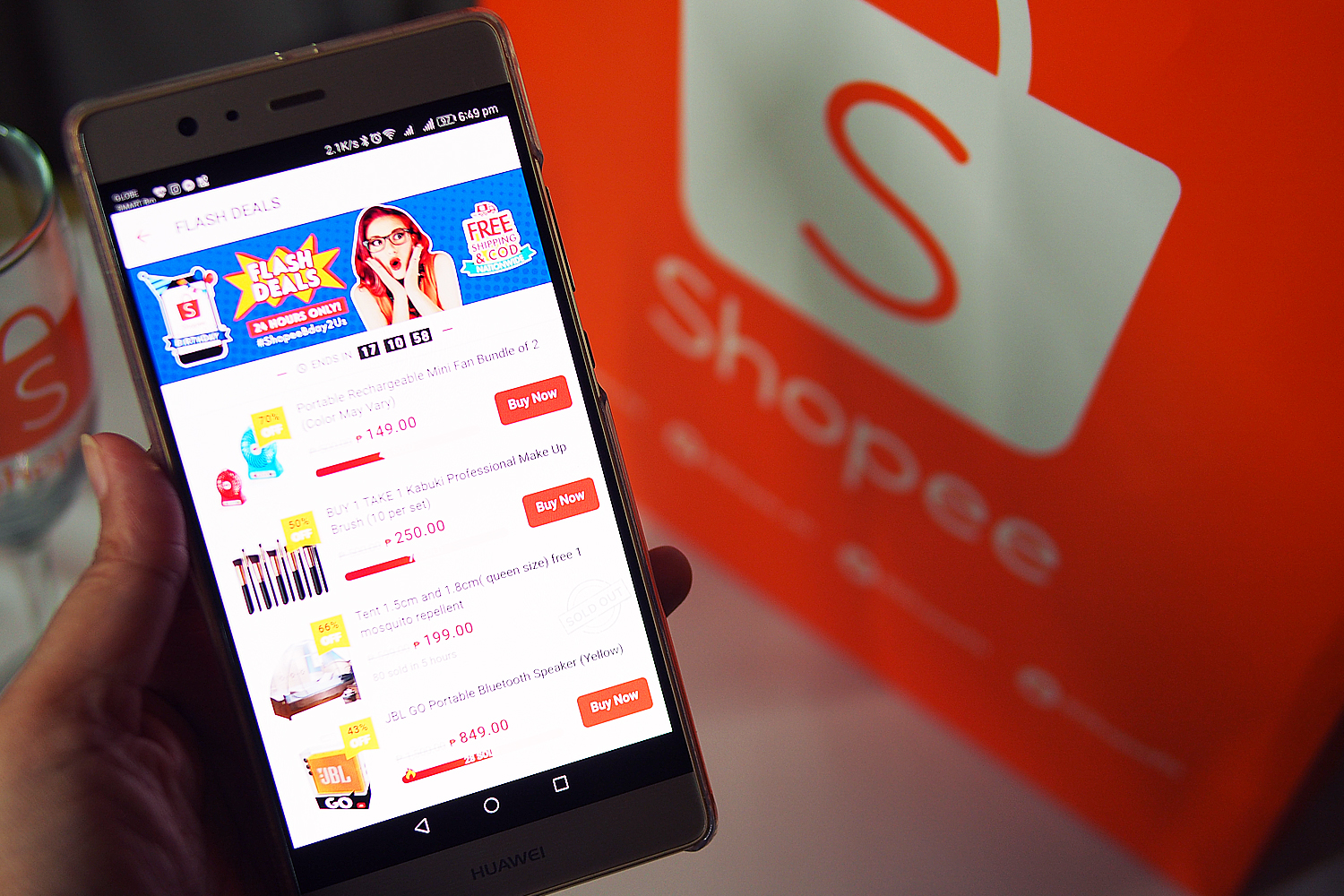
    Singaporean online shopping business Shopee is aiming to boost its market share in Southeast Asia.

    The firm is targeting an expected exponential increase in the number of online shoppers in the region, according to a recent interview published in Yahoo Finance Singapore with Shopee’s CCO Zhou Junjie.

    “We believe that there should be a lot more growth potential in Southeast Asia so we should focus our effort and resources in this region,” said Zhou in the interview. “Whereas the e-commerce industry in China is more mature, Southeast Asia markets are still at the very beginning stage.”

    E-commerce in the region is projected to pass US$150 billion by 2025, nearly four times the current levels.

    “Our priority is to grow the market share,” said Zhou. “We will continue to invest to make sure that we strengthen our lead position, we want to make sure that we grow faster than others.”

    Beyond Singapore, Shopee operates in Thailand, Malaysia, Vietnam, the Philippines, Indonesia and Taiwan.

  • Asos profits tumble as international sales growth slows

    Asos profits tumble as international sales growth slows

    Global fashion online retailer Asos has seen profits tumble 68 percent in the year to August, despite a 13-per-cent increase in sales.

    In what Sofie Willmott, lead retail analyst at GlobalData, described as “a tumultuous” year, Asos reported sales of £2.73 billion and a profit of just £33.1 million. After two profit warnings during the year, investors were unsurprised by the numbers and its share price actually rose 16 percent in post-announcement trading.

    Asos says it received 72.3 million orders and its core UK market performed the best, where sales rose by 15 per cent.

    “This financial year was a pivotal period for Asos, where we have invested significantly and enhanced our global platform capability to drive our future growth,” said CEO Nick Beighton.

    “Regrettably this was more disruptive than we originally anticipated. However, having identified the root causes of our operational issues, we have made substantial progress over the last few months in resolving them.

    “Whilst there remains lots of work to be done to get the business back on track, we are now in a more positive position to start the new financial year.”

    Willmott said with overseas sales accounting for 62.6 percent of group turnover, a modest 11.4-percent rise had a major impact on top-line growth.

    “Although its reliance on territories outside of the UK has been an asset in the past, helping to drive total performance while its domestic market has been challenging, its troubles overseas remain a concern going forward as Asos attempts to improve its proposition and entice shoppers back. The retailer’s plans to bolster its management team with the addition of four new c-suite roles, alongside the four non-executive directors due to join imminently, is a wise one considering it has a number of key areas of focus in the year ahead.”

    Willmott said it bodes well for Asos that it is clearly willing to adapt to survive – unlike some of its multichannel rivals that have been slow to respond to changing consumer needs and shopping habits.

    “Although a quantifiable forecast for the new financial year was omitted from the results today, we expect the online pureplay to continue to outperform in the year ahead.”

  • Retailers commit to reduce climate footprint

    Retailers commit to reduce climate footprint

    Gen Less, a government sponsored initiative to help New Zealanders and local businesses reduce their climate footprint, launched on Saturday – with several retailers already committing to take part.

    Some of the methods Gen Less puts forward for a business to reduce its carbon footprint are to replace vehicles with EVs, video conference rather than travelling to meet, support low carbon suppliers, encourage staff to commute without a car, switch to LED lights, setting up a ‘green team’ to oversee sustainable initiatives in the business, and better understanding where your business could save energy.

    Countdown, NZ Post, Ecostore and Ethique all voiced their support for the program, with Countdown noting it will reduce its carbon emissions by 60 per cent by 2030.

    “There is no denying the impact that changes to our climate is having, and will continue to have, on the planet,” Countdown general manager of safety and sustainability Kiri Hannifin said.

    “At Countdown, we’ve got an unwavering focus on reducing our emissions and, since 2016, we’ve reduced them by 21 per cent.

    “Our new carbon emissions target makes our intention clear – we want to significantly reduce our emissions even further to help protect Aotearoa for future generations.

    “We absolutely agree that by using less, we can have more. That’s why we are really proud to be a part of Gen Less and encourage anyone wanting to do their bit to join this exciting movement.”

    Skincare brand Ecostore recently announced it would be targeting carbon neutrality by the end of 2019 across its New Zealand and Australian operations.

    “Businesses need to step up and recognise that they can and must be a force for good,” Ecostore managing director Pablo Kraus said.

    “Corporates have an incredible opportunity to pave the way for future generations. We must lead by example, empower others, act, make changes.”

  • Noni B Group looks at rebranding

    Noni B Group looks at rebranding

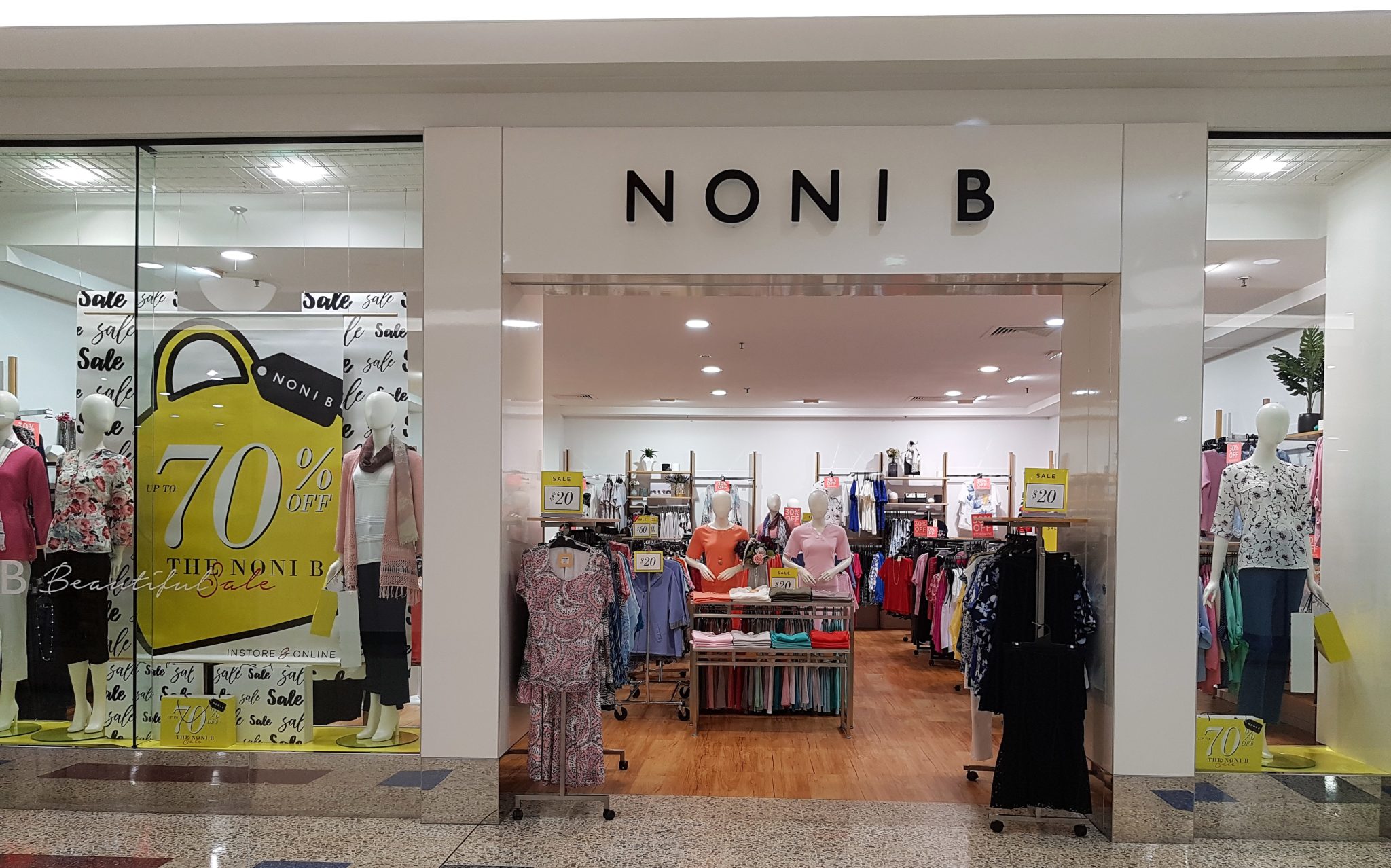
    Fashion retailer Noni B Group enjoyed the benefit of its first year of trading as a significant multi-brand retail group during FY19 and is seeking to push further into this direction: floating a name change to Mosaic Brands Ltd.

    According to Noni B Group chairman Richard Facioni, this change is another significant milestone for the group, and reflects the synergistic and complementary collection of brands that are now part of its portfolio.

    Noni B Group currently operates the Millers, W.Lane, Noni B, Rivers, Katies, Autograph, Rockmans, Crossroads and BeMe brands.

    While the five former-Specialty Fashion Group brands acquired in July 2018 made a collective positive earnings contribution to the group, ongoing costs relating to the acquisition, as well as restructuring, hit the group’s bottom line for FY19.

    Noni B Group announced on Tuesday net profit had fallen 52 per cent to $8.2 million from $17.3 million the year prior, while EBITDA rose 22 per cent to $45.5 million, and revenue grew to $881.9 million, from $372.4 million the year prior – a 136 per cent increase.

    “This result, at a time of considerable change within the business and an uncertain economic climate globally and domestically is a significant achievement,” Facinoni said.

    “When we announced the acquisition of the Specialty brands, we conservatively expected them to break-even on an EBITDA basis in FY2019, returning to profit in FY2020.

    “We achieved anticipated synergies and merger benefits ahead of schedule and identified additional efficiencies, resulting in the five brands, collectively, making a positive earnings contribution for the year.”

    Noni B Group managing director Scott Evans said that he was pleased with the result, and that lessons learned through operating nine separate brands across an expanded footprint had enhanced the group’s understanding of its customer’s product preferences, shopping habits, and behaviours.

    “These insights have guided our decisions across the group to improve all aspects of our customers’ journey,” Evans said.

    “In summary, we are a very different company than a year ago. The changes we have made have created a stronger and more profitable business which is financially stable, generates cash and provides a solid platform for future expansions.”

    “We are excited about the potential to be unlocked by greater analysis of our group’s data, store expansion and online strategies.”

    Evans expects the group’s omni channel strategy will be a pillar for growth moving forward.

    Online sales grew to 9.8 per cent of total group sales in FY19 from 4 per cent in FY18, having reached comparable sales growth of 21 per cent – which the acquired brands saw sales growth of 15 per cent, up from 9 per cent in FY18.

    This result has prompted further investment in the online space – with Noni B Group looking to expand the online team, add further digital marketing channels and improve its customer experience.

    For FY20, Noni B Group is expecting underlying EBITDA to reach $75 million – in line with market consensus.

    Shareholders will be able to vote on the potential name change at the group’s AGM in November.

  • Gome Retail to target smaller cities as part of restructuring

    Gome Retail to target smaller cities as part of restructuring

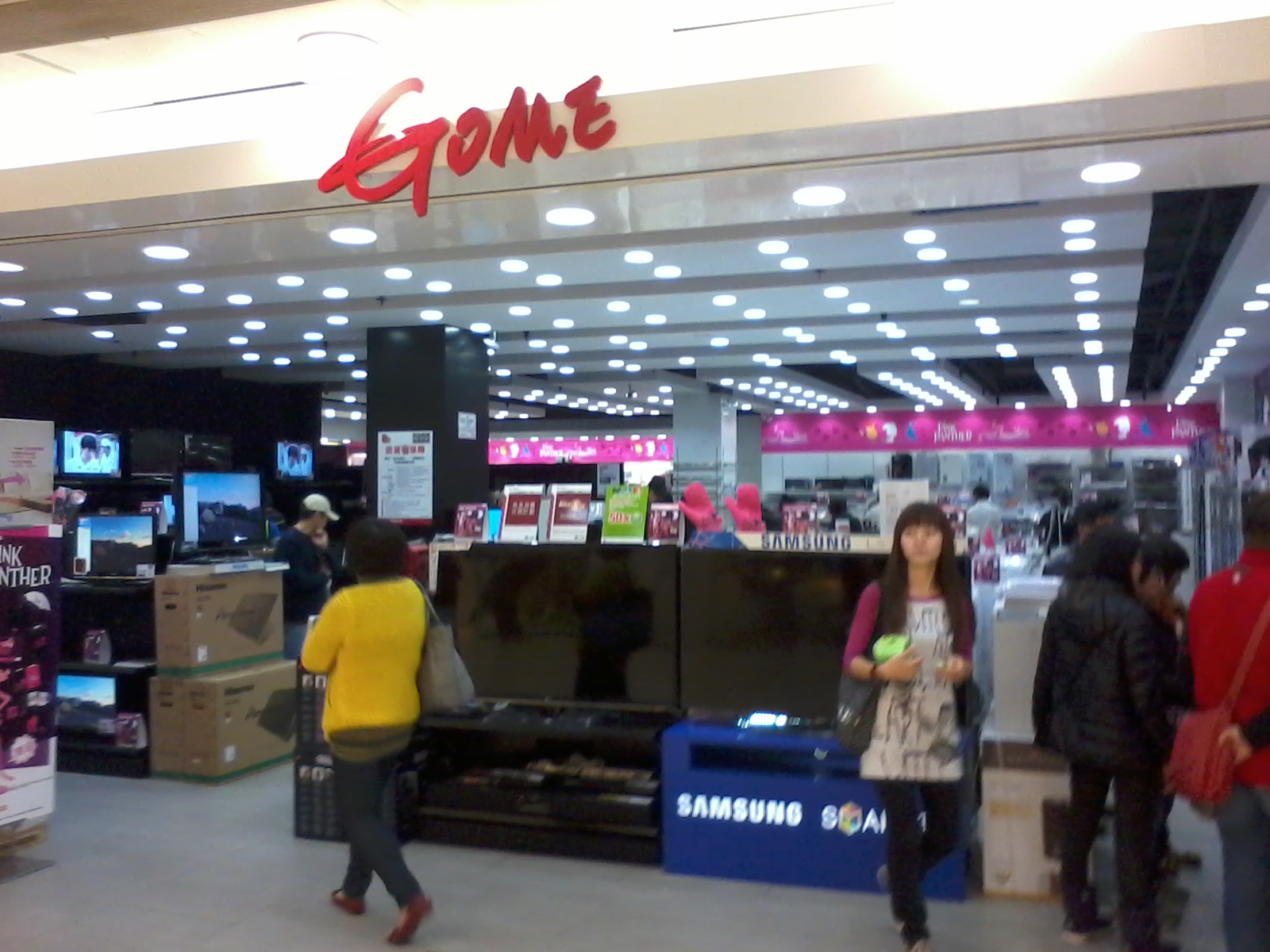
    Gome Retail Holdings will speed up its penetration into lower-tier Mainland China markets during the year ahead, with about 1000 stores slated for opening.

    The move is part of a broader strategy dubbed ‘Home.Living’ in which the retailer is rolling out innovation and transformation throughout the business.

    For the first half of this year, Gome Retail reported a loss attributable to shareholders of RMB380 million (US$53.1 million), a reduction of the RMB457 million loss during the  corresponding period last year as its restructuring began to show results.

    Group sales for the first half were RMB34.333 million, relatively stable compared with RMB34.706 billion for the corresponding period last year.

    Chairman Zhang Da Zhong says that in the months ahead, the company will further expand into third- to sixth-tier Chinese cities to meet the constantly growing demand of these markets.

    Moving into these markets efficiently is possible due to Gome’s advantages in brand, supply chain and logistics, he said.

    During the first six months of this year, the group’s total gross merchandise volume (GMV) increased by about 1.8 per cent compared with the same time last year, with GMV of its county-level stores (both self-operated stores and New Retail stores) growing by 339 per cent. Sales through its Me Shops grew by about 123 per cent, while sales from smart products grew by 62 per cent. Sales by its new businesses, such as home solutions and the integration of kitchen cabinets with electrical appliances, grew by 108 per cent, and service GMV grew by 32 per cent.

    This year, Gome has entered “a critical stage of its strategic transformation” said Zhang Da Zhong.

    “Leveraging on the advantages of internet technology, Gome has set up a user-base interaction and operation platform under the integration of the three terminals – the Gome app, physical stores and Me Shop.”

    As well as the company’s foray into smaller cities, the company will begin opening a second wave of new Ixina stores, its self-operating integrated kitchen cabinets and electrical-appliances business collaboration with European cabinet brand Ixina. Stores will open in cities including Wuxi and Nanjing, after Beijing and Shanghai, to further boost the brand’s awareness and reputation. Cozy Home, the home-hardware integration solutions chain, will also be developing at full speed, he said.

  • Adairs finally delivers first profit in New Zealand

    Adairs finally delivers first profit in New Zealand

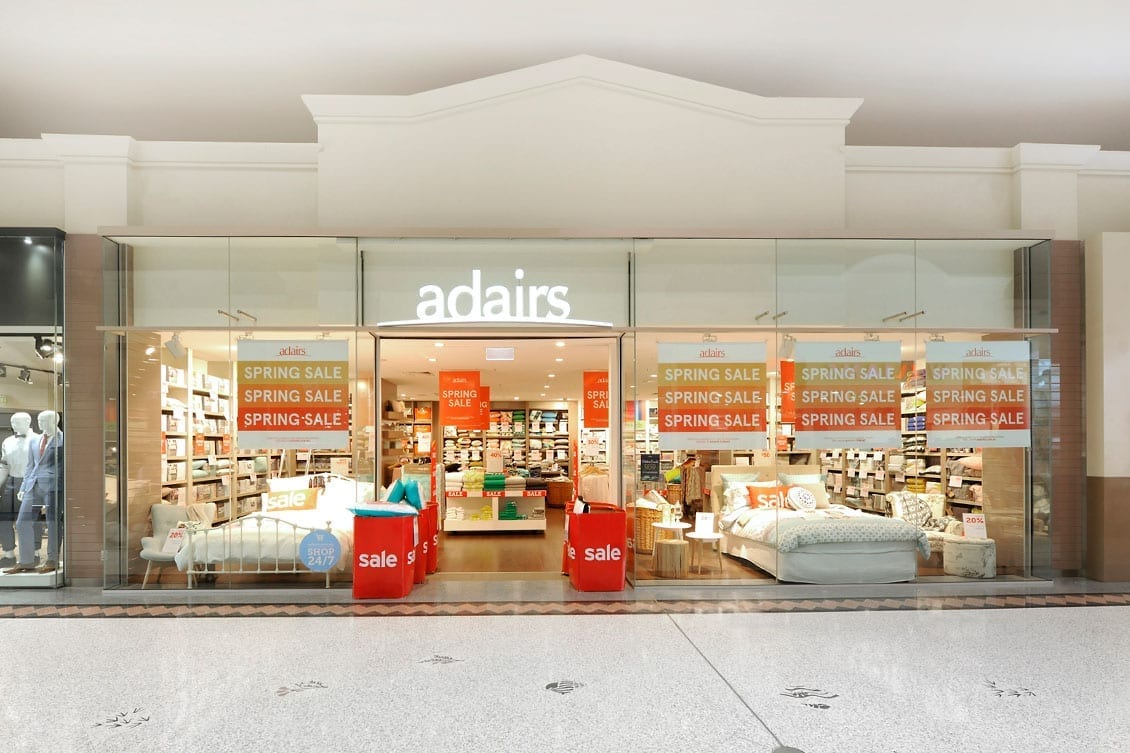
    Homewares business Adairs delivered its first profitable year in New Zealand in FY19, with work done on the local supply chain significantly assisting sales, along with improving brand awareness.

    New Zealand saw sales growth of over 25 percent during FY20.

    According to Adairs chief executive and managing director Mark Ronan, the lessons learned in New Zealand will assist the business as it looks to expand into further markets – when the right opportunity arises.

    On a group level, Adairs saw net profit slip despite sales and gross profit improving as a result of a weaker Australian dollar and the costs of a growing distribution network over the year to 30 June, 2019.

    Total sales increased 9.7 percent to A$344.4 million ($365.2 million), with Adairs’ online channel growing 41.7 percent during the year – now contributing 17 percent of overall sales.

    Despite relatively strong sales numbers, Adairs net profit fell 1.3 percent to A$29.6 million ($31.39 million).

    Ronan said the group results were attributed to an unrelenting focus on delivering excellent retail execution, and an understanding of what the business’ customers want both online and offline.

    Part of this understanding comes from the business’ loyalty offering, Linen Lovers, which grew 17 percent over the year. Linen Lovers members contributed 75 percent of all sales.

    According to Ronan, Adairs is not quite operating at best-practice in its omnichannel operations, which gives the business a lot of room for growth in the online space.

    Cost of doing business grew by A$15.2 million ($16.12 million) (, or 11 percent, due to efforts to restructure the business’ supply chain network in order to provide agile, the best-in-class capability to accommodate future demand.

    “We are addressing our short-term supply chain issues and have a clear process to finalize the long term solution,” Ronan said.

    “We see this as an opportunity to contribute to building and sustaining our competitive advantage. In the last 12 months, we have made strategic hires in key areas of our business, [and] we are in a strong position to deliver a great retail experience.”

    However, Ronan acknowledges that the current retail climate brings its own set of challenges.

    “While the macro environment is challenging, our strategies of product differentiation, range expansion, more inspiring and larger store formats, and an unwavering focus on customer service will all play a key role in growing both like-for-like and total sales in FY20,” Ronan said.

    During FY20, Adairs expects to open between four to six new stores across Australia and New Zealand, and forecasts total sales of between A$360 million and A$375 million ($381 million and $397.7 million) to deliver an EBIT of between A$43 million and A$46 million ($45.6 million and $48.79 million).

  • Korea’s largest retailers forced to think about delivery services

    Korea’s largest retailers forced to think about delivery services

    South Korea’s largest retailers are having to invest in logistics to cope with rising online spending and personalized delivery services.

    South Korean online shopping malls Coupang and Market Kurly have led the paradigm shift in the delivery industry after introducing the early morning delivery service, which has led many to adjust to the new and more convenient ways to purchase goods.

    Large brick-and-mortar retailers can no longer wait for the customers to visit their store.

    Homeplus, a South Korean hypermarket chain operator, said this week it has opened two fulfillment centers, located in Anyang and Suwon, Gyeonggi Province to provide better online delivery services.

    In a 6600sqm logistics center, pickers collect products in a tray to ship them for online orders. A Digital Picking System informs the picker on which tray to use, where the product is located, and the final results of the picking process.

    Homeplus plans to improve 140 stores across the country with enhanced capabilities for online shopping and delivery by 2021.

    SSG.com, Shinsegae Group’s online marketplace, currently runs NE.O, logistics centers for online shopping located in Yongin and Gimpo. NE.O will open its third center in Gimpo later this year.

    SSG.com is also in charge of receiving orders at E-mart’s picking and packing centers as part of a two-track strategy.

    Lotte Mart plans to expand its logistics centers for online shopping to meet the rising demand from the online community.

    Lotte’s signature delivery service is same-day nighttime delivery service. If a customer places an order before 8pm, the product will be delivered before midnight on the same day.

    As such, large offline retailers are now in competition over expanding logistics centers for online shopping, which may turn out to be the only way to outlive the ‘delivery war.’

    But for South Korea’s largest retailers, building separate logistics centers for online shopping may also provide stores with a wider leeway since offline malls are subject to various restrictions, including mandatory business holidays.

  • Online fashion retailer Boohoo ready to buy Karen Millen and Coast

    Online fashion retailer Boohoo ready to buy Karen Millen and Coast

    Fast-growing pure-play online fashion retailer Boohoo is preparing to acquire the Karen Millan and Coast brands.

    According to sources quoted by Sky News, Karen Millen will be placed in administration as early as today, UK time, in what is termed a “pre-pack administration” where the new buyer acquires the assets relatively unencumbered.

    The deal – assuming it proceeds – is remarkable in that it reflects the power of new-generation online retailers being in a place to pounce on struggling brands like Karen Millen, itself an icon of the high-street fashion scene.

    Boohoo Group, listed on AIM, a subsidiary of the London Stock Exchange, owns a controlling share in PrettyLittleThing. Last month, thanks to an association with reality TV series Love Island and high-profile celebrity endorsements, Boohoo overtook Asos as the most valuable online fashion retailer in the UK, its valuation touching £2.35 billion. Its share price has surged 29 percent this calendar year.

    According to Sky News’ sources, Karen Millen is about to appoint Deloitte as administrator of the business, preparing the way for Boohoo to proceed with the purchase.

    The two fashion labels have been on the market for six weeks during which management attempted to secure a sale of the business while it remained solvent. Karen Millen bought Coast out of administration last October. Karen Millen and Coast were both previously owned by Icelandic bank Kaupthing.

  • Singapore retail store rents ease in second quarter

    Singapore retail store rents ease in second quarter

    Central Singapore retail rents eased by 1.5 percent in the second quarter of this year, according to data from the Urban Redevelopment Authority.

    That followed a smaller quarter-on-quarter decline of 0.2 percent in the three months to March 31.

    At the end of the June quarter, there were 320,000sqm of space in the pipeline, down from 364,000sqm three months earlier.

    Singapore retail space occupied by tenants rose by 74,000sqm in the quarter, more than reversing a 14,000sqm decline in the prior period.

    That contributed to a fall in the vacancy rate across the city from 8.7 percent to 7.7 percent.

    Singapore retail rents ease in second quarter

  • E-commerce giants report record results for 6.18 shopping festival

    E-commerce giants report record results for 6.18 shopping festival

    China’s e-commerce giants JD and Alibaba turned in record-breaking results for the 6.18 shopping festival on June 18.

    Total sales transaction volume during JD’s 6.18 trading reached a new high this year of US$29.2 billion. Key drivers leading to the breakthrough results were new products as well as Chinese consumers’ continued interest in and pursuit of higher quality.

    Alibaba Group’s Taobao and Tmall shattered multiple records during the Mid-Year Shopping Festival, stating a rising demand from consumers in less-developed cities for quality products. More than 200,000 brands took part, using campaigns and tools provided by Alibaba’s core platforms to help more than 110 brands each generate gross merchandise volume in excess of RMB100 million ($14.5 million).

    New products were a strong focus of JD’s retail strategy overall this year. JD has launched an exclusive channel within its platform to socialise and promote these products as well as bring them to market, making them easier for consumers to find, and helping brands to strategically reach new consumers. Consumers from lower-tier cities are also “trading up” showing greater interest in brands traditionally more coveted by consumers in higher-tier cities.

    Transaction volume growth was twice as high in lower-tier cities than the overall growth on JD. The percentage of new users from lower-tier cities was also much higher than the percentage of new users overall. Two campaigns involved participation from more than 100 million users. One was an innovative “birthday red envelope” campaign, which encouraged and rewarded consumers for sharing on social platforms. Another campaign engaged users to share, vote for and win shared rewards for their cities.

    The firm’s recent C2M initiative employs big data and consumer insights, providing insights to brands to adjust their manufacturing and marketing approaches with the goal of providing consumers with products they want before they even know they want them. Transaction volume of new products and C2M products during 6.18 increased 289 per cent compared with the same period last year. One out of every three monitors sold during this year’s 6.18 campaign were C2M products. HP saw a 100 per cent increase in sales of its Zhan 66 laptop, a C2M product, during 6.18.

    Several new brands also launched on JD during 6.18. Most recently, Italian designer brand Prada, as well as Miu Miu and Car Shoe – two sister brands under the Prada Group – launched authorised flagship stores on JD. Farfetch also launched a flagship store on JD during the period, enabling JD consumers to access more than 3000 brands through Farfetch’s network of more than 1000 brand and boutique partners.

    JD also worked with the world’s top hotel brands to empower subscribers of its premium membership program, JD Plus, with exclusive privileges at 15,000 high-end hotels around the world, marking the first time JD Plus benefits can be enjoyed outside of China. During this 6.18, shopping festival JD sold more than 2.8 million JD Plus memberships.

    Technology continues to be key to improving the consumer experience and exceeding expectations during the sales festival. 91 per cent of orders coming from JD fulfillment centers were delivered same-or next-day. During this year’s 6.18, JD’s smart customer service robot fielded more than 32 million inquiries, of which it solved 90 per cent of those independently, freeing up human customer service for more complicated inquiries.

    Flash sales crash records

    Alibaba’s flash sales channel, Juhuasuan, which aids brands in attracting new customers via discounts, added over 300 million new consumers. During the festival. More than 180 products topped RMB10 million ($1.45 million) in sales, and 4700 products achieved sales of more than RMB1 million ($145,000). This was a record-breaking number for brand participation in Juhuasuan.

    The firm’s Taobao live-streaming platform helped generate GMV of more than RMB13 billion ($1.88 billion).

    “The results of the ‘6.18 Mid-Year Shopping Festival’ are encouraging,” said president of Taobao and Tmall Jiang Fan. It has proven to be a celebration that can match the enthusiasm and scale of the ‘11.11 Global Shopping Festival.’ More than 100 brands achieved a new sales record that surpassed the result from last year’s 11.11.

    “We are very pleased to see that our strategy to help brands penetrate the less-developed markets has paid off. Customers in the emerging cities are very receptive to innovative products and promotion campaigns such as programs on the Juhuasuan platform. The number of customers and GMV from third- to fifth-tier cities both hit 100 per cent growth. We believe this group of customers will continue to grow into a strong and sustainable force for brands who are looking at further developing the Chinese market,” he added.

    With an increase in discretionary income, consumers in China’s less-developed areas are quickly becoming a crucial driver of China’s solid consumption. These consumers were a main engine powering this year’s 6.18 Shopping Festival. According to Tmall, 48 per cent of the newly launched products on the platform during the event were purchased by customers outside first- and second-tier cities.

    Demands and preferences from lower-tier cities consumer were diverse, ranging from high-end electric products from Apple to imported fruit, such as durian from Malaysia, and daily necessities, including socks and toothbrushes.

    Tmall’s Luxury Pavilion sales more than doubled from last year, boosted by customers in emerging cities and shoppers born after 1995. Premier brands hit better-than-expected results. Sales of Versace jumped 20 times compared with last year.

    This year, Taobao’s Daily Deals, a channel which allows consumers to order customised products straight from the manufacturers, generated more than 420 million orders. With Alibaba’s big data and IoT technology, the Daily Deals service has effectively digitised the manufacturing industry by initiating a direct manufacturer-to-consumer model.

    Sales generated from consumers in third- and forth-tiers cities on cross-border trade platform

    Tmall Global increased by 153 per cent from a year before. The top five countries on Tmall Global were Japan, the US, South Korea, Australia and Germany.

  • Versace to expand Asian store network

    Versace to expand Asian store network

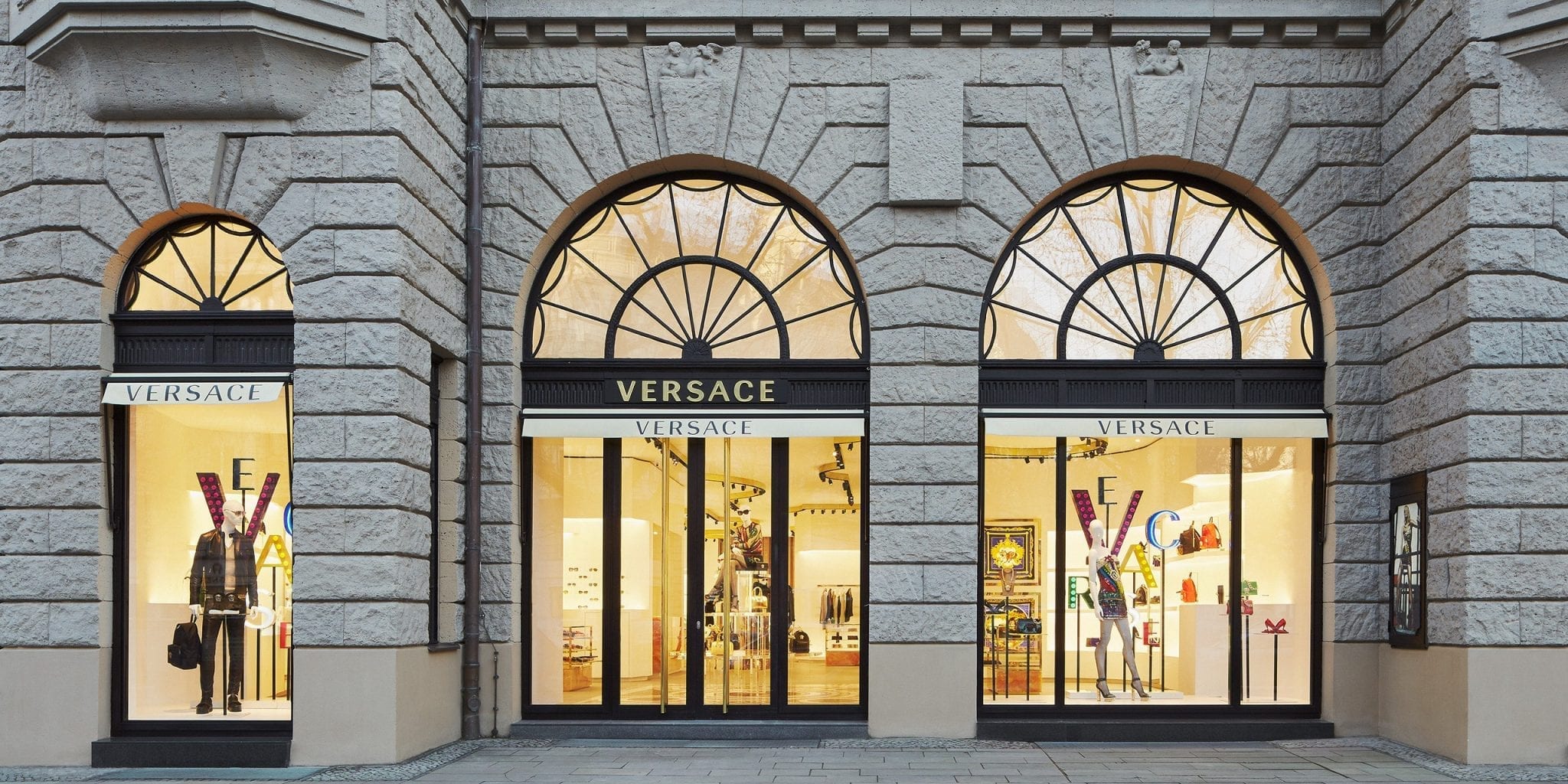
    More stores, broader range, fewer brands as fashion icon tries to double sales. Versace will open its largest store yet in China this week, part of a concerted plan by the fashion label’s new owners to expand its footprint globally.

    Capri Holdings, which also owns Michael Kors and Jimmy Choo, bought Versace from Donatella Versace late last year for US$2.2 billion. It is now implementing a plan to double the label’s worldwide sales with at least 112 new stores scheduled by 2022 along with a refurbishment program for the existing network. The new Beijing store – details of which are scant at present – is a key step in that plan.

    Worldwide, Versace has 188 stores currently and wants to reach 300 within three years. Asia will be a big benefactor from the plan, already accounting for more than half the network. China alone has 40.

    Along with new openings and revamps of existing stores, Versace will boost its product offer, adding more handbags, footwear and leather goods to its high-end clothing range. Accessories currently account for just 35 per cent of Versace’s sales and the company wants to lift that to 60 per cent.

    “It’s very clear: The productivity in our stores is not what it should be,” CEO Jonathan Akeroyd told an investors briefing this week. He plans to double the sales per square foot across the network.

    “We need to rapidly increase productivity and this will really be the real driver to take us to our US$2 billion revenue target.”

    Versace’s marketing strategy will be revised, with less focus on fashion shows in favour of a stronger social media presence.

    The company has quietly dropped its diffusion brands Versace Collection and Versace Versus and new stores will all bear the core Versace brand name alone.

  • Hong Kong retail sales felt Last Month

    Hong Kong retail sales felt Last Month

    Hong Kong retail sales fell by 4.5 per cent in April, contributing to a 2 per cent decrease in year to date.

    Worse, the Census and Statistics Department said that after netting out the effect of price changes year on year, Hong Kong retail sales fell 5 per cent year on year, following a 0.8 per cent fall in March and contributing to a 2.3 per cent decline year to date.

    “The larger year-on-year decrease recorded in April reflected the still-cautious consumption sentiment amid external uncertainties, but was also partly due to the late arrival of the Labour Day holidays in the Mainland (which fell in early May this year but straddled between April and May last year), which has led to a notable deceleration in the growth rate of visitor arrivals,” a government spokesman said, commenting on the data.

    He said that in the near term, consumption sentiment will continue to be affected by various external uncertainties, though the sustained expansion in inbound tourism and the largely stable local labour market should provide support to retail sales business. In other words: it may be too soon to start panicking.

    Predictably, the jewellery, watches and luxury goods sector performed the worst, sales down 11.4 per cent in April. Apparel, the second greatest contributor to the figures, slipped by a more modest 2.2 per cent, with cosmetics down 6 per cent, department-store sales down 4.3 per cent and electrical goods by 13.7 per cent. Sales of footwear and accessories fell 5.4 per cent, furniture by 0.4 per cent; books, newspapers, stationery and gifts by 7.5 per cent; Chinese drugs and herbs by 5.7 per cent, and optical shops by 7.8 per cent.

    On the positive side, supermarket sales rose by 1.1 per cent; food, alcohol and tobacco by 0.8 per cent and fuels by 3.3 per cent.

  • Zara’s local profit after E-commerce Launch

    Zara’s local profit after E-commerce Launch

    Inditex Group’s Australian business, Group Zara Australia, posted a 35 percent increase in net profit for the year ending January 31, 2019, lifting the figure from $8.9 million to $12 million, according to documents lodged with the Australian Securities & Investments Commission.

    This came off the back of strong sales growth, with Zara’s full-year revenue in Australia grew 10.5 percent to $311.7 million, up from $282 million in the previous corresponding period.

    This is due in part to the launch of Zara’s local e-commerce site in Australia and New Zealand in 2018, which opened up a new sales channel for the business and gave more customers the ability to shop with the fashion brand.

    Zara’s parent company Inditex launched online stores in a further 106 markets in November last year, which led to a group-wide online sales increase of 27 percent to $5.19 billion (€3.2 billion) – contributing 12 percent of group net sales for the year.

    Zara had 21 stores in Australia on January 31, 2019, including 19 Zara and two Zara Home stores.

    In a statement about its full-year earnings, Inditex highlighted the growing risk fast fashion brands face of being perceived by stakeholders, including customers, employees, shareholders, suppliers and society in general, as unsustainable.

    The retail giant noted that it was ranked as the ‘most sustainable company in the global retailing industry’ by the Dow Jones Sustainability Index for the third straight year based on the progress it has made in its environmental strategic plan and laid out various initiatives it is undertaking to lessen its impact on the planet.

    These include gaining greater control over the materials used in the creation of its products, reducing the amount of water used in its supply chain and using energy efficiently.

    Additionally, in September of last year, Inditex piloted an at-home pick-up service for recycled garments in China, an initiative that is already operating in Spain, though has yet to make it to Australian shores.

    Inditex is far from the only fashion retailer tackling the issue of sustainability. The Iconic recently launching Considered, an initiative that allows customers to more easily filter products based on their own personal values, such as sustainable materials, eco-production, fair production, animal-friendly, and community engagement.

    Swedish fashion retailer H&M has also committed to add more information to its website to allow customers to understand where its products come from – a move to create greater product transparency.