Tag: Retailer

  • World Retail Awards laud store design, sustainability and transformations

    World Retail Awards laud store design, sustainability and transformations

    Alibaba and Walmart were jointly named Retailer of the Year at the World Retail Awards, which were held virtually last week.

    Additionally, while Adidas London won the award from Outstanding Store Design for sites over 1200sqm, a collaboration between Singtel and Fitch took the under 1200sqm award.

    “I’m delighted to have won this award and have this work recognized on the global stage,” said Johnathan Cummings, Landor & Fitch Greater China president.

    “Our team rose to the challenge and formed a formidable combination with the Singtel team to deliver something that has delivered amazing results. I hope that it inspires the industry, brands, and agencies alike, to continue pushing boundaries and further shape the future of retail.”

    Fashion brand Reiss took home the Retail Transformation and Reinvention award, while Best Customer Experience Initiative went to Bonprix for its ‘fashion connect’ store.

    JD won the Sustainable Retailing Initiative award for its Green Stream initiative – the first time the awards have lauded companies for acting environmentally responsible.

    Circular economy app Stuffstr was named the Retail Technology Game-Changer, while

  • Malaysian retail on the recovery track

    Malaysian retail on the recovery track

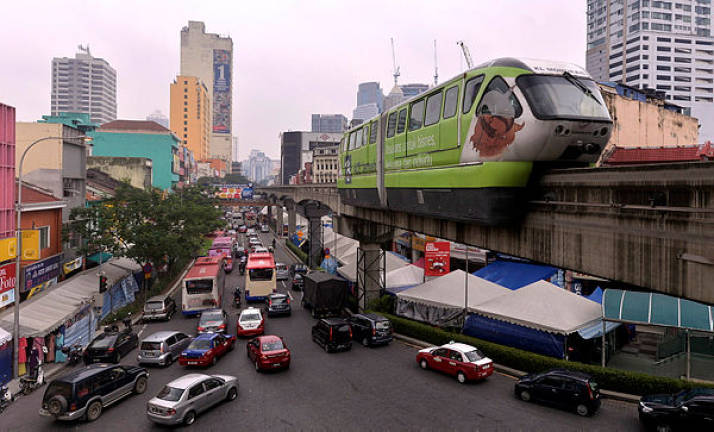
    Malaysia’s retail sector is projected by the government to reach 80-per-cent recovery this year, up from the current 70 percent.

    Statistics department figures showed improved employment numbers during the recent period since the lifting of Malaysia’s movement control order to counter Covid-19. The country’s unemployment rate was down by a record 5.3 percent month on month during May, but was recently measured at an improved 4.9 percent.

    “Subject to the second lockdown, the [retail] sector will be normalized, with local consumption to be the growth driver for the country,” said Minister Datuk Seri Mustapa Mohamed following a private conference with retailers. The Edge reports he also urged Malaysians to support home-grown products.

    Around 90–95 percent of mall retailers are back in business within the country, as mall footfall hit 80 percent of levels recorded prior to the coronavirus outbreak.

  • New retail brands join line-up at The Shoppes at Marina Bay Sands

    New retail brands join line-up at The Shoppes at Marina Bay Sands

    The Shoppes at Marina Bay Sands has revealed a list of store openings and new brands for the shopping center this year.

    In the childrenswear category, Italian label Monnalisa has opened its first Southeast Asian standalone store, following the opening of Fila Kids last month.

    The Shoppes at Marina Bay Sands has also announced a plan by British luxury fashion house Alexander McQueen to refurbish its retail store. Relocated in the center, the new store will occupy a 3300sqft space, three times the size of its existing outlet, and featuring a new-generation store design. It is scheduled to re-open at the end of this year.

    Watch and jewelry brands to join The Shoppes include Japan’s Ahkah (this month) and Chinese label Qeelin whose first Singapore store will open later this year.

    High-end luxury Korean skincare brand Su:m37 will launch its first standalone kiosk and a skincare line in Singapore in the fourth quarter of this year.

    In the food & beverage category, renowned Chinese restaurant Putien is to join The Shoppes dining options early next year, taking up space previously occupied by the DC Comics SuperHeroes cafe.

  • AS Watson opens MoneyBack online venture for all retailers and restaurants

    AS Watson opens MoneyBack online venture for all retailers and restaurants

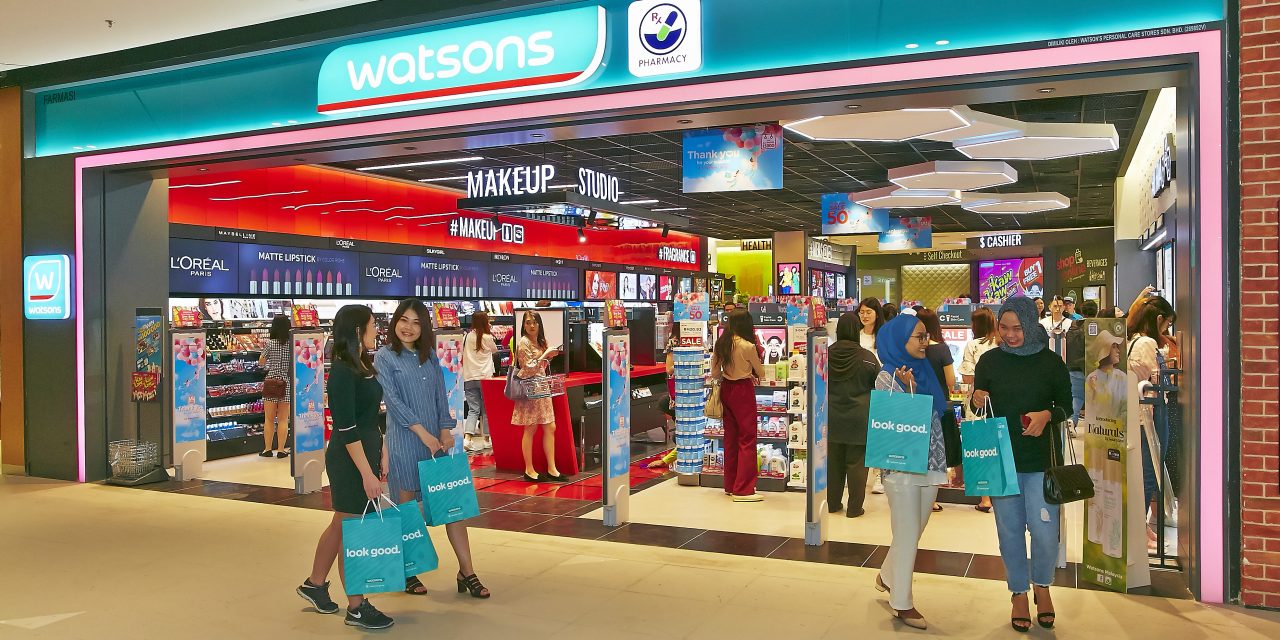
    Health and beauty retailer AS Watson has opened up its Moneyback loyalty program to help retailers in Hong Kong promote their businesses for free in preparation for an easing in the coronavirus pandemic.

    “The pandemic has hit every community hard in many aspects, and it is extremely challenging for retailers,” said AS Watson (Asia & Europe) CEO Malina Ngai. “AS Watson is deeply rooted in Hong Kong for 180 years, we have been through many crises of different nature with the community. We know difficult days will pass, hence we should proactively plan ahead.”

    The group’s loyalty program, which partners with 130 offline and online retailers, has an active member base of 3.7 million people, roughly half of Hong Kong’s population.

    Small and large retailers are now being encouraged by the firm to register for the program free of charge. Participating merchants will receive free promotional opportunities, including the provision of free Watson face masks as shopping rewards.

  • Covid-19 virus outbreak will speed up the reshaping of global retail trends

    Covid-19 virus outbreak will speed up the reshaping of global retail trends

    “Customers today care less about the breadth of assortment and more about availability.”

    Covid-19 has accelerated key underlying global retail trends that were already reshaping the industry according to a new report by KPMG.

    The research finds that retail markets globally are changing and the industry is continuing to evolve while facing massive challenges from Covid-19 crisis. However, far from stopping or slowing change in the industry, the pandemic has sped them up.

    In its report Global Retail Trends 2020, KPMG’s retail sector experts identified four key trends which will continue to impact operators:

    • An evolving retail business model, with online platforms becoming the shopping malls of tomorrow.
    • An increasing desire to explain a ‘sense of purpose’ to consumers.
    • A rethink of the costs of doing business.
    • A stronger focus on customer choices.

    KPMG’s retail sector group predicts just two types of retailers will survive: those offering a limited yet curated selection and those offering unlimited selection.

    The report also concludes that retail leaders will think more clearly about their investments into three key areas: customer loyalty programs, customer data, and technologies aimed at making the shopping experience easier, safer and more efficient.

    “In the post-Covid-19 environment, consumers will place greater emphasis on both convenience and safety,” explains Jessie Qian, partner, head of consumer and retail at KPMG in China.

    “During the lock-down, we have seen brands and shopping centers using WeChat Mini-programs, online social groups and live streaming videos to reach consumers through new channels without the need for foot traffic.

    “Customer data has now become both an important and a valuable asset,” says Qian. “Brands and retailers will aim to use customer data to improve business efficiency and increasingly provide more targeted and personalized services.”

    She says that while many physical stores will return to growth when the Covid-19 crisis passes, consumers’ experience shopping online through necessity will impact shopping behavior in the future.

    KPMG’s report on global retail trends predicts that during the year ahead, ongoing challenges with supply, demand, and business continuity will force many retail groups to rethink their business models. This should spark “a new wave of innovation and competition in the industry”.

    For retailers, cementing customer relationships may be the key to maintaining commercial viability in a post-pandemic world.

    “For most retailers, that means leaning strongly into online sales, proving that speaking to customers and understanding their needs has become just as important as the bottom line,” says Qian.

    Alice Yip, partner, head of consumer and industrial markets, Hong Kong, at KPMG China, says Covid-19 has been a catalyst for change in Hong Kong’s retail sector, impacting different retail formats by varying degrees.

    “Retailers relying on traditional brick-and-mortar stores have taken a considerable hit, while online shops are increasing their trading volumes and attracting new customers. When preparing for a post-Covid-19 environment, Hong Kong retailers will need to revisit their business models to better connect sourcing, logistics, customer interaction, and product sales both online and offline.

    “The aggressive cost-containment strategies implemented in the midst of Covid-19 have shown retailers that they will need to go further if they hope to return their business to profitable growth. Retailers will increasingly need to leverage data and analytics to identify their most profitable stores, configurations and products, and based on this, make important decisions,” she says.

    “The Covid-19 pandemic has shifted customer expectations. Customers today care less about the breadth of assortment and more about availability.”

    That sentiment was echoed by Anson Bailey, partner, head of consumer and retail in Asia Pacific at KPMG:

    “As we see changing consumer behavior, business models are evolving with the rise of platforms in Hong Kong and retailers need to move quickly as the technology is accelerating and the speed of change is relentless,” he says.

    “Consumers have greater expectations from those online experiences in terms of unlimited selections, instant delivery, transparent pricing and more flexible payments. We are therefore going to see a greater focus and investment dollars on those e-commerce platforms.”

    The group predicts that in the light of new global retail trends, retailers will focus on improving transparency, and on helping society respond and recover from the current health crisis.

    They also expect leading retailers will move from having a purposeful brand promise to using their purpose as a guiding growth principle and “a decision-making lens”.

  • Shoe retailer Clarks to cull management ranks worldwide

    Shoe retailer Clarks to cull management ranks worldwide

    Clarks, the UK-based shoe retailer, will cull the ranks of its corporate staff by a net 700 people worldwide, including in Asia during the next 18 months.

    In all, 900 jobs will be lost, the first 160 of which were announced in the UK this week. However by the end of the restructuring process, about 200 new roles will have been created.

    Stung by falling sales even before the Covid-19 crisis, Clarks last month announced an unspecified number of store closures in the UK in a move to right-size the business for a post-pandemic era.

    The job cuts and store closures are all part of a turnaround strategy dubbed Made to Last, unveiled at the end of last year and intended to reposition the 195-year-old company to trade into its third century of trading.

    CEO Giorgio Presca described some of the decisions as “difficult” but said the opportunities they would open up are exciting.

    “We thank all affected staff for their contribution to our business and they leave their roles with our heartfelt respect and support.”

    Most Clarks stores globally have been closed for weeks during the Covid-19 pandemic, however, those in China and parts of Europe are progressively reopening.

    Besides the behind-the-scenes restructure of the group, management are overseeing a refocusing of the brand to reflect its heritage and underline its relevance in today’s market.

    The turnaround strategy also includes exploiting the brand’s potential and leveraging its heritage and consumer relevance in today’s market. That includes embracing sustainability, quality, design and product innovation.

    “We are a business that walks its own path, and we are evolving to put our brand and consumers at the heart of everything we do,” said Presca.

    “This will ensure that our organization is made to last, empowering our people to contribute to a great future for the company.”

  • Global apparel spending to slump by $300 billion in 2020

    Global apparel spending to slump by $300 billion in 2020

    Global apparel spending is predicted to decline by 15.2 percent this year – equivalent to US$297 billion – as a direct result of the coronavirus pandemic.

    According to research by GlobalData, the worldwide apparel market will not return to the level of last year’s value until at least 2022.

    “The 10 worst impacted markets, in terms of value, will represent the vast majority of this total loss with mature regions suffering the hardest,” said GlobalData principal analyst Honor Strachan. “The US will account for more than 40 percent of all lost spend, which will contribute to more major chains filing for Chapter 11 over the next few months.”

    Evidence collected by the firm shows that even markets released from lockdown restrictions are performing with dramatic variance depending on consumer confidence, the respective country’s reliance on tourism, the state of economy and unemployment, and the level pent-up demand among potential consumers. The impact of Covid-19 on global apparel spending is thus calculated to reflect an average across all markets.

    “Some brands across China, for instance, are seeing store sales reach back up to 80–100 percent of pre-Covid-19 trading levels, while apparel retailers in parts of Germany are also experiencing a better bounce back than forecast,” said Strachan.

    He said that contrasted with markets heavily reliant on tourism spending – such as Hong Kong – which are experiencing far tougher trading conditions.

  • Bonjour trims range, relocates stores as losses mount

    Bonjour trims range, relocates stores as losses mount

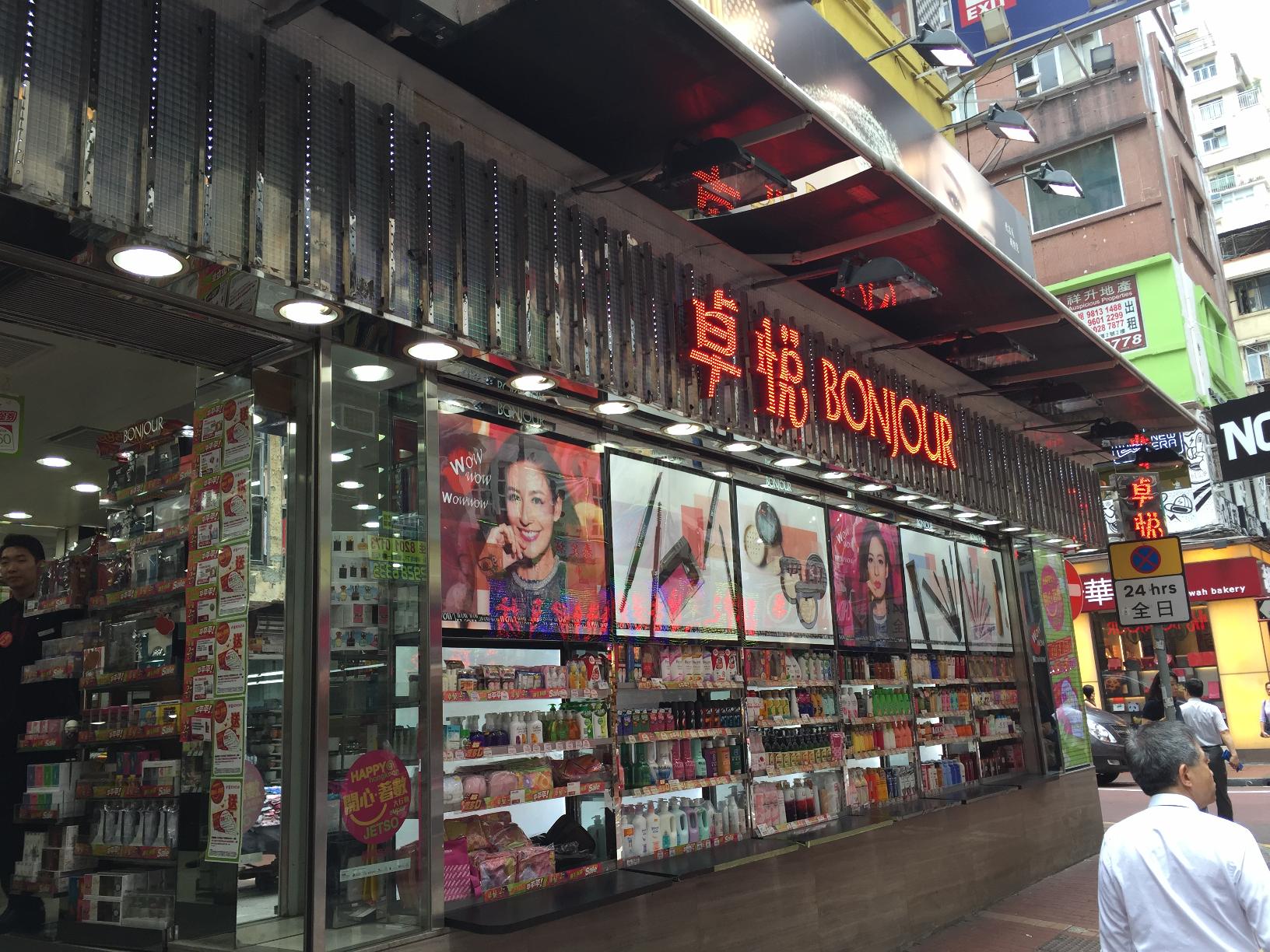
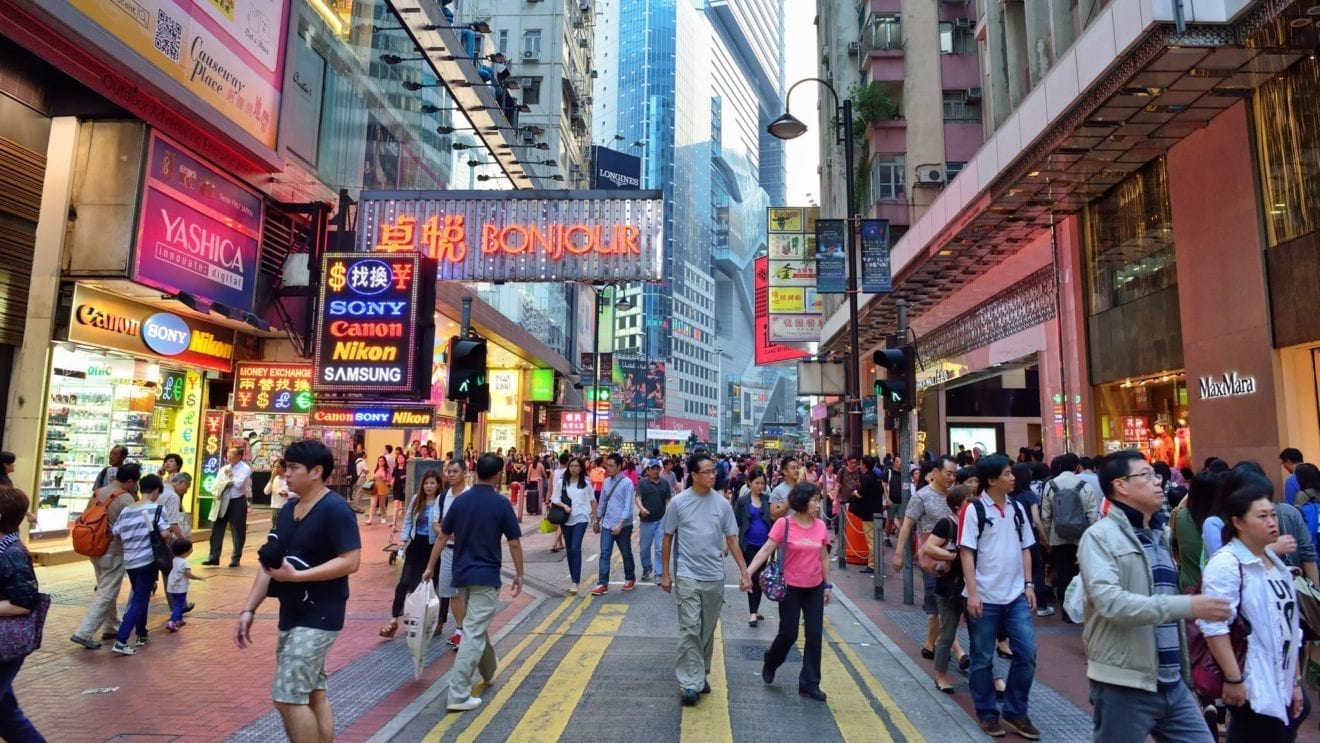
    Hong Kong cosmetics retailer Bonjour Holdings has delisted slow-moving products and trimmed its store network as it grapples with falling sales and mounting losses.

    The company has just released its results for last year, when sales fell by 18.7 percent, following a 7.3-per-cent decline in 2018. The company’s annual loss attributable to shareholders ballooned from HKD39.6 million (US$5.1 million) in 2018 to HKD129.6 million ($16.7 million) last year.

    Culling non-performing SKUs in stores, Bonjour Holdings shifted its focus to brands and products which are faster moving and/or have higher margins. Store layouts were changed to better display top-selling products and trendy lines to create an enhanced shopping experience.

    Bonjour ended the year with 37 stores in Hong Kong, Macau and Guangzhou, two fewer than a year earlier. But within that figure, stores with weak sales performance were replaced by new ones in community districts as the company joined many local brands by shifting focus to locations frequented by locals rather than inbound visitors.

    The company is also open to short-term leases for street-front shops which would be more flexible during the unsettled economic times and with negotiable rents.

    In a stock-exchange filing, Bonjour Holdings said it was responding to a market disrupted by social unrest last year and now the coronavirus pandemic, by reducing its operating costs. Such measures include reducing store trading hours by reducing from two shifts to one, and requiring all staff to take at least five days of unpaid leave to reduce staff costs.

  • Ikea online E-commerce store opens on Tmall

    Ikea online E-commerce store opens on Tmall

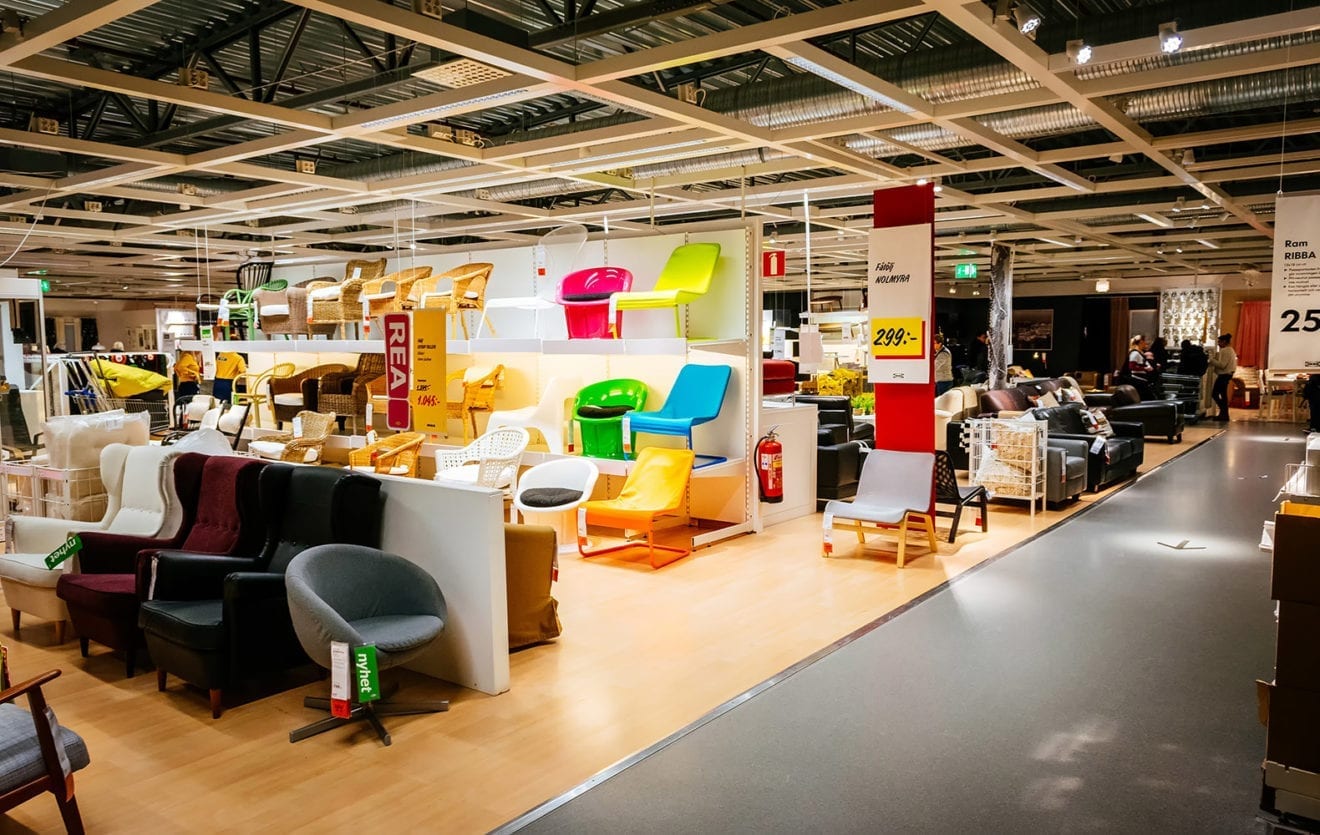
    Ikea has launched a flagship store on Alibaba’s marketplace Tmall, the first third-party platform the brand has partnered within Asia, and after leaving Amazon last year.

    Initially, with a six-month trial across the Chinese provinces of Jiangsu, Zhejiang and Anhui, and the city of Shanghai, the Ikea online flagship store features more than 3600 products.

    “At Ikea, we are very proud of our [physical] stores, but we are always eager to learn how to improve our service,” said Jon Abrahamsson Ring, MD of Inter Ikea Systems BV. “We are happy about this collaboration with Alibaba. I’m convinced that we will learn a lot and develop even better ways to meet our customers.”

    The launch of the Ikea online store on Tmall is part of the brand’s strategy to broaden the ways it reaches Chinese customers, making the brand more accessible.

    The coronavirus outbreak had no influence on the timing of the Tmall launch, an Ikea spokesperson confirmed.

    Ikea shut half of its 30 stores in China earlier this year due to the coronavirus outbreak. Recently, Ikea China is slowly returning to its normal business as the brand is reopening some of its stores across the country.

  • Japanese shopping service Nippon Passport secures funding

    Japanese shopping service Nippon Passport secures funding

    Nippon Passport has raised ¥200 million (US$1.82 million) in pre-series A funding, led by private investors and business companies through a third-party allotment.

    In response to the Japanese government’s target to attract 60 million foreign tourists annually by 2030, the firm has launched its “NP Pass” service, driving foreign visitors through affiliate shops for a commission fee of 10 percent of total sales. Travelers who download the app can receive discounts and vouchers for participating retailers.

    With the financing, Nippon Passport intends to improve the “NP Pass” app as well as develop its network of affiliate shops and agents.

    “Japan’s population has been steadily decreasing,” said Nippon Platform CEO Shinsuke Hishiki.

    “We believe that Nippon Passport’s service makes significant headway in collaboration with Nippon Platform related to tablet solutions, and transfers from attracting customers for tourism consumption to making solutions for paving the way for regional revitalization.”

    Tharminder Singh, a director at Nippon Passport, says the ever-changing nature of technology such as AI and self-driving cars is starting to move consumers away from products and towards experiences and travel.

    “Using technology and smart mechanisms to harness the value of bringing people together through tourism inbound and outbound [we are] creating a value proposition that helps drive the industry and new ways of attracting people and traffic and increasing business.”

  • Tea chain Nayuki expanding to USA and Japan

    Tea chain Nayuki expanding to USA and Japan

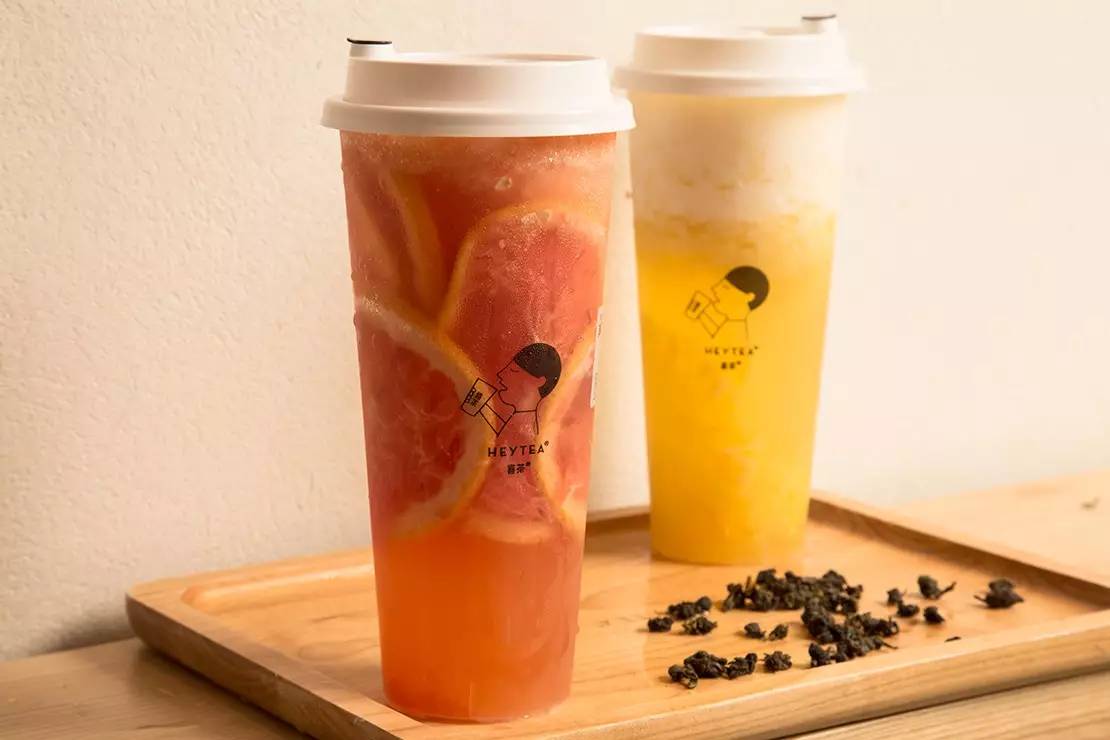
    Chinese tea chain Nayuki will launch its first stores in Japan and the US this year.

    The firm, which operates nearly 400 stores in China and three in Singapore, serves tea blended with fruit, cream cheese and toppings.

    “With our commitment to becoming an innovator and purveyor of Chinese tea culture, we hope to deliver our unique and exceptional tea experience to the world,” said Nayuki founder Peng Xin. “To achieve this goal, we have established tea fields where tea is cultivated under strict conditions from cultivation to processing.”

    In recent years, China’s traditional tea culture has been revamped by new-style tea franchises backed by large investments. The tea chain Nayuki, valued at RMB6 billion (US$865 million), received a multi-hundred-million RMB injection in Series A plus funding from TianTu Capital in 2018.

    In November last year, the company opened its largest shop – Nayuki’s Dream Factory – in Shenzhen, an 11,000sqft retail space offering an immersive in-store experience. Visitors are invited to see, hear and learn about the innovations of Nayuki’s teas while enjoying a menu of handcrafted teas, coffees, cocktails, baked goods, desserts and more exclusive to the store.

  • No positive outlook likely for Hong Kong-based retailers

    No positive outlook likely for Hong Kong-based retailers

    Hong Kong-based retailers will continue to face tough times as domestic and international issues impact the economy according to a leading analyst.

    Anne Ling, an equity analyst at investment bank and financial-services company Jefferies Group,  says every 10 percent decline in retail sales impacts the earnings-before-tax (EBIT) of Hong Kong retail companies by between 7 percent and 55 percent. Retail sales in October and November fell by about 24 per cent and during the first 11 months of last year were down by 10.34 percent.

    “For international brands like Prada, Samsonite and L’Occitane, we estimate the impact at the sales level is not that material [because] Hong Kong [represents] less than 2 percent to 5 percent of sales. However, at the EBIT level (circa 3 percent to 7 percent) Hong Kong has a higher contribution.”

    Ling warns Hong Kong-based retailers are vulnerable to a risk of further market slowdown from a higher unemployment rate and weaker consumer confidence in the city.

    “In such times, the immediate lever to hand for brands and retailers is to increase cash flow by reducing inventory and staff and/or rental costs. However, over the medium term, we would expect most players to reset or readjust their Hong Kong store networks to avoid over-reliance on tourist spending.

    “We see a need for the Hong Kong and international brands and retailers listed in Hong Kong, which have heavily de-rated in recent years, to review their business strategies and seek out new business drivers, [so] that they remain relevant to investors.”

    Ling says she expects Sino-US tensions to continue while the mainland Chinese government focuses on stabilizing economic growth this year.

    Given that backdrop, Jeffries would favor recommending investment in Hong Kong-based retailers and manufacturers of low-ticket items like staple goods, food retailers and the fast-food segment, as they are more resilient.

  • Hong Kong toy shop fined for deceptive conduct

    Hong Kong toy shop fined for deceptive conduct

    An unidentified Hong Kong toy-shop owner has been convicted of misleading omission commercial practice.

    The owner was convicted of engaging in commercial practices involving misleading omission according to the Trade Description Ordinance (TDO) and sentenced to 200 hours of community service by Kowloon City Magistrates’ Courts. The court also ordered him to compensate HK$11,210 (US$1440) to three victims.

    An investigation carried out after Hong Kong Customs received a complaint from the victims alleging that a toy shop owner had engaged in unfair trade practices, showed that the owner had failed to explain the risks of late delivery to its customers on a social-media platform page. The owner has sold eighteen types of toy models without regard to the risk of delay.

    Under the TDO, any trader who engages in a commercial practice that omits or hides material information or provides material information in a manner that is unclear, unintelligible, ambiguous or untimely, or fails to identify its commercial intent and as a result causes, or is likely to cause, an average consumer to make a transactional decision commits an offense. The maximum penalty upon conviction is a fine of $500,000 and imprisonment for five years.

  • Sagging consumer sentiment dents Thai retail industry

    Sagging consumer sentiment dents Thai retail industry

    The Thai retail industry is facing a period of low consumer confidence, according to a CBRE research report, resulting in little sales growth.

    The firm’s 2019 Year-End Wrap-Up For Bangkok Commercial Market report revealed that the Thai retail industry has remained stagnant this year as Thailand faced a low sentiment period and a decrease in spending power due to high household debt.

    The Consumer Confidence Index (CCI) hit its lowest point in 39 months, falling to 72.2 in September 2019, dropping by 10.1 percentage points year on year. In addition, the household debt was reported to have broken a new record since 2017 at 78.7 percent of total GDP, which heavily impacted the overall spending power.

    “While the trend of ‘retailtainment’ continues to develop in Bangkok’s retail scene, this year, we have started to see more co-working space occupying large space in retail centers in CBD areas,” said CBRE Thailand head of advisory and transaction services – retail Jariya Thumtrongkitkul.

    “Retail developers expect this synergy to increase their retail centers’ foot traffic on weekdays as well as fill large, vacant space in less-desirable zones. To compete in a highly competitive market, some retailers also resized their own traditional stand-alone stores to allow these stores to fit in other shopping malls, community malls and superstores.”

    In the second half of this year, the Thai government launched new policies and campaigns to stimulate domestic spending, including welfare cards, an interest rate cut, and the “Shim-Shop-Chai” (Eat-Shop-Spend) scheme where the government gives away e-money and tax breaks for domestic travelers.” She said the campaign could be more beneficial to major Thai retail industry players, especially in a department store and superstore formats, because of their ease of accessibility compared to local shops located in the countryside.

    According to CBRE research, Bangkok’s total retail supply as of this year’s third fiscal quarter was 7.8 million sqm, increasing by 4.39 percent year on year.

    Not only have offline retailers moved towards omnichannel retailing, but many new online retailers have also been expanding into offline outlets in physical retail space as showrooms and “click & collect” points. In order to survive in a market with a large number of future retail supply in the pipeline, retail developers will need to embrace the fast-moving technology and create new unique selling points for their retail centers.

  • Suning to open 10,000 new China stores next year

    Suning to open 10,000 new China stores next year

    Chinese O2O retailer Suning plans to open 10,000 new stores next year, capitalizing on ‘consumption upgrade’ in China.

    Founder and chairman Zhang Jindong said the company will invest 40 billion RMB (US$5.7 billion) to support its expansion spree, estimated to create 8000 new jobs.

    According to the company, the increase in consumer spending with the emergence of new, more aspirational and affluent consumer groups is driving the consumption upgrade in China. The increased purchasing power in China’s lower-tier cities is also emerging as an investment magnet.

    The expansion is part of the company’s ‘open from 1 to N and integration from N to 1’ strategy.

    “Opening from 1 to N refers to how Suning is opening up its core business of retail through multi-channel, full-scenario categories to empower the industry and society at large. Integrating from N to 1 refers to the integration of Suning’s scenarios and supply chain, converging online and physical retail to focus on consumer experience and providing diversified services of a consistent quality for every consumer,” it says.

    Earlier this year, Suning acquired 37 Wanda department stores and bought an 80-per-cent stake in Carrefour’s Chinese operations. The company is recognized as one of the top three among the top 500 non-state-owned enterprises in China.