Tag: Retailers

  • Boomtime ahead for chatbots in E-commerce

    Boomtime ahead for chatbots in E-commerce

    New data from Juniper Research predicts consumer interaction with chatbots in retail will reach 22 billion by 2023.

    The figure represents a sharp increase over an estimated 2.6 billion interactions this year.

    According to the new research report “AI in Retail: Segment Analysis, Vendor Positioning & Market Forecasts 2019-2023”, chatbots in retail will enable effectively automated customer interactions for both online and offline vendors.

    A crucial enabler of this development will be improvements in NLP (Natural Language Processing), which will dramatically reduce the failure rate of chatbot interactions, by making them more natural and valuable for customers.

    Juniper anticipates that retailers who do not adopt chatbots will face strong challenges from more technologically-adept disruptors, who will use chatbots as an extension to the crucial omnichannel retail experience.

    The research also found that chatbots used for customer service have a strong potential to reduce costs; with deployments realizing annual savings for retailers of US$439 million globally by 2023, up from just $7 million this year.

    These potential savings will act as a key “pull” factor, given the margin pressure that many retailers are presently feeling.

    “By embracing automated customer service with chatbots, retailers can act in a more flexible and efficient way,” explained research author Nick Maynard. “The wider retail market means that chatbots are no longer a luxury, they are essential.”

    Meanwhile, sales resulting from interaction with chatbots in retail will reach $112 billion by 2023, up from $7.3 billion this year; representing an annual growth rate of 98 percent.

    The research found these sales will largely be a result of migration from other channels, rather than a new revenue stream. Accordingly, the research emphasized that while retailers must adopt chatbots for ease of use (and to reduce consumer churn), their return on investment will come from efficiencies, rather than new income.

  • SM Retail Achieves Small Profit Boost

    SM Retail Achieves Small Profit Boost

    SM Retail has achieved a first-quarter profit increase of 5 percent to P2.7 billion (US$51.7 million).

    Retail revenues in the first three months rose by 13 percent year-on-year to P79 billion, while sales from specialty retail stores grew by the same percentage to P19.6 billion.

    As at the end of March, SM Retail had 2385 stores, comprising 63 department stores, 1388 specialty retail stores, 57 SM Supermarkets, 53 SM Hypermarkets, 194 Savemore, 52 WalterMart, and 578 Alfamart stores.

    The figures were included in the quarterly report of SM Investments, which boosted its profit by 26 percent to PHP10.7 billion (US$205 million).

    The gains reflected improved sales from the retail business as well as its property and banking activities.

    Consolidated revenues during the period were up 15 percent year-on-year to PHP109 billion ($2.1 billion).

    “We continued to deliver double-digit growth to both our top and bottom line in the first quarter,” said SMIC president Frederic DyBuncio. “Performance was strong across our businesses, particularly for our banks.”

  • South Korean retail sales surged during Holidays

    South Korean retail sales surged during Holidays

    The unprecedented extension of the Japanese Golden Week holiday to 10 days has seen a surge in tourists visiting South Korea.

    The holiday was extended to mark the enthronement of Crown Prince Naruhito from the usual April 29 to May 5 period.

    Duty free businesses saw big jumps in sales during the period compared to the previous year. Lotte Duty Free in Sogong-dong saw a 45 per cent sales increase, while Shinsegae Duty Free in Myeongdong saw an 80 per cent year-on-year increase.

    Hotels in the main commercial districts of Seoul also saw double-digit occupancy boosts during the period above Golden Week figures for last year.

    Tourism from China was also up 25 per cent during the period, although this rise was lower than in the first four months of this year.

  • JD.com Closes Australian branch Store

    JD.com Closes Australian branch Store

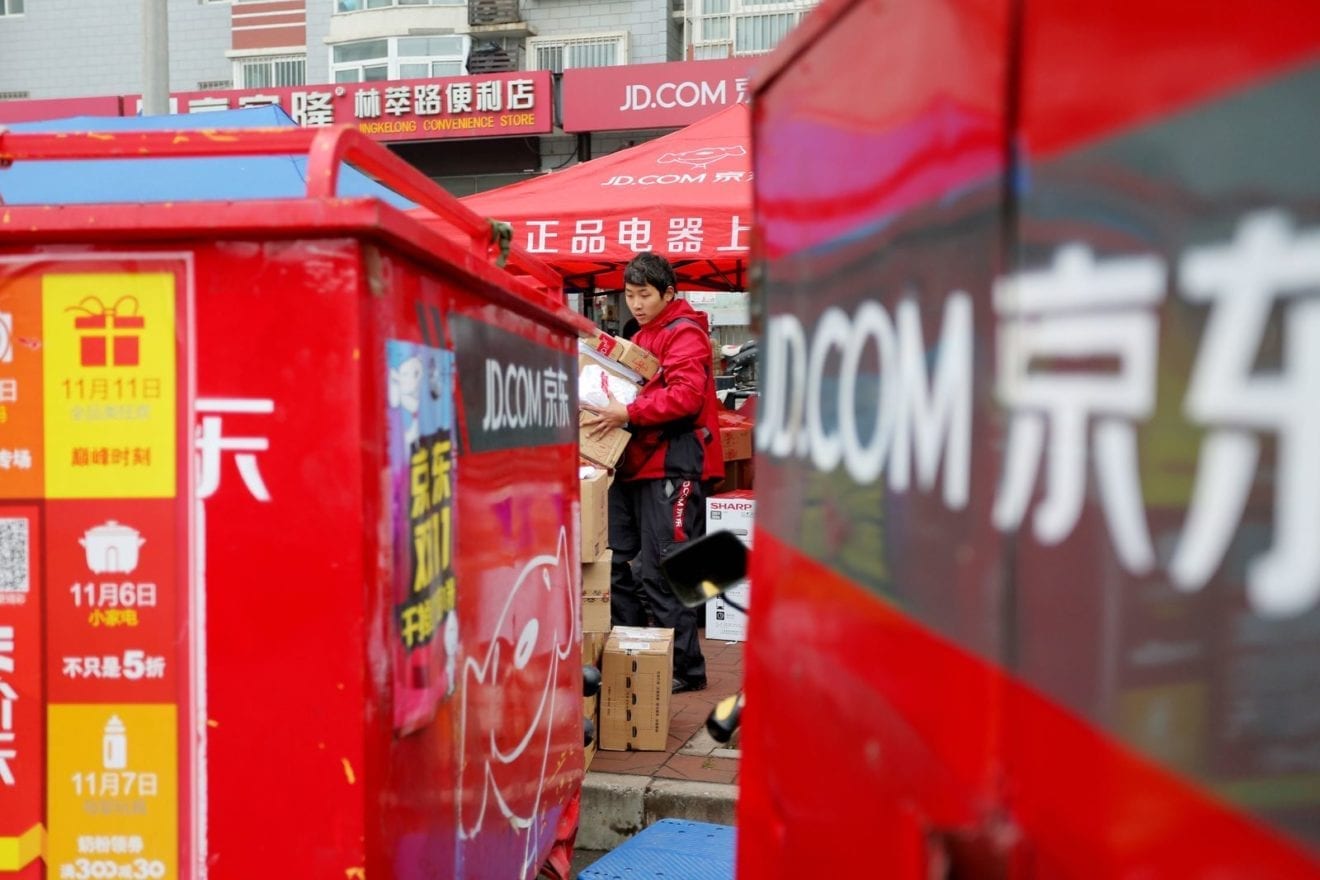
    Chinese online marketplace JD.com has closed its local branch after only 15 months in the market.

    The e-commerce giant launched its Australian office in Melbourne in February 2018, after its competitor Alibaba opened an office in Melbourne in 2017.

    At the time, the opening was seen as a way for JD.com to work more closely with the Australian and New Zealand brands on its platform, and to pitch its business to new brands looking to expand into China.

    A JD.com spokesperson confirmed that the online marketplace is integrating its Australian office into the business in China. The spokesperson said the move didn’t reflect the business’s performance in Australia, nor the region’s importance.

    The retailer’s head of Australian operations Patrick Nestrel is no longer with the business, likely in an effort to ensure management in China is able to fully integrate Australian operations.

    The online retailer is set to report its first-quarter sales results on May 10. It has had a difficult few months recently after founder Richard Liu was arrested in September 2018 in the US for sexual misconduct. He was not charged.

    In April, the Chinese university student who accused Liu of misconduct filed a civil lawsuit against him.

  • Retailers trust Mobile Device Data for Retail Network planning

    Retailers trust Mobile Device Data for Retail Network planning

    Retailers have found a new way to conquer the challenge of limited data availability in many Asian markets by using Mobile Device Data.

    Yes, location-powered Mobile Device Data is the latest and most powerful tool for analyzing customer origins and movement patterns.

    With both population growth and growing disposable incomes, as well as an appetite for many retail formats, numerous Asian countries are becoming increasingly attractive for global retailers. But the Asian market is both enormous and very diverse, so customer profiling is essential for any retailer wanting to target its growth strategy to the most lucrative opportunities.

    Enter Mobile Device Data – the new frontier in the trade area, customer analysis and retail network planning.

    Mobile Device Data as a technology can be used to cost-effectively deliver a range of network planning functions, including:

    1. Understanding population densities and movements at a small area level, for both daytime and evening populations
    2. Identifying gaps for new business opportunities
    3. Forecasting trade area overlaps and sales cannibalization
    4. Creating targeted local store marketing and advertising opportunities.

    Increasingly retailers are moving to cloud-based mapping tools like GapMaps to help them make the best possible decisions in a data-driven, cost-effective manner. Instead of running customer origin surveys, which can incur huge costs and chew up lots of time for data entry, fieldwork and analysis, retailers are now looking for location intelligence platforms which are dynamic, global, flexible and cost-effective. Most importantly, Mobile Device Data can also generate more accurate results, drawing on massive volumes of customer data collected over years, rather than a small sample survey conducted over a few weeks.

    That’s exactly what GapMaps offers. GapMaps is a global platform which is leading the way in Mobile Device Data analysis. The platform has successfully integrated device data as a new layer on its network mapping platform, providing deep insights into customer visitation patterns and movements during both daytime and evening. The GapMaps technology has been successfully used in many countries by a number of leading global retailers in quick service restaurants, fast food, cafes, petrol retailing, health and fitness, child care and many other sectors. The platform is also widely used by many developers in these various sectors.

    Where can you use GapMaps Mobile Device Data?

    GapMaps can help any client analyse Mobile Device Data for any location in the world where mobile phones are extensively used.

    Many GapMaps clients in India, Indonesia, Hong Kong, and Taiwan are already using Mobile Device Data to define trade areas. The following example shows the mobile device density during the day in New Delhi, India.

    The data can be used for any location that attracts significant numbers of visitors, be it an individual retail store or shopping centre, quick service restaurant, gymnasium, sports arena, museum, entertainment venue or tourism precinct.

    Real-time, large scale, and cost-effective Mobile Device Data

    Harnessing GPS information based on mobile phone activity at and around any selected location, the data are collected from mobile phones (devices) via one or more of hundreds of popular apps. These apps collect the data and feed it back to a central collection point.

    GapMaps founder and managing director, Anthony Villanti says: “Mobile Device Data is a game changer in terms of how retailers can substantiate network planning decisions and model their catchment areas. Mobile devices observed in specific locations, such as a retail store, can be linked with their common evening and daytime locations, such as ‘home’ or ‘work’, for example. When the data is visualized in the GapMaps platform, it’s a really effective tool.”

    Mobile Device Data offers the powerful combination of being real-time, Big Data, continual, flexible, easily replicable across locations or time periods, and cost-effective, because

    1. The observations are time stamped and therefore any period of analysis can be selected.
    2. The analysis can be easily repeated for multiple time periods and multiple locations. There are no limits.
    3. Any site or location can be analyzed, including any competitor sites – no permissions are required.

    The data is easily deployed via the user-friendly GapMaps platform, enabling insightful analysis (both tabular and pictorial) to be conducted and presented by any user – no technical expertise is necessary.

    Combining such Mobile Device Data with demographic, government and industry statistics in India, Indonesia, Hong Kong, Taiwan and other countries throughout Asia, GapMaps can be used to inform and guide network strategy. It is already being used by hundreds of companies across a wide range of industries – from childcare and fast food to fitness, cafes, aged care, fashion retailing, entertainment destinations, financial services and more.

  • Retail sales rise at slower Pace Last Month

    Retail sales rise at slower Pace Last Month

    Retail spending rose 0.3 percent in March in seasonally adjusted terms, according to the latest trade figures from the Australian Bureau of Statistics (ABS), beating market expectations of 0.2 percent growth.

    This is a slowdown from February’s upwardly-revised increase in retail sales of 0.9 percent month on month, but March spending was still up 3.5 percent compared to the same time last year, representing the fastest year-on-year increase since October 2018.

    Monthly sales growth was driven by spending at cafes, restaurants and takeaway food services (up 1.4 percent in seasonally adjusted terms) and clothing, footwear and accessories stores (up 1.2 percent in seasonally adjusted terms).

    Spending on food retailing, including supermarkets, was up 0.4 percent and spending on households goods was up 0.2 percent in seasonally adjusted terms, while spending on department stores was down 1.5 percent and spending on other retailing, including pharmacies and newsagents, was down 0.4 percent in seasonally adjusted terms.

    By state and territory, spending was up across the board in March, excluding Western Australia, where retail sales fell 0.7 percent in seasonally adjusted terms. Victoria and the Northern Territory each saw a 0.7 percent increase, Queensland saw 0.6 percent increase, followed by Tasmania, up 0.4 percent, New South Wales, up 0.2 percent, and South Australia, up 0.1 percent, in seasonally adjusted terms.

    Online retail sales were also up in the month, with NAB’s Online Retail Sales Index showing a 1.7 percent increase from February after the index recorded the sharpest ever drop in monthly online sales.

    NAB measures e-commerce sales as representing around 9 percent of total retail turnover in Australia, while the ABS pegs it at around 5.7 percent.

    Quarterly spending shrinks for the first time since 2012

    On a quarterly basis, however, retail turnover in the three months to March fell 0.1 percent in seasonally adjusted volume terms, following a flat December quarter. This represents the first quarter of negative growth since the September quarter of 2012.

    The fall was led by household goods retailing, according to the ABS, which fell 0.6 percent, and department stores, which fell 1.2 percent. The other categories all rose in seasonally adjusted volume terms for the quarter.

    According to Westpac analyst Matthew Hassan, the figures show that retail sales growth in the month was driven by price increases rather than volume.

    “The undershoot vs expectations was due to a stronger than expected rise in retail prices which rose, up +0.8%qtr vs +0.7%qtr in Q4,” he said.

    “The sub-category detail shows a particularly big rise in food prices (+1.4%qtr vs 1.2% in Q4). Non-food retail prices posted a 0.2%qtr gain.”

    According to Hassan, broader economic headwinds are still hampering consumer spending.

    “Overall the March retail report points to downside risks to the wider consumer spending estimates in the March quarter GDP, the headwinds that emerged in the second half of last year clearly carrying into 2019,” he said.

  • Omnichannel startup CitiXsys Opening Offices

    Omnichannel startup CitiXsys Opening Offices

    Fresh from a US$20 million funding injection, omnichannel-solutions startup CitiXsys plans to open six offices across Asia, eyeing region-wide expansion. CitiXsys’ new offices will be located in Singapore, Jakarta, Ho Chi Minh City, Manila, Bangkok, and Kuala Lumpur.

    “Southeast Asia offers an ideal business climate today, with massive opportunity in this important region,” said Kamal Karmakar, CitiXsys CEO.

    “Purchasing a retail-management solution is one of the most important decisions a retailer can make since the future of the entire business hangs on its success.”

    Southeast Asia is the world’s fastest-growing internet region with the e-commerce market expected to reach US$53 billion by 2023.

    “By opening up more local offices and bringing on local product expertise we will be able to better support the needs of our fast-growing client, partner, and distributor base in Southeast Asia,” added Paula Da Silva, executive VP of global partnerships and alliances at CitiXsys.

    “Already this year, the CitiXsys channel partner ecosystem in this region has grown by 30 percent, signaling a need for solutions designed to complement the way retail works in Asia today.”

  • Robinsons Retail plans 150 new stores in Philippines

    Robinsons Retail plans 150 new stores in Philippines

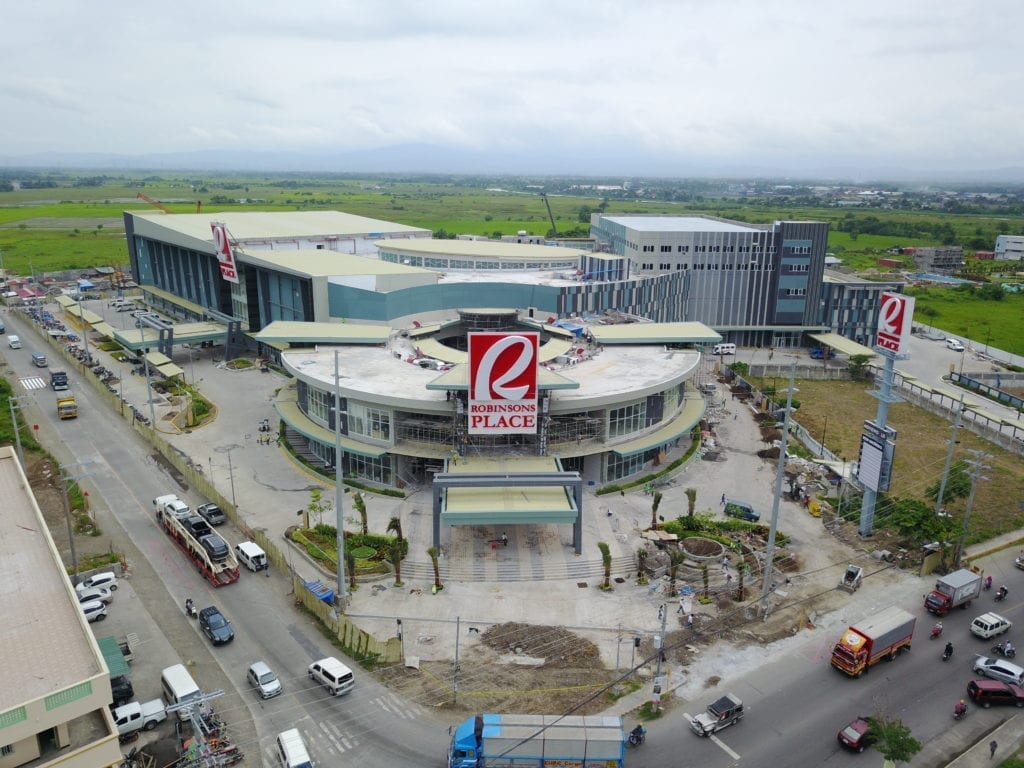
    Robinsons Retail Holdings will launch up to 150 new stores in the Philippines this year.

    The firm published a presentation online revealing plans to invest PHP3–5 billion (US$57.8–96.3 million) on the store openings, following expenditure of PHP4.41 billion ($85 million) on openings last year. As at December, it had 1910 stores, including supermarkets, department stores, do-it-yourself stores, specialty stores, drugstores, and convenience stores. The entire network covers a gross floor area of 1.48 million sqm.

    Robinson’s achieved a 5.9 percent same-store sales growth last year, with help from a 1.5 percent uptick in transaction count and a 6.1 percent increase in basket size in its supermarket business. The group is targeting a 2-4 percent same-store sales growth this year.

    The firm’s net income reached PHP5.11 billion ($98.5 million) last year, an increase of 2.6 percent on the year previous, with a 15.1 percent increase in net sales.

  • DBS Rolls Out Customer Center of the Future

    DBS Rolls Out Customer Center of the Future

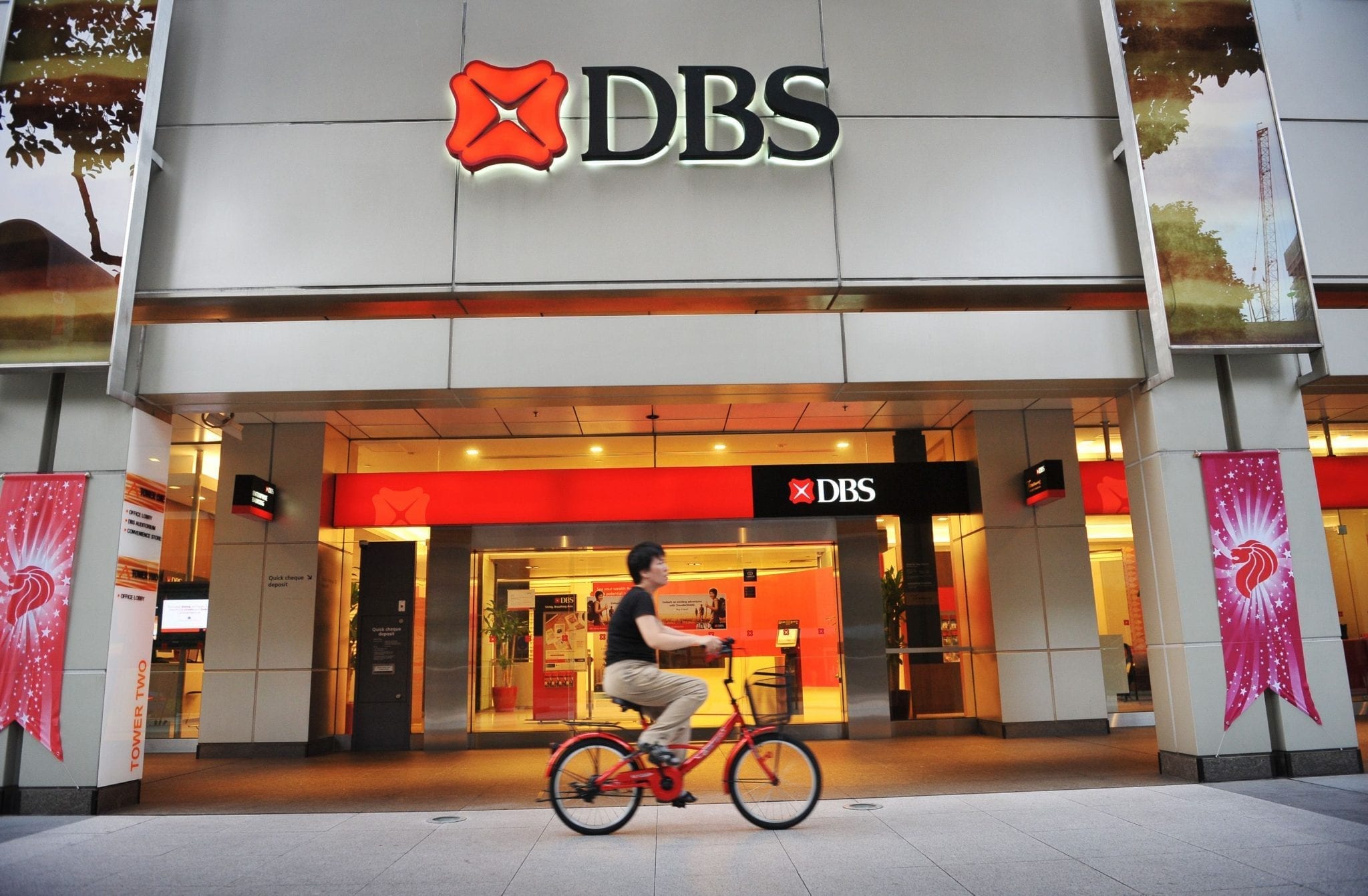
    DBS has retrained its customer center employees to take on new roles as customers become more digitally savvy. Voice biometrics specialists, live chat agents, and customer experience designers are among the 13 new job roles that DBS Bank has introduced in recent years as it creates the customer center of the future, the bank said in a media statement on Thursday.

    As it creates the customer center of the future, the bank has upskilled and retrained over 500 customer center employees and eliminated common customer pain points such as long waiting times. «By investing in our people, we have been able to transform from a labor-intensive department with a high turnover rate to one that is technology-enabled where employees are more fulfilled and armed with future-forward skills,» said Geeta Sreeraman, DBS’ Head of Customer Centre, Singapore.

    Customer centers are traditionally labor-intensive departments. At DBS Singapore, its customer center processes over four million inbound customers’ calls every year. But with new digital initiatives and new roles created, call volumes have dropped 12 percent over the last year. Over the next three years, the bank predicts call volumes will drop by a further 20 percent.

    As customers become more digitally-savvy, DBS has expanded its service channels online and on social media to serve its customers. DBS’ customer center has also incorporated technologies such as voice biometrics, chatbots, and data analytics so that callers can experience shorter call waiting times and opt to resolve their banking queries independently via the bank’s website, on their mobile banking app or through the bank’s Facebook or Twitter channels.

    In 2017, DBS committed to investing S$20 million over five years to equip employees with digital skills to become a future-ready workforce. Since then, the bank has rolled out a company-led Professional Conversion Programme (PCP), an AI-based learning tool available 24/7 and scholarships that encourage peer-to-peer learning.

    The new roles in DBS’ Customer Center are:

    1. Social media relations manager
    2. ‘Live’ chat agent
    3. Customer experience designer
    4. Demand manager
    5. Mobile app developer
    6. Business intelligence lead
    7. Content creator
    8. Knowledge platform designer
    9. Voice biometrics specialist
    10. Natural language processing engineer
    11. Scrum master
    12. Digital evangelist
    13. VTM manager
  • Sprayground opens Chinese Stores

    Sprayground opens Chinese Stores

    Retailer Sprayground eyes global expansion

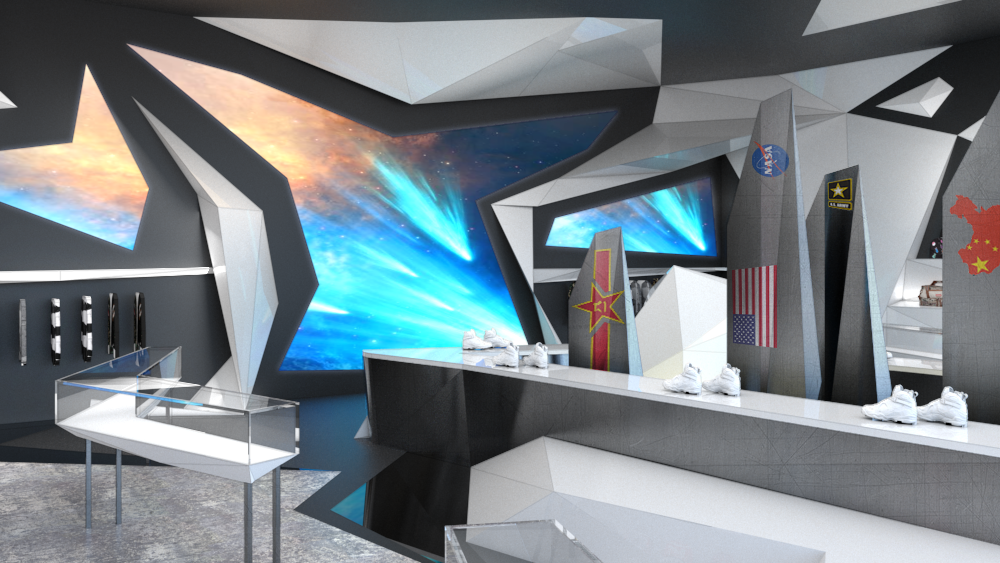
    “Creative rebel” travel-and-fashion label Sprayground opened three retail stores in China on May 1, and is eyeing global expansion.

    The brand presents niche offerings as limited-edition collectibles in its capacity as an “authority in fashion-forward backpacks and accessories”.

    With distribution to more than 30 countries and a growing fanbase, the new Chinese locations have already made an impact. The brick-and-mortar stores are in Beijing’s Xicheng district, Hefei’s Shushan district, and the Minhang District in Shanghai – and more than 100 retail stores are set to launch there over the next three years.

    Sprayground’s founder and creative director David Ben David will visit all three stores during the simultaneous grand openings and plans to greet team members and shoppers throughout the initial week before attending China’s very first Sneak-Con, which kicks off on May 18.

    Part of Sprayground’s mission is to expand the creativity to the “creative outcasts of the country” and elevate the game in China by infusing New York-style streetwear and hip-hop.

    Sprayground collaborations have featured some of hip hop’s favorites such as Saweetie, Young Dolph, Young Thug, and Dave East.

  • Little Dip in Hong Kong Retail Sales Last Month

    Little Dip in Hong Kong Retail Sales Last Month

    Hong Kong retail sales in March slipped by a negligible 0.2 percent, a slower decline than the 1.6 percent of January and February combined.

    But figures from the Census and Statistics Department show first-quarter retail sales were still down 1.2 percent year on year.

    After netting out the effect of price changes over the same period, the provisional estimate of the volume of retail sales in March decreased by 0.8 percent compared with a year earlier, and for the first quarter by 1.6 per cent.

    March’s decline was driven largely by the watches, jewelry and valuable gifts sector, which fell by 2.6 percent, and apparel, down by 2.3 percent. Sales of electronic goods fell by 15.6 per cent, of optical shops by 5.7 per cent and of books and stationery by 2.5 percent.

    Conversely, sales by supermarkets increased 3.3 percent, of medicines and cosmetics by 2.5 percent, in department stores by 5 percent, and of food, liquor and tobacco by 3.6 per cent.

    Footwear and accessories sales rose by 7.1 percent, furniture by 4.3 percent and Chinese drugs and herbs by 1 percent.

    A government spokesman said the decline in Hong Kong retail sales in March “reflected the cautious consumption sentiment amid various external uncertainties”.

    He said that looking forward, retail sales business will likely continue to be affected by various external uncertainties in the near term, but the largely stable labor market and the sustained growth in inbound tourism should provide some support.

  • Outdoor Retailers Fighting for Market Share

    Outdoor Retailers Fighting for Market Share

    Outdoor retailers Kathmandu and Decathlon are vying for a piece of Australia’s ski and snowboard market this winter.

    Both businesses are launching inaugural snow collections, despite the fact that less than a million Australians regularly or occasionally ski or snowboard, according to 2018 data from Roy Morgan.

    On Thursday, Kathmandu launched its inaugural snow collection called Styper, which includes ski jackets and pants for adults and kids, as well as goggles and snow luggage.

    “Designed to suit beginner and intermediate levels, as well as the more sophisticated skiers, the pieces connect seamlessly together to keep warmth in and snow out, and are made with sustainable, state of the art ngx2 fabric technology that is waterproof, wind-proof and breathable,” the retailer said in a statement.

    The launch comes on the heels of Decathlon’s announcement that it is introducing more than 100 ski and snowboard-specific product lines from its Wed’ze brand available in Australia this year.

    The European discount retailer described its offer as an affordable option for people who want a trusted brand and good advice. The range will include adult ski jackets and pants for under $100, adult ski gloves for less than $40, kids’ ski gloves for less than $20, neck warmers and beanies for $10 and ski and binding packages for under $500.

    The price point is considerably lower than Kathmandu, which starts at $199.98 for kids and $349.98 for adults.

    Kathmandu’s collection is available in-store in Australia and New Zealand, while Decathlon’s collection is available in-store and online in Australia.

    Fashion brand SuperDry has been selling its snow range in Australia and New Zealand for the past three years.

  • Decathlon Vietnam opens it’s Very first Store

    Decathlon Vietnam opens it’s Very first Store

    Decathlon Vietnam has opened its first store, at Vincom Mega Mall Royal City in Hanoi. Located on level B1, the store spans 4300sqm, offering more than 14,000 items covering 70 sports for all levels of player.

    Prices meet the market for local customers, such as a VND63,000 (US$3) backpack, or a US$10 tennis racquet.

    Customers can also test products designed for activities like hiking, jogging or basketball at the store before making a purchase.

    “We want our customers to feel satisfied when choosing Decathlon,” said Manu Pirenne, Decathlon Vietnam’s Hanoi CEO.

    “We are willing to exchange to new products or refund if our customers are not satisfied, within six months. Decathlon also has an at least two-year warranty on all products.”

    The second store which spans 2600sqm will be opened in Ho Chi Minh City on May 25, at Aeon Tan Phu.

    Decathlon Vietnam launched as an online-only store, with several Collect Points located in Ho Chi Minh City and Hanoi.

    To cut the prices, the company has set up its factory in Thai Binh province, and partnered with more than 100 retailers and brands.

    Established in 1976, the France-based sports retailer now has 1513 stores in 53 countries.

    It opened the largest store in Singapore earlier this year.

  • The new golden rule for retailers to be Succesful

    The new golden rule for retailers to be Succesful

    The retail climate in Australia has long been a concern, but could there be a secret sauce to help brands reclaim valuable real estate in the minds of their consumers?

    Let’s face it — which brand doesn’t want to be like Nike? Its mass market, appeal and unique ability to stay relevant throughout its 50-year history have made it one of the most valuable brands amongst sports organisations. If Nike hadn’t already cemented its position as one of the biggest culture catalysts in the world, Colin Kaepernick has definitely made sure it has now.

    Commentators have waxed lyrical about the Kaepernick campaign and marketers have taken to it big time. But retail businesses too can take a leaf out of this book. You can’t fault the way Nike engaged with consumers on the basis of what motivates them, summed up by the campaign’s tagline: “Believe in something. Even if it means sacrificing everything.”

    This is the crux of value-based engagement: engaging consumers on the basis of what they want to do, not necessarily what they want to buy. Australian retailers need to think beyond the product, and instead provide experiences and solutions that support and enable fundamental consumer needs, desires and aspirations.

    Between the brand and consumer, the latter now has more influence over the other. The growth of online shopping means the challenge for retailers to surprise and delight is getting harder, and thanks to technology, consumers are more informed and more in control at every stage of the purchase process. They are more aware of what they want and don’t want, and their attention span depends on how well you can teach, entertain or guide them at every given moment they interact with your brand.

    Consumer loyalty and advocacy is won and lost through the quality of experiences that retailers can provide. Whether your consumer comes to you to be inspired, be motivated to do good, alleviate frustrations, fulfil desires or solve a problem, retailers now need to create and invest in experiences to retain their customers.

    There are four main types of in-store experiences:

    • Convenient: These involve removing unwanted friction and inconvenience in the shopping journey. Amazon set a new standard for frictionless retail with Amazon Go, where consumers can walk in, shop and leave without ever going through a checkout line. With time as the new currency, the retailer that removes the most painful features of the shopping journey and increases overall convenience can go a long way towards building consumer loyalty and trust.
    • Communal: Turn the store into a destination for loyal customers to gather, who orient themselves to particular causes, affinities or cultural distinctions. In Tokyo, Adidas’ RunBase concept stores work extremely well as a local runners’ hub on which customers can test new gear and receive customised training ahead of purchase.
    • Curated: The future of retail will not be about having a proliferation of choices as it has been in the past; rather, it will involve winning consumers over with thoughtful curation of products and experiences. With OPSM reminding you to order more contact lenses for the next three months, would you consider moving to another optometrist? No!
    • Immersive: While this type of experience is still in infancy, it’s a safe bet that more retailers are going to invest heavily in this space as the need for experience-based differentiation becomes paramount to survival and future growth. To promote Deadpool 2, 7-Eleven launched its first augmented reality (AR) in-store experience, which consisted of different points of engagement and encouraged customers to spend more time in-store. Deadpool could be seen through the app as guiding users around the store, and a selfie filter was available, plus scannable codes that unlocked in-store activities and loyalty points.

    The next frontier of retail will have shopper demands and desires be foreseen, processed and fulfilled before they are articulated or even consciously realised. The creation of unique experiences represents a chance for retailers to achieve true, meaningful engagement with their consumers. And by committing to helping them achieve what they want to achieve, retailers will ensure their relevance over a greater period of time.

  • JD takes major stake in Five Star Appliances

    JD takes major stake in Five Star Appliances

    Chinese online retailer JD is to buy nearly half the shares in electrical goods retailer Jiangsu Five Star Appliance, for US$189 million. Jiayuan Chuangsheng currently holds 93 per cent of the Five Star business and after divesting a 46 per cent stake to JD will remain its largest shareholder with 47 per cent.

    Analysts say the investment will allow JD to boost its online profile and provide consumers with a network of about 300 Five Star Appliance storefronts, in much the same way as archrival Alibaba is building physical retail networks in Mainland China, blurring the boundaries between online and offline retailing.

    With stores primarily located in central and southern China, Five Star Appliances has annual sales of about US$2.7 billion.

    Last year, JD accounted for nearly 40 per cent of China’s home appliance sales, making it the largest retail in the space. Partnering with a brick-and-mortar retail network is likely to boost sales for both parties and protect JD from fast-growing Suniung.com which now accounts for 30 per cent of the market. Tmall is also building a share of the appliance sector, its sales now nudging 25 per cent.