Tag: Retailers

  • Omega China makes E-commerce debut

    Omega China makes E-commerce debut

    Swiss timepiece maker Omega has launched its first e-commerce initiative in China.

    Omega China has opened a new pop-up store in the Tmall Luxury Pavilion, an online platform for premium brands under Alibaba Group.

    Pre-sales for Omega’s new Seamaster Aqua Terra Beijing 2022 limited-edition wristwatch will be exclusively available on the pop-up site between June 15 and August 7. The watch will be available in physical stores later on. Just 2,022 watches have been made to mark Beijing’s upcoming Winter Olympics.

    The Pavilion has recently overhauled its site with more personalised offers and recommendations, introducing a brand-generated content feed and online magazine.

    “We want to step up our offerings in terms of creative experiences, trending product feeds and style tips from fashion editors to help young users find items and brands they love,” said Tmall Luxury Pavilion head Lili Chen. “The Pavilion revamp enhances the discovery journey and shopping experience for our customers, while helping luxury brands better express their brand vision, aesthetics and new creations.”

    Omega joins 133 brands on Tmall’s Luxury Pavilion, including rival brands Tag Heuer and Zenith, along with Versace, Stella McCartney, Moschino, and others.

  • Alibaba management shakeup not Ended yet

    Alibaba management shakeup not Ended yet

    The most significant Alibaba management shakeup since founder Jack Ma revealed he would step aside next September 10 sees high-profile CFO Maggie Wu take on a new role.

    Wu will take over responsibility for strategic investments by the group, charged with finding new growth streams for the technology and retail giant as its growth in the e-commerce sector begins to slow. She will oversee a team focused on investment, taking over that responsibility from executive vice-chairman Joe Tsai.

    The Alibaba management changes were revealed via the company’s official WeChat account by CEO Daniel Zhang.

    “To guarantee innovation, invest in our future, Alibaba is undertaking an organisational upgrade,” he said.

    Wu has been Alibaba’s CFO for six years.

    In other changes, Alibaba said its supermarket chain Freshippo – also known as Hema and now numbering 160 stores – will become a standalone business. DingTalk, the group’s enterprise software business unit, will be merged into the Alibaba Cloud business unit.

    These changes come ahead of a planned IPO in Hong Kong later this year which could raise as much as US$20 billion in fresh capital for expansion via investment.

  • L’Occitane profit rose after Restructuring

    L’Occitane profit rose after Restructuring

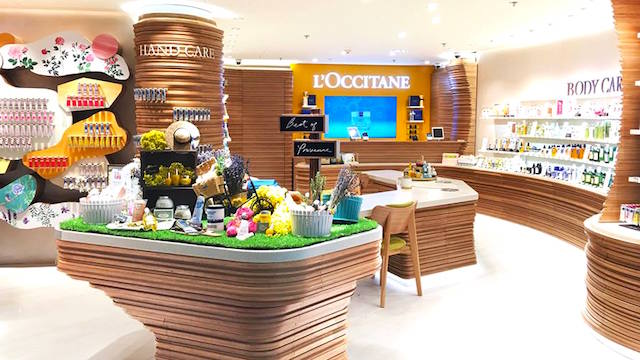
    Hong Kong-listed beauty-products retailer L’Occitane is reaping the benefits of a restructure with profit up 21.8 percent last financial year to €117.6 million.

    And chairman Reinold Geiger says even better results are in the pipeline. “The group now operates as a multi-brand entity, where unique brand identities are celebrated and common values shared — respecting nature, creating authentic and genuine experiences, promoting entrepreneurship, and bringing a human approach to beauty,” he said in a statement.

    “The group encourages its brands to stay agile and autonomous, yet synergies are also being identified and capitalized. With the material improvements delivered by the core L’Occitane en Provence brand, combined with the largely accretive consolidation of Elemis, the group expects to see enhanced profitability in 2020 and beyond.”

    Group net sales were €1.427 billion for the year to March 31, up 8.7 percent at constant exchange rates. Gross margin remained high at 83.2 percent and operating profit rose by 6.9 percent.

    L’Occitane’s Hong Kong net sales were €137 million, an increase of 9.9 percent year on year, or 8.6 percent at constant exchange rates. However, same-store sales fell 2.6 percent.

    “Macroeconomic uncertainties continued to erode consumption sentiment, reflected in a marked downturn in the Hong Kong retail market after the first quarter of {last year}, notably in the average ticket value,” the company said in its earnings review. “Meanwhile, the increase in mainland tourist traffic brought by new infrastructure did not uplift Hong Kong retail sales.”

    Sales in China reached €178.1 million, an increase of 11.9 percent, or 12.1 percent on a constant-exchange-rate basis.

    “Sales momentum in China was dynamic throughout the whole year,” the company said. “Sell-out sales remained strong even though trading with seven fewer stores than last year, posting a growth of 9.6 per cent at constant exchange rates, and with same-store sales growth at 6.9 percent. The marketplace channel continued to drive growth, with impressive performances recorded during key festivals such as Singles’ Day, Chinese New Year and Women’s Day. Sell-in sales also posted encouraging results, with the growth of more than 30 percent, thanks to the launch of JD and dynamic B2B sales.”

    In Japan, net sales rose 1.5 percent to €222.1 million, however in the local currency, the growth was just 0.1 percent. “The flattish performance was due to a sluggish retail market. Nonetheless, retail sales of L’Occitane en Provence grew at a low single-digit rate as compared to last year, thanks to the new stores opened, the large-scale “Balloon Journey” marketing event and successful face care campaigns during the year.”

    Taiwan net sales of €38.2 million represented a decline of 3.2 percent at reported rates, or 2.7 percent at constant exchange rates.

    “The Taiwan retail market remained competitive,” the company said. “The decrease in sell-out was largely explained by the negative 2.7 percent same-store sales growth, together with the typhoon hits and poor weather during the summer season. Web sell-out channel, however, recorded double-digit growth, thanks to the revamped own e-commerce platform as well as the development of the marketplace.”

    Most other markets remained static for L’Occitane, with the exception of Brazil, where sales fell by 4 per cent, and the US, where they soared 35 per cent.

  • Honey Birdette opens second US store

    Honey Birdette opens second US store

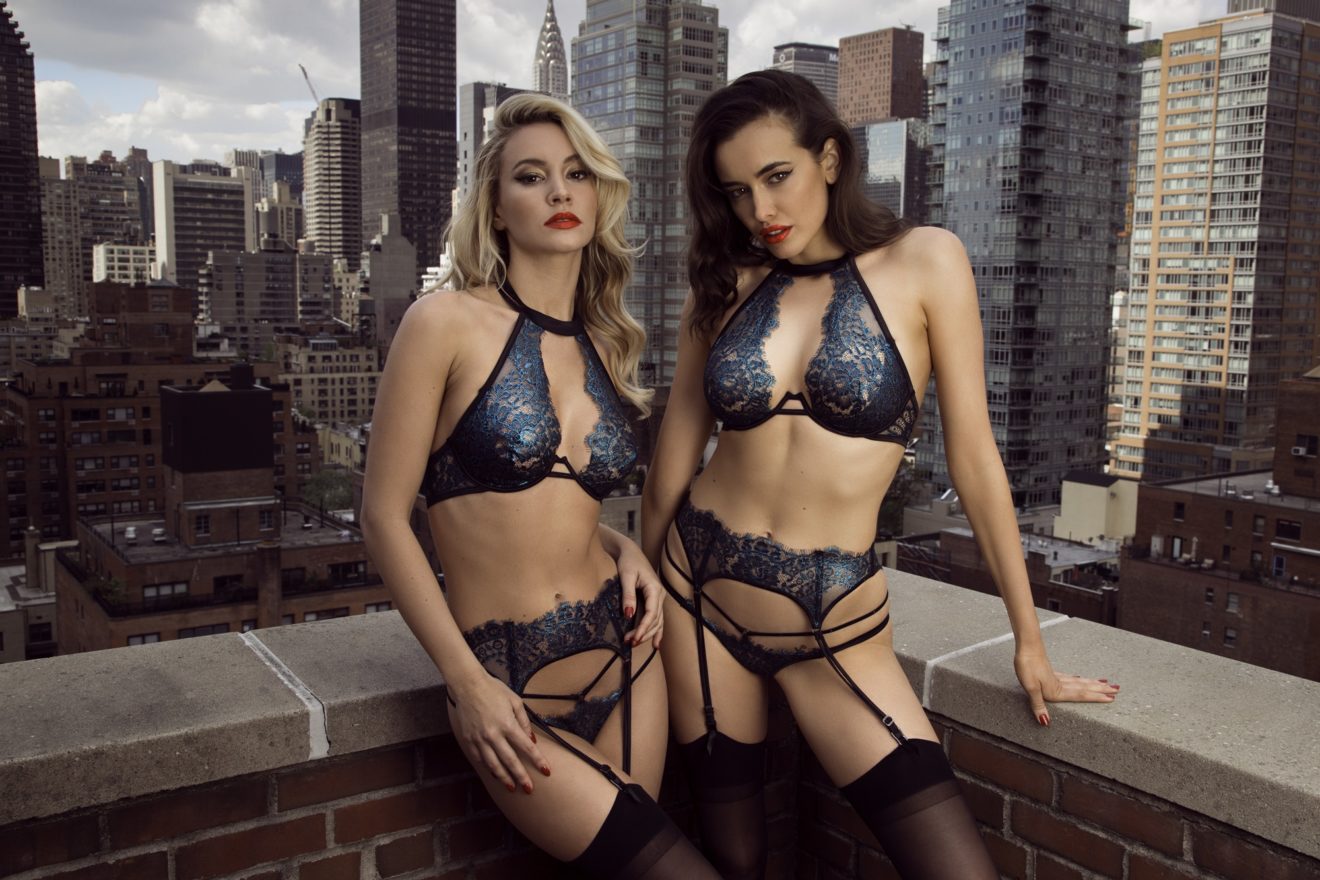
    Australian luxury lingerie retailer Honey Birdette has opened its second US store in San Diego, California, saying two more stores will be opened in the state in the coming months.

    The newly opened 74sqm store is located on the ground level of Westfield UTC and features Honey Birdette’s complete range of lingerie, bondage, latex, accessories and toys.

    The store has an ornate gold-tiled arch to welcome guests, with an individually cut-Italian glass mirrored storefront, and a salon inside.

    It includes two private dressing rooms fitted with ‘press for champagne’ buttons and custom-made whisky bar carts to offer customers a VIP experience.

    The new store also displays a limited-edition rose gold, rope and leather sex swing, which, according to the retailer, has not yet been seen at any other Honey Birdette boutique.

    “We are focused on creating individual design concepts for all of our future boutiques and each footprint will have its own unique element,” said Eloise Monaghan, Honey Birdette managing director.

    “Some might have a champagne bar for example, a private salon in one, a stage in another or a catwalk.”

    Two Honey Birdette stores will open in California soon and are currently under construction. One will be in Westfield Valley Fair and will open in July, and the other in Brea Mall will open in August.

    The retailer also announced they plan to open one more store in the state and another one on the East Coast but have yet to confirm the locations.

    Last year, the retailer said it will open 15 stores in the US over the next 12 to 24 months.

    The lingerie brand now has 57 stores across Australia, three in the UK and two in the US.

  • The Great Singapore Sale renewed this year

    The Great Singapore Sale renewed this year

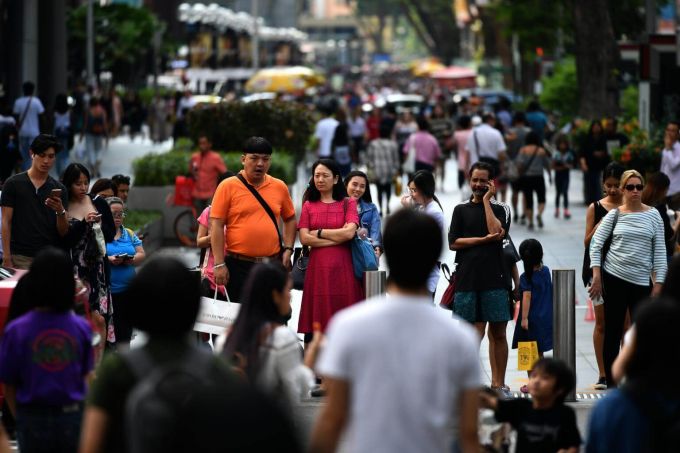
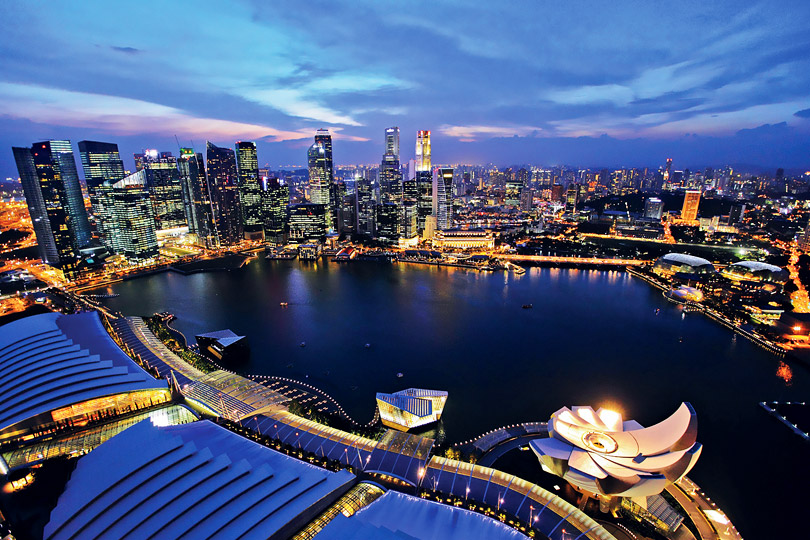
    The annual Great Singapore Sale is back this month, with the theme ‘GSS: Experience Singapore’.

    Taking place between June 21 and July 28, the sale will include Shopping Sprees such as ‘TGIF!’ (held every Friday) where retailers and food-and-beverage operators will run day-long specials and discounts.

    On July 7 (7.7), there will be an additional 7 percent off all goods – a marketing initiative based on retailers paying shoppers’ goods-and-services tax.

    Beyond the mega sales and discount programs, the event will boast a host of interactive activities and experiences at Orchard Road and Kampong Gelam.

    The first, the Orchard Road Fashion Scramble on June 21, will center around a fashion show curated by the Singapore Retailers Association and TAFF. Orchard Road will be transformed into a performing arena and an interactive runway for 300 dancers and models – showcasing an array of clothing designs and trends from local and foreign designers.

    The opening segment will feature designs by popular, up and coming local designers, followed by leading international fashion houses, before closing off with award-winning creations by Singapore students.

    The Great Singapore Street Pop Up will coincide with the Orchard Road Fashion Scramble, running from Ion Orchard to Mandarin Gallery, and at Robinsons The Heeren and the Grange Road carpark. The pop up will offer retail experiences and food for 10 days from the June 21-30.

  • Global personal luxury goods market growth endures

    Global personal luxury goods market growth endures

    Global personal luxury goods market growth has reached a “new normal” pattern, following back-to-back years of strong performance in 2017 and 2018, according to the luxury goods industry advisory service Bain & Company.

    Last year, 6 per cent global growth* led to €260 billion (US$292 billion) in sales, which is expected to balloon to €271–276 billion ($304.3–310 billion) this year, registering an expected 4-per-cent to 6-per-cent growth at constant exchange rates.

    According to Bain, the growth has been driven primarily by the acceleration in domestic spending of mainland Chinese consumers and an increase in European tourism, which, despite socio-political turmoil in countries like the UK and France, fuelled positive growth in the region through last year’s holiday season.

    Meanwhile a temporary weakening of consumer confidence in North America, as well as a decrease in traffic to malls and department stores, negatively impacted personal luxury spending during last year’s holidays stateside.

    The findings were part of the Bain Luxury Goods Worldwide Market Study, Spring 2019 presented this week in collaboration with Fondazione Altagamma, the Italian luxury goods manufacturers’ industry foundation.

    “This year looks to be on par with our new normal of growth in the market,” said Bain & Company partner and lead author of the study Claudia D’Arpizio. “China continues to dominate the luxury scene. Elsewhere we are continuing to see geopolitical uncertainty shape and reshape tourism spending patterns, with Chinese consumers choosing to spend domestically with more frequency. Overall we are seeing moderate growth in most markets.”

    The report showed that mainland Chinese consumers are demonstrating a strong preference for purchasing luxury goods at home thanks to price harmonisation, consumer-centered strategies, and governmental initiatives. Solid consumer confidence and willingness to buy, especially among young generations, are expected to drive year-over-year growth of 18–20 per cent* in the region.

    Japan remains an exclusive and attractive market for luxury brands, with forecasted growth of 2–4 percent* in 2019. Tourist spending is expected to rise ahead of the Tokyo Olympics in 2020, with Chinese consumers already confirming their interest in the area.

    Across the rest of Asia the outlook is positive, apart from Hong Kong and Macau, which continue to lose out to Mainland China. Bain & Company asserts that the luxury market in the region is set to grow by 10–12 percent*. An expanding middle class with increasing disposable income is fueling growth in Indonesia, Philippines and Vietnam, while sustained growth in South Korea is the result of local consumers and a mild rebound of tourism.

    The rest of the world is expected to be flat or see a slight decrease of 2 per cent*, with the Middle East remaining stagnant as domestic consumer spending begins to flow outside of the region.

    “We expect stable growth in 2019,” said D’Arpizio.  “But under the surface of this new normal, the future of luxury is taking shape with a number of key characteristics, including Chinese Generation Z, access, ownership, sustainability and social responsibility, the impact of digital across the entire value chain, preference for luxury experiences over products, and consumer networks as a new measure of value.”

  • Singapore retail sales in April fell

    Singapore retail sales in April fell

    Singapore retail sales in April decreased by 2 percent year on year (motor vehicles excluded), with the apparel sector the only category to post growth.

    On a seasonally adjusted basis, sales decreased by 0.1 percent on March’s figures.

    The worst-affected categories were computers and telecommunications equipment, down 6.7 percent, and furniture and household equipment, down 6.5 percent. Statistics Singapore said this was due in part to lower sales of mobile phones and furniture. Sales by food retailers, of optical goods and books and in department stores decreased by between 3.1 percent and 3.5 percent year on year.

    However, sales of the apparel and footwear grew by 3.4 percent, due in part to a higher demand for bags and footwear.

    Singapore retail sales in April were estimated at S$3.5 billion, with online sales accounting for  about 5.4 percent of that figure

    Sales of food and beverage services grew by 3.1 percent year on year in April, reaching $826 million. Fast-food outlets, food caterers and other eating places (such as cafes) registered growth of between 3.6 percent and 8.2 percent. Sales of restaurants increased by a marginal 0.1 percent.

  • AI-powered retail store We9go opens

    AI-powered retail store We9go opens

    Accrelist-owned AI retail store We9go has fully launched after an eight-month trial.

    The Geylang Road shop uses AI, facial recognition and radio frequency identification to track inventory, collect data on shopper preferences, facilitate payment processes and recognise product movements.

    When it soft launched last October it was open only to invited customers, so as to test and demonstrate its features.

    Accrelist says it will now focus on strengthening AI solutions and facial-verification services.

    “The company intends to move beyond smart retail-technology solutions,” said Terence Tea Yeok Kian, Accrelist’s executive chairman and MD.

    “We aim to offer a wider range of smart-and-secure cloud-based solutions as a systems integrator through its collaboration with technology companies to broaden the group’s revenue stream.”

    After its full launch, the 24/7 We9go store has an AI-powered robot that greets shoppers and assists them with product information and availability.

  • Waterstones parent to buy Barnes & Noble

    Waterstones parent to buy Barnes & Noble

    The parent of British bookseller Waterstones, Elliott Management, will purchase Barnes & Noble – the last remaining big-box bookseller left in the US following the departure of rival Borders – for about US$683 million.

    Once the deal is finalised in Q3 of this year, Waterstones CEO James Daunt will also assume control of all Barnes & Noble operations, although the two firms will remain independent.

    Dive Insight says: “The deal with Elliott could mark the closing of a turbulent chapter in Barnes & Noble’s story, one that included a failed merger, a legal battle with a former executive and agitation by activist investors. And prior to that there were years of management turnover, strategic misfires and lost sales as the last box book seller tried to hold off Amazon.”

    “As it happens, I know James Daunt fairly well,” said Barnes & Noble chairman Leonard Riggio in a letter to employees, “and I am delighted to have him as our new leader.

    “Like me, James believes our culture has to be more store-centric, which means more localisation of assortments and operations. It follows that he believes local managers must have more authority to get the job done.”

    A press release from Barnes & Noble read that Waterstones “has successfully restored itself to sales growth and sustainable profitability, based on a strategy of investment in their store estate and the empowerment of local bookselling teams.”

    Elliott, which has owned Waterstones for about a year, has US$825 million in debt financing available banks to fund the Barnes & Noble acquisition.

  • Topshop future in stretch as crucial vote delayed

    Topshop future in stretch as crucial vote delayed

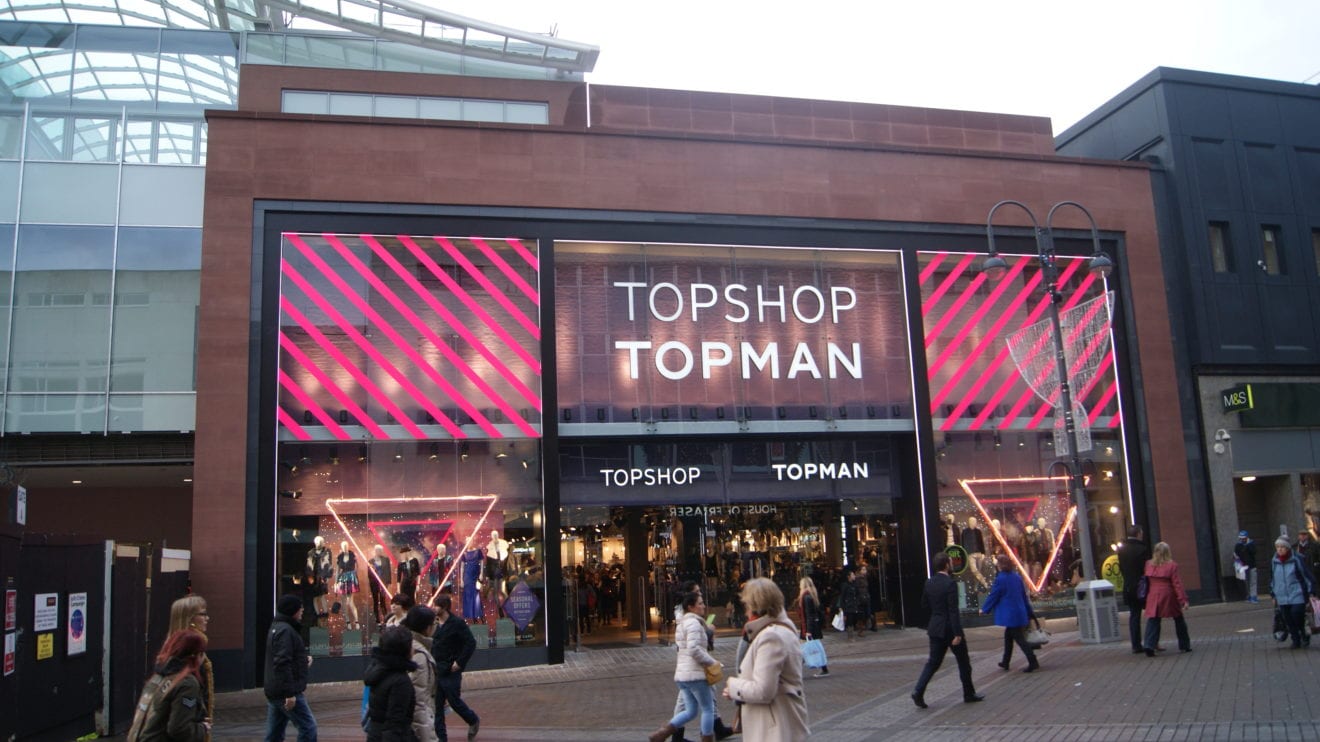
    The future of fashion label Topshop is in limbo after a crucial vote on a Company Voluntary Arrangement for parent Arcadia Group was delayed last week.

    Arcadia’s chairman Sir Philip Green is trying to gather approval from creditors for a scheme which would see them convert debt to future equity and rents reduced on UK stores in return for sa further investment by Green’s family of £50 million (US$63.8 million). The scheme would also see 23 stores shuttered in the UK and the closure or sale of all 11 of Topshop’s US stores – on top of 25 UK store closures already planned.

    “Against a backdrop of challenging retail headwinds, changing consumer habits and ever-increasing online competition, we have seriously considered all possible strategic options to return the group to a stable financial platform,” Arcadia CEO Ian Grabiner said when unveiling the CVA last month.

    “This has been a tough but necessary decision for the business.”

    But a meeting of creditors – who include suppliers landlords and pension funds – was postponed last week when it became clear support would fall short of the 75 per cent required for it to be approved. That vote will now likely be held this week. However if it fails, creditors may call in administrators opening the possibility of a sale of Arcadia’s brands, which also include Miss Selfridge, Dorothy Perkins, Evans and Topman.

    UK retail industry sources say landlords are especially cynical to the CVA, casting doubts on whether Green can revive the troubled business in an era of dwindling high-street retail sales and growing e-commerce.

    One major retail landlord told The Business of Fashion that cutting rents to Arcadia to help its survival would be “quite a tough message to communicate to other tenants paying full rent”.

    Arcadia’s like-for-like sales reportedly fell 7.5 per cent in the year to August 2018, with total sales down 10.5 per cent to £1.7 billion. That decline was largely due to a 20 per cent slump in Topshop sales.

    The chances of Green’s plan did receive a boost last week after The Pensions Regulator and Pensions Protection Fund indicated their support. That followed a commitment by Sir Philip’s wife Lady Tina Green to invest a further £100 million in the fund to protect staff.

    Lady Green has also promised landlords who accept the deal a 20 per cent share of the proceeds should Arcadia be sold.

  • Kiehl’s pop up opens at Sha Tin, using AR to engage

    Kiehl’s pop up opens at Sha Tin, using AR to engage

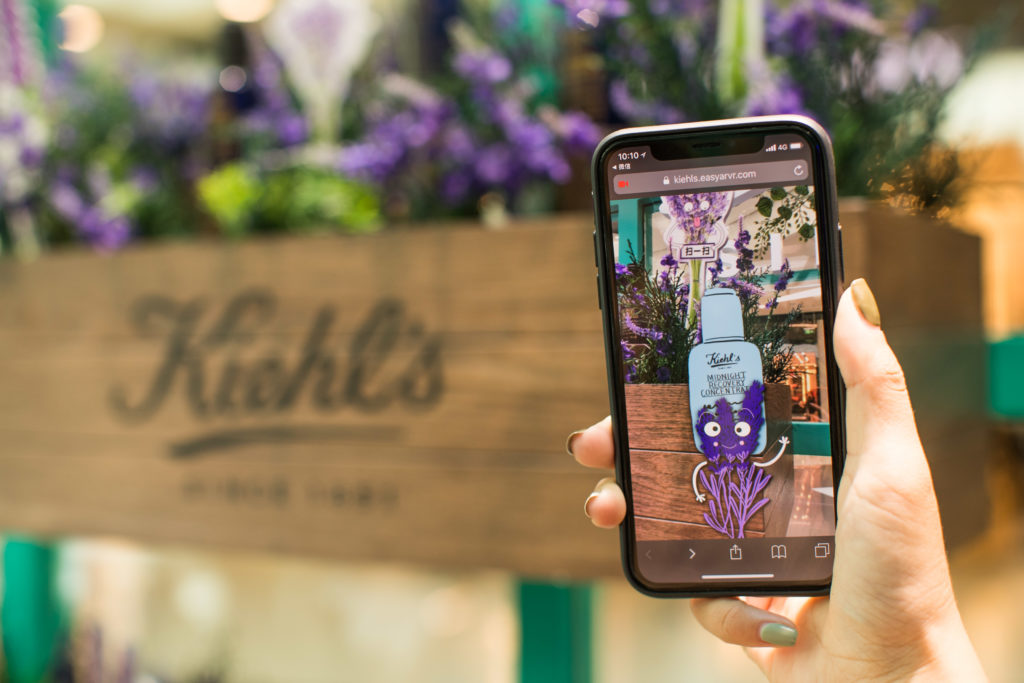
    A Kiehl’s pop up at Sha Tin features an AR gaming app to engage with shoppers.

    The beauty products retailer’s short-term store at the New Town Plaza in Sha Tin has been launched to promote Kiehl’s Calendula Serum-Infused Water Cream, and displays a giant 3D Calendula flower in the centre of the atrium that is only visible through visitors’ mobile phones.

    Visitors who upload images from the pop-up to their social media can redeem a special cosmetics product. Other product samples and a skin analysis are available for customers browsing the store.

    Kiehl’s has also designed an AR game that can be used at its regular stores after the pop-up closes, which will be playable until June 30. The game has collected 8000 registrations over the course of the campaign.

  • The space where purchasing decisions are made, Fitting Rooms

    The space where purchasing decisions are made, Fitting Rooms

    Why do customers walk into a fitting room when they are in a retail space? The answer is logical: because they have found a piece of clothing they like – and it should be considered a sure sign of purchase intent, even if the customer does not buy what they try.

    This small but mighty area of a retail store is actually the room where purchase decisions are made.

    Yet, far too many retailers still tend to overlook the importance of fitting room design. So here are some fresh ideas to help retailers boost sales through intelligent fitting-room design…

    How fitting rooms affect sales

    Let‘s start with some numbers and hard facts. First and foremost, the fitting room area is one of the most significant advantages brick-and-mortar retailers have over online retailers. Whereas online, one in five shoppers return their purchased items, in brick-and-mortar stores, fewer than one in 10 customers return purchases. Returns usually result in costs for any retailer – online or offline, so it is important for retailers to minimise the potential for returns. Here’s where an effective fitting-room design can play a part.

    Research shows that shoppers who use fitting rooms are seven times more likely to make a purchase than browsers who do not. Not only that, but if the customer has a good experience with a sales assistant in the fitting rooms, they can buy up to three times as many items in one transaction. Combine those figures and you can estimate that 70 per cent of all purchasing decisions in your store are made in the fitting room.

    Design can influence the buying decision

    Most retailers already recognise the importance of size, colour and lighting in fitting rooms. So let’s take a closer look at other design features.

    A fitting room represents the most intimate area of your store. This is a place where your customers take off their clothes, hoping to try on a new piece of clothing which makes them look and feel good. Here is where design can play a part in that feel-good factor – after all, it is not just about the clothes.

    Take one simple example: remember how uncomfortable you feel when you think you are over- or under-dressed for an occasion. Similarly, if a fitting room design fails to provide the shopper with a character and flare that matches the clothes, the customer can experience the same uncomfortable feeling. An uncomfortable environment can lead the customer to feel something ‘does not look right’. The result: the customer decides against making a purchase and the retailer loses a sale.

    How to create the perfect fit

    We found some great examples of fitting rooms in Mainland China.

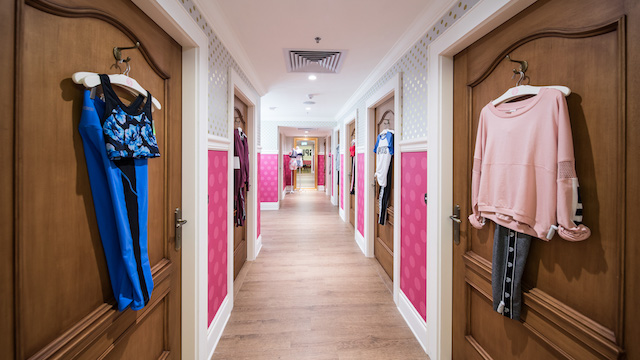
    INXX represents a forward-thinking, boundary-shattering exploration of how the genres of streetwear, sportswear and high-end fashion can be reconstructed, reinterpreted and recombined. Through this cool and futuristic fitting room design, the Chinese street-fashion brand not only encourages shoppers to try on their clothes but had also created an atmosphere which is towards their target market.

    With design concepts such as these, it is no surprise the brand has enjoyed continued success over the years. INXX was founded in Guangzhou in 2013 and in less than five years opened 54 stores in 17 Chinese cities. This is a brand we can all learn from.

    Lululemon is a Canadian brand that sells fashionable and high-quality yoga clothing and athleisure wear. One of the brand’s core values is mindfulness.

    Lululemon describes its mission as: “Our manifesto is one way we share our culture with the community. It’s an evolving collection of bold thoughts that allow for some real conversations to take place.”

    Lululemon cleverly uses the fitting room area as a platform to express some of these bold thoughts through its design. Positive affirmation statements frequently used in yoga are integrated in the fitting room design, illustrating how fitting-room spaces can also reflect fundamental brand values.

    So, when adopting slogans and other statements within the design of your fitting rooms, be sure to choose the “perfect fit” for your brand.

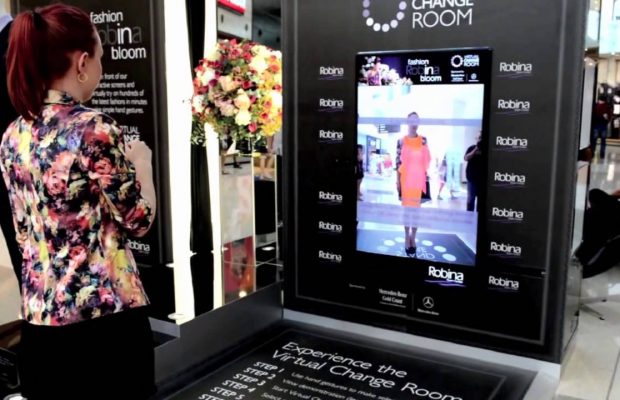
    Fitting rooms are a significant advantage for brick-and-mortar stores over online alternatives. Some brands which sell mainly online have begun to recognise this and are finding effective ways to deliver an offline customer experience.

    One of these brands is Jooos, which has combined offline and online experiences by providing the Top 100-selling fashion brands on Tmall with a retail space to showcase their products.

    The design of the fitting-room space here is interesting, because it is located in the centre of the store. Additionally, the exclusivity of the products is highlighted by a small staircase: customers literally have to walk upstairs to reach the fitting room, leaving them feeling “special” when they arrive there.

    Remember, in any fashion store, the fitting room marks the final barrier retailers need to draw a customer beyond in order to achieve a sale. So make that space count.


  • Mecca to open its biggest store ever

    Mecca to open its biggest store ever

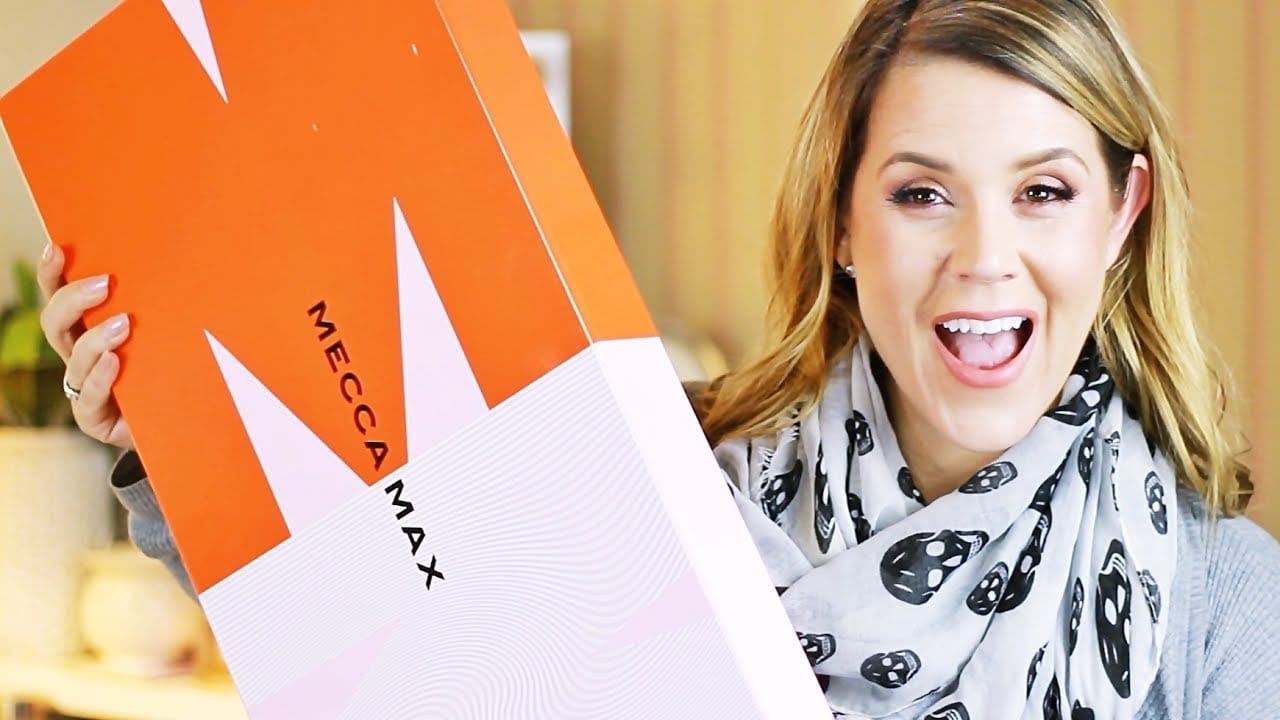
    Beauty retailer Mecca is opening its biggest store yet at Westfield Parramatta on Friday, June 7.

    The 500sqm store brings the retailer’s Maxima and Cosmetica concepts together and offers over 100 beauty brands in one large-format location.

    “We are so delighted to unveil our latest and greatest Mecca store,” Mecca founder Jo Horgan said.

    “We really wanted to offer Mecca’s entire brand line-up in the one location, in an environment that was both glamorous and service-centric but also with new innovations to make it a truly unique shopping experience.”

    The store features Mecca’s first dedicated ‘skin space’, where customers can enjoy skincare consultations and services including a personalised, complimentary ‘skin review. The reviews will take approximately 30 minutes and will help customers learn about the skincare they should be using for their skin.

    Additionally, the store features the Mecca Beauty Lab program, where customers can book a place in a beauty workshop. A Mecca expert will teach participants the skills they need to properly utilise the make-up sold in-store.

    During opening day, the first 200 customers in line will receive a free bonus with purchase, while anyone who spends over $85 will be able to choose a gift from a pool of prizes worth over $100,000.

  • Online retail sales slows down last Month

    Online retail sales slows down last Month

    Online retail sales fell 3.8 per cent month on month in April, after a less than stellar March, according to the National Australia Bank’s monthly Online Retail Sales Index.

    The result is consistent with a general slowdown in retail observed by NAB, while the result itself is up 1.7 per cent on a year on year basis.

    “This month, both online retail and broader cashless retail series indicated very weak retail conditions,” NAB chief economist Alan Oster said.

    “While year-on-year growth in online sales has also slowed considerably in recent months, these comparisons are made to a period of elevated sales in 2018, with major new merchants to Australia, and also pre-GST exemption effects.”

    While all categories suffered a contraction in sales during April, games and toys suffered least with only a 0.2 per cent reduction in sales, while takeaway food fell 8.6 per cent – the steepest drop.

    International retailers outperformed domestic retailers on a monthly basis, with international retail enjoying a 0.7 per cent increase in sales, compared to the 4.4 per cent fall in domestic trading.

    However, NAB identifies a considerable weakness in international online sales on a year-on-year basis, most likely owing to the change in how GST is calculated and charged.

    “Tasmania, with about 2 per cent of online sales, was weakest in April after leading growth in March,” Oster said.

    “New South Wales, Victoria and Queensland represent over three quarters of the online market in Australia by sales value. Of these larger sales states, Queensland was strongest over the year.”

  • Hong Kong retail sales felt Last Month

    Hong Kong retail sales felt Last Month

    Hong Kong retail sales fell by 4.5 per cent in April, contributing to a 2 per cent decrease in year to date.

    Worse, the Census and Statistics Department said that after netting out the effect of price changes year on year, Hong Kong retail sales fell 5 per cent year on year, following a 0.8 per cent fall in March and contributing to a 2.3 per cent decline year to date.

    “The larger year-on-year decrease recorded in April reflected the still-cautious consumption sentiment amid external uncertainties, but was also partly due to the late arrival of the Labour Day holidays in the Mainland (which fell in early May this year but straddled between April and May last year), which has led to a notable deceleration in the growth rate of visitor arrivals,” a government spokesman said, commenting on the data.

    He said that in the near term, consumption sentiment will continue to be affected by various external uncertainties, though the sustained expansion in inbound tourism and the largely stable local labour market should provide support to retail sales business. In other words: it may be too soon to start panicking.

    Predictably, the jewellery, watches and luxury goods sector performed the worst, sales down 11.4 per cent in April. Apparel, the second greatest contributor to the figures, slipped by a more modest 2.2 per cent, with cosmetics down 6 per cent, department-store sales down 4.3 per cent and electrical goods by 13.7 per cent. Sales of footwear and accessories fell 5.4 per cent, furniture by 0.4 per cent; books, newspapers, stationery and gifts by 7.5 per cent; Chinese drugs and herbs by 5.7 per cent, and optical shops by 7.8 per cent.

    On the positive side, supermarket sales rose by 1.1 per cent; food, alcohol and tobacco by 0.8 per cent and fuels by 3.3 per cent.