Tag: sales report

  • Ralph Lauren results concerning even after its anniversary celebration

    Ralph Lauren results concerning even after its anniversary celebration

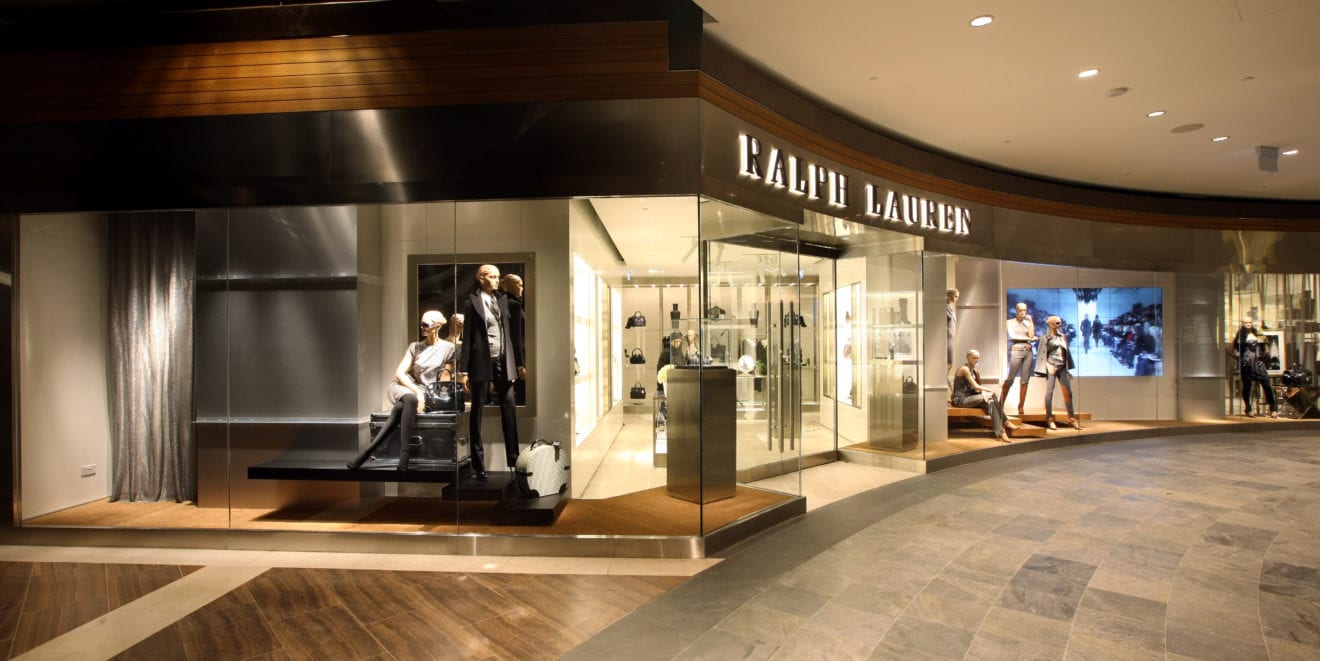
    As Ralph Lauren pulls out all the stops to celebrate its 50th anniversary, its second-quarter results do not reflect the upbeat note of the festivities. Indeed, if anything the Ralph Lauren results are rather anemic and are characteristic of a brand that is still not entirely confident about its place in the fashion world or its future direction.

    While growth of 1.6 per cent in overall revenue and a 1.4 per cent uplift in North America are positive, the decline of 0.8 per cent in Europe is disappointing as is the flat comparable-sales result. This mixed bag shows that the brand is only firing gently on some cylinders rather than powering ahead.

    While in growth, Ralph Lauren’s North American division is still underperforming. The relatively flat revenue result, which is underpinned by an anemic 1 per cent increase in comparable sales, comes against the backdrop of a robust consumer economy where spend on luxury and higher-end goods is increasing. It has also been delivered at a time of elevated marketing spend. That Ralph Lauren could not engineer a better performance underlines the fact that the brand has a lot more work to do to connect and resonate with consumers.

    One of the unresolved issues at Ralph Lauren is in having a clear brand proposition that is carefully targeted at customers. While numbers show that general brand perception of Ralph Lauren has improved over the past year, the number of people agreeing that it, or its sub-brands, are ‘made for people like them’ has remained flat. This is worrying and underlines that there is still a lot of repositioning and redefining required before Ralph Lauren can deliver better numbers.

    None of this should suggest the company has been inactive or passive; it has not. With the Polo brand, for example, a lot of new items have been introduced and products have been enhanced with embellishments such as embroidery and added functionality. These have helped to drive some better numbers and suggest that the company is innovating, but the improvements are hampered by a lack of progress on overall brand perception, especially among younger shoppers. It will clearly take time for the various changes to drive overall perception.

    One area of progress is on the digital side of the business, where comparable sales in North America rose by 9 per cent. While this is below the overall rate of growth for online luxury, it is a sign of progress and is a reflection of the various investments Ralph Lauren has made in its digital channels – including the marketing efforts on social media. Ralph Lauren now needs to apply this thinking to driving traffic in stores, where North American sales fell by 1 per cent on a comparable basis.

    Outside of North America, performance in Europe was poor. While total revenue fell by 0.8 per cent, comparable sales slipped by 4 per cent. Part of this is down to inventory issues at outlet stores and part is the result of lower consumer confidence in key markets like the UK. Even so, it is disappointing given the various investments, including in digital, that Ralph Lauren has made in the region.

    Overall, Ralph Lauren is gently moving in the right direction. However, the brand vision remains rather murky. It needs to be simplified and retooled so that it is clear and compelling. A young brand like Maine’s Kiel James Patrick is the perfect example of a well-curated and authentic lifestyle label that Ralph Lauren needs to emulate. Ralph Lauren has yet to prove it is up to this task.

  • Which are Vietnam’s most successful coffee chains?

    Which are Vietnam’s most successful coffee chains?

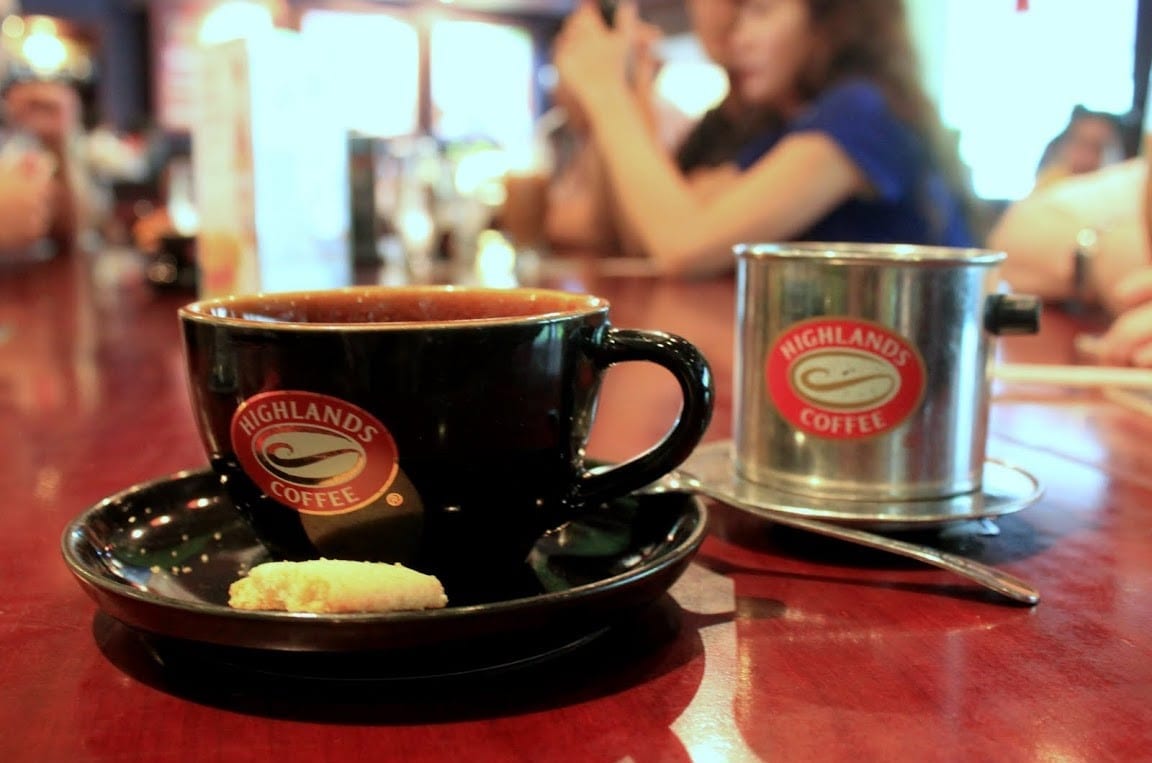
    Highlands Coffee reported sales of VND1.24 trillion ($53.23 million) last year making it Vietnam’s largest coffee chain in terms of revenues. The figure was four times that of Phuc Long’s, eight times that of The Coffee House’s and thrice that of Starbucks’.

    Founded in 2002 by a Vietnamese-American and sold to Philippine fast food giant Jollibee in 2012, Highlands Coffee now has 230 stores mostly in well-known buildings and malls.

    Local chain The Coffee House saw revenues double last year. Nguyen Hai Ninh, its founder, said the chain received over 20 million visitors.

    It now has over 100 stores nationwide, and Ninh said each store can serve 500 – 1,000 visitors on average daily. “We expect to double the number this year, and are looking to open 700 more across Vietnam in the next five years, at an average of 10 per month.”

    The chain’s differentiating factor is that the emphasis is not renting the best locations; rather, it seeks to attract clientele with a modern, striking shop design that appeals to younger customers.

    Its drinks are priced moderately, which helps it attract a wide range of customers.

    It recently bought the coffee business of Da Lat-based Cau Dat Farm and simultaneously launched a flagship store in downtown Saigon, The Coffee House Signature.

    Local brand Trung Nguyen’s highest revenue from any store is VND2-3 billion ($86,200-129,300) per month, while most make an average of VND400-500 million ($17,200-21,500).

    By the end of this year Trung Nguyen is expected to have a total of 100 outlets.

    Phuc Long, though a coffee chain associated with milk tea, has seen annual revenues grow at 7 percent in recent years, predominantly from the latter drink.

    With the rapid growth of coffee chains, coffee consumption by Vietnamese has also risen sharply.

    According to a study by BMI Research, a subsidiary of ratings firm Fitch, consumption grew from 0.43 kg per person in 2005 to 1.38 kg in 2015. This is the highest growth rate of any global coffee exporter, and the figure is forecast to reach 2.6 kg by 2021.

  • Arvind India Q2 profit rises 16 pc to Rs 75 crore

    Arvind India Q2 profit rises 16 pc to Rs 75 crore

    Textile and apparel player Arvind Ltd on Thursday reported a 16.38 percent increase in its consolidated net profit to Rs 75.08 crore for the second quarter ended September 2018. According to a report: The company had posted a net profit of Rs 64.51 crore in the July-September period a year-ago, Arvind Ltd said in a BSE filing.

    Total income during the quarter under review stood at Rs 1,815.98 crore, up 12.85 percent, as against Rs 1,609.10 crore in the corresponding quarter of the previous fiscal.

    Total expenses stood at Rs 1,723.27 crore as against Rs 1,540.08 crore, up 11.89 percent.

    Meanwhile, the company said that as NCLT has approved the scheme of demerger for its branded apparels and engineering businesses, “the reported financial statements reflect figures for continuing businesses only”.

    “Pending receipt of order and other conditions precedent in the Scheme, the Group has considered the business of Engineering and Branded Apparel Undertaking as ‘Discontinuing Operations’,” the company said.

    Arvind’s net profit for the period from continuing operations rose to Rs 56.10 crore as against Rs 48.48 crore earlier.

    Net profit after tax from discontinuing operations was at Rs 18.98 crore as compared to Rs 16.03 crore.

    “The effective date of demerger and record date for allotment of shares is likely to be end of November,” it added.

  • High Suning profit increase reported

    High Suning profit increase reported

    Chinese O2O retailer Suning has posted RMB172.97 billion (US$24.79 billion) in operating revenue in its third quarter performance report. The result shows a 31.15 per cent year-on-year increase on the reported figure during the first three quarters this year. The company also generated a net profit of RMB6.127 billion ($878 million), an increase of 812.11 per cent over the same period last year.

    The company credits the result to the strength of Suning’s fast-growing online sales comparative to other e-commerce platforms.

    Suning currently has more than 382 million registered users. It operates 6292 direct-sale physical stores and 1453 Suning retail cloud franchise stores.

    Suning says it will provide free delivery in the days approaching the holiday the 11.11 Singles Day shopping spree and will not raise its delivery fees on the day.

  • Amazon reports US$ 56.6 bn revenue in Q3

    Amazon reports US$ 56.6 bn revenue in Q3

    Riding on its Cloud business, retail giant Amazon.com saw its net sales increasing 29 percent to US$ 56.6 billion in the third quarter this year, compared with US$ 43.7 billion in third quarter of 2017. Operating income increased to US$ 3.7 billion in the third quarter, compared with operating income of US$ 347 million in the third quarter of 2017.

    Net income increased to US$ 2.9 billion in the third quarter, or US$ 5.75 per diluted share, compared with net income of US$ 256 million, or US$ 0.52 per diluted share, in the third quarter of 2017.

    “Amazon Business has now reached a US$ 10 billion annual sales run rate and is serving millions of private and public-sector organisations in eight countries,” said Jeff Bezos, Founder and CEO, Amazon.

    “We’re not slowing down — Amazon Business is adding customers rapidly, including large educational institutions, local governments, and more than half of the Fortune 100,” Bezos said in a statement.

    Amazon gave fourth-quarter revenue guidance in the range of US$ 66.5 billion and US$ 72.5 billion.

    Amazon Web Services (AWS) announced several new customer commitments and major migrations during the quarter.

    In the third quarter, Amazon introduced a new family of Echo smart home speaker devices.

    Amazon also introduced the all-new Fire HD 8 tablet, featuring an 8-inch HD display, a quad-core processor, 16 GB of internal storage with support for up to 400 GB more via microSD, up to 10 hours of mixed use battery life, and hands-free access to Alexa.

    The number of Alexa-compatible smart home devices has quintupled year to date to more than 20,000 devices from over 3,500 brands.

    Through new tools, including updated Alexa Smart Home Skill APIs and the Alexa Connect Kit, developers and device makers can enable voice control of any device and feature with Alexa.

    Amazon India also announced the launch of Amazon.in in Hindi.

    Amazon Business is generating US$ 10 billion in annual sales, serving hundreds of thousands of business sellers and millions of customers across eight countries.

  • Amorepacific profits slump

    Amorepacific profits slump

    Amorepacific Group announced lower-than-expected results for the third quarter on Monday with operating profits dropping 36 percent year on year. The fall comes as a stark contrast to rival LG Household & Health Care, which saw operating profits in its beauty business soar 30 percent during the same period.

    Amorepacific Group’s operating profit between July and September was 84.7 billion won ($74.2 million), down 36 percent compared to the same period last year. Its revenue rose 3.1 percent year on year to 1.46 trillion won. This was lower than the three-month analyst consensus of 1.56 trillion won in quarterly revenue and 166.9 billion won in operating profits, compiled by stock information provider FnGuide.

    The company explained in a statement that the main reason for the low profitability was the increase of costs in human resources and marketing expenditure.

    “Despite growing competition in the beauty market in and outside the country, Amorepacific continued investments to enforce brand competence and secure future growth engines,” the company said in a statement.

    The group’s main affiliate, also called Amorepacific, saw sales increase 6 percent year on year to 1.28 trillion won in the third quarter. Amorepacific’s sales success was thanks to the popularity of its brands, including Sulwhasoo, Hera, Iope and Laneige, with tourists and duty-free shoppers. However, the sales increase was nullified by a rise in costs, resulting in a sharp 24 percent fall in operating profit to 76.5 billion won.

    The results were grim for the smaller single-brand stores under the group as well: Etude House remained in the red while revenue dropped 23 percent year on year. Innisfree sales slightly increased by 3 percent, but operating profit steeply dropped 29 percent year on year. Espoir saw operating losses once again while revenue slightly rose by 1 percent.

    The good news for Amorepacific was the 36 percent year-on-year rise in revenue in the United States, thanks to strong performances from Laneige and Innisfree. Although its foothold there is still small compared to Asia, the company has been making efforts to diversify its global business, which used to heavily rely on China.

    LG Household & Health Care, on the other hand, recorded its highest-ever profit for the 54th quarter in a row. Between July and September, revenue generated from its three business sectors – beauty, daily necessities and beverages – was 1.73 trillion won, up 10.6 percent from the same period last year, while operating profit was up 9.8 percent to 277.5 billion won.

    The year-on-year jump was even higher in its beauty business: operating profit soared 30.6 percent to 184 billion won while revenue increased 23.5 percent to 954.2 billion won in the year’s third quarter. Its high-priced luxury brands, which were relatively unaffected by the Thaad row, were once again huge contributors.

    “With its high brand loyalty, The History of Whoo hit a quarterly sales record once again,” the company said.

  • Equity gains see SK Telecom record good quarterly results

    Equity gains see SK Telecom record good quarterly results

    SK Telecom, Korea’s top mobile carrier, said Tuesday that its third quarter net profit rose 32.4 percent from a year earlier.

    Net income reached a record high of 1.04 trillion won ($910.4 million) in the July-September period, compared with a profit of 793 billion won for the same period the previous year, the company said in a regulatory filing.

    SK Telecom said shareholding gains from SK Hynix. gave a boost to its quarterly bottom line. SK Telecom holds a controlling 20.1 percent stake in the world’s second-biggest chipmaker by sales.

    SK Hynix’s third quarter net profit surged 53.6 percent on-year to 4.69 trillion won on record sales of 11.4 trillion won.

    Still, SK Telecom said its operating profit fell 22.5 percent on-year to 304.1 billion won in the third quarter, while sales dropped 5.77 percent to 4.18 trillion won over the cited period.

    Shares in SK Telecom fell 2.54 percent to 269,000 won.

  • Esprit sales continues to dive

    Esprit sales continues to dive

    Esprit sales slumped further in the first quarter as the embattled fashion brand’s store network continued to shrink. In a stock exchange filing on Friday, Esprit said group revenue for the quarter to September 30 slumped 16.2 per cent year on year in local currency while its own offline store sales area reduced by 10.6 per cent, to HK$3.34 billion (US$425.8 million). The company’s own-managed stores, which account for 37 per cent of the company’s total turnover, fell by 17.8 per cent.

    “The decline was due to a reduction in net sales area of 11.5 per cent year on year, a result of continued rationalisation of our distribution footprint, including the closure of the Australia and New Zealand markets and a decline in comparable retail store sales (excluding e-shop) of 14.1 per cent … mainly due to declining customer traffic to our stores and extended warm summer temperature in Europe which impacted sales of our autumn merchandise,” the company said.

    Offline same-store sales in Asia Pacific grew by 0.3 per cent, mainly due to promotional activities. But online sales, which accounted for 24.9 per cent of the company’s revenue, fell by 14.9 per cent globally.

    Eshop, almost entirely in Europe and representing 24.9 per cent of group revenue, recorded a decrease of 14.9 per cent. Online sales in Asia Pacific, which account for a mere 2.6 per cent of total e-shop sales, plummeted 36.7 per cent, largely blamed on the closure of the Australia-New Zealand business.

    Wholesale revenue, almost entirely from Europe, fell 15.5 per cent.

    The company reiterated comments made after its dire full-year results were released last month, which included a US$325.5 million loss in the year to June 30: “Corrective measures are in place to reignite sales momentum.”

    A strategy plan will be released on November 26 outlining how the company plans to sharpen its brand identity, putting the customer at the centre of everything it does; improve product offering and brand positioning; reduce complexity and improve accountability in the organisation; become a leaner organisation; and eliminate loss-making parts of the business.

  • Puma global sales grow on more stores number

    Puma global sales grow on more stores number

    Puma worldwide sales increased by 17 per cent on a constant currency basis in the first nine months of this year as the sportswear label achieved growth in every region. Asia and the Americas drove sales, with both markets achieving double-digit growth year-on-year.

    Sales for the period reached €3.422 billion, with gross profit margin by by 150 basis points to 48.8 per cent. Operating profit rose 40 per cent from €215 million to €300 million and net earnings from €134 million last year to €176 million.

    CEO Bjorn Gulden said Puma was still witnessing large shifts in product trends and consumer demand, “but feel we have reacted fast enough to continue our growth”.

    The company’s move to expand its own-operated store network is paying off, with sales up 22..5 per cent year to date, increasing the share of the company’s overall sales to 22.5 per cent. The company said additional stores, improving same-store sales and e-commerce all contributed to the increase.

  • Moncler sales boosted by China market

    Moncler sales boosted by China market

    Asia has proven to be the core driver of Moncler sales growth year to date. The edgy Italian fashion house which specialises in outdoor wear reported a 23 per cent increase in global sales this week in the nine months to September 30, measured in constant currency.

    But Asia and the ‘rest of world’ (which excludes Europe and the Americas) significantly outperformed the brand’s core markets, with sales up 39 per cent.

    And Chinese shoppers – who now account for about one-third of the world’s luxury goods market – are behind the trend, spending up at large in the brand’s new Hong Kong shops and on the mainland.

    “Chinese demand has been very strong in the third quarter, totally in line with the first half,” Moncler COO Luciano Santel said during an analyst conference call after the figures were released.

    Trading during the Golden Week holiday in early October was better than last year, signalling the growth trend will continue, said Moncler CEO Remo Ruffini: “The fourth quarter has just started, but we continued to see very positive signs in all our markets,” he said.

    Global sales topped €872.7 million euros for the nine months.

  • Skechers achieves record third quarter 2018 sales

    Skechers achieves record third quarter 2018 sales

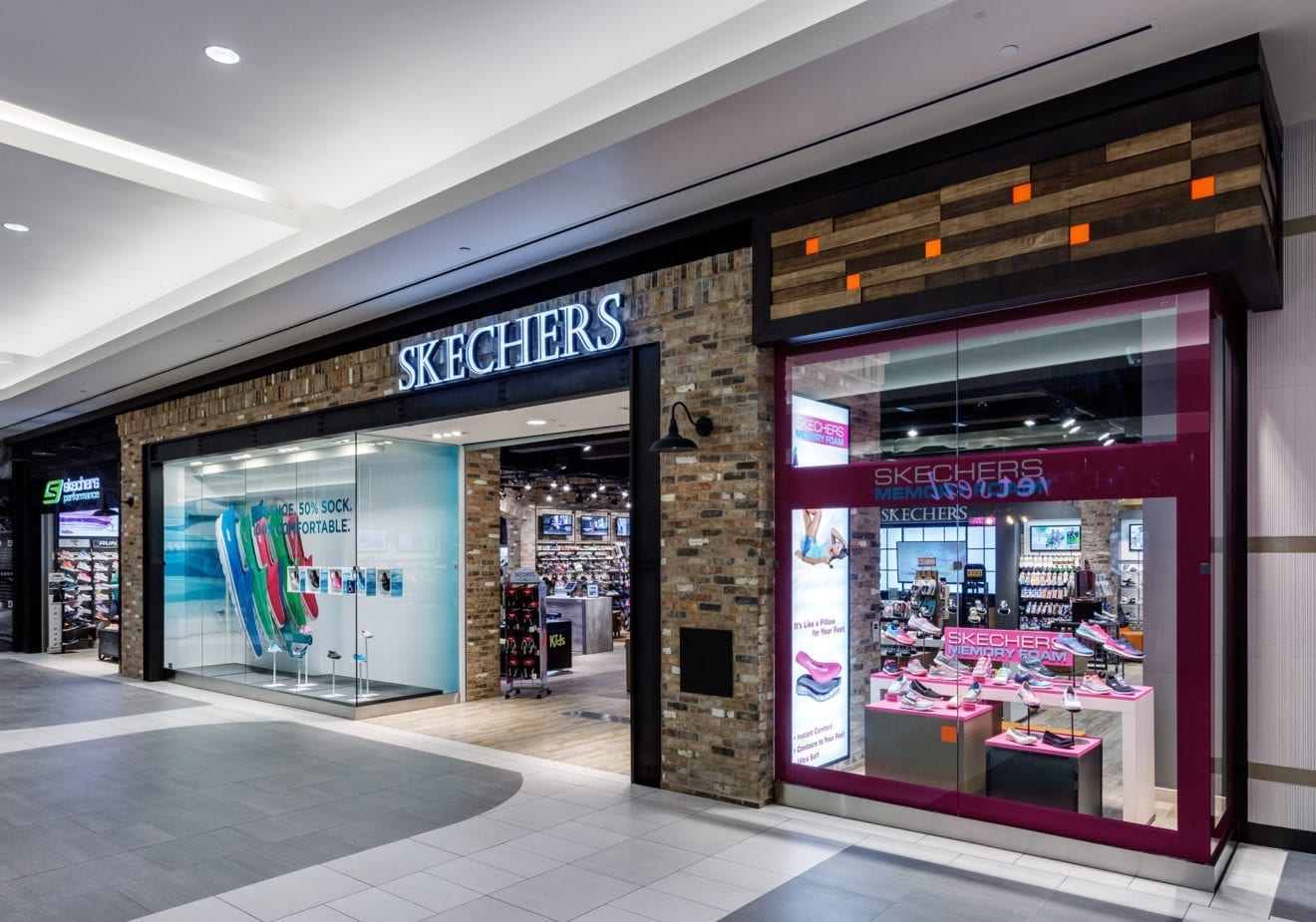
    Skechers USA, a global footwear leader, has announced financial results for the third quarter ended September 30, 2018. “Achieving record third quarter sales is a notable accomplishment given the strength of our third quarter 2017 sales,” began Robert Greenberg, Chief Executive Officer, Skechers.

    Greenberg added, “Both our domestic and international businesses grew, and we remained the leader in walking, work, casual lifestyle and sandals footwear in the United States. We experienced strong product successes across multiple divisions around the world, which was evident by our double-digit growth in both our international wholesale and worldwide Company-owned retail businesses. Skechers D’Lites, our heritage chunky style that has seen great success over the last two years in Asia, is now an in demand style across North America and Europe, and is poised for growth in South America, India and the Middle East. Through Skechers D’Lites, we are reaching a younger, more fashion-savvy audience, and getting press—from Marie Claire and Elle to HypeBae and Highsnobiety—and social media influencers are embracing this signature look. Further, we are seeing renewed acceptance of this chunky style by men. Our core footwear categories for men, women, work and golf are also performing well. We are achieving this growth with the right product mix combined with a balanced approach to marketing spend. As we continue to invest in our international infrastructure, we believe there is significant opportunity to grow our brand further through both wholesale, and Company-owned and third-party retail stores, which now stand at 2,802 locations worldwide. We’re looking forward to fourth quarter growth across both our domestic and international channels and a new annual sales record.”

    “As we near the close of 2018, we believe the direction of our business is on target with our record sales in the third quarter, continued international growth and strong gross margins,” stated David Weinberg, Chief Operating Officer of Skechers.

    Weinberg added, “With three record sales quarters in 2018 and brand acceptance around the globe, we achieved a new record for the first nine months of US$ 3.56 billion, an 11.5 percent increase over last year. In the third quarter, our international distributor business returned to growth, increasing 11.6 percent over the same period last year, and combined with our international joint venture and subsidiary business, our total international wholesale sales increased 11.8 percent for the period. International wholesale along with international retail now represents 55.5 percent of our total business. We expect our business in the United States—both wholesale and retail—to grow in the fourth quarter. We remain committed to efficiently and profitably growing our global footwear business.”

    Sales grew 7.5 percent as a result of an 11.8 percent increase in the Company’s international wholesale business, and a 10.6 percent increase in its Company-owned global retail business. Its domestic wholesale business decreased 3.0 percent. The Company’s total international business grew 12.5 percent and its total domestic business grew 1.8 percent. Third quarter comparable same store sales in Company-owned retail stores worldwide increased 1.9 percent, including an increase of 3.0 percent in the United States offset by a decrease of 0.8 percent in its international stores.

    Gross margins slightly increased as higher domestic margins from improved retail pricing and product mix were partially offset by the impact of negative foreign currency exchange rates.

    SG&A expenses increased 9.5 percent in the quarter. Selling expenses increased by 0.7 percent, but improved 50 basis points as a percentage of sales from 8.2 percent to 7.7 percent for the third quarter 2018. The US$ 37.8 million increase in general and administrative expenses was primarily the result of the Company’s continued commitment to build its international brand presence and direct-to-consumer channels. General and administrative expenses in China grew US$ 7.5 million to support continued expansion, including preparation for next month’s Single’s Day, and US$ 13.3 million associated with operating 58 additional company-owned Skechers stores worldwide, of which 13 opened in the third quarter. General and administrative expenses also included US$ 11.1 million related to corporate and domestic operations, of which US$ 4.8 million was for increased domestic warehouse and distribution costs.

    Earnings from operations increased US$ 7.4 million, or 6.4 percent.

    Net earnings were US$ 90.7 million and diluted earnings per share were US$ 0.58. In the third quarter, the company’s income tax rate was 13.7 percent reflecting its continued assessment of the impact of the recently enacted tax reform legislation. As a comparison, the company’s income tax rate for the three months ended September 30, 2017 was 9.4 percent.

    Sales grew 11.5 percent as a result of an 18.9 percent increase in the company’s international wholesale business, and a 13.7 percent increase in its company-owned global retail business. For the nine-month period, its domestic wholesale business was essentially flat compared to the same prior year period. The company’s combined international wholesale and retail business grew 19.7 percent and its combined domestic wholesale and retail business increased by 3.4 percent.

    Gross margins increased due to strength in the Company’s international wholesale and Company-owned international retail businesses.

    SG&A expenses increased 17.3 percent. This increase was due to an additional US$ 176.3 million in general and administrative expenses. Selling expenses increased by US$ 25.3 million.

    Earnings from operations increased US$ 26.9 million, or 8.2 percent.

    Net earnings were $253.7 million and diluted earnings per share were US$ 1.62. For the nine months, the company’s income tax rate was 13.0 percent. As a comparison, the company’s income tax rate for the nine months ending September 30, 2017 was 12.9 percent.

    For the fourth quarter of 2018, the company believes it will achieve sales in the range of US$ 1.100 billion to US$ 1.125 billion, and diluted earnings per share of US$ 0.20 to US$ 0.25. The guidance is based on expected growth in each of the company’s three segments. The company now expects its effective tax rate to be between 13 and 15 percent, which implies a fourth quarter tax rate of between 17 and 20 percent.

  • Superdry expect loss from prolonged summer

    Superdry expect loss from prolonged summer

    Superdry has issued a profit warning, saying an unseasonably warm European and US east coast summer together with foreign exchange costs will reduce income by about £10 million. “Superdry is a strong brand with significant growth opportunities, backed by robust operational capabilities, but we are not immune to the challenges presented by this extraordinary period of unseasonably hot weather,” said CEO Euan Sutherland in a statement.

    “We are well prepared for peak trading, but the second half of financial year 2019 presents both risks and opportunities.”

    The company’s share price fell a heavy 20 per cent in early trading after the announcement was made.

    Foreign exchange costs are expected to be about £8 million higher this year and the collapse of department store chain House of Fraser has left the fashion retailer an estimated £236,000 out of pocket.

    Sofie Willmott, senior retail analyst at GlobalData, said rival chains Quiz, Coast and Ted Baker have all been hit by the downfall of House of Fraser. “Superdry, the usually untouchable brand that consistently delivers double-digit sales growth, is the next to be affected.”

    Willmott said Superdry has had an unhealthy reliance on autumn/ winter stock and was unable to trade in season.

    “Given that the only certainty with weather is that it can be unpredictable, Superdry should have been better prepared to react to the prolonged warm summer, cutting back on volumes of jackets and coats to avoid overstocks and the need for markdowns.”

    Superdry knows this is an issue and is five months into an 18-month product-diversification program to broaden its range.

  • Sales, profit soar for Levi Strauss & Co in Asia

    Sales, profit soar for Levi Strauss & Co in Asia

    Levi Strauss & Co Asia boosted operating income by 30 per cent in the latest quarter as sales rose 10 per cent and margins improved.

    Asia proved to be the US-headquartered denim retailer’s best-performing of three geographical regions, even after excluding a $4 million unfavourable change in currency year on year.

    In Europe, operating profit rose 25 per cent on sales up 17 per cent and in the US income rose just 4 per cent on sales up 9 per cent in the three months to August 26.

    Levi Strauss & Co Asia sales increased across all channels – wholesale, retail and online – and the strong operating profit performance came despite increased direct-to-consumer investments across key markets.

    Chip Bergh, president and CEO at Levi Strauss & Co, said the result marked the fourth consecutive quarter of double-digit sales growth, at 11 per cent worldwide, after adjusting for unfavourable currency movement.

    “This growth was broad-based across virtually every part of our business, including all four brands, men’s, women’s, tops and bottoms, and all regions and channels, with results that put us among the top performers in the industry.”

    The company had 65 more company-operated stores at the end of the third quarter of this year than it did a year ago. Wholesale revenues grew 8 per cent, reflecting improved sales in all regions.

    Globally, Levi Strauss & Co’s gross margin for the quarter was 53.2 per cent of net revenues compared with 51.8 per cent in the same quarter of last year, reflecting the benefit from achieving more direct-to-consumer sales.

    Operating income for the third quarter of US$159 million was up 8 per cent year on year.

  • Shiseido’s results for 2017

    Shiseido’s results for 2017

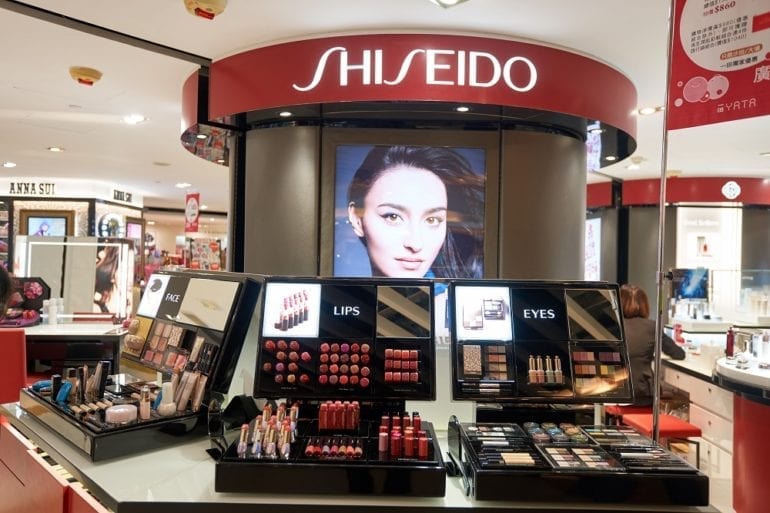
    Shiseido just released its results for the Fiscal Year Ended 31 December 2017.

    Shiseido achieved Global Net Sales of ¥1,005,062 (compared to ¥850,306 in 2016) and a Global Operating Income of ¥80,437 (compared to ¥36,780 in 2016).

    In the Asia Pacific Business, the brands driving sales are Clé de Peau Beauté, NARS, and other brands in the prestige category, mainly in South Korea, Thailand, and Taiwan.

    Sales of Clé de Peau Beauté were particularly strong in the flagship store opened in Singapore.

    In the cosmetics and personal care categories, sales growth was seen for SENKA, which benefited from enhanced marketing tailored to the differing consumer preferences and lifestyles in each country, and for the sunscreen ANESSA, owing to an expansion of sales channels.

    The growth is the result of the improvement in the product mix and higher margins.

    The Shiseido Group formulated VISION 2020, a medium- to long-term strategy in 2014 while positioning the three years from fiscal years 2018 to 2020, as the period to accelerate growth in order to tackle a new strategy.

    It seems this long-term strategy is working and the company plans to announce the new three-year medium-term management plan on 5 March 2018, and disclose the consolidated results forecasts and the dividend forecast for the fiscal year ending December 2018, the initial year of the plan.

  • Pandora posts good numbers in challenging market

    Pandora posts good numbers in challenging market

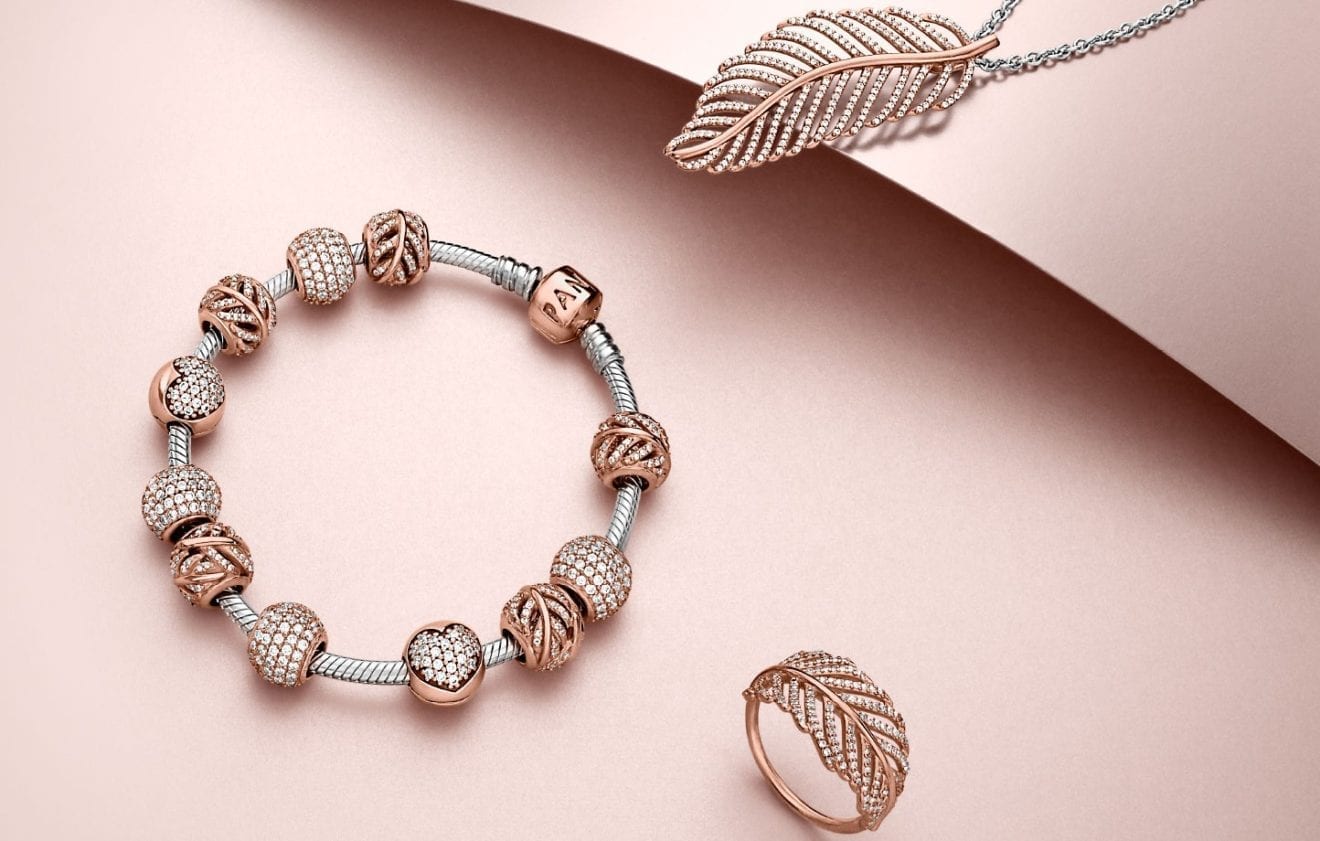
    Danish jewellery manufacturer and retailer Pandora reports a strong year despite market challenges.

    Group Pandora sales increased by 12 per cent (15 per cent in local currency) last year to DKK22.7 billion (US$3.7 billion). Revenue from Pandora-owned retail grew 42 per cent (46 per cent in local currency). ​

    Like-for-like sales-out growth for the brand’s concept stores was 11 per cent.

    Pandora sales in Asia Pacific were up 25 per cent (28 per cent in local currency).

    Revenue from charms was up 8 per cent and revenue from bracelets increased 8 per cent. Full jewellery brand development remains on track with combined revenue from rings, earrings and necklaces, and pendants up 28 per cent. The three categories represented 26 per cent of group revenue compared with 23 per cent in 2016.

    Gross margin was 74.5 per cent last year, down from 75.1 per cent).

    Describing the year as “challenging and eventful”, CEO Anders Colding Friis says revenue was driven by a strong performance from Pandora-owned retail, and double-digit growth in local currency across all product categories.