Tag: sales report

  • Tiffany China sales soar

    Tiffany China sales soar

    Jeweller Tiffany & Co says its 30 China stores posted record double-digit sales growth in the second quarter.

    China is the world’s second largest luxury market and accounts for 10 per cent of the US company’s global store network.

    And despite the Chinese economy’s much-publicised slowdown, demand remains high for in fashion brands like Tiffany and Apple.

    Tiffany said in its quarterly earnings report it has no plans to adjust its China strategy despite the devaluing currency and stock market decline.

    Tiffany China will open an unspecified number of new stores in the year ahead and has previously said it is looking at tier 2 cities in addition to building its presence in traditional luxury market hubs of Shanghai and Beijing.

    The company says it expects strong growth in the quarter ahead.

  • OldTown Coffee suffers as Malaysians spend less

    OldTown Coffee suffers as Malaysians spend less

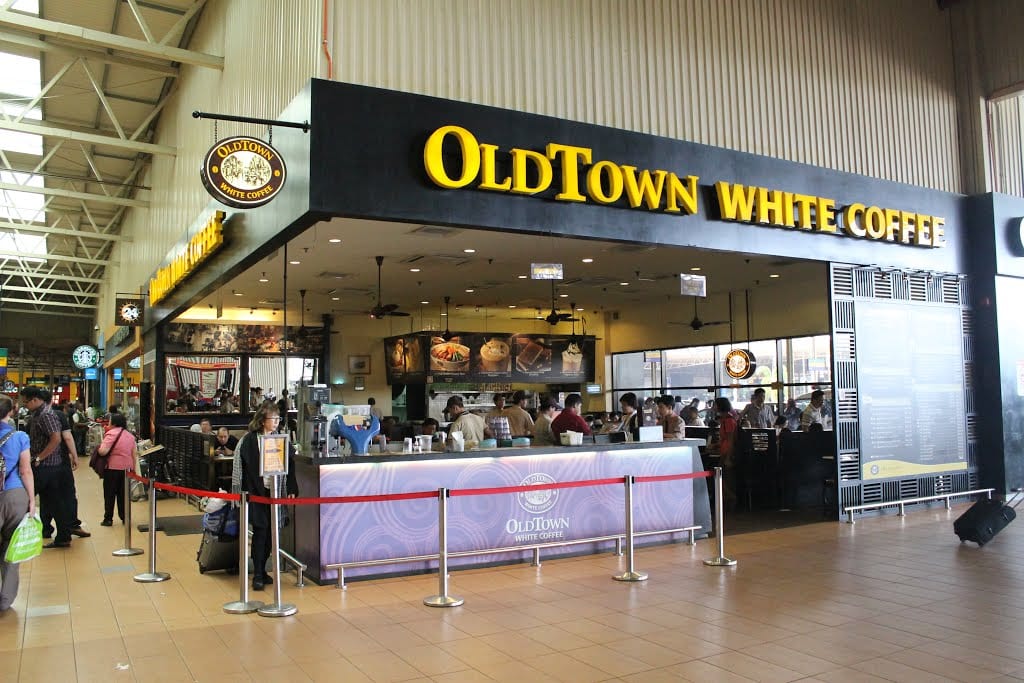
    Malaysian cafe chain OldTown Coffee has reported falling sales and profits as Malaysians continue to get used to life after the imposition of GST on April 1.

    The company, which operates 210 discount coffee shops and sells packaged coffee through FMCG channels, posted a profit of RM9.49 million ($US2.2 million)  in its first quarter, to June 30, 6.8 per cent less quarter on quarter and an unhealthy 18.9 per cent less year on year. Topline sales slumped 10.5 per cent quarter on quarter and 3.9 per cent year on year to RM94.06 million (US$22.3 million).

    OldTown concentrates on the local Malaysian market serving milky coffees and light snacks – it does not make espresso-style coffee drinks like Starbucks.

    The company says its declining fortunes were driven by a downturn in cafe sales, rather than packaged goods: Same store coffee shop profit fell 46.4 per cent year on year.

    The company plans to open 10 new outlets before the end of the current financial year, next March, representing an expansion of about five per cent.

    Sales of packaged foods – mainly instant coffee and coffee mixes – rose 29 per cent.

  • China is buying about one-fifth of the world’s Apple Watches

    China is buying about one-fifth of the world’s Apple Watches

    Demand from China has helped drive the massive success of the iPhones 6, but will it do the same for the Apple Watch? The early numbers look a bit muted, though still promising.

    Since the device’s release in May, research firm RedTech Advisors/TalkingData estimates that over 1 million of the watches have been sold in China. Sales for the three-month period ending in June topped out at over 626,000, which the company calculates to equal 22% of estimated global sales of 2.8 million devices.

    That’s lower than China’s overall contribution to Apple’s revenues. While the company doesn’t disclose disclose iPhone sales by region, last quarter Apple generated 26% of its revenues from China, driven by sales of its smartphone.

    Growth of the Apple Watch is slowing in China, and sales aren’t expected to increase until November, when China’s e-commerce companies launch their Cyber Monday-esque Single’s Day deals, and then later through Chinese New Year in February.

    RedTech said the uptake for the Apple Watch in China has been slower than other Apple products, but attributes this to a lack of supply rather than demand. The company estimates that 30% of activated Apple watches in China came from “grey market” third-party vendors during the product’s release, but as supply increased, grey-market sales plummeted to 13%. Right now, the firm calculates that 40% of Apple Watch sales are coming from official Apple Stores, another 28% come from its official Chinese online store, and the remainder from third-party vendors, gifts, and overseas vendors.

    Apple is aggressively expanding its retail presence in China, and plans to double its number of retail outlets in China by 2016 to 40.

    It may be difficult determine whether the Apple Watch has been a success for some time, either in China or globally. Smart wristbands, unlike phones, are a relatively new type of hardware. IDC estimates that Apple globally has 19% of wearable market share, a remarkable feat given that Apple’s watch has only been available for just over a three month period.

    But one Apple supplier from Taiwan complained that orders for watch components were lower than anticipated, which suggests Apple had even higher expectations.

  • Chow Tai Fook changes strategies to tackle tough market

    Chow Tai Fook changes strategies to tackle tough market

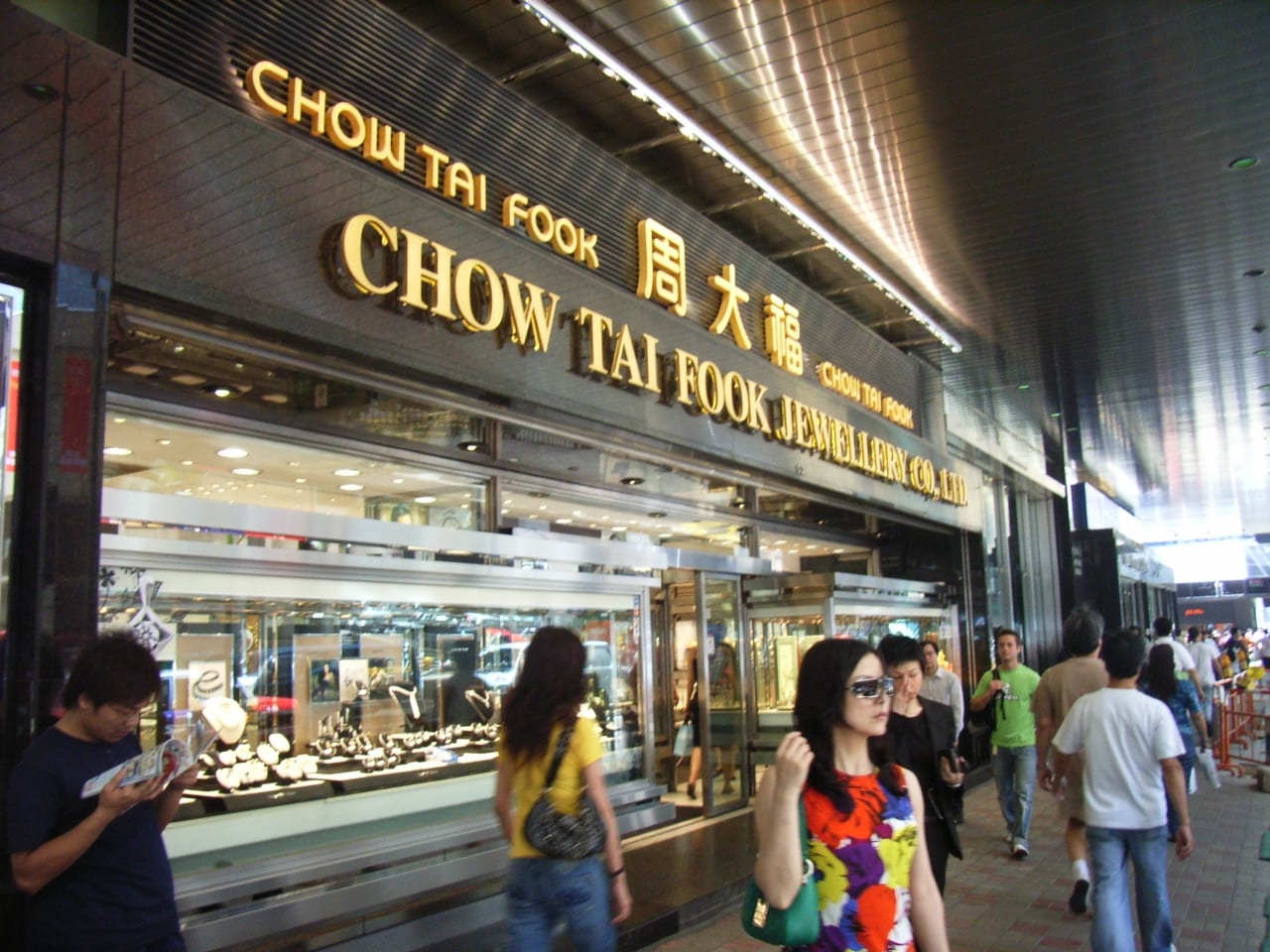
    Chow Tai Fook Jewellery Group is renegotiating store rents and consolidating its retail network in order to manage rental costs, chairman Henry Cheng Kar-shun said on Thursday.

    Amid a downturn in the city’s retail landscape, the largest Hong Kong-listed jeweller in terms of market capitalisation had also shifted focus to smaller-priced items to attract customers, Cheng said.

    Business is getting tougher for retailers, with sales in July dropping 2.8 per cent from a year earlier to HK$37.6 billion, following a 0.4 per cent fall in June. The drop in July was the biggest since March’s decline of 2.9 per cent.

    Sales of jewellery, watches, clocks and gifts all recorded a smaller decrease of 5 per cent, after four months of double-digit falls.

    “There are a number of external factors that are out of our control, such as the macroeconomic conditions, the central government’s policies and the devaluation of China’s currency,” Cheng said. “What we can do is do our best to operate the business well.

    “While we are still making profits in all of our [Hong Kong] stores, we may consider cutting some to maximise profits. For example, if we have three shops on one street, we may opt for two in order to cut costs.”

    Facing a sluggish retail market, commercial landlords are now willing to set more realistic prices and reduce rents.

    Cheng said the company was renegotiating with landlords to lower rents and the extent of rent cuts would depend on the business performance of the store concerned, said Cheng, suggesting the average cut could be between 20 and 30 per cent.

    Chow Tai Fook in June reported net profit for the year ended March fell about 25 per cent to HK$5.46 billion from the previous year.

    Revenue dropped 17 per cent to HK$64.28 billion.

    The average selling price of gem-set jewellery fell 12.7 per cent and that of gold products declined 1.2 per cent.

    The company extended its e-commerce network to strengthen its capability to reach more online customers, particularly the younger generation, said Cheng, adding the online division was making profits.

    He was speaking at an event to mark the company’s unveiling of a diamond piece centred on a 24 D-colour internally flawless diamonds cut from a 507.55 carat rough diamond, known as the Cullinan Heritage, that Chow Tai Fook acquired for HK$275 million in 2010.

  • Bad medicine for Eu Yan Sang

    Bad medicine for Eu Yan Sang

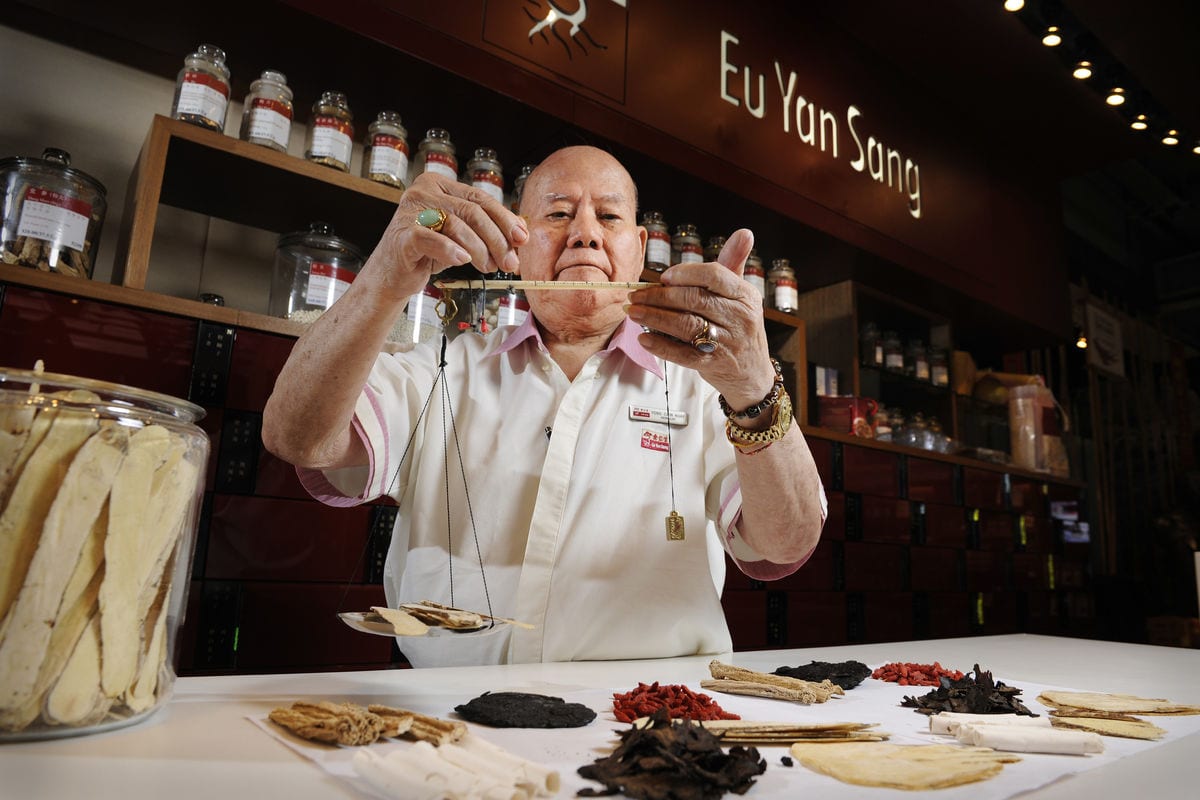
    Traditional Chinese medicine retailer Eu Yan Sang lost $3.6 million in its last quarter, blaming weaker sales in Hong Kong and Malaysia.

    Its full year profit to June 30 was down 70 per cent on the previous year at $4.56 million, compared with $15.03 million in 2014.

    Fourth quarter sales dropped 15 per cent; full year sales a less dramatic four per cent to $350.4 million.

    In Malaysia, the company – like many retailers of food and discretionary goods – noticed a sharp decline in trade after the imposition of six per cent GST on April 1.

    In Hong Kong, it was the changing demographic of Mainland Chinese visitors to the territory to blame.

    “While the travel restrictions to Hong Kong imposed on mainland Chinese have affected parallel traders coming to Hong Kong to purchase Eu Yan Sang products, it has encouraged sales of our products at online sales platforms and at cross border, tax free outlets,” the company said in a statement.

    Eu Yan sang operates 252 retail stores and 25 franchised outlets. During the year it opened 13 in Australia, Malaysia and Hong Kong and closed eight in Singapore, China and Macau. A review of its Australian franchised stores saw it drop a new seven outlets.

    The news was not all bad for the Singapore-listed company. In its home market, net sales were up five per cent in the fourth quarter and four per cent over the full year – in an overall retail market best described as stagnant. Managed cited the introduction of new products and consumer marketing campaigns for the improvement.

    The company hopes continuing improvement in Singapore sales will help cushion the impact of the Hong Kong and Malaysia markets in the year ahead.

  • Hermes Japan sales boom

    Hermes Japan sales boom

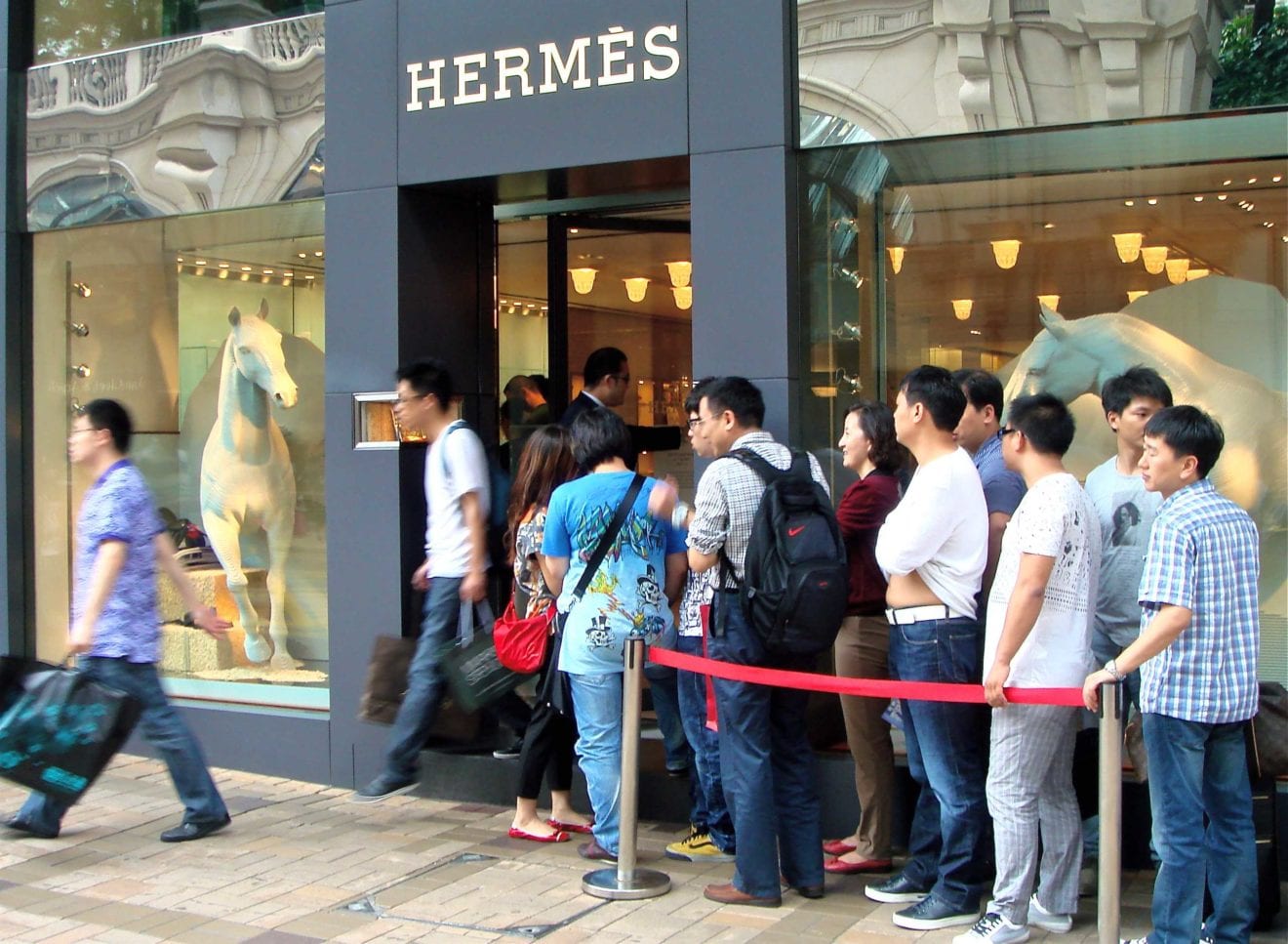
    Hermes Japan has driven the luxury handbag and apparel brand to a 20 per cent increase in first half profit.

    For many successive quarters, Japanese have been maintaining tight control of their spending – but this year life has returned to the retail sector – and the luxury market especially. And cashed up Chinese – who once travelled across the border into Hong Kong for their high fashion indulgences – are now heading to Japan instead.

    Hermes International says the Japanese sales increases has proved more than enough to make up for China’s economic slowdown, where sales have slipped for most luxury brands this calendar year.

    Paris-headquartered Hermes says its global operating income increased to US$842 million on sales up 21 per cent to US$2.58 billion.

    Hermes says its Japanese sales climbed 20 per cent in the six months to June 30 at constant exchange rates. Across the rest of Asia, sales rose just seven per cent; in Hong Kong they dipped by an unspecified amount. That market was “difficult”, the company said.

  • Coach to exit landmark location in Hong Kong

    Coach to exit landmark location in Hong Kong

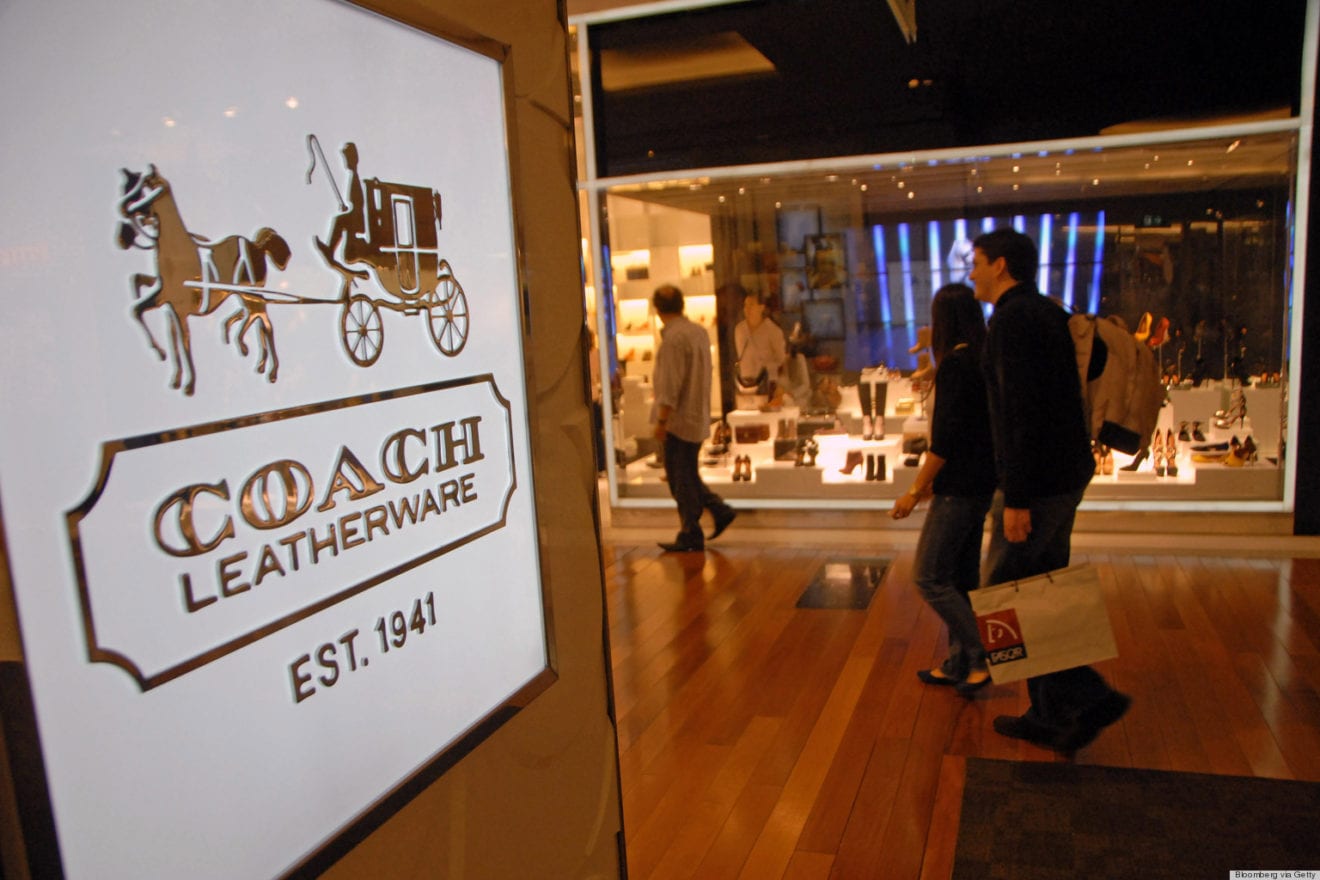
    Leather goods maker Coach Inc. is shutting one of its three flagship locations in Hong Kong, the latest retailer to be hit by the drop in the number of mainland Chinese visitors to the city amid a slowing economy and weaker yuan.

    The store towers above Queen’s Road Central in the central business district of a city where high rents and labour costs, as well as slowing sales, have hit other retailers.

    Coach said the store would close on August 31 but said it remained committed to the Hong Kong and China markets. Earlier this month, Coach said its mainland China sales grew 9 per cent year-on-year to $595 million in fiscal 2015, but growth in Hong Kong and Macau was slower.

    “Sales growth in China was driven entirely by the mainland, as Hong Kong and Macau continued to experience traffic declines from a decrease in PRC (People’s Republic of China) tourists,” Chief Executive Victor Luis said.

    For this fiscal year, China sales growth is forecast to slow to about 5 per cent, the company said. Chinese tourists have been the main customers of Hong Kong’s luxury retailers, but the slowing economic growth and the recent devaluation of the yuan have dented their once voracious appetite for goods ranging from cosmetics to luxury watches.

    Tighter visa rules and a flare up of anti-Chinese sentiment in Hong Kong have also contributed to the decline in mainland visitors. Hong Kong’s retail sales fell for the fourth straight month in June.

  • Milan Station’s interim sales in Macau drop 78.6 per cent

    Milan Station’s interim sales in Macau drop 78.6 per cent

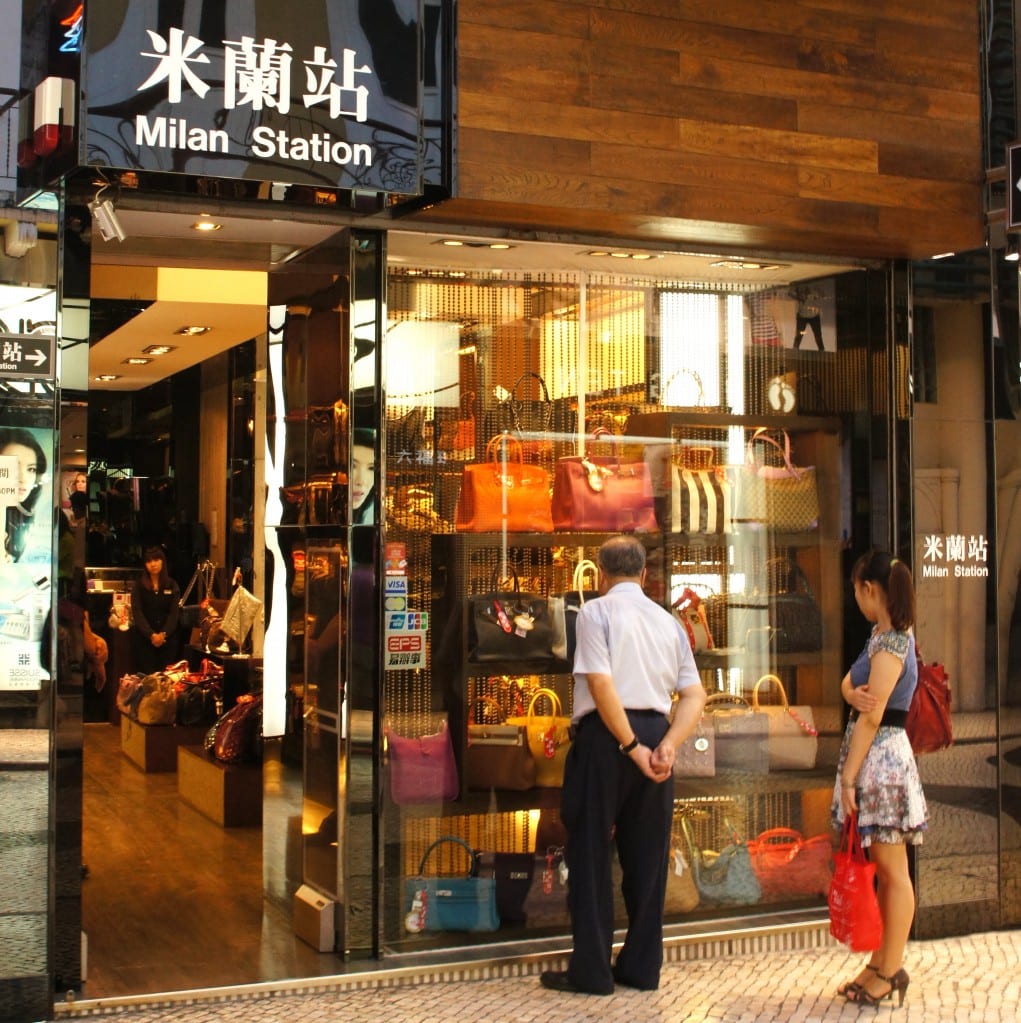
    Luxury handbag store chain Milan Station Holdings Ltd. has reported a sharp 78.6 per cent year-on-year decline in its retail revenue derived from the Macau market for the first six months of this year, the company announced in its results filing with the Hong Kong Stock Exchange.
    The company said its business in the city has been significantly affected as the gambling industry and tourism trade had ‘hit their troughs’. Milan Station’s retail revenue in Macau in the interim period was HK$11.8 million, representing 5.7 per cent of overall sales revenue.

    During the interim period, Milan Station closed its retail stores in Macau; while its points of sale in ‘exclusive clubhouses’ was unsatisfactory.
    By price range of product, revenue derived from Milan Station’s items priced at above HK$50,000 – comprising over half of the company’s sales revenue – saw a 31.1 per cent year-on-year decline to HK$118.3 million. As Milan Station has also sold less in Hong Kong, Mainland China and Singapore, the retailer’s overall retail revenue plunged 36.6 per cent to HK$208.8 million.

    The company said its loss for the period decreased significantly by 65.6 per cent to HK$6.8 million, under what it called ‘effective cost control’ and a one-off gain of about HK$12 million from the disposal of a property.

  • Vietnam leads SE Asian smartphone rush

    Vietnam leads SE Asian smartphone rush

    Vietnam is the fastest growing smartphone market in South East Asia, where sales topped $8bn in the first half of the year according to new figures.

    Data from market researcher GfK indicated that, overall, some 39.8m smartphones were sold in the region, up from 36.6m in the corresponding period of 2104.

    Sales volumes in Vietnam rose 27% in the first half of 2015 compared to the same period a year earlier to reach to total of 6m, making it the third largest smartphone market in the region, Inside Retail Asia reported.

    Thailand was the second-fastest growing market, up 13% to a total of 6.6m, a figure which also put in second place in terms of market size. The Philippines was the third fastest-growing market, up 10%.

    Indonesia, however, remains the largest market in terms of volume, with 14.9m units shifted in six months.

    Sales growth was sluggish in the mature markets of Singapore and in Malaysia, where consumers have cut back on their spending since the introduction of a general sales tax.

    GfK has also started tracking the mobile handset market in Myanmar and reported that 3m units had been sold in the first half, with most of these being smartphones (89%).

    “The availability of a wide range of lower price options nowadays have made it possible and much more affordable for price-sensitive consumers in these developing markets to switch over and own their first smartphone,” said Gerard Tan, GfK account director for technology.

    He pointed out that in the first half of 2013 just 15% of smartphones sold in the region had cost under $100, a proportion that has now climbed to 35%.

    Indonesia, he added, was the country with the most number of entry level smartphone brands and consumers in the region.

    This transformation is being almost entirely driven by Chinese brands, which now account for around 25% of the region’s market compared to 4% in 2013.

    “The perception of Chinese brands has been elevated considerably as a result of their heightened marketing campaigns and the opening up of dedicated showrooms and retail counters,” Tan said.

  • Estee Lauder travel-retail revenue falls

    Estee Lauder travel-retail revenue falls

    Cosmetics-giant Estée Lauder Companies reported a decline in travel-retail sales in fiscal year 2015 (ended June 30, 2015), despite an increase in global airline traffic and expanded distribution in the channel.

    The company said that a stronger dollar and the outbreak of Middle East Respiratory Syndrome (MERS), which killed nearly 40 people in South Korea this year, contributed to decline, with travel-retail sales falling by 4% in the last quarter of fiscal year 2015.

    Over 55,000 tourists had cancelled trips to South Korea by the mid-June, according to the World Economic Forum.

    Slower retail growth in Hong Kong and China, as well as a decline in spending by Russian and Brazilian travellers are also expected to impact sales revenue into the 2016 fiscal year.

    The news came as the company also forecasted below-estimated earnings across the whole business for the coming fiscal year, and announced that net sales in the fiscal year ending in June went down to $10.78bn, a 1.7% decrease from $10.97bn the previous year. The company said it missed its 7% growth target because of accelerated sales orders in Latin America and the use of constant currencies to calculate international profits.

    For the three months ended June 30, 2015, the company reported net sales of $2.52bn, compared with $2.73bn the previous year. Skincare products were chiefly affected, with overall sales falling by 16% in Q4.

    However, expanded distribution, including in travel-retail, also helped lift some labels’ revenues. While sales for heritage-brands Estée Lauder and Clinique slumped, the conglomerate’s current global-marketing focus has been on growth for youthful or luxury brands like Smashbox and Tom Ford. Along with Aveda hair-care product, these brands’ expanding travel-retail channels were reported by Estée Lauder Co. to have resulted in year-on-year revenue growth that has helped offset some of this year’s losses.

    The company has said that by adjusting to factors like constant currencies and accelerated orders in the fiscal year 2014, strong underlying growth in the company becomes apparent.

    President and CEO Fabrizio Freda said in the company’s report for the fiscal year 2015 (Q4 and full year): “Together with our powerful brand portfolio and financial discipline we finished our fiscal year with a strong Q4, generating 7% constant currency sales growth, after adjusting for the accelerated sales orders we reported in fiscal 2014.

    He added “For the full year, our adjusted 6% local currency sales growth met our expectations, and we exceeded our earnings per share forecast …Our sales grew at a faster rate than global prestige beauty, due to the success of our multiple engines of growth. Standout performances generated double-digit sales gains in most of our makeup and luxury brands and the online, specialty-multi and freestanding store channels.

    “In fiscal 2016, we expect constant currency net sales growth of 6% to 8% and double-digit earnings per share growth, after adjusting for the accelerated sales orders.”

    Reuters reported on Monday that Estée Lauder Cos Inc shares fell by up to 5.3% to $82.8 per share yesterday, but the value rose to $84.48 today (still down from $90 reported at the beginning of this month). Estée Lauder is currently expanding its travel-retail offering, focusing on colourful, clean brands like Mac and Smashbox, as well as its successful London brand Jo Malone.

  • Wal-Mart says heavy e-commerce investments put a crimp on earnings

    Wal-Mart says heavy e-commerce investments put a crimp on earnings

    The retailer’s global online sales increased 16% in Q2, excluding the impact of the stronger U.S. dollar.

    Wal-Mart Stores Inc. says its heavy investment in e-commerce infrastructure is paying off, with online sales growing by double-digit percentages, but that it hit a rough patch in international online sales and that the spending is weighing on its earnings.

    The retail giant, No. 3 in the Internet Retailer 2015 Top 500 Guide, said Tuesday its global online sales, excluding the impact of the strengthening dollar, grew 16% in the second quarter. But investments in e-commerce are estimated to lower full-year earnings per share by between 6 cents and 9 cents, company officials said. With 3.23 billion shares outstanding, that suggests Wal-Mart will spend between $190 million and $295 million on e-commerce this year.

    “The highlight was solid growth in the Walmart.com and SamsClub.com U.S. businesses, while international was soft, due to economic challenges in several of our key markets,” chief financial officer Charles Holley said on the company’s earnings call. The international results led Wal-Mart to revise its e-commerce sales growth forecast for 2105 to the mid to high teens from the previous mid-20s range.

    Wal-Mart also said its e-commerce investments, meant to vie with Amazon.com and other online retailers, are vital given the competitive environment.

    “We’re pleased that the investments we’ve made are helping to improve our business,” CEO Doug McMillon told analysts during the company’s earnings conference call, according to a transcript from Seeking Alpha. “Even if it’s not as fast as we would like, the fundamentals of serving our customers are consistently improving. In this case, our desired changes require investments, which are pressuring earnings this year.”

    Also in the quarter, the retailer opened two automated online fulfillment centers in the U.S., each bigger than 20 football fields, and two more are coming this quarter, said Holley. The centers will serve customers this holiday season and serve as the cornerstones of Wal-Mart’s fulfillment network, he says.

    On the call, Wal-Mart executives discussed its deal, announced last month, to acquire the remaining 49% it did not already own in Yihaodian, a Chinese online grocery retailer that’s been expanding into other categories and is No. 7 in the Internet Retailer 2015 China 500 Guide. Wal-Mart spent $760 million in the quarter to acquire the remaining 49% of Yihaodian, the online retail site in China with 100 million registered users.

    “Our primary goal is to continue to accelerate Yihaodian’s core e-commerce business and maintain strong local Chinese expertise,” Neil Ashe, CEO of Wal-Mart Global e-Commerce, told analysts. “Now that we are the sole owners, we will be expanding our leadership team from within the Yihaodian business, from within Wal-Mart and from the e-commerce industry in China. We will also leverage Walmart’s global reach and scale to better benefit Yihaodian, including global sourcing. China is an exciting, dynamic, large and competitive market. We are excited about our long-term opportunity in China.”

    For the quarter ended July 31, Wal-Mart reported:

    • Net sales of $120.229 billion, relatively flat from $120.125 billion.
    • Wal-Mart did not report online sales but said e-commerce sales increased 16% globally when adjusting for the strengthening dollar, which is reducing the dollar value of sales outside the United States. The total value of purchases on Wal-Mart’s e-commerce sites in 11 countries increased 18% on a constant-currency basis. That includes sales by outside merchants selling on Walmart.com and other sites that offer goods from other retailers.
    • Net income of $3.475 billion, down 15.1% from $4.093 billion in the same period in 2014
    • A decline in operating income in the retailer’s three primary divisions. At Wal-Mart U.S. it was $4.819 billion, down 8.2%; at Wal-Mart International it was $1.277 billion, down 14.2%; and at Sam’s Club it was $428 million, down 13.4%.

  • Profit falls as QKL Stores buys market share

    Profit falls as QKL Stores buys market share

    QKL Stores  a regional supermarket chain in Northeastern China and Inner Mongolia, has announced improved sales, but lower profit in the second quarter.

    Zhuangyi Wang, chairman and CEO, said the company had boosted its promotional activities in existing stores to strengthen its competitive position.

    Second quarter sales rose 9.2 per cent to US$56.4 million and gross profit decreased 4.3 per cent to $9.1 million.

    “The decrease in gross profit relative to net sales was due to competitions arising from the increasing challenge from the online shopping that have significant pricing pressure on our selling of high margin products.”

    Wang said QKL plans to slow down the pace of its new store openings this year.

    “Currently, we expect to open two new supermarket stores this year. We maintain confidence in our strategy of strengthening our store presence in Tier 4 and 5 cities in northeastern China as well as in our core region of operation around Daqing where the majority of our older stores are based.”

    Based in Daqing, QKL Stores sells a broad selection of merchandise, including groceries, fresh food, and non-food items, through its 40-odd retail supermarkets, hypermarkets and department stores; the company also has its own distribution centers that service its supermarkets.

    “As QKL expands its market presence in northeast China, we are uniquely positioned against our local competitors through our large product offering, strong supplier relationships, efficient distribution network and state-of-the-art IT system,” said Wang.

    “We are comfortable with our opportunities in the second half of the year and believe we’ll see an improvement in operating expenses and net result from the current quarter.”

  • Real Singapore retail sales stagnant

    Real Singapore retail sales stagnant

    Don’t be fooled by mainstream media headlines reporting a rebound in Singapore retail sales.

    The 6.1 per cent increase headline year on year increase is almost entirely driven by a near 50 per cent surge in motor vehicle sales.

    Core retail sales rose a modest 0.9 per cent in May compared with May 2014, and 1.8 per cent over a lacklustre April.

    Singapore retail sales

    Sales of food and beverage services decreased marginally by 0.3 per cent month on month and by a whole three per cent year on year.

    After seasonal adjustment, retail sales of petrol service stations, cars, medical goods and toiletries, food and beverages, mini-marts and convenience stores, wearing apparel and footwear, watches and jewellery, recreational goods and supermarkets all increased by between one per cent and 8.9 per cent month on month.

    Sales of telecommunications devices and computers decreased 10.9 per cent; optical goods and books, furniture and household equipment declined 0.3 to 0.4 per cent.

    Department store sales remained steady.

    Year on year, medical goods and toiletries sales rose the most at 10.3 per cent.

    Department store sales, supermarkets, mini-marts and convenience stores and watches and jewellery posted increases of between 1.3 per cent and 4.9 per cent.

    Singapore retail sales Index

    Recreational goods sales declined 16.2 per cent and 11.9 per cent year on year, optical goods and books, telecommunications apparatus and computers, food and beverages, furniture and household equipment and wearing apparel and footwear all declined between 1.1 per cent and 8.3 per cent.

    After seasonal adjustment, turnover of fast food outlets and other eating places (such as cafes) decreased 3.6 per cent and 0.1 per cent in May over April. Restaurant turnover was stable.

    Compared to May 2014, turnover at restaurants, other eating places and fast food outlets decreased between 0.8 per cent and 5.9 per cent.

  • Asia slowdown hits Burberry sales

    A decline in the number of shoppers from mainland China travelling to Hong Kong to buy luxury goods has continued to be a drag on Burberry, the British retailer best known for its trenchcoats and cashmere scarves.

    Burberry said on Wednesday that comparable sales in Hong Kong were hit by a “double digit decline” in the three months to June 30, its first quarter, as fewer Chinese mainlanders headed to the city because of political tensions or hostility from locals.

    The British group, like many other retailers, suffered during last year’s lengthy pro-democracy protests in Hong Kong but has seen no pick-up in trading as mainland Chinese take advantage of changing exchange rates to travel to other destinations such as Japan and South Korea for shopping trips.

    Burberry said sales at its stores in mainland China still rose by a “low single-digit percentage” during the first quarter, but the problems in Hong Kong pushed down sales in the Asia-Pacific region overall by a “low single-digit”. In Japan, the retailer reported “exceptional growth” during the quarter, although from a low base.

    Carol Fairweather, Burberry’s chief financial officer, said the group was trying to target local Hong Kong residents through marketing events in an attempt to stabilise sales in the city. But she insisted all stores in Hong Kong remain profitable.

    Chinese shoppers — who account for 30 to 40 per cent of Burberry’s revenues globally — are still spending during trips to other parts of the world, Ms Fairweather said, despite concerns over weakening consumer sentiment in the world’s second-biggest economy following a period of dramatic stock market upheaval.

    “We still saw growth from the Chinese consumer in China and globally,” Ms Fairweather said.

    The problems in Hong Kong weighed down overall sales growth at Burberry during the quarter. Excluding the effects of currency movements, underlying retail revenue rose 8 per cent to £407m. This was in line with analysts’ forecasts but was lower than the 14 per cent growth recorded during Burberry’s last financial year. Comparable sales for the group as a whole rose 6 per cent, again lower than for the year to March 31 but slightly higher than analysts’ forecasts.

    Burberry said foreign exchange movements were in its favour during the first quarter, pushing it to upgrade its latest forecast for full-year profit at its core retail and wholesale business by £10m. This would, however, be offset by a “more adverse geographic mix” because of the challenges in Hong Kong, resulting in no overall change to group profit forecasts.

    Christopher Bailey, Burberry’s chief executive and chief creative officer, said the first-quarter performance was pleasing in light of “challenging” conditions.

    “We are pleased with our performance in this first quarter,” he said. “While mindful that the external environment remains challenging, we will continue to focus on growth opportunities across channels, regions and products, with exciting plans for the year ahead.”

    Burberry’s trading update came ahead of its annual meeting on Thursday.

    The luxury retailer is no stranger to revolts over Mr Bailey’s pay. At the 2014 annual meeting, almost 53 per cent of votes cast were against the directors’ remuneration report in protest at Mr Bailey’s £20m package.

    There have also been rumblings of a potential rebellion at this year’s meeting. Mr Bailey, who took up the dual role of chief executive and chief creative officer on May 1, 2014, banked almost £8m in pay and benefits for the year to March 31, 2015.

  • Ted Baker storms forward

    Ted Baker storms forward

    British way of life trend model Ted Baker has reported robust efficiency throughout all international markets and distribution channels within the 18 weeks to June 6.

    Group income soared 24.2 per cent above the identical interval final yr, with retail gross sales up 18.9 per cent and retail sq. footage up 6.6 per cent to 345,399 sqft.

    On-line gross sales surged 46.9 per cent, reflecting additional progress within the UK, a superb efficiency from its US website and the launch of a brand new Canadian website.

    “Efficiency throughout our established markets was robust and we proceed to spend money on creating model consciousness in newer markets,” the corporate stated in a press release.

    “We opened our first road degree retailer in Hong Kong in Causeway Bay and a retailer devoted to showcasing our licensed product vary, Ted Baker & Moore, in Spitalfields London. We additionally opened additional concessions within the UK, France, Germany, the Netherlands, North America, China and Japan.”

    Wholesale gross sales elevated by 41.2 per cent (38 per cent in fixed foreign money), with a robust efficiency from each the UK and North American companies.

    “In North America particularly, gross sales have benefited from a robust begin to the season and modifications to purchasing patterns, which have introduced ahead some orders. Consequently, we now anticipate progress for the complete yr of round 18 per cent.”

    Each retail and wholesale gross margins have been consistent with the corporate’s expectations, and broadly consistent with final yr.

    Ted Baker says its product and territorial licences proceed to carry out properly with new licensed retailer openings in Azerbaijan, Dubai, Qatar, Saudi Arabia and Thailand and two in Taiwan.

    “We proceed to spend money on our individuals and infrastructure to help the long run improvement of the Ted Baker model globally.”