Tag: Sales

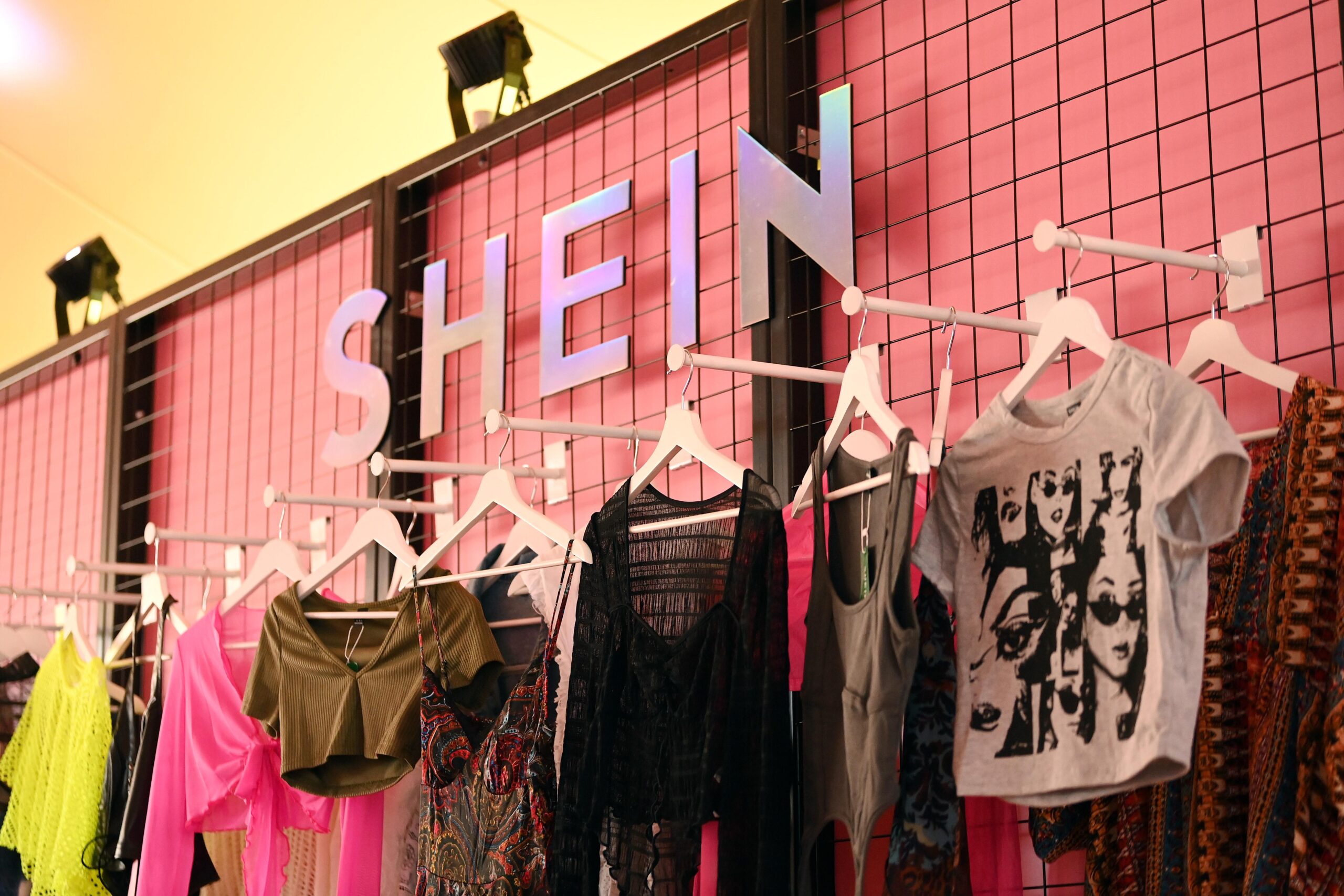
  • Shein’s Q1 Losses: Tariffs, Slowing Sales, and Their Toll Ahead of Hong Kong IPO

    Shein’s Q1 Losses: Tariffs, Slowing Sales, and Their Toll Ahead of Hong Kong IPO

    Online retailer Shein recently reported a notable quarterly loss of $99 million, as indicated in its pre-IPO financial filings. This downturn comes in the wake of the United States lifting an import duty exemption on small packages along with a significant, one-time accounting charge. These events led to the company’s first quarter of 2026 posting a loss, in contrast to the net income of $395 million that was recorded during the same period in the previous year.

    Challenges and Changes

    Shein, a company that originated in China but is now headquartered in Singapore, is currently faced with an array of challenges. These include a new €3 fee imposed by the European Union on low-value e-commerce imports, a measure designed to address what the EU perceives as unfair competition from China. The company’s financials now reveal the strain these new circumstances are putting on Shein, as it contends with rising costs, slower growth, and heightened regulatory scrutiny from its key markets.

    Shein’s first quarter loss in 2026 was partly influenced by an accounting change that resulted in a $328 million fair-value charge on convertible redeemable preferred shares, which are investor shares that can later convert into ordinary shares. This accounting loss occurred as Shein, a company that sells affordable fashion to approximately 160 countries, experienced a sharp decrease in its valuation, largely resulting from the fading online shopping boom produced by the pandemic and the closure of the ‘de minimis’ duty loophole in the US.

    In the wake of the ‘de minimis’ exemption being removed in May 2025, Shein acknowledged a negative impact on its sales in the US, its largest market. The ‘de minimis’ rule had previously allowed packages valued at under $800 to enter the US without duties. Shein is now grappling with tax rates ranging from 10% to 87.5% on Chinese-origin products sold by the company or through its marketplace and shipped to the US. In an effort to counteract these increased duties and taxes, Shein is considering a range of options, including raising its prices in the US market.

    The company reported a 14.3% drop in US revenue to $2.04 billion in the first quarter, down from $2.38 billion during the same period in the previous year. With Europe accounting for about one-third of Shein’s revenues in 2025, the company has also expressed concerns about the potential impact of the new EU duty.

    Regulatory Concerns and Future Plans

    Regulatory scrutiny and trade tensions between the US and China have put Shein in a challenging position. Criticisms have been raised regarding the retailer’s working conditions in supplier factories, the potentially addictive features of its shopping app, and the environmental impact of air shipping large volumes of goods.

    In response, Shein has reiterated its zero-tolerance policy on labor abuses and has pledged to invest in risk assessments and mitigation frameworks to safeguard its users. Shein also revealed that the majority of products manufactured by its supply chain partners are stored in central warehouses in China before being shipped. Proceeds from its IPO will be used to improve technology, raise brand awareness, expand its global presence, and promote corporate responsibility.

    Questions & Answers

    What factors contributed to Shein’s recent quarterly loss?
    Shein’s loss was influenced by the US lifting an import duty exemption on small packages, the introduction of a fee on low-value e-commerce imports by the EU, and a one-time accounting charge related to a change in the valuation of investor shares.

    How has the removal of the ‘de minimis’ rule affected Shein’s operations?
    The removal of the ‘de minimis’ rule has resulted in a notable decrease in Shein’s sales in the US and an increase in the company’s expenses.

    What measures is Shein considering to counteract these increased costs?
    Shein is currently exploring several options, including the possibility of raising prices in the US market to offset a portion of the increased costs.
  • Nike Revamps China Strategy, Directs Online Sales to Exclusive Channels Amid Rising Domestic Competition

    Nike Revamps China Strategy, Directs Online Sales to Exclusive Channels Amid Rising Domestic Competition

    In a move to regain customer loyalty in China, American athletic wear giant, Nike, is taking control of its online product distribution. The company aims to drive consumers to official Nike channels and implement full-price sales as it faces increasing competition from domestic brands.

    Nike’s new strategy includes limiting online sales by wholesale distributors, according to Cathy Sparks, VP and GM of Greater China. From January, major sportswear retailers in China will cease online sales of Nike’s clothing and footwear, focusing instead on in-store transactions. Online, Nike merchandise will be available through new Nike-branded digital storefronts on popular Chinese e-commerce platforms such as Tmall, JD.com, and Douyin, as well as Nike’s own website and app.

    Sparks, who has spent 25 years at the company and was appointed to oversee Chinese operations earlier this year, stated, “Our marketplace has become so fragmented and cluttered.” She added that consumers desire a premium brand experience that is reliable and seamlessly integrates digital and physical aspects.

    Recovery Challenges in China

    China, the third largest market for Nike, presents a significant area of concern. As the company seeks to recover growth, it’s implementing a comprehensive strategy that includes this shift towards e-commerce.

    The company reported last month that sales in Greater China declined by 17% on a constant-currency basis in the fourth quarter. This drop is even more significant than the 10% decrease seen in the previous quarter. Nike’s market share has been impacted by the rise of local competitors Anta and Li Ning, as well as international brands like On and Hoka.

    Investors are keenly observing Nike’s recovery strategy led by CEO Elliott Hill. Despite facing substantial challenges, Hill, who has been at the company’s helm for nearly two years, is determined to refocus on sports, rebuild wholesale relationships in North America, and introduce new products.

    In line with these changes, most of Nike’s 16 store partners in China, who manage thousands of Nike stores, will halt their online sales, a Nike spokesperson confirmed.

    Topsports, a leading Chinese sportswear retailer that makes 22% of its revenue from online sales of Nike products, is among the distributors expected to be impacted. The company has warned of a “significant” short-term negative effect but remains committed to collaborating closely with Nike on offline sales arrangements.

    Nike’s decision to alter its e-commerce strategy was criticized by BNP Paribas senior analyst Laurent Vasilescu, who called it a “strategic misstep” that could benefit competitors.

    Furthermore, Sparks highlighted the need for Nike to launch products that resonate more with Chinese consumers. The company has appointed a vice president of local product creation in Greater China to address this need.

    Questions & Answers

    What is Nike’s strategy to regain customer loyalty in China?
    In an attempt to regain customer loyalty, Nike is controlling its online distribution by driving consumers to official Nike platforms and implementing full-price sales, despite facing competition from domestic brands.

    How is Nike’s market performance in China?
    Nike reported a 17% decline in sales in Greater China on a constant-currency basis during the fourth quarter, showing a larger decrease than the 10% drop in the previous quarter.

    Why does Laurent Vasilescu, BNP Paribas senior analyst, consider Nike’s e-commerce strategy changes a strategic misstep?
    Vasilescu believes that Nike’s problem is not with distribution in China and elsewhere, but with its product. He suggests that the changes in e-commerce strategy could give opportunities to the company’s competitors.

  • China Targets $9 Trillion Retail Sales in Unprecedented Consumption-Driven Five-Year Plan

    China Targets $9 Trillion Retail Sales in Unprecedented Consumption-Driven Five-Year Plan

    China has unveiled its inaugural five-year scheme centered on consumption, where it anticipates annual retail sales to reach approximately 60 trillion yuan (US$9 trillion) by 2030. This indicates a deceleration in year-on-year growth to roughly 3.7 per cent, compared to the estimated 5 per cent noted between 2021 to 2025.

    Encouraging Household Consumption and Spending

    In addition to scaling retail sales, China also committed to enhancing household incomes and significantly augmenting the share of household consumption in the economy, which presently stands around 40 per cent. The yearly target for retail sales growth mirrors a declining impetus in goods consumption, prompting policymakers to shift the focus towards bolstering household expenditure as a key growth propeller.

    China’s State Council approved and unveiled the plan on Monday, with a pronounced focus on service consumption. Target sectors encompass elderly care, childcare, healthcare, culture, tourism, sports, and education. The State Council anticipates that, by 2030, the consumer market will expand further, the household consumption rate will increase considerably, and the economic growth’s reliance on consumption will be solidified further.

    The new blueprint also advocates for substantial tourism-related spending, broadening of visa-free entry to additional countries, and increasing direct international flights to Europe, the US, and countries involved in the Belt and Road Initiative.

    Addressing Consumption Imbalances and Enhancing Services

    While China’s services expenditure has outpaced goods consumption growth in recent years, it remains significantly behind developed economies. In 2025, per capita services consumption amounted to 46.1 per cent of total consumption, markedly lower than the approximately 70 per cent observed in the US.

    To redress the deepening imbalance between robust industrial output – buoyed by exports – and tepid domestic consumption, some government economists have advocated for long-overdue income and welfare reforms.

    The plan also aims to make China’s social security system more streamlined and sustainable, providing individuals with greater spending confidence and stability.

    The five-year plan underscores the need to strengthen household spending power via higher wages, increased property income, enhanced social security, and improved public services. Commitments have also been made to eliminate “unreasonable restrictive measures” in areas like car purchases, housing, and approvals for entertainment events.

    Fiscal and financial policy is expected to place heightened emphasis on direct benefits to consumers, spending related to livelihood, and consumption-related infrastructure.

    Questions & Answers

    What is China’s anticipated annual retail sales by 2030?
    China aims for annual retail sales to reach approximately 60 trillion yuan (US$9 trillion) by 2030.

    What sectors does China’s inaugural five-year scheme on consumption target?
    The industries of focus encompass elderly care, childcare, healthcare, culture, tourism, sports and education.

    What measures does China’s consumption plan propose to strengthen household spending power?
    The plan proposes measures such as increasing wages, enhancing property income, improving social security, and boosting public services. It also promises to remove restrictive measures in areas like car purchases, housing, and approvals for entertainment events.

  • Vietnam’s Auto Market Zooms Ahead: 15% Hike in Sales with Hybrids and Imports in the Lead

    Vietnam’s Auto Market Zooms Ahead: 15% Hike in Sales with Hybrids and Imports in the Lead

    The Vietnamese auto market has witnessed a significant growth of 15% in sales during the first half of 2026, as compared to the same period last year. A substantial portion of this growth can be attributed to the robust sales of imported and hybrid vehicles. Cumulative sales during this period amounted to 149,761 vehicles, which presents an increase of 4% from the previous month with total sales reaching 31,104 vehicles, as per a report by the Vietnam Automobile Manufacturers’ Association (VAMA).

    The Uneven Recovery of the Auto Market

    Despite the substantial growth, the auto market recovery in Vietnam appears to be inconsistent. When compared to June 2025, the sales for June 2026 reflect a decrease of approximately 2.7%. The first half of the year marked the sales of over 100,000 passenger cars, around 38,000 commercial vehicles, and nearly 10,865 hybrid vehicles, which witnessed a remarkable growth of 83% year-on-year.

    The surge in the sales of hybrid vehicles suggests a growing preference for fuel-efficient and environmentally friendly vehicles. VAMA reported the sale of 2,347 hybrid vehicles in June alone, marking an increase of 41% from the previous month and nearly double the sales in June 2025, making hybrid vehicles the most rapidly growing sector in the auto market.

    Competitive Landscape and Market Growth Prospects

    Among the brands under VAMA, Toyota secured the leading position with the sale of 6,494 vehicles in June, accounting for nearly 27% of the total sales. They were followed by Mitsubishi with 3,158 units sold, and then Ford with 2,741 units. Kia and Mazda, both distributed by THACO, sold 2,675 and 2,361 vehicles respectively, making it to the top five best-selling brands of June.

    The competition has been intensifying in the market, as reflected by the narrowing gap in sales among the leading brands. It spans across various segments including B-segment sedans, urban SUVs, MPVs, and pickup trucks.

    Industry experts anticipate that the positive performance in the first half of 2026 will lay a strong foundation for greater growth in the second half. Several automakers are planning to introduce new models, expand their hybrid and electric vehicle lineups, and implement promotional programs to boost demand.

    Given the competitive auto loan interest rates, stable supply of vehicles, and a diverse product range, Vietnam’s automotive market is likely to sustain its growth momentum for the rest of 2026. SUVs, MPVs, and hybrid vehicles are expected to continue to drive overall market sales.

    Questions & Answers

    What is the growth rate of sales in the Vietnamese auto market in the first half of 2026?
    The Vietnamese auto market recorded a growth rate of 15% in sales in the first half of 2026.

    Which are the top-performing vehicle brands in June 2026?
    Toyota, Mitsubishi, Ford, Kia, and Mazda were the top-performing vehicle brands in June 2026.

    What type of vehicles are expected to drive overall market sales for the rest of 2026?
    SUVs, MPVs, and hybrid vehicles are expected to be the key drivers of overall market sales for the rest of 2026.

  • VinFast Vietnam Doubles Capital to $388M, Streamlining Global Auto Design and Sales

    VinFast Vietnam Doubles Capital to $388M, Streamlining Global Auto Design and Sales

    VinFast Vietnam, a budding organization specializing in the design and sale of VinFast vehicles, recently increased its capital funds substantially. The company doubled its capital from VND5.18 trillion to VND10.18 trillion, equivalent to US$388 million, by issuing 500 million preference shares. This significant financial move was announced on July 13 via the National Business Registration Portal. Alongside this, it was revealed that foreign ownership within the company has seen a decline from 10.4% to 5.3%.

    Company Restructuring and Roles

    The creation of VinFast Vietnam was initiated on June 19, following the sale of the automaker’s manufacturing operations, VFTP, to Tuong Lai Company. This company is financially backed by billionaire Pham Nhat Vuong along with a group of investors. VinFast Vietnam has been assigned the responsibilities of global research and development, managing after-sales services, and overseeing sales operations.

    The managerial roles within VinFast Vietnam have been clearly delineated. Pham Nhat Vuong, the founder of the parent organization, serves as the company’s CEO. On the other hand, Thai Thi Thanh Hai, a seasoned executive from Vingroup, has been appointed as the chairwoman.

    Questions & Answers

    What led to the creation of VinFast Vietnam?
    The company was established after the sale of automaker manufacturing operations, VFTP, to Tuong Lai Company.

    What are the primary responsibilities of VinFast Vietnam?
    The company is in charge of global research and development, after-sales services, and sales operations.

    Who are the key executives of VinFast Vietnam?
    Pham Nhat Vuong serves as the company’s CEO, while Thai Thi Thanh Hai is the chairwoman.

  • Singapore Retail Sales Continue Upward Trend, Albeit at a Slower Pace in May

    Singapore Retail Sales Continue Upward Trend, Albeit at a Slower Pace in May

    Singapore’s retail sector experienced continued growth in May, albeit at a slower pace than in April. Statistics from the Department of Statistics indicate that retail sales, excluding motor vehicles, parts, and accessories, rose by 3.7% in May. This increase represents a slight slowdown when compared to April’s 4.5% growth. Nevertheless, this marks the continued progression of the positive trend that started in February.

    The total value of retail sales in May was estimated at SG$3.8 billion (US$2.9 billion). Interestingly, online sales made up 17.7% of the total. However, on a seasonally adjusted basis, retail sales decreased by 1.8% compared to the previous month.

    Trends by Category

    Examining the growth by category, recreational goods and watches and jewelry saw the most significant increases, with sales jumping 23.6% and 11.7% year-on-year, respectively. A 9.5% increase in sales was also noted at petrol service stations, primarily due to rising petrol prices.

    Other categories that noted sales boosts between 4.5% and 7.7% include cosmetics, optical goods and books, furniture, and telecommunications equipment.

    On the other hand, food and alcohol retailers and department stores experienced declines, reporting decreases of 3.7% and 3.3%, respectively. The sector of food and beverage services maintained a steady level in May, showing no significant increase when compared to the 0.1% growth in April.

    Questions & Answers

    Which retail categories experienced the most growth in May?
    Recreational goods and watches and jewelry saw the most significant growth, with sales increasing by 23.6% and 11.7% year-on-year, respectively.

    What percentage of total retail sales were made online?
    In May, online sales constituted 17.7% of the total retail sales.

    Did all retail categories see an increase in sales?
    No, not all categories saw an increase. Food and alcohol retailers and department stores reported declines in sales of 3.7% and 3.3%, respectively.

  • Thriving Live Commerce: TikTok Boosts Thai Durian Sales by Tenfold

    Thriving Live Commerce: TikTok Boosts Thai Durian Sales by Tenfold

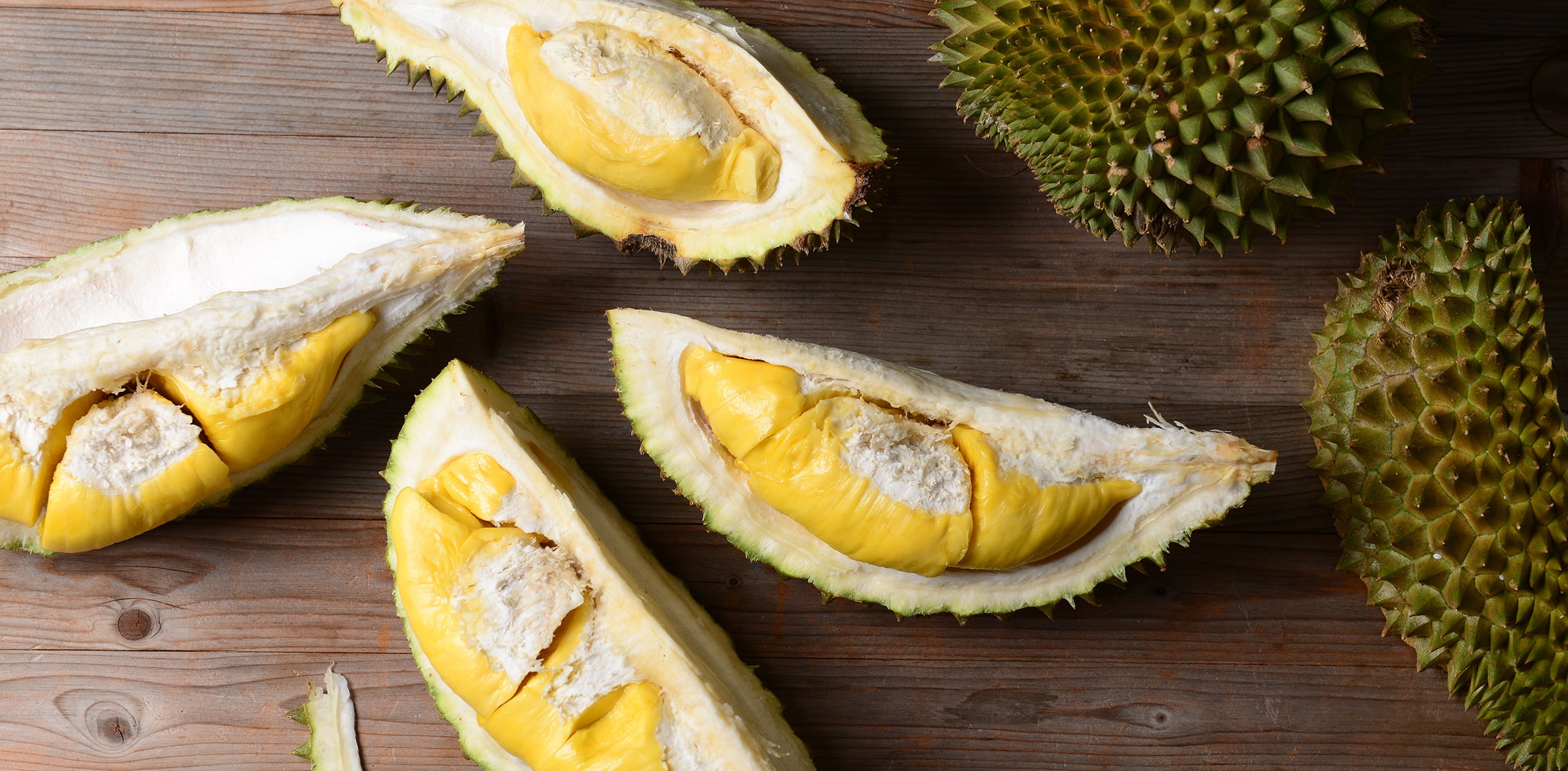
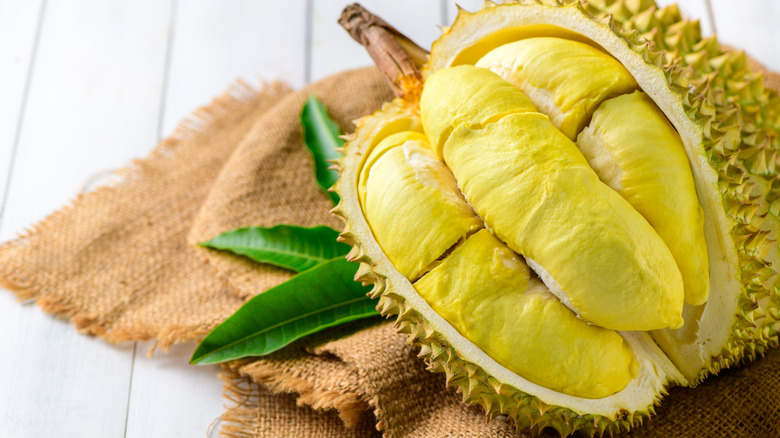
    In a collaborative effort, TikTok and Thailand’s Department of Internal Trade have drastically elevated durian sales on TikTok Shop, underscoring live commerce as a significant conduit for Thai agricultural commodities. The initiative led to a tenfold surge in durian sales, facilitated by more than 89,000 live durian broadcasts on the platform in the past quarter. Remarkably, a new live session was initiated approximately every 90 seconds, lasting an average of 118 minutes.

    During the apex of the durian harvest season, the gross merchandise value for the fruit surged by a factor of 10.6 in comparison to the average weekly sales recorded prior to the campaign. A key contributor to the success of this venture has been TikTok’s creator ecosystem. Over 1.8 million creators generate content that correlates with products available on TikTok Shop.

    Engaging Farmers and Influencers

    Content creators aren’t the only ones to credit for the success of this fruitful venture; farmers and local influencers have also climbed aboard the bandwagon. By actively promoting their produce through live streams, they’ve facilitated consumer discovery of agricultural products. The campaign has effectively doubled the number of fruit purchasers on TikTok Shop, year on year. Furthermore, total fruit orders have seen an impressive 134% increase in the first half of 2026.

    Notably, almost half of the consumers who bought durian via the platform returned for another purchase within the same season. This indicates a trend of stronger repeat-buying behavior among online shoppers.

    Looking Beyond Durian

    Yanee Srimanee, the Deputy Director-General of the Department of Internal Trade, anticipates that Thailand will produce approximately 2.07 million metric tons of durian this year. The majority (70%) of this yield is slated for export, with the remaining being distributed in the domestic market.

    The department aims to bolster domestic consumption and sees the collaboration between public and private sectors as a key strategy in connecting farmers with consumers. TikTok Shop has been a crucial tool in enhancing digital skills and creating new avenues for agricultural products to reach online markets.

    Chanida Klyphun, TikTok’s Director of Public Policy for Southeast Asia, characterized the departmental partnership as a crucial step towards broadening Thai farmers’ entry into the digital economy. This includes skill development and the adoption of live commerce as a sales strategy.

    As the eastern Thailand durian season wraps up, TikTok and the department have plans to continue supporting durian sales from the southern region of the country. The collaboration also aims to expand the program to other agricultural products and farming communities and to leverage content, creators, and e-commerce to widen market opportunities.

    Questions & Answers

    What has been the impact of the TikTok and Department of Internal Trade initiative on durian sales?
    The collaboration led to a tenfold increase in durian sales on TikTok Shop, with over 89,000 live durian broadcasts in the past quarter.

    What strategies were key to the success of the campaign?
    The success of the initiative can be attributed to the active participation of content creators, farmers, and influencers, and a strong emphasis on live commerce.

    What are the future plans of this collaboration?
    The partnership plans to continue supporting durian sales in the southern region of Thailand and aims to expand the program to other agricultural commodities and farming communities.

  • Booming Retail Sales in Hong Kong Predicted to Persist Amid Positive Economic Climate

    Booming Retail Sales in Hong Kong Predicted to Persist Amid Positive Economic Climate

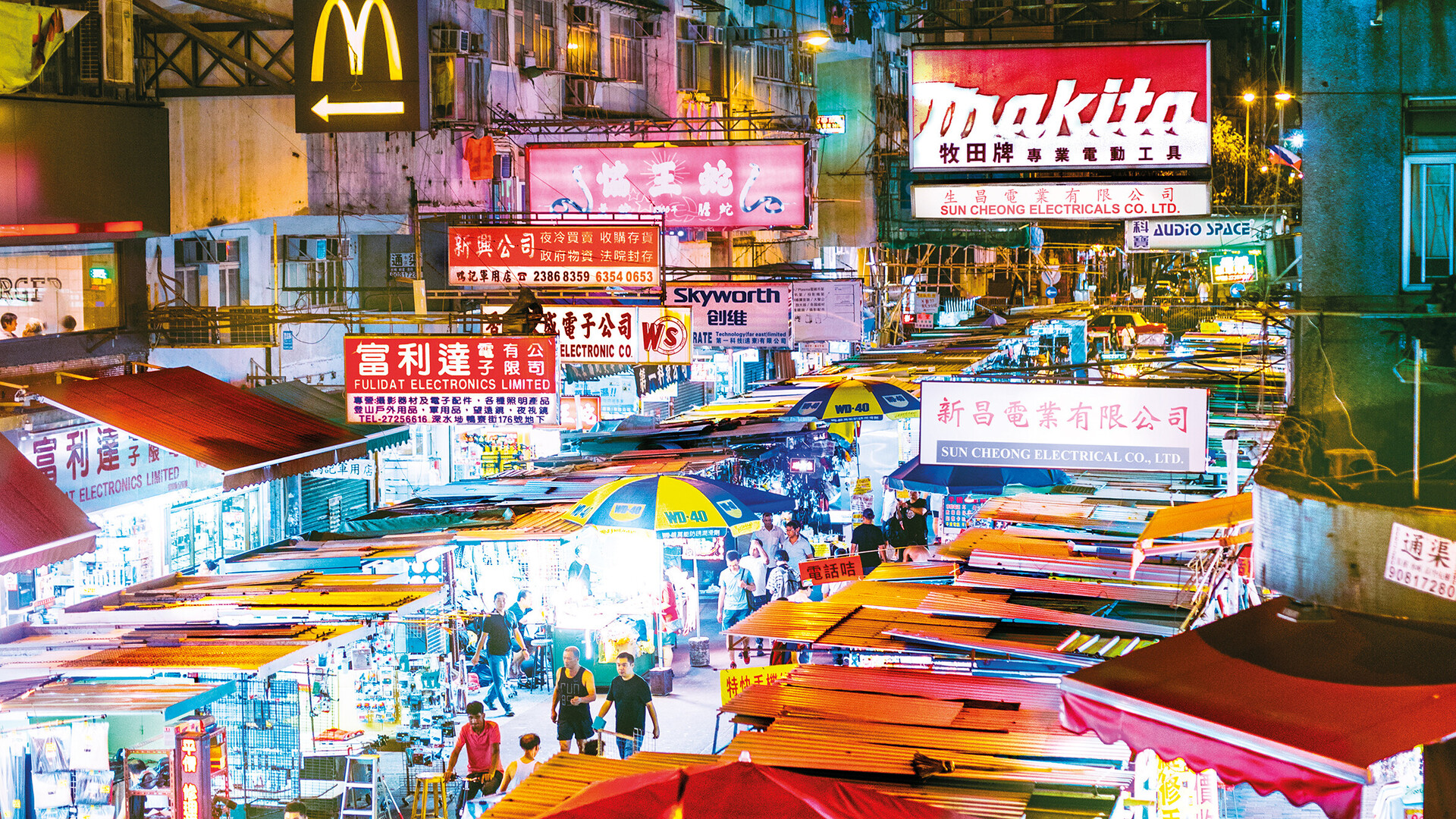
    The retail sector in Hong Kong experienced a healthy growth in May, a trend that is anticipated to sustain, given the positive economic climate. Data from the Census and Statistics Department reveals a 7.9% year-on-year increase in retail sales, reaching HK$33.8 billion (US$4.3 billion) for the month of May. This extends the revised growth of 8.7% witnessed in April.

    Sales Performance in Different Retail Categories

    In the first five months of the year, retail sales showed an approximate increase of 10.6% compared to the same timeframe last year. When considering the effect of price changes over the same period, retail sales witnessed an improvement of 4.8% in May.

    A government representative stated that majority of the retail categories demonstrated gains in May, continuing the growth observed in the retail sector. The highest growth was seen in valuable gifts with a rise of 25.8%. This was followed by electrical goods and other consumer durable goods with a 13% increase, optical shops at 10.3%, and department store commodities at 9.2%.

    Meanwhile, other categories like apparel and footwear, cosmetics, and furniture experienced modest growth ranging between 3% and 5%.

    However, not all categories thrived. Fuels, Chinese medicines and herbs saw a significant decline in sales by 12.2% and 9.5% respectively. Food, alcoholic beverages, and tobacco also experienced a slight dip of 0.3%.

    Anticipated Trends and Government Overview

    Looking into the future, the government spokesperson is hopeful about the continued growth in the retail sector. The ongoing economic expansion, increasing local labour earnings, and a rise in inbound visitors are expected to keep benefiting retail businesses.

    The government, in response, has pledged to keep a close watch on any potential impact of changing external uncertainties on the local consumption market.

    Questions & Answers

    What was the growth rate for retail sales in Hong Kong in May?
    Retail sales in Hong Kong recorded a 7.9% year-on-year increase in May.

    Which retail category observed the highest growth?
    The highest growth was recorded in the category of valuable gifts, which saw a rise of 25.8%.

    What are the government’s expectations for the future of the retail market?
    The government anticipates continued growth in the retail market, backed by economic expansion, increasing local labour earnings, and a rise in inbound visitors.

  • Sa Sa International Skyrockets Profits by 160% with Boost in Online Sales Strategy

    Sa Sa International Skyrockets Profits by 160% with Boost in Online Sales Strategy

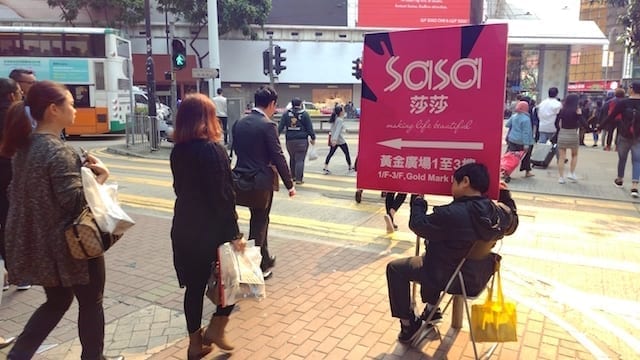
    Sa Sa International, a leading cosmetics retailer listed in Hong Kong, concluded the previous fiscal year with a significant boost in sales and profits. The company’s annual profit, which ended on March 31, witnessed an impressive growth of 160.5% amounting to HK$200.5 million (US$25.5 million). Additionally, the total turnover increased by 14.2% to HK$4.38 billion, while the gross profit augmented by 10.5% reaching HK$1.67 billion.

    A Remarkable Turnaround

    This remarkable financial performance reflects a complete shift from the previous year when the company experienced a 9.7% decrease in sales and a 64% drop in profits. The management attributes this achievement to an increase in regional operational efficiency. The company strategically shut down its physical operations in Mainland China, shifting its focus towards online sales and enhancing operations in its primary markets – Hong Kong and Macau.

    Hong Kong and Macau account for nearly 80% of the total turnover. Both markets registered a 16% growth in offline sales and a 20% rise in online sales, with the company operating 85 stores as of March 31. The markets also observed significant increases in the same-store sales, the number of transactions, the average sales per transaction, and the number of items per transaction, leading to a 62.7% surge in profits.

    In contrast, online sales in Mainland China experienced a slight dip of 5.4%. However, the closure of physical stores allowed Sa Sa to reallocate resources, resulting in a profit of HK$9.1 million within the year.

    Regional Performance and Future Prospects

    The Southeast Asia region, encompassing Singapore and Malaysia, increased offline sales by 9% and online sales by 40% across its 75 stores. However, the region suffered a loss of HK$14.8 million due to the escalating cost of living and macroeconomic challenges.

    Moving forward, Sa Sa aims to expand its footprint in high-traffic tourist districts and residential areas, with plans to open six to seven new stores in the first half of the new fiscal year. The company will also introduce measures to enhance product display and operational efficiency.

    In the first quarter ending on June 21, the company reported a 24% increase in turnover, marked by a 30.9% rise in offline sales and a 3.2% dip in online sales.

    Questions & Answers

    What growth did Sa Sa International experience in the last fiscal year?
    Sa Sa International saw a 160.5% increase in annual profit and a 14.2% increase in total turnover in the last fiscal year.

    How did the company’s operational shift affect its performance in Mainland China?
    After closing its physical stores in Mainland China, Sa Sa was able to reallocate resources, which contributed to a profit of HK$9.1 million in the year.

    What are Sa Sa’s future expansion plans?
    Sa Sa plans to further expand its presence in high-traffic tourist districts and residential areas, with the opening of six to seven new stores planned for the first half of the new fiscal year. The company will also implement measures to optimise product display and operational efficiency.

  • Miniso Group Reports Surging Q1 Sales: All Sectors Power Past Revenue Projections

    Miniso Group Reports Surging Q1 Sales: All Sectors Power Past Revenue Projections

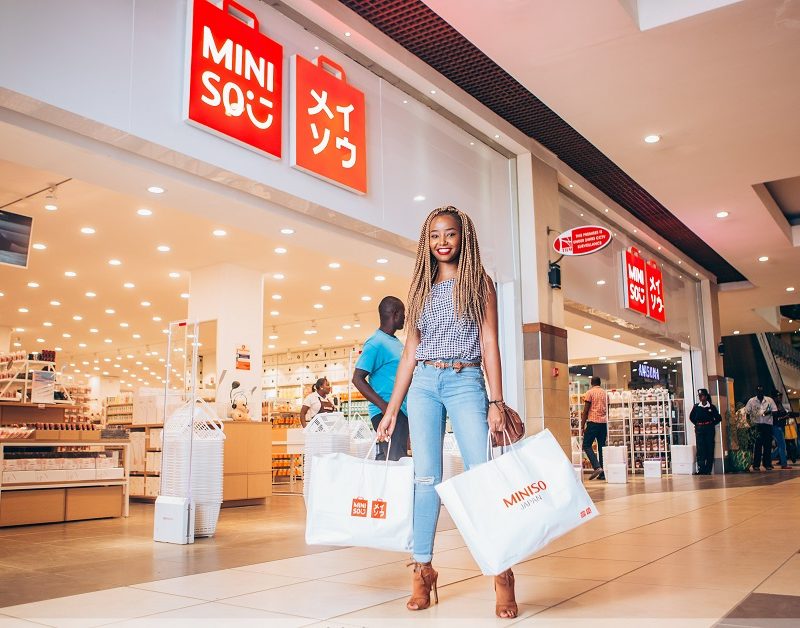
    Miniso Group, a prominent retailer based in China, reported a significant growth in sales in its first quarter, owing to strong performances across all business areas. The company’s revenue saw a year-on-year increase of 28.5%, totalling up to US$824.6 million for the quarter ending on March 31. The impressive results, primarily fueled by a noticeable boost in same-store sales, surpassed the management’s initial projections.

    Consistent Growth Across Segments

    Miniso’s business in Mainland China marked its fifth successive quarter of revenue growth, registering a 29.6% increase. Concurrently, the company’s overseas revenue saw a rise of 21.9%. The Top Toy segment also maintained its growth trajectory in the pop toy industry, posting a sales growth of 51.4%.

    The company’s profit for the period skyrocketed by 199.7% year-on-year to $180.9 million. This surge was primarily attributable to an unrealised market gain of $126.8 million arising from fair value alterations in an investment related to a limited partnership in the AI industry. Moreover, the adjusted net profit witnessed an 8.1% increase, amounting to $79.8 million.

    Guofu Ye, the founder, chairman, and CEO of Miniso Group, expressed his delight at the company’s remarkable performance in the quarter. He underscored the growing momentum of the company, stating his intent to increase his holdings as a testament to his faith in the company’s future prospects. He went on to add that the current valuation of Miniso Group does not fully encapsulate its intrinsic potential.

    Ye, who presently owns approximately 63.7% stake in the company (excluding treasury shares), had earlier disclosed his plans to increase his stake by at least $6.4 million over the course of the upcoming year.

    Looking Forward

    Heading into the second half of 2026, Ye expressed the company’s commitment to intensify its globalisation and IP strategies, aiming to drive high-quality growth. The company plans to achieve this through continuous product mix optimisation, expansion and upgrade of store networks, and leveraging a multi-dimensional IP matrix, all in line with its long-term objectives.

    As of March 31, Miniso’s store count stood at 8565, indicating a net increase of 797 stores year-on-year. The Miniso brand boasted 8210 stores, including 4593 in Mainland China and 3617 overseas.

    Questions & Answers

    What was the key driver behind Miniso’s impressive sales growth in the first quarter?
    The company’s outstanding sales growth was primarily driven by strong performances across all business segments, with significant contribution from mid-single-digit same-store sales growth.

    What are Miniso’s plans for the second half of 2026?
    Miniso intends to deepen its globalisation and IP strategies, continuously optimize its product mix, expand and upgrade its store network, and leverage a multi-dimensional IP matrix to drive high-quality growth.

    How many stores does Miniso currently operate?
    As of March 31, Miniso operated a total of 8565 stores, with the Miniso brand having 8210 stores, including 4593 in Mainland China and 3617 overseas.

  • Hong Kong Retail Sales Soar for 11th Consecutive Month, Fueled by Local Demand and Tourism Surge

    Hong Kong Retail Sales Soar for 11th Consecutive Month, Fueled by Local Demand and Tourism Surge

    In March, Hong Kong’s retail sector saw a 12.8% increase in sales compared to the same month in the previous year. This marks the 11th consecutive month of growth, according to recent government data. Sales touched HK$33.9 billion (US$4.33 billion), demonstrating a healthy economy. In February, the year-on-year rise was recorded at 19.3%.

    Key Growth Areas

    Motor vehicle sales exhibited notable progress, with a surge in purchases just before the first registration tax concessions for electric private cars expired at the end of March.

    When it comes to sales volume, a 9.8% increase was observed in March compared to the same period last year. This is slightly less than February’s 17.5% rise.

    For the initial quarter of 2026, the total value of retail sales rose by 12.1% year-on-year, while the volume of retail sales witnessed a 9.8% increase.

    A government representative attributed the positive trajectory of retail sales to the recovery of local demand, steady growth in tourist arrivals, and a favourable macro-financial environment.

    The Hong Kong Tourism Board reported a 14% year-on-year increase in visitor arrivals in March, reaching 4.35 million. Chinese mainland visitors, who account for a significant portion of these arrivals, increased by 15.9% year-on-year to 3.19 million.

    Sector-Specific Performance

    Specific sectors such as jewellery, watches, clocks, and valuable gifts experienced a robust growth of 27.2% year-on-year in March, following a 24.2% rise in February.

    The motor vehicles and parts sector saw an impressive 80.8% year-on-year jump in March, substantial growth from the 37.3% rise seen in February.

    Meanwhile, the clothing, footwear, and related products sector saw a modest increase of 5.9% year-on-year in March, a decrease from the 14.1% rise recorded in February.

    Questions & Answers

    What was the percentage increase in Hong Kong’s retail sales in March?
    Retail sales in Hong Kong saw a 12.8% rise in March compared to the same month in the previous year.

    Which sectors saw significant growth in March?
    The motor vehicles and parts sector, as well as the jewellery, watches, clocks, and valuable gifts sector, experienced substantial growth in March.

    What factors contributed to the positive outlook for retail sales?
    The recovery of local demand, steady growth in inbound tourism, and a favourable macro-financial environment have all played a role in the optimistic outlook for retail sales.

  • Singapore Retail Sales Soar in March with Robust Online Presence and Recreational Goods Demand

    Singapore Retail Sales Soar in March with Robust Online Presence and Recreational Goods Demand

    The retail sector in Singapore experienced further growth in March, building on the momentum gained in February. The Department of Statistics reports a 3.3% year-on-year increase in retail sales for March, not counting motor vehicles, parts, and accessories. This follows a significant 11.3% surge in February.

    The estimated total value of retail sales for the period was SG$3.8 billion (US$2.98 billion), with nearly a fifth (18.9%) coming from online sales. On a seasonally adjusted basis, retail sales also saw a 3.3% increase in March compared to the preceding month.

    Performance Across Various Sectors

    The growth in March was broad-based, with most sectors recording year-on-year sales growth. Recreational goods led the way with a 13.1% increase, followed by computer and telecommunications equipment, which saw an 11.9% boost, partly attributed to higher mobile phone sales.

    Other sectors that experienced single-digit growth include watches and jewelry, apparel and footwear, cosmetics and medical goods, supermarkets, and convenience stores.

    However, not all sectors fared well. Sales of food and alcohol saw a 6% drop, department stores reported a 5.7% decrease, and furniture and household equipment sales fell by 1.9%.

    Meanwhile, food and beverage services noted a 2.3% rise in sales during March, sustaining the upward trend seen in February.

    Questions & Answers

    What was the overall retail sales growth in Singapore in March?
    The overall retail sales in Singapore grew by 3.3% year-on-year in March.

    Which sectors recorded the highest sales growth in March?
    Recreational goods and computer and telecommunications equipment sectors recorded the highest sales growth in March, with an increase of 13.1% and 11.9% respectively.

    Did all sectors experience growth in March?
    No, sales in the food and alcohol, department store, and furniture and household equipment sectors experienced declines in March.

  • Turmoil in Thailand: Livestream Durian Sales Spark Controversy Over Pricing Amid Surplus

    Turmoil in Thailand: Livestream Durian Sales Spark Controversy Over Pricing Amid Surplus

    Last Tuesday, a significant event took place, featuring Suphajee Suthumpun, Thailand’s deputy prime minister and commerce minister, and one of the country’s most influential online merchants, Pimrypie. Pimrypie is recognized for her diverse range of products, from her brand of fish sauce to luxurious perfumes. The occasion was held in anticipation of a 33% increase in Thailand’s durian production this year, and it attracted approximately 800,000 viewers. Within hours, it generated roughly 200,000 orders. However, the announcement of the price sparked a significant controversy.

    Concerns Over Low Pricing

    Farmers expressed apprehension that the government’s indication of a low price could set a maximum price instead of a minimum price for wholesalers. They argued that the significant discount could depress farm gate prices in an already burdened season. Puk Pimsorn, a durian seller who sources directly from orchards, argued that selling durians for 100 baht per kilogram would result in retailer losses, particularly at 100 baht per fruit. This pricing could impact the market by driving consumers towards cheaper options over quality produce, leaving other sellers unable to compete without suffering losses.

    Sommai Panasri, a durian shop owner, shared similar concerns, suggesting the campaign would further strain durian retailers already struggling with economic slowdown, rising fuel costs, and expensive transportation. Additionally, Panusak Saipanich, president of the Thai Durian Association, noted that a retail price of 100 baht left farmers with meagre or no profit once logistics and middleman fees were accounted for.

    Despite the growing backlash, Pimrypie clarified that the livestream intended to support durian growers and highlight the sector’s challenges, not to distort market pricing. She added that she had never organized such a vast campaign before and had incurred personal losses exceeding 10 million baht from the sales.

    Government Response and Durian Market Conditions

    The Ministry of Commerce responded swiftly to the controversy. A deputy spokesman clarified that the promotion only applied to “secondary-grade” fruits with visual imperfections. Suphajee distanced herself from the campaign, stating the ministry only sets standards and does not organize or endorse individual sales promotions. She noted the 100-baht price as a “sales-promotion technique,” not a value indicator, and reassured that market prices remain satisfactory.

    Durian is one of Thailand’s most profitable agricultural exports. The country is currently preparing for a potential excess, caused by increased cultivation due to strong prices in the late 2010s. This year’s rise in output is being exacerbated by global economic uncertainty, which is making consumers more cautious, increasing transport costs, and extreme heat, which is expected to yield smaller, lower-grade fruits.

    Competition is also intensifying, particularly as Vietnam expands its market share, now holding over 40% of the market within just three years. Meanwhile, Malaysia, though it exports smaller volumes, has built a reputation for high-quality durians that command higher prices.

    Despite the stable prices of Thai export-grade durians and the market not collapsing, the sector is preparing for a significant test in May when peak harvest volumes are expected to arrive. To mitigate potential issues, the commerce minister has outlined a strategy aimed at stabilizing prices and supporting growers by increasing domestic consumption and expanding overseas sales.

    Questions & Answers

    What is the controversy regarding the durian market in Thailand?
    There were concerns that the government’s indication of a low price for durians might set a maximum rather than a minimum price for wholesalers, which could potentially depress prices at farm gates.

    What was Pimrypie’s response to the backlash on the livestream?
    Pimrypie clarified that the livestream was intended to support durian growers and highlight the sector’s difficulties, not to distort market pricing. She revealed that she had incurred personal losses exceeding 10 million baht from the sales.

    What is the government’s approach to mitigate potential issues in the durian market?
    The government’s strategy involves stabilizing prices and supporting growers by increasing domestic consumption and expanding overseas sales. The plan includes expanding export routes, investing in storage and processing, and training farmers in live commerce and content creation to reduce reliance on middlemen.

  • Weight-Loss Medications Boost Mint and Gum Sales: Hershey Rides the ‘Ozempic Breath’ Wave

    Weight-Loss Medications Boost Mint and Gum Sales: Hershey Rides the ‘Ozempic Breath’ Wave

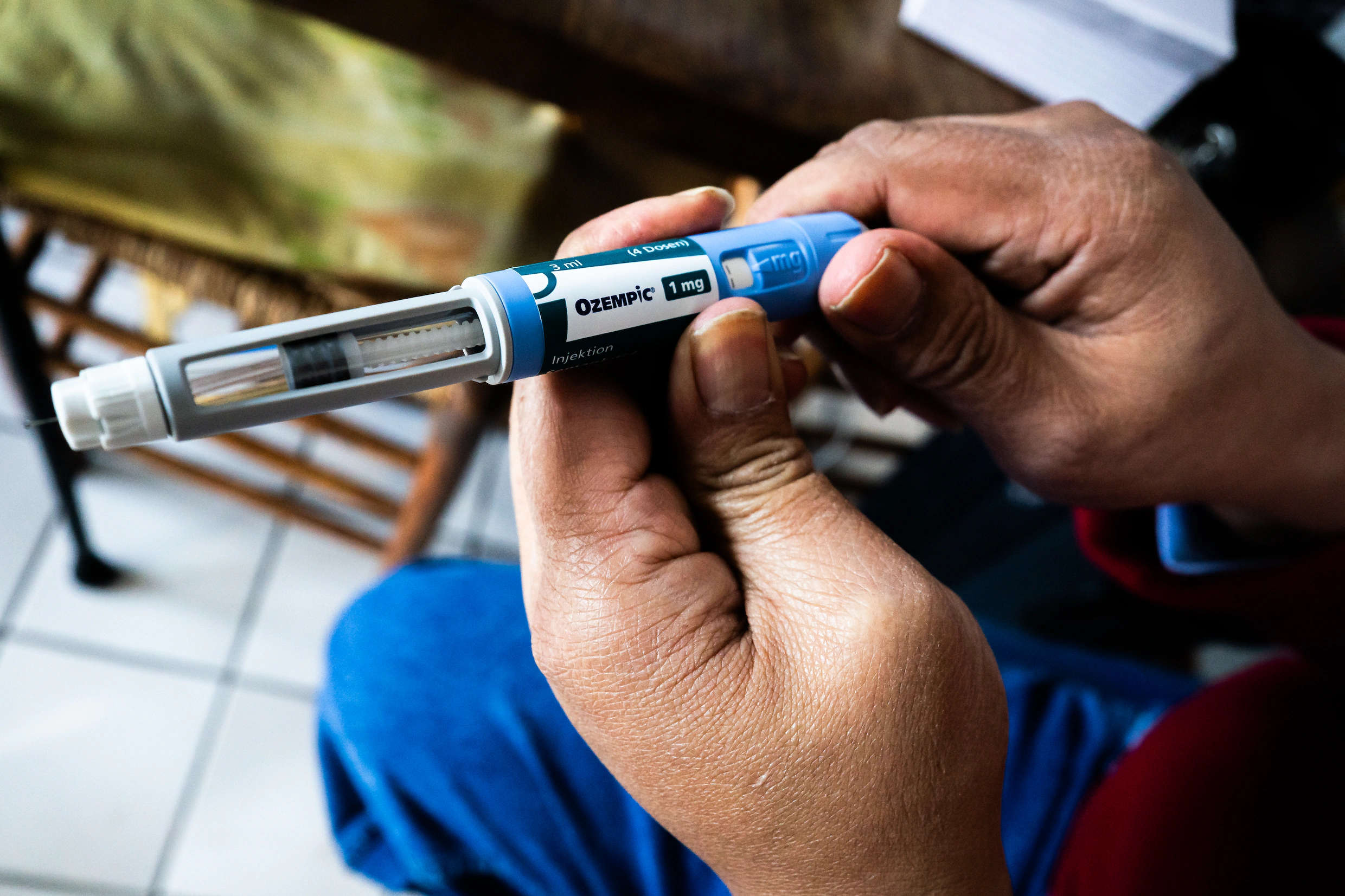
    The Hershey Company recently highlighted a surprising uptick in their sales of mints and gum, which they attribute to the rising prevalence of weight-loss drugs and the consequent shift in consumers’ snacking habits. The company noted that the demand for products that freshen breath has grown in tandem with the trends toward “functional snacking” associated with the consumption of medications like Ozempic and Wegovy.

    Kirk Tanner, Hershey’s CEO, stated, “We’ve noticed a robust demand for gum and mints as they benefit from the tailwinds of functional snacking, influenced by the adoption of GLP-1 medications.” He also pointed out that the retail sales for Ice Breakers, the company’s third-largest confection brand, saw an increase of over 8% during the quarter.

    While the Hershey Company did not directly associate this trend with specific side effects, it is worth noting that some consumers taking GLP-1 medications have reported experiencing halitosis, colloquially referred to as ‘Ozempic breath’. Medical professionals suggest that this could be due to dry mouth resulting from dehydration or changes in saliva production, notwithstanding the fact that it is not officially listed as a side effect.

    This shift in consumption habits has not only impacted the mint and gum market but has also influenced other sections of the snacking industry. For instance, premium chocolate manufacturer Lindt & Sprungli has reported a marked increase in US sales among GLP-1 users. Similarly, Magnum Ice Cream Company has noticed that the trend is bolstering the demand for smaller, higher-quality snacks.

    Peter ter Kulve, the CEO of Magnum Ice Cream Company, said, “As consumers who use GLP-1s are eliminating lower-quality snacking options first, categories such as premium chocolate, premium ice cream, and protein snacks could potentially acquire a larger share of the overall snacking market.”

    Questions & Answers

    **What has been the trend in Hershey’s sales of mints and gum?**
    Hershey’s has observed an unexpected surge in their sales of mints and gum, which they attribute to changing consumption patterns due to the increased use of weight-loss drugs.

    **What are the potential reasons for the ‘bad breath’ experienced by some users of GLP-1 medications?**
    Medical professionals suggest that the bad breath experienced by some users of GLP-1 medications could be due to dry mouth resulting from dehydration or changes in saliva production.

    **How has the shift in snacking habits influenced other sectors of the snacking industry?**
    The shift in consumption patterns is supporting the demand for smaller, higher-quality snacks in other sectors of the industry. Companies like Lindt & Sprungli and Magnum Ice Cream Company have reported increased sales among users of GLP-1 medications.

  • Lanvin Takes Strides Towards Stability in Q2 Despite Falling Sales: The Power of Restructuring Examined

    Lanvin Takes Strides Towards Stability in Q2 Despite Falling Sales: The Power of Restructuring Examined

    In the words of Zhen Huang, Chairman, Lanvin experienced a steadier second half following a tumultuous year where restructuring efforts started to show promise. Sales for the brand itself, however, observed a downturn of nearly a third.

    The Current Economic Climate and Restructuring Efforts

    Huang explained that despite the tough macroeconomic environment, the company continued to simplify its operations and bolster the long-term position of its brands.

    The luxury conglomerate, a parent to brands like Lanvin, Wolford, Sergio Rossi, and St John, clocked in a full-year revenue of US$281 million, witnessing an 18% dip compared to the previous year.

    This decrease in revenue mirrored a weakened demand in key markets, including EMEA and Greater China. This was also a result of ongoing plans such as shutting down stores and undertaking renovations.

    The gross profit stood at $164 million, yielding a margin of 58%. Meanwhile, the adjusted EBITDA (earnings before interest, taxes, depreciation, and amortisation) loss slightly reduced to $105.5 million.

    Performance of Individual Brands

    Among all the brands under the group’s umbrella, Lanvin saw the most significant decline with a 30% drop in revenue, which amounted to $68 million.

    Wolford followed suite with a 14% dip in revenue, amounting to $89.1 million. However, the company noticed an uptick in performance in the second half of the year, backed by a robust product inventory and a 19% surge in wholesale revenue.

    Sergio Rossi also experienced a decline in revenue by 30%, bringing it down to $35.2 million.

    Contrarily, St John demonstrated resilience as its revenue experienced a minor 1% drop, amounting to $91.5 million. The brand saw growth in the North American region and an increase in wholesale and e-commerce sales.

    Huang expressed optimism regarding the upward momentum observed in the second half of the year and remained hopeful about the group’s ability to yield sustainable growth over time.

    Questions & Answers

    What was the full-year revenue of the luxury group?
    The group reported a full-year revenue of US$281 million.

    Which brand under the group’s umbrella recorded the sharpest decline in revenue?
    Lanvin recorded the sharpest decline in revenue with a 30% fall.

    Which brand proved to be more resilient and saw growth?
    St John demonstrated resilience by maintaining its revenue with only a 1% drop and experiencing growth in North America with stronger wholesale and e-commerce sales.