Tag: Sales

  • Booming Retail Sales in Hong Kong Predicted to Persist Amid Positive Economic Climate

    Booming Retail Sales in Hong Kong Predicted to Persist Amid Positive Economic Climate

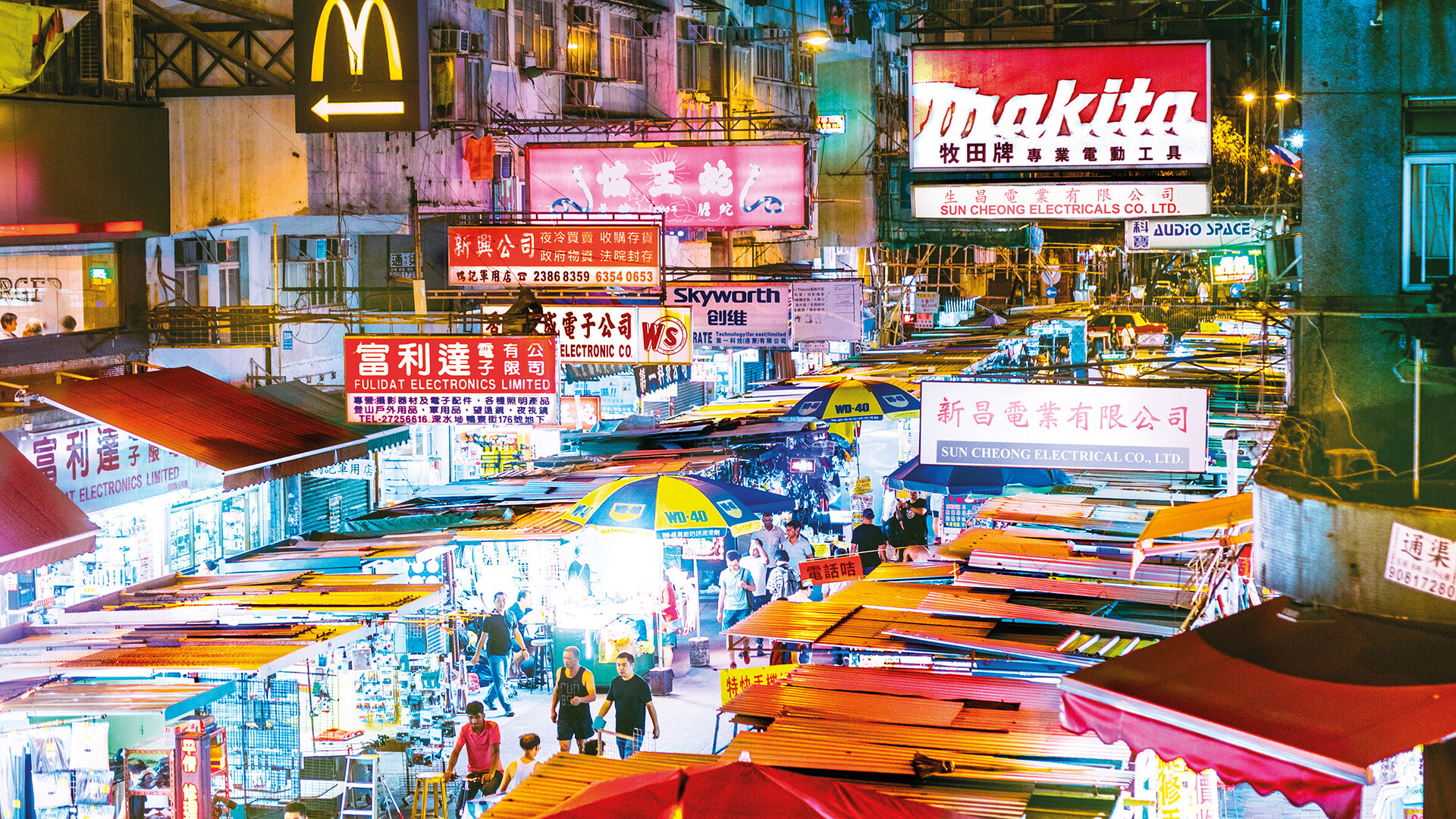
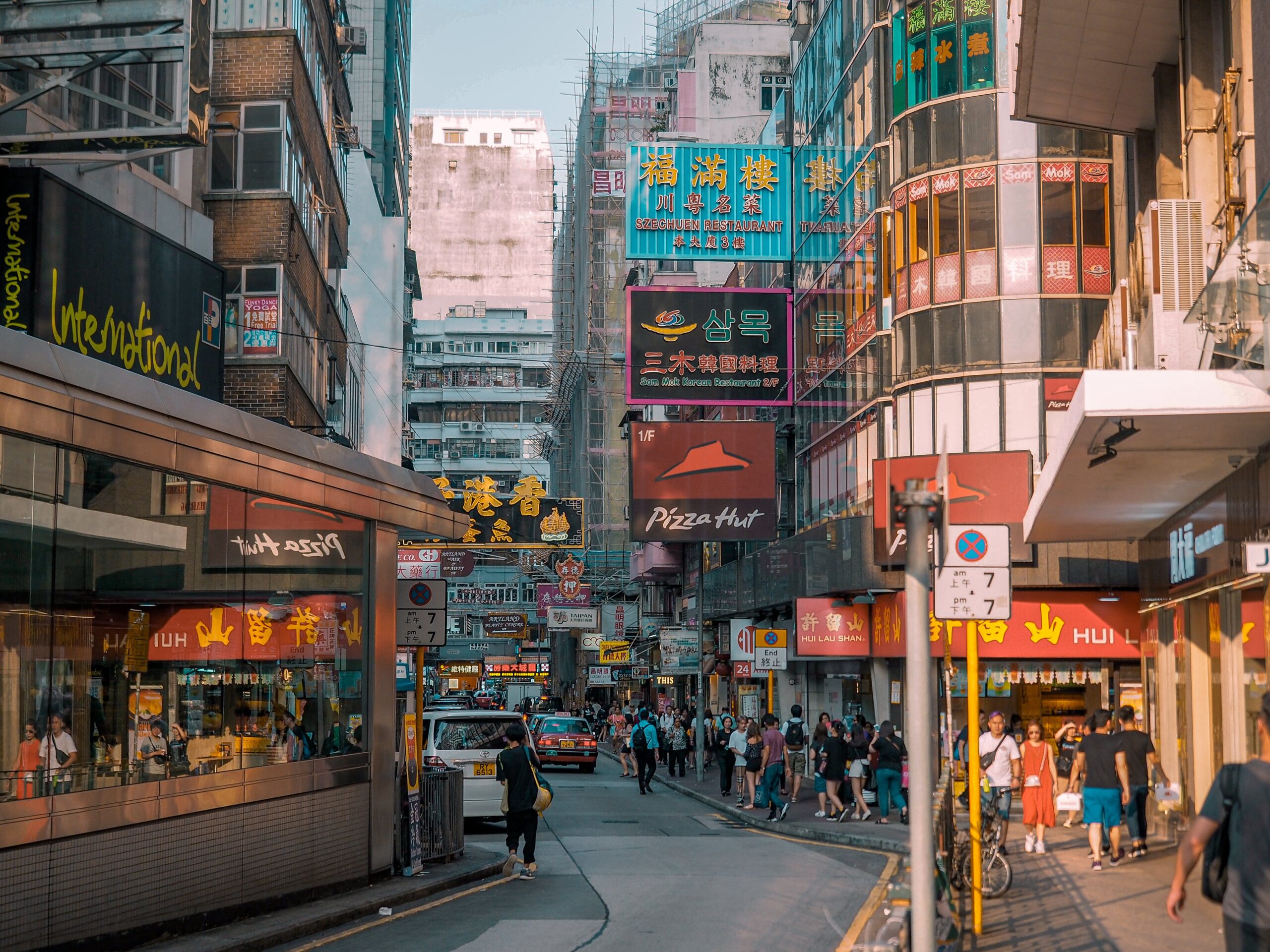
    The retail sector in Hong Kong experienced a healthy growth in May, a trend that is anticipated to sustain, given the positive economic climate. Data from the Census and Statistics Department reveals a 7.9% year-on-year increase in retail sales, reaching HK$33.8 billion (US$4.3 billion) for the month of May. This extends the revised growth of 8.7% witnessed in April.

    Sales Performance in Different Retail Categories

    In the first five months of the year, retail sales showed an approximate increase of 10.6% compared to the same timeframe last year. When considering the effect of price changes over the same period, retail sales witnessed an improvement of 4.8% in May.

    A government representative stated that majority of the retail categories demonstrated gains in May, continuing the growth observed in the retail sector. The highest growth was seen in valuable gifts with a rise of 25.8%. This was followed by electrical goods and other consumer durable goods with a 13% increase, optical shops at 10.3%, and department store commodities at 9.2%.

    Meanwhile, other categories like apparel and footwear, cosmetics, and furniture experienced modest growth ranging between 3% and 5%.

    However, not all categories thrived. Fuels, Chinese medicines and herbs saw a significant decline in sales by 12.2% and 9.5% respectively. Food, alcoholic beverages, and tobacco also experienced a slight dip of 0.3%.

    Anticipated Trends and Government Overview

    Looking into the future, the government spokesperson is hopeful about the continued growth in the retail sector. The ongoing economic expansion, increasing local labour earnings, and a rise in inbound visitors are expected to keep benefiting retail businesses.

    The government, in response, has pledged to keep a close watch on any potential impact of changing external uncertainties on the local consumption market.

    Questions & Answers

    What was the growth rate for retail sales in Hong Kong in May?
    Retail sales in Hong Kong recorded a 7.9% year-on-year increase in May.

    Which retail category observed the highest growth?
    The highest growth was recorded in the category of valuable gifts, which saw a rise of 25.8%.

    What are the government’s expectations for the future of the retail market?
    The government anticipates continued growth in the retail market, backed by economic expansion, increasing local labour earnings, and a rise in inbound visitors.
  • Sa Sa International Skyrockets Profits by 160% with Boost in Online Sales Strategy

    Sa Sa International Skyrockets Profits by 160% with Boost in Online Sales Strategy

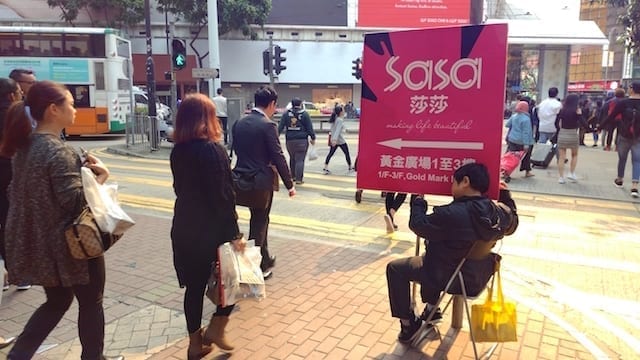
    Sa Sa International, a leading cosmetics retailer listed in Hong Kong, concluded the previous fiscal year with a significant boost in sales and profits. The company’s annual profit, which ended on March 31, witnessed an impressive growth of 160.5% amounting to HK$200.5 million (US$25.5 million). Additionally, the total turnover increased by 14.2% to HK$4.38 billion, while the gross profit augmented by 10.5% reaching HK$1.67 billion.

    A Remarkable Turnaround

    This remarkable financial performance reflects a complete shift from the previous year when the company experienced a 9.7% decrease in sales and a 64% drop in profits. The management attributes this achievement to an increase in regional operational efficiency. The company strategically shut down its physical operations in Mainland China, shifting its focus towards online sales and enhancing operations in its primary markets – Hong Kong and Macau.

    Hong Kong and Macau account for nearly 80% of the total turnover. Both markets registered a 16% growth in offline sales and a 20% rise in online sales, with the company operating 85 stores as of March 31. The markets also observed significant increases in the same-store sales, the number of transactions, the average sales per transaction, and the number of items per transaction, leading to a 62.7% surge in profits.

    In contrast, online sales in Mainland China experienced a slight dip of 5.4%. However, the closure of physical stores allowed Sa Sa to reallocate resources, resulting in a profit of HK$9.1 million within the year.

    Regional Performance and Future Prospects

    The Southeast Asia region, encompassing Singapore and Malaysia, increased offline sales by 9% and online sales by 40% across its 75 stores. However, the region suffered a loss of HK$14.8 million due to the escalating cost of living and macroeconomic challenges.

    Moving forward, Sa Sa aims to expand its footprint in high-traffic tourist districts and residential areas, with plans to open six to seven new stores in the first half of the new fiscal year. The company will also introduce measures to enhance product display and operational efficiency.

    In the first quarter ending on June 21, the company reported a 24% increase in turnover, marked by a 30.9% rise in offline sales and a 3.2% dip in online sales.

    Questions & Answers

    What growth did Sa Sa International experience in the last fiscal year?
    Sa Sa International saw a 160.5% increase in annual profit and a 14.2% increase in total turnover in the last fiscal year.

    How did the company’s operational shift affect its performance in Mainland China?
    After closing its physical stores in Mainland China, Sa Sa was able to reallocate resources, which contributed to a profit of HK$9.1 million in the year.

    What are Sa Sa’s future expansion plans?
    Sa Sa plans to further expand its presence in high-traffic tourist districts and residential areas, with the opening of six to seven new stores planned for the first half of the new fiscal year. The company will also implement measures to optimise product display and operational efficiency.

  • Miniso Group Reports Surging Q1 Sales: All Sectors Power Past Revenue Projections

    Miniso Group Reports Surging Q1 Sales: All Sectors Power Past Revenue Projections

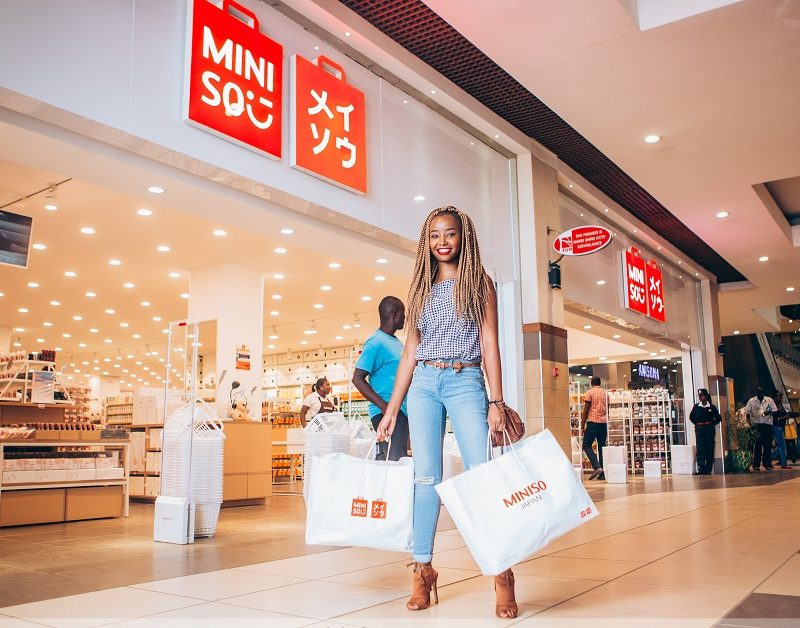
    Miniso Group, a prominent retailer based in China, reported a significant growth in sales in its first quarter, owing to strong performances across all business areas. The company’s revenue saw a year-on-year increase of 28.5%, totalling up to US$824.6 million for the quarter ending on March 31. The impressive results, primarily fueled by a noticeable boost in same-store sales, surpassed the management’s initial projections.

    Consistent Growth Across Segments

    Miniso’s business in Mainland China marked its fifth successive quarter of revenue growth, registering a 29.6% increase. Concurrently, the company’s overseas revenue saw a rise of 21.9%. The Top Toy segment also maintained its growth trajectory in the pop toy industry, posting a sales growth of 51.4%.

    The company’s profit for the period skyrocketed by 199.7% year-on-year to $180.9 million. This surge was primarily attributable to an unrealised market gain of $126.8 million arising from fair value alterations in an investment related to a limited partnership in the AI industry. Moreover, the adjusted net profit witnessed an 8.1% increase, amounting to $79.8 million.

    Guofu Ye, the founder, chairman, and CEO of Miniso Group, expressed his delight at the company’s remarkable performance in the quarter. He underscored the growing momentum of the company, stating his intent to increase his holdings as a testament to his faith in the company’s future prospects. He went on to add that the current valuation of Miniso Group does not fully encapsulate its intrinsic potential.

    Ye, who presently owns approximately 63.7% stake in the company (excluding treasury shares), had earlier disclosed his plans to increase his stake by at least $6.4 million over the course of the upcoming year.

    Looking Forward

    Heading into the second half of 2026, Ye expressed the company’s commitment to intensify its globalisation and IP strategies, aiming to drive high-quality growth. The company plans to achieve this through continuous product mix optimisation, expansion and upgrade of store networks, and leveraging a multi-dimensional IP matrix, all in line with its long-term objectives.

    As of March 31, Miniso’s store count stood at 8565, indicating a net increase of 797 stores year-on-year. The Miniso brand boasted 8210 stores, including 4593 in Mainland China and 3617 overseas.

    Questions & Answers

    What was the key driver behind Miniso’s impressive sales growth in the first quarter?
    The company’s outstanding sales growth was primarily driven by strong performances across all business segments, with significant contribution from mid-single-digit same-store sales growth.

    What are Miniso’s plans for the second half of 2026?
    Miniso intends to deepen its globalisation and IP strategies, continuously optimize its product mix, expand and upgrade its store network, and leverage a multi-dimensional IP matrix to drive high-quality growth.

    How many stores does Miniso currently operate?
    As of March 31, Miniso operated a total of 8565 stores, with the Miniso brand having 8210 stores, including 4593 in Mainland China and 3617 overseas.

  • Hong Kong Retail Sales Soar for 11th Consecutive Month, Fueled by Local Demand and Tourism Surge

    Hong Kong Retail Sales Soar for 11th Consecutive Month, Fueled by Local Demand and Tourism Surge

    In March, Hong Kong’s retail sector saw a 12.8% increase in sales compared to the same month in the previous year. This marks the 11th consecutive month of growth, according to recent government data. Sales touched HK$33.9 billion (US$4.33 billion), demonstrating a healthy economy. In February, the year-on-year rise was recorded at 19.3%.

    Key Growth Areas

    Motor vehicle sales exhibited notable progress, with a surge in purchases just before the first registration tax concessions for electric private cars expired at the end of March.

    When it comes to sales volume, a 9.8% increase was observed in March compared to the same period last year. This is slightly less than February’s 17.5% rise.

    For the initial quarter of 2026, the total value of retail sales rose by 12.1% year-on-year, while the volume of retail sales witnessed a 9.8% increase.

    A government representative attributed the positive trajectory of retail sales to the recovery of local demand, steady growth in tourist arrivals, and a favourable macro-financial environment.

    The Hong Kong Tourism Board reported a 14% year-on-year increase in visitor arrivals in March, reaching 4.35 million. Chinese mainland visitors, who account for a significant portion of these arrivals, increased by 15.9% year-on-year to 3.19 million.

    Sector-Specific Performance

    Specific sectors such as jewellery, watches, clocks, and valuable gifts experienced a robust growth of 27.2% year-on-year in March, following a 24.2% rise in February.

    The motor vehicles and parts sector saw an impressive 80.8% year-on-year jump in March, substantial growth from the 37.3% rise seen in February.

    Meanwhile, the clothing, footwear, and related products sector saw a modest increase of 5.9% year-on-year in March, a decrease from the 14.1% rise recorded in February.

    Questions & Answers

    What was the percentage increase in Hong Kong’s retail sales in March?
    Retail sales in Hong Kong saw a 12.8% rise in March compared to the same month in the previous year.

    Which sectors saw significant growth in March?
    The motor vehicles and parts sector, as well as the jewellery, watches, clocks, and valuable gifts sector, experienced substantial growth in March.

    What factors contributed to the positive outlook for retail sales?
    The recovery of local demand, steady growth in inbound tourism, and a favourable macro-financial environment have all played a role in the optimistic outlook for retail sales.

  • Singapore Retail Sales Soar in March with Robust Online Presence and Recreational Goods Demand

    Singapore Retail Sales Soar in March with Robust Online Presence and Recreational Goods Demand

    The retail sector in Singapore experienced further growth in March, building on the momentum gained in February. The Department of Statistics reports a 3.3% year-on-year increase in retail sales for March, not counting motor vehicles, parts, and accessories. This follows a significant 11.3% surge in February.

    The estimated total value of retail sales for the period was SG$3.8 billion (US$2.98 billion), with nearly a fifth (18.9%) coming from online sales. On a seasonally adjusted basis, retail sales also saw a 3.3% increase in March compared to the preceding month.

    Performance Across Various Sectors

    The growth in March was broad-based, with most sectors recording year-on-year sales growth. Recreational goods led the way with a 13.1% increase, followed by computer and telecommunications equipment, which saw an 11.9% boost, partly attributed to higher mobile phone sales.

    Other sectors that experienced single-digit growth include watches and jewelry, apparel and footwear, cosmetics and medical goods, supermarkets, and convenience stores.

    However, not all sectors fared well. Sales of food and alcohol saw a 6% drop, department stores reported a 5.7% decrease, and furniture and household equipment sales fell by 1.9%.

    Meanwhile, food and beverage services noted a 2.3% rise in sales during March, sustaining the upward trend seen in February.

    Questions & Answers

    What was the overall retail sales growth in Singapore in March?
    The overall retail sales in Singapore grew by 3.3% year-on-year in March.

    Which sectors recorded the highest sales growth in March?
    Recreational goods and computer and telecommunications equipment sectors recorded the highest sales growth in March, with an increase of 13.1% and 11.9% respectively.

    Did all sectors experience growth in March?
    No, sales in the food and alcohol, department store, and furniture and household equipment sectors experienced declines in March.

  • Turmoil in Thailand: Livestream Durian Sales Spark Controversy Over Pricing Amid Surplus

    Turmoil in Thailand: Livestream Durian Sales Spark Controversy Over Pricing Amid Surplus

    Last Tuesday, a significant event took place, featuring Suphajee Suthumpun, Thailand’s deputy prime minister and commerce minister, and one of the country’s most influential online merchants, Pimrypie. Pimrypie is recognized for her diverse range of products, from her brand of fish sauce to luxurious perfumes. The occasion was held in anticipation of a 33% increase in Thailand’s durian production this year, and it attracted approximately 800,000 viewers. Within hours, it generated roughly 200,000 orders. However, the announcement of the price sparked a significant controversy.

    Concerns Over Low Pricing

    Farmers expressed apprehension that the government’s indication of a low price could set a maximum price instead of a minimum price for wholesalers. They argued that the significant discount could depress farm gate prices in an already burdened season. Puk Pimsorn, a durian seller who sources directly from orchards, argued that selling durians for 100 baht per kilogram would result in retailer losses, particularly at 100 baht per fruit. This pricing could impact the market by driving consumers towards cheaper options over quality produce, leaving other sellers unable to compete without suffering losses.

    Sommai Panasri, a durian shop owner, shared similar concerns, suggesting the campaign would further strain durian retailers already struggling with economic slowdown, rising fuel costs, and expensive transportation. Additionally, Panusak Saipanich, president of the Thai Durian Association, noted that a retail price of 100 baht left farmers with meagre or no profit once logistics and middleman fees were accounted for.

    Despite the growing backlash, Pimrypie clarified that the livestream intended to support durian growers and highlight the sector’s challenges, not to distort market pricing. She added that she had never organized such a vast campaign before and had incurred personal losses exceeding 10 million baht from the sales.

    Government Response and Durian Market Conditions

    The Ministry of Commerce responded swiftly to the controversy. A deputy spokesman clarified that the promotion only applied to “secondary-grade” fruits with visual imperfections. Suphajee distanced herself from the campaign, stating the ministry only sets standards and does not organize or endorse individual sales promotions. She noted the 100-baht price as a “sales-promotion technique,” not a value indicator, and reassured that market prices remain satisfactory.

    Durian is one of Thailand’s most profitable agricultural exports. The country is currently preparing for a potential excess, caused by increased cultivation due to strong prices in the late 2010s. This year’s rise in output is being exacerbated by global economic uncertainty, which is making consumers more cautious, increasing transport costs, and extreme heat, which is expected to yield smaller, lower-grade fruits.

    Competition is also intensifying, particularly as Vietnam expands its market share, now holding over 40% of the market within just three years. Meanwhile, Malaysia, though it exports smaller volumes, has built a reputation for high-quality durians that command higher prices.

    Despite the stable prices of Thai export-grade durians and the market not collapsing, the sector is preparing for a significant test in May when peak harvest volumes are expected to arrive. To mitigate potential issues, the commerce minister has outlined a strategy aimed at stabilizing prices and supporting growers by increasing domestic consumption and expanding overseas sales.

    Questions & Answers

    What is the controversy regarding the durian market in Thailand?
    There were concerns that the government’s indication of a low price for durians might set a maximum rather than a minimum price for wholesalers, which could potentially depress prices at farm gates.

    What was Pimrypie’s response to the backlash on the livestream?
    Pimrypie clarified that the livestream was intended to support durian growers and highlight the sector’s difficulties, not to distort market pricing. She revealed that she had incurred personal losses exceeding 10 million baht from the sales.

    What is the government’s approach to mitigate potential issues in the durian market?
    The government’s strategy involves stabilizing prices and supporting growers by increasing domestic consumption and expanding overseas sales. The plan includes expanding export routes, investing in storage and processing, and training farmers in live commerce and content creation to reduce reliance on middlemen.

  • Weight-Loss Medications Boost Mint and Gum Sales: Hershey Rides the ‘Ozempic Breath’ Wave

    Weight-Loss Medications Boost Mint and Gum Sales: Hershey Rides the ‘Ozempic Breath’ Wave

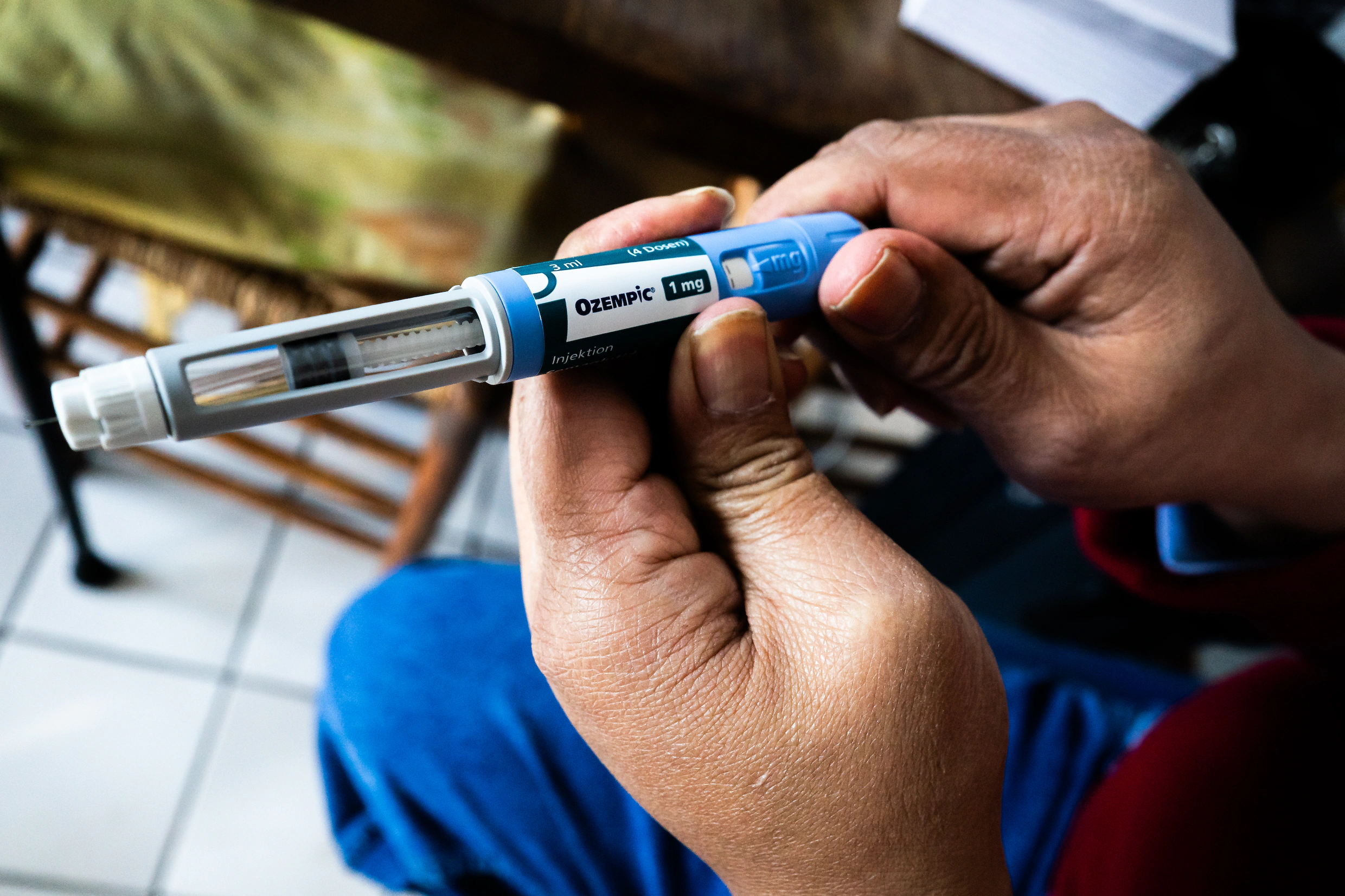
    The Hershey Company recently highlighted a surprising uptick in their sales of mints and gum, which they attribute to the rising prevalence of weight-loss drugs and the consequent shift in consumers’ snacking habits. The company noted that the demand for products that freshen breath has grown in tandem with the trends toward “functional snacking” associated with the consumption of medications like Ozempic and Wegovy.

    Kirk Tanner, Hershey’s CEO, stated, “We’ve noticed a robust demand for gum and mints as they benefit from the tailwinds of functional snacking, influenced by the adoption of GLP-1 medications.” He also pointed out that the retail sales for Ice Breakers, the company’s third-largest confection brand, saw an increase of over 8% during the quarter.

    While the Hershey Company did not directly associate this trend with specific side effects, it is worth noting that some consumers taking GLP-1 medications have reported experiencing halitosis, colloquially referred to as ‘Ozempic breath’. Medical professionals suggest that this could be due to dry mouth resulting from dehydration or changes in saliva production, notwithstanding the fact that it is not officially listed as a side effect.

    This shift in consumption habits has not only impacted the mint and gum market but has also influenced other sections of the snacking industry. For instance, premium chocolate manufacturer Lindt & Sprungli has reported a marked increase in US sales among GLP-1 users. Similarly, Magnum Ice Cream Company has noticed that the trend is bolstering the demand for smaller, higher-quality snacks.

    Peter ter Kulve, the CEO of Magnum Ice Cream Company, said, “As consumers who use GLP-1s are eliminating lower-quality snacking options first, categories such as premium chocolate, premium ice cream, and protein snacks could potentially acquire a larger share of the overall snacking market.”

    Questions & Answers

    **What has been the trend in Hershey’s sales of mints and gum?**
    Hershey’s has observed an unexpected surge in their sales of mints and gum, which they attribute to changing consumption patterns due to the increased use of weight-loss drugs.

    **What are the potential reasons for the ‘bad breath’ experienced by some users of GLP-1 medications?**
    Medical professionals suggest that the bad breath experienced by some users of GLP-1 medications could be due to dry mouth resulting from dehydration or changes in saliva production.

    **How has the shift in snacking habits influenced other sectors of the snacking industry?**
    The shift in consumption patterns is supporting the demand for smaller, higher-quality snacks in other sectors of the industry. Companies like Lindt & Sprungli and Magnum Ice Cream Company have reported increased sales among users of GLP-1 medications.

  • Lanvin Takes Strides Towards Stability in Q2 Despite Falling Sales: The Power of Restructuring Examined

    Lanvin Takes Strides Towards Stability in Q2 Despite Falling Sales: The Power of Restructuring Examined

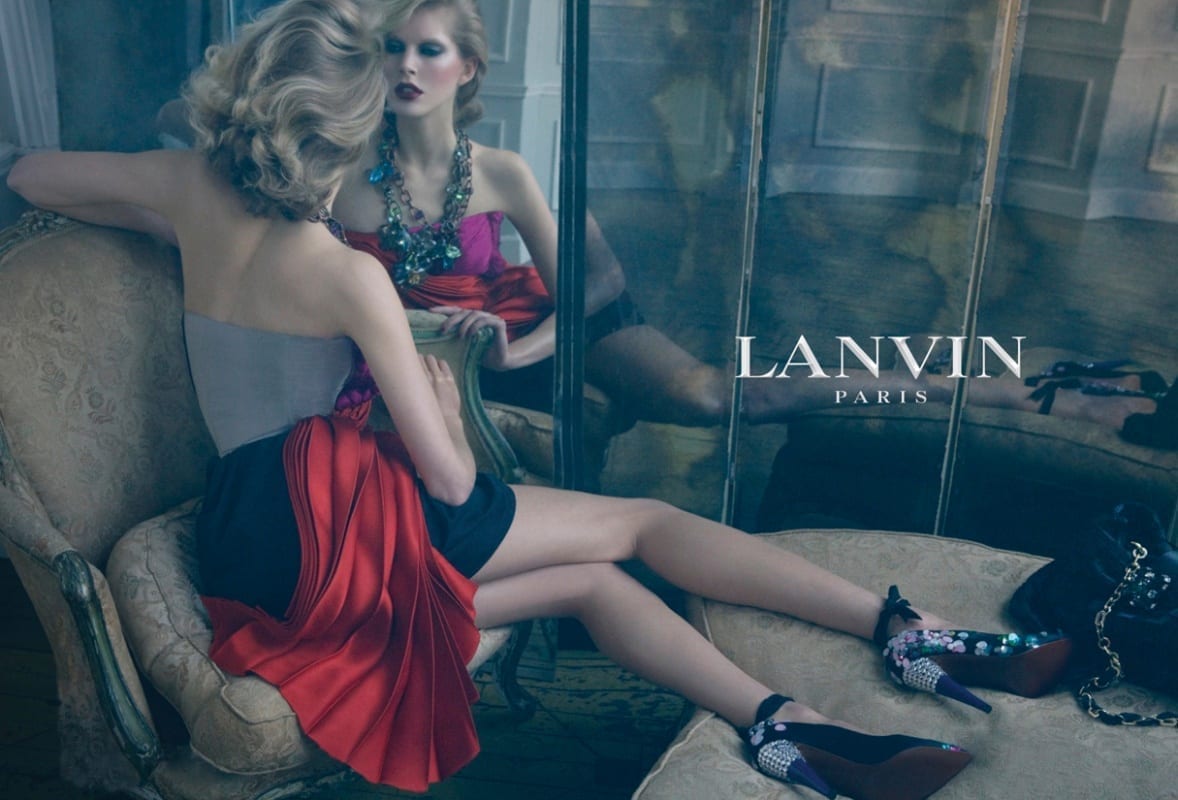
    In the words of Zhen Huang, Chairman, Lanvin experienced a steadier second half following a tumultuous year where restructuring efforts started to show promise. Sales for the brand itself, however, observed a downturn of nearly a third.

    The Current Economic Climate and Restructuring Efforts

    Huang explained that despite the tough macroeconomic environment, the company continued to simplify its operations and bolster the long-term position of its brands.

    The luxury conglomerate, a parent to brands like Lanvin, Wolford, Sergio Rossi, and St John, clocked in a full-year revenue of US$281 million, witnessing an 18% dip compared to the previous year.

    This decrease in revenue mirrored a weakened demand in key markets, including EMEA and Greater China. This was also a result of ongoing plans such as shutting down stores and undertaking renovations.

    The gross profit stood at $164 million, yielding a margin of 58%. Meanwhile, the adjusted EBITDA (earnings before interest, taxes, depreciation, and amortisation) loss slightly reduced to $105.5 million.

    Performance of Individual Brands

    Among all the brands under the group’s umbrella, Lanvin saw the most significant decline with a 30% drop in revenue, which amounted to $68 million.

    Wolford followed suite with a 14% dip in revenue, amounting to $89.1 million. However, the company noticed an uptick in performance in the second half of the year, backed by a robust product inventory and a 19% surge in wholesale revenue.

    Sergio Rossi also experienced a decline in revenue by 30%, bringing it down to $35.2 million.

    Contrarily, St John demonstrated resilience as its revenue experienced a minor 1% drop, amounting to $91.5 million. The brand saw growth in the North American region and an increase in wholesale and e-commerce sales.

    Huang expressed optimism regarding the upward momentum observed in the second half of the year and remained hopeful about the group’s ability to yield sustainable growth over time.

    Questions & Answers

    What was the full-year revenue of the luxury group?
    The group reported a full-year revenue of US$281 million.

    Which brand under the group’s umbrella recorded the sharpest decline in revenue?
    Lanvin recorded the sharpest decline in revenue with a 30% fall.

    Which brand proved to be more resilient and saw growth?
    St John demonstrated resilience by maintaining its revenue with only a 1% drop and experiencing growth in North America with stronger wholesale and e-commerce sales.

  • DFI Retail Group Sees Robust Sales Boost Driven by Beauty and Health Segment Amid Global Challenges

    DFI Retail Group Sees Robust Sales Boost Driven by Beauty and Health Segment Amid Global Challenges

    The Hong Kong-based DFI Retail Group has recently announced a steady increase in sales for the first quarter of the year, primarily fueled by their health and beauty sector.

    Driving Growth with Health and Beauty

    Excluding cigarette sales, the DFI Retail Group reports a 4% sales rise on a year-on-year basis, using a constant currency, and a 3% increase on a like-for-like (LFL) basis. The health and beauty division is credited with a large part of this growth, with a 7% boost in LFL sales, thanks to increased transaction counts and larger basket sizes.

    In Hong Kong, Mannings saw notable growth due to a surge in tourist store sales, driven by an uptick in visitor arrivals. Similarly, Guardian’s sales in Southeast Asia reflected a robust performance in the wellness category. Standout growth was seen in Indonesia and Vietnam, which delivered double-digit LFL sales growth due to increased customer traffic.

    Divisional Performance and Growth

    Excluding cigarette sales, the convenience division, which includes 7-Eleven, saw a 2% growth on a LFL basis. Sales at 7-Eleven increased by 3% in both Hong Kong and Singapore, while sales in South China remained stable.

    The food division showed signs of improvement, with a reported 1% sales increase in Hong Kong. Home furnishings (Ikea) also showed positive trends, with a 4% growth. Both Hong Kong and Taiwan saw mid-single-digit LFL sales growth, owing to Chinese New Year promotions. Meanwhile, Indonesia bolstered its omnichannel strategy with robust online sales growth.

    Profit Growth Despite Market Challenges

    Operating profit from continuing businesses, excluding impacts from the divestment of the Singapore food business and the closure of Mannings China, grew by 12%. The underlying profit from ongoing businesses significantly increased by 49%.

    Despite a dynamic trading environment and increasing geopolitical uncertainties, DFI management stated the group remained resilient. This resilience was attributed to sourcing improvements and cost optimization, which supported price competitiveness and mitigated the impact of oil price volatility.

    DFI confirmed its full-year guidance of an underlying profit in the range of US$270 million to $300 million, supported by an organic revenue growth of approximately 2-3%.

    Questions & Answers

    What division drove the most growth for DFI Retail Group in the first quarter?
    The health and beauty division was the primary driver of growth in the first quarter, with a 7% increase in LFL sales.

    How did geopolitical uncertainties impact DFI Retail Group’s performance?
    Despite geopolitical uncertainties, DFI remained resilient due to sourcing improvements and cost optimization, which helped maintain price competitiveness and minimize the impact of oil price volatility.

    What is the projected full-year guidance for DFI’s underlying profit?
    DFI’s projected full-year guidance for underlying profit is in the range of US$270 million to $300 million, supported by an expected organic revenue growth of about 2-3%.

  • Hermès Soars with Robust Q1 Sales Amid Global Economic Uncertainties: A Revealing Peek into Luxury Fashion Resilience

    Hermès Soars with Robust Q1 Sales Amid Global Economic Uncertainties: A Revealing Peek into Luxury Fashion Resilience

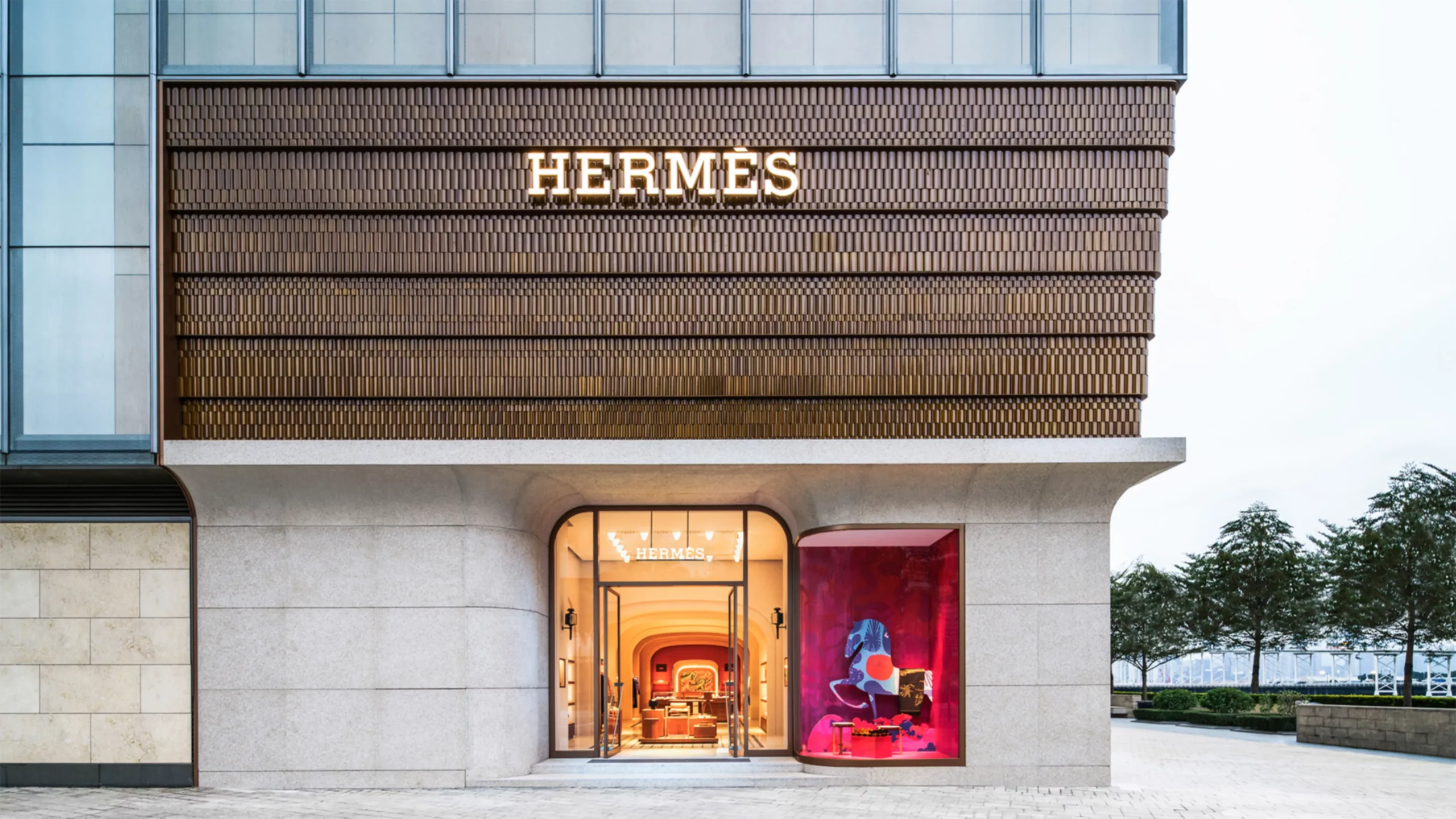
    Despite geopolitical tensions affecting the Middle East, Hermès, the renowned French luxury fashion brand, has reported a strong performance in its Q1 sales. The company’s consolidated revenue stood at €4.1 billion (US$4.8 billion) for the quarter ending March 31, marking a 6% increase at constant exchange rates. However, on a reported basis, revenue dipped by 1% due to the adverse effects of currency fluctuations.

    Regional Performance

    The company attributed much of its growth to impressive gains in Japan, the Americas, and Europe, excluding France. Japan saw a 10% increase in sales, while the Americas and Europe, excluding France, each reported a 17% and 10% sales increase, respectively.

    Sales in Asia, excluding Japan, also rose slightly by 2%, with Greater China maintaining its marginal growth. However, France’s revenue decreased by 3%, a decline influenced by a reduced tourist flow, particularly in March. This downturn is mainly linked to the unfolding situation in the Middle East.

    The Middle East, classified under the ‘Other’ region in the company’s report, experienced a 6% decline in sales. The geopolitical developments in countries such as the UAE, Kuwait, Qatar, and Bahrain have had a significant impact on the region’s performance.

    Sales Channels

    Despite these challenging conditions, sales in the group’s stores increased by 7%. In contrast, wholesale activity was significantly affected, recording lower sales to concession stores, especially in the Middle East and airports.

    According to Axel Dumas, Executive Chairman of Hermès, the brand remains steadfast in its long-term strategy, even amidst a tense geopolitical environment. The company’s abundant creativity, unwavering quality standards, and loyal customer base enable Hermès to continue its profitable growth trajectory into 2026 with confidence. He further emphasized that the fundamentals of the Hermès model are a distinguishing strength more than ever.

    In the medium term, the group has confirmed its goal to achieve revenue growth at constant exchange rates. This is notwithstanding the persistent economic, geopolitical, and monetary uncertainties that pervade the global landscape.

    Questions & Answers

    What were Hermès’ consolidated revenue figures for Q1?
    The consolidated revenue for Hermès in Q1 stood at €4.1 billion (US$4.8 billion), marking a 6% increase at constant exchange rates.

    Which regions reported the most growth for Hermès?
    The regions that reported the most growth for Hermès were Japan, the Americas, and Europe (excluding France), with sales increases of 10%, 17%, and 10% respectively.

    How did the geopolitical situation affect Hermès’ sales in the Middle East?
    The geopolitical situation in the Middle East led to a 6% decline in Hermès’ sales in the region. This was particularly notable in countries such as the UAE, Kuwait, Qatar, and Bahrain.

  • Chinese New Year Sparks Stellar 11.2% Surge in Singapore’s Retail Sales

    Chinese New Year Sparks Stellar 11.2% Surge in Singapore’s Retail Sales

    In February, retail sales in Singapore experienced a significant surge, partially attributed to the shifting timing of the Chinese New Year. According to data released by Singapore’s Department of Statistics, retail sales, excluding automobiles and related parts and accessories, skyrocketed by 11.2% in February. This marked a turnaround from a decrease of 2.9% in January.

    Details of Retail Growth

    The estimated total retail sales for February amounted to SG$3.6 billion (US$2.8 billion), with online sales accounting for 16.2% of the total. The significant growth seen in February was partially due to the Chinese New Year falling in February this year, compared to January the previous year.

    For the combined period of January and February, retail sales increased by 3.5% year-on-year.

    Sectoral Growth Patterns

    Most sectors reported year-on-year growth in February’s sales. Supermarkets and hypermarkets led the surge with a growth of 29.3%, followed by recreational goods which saw an increase of 26%. Department stores reported a rise of 16.8% in sales, while the food and alcohol, cosmetics, and watches and jewelry sectors each saw an approximate increase of 13%.

    However, not all sectors experienced growth. The petrol service stations and mini-marts and convenience stores sectors faced declines of 9.8% and 6.1% respectively.

    The food and beverage services sector saw a rise in sales of 5.5% in February, marking a recovery from the 3.2% decline recorded in January.

    Questions & Answers

    What were the estimated total retail sales for Singapore in February?
    The estimated total retail sales for Singapore in February were SG$3.6 billion (US$2.8 billion).

    What percentage of February’s retail sales were from online?
    Online sales made up 16.2% of the total retail sales in February.

    Which sectors saw the most significant growth in February?
    Supermarkets and hypermarkets experienced the most significant growth with a rise of 29.3%, closely followed by recreational goods with a 26% increase.

  • Vietnam’s Retail Boom: Tourism Wave Drives Double-Digit Sales Growth

    Vietnam’s Retail Boom: Tourism Wave Drives Double-Digit Sales Growth

    Vietnam’s retail sector experienced significant growth in the first quarter, with sales figures revealing a year-on-year increase of 10.9%. This rise is largely attributed to increased consumer spending over the holiday period, in addition to a significant upsurge in international tourism numbers. These figures were provided by the National Statistics Office of Vietnam.

    During the quarter, total retail sales of consumer goods and services reached an impressive US$72.2 billion, marking a 7% increase. The product categories contributing to this growth include apparel, food, and household goods.

    As well as retail, the country’s accommodation and food services sectors also saw an increase in revenue, generating $8.9 billion – a 13.3% increase.

    To further boost the country’s finances, tourism revenue also showed signs of growth, increasing to $870 million. This growth can be largely attributed to an increase in visitors during the Lunar New Year period.

    According to the National Statistics Office, the retail sector remains the largest contributor to Vietnam’s revenue. Accounting for a significant 76.3% of turnover, the retail sector generated $55.1 billion.

    Questions & Answers

    What was the increase in Vietnam’s retail sales figures in the first quarter?
    Vietnam’s retail sales experienced a year-on-year increase of 10.9% in the first quarter.

    Which sectors contributed to this growth?
    The growth in retail sales can be attributed to increased consumer spending in the apparel, food, and household goods sectors, as well as a surge in international tourism.

    What percentage of Vietnam’s revenue is contributed by the retail sector?
    The retail sector accounts for a significant 76.3% of Vietnam’s revenue.

  • Hong Kong Retail Sales Skyrocket by 19%: A Decade of Growth Boosted by Surge in Visitor Numbers

    Hong Kong Retail Sales Skyrocket by 19%: A Decade of Growth Boosted by Surge in Visitor Numbers

    February saw a significant upswing in Hong Kong’s retail sales, with a 19.3 per cent surge compared to the same month in the previous year. This marks a full 10 months of consistent gains, demonstrating the robust health of the retail sector.

    Broad-Based Growth Across Retail Outlets

    A variety of retail outlets experienced growth in February, according to government data. In fact, the month’s surge was the most substantial since June 2023, when retail sales saw a 19.5 per cent increase. Prior months also showed steady growth, with a 5.5 per cent rise in January and a 6.6 per cent hike in December’s retail sales.

    An official spokesperson for the government anticipates the trend to continue, citing the local economy’s resilient growth and an increase in inbound visitors as key supporting factors for retail businesses.

    High-End Goods and Clothing Sales on the Rise

    Certain sectors saw particularly notable increases in February. Jewelry, watches, clocks, and other valuable gifts experienced a 24.2 per cent spike, following a 31.1 per cent increase in January. Meanwhile, sales of clothing, footwear, and related products also rose by 14.1 per cent, emerging from a marginal 0.2 per cent rise in January.

    Retail Sales Growth in Volume Terms

    Viewed in terms of volume, retail sales in February soared 17.5 per cent from the same period last year, a significant leap compared to January’s revised rise of 3.5 per cent. This is the largest percentage gain observed since March 2023, which experienced a staggering 39.3 per cent increase.

    Spike in Visitor Arrivals

    The Hong Kong Tourism Board reported a 40.2 per cent increase in visitor arrivals in February, totalling 5.14 million, compared to the same month last year. The number of visitors from Mainland China saw an even more dramatic rise, skyrocketing by 53.4 per cent to reach 4.25 million.

    Questions & Answers

    What was the percentage growth in Hong Kong’s retail sales in February?
    Hong Kong’s retail sales grew by 19.3 per cent in February.

    Which sectors experienced significant sales increases in February?
    Sectors that saw significant sales increases included jewelry, watches, clocks, and valuable gifts, along with clothing, footwear, and related products.

    How much did the visitor arrival number increase in February, according to the Hong Kong Tourism Board?
    The Hong Kong Tourism Board reported a 40.2 per cent increase in visitor arrivals in February.

  • H&M: Shrinking Store Network Hits Sales, But Profits Skyrocket Amid Optimized Portfolio

    H&M: Shrinking Store Network Hits Sales, But Profits Skyrocket Amid Optimized Portfolio

    In the first fiscal quarter, Swedish fashion powerhouse H&M witnessed a decrease in sales, corresponding with a reduction in the total number of store locations.

    Sales Performance

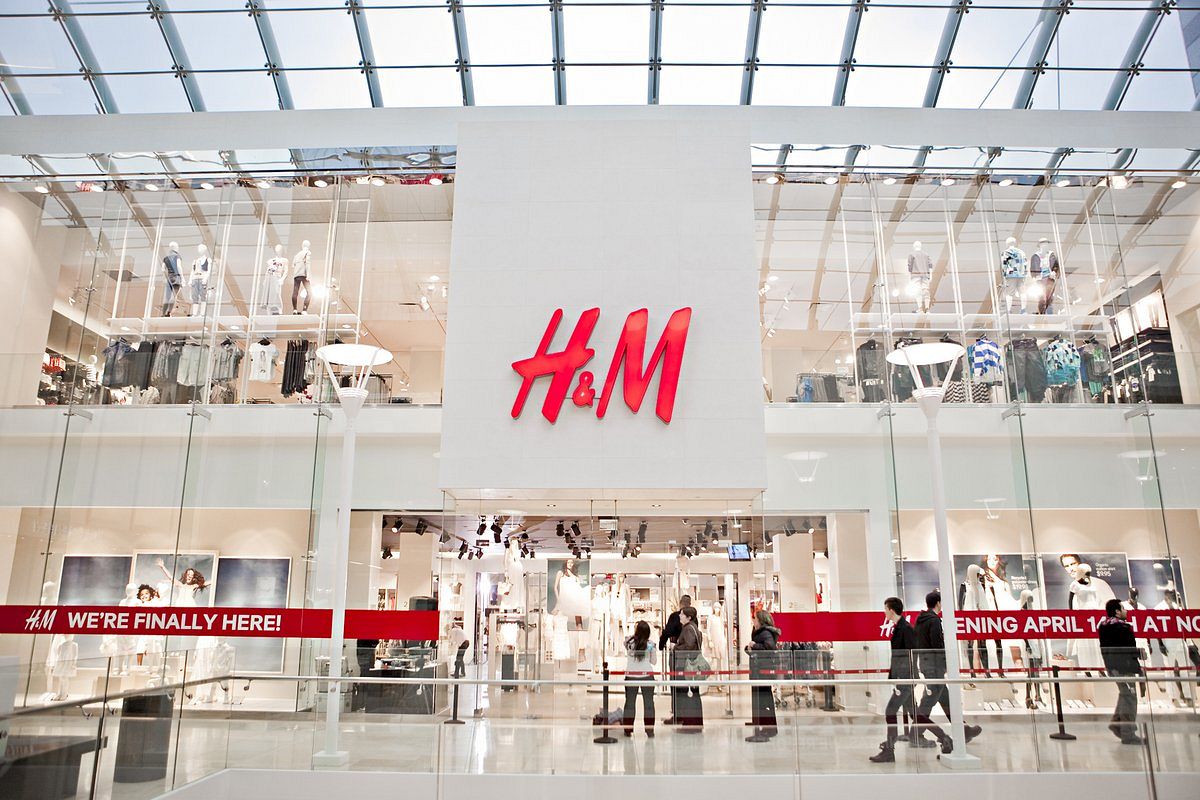
    By the end of the quarter, which concluded on February 28, net sales were reported to be SEK49.6 billion (US$5.2 billion)—a 1% year-on-year decrease in constant currency. The company saw a 4% reduction in stores, or 163 fewer outlets, compared with the same timeline last year. The global store count was noted to be 4050 as of February 28.

    H&M is undertaking steps to strengthen its long-term position and further enhance profitability through the optimization of its store portfolio. Actions include the renovation of existing stores, the opening of new outlets, and closure of others.

    However, reported net sales witnessed a 10% decrease, largely due to currency translation. The quarter began with a weak December, with a noticeable demand drop after November’s Black Friday trading. However, a positive sales trend emerged towards the end of the quarter, driven by the successful reception of the spring collections.

    Regional Sales Performance

    Sales in Asia, Oceania, Africa, and the Americas fell 3% when calculated in constant currency. In Western and Eastern Europe, sales were down by 1%, whereas Southern Europe saw a sales increase of 3%. Sales performance in the Nordics remained steady.

    Gross margin rose from 49.1% to 50.7% during the quarter. The operating profit saw a significant boost with an increase of 26%, amounting to SEK1.512 billion. Profit for the period also grew by 21.5% to SEK704 million. CEO Daniel Ervér attributed the strengthened profitability to good cost control and an improved gross margin, despite cautious consumption and large currency translation effects.

    Ervér also stressed the significance of flexibility in the current challenging macroeconomic environment, which is marked by increased geopolitical uncertainty.

    Future Expectations and Concerns

    H&M anticipates a 1% increase in sales in constant currency for March in the current quarter. The company is closely observing the developments in the Middle East, along with the potential implications on global trade. The Middle Eastern markets, which are managed through franchise partners, account for a minor portion of H&M’s sales.

    Questions & Answers

    What was the net sales value for H&M in the first fiscal quarter?
    The net sales value was SEK49.6 billion (US$5.2 billion).

    What changes are being undertaken within H&M’s store portfolio?
    Actions include updating existing stores, opening new ones, and closing some outlets.

    What is the anticipated sales increase for March in the current quarter?
    H&M expects a 1% increase in sales for March in the current quarter.

  • Misto Holdings Boosts Q4 Sales Amid US Business Restructuring: Fila & Acushnet Show Strong Performances

    Misto Holdings Boosts Q4 Sales Amid US Business Restructuring: Fila & Acushnet Show Strong Performances

    In the fourth quarter, Misto Holdings, the parent company of Fila, Titleist and FootJoy, announced an increase in sales growth following a restructuring of its U.S. operations. The firm, based in South Korea, saw a 6.3% year-on-year boost in revenue during this period, reaching KRW915.2 billion (US$612 million). This follows a 3.7% uplift in sales reported in the third quarter.

    Company executives attribute this growth to a combination of factors, despite the prevailing macroeconomic uncertainty. These include a focus on profitability-driven operations, the positive outcomes of restructuring, and robust performance from Acushnet.

    Segment Performance

    Revenue from the Misto segment, which includes Fila and other lifestyle brands, fell by 9.6%. This decrease was primarily due to restructuring and inventory clearance in the U.S. market. However, operating profit improved significantly, reaching KRW74.7 billion, marking a notable recovery from the previous year.

    The Greater China market has emerged as a new area of growth for the company, driven by the expansion of prominent K-fashion brands. In South Korea, demand for Fila’s footwear franchise models remained stable.

    The Acushnet segment reported a sales growth of 10.9%, bolstered by strong sales of golf equipment, such as Titleist T-Series irons and SM10 wedges. Additionally, higher average selling prices for FootJoy golf shoes contributed to this growth.

    Yearly Overview

    For the entirety of FY25, the company’s consolidated revenue grew by 4.7% to reach KRW4.47 trillion. Operating profit surged by 31.6% to KRW 474.8 billion.

    Ho Yeon (Aaron) Lee, CFO of Misto Holdings, reflected on the past year, saying it was a significant period that saw the company reinforce its identity as a global brand portfolio company following a corporate name change.

    He noted that the expansion of the Greater China business, improved profitability in the Misto segment, and solid growth in Acushnet have all contributed to the stability of the company’s earnings.

    Questions & Answers

    What factors led to the growth of Misto Holdings in the fourth quarter?
    The growth was attributed to profitability-focused operations, the restructuring of the U.S. operations, and strong performance from Acushnet.

    How has the Misto segment performed amidst the company’s restructuring?
    Despite a decrease in revenue by 9.6% due to restructuring and inventory clearance, the Misto segment saw an improvement in operating profit, marking a significant turnaround.

    What contributed to the sales growth of the Acushnet segment?
    Increased sales of golf equipment, particularly Titleist T-Series irons and SM10 wedges, along with higher average selling prices for FootJoy golf shoes, supported the 10.9% growth in the Acushnet segment.