Tag: Sales

  • Jollibee’s Record-Breaking Q4: Global Sales Soar, Boosted by Impressive Coffee and Tea Segment Growth

    Jollibee’s Record-Breaking Q4: Global Sales Soar, Boosted by Impressive Coffee and Tea Segment Growth

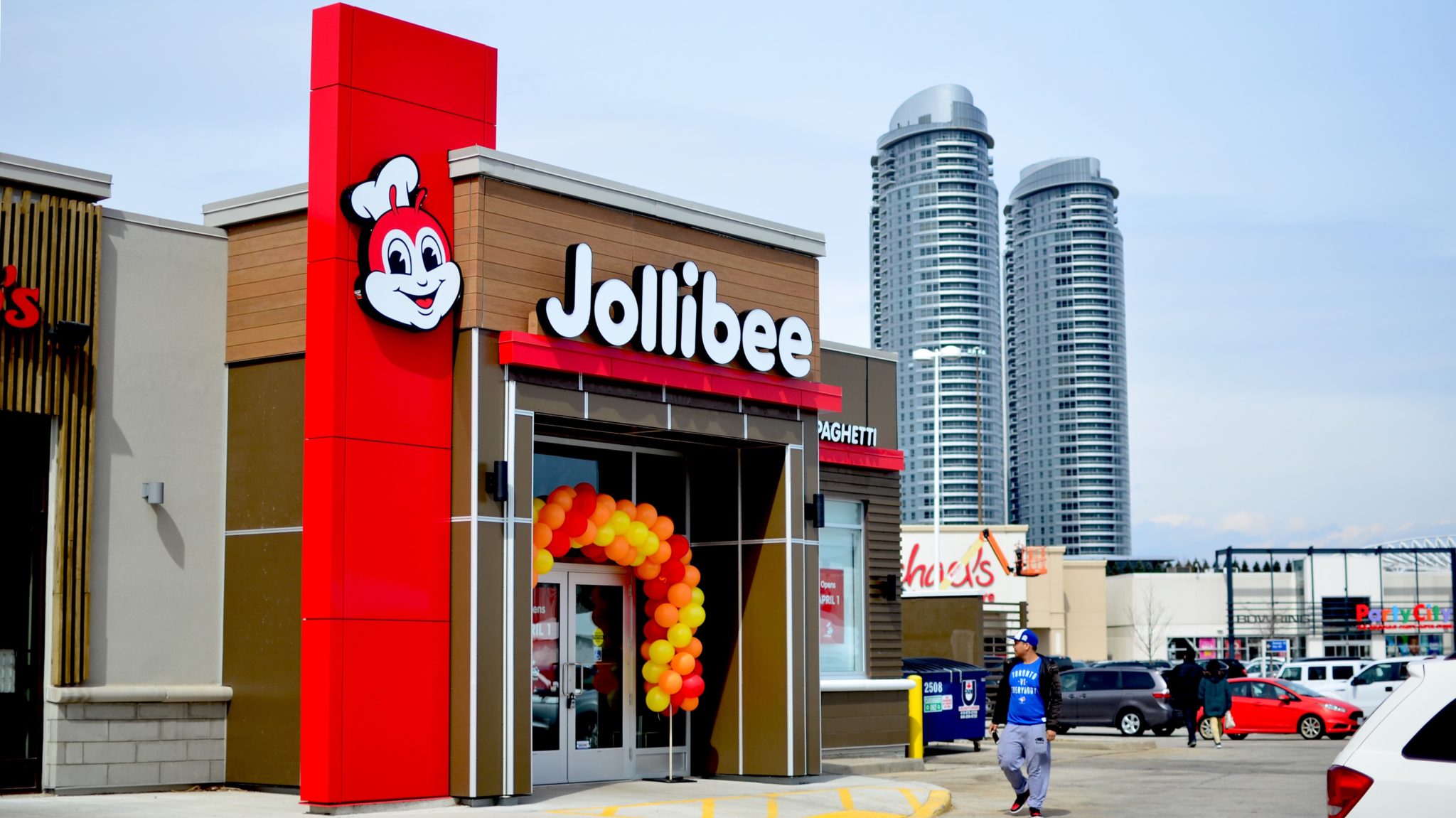
    In a solid display of global retail growth, Jollibee Group (JFC) concluded its financial year of 2025 with impressive fourth-quarter earnings and continued expansion worldwide. The group successfully enhanced its store network and achieved robust growth in both domestic and international markets.

    Driving Factors behind Growth

    JFC’s CEO, Ernesto Tanmantiong, credited the sturdy consumer demand as a key element propelling growth. The company saw a considerable rise in its consolidated revenue, with a 9.8 per cent increase in the fourth quarter and a 13 per cent upturn for the entire financial year.

    Tanmantiong noted, “The impressive sales momentum we experienced during the fourth quarter led to an even more significant expansion in our operating income, which saw a 41.9 per cent growth for the quarter. This signifies our strongest fourth-quarter operating performance in JFC’s history.”

    The company’s systemwide sales for the whole year exhibited a 16.6 per cent growth, with notable contributions stemming from both the Philippine and international businesses.

    Performance of Different Segments

    The coffee and tea segment played a pivotal role in driving growth, recording a 44.9 per cent surge in revenue. This was mainly backed by successful brands such as Highlands Coffee, The Coffee Bean & Tea Leaf, Milksha, and Compose Coffee.

    Vietnam, being JFC’s biggest overseas market in terms of store count, reflected a substantial sales growth of 40.4 per cent and a same-store sales growth of 23.9 per cent.

    Additionally, other international markets demonstrated significant gains, including Jollibee in the US with a 17.3 per cent growth, and the EMEAA region, where Philippine brands saw a 22.1 per cent increase.

    In the domestic market, the Philippines, JFC marked a sales surge of 9.6 per cent, bolstered by core brands such as Jollibee, Chowking, and Mang Inasal, which grew 10.4 per cent, 6.1 per cent, and 15.6 per cent, respectively.

    Expansion of Store Network

    Over the course of the past year, JFC launched 1126 new stores, elevating its total store count to 10,341.

    Looking ahead, Tanmantiong expressed the group’s commitment to maintaining profitable growth, enhancing operational efficiency, and generating long-term value for stakeholders in the forthcoming fiscal year.

    Questions & Answers

    What contributed to Jollibee Group’s growth in FY25?
    Steady consumer demand, an expanded store network, and growth in both domestic and international markets contributed to Jollibee Group’s growth in FY25.

    Which segment played a pivotal role in driving Jollibee Group’s revenue growth?
    The coffee and tea segment was a key driver of Jollibee Group’s revenue growth, with successful brands like Highlands Coffee, The Coffee Bean & Tea Leaf, Milksha, and Compose Coffee leading the way.

    What is Jollibee Group’s focus for the upcoming fiscal year?
    Jollibee Group aims to sustain profitable growth, enhance operational efficiency, and create long-term value for its stakeholders in the upcoming fiscal year.
  • VinFast Shatters Records: Skyrocketing EV Sales and Revenue Propel Vietnamese Automaker into Global Spotlight

    VinFast Shatters Records: Skyrocketing EV Sales and Revenue Propel Vietnamese Automaker into Global Spotlight

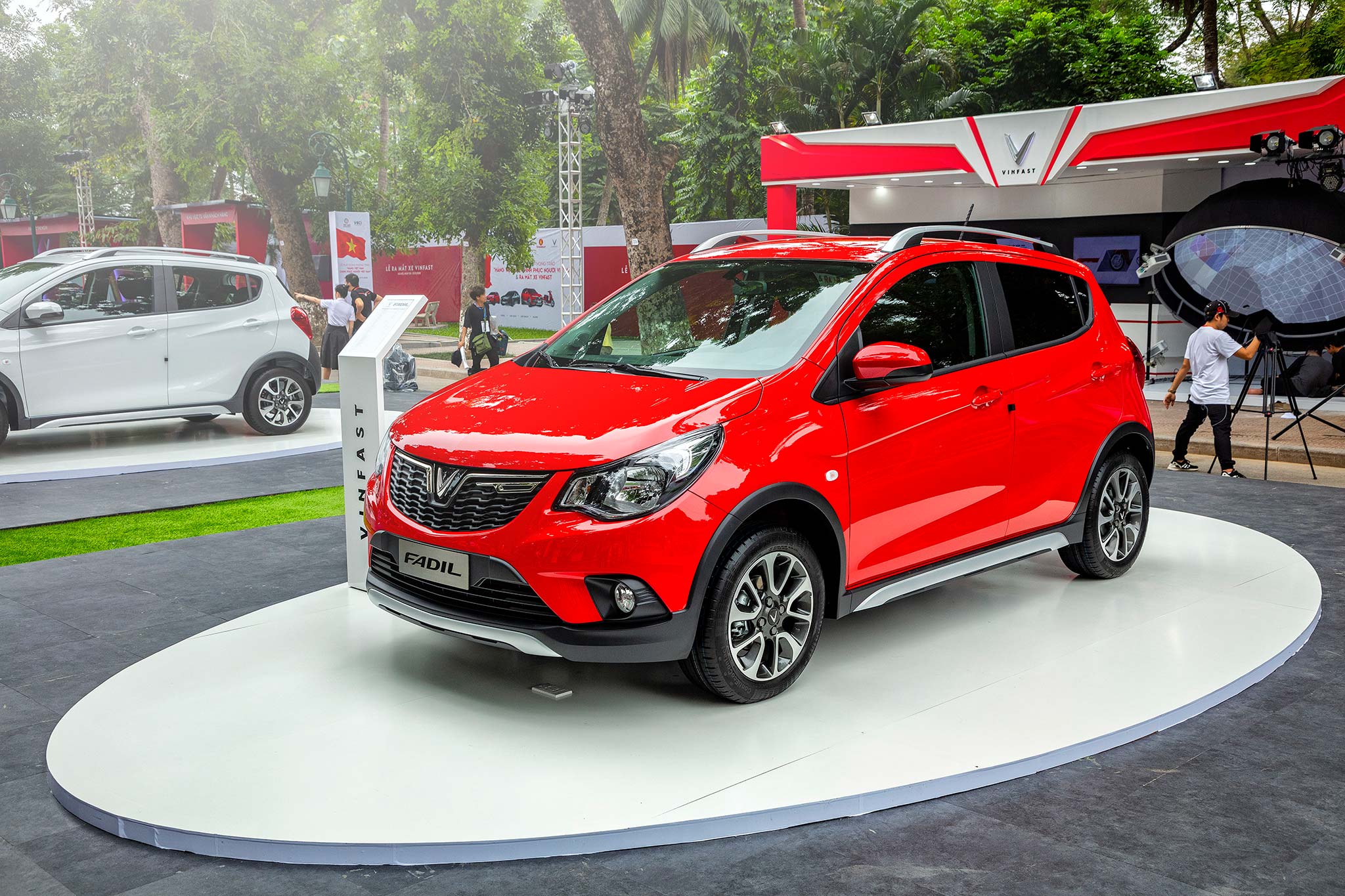
    Vietnamese electric vehicle manufacturer, VinFast, achieved record-breaking figures in both revenue and EV deliveries during 2025. The impressive results, which saw a 102% increase in electric cars delivered compared to 2024, were fueled by a global surge in demand for the company’s products and swift expansion into significant markets.

    VinFast’s unaudited financial results, released on Monday, revealed that the company generated VND90.43 trillion (US$3.6 billion) last year, a year-on-year increase of 105.4%. These results surpassed the company’s goal to double deliveries from the preceding year, marking the highest annual delivery volume in the company’s history.

    Final Quarter Analysis

    In the final quarter of 2025 alone, VinFast delivered 86,557 electric cars, an increase of 127% from the previous quarter and 63% year-on-year. The company’s Green brand and EC Van vehicles accounted for approximately 49% of deliveries during this quarter.

    International markets also saw considerable growth, contributing to about 18% of total global deliveries.

    Growth in Electric Motorbike and E-bike Segment

    VinFast also reported a substantial growth in its electric motorbike and e-bike segment. According to the released data, 171,962 units were delivered in the final quarter of 2025, a 43% increase from the previous quarter and a staggering 452% year-on-year increase. Throughout the entire year of 2025, the segment’s total deliveries reached 406,498 units, marking a 473% hike compared to 2024.

    Robust Revenue Growth

    VinFast’s revenue growth remained robust throughout the year. In the fourth quarter alone, the company’s revenue reached VND39.41 trillion, a 138.9% year-on-year increase and an increase of 117.7% from the previous quarter.

    By the end of 2025, VinFast had grown its global retail network to 424 showrooms worldwide, making its EVs more accessible to customers in various markets.

    Questions & Answers

    What was the year-on-year increase in VinFast’s electric vehicle deliveries in 2025?
    The increase in electric vehicle deliveries in 2025 compared to 2024 was 102%.

    What percentage of VinFast’s deliveries in the final quarter of 2025 were made up of its Green brand and EC Van vehicles?
    Approximately 49% of the deliveries in this period were VinFast’s Green brand and EC Van vehicles.

    How much did VinFast’s electric motorbike and e-bike segment grow in 2025 compared to the previous year?
    VinFast’s electric motorbike and e-bike segment grew by a striking 473% in 2025 compared to the previous year.

  • Inditex, Zara’s Parent Company, Reports Stellar Sales Boost Across All Brands in Annual Profit Surge

    Inditex, Zara’s Parent Company, Reports Stellar Sales Boost Across All Brands in Annual Profit Surge

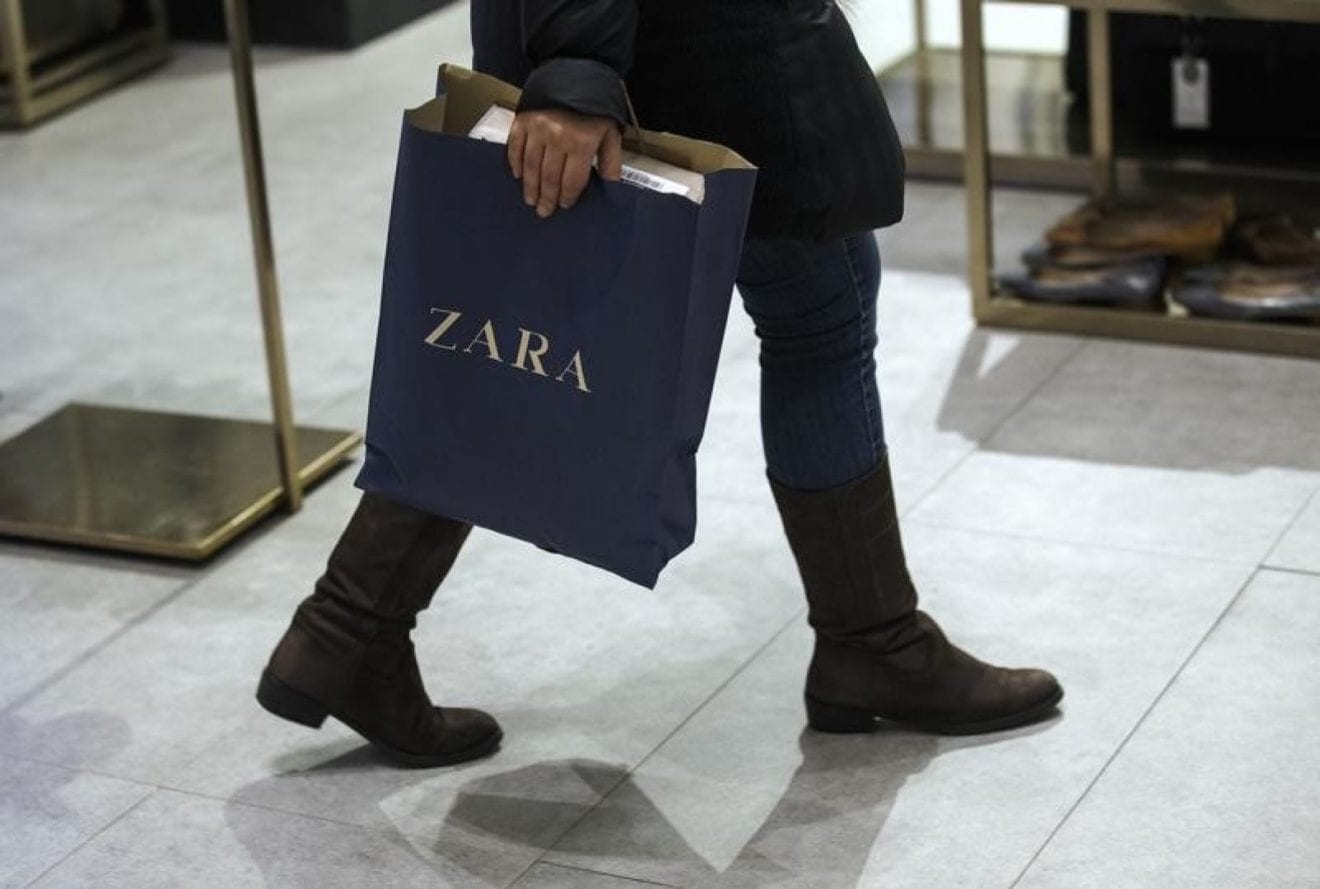
    Inditex, the parent company of Zara, has seen considerable increases in its gross and net profits, fueled by robust sales across all its brands.

    The company’s total net revenue for the fiscal year ending January 31, 2025, climbed 3.2 per cent to €39.9 billion (US$46 billion). Taking into account the currency exchange, sales experienced a 7 per cent rise. Over the past three years, Inditex’s sales have surged by 22 per cent, with a concurrent decrease in the number of retail outlets by 6 per cent. This demonstrates the firm’s constant growth despite a decrease in physical retail presence.

    All brands within the Inditex group enjoyed sales growth throughout the fiscal year. The primary Zara enterprise, inclusive of Zara, Zara Home, and Lefties brands, saw a 1 per cent sales increase, reaching €28 billion.

    Profitable Performance By Other Brands

    Among other Inditex brands, Oysho topped the growth chart with a 15 per cent surge, closely trailed by Stradivarius and Bershka, each boasting over a 12 per cent rise. Additionally, Pull&Bear and Massimo Dutti each reported growth rates of 3.1 per cent and 3 per cent respectively.

    Inditex’s gross profit saw a 3.9 per cent increase to €23.2 billion, while the gross margin improved by 42 bps, bringing it to 58.3 per cent. Net income for the same period rose by 6 per cent to €6.2 billion.

    CEO of Inditex, Óscar García Maceiras, praised the company’s teams for their ability to maintain the trust of their customers across their eight commercial formats. He emphasized the importance of connecting with customers, understanding their needs, and providing top-tier products and services in driving long-term growth expectations.

    Positive Outlook

    At the conclusion of FY2025, Inditex managed 5460 stores across 214 markets. The company has continued to perform well into the new fiscal year, recording a 9 per cent increase in store and online sales between February 1 and March 8, after adjusting for the constant currency.

    Questions & Answers

    What was Inditex’s total net revenue for FY25?
    Inditex’s total net revenue for FY25 was €39.9 billion (US$46 billion).

    Which brand under Inditex reported the highest sales growth?
    Oysho, an Inditex brand, reported the highest sales growth with a 15 per cent increase.

    What was the net income for Inditex for the fiscal year ending January 31, 2025?
    Inditex’s net income for the fiscal year ending January 31, 2025, increased 6 per cent to €6.2 billion.

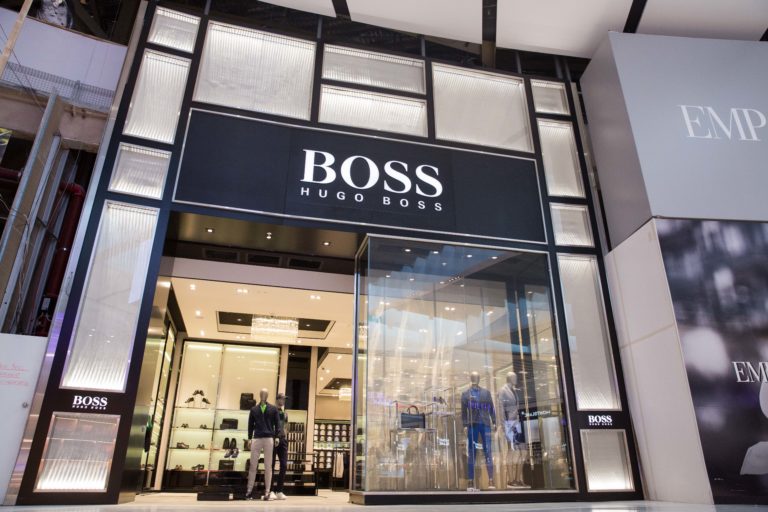
  • Hugo Boss Triumphs Amid Challenges: Sees Uplift in Annual Sales Regardless of China’s Downturn

    Hugo Boss Triumphs Amid Challenges: Sees Uplift in Annual Sales Regardless of China’s Downturn

    Hugo Boss, a renowned German fashion company, recently disclosed a slight increase in sales for the preceding fiscal year, which concluded with a robust last quarter.

    The company’s sales for the fiscal year 2025 demonstrated a 1% drop, reaching EUR 4.27 billion (US$4.97 billion). This decrease is attributed to unfavorable currency fluctuations and subdued consumer confidence triggered by macroeconomic and geopolitical instability. However, after considering the impact of currency exchange, there was a 2% rise in sales.

    Geographical Sales Breakdown

    Examining sales by region, Hugo Boss saw a 5% decrease in currency-adjusted sales in the Asia-Pacific region, largely due to restrained local demand in China. In contrast, the company enjoyed a 2% increase in revenues in the EMEA region, propelled by advancements in major European markets such as Germany and France.

    Company management emphasized the remarkable growth in the fourth quarter, with a reported 2% sales increase and 7% rise on a constant currency basis.

    Growth Factors

    This positive performance is credited to a resurgence in physical retail, a modest uptick in comparable-store sales, a fruitful holiday season, and impactful brand and product initiatives.

    The Boss Menswear brand saw a 3% increase in currency-adjusted revenues for the year. However, sales for Boss Womenswear and Hugo dropped by 5% and 4% respectively.

    Americas and Licensing Business Performance

    In the Americas, revenues saw a 3% increase, indicative of progressive improvements in the US market. Conversely, the company’s licensing business experienced a 5% decline in sales.

    The fiscal year ended on a high note, with EBIT (Earnings Before Interest and Taxes) growing 8% to reach EUR 391 million. This figure includes a significant 22% uplift in the fourth quarter.

    Hugo Boss CEO, Daniel Grieder, highlighted the rapid transformation of the fashion industry throughout the year. He pointed towards technological innovation, changing consumer preferences, and persistent macroeconomic and geopolitical instability as key influencers on the industry’s trajectory.

    Future Prospects

    Looking ahead to fiscal year 2026, Hugo Boss anticipates a mid- to high-single digit decline in currency-adjusted sales. This projection is based on the initiation of brand and channel realignments.

    Questions & Answers

    What were Hugo Boss’s sales for fiscal year 2025?
    Hugo Boss reported sales of EUR 4.27 billion (US$4.97 billion) for the fiscal year 2025.

    Which region experienced sales growth for Hugo Boss?
    The EMEA region saw a 2% increase in revenues, driven by performance in key European markets such as Germany and France.

    What are the company’s sales expectations for fiscal year 2026?
    Hugo Boss is forecasting a mid- to high-single digit decline in currency-adjusted sales for fiscal year 2026, due to brand and channel realignments.

  • Cambodia Tightens Grip on Retail Fuel Sales to Ensure Safety and Stability

    Cambodia Tightens Grip on Retail Fuel Sales to Ensure Safety and Stability

    The Ministry of Commerce in Cambodia has sent out a public appeal to all citizens and fuel station owners to desist from hoarding fuel in an attempt to maintain a stable supply chain throughout the country. The public notice, issued on the 6th of March, further implores strict adherence to safety standards when selling and storing petroleum products, as a measure to mitigate any potential safety hazards.

    Emphasizing Risk Management in Fuel Trade

    The Ministry stressed on the importance of risk management in the processes of buying, selling, and storing fuel. This is deemed critical to protect consumers and preempt any accidents that could potentially result from unsafe storage practices. It also highlighted that improper or excessive storage of fuel can lead to severe risks, such as fire hazards that could pose a threat to properties and community safety.

    Appeal for Responsible Fuel Usage

    In the public notice, the Ministry further urged the citizenry to use fuel responsibly and refrain from panic buying or unnecessary stockpiling of fuel. The notice cautions that excessive storage could lead to unwarranted safety challenges.

    Continual Inspections by Regulatory Officials

    Simultaneously, officials from the Ministry’s General Department of Consumer Protection, Competition and Fraud Repression, in collaboration with provincial and municipal commerce departments and local offices of the Ministry of Mines and Energy, are conducting regular inspections of fuel stations across the country. These checks aim to ensure that the stations are in compliance with technical standards, maintain fair practices in fuel sales and proactively prevent any cases of opportunistic price manipulation or irregular price hikes.

    Questions & Answers

    What measures are being taken by the Cambodian Ministry of Commerce to ensure a stable fuel supply?
    The Ministry has issued a public notice urging the citizens and fuel station operators to avoid hoarding fuel and to adhere to safety standards when selling and storing petroleum products.

    What is the importance of risk management in the fuel trade as highlighted by the Ministry?
    The Ministry emphasizes that proper risk management in buying, selling, and storing fuel is critical to protect consumers and prevent accidents arising from unsafe storage practices.

    What is the purpose of continual inspections of fuel stations?
    The ongoing inspections by ministry officials aim to ensure that fuel stations comply with technical standards, maintain fair practices in fuel sales, and prevent opportunistic price manipulation or irregular price increases.

  • Keurig Dr Pepper Hits Refresh on Profits: Beverage Giant’s Sales Surge Fueled by Popular Refreshment Brands

    Keurig Dr Pepper Hits Refresh on Profits: Beverage Giant’s Sales Surge Fueled by Popular Refreshment Brands

    In the last fiscal year, Keurig Dr Pepper experienced a surge in sales, primarily fueled by increased demand for its beverage products.

    Growth in Global Net Sales

    An 8.2% rise in the company’s global net sales was witnessed during the year ended December 31, reaching a total of $16.6 billion. On a constant-currency basis, sales saw a boost of 8.6%, spurred by a 4.8% expansion in volume/mix and a favourable net price realisation at 3.8%. The company’s acquisition of Ghost contributed to 3.8% of the volume/mix growth.

    Sales Increase in US Refreshment Beverages Segment

    The US refreshment beverages segment, which comprises brands like Dr Pepper, Canada Dry, Snapple, and 7Up, played a significant role in this increase. Sales in this segment soared by 11.9%, reaching $10.4 billion. This segment’s growth reflects its successful market share gains across carbonated soft drinks, energy drinks, and sports hydration, the company reported.

    Performance of US Coffee and International Segments

    The US coffee segment, housing brands such as Keurig, Green Mountain Coffee Roasters, and The Original Donut Shop, witnessed a slight increment in sales, moving up by 0.6% to $4 billion. This rise was largely due to increased K-Cup pods sales, which somewhat made up for the decrease in brewer sales.

    The company’s international sales also saw an improvement of 5.9%, reaching $2.2 billion (or 9.3% when adjusted for currency). This performance was led by high growth in key categories like mineral water in Mexico and single-serve coffee in Canada.

    Net Income Increase

    Keurig Dr Pepper’s GAAP net income went up by 44.3% to $2.1 billion, which included a favourable year-over-year impact of items affecting comparability. Adjusted net income also increased by 6.6% to $2.8 billion.

    CEO Tim Cofer commented on the company’s robust performance, stating that 2025 was another strong year for Keurig Dr Pepper. He praised the company’s ability to deliver on guidance, navigate the dynamic operating environment with agility, and execute well in the marketplace with innovative winning strategies and robust commercial brand activations.

    For FY26, the company anticipates a 4-6% rise in net sales.

    Changes in Board Chair Position

    Keurig Dr Pepper also announced the transition of the board chair role from Bob Gamgort to Pamela Patsley at the end of the first quarter. Patsley, a board member since 2018, currently serves as the lead independent director.

    Questions & Answers

    What contributed to the increase in Keurig Dr Pepper’s sales?
    The increase in sales can be attributed to higher demand for its beverage brands and the acquisition of Ghost, which contributed to volume/mix growth.

    How did the US coffee segment perform?
    The US coffee segment observed a slight increase in sales due to higher K-Cup pods sales, which partially offset lower brewer sales.

    What changes were announced in the company’s board?
    The company announced a transition in the board chair position from Bob Gamgort to Pamela Patsley, who currently serves as the lead independent director.

  • Hermès Triumphs Over Luxury Market Struggles: Unveiling the Secret to Surging US Sales

    Hermès Triumphs Over Luxury Market Struggles: Unveiling the Secret to Surging US Sales

    In a rapidly shifting luxury retail landscape, renowned players such as Kering and LVMH are finding it increasingly challenging to retain the interest of elite and aspirational customers alike. However, amid this tumultuous environment, luxury goods company Hermès has managed to find sustained success.

    Impressive Revenue Growth

    Hermès recently reported remarkable growth in its fourth-quarter revenue. This surge was largely attributed to robust sales in the United States and Asia. The company announced that their product sales, including iconic items such as Birkin and Kelly bags, silk scarves, and perfumes, saw growth of 9.8 per cent in currency-adjusted terms for the fourth quarter. This increase surpassed the predicted growth rate of 8.4 per cent.

    The sales growth was mainly driven by the Americas, particularly the United States, where sales escalated by 12.1 per cent, outperforming the anticipated growth of around 9 per cent. Sales in Asia also demonstrated robust growth of 8 per cent, excluding Japan.

    The company’s full-year operating profit amounted to €6.57 billion (US$7.79 billion), with a profit margin of 41 per cent, slightly above the predicted 40 per cent margin.

    Continuous Expansion

    Over the last three years, Hermès has witnessed a steady growth in annual sales by about 38 per cent, and its shares have also risen by 36 per cent. This growth has been achieved in spite of the ongoing challenges confronting the broader luxury retail industry.

    Hermès CEO, Axel Dumas, expressed confidence in the brand’s prospects. He announced that the company plans for price increases of around 5-6 per cent for the coming year, a decrease from the previous year’s hike of 6-7 per cent.

    Key to Success

    The company’s success has been credited to two main factors. Firstly, the consistent buying habits of its ultra-wealthy clientele, and secondly, Hermès’ persistent emphasis on brand storytelling.

    Moreover, the company’s strategic expansion plans, including the opening of new stores such as the latest one in Nashville, Tennessee, opened in October 2025, have further contributed to its success. It is also worth mentioning that Hermès recently acquired a high-priced real estate property in Beverly Hills for a future store, marking the most expensive real estate acquisition in the area since the early 2000s.

    Brand Identity and Steadfastness

    Hermès’ emphasis on desirability and exclusivity has also been pivotal to its success. Unlike its competitors, Hermès has maintained a laser-focus on its offerings, clientele, and creating an unparalleled luxury experience.

    The brand’s commitment to exclusivity has enabled it to retain its competitive edge in the struggling luxury market. Its strategy of creating a sense of rarity and allure around its top-tier items, such as the iconic Birkin bag, has offered a unique shopping experience for its affluent customers.

    Questions & Answers

    What factors contributed to the robust sales growth of Hermès?
    Sales in the United States and Asia primarily contributed to the substantial sales growth. Additionally, the company’s strategic expansion plans and consistent approach to brand storytelling also played significant roles.

    What is Hermès’ strategy for maintaining its competitive edge?
    Maintaining exclusivity and rarity of its top-tier items, and creating an unparalleled luxury experience for its customers has allowed Hermès to stay ahead in the competitive luxury retail industry.

    What is the anticipated price increase for Hermès products in the coming year?
    The company plans for price increases of around 5-6 per cent for the coming year, a decrease from the previous year’s hike of 6-7 per cent.

  • Vietnam’s Auto Market Zooms Ahead as January Sales Skyrocket by 95%

    Vietnam’s Auto Market Zooms Ahead as January Sales Skyrocket by 95%

    In January, member companies of the Vietnam Automobile Manufacturers’ Association (VAMA) experienced a substantial increase in sales, with 36,875 vehicles sold. This represents a 95% growth from the same time the previous year.

    Breakdown of Sales

    The majority of the sales were passenger cars, with 26,102 units sold, according to data published by VAMA. Commercial vehicles also saw significant sales with 10,312 units, while special-purpose vehicles accounted for 461 units.

    A low-base effect was identified as a major contributing factor to this sharp increase. The latter half of January last year coincided with the lead-up to the Lunar New Year (Tet), a time when Vietnamese consumers typically curb spending on large purchases such as automobiles.

    Domestic Assembly and Imports

    The recovery observed was evenly split between domestic assembly and imports. Sales of locally produced completely knocked-down vehicles rose by 98% year-on-year to 18,034 units, while fully built-up imports saw a 93% increase, reaching 18,841. This narrow difference indicates a robust resurgence in both local production and imported vehicle supply.

    Top Brands

    Ford Vietnam topped the list of VAMA brands with 5,121 units sold, narrowly beating Mitsubishi’s 5,039 and Toyota Vietnam’s 4,852. THACO-distributed brands completed the top five, with THACO Mazda and THACO Kia selling 3,515 and 3,487 units respectively. The leading brands benefited from robust line-ups in SUV, crossover, MPV and pickup segments.

    The most popular models demonstrate a continued consumer preference for high-ground-clearance and multi-purpose vehicles. The Mazda CX-5 was the top seller with 2,104 units, followed by the Mitsubishi Xforce at 1,666. Ford’s pickup and SUV lineup also saw strong sales.

    Market Overview

    The VAMA data only represents part of the overall market, as several non-member brands do not publicly release their sales figures. Hyundai Thanh Cong separately reported sales of 5,872 units, while VinFast, a leading player in the electric vehicle market, has not yet disclosed its January data.

    However, the pronounced growth reported by VAMA members signals improving market conditions. This is likely due to increased consumer confidence, a rise in travel and logistics activity, and a more supportive economic environment.

    Questions & Answers

    What was the main factor contributing to the surge in automobile sales in Vietnam?
    The main factor was a low-base effect due to reduced spending in the same period of the previous year, which coincided with the lead up to the Lunar New Year.

    Which brands led in sales among VAMA member companies?
    Ford Vietnam led in sales among VAMA member companies, followed by Mitsubishi and Toyota Vietnam.

    What does the strong sales growth indicate about the market conditions?
    The substantial growth in sales suggests improving market conditions, boosted by increased consumer confidence, a rise in travel and logistics activity, and a more supportive economic environment.

  • Singapore Retail Sales Momentum Cooldown in December after November’s Record Highs

    Singapore Retail Sales Momentum Cooldown in December after November’s Record Highs

    The rate of retail sales growth in Singapore experienced a significant deceleration in December, following an impressive surge in November.

    As per the data provided by the Department of Statistics, retail sales, excluding motor vehicles, saw an increase of 1.7 per cent in December. This figure shows a sharp contrast to the revised growth of 5.7 per cent reported in November, the most robust monthly gain of the year.

    The projected total retail sales value for December was approximately SG$4.1 billion (US$3.2 billion), with online sales contributing to 17 per cent of this figure.

    On a seasonally adjusted basis, December’s retail sales experienced a 6.7 per cent decline when compared to November.

    Sector-specific Performance

    In terms of year-on-year sales growth, the majority of sectors demonstrated an upward trend in the final month of the year. Leading the pack were recreational goods (13.4 per cent), computer and telecommunications equipment (12.8 per cent), and watches and jewellery (7.1 per cent).

    However, some other sectors such as supermarkets, convenience stores, cosmetics, and optical goods and books reported modest increases of less than 5 per cent.

    In contrast, petrol service stations faced a harsh 9.1 per cent drop in sales, followed by the food and alcohol sector, which saw a 7.1 per cent dip in sales.

    Food and Beverage Services

    Despite the overall dip in retail sales, the food and beverage services sector saw a marginal rise of 0.7 per cent in December. This, however, was a downslide from the 2.5 per cent growth the sector had witnessed in November.

    Questions & Answers

    What was the total projected value for retail sales in Singapore in December?
    The total projected retail sales value in Singapore for December was approximately SG$4.1 billion (US$3.2 billion).

    Which sectors experienced the most significant growth in December?
    The sectors that saw the most significant growth in December were recreational goods, computer and telecommunications equipment, and watches and jewellery.

    How did food and beverage services perform in December compared to November?
    The food and beverage services sector experienced a slight increase of 0.7 per cent in December, a decrease from the 2.5 per cent growth seen in November.

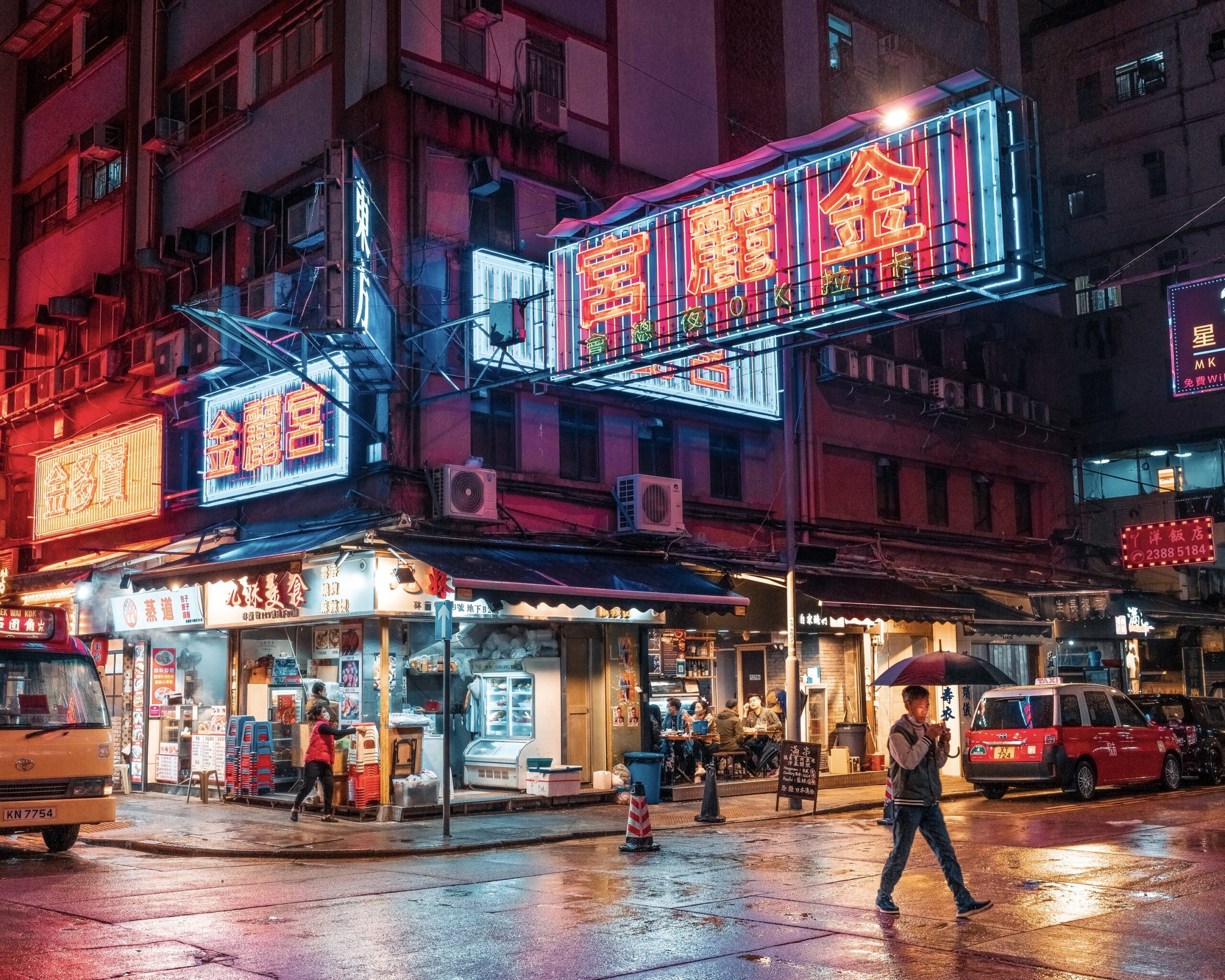
  • Hong Kong Retail Boom: December Sales Surge in 8th Consecutive Monthly Increase

    Hong Kong Retail Boom: December Sales Surge in 8th Consecutive Monthly Increase

    In December, retail sales in Hong Kong rose by 6.6% compared to the previous year, marking the eighth consecutive month of growth. This trend indicates a steady economic recovery in the region, according to recent government data.

    This increase amounted to a total of HK$35 billion (US$4.48 billion) in retail sales. In November, there was a similar rise in retail sales, with a 6.5% year-on-year increase.

    Retail Sales Volume

    In terms of volume, December’s retail sales saw a 5.1% increase from the previous year, showing a slight acceleration compared to the 4.4% rise witnessed in November.

    Looking forward, the value of total retail sales in 2025 is projected to rise by 1% from the previous year. Meanwhile, the volume is expected to remain at a similar level as compared to 2024.

    Consumer Sentiment and Tourism

    A government spokesperson highlighted the positive local consumption sentiment, backed by robust economic growth momentum. Coupled with the continued surge in inbound visitors, this is expected to support the retail businesses in the region.

    Tourist arrivals in December saw a significant upturn, with 4.65 million visitors, a 9.2% increase from the previous year, according to data from the Hong Kong Tourism Board.

    Mainland Chinese visitors made up the majority of these arrivals, accounting for 3.35 million. This represents an 8.2% increase year-on-year.

    Sales Across Various Retail Sectors

    In December, certain retail sectors saw remarkable growth. Sales of jewellery, watches, clocks, and valuable gifts surged by 14.3% year-on-year, a significant jump from the 3.6% rise in November.

    However, not all sectors experienced growth. The sales of clothing, footwear, and allied products fell by 10.3% year-on-year in December, despite a 2% increase in November.

    Questions & Answers

    What was the percentage increase in retail sales in Hong Kong in December?

    In December, retail sales in Hong Kong increased by 6.6% compared to the same period in the previous year.

    What is the projected increase in the value of total retail sales in 2025?

    The value of total retail sales in 2025 is projected to increase by 1% from the previous year.

    How did the sales of jewellery, watches, clocks, and valuable gifts perform in December?

    In December, sales of jewellery, watches, clocks, and valuable gifts surged by 14.3% year-on-year.

  • Starbucks Brews Success with Q1 Sales Surge: ‘Back to Starbucks’ Strategy Fuels Global Expansion

    Starbucks Brews Success with Q1 Sales Surge: ‘Back to Starbucks’ Strategy Fuels Global Expansion

    In the first quarter of fiscal 2026, Starbucks has announced a robust revenue of US$9.9 billion, pointing towards a general expansion in sales and steady growth of its worldwide store chain.

    Global Sales Progress

    Comparable store sales on a worldwide level saw a growth of 4 per cent during the quarter. Primarily, this rise was fuelled by a 3 per cent growth in transactions and a 1 per cent increase in the average ticket size. Unlike previous quarters, this expansion was mainly supported by an increase in customer traffic rather than price escalations.

    Uplift in North American Sales

    In the North American region, inclusive of the US, comparable sales saw a 4 per cent rise. This included the first transaction growth in the US in the past eight quarters. The management credits this growth to improvements in operations and a renewed focus on the in-store experience under the guidance of CEO Brian Niccol’s ‘Back to Starbucks’ initiative.

    CEO Brian Niccol expressed his satisfaction with the results, saying, “Our Q1 results indicate that our ‘Back to Starbucks’ strategy is proving effective, and we believe we are advancing faster than our original schedule.”

    Strong Performance in International Markets

    The international markets posted even stronger outcomes, with comparable store sales rising by 5 per cent. China emerged as the strongest performer, with a 7 per cent growth in comparable sales, backed by a 5 per cent increase in transactions and a 2 per cent rise in the average ticket size.

    During the quarter, Starbucks launched 128 new stores, raising its worldwide total to 41,118 locations. Currently, 52 per cent of the stores are company-operated and 48 per cent are licensed. The US and China remain the largest markets for the company, accounting for 61 per cent of all stores, with a total of 16,911 and 8,011 locations respectively.

    Future Expectations

    Starbucks anticipates the current growth trend to persist. The company forecasts at least 3 per cent comparable sales growth in the current fiscal year and aims to launch between 600 and 650 new stores globally, underscoring its confidence in its revival and expansion strategies.

    In a recent development, Starbucks declared its intentions to sell a controlling stake in its China operations to Boyu Capital, in a US$4 billion deal. However, it will retain a 40 per cent stake while continuing to own and license the Starbucks brand and intellectual property.

    Questions & Answers

    What was the growth rate of global comparable store sales in the first quarter?
    The global comparable store sales grew by 4 per cent in the first quarter.

    What was the primary factor for the rise in global sales for Starbucks in the quarter?
    The rise was primarily supported by a growth in customer traffic rather than price escalations.

    What are Starbucks’ growth plans for the current fiscal year?
    Starbucks plans to achieve at least 3 per cent comparable sales growth and intends to launch between 600 and 650 new stores globally.

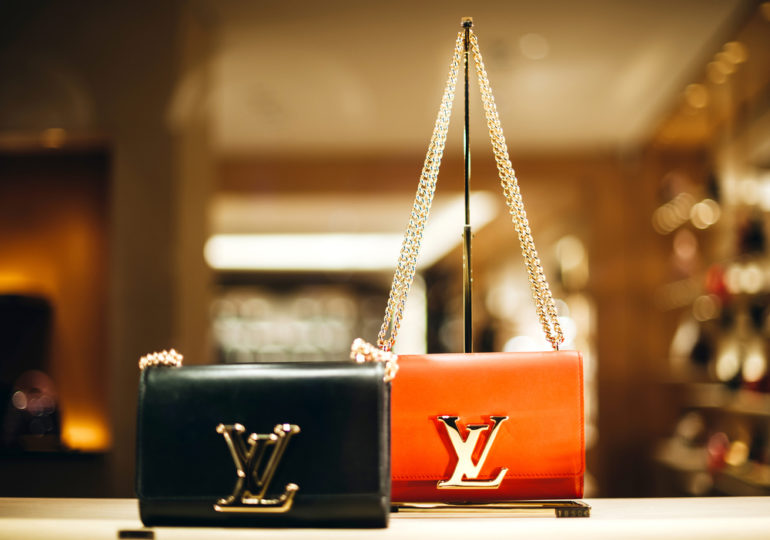
  • “LVMH Shatters Q4 Sales Predictions: Luxury Sector Sees Hope with China’s Uptick”

    “LVMH Shatters Q4 Sales Predictions: Luxury Sector Sees Hope with China’s Uptick”

    LVMH, the conglomerate which owns luxury brands Louis Vuitton and Tiffany, outperformed fourth-quarter sales projections on Tuesday. This development has raised expectations of a revival within the luxury sector, despite challenges including trade conflicts, a depreciating dollar, and elevated gold prices impacting profit margins.

    In the final quarter, the leading luxury firm posted overall sales of 22.7 billion euros (US$27.1 billion). This represents a 1 per cent increase on a comparable basis, outperforming predictions of a 0.3 per cent decrease as per Visible Alpha’s consensus forecast.

    Signs of Recovery in Asia

    The France-based conglomerate revealed indications of resuming growth in Asia, with domestic Chinese sales seeing an uptick in the quarter. This supports the trend of recovery that the retail giant has been witnessing over the last few months.

    The watches and jewellery division of LVMH experienced a sales growth of 8 per cent in the quarter, surpassing expectations. However, revenue from its main fashion and leather division, which contributes most to the overall profits, saw a 3 per cent decline when adjusted for currency fluctuations – a figure that was in line with projections.

    The luxury sector is slowly recovering from a prolonged slump, and recent positive results from industry peers Richemont and Burberry, bolstered by a rebound in China, have been encouraging.

    Caution Moving Forward

    However, despite the promising results, LVMH’s CEO and billionaire owner, Bernard Arnault, signaled caution for the future, stating plans to restrict costs and expenses. Arnault cited ongoing geopolitical crises, economic uncertainty and certain state policies, including those in France, aimed at maximizing taxation, as reasons for adopting a cautious approach.

    The conglomerate’s operating profit for 2025 dropped by 9 per cent, with margins affected by a range of factors including currency movements, US tariffs impacting alcohol exports, and record gold prices escalating import costs for jewellery.

    Strategies Amid Challenges

    Amid a real estate crisis and stiff local competition in China, LVMH has been strategically leveraging its financial strength to gain an edge. This approach has seen the opening of a large, ship-shaped Vuitton store in Shanghai and a new Dior flagship store in Beijing, among other initiatives.

    The ship-shaped store has proven to be a “great success” for the prominent Louis Vuitton brand, according to Arnault. Chinese customers, including international tourists, comprise nearly one-third of LVMH’s fashion and leather sales, as per UBS estimates.

    During its last trading update, LVMH’s positive remarks about slightly improved Chinese demand led to a rally in the luxury stock market, adding nearly $80 billion to combined company valuations.

    The company stated that the weaker dollar had resulted in US tourists spending less in Europe, with regional sales dropping 2 per cent last quarter. Conversely, US sales rose by 1 per cent in the same period. Sales in Asia, including China, increased by 1 per cent.

    Questions & Answers

    What was the overall sales of LVMH in the fourth quarter?
    The company recorded overall sales of 22.7 billion euros (US$27.1 billion).

    How did the sales of LVMH’s watches and jewellery division perform?
    The watches and jewellery division experienced an 8 per cent growth in sales in the quarter.

    What factors are affecting LVMH’s operating profit?
    The operating profit was impacted by a range of factors including currency movements, US tariffs impacting alcohol exports, and record gold prices escalating import costs for jewellery.

  • Burberry Sees Remarkable Christmas Sales Boost, Thanks to Chinese Market Surge

    Burberry Sees Remarkable Christmas Sales Boost, Thanks to Chinese Market Surge

    Burberry, the iconic British luxury brand, surpassed its holiday season sales forecasts, with the most significant surge being noted in its Chinese market.

    4th Quarter Financial Overview

    According to the latest fiscal report of the quarter ending December 27, Burberry witnessed a 3% annual increase in comparable store sales, leading to a revenue of £665 million. Of particular note was the growth in Greater China, which saw a 6% rise in store sales. The Asia Pacific (APAC) region also reported a sales increment of 5%. Unfortunately, no sales growth was observed in Europe and the Middle East during this period.

    Joshua Schulman, the CEO of Burberry, attributed these promising figures to the brand’s successful implementation of their Burberry Forward strategy. He cited an improved sales growth rate and enhanced revenue quality across different retail channels and geographical locations.

    Key to Success

    Burberry’s win in Greater China and APAC was primarily fuelled by a considerable uptick in Gen Z customers, who contributed to double-digit growth.

    Schulman commented on the positive customer response to Burberry’s immersive Timeless British Luxury campaigns and experiences. The brand’s core outerwear category continued to demonstrate resilience, with rising customer interests now also observed in accessories and ready-to-wear collections.

    “As we step into the 170th year of Burberry, these results substantiate the enduring strength of our iconic brand and instill confidence in the journey ahead,” Schulman added.

    Questions & Answers

    What was Burberry’s sales performance during the recent Christmas quarter?
    Burberry experienced a 3% year-on-year increase in comparable store sales during the Christmas quarter, achieving a revenue of £665 million.

    Which markets showed the strongest growth for Burberry?
    Greater China and the Asia Pacific (APAC) region were the strongest growth markets for Burberry, with sales rising by 6% and 5% respectively.

    What factors attributed to Burberry’s strong sales performance?
    The successful implementation of the Burberry Forward strategy, compelling Timeless British Luxury campaigns and experiences, and the consistent popularity of their core outerwear category are some factors that contributed to Burberry’s strong sales performance.

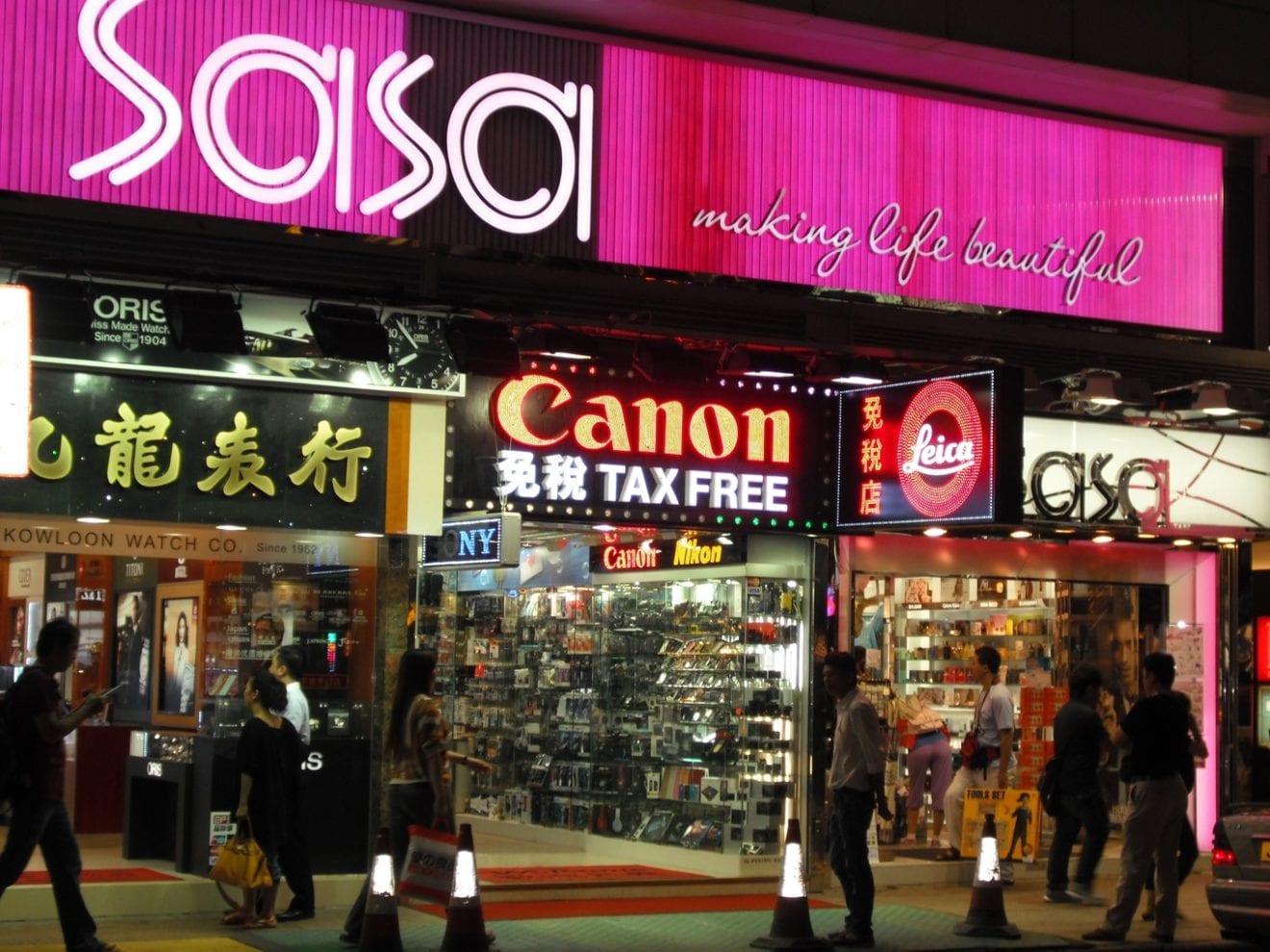
  • Beauty Retailer Sasa’s Sales Skyrocket by 12.5% Amid Intense Promotions and Online Boost

    Beauty Retailer Sasa’s Sales Skyrocket by 12.5% Amid Intense Promotions and Online Boost

    Sa Sa International, the prominent Hong Kong beauty retailer, has reported a widespread increase in sales during the fiscal third quarter. After a lengthy phase of dwindling profits, which the company previously attributed to a “languid macroenvironment”, Sa Sa International has witnessed a revenue surge of 12.5% in Q3 compared to the same period last year.

    Online Sales Growth

    The upturn was driven by a 14.9% rise in online sales, whilst in-store sales across Hong Kong, Macau, and Southeast Asia also showcased impressive growth of over 10%. In the third quarter, Sa Sa International posted revenues of HK$1.15 billion (US$147 million).

    A spokesperson for the company outlined the strategic moves that led to the turnaround: “The group ramped up promotional activities and rolled out time-limited offers in association with brand partners at key events. This included the National Day Golden Week in October, the Sasa mega sale in November, and the Christmas holidays in December. The result was a notable year-on-year growth in both online and brick-and-mortar sales.”

    The Chinese Mainland Tourist Factor

    The spokesperson further highlighted the role of increasing Chinese mainland tourist arrivals in Hong Kong and Macau. It was observed that traditional tourist districts of Hong Kong and Macau saw a satisfying increase in store sales.

    Sa Sa International also saw an uplift in the total number of transactions recorded in Q3, which increased by 2.9% year-on-year. Concurrently, the average sales per transaction showed a 9.4% rise in the same period.

    Questions & Answers

    What was the percentage increase in Sa Sa International’s revenue in Q3?
    Sa Sa International’s revenues increased by 12.5% in Q3 compared to the same period the previous year.

    What factors contributed to the growth in Sa Sa International’s sales?
    The growth was due to an increase in promotional activities, time-limited offers in association with brand partners at key events, and a rise in Chinese mainland tourist arrivals in Hong Kong and Macau.

    Did the total number of transactions and average sales per transaction rise in Q3?
    Yes, the total number of transactions recorded in Q3 increased by 2.9% year-on-year, and the average sales per transaction also rose by 9.4% in the same period.

  • Singapore Retail Boom: Record 5.8% Jump in Sales Marks November’s Highpoint of 2025

    Singapore Retail Boom: Record 5.8% Jump in Sales Marks November’s Highpoint of 2025

    In November, Singapore’s retail sales, excluding motor vehicles, saw an upswing of 5.8%, making it the most substantial rise recorded for the year 2025.

    Singapore’s Retail Landscape

    Data provided by the Department of Statistics indicates that the estimated total retail sales value for the month was approximately SG$3.9 billion (equivalent to US$3 billion). Of this total, online transactions accounted for nearly a fifth, or 19.3%.

    When comparing the sales on a seasonally adjusted basis, it was found that November’s retail sales witnessed a modest increase of 0.8% in comparison to the previous month, October.

    Performance by Sector

    An industry-wise analysis revealed that several sectors reported significant rises in sales. The sales of recreational goods, watches and jewellery, and cosmetics, toiletries and medical goods saw a surge between 11.4% and 13.9% year-on-year.

    Moreover, other sectors, including apparel and footwear, supermarkets and hypermarkets, mini-marts and convenience stores, furniture and household equipment, and computer and telecommunications equipment, also registered growth, with an increase in sales between 6.1% and 9.4%.

    However, not all sectors experienced growth during this period; petrol service stations and food and alcohol retailers reported sales declines of 6.7% and 3.1% respectively.

    Food and Beverage Services Sector

    Meanwhile, the food and beverage services sector reported a rise of 2.5% in sales during November, a slight increase compared to the 2.4% rise seen in October. The total sales value of the F&B services for the month was estimated at SG$1 billion, with a significant 24.8% derived from online sales.

    Questions & Answers

    What was the overall growth in Singapore’s retail sales in November, excluding motor vehicles?
    The overall growth in Singapore’s retail sales, excluding motor vehicles, was 5.8% in November.

    Which sector reported the most significant growth in sales?
    The sectors of recreational goods, watches and jewellery, and cosmetics, toiletries and medical goods reported the most significant growth, with an increase between 11.4% and 13.9%.

    Did all sectors experience growth in November?
    No, not all sectors experienced growth. Both petrol service stations and food and alcohol retailers saw sales declines of 6.7% and 3.1% respectively.