Retail News CRM

Tag: Sales

  • Kraft Heinz Q3: Dipping Sales, Savory Split in 2026 & the Crunch for Iconic Brands

    Kraft Heinz Q3: Dipping Sales, Savory Split in 2026 & the Crunch for Iconic Brands

    Food industry behemoth Kraft Heinz reported a disappointing third quarter with lower than anticipated results. The company attributes the underperformance to persistent cost pressures and diminishing consumer demand, which have compelled a downward revision of its forecast for fiscal year 2025.

    Kraft Heinz, the name behind iconic products like Heinz Ketchup and Kraft Mac & Cheese, recorded global net sales of US$6.24 billion. This represents a decline of 2.3% from the corresponding quarter in the previous year, with organic sales dipping by 2.5%.

    The company’s adjusted operating income fell by 16.9% to US$1.1 billion, marking a significant decrease of nearly 19% from the same period last year.

    CEO’s Statement

    According to Kraft Heinz’s CEO, Carlos Abrams-Rivera, the company’s third quarter performance reflects a slight improvement in their top-line performance compared to the first half of the year.

    Despite this, North America, the company’s largest market, continues to experience challenges as customers scale back on their spending on pantry essentials.

    In this region, the net sales declined by 3.8%, a consequence of a 4.2-point decrease in volume and mix. Contrarily, net sales in international developed markets saw an increase of 1.6%, and emerging markets, including those in Western and Eastern parts, as well as Asia, experienced growth of 3.8%.

    Challenges and Market Positioning

    Daniel Binns, Global CEO of brand consultancy firm Elmwood, highlighted the company’s struggle with volume declines across its famous brands. According to him, the prime challenge lies in maintaining a premium positioning while staying relevant to shifting consumer needs.

    Binns emphasized that legacy brands need to assert their value in visible and relevant ways, be it through innovation, revitalized storytelling, or superior consumer experiences.

    “I believe consumers need to perceive brands as ‘meaningfully different’ to accept premium pricing. Simply being ‘reassuringly expensive’ no longer suffices,” Binns asserted.

    Future Plans

    Going forward, Kraft Heinz confirmed its plan to divide into two publicly traded companies during the latter half of the next year.

    The first entity, Global Taste Elevation Co, will encompass Heinz, Philadelphia, and Kraft Mac & Cheese. The second, North American Grocery Co, will include a curated portfolio of North American staples with three billion-dollar brands – Oscar Mayer, Kraft Singles, and Lunchables.

    Abrams-Rivera expressed confidence that this separation would allow each business to better concentrate resources, improve execution, reduce complexity, and foster further efficiencies.

    Binns advanced the view that Kraft Heinz’s planned division could enable the portfolios to follow distinct strategies. The core challenge, however, is that heritage brands must evolve thoughtfully, engaging consumers while maintaining their price premium through real benefits and authentic differentiation rather than merely relying on nostalgia.

    Questions & Answers

    What were the Q3 results for Kraft Heinz?
    The company reported lower than expected results, with global net sales of US$6.24 billion, marking a decline of 2.3% from the same period last year.

    What is Kraft Heinz’s plan for the future?
    Kraft Heinz plans to split into two publicly traded companies during the second half of the coming year.

    What challenges does Kraft Heinz face?
    The key challenge for Kraft Heinz is to maintain the premium positioning of their heritage brands while staying relevant to shifting consumer needs. This involves portraying their brands as ‘meaningfully different’ to justify premium pricing.

  • Coopers Brewery Defies Downturn: Annual Beer Sales Soar Despite National Decline

    Coopers Brewery Defies Downturn: Annual Beer Sales Soar Despite National Decline

    Coopers Brewery, a family-owned independent brewing company, has experienced a slight rise in its annual beer sales, outperforming the overall market that has seen a downturn.

    Annual Sales Report

    In the 2024-25 fiscal year, Coopers Brewery reported total beer sales of 80.6 million litres, marking a growth of 2.4% compared to the preceding year. This contrasts the 0.9% contraction witnessed within the national beer market during the same period.

    Growth in Keg and Packaged Beer Sales

    Sales of kegs, which account for approximately 12.4% of Coopers’ total beer sales, saw a substantial increase of 5.9%. Additionally, the sales of packaged beers also saw a modest uptick of 1.8%.

    Product-Specific Sales Performance

    Sales of malted barley and wheat saw an increase of 3.4%. However, there was a 17% drop in DIY brewing product volumes, a result of reduced consumer demand and restricted space on supermarket shelves.

    Statement from the Managing Director

    Michael Shearer, the Managing Director of the brewery, noted that the figures indicate a resilient performance throughout their beer portfolio. He highlighted considerable consumer demand for Dry 3.5 and Australian Lager, both relative newcomers to their range. Traditional ale products also continued their growth trajectory at 1.2%, while Stout saw a resurgence with a 3.3% rise compared to the previous year.

    Shearer admitted that cost-of-living pressures have made consumers more selective in their purchasing decisions. However, he was optimistic about achieving another year of solid sales growth in a challenging market, expressing it as a testament to the team and their craft.

    Regional Growth and Profit

    Over the course of the year, the company saw sales growth across all states and territories. SA emerged as the largest market in terms of sales volume, while Queensland experienced the most substantial growth at 4.8%.

    International beer exports, excluding New Zealand, which make up around 1% of total sales, fell by 22.3%. Conversely, sales to New Zealand grew by 2.6%.

    In terms of profitability, Coopers Brewery witnessed a decrease in pre-tax profits, which fell from $32.8 million in the previous year to $22.5 million. This shift reflects the investment in a new $70 million visitor center and its associated costs.

    The Visitor Center

    The company described the visitor centre as a generational investment and an integral part of its long-term strategy. In addition to housing a restaurant, the facility also includes a microbrewery and a whisky distillery. Since its inauguration in August of the previous year, the centre has welcomed approximately 60,000 visitors.

    Questions & Answers

    What contributed to the decrease in Coopers Brewery’s pre-tax profits?
    The pre-tax profit decrease reflected the brewery’s investment in a new $70 million visitor centre and its associated costs.

    What sales growth was seen across different product ranges at Coopers Brewery?
    Keg sales rose by 5.9% and packaged beer sales increased by 1.8%. Malted barley and wheat sales grew by 3.4%, but DIY brewing product volumes fell by 17%.

    Which areas experienced the most growth in terms of beer sales for Coopers Brewery?
    In terms of sales volume, SA was the largest market. However, Queensland recorded the highest growth rate at 4.8%.

  • Apple’s iPhone Sales Skyrocket, Setting Record Revenues for Q4 2025 and Optimistic Outlook for 2026

    Apple’s iPhone Sales Skyrocket, Setting Record Revenues for Q4 2025 and Optimistic Outlook for 2026

    Apple has unveiled its fiscal results for the fourth quarter of 2025, alongside its complete annual figures for the same year. The primary focus of interest is the iPhone’s performance during this period. From July to September, iPhone sales raked in a revenue of $49.03 billion, marking a 6.1% increase from the $46.22 billion generated in the fiscal fourth quarter of the preceding year. Although this figure fell short of Wall Street’s projections for the quarter, it established a new record for iPhone revenue in the company’s fiscal Q4.

    Expectations for Record iPhone Revenue

    Apple CEO, Tim Cook, announced that the company anticipates the iPhone to generate record revenue for the current quarter (fiscal Q1 2026) as well. In the fiscal year of 2025, iPhone sales reached $209.59 billion, a 4.2% jump from the $201.18 billion generated in 2024.

    The iPhone 17 range has been off to a positive start. Despite a reduction in production of the iPhone Air, the remaining three models—iPhone 17, iPhone 17 Pro, and iPhone 17 Pro Max—are reportedly outperforming their iPhone 16 counterparts in terms of sales.

    Performance of Other Products and Services

    The iPad demonstrated a stable fiscal Q4, generating $6.95 billion in revenue. Throughout the fiscal year 2025, the iPad’s revenue amounted to $28.02 billion, reflecting a modest year-on-year growth of 5%. Apple’s second-largest business segment after the iPhone is its Services division, which saw a robust fiscal Q4 with revenue amounting to $28.75 billion, an impressive annual growth of 15.1%. The Services unit generated revenue of $109.16 billion for Apple during the fiscal year 2025, marking a 13.5% increase year-over-year.

    The Services unit holds significant value for Apple as its success is not solely dependent on new iPhone sales. With 1.56 billion active iPhone units globally, the Services unit remains a critical component of the company’s operations.

    The company’s Wearables, Home, and Accessories division, which includes products like the Apple Watch, AirPods, and HomePods, reported Q4 sales of $9.01 billion. Despite a slight dip from last year’s Q4 revenue of $9.04 billion, the division generated $35.69 billion in revenue during fiscal 2025, down 3.6% from the previous year’s figures.

    Regional Performance and Earnings Per Share

    Apple saw increased revenue in nearly every region during the fiscal year 2025, with growth in the Americas, Europe, Japan, and the rest of Asia Pacific. However, sales in Greater China were slightly lower during the fiscal Q4.

    In the fiscal Q4, Apple reported a record $102.47 billion in revenue, a 7.9% increase from the previous year’s Q4 revenue of $94.93 billion. Throughout fiscal 2025, revenue reached a record $416.16 billion, a 6.4% increase compared to the $391.04 billion accumulated in fiscal 2024. The net earnings for fiscal Q4 were $27.47 billion, or $1.85 per share, a significant 90.7% increase from the previous year’s $14.74 billion or 97 cents per share.

    For the entire fiscal year 2025, net earnings amounted to $112.01 billion, or $7.49 per diluted share, compared to fiscal 2024’s $93.74 billion, or $6.08 per diluted share. This indicates a year-over-year net profit increase of 23.2% for Apple in fiscal 2025.

    Questions & Answers

    How did the iPhone perform in terms of revenue during the fiscal fourth quarter of 2025?
    The iPhone generated a revenue of $49.03 billion in the fiscal fourth quarter of 2025, a 6.1% increase from the $46.22 billion generated during the same quarter of the previous year.

    What are the expectations for iPhone revenue in the fiscal Q1 of 2026?
    Apple CEO, Tim Cook, expects the iPhone to generate record-breaking revenue in the fiscal first quarter of 2026.

    How did Apple’s other products and services perform in the fiscal year 2025?
    Apple’s iPad generated a stable fiscal fourth quarter revenue of $6.95 billion and $28.02 billion for the entire fiscal year, marking a 5% year-on-year increase. The Services unit showed a robust fiscal Q4 with revenue of $28.75 billion, a 15.1% year-on-year increase, and $109.16 billion for the entire fiscal year, a 13.5% increase year-over-year. The Wearables, Home, and Accessories division reported Q4 sales of $9.01 billion, and $35.69 billion for the fiscal year 2025, down 3.6% from the previous year.

  • Starbucks Strikes Success: Turnaround Strategy Brews Positive Sales Growth After Two Years

    Starbucks Strikes Success: Turnaround Strategy Brews Positive Sales Growth After Two Years

    Starbucks has finally shown a surge in comparable sales growth, marking the first increase in nearly two years. This promising development suggests the early success of the renowned coffee company’s turnaround strategy.

    Turnaround Indicators

    The fourth quarter, which ended on September 28, witnessed a 1 per cent increase in global comparable store sales. This significant growth, the first in seven quarters, was mainly due to an increase in comparable transactions.

    In North America, and particularly in the US, comparable store sales remained steady. There was a 1 per cent rise in the average ticket, which was counterbalanced by a 1 per cent drop in comparable transactions. This is a notable improvement from a 2 per cent dip in the third quarter, a change credited to the positive momentum generated by the ‘Back to Starbucks’ initiative. Moreover, the company pointed out that comparable sales in the market began to show positive growth as of September.

    International Growth

    International comparable store sales saw a 3 per cent increase, with China’s comparable store sales experiencing a 2 per cent hike.

    The consolidated net revenues for the quarter grew by 5 per cent, amounting to US$9.6 billion, thus extending the 4 per cent rise witnessed in Q3.

    Brian Niccol, the chairman and CEO, expressed his optimism regarding the progress of the ‘Back to Starbucks’ strategy. He stated, “It’s clear that our turnaround is taking hold. Our return to global comp growth and the momentum we are building give me confidence that we are on the right path to deliver the very best of Starbucks for our customers, partners and shareholders.”

    However, for the entire year, comparable store sales witnessed a 2 per cent fall, with a 2 per cent decline in North America and the US, a flat growth in international markets, and a 1 per cent decrease in China.

    Financial Summary

    On the financial front, net earnings plummeted by 85 per cent to $133 million in the fourth quarter and fell by 50 per cent to $1.8 billion for the entire year.

    Starbucks closed 107 net stores in Q4, including 627 stores, with a majority (90 per cent) being in North America. This aligns with the restructuring plan announced earlier, where Starbucks unveiled its plans to cut its North American store network by approximately 1 per cent and eliminate around 900 non-retail partner roles.

    At the quarter’s end, Starbucks’ global portfolio consisted of 61 per cent of stores located in the US and China, including 16,864 stores in the US and 8,011 outlets in China.

    Questions & Answers

    What is the ‘Back to Starbucks’ strategy?
    The ‘Back to Starbucks’ strategy is a turnaround plan designed to boost the company’s sales growth and profitability.

    How has this strategy impacted Starbucks’ performance?
    The ‘Back to Starbucks’ strategy has positively impacted the company, resulting in a 1 per cent increase in global comparable store sales and a 5 per cent rise in consolidated net revenues in Q4.

    What is the future plan of Starbucks in light of the recent restructuring?
    Starbucks plans to focus more on the US and Chinese markets, which currently comprise 61 per cent of the company’s global portfolio. The company also intends to reduce its North American store network by about 1 per cent and cut 900 non-retail partner roles as a part of its restructuring plan.

  • Amazon’s Q3 Profit Skyrockets, Thanks to Cloud Services and AI-Driven Sales Boost

    Amazon’s Q3 Profit Skyrockets, Thanks to Cloud Services and AI-Driven Sales Boost

    Amazon recently announced robust profit growth for the third quarter, showing sustained double-digit growth due to advancements across the company.

    Strong Sales and Revenue Growth

    The net income for the quarter ending on September 30 experienced a 13% increase, reaching a total of $180.2 billion. Sales in North America grew by 11%, while international sales saw a 14% rise. AWS sales also experienced substantial growth, increasing by 20%.

    According to CEO Andy Jassy, Amazon’s sustained momentum and growth during this quarter can be attributed to the meaningful improvements brought about by AI across all aspects of the business. “AWS is growing at a rate we haven’t seen since 2022. We are witnessing strong demand in AI and core infrastructure, and our focus has been on boosting capacity,” Jassy remarked.

    Key Business Developments

    The most notable achievement for Amazon this quarter was its ability to sustain the high momentum from the last reporting period. This was driven by broad developments across all business areas, which included a 16.3% increase in service revenue and a 9.6% rise in product sales.

    Despite a $2.5 billion legal settlement with the FTC and severance fees related to layoffs, net income increased by 38.2% to $21.2 billion. However, these extra costs resulted in flat operating income growth. Excluding these costs, operating income would have seen a 24.6% rise.

    The 30.2% growth in technology and infrastructure costs signified Amazon’s increased investment in areas like fulfillment and technology, despite its current success. While these investments are critical to foster new growth avenues and maintain competitive sharpness, there is a need for increased efficiency, which is being partially achieved through the elimination of certain roles and corporate hierarchy streamlining.

    Robust Retail Business

    Amazon’s retail business continues to exhibit strong growth, fueled by the ongoing expansion of fast delivery services into more rural areas and the competitive pricing and convenience of household essentials.

    Considering the broader Amazon ecosystem, the increasing sophistication of seller services is helping drive fee revenue and push up advertising sales, while also ensuring one of the widest possible selections for shoppers.

    For the fourth quarter, the company projects net sales to grow between 10% and 13%. Operating income is expected to range from $21.0 billion to $26.0 billion, compared to the $21.2 billion from the previous year.

    As Amazon looks to the future, potential for growth remains. The company is well-positioned to leverage AI more effectively to personalize customer journeys and decision making, and to drive efficiency savings in operations and logistics.

    Questions & Answers

    What led to Amazon’s growth in the third quarter?
    Amazon’s growth in the third quarter was primarily due to improvements across the business, driven by AI and broad advances in all business areas.

    What challenges did Amazon face in its operations this quarter?
    Operational challenges for Amazon this quarter included a $2.5 billion legal settlement with the FTC and severance fees related to layoffs, which affected operating income growth.

    What are Amazon’s plans and expectations for the fourth quarter?
    Amazon expects net sales to grow between 10% and 13% in the fourth quarter, with operating income estimated to be between $21.0 billion and $26.0 billion.

  • Supercharged Supermarket Sales Propel Coles’ First Quarter Success

    Supercharged Supermarket Sales Propel Coles’ First Quarter Success

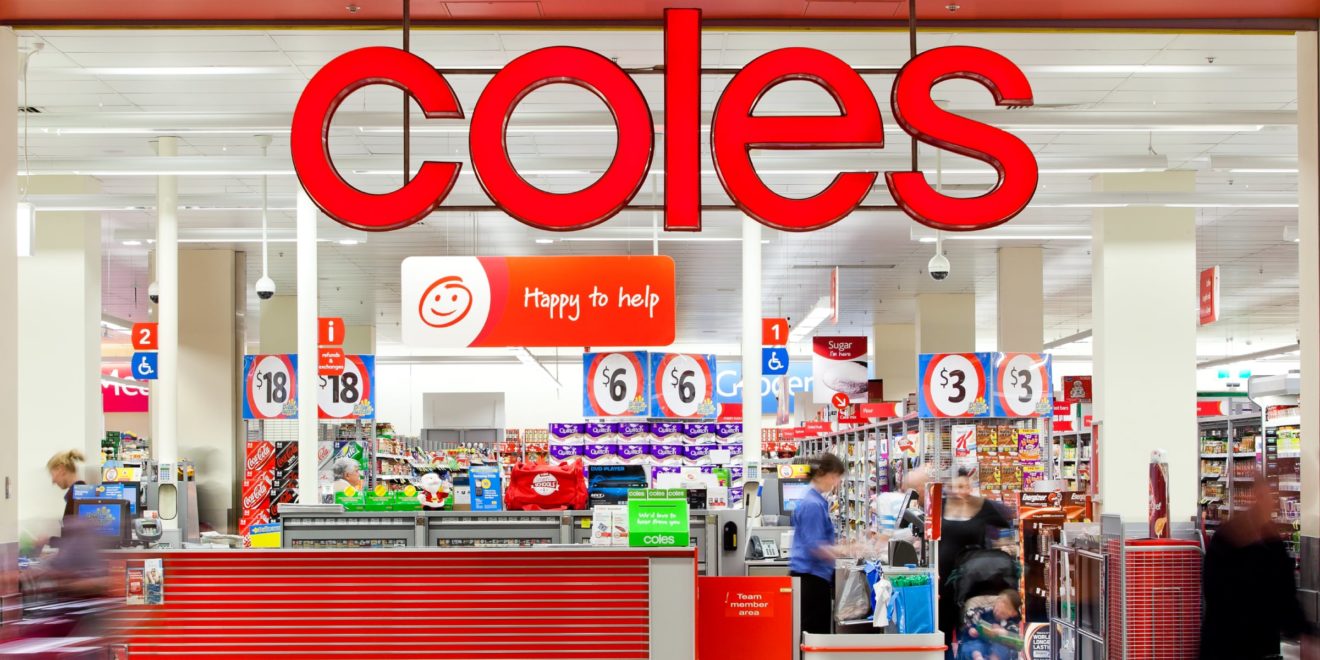
    Coles, the prominent Australian supermarket chain, reported an increase in sales for the first quarter, primarily fueled by the robust performance of its supermarket division.

    Sales Increase in the First Quarter

    Coles experienced a 3.9% rise in sales for the 13 weeks ending September 28, totaling $10.9 billion. The supermarket division was the primary driver for this growth, where the sales surged by 4.8% reaching $9.9 billion.

    Dynamic Competitive Market

    Excluding tobacco, the supermarket sales increased by 7%, which was supported by a concentrated effort on product selection and value, enhanced availability, and a 28% increase in e-commerce sales. Amid an ever-changing competitive market, Coles has adjusted its pricing structure across various categories to adapt to the evolving landscape. The retailer has expanded the number of products in its everyday low price (EDLP) range to cater to customer needs.

    Decrease in Tobacco Sales

    The sales of tobacco drastically fell by 57% due to new legislation and growth in the illicit market. Excluding tobacco, the inflation of supermarket prices moderated to 1.2% from 1.5% in the previous quarter.

    Liquor Segment Sales

    Despite the overall sales growth, the liquor segment experienced a minor slip, with sales dropping 1.1% to $842 million. Additionally, the ‘other’ segment, related to the product supply agreement with Viva Energy, witnessed a 17.9% decrease in sales to $156 million.

    CEO’s Comments on Performance

    Coles Group CEO Leah Weckert expressed satisfaction with their performance, attributing the supermarket sales growth to the focus on value, quality, and customer experience. Noting the positive impact of major transformation projects, Weckert mentioned that availability had reached its highest levels since pre-Covid, with e-commerce sales penetration reaching 13.3%.

    Looking Forward

    As Coles enters the second quarter, supermarket sales growth remains at similar levels to the first quarter, whereas the liquor market continues to be challenging with customers staying budget-conscious. As the holiday season approaches, Coles aims to cater to every taste and budget with their Christmas range and continue to focus on improving the omnichannel customer experience.

    Questions & Answers

    What was the key driver for Coles’ sales growth in the first quarter?
    The supermarket segment was the primary driver for first quarter sales growth, accounting for a 4.8% rise.

    What changes did Coles make to adapt to the changing competitive market?
    Coles has adjusted its pricing structure across various categories and expanded the number of products in its everyday low price (EDLP) range.

    How has Coles been performing in the second quarter?
    In the early part of the second quarter, supermarket sales growth has remained at similar levels to the first quarter. However, the liquor market continues to be challenging with budget-conscious consumers.

  • Woolworths Sees 2.7% Surge in Sales: Riding the Wave of E-commerce and Food Sector Growth

    Woolworths Sees 2.7% Surge in Sales: Riding the Wave of E-commerce and Food Sector Growth

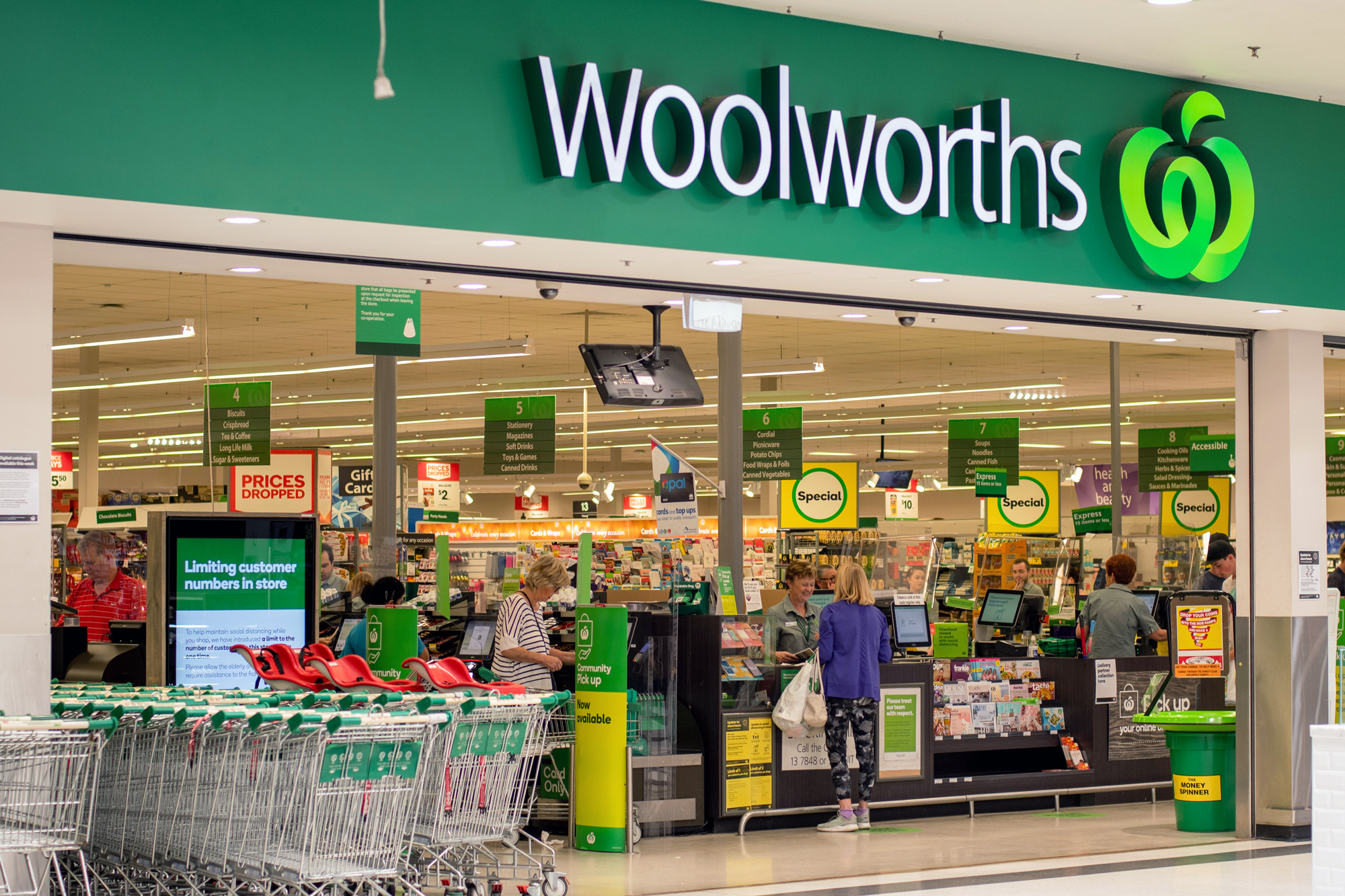
    Woolworths, a major retail group, has announced a rise of 2.7 percent in its total sales for the first quarter of the current fiscal year. The increase, which pushed the company’s revenue to $18.5 billion, is mainly due to a surge in food sales and the expansion of its on-demand services.

    Growth Powered by E-Commerce and Food Sales

    The company’s e-commerce sales experienced significant growth, rising by 13.2 percent to reach $2.7 billion. Australian food sales also saw an increase of 2.1 percent, amounting to $13.8 billion. This was largely fueled by an increase in the sales of chilled food, meat, and fruits. However, long-life sales experienced slower growth.

    Long-life sales saw a boost from drinks, snacking, and health and wellness products, while sales of baby, pet, and home essentials proved to be a challenge. Additionally, tobacco sales saw a considerable drop, declining by 51.5 percent compared to the same period the previous year.

    Increase in On-Demand Services

    Woolworths’ WooliesX sales in Australia increased by 12.9 percent, amounting to $2.2 billion, primarily driven by same-day and on-demand services. Among all of Woolworth’s e-commerce offerings, Milkrun, a grocery-delivery service, demonstrated the most growth. It is now supported by 628 stores, with 113 new stores added during the quarter.

    New Zealand Sales Performance

    In New Zealand, food sales reached $1.98 billion, marking a 2.5 percent year-on-year increase. This was primarily driven by the growth of e-commerce and sales of fruits and vegetables, meat, chilled, and frozen categories. E-commerce sales in the country grew by 15.8 percent, fueled by consumer demand for convenience and the company’s Same Day services. Milkrun also expanded its reach, extending to 87 stores across the nation.

    Other Notable Performances

    W Living, a division of Woolworths, saw a sales increase of 3.3 percent to $1.35 billion, largely due to the strong performance by Petstock. Petstock’s sales surged by 15.8 percent to $238 million, following the expansion of six stores and the inclusion of wholesale revenue from distributors Big Dog and TimePet.

    Big W saw a moderate increase in sales of 1 percent to $1.13 billion. However, the decline in items due to the cycling of winter clothing and clearance activity was evident. The brand’s e-commerce gross transaction value rocketed by 46.3 percent to $213 million, largely due to a 148 percent growth at Big W Market.

    Futures Outlook

    Woolworths’ group CEO Amanda Bardwell expressed cautious optimism for the key trading quarter ahead. She mentioned robust plans for the festive season, including a refreshed seasonal range. Bardwell concluded by stating that while it might take time for the full benefits of the company’s strategic actions to be realized, they remain confident these steps will lead to meaningful improvements for both their customers and shareholders.

    Questions & Answers

    What led to the growth of Woolworths’ sales in the first quarter?
    The growth was primarily driven by an increase in food sales and the expansion of on-demand services.

    How did Woolworths’ e-commerce perform in the first quarter?
    E-commerce sales rose by 13.2 percent to reach $2.7 billion, demonstrating strong performance.

    What is the company’s outlook for the future?
    Woolworths remains cautiously optimistic about the key trading quarter and has strong plans in place for the festive season, including a refreshed seasonal range.

  • Viva Energy reports convenience sales decline in third quarter

    Viva Energy reports convenience sales decline in third quarter

    Viva Energy’s Convenience and Mobility (C&M) division has experienced a decrease in both convenience sales and fuel volumes in the third quarter. This shrinkage is attributed to the ongoing challenges within the retail fuel industry, as well as a reduction in the number of operational stores.

    Fall in Convenience Sales

    The company has reported a 12.5% drop in convenience sales, slipping down to $392 million from $448 million compared to the same period last year. However, excluding tobacco sales, the figures remained stable. Tobacco sales, on another note, witnessed a 15% dip year on year, consistent with the overall declining trend for the product category. However, the tobacco sales remained consistent on a month-to-month basis for this quarter.

    Margin Increase and Cost Reductions

    Despite the drop in sales, the convenience gross margin saw an increase to 41%, a rise of 3.5 percentage points. This increase was primarily driven by alterations in the product mix, range, and pricing. Consequently, the company assured that it remains on target to achieve $35 million in cost reductions and synergies during the second half of the fiscal year, achieved through system and organization consolidation.

    Store Openings and Future Plans

    The company has opened 21 new On The Run (OTR) stores this year, with an additional 15 currently under construction, expected to be completed by the end of the year. Six conversions of Liberty Convenience are also planned for the fourth quarter, with a few openings rescheduled to January to better match seasonal demand.

    C&M also plans to expand its Scan Pump Save app across its express network during the fourth quarter, aiming to provide customers with a unified digital experience and the ability to pay at the pump at company-controlled sites.

    Leadership Changes

    In related news, Jennifer Gray has been appointed as the interim CEO of the C&M division. As the company begins the search for a permanent CEO, Gray will be supported by independent non-executive director John Joyce. Her primary focus will be to drive top-line growth, capture synergies and cost reductions, and leverage common systems to improve operational performance.

    Questions & Answers

    What caused the decline in Viva Energy’s convenience sales and fuel volumes?
    The decrease in both convenience sales and fuel volumes is attributed to the ongoing challenges within the retail fuel industry and a reduction in the number of operational stores.

    What is the key cause of the increase in the convenience gross margin?
    The increase in convenience gross margin was primarily driven by alterations in the product mix, range, and pricing.

    What is the future plan of the C&M division regarding the Scan Pump Save app?
    C&M plans to expand its Scan Pump Save app across its express network during the fourth quarter to provide customers with a unified digital experience and the ability to pay at the pump at company-controlled sites.

  • Prada Group Posts 19th Consecutive Quarter Growth Amid Global Retail Challenges

    Prada Group Posts 19th Consecutive Quarter Growth Amid Global Retail Challenges

    The Prada Group has demonstrated sustained growth for the 19th straight quarter, even in the face of a complex global retail landscape. The financial results for the nine months leading up to September 30 reveal a promising overview.

    Financial Overview

    During this period, the luxury group’s net revenues climbed 9% year-on-year, reaching $4.7 billion. This growth was bolstered by a corresponding 9% rise in retail sales, which accounted for $4.2 billion. Despite a high base from the previous year, retail sales in the third quarter increased by 8%, mirroring the growth seen in the second quarter.

    Brand Performances

    Miu Miu, a brand under the Prada Group, has continued its strong performance. It reported a 41% growth over the nine months and a 29% increase in the third quarter. This comes after an impressive 105% surge during the same period the previous year.

    In contrast, sales for the Prada brand itself eased slightly. The third quarter saw a decrease of 1%, and a 2% drop was reported over the full nine months.

    Company Response

    Patrizio Bertelli, Chairman of Prada, viewed these results optimistically. He commented that the consistent performance, despite a challenging macroeconomic environment, “attests to the resilience of our brands and the effectiveness of our strategy.”

    Questions & Answers

    What was the overall growth for the Prada Group in the recent quarter?
    The Prada Group saw a 9% increase in net revenues year-on-year, reaching a total of $4.7 billion.

    How did the individual brands under the Prada Group perform?
    While Miu Miu saw significant growth with a 41% increase over nine months, the Prada brand experienced a slight decrease in sales, with a drop of 2% over the same period.

    What has the Chairman of Prada said about the company’s performance in this quarter?
    Chairman Patrizio Bertelli emphasized the consistent results despite a complex macroeconomic environment, attributing the success to the resilience of the brands and the effectiveness of their strategy.

  • Giordano Reports Q3 Sales Dip Despite Yearly Growth; E-commerce Revenue Soars By 16.5%

    Giordano Reports Q3 Sales Dip Despite Yearly Growth; E-commerce Revenue Soars By 16.5%

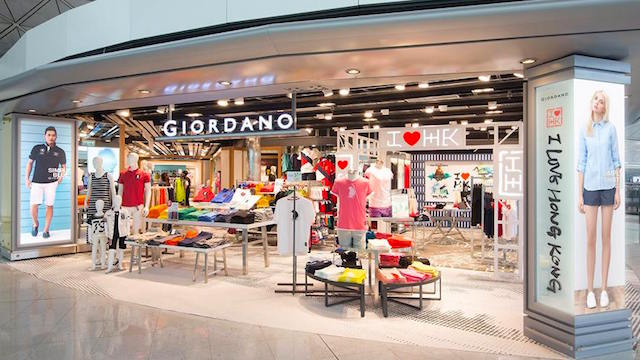
    Hong Kong-based fashion retail giant, Giordano, has experienced a decrease in sales for the third quarter of the year, despite an overall positive performance for the year so far.

    Q3 Performance

    The retailer’s third-quarter revenue, ending on September 30, dropped by 1.4 per cent to HK$894 million, equivalent to US$115 million. Sales declined by 8.5 per cent in Southeast Asia and Australia, remained unchanged in Greater China, but impressively jumped by 11.6 per cent in the Gulf Cooperation Council.

    Giordano’s e-commerce revenue continued to demonstrate strong progress with an increase of 16.5 per cent, even as offline sales fell by 4.9 per cent. Same-store sales also experienced a slight dip, declining by 0.5 per cent.

    Strategic Initiatives

    Giordano’s management shared that the company has been actively shifting towards high-growth channels and markets as part of its strategic initiatives. They added, “With a focused approach, we are successfully navigating a period of reset with a view to delivering long-term sustainable growth in line with our strategic vision.”

    Performance for the First Nine Months

    The retailer’s performance for the first nine months of the year remained in the green, with a modest revenue increase of 0.6 per cent.

    Despite challenges like unprecedented adverse weather in Greater China, the company’s core business preserved stability with a 0.4 per cent growth in the quarter and a 2.7 per cent growth for the year so far.

    The quarter ended with Giordano operating 1,627 stores, marking a net reduction of 122 locations since the start of the year. As part of their inventory optimization plans, inventory also declined by 2.9 per cent year-to-date.

    Questions & Answers

    What is Giordano’s percentage of sales decline in the third quarter?
    Sales declined by 1.4 per cent, equivalent to HK$894 million, or US$115 million.

    How has Giordano’s e-commerce revenue been performing?
    Giordano’s e-commerce revenue demonstrated strong progress with an increase of 16.5 per cent.

    What is the net change in Giordano’s store count since the beginning of the year?
    Giordano net reduced its store count by 122, ending the quarter with 1,627 stores.

  • Heineken Unveils Resource-efficient Five-year Strategy Amidst Industry Challenges

    Heineken Unveils Resource-efficient Five-year Strategy Amidst Industry Challenges

    Heineken, the Dutch brewing giant, has announced an ambitious five-year strategy that aims at utilizing fewer resources to generate more growth. The strategy will concentrate on specific markets and brands to maximize organic net revenue growth. The company anticipates seeing mid-single-digit growth each year leading up to 2030.

    Changing Course Amid Uncertain Times

    In response to a rapidly evolving global landscape, Heineken is looking to fortify its future operations. The company plans to establish a more robust operating model, optimize efficiency, and enhance its adoption of artificial intelligence. This new direction comes in the wake of a series of challenges for Heineken, including the economic impact of the Covid-19 pandemic, rising inflation, and recent tensions arising from US trade policies.

    At an investor event, CEO Dolf van den Brink admitted that the company’s performance has been inconsistent. He expressed dissatisfaction with the current state of affairs and emphasized the company’s aspiration to improve and grow.

    Refocusing on Key Markets and Brands

    Heineken has identified 17 key markets, including Mexico, Malaysia, Spain, and the UK, where it aims to expand its presence. The company will target these markets for potential acquisitions and will focus on five global brands and 25 strong local labels. The markets, along with brands such as Heineken, Tiger, Amstel, Desperados, and Birra Moretti, will receive enhanced resources.

    Investors have suggested that Heineken has been lagging behind competitors, notably Anheuser-Busch InBev, which is recognized for its efficient operations. While Heineken’s shares have seen a modest increase of around 3% this year, its competitors’ shares have seen more substantial growth.

    The brewing company expects organic operating profit to outpace revenues under its revised strategy. It also anticipates earnings per share to grow commensurately or exceed that rate, and aims for over 90% free-cash conversion. The company’s profits will be bolstered by a pre-existing target of achieving up to 500 million euros (US$583 million) in annual gross savings by 2025.

    Industry-Wide Challenges and Adaptation

    Heineken shares experienced a minor slump recently, dropping almost 2% before recovering slightly. This comes after a warning from the company about a potential decrease in beer sales in 2025, following weak third-quarter sales in Brazil and Europe.

    Broadly, the brewing industry is grappling with challenging economic conditions and weak consumer confidence. Additionally, longer-term issues such as increasing health warnings, emerging competitors, and changing consumer preferences pose significant challenges.

    To adapt to evolving consumer demands, Heineken plans to expand its low- and no-alcohol offerings. The company recognizes that some consumers are reducing alcohol consumption due to health concerns and the rise of weight-loss drugs, and is taking proactive steps to accommodate this trend.

    Questions & Answers

    What is the key focus of Heineken’s new strategy?
    The primary focus of Heineken’s updated strategy is to generate more growth while utilizing fewer resources, focusing on specific brands and markets.

    How does Heineken plan to adapt to changing consumer trends?
    In response to changing consumer preferences, Heineken plans to expand its range of low- and no-alcohol products.

    What are some challenges Heineken anticipates in the brewing industry?
    Heineken expects to grapple with difficult economic conditions, weak consumer confidence, health warnings, and changes in consumer behavior, along with new entrants in the market.

  • Apple’s Mac Sales Double, Yet Lenovo Leads: Future Market Growth Hinges On Ai-enabled Pcs

    Apple’s Mac Sales Double, Yet Lenovo Leads: Future Market Growth Hinges On Ai-enabled Pcs

    The American multinational technology company, Apple, is experiencing a significant surge in iPhone sales. However, what’s particularly noteworthy is the increasing popularity of their laptops. Indeed, in the third quarter of the year, sales of Macs have doubled, outpacing the growth rate of the overall PC market. Despite such impressive strides, Apple is yet to lead in either volume or growth in this market.

    The PC Market Leaders

    Although Apple’s growth rate surpasses that of the overall PC market, it still trails Lenovo in sales growth. According to a recent study, Apple saw a 14.9% increase in shipments during the third quarter of 2025. In contrast, Lenovo, the global leader in PC manufacturing, experienced a growth rate of 17.4%, while the overall market saw an increase of 8.1%.

    Apple currently ranks fourth in terms of global PC manufacturing, while Lenovo maintains its leading position. The third-ranked Dell is the only major brand to experience a slight decline, with a 0.9% drop in growth. On the other hand, the second-largest PC manufacturer, HP, grew by 10%. ASUS saw a 14% rise in growth, securing its position as the fifth in overall shipments.

    The Role of AI in the PC Market

    The study suggests that the overall growth of PC shipments has primarily been influenced by two factors. The first is the imminent retirement of Windows 10, and the second, adjustments made in inventory due to tariffs imposed in the US. However, looking ahead, the study anticipates that the future growth of the market will be driven by the AI PC boom.

    This new wave of AI-enabled PCs is expected to begin influencing growth from next year, and fully come into effect after 2026. It is projected that this “real AI PC boom” could propel the entire PC market to unprecedented heights.

    The Importance of Quality Products

    Apple’s recent success with the iPhone 17, as well as Samsung’s success with the Galaxy Z Fold 7, underlines the role that high-quality products play in driving sales. Apple’s Mac lineup has remained robust for several years, which explains the strong sales performance of their computers. While Lenovo’s broader range of products has helped them maintain their leading position, it does not appear that Apple is necessarily aiming to compete for this title.

    Questions & Answers

    Which company leads the PC market in terms of sales growth?
    Lenovo currently leads the PC market in sales growth, with a rise of 17.4% in the third quarter of 2025.

    What are the two main factors driving the overall growth of PC shipments?
    The overall growth of PC shipments is primarily driven by the imminent retirement of Windows 10 and the adjustments made in inventory due to tariffs imposed in the US.

    What will be the major driver of growth in the PC market in the future?
    The major driver of growth in the PC market in the future is expected to be the boom of AI-enabled PCs. This is predicted to start influencing growth from next year and fully come into effect after 2026.

  • LVMH Experiences First Growth Of 2020 Amidst Rising Demand In China

    LVMH Experiences First Growth Of 2020 Amidst Rising Demand In China

    LVMH, the world’s largest luxury goods group, has reported a 1% increase in sales in the third quarter. This uptick, the first instance of growth this year, was largely driven by an enhanced demand in China. With a diverse portfolio spanning fashion, alcohol, and retail, LVMH is considered a reliable indicator of the overall health of the luxury goods sector.

    Encouraging Signs From Asia

    According to a statement from LVMH, the Asian market, excluding Japan, saw a “noticeable” improvement during the first nine months of the business year. The company’s CFO, Cecile Cabanis, further highlighted that “Mainland China turned positive in Q3.”

    However, Cabanis also pointed out potential challenges for the fourth quarter. These include unfavourable currency rates and ongoing economic uncertainties. Yet, she expressed confidence in the new creative direction the group’s brands are adopting.

    In terms of financial improvement, Cabanis explained that it would be a gradual process that will “take time” and will involve “gradual sequential improvement.”

    Stock Market Response

    In response to the improved sales figures, LVMH’s US shares leapt by 7.5% on Tuesday. Analysts observed a combination of self-help measures and increased demand from China, suggesting a U-shaped recovery trajectory for the luxury goods giant.

    However, it was not all good news. LVMH’s fashion and leather goods division, which includes flagship brands Louis Vuitton and Dior and accounts for over two-thirds of the company’s profits, saw a 2% drop in sales compared to the previous year.

    Overall Performance of the Luxury Sector

    The luxury sector, worth $400 billion, has been struggling following the end of the post-pandemic boom. Rising prices, tariffs, and the ongoing real estate crisis in China have all contributed to the sector’s problems. However, the third-quarter sales update from LVMH, the first significant player in the industry to report, has led to increased optimism among investors.

    Industry analysts have expressed positive sentiments, suggesting that the sector’s focus on more affordable products and a “burst of creativity” from new designers may signal an end to the downturn.

    A Time of Change for LVMH

    Facing challenging business conditions, LVMH has recently made several personnel changes. Bernard Arnault, the French billionaire who controls the conglomerate, has repositioned some of his key personnel and designers, including those at Dior, Celine, Loewe, and Fendi.

    Since the company’s last trading update on July 24, its share prices have increased by 13%. This rally has elevated LVMH to the top spot, surpassing rival Hermes as France’s most valuable company, as analysts began to see positive signs for luxury sales beyond the very high end.

    Questions & Answers

    What contributed to LVMH’s sales growth in Q3?
    The main factor was an improved demand in China, which turned positive in the third quarter.

    What challenges does LVMH face in the fourth quarter?
    The company is grappling with unfavourable currency rates and ongoing economic uncertainties.

    What changes has LVMH made in response to the challenging business climate?
    LVMH has made significant personnel changes, repositioning key staff and designers across its various brands, including Dior, Celine, Loewe, and Fendi.

  • Levi Strauss & Co. Sees Robust Q3 Growth Driven By Direct-to-consumer Sales Surge

    Levi Strauss & Co. Sees Robust Q3 Growth Driven By Direct-to-consumer Sales Surge

    Levi Strauss & Co. continues to prove its strength in the retail industry, experiencing significant profit in the third quarter. The primary factor driving this growth is the double-digit increase in sales through the company’s direct-to-consumer (DTC) channel.

    Financial Performance

    By the end of the third quarter on August 31, the firm’s net revenues had reached $1.5 billion, showing a 7% rise year-on-year. This growth is consistent in both reported and organic terms. Sales in the Americas, Asia, and Europe also saw considerable increases, with 6%, 12%, and 5% respectively. Specifically, the U.S. saw a 3% increase in sales, reflecting the company’s strong presence in the domestic market.

    The DTC channel played a significant role in this surge with net revenues increasing by 11% as per reported data and 9% organically. This is attributed to a 7% jump in the U.S., a 4% rise in Europe, and a staggering 14% surge in Asia. Meanwhile, wholesale net revenues also observed an uptick, though at a slower pace, with a 3% rise in reported terms and a 5% increase organically.

    Profit and Future Strategy

    The company’s operating margin saw remarkable growth, reaching 10.8% from the previous year’s 2.3%. The gross margin also improved by 110 basis points to a robust 61.7%. The driving factors for this improvement were a favorable channel mix and price increases, which were slightly offset by the effects of import tariffs.

    The net income from continued operations, excluding the Dockers business, stood at $122 million, a significant increase from last year’s $23 million. The company also successfully sold the Dockers intellectual property and operations in the U.S. and Canada for $194.7 million as of July 31. The remaining operations are projected to be sold in the first quarter of the upcoming year.

    The President and CEO of Levi Strauss & Co., Michelle Gass, lauded the company’s impressive performance, attributing it to the strategic shift towards becoming a DTC-first, comprehensive denim lifestyle retailer. Despite the complex macroeconomic environment, Gass expresses optimism about the company’s ability to sustain this profitable growth well into 2026 and beyond.

    Expectations for the Coming Year

    Levi Strauss & Co. has revised its full-year guidance upward, predicting a 3% increase in net revenues. This is a significant rise from the 1-2% growth forecast provided in the second quarter. This prediction assumes that import tariffs from China will remain at 30% and the rest of the world at 20%.

    Questions & Answers

    What was the primary driver behind Levi Strauss & Co’s growth in the third quarter?
    The key driver was the double-digit growth in sales from the company’s direct-to-consumer (DTC) channel.

    What led to the improved operating margin of Levi Strauss & Co.?
    The improvement in operating margin was driven by a favorable channel mix and price increases, partially offset by the impact of tariffs.

    What are Levi Strauss & Co.’s growth expectations for the upcoming year?
    For the coming year, the company predicts a 3% increase in net revenues, assuming that import tariffs remain the same.

  • Kao Corporation Targets $2.68b In Sales With Major Cosmetics Business Revamp

    Kao Corporation Targets $2.68b In Sales With Major Cosmetics Business Revamp

    Kao Corporation, a Tokyo-based company specializing in chemicals and cosmetics, has recently revealed plans to revamp its cosmetics business. The strategy will focus on the growth and expansion of its six core brands.

    The New Strategy

    Kao’s primary goal is to achieve a net sales target of 400 billion yen (US$2.68 billion), alongside an operating margin of 15 percent, as early as possible after 2030. To this end, the company will concentrate its growth and development efforts on six brands: Sensai, Molton Brown, Kanebo, Sofina, Curel, and Kate. The expansion strategy will be tailored to the specific markets where these brands meet consumer demands.

    As part of this reorganization, skincare brand Curel is expected to experience accelerated growth. The company plans to increase Curel’s store presence in Europe by sixfold, aiming to generate 50 percent of the brand’s total sales outside Japan by 2027.

    Focusing on the European and Asian Markets

    Sensai and Molton Brown, two brands that have proven successful among European consumers, will pivot their growth strategy to target the Asian luxury market. The company’s ambitious aims include a 150 percent increase in Sensai sales and a doubling of Molton Brown sales in Asia by 2027.

    For Kanebo and Kate, Kao plans to adapt their expansion to the distinctive characteristics of each Asian market, using Thailand as the initial target market. The company hopes to boost sales of these two brands by 150 percent in Thailand by 2027.

    In a simultaneous move, Kao intends to consolidate Sofina and its sub-brands under one umbrella. The aim is to enhance Sofina’s sales in Asia by 50 percent by 2027.

    Enhancing Profitability and Long-Term Growth

    Beyond brand-specific expansion plans, Kao’s revamp includes a broader focus on improving profitability and fostering long-term growth. This will involve the implementation of core technologies, cost reductions through improved supply chain management, and the application of digital and AI technologies.

    The restructuring process will be spearheaded by Tomoko Uchiyama, executive officer and president of global consumer care – cosmetics business, who began her role in January.

    Uchiyama emphasized the company’s adaptability in the face of change, explaining, “Our cosmetics business has the flexibility to respond to changing times and market dynamics with a diverse portfolio of brands.” She assured that, coupled with the robust foundation of the Kao Group, the company is well-positioned to pioneer advancement of globalization.

    In addition to cosmetics, Kao’s business segments also include hygiene living care (which counts Attack and Laurier among its brands), health beauty care (owner of Biore, among others), and chemical products.

    Questions & Answers

    What are the core brands Kao Corporation is focusing on?
    Kao Corporation will be focusing on the expansion of Sensai, Molton Brown, Kanebo, Sofina, Curel, and Kate.

    What are the business goals of Kao Corporation under the new strategy?
    The company aims to achieve a net sales target of 400 billion yen (US$2.68 billion) and an operating margin of 15 percent, as early as possible after 2030.

    Who will be leading the restructuring process at Kao Corporation?
    The restructuring process will be led by Tomoko Uchiyama, executive officer and president of global consumer care – cosmetics business.