Retail News CRM

Tag: Sales

  • Pandora’s Q2 Report Shows Robust Growth Driven By U.s. Demand And Global Expansion

    Pandora’s Q2 Report Shows Robust Growth Driven By U.s. Demand And Global Expansion

    In the second quarter of this year, Danish jewelry powerhouse Pandora reported strong financial outcomes, bolstered by substantial demand in the United States and continued international expansion.

    Financial Health

    Pandora’s organic revenue experienced an 8% increase year-on-year, driven by a 3% growth in like-for-like (LFL) sales and a 5% contribution from network expansion. The company’s net income experienced a minor rise, amounting to DKK 803 million (approximately US$125 million), a slight increase from DKK 799 million (US$124 million) during the same quarter last year.

    Regional Performance

    Geographically, the United States remained Pandora’s primary growth driver, with an 8% LFL sales boost in Q2. Other regions showed promising results as well: the rest of the world reported a 6% LFL growth, while Europe exhibited a modest 1% growth. Nonetheless, several key European countries such as Spain, Portugal, the Netherlands, and Poland, demonstrated impressive double-digit gains.

    Strategic Growth and Expansion

    In the second quarter of 2025, Pandora expanded its retail footprint, launching a net of 17 concept stores and adding eight Pandora-operated shop-in-shops. This brings the total to 93 concept stores and 87 shop-in-shops globally over the past year.

    Physical retail remains a significant part of Pandora’s strategic focus, although the company is refining its market approach. Between 2024 and 2026, Pandora plans to open 400 to 500 net concept stores. However, the full-year 2025 target has been revised down to 25–50 net openings from the initial forecast of 50–75. This adjustment reflects intensified optimization initiatives in China, where up to 100 store closures are now anticipated, doubling the previous minimum estimate of 50.

    Despite these expected store closures in China, Pandora projects to maintain 3% network-driven organic growth for the year. The company’s plan to inaugurate approximately 25 new Pandora-operated shop-in-shops this year remains unchanged.

    Enhancing Customer Experience and Brand Identity

    One significant highlight of the quarter was the opening of Pandora’s second global flagship store on the Las Vegas Strip. With a target of transforming up to 1425 stores by the end of 2026, Pandora aims to enhance both customer experience and brand visual identity significantly.

    Later this year, Pandora plans to launch two new charm collections, Pandora Talisman and Minis, targeting younger, value-conscious shoppers. Additionally, the company aims to sustain momentum around its ‘Be Love’ campaign, emphasizing localized storytelling and influencer activations in crucial markets.

    Addressing Challenges

    Pandora also recognizes the increasing cost pressures related to tariffs, particularly in the United States. Import duties on goods from Thailand, China, Vietnam, and India are expected to cost the company DKK 200 million (US$31 million) in FY25, potentially rising to as much as DKK 450 million (US$70 million) annually by FY26.

    Questions & Answers

    What drove Pandora’s growth in the second quarter?
    Pandora’s growth in the second quarter was driven by robust demand in the United States and continued international expansion.

    What are Pandora’s plans for physical retail expansion?
    Pandora plans to open 400 to 500 net concept stores between 2024 and 2026. However, due to optimization efforts in China, the company has revised down its full-year 2025 target to 25–50 net openings.

    What are some of the challenges Pandora currently faces?
    Pandora is facing increasing tariff-related cost pressures, particularly in the United States, where import duties on goods from several countries are projected to cost the company up to DKK 450 million (US$70 million) annually by FY26.

  • Treasury Wine Estates Records Robust Financial Growth; Penfolds Brand Sales Surge 7.3%

    Treasury Wine Estates Records Robust Financial Growth; Penfolds Brand Sales Surge 7.3%

    Treasury Wine Estates (TWE) has seen a substantial growth pattern in its financial performance for the present fiscal year. The company’s net group sales have experienced a 7.2% increase, elevating the figure from $2.7 billion to $2.9 billion.

    Growth in Profit and Profit Margin

    The gross profit of the group has witnessed a 15% surge, amounting to $1.4 billion. This growth is mirrored in the company’s gross profit margin, which has moved up from 45.3% to 48.6% year-on-year.

    The firm’s Earnings Before Interest and Taxes (EBITS) has also seen a significant growth, marking a 17% increase to reach $770 million. The company’s net profit after tax followed suit, with an 8.1% increase, amounting to $450.7 million.

    Brand Performance

    The company’s renowned brand, Penfolds, has also reported a positive net sales revenue growth of 7.3%, reaching $1 billion. The brand’s EBITS has also risen, showing a 13.2% increase to reach $477 million.

    The Treasury Americas brand of the group has reported a notable 16.8% surge in its net sales revenue, bringing the total to $1.2 billion. This growth was accompanied by a 33.9% increase in its EBITS, reaching $308.6 million.

    However, TWE’s Treasury Premium Brands reported a decrease in its net sales revenue by 5.9% year-on-year, with the figure standing at $693.5 million. The brand’s EBITS also plummeted, reflecting a 27.6% drop to $55.1 million.

    CEO Statement

    Tim Ford, CEO of Treasury Wine Estates, expressed his satisfaction with the company’s fiscal performance. Despite facing challenges in several markets, the company remained committed to executing its business strategies, strengthening the company’s long-term growth.

    Ford attributed the company’s strong financial performance to Penfolds’ continued momentum and the successful integration of Daou Vineyards into their luxury portfolio. He also highlighted the company’s recent transition to a new luxury portfolio-led operating model that enhances strategic clarity and positions the firm well for the future.

    Questions & Answers

    What is the reported increase in Treasury Wine Estates’ group net sales?
    The group net sales have seen a 7.2% increase, moving from $2.7 billion to $2.9 billion for the current fiscal year.

    What has been the performance of Penfolds and Treasury Americas brands in terms of net sales revenue?
    Penfolds reported a 7.3% increase in net sales revenue to $1 billion, while Treasury Americas revealed a 16.8% rise, amounting to $1.2 billion.

    What measures has the company undertaken for long-term growth as per the CEO’s statement?
    The CEO revealed that the company has remained focused on executing its business plans, integrating Daou Vineyards into their luxury portfolio, and transitioning to a luxury portfolio-led operating model.

  • Asics Raises Annual Forecast Following Impressive Half-year Performance Across All Product Lines

    Asics Raises Annual Forecast Following Impressive Half-year Performance Across All Product Lines

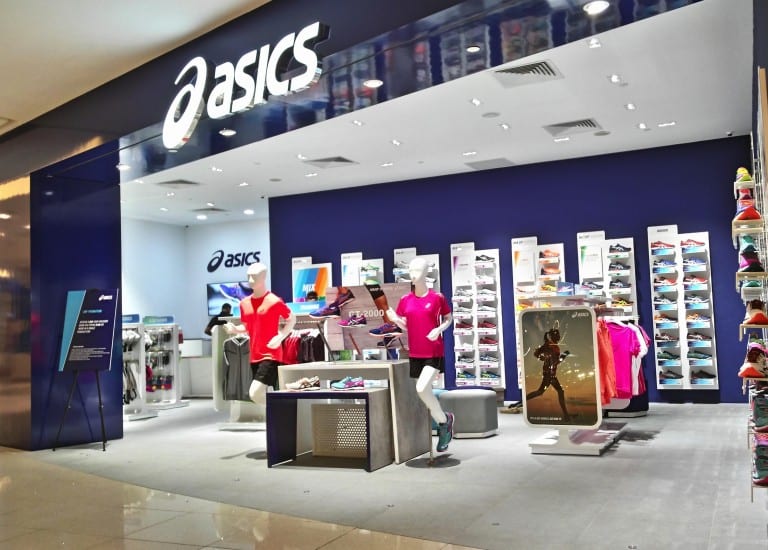
    Leading sportswear brand Asics has adjusted its annual forecast upwards, following an impressive performance in the first half of the year. The company’s exceptional sales growth was seen across all product categories and global regions.

    Asics witnessed a robust 17.7% year-over-year increase in net sales, amounting to $2.74 billion. The operating profit also experienced a significant rise, reaching $551.48 million, with the profit ascribed to owners standing at $364.48 million.

    Segment-Wise Growth

    The company’s performance running segment reported an 8.2% rise in sales, equal to $1.26 billion, with profit experiencing a 13.3% boost. Core performance sports also showed a positive trend, increasing 4.8% to reach $300.02 million, while its profit rose 16.5%.

    Asics’ apparel and equipment segment experienced a 6.9% sales increase, hitting the $136 million mark, while recording a remarkable 45.1% profit surge.

    In terms of lifestyle-oriented segments, SportStyle demonstrated significant growth, with sales skyrocketing by 46.4% to reach $457.71 million, and profit rising by 60.9%. Similarly, the Onitsuka Tiger brand experienced a 50.1% sales increase, reaching $447.98 million, with profit rising by 54.5%.

    Regional Sales Growth

    Asics experienced growth in all its regional markets. Japan’s sales increased by 24.3%, reaching $674.97 million, while North America saw a 9.1% rise, amounting to $502.59 million. Europe’s sales growth stood at 24.2%, reaching $773.64 million, while Greater China reported a 16.9% increase, amounting to $421.76 million.

    In addition to these, substantial gains were reported from Southeast and South Asia, with a growth rate of 33.4%, and Oceania, which increased by 3.8%.

    Leadership Commentary

    Koichiro Kodama, who serves as the President and CEO of Asics North America, expressed confidence in the company’s global performance. He underlined the steady demand for Asics products across various regions as an indicator of the brand’s strong market presence.

    Kodama emphasized the company’s unceasing efforts to develop technologically advanced performance running products. At the same time, he stressed the importance of staying informed about broader cultural and lifestyle trends to support the sportstyle category.

    Questions & Answers

    What were the net sales of Asics for the first half of the year?
    Asics reported net sales of $2.74 billion for the first half of the year.

    Which product segment reported the highest sales growth?
    The SportStyle segment reported the highest sales growth, with a surge of 46.4%.

    Which regions experienced the most significant sales growth?
    Europe and Japan were the regions with the most significant sales growth, reporting increases of 24.2% and 24.3% respectively.

  • Sea Ltd Surges Past Market Projections: Shopee Demand And Gaming Division Fuel Growth

    Sea Ltd Surges Past Market Projections: Shopee Demand And Gaming Division Fuel Growth

    Sea Ltd, a formidable player in the digital commerce and gaming industries, exceeded market projections for quarterly revenue. The considerable surge was fueled by high demand for its Shopee e-commerce platform and its gaming division, leading to a near 19 percent increase in the company’s US-listed shares during initial trading hours.

    Phenomenal Growth for Shopee

    Shopee, a favorite among online shoppers in Southeast Asia and Taiwan, has been experiencing a significant increase in consumer demand. This is largely attributed to the company’s commitment to providing competitive prices and enhancing the overall customer experience. The company has focused its efforts to boost user recruitment, traffic, and engagement on the Shopee app, employing innovative strategies such as incorporating social aspects like live-streaming features and mini-games that offer redeemable coins and prizes.

    The revenue from Sea’s e-commerce division, which became profitable last year, saw an impressive 33.7 percent increase, amounting to US$3.8 billion for the second quarter. The gross merchandise value, which reflects the total value of products sold on the platform, increased by 28 percent, reaching $29.8 billion. The company’s executives expressed optimism over Shopee’s annual GMV growth, stating it would surpass the company’s initial forecast of a 20 percent increase.

    Strong Performance across Divisions

    Sea’s CEO, Forrest Li, expressed satisfaction with the company’s performance, stating, “All three of our businesses have delivered robust, healthy growth, giving us greater confidence of delivering another great year.”

    The company’s digital entertainment segment, which includes the popular mobile shooter game “Free Fire” developed and published by Garena, saw a 28.4 percent increase in revenue, reaching $559.1 million. Garena reported a 17.8 percent increase in its paying user base and a 23 percent rise in bookings for the second quarter.

    The company’s third division, the digital financial products arm which includes the Monee app offering services like payment processing and credit products, reported a significant 70 percent rise in revenue, totaling $882.8 million.

    Exceeding Expectations

    Based in Singapore, Sea Ltd recorded a 38.2 percent increase in its overall second-quarter revenue, reaching $5.26 billion, surpassing estimates of $4.98 billion.

    Questions & Answers

    What contributed to the improved performance of Shopee?
    The company’s concerted efforts to offer competitive pricing and improve the customer experience played a significant role in this. Introducing social elements like live-streaming and mini-games also helped enhance user engagement.

    What is the significance of the gross merchandise value?
    The gross merchandise value is a measure of the total value of products sold on the platform. It is an essential metric for e-commerce platforms as it reflects the volume of transactions.

    Which of Sea Ltd’s business segments showed the most significant growth?
    While all segments witnessed considerable growth, the digital financial products arm recorded the most significant rise in revenue at 70 percent.

  • Metcash Reports Robust Financial Growth, Hits $17.3 Billion Group Sales Revenue

    Metcash Reports Robust Financial Growth, Hits $17.3 Billion Group Sales Revenue

    Metcash, a leading wholesale distribution and marketing company, has recently announced a robust financial performance for the current fiscal year. The company’s group sales revenue reached $17.3 billion, marking a 7.2 per cent growth compared to last year’s figure of $15.9 billion.

    Financial Performance Details

    The company’s underlying group EBITDA (Earnings Before Interest, Taxes, Depreciation, and Amortization) witnessed a considerable rise, going from $688 million to $737.8 million. Further, there was also a 10.1 per cent increase in its reported profit after tax as the figures moved from $257.2 million to $283.3 million.

    In terms of sector-wise performance, Metcash’s food division reported sales revenue of $8.8 billion, excluding tobacco sales. This substantial figure, which is a 20.8 per cent increase year-on-year, has been largely attributed to the growth of supermarkets and convenience stores, along with Metcash’s partnership with Superior Foods beginning this June.

    Sector-wise Breakdown

    Metcash’s liquor division also exhibited growth, with the revenue rising by 3.3 per cent, moving from $5.1 billion to $5.3 billion. This growth has been fuelled by the successful performance of all IBA brands under Metcash, including Cellarbrations, The Bottle-O, IGA Liquor, and Porters. However, this sector did see a minor setback as its liquor EBITDA decreased from $125.7 million to $123.5 million, marking a 1.8 per cent drop.

    Lastly, Metcash’s hardware division reported a revenue of $3.6 billion, indicating a 2.4 per cent increase. This growth can be attributed to Metcash’s acquisition of Total Tools.

    Questions & Answers

    What was the total group sales revenue reported by Metcash for the current fiscal year?
    The company reported a total group sales revenue of $17.3 billion.

    Which division of Metcash recorded the highest increase in sales revenue?
    Metcash’s food division recorded the highest increase in sales revenue, marking a 20.8 per cent growth year-on-year.

    What factors contributed to the growth of Metcash’s hardware division?
    The growth in the hardware division is largely due to the company’s acquisition of Total Tools.

  • Skechers Reports Strong Q2 Growth Of 13.1%, Bolstered By International Market Success

    Skechers Reports Strong Q2 Growth Of 13.1%, Bolstered By International Market Success

    Skechers, the global footwear leader, reported its financial results for the second quarter of 2025, reflecting an overall positive growth across its various business channels. The company’s total revenue for the quarter was recorded at US$2.44 billion, marking a 13.1% increase compared to the same period in the previous year. This growth is primarily attributed to robust demand in both its wholesale and direct-to-consumer channels.

    A Closer Look at the Financials

    The net income of Skechers witnessed a significant surge of 21.5%, reaching $170.5 million, up from $140.3 million registered in the corresponding period of the previous year. The wholesale revenue for the quarter was also on an upward trajectory, accounting for $1.30 billion, a 15% increase from the prior-year period. Direct-to-consumer sales also followed suit, with an increase of 11% totaling $1.14 billion, compared to $1.03 billion noted a year earlier.

    In terms of domestic sales, the figures remained relatively stable, registering a marginal decrease of 0.2%. While wholesale sales experienced a decline of 7.5%, direct-to-consumer sales offset this with a 7.6% rise.

    International Market – A Strong Growth Driver

    The international market emerged as a key growth driver for Skechers with international sales constituting about 64.6% of the total revenue in Q2, a noticeable increase from approximately 60% a year earlier. This growth was spurred by a significant 29.6% increase in wholesale international sales and a 13.3% rise in direct-to-consumer international revenue.

    Despite a decline in China sales, which dropped 8.2% to $287.2 million, sales in the Asia Pacific region rose by 5.5% to $595.5 million. The Americas division witnessed a slight increase of 1.1% with sales amounting to $1.11 billion. However, the Europe, Middle East & Africa (EMEA) region showed the most robust regional growth, with sales surging 48.5% to $731.5 million.

    Looking Back at the First Half of 2025

    For the first half of 2025, Skechers reported total sales of $4.85 billion, signifying a 10% increase from the previous $4.41 billion in the prior year. The regional growth trends were similar to those of Q2, with EMEA witnessing an increase of 29.4%, Americas growing by 4.6%, and the Asia Pacific region recording a modest growth of 1.4%.

    Currently, Skechers operates over 5200 stores globally, which include both company-owned and third-party-owned locations. The company is confidently marching towards its goal of establishing 10,000 stores across the globe.

    Questions & Answers

    What was the total revenue of Skechers in Q2 2025?
    The total revenue of Skechers in the second quarter of 2025 was US$2.44 billion.

    Which region showed the strongest growth for Skechers?
    The Europe, Middle East & Africa (EMEA) region showed the strongest growth for Skechers, with sales jumping 48.5% to $731.5 million.

    How many stores does Skechers currently operate worldwide?
    Skechers currently operates more than 5200 stores worldwide.

  • Yum China Reports 4% Revenue Rise, Citing Network Expansion And Digital Sales Boost

    Yum China Reports 4% Revenue Rise, Citing Network Expansion And Digital Sales Boost

    Yum China, a stalwart in the food and beverage industry, has reported a rise in revenue by 4 per cent year on year for the second quarter ending June 30, 2021, accumulating a total of US$2.8 billion.

    The company’s growth is attributed to the expansion of its network and an uptick in same-store sales, which saw a 2 per cent increase in transactions. The burgeoning network of nearly 17,000 locations across Yum China’s food and beverage brands played a pivotal role in achieving this positive outcome, according to the company’s CEO, Joey Wat.

    During this quarter, Yum China added 336 stores to its portfolio, raising the total to 16,978 locations. This figure includes 12,238 KFC outlets and 3,864 Pizza Hut outlets. It’s noteworthy to mention that franchisees opened 26 per cent, or 89, of these new stores.

    Financial Performance

    Joey Wat also expressed satisfaction with the company’s financial performance, highlighting the achievement of double-digit growth in operating profit and substantial margin expansion. The operating profit rose by 14 per cent year on year to $304 million, the highest ever reported by Yum China for a second quarter. The core operating profit also saw a 14 per cent increase compared to the previous year.

    In a display of fiscal health, the company returned $274 million to its shareholders through share repurchases and dividends.

    Digital Sales and Membership

    A significant contributor to the company’s sales, the digital segment accounted for 94 per cent of total company sales, reaching $2.4 billion for the quarter. The delivery sales, growing at a 22 per cent rate year on year, contributed approximately 45 per cent of the total sales.

    A key aspect of consumer engagement, membership across KFC and Pizza Hut, saw an increase of 13 per cent from the previous year, reaching approximately 560 million. These members accounted for 64 per cent of total system sales for both brands.

    Wat stressed on the importance of digitalization, adding, “We are also fortifying our end-to-end digitalisation to streamline operations and elevate our customer experience.” He expressed confidence in the company’s brands and strategies, stating their potential to deliver sustainable, long-term value for shareholders.

    Questions & Answers

    What contributed to Yum China’s growth in the second quarter?
    Yum China’s growth was driven by network expansion and a rise in same-store sales, which saw a 2 per cent increase in transactions.

    What was the percentage of new stores opened by franchisees?
    Franchisees opened 26 per cent of the new stores during the quarter.

    What was the impact of digital sales on the total company sales?
    Digital sales accounted for 94 per cent of total company sales, reaching $2.4 billion for the quarter.

  • Singapore retail sales inch up 0.4 per cent in June

    Singapore retail sales inch up 0.4 per cent in June

    In June, retail sales in Singapore, not including motor vehicles, exhibited a modest 0.4% rise year-on-year, as reported by the Department of Statistics. This minor upswing follows a period of stagnant growth in May. With seasonal adjustments, retail sales showed a 1.4% decrease compared to May.

    The estimated overall retail sales value stood at SG$3.3 billion (US$2.6 billion), with online sales accounting for 16.2% of this figure.

    Industry Performance

    Most industries within the retail sector garnered an uptick in sales. The computer and telecommunications equipment industry saw a 7.3% increase, optical goods and book sales rose by 5.9%, and recreational goods experienced a 5.6% surge in sales.

    Additional categories such as watches and jewelry, cosmetics and medical goods, supermarkets and hypermarkets, as well as furniture and household equipment also witnessed increases ranging from 1.3% to 5.5%.

    However, not all areas of retail prospered. Petrol service stations, along with food and alcohol retailers, saw their sales decrease by 5.9% and 5.2%, respectively. Furthermore, the apparel and footwear segment, as well as minimarts and convenience stores, underwent a 2.6% reduction in sales.

    Food and Beverage Services

    Food and beverage service sales showed a marginal 0.1% increase amounting to SG$962 million in June, following a 1% rise in May. This modest growth was largely attributed to increased sales from food caterers and fast food outlets, which somewhat balanced the declining sales from restaurants, cafes, and food courts.

    Questions & Answers

    What was the overall increase in Singapore’s retail sales in June, excluding motor vehicles?
    There was a 0.4% increase in Singapore’s retail sales for the month of June, not including motor vehicles.

    Which sectors saw an increase in sales?
    Most industries within the retail sector saw an increase in sales. These include the computer and telecommunications equipment industry, optical goods and books, recreational goods, watches and jewelry, cosmetics and medical goods, supermarkets and hypermarkets, and furniture and household equipment.

    Which sectors experienced a decrease in sales?
    Sales decreased in petrol service stations, food and alcohol retailers, apparel and footwear segment, as well as minimarts and convenience stores.

  • Hershey Sales Surge Amidst Slumping Profits: Navigating Rising Cocoa Costs And Supply Chain Challenges

    Hershey Sales Surge Amidst Slumping Profits: Navigating Rising Cocoa Costs And Supply Chain Challenges

    Hershey, the confectionery giant, has registered a significant increase in sales for the second quarter despite a drastic fall in profits. This arises from the escalating costs of cocoa, supply chain, and adverse effects from commodity hedging.

    In the most recent quarter, Hershey reported net sales of US$2.61 billion, a 26 per cent surge compared to the same quarter the previous year. The growth was a result of robust demand for seasonal products, which included popular items tied to the Easter season and early Halloween shipments.

    However, despite the impressive rise in revenue, net income experienced a 65 per cent decrease, landing at $62.7 million.

    Hershey attributed the sharp decline in net income to a significant drop in gross margins, spurred by the rise in input costs and losses from mark-to-market on commodity derivatives. This was despite the strong volume growth, especially in its North American confectionery division.

    Michele Buck, President and CEO of Hershey, commented on the situation. “Our investments in brands and impactful innovation, along with effective execution, have led to solid sales and share gains in both our US confection and salty snacking businesses,” she said.

    She further added, “In the future, we are committed to delivering balanced growth and have already initiated critical steps to offset cocoa inflation through strategic pricing, improved productivity, and the use of technology for efficiency and speed.”

    In other news, Hershey recently announced the appointment of Kirk Tanner as the new President and CEO, effective from August 18, succeeding Buck.

    Questions & Answers

    What led to the growth in Hershey’s net sales?
    The increase in Hershey’s net sales was a result of strong demand for seasonal products, such as those tied to the Easter season and early Halloween shipments.

    Why did Hershey’s net income decrease despite the growth in sales?
    The decrease in net income was due to a significant drop in gross margins, which was caused by the rising input costs and mark-to-market losses on commodity derivatives.

    What measures is Hershey taking to combat cocoa inflation?
    To mitigate cocoa inflation, Hershey is implementing strategic pricing, enhancing productivity, and leveraging technology for increased efficiency and speed.

  • Danone Shares Skyrocket 7% On Back Of Strong Q2 Sales, Chinese Demand For Infant Formula

    Danone Shares Skyrocket 7% On Back Of Strong Q2 Sales, Chinese Demand For Infant Formula

    Shares in Danone, the renowned French consumer goods manufacturer, escalated approximately 7% following the release of second-quarter sales which outperformed predictions. This surge of success is largely attributed to a soaring demand for infant milk formula and medical nutrition products in China.

    Overcoming Challenges

    The impressive surge in demand offset challenges faced in other markets. There were sluggish sales in the water division in Latin America due to unfavourable weather conditions in Mexico, while a highly competitive market in the US resulted in slow coffee creamer sales. Nevertheless, Danone, known for household brands such as Evian water and Activia yoghurt, reported a 4.1% increase in second-quarter sales on a like-for-like basis, outstripping anticipated growth of 3.8%.

    The financials revealed Danone’s recurring operating income for the first half of 2025 to be 1.811 billion euros (US$2.09 billion). This represents a margin of 13.2% of sales, an increase from 12.7% from the previous year. The company also reassured investors by restating its 2025 full-year forecast, in line with its mid-term goal of achieving like-for-like sales growth between 3% and 5%, and a faster growth rate for recurring operating income.

    Strong Portfolio and Future Growth

    Speaking about the company’s performance, CEO Antoine de Saint-Affrique commented, “The first-half performance reflected the strength and resilience of our health-focused portfolio.” The company’s aim, according to de Saint-Affrique, is to consistently perform while transforming and enhancing areas requiring attention. This includes the plant-based business and coffee creamers in the US.

    Sales in China, North Asia and Oceania also had an exceptional quarter, increasing 12.4% on a like-for-like basis. Specialized Nutrition also experienced double-digit growth, fuelled by strong demand in both the Infant Milk Formula and Medical Nutrition segments.

    North America also saw a 2.3% rise in sales for the quarter, bolstered by a surge in protein product sales such as Oikos brand Greek yoghurt. The coffee creamers sector also showed signs of recovery following supply chain issues in the first quarter.

    Danone has also been leveraging its cash reserves for strategic acquisitions to amplify its focus on health and science, and build resilience against market volatility. The company recently acquired the Akkermansia Company, a Belgian biotics firm and also holds a majority stake in Kate Farms, a US-based organic formula and shake manufacturer.

    Questions & Answers

    What contributed to Danone’s surge in shares?
    The surge in shares was primarily due to the impressive second-quarter sales that exceeded expectations, driven by a high demand for infant milk formula and medical nutrition products in China.

    How is Danone planning to boost its focus on health and science?
    Danone has been utilizing its cash for strategic acquisitions that align with the company’s focus on health and science. It has recently acquired a Belgian biotics firm, Akkermansia Company, and also holds a majority stake in Kate Farms, a US-based organic formula and shake manufacturer.

    What was the significance of the first half performance for Danone?
    The first-half performance demonstrated the resilience and strength of Danone’s health-centric portfolio and its ability to perform consistently while transforming and enhancing areas that require attention. This is evidenced by a 4.1% increase in second-quarter sales on a like-for-like basis, which surpassed the anticipated growth of 3.8%.

  • Prada Sees 9% Revenue Boost, Credits Rising Star Miu Miu Amid Tough Luxury Market

    Prada Sees 9% Revenue Boost, Credits Rising Star Miu Miu Amid Tough Luxury Market

    Prada, a family-owned group known for its luxury fashion, recently reported a 9% spike in first-half net revenues at constant currencies. The company’s lesser-known yet rapidly growing Miu Miu brand played a significant role in this upswing, potentially signaling a positive shift in an otherwise sluggish sector.

    In terms of figures, Prada’s net revenue reached a substantial 2.74 billion euros ($3.16 billion), mirroring analysts’ expectations. This growth can be attributed to supportive performance across all regions.

    Brand Performances

    Despite the group’s overall success, the Prada brand experienced a 3.6% drop in retail sales in the second quarter. In contrast, the Miu Miu label saw a remarkable 40% increase in sales, accounting for a quarter of the group’s total revenues last year.

    Prada’s second quarter was adversely affected by reduced tourist influx into Europe and Japan, as well as unfavorable comparisons to last year’s performance. Company executives shared these insights during a conference call held after the results were announced.

    Andrea Guerra, the Chief Executive, informed analysts that he anticipates tourist traffic levels to rebound by the end of August.

    Management Changes

    In a noteworthy development, the Italian firm recently separated from Prada’s brand CEO, Gianfranco D’Attis. Guerra has temporarily assumed the additional responsibilities, with plans to retain them for an extended period. He stated, “If it is an interim (arrangement), it’s a long one.”

    Operating Profit and Future Acquisitions

    The group’s adjusted operating profit climbed 8% to 619 million euros in the first six months, falling slightly short of the 636 million euro operating EBIT projected by analysts.

    Prada Chairman Patrizio Bertelli commented on this solid performance, stating it was achieved amidst a challenging backdrop, somewhat unprecedented in our industry.

    In terms of upcoming developments, the group anticipates finalizing the acquisition of Versace from Capri Holdings between September and November this year.

    Luxury Industry Outlook

    Despite these positive developments for Prada, a robust recovery for the luxury industry remains uncertain. For instance, Gucci’s parent company, Kering, reported a 15% fall in quarterly revenues. Additionally, LVMH recorded a 4% drop in quarterly sales, and Hermes, despite a 9% sales surge, showed signs of being affected by the broader luxury downturn.

    Questions & Answers

    What accounted for Prada’s 9% increase in first-half net revenues?
    Prada’s growth in the first half was largely due to supportive performance across all regions and the exceptional growth of the Miu Miu brand.

    How has Prada’s management changed recently?
    Prada recently parted ways with its brand CEO, Gianfranco D’Attis. The company’s Chief Executive, Andrea Guerra, has taken on these additional responsibilities for the foreseeable future.

    What is the current outlook for the luxury industry?
    The luxury industry faces uncertain times. While some brands like Prada and Hermes have shown growth, others, such as Gucci and LVMH, have reported decreases in revenue. A robust recovery for the industry remains elusive.

  • Kraft Heinz Reports $8 Billion Loss Amid Rising Costs And Impairment Charge: A Resilient Sales Performance Amid Turbulence

    Kraft Heinz Reports $8 Billion Loss Amid Rising Costs And Impairment Charge: A Resilient Sales Performance Amid Turbulence

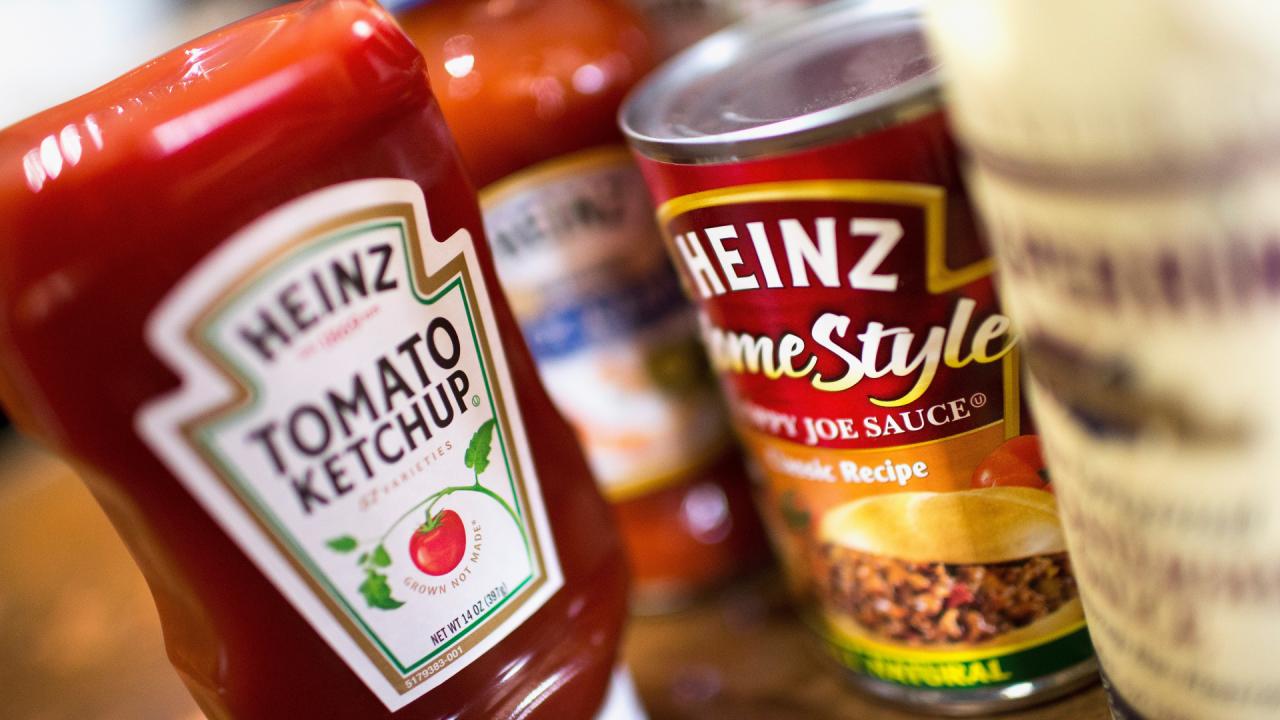
    In the second quarter of 2025, multinational food company Kraft Heinz reported a net loss of $8 billion (AUD$12 billion). This financial downturn was primarily due to a $9.3 billion impairment charge. However, despite significant market challenges, the company’s overall sales exhibited resilience.

    Sales Performance

    Kraft Heinz saw a slight decline in its net sales by 1.9%, dropping to $6.35 billion. Organic sales also fell by 2%, where increased pricing countered a 2.7% volume decrease across various product categories. These categories included cold cuts, coffee, lunchables, frozen snacks, and powdered beverages.

    Operating Loss and Adjusted Income

    Operating income sharply fell into a loss of $8 billion. Similarly, adjusted operating income experienced a 7.5% decrease, landing at $1.3 billion. Kraft Heinz attributed these decreases to rising commodity costs and unfavorable volume and mix. However, these pressures were somewhat alleviated by price increases, reductions in advertising expenditures, and beneficial effects from foreign exchange.

    The company pointed to the impairment charge as the main factor driving their losses. This was largely due to a consistent decrease in share price and market capitalization.

    Strategic Initiatives

    Despite these challenges, Kraft Heinz remains committed to its long-term strategic plans. These include targeted investments in their brands, innovative product development, and improvements in operational efficiency. These initiatives aim to counterbalance the softness in volume and cost inflation.

    Carlos Abrams-Rivera, CEO of Kraft Heinz, commented on the company’s Q2 results, stating, “Our second quarter top-line results reflect this dedication, improving from the first quarter. We are delivering value and driving improvement, underpinned by our Brand Growth System and our Go To Market model.”

    Earlier in the year, it was rumored that Kraft Heinz was considering a spinoff of parts of its grocery division, as it continues to adapt to changing consumer preferences and a general shift away from processed foods.

    Questions & Answers

    What were Kraft Heinz’s net losses in Q2 2025?
    Kraft Heinz reported a net loss of $8 billion (AUD $12 billion) in the second quarter of 2025.

    What factors contributed to the company’s financial downturn?
    The company’s financial downturn was primarily due to a $9.3 billion impairment charge. Other contributors were rising commodity costs and an unfavorable volume and mix.

    What strategic initiatives is Kraft Heinz focusing on to combat these challenges?
    Kraft Heinz is focusing on strategic initiatives like targeted brand investments, product innovation, and operational efficiencies to help counterbalance volume softness and cost inflation.

  • Hermes Records Impressive Growth With €8 Billion Revenue In First Half Of Year

    Hermes Records Impressive Growth With €8 Billion Revenue In First Half Of Year

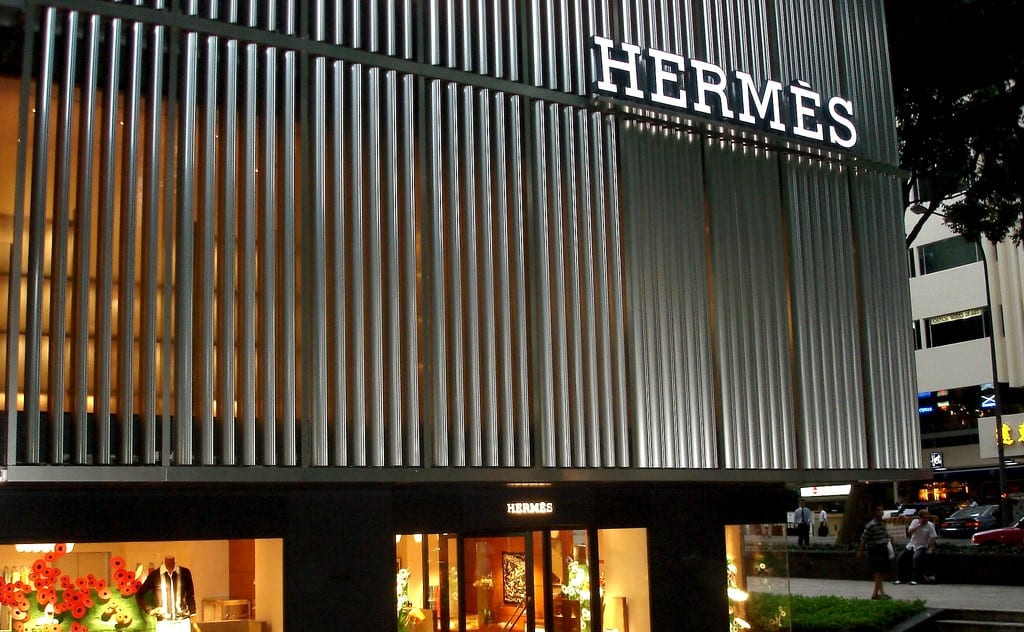
    Hermes, the esteemed French luxury brand, has demonstrated impressive sales growth in the first half of the current year. This surge in revenue was experienced across all regions as affluent customers continued their patronage of the brand’s distinguished leather products.

    The brand recorded a revenue of €8 billion (US$8.78 billion) for the half-year period concluding on June 30th. This performance marks an 8% increase in profits, calculated at a constant exchange rate when compared to the same timeframe in the previous year.

    Sales saw a 9% rise in the second quarter itself, which was bolstered by an excellent performance in the markets of the United States, Japan, and the Middle East.

    According to Hermes, the growth was widespread across all geographical regions, with each one reporting gains. Japan led the way with a robust 16% increase, followed by the Americas with a 12% rise. Sales in France experienced a 9% increase while Europe, excluding France, witnessed a 13% acceleration.

    Axel Dumas, the Executive Chairman of Hermes, has expressed his satisfaction, attributing the firm’s first-half success across all regions to the strength of the Hermes model.

    On behalf of the company, he expressed gratitude to all their customers for their continued trust and to all the employees for their dedication, adding, “We will continue to invest and recruit to ensure the group’s sustained success.”

    The primary driver of growth for Hermes is its core leather goods and saddlery division, which includes the highly coveted Birkin and Kelly bag lines. The brand also reported significant increases in the sales of jewellery and homeware. However, the sales of watches and perfumes exhibited a decline.

    Hermes has laid out plans to persist with investments in craftsmanship, to broaden production, and to reinforce its global retail presence in order to meet the escalating demand for its exclusive merchandise.

    Questions & Answers

    What was the revenue of Hermes for the first half of this year?
    The French luxury brand Hermes recorded a revenue of €8 billion (US$8.78 billion) for the first half of the year.

    Which regions showed significant growth for Hermes?
    Every geographical region posted gains for Hermes. Japan led with a 16% increase, followed by the Americas with a 12% rise. Sales in France experienced a 9% increase, whilst Europe, excluding France, witnessed a 13% rise.

    Which product categories drove the growth for Hermes?
    The primary growth driver for Hermes was its core leather goods and saddlery division, including the popular Birkin and Kelly bags. The brand also reported double-digit increases in jewellery and homeware.

  • Hong Kong Retail Sales Rise In June, Slower Pace Indicates Stabilization

    Hong Kong Retail Sales Rise In June, Slower Pace Indicates Stabilization

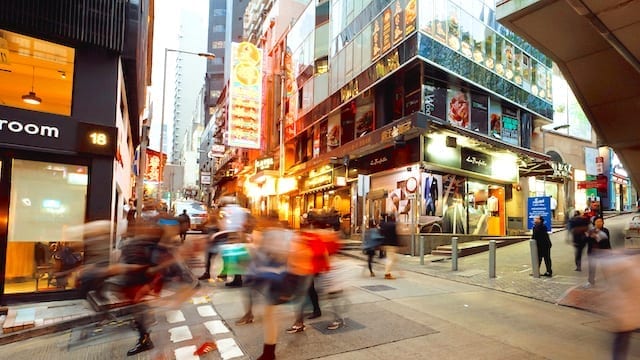
    In June, Hong Kong experienced an increase in retail sales, albeit at a slower pace than the previous month of May. The total retail sales for the special administrative region came in at HK$30.1 billion (US$3.8 billion), marking a 0.7 per cent year-on-year growth. This rise, however, was less than the 2.4 per cent increase witnessed in May, which was the first surge in retail sales observed in over a year.

    The Impact of Price Changes

    When considering the impact of price changes during this period, the provisional estimate of retail sales for June revealed a 0.3 per cent year-on-year decrease. This is in comparison to a 1.9 per cent uptick seen in May.

    Industry-Specific Performance

    Breaking down the increase in retail sales by industry, the sectors of jewellery, watches and clocks, and valuable gifts led the pack, enjoying a 6.8 per cent upswing in June. The following industries also saw notable growth: medicines and cosmetics, with a 6 per cent increase; commodities in department stores, with a 5.7 per cent rise; and optical shops, which saw a 1 per cent surge in sales.

    On the other hand, some sectors witnessed a decline in sales. Sales of wearing apparel dipped by 4.3 per cent, while food, alcoholic drinks and tobacco dropped by 1.5 per cent. Additionally, sales in furniture and fixtures saw a significant decrease of 16.3 per cent, with books, newspapers, stationery and gifts experiencing a 4.7 per cent fall.

    First-Half Overview

    Looking at the bigger picture, retail sales in Hong Kong for the first half of the year showed a downward trend, dropping by 3.3 per cent when compared to the same period last year.

    However, a government spokesperson conveyed optimism, noting that the retail sector has been exhibiting signs of stabilization in recent months. The spokesperson cited several favourable factors contributing to this trend, including the steady rise in employment earnings, a robust stock market, and concerted efforts from the government and businesses to promote tourism. These factors are anticipated to augment consumer sentiment and provide a strong support for the retail sector.

    Questions & Answers

    What was the value of retail sales in June in Hong Kong?
    The value of retail sales in Hong Kong in June was HK$30.1 billion (US$3.8 billion), representing a 0.7 per cent year-on-year increase.

    Which sectors led the growth in Hong Kong’s retail sales in June?
    The sectors of jewellery, watches and clocks, and valuable gifts led the growth in June with a 6.8 per cent increase. Other sectors experiencing growth included medicines and cosmetics, commodities in department stores, and optical shops.

    What are the factors contributing to the stabilization of Hong Kong’s retail sector?
    The stabilization of Hong Kong’s retail sector can be attributed to the continuous increase in employment earnings, a solid stock market performance, and government and business efforts to boost tourism.

  • South Korean Convenience Stores See Sales Boom Following Government-issued Consumption Vouchers

    South Korean Convenience Stores See Sales Boom Following Government-issued Consumption Vouchers

    In the week following the introduction of government-issued consumption vouchers, South Korea’s convenience store chains reported a significant rise in sales. The four major chains – CU, GS25, 7-Eleven, and Emart24 – witnessed an increase of more than 10% in weekly sales from July 22 to 28 as compared to the same period in the previous month. Middle-aged consumers and families were primarily responsible for the surge in sales, using the vouchers to make large purchases, especially within the ₩20,000–₩30,000 range.

    Redemption Points at Convenience Stores

    Department stores and hypermarkets were not directly eligible for the voucher scheme due to their corporate-owned structure. On the other hand, convenience stores, which are mainly franchise-based, served as accessible redemption points. This led to a noticeable increment in basket sizes, with customers spending considerably more than the average pre-voucher spend of approximately ₩7000 per visit.

    Emart24 experienced a sales growth of over 10%, while GS25 observed a comparable rise in average transaction value. More customers were using shopping baskets and purchasing a broader range of products such as fresh food, daily necessities, and even rice and meat – items not usually associated with convenience stores.

    Beverages and Cigarettes Sales

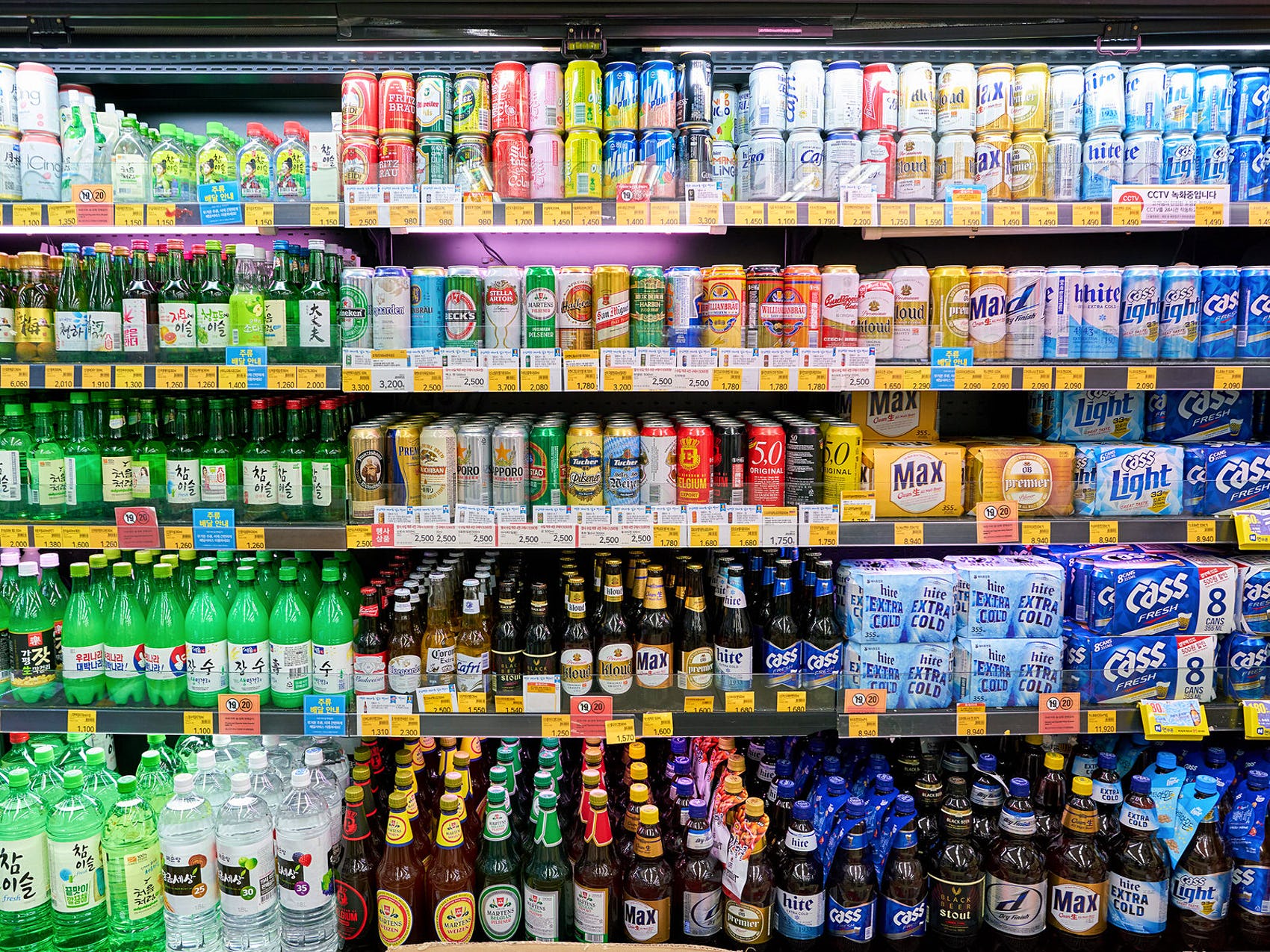
    Sales of alcoholic beverages, specifically beer and soju, saw a significant increase. Beer sales were up by 31.7% at GS25, 30.0% at 7-Eleven, 29.2% at CU, and 20.0% at Emart24. Soju sales increased by 16.2% at GS25 and 12.4% at CU. Overall, liquor sales were up by over 10%.

    Cigarettes, which were also eligible for voucher use, reported a rise in sales with more customers buying full cartons instead of single packs. However, due to potential concerns surrounding “stockpiling” and illegal resale for cash, the exact figures were withheld due to the sensitivity of the product.

    Increased Demand for Health Supplements and Meal Replacements

    Voucher-driven expenditure also led to a surge in demand for health supplements and meal replacements, categories that convenience stores have been emphasizing in their long-term growth strategies.

    According to retail analysts, this trend underlines a significant shift in consumer behaviour. With an increase in single and two-person households, more people have been turning to grocery shopping at convenience stores. The introduction of government vouchers has accelerated this shift, causing large retailers to worry about the potential loss of customers permanently.

    Questions & Answers

    Why did the government issue consumption vouchers?
    The government-issued vouchers were part of a stimulus strategy to boost consumer spending and support local businesses impacted by the COVID-19 pandemic.

    What impact did these vouchers have on convenience stores?
    The launch of these vouchers led to a significant increase in sales at convenience stores, with customers making larger than average purchases and buying a broader range of products.

    Are larger retailers affected by this change in consumer spending habits?
    Yes, larger retailers are concerned about losing customers permanently as the introduction of government vouchers has accelerated a shift towards shopping at local convenience stores.