Retail News CRM

Tag: Sales

  • Starbucks Sales Dip Globally, But China Shows Signs Of Recovery

    Starbucks Sales Dip Globally, But China Shows Signs Of Recovery

    Starbucks has recently disclosed a drop in its global comparable store sales for its fiscal third quarter, which underscores the persisting challenges in its primary US market. This comes even as its China operations begin to show some promising signs of recovery.

    Revenue and Sales Performance

    Despite the Seattle-based coffee giant recording a 4% rise in total revenue year-over-year, amounting to US$9.5 billion, it was overshadowed by a 2% decrease in global comparable store sales. This dip can be predominantly attributed to a slump in foot traffic in North America—Starbucks’ biggest market—where there was a 3% reduction in transactions.

    On a brighter note, China, the second largest market for Starbucks, appeared to defy this trend. Comparable store sales in China saw a 2% increase, signifying a comeback following several quarters of decline.

    Expansion and Strategic Growth

    Over the past year, Starbucks has added over 500 new stores in China, thereby increasing its total to 7,828. The company is also said to be considering various proposals from potential local partners to help speed up its expansion into lower-tier cities, while keeping strategic control intact.

    However, Starbucks also faces mounting competition in China from rapidly growing domestic contenders such as Luckin Coffee and Cotti Coffee. These brands have been rapidly expanding by offering lower prices and faster service models.

    North America Initiatives and Future Plans

    In North America, Starbucks is actively undertaking its ‘Back to Starbucks’ initiative, a strategy designed to bolster store operations, improve employee engagement, and refine the overall customer experience.

    Brian Niccol, the Chairman and CEO, expressed an optimistic outlook, citing early signs of progress in the company’s efforts to revamp its operations. He commented, “We’ve made significant progress and tackled challenging issues to build a robust operating foundation. In terms of turnaround efforts, we are ahead of schedule.”

    “By 2026, we plan to launch a series of innovations that will drive growth, enhance customer service, and ensure that everyone has access to the very best of Starbucks. We are committed to rebuilding a superior Starbucks experience and a stronger business.”

    Starbucks has also announced its plans to gradually phase out underperforming mobile order-only stores, and shift towards new café formats that include seating and drive-thrus. This is part of an overall strategy to improve the in-store experience.

    The coffee chain has big plans for fiscal 2026, with the introduction of a range of new beverage and food items, including protein-based cold foams, coconut water-infused drinks, gluten-free snacks, and customizable energy drinks.

    In addition to the product expansion, there are also upgrades planned for the company’s mobile app and loyalty rewards program, with continued investment in digital and operational technology.

    Questions & Answers

    What strategies is Starbucks implementing to recover from the drop in sales?
    Starbucks is taking several steps to recover, including the ‘Back to Starbucks’ initiative in North America, which aims to strengthen store operations and improve the overall customer experience. The company is expanding in China and is planning to introduce new products and upgrade its mobile app and loyalty program.

    What is the ‘Back to Starbucks’ initiative?
    The ‘Back to Starbucks’ initiative is a strategy designed to strengthen store operations, increase employee engagement, and enhance the overall customer experience. The company hopes this will help to boost sales and customer satisfaction.

    What are the company’s plans for growth in China?
    Starbucks plans to partner with local entities to accelerate expansion into lower-tier cities in China. Over the past year, the company has already added more than 500 new stores in the country and continues to consider strategies for further expansion.

  • Kering Reports 16% Revenue Drop Amid Gucci’s Struggling Sales In First Half Of 2021

    Kering Reports 16% Revenue Drop Amid Gucci’s Struggling Sales In First Half Of 2021

    Kering, the renowned French luxury merchandise corporation, has disclosed a significant sales drop for the initial half of the year. The company’s performance continues to be impacted negatively owing to a consistent decline in sales from Gucci.

    Semi-Annual Performance Analysis

    During the six months ending on 30th June, the conglomerate experienced a 16% fall in revenue, descending to EUR 7.6 billion (equivalent to US$ 8.7 billion). This figure incorporates a 14% decrease in the first quarter and an 18% fall in the second.

    The primary contributor to this downward trend is Gucci, with a substantial 26% reduction in sales. Other luxury houses also saw drops in their performance, including Yves Saint Laurent with an 11% decrease, and other associated houses posting a 15% decline.

    However, it was not all gloomy for Kering. Bottega Veneta reported a 1% increase in sales, while the Kering Eyewear and Corporate segment, inclusive of Kering Beaute, witnessed a growth of 2%.

    Geographical Sales Trends

    Despite the overall downturn, Kering reported a minor upward trend in sales for Asia-Pacific and North America during the second quarter. In contrast, Western Europe and Japan saw an acceleration in their sales decline, largely attributed to a significant drop in tourism.

    Chairman and CEO Francois-Henri Pinault, while acknowledging the challenging market conditions, emphasized the company’s commitment to streamlining distribution and controlling costs. He pointed out the decisive steps taken to fortify the company’s financial structure.

    Financial Indicators

    In terms of net income attributed to the company, the figures stood at EUR 474 million, a significant decrease from the EUR 878 million reported in the same period the previous year.

    Despite the lower than expected numbers, Pinault expressed optimism for the company’s future. He believes that the strategic efforts undertaken by the company over the past two years have laid a robust foundation for the next phase of Kering’s growth and development.

    Questions & Answers

    What was Kering’s reported revenue for the first half of the year?
    Kering reported a revenue of EUR 7.6 billion (US$ 8.7 billion) for the first half of the year, representing a 16% decrease compared to the corresponding period last year.

    Which brands under Kering experienced a decline in sales?
    Gucci was the primary underperformer with a sales drop of 26%. Yves Saint Laurent and other associated brands also experienced declines in sales, with decreases of 11% and 15% respectively.

    What were the key contributing factors to the sales decline?
    The sales decline was primarily attributed to reduced tourism, impacting sales in Western Europe and Japan. Additionally, specific brands like Gucci significantly underperformed.

  • Tourist Tax-Free Spending Plummets, Raising Concerns for Japan’s Retail Future

    Tourist Tax-Free Spending Plummets, Raising Concerns for Japan’s Retail Future

    The vibrant world of Japanese department stores is currently facing a challenging downturn, with recent reports indicating a slowdown in consumer spending among a wealthy demographic. This shift appears to be part of a broader trend influenced by international economic factors, including U.S. President Donald Trump’s aggressive tariff policies, which have begun to bite.

    The Numbers Tell a Story

    Statistics from June reveal a sobering 7.8% decline in department store sales compared to the previous year, landing at 461.5 billion yen (approximately $3.1 billion). A significant contributor to this downturn is the staggering 40.6% drop in tax-free shopping by foreign tourists, which plummeted to just 39.2 billion yen, as reported by the Japan Department Stores Association on Friday.

    The Impact of Shifting Consumer Habits

    This slowdown in retail activity can be attributed to several factors, including changing consumer preferences and market volatility. The once-gilded shopping spree that characterized luxury spending appears to be giving way to a more cautious approach, raising eyebrows in the industry. As one analyst whimsically noted, “Even the most extravagant spenders can feel the pinch when the global economy plays hardball.”

    Looking Forward

    As Japanese retailers navigate this challenging landscape, the focus will inevitably shift to strategies that can rekindle consumer enthusiasm and entice foreign visitors back into their stores. Flexibility and innovation may be key players in this ongoing narrative as the industry adapts to the evolving economic tides.

    Questions & Answers

    What is contributing to the slowdown in Japanese department store sales?
    The slowdown is primarily attributed to a decrease in spending among wealthy consumers, influenced by external economic pressures, particularly U.S. tariff policies, along with a significant drop in tax-free shopping by foreign tourists.

    How much did department store sales decline in June?
    In June, department store sales in Japan fell by 7.8% year-on-year, amounting to 461.5 billion yen (about $3.1 billion).

    What specific segment of shopping saw the most significant decline?
    Tax-free shopping by foreign visitors saw a dramatic 40.6% decline, falling to 39.2 billion yen, highlighting the challenges in attracting international consumers.

  • Remy Cointreau Records First Sales Growth Since 2023; Updates Annual Profit Forecast

    Remy Cointreau Records First Sales Growth Since 2023; Updates Annual Profit Forecast

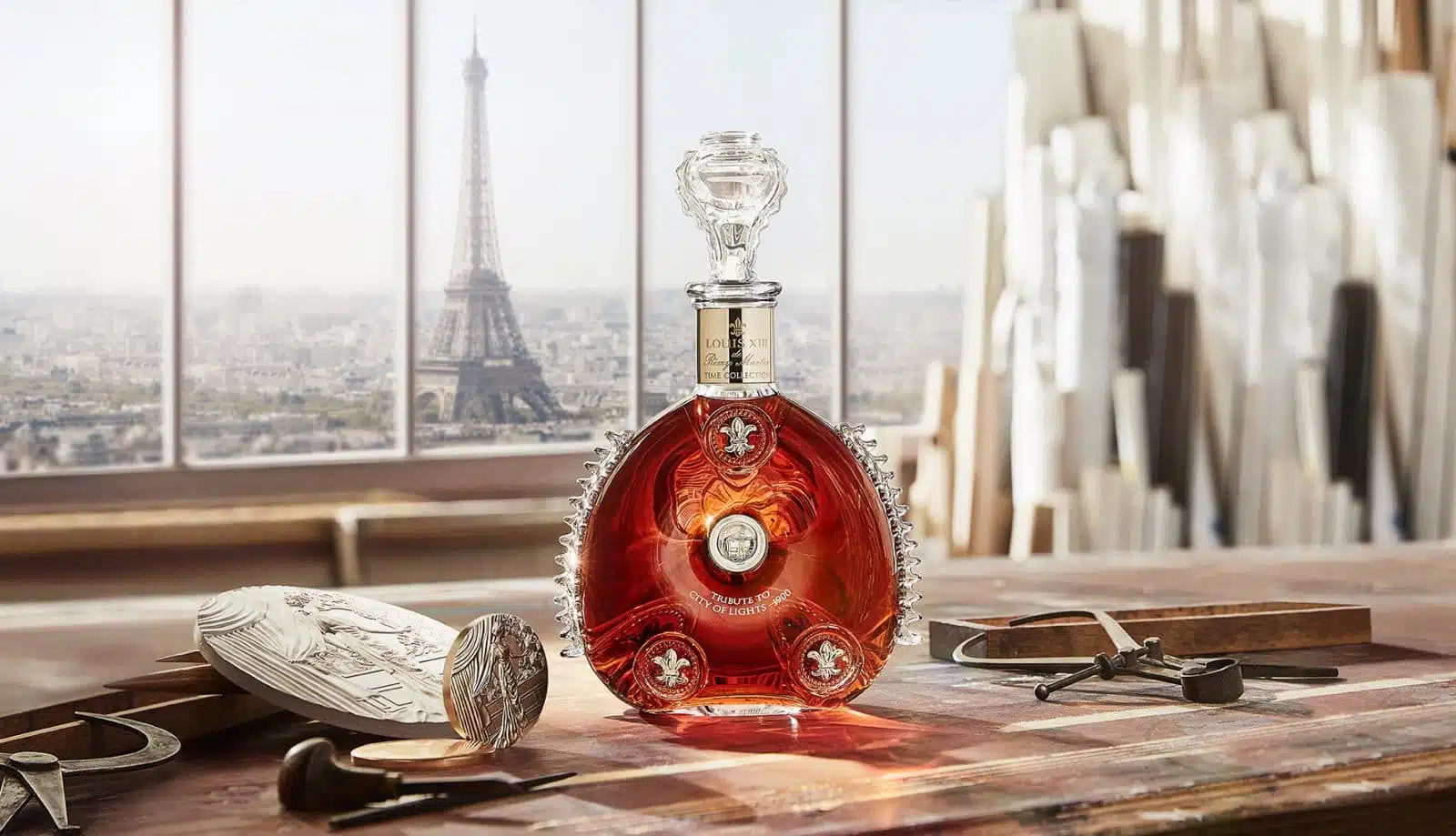
    Remy Cointreau, the renowned French spirits manufacturer, has generated its initial quarter of sales growth since the start of 2023, and has accordingly updated its annual profit forecast. This encouraging development is attributed to the easing of tariff threats.

    Recovering from a Sales Slump

    Remy Cointreau’s major markets in the US and China had suffered a significant slump in sales over the past few years. This downturn led to the company repeatedly lowering its guidance and abandoning its mid-term sales objectives. Nevertheless, in June, the company announced that it was beginning to recover.

    The producer of Remy Martin cognac and Cointreau liqueur reported a 5.7% year-on-year surge in organic sales in the first quarter, exceeding market predictions. This upward turn came shortly after the appointment of the new CEO, Franck Marilly, in June. In response to the news, the company’s shares increased by over 4%.

    The company attributed its growth in the quarter to a low comparison base from the previous year in the US. While sales in China continued to decline, the company described the slump as “limited”.

    Charles de Riedmatten, a fund manager at Myria AM and a Remy investor, optimistically remarked, “After two years of declining growth, I think it’s the beginning of good news.” However, he also noted that the character of Remy’s growth, which it described as technical, was challenging to evaluate.

    De Riedmatten also expressed concerns about the underlying demand for cognac and questioned how the new CEO, with his background in luxury goods but not spirits, would perform.

    Impact of Tariffs

    Even before tariffs became a threat to both the US and Chinese markets, high US inflation and a pessimistic Chinese consumer base were already impacting Remy’s business.

    However, in July, the cognac industry reached an agreement with China to alleviate the steep duties enforced since October 2024. Consequently, Remy predicts that the annual economic impact from tariffs will decrease to 45 million euros from the previous estimate of 65 million euros. This reduction is primarily due to a decrease in the financial effect of Chinese duties from 40 million euros to 10 million euros.

    Despite this, the company has increased its projected financial impact from US tariffs on European goods by 10 million euros, bringing the total to 35 million euros. The upward adjustment is in response to US President Donald Trump’s threat to impose a 30 per cent tariff on EU imports as of August 1.

    Future Profit Expectations

    Remy Cointreau now expects its full-year operating profit to decline by a mid- to high-single-digit percentage, exhibiting an improvement compared to the mid- to high-teen decline it had originally anticipated.

    Approximately 70% of the company’s sales are derived from cognac and are primarily concentrated in the US and China. This focus leaves Remy Cointreau more vulnerable to tariffs and economic downturns than their more diversified counterparts.

    Questions & Answers

    What has led to the increase in Remy Cointreau’s sales?
    The easing of tariff threats and a low base of comparison from the previous year in the US have contributed to the increase in Remy Cointreau’s sales.

    What are the concerns about Remy Cointreau’s growth?
    Questions remain about the underlying demand for cognac, and there are doubts about how the new CEO, with his background in luxury goods but not spirits, will perform.

    How has Remy Cointreau adjusted its annual profit forecast?
    Remy Cointreau now expects its full-year operating profit to decrease by a mid- to high-single-digit percentage, an improvement compared to the mid- to high-teen decline it previously anticipated.

  • King Power To Close Key Branches In Cost-cutting Strategy Amid Pandemic Downturn

    King Power To Close Key Branches In Cost-cutting Strategy Amid Pandemic Downturn

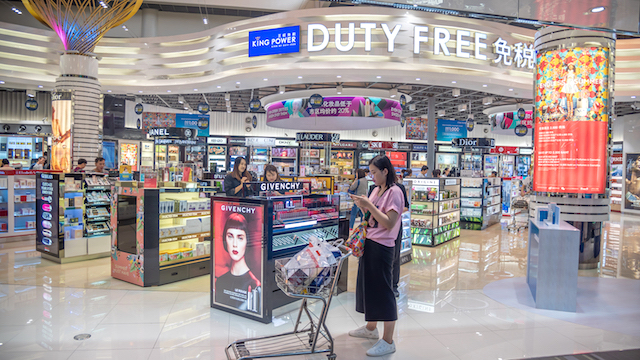
    King Power, a leading duty-free company in Thailand, has made the announcement that it will be closing its branches in Srivaree, Pattaya, and Mahanakhon by September. This move forms part of a broader cost-cutting strategy that involves a voluntary redundancy program for employees across all branches.

    The Reason for the Closure

    Initially, the three stores slated for closure played a significant role in the company’s earnings, catering largely to tour groups. However, the business model has since been deemed unsustainable, according to CEO Nitinai Sirismatthakarn. He highlights the unfavorable business structure of these branches and the need to streamline the company’s workforce to maintain a competitive edge in a shifting market.

    The COVID-19 pandemic has also had a notable impact on sales. While airport duty-free stores have been less severely affected, sales at the downtown outlets have dipped considerably.

    Employee Compensation and Store Operations

    King Power’s staff, who choose to take part in the redundancy program, will receive compensation in line with labor law. Additional payments will be made based on the length of service. Employees will also have the option to transfer to other branches.

    After the closure of the three branches, the company will continue its operations at three other downtown locations – Rangnam, One Bangkok, and Phuket.

    Renegotiations and Downturns

    Simultaneously, King Power is renegotiating its concession contracts with Airports of Thailand (AOT) for five airports. Despite earlier intentions to terminate these contracts, revised payment terms have now been agreed upon. This is happening against the backdrop of a wider downturn in Thailand’s tourism sector, with a significant decrease in visitor numbers this year.

    Investor concerns have been raised due to a 35.6% fall in AOT shares since the beginning of the year, which could indicate potential revenue losses for King Power. To review the concession agreements, two state universities have been commissioned by the airports. Sirismatthakarn supports this as a “check and balance” mechanism.

    Questions & Answers

    What is the reason for King Power’s closure of three branches?
    King Power will be closing three of its branches as part of a cost-cutting initiative. The business model of these branches is no longer sustainable due to their unviable business structure and the need to streamline operations in response to a changing market landscape.

    What will happen to the employees affected by the closures?
    Employees who opt for the voluntary redundancy program will receive compensation as per labor law, with additional payments based on their length of service. They also have the option to transfer to other branches.

    What is the current state of King Power’s concession contracts with Airports of Thailand (AOT)?
    King Power is presently renegotiating its concession contracts with AOT for five airports. While initial plans were to terminate these contracts, revised payment terms have now been reached.

  • Taiwan’s Retail Sales Slump For Third Consecutive Month Amid Tariff Negotiations

    Taiwan’s Retail Sales Slump For Third Consecutive Month Amid Tariff Negotiations

    Retail sales in Taiwan experienced a decline of 2.9 percent in June, falling to a total of NT$390 billion (US$13.3 billion). This downward trend marks the third consecutive month of sales decreasing.

    Decline in Retail Sales

    The drop in sales fell within the anticipated range of 0.4 to 3.4 percent. The sectors most affected were those of cars, motorcycles, auto parts, and accessories, which faced a significant decrease of 17.3 percent in year-on-year sales. The slump in demand for these industries was largely due to customers waiting for the results of tariff negotiations between Taiwan and the United States.

    The fabric and clothing sector also felt the impact, with sales falling 6.3 percent. This was attributed to fewer holidays in the period. Additionally, department stores recorded a 3.6 percent decrease in sales.

    Food and Beverage Industry

    The food and beverage sector, after experiencing growth for three consecutive months, also reported a decline of 2 percent. The primary factor contributing to this downturn was a reduction in restaurant sales.

    Overall Retail Sales

    For the second quarter, overall retail sales in Taiwan slid by 1.6 percent, and by 0.4 percent for the first half of the year. Looking ahead, the Ministry of Economic Affairs predicts retail sales growth for July to vary between a 2 percent drop and a 1 percent rise.

    Questions & Answers

    What was the overall decline in retail sales for Taiwan in June?
    The overall decline in retail sales for Taiwan in June was 2.9 percent.

    Which sector experienced the most significant decrease in sales?
    The sector of cars, motorcycles, auto parts, and accessories experienced the most significant decrease in sales, with a drop of 17.3 percent year-on-year.

    What projections have been made for retail sales growth in July?
    The Ministry of Economic Affairs predicts that retail sales growth for July will range between a 2 percent drop and a 1 percent rise.

  • LVMH Sees Sales Dip: Fashion And Wine Departments Hit Hardest Amid Economic Uncertainty

    LVMH Sees Sales Dip: Fashion And Wine Departments Hit Hardest Amid Economic Uncertainty

    LVMH Moet Hennessy Louis Vuitton experienced a decrease in sales during the first half of the year, primarily due to weaker performance in its fashion and wine departments.

    Decreased Revenue

    The distinguished luxury conglomerate reported a 4 per cent decline in revenue, which totaled EUR39.8 billion (US$46.7 billion) over a six-month period. This figure represents a 3 per cent decrease in sales on an organic basis, including a 3 per cent decrease in the first quarter and a 4 per cent reduction in the second quarter.

    Impact on Different Divisions

    The major contributors to this decline were an 8 per cent drop in sales in both the fashion and leather goods division and the wine and spirits division. The group attributes the dip in fashion revenue to the strong growth it enjoyed last year, which was largely spurred by increased tourist spending in Japan, owing to a weaker yen. As for the wine segment, it suffered due to the influence of trade tensions impacting the critical markets of the US and China.

    Furthermore, perfume and cosmetics and watches and jewellery departments also reported a 1 per cent decline in sales. In contrast, the selective retailing segment remained flat, a result of continued growth at Sephora and the streamlining of operations at DFS.

    Profit Decline

    In terms of profit, there was a 15 per cent slide in profit from recurring operations which amounted to EUR9 billion, and the net profit was down 22 per cent to EUR5.6 billion.

    Despite these figures, the group maintains its confidence in the prevailing uncertain geopolitical and economic climate. It plans to continue focusing on bolstering the appeal of its brands.

    Questions & Answers

    What were the major contributors to LVMH’s decline in sales?
    The major contributors were an 8 per cent drop in sales in both the fashion and leather goods division and the wine and spirits division.

    What factors affected the fashion and wine segments?
    The dip in fashion revenue can be attributed to the strong growth it experienced last year due to increased tourist spending in Japan, owing to a weaker yen. The wine segment suffered due to trade tensions impacting the crucial markets of the US and China.

    What are LVMH’s plans moving forward amidst the economic downturn?
    The group plans to maintain its focus on enhancing the desirability of its brands, expressing confidence in the prevailing uncertain geopolitical and economic environment.

  • Taiwan’s Retail Sales Suffer Third Consecutive Month Of Decline Amidst Auto Sector Slump

    Taiwan’s Retail Sales Suffer Third Consecutive Month Of Decline Amidst Auto Sector Slump

    Retail activity in Taiwan took a hit in June, as sales dropped by 2.9% to approximately NT$390 billion or US$13.3 billion, marking the third consecutive month of decline.

    Industry Specific Declines

    The slump was consistent with the projected range of a 0.4% to 3.4% decrease in sales. The most significant dip was observed in the automotive sector, with car, motorcycle, and auto parts and accessories sales plummeting by 17.3% year on year. This industry-wide slowdown was exacerbated by customers holding off on purchases while awaiting the outcome of Taiwan’s tariff discussions with the United States.

    Meanwhile, the fabric and clothing industry also suffered, recording a 6.3% drop in sales. This decline was partly due to a reduction in the number of holidays in June. Similarly, department stores experienced a 3.6% drop in sales.

    Food and Beverage Sector

    The food and beverage industry, which had previously enjoyed three months of consecutive growth, reported a 2% decrease in sales. According to the Ministry of Economic Affairs, this decline was largely driven by a slump in restaurant sales.

    Overall Retail Landscape in Taiwan

    Cumulatively, the country’s retail sales slid by 1.6% for the second quarter and 0.4% for the first half of the year. Looking ahead, the Ministry of Economic Affairs predicts that retail sales growth in July could range from a 2% decline to a 1% increase.

    Questions & Answers

    What was the overall decline in Taiwan’s retail sales in June?
    Sales fell by 2.9% to approximately NT$390 billion or US$13.3 billion.

    Which sector experienced the most significant sales decline?
    The automotive sector, which includes cars, motorcycles and auto parts and accessories, experienced the most steep decline with a drop of 17.3%.

    What are the projected retail sales for July as per the Ministry of Economic Affairs?
    The Ministry expects the retail sales growth for July to range between a decrease of 2% and an increase of 1%.

  • DFI Retail Group Surmounts Static Sales With Strong Profit Growth: Health And Beauty Sectors Lead The Way

    DFI Retail Group Surmounts Static Sales With Strong Profit Growth: Health And Beauty Sectors Lead The Way

    Despite relatively stationary sales figures, Hong Kong’s DFI Retail Group has reported robust profit growth in the first half of the fiscal year. Sharing profits with shareholders saw an impressive rise of 39 per cent to US$105 million in the six months concluding on June 30. Additionally, subsidiary profits also marked an increase by 3 per cent, reaching $75 million.

    Growth Drivers

    The management cites several reasons for this significant growth. Enhanced profitability in health and beauty sectors, increased contributions from associates, and steady revenue growth trends are the primary contributors to this success. For the first half of the year, subsidiary revenue totalled $4.4 billion, a marginal increase of 0.3 per cent on a comparable basis. This figure excludes the impact of the increased cigarette tax in Hong Kong and the sale of the Hero Supermarket business in Indonesia the previous year.

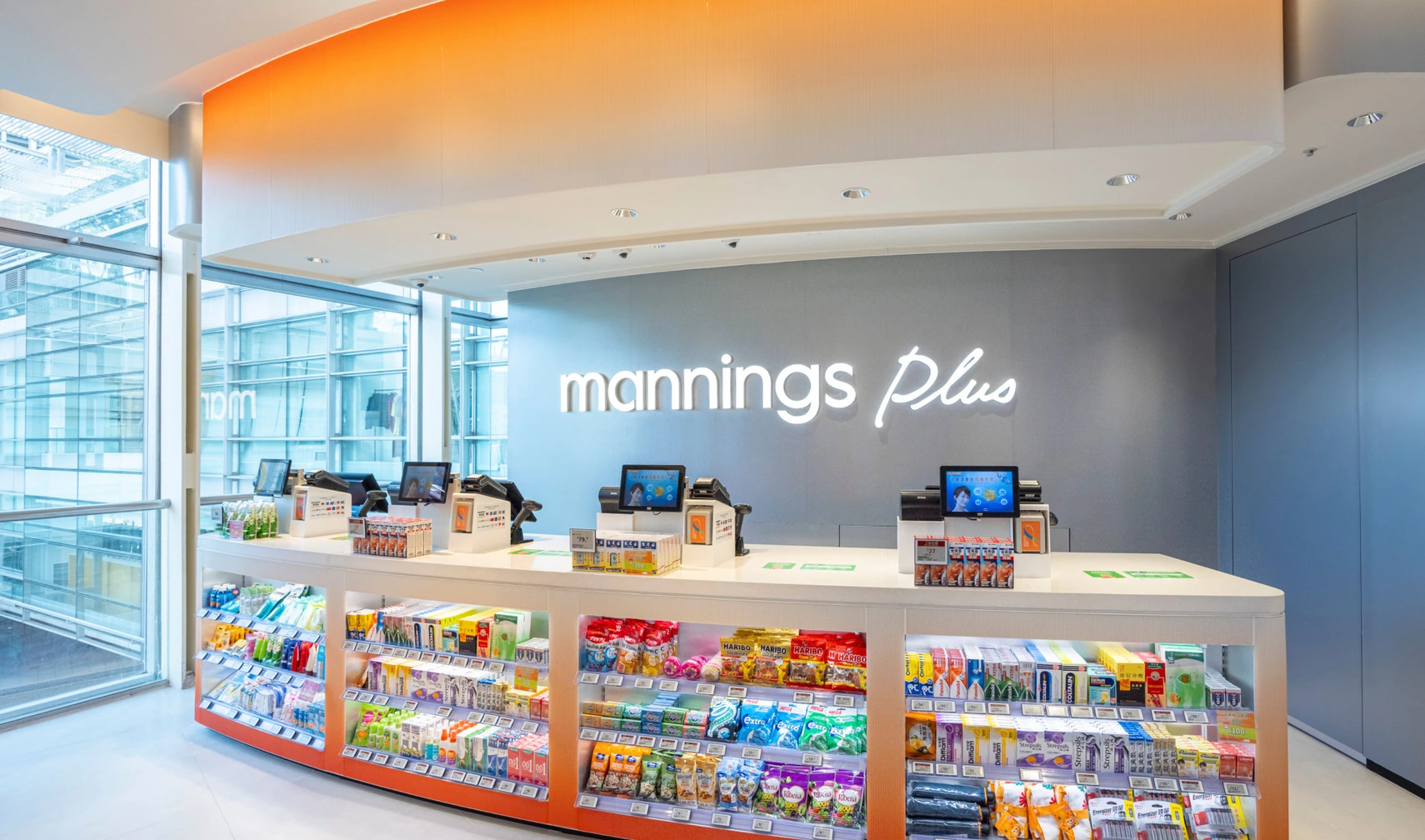
    Total revenue, accounting for 100 per cent of associates and joint ventures, noted a 1 per cent rise to $8.2 billion. The health and beauty division experienced a 4 per cent rise in sales, highlighting the growing brand value of Mannings and Guardian.

    Revenue Fluctuations

    On the other hand, the convenience segment, operating 7-Eleven stores in Hong Kong, Macau, Guangdong province, and Singapore, saw a 4 per cent revenue decline. The food division registered a slight dip in sales, not considering the sale of the Hero Supermarket.

    The home furnishings division, which runs Ikea in Hong Kong, Macau, Taiwan, and Indonesia, continues to face challenges due to fierce competition and changes in consumer purchasing patterns.

    CEO’s Remarks

    “Our ongoing portfolio evolution allows us to focus resources on high-profit businesses and growth initiatives. It also provides strategic flexibility for non-organic opportunities,” remarked Group CEO Scott Price.

    Despite lowering its revenue outlook for the full year, DFI has upgraded its profit guidance. Revenue growth is now anticipated to rise between 0.5-1 per cent, as opposed to the previously estimated 2 per cent. In contrast, an underlying attributable profit is expected to be within the range of $250-270 million, compared to the previously estimated $230-270 million.

    The group asserts its confidence in navigating the evolving market landscape, backed by strategic initiatives designed to increase market share and profit growth across all businesses.

    Questions & Answers

    What was the reason for the significant profit growth?
    Enhanced profitability in health and beauty sectors, higher contributions from associates, and steady revenue growth trends were the primary contributors to the growth.

    How did the convenience segment perform?
    The convenience segment, which operates 7-Eleven stores in various locations, reported a 4 per cent revenue decline.

    What are the expectations for the full-year revenue growth and profit?
    Revenue growth is now anticipated to rise between 0.5-1 per cent, while an underlying attributable profit is expected to be within the range of $250-270 million.

  • Motorbike Sales Surge 6.4% in First Half of the Year: A Thriving Market Trend

    Motorbike Sales Surge 6.4% in First Half of the Year: A Thriving Market Trend


    In a promising start to 2025, members of the Vietnam Association of Motorcycle Manufacturers recorded a 6.4% year-on-year sales increase, totaling 1.28 million motorbikes sold in the first half of the year.

    Motorbike Sales Surge, But Faces Seasonal Hurdles

    Despite the optimistic overall growth, the landscape shifted in the second quarter, where sales dipped significantly by 9.2%, landing at 611,236 units. This drop contrasted with the brisk pace of 4.9 vehicles sold every minute in the first half, a slight uptick from 4.6 during the same timeframe last year.

    Industry Giants and Emerging Players in the Mix

    The sales figures were driven largely by industry stalwarts Honda, Yamaha, Piaggio, Suzuki, and SYM, who dominate the market. Notably, other manufacturers like VinFast, BMW Motorrad, Triumph, Kawasaki, and Harley-Davidson remain tight-lipped about their sales figures, leaving many wondering just how many bikes are purring on the roads. Meanwhile, VinFast, Vietnam’s own electric motorcycle producer, hit an impressive milestone with an estimated 71,000 units sold in the first half alone, matching its total output for all of 2024, according to a reliable source. The rest of the manufacturers are often considered peripheral players in this thriving market.

    Future Mobility Directions in Hanoi

    In a forward-thinking move, Hanoi’s government, under the directive of Prime Minister Pham Minh Chinh, has set ambitious targets to phase out fossil fuel-powered motorbikes by July 1, 2026. This initiative will extend further, with plans to ban personal petrol and diesel vehicles in specific urban areas by 2028 and again by 2030 for broader ring roads. This policy is anticipated to give a significant boost to electric vehicle sales, stimulating growth in a rapidly changing automotive landscape.

    Questions & Answers

    What was the total number of motorbike sales in Vietnam during the first half of 2025?
    Vietnam’s motorcycle manufacturers recorded sales of 1.28 million units in the first half of 2025, marking a 6.4% increase from the previous year.

    Which companies are leading the motorcycle market in Vietnam?
    The primary players in Vietnam’s motorcycle market include Honda, Yamaha, Piaggio, Suzuki, and SYM, who collectively make up the Vietnam Association of Motorcycle Manufacturers.

    What are Hanoi’s plans for electric vehicles?
    Hanoi aims to phase out fossil fuel motorbikes by July 1, 2026, with plans to restrict petrol and diesel cars further by the end of the decade, potentially increasing demand for electric vehicles.

  • Richemont Reports 6% Quarterly Sales Rise Thanks To Cartier, Van Cleef & Arpels Jewelry Brands

    Richemont Reports 6% Quarterly Sales Rise Thanks To Cartier, Van Cleef & Arpels Jewelry Brands

    The Swiss luxury conglomerate, Richemont, reported a six per cent increase in quarterly sales, attributing the growth to the continued popularity of its fine jewelry brands, Cartier and Van Cleef & Arpels, among affluent consumers.

    Quarterly Sales Figures

    For the first quarter, ending June, the firm posted sales of 5.4 billion euros. This figure mirrors the projected six per cent growth in accordance with the forecast set by financial analysts.

    The powerhouse behind the group’s expansion was the jewelry division, which reported an 11 per cent sales increase. However, the company’s watch division, which comprises esteemed brands such as Vacheron Constantin and Jaeger LeCoultre, did not perform as well. Watch sales were seven per cent lower on a year-on-year basis, although this represents a minor recovery from the 11 per cent decline witnessed in the preceding quarter.

    Global Market Performance

    The Swiss watch industry, currently grappling with potential tariff threats in the United States, is predicted to report its lowest wristwatch export volumes since the onset of the pandemic in 2020.

    Regionally, sales performance varied. In the Americas, primarily the U.S market, sales improved mildly – up 17 per cent, surpassing the 12 per cent growth forecast. Conversely, sales in Asia remained stagnant, as a seven per cent sales slump in China, Hong Kong, and Macau was counterbalanced by robust business activities in other parts of the continent.

    Questions & Answers

    Which Richemont division led the group’s growth? The jewelry division led Richemont’s growth, reporting an 11 per cent increase in sales.

    How did the watch division perform? The watch sales were seven per cent lower on a year-on-year basis.

    How did sales vary across regions? Sales improved in the Americas, particularly in the U.S, by 17 per cent. In Asia, sales remained stagnant due to a seven per cent sales decrease in China, Hong Kong, and Macau, offset by stronger business in other Asian regions.

  • Tokyo Lifestyle Sees Sales Surge Thanks To Global Expansion: Eyes Middle East, Vietnam, Australia Next

    Tokyo Lifestyle Sees Sales Surge Thanks To Global Expansion: Eyes Middle East, Vietnam, Australia Next

    Tokyo Lifestyle, a retailer listed in the US but with its roots in Japan, has seen a boost in sales over the past fiscal year due to its steady growth in all markets. The company reported a revenue increase of 7.4 per cent during the year that ended on March 31, reaching a total of US$210.1 million.

    Growth Through Expansion

    The company’s management team has credited this surge in growth to the expansion of its existing network and branching out into new territories. Throughout the relevant year, Tokyo Lifestyle launched five new directly operated stores in the US, Canada, and Hong Kong. Additionally, the company added three franchise stores and 54 wholesale partners to its network, contributing significantly to its growth.

    Revenue derived from directly operated physical stores showed an impressive increase of 14.4 per cent, while sales from franchise stores and wholesale customers rose by 9.1 per cent.

    Despite this, Tokyo Lifestyle’s bottom line didn’t fare as well. The gross profit rose by 2.3 per cent, reaching $23.9 million, but net income fell from $7.5 million to $6.6 million, primarily due to losses from foreign currency exchange and changes in the fair value of warrants.

    Ambitious Expansion Strategy

    Mei Kanayama, the principal executive officer of Tokyo Lifestyle, expressed confidence in the company’s potential for long-term growth. She attributed this optimism to their ambitious yet thoroughly planned expansion strategy. She further stated, “We believe that our profitability will continue to improve steadily as our global footprint becomes more established with the addition of more distribution points.”

    On its expansion journey, the company revealed it has established a new subsidiary in Australia and has plans to launch stores in Vietnam, Australia, and the Middle East.

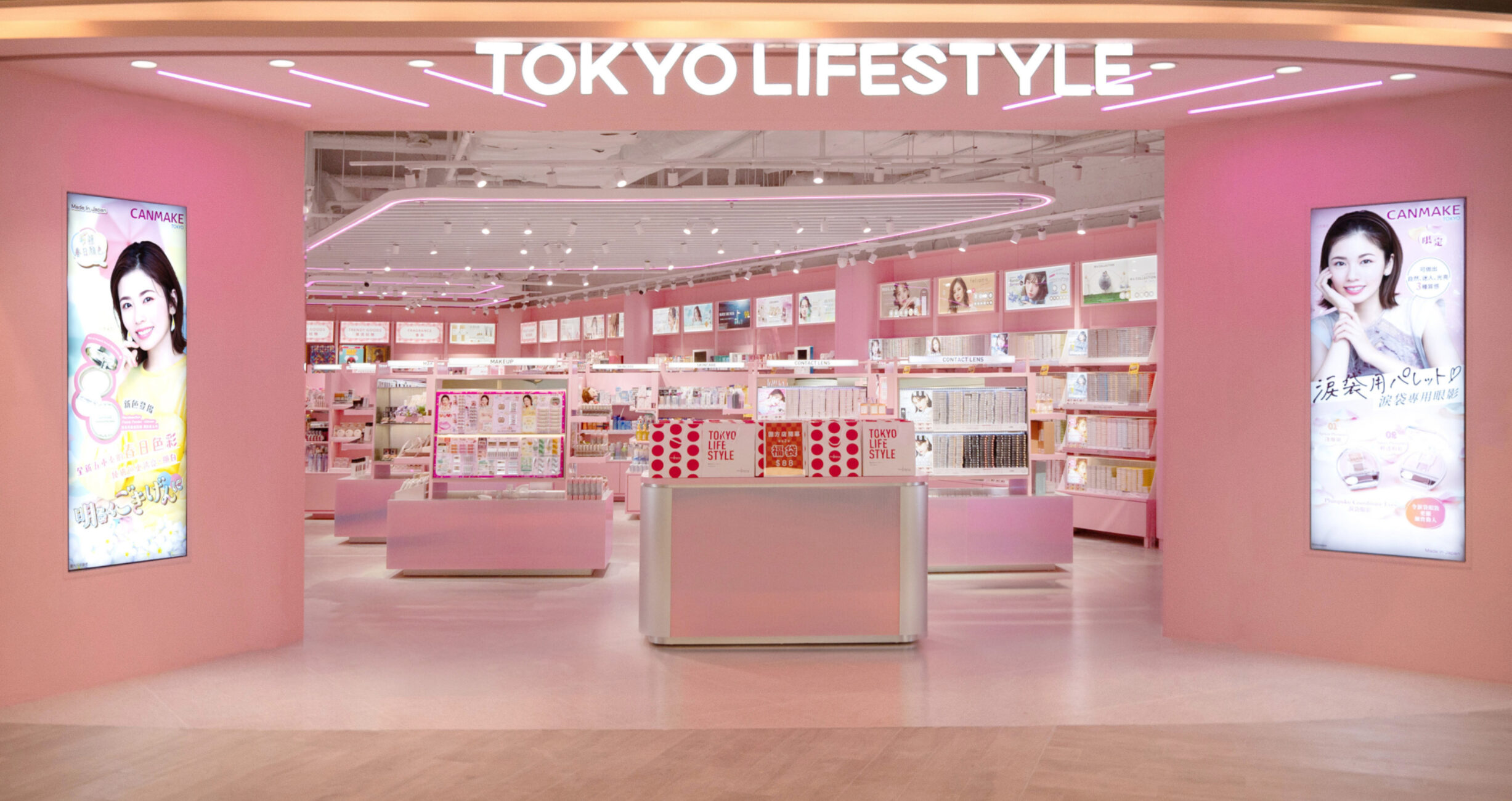
    Tokyo Lifestyle currently offers an array of Japanese products including beauty and health items, sundries, luxury items, electronic products, collectible cards, and trendy toys in Hong Kong, Japan, North America, Thailand, and the UK.

    Questions & Answers

    What contributed to Tokyo Lifestyle’s growth in the past fiscal year?
    The company attributes its growth to the expansion of its existing network and entry into new markets.

    What is Tokyo Lifestyle’s future expansion plan?
    Tokyo Lifestyle plans to establish more distribution points globally, with a particular focus on Vietnam, Australia, and the Middle East.

    What range of products does Tokyo Lifestyle offer?
    Tokyo Lifestyle offers a diverse range of Japanese products, encompassing beauty and health items, sundries, luxury items, electronic products, popular toys, and collectible cards.

  • Singapore’s Retail Sector: May’s Stability And Varied Industry Performances

    Singapore’s Retail Sector: May’s Stability And Varied Industry Performances

    Singapore’s Retail Sector in May

    In May, Singapore’s retail sector, excluding sales of motor vehicles, saw a stable performance. This follows a 0.8% growth in April and an increase of 0.7% in March. The data was gathered and released by the Department of Statistics. The total retail sales amounted to SG$3.6 billion (US$2.8 billion), with online sales contributing 14.5%.

    On a seasonally adjusted basis, however, there was a 0.6% decrease in retail sales in May compared to April.

    Performance across Industries

    Different sectors within the retail industry showed varied performances. The computer and telecommunications equipment industry saw the most significant growth. Sales in this sector rose by 9.2% compared to the same period in the previous year. Supermarkets and hypermarkets followed suit, recording a 7.2% increase.

    On the other hand, petrol service stations, as well as the clothing and footwear sector, reported declines. Sales dropped by 9.4% in petrol service stations and by 5.3% in the apparel and footwear industry.

    Food & Beverage Services

    The food and beverage (F&B) services sector also saw a rise in sales. In May, F&B sales increased by 1.4%, following a 1.3% increase in April. The total sales value for F&B services was about SG$1 billion. Online sales accounted for 25.2% of this figure.

    Questions & Answers

    What was the overall performance of Singapore’s retail sector in May?
    The retail sector in Singapore, excluding motor vehicles, remained stable in May after recording a growth of 0.8% in April and 0.7% in March.

    Which sectors within the retail industry showed the most growth?
    The computer and telecommunications equipment sector saw the most growth, with a 9.2% year-on-year increase. This was closely followed by supermarkets and hypermarkets, which reported a 7.2% rise in sales.

    How did the food and beverage services perform in May?
    The food and beverage services sector saw a 1.4% increase in sales in May, extending the growth of 1.3% recorded in April. The total sales value was estimated at SG$1 billion, with 25.2% of sales coming from online.

  • South Korea’s Retail Sales Surge 7% in May, Signaling Strong Consumer Confidence

    South Korea’s Retail Sales Surge 7% in May, Signaling Strong Consumer Confidence

    South Korea’s retail sector demonstrated remarkable resilience in May 2025, achieving a 7% year-on-year growth, spurred primarily by an ongoing boom in online sales. Data from the Ministry of Trade, Industry and Energy (MOTIE) revealed that this robust performance marks a continued recovery for both digital and traditional retail.

    Online Sales Take the Lead

    The online retail landscape saw a significant surge, with sales climbing by an impressive 13% compared to the same month last year. Meanwhile, the offline segment showed modest growth, with sales up a slight 0.9%, marking a positive turnaround for hypermarkets and department stores following the Seollal holiday season in January.

    Positive Trends in Hypermarkets and Department Stores

    Hypermarkets enjoyed a 0.2% bump in sales, whereas department stores reported a 2.3% increase, driven by high demand for luxury items and an uptick in customer spending during visits. Super supermarkets (SSMs) also continued their winning streak for the third consecutive month, with a 1% growth attributed to a steady flow of shoppers. However, not all segments experienced growth; convenience store sales dipped slightly by 0.2%.

    A Mixed Bag for Offline Goods

    Within the offline categories, food products increased by 1%, while luxury goods, particularly jewelry and watches, saw a remarkable 8.1% rise. But the picture wasn’t entirely rosy—home appliances and cultural items faced a sharp decline of 7.8%, with kids and sports goods decreasing 2.5% and fashion and miscellaneous items falling by 3.7%. If retail were a game of musical chairs, some segments might want to consider making a quick exit.

    Online Retail Remains a Powerhouse

    Online retail retains its status as the primary growth engine, with exceptional gains in services (up 37.3%) and food products (up 18.2%). The rising popularity of food delivery, e-coupons, travel packages, and cultural content significantly bolstered these statistics. Yet, it wouldn’t be the retail world without some hiccups; fashion and clothing sales saw a 4.6% decline, while sports-related items plummeted by a staggering 12.7%, extending a worrying downward trend.

    MOTIE’s analysis is derived from a comprehensive survey of 23 major retailers, encompassing 13 offline businesses—including department stores, hypermarkets, convenience stores, and super supermarkets—alongside 10 online platforms. As South Korea’s retail landscape evolves, it paints a vivid picture of changing consumer preferences and the dynamic interaction between online and offline shopping environments.

    Questions & Answers

    What drove the growth in South Korea’s retail sector in May 2025?
    The 7% year-on-year growth was primarily driven by a significant increase in online sales, which surged by 13% compared to the previous year.

    How did physical stores perform during this period?
    Offline sales saw a modest rise of 0.9%, with department stores and hypermarkets showing positive trends after the Seollal holiday season.

    Which retail categories witnessed the strongest and weakest performances?
    Luxury goods like jewelry and watches experienced an 8.1% increase, while fashion and sports-related items struggled, with declines of 4.6% and 12.7%, respectively.

  • Sa Sa International Faces Sales And Profit Downturn Amid Economic Uncertainties

    Sa Sa International Faces Sales And Profit Downturn Amid Economic Uncertainties

    Sa Sa International, a prominent beauty retailer, has recently disclosed a decrease in both sales and profits for its most recent fiscal year. This downturn is attributed to unfavorable market conditions in Hong Kong and Macau, the principal markets for the company.

    Sales Decrease

    Sa Sa International’s financial reports demonstrate a marked decrease in turnover, with a dip of 9.7% to HK$3.9 billion (US$497 million) for the fiscal year which ended on March 31. This decline is due largely to the continuous outbound travel of Hong Kong and Macau residents to Mainland China and other foreign countries.

    This expatriation, in tandem with a robust US dollar and an increase in economic uncertainties caused by trade tariffs, has led to more cautious spending by those visiting Hong Kong and Macau. The primary markets for the group are indeed Hong Kong and Macau, which represent more than 75% of the company’s total sales.

    In these markets specifically, turnover experienced a decline of 12.3%, and 10.5% in Mainland China, but conversely, a 14.7% increase was observed in Southeast Asia.

    Profit Decline

    The company has also reported a significant decline in profits for the year, with a slide of 64.8% to HK$77 million, aligning with the company board’s previous projections in April. Brick-and-mortar sales decreased by 11.9%, though some improvement was noted in the latter half of the fiscal year. However, online sales saw a modest increase of 1.2%, largely thanks to the growth of third-party e-commerce platforms in the Southeast Asian market.

    As the year concluded, the group maintained 84 stores in Hong Kong and Macau, 18 in Mainland China, and 72 in Southeast Asia.

    Future Plans

    Sa Sa International’s management team has expressed their intent to closely monitor market trends and make adjustments to their portfolio as necessary. Their primary objective is to facilitate growth in both sales and gross profit, while at the same time, maintaining a stable gross profit margin. Their aim is to develop a sustainable model to boost profitability.

    In the first quarter ending June 15, the group witnessed a 4.5% increase in turnover, with growth recorded in all markets, except for Mainland China.

    Questions & Answers

    What are the primary markets for Sa Sa International?
    Hong Kong and Macau are the primary markets for Sa Sa International, accounting for more than 75% of the company’s total sales.

    What caused the recent downturn for Sa Sa International?
    This downturn is due largely to the continuous outbound travel of Hong Kong and Macau residents to Mainland China and other foreign countries, coupled with a robust US dollar and increasing economic uncertainties.

    What is Sa Sa International’s plan moving forward?
    The company plans to closely monitor market trends and make adjustments to their portfolio as necessary. Their primary objective is to facilitate growth in both sales and gross profit while maintaining a stable gross profit margin.