Tag: Sales

  • Taiwan’s Retail Sales Suffer Third Consecutive Month Of Decline Amidst Auto Sector Slump

    Taiwan’s Retail Sales Suffer Third Consecutive Month Of Decline Amidst Auto Sector Slump

    Retail activity in Taiwan took a hit in June, as sales dropped by 2.9% to approximately NT$390 billion or US$13.3 billion, marking the third consecutive month of decline.

    Industry Specific Declines

    The slump was consistent with the projected range of a 0.4% to 3.4% decrease in sales. The most significant dip was observed in the automotive sector, with car, motorcycle, and auto parts and accessories sales plummeting by 17.3% year on year. This industry-wide slowdown was exacerbated by customers holding off on purchases while awaiting the outcome of Taiwan’s tariff discussions with the United States.

    Meanwhile, the fabric and clothing industry also suffered, recording a 6.3% drop in sales. This decline was partly due to a reduction in the number of holidays in June. Similarly, department stores experienced a 3.6% drop in sales.

    Food and Beverage Sector

    The food and beverage industry, which had previously enjoyed three months of consecutive growth, reported a 2% decrease in sales. According to the Ministry of Economic Affairs, this decline was largely driven by a slump in restaurant sales.

    Overall Retail Landscape in Taiwan

    Cumulatively, the country’s retail sales slid by 1.6% for the second quarter and 0.4% for the first half of the year. Looking ahead, the Ministry of Economic Affairs predicts that retail sales growth in July could range from a 2% decline to a 1% increase.

    Questions & Answers

    What was the overall decline in Taiwan’s retail sales in June?
    Sales fell by 2.9% to approximately NT$390 billion or US$13.3 billion.

    Which sector experienced the most significant sales decline?
    The automotive sector, which includes cars, motorcycles and auto parts and accessories, experienced the most steep decline with a drop of 17.3%.

    What are the projected retail sales for July as per the Ministry of Economic Affairs?
    The Ministry expects the retail sales growth for July to range between a decrease of 2% and an increase of 1%.

  • DFI Retail Group Surmounts Static Sales With Strong Profit Growth: Health And Beauty Sectors Lead The Way

    DFI Retail Group Surmounts Static Sales With Strong Profit Growth: Health And Beauty Sectors Lead The Way

    Despite relatively stationary sales figures, Hong Kong’s DFI Retail Group has reported robust profit growth in the first half of the fiscal year. Sharing profits with shareholders saw an impressive rise of 39 per cent to US$105 million in the six months concluding on June 30. Additionally, subsidiary profits also marked an increase by 3 per cent, reaching $75 million.

    Growth Drivers

    The management cites several reasons for this significant growth. Enhanced profitability in health and beauty sectors, increased contributions from associates, and steady revenue growth trends are the primary contributors to this success. For the first half of the year, subsidiary revenue totalled $4.4 billion, a marginal increase of 0.3 per cent on a comparable basis. This figure excludes the impact of the increased cigarette tax in Hong Kong and the sale of the Hero Supermarket business in Indonesia the previous year.

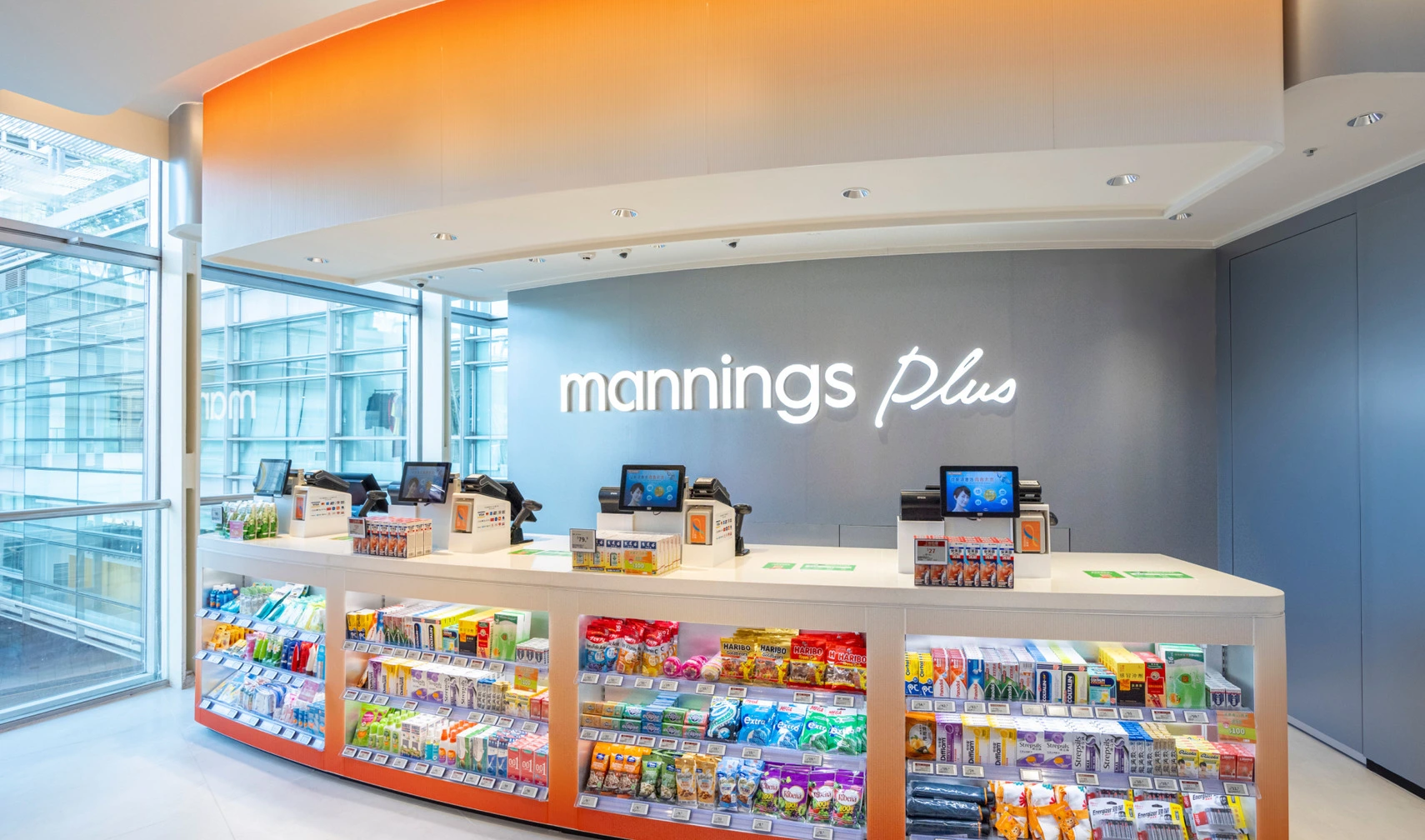
    Total revenue, accounting for 100 per cent of associates and joint ventures, noted a 1 per cent rise to $8.2 billion. The health and beauty division experienced a 4 per cent rise in sales, highlighting the growing brand value of Mannings and Guardian.

    Revenue Fluctuations

    On the other hand, the convenience segment, operating 7-Eleven stores in Hong Kong, Macau, Guangdong province, and Singapore, saw a 4 per cent revenue decline. The food division registered a slight dip in sales, not considering the sale of the Hero Supermarket.

    The home furnishings division, which runs Ikea in Hong Kong, Macau, Taiwan, and Indonesia, continues to face challenges due to fierce competition and changes in consumer purchasing patterns.

    CEO’s Remarks

    “Our ongoing portfolio evolution allows us to focus resources on high-profit businesses and growth initiatives. It also provides strategic flexibility for non-organic opportunities,” remarked Group CEO Scott Price.

    Despite lowering its revenue outlook for the full year, DFI has upgraded its profit guidance. Revenue growth is now anticipated to rise between 0.5-1 per cent, as opposed to the previously estimated 2 per cent. In contrast, an underlying attributable profit is expected to be within the range of $250-270 million, compared to the previously estimated $230-270 million.

    The group asserts its confidence in navigating the evolving market landscape, backed by strategic initiatives designed to increase market share and profit growth across all businesses.

    Questions & Answers

    What was the reason for the significant profit growth?
    Enhanced profitability in health and beauty sectors, higher contributions from associates, and steady revenue growth trends were the primary contributors to the growth.

    How did the convenience segment perform?
    The convenience segment, which operates 7-Eleven stores in various locations, reported a 4 per cent revenue decline.

    What are the expectations for the full-year revenue growth and profit?
    Revenue growth is now anticipated to rise between 0.5-1 per cent, while an underlying attributable profit is expected to be within the range of $250-270 million.

  • Motorbike Sales Surge 6.4% in First Half of the Year: A Thriving Market Trend

    Motorbike Sales Surge 6.4% in First Half of the Year: A Thriving Market Trend


    In a promising start to 2025, members of the Vietnam Association of Motorcycle Manufacturers recorded a 6.4% year-on-year sales increase, totaling 1.28 million motorbikes sold in the first half of the year.

    Motorbike Sales Surge, But Faces Seasonal Hurdles

    Despite the optimistic overall growth, the landscape shifted in the second quarter, where sales dipped significantly by 9.2%, landing at 611,236 units. This drop contrasted with the brisk pace of 4.9 vehicles sold every minute in the first half, a slight uptick from 4.6 during the same timeframe last year.

    Industry Giants and Emerging Players in the Mix

    The sales figures were driven largely by industry stalwarts Honda, Yamaha, Piaggio, Suzuki, and SYM, who dominate the market. Notably, other manufacturers like VinFast, BMW Motorrad, Triumph, Kawasaki, and Harley-Davidson remain tight-lipped about their sales figures, leaving many wondering just how many bikes are purring on the roads. Meanwhile, VinFast, Vietnam’s own electric motorcycle producer, hit an impressive milestone with an estimated 71,000 units sold in the first half alone, matching its total output for all of 2024, according to a reliable source. The rest of the manufacturers are often considered peripheral players in this thriving market.

    Future Mobility Directions in Hanoi

    In a forward-thinking move, Hanoi’s government, under the directive of Prime Minister Pham Minh Chinh, has set ambitious targets to phase out fossil fuel-powered motorbikes by July 1, 2026. This initiative will extend further, with plans to ban personal petrol and diesel vehicles in specific urban areas by 2028 and again by 2030 for broader ring roads. This policy is anticipated to give a significant boost to electric vehicle sales, stimulating growth in a rapidly changing automotive landscape.

    Questions & Answers

    What was the total number of motorbike sales in Vietnam during the first half of 2025?
    Vietnam’s motorcycle manufacturers recorded sales of 1.28 million units in the first half of 2025, marking a 6.4% increase from the previous year.

    Which companies are leading the motorcycle market in Vietnam?
    The primary players in Vietnam’s motorcycle market include Honda, Yamaha, Piaggio, Suzuki, and SYM, who collectively make up the Vietnam Association of Motorcycle Manufacturers.

    What are Hanoi’s plans for electric vehicles?
    Hanoi aims to phase out fossil fuel motorbikes by July 1, 2026, with plans to restrict petrol and diesel cars further by the end of the decade, potentially increasing demand for electric vehicles.

  • Richemont Reports 6% Quarterly Sales Rise Thanks To Cartier, Van Cleef & Arpels Jewelry Brands

    Richemont Reports 6% Quarterly Sales Rise Thanks To Cartier, Van Cleef & Arpels Jewelry Brands

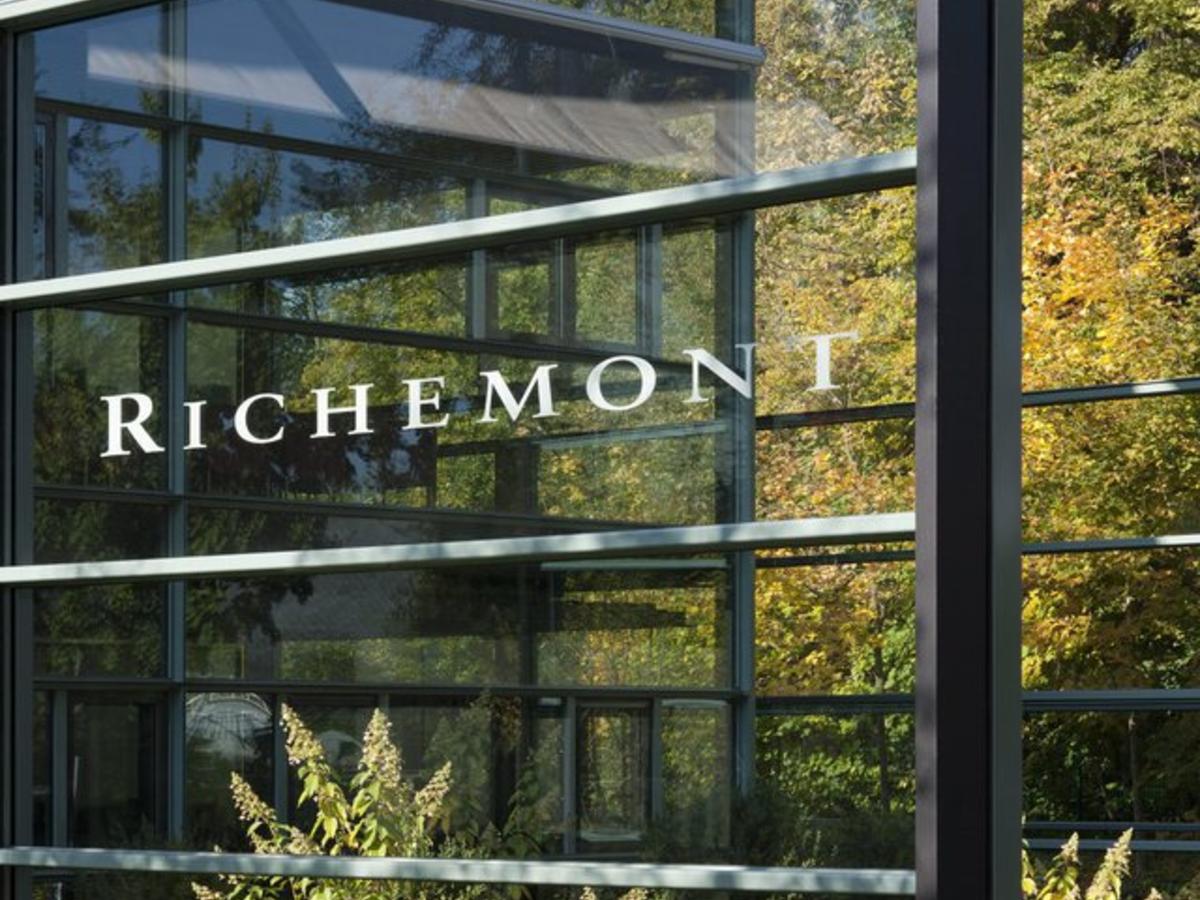
    The Swiss luxury conglomerate, Richemont, reported a six per cent increase in quarterly sales, attributing the growth to the continued popularity of its fine jewelry brands, Cartier and Van Cleef & Arpels, among affluent consumers.

    Quarterly Sales Figures

    For the first quarter, ending June, the firm posted sales of 5.4 billion euros. This figure mirrors the projected six per cent growth in accordance with the forecast set by financial analysts.

    The powerhouse behind the group’s expansion was the jewelry division, which reported an 11 per cent sales increase. However, the company’s watch division, which comprises esteemed brands such as Vacheron Constantin and Jaeger LeCoultre, did not perform as well. Watch sales were seven per cent lower on a year-on-year basis, although this represents a minor recovery from the 11 per cent decline witnessed in the preceding quarter.

    Global Market Performance

    The Swiss watch industry, currently grappling with potential tariff threats in the United States, is predicted to report its lowest wristwatch export volumes since the onset of the pandemic in 2020.

    Regionally, sales performance varied. In the Americas, primarily the U.S market, sales improved mildly – up 17 per cent, surpassing the 12 per cent growth forecast. Conversely, sales in Asia remained stagnant, as a seven per cent sales slump in China, Hong Kong, and Macau was counterbalanced by robust business activities in other parts of the continent.

    Questions & Answers

    Which Richemont division led the group’s growth? The jewelry division led Richemont’s growth, reporting an 11 per cent increase in sales.

    How did the watch division perform? The watch sales were seven per cent lower on a year-on-year basis.

    How did sales vary across regions? Sales improved in the Americas, particularly in the U.S, by 17 per cent. In Asia, sales remained stagnant due to a seven per cent sales decrease in China, Hong Kong, and Macau, offset by stronger business in other Asian regions.

  • Tokyo Lifestyle Sees Sales Surge Thanks To Global Expansion: Eyes Middle East, Vietnam, Australia Next

    Tokyo Lifestyle Sees Sales Surge Thanks To Global Expansion: Eyes Middle East, Vietnam, Australia Next

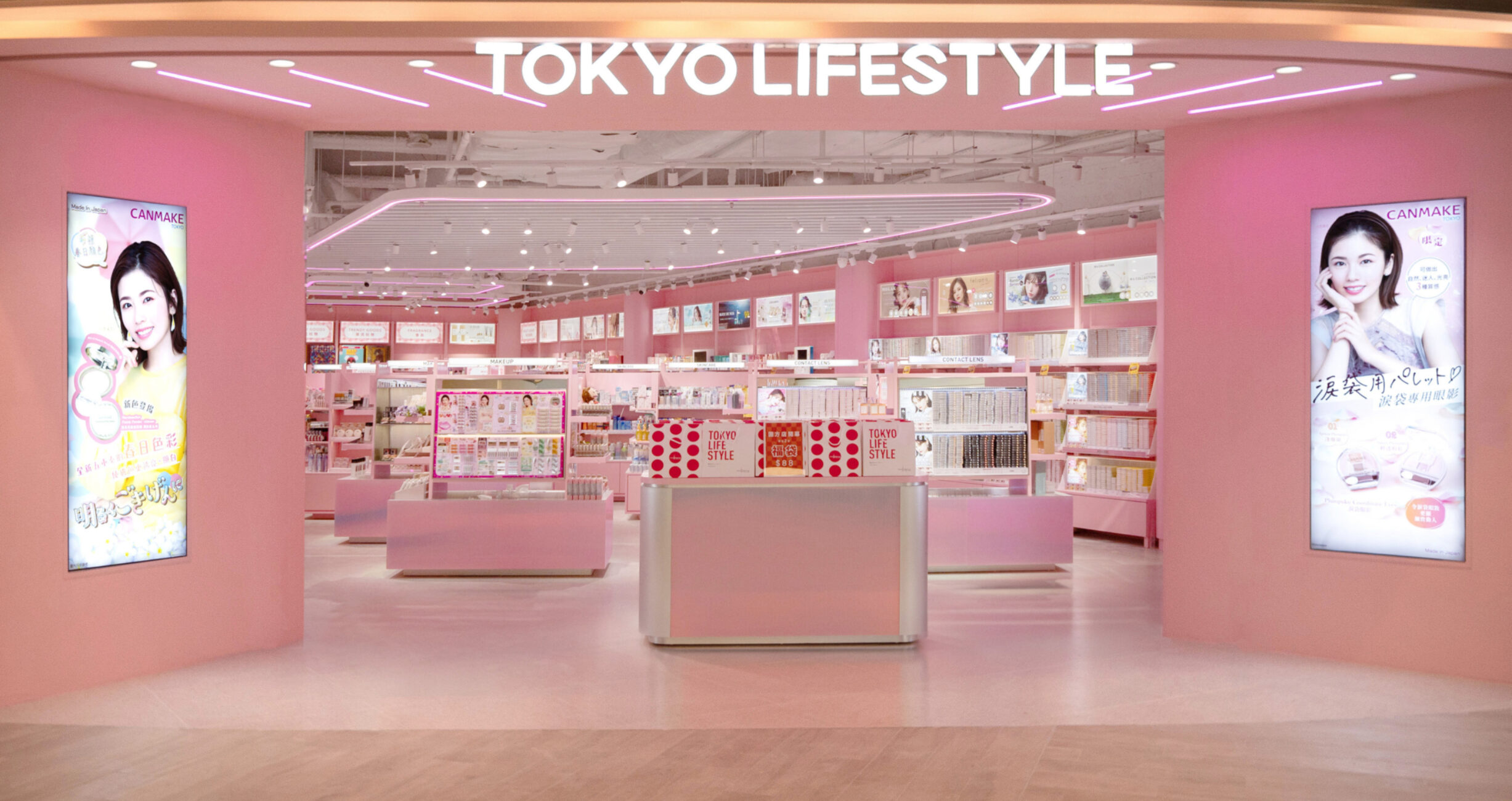
    Tokyo Lifestyle, a retailer listed in the US but with its roots in Japan, has seen a boost in sales over the past fiscal year due to its steady growth in all markets. The company reported a revenue increase of 7.4 per cent during the year that ended on March 31, reaching a total of US$210.1 million.

    Growth Through Expansion

    The company’s management team has credited this surge in growth to the expansion of its existing network and branching out into new territories. Throughout the relevant year, Tokyo Lifestyle launched five new directly operated stores in the US, Canada, and Hong Kong. Additionally, the company added three franchise stores and 54 wholesale partners to its network, contributing significantly to its growth.

    Revenue derived from directly operated physical stores showed an impressive increase of 14.4 per cent, while sales from franchise stores and wholesale customers rose by 9.1 per cent.

    Despite this, Tokyo Lifestyle’s bottom line didn’t fare as well. The gross profit rose by 2.3 per cent, reaching $23.9 million, but net income fell from $7.5 million to $6.6 million, primarily due to losses from foreign currency exchange and changes in the fair value of warrants.

    Ambitious Expansion Strategy

    Mei Kanayama, the principal executive officer of Tokyo Lifestyle, expressed confidence in the company’s potential for long-term growth. She attributed this optimism to their ambitious yet thoroughly planned expansion strategy. She further stated, “We believe that our profitability will continue to improve steadily as our global footprint becomes more established with the addition of more distribution points.”

    On its expansion journey, the company revealed it has established a new subsidiary in Australia and has plans to launch stores in Vietnam, Australia, and the Middle East.

    Tokyo Lifestyle currently offers an array of Japanese products including beauty and health items, sundries, luxury items, electronic products, collectible cards, and trendy toys in Hong Kong, Japan, North America, Thailand, and the UK.

    Questions & Answers

    What contributed to Tokyo Lifestyle’s growth in the past fiscal year?
    The company attributes its growth to the expansion of its existing network and entry into new markets.

    What is Tokyo Lifestyle’s future expansion plan?
    Tokyo Lifestyle plans to establish more distribution points globally, with a particular focus on Vietnam, Australia, and the Middle East.

    What range of products does Tokyo Lifestyle offer?
    Tokyo Lifestyle offers a diverse range of Japanese products, encompassing beauty and health items, sundries, luxury items, electronic products, popular toys, and collectible cards.

  • Singapore’s Retail Sector: May’s Stability And Varied Industry Performances

    Singapore’s Retail Sector: May’s Stability And Varied Industry Performances

    Singapore’s Retail Sector in May

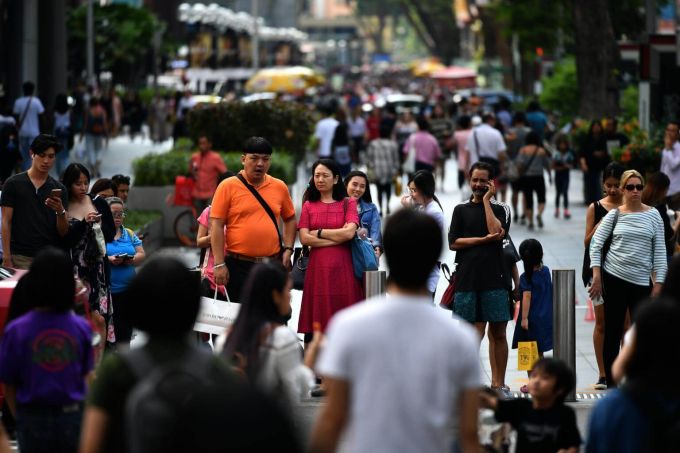
    In May, Singapore’s retail sector, excluding sales of motor vehicles, saw a stable performance. This follows a 0.8% growth in April and an increase of 0.7% in March. The data was gathered and released by the Department of Statistics. The total retail sales amounted to SG$3.6 billion (US$2.8 billion), with online sales contributing 14.5%.

    On a seasonally adjusted basis, however, there was a 0.6% decrease in retail sales in May compared to April.

    Performance across Industries

    Different sectors within the retail industry showed varied performances. The computer and telecommunications equipment industry saw the most significant growth. Sales in this sector rose by 9.2% compared to the same period in the previous year. Supermarkets and hypermarkets followed suit, recording a 7.2% increase.

    On the other hand, petrol service stations, as well as the clothing and footwear sector, reported declines. Sales dropped by 9.4% in petrol service stations and by 5.3% in the apparel and footwear industry.

    Food & Beverage Services

    The food and beverage (F&B) services sector also saw a rise in sales. In May, F&B sales increased by 1.4%, following a 1.3% increase in April. The total sales value for F&B services was about SG$1 billion. Online sales accounted for 25.2% of this figure.

    Questions & Answers

    What was the overall performance of Singapore’s retail sector in May?
    The retail sector in Singapore, excluding motor vehicles, remained stable in May after recording a growth of 0.8% in April and 0.7% in March.

    Which sectors within the retail industry showed the most growth?
    The computer and telecommunications equipment sector saw the most growth, with a 9.2% year-on-year increase. This was closely followed by supermarkets and hypermarkets, which reported a 7.2% rise in sales.

    How did the food and beverage services perform in May?
    The food and beverage services sector saw a 1.4% increase in sales in May, extending the growth of 1.3% recorded in April. The total sales value was estimated at SG$1 billion, with 25.2% of sales coming from online.

  • South Korea’s Retail Sales Surge 7% in May, Signaling Strong Consumer Confidence

    South Korea’s Retail Sales Surge 7% in May, Signaling Strong Consumer Confidence

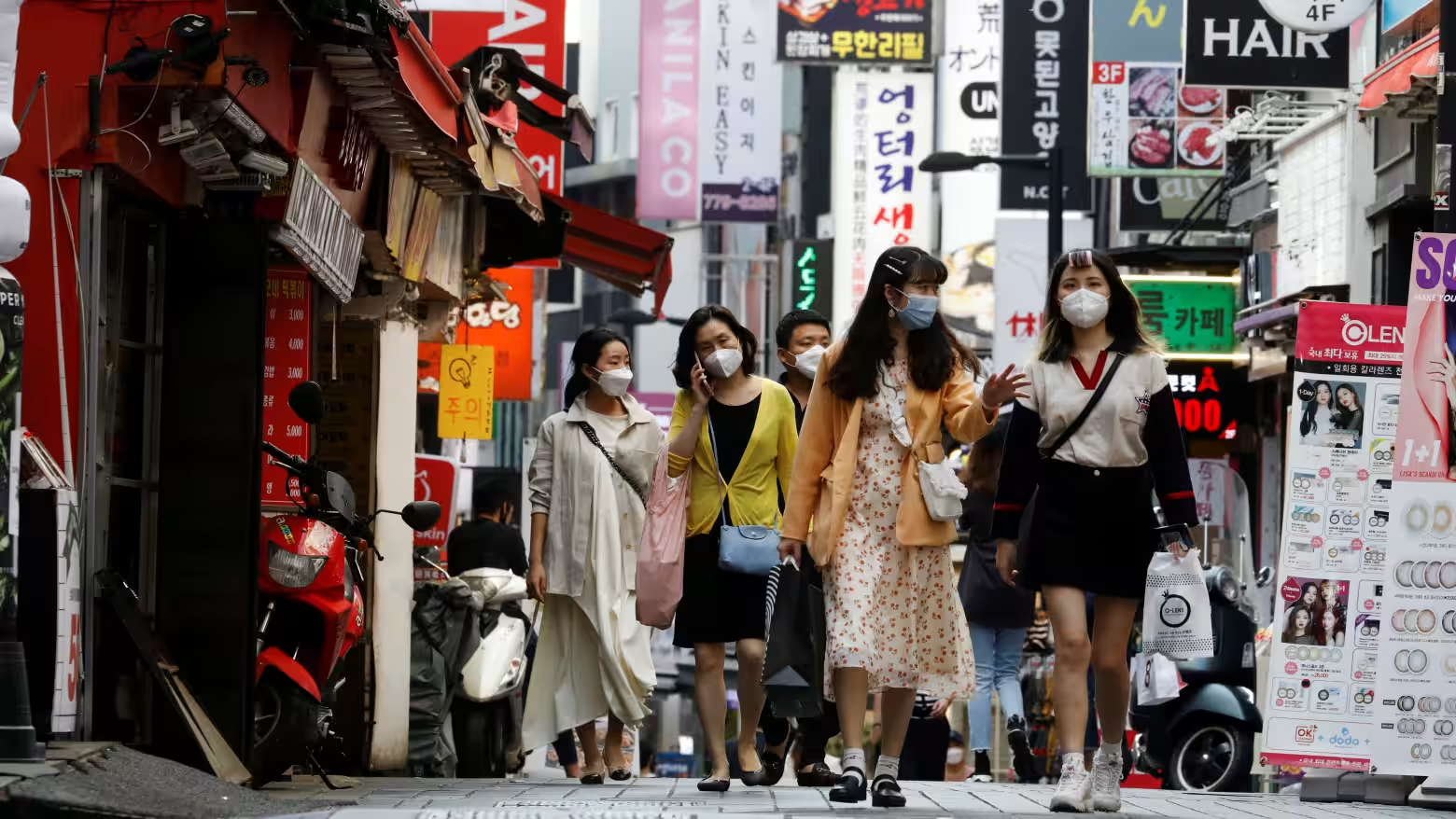
    South Korea’s retail sector demonstrated remarkable resilience in May 2025, achieving a 7% year-on-year growth, spurred primarily by an ongoing boom in online sales. Data from the Ministry of Trade, Industry and Energy (MOTIE) revealed that this robust performance marks a continued recovery for both digital and traditional retail.

    Online Sales Take the Lead

    The online retail landscape saw a significant surge, with sales climbing by an impressive 13% compared to the same month last year. Meanwhile, the offline segment showed modest growth, with sales up a slight 0.9%, marking a positive turnaround for hypermarkets and department stores following the Seollal holiday season in January.

    Positive Trends in Hypermarkets and Department Stores

    Hypermarkets enjoyed a 0.2% bump in sales, whereas department stores reported a 2.3% increase, driven by high demand for luxury items and an uptick in customer spending during visits. Super supermarkets (SSMs) also continued their winning streak for the third consecutive month, with a 1% growth attributed to a steady flow of shoppers. However, not all segments experienced growth; convenience store sales dipped slightly by 0.2%.

    A Mixed Bag for Offline Goods

    Within the offline categories, food products increased by 1%, while luxury goods, particularly jewelry and watches, saw a remarkable 8.1% rise. But the picture wasn’t entirely rosy—home appliances and cultural items faced a sharp decline of 7.8%, with kids and sports goods decreasing 2.5% and fashion and miscellaneous items falling by 3.7%. If retail were a game of musical chairs, some segments might want to consider making a quick exit.

    Online Retail Remains a Powerhouse

    Online retail retains its status as the primary growth engine, with exceptional gains in services (up 37.3%) and food products (up 18.2%). The rising popularity of food delivery, e-coupons, travel packages, and cultural content significantly bolstered these statistics. Yet, it wouldn’t be the retail world without some hiccups; fashion and clothing sales saw a 4.6% decline, while sports-related items plummeted by a staggering 12.7%, extending a worrying downward trend.

    MOTIE’s analysis is derived from a comprehensive survey of 23 major retailers, encompassing 13 offline businesses—including department stores, hypermarkets, convenience stores, and super supermarkets—alongside 10 online platforms. As South Korea’s retail landscape evolves, it paints a vivid picture of changing consumer preferences and the dynamic interaction between online and offline shopping environments.

    Questions & Answers

    What drove the growth in South Korea’s retail sector in May 2025?
    The 7% year-on-year growth was primarily driven by a significant increase in online sales, which surged by 13% compared to the previous year.

    How did physical stores perform during this period?
    Offline sales saw a modest rise of 0.9%, with department stores and hypermarkets showing positive trends after the Seollal holiday season.

    Which retail categories witnessed the strongest and weakest performances?
    Luxury goods like jewelry and watches experienced an 8.1% increase, while fashion and sports-related items struggled, with declines of 4.6% and 12.7%, respectively.

  • Sa Sa International Faces Sales And Profit Downturn Amid Economic Uncertainties

    Sa Sa International Faces Sales And Profit Downturn Amid Economic Uncertainties

    Sa Sa International, a prominent beauty retailer, has recently disclosed a decrease in both sales and profits for its most recent fiscal year. This downturn is attributed to unfavorable market conditions in Hong Kong and Macau, the principal markets for the company.

    Sales Decrease

    Sa Sa International’s financial reports demonstrate a marked decrease in turnover, with a dip of 9.7% to HK$3.9 billion (US$497 million) for the fiscal year which ended on March 31. This decline is due largely to the continuous outbound travel of Hong Kong and Macau residents to Mainland China and other foreign countries.

    This expatriation, in tandem with a robust US dollar and an increase in economic uncertainties caused by trade tariffs, has led to more cautious spending by those visiting Hong Kong and Macau. The primary markets for the group are indeed Hong Kong and Macau, which represent more than 75% of the company’s total sales.

    In these markets specifically, turnover experienced a decline of 12.3%, and 10.5% in Mainland China, but conversely, a 14.7% increase was observed in Southeast Asia.

    Profit Decline

    The company has also reported a significant decline in profits for the year, with a slide of 64.8% to HK$77 million, aligning with the company board’s previous projections in April. Brick-and-mortar sales decreased by 11.9%, though some improvement was noted in the latter half of the fiscal year. However, online sales saw a modest increase of 1.2%, largely thanks to the growth of third-party e-commerce platforms in the Southeast Asian market.

    As the year concluded, the group maintained 84 stores in Hong Kong and Macau, 18 in Mainland China, and 72 in Southeast Asia.

    Future Plans

    Sa Sa International’s management team has expressed their intent to closely monitor market trends and make adjustments to their portfolio as necessary. Their primary objective is to facilitate growth in both sales and gross profit, while at the same time, maintaining a stable gross profit margin. Their aim is to develop a sustainable model to boost profitability.

    In the first quarter ending June 15, the group witnessed a 4.5% increase in turnover, with growth recorded in all markets, except for Mainland China.

    Questions & Answers

    What are the primary markets for Sa Sa International?
    Hong Kong and Macau are the primary markets for Sa Sa International, accounting for more than 75% of the company’s total sales.

    What caused the recent downturn for Sa Sa International?
    This downturn is due largely to the continuous outbound travel of Hong Kong and Macau residents to Mainland China and other foreign countries, coupled with a robust US dollar and increasing economic uncertainties.

    What is Sa Sa International’s plan moving forward?
    The company plans to closely monitor market trends and make adjustments to their portfolio as necessary. Their primary objective is to facilitate growth in both sales and gross profit while maintaining a stable gross profit margin.

  • Samsung ‘shock’ as profits start to droop

    Samsung ‘shock’ as profits start to droop

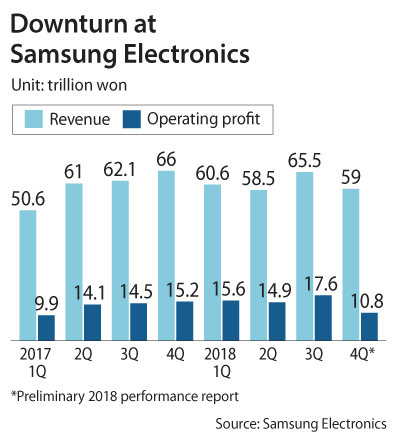
    Samsung Electronics announced sharply lower earnings for the fourth quarter, an earnings “shock” that suggested that the “supercycle” in the global semiconductor market is nearing an end. Preliminary 2018 performance numbers released Tuesday predicted the local IT giant’s operating profit between October and December of last year would be 10.8 trillion won ($9.6 billion), down 28.71 percent year on year.

    This is the lowest figure since the first quarter of 2017’s 9.9 trillion won. Between those two quarters, operating profit had consistently stayed in the 14 to 17 trillion won range.

    Revenue for last year’s fourth quarter slumped 10.58 percent year on year to 59 trillion won. Last year’s third quarter saw record quarterly highs of 65.5 trillion won in revenue and 17.6 trillion won in operating profit.

    Local analysts had expected 13.4 trillion won in operating profit for the fourth quarter and 63.2 trillion won in revenue, according to the stock information provider FnGuide.

    Samsung did not reveal performance figures for different business divisions, but the company cited “slow demand” in semiconductors as a major factor in a public announcement the same day. The IT giant has three major business divisions: chips, smartphones and home electronics.

    The results for all of 2018 showed that the company had a record high operating profit of 58.89 trillion won, a 9.77 percent jump from last year, and 243.5 trillion won in revenue, up 1.64 percent year on year.

    Before starting to slow, semiconductors were the main contributors to Samsung’s high performance over the last two years.

    In the announcement, the company added that demand from data center clients in the fourth quarter had fallen short of expectations.

    “Shipping of memory chips retreated from the third quarter, and the price decline turned out to be bigger than what we expected earlier this year,” it said.

    One reason is because companies with data centers such as Amazon, Facebook and Microsoft bought large amounts of dynamic random-access memory (DRAM) chips during the last two years, which are now piling up.

    DRAM prices started to fall after more than a year of increases – another factor that is affecting demand as companies anticipate more price cuts.

    Slow growth in smartphone sales and one-off expenses including the company’s offering of incentives to staff at the year’s end also affected the profit level.

    Worries that the semiconductor supercycle was ending have surfaced for years, but Samsung and other chipmakers have reported strong earnings – until the fourth quarter.

    December’s chip exports from Korea retreated for the first time in 27 months. The general consensus among local analysts is that Samsung’s revenue will continue to shrink in the first half of this year.

    But they have a more positive outlook for the second half.

    “Memory chip prices will bounce back in the second half of 2019,” said analyst Lee Jae-yun of Yuanta Securities. “Because the supply growth rate of major chipmakers in 2019 will be 19 percent [year on year], whereas demand growth is expected to reach 20 percent.”

  • Asian smartphone sales still lead world

    Asian smartphone sales still lead world

    Asian smartphone sales still lead the world market, with Asia Pacific tipped to remain the fastest-growing region this year.

    Handsets are the main consumer electronic product bought both online and in stores across the region, according to a new study by market research company GFK.

    The study shows 85 per cent of consumers polled across Asia Pacific have bought a consumer electronic item in the past 12 months, half of these purchases made over the internet. Across the 10 markets surveyed, a smartphone was the leading purchase.

    India, Vietnam and Indonesia had the highest incidence of smartphone purchases during the period.

    GFK head of retail, APAC, Jake Shepherd, says developing countries in the region have been strong drivers of consumer electronic sales.

    “The huge, yet largely untapped, potential of the eCommerce industry in these markets is growing rapidly with deepening internet penetration and adoption of connected technology.”

    While all product categories report online sales, offline sales still tend to dominate, says the report. For instance, while 69 per cent of Vietnamese consumers bought a consumer electronic product in the past 12 months, only 20 made the purchase online.

    Shepherd says the consumer purchase journey generally involves seeking information to help with making decisions. In APAC, 44 per cent of consumers do online research before buying a smartphone, with most people checking customer review sites and the manufacturer or brand’s website. Talking to family, friends or colleagues ranks next on the list as an influential information source, especially in Hong Kong and Taiwan where one in four consumers say this helps them make their decision.

    Only 19 per cent of consumers make their decisions based on in-store experiences, and Shepherd says it is important for businesses have a good understanding of the entire path to purchase to effectively formulate shopper strategies.

    For the online survey, during February and March, GFK questioned nearly 6500 regular internet users between 18 and 55 years across 10 Asia Pacific countries – Australia, Hong Kong, India, Indonesia, Malaysia, Philippines, Singapore, Taiwan, Thailand and Vietnam.

    GFK has more than 13,000 researchers and market intelligence from more than 100 countries.

  • Red Cloud kickstarts Far East raw denim culture

    Red Cloud kickstarts Far East raw denim culture

    Red Cloud is a name few major retailers have yet heard of – but watch this space…

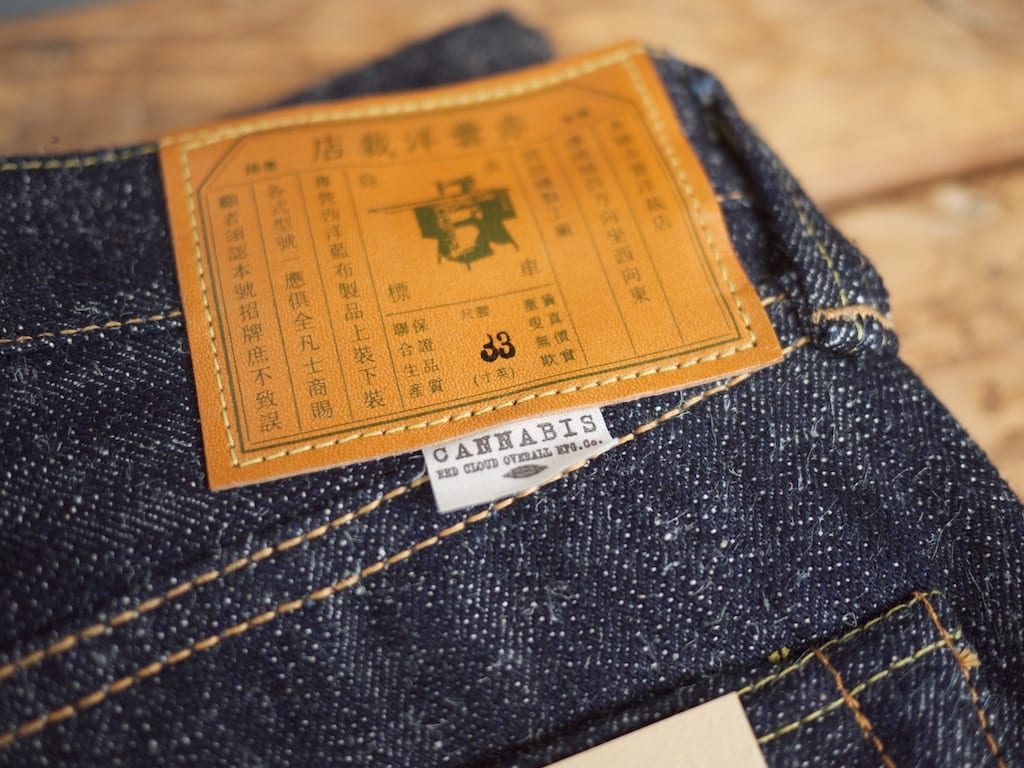
    Dubbed one of China’s first premium selvedge denim brands by influential fashion media monitor WGSN, it’s one of a new wave of independent denim makers carving out a new raw denim culture in Asia.

    Red Cloud’s new store is not exactly located in the heart of Hong Kong’s fashion highway – instead, you’ll find it tucked away in a narrow alley in Kwun Tong in Hong Kong’s industrial district.

    It’s the company’s second retail store, the first in its home city of Shenyang in the Mainland opened soon after the brand was founded in 2007.

    In an extensive interview with WGSN correspondent Anupreet Bhui, published online with photos of the store’s interior design, store manager Wan talks about the positioning of Red Cloud as a high end premium selvedge raw denim brand and how it has overcome the ‘Made in China’ tag.

    “The first thing that strikes you upon entering the shop is its old world charm garnished heavily with refreshing vintage interiors done up in a typical retro Hong Kong flavour that speaks out through its ceiling fan, authentic shop signage and hand picked furniture classics,” explains Bhui.

    “The shop is itself a labor of love by its owner Wan, who has hand built most of its fixtures and curated vintage furniture from all over Hong Kong and China. Wan is a good friend of Red Cloud founder Raymond and has helped him develop the business in Hong Kong as the sole distributer of Red Cloud & Co.”

    Wan says the shop has already built a fast-growing following among local denim connoisseurs.

    “At present there are a number of denim brands that are coming out in the market which may be selvedge and more expensive. However I really feel that for the consumer who truly understands high quality and authenticity, will continue to value Red Cloud & Co. Over these years, we are slowly but steadily building up our loyalist base who truly understand the difference. I am very optimistic about the future,” he told Bhui.

  • Major smartphone chipmaker says new Huawei OS could impact its sales

    Major smartphone chipmaker says new Huawei OS could impact its sales

    The company that manufacturers many of the chips used in smartphones, Taiwan Semiconductor Manufacturing Company (TSMC) is going to be impacted in the short term by the ban that prevents Huawei from sourcing parts and software in the U.S. The company previously had stated that Huawei’s placement on the Commerce Department’s Entity List would not affect it; the company has already announced that it would continue to manufacture chips for Huawei and its HiSilicon unit.

    It appears that TSMC has reevaluated the situation. TSMC Chairman Mark Liu, speaking to reporters today, said that sales of Huawei phones will slow down as consumers decide whether they can live with the phone manufacturer’s Android replacement. As a result, Huawei might need fewer chips to be assembled, which would affect TSMC’s revenue in the short term.

    “It certainly will have some impact in the short term. When there’s no Android system in a smartphone, many people might have doubts on whether the market will accept it.”-Mark Liu, chairman, TSMC

    Liu did add that demand for both 5G smartphones and newer handsets coming to market in the second half of this year will help TSMC stay on track for 2019. The executive says that his company’s outlook remains unchanged for the calendar year. Back in January, Liu said that TSMC’s 2019 revenue would grow 1% to 3% over last year’s figure of $1.03 trillion NT ($32.8 billion USD). Last year, the firm earned net profits of $351.13 billion NT ($11.4 billion USD).

    While Huawei’s in-house HiSilicon unit designs the chips used in Huawei’s high-end phones, the company has lost the support of U.K. chip designer ARM Holdings. This is a big blow to the company as it will need to search for an alternative architecture for its SoCs. Meanwhile, Huawei says that it has stockpiled a year’s worth of chip parts and components.

  • Luk Fook sales drop 10 per cent in latest quarter

    Luk Fook sales drop 10 per cent in latest quarter

    Luk Fook sales in the third quarter fell 10 per cent on a same-store basis. “Recent market sentiment has been adversely impacted by the US-China trade war, the depreciation of Renminbi, and downward pressure in the stock and property markets,” said chairman Wai Sheung Wong ina  stock exchange filing. Luk Fook says same-store sales of gold products fell by 9 per cent and of gem-set jewellery by 8 per cent.

    The company’s disappointing figures come in the same week as rival jeweller Chow Tai Fook reported an 11 per cent decline in sales across Mainland China, Hong Kong and Macau.

    Wong said the Renminbi’s depreciation led to higher tendency for customers to purchase lower-value items, resulting in a double-digit drop in the average selling price of gem-set jewellery products.

    Same-store Luk Fook sales in Mainland China fell by 14 per cent, with gold products down 16 per cent and gem-set jewellery down 5 per cent.

    As at December 31 the company operated 221 of its own Lukfook stores, including 150 on the mainland, 49 in Hong Kong, 11 in Macau and 11 overseas. It supplied 1573 licensed shops on the mainland, one in Cambodia and one in the Philippines, making a total of 1796 worldwide.

  • Mainlanders drive Sa Sa sales to $2.1b

    Mainlanders drive Sa Sa sales to $2.1b

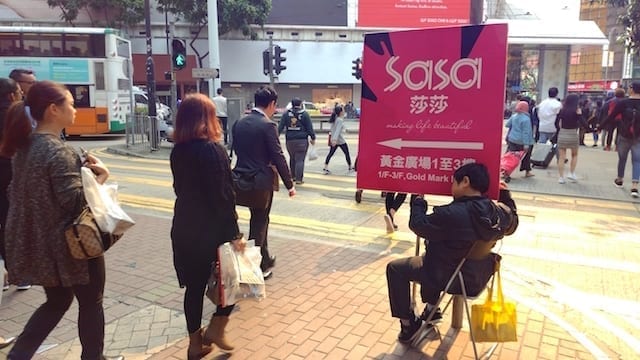
    Sa Sa International Holdings (0178), the cosmetics and skincare retailer, said yesterday retail and wholesale turnover for the first quarter ended June 30 increased by 24.8 percent over the same period the year to HK$2.11 billion.

    The retail and wholesale turnover in Hong Kong and Macau markets increased by 27.7 percent to HK$1.8 billion, while same-store sales increased by 25.3 percent.

    This was mainly driven by a 27.5 percent increase in the number of transactions from mainland tourists, which also led to a 14.5 percent growth in the volume of transactions.

    The average sales per transaction of local consumers and mainland tourists increased by 8.1 percent and 7 percent respectively, Sa Sa reported.

    Hong Kong’s retailers have forecast their turnover in the second half to grow by 10 percent year on year, JLL found in a recent survey.

    About 83 percent of the international and local retailers are planning to open new shops in the city over the next 12 months, a significant jump from 62 percent as recorded a year ago. JLL surveyed 40 retailers and retail landlords in June and found that more than 90 percent of the respondents stated their retail sales in the first half of 2018 fared better than those in the previous year.

    Retailers from almost all sectors are seeing strong and sustained growth in their sales which will lead to them investing more into the market, while the luxury sector is currently the biggest winner, led predominantly by the mainland tourists, said James Assersohn, director of Asia Pacific Retail at JLL.

    “However, we also see locals increase spending which provides a deeper and more sustainable growth trajectory for retail businesses here,” James added.

    Meanwhile, it is worth noting that changing consumption patterns and shopper profiles fueled by millennials and generation Z have also led to greater demand for mass and mid-market brands, serving as a significant boost to local spending, said the survey. It is expected that the rents of high street shops and prime shopping centers to grow in the range of 0 to 5 percent for the full year, said Terence Chan, Head of Retail at JLL in Hong Kong.

    For the local industrial and commercial property market, property agency Midland IC&I (0459) forecast 10,000 transactions will be recorded in 2018, rising by 8 to 10 percent year-on-year, which will set a new record high.

    The turnover for the year is expected to decline 0 to 5 percent mainly due to uncertainties including the trade war between China and the United States and fluctuations the local stock market.

    Midland IC&I forecasts that industrial and commercial properties will record a turnover of HK$130 billion and HK$160 billion respectively for the second half and the full year.

  • Chow Tai Fook Overcomes Sales Slump With Increased Operating Profit: Unveils Expansion Plans

    Chow Tai Fook Overcomes Sales Slump With Increased Operating Profit: Unveils Expansion Plans

    Despite subdued consumer sentiment impacting its sales in the last fiscal year, Chow Tai Fook witnessed an increase in its operating profit.

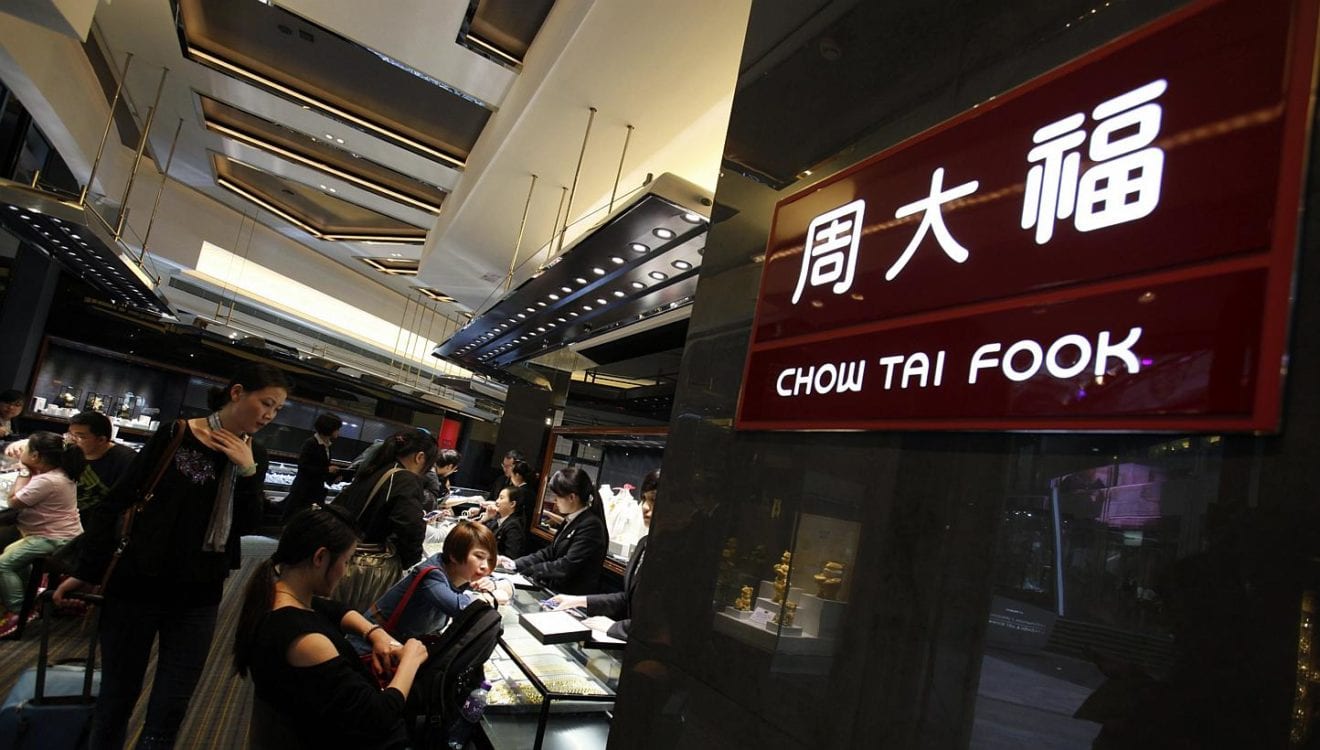
    The company’s revenues for the fiscal year, ending on March 31, saw a significant decrease of 17.5 per cent, amounting to HK$89.6 billion (US$11.4 billion). The reasons behind this slump were attributed to wider macroeconomic factors and high gold prices, both of which contributed to dampening consumer sentiment.

    However, the company’s operating profit demonstrated resilience amidst these challenges, marking a 9.8 per cent increase and reaching HK$14.7 billion. This rise in profit can be attributed to a well-curated product mix, increased gold prices, and effective cost management strategies. Consequently, the operating profit margin also saw an enhancement of 400 basis points, rising to 16.4 per cent.

    Nevertheless, the profit assigned to shareholders witnessed a drop by 9 per cent, amounting to HK$5.9 billion. This was due to the fact that the growth in operating profit was overshadowed by the losses incurred through the revaluation of gold loan contracts.

    The company also highlighted that its same-store sales performance in Mainland China demonstrated a progressive improvement on a quarterly basis. Concurrently, the performance of stores in Hong Kong and Macau showed signs of stabilization towards the end of the fiscal year.

    Throughout the year, Chow Tai Fook made notable advances in its brand transformation strategy. The company launched five new stores featuring a premium format in Mainland China and Hong Kong. These were designed to augment brand desirability and enhance store productivity.

    In the upcoming fiscal year, the company is set to continue its strategic expansion by unveiling its new-format stores in Singapore and Canada. Additionally, it also plans to penetrate high-growth markets in Southeast Asia and prime locations.

    Questions & Answers

    What was Chow Tai Fook’s revenue for the year ended March 31?
    The revenue for Chow Tai Fook for the year ended March 31 was HK$89.6 billion (US$11.4 billion).

    What factors contributed to the increase in Chow Tai Fook’s operating profit?
    The rise in Chow Tai Fook’s operating profit can be attributed to an improved product mix, higher gold prices, and effective cost management measures.

    What are Chow Tai Fook’s expansion plans for the upcoming fiscal year?
    Chow Tai Fook’s expansion plans for the upcoming fiscal year include launching new-format stores in Singapore and Canada. It also plans to infiltrate high-growth markets in Southeast Asia and other prime locations.