Tag: Sales

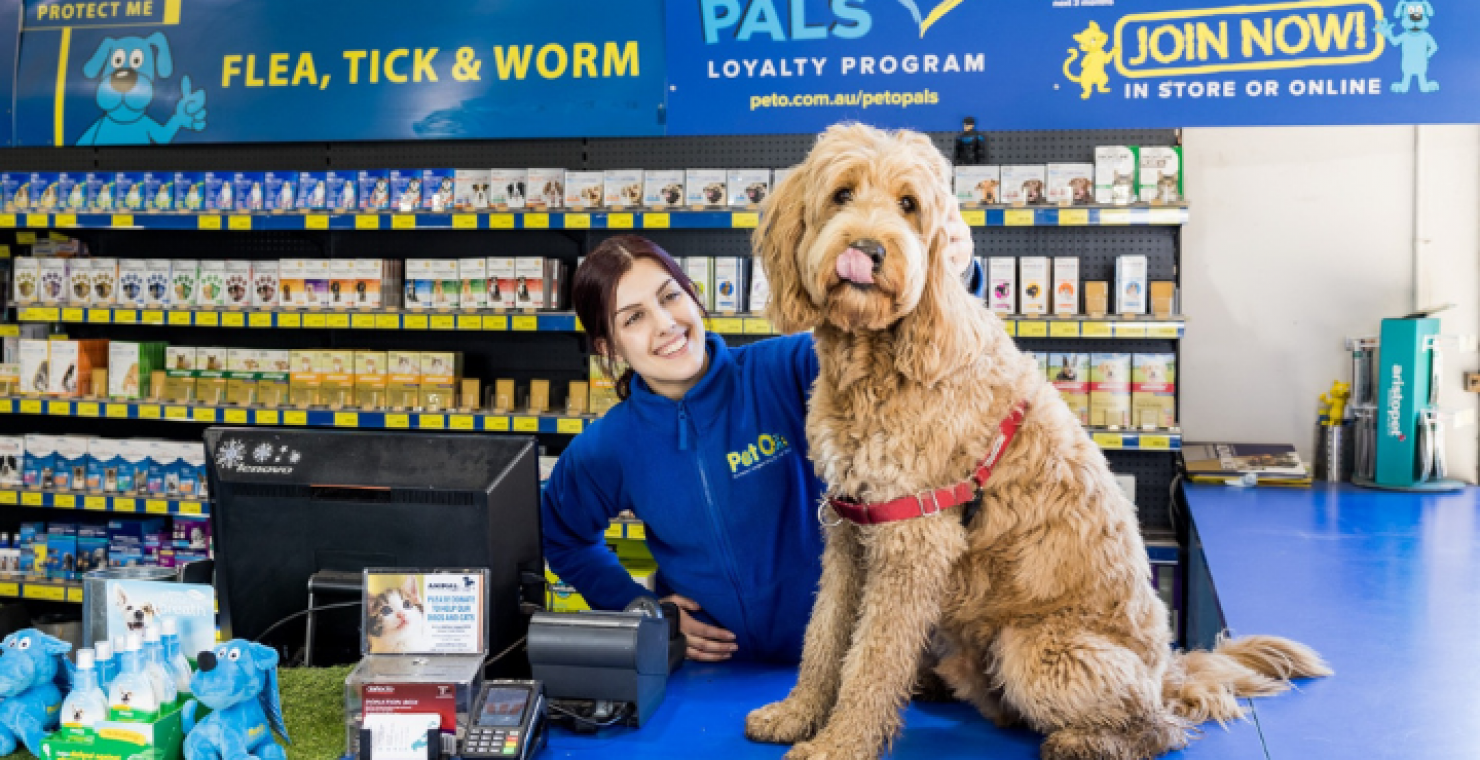
  • PetO to cease live animal sales across its network

    PetO to cease live animal sales across its network

    PetO, a renowned family-owned pet retail company, has made the substantial decision to halt the sale of live animals throughout its 58 nationwide stores. The decision has been driven by mounting concerns about animal welfare and the notable absence of industry regulation.

    The Impetus Behind the Decision

    The decision from PetO comes at a time when the live animal sales sector is under increased scrutiny, particularly in an industry dominated by sizeable chains and multinational corporations. With over two-thirds of Australian households currently owning a pet, PetO posits that current industry practices are falling short of societal expectations.

    PetO’s spokesperson voiced concerns over the handling and sale of pets in pet shops, which presents ethical challenges and potentially leads to issues surrounding animal welfare and irresponsible pet ownership.

    Industry Influence

    In addition to implementing these changes within its own operations, PetO is encouraging other retailers to follow suit, particularly those who hold substantial influence on a national scale. The goal is to elevate the ethical standards across the industry.

    Expansion and Forecasted Growth

    In its recent expansion, PetO absorbed 41 retail stores and 25 veterinary clinics formerly under the ownership of Petstock and Woolworths, raising its total number of stores from 17 to 58. Although this transition may cause short-term commercial effects, the company views it as a strategic move aligned with its long-term growth vision. PetO aims to attain an annual revenue of $250 million by the year 2028.

    Questions & Answers

    Why has PetO chosen to cease the sale of live animals in its stores?
    In response to the growing concerns over animal welfare and the lack of industry regulation, PetO has decided to stop live animal sales in its stores.

    How is PetO encouraging other retailers to change their practices?
    PetO is publicly calling on other retailers, especially those with significant national reach, to follow its example and cease live animal sales, thereby raising the ethical standards of the industry.

    How does PetO’s recent acquisition of 41 retail stores and 25 veterinary clinics align with its long-term business strategy?
    While the acquisition may have some short-term commercial impacts, PetO sees this expansion as part of its long-term plan to achieve an annual revenue of $250 million by 2028.


  • Dickson Concepts sees profit slide amid lower sales and higher costs

    Dickson Concepts sees profit slide amid lower sales and higher costs

    Dickson Concepts, a luxury retail company listed in Hong Kong, reported a significant decrease in annual profit for the year ending in March. The luxury goods retailer, operating across Hong Kong, Mainland China, and Taiwan, experienced a 43.5% drop in annual profit, which amounted to US$25.4 million (HK$198 million). This was accompanied by a 19.9% decline in revenue, which stood at $246.2 million.

    Reason for Decrease in Profits

    Dickson Concepts attributes this decrease in profitability to a combination of reduced sales turnover in Hong Kong and continued low consumer spending in Taiwan. The company, in its statement, indicated that the rapidly evolving retail landscape and changing consumer spending habits make it difficult for the group to revert to its historic growth rate in terms of sales and profitability.

    Profit and Revenue Figures

    Dickson Concepts’ gross profit fell by 11.7% year on year, amounting to $124.2 million. The operating profit also experienced a significant decrease, dropping by 36.4% to $34.4 million. Hong Kong, which accounts for 63% of the group’s total sales and is its largest market, saw a 29% slump in turnover. Meanwhile, Taiwan’s sales decreased by a slight 0.4%, a sharp contrast to the 10.5% increase experienced the previous year.

    Positive Growth in China

    In contrast to the overall decrease in profitability, the company’s retail and e-commerce businesses in China saw a 9.2% increase in sales in local currency. This growth was driven by Dickson’s strategy to consolidate its wholesale network while simultaneously expanding its retail operations.

    Segment-wise Contribution

    In terms of product categories, watches and jewellery remained the largest contributors to sales, accounting for 49.9% of total sales. This was followed by fashion and accessories at 26.1%, and cosmetics and beauty products, which contributed 18%.

    Future Plans

    Going forward, Dickson Concepts plans to continue its conservative approach in managing its retail network and investment portfolio. The company is committed to maintaining a rigorous cost control across all levels of operation. It also remains dedicated to maintaining its presence in key markets, with five stores in Hong Kong, 32 in China, and 26 in Taiwan.

    Questions & Answers

    What factors contributed to the decrease in Dickson Concepts’ annual profit?
    The decrease in annual profit was due to reduced sales turnover in Hong Kong and continued low consumer spending in Taiwan.

    What strategy led to the increase in sales in Dickson Concepts’ retail and e-commerce businesses in China?
    The growth in China was driven by the company’s strategy to consolidate its wholesale network while expanding its retail operations.

    What measures is Dickson Concepts taking to manage its future operations?
    Dickson Concepts plans to remain conservative in managing its retail network and investment portfolio, and will maintain rigorous cost control at all operational levels.

  • Australians Set to Splash $10.5 Billion in Year-End Sales Excitement!

    Australians Set to Splash $10.5 Billion in Year-End Sales Excitement!

    Australians are gearing up for a spending spree during this year’s mid-year and end-of-financial-year (EOFY) sales, with projected expenditures hitting a remarkable $10.5 billion. This represents a robust increase of $400 million, or 3.9%, compared to 2024, as reported by the Australian Retailers Association (ARA) and Roy Morgan.

    Shopping Frenzy Begins

    The annual sales event has kicked off, enticing shoppers with significant discounts across a variety of categories, including clothing, shoes, homewares, furniture, and electronics. ARA Chief Industry Affairs Officer Fleur Brown noted that consumers are particularly eager to save on major purchases and essential winter items, with many searching for work-related gadgets like laptops and phones to take advantage of tax deductions.

    Top Spending Categories Revealed

    Clothing, footwear, and accessories dominate the shopping landscape, accounting for 34% of all purchases, followed by household appliances at 19% and electronics at 12%. The ARA emphasizes that this year’s sales are particularly vital for retailers striving to recover from a dip in consumer spending.

    Shifting Shopping Habits

    This year, a notable shift is occurring as more shoppers opt for brick-and-mortar stores. Only 44% of consumers plan to shop online, a significant plunge of 11 percentage points from the previous year, suggesting that shoppers prefer the tactile experience of in-store deals.

    Increased Participation and Spending

    Approximately 6.1 million Australians (26%) are expected to join in the shopping festivities. Among those, 37% intend to spend more than last year, while 42% plan to maintain their spending levels, and 21% will cut back. The average shopper is anticipated to spend $1,714—up by $76 from 2024.

    Young Consumers Lead the Charge

    Young Australians under the age of 35 are emerging as the most enthusiastic spenders, with an average outlay of $2,065, contributing a whopping $4.3 billion to overall sales. This demographic also boasts the largest number of participants, with an estimated 2.1 million expected to shop.

    Men Outspending Women

    When it comes to spending, men are forecasted to lead the charge, averaging $2,044 compared to $1,430 for women. This translates into a total of $5.8 billion spent by men and $4.7 billion by women. Interestingly, a growing number of consumers are planning to splurge, with 36% aiming to spend between $1,000 and $4,999—up 15% from last year. Additionally, 11% are eyeing expenditures of $5,000 and above, marking a 5% increase, while 22% plan to spend between $500 and $999 (up 1%). Meanwhile, only 31% of shoppers intend to spend less than $500, reflecting a dramatic 21% drop from the previous year.

    Questions & Answers

    What is the total projected spending for EOFY sales this year?
    The total spending is expected to reach $10.5 billion, a 3.9% increase from last year.

    How many Australians are participating in the sales?
    Approximately 6.1 million Australians, or 26% of the population, are expected to shop during the sales.

    Which demographic is spending the most?
    Young Australians under 35 are the biggest spenders, with an average expenditure of $2,065.

  • Hong Kong retail sales fall for 14th straight month in April

    Hong Kong retail sales fall for 14th straight month in April

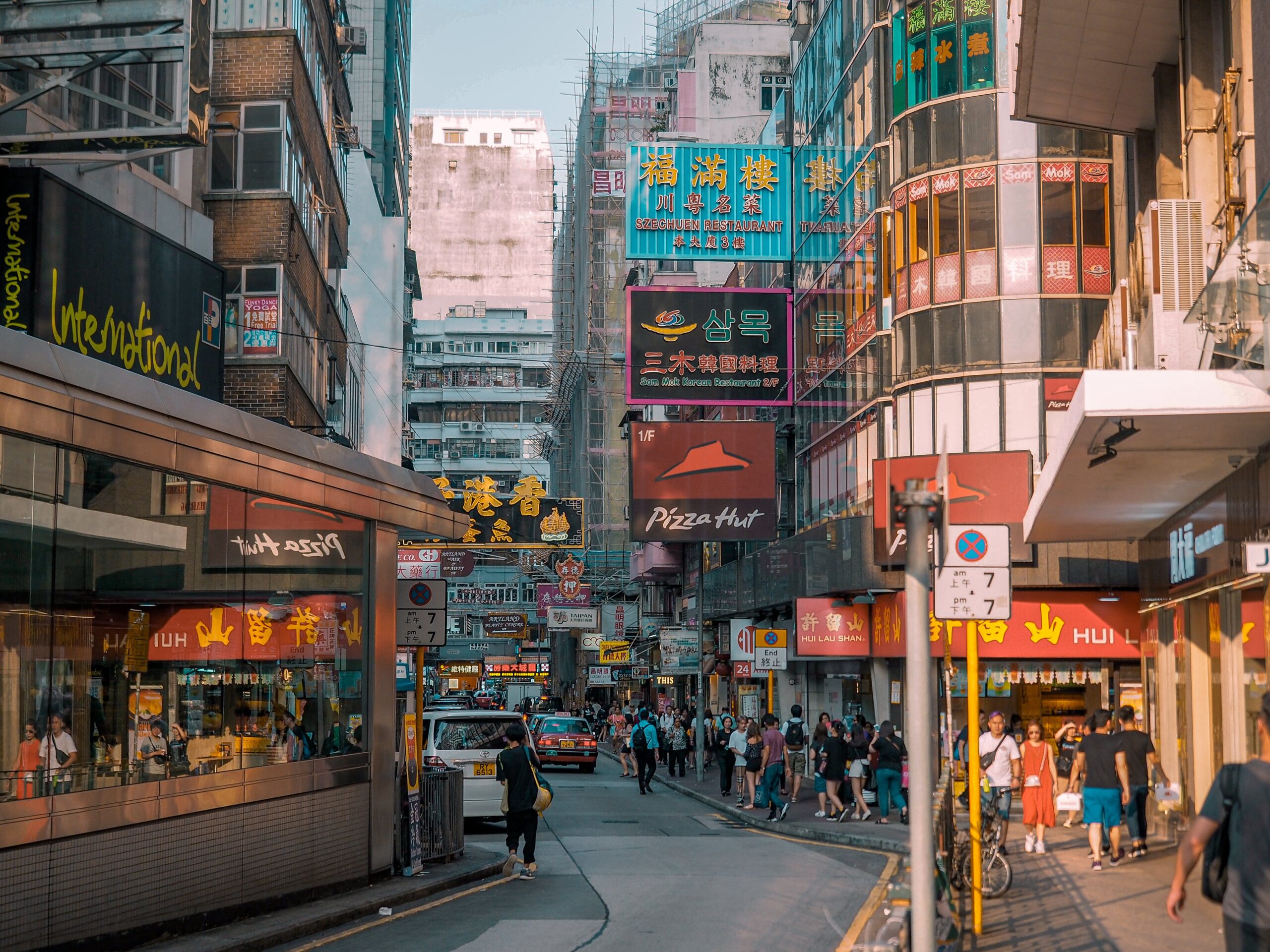
    The continued downtrend in retail sales in Hong Kong marked its 14th consecutive month in April, as per the latest government data. Local consumers have adopted a cautious approach towards spending, and tourists from mainland China have been opening their wallets less frequently. Despite this, the decrease in sales wasn’t as significant as in March.

    In April, retail sales by value decreased by 2.3 per cent year-on-year to HK$28.9 billion (US$3.68 billion). This follows a 3.5 per cent drop in March. In terms of volume, there was a 3.3 per cent decline from the previous year, which is less than the revised 4.7 per cent fall in March.

    Despite an increase in tourists from mainland China, many were day-trippers who did not contribute significantly to retail sales. Furthermore, Hong Kong residents opted to spend more across the border, taking advantage of the strong position of the Hong Kong dollar against the Chinese yuan.

    A government spokesperson from Hong Kong highlighted the ongoing adjustments in consumption patterns and increased competition among businesses. These factors, coupled with an uncertain macroeconomic environment, pose challenges to the retail sector.

    Nonetheless, the spokesperson also noted that government initiatives to promote tourism and major events, along with steady growth in the mainland economy, are expected to boost consumer sentiment.

    The Hong Kong Tourism Board’s data showed that the number of visitors in April was 3.85 million, a 13.5 per cent increase from the same month last year. This compares with 3.82 million in March, 3.67 million in February, and 4.74 million in January.

    There were 2.81 million visitors from mainland China in April, showing a 13.3 per cent rise from a year ago. This is compared to 2.75 million in March, 2.77 million in February, and 3.73 million in January.

    In April, sales of jewellery, watches, clocks, and valuable gifts experienced a 1.7 per cent decline year-on-year, following a 3.4 per cent drop in March.

    Questions & Answers

    How has retail spending in Hong Kong changed in recent months?
    Retail spending in Hong Kong has seen a downtrend for 14 consecutive months as of April. Local consumers have been cautious in their spending, and visitors from mainland China have been spending less.

    How has tourism affected retail spending?
    Even though there has been an increase in tourists from mainland China, many are day-trippers who do not significantly contribute to retail sales. Additionally, Hong Kong residents have been spending more across the border due to the strength of the Hong Kong dollar against the Chinese yuan.

    What factors pose a challenge to the retail sector in Hong Kong?
    The ongoing changes in consumer consumption patterns, increased business competition, and an uncertain macroeconomic environment are all factors that present challenges to the retail sector in Hong Kong.

  • Chanel profit tumbles as global sales slow down

    Chanel profit tumbles as global sales slow down

    Despite witnessing a 4.3% slide in sales last year, French luxury conglomerate Chanel has committed to maintaining its heightened capital expenditure this year. The persistence of market instability, especially in Asia and the U.S., has not deterred the company from supporting its worldwide expansion plans.

    Investments and Expansions

    Chanel announced that it would continue its capital investment at the $1.8 billion mark, representing a 43% increase from the previous year, to facilitate global growth. The expansion includes 48 new store launches scheduled for this year. About half of these planned openings will occur in China and the U.S., while additional locations are set for India, Mexico, and Canada. Out of these new stores, only six will be dedicated to fashion. The remaining stores will focus on beauty, jewelry, and other categories.

    Financial Performance

    The fiscal year ending in December saw Chanel reporting revenues of $18.7 billion. However, there was a 30% decrease in operating profit. The Asia-Pacific region was notably impacted, registering a 9.3% drop in sales. North and South America also experienced a decline of 4.3%, while Europe had a modest increase of 1.2%.

    The group’s net profit decreased by 28.2% to $3.4 billion last year. This decline was attributed to difficult market conditions in certain regions.

    Market Uncertainties

    Philippe Blondiaux, the group’s Chief Financial Officer, recognized uncertainties in the market outlook, particularly concerning China and U.S. tariff policies. He noted that while there were “positive signs of stabilization” in China and Hong Kong, it was premature to determine whether these regions were on the road to recovery. He further described the ongoing tariff discussions in the U.S. as “extremely volatile”.

    Chanel increased its prices by approximately 3% last year to counter inflation. Blondiaux stated that further adjustments might be required, especially in the jewelry sector where gold prices continue to escalate.

    Looking Forward

    Despite the challenging macroeconomic and geopolitical climate, Chanel’s global CEO Leena Nair remains optimistic. She stated that while these conditions have impacted sales in some markets, the company continues to focus on long-term investments.

    Last year, Chanel appointed Matthieu Blazy as its creative director. Although there have been rumors regarding an expansion into menswear, the company clarified that there are presently no plans to venture into that category.

    Questions & Answers

    What is Chanel’s strategy in terms of capital investment?
    Chanel plans to maintain its $1.8 billion capital investment to support its global expansion.

    How did Chanel’s financial performance fare in the previous fiscal year?
    For the fiscal year ending in December, Chanel reported a revenue of $18.7 billion. However, both operating profit and net profit saw significant declines, by 30% and 28.2% respectively.

    What are Chanel’s expansion plans for the current year?
    Chanel intends to open 48 new stores across various countries, including China, the U.S., India, Mexico, and Canada. The majority of these stores will be dedicated to beauty, jewelry, and other categories.

  • Thailand’s Car Sales Surge Back to Life After Nearly Two-Year Decline

    Thailand’s Car Sales Surge Back to Life After Nearly Two-Year Decline

    Domestic car sales in Thailand experienced a glimmer of hope in April, marking a 1% year-on-year increase—the first boost in nearly two years, as reported by the Federation of Thai Industries (FTI). This slight recovery comes as a welcome surprise amid a string of declines in both vehicle production and exports.

    Ongoing Challenges in Vehicle Production

    Despite the uptick in sales, production figures told a different story. In April, car manufacturing dipped by 0.4% from the previous year, totaling 104,250 units. This marks the 21st consecutive month of declining production, following a relatively steep 6.1% drop in March. Meanwhile, the export of vehicles fell by 6.3% compared to the same period last year, although this decline represents a gentler decrease than the 14.9% seen in the prior month.

    Thailand’s Role in the Automotive Landscape

    As Southeast Asia’s premier auto manufacturing hub, Thailand plays a crucial role as an export base for some of the globe’s leading car manufacturers, including heavyweights like Toyota, Honda, and China’s BYD. While car sales may be on the rise, the industry continues to grapple with production challenges—proving that the road to recovery is still a winding one. Who knew car sales could be just as turbulent as a roller coaster ride!

    Questions & Answers

    What factors contributed to the rise in car sales in Thailand?
    The increase in car sales is attributed to growing consumer demand, providing a much-needed boost after an extended period of decline.

    How has production been affected recently?
    Car production fell by 0.4% in April compared to the same time last year, marking the 21st straight month of decreased output.

    What is Thailand’s position in the automotive sector?
    Thailand remains Southeast Asia’s largest automotive production center and serves as an export base for major car manufacturers like Toyota, Honda, and BYD.

  • April Sees Impressive 21% Year-on-Year Surge in Auto Sales

    April Sees Impressive 21% Year-on-Year Surge in Auto Sales

    The latest sales figures reveal a significant dip in vehicle sales, with a total of 20,766 passenger vehicles sold in April—evidently a 7% decline compared to March. The commercial vehicle sector mirrored this trend, seeing sales drop to 8,619 units, also down by 7%. In contrast, special-purpose vehicles rose by 11%, reaching 200 units.

    Domestically assembled vehicles faced a similar fate with a 7% decrease, resulting in 13,890 units delivered. Alarmingly, Vietnam’s imports of completely built-up (CBU) vehicles fell sharply, plummeting 60% to just 15,695 units.

    Yet amidst the fluctuations, Toyota kept its crown as the market leader, selling 5,566 units in April. Close behind were Ford with 3,997 units, Mitsubishi at 2,038, THACO Mazda contributing 2,736, and THACO Kia with 2,055 units. The Mitsubishi Xpander stood out as the best-selling model of the month, registering 4,031 units sold, followed by the Ford Everest with 1,090 and the Toyota Yaris Cross at 1,030.

    Shifts in Vehicle Preferences

    The SUV trend remains robust, leading the product categories with sales of 5,867 vehicles. MPVs followed with 3,798 units, while sedans accounted for 3,292.

    In the realm of commercial vehicles, pickup trucks and minivans continued to reign supreme. Notably, the hybrid segment is basking in positive growth, with sales of hybrid vehicles reaching 973 in April alone—an impressive total of 3,535 since the start of the year, reflecting an 82% upswing from the previous year.

    A Booming Start to 2025

    As for the first four months of 2025, the market showcased a remarkable rebound, achieving total sales of 101,834 units—a 23% increase year-on-year. Passenger car sales climbed 22%, while commercial vehicles jumped 27%, and special-purpose vehicles skyrocketed by 49%.

    The surge in sales of imported vehicles saw a healthy 35% rise, alongside a 13% increase in domestically assembled units. Experts believe this momentum, fueled by rising consumer demand and supportive policies from automakers, bodes well for the automotive sector as it gears up for an even more prosperous second and third quarter.

    As the industry gears up for future challenges, one can’t help but wonder what surprise moves automakers might unveil next.

    Questions & Answers

    What were the total sales figures for passenger and commercial vehicles in April 2025?
    A total of 20,766 passenger vehicles and 8,619 commercial vehicles were sold in April.

    Which brand retained its market leadership in April?
    Toyota maintained its market leadership with 5,566 units sold.

    How did the hybrid vehicle segment perform?
    The hybrid segment saw a significant rise, recording 973 vehicles sold in April and a total of 3,535 so far in the year, which is an 82% increase from last year.

  • Shopee parent Sea delivers double-digit growth in sales, profit

    Shopee parent Sea delivers double-digit growth in sales, profit

    Sea Limited, the parent company of Shopee, has announced a notable increase in its revenues and profits during the first quarter of the year, indicating a robust start to the financial year.

    Impressive Revenue and Profit Growth

    The company’s revenue for the quarter ending on March 31st skyrocketed by 29.6% to $4.8 billion. Concurrently, gross profits experienced a 43.9% boost, reaching $2.2 billion. This represents a significant turnaround for the company, which reported a net income of $410.8 million as opposed to a loss of $23 million during the same period last year.

    Record Performance by Shopee

    Shopee, Sea’s e-commerce subsidiary, recorded record numbers for both Gross Merchandise Value (GMV) and total volume of orders, which climbed by 21.5% and 20.5% respectively. The subsidiary’s revenue saw a 28.7% increase, amounting to $3.1 billion. This growth was driven by a 39.2% rise in core marketplace revenue and a 4% increase in revenue from value-added services.

    Strong Growth Across All Segments

    Sea also reported robust growth in its digital financial services (Monee) and digital entertainment (Garena) segments. Forrest Li, Chairman and CEO of Sea, expressed satisfaction with the company’s first-quarter performance. “We have delivered another great quarter of strong growth with improving profitability across all three businesses,” Li said. He added: “Our strong start to the year gives us more confidence of achieving our full-year guidance.”

    Questions & Answers

    What was Sea’s revenue for the first quarter?
    Sea reported a revenue of $4.8 billion for the first quarter, marking a 29.6% increase from the same period last year.

    How did Shopee, Sea’s e-commerce subsidiary, perform in the first quarter?
    Shopee registered record figures for both Gross Merchandise Value and total order volume, which rose by 21.5% and 20.5% respectively. The subsidiary’s revenue increased by 28.7%, reaching $3.1 billion.

    Did Sea’s other business segments also perform well?
    Yes, Sea reported strong growth in its digital financial services (Monee) and digital entertainment (Garena) segments in the first quarter.

  • Honda Sees Impressive Growth in Motorcycle and Auto Sales Across Vietnam

    Honda Sees Impressive Growth in Motorcycle and Auto Sales Across Vietnam

    Honda Vietnam is riding a wave of success, announcing substantial sales growth for April across both its motorcycle and automobile divisions. The figures reveal an impressive year-on-year increase of 6.9% in motorcycle sales and a remarkable 18.9% in car sales, showcasing the brand’s resilience in a dynamic market landscape.

    Motorcycle Sales Break New Ground

    In April alone, Honda Vietnam sold an astonishing 170,986 motorcycles, marking the kickoff of the 2025–2026 fiscal year on a high note. Despite lingering market uncertainties, this robust figure signals a steady appetite for motorbikes among consumers. Honda isn’t just making waves domestically; the company exported 17,953 motorcycles to various international markets, underscoring its expanding global reach.

    Automobile Segment Booms

    The automobile sector also celebrated a spectacular performance, with 2,142 units sold in April—a dynamic increase of 18.9%. This surge reflects a lively recovery in the domestic automobile market, highlighting the effectiveness of Honda’s product strategies and innovative marketing campaigns. The company’s incentive programs have clearly struck a chord with consumers eager for quality and reliability.

    As Honda continues to throttle forward, one can only wonder what new heights await. Will they unleash a surprising new model? Only time will tell!

    Questions & Answers

    What were Honda’s motorcycle sales figures in April?
    Honda Vietnam sold 170,986 motorcycles in April, reflecting a 6.9% increase from the previous year.

    How many motorcycles did Honda export in April?
    The company exported 17,953 motorcycles to various international markets last month.

    What was the sales performance of Honda’s automobile segment?
    In April, Honda sold 2,142 automobiles, which marks an impressive 18.9% increase year-on-year.

  • Starbucks and Luckin Coffee Boost Sales in China by Targeting Emerging Smaller Cities

    Starbucks and Luckin Coffee Boost Sales in China by Targeting Emerging Smaller Cities

    The operations of American beverage titan Starbucks in China have recently shown signs of resilience, reporting flat same-store sales for the quarter ending March 30. This performance stands in stark contrast to an 8% decline in the same category for the year ending September 29. Notably, the company’s operating revenue rose by 5% year on year, reaching an impressive US$740 million in the latest quarter.

    Starbucks’ Strategy Shines Through

    Richard Lin, chief consumer analyst at SPDB International, praised Starbucks’ strategy of exchanging lower ticket sizes for increased transaction volumes. According to Lin, this reflects the company’s determination to protect its market share amidst ongoing price competition in China. Over the past year, Starbucks has poured significant resources into expansion, adding 665 new stores to its network, bringing its total to 7,758 outlets and solidifying its status as the largest non-U.S. market for the brand.

    Luckin Coffee’s Bold Moves

    In the race for coffee supremacy, Luckin Coffee, Starbucks’ chief competitor, is making notable strides as well. The company’s operating revenue jumped by a staggering 41% in the first quarter to CNY 8.9 billion (approximately US$1.2 billion), with net profits of CNY 737 million reversing a loss from the same period the previous year. Luckin also expanded aggressively, adding 1,743 stores across China and reaching a total of 24,097 locations. Same-store sales at its company-operated sites increased by 8%, driven by a strategic focus on afternoon tea products designed to attract a broad customer base.

    Analysts from China Merchants Securities have observed that Luckin’s store expansion has surpassed expectations, coupled with rising customer spending. With their stable supply chain and cost advantages, the company is poised to continue capturing market share, despite some short-term increases in coffee bean prices.

    Emerging Markets: The Untapped Goldmine

    The growth narrative doesn’t end with the major cities. A burgeoning trend is evident as data reveals that smaller cities in China are emerging as surprising growth hubs for beverage chains, eclipsing their larger counterparts in growth potential. Over the past year, more than 66,900 coffee shops opened, with remarkable growth in “new first-tier” cities—urban locales that are increasingly asserting their influence on the national stage. Chengdu, for instance, witnessed the launch of nearly 2,000 new coffee shops, while Hangzhou added over 1,700 to its burgeoning coffee scene.

    Interestingly, third-tier cities and smaller towns are now home to almost 45% of China’s coffee shop population. Recent findings from shopping platform Meituan highlighted a staggering 97% increase in coffee orders in these less urbanized areas, accompanied by a 159% rise in coffee shop numbers.

    As Lin pointed out, while the coffee market in higher-tier cities nears saturation, the lower-tier markets represent fertile ground for expansion. He believes that as chains keep prices affordable, they will cultivate a new generation of coffee drinkers who are eager to learn more about their brews.

    With China’s coffee industry boasting a market value of CNY 624 billion in 2024, projections indicate that this figure could skyrocket to CNY 1 trillion this year, presenting a tantalizing vista for both established players and eager newcomers alike.

    Questions & Answers

    What contributed to Starbucks’ stable performance in China?
    Starbucks has adopted a strategy of lowering ticket sizes to boost transaction volume, which has helped maintain its market share amid fierce price competition.

    How has Luckin Coffee fared against Starbucks?
    Luckin Coffee has experienced impressive growth, achieving a 41% increase in operating revenue, and reversing previous losses through aggressive expansion and innovative product offerings.

    What trends are emerging in China’s coffee market?
    Smaller cities are rapidly becoming more significant players in the coffee market, demonstrating higher growth rates in both coffee shop openings and consumer demand than their larger urban counterparts.

  • Proton Launches $134,000 EV in Singapore, Boosting Brand Growth in Retail Sales

    Proton Launches $134,000 EV in Singapore, Boosting Brand Growth in Retail Sales

    Proton Makes a Charge into Singapore’s EV Market

    In a strategic comeback, Malaysia’s national carmaker Proton is re-entering the Singaporean automotive scene after a decade, unveiling its first electric vehicle, the e.MAS 7. Set to start at approximately S$174,000 (around US$134,000), this move aligns perfectly with Singapore’s growing commitment to sustainable mobility.

    A Showcase of Innovation

    The e.MAS 7 was introduced at The Car Expo 2025 in Singapore over the weekend, generating excitement among attendees and industry experts alike. Available in two variations—Prime and Premium—this electric vehicle features a cutting-edge 12-in-1 electric drive system paired with an advanced Aegis short blade battery, underscoring Proton’s commitment to innovation and performance.

    Proton’s return dovetails with Singapore’s ambitious plans for greener initiatives, reflecting a wider trend in consumer demand for electric vehicles. The city-state has seen a steady increase in electric vehicle adoption, with market share rising from 12% in 2022 to 18% in 2023. Projections suggest this could soar to 55% by 2027.

    A Limited Edition Launch

    As part of its reintroduction, Proton plans to release a limited Founders Edition of the e.MAS 7. Automotive enthusiasts can expect this model to be available in Singapore showrooms as early as this August, with local dealer Vincar stepping in as Proton’s official distributor. Vincar will also establish a flagship showroom in the prominent Leng Kee motor belt to enhance its presence.

    While Proton has not confirmed pricing details for Singapore, automotive news sources estimate the e.MAS 7 will start at around S$174,000. Comparatively, the model is priced starting at RM105,800 (approximately US$32,400) in Malaysia, where it has quickly risen to become the best-selling electric vehicle in the first quarter of 2025.

    A New Era for Proton

    Proton’s last engagement in Singapore dates back to 2014, prior to the company’s acquisition by Chinese automotive group Geely, which has since revitalized the brand’s product offerings. Geely’s influence extends across several platforms in Singapore, including well-known names like Lotus, Polestar, Volvo, and Zeekr.

    Proton’s resurgence not only marks a pivotal moment for the brand but also contributes to the broader evolution of the retail automobile market in Southeast Asia, where consumer trends are increasingly leaning towards sustainable options.

    Conclusion

    Proton’s entry with the e.MAS 7 not only signifies the brand’s expansion into a competitive market but also underscores a pivotal shift in consumer preferences towards electric vehicles. As adoption rates climb, this development may shape future strategies across the automotive sector.

    Questions & Answers

    1. What is Proton’s new electric vehicle model? Proton has introduced the e.MAS 7, its first electric vehicle, in its comeback to the Singapore market.

    2. How much will the e.MAS 7 cost in Singapore? The anticipated starting price for the e.MAS 7 in Singapore is around S$174,000 (US$134,000).

    3. What are the expected consumer trends for electric vehicles in Singapore? Electric vehicle adoption in Singapore is projected to grow significantly, from 18% in 2023 to an estimated 55% by 2027.

  • VN-Index Achieves Third Consecutive Session of Gains in Retail Sales

    VN-Index Achieves Third Consecutive Session of Gains in Retail Sales

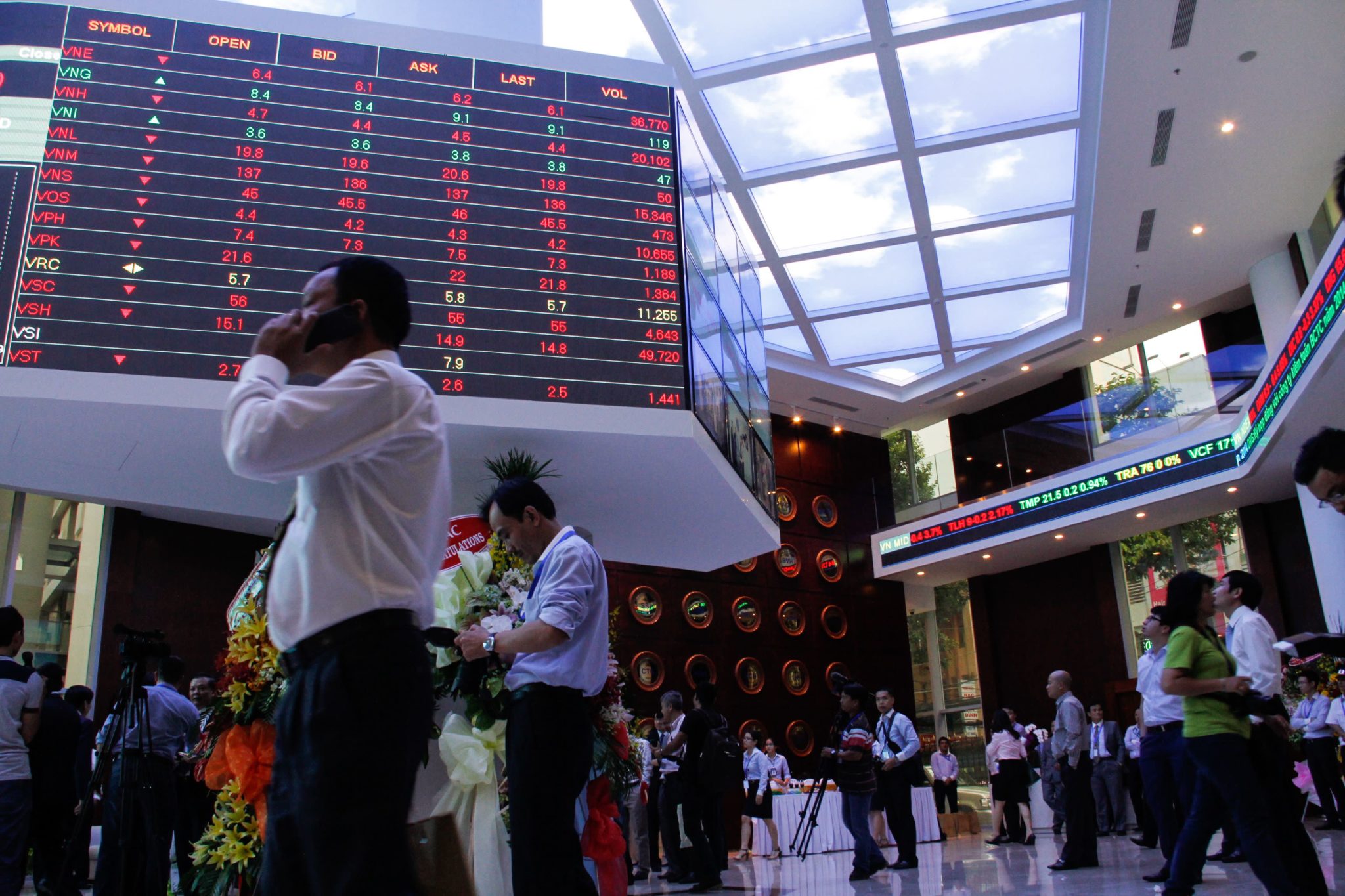
    Vietnam’s benchmark VN-Index experienced a notable increase of 0.68% on Wednesday, reaching 1,250.37 points. This marks a positive trend to kick off the month, as the index continues its three-day upward trajectory.

    Trading Highlights

    The VN-Index closed 8.42 points higher, following a previous gain of 1.9 points. Despite this rise, trading activity on the Ho Chi Minh Stock Exchange saw a decline of 3.4% from the previous session, totaling VND17.2 trillion (approximately USD 662.6 million).

    Key Stock Performances

    Within the VN-30 basket, which includes the 30 largest stocks by market capitalization, 14 companies reported positive gains.

    • Vingroup (VIC) surged by 4.11%, demonstrating strong performance as part of Vietnam’s retail news landscape.
    • Bao Viet Holdings (BVH) rose by 3.16%, reflecting increasing consumer trends in the insurance sector.
    • Vietnam Rubber Group (GVR) climbed 2.26%, signaling positive growth within the commodity market.

    Conversely, several blue-chip stocks stumbled:

    • Masan Group (MSN) fell by 1.77%.
    • HDBank (HDB) slid down by 1.41%.
    • SSI Securities Corporation (SSI) experienced a drop of 1.3%.

    Foreign Investment Insights

    Amidst these fluctuations, foreign investors emerged as net buyers, investing approximately VND900 billion. Top purchases included shares from Dat Xanh Group (DXG) and Nam Long Investment Corp (NLG), indicating strong interest in the real estate market.

    In parallel, the HNX-Index for mid and small-cap stocks on the Hanoi Stock Exchange rose by 0.55%, while the UPCoM-Index dipped slightly by 0.02%.

    Conclusion: Impact on the Retail Sector

    The steady increase in the VN-Index reflects a robust sentiment in the market, which could encourage further investments in various sectors, including retail and real estate. As consumer demand continues to surge, brands are expected to expand their presence while adapting to emerging consumer trends.

    Questions & Answers

    1. What is the current status of the VN-Index? The VN-Index has risen 0.68% to 1,250.37 points, marking its third consecutive gain.

    2. Which stocks contributed to the VN-Index’s rise? Key performers include Vingroup (VIC), Bao Viet Holdings (BVH), and Vietnam Rubber Group (GVR), all showing significant increases.

    3. How are foreign investors participating in the market? Foreign investors were net buyers, investing around VND900 billion, with a focus on stocks from Dat Xanh Group and Nam Long Investment Corp.

  • Retail Sales Surge as Consumer Demand Drives Brand Growth in New Store Openings

    Retail Sales Surge as Consumer Demand Drives Brand Growth in New Store Openings

    As consumer demand surges, brands are seizing the opportunity to escalate their growth strategies and expand their presence in the retail sector. Key players are not only adapting to shifting consumer preferences but also redefining their market strategies to capture a larger share of the evolving landscape.

    Rising Consumer Demand Drives Growth

    Recent reports indicate a notable surge in consumer demand across various sectors, with trends leaning toward online shopping and sustainable products. Retailers are witnessing this transformation first-hand, as customers gravitate towards brands that align with their values and expectations. This shift presents both challenges and opportunities in adapting to shopper behaviors that have been reshaped by the pandemic.

    Strategic Brand Expansion Initiatives

    Leading brands are actively pursuing expansion strategies aimed at reaching untapped markets. For instance, popular names in fashion retail are opening new stores in urban centers while enhancing their digital presence to cater to a diverse audience. By leveraging e-commerce platforms and improving logistics, these companies are well-positioned to respond to consumer trends effectively.

    Innovative Approaches to Sustainability

    As sustainability continues to play a critical role in consumer decision-making, brands are tailoring their practices to incorporate eco-friendly materials and ethical labor practices. Recent initiatives reveal that companies prioritizing sustainability not only meet consumer expectations but also set themselves apart in a competitive marketplace.

    Future Implications for the Retail Sector

    The ongoing shifts in retail dynamics signal a promising future for brands willing to innovate and adapt. As consumer trends evolve, those who embrace flexibility and responsiveness will likely thrive, paving the way for a more exciting retail landscape. This consumer-driven environment enhances the shopping experience and influences purchasing behaviors, ultimately impacting the broader retail sector.

    As brands continue to expand their presence and embrace these consumer trends, the retail landscape is poised for significant transformation, creating new opportunities for both retailers and shoppers alike.

  • Gas Prices Climb from 5-Year Low, Impacting Retail Sales

    Gas Prices Climb from 5-Year Low, Impacting Retail Sales

    Gasoline Prices in Vietnam See Modest Recovery After Five-Year Low

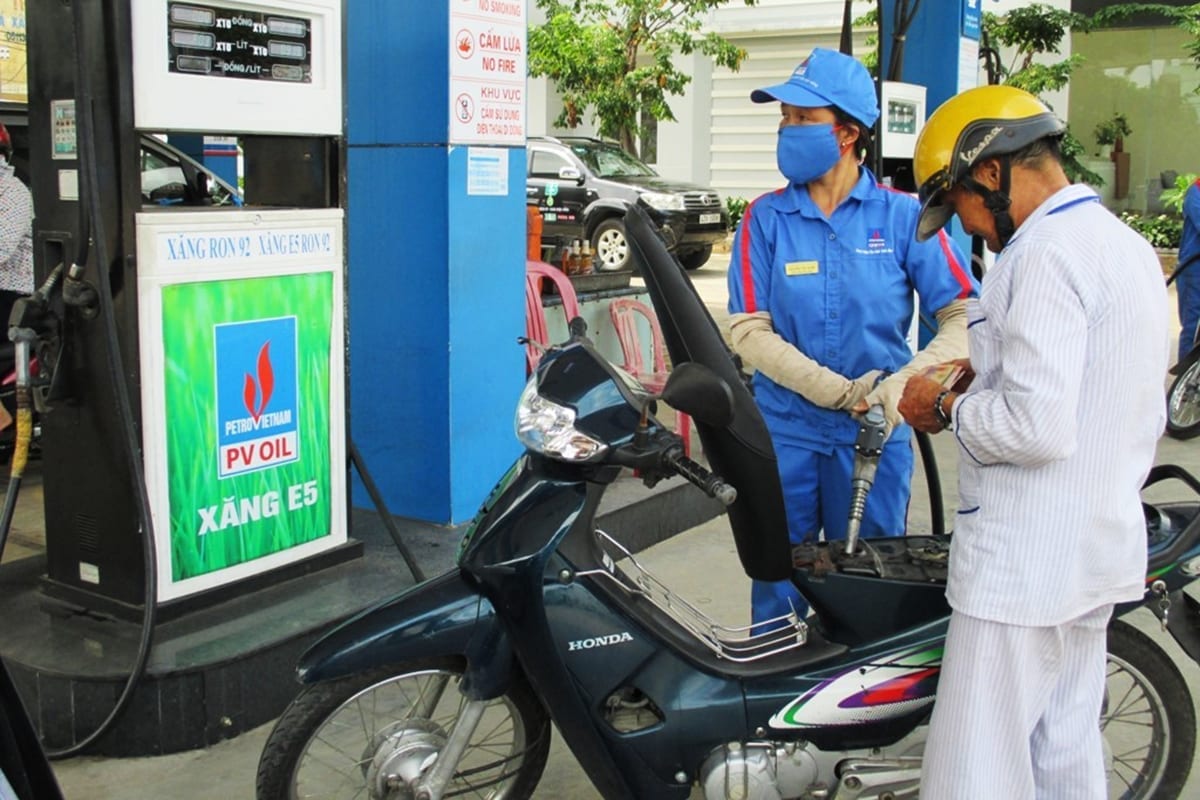
    Vietnam’s gasoline prices have marked a slight upward shift, coming off their lowest levels in five years. This change comes as various factors in the global oil market begin to stabilize and reshape consumer trends in fuel purchasing.

    Price Surge for Popular Fuels

    On Thursday afternoon, the fuel landscape in Vietnam experienced an increase:

    • RON95: Up by 4.14%, now priced at VND19,630 per liter.
    • Biofuel E5 RON92: Rose 4% to VND19,230 per liter.
    • Diesel: Increased by 2.88%, reaching VND17,520 per liter.

    These price adjustments reflect surging consumer demand and market corrections following the previous lows.

    Factors Driving the Increase

    The recent fluctuations in gasoline prices can be attributed to multiple catalysts within the global oil market. Key influences include:

    • A recent report from the U.S. Energy Information Administration indicating a rise in U.S. crude oil inventories.
    • Policy changes from the Trump administration affecting goods taxes from trading partners.
    • Anticipated increases in OPEC+ oil production shortly.

    The global benchmark prices have also seen upward movement, with RON95 surging to $77.3 per barrel, up by 5%, while diesel increased by 3% to $80.90 per barrel.

    Impact on the Retail Sector and Consumers

    The recovery in gasoline prices could have significant implications for retail, particularly in sectors relying heavily on transportation and logistics. As fuel prices stabilize, consumers might see a gradual adjustment in product pricing, influencing overall spending behaviors.

    Questions & Answers

    1. What led to the recent increase in gasoline prices in Vietnam? The increase is primarily due to a rise in global oil prices influenced by U.S. crude inventory changes and adjustments in OPEC+ production.
    2. How much have prices changed for popular fuel types in Vietnam? RON95 rose 4.14% to VND19,630, Biofuel E5 RON92 increased 4% to VND19,230, and diesel saw a 2.88% increase to VND17,520.
    3. What might be the impact of rising gasoline prices on consumers and the retail sector Rising gasoline prices could lead to higher transportation costs, potentially resulting in increased prices for consumer goods and altering spending patterns in the retail sector.
  • Bitcoin Broker Teams Up with Sygnum to Boost Retail Sales

    Bitcoin Broker Teams Up with Sygnum to Boost Retail Sales

    Innovative Offering Provides New Liquidity Options for Investors

    Bitcoin broker Relai has announced a new collaboration with Sygnum Bank to launch Bitcoin-backed Lombard loans. This initiative aims to offer private, qualified investors the ability to leverage their Bitcoin holdings for short- to medium-term liquidity without liquidating their assets.

    Unlocking Financial Flexibility for Wealthy Clients

    The new service allows clients to access liquidity in euros or Swiss francs, enabling them to manage their financial needs while maintaining their Bitcoin investments. This offering positions Relai as the first broker in Europe to facilitate Bitcoin-backed loans, marking a significant development in the intersection of cryptocurrency and traditional finance.

    The startup, founded in 2019, emphasized that the newly introduced loans provide high-net-worth clients and small to medium-sized enterprises (SMEs) with enhanced financial flexibility. While specific loan conditions remain undisclosed, the initiative is designed to help clients capitalize on potential price increases in Bitcoin while avoiding potential tax implications from selling their assets.

    A Milestone for Relai’s Growth

    Julian Liniger, CEO and co-founder of Relai, hailed the partnership with Sygnum Bank as a watershed moment for the young company. “Bitcoin-backed loans are a groundbreaking innovation for our high-net-worth clients, as they give them access to cash without having to sell their Bitcoin,” he stated.

    This pioneering offering not only reflects the growing consumer demand for cryptocurrency-based financial products but also underscores the expanding role of digital assets in mainstream finance.

    As the retail sector continues to evolve, Relai’s foray into Bitcoin-backed loans may set a new standard for financial services, particularly for consumers seeking innovative ways to unlock the value of their digital assets. The potential impact on both high-net-worth individuals and the broader retail market cannot be understated, paving the way for more advancements in the world of cryptocurrency and traditional banking.