Tag: Sales

  • Amazon Australia Expands Workforce: 600 Seasonal Jobs for Mid-Year Sales

    Amazon Australia Expands Workforce: 600 Seasonal Jobs for Mid-Year Sales

    As the mid-year sales season approaches, Amazon Australia plans to hire 600 seasonal workers across its fulfillment centers and logistics sites. This recruitment drive is aimed at enhancing operations in anticipation of the highly-anticipated Prime Day event in July.

    Roles Focused on Order Fulfillment

    The seasonal positions will predominantly involve picking and packing orders to ensure that customer demand is met efficiently. With a significant increase in online shopping, particularly leading up to Prime Day, these new hires will play a crucial role in maintaining the swift, free delivery services that Prime members expect.

    Competitive Pay and Opportunities for Growth

    “These roles offer competitive pay, a safe and inclusive work environment, and the chance to build valuable skills in a fast-paced, technology-driven workplace,” stated Jacqui Marker, HR Director of Operations at Amazon Australia.

    In addition to attractive compensation, these seasonal positions have the potential to transition into permanent roles. Employees may enjoy benefits such as life insurance, income protection, and subsidized private health coverage for their families, making these opportunities appealing for those seeking long-term employment in retail.

    Prime Day: What to Expect

    Prime Day promises exclusive discounts on a vast array of products, spanning everyday essentials to the latest electronics and home goods. The event has become a cornerstone of Amazon’s retail strategy, drawing in millions of eager shoppers.

    Amazon’s proactive approach to staffing with these seasonal roles reflects broader consumer trends in the retail sector. As more shoppers turn to online platforms, companies like Amazon are investing in their workforce to enhance customer satisfaction and operational efficiency. This wave of hiring not only underscores the booming e-commerce market but also has the potential to positively impact local economies by providing job opportunities and fostering growth within the retail landscape.

  • China retail sales improve as Beijing looks to consumers to ease trade pressure

    China retail sales improve as Beijing looks to consumers to ease trade pressure

    China’s retail sales growth quickened in January-February in a welcome sign for policymakers’ efforts to boost domestic consumption even as joblessness rose and factory output eased, underscoring the strains on an economy facing fresh US tariff pressure.

    Policymakers have put expanding domestic demand as the top priority this year as they try to cushion the impact of the Trump administration’s tariffs on its crucial export engine.

    China’s top leaders have maintained an economic growth target of “around 5 per cent” for 2025, but analysts say that may be a tall order given pressure on exports, tepid household demand and a protracted property crisis.

    The data followed weaker-than-expected exports and inflation indicators earlier this month, highlighting the need for more policy support to foster a sustainable economic recovery.

    “The risk to the economy is the damage from higher US tariffs on China’s exports which will likely show up in the trade data over the next few months,” said Zhiwei Zhang, chief economist at Pinpoint Asset Management.

    “I think Beijing will continue its current policy stance. There is no urgency to loosen monetary policy by cutting RRR or interest rate at this stage,” he said, adding that policymakers may choose to wait for a few months before cutting rates given the trade uncertainties.

    Data released by the National Bureau of Statistics (NBS) on Monday showed retail sales, a gauge of consumption, rose 4 per cent in the January-February period, better than a 3.7 per cent rise in December and marking the quickest rate since November 2024. Analysts had expected retail sales to grow 4 per cent.

    Household consumption in the first two months was buoyed by holiday spending during the 8-day Lunar New Year holidays, when China’s box office raked in record takings with animated hit “Nezha 2”.

    In the annual parliament meeting earlier this month, China’s leaders pledged stronger fiscal and monetary support for the economy, with a particular emphasis on spurring domestic consumption.

    Among other measures, they have lined up 300 billion yuan (US$41.5 billion) for a recently-expanded consumer goods trade-in scheme for electric vehicles, appliances and other goods.

    “Retail sales growth was decent, reflecting the vital role of subsidies in supporting home appliance and mobile phone sales,” said Tianchen Xu, senior economist at the Economist Intelligence Unit.

    However, the effect of the scheme may “fade over time”, with auto sales already down in the first two months, he added.

    The NBS data showed home appliance and audio-visual device sales grew 10.9 per cent, compared with December’s 39.3 per cent jump. Catering revenue, however, rose 4.3 per cent underpinned by the festival boost, faster than the 2.7 per cent rise in December.

    On Sunday, China unveiled a “special action plan” to boost domestic consumption, featuring measures including increasing residents’ income and establishing a childcare subsidy scheme.

    Officials from the country’s top economic ministries will brief media on consumption-boosting measures later on Monday.

    Chinese stocks were roughly flat as investors assessed the mixed set of economic data.

    Unemployment, Trump woes

    Highlighting the stress facing households, the urban survey-based jobless rate in February climbed to 5.4 per cent, the highest in two years.

    US president Donald Trump has piled an additional 20 per cent of tariffs on all Chinese goods and is threatening more action. Exports were one of the lone bright spots for China’s economy last year.

    With factories shutting down temporarily during the Lunar New Year holidays, China’s industrial output grew 5.9 per cent year-on-year in the first two months, slowing from the 6.2 per cent expansion in December. However, it was ahead of expectations for a 5.3 per cent rise.

    China publishes data for the two months in a combined release to smooth out the impact of the LNY holidays, which fall in either of the two months.

    Fixed asset investment, which includes property and infrastructure investment, expanded 4.1 per cent in the January-February period year-on-year, versus expectations for a 3.6 per cent rise. It grew 3.2 per cent in 2024.

    The real estate sector, while showing some improvement, remained frail and underlined the low investor confidence.

    Property investment fell 9.8 per cent in the first two months of 2025 year-on-year, after tumbling 10.6 per cent in 2024. An NBS spokesperson said the country’s housing market faces some pressure despite signs of stabilising.

    That suggests policymakers will have their work cut out in their efforts to keep the economy on an even keel amid the threat of more US tariffs.

    In a note to clients, Goldman Sachs analysts said the boost from exporters’ frontloading late last year may have subsided and the adverse effect from higher US tariffs may have started to kick in.

    “January-February activity data and our high-frequency tracker for early March pointed to a modest slowdown in sequential GDP growth momentum in the first quarter vs the fourth quarter in 2024.”

    For 2025 as a whole, some analysts say the growth impulse could be uneven.

    “China’s economy had a decent start to the year, likely driven by fiscal stimulus,” said Zichun Huang, China economist at Capital Economics.

    “We expect the recovery to continue over the coming months, but given the wider headwinds weighing on China’s economy, we don’t expect any near-term improvement to be sustained for long.”

  • Sa Sa International’s sales fall in fiscal third quarter

    Sa Sa International’s sales fall in fiscal third quarter

    Sa Sa International’s sales declined in the fiscal third quarter amid a significantly weaker performance in Mainland China, Hong Kong, and Macau.

    The group’s sales declined 10.7 percent year over year to HK$1.06 billion (US$136.2 million) as Mainland China sales plunged 35.8 percent to HK$120 million while Hong Kong and Macau slid 8.1 percent to HK$817 million.

    Southeast Asia sales rose 12.4 percent to HK$115.4 million, while other regions decreased 11.8 percent to HK$2.7 million.

    In Mainland China, the company has already closed 13 offline stores due to a continuous sluggish environment. The group ended the period with 175 stores.

    The company intends to boost promotion on popular social media platforms and channels, tapping influencers to promote brand awareness and establish credibility among target buyers.

  • Thailand’s luxury auto sales drop 25% in 2024

    Thailand’s luxury auto sales drop 25% in 2024

    Luxury auto sales in Thailand plunged 25% to 30,000 units last year as a struggling economy hurt buyers.

    The slow economic expansion rate (projected to be 2.4-2.7%) and banks’ tighter criteria for auto loans have resulted in a negative impact across the the automotive industry, said Teeraphong Rodloy, country manager of Wearnes Automotive Thailand.

    “Overall sales in the luxury car segment were affected by these economic circumstances,” he said.

    Wearnes Automotive Thailand, the importer of British sports car maker Lotus Cars, said that prospective buyers have been affected by the impact of the sluggish economy.

    The slowdown extended beyond luxury vehicles. Pickups was among the segments with steepest declines.

    In the first 10 months last year sales of pickups dropped 39.5% to 137,456 units, according to the Federation of Thai Industries.

    Sales hit the lowest in 23 years, said Ratthakarn Jutasen, managing director of Ford Thailand.

  • Dior opens reinvented Galaxy Macau boutique

    Dior opens reinvented Galaxy Macau boutique

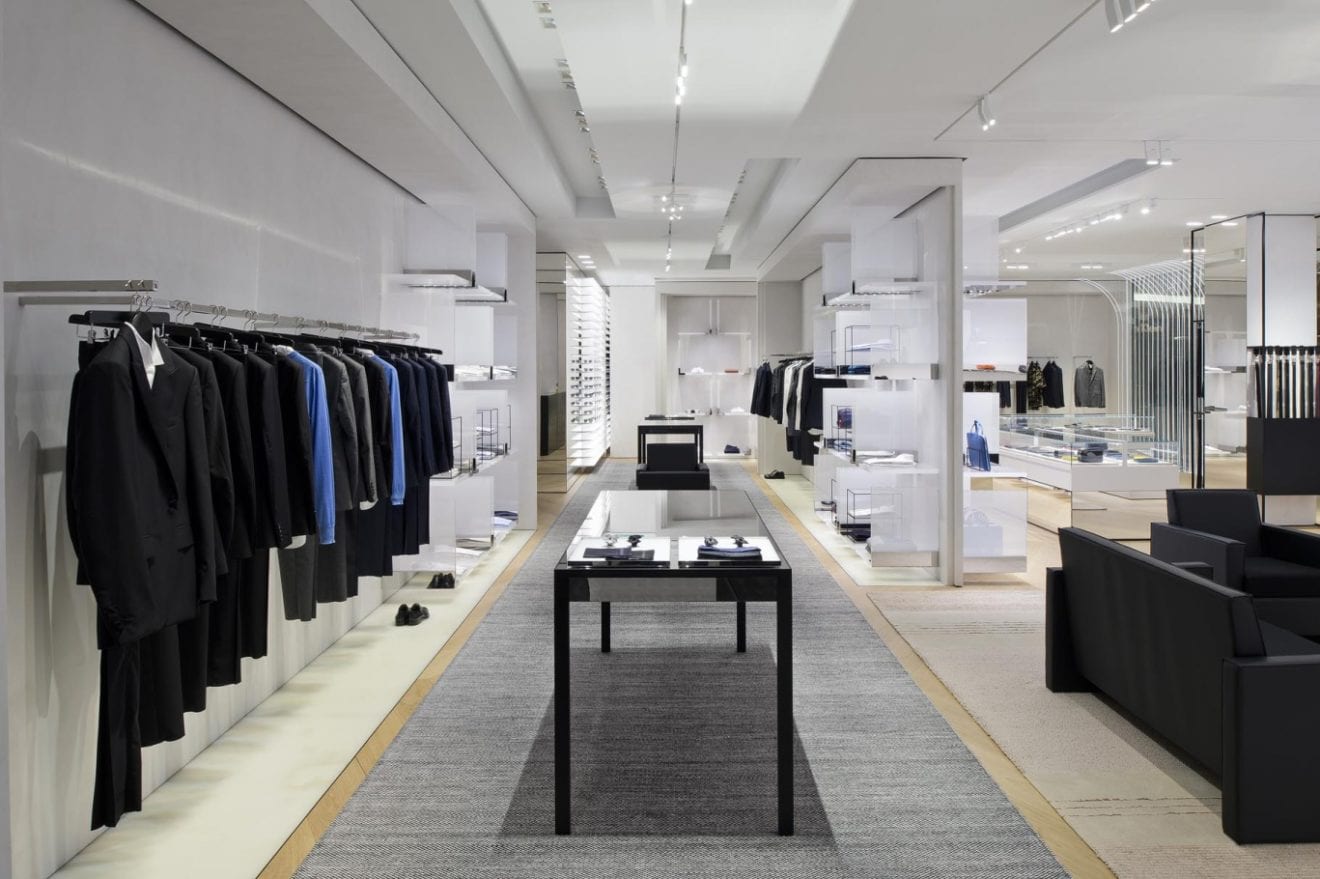
    Luxury fashion house Dior has launched its revamped Galaxy Macau boutique, offering more exclusive shopping experiences.

    The store, located at one of the finest shopping locations, Galaxy Promenade, has two floors and offers a varied range of items such as ready-to-wear and accessories designed by Maria Grazia Chiuri and Kim Jones, as well as watches and jewellery.

    The venue also features the My Dior fine jewellery line, the Dior autumn-winter 2024-2025 ready-to-wear collection with 30 Montaigne models, and Victoire de Castellane’s Rose des Vents and My Dior designs.

    The second store features men’s clothes from the Dior Winter 2024-2025 collection, as well as the Lifestyle Capsule, which focuses on board sports.

    In addition, the boutique offers VIP private shopping spaces.

  • Durian prices drop up to 30%

    Durian prices drop up to 30%

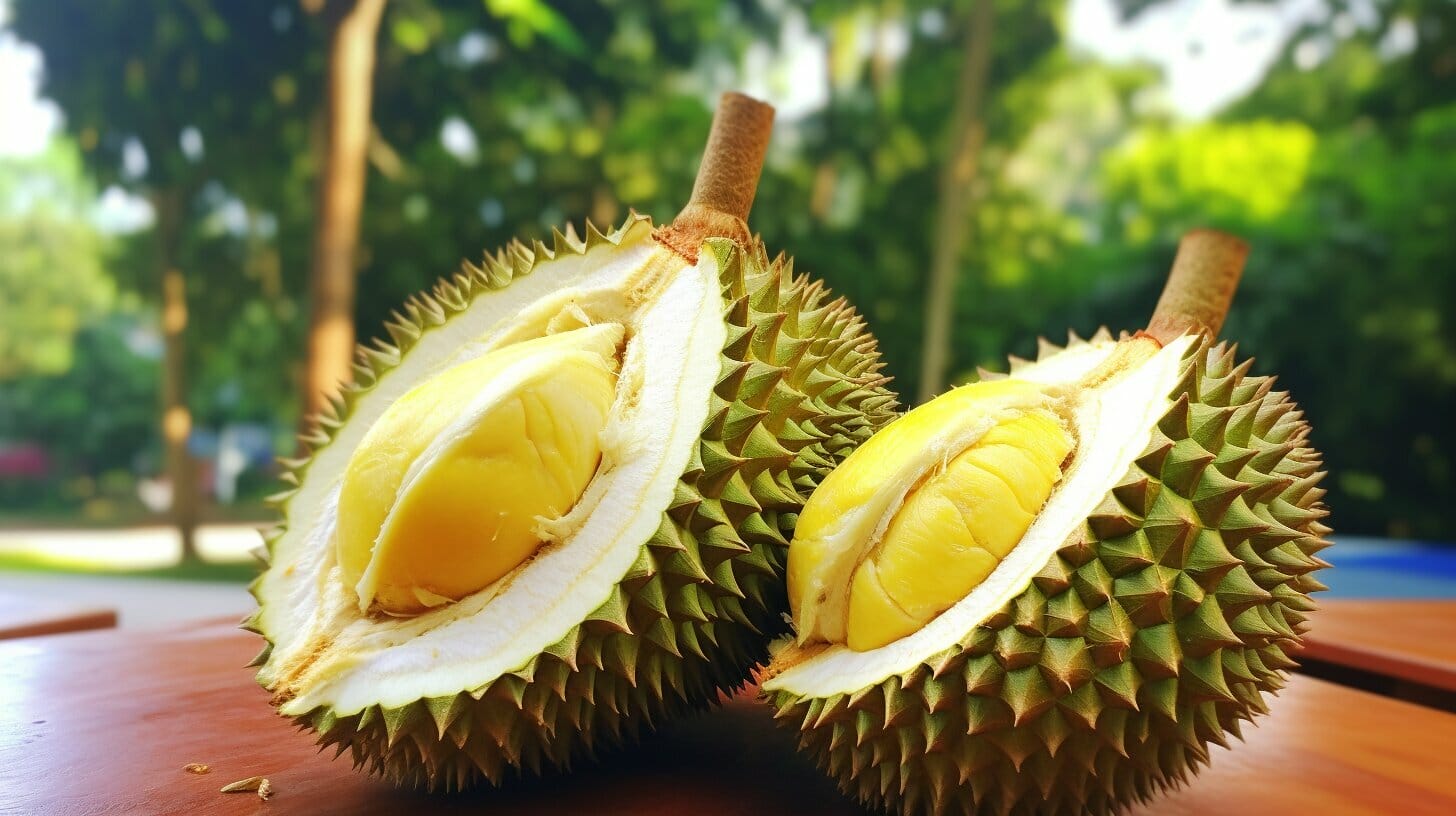
    Farmers are now selling top-grade Monthong durians for VND65,000-70,000 (US$2.64-$2.84) per kilogram, down 25-30% compared to the prices at the start of the season in July.

    Grade B durians are priced at VND55,000-63,000 per kilogram, with a similar decrease from July and approximately 10% lower than the same period last year.

    Minh Thanh, a farmer in the Central Highlands province of Dak Lak, hopes that durian prices will recover by the season’s end. However, prolonged heavy rains have compromised the fruit’s quality, leading to low selling prices at the garden.

    Similarly, Hong Anh, owner of 0.5-hectare crop in the Central Highlands province of Gia Lai, encounters challenges as buyers rescind their offers of VND80,000 per kilogram, even forfeiting deposits, compelling her to sell at only VND65,000 due to poor quality.

    Anh attributes the price drop to the fruit’s diminished quality from excessive rainfall, particularly in new orchards that lack proper cultivation techniques. The hardened fruits complicate exports, with most being consumed domestically.

    Manh Hoang, a trader in the Central Highlands, observes that durian quality suffers when grown alongside pepper and coffee. As the prices for pepper and coffee increase, many farmers prioritize them and apply unregulated fertilization, which degrades the durian quality. Some buyers only purchase durian for use in ice cream or for extracting the pulp, further complicating the export of whole fruits.

    “I buy a few tons each day, but only 50% of the fruits meet export standards,” says Hoang. “The rest are sold in HCMC, Hanoi, and Da Nang.”

    The General Department of Vietnam Customs reports that in the first seven months of 2024, Vietnam exported 476,130 tons of durian, valued at US$1.6 billion, representing a 50.5% increase in volume and 49.4% increase in value compared to the same period last year.

    However, July saw a 30.8% decrease in both value and volume compared to June, totaling only US$280 million. Exports further declined to US$200 million in August.

    Despite weather-related slowdowns, businesses note that durian export demand from China is recovering due to festive occasions. Improved weather from October is anticipated to enhance the quality of durian. Additionally, the volume of off-season produce has increased potentially, increasing export turnover.

    Dang Phuc Nguyen, Secretary General of the Vietnam Fruit and Vegetable Association, explains that the reduction in export volume during July and August is temporary. From September, durian export turnover is expected to surge, potentially reaching nearly US$3 billion this year.

    On Aug. 19, during a visit to China by Party General Secretary and State President To Lam, the two countries signed a protocol on exporting frozen durian, offering substantial opportunities for Vietnamese agriculture. Exports of frozen durian are anticipated to generate US$400-500 million this year.

    In 2023, Vietnam exported approximately 500,000 tons of fresh durian, valued at US$2.3 billion, with 90% destined for China. The area planted with durian encompassed 154,000 hectares, yielding nearly 1.2 million tons, an annual increase of 15%.

    Vietnam has around 151,000 hectares under durian, with the Central Highlands accounting for half of it. Other large growing areas include the southeast and the Mekong Delta regions with 25,000 ha and 42,000 ha.

  • Car imports see recovery in March

    Car imports see recovery in March

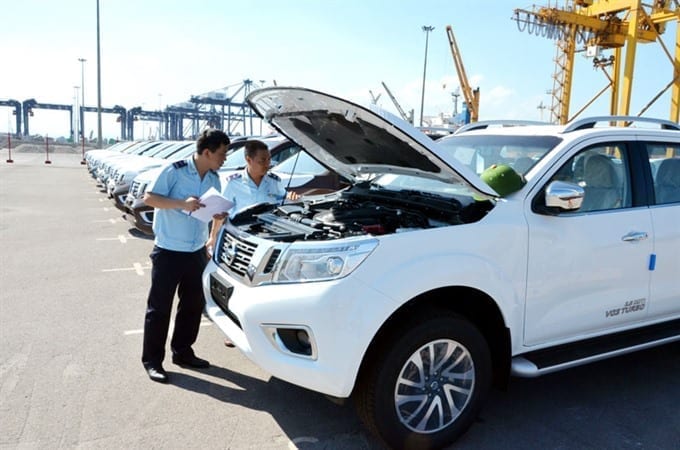
    Import turnover of completely built-up (CBU) cars in March increased by 55.4% in volume and 41.4% in value compared to the previous month.

    A preliminary report from the General Statistics Office (GSO) said that Vietnam imported about 15,000 CBU cars in March with a value of US$287 million.

    However, this import decreased slightly by 1.7% in volume and 18.8% in value compared to the figures in March 2023.

    The strong recovery in CBU car import in March was due to the car import in February falling sharply when businesses stopped all import-export activities during the seven-day Tet (Lunar New Year) holiday.

    Those numbers in February reached 9,650 units in volume and $203 million in value.

    Thus, CBU car import turnover in March had a strong recovery despite the market situation not showing clear positive signals.

    Positive signals from the economic recovery are bringing back higher expectations of domestic car demand.

    The CBU car import is expected to continuously recover in the second quarter of 2024.

    After the Lunar New Year holiday in February, the Vietnamese auto market welcomed many new car models, mainly imported cars.

    GSO also reported that the total import of CBU cars in the first three months of 2024 was estimated at 31,452 units worth $632 million, down 25.1% in volume and 31.7% in value year on year.

    This was still a very low turnover compared to 2023, before the market fell into a period of deep decline in demand.

  • Vietnam records second largest drop in auto sales across Southeast Asia

    Vietnam records second largest drop in auto sales across Southeast Asia

    Vietnam saw the second sharpest decrease, of 25%, in automobile sales in Southeast Asia last year behind only minuscule market Myanmar.

    According to the ASEAN Automotive Federation (AAF), in the region’s seven main markets, Indonesia, Thailand, Malaysia, the Philippines, Vietnam, Singapore, and Myanmar, 3.35 million vehicles were sold, a 2.1% decline from 2022.

    But the data, compiled from AAF’s members in various countries, does not include sales of Vietnamese firm Hyundai Thanh Cong.

    The leaders, Indonesia and Thailand, saw sales drop by 4% and 8.1%. In Myanmar, automobile sales fell to less than 4,000 in 2023, a decrease of 52.5% compared to 2022.

    The number of cars sold in Vietnam was 369,431, the fifth highest after Indonesia, Malaysia, Thailand, and the Philippines after falling one place from last year. The Philippines went past it in 2023.

    In 2022 Vietnam achieved its highest ever sales of more than 500,000.

    But last year the economic downturn, high bank interest rates and the slump in the real estate and securities markets sent demand for cars plummeting.

    In July the Government halved the automobile registration fee for domestically assembled vehicles, but it failed to revive demand.

    Demand fell in Thailand as banks tightened credit for buying pickup trucks, the most popular segment, according to Thailand Business News.

    Production too fell, but at more than 1.8 million vehicles, Thailand remained the biggest manufacturer in the region.

    Indonesia remained the largest market and also the only country to exceed the million sales mark. Indonesia wants to become an auto production hub, especially for electric vehicles.

    In 2023 it churned out nearly 1.4 million cars, including some of Vietnam’s best-selling vehicles like the Mitsubishi Xpander, which topped the sales chart.

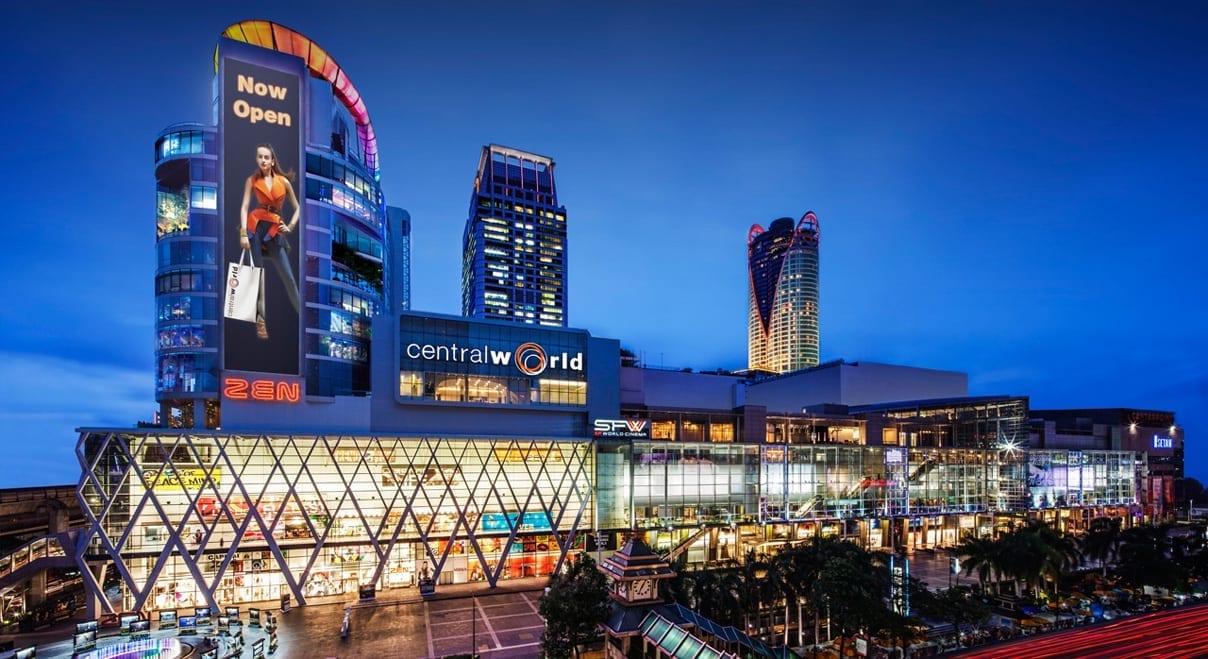
  • Central Retail posts growth in revenue, profit

    Central Retail posts growth in revenue, profit

    Its net profit stood at THB2.31b during the quarter.

    Central Retail Corporation (CRC) reported its net profit grew by more than 75% year-on-year to THB2.31b in the first quarter.

    Over the same period, the company’s total revenue went up by 12% to THB63.2b.

    “The company achieved a 30% sales growth in the fashion category, 9% growth in the food category. Sales in the hardline category in the Thai market also continue to grow at 9% despite the downward trend in the industry,” Yol Phokasub, CEO, Central Retail Corporation (CRC), said.

    “These results are positive signals, which are indicative of Central Retail’s further growth prospect in 2023, reaching its growth targets and driving up revenue by 12-15%.”

    The company noted Central and Robinson Department Stores continued to grow and develop as a result of its mission to deliver next-level shopping experiences to its customers.

    Moreover, Central and Robinson Department Stores continue to grow and develop as a result of its mission.

  • Auto sales plunge in Vietnam

    Auto sales plunge in Vietnam

    Auto sales in Vietnam plunged by 37% to 137,300 units in the first six months as demand dropped amid economic challenges.

    Sales reached the monthly highest this year in March at over 30,000, but fell the following two months before recovering slightly last month at 23,800 units, according to the Vietnam Automobile Manufacturers Association, which does not incorporate data from TC Motor and VinFast.

    Most major brands saw a double-digit decline in sales in the first six months.

    Truong Hai Auto Corporation led sales at over 41,600 units, down 44% year-on-year.

    It was followed by Toyota with 26,600 units, down 38%.

    Ford came third at 17,400 units. It was the only brand in the top five sellers with a growth rate of 80%.

    Mitsubishi sold 12,800 units, and Honda nearly 9,500.

    The government in May deferred the special consumption tax payable by carmakers for June-September until November 20.

    It has also cut car registration fees in half starting from July 1 until the end of the year for locally-made or locally-assembled cars to boost sales.

  • Vietnam-dominant Mercedes challenged by cheaper BMWs

    Vietnam-dominant Mercedes challenged by cheaper BMWs

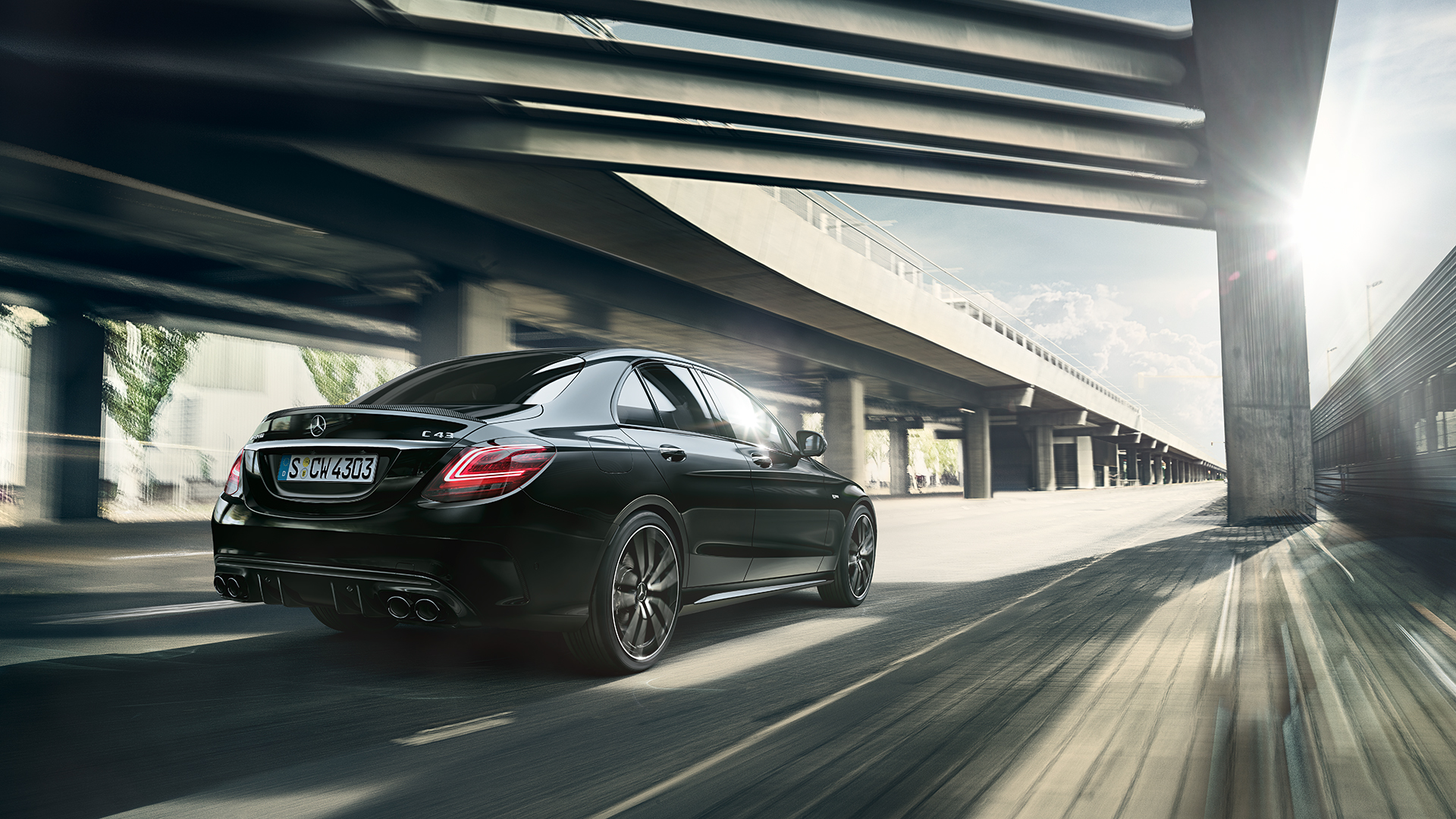
    Mercedes has been dominating Vietnam’s luxury car market in recent years, but that could start to change this year as BMW lowers prices.

    “We have always considered BMW a major competitor in most markets globally, but things are different in Vietnam,” said CEO Brad Kelly on the sidelines of the launch of the new Mercedes GLC models in Ho Chi Minh City recently.

    He added that in Vietnam, BWM does not yet seem to threaten Mercedes in terms of sales.

    Between 2019 and 2022, Mercedes secured and average of around 60% of Vietnam’s total luxury car market share, and the German brand last year sold over 7,900 units alone.

    Its competitor from the same country, BMW, only secured fourth place last year – behind Lexus and Volvo – with the sale of 973 units.

    However, Thaco, the Vietnamese company that distributes BMW cars, has been assembling several BMW models, such as the 3 Series, the 5 Series, and the X3 and X5.

    This implies that BMW wants to reduce its retail prices in Vietnam as assembling the vehicles locally will bring down costs.

    The strategy seems to have succeeded as the BMW X3s assembled last year are now selling from VND1.8 billion ($76,700), compared to the new Mercedes GLC price tag of VND2.3 billion.

    Thus, the cheapest luxury car in Vietnam now belongs to BMW, not Mercedes.

    The rising competition with BMW therefore will benefit Vietnamese customers and the local auto industry, and it will motivate Mercedes to come up with more new ideas, Kelly said.

  • Smartphone sales tumble in Vietnam

    Smartphone sales tumble in Vietnam

    Smartphone sales in Vietnam have plunged in the first two months of 2023 as tightened spending amid rising inflation prompts the sector’s first decline in years of recent growth.

    According to an industry report, less than 2.5 million smartphones were sold in Vietnam this January and February, down 30% year-on-year.

    “This year consumers have tightened their spending, even during the Tet holiday, which has been peak shopping season for years,” said Nguyen Lac Huy, a media representative at CellphoneS, referring to the Lunar New Year holiday which fell at the end of January this year.

    Industry insiders estimate that sales since the beginning of this year have dropped to levels not seen in at least two or three years. In recent years, growth over the same period has often been within the 5-15% range.

    This decline is in line with global trends.

    Smartphone sales worldwide in the last quarter of 2022 plunged 18.3% year-on-year, according to the International Data Corporation (IDC).

    It was the steepest decline in a quarter since 2013, IDC reported. Total smartphone sales in 2022 dropped by 11.3% from 2021.

    In Vietnam, the biggest drops were recorded in the middle and affordable segments. Last year, sales of smartphones under VND5 million dropped 60% from 2021.

    “Economic difficulties have had a large impact on the low-income population, including workers,” said Hong Quan, an industry observer.

    Tightened credit policies have also prompted some retail chains to cancel their zero-interest installment payment campaigns.

    The high-end segment is also struggling. The iPhone 14 Pro Max, one of the most expensive smartphones on the market, has seen prices plunge by 25% to VND27.4 million over the last five months.

    Phan Thi Kim Quyen, a media representative of retail chain Minh Tuan Mobile, said that this year Apple lowered its latest smartphone price earlier than in previous years (in which the drop has come as late as June).

    Other retail chain representatives have said they are now lowering prices because they misinterpreted market demand trends and imported more than they should have. iPhone prices in Vietnam are now among the lowest in the world.

    FPT Shop anticipates that there will be no growth in smartphone and computer sales this year, while other chains expect a recovery in demand by early next year, or the end of this year at the earliest.

    CellphoneS is cutting business hours and staff sizes at low-revenue shops. It is also seeking rent discounts from property owners.

  • Auto dealers offer up to $4,000 in discounts to boost sales

    Auto dealers offer up to $4,000 in discounts to boost sales

    Auto dealers are offering discounts of up to VND100 million ($4,243) to boost sales after the Lunar New Year shopping season is over.

    As many Vietnamese bought their new cars before the annual Tet holidays, which fell from January 20-26, dealerships are seeing a decline in customers showing up or making inquiries online.

    Toyota

    Toyota dealerships are offering a VND20-VND30 million discount on the Vios, its best-selling model in Vietnam last year.

    The MPV Veloz Cross is on sale with a discount of VND35-VND45 million plus gifts.

    The SUV Fortuner, which accounted for 8% of Toyota sales in Vietnam last year, is being sold at some dealerships at a discount of over VND100 million.

    Honda

    Since earlier February Honda has been offering free registration for its two main models: the City and the SUV CR-V.

    Honda City is discounted by VND50-60 million, while the cost of bringing the CR-V home is now VND100 million lower than before Tet.

    Mitsubishi

    The Japanese automaker is offering a 50% discount on registration fees for its Attar, Triton and Outlander models.

    Rearview cameras are also being given as gifts.

    Buyers of the MPV Xpander, Mitsubishi’s best-selling model in Vietnam, will also receive VND10-VND20 million in fuel coupons.

    Hyundai

    The South Korean manufacturer is selling its i10 at a discount of VND15-VND35 million and the sedan Accent for VND20-VND55 million less.

    Discounts of VND25-VND60 million are being offered on the Elantra sedan and the crossover Creta.

    The company is also offering a VND70 million discount on the MPV Stargazer and up to VND120 million on the SUV Santa Fe.

    Kia

    The biggest discount in Kia’s lineup falls on the SUV Sorento at VND70 million.

    The crossover Sportage, which is assembled in Vietnam, is being discounted by VND50 million, and three SUV models, the Sonet, Seltos and Carens, are now priced at a VND40 million discount.

    The cheapest Kia car Morning has a discount of VND30 million.

    Suzuki

    A 50% reduction in the registration fee, which equates to around VND30 million, is being offered on the SUV XL7 and the MPV Ertiga.

    Nissan

    Nissan is giving a full discount on the registration fee on the Navara VL 4WD and the Pro 4X manufactured in 2022. The standard version is discounted by 50% on the fee.

    The sedan Almera also has a free registration fee.

    Volkswagen

    The German automaker is giving customers a cashback of VND35 million on its Polo Hatchback and VND100 million on the SUV Tiguan manufactured in 2022.

  • November auto sales dip after four months of growth

    November auto sales dip after four months of growth

    November auto sales posted a decline from October after four consecutive months of growth, but sales for the year so far still achieved double-digit growth.

    It was reported that 36,371 units were sold among members of the Vietnam Automobile Manufacturers Association (VAMA) last month, down 0.51% from the previous month.

    In the first 11 months, sales climbed 43% year-on-year to 369,334 units.

    Truong Hai Auto Corporation (Thaco) led with 123,140 units sold, up 38% year-on-year.

    The company was followed by Toyota, with 81,491 units, and Mitsubishi, 36,805 units.

    Honda and Ford rounded off the top five.

    Last month automaker VinFast shipped its first batch of 999 electric cars to the U.S.

    The company expects to sell 750,000 electric vehicles annually by 2026.

  • Smartphone exports drop in November

    Smartphone exports drop in November

    Smartphone exports fell nearly 10% in volume and 7.4% in value in November after the country’s largest manufacturer, Samsung Vietnam, lowered production the second time this year.

    According to the General Statistics Office, Vietnam produced 20.6 million phones in November, and export of phones and phone components were worth $5 billion. This is the third straight month the export value of phones and components has dropped.

    Smartphone production in the first 11 months decreased by over 7% year-on-year. Most of the smartphones produced in Vietnam are exported to the western market.

    Normally, phone output increases before Christmas but it has dropped this year because inflation pressures have prompted companies to limit production.

    Of the total smartphones output in Vietnam, Samsung Vietnam contributes a half. The tech giant recorded an export turnover of over $34 billion in the first half of this year, accounting for more than 18% of the country’s total.

    Samsung Vietnam has reduced smartphone production twice this year, the first time in the first half of the year over Covid-19 impacts and the second early November.

    Vietnam recorded a total export turnover of $342.21 billion in the first 11 months, while import turnover was $331.61 billion, resulting in a trade surplus of $0.78 billion, according to the General Statistics Office. The surplus in the same period last year was $0.6 billion.