Tag: Sales

  • Covid restrictions put the brakes on car sales

    Covid restrictions put the brakes on car sales

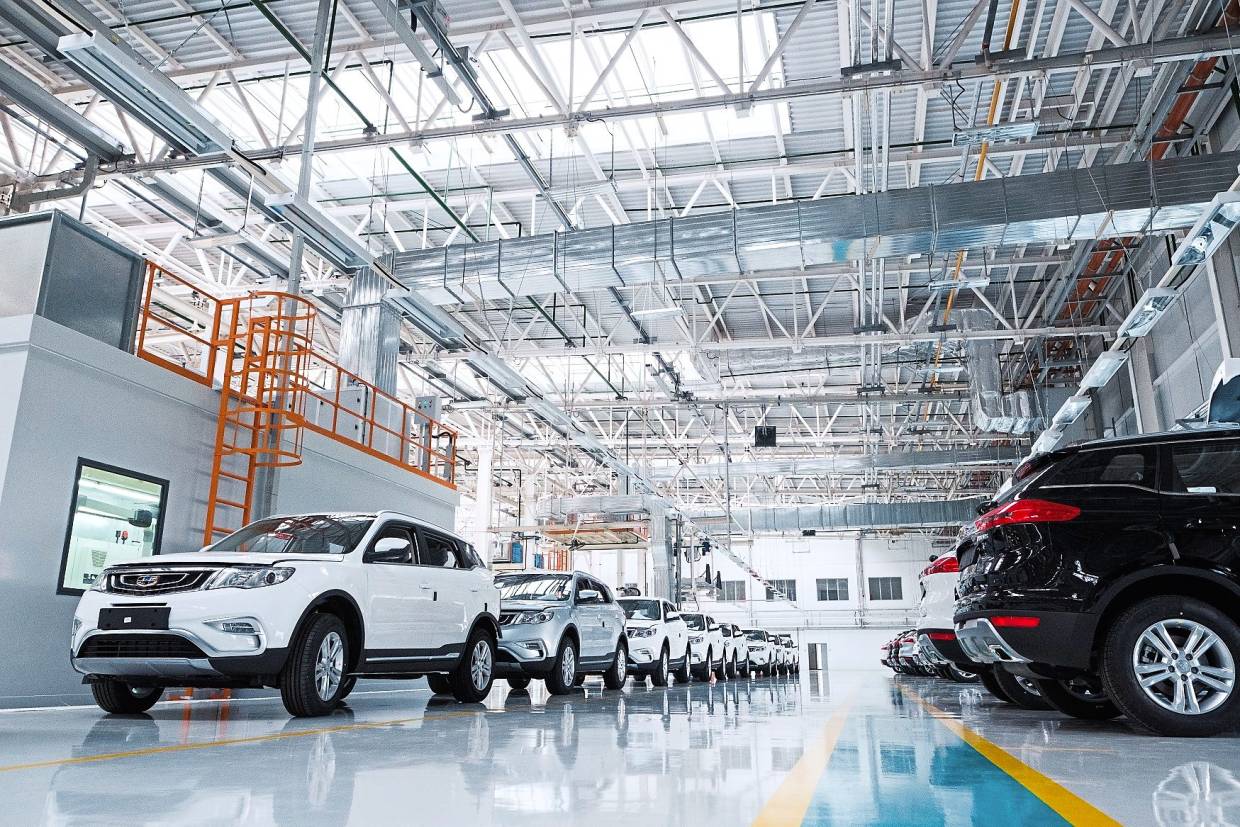
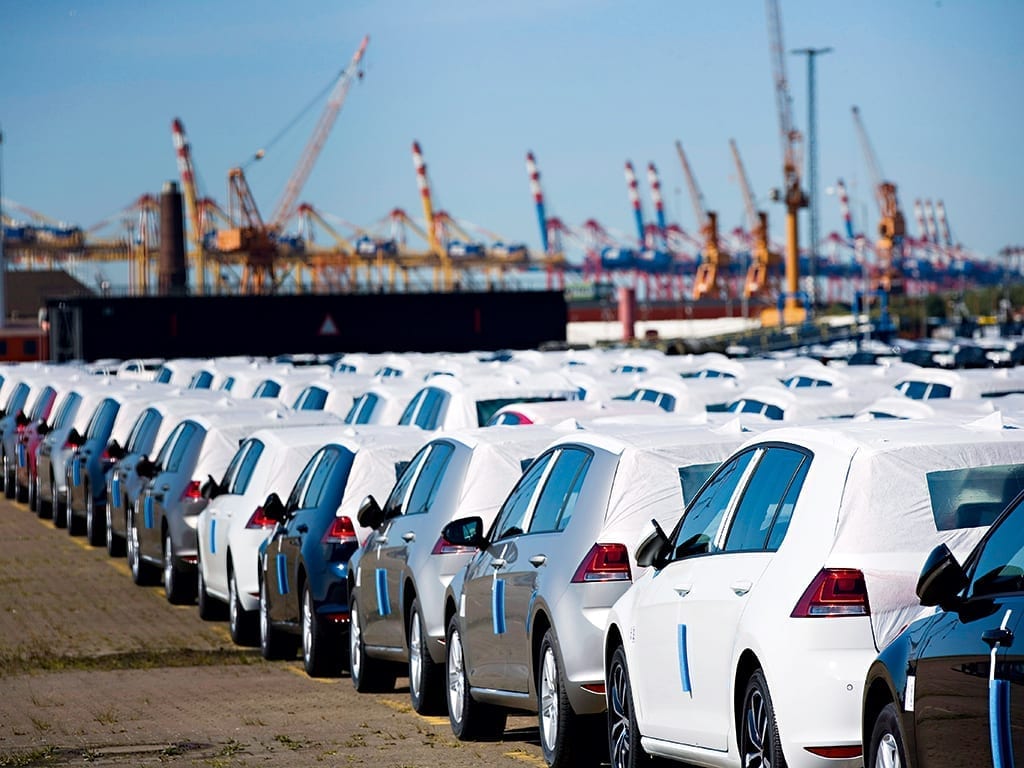
    The Vietnam Automobile Manufacturers Association said its members sold only 7,714 vehicles in August, the lowest number in seven years.

    Their sales were down 68 percent year-on-year for the month and 47 percent from July.

    The Vietnam Automobile Manufacturers Association said its members sold only 7,714 vehicles in August, the lowest number in seven years.Their sales were down 68 percent year-on-year for the month and 47 percent from July.

    It marked the fifth consecutive month of decline for the industry, which attributed the slump to social distancing amid Covid-19 in many provinces and cities, especially Hanoi and Ho Chi Minh City.

    The country’s largest automaker and non-member TC Motor, which assembles Huyndaicars, saw sales plummet by 60 percent year-on-year in August to 2,182.

    VAMA members have sold 157,777 vehicles so far this year, up 8 percent from 2020.

    Car sales increased sharply in the second half of 2020 after a 50 percent cut was made to registration fees, which are substantial at 10-12 percent of the vehicle price. There have been no rate cuts this year.

    TC Motor’s sales for the year were down 2 percent to 40,248 units, the first time ever its sales have declined.

  • Volvo’s Global Sales Down By 10% In August

    Volvo’s Global Sales Down By 10% In August

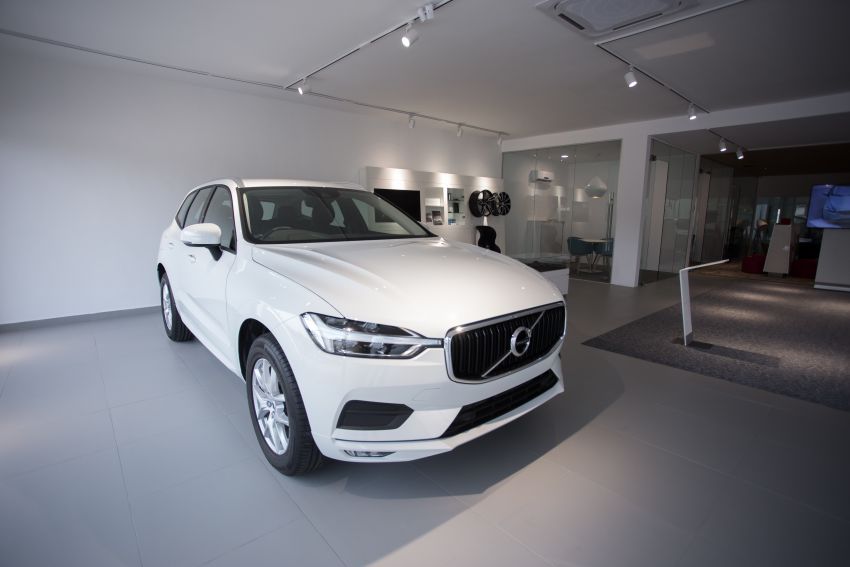
    Volvo Cars reported global sales of 45,786 cars in August, down 10.6 percent compared with the same period last year. Overall underlying demand in the car industry and for Volvo Cars’ products remained very robust. Since mid-July, supplier shut-downs due to Covid-19 in South East Asia, especially in Malaysia, has worsened an already strained supply situation. These material shortages have led to temporary production halts at Volvo Cars’ facilities in Sweden, Belgium, China and the US, with reduced production volumes as a result.

    Volvo Cars continue to monitor the situation and currently expects that, for the second half of 2021, it will be challenging to achieve the volume levels achieved during the same period in 2020. This will have an impact on revenue and profit. In the first eight months of the year, the company sold 483,426 cars globally, up 26.1 percent compared with the same period last year.

    The sales of Volvo Cars’ Recharge line-up of chargeable models remained strong and accounted for 24.2 percent of all cars sold in the month. In Europe, Volvo Cars reached an all-time high as 47.0 percent of all cars sold in August were from the Recharge line-up.

    The US reported a solid sales performance in August with 10,686 cars sold, a 3.0 percent increase compared with the same period last year. The increase was led by strong customer demand, mainly for the XC90 – which was the best-selling model – followed by the XC60.

    In Europe, Volvo Cars reached an all-time high as 47.0 percent of all cars sold in August were from the Recharge line-up.

    For the month of August, sales in China were impacted by the Covid-19 outbreaks in South East Asia. This led to lowered retail deliveries despite strong underlying demand and order intake. Total volumes for the month reached 13,112 cars, down 17.2 percent compared with August last year.

    European sales for the month were 13,052 cars, a 25.4 percent decline compared with the same period last year. The decline in sales was related to the material shortage, which affected the production volumes and, consequently, the sales performance in the region.

  • Macau retail sales surge after Covid-19 lockdown

    Macau retail sales surge after Covid-19 lockdown

    The value of Macao’s retail sales for the second quarter of 2021 totaled 20.70 billion patacas (about 2.58 billion U.S. dollars), up 200 percent year on year, the special administrative region’s statistic department said on Tuesday.

    The latest report from the Statistics and Census Service (DSEC) showed that among the major retail trade activities, sales values of watches, clocks and jewelry, leather goods, and communication equipment witnessed a notable year-on-year growth of 957.9 percent, 504.0 percent, and 460.4 percent respectively, whereas sales value of supermarkets dropped by 11.3 percent.

    As regards the sales volume index, the indices of watches, clocks and jewelry, leather goods, and communication equipment registered a significant rise, while the index of supermarkets decreased.

    For the first half-year of 2021, the value of retail sales reached 39.46 billion patacas, an uplift of 118.4 percent year on year. Besides, the sales volume index jumped by 130.4 percent.

    The value of retail sales in the second quarter of 2021 rose by 10.3 percent as compared with the revised figure of 18.76 billion patacas in the first quarter. Sales values of department stores and watches, clocks, and jewelry increased markedly, whereas sales values of communication equipment declined.

    Moreover, the sales volume index grew by 9.9 percent quarter on quarter.

    In respect of retailers’ comments, 40.9 percent of the retailers expected the sales volume to stay stable year on year in the third quarter of 2021, 42.9 percent anticipated a decrease, and 16.2 percent forecast an increase. Meanwhile, 78.0 percent of the retailers predicted that the retail prices would remain steady year on year in the third quarter, 15.3 percent foresaw a decrease and 6.7 percent expected an increase.

    As compared with the second quarter of 2021, about 44.7 percent of the retailers envisaged sluggish business in the third quarter, whereas retailers expecting stable performance and those anticipating a favorable outlook together accounted for 55.3 percent of the total.

  • July auto sales hit five-month low

    July auto sales hit five-month low

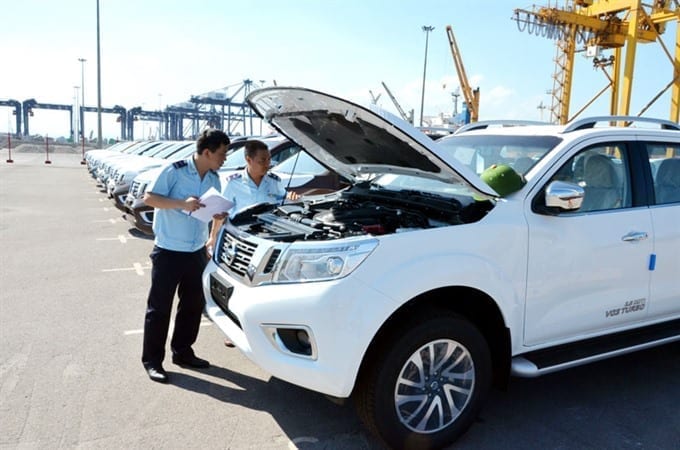
    Auto sales in July fell by 33 percent year-on-year to 16,035 units, the lowest in the last five months, dragged down by mobility restrictions in major cities.

    Monthly sales have experienced a downward trend since March as the fourth Covid-19 wave forced dealers to shut down during social distancing in Hanoi and Ho Chi Minh City, according to data from Vietnam Automobile Manufacturers Association (VAMA).

    But in the first seven months, sales still rose 27 percent year-on-year to over 166,500 units thanks to a surge in the first quarter.

    During this period, Thaco led with over 56,900 units, up nearly 34 percent year-on-year. Toyota followed with 32,800 units, up nearly 8 percent.

    Mitsubishi, Ford and Honda make up the rest of the top five.

    The best-selling model in July was the hatchback VinFast Fadil with over 2,928 units shifted, followed by Toyota Vios with 1,344 units and Ford Ranger, 1,310.

  • H1 surge in phone, laptop sales

    H1 surge in phone, laptop sales

    Vietnam’s largest electronics retailers, Mobile World and FPT Shop, saw H1 mobile phone and laptop sales in the first half of the year.

    Mobile World posted total revenues of nearly VND62.5 trillion ($2.7 billion) and pre-tax profits of more than VND2.5 trillion in the six-month period.

    Of this the sales of mobile phones, laptops and relevant accessories was over VND15.6 trillion, a year-on-year increase of 7 percent.

    The Mobile World management board said the sales performance was really impressive because hundreds of the company’s stores have had to temporarily shut down or restrict sales amidst the Covid-19 pandemic.

    The FPT Digital Retail Joint Stock Company, which runs FPT Shop, earned total consolidated revenues of over VND9 trillion and consolidated before-tax profits of VND76 billion in the first half of this year, realizing over half and two-thirds of its annualized plan, respectively.

    Up to 85 percent of the total revenues came from mobile phone, laptop and accessories sales, which grew 13 percent year-on-year.

    While mobile phone sales grew 16 percent on year for Mobile World and laptop sales remained unchanged, FPT Shop saw a 31 percent year-on-year surge in laptop sales to over VND1.3 trillion.

    As of end June, Mobile World had 936 stores, up 23 stores over late 2020, but down from nearly 1,100 stores in late 2017. Meanwhile, FPT Shop had 625 stores, up 30 stores against late last year.

    According to Counterpoint Research, smartphone sales in Vietnam in the second quarter of this year grew 11 percent year-on-year.

    Meanwhile GfK has reported that sales of gaming laptops in the country grew 217 percent in the first five months of the year.

  • China’s Electric Vehicle Makers Report Strong July Sales

    China’s Electric Vehicle Makers Report Strong July Sales

    Electric vehicle sales at China’s Li Auto and Xpeng Inc more than tripled in July from a year ago, while they doubled at Nio Inc, helped by robust demand for new energy automobiles in the world’s biggest auto market.

    The rise in July deliveries comes at a time when electric car makers have been expanding manufacturing capacity in China, encouraged by the country’s policy of promoting greener vehicles.

    U.S.-listed shares of Xpeng surged as much as 8.9% to a near two-week high of $44.12, Li Auto rose as much as 6.1% to a one-month high of $35.44, while Nio gained as much as 4.7% at $46.78.

    Nio, Li Auto and Xpeng compete with U.S. electric car maker Tesla, which dominates the EV market in China.

    Nio, the maker of the ES8 and ES6 electric sport-utility vehicles, said it delivered a total of 7,931 vehicles in July, up 124.5% from a year earlier. Deliveries had more than quadrupled in July 2020.

    Xpeng, which makes the P7 sedan and G3 sport-utility vehicles, said its July deliveries jumped 228% to 8,040 vehicles.

    Li Auto, the producer of Li ONE SUVs, said it delivered 8,589 Li ONEs last month, an increase of about 251%.

    The strong sales numbers for the EV makers come as a global recovery in auto sales is being threatened by chip shortage that has forced automakers around the world to adjust assembly lines, cut productions and shutter factories.

  • Auto sales down in Vietnam

    Auto sales down in Vietnam

    Auto sales rose 53 percent year-on-year in the first five months to 126,894 units.

    Passenger vehicles accounted for 70 percent and commercial and special-purpose vehicles for the rest, according to the Vietnam Automobile Manufacturers Association (VAMA).

    Truong Hai Auto Corporation, which manufactures its own vehicles and assembles foreign brands such as Kia and Mazda, led with nearly 44,000 units, a 67 percent rise.

    It was followed by Toyota with over 24,100 units, up 16 percent.

    Mitsubishi, Honda and Ford made up the top five.

    Last year sales had fallen by 8 percent to 296,634 units as the Covid-19 pandemic badly affected the economy, hitting people’s incomes and discretionary spending.

  • Le Saunda sales continue to fall

    Le Saunda sales continue to fall

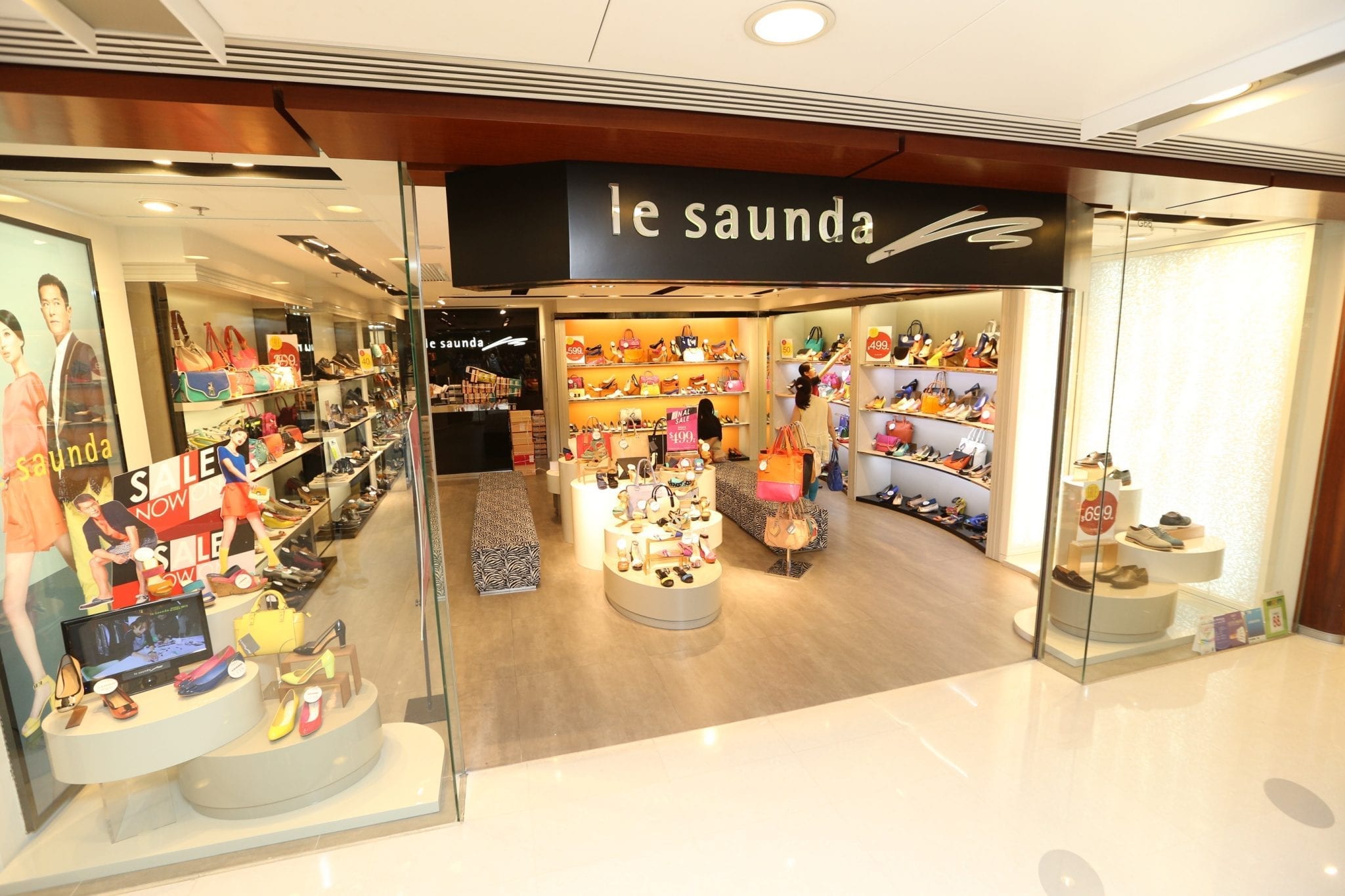
    Hong Kong-headquartered shoe retailer Le Saunda shut down 52 stores during the year to February as it worked to mitigate falling sales in the wake of the Covid-19 pandemic.

    The embattled shoe retailer recorded a profit for the full year of US$16.6 million, although this was entirely due to material gains on the return of its former manufacturing plant at Shunde in Guangdong for which Le Saunda booked a material gain of $25.4 million. Local government grants to mitigate the impact of the pandemic added around $1.4 million to income.

    Total revenue for the year fell by 19.3 percent to US$97.2 million due to store closures and trading restrictions related to government measures to slow the spread of Covid.

    Efforts to reduce overheads across the business resulted in selling and distribution expenses falling 28.5 percent to $37.4 million. The company also managed to cut inventory by 44.1 percent year on year, some of that relating to fewer raw materials after the Shunde plant was closed.

    In a stock exchange filing, chairman James Ngai said the pandemic led to a “severe winter” for greater China’s retail industry.

    Le Saunda responded by outsourcing manufacturing, closing unviable stores, tapping into social commerce, and expanding online sales channels through the “livestream shopping” model. It launched the Le Saunda Y collection online, aimed at catering to the preferences and buying behavior of younger female consumers, and upgraded its loyalty scheme to a WeChat Mini Program.

    “During the pandemic, the group was determined to innovate, grasp the pulse of the market and introduce new elements to its brands, so as to maintain the competitive edge of its brands and its leading position in the female footwear market,” he said.

    As at the end of February Le Saunda had 297 stores (down 34) under its core branding, and 40 Linea Rosa stores (down 12).

  • Havaianas has best quarter in a decade as China sales surge

    Havaianas has best quarter in a decade as China sales surge

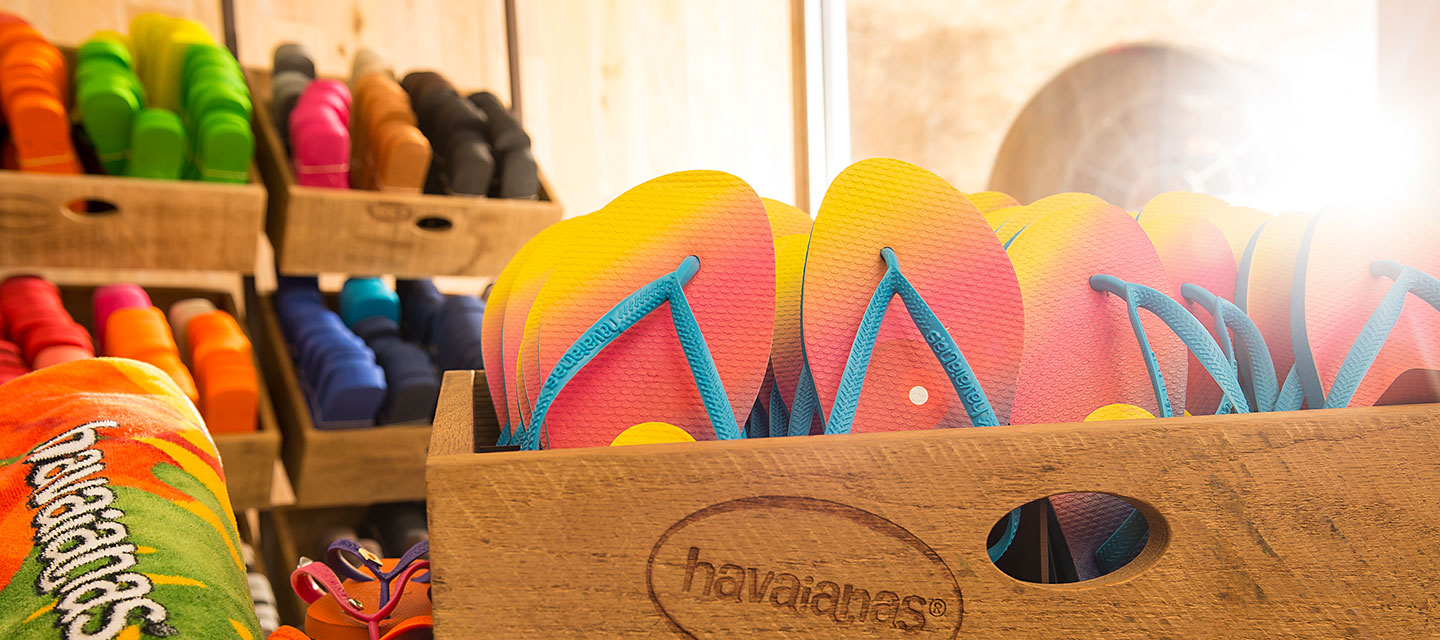
    Havaianas’ global expansion — prioritizing Europe, China, and the U.S., in addition to Brazil — remains on a strong path. The world market leader in open footwear delivered revenue growth in all regions, including distributors. Outside Brazil, net revenues in constant currency reached R$317.9 million (~US$59.2 million) in 1Q21, climbing 27% year-over-year. Volume increased 34.3% in the period to 7.9 million pairs/pieces. At 24%, EBITDA was 16 p.p. higher than a year earlier.

    On May 3, Havaianas brand owner Alpargatas announced the acquisition of technology startup company ioasys to boost the Havaianas brand growth, with global expansion, acceleration of online sales, and extension of the product portfolio as its pillars. Acquired company ioasys has a proven track record of success in end-to-end digital solutions and a strong culture centered on user experience.

    In the so-called Big Bets, or priority markets, year-over-year growth in net revenues in constant currency reached 26% in Europe, 13% in the U.S., and 736% in China in 1Q21. All these markets also saw margin gains.

    “Havaianas is stronger than ever, inspired by people in Brazil and around the world. The brand has expanded globally, accelerated online sales, and broadened its portfolio with innovation and sustainable technologies. We take pride not only in our ability to expand revenues and profits, but also to support society in the fight against the pandemic and in socio-environmental causes. We are on the right track to capture the full potential of Havaianas,” says Beto Funari, CEO of Alpargatas, owner of Havaianas, a brand that is present in more than 130 countries. The Brazilian multinational disclosed earnings on Monday, May 3.

    After a solid performance in 2020, the company had its best first quarter in a decade, delivering expanding revenues, margins, and EBITDA. Consolidated net revenues climbed 32.7% year-over-year to R$901.3 million (~US$168 million). Recurring EBITDA totaled R$158.7 million (~US$ 29.6 million), almost double the figure seen in 1Q20. Recurring net income increased 73.3% year-over-year to R$135 million (~US$25.1 million). These results supported cash generation of R$237 million (~US$44 million), and the company ended the quarter with a financial position of R$698 million (~US$130 million).

  • Volvo’s Global Sales Increase By 97.3% In April

    Volvo’s Global Sales Increase By 97.3% In April

    Volvo Cars achieved its 10th consecutive month of sales growth, as the company’s global sales increased by 97.5 percent in April compared with the same month last year. In April, Volvo Cars sold a total of 62,724 cars, up from 31,760 cars in the same period last year. The growth was mainly driven by strong demand in the US and Europe, in combination with a recovery from a sales drop in April last year related to the Covid-19 pandemic. In China, where sales returned to growth around this time last year, the company reported a steady increase of 11.6 percent.

    Sales in the January-April period landed at 248,422 cars, up 51.8 percent compared with the same period last year. Sales of Volvo Cars’ Recharge line-up of chargeable models, with a fully electric or plug-in hybrid powertrain, remained strong in Europe during the month of April, representing 42.0 percent of the company’s overall sales in Europe. Globally, Recharge cars accounted for 24.3 percent of the total sales volume.

    In the US, sales increased by 185.5 percent in April compared with the same month last year, mainly driven by strong demand for the XC90 and XC60. Total sales reached 11,036 cars, an increase from 3,866 in the same period in 2020, when many states implemented stay-at-home orders due to the pandemic.

    European sales grew to 25,816 cars for the month of April, up 178.0 percent compared with the same period last year. The increase was mainly driven by markets that have started to recover after last year’s pandemic-related shutdowns, as well as strong sales increases in the UK, Sweden and Germany.

    China, Volvo Cars’ biggest market, reported solid sales growth in April, with total sales reaching 16,435 cars. The increase was led by high demand for the locally assembled XC60 and S90 models.

    In April, the XC40 was the top-selling model, with sales of 19,833 cars (2020: 5,708), followed by the XC60 with total sales of 17,925 cars (10,908 units) and the XC90 with 9,371 cars (4,425 units).

  • Online share of retail sales jumps to 19% amid lockdowns

    Online share of retail sales jumps to 19% amid lockdowns

    Online sales accounted for nearly a fifth of total retail turnover last year as lockdowns to combat the spread of the coronavirus pandemic fuelled a boom in e-commerce, a United Nations study released on Monday showed.

    Online sales accounted for 19 percent of overall retail sales in 2020, up from 16 percent a year earlier, according to estimates from the UN Conference on Trade and Development (UNCTAD) based on national statistical offices in major economies.

    South Korea reported the highest share at 25.9 percent, up from 20.8 percent the year before. China had a 24.9 percent share, Britain 23.3 percent, and the United States 14.0 percent.

    Global e-commerce sales rose 4 percent to US$26.7 trillion in 2019, according to the latest estimates available, UNCTAD said. This included business-to-business (B2B) and business-to-consumer (B2C) sales, and was equivalent to 30 percent of global economic output that year.

    The pandemic led to mixed fortunes for leading B2C e-commerce companies in 2020, according to the report.

  • Puma’s China sales slowly up

    Puma’s China sales slowly up

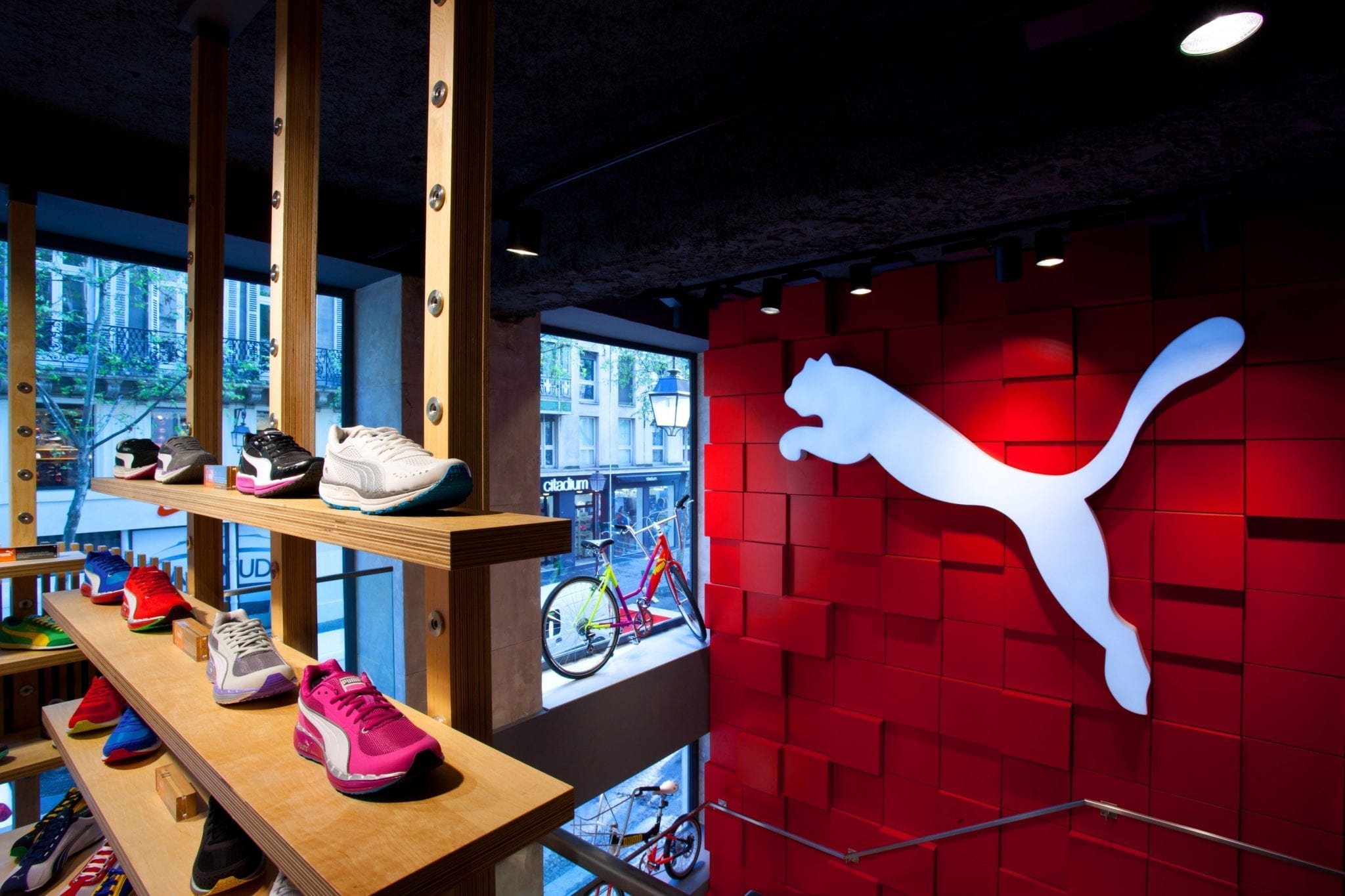
    After a pandemic-served beatdown last year, Puma has clawed its way to recovery. On February 24, the German sportswear giant reported that sales jumped 9 percent to 1.52 billion euros in the last three months of 2020 — a promising upswing from the 55-percent plummet in its second quarter. Overall, sales were down 1.4 percent to 5.23 billion euros for the financial year.

    This rebound was led by strong performance in the Asia Pacific, which surged 11.8 percent in the fourth quarter to 480.5 million euros, driven by mainland China. But the country alone was not enough to stop the region’s full-year sales from falling 3.2 percent compared to 2019 levels, down to 1.48 billion euros.

    Given the importance of these global markets, Puma doubled down on establishing local relevance, particularly through sports, influencers, and communication platforms. This was not only reflected in the brand’s return to basketball and collaboration with grammy-winning artist J. Cole, but also its increasing partnerships with popular Chinese talents, including actors Yang Yang, Li Xian, and Liu Haoran as well as supermodel Liu Wen.

    The brand further grew its China footprint by leveraging the country’s biggest shopping holiday, Singles’ Day, logging 2.8 million orders and 80 million euros in revenue over the week. And already, Puma is making good on its goal to design more products specific to the market, partnering with Hong Kong-based artist Michael Lau, “The Godfather of Toy Figures,” to ring in the new year.

    That said, all Puma products did well in the fourth quarter, with apparel growing 15.7 percent, accessories up 7.3 percent, and footwear increasing 3.8 percent.

    “We clearly see a running boom in the whole world,” CEO Bjorn Gulden told journalists, adding that orders for 2021 are up almost 30 percent compared to last year, especially for running products.

    This tracks with Puma’s Q3 results, which showed strong demand for performance-related products, especially for individual sports like running or hiking. With the healthy living trend expected to persist after the pandemic, the sporting goods sector is positioned to weather the crisis better than most.

    But Puma isn’t out of the storm just yet. With almost half of its retail stores in Europe still closed and other markets operating under significant restrictions, the apparel maker is bracing for impact in the first half of 2021. However, the brand is also confident that its quick Q4 recovery and strong order book — along with global efforts to combat the virus — will lead to a moderate sales bump later this year.

    “I am convinced that 2021 will be a better year for us than 2020,” Gulden said. Knock on wood.

  • Accenture to digitally transform Bharat Petroleum sales and distribution network

    Accenture to digitally transform Bharat Petroleum sales and distribution network

    Bharat Petroleum Corporation Ltd. (BPCL) and Accenture are collaborating to transform India’s second-largest oil and gas company by digitally reimagining its extensive sales and distribution network. Accenture will use its capabilities in data, artificial intelligence (AI), and cloud technologies to build, design and implement a digital platform, called IRIS.

    This platform will integrate real-time data from across BPCL’s countrywide network, including more than 18,000 fuel retail outlets, 25,000 tank trucks, 75 oil installations and depots, 52 liquefied petroleum gas (LPG) bottling plants, and 250 additional industrial and commercial locations, to provide a consolidated view of its extensive operations.

    Driven by analytics based on AI and machine learning technologies, the IRIS platform will subsequently trigger automated alerts and actions, including rapid response to equipment failures or hazardous situations. It will also empower the BPCL workforce of more than 100,000 across the country to make faster and more accurate decisions, including preventative maintenance. This can help increase sales at fuel retail outlets by minimizing infrastructure downtime and ensuring consistent fuel quality, as well as improve the experience for customers.

    By embedding intelligence in BPCL’s sales and distribution network, Accenture is helping BPCL optimize its operational performance and efficiency, enhance security and safety and deliver a superior experience for its retail and commercial customers across the country.

    Arun Kumar Singh, director (marketing and refineries), BPCL, said, “Digital transformation opens up new opportunities for the oil and gas industry. As an organization passionate about embracing change and leading the charge, we look forward to leveraging technology to unlock tremendous value, sustainable growth, and improved efficiency.”

    “With the deployment of this highly automated command and control platform called IRIS, we will not only bolster our digital capabilities significantly but also improve customer experience and transform operations at scale. It will further ensure consistent and uniform delivery of BPCL’s brand promises of innovation, care and reliability to our customers,” said Rahul Tandon, head, digital transformation, BPCL.

    The new platform will be capable of accepting more than three million inputs per second from automated sensors, cameras, and Internet of Things (IoT) devices deployed at all key locations, tracking performance based on key parameters such as fuel stock, safety, compliance, equipment health and boosting asset uptime. BPCL’s field workforce and partner network will have a seamless experience thanks to supporting from a portal, mobile app and call centers in Noida and Chennai.
    The digital sales and distribution platform will use BPCL’s cloud infrastructure, making it more agile and scalable.

    “The future will belong to companies that purposefully combine advanced digital technologies with human skills and creativity,” said Piyush N. Singh, India market unit lead at Accenture. “We believe our industry expertise and extensive digital capabilities can help BPCL drive the next wave of growth and gain a distinct advantage in the market. The powerful combination of human and applied intelligence will facilitate transformative change to ensure BPCL’s operations are safer, more secure and more efficient.”

  • Auto sales make recovery in Q1

    Auto sales make recovery in Q1

    Auto sales rose by 36 percent year-on-year in the first quarter to 70,952 units, with all categories of vehicles achieving double-digit growth.

    Passenger vehicles and commercial vehicles were up 34 percent and 43 percent, according to the Vietnam Automobile Manufacturers Association (VAMA).

    Truong Hai Auto Corporation, or Thaco, which assembles several brands of cars and trucks, led the market with a 37 percent share, followed by Toyota (20.2 percent) and Mitsubishi (10.7 percent).

    Hyundai Accent was the best-selling car in the first quarter with 4,804 units, followed by Mitsubishi Xpander (4,602) and VinFast Fadil (4,148).

    Last year sales had fallen by 8 percent to 296,634 units as the Covid-19 pandemic badly affected the economy, hitting people’s incomes and discretionary spending.

  • Mercedes-Benz Global Sales Up By 22.3% In Q1 2021

    Mercedes-Benz Global Sales Up By 22.3% In Q1 2021

    Mercedes-Benz cars sold 590,999 passenger cars globally in the first quarter of 2021 driven by China and US retail sales as well as strong demand for plug-in hybrids and all-electric vehicles. This marks a jump of 22.3 percent in sales globally compared to the same period last year. In Europe, one in four cars sold by Mercedes-Benz and smart was an xEV.

    Globally, plug-in hybrids and all-electric cars made up about 10 percent of overall sales, with approximately 59,000 units and thereof more than 16,000 all-electric vehicles sold. The EQA too has been well received after it was launched in January this year. The company already has 20,000 orders for the EQA. Given the strong start, the company is looking to bring in 3 new models the EQS, EQB, and the EQE this year.

    The current worldwide shortage of supply in certain semiconductor components affected deliveries in the first quarter and will continue to affect sales in Q2. The company monitors the situation closely and is in constant contact with the suppliers.

    Sales of Mercedes-Benz in the Asia-Pacific region rose 46.6 percent due to the continuing strong sales development in China: where a new record was achieved with 222,520 cars delivered in Q1. In January, sales in China almost reached the milestone of 100,000 vehicles within a single month. In the Europe region, brand deliveries were despite ongoing lockdown measures in many markets at the beginning of the year slightly above Q1 2020. In Germany, Mercedes-Benz sold a total of 54,446 cars down by 15.4 percent while sales in the North America region totaled 88,318 units showing strong growth of 12.5 percent.

    In India, the company recorded a growth of 34 percent over Q1 202