Tag: Sales

  • Alibaba has major ambitions for Vietnamese businesses

    Alibaba has major ambitions for Vietnamese businesses

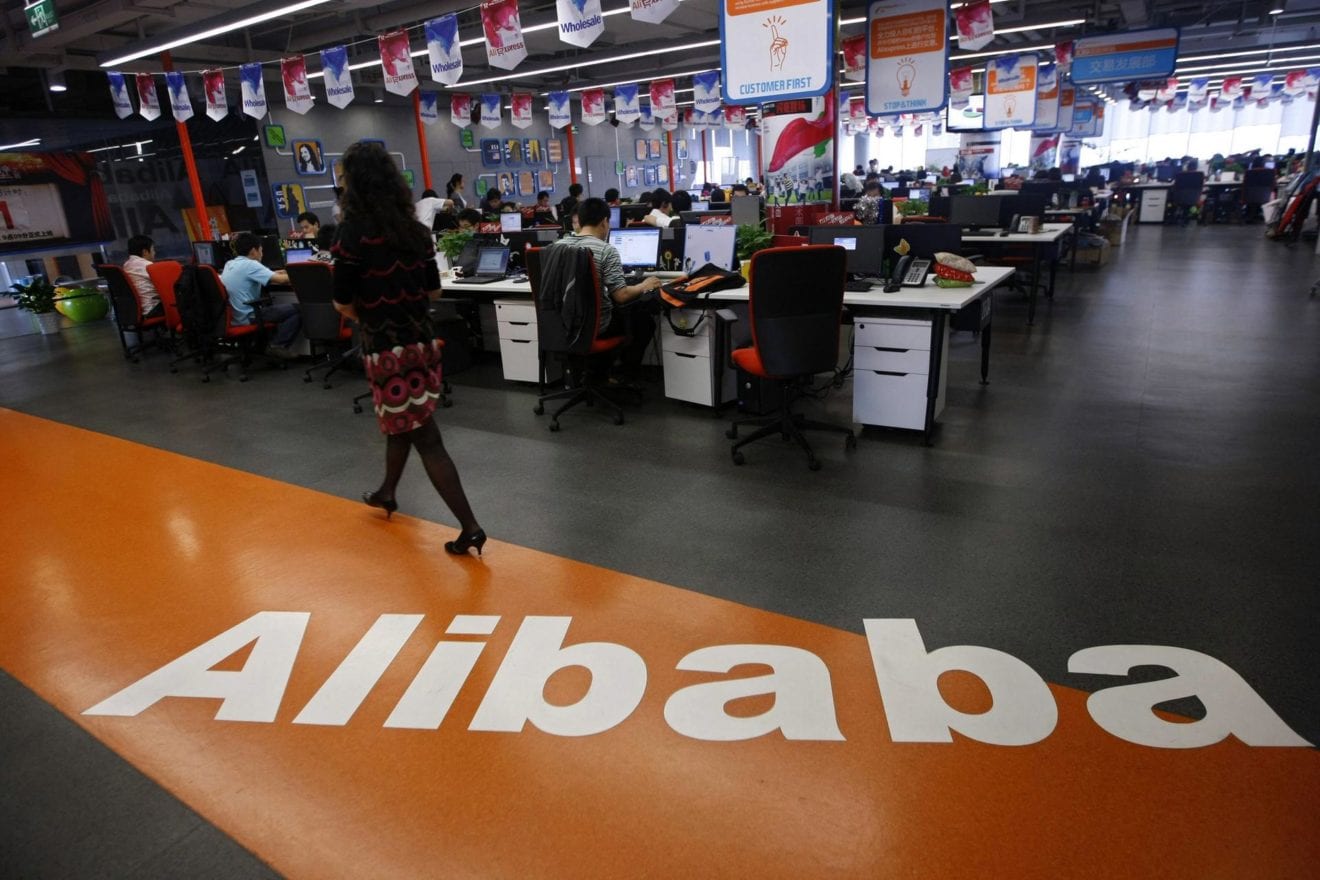
    Chinese e-commerce giant Alibaba wants to have over 10,000 Vietnamese small and medium-sized enterprises selling on its platform by 2025.

    Its government relation and business development manager, Vu The Tung, who revealed this at a ceremony to sign a memorandum of understanding with the Vietnam Trade Promotion Agency on Tuesday, said his company would help Vietnamese businesses increase their exports by promoting their products.

    The two signatories have been running a training program since August last year to enhance Vietnamese businesses’ ability to participate in global e-commerce.

    Vu Thi Minh Thuy, manager of the agency’s information technology application center, said through the training program over 300 companies have been provided consultancy in online cross-border sales.

    Fifty agriculture, aquaculture, food processing, and packaging companies became ready to sell on Alibaba’s e-commerce platform after completing training in October, she said. The two sides hope to have 1,200 Vietnamese enterprises on the platform by the end of 2021.

    Deputy Minister of Industry and Trade Do Thang Hai, who hailed Alibaba’s support, said: “The Vietnam Trade Promotion Agency and Alibaba will continue to look for enterprises to take part in the training program, and create recognition for Vietnamese brands on Alibaba’s e-commerce platform. They are also planning to create an exclusive section for Vietnamese products on the Alibaba website.”


  • Apple returns to 4th place in Vietnam smartphone market

    Apple returns to 4th place in Vietnam smartphone market

    Apple surpassed VinSmart to become the fourth-largest smartphone brand in Q4 of 2020 as sales of iPhone 12 surged.

    With a market share of 11 percent, it was behind China’s Vivo (13 percent), which climbed two places from the previous quarter, Singaporean technology market analysis firm Canalys said in a recent note.

    South Korea’s Samsung stayed on top with a 24 percent market share followed by China’s Oppo (16 percent), but their sales plummeted by 19 percent and 28 percent year-on-year.

    Hundreds of people queued up in front of Apple stores to become the earliest owners of iPhone 12 late last year.

    Almost 10 smartphone brands have been vying for third place in recent years, with Apple, Xiaomi, and Vivo the most notable names. None has remained in that position for more than six months.

    Around 75 million people, or almost 80 percent of the population, use smartphones, according to We Are Social, a social media marketing and advertising agency.

  • Apple doubles iPhone sales in India during the calendar fourth quarter

    Apple doubles iPhone sales in India during the calendar fourth quarter

    With Apple set to report its fiscal 2021 first-quarter earnings report tomorrow (check-in around 5 pm ET), it looks as though things are off to a good start. According to research firms Counterpoint and CyberMedia, Apple delivered over 1.5 million iPhone units in India during the fourth calendar quarter (from October through December). This was a 100% improvement on a year-over-year basis.

    The increase doubled the iPhone’s market share in the world’s second-largest market for smartphones to 4%. Despite its ranking behind only China, India is a developing country where the average person earns an annual salary of $2,000 USD; this means that consumers are looking for value and explains why Xiaomi has been doing so well in the country with its value for money strategy.

    Apple saw higher sales in India during the quarter for its 2019 iPhone 11, 2018 iPhone XR, this year’s 5G iPhone 12, and the “more-affordable” iPhone SE (2020). For all of last year, iPhone sales in India rose 60% year-over-year to 3.2 million units. Apple has been beefing up its operation in the country and has started manufacturing newer models in India. It also opened its online Apple Store and is offering AppleCare+ to Indian Apple device buyers. It also used some attractive promotions to jump-start iPhone sales with a free pair of AirPods wireless Bluetooth earbuds to those purchasing an iPhone 11. It hopes to open India’s first physical Apple Store later this year.

    The iPhone models that Apple makes in India are not impacted price-wise by an import tax. But models that are assembled in other countries have the tax added to the price of the device making the price prohibitive for the average Indian consumer. For example, the starting price of the iPhone 12 Pro Max in the U.S. is $1,099 compared to the equivalent of $1,781 in India. The $249 AirPods Pro is $341 in the country while the AirPods Max cost an Indian consumer $815 compared to the $549 price tag in the states. Surprisingly, some prices have been adjusted downward.

    For example, Apple Music costs $9.99 per month in the states but is only $1.35 monthly in India. The Apple One bundle including Apple Music, Apple TV+, Apple Arcade and 50GB of iCloud, costs the equivalent of $2.65 a month in India compared to $14.95 monthly in the U.S.

    Jayanth Kolla, chief analyst at Convergence Catalyst, told TechCrunch, “Unlike most foreign firms that offer their products and services for free in India or at some of the world’s cheapest prices, Apple has focused entirely on a small fraction of the population that can afford to pay big bucks.

  • Motorbike sales slump, blamed on pandemic

    Motorbike sales slump, blamed on pandemic

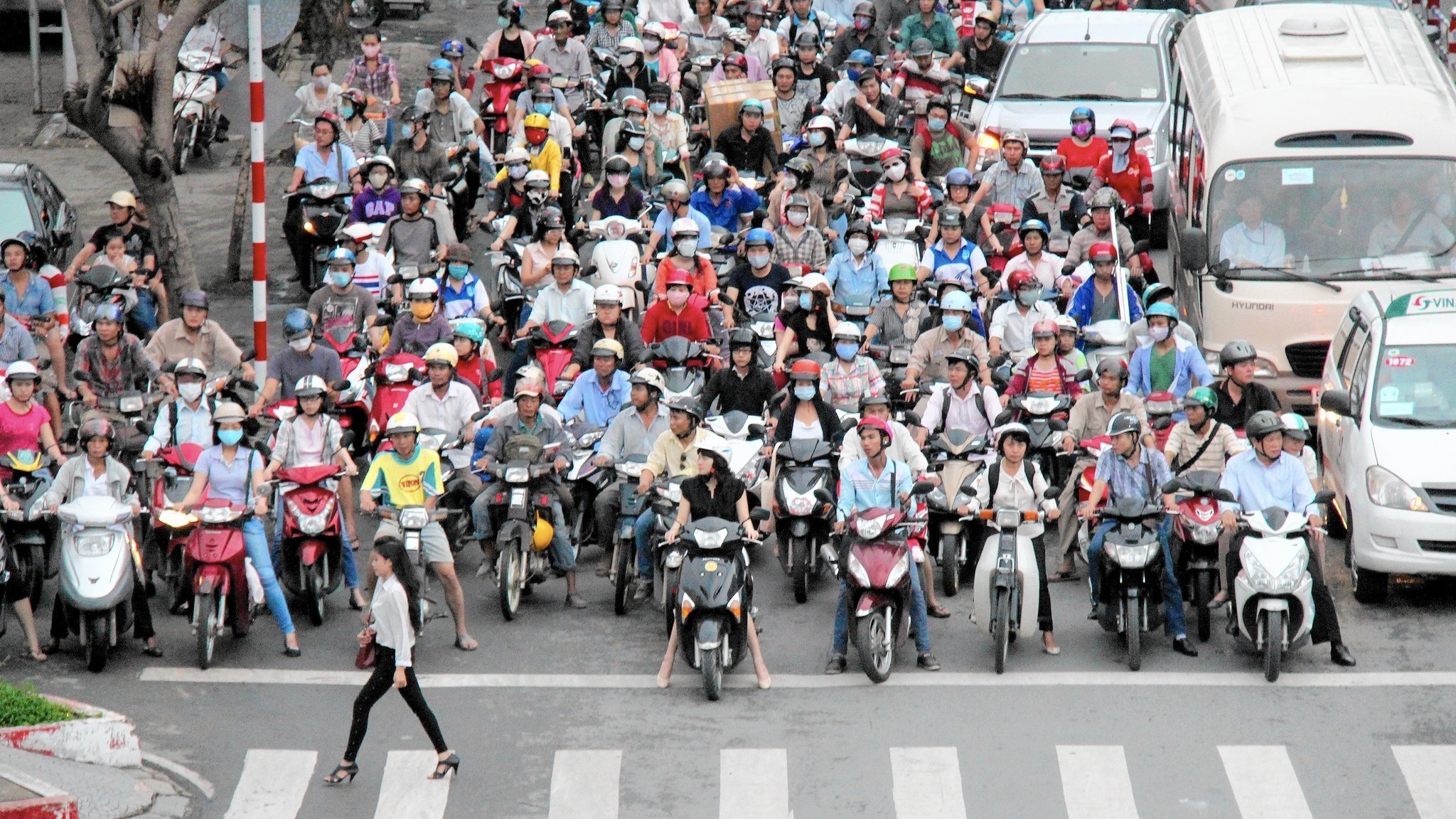
    Motorbike sales fell 16.6 percent to 2.71 million units last year, according to the Vietnam Association of Motorcycle Manufacturers.

    The industry group comprises five major companies, Honda, Piaggio, Suzuki, SYM, and Yamaha, who account for most of the market.

    Industry insiders said sales fell in double digits because of the Covid-19 pandemic, which hit people’s incomes.

    Although VAMM’s report did not list each company’s sales, Honda said it accounted for nearly 80 percent.

    Other brands not included in report were VinFast, Kymco, BMW Motorrad, Ducati, Harley-Davidson, Kawasaki, and others.

    In the second half last year several companies introduced.

  • December auto sales hit monthly high

    December auto sales hit monthly high

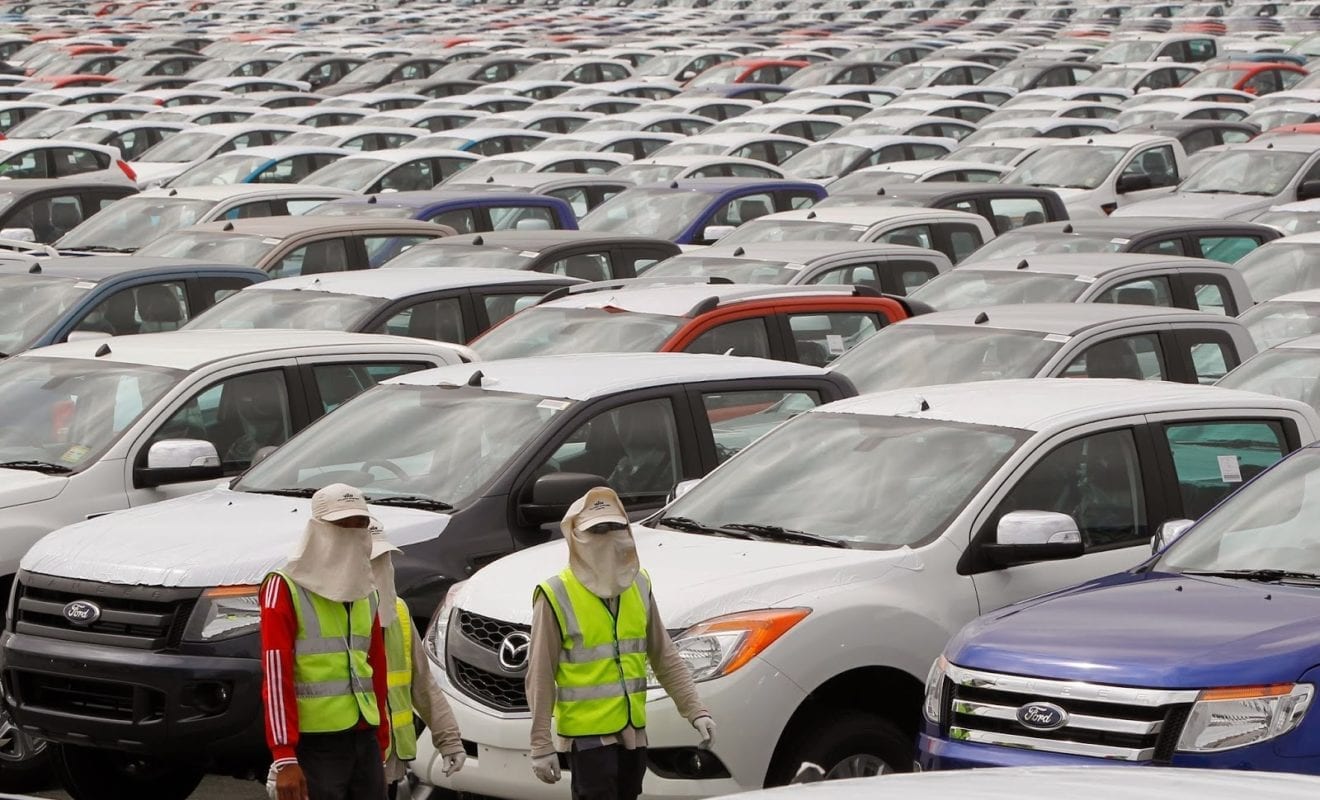
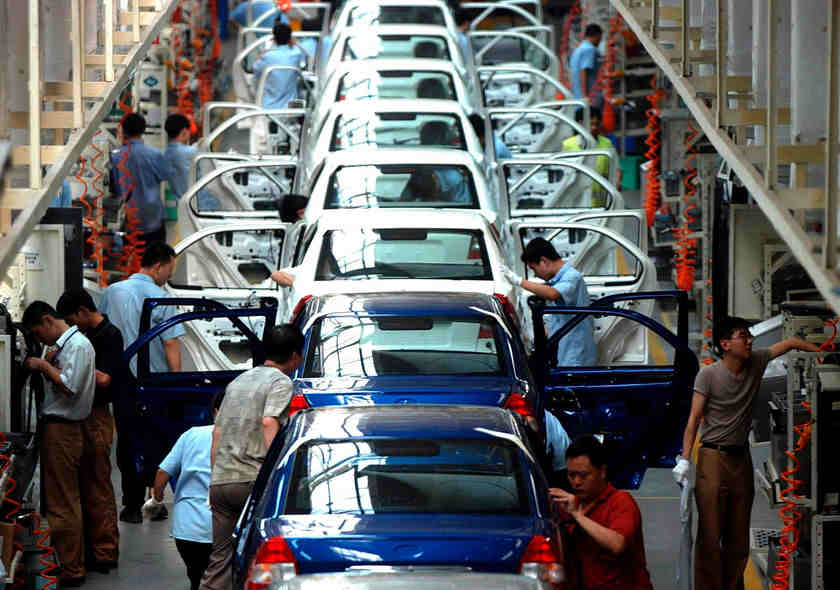
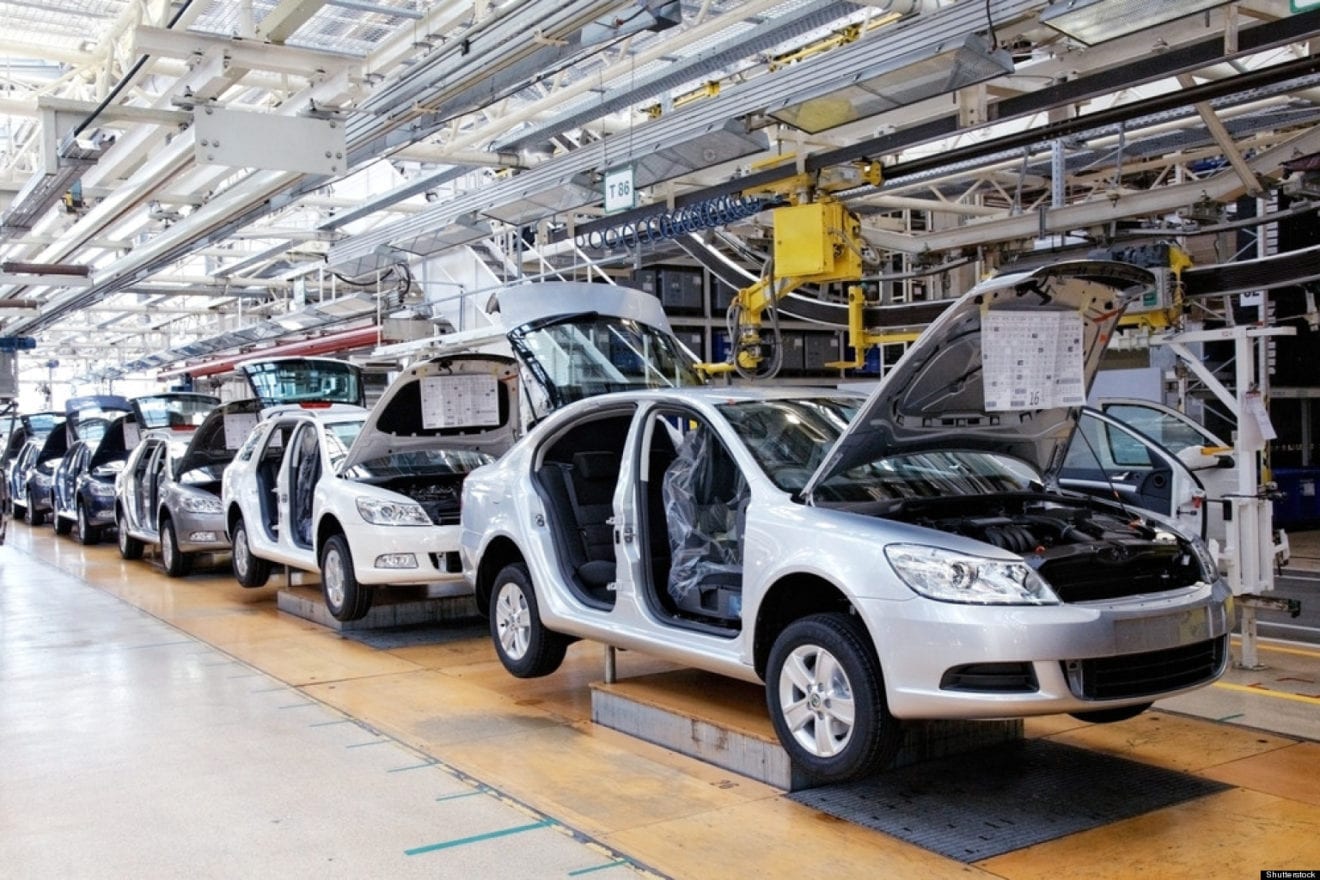
    Auto sales climbed to 47,865 units in December, the highest monthly number last year, according to the latest data from Vietnam Automobile Manufacturers Association (VAMA).

    It represented a 32 percent rise from November and 45 percent increase from the same period in 2019.

    The data shows 36,856 units sold in December were passenger cars, up 28 percent over the previous month, 10,673 were commercial vehicles, up 50 percent and 331 units were special-purpose vehicles, down 30 percent.

    Despite the late surge, total auto sales in 2020 still fell 8 percent year-on-year to 296,634 units due to deep plunges recorded in April and August after two major Covid-19 outbreaks.

    Local brand Truong Hai Auto (Thaco) retained the top spot in 2020 with a 35.5 percent share of the market as sales rose 10 percent to 100,727 units.

    It was followed by Toyota with 70,692 units, down 11 percent and Mitsubishi with 28,954 units, down 6 percent.
    Ford and Honda rounded out the top five.

  • Biggest Drop In UK New Car Sales Since World War Two

    Biggest Drop In UK New Car Sales Since World War Two

    British new car sales fell nearly 30% last year in their biggest annual drop since 1943 as lockdowns to curb the spread of the coronavirus hit the sector, an industry body said on Wednesday. Demand stood at 1.63 million cars in 2020, according to data from the Society of Motor Manufacturers and Traders (SMMT). It was particularly hard hit by a 97% fall in April, the first full month of a national lockdown.

    Dealerships gradually reopened in June on differing dates across the United Kingdom’s four nations.

    “We lost nearly three-quarters of a million units over three or four months, which we never got back,” said SMMT Chief Executive Mike Hawes.

    Showrooms in England have closed again during a second lockdown in November but many were better prepared with “click and collect” options, allowing more purchases, but still leading to a 27% year-on-year slump.

    The performance leaves new car sales at their lowest level since 1992, and suffering the biggest drop since 1943, when sales fell by more than 90%.

    Then, Britain was fighting World War Two, and the industry was repurposed for the effort.

    In 2020, diesel car registrations more than halved, while nearly 30% of sales were electric, hybrid, and mild hybrid vehicles as Britain brought forward a ban on the sale of new combustion engine-only cars to 2030.

    The sector was also awaiting a trade deal with the European Union. An agreement was reached on Dec. 24, meaning immediate tariffs and disruption were avoided, but the sector has warned of additional costs.

    The car sector, like others, now faces the challenge of new lockdowns announced in England and Scotland this week.

    The SMMT expects sales to be below 2 million this year, with the sector nervously looking ahead to March, one of the top two selling months of the year due to the change in the license plate series.

    “Where the industry is focussed at the moment, is what do we need to do to try to sustain sales …, sustain manufacturing over the next two to three months, especially with March being such a critical month for the industry and that will undoubtedly be affected,” said Hawes.

  • Auto sales rise to year high

    Auto sales rise to year high

    Auto sales climbed to 27,252 units in September, the highest monthly number this year, as Vietnam contained its second Covid-19 outbreak.

    It represented a 32 percent rise from August, when hundreds of new Covid-19 cases were diagnosed, according to a report by the Vietnam Automobile Manufacturers Association (VAMA).

    Passenger vehicles accounted for 75.7 percent of the sales, commercial vehicles for 23.5 percent, and special-purpose vehicles for the rest.

    However, sales in the first nine months fell 22 percent year-on-year to 179,155 units as social distancing was imposed in the second quarter due to the disease outbreak and incomes fell.

    Local brand Truong Hai Auto (Thaco) retained the top spot with a 34.6 percent share of the market through its sales fell 11 percent to 59,709 units.

    It was followed by Toyota with 41,109 units and Mitsubishi with 17,228 units, both representing double-digit declines too.

    Honda and Ford rounded off the top five.

    On June 28 the government cut first-time registration fees by half for locally made vehicles to foster sales amid the pandemic.

    The reduction will last through this year before returning to old levels on January 1, 2021.

    Auto sales had risen 11.7 percent to 322,322 units last year.

  • Aeon sales down due to Covid-19, but now up again

    Aeon sales down due to Covid-19, but now up again

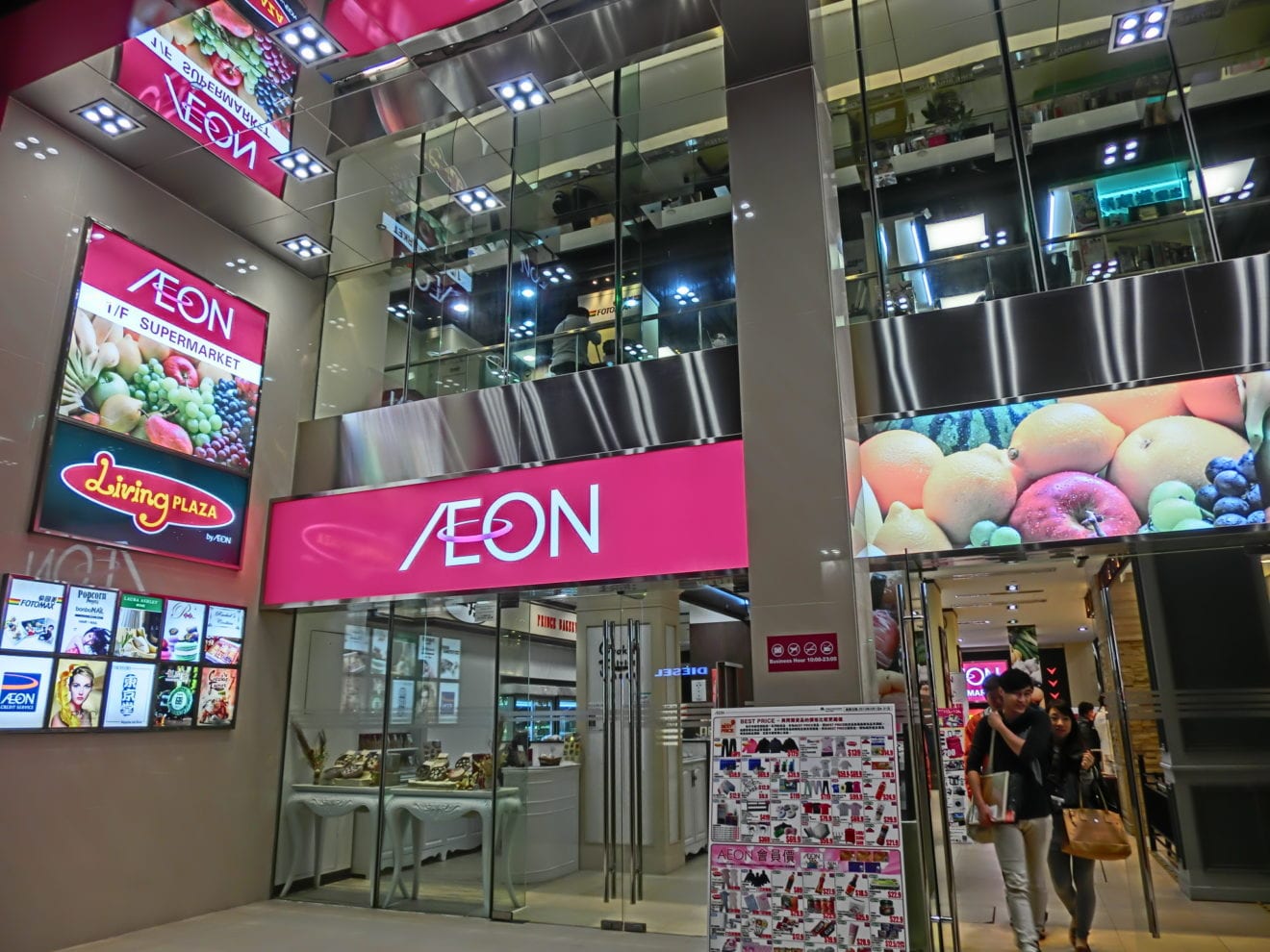
    Aeon logged a consolidated net loss of ¥53.9 billion in the March to May period, it’s the largest loss since the retail giant began releasing quarterly net balance information in the fiscal year to February 2005.

    The company was in the red in its first-quarter net balance for the second straight year, according to its earnings report released on Wednesday.

    The massive red ink reflected the impact of the COVID-19 epidemic on Aeon’s mainstay general merchandise retail business, with temporary closures of Aeon shopping malls amid the virus crisis also weighing on the retail group’s earnings.

    People’s efforts to stay home to avoid infections that started to spread in March led to plunges in sales of all goods excluding food items at Aeon’s general merchandise outlets, and the drops accelerated after the government’s declaration of a state of emergency over the novel coronavirus that causes the disease in April.

    The retail group’s real estate development business, for shopping malls and other commercial facilities, also struggled as the pandemic caused temporary closures of half of its Chinese facilities in February and all of its domestic facilities in April, leading to a large cut in rental income from tenants.

    Meanwhile, food sales grew as more people stocked up food items for consumption at home. The brisk food sales led to an improvement of some ¥20 billion in the company’s operating income for the category.

    The health and wellness business also boomed on the back of robust sales at drugstores.

    Aeon did not revise its earnings forecasts for the full fiscal year ending next February, saying that, while businesses are recovering faster than expected, the company is not yet in a state that would require estimate revisions.

  • South Korean retail sales surged in August

    South Korean retail sales surged in August

    South Korea’s non-store retailers including online shopping and delivery operators raised a record 46.2 trillion won ($39.1 billion) in sales in the first six months of the year as consumers relied much on non-face-to-face businesses amid coronavirus fears.

    According to data from Korea Small Business Institute and Statistics Korea on Monday, non-store retail sales jumped 19.4 percent year over year to an all-time high of 46.2 trillion won in the January-June period. The amount was 13 percent more than the second half of last year and more than doubling 22.6 trillion won in the first half of 2015.

    It was the first time for the bi-annual amount of non-store sales to jump more than 7 trillion won on year from the previous six-month period. The previous record increase was 4.8 trillion won in the first half of last year.

    The rapid increase was largely attributed to the outbreak of COVID-19 as non-store retailers gained huge popularity for its convenience of being able to allow consumers to purchase goods without having to visit offline stores amid social-distancing measures to contain coronavirus. Many companies also advised employees to work from home.

    According to Woowa Brothers, the operator of the country’s largest food delivery app Baedal Minjok, the number of mobile orders jumped 176 percent on year in the January-June period. The surge has further accelerated during the coronavirus outbreak.

    Amid growing demand for non-store shopping due to the virus scare, retailers have turned aggressive in selling products via online and home shopping channels.

    As more people opt for non-store shopping, sales at department stores fell 13.4 percent on-year to 12.9 trillion won in the first six months of the year and those of specialty retailers 10.3 percent to 61.1 trillion won. Sales of duty-free stores especially plunged 37.1 percent during the cited period as board-crossing traveling was virtually impossible.

    Sales at large discount stores, supermarkets, and convenience stores increased in the first half of the year from a year ago but growth was smaller than those of non-store retailers.

    Large discount stores raised 16.2 trillion won in sales in the January-June period, up 1.1 percent from a year ago. Sales at convenience stores increased 2.8 percent to 12.7 trillion won and supermarkets 6.8 percent to 23.2 trillion won.

  • Temenos, Alibaba Partner

    Temenos, Alibaba Partner

    The banking software company is joining up with the Chinese internet giant on cloud-based services. The deal opens a huge new potential market for Geneva-based Temenos: it is joining Alibaba’s cloud services, the company said in a statement on Thursday. In effect, banks can adopt Temenos’ software – Transact – on the Chinese firm’s cloud infrastructure.

    The move represents a massive step forward in so-called software as a service or SaaS. Providers like Temenos are moving towards more piecemeal sales and away from large one-time installations. Much of this is cloud-based, meaning banks can easily and less expensively grab what they need quickly. The technology providers hope for increased recurring revenue as well as scale effects.

    Alibaba and Temenos are currently testing with banks to establish so-called proof of concept, and already have joint customers in the wider Asia-Pacific region, they said. Transact is set up to be compatible with as many data clouds as possible.

    Alibaba, strongly anchored as China’s leading e-commerce and payments firm, is also the leading domestic cloud provider. The cloud subsidiary recently pledged an $28 billion investment in expanding, including hiring 5,000 new staff.

  • Bossini results in freefall as Covid-19 hits the entire fashion industry

    Bossini results in freefall as Covid-19 hits the entire fashion industry

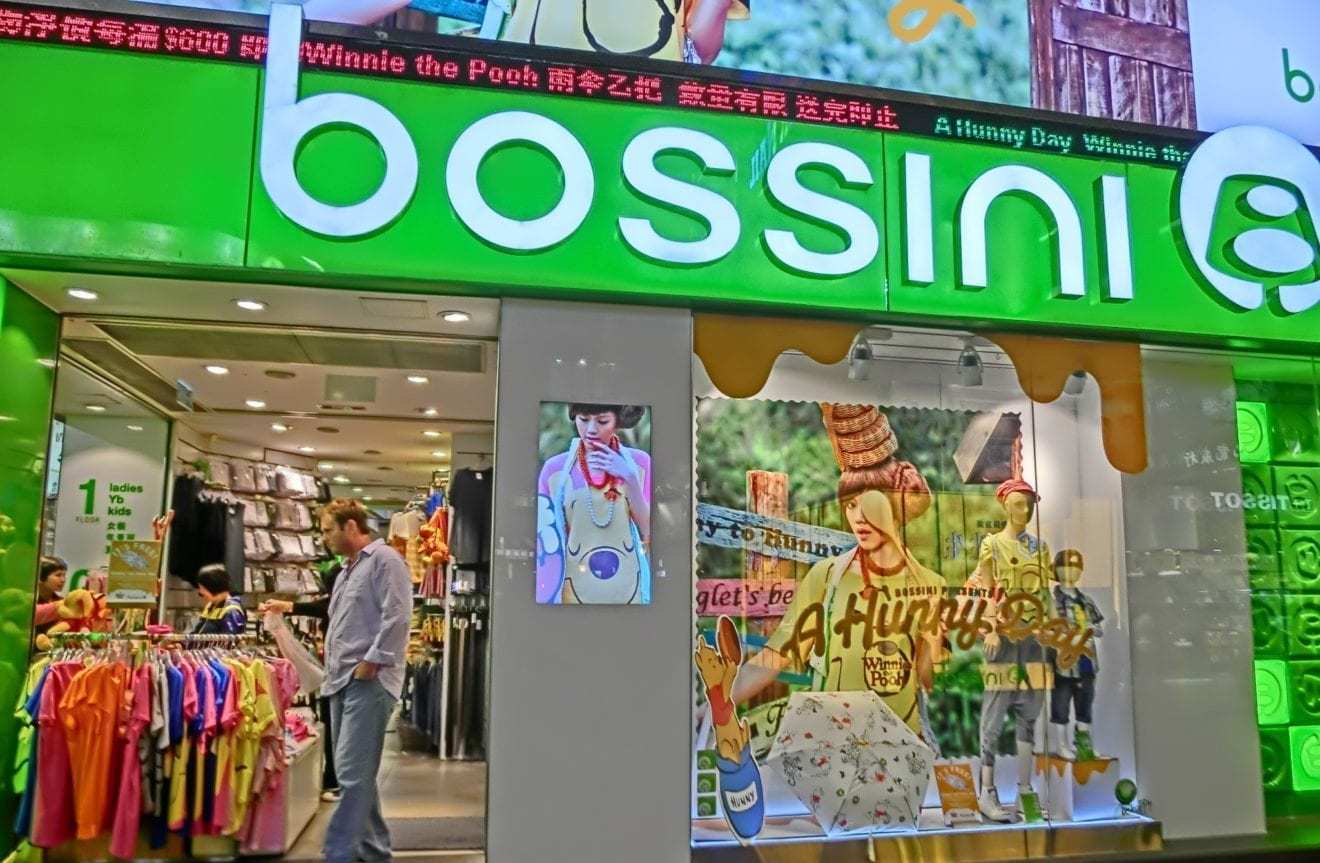
    Covid-19 has increased Hong Kong-listed apparel group Bossini’s loss attributable to shareholders by 174 percent from last year to US$48.85 million.

    Sales for the 12 months to June 30 hit $141 million, down by 27 percent, and gross margin fell to 49 percent, from 52 percent last year.

    “Since 2019 the economic environment of the core markets in which the group operates, comprising Hong Kong and Macau, Mainland China and Singapore, has been adversely affected by the Sino-US trade tensions, the local social incidents in Hong Kong and the global outbreak of Covid-19,” the business said.

    “Social distancing, lockdowns, curfews, and changing quarantines have created immense challenges for our retail operations. Moreover, major banks continue to tighten our credit facilities, and it is difficult to predict whether additional measures will  be implemented by the banking sector in the future.”

    In response, the business is working to reduce its costs by “streamlining business operations”, and reviewing inventory levels and its store portfolio in an effort to exit loss-making sectors. Bossini said its rental expenses are “very unreasonable”, that it will focus on renegotiating leases, and that should landlords be reluctant to drop rent it will close stores.

    Bossini’s new owner, Viva China Holdings, said it expects to continue facing headwinds in the short-term and that there isn’t enough information for it to form an optimistic opinion for the foreseeable future.

  • Prada reports China sales growing at a fast pace

    Prada reports China sales growing at a fast pace

    Sales of luxury Prada items in China have exceeded last year’s levels since the brand’s physical stores reopened following the coronavirus pandemic.

    The Chinese appetite for luxury items has rebounded strongly despite the impact of Covid-19, even as global sales are hit with a decline of 35 percent.

    “To date, the Prada Group’s sales in China have already largely exceeded the levels of 2019, showing double-digit growth since the beginning of the year,” said Prada CEO Patrizio Bertelli.

    Prada’s growth within China has exceeded more than 60 percent since March, with a sales record hit on August 25, this year’s Chinese Valentine’s Day.

    The firm’s projections suggest the trend will continue in the coming months, according to Bertelli.

  • Auto sales down with 25 percent

    Auto sales down with 25 percent

    Auto sales fell 25 percent year-on-year in the first eight months to 151,903 units due to the continuing impacts of the Covid-19 pandemic. Passenger cars accounted for 109,694 units, followed by commercial vehicles and special-purpose vehicles, according to the Vietnam Automobile Manufacturers Association (VAMA).

    Sales in August, when Vietnam saw a fresh eruption of Covid-19 linked to central Da Nang City, fell 14 percent from July to 20,655 vehicles. This ended a rise in sales for three consecutive months from May. April sales had plummeted after the government imposed social distancing.

    Local brand Truong Hai Auto (Thaco) retained the top spot even as its year-to-date sales fell 16 percent to 49,940 units for a 34.3 percent market share.

    It was followed by Toyota with 34,743 units and Honda with 14,850 units, both down nearly 30 percent. Mitsubishi and Ford rounded off the top five. On June 28 the government cut first-time registration fees by half for locally made vehicles to foster sales amid the pandemic. The reduction will last through this year before returning to old levels on January 1, 2021. Auto sales had risen 11.7 percent year-on-year to 322,322 units last year.

  • Thai government bans online liquor purchase

    Thai government bans online liquor purchase

    Thailand is to ban the sale of alcohol online because the government says it is too difficult to ensure broader liquor sales are being respected.

    The decision has been signed off by Thai Prime Minister Prayut Chan-o-cha, who said that alcoholic drinks have become a popular item traded via e-commerce, creating difficulties in oversight.

    Thailand’s Alcoholic Beverage Control Act BE 2551 sets legal limits for the sale of alcohol that have proved impossible to adequately enforce on digital trading, which has presented problems in controlling the date, time, venue, and target groups buying alcohol.

    Thai law prohibits the sale of alcohol in retail stores before 11 am, between 2 pm and 5 pm and after midnight. The kingdom also has numerous full-day bans throughout the year including Buddhist holidays and days in which elections are scheduled.

    According to the Prime Minister’s announcement, prohibited activities include the direct sale of alcohol online, as well as persuasion, introducing alcoholic products or related services via electronic channels that allow for retail transactions for alcohol to occur without physically meeting.

    It does not include in-person electronic transactions such as purchases made by digital means in restaurants and stores.

    The ban will be put into place within 90 days of being published in the Royal Gazette.

  • July retail sales in Japan slide

    July retail sales in Japan slide

    Japanese government data shows a significant drop in retail sales for July this year.

    Retail sales in Japan declined by 2.8 percent for the calendar month compared with the same period last year, reaching US$117.4 million. The decrease was higher than the median market forecast of a 1.7-per-cent drop, and compounds last month’s fall of 1.3 percent.

    Retail sales shrunk by 3.3 percent month on month, a stark contrast to a 13.1-per-cent rise in June.

    The numbers were released by Japan’s Ministry of Economy, Trade, and Industry.