Tag: Sales

  • Aeon Malaysia reports second-quarter loss likely due to virus outbreak

    Aeon Malaysia reports second-quarter loss likely due to virus outbreak

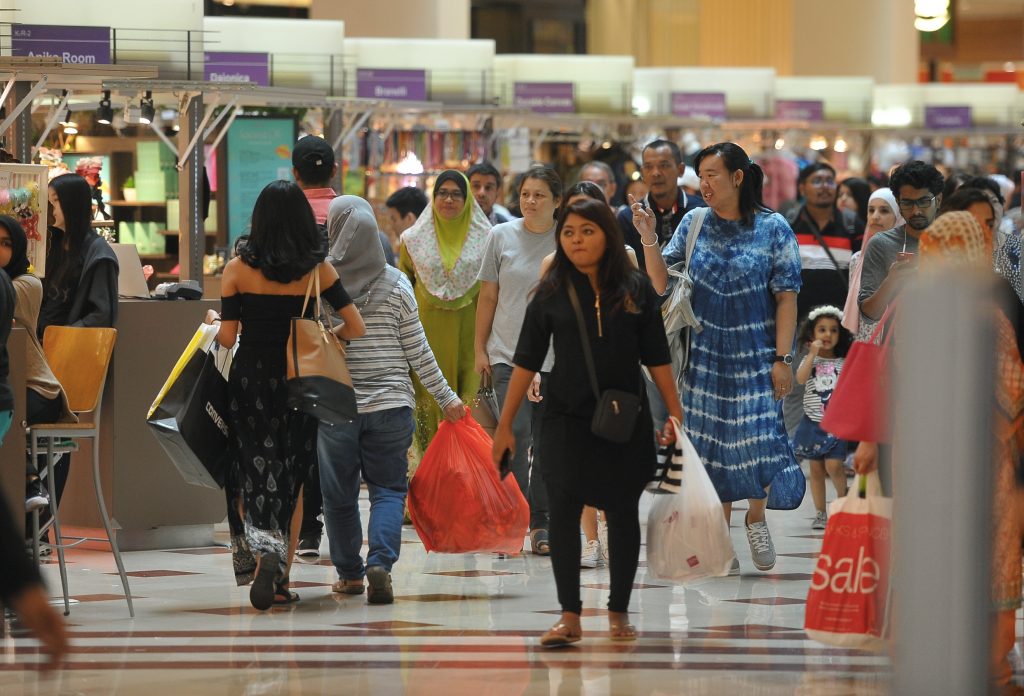
    Japanese mall brand Aeon’s operations in Malaysia have reported a net loss of US$2.3 million for its second fiscal quarter this year.

    The losses, which followed a first-quarter net profit of $1.8 million, are being considered as an effect of the coronavirus outbreak and the movement control orders executed in the territory and subsequent closures of non-essential tenants, along with lower rental pricing. It is a drop of 19.9 percent from the same period last year.

    Aeon MD & CEO Shafie Shamsuddin said that recent months had been a tough journey while expressing gratitude to the group for managing to bounce back in May and June.

    Aeon Malaysia’s current priorities include enhancing its safe-shopping environment with its personal shopper and home delivery services, as well as the launch of its online virtual mall. The group’s malls expanded their drive-thru services to more locations following an introduction of the service using personal shoppers in March.

  • 7-Eleven Malaysia keeps profit levels as before Covid-19 outbreak

    7-Eleven Malaysia keeps profit levels as before Covid-19 outbreak

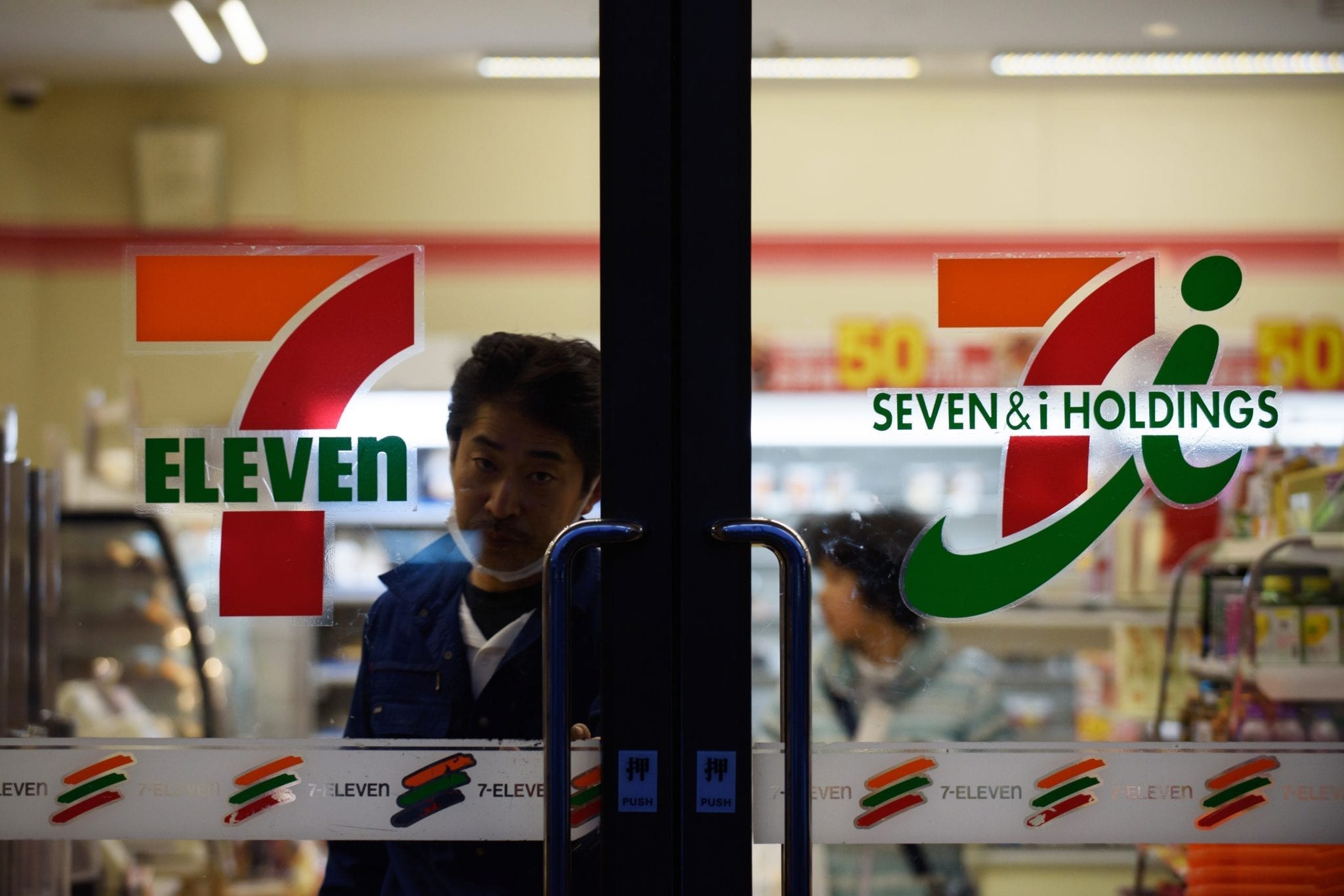
    Convenience-store chain 7-Eleven Malaysia has maintained its profitability despite the impact of the coronavirus pandemic.

    Profit for the first half of the current financial year from the brand’s convenience-store and pharmaceutical businesses hit US$5.8 million and $1.4 million respectively. The group’s consolidated profit after tax for the half-year was $3.35 million.

    The business remained healthy despite the Covid-19 restrictions that enforced restricted hours and the temporary closure of some stores. Stores are still unable to trade 24 hours.

    While the business remained profitable, most product categories recorded lower revenues, with the exception of tobacco, which grew 22.7 percent during the reporting period.

    The group expects to explore further opportunities for growth in the second half of its financial year as trading conditions gradually recover.

  • Apple to opens online sales in India

    Apple to opens online sales in India

    Tech giant Apple will launch an e-commerce store in India next month, according to a report by Bloomberg News.

    The firm will be timing its launch to begin trading in time for India’s busiest spending season, the Diwali festival. It follows CEO Tim Cook’s statement several months ago that Apple will start retailing within the territory next year.

    The firm’s smartphones are currently retailed via third parties within India, including existing online channels under Amazon and Walmart-owned Flipkart.

    Roughly a third of India’s 1 billion wireless subscribers do not use smartphones, representing a huge potential market for industry players in a region offering low pay rates to workers in manufacturing.

    A raft of Apple products are already being produced in southern India.

  • China’s retail sales fall as consumers adopt caution

    China’s retail sales fall as consumers adopt caution

    China’s retail sales slipped in July, dashing expectations for a modest rise, as consumers in the world’s second-largest economy failed to shake off wariness about the coronavirus.

    Meanwhile, the recovery in the factory sector struggled to gain momentum.

    Asian markets pulled back on Friday following the disappointing set of economic indicators, which raised concerns about the fragility of China’s emergence from coronavirus.

    China’s recovery had been gathering pace after the pandemic paralyzed huge swathes of the economy as pent-up demand, government stimulus and surprisingly resilient exports propel a rebound.

    However, the data from the National Bureau of Statistics on Friday showed weaker-than-expected year-on-year industrial output growth and retail sales extending declines into a seventh straight month in July. That was slightly offset by firmer property investment, which showed a recent stimulus was supporting construction activity.

    “Looking ahead, we expect a renewed acceleration in infrastructure investment in the coming months as planned government bond issuance continues to ramp-up,” said Martin Rasmussen, China Economist at Capital Economics.

    “This should drive a further rebound in industry and construction, helping to absorb labor market slack, indirectly shore up consumption and keep the economic recovery on track.”

    Industrial output grew 4.8 percent in July from a year earlier, in line with June’s growth but less than forecasts for a 5.1-per-cent rise.

    Retail sales dropped 1.1 percent year on year, missing predictions for a 0.1-per-cent rise and following a 1.8-per-cent fall in June.

    The decline in retail sales was broad-based with garments, cosmetics, home appliances, and furniture all worsening from June.

    A key exception was auto sales, which surged 12.3 percent, turning around an 8.2-per-cent fall in June.

    China’s economy returned to growth in the second quarter after a deep slump at the start of the year, but unexpected weakness in domestic consumption weighed on momentum.

  • Honda Sees Drop In Annual Profit As Coronavirus Slams Car Sales

    Honda Sees Drop In Annual Profit As Coronavirus Slams Car Sales

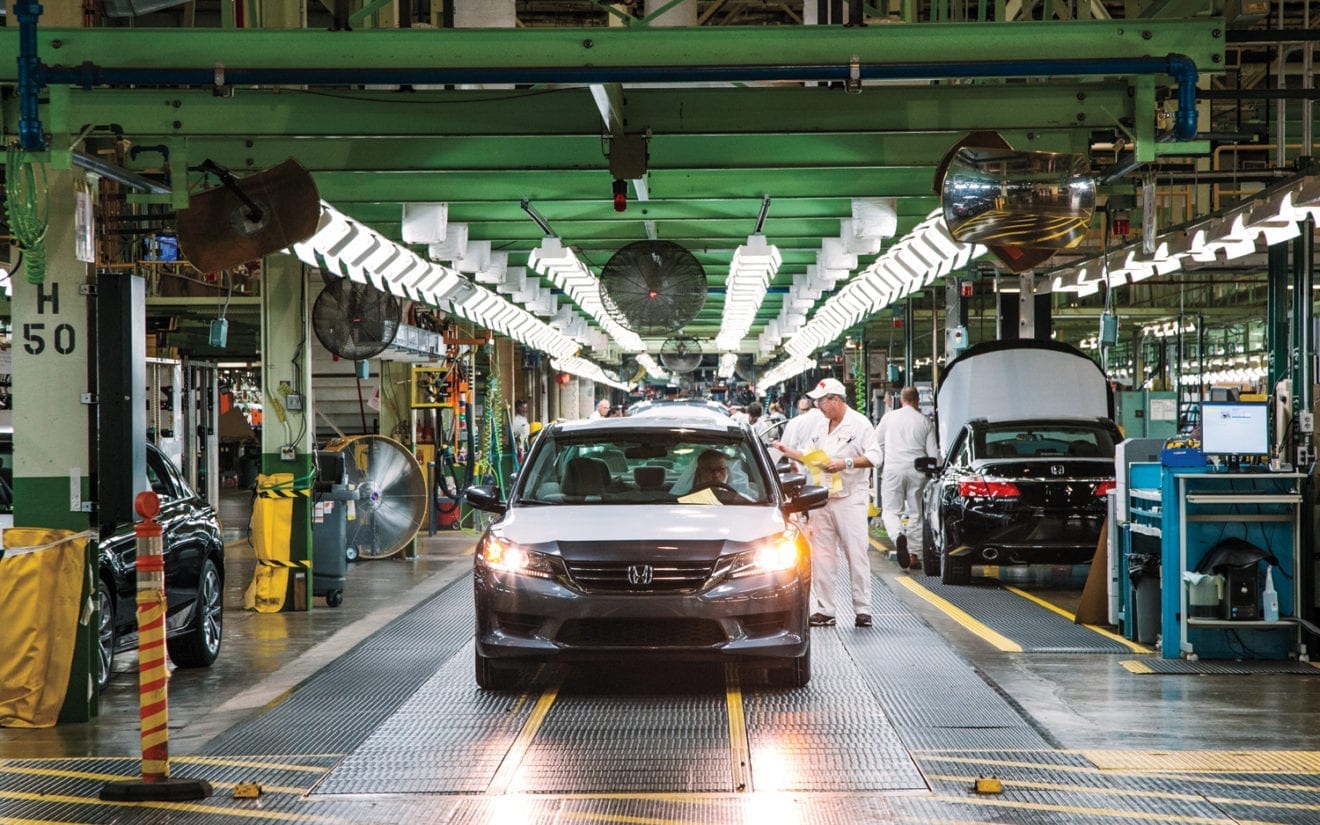
    Japan’s Honda Motor Co on Wednesday forecast a 68 percent decrease in annual operating profit to a 10-year low with global demand for cars expected to slide because of the coronavirus pandemic.

    The country’s No. 3 automaker expects profit to sink to 200 billion yen ($1.89 billion) in the year to end-March 2021, its weakest since the 2010/11 year, and undershooting analyst estimates.

    Honda is bracing for a 6 percent decrease in annual vehicle sales after a 40 percent plunge in the June quarter, which resulted in a 113.7 billion yen operating loss.

    Global automakers are taking a big hit from the coronavirus outbreak, which shuttered vehicle factories this year and has kept customers out of car dealerships.

    The maker of the CR-V SUV crossover and the Fit compact hatchback expects to sell 4.5 million vehicles this year, versus 4.79 million last year. It predicts a 16 percent sales slide in North America, a key market where the United States is struggling to control a surge in virus infections.

    “If the current situation continues as is, we think the situation will not get worse (than we saw earlier this year), but it will take time for demand to recover to pre-pandemic levels,” Executive Vice President Seiji Kuraishi told a live-streamed briefing.

    Despite weaker sales in North America, Honda expects annual sales in Asia to increase by 8 percent.

    China, one of Honda’s biggest markets, has become a rare bright spot for many global automakers, as demand in the world’s biggest car market has been recovering faster than in other countries.

    Honda sank into the red for the second straight quarter and posted its worst operating loss since the March 2009 quarter.

    Despite its dire outlook, Honda is weathering the coronavirus pandemic better than rivals Nissan Motor Co, Mitsubishi Motor Corp and Mazda Motor Corp, which last week forecast record operating losses for the year.

  • Hugo Boss China sales up again last June

    Hugo Boss China sales up again last June

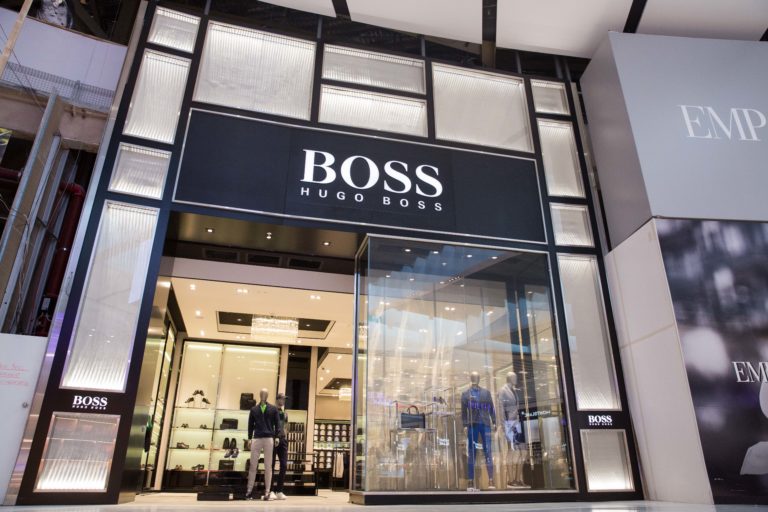
    Hugo Boss sales returned to strong growth in China in June and global online sales jumped 74 percent in the second quarter, even as the German fashion house reported an overall 59-per-cent fall in sales for the period due to lockdowns.

    Analysts at Baader Helvea noted the company was particularly exposed as people have been shifting to more casual wear during the coronavirus pandemic, cutting demand for the smart suits for which it is particularly known.

    Hugo Boss reported quarterly revenue of €275 million, missing an average analyst forecast for €288 million, while its operating loss of €124 million euros was ahead of consensus for a loss of €133 million.

    The company said it had seen a less pronounced fall in sales of casual wear and “athleisure” than in formal wear, with products like T-shirts, polo shirts, trousers and loungewear proving their resilience.

    Hugo Boss is currently led by finance chief Yves Mueller after Mark Langer stepped down as CEO. Daniel Grieder, the former CEO of Tommy Hilfiger Global & PVH Europe, is due to take over as CEO on June 1, next year.

    Hugo Boss China sales rose by 4 percent in the quarter, including double-digit growth in June, a similar trend to that reported by LVMH , the world’s biggest luxury goods group, which said last week that momentum had especially improved in China.

    By contrast, sales fell 59 percent in Europe and 82 percent in the Americas, with unrest and demonstrations in the US in May and June putting more strain on its business.

    The company expects a gradual improvement for the second half of this year, but declined to provide a full-year forecast.

  • Despite strength from Huawei, smartphone shipments are expected to drop in China

    Despite strength from Huawei, smartphone shipments are expected to drop in China

    The world’s largest smartphone market is going to report a drop in shipments during the current quarter. The report states that the Q3 decline will show up both year-over-year and month-over-month (aka sequentially) and would appear following a huge sequential second-quarter surge of 104.6%. The strong smartphone market in China during the three months covering April through June was fueled by the lessening of negative impacts from the coronavirus, economic stimulus measures, and the launch of new handset models. While the growth in second-quarter smartphone shipments was in triple digits compared to Q1 deliveries, on a year-over-year basis the Q2 growth in smartphone shipments was a puny 1.4%.

    The top five smartphone manufacturers based on shipments in the country during Q2 were Huawei, Vivo, Oppo, Xiaomi, and Apple. The top five were responsible for 98.1% of smartphone deliveries in China from April through June, up 1.4 percentage points from the previous quarter. For the current quarter, Digitimes expects smartphone shipments in China to contract 7.9% as some of the effects of the stimulus measures imposed in the country have started to fade.

    Despite the expected decline in shipments, Huawei’s shipments are supposed to remain strong in the current quarter. During Q2, research firm Canalys said that Huawei overtook Samsung to become the largest smartphone manufacturer globally. In 2016, the head of Huawei’s consumer division, Richard Yu, predicted that Huawei would become the top smartphone manufacturer in the world by 2021. Despite losing access to its U.S. supply chain and the Google ecosystem, Huawei has become number one thanks to its own rapidly growing Huawei Mobile Services.

    700 million people are using Huawei’s ecosystem and with that number growing, Huawei is expected to own nearly half of the Chinese smartphone market during the third quarter.

  • The world’s second largest smartphone market sees shipments drop in half during Q2

    The world’s second largest smartphone market sees shipments drop in half during Q2

    A double whammy negatively impacted the second-largest smartphone market in the world during the second quarter of the year. The global outbreak of coronavirus led to the shutdown of smartphone production in the country. And the demand for handsets dropped sharply as retailers both online and offline were not allowed to sell them. This was the case in India until the middle of May; that means that COVID-19 affected smartphone supply and demand in India for half of Q2.

    Xiaomi, with its value for money approach that is tailor-made for a developing country like India, remained the top smartphone manufacturer in the market during the second quarter. Even though shipments, at 5.3 million units, declined 48% year-over-year (the company shipped 10.3 million phones during the same quarter last year), Xiaomi’s market share barely declined from 31.3% during Q2 2019 to 30.9% during this year’s second quarter.

    Vivo was second during Q2 after delivering 3.7 million phones during the three months. Even with a 36% decline in the number of phones shipped, the manufacturer’s market share rose from 17.5% to 21.3% from April through June of this year. Samsung saw phone shipments in India declined by 60% on an annual basis as the number of phones it delivered dropped from 7.3 million to 2.9 million. Even the popular Galaxy A series couldn’t stop the bleeding as Sammy saw its slice of the Indian smartphone market decline from 22.1% to 16.8%.

    Oppo finished fourth for the quarter with a 27% decline in shipments from 3 million to 2.2 million, allowing the company to expand its market share from 9.2% to 12.9%. And in fifth place during the quarter was Realme. The latter shipped 1.7 million phones during the three months, one million or 35% fewer than during the same quarter last year. Realme owned 10% of the Indian smartphone market in Q2, which was up from the 8.1% share it had during Q2 of 2019.

    Canalys Analyst Madhumita Chaudhary said, “While vendors witnessed a crest in sales as soon as markets opened, production facilities struggled with staffing shortages on top of new regulations around manufacturing, resulting in lower production output. The fluidity of the lockdown situation across India has had a deep-rooted effect on vendors’ go-to-market strategies. Xiaomi and Vivo have undertaken an O2O (offline-to-online) strategy to support their massive offline network. Online channels, too, while seeing a positive effect of the pandemic on market share, have seen sales decline considerably.”

    What might negatively impact Chinese phone manufacturers like Xiaomi, Vivo, Oppo, and Realme in India during the current quarter is a border skirmish between the two countries. 20 Indian soldiers were killed by the Chinese and India started holding up shipments from China into the country. Canalys says that 96% of all smartphones sold in India last year were made locally. Despite this, Canalys analyst Adwait Mardikar notes that the lure of lower pricing on phones from Chinese companies like Xiaomi will help those manufacturers sell their wares in India. He says, “Vendors are driving the message of ‘Made in India’ to consumers and are eager to position their brand as ‘India-first.’ Despite the sentiment, the effect on Xiaomi, Oppo, Vivo, and Realme is likely to be minimal, as alternatives by Samsung, Nokia, or even Apple are hardly price-competitive.” Canalys analyst Chaudhary says that manufacturers are hoping that new 5G handsets lead to increased sales. He noted that “The transition to 5G is the next big opportunity, and Jio’s announcement of readiness to deploy 5G, as soon as spectrum is made available, has provided a ray of hope to most vendors who have been beaten by the current pandemic.”

    Speaking of Apple, the company turned in the best performance out of India’s top 10 smartphone manufacturers with a 20% year-over-year decline in shipments. The number of iPhones delivered in India was slightly over 250,000 units. Even though pricing makes iPhones luxury items in China, another iPhone assembler is working on building a new plant in India joining Foxconn and Wistron. Bloomberg reports that Pegatron, the second-largest iPhone assembler in China after Foxconn, will eventually start producing iPhone models in India. Apple is looking to move up to 20% of iPhone production out of China to avoid the possibility of tariffs in the future as the tense relationship between the U.S. and China continues.

    Overall for the quarter, 17.3 million handsets were shipped in India down 48% from the 33 million that were delivered during the same quarter last year.

  • Apple helps Samsung report stronger than expected Q2 earnings estimate

    Apple helps Samsung report stronger than expected Q2 earnings estimate

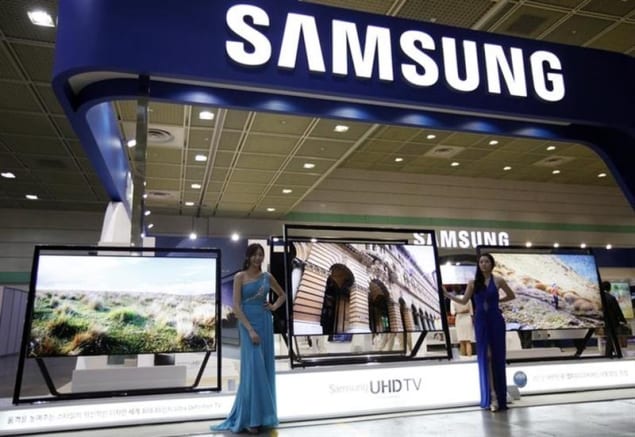
    Recently Samsung revealed what its second-quarter earnings numbers should look like when it soon reports the final figures. The manufacturer says that it expects to report a 7% annual decline in second-quarter revenue to 52 trillion Korean won. At current exchange rates, that works out to $46 billion U.S. dollars. Operating profit for the three months ended June is estimated at 8.1 trillion Korean won ($6.6 billion USD), up 23% year-over-year.

    The results topped analysts’ consensus estimates of 51 trillion won in revenue and operating earnings of 6.5 trillion won. Helping Sammy top the analysts’ forecasts was a one-time payment of $950 million that the company received from Apple. DSCC says that the money was due to Samsung when Apple purchased fewer OLED panels from the company than called for by the terms of their contract. Thanks to this payment, Samsung’s display devices unit reported a profit for the quarter instead of a loss. During the same quarter last year, Apple reportedly paid Samsung $770 million for a shortfall in orders for OLED panels. The contract required Samsung to deliver 100 million panels at approximately $70 a pop.

    Apple has been trying to reduce its dependence on Samsung as an iPhone supplier. After all, does Coke buy cola syrup from Pepsi? Samsung has been Apple’s largest supplier of OLED panels for the iPhone and Apple has been looking to add glass from LG and Beijing Oriental Electronics (BOE). However, earlier this year it was alleged that BOE had failed a quality test conducted by Apple. Ironically, BOE reportedly failed a quality test conducted by Samsung who is supposedly considering the company’s OLED displays for the 2021 Galaxy S21 flagship models.

    Samsung’s semiconductor business saw strong demand for memory chips used by cloud computing companies looking to expand their capacity as more people are forced to work from home. With prices for DRAM and NAND flash memory chips on the rise, Samsung earned an estimated 5 trillion Korean won during Q2. Samsung’s mobile and consumer businesses were hurt by the pandemic during the three months, but results were not as bad as expected. Still, the company’s flagship Galaxy S20 series is doing poorly in the states trailing the numbers put up by the Galaxy S10 and Galaxy S9 lines in 2019 and 2018 respectively. On August 5th, Samsung is expected to introduce the Galaxy Note 20 line. We also should see in the near future the Galaxy Z Note 2 and the Galaxy Z Flip 5G foldable.

    Sammy’s troubles at the cash register could be seen in other data. In April and May Huawei became the top smartphone manufacturer in the world. May’s numbers showed the Chinese manufacturer with a hair-thin lead over Samsung; Huawei was responsible for 19.7% of global smartphone shipments in May compared to Samsung’s 19.6%. What might really hurt Samsung in the U.S. is the ravaged economy. Millions of Americans remain out of work and money that normally could be used to purchase an expensive handset now must be used to put food on the table.

    The full second-quarter earnings report will be released sometime later this month. As for Apple, the flip side of the coin is that when it reports its fiscal third-quarter earnings on July 30th, it will have to account for the payment to Samsung somewhere in its financial report. Most investors are able to shrug their shoulders at one-time payments like this so it shouldn’t have an effect on Apple. The only negative is that Apple can’t seem to end its addiction to Samsung.

  • China Auto Sales Growth Seen For Second Straight Month

    China Auto Sales Growth Seen For Second Straight Month

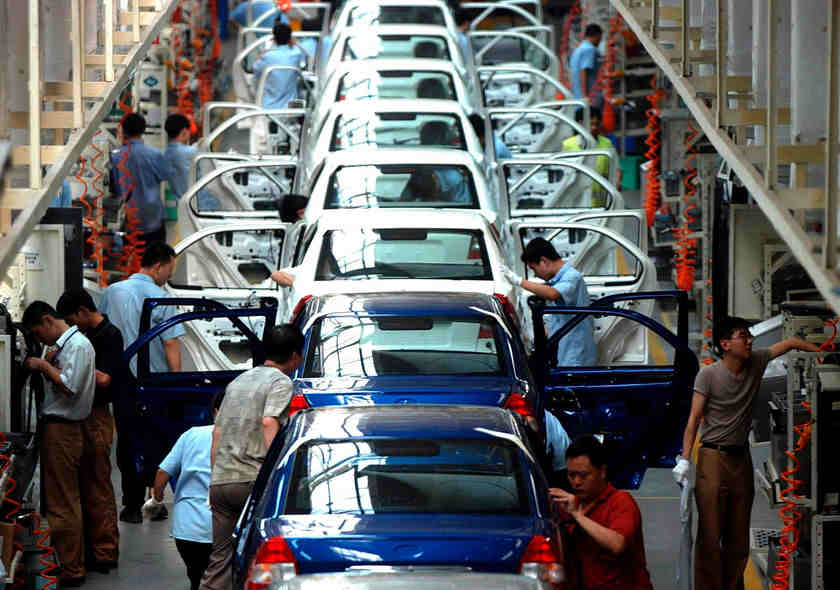
    China’s vehicle sales are estimated to rise 11.7% on year in May, its top auto industry body said on Tuesday, cementing hopes of a recovery in the world’s biggest auto market with the first back to back monthly sales increase in about two years. The China Association of Automobile Manufacturers (CAAM), in a post on its official WeChat account, said vehicle sales were estimated to rise to 2.14 million in May. It said the numbers were based on sales data it had collected from key companies, without giving further details.

    China’s vehicle sales are estimated to rise by 11.7 percent on-year in May,

    CAAM expects January to May auto sales in China to fall 23.1% year on year to 7.9 million units.

    As the global auto industry is hit hard by the coronavirus pandemic, China has become a ray of hope for automakers including Volkswagen and General Motors

    In April, China’s auto sales hit 2.07 million units, up 4.4% from a year earlier, the first monthly sales growth in almost two years, CAAM data showed.

    China is expected to see a drop of 15 percent in auto sales, even if the COVID-19 outbreak is contained effectively

    It cautioned last month that even if China contains the outbreak effectively, its auto sales are expected to drop 15% this year, from over 25 million vehicles in 2019. If the pandemic continues, the annual sales contraction will likely be by up to 25%.

  • South Korean retail sales rise as Covid-19 crisis eases

    South Korean retail sales rise as Covid-19 crisis eases

    South Korean retail sales rose by 3.9 percent year on year during April.

    The nation’s retail industry in general has benefitted from increasing demand in the e-commerce sector brought on by changes in consumer behavior in the midst of the coronavirus pandemic, despite a major hit to offline retailers.

    Figures released by Korea’s Ministry of Trade, Industry, and Energy showed combined South Korean retail sales by major companies hit US$8.74 billion last month, up from $8.39 billion during the same period last year.

    Offline retailers experienced a 5.5 percent drop in sales during the same month, compared to last year’s results.

    While sales from department stores, large supermarkets, and convenience stores dropped 14.8 percent, 2.6 percent, and 1.9 percent respectively, online retailers selling food and daily necessities saw sales increase by 16.9 percent.

    Total sales of food products increased by 56.4 percent during the month, while clothes sales dropped 8.8 percent.

  • Facebook Shops enabling retailers to sell directly to consumers

    Facebook Shops enabling retailers to sell directly to consumers

    Social commerce is about to get a whole lot more social, with Facebook announcing the launch of its business-to-consumer marketplace offering Facebook Shops.

    The new platform began rolling out in New Zealand yesterday and will be progressively rolled out across international markets during the coming months.

    Shops will leverage the co-owned ecosystem of Facebook, Instagram, and WhatsApp to make it easy for customers to find the products they want, wherever they are, and be able to get in contact with the business selling if they need more information.

    Businesses will be able to set up a partly-customizable storefront within Facebook, which can be accessed through Facebook, Instagram, or through stories or ads.

    In the US, customers will be able to check out directly within Facebook – though this feature has yet to make it to Australia and New Zealand.

    “Over the past three months businesses of all sizes have been forced to change their business models and adapt to selling online,” Facebook Australia and New Zealand MD Will Easton said.

    “We’ve accelerated our development of new products, giving businesses better means of connecting with consumers, and helping businesses who don’t have an online presence to drive sales online.”

    Facebook founder Mark Zuckerberg says Shops will be free for businesses to access.

    “Our business model here is ads, so rather than charge businesses for Shops, we know that Shops are valuable for businesses. They’re going to – in general – bid more for ads and we’ll eventually make money that way.”

    And later this year the business will expand Shops into its live-streaming features, in which a business can tag products that will be on display before starting a stream to make them purchasable when going live.

    Facebook is already working in collaboration with e-commerce partners such as Shopify, BigCommerce and WooCommerce to enable businesses an easier time getting their Facebook Shop up and running.

    Shops is the latest push by the social media giant into the world of commerce, building off the strengths of its customer-to-customer Marketplace offering.

    And according to industry firm UBS the drive toward online shopping will only become more important for businesses in a post-Covid-19 world.

  • March retail sales in Singapore down

    March retail sales in Singapore down

    March retail sales in Singapore fell 9.7 percent year on year in March 2019, as tourist numbers fell and locals spent less on discretionary items in the wake of the coronavirus pandemic.

    The decline was the largest in a single month in 22 years.

    With motor vehicles included in the total figure, retail sales were down by 13.3 percent, according to Statistics Singapore. March retail sales in Singapore totaled S$3.3 billion (US$2.33 billion).

    Compared to February, however, there was little change in the vehicles-excluded figure, with sales down 1.6 percent in March. In February retail sales excluding motor vehicles fell by 10.2 percent, year on year.

    The impact of the Covid-19 crisis on consumer shopping behavior was evident: online sales accounted for 8.5 percent of total sales, the highest figure ever recorded in the city-state. It followed a 7.4-per-cent share in February.

    Year on year, March retail sales in Singapore of apparel and footwear, food & alcohol, in department stores and of watches & jewelry declined by between 34.4 percent and 41.6 percent – mainly due to the decline in tourists spending.

    However – reflecting the trend towards eating at home more to ensure social distancing during the onset of the pandemic, turnover through supermarkets & hypermarkets rose by 35.9 percent and through mini-marts & convenience stores by 4.7 percent.

    The pandemic’s impact was also highlighted by data from sales of food & beverages. Sales fell 23.7 percent in March, to an estimated $678 million. Of those, online purchases comprised about 15.6 percent.

  • Online retail the ‘silver lining’ in Singapore retail space

    Online retail the ‘silver lining’ in Singapore retail space

    The Singapore retail real estate market has weakened amidst the coronavirus pandemic, according to a quarterly market report released by Edmund Tie.

    Transactions fell across all real estate sectors despite significant support measures passed by the government under its Unity Budget, Resilience and Solidarity Packages.

    In retail, an industry already battling a recession throughout last year, with weak signs of recovery reversed by the outbreak, travel restrictions and social-distancing measures are thought to have largely contributed to a downturn in sales.

    Turnover by retailers in prominent Singapore retail districts such as Chinatown plummeted by as much as 80 percent. Sales at Jewel Changi Airport contracted by as much as 70 percent in the same month.

    “A silver lining in this otherwise gloomy scenario is that the demand for online shopping has surged, as people turned to e-commerce in lieu of physical stores,” said Edmund Tie’s paper. In February, online retail sales accounted for 7.4 percent of total retail transactions, up from 5.5 percent in January.

    “The pandemic will fast-track the adoption of technology, from omnichannel retailing to greater use of data analytics to better understand consumers and their preferences,” said Edmund Tie CEO Ong Choon Fah.

    “New and creative ideas will emerge when the situation stabilizes and we enter a new normal. The diversification of revenue streams arising from adopting an omnichannel approach will make retailers more resilient over the long term.

  • Porsche Sales Drop By 5 Per Cent In Q1 2020 Due To The Coronavirus Pandemic

    Porsche Sales Drop By 5 Per Cent In Q1 2020 Due To The Coronavirus Pandemic

    German performance carmaker Porsche AG announced its sales for the first quarter of 2020 and the manufacturer sold 53,125 cars between January and March this year. Sales for the automaker were down by five percent when compared to the same period a year ago. Porsche attributed the drop in numbers due to the Coronavirus pandemic that’s put the world under lockdown since March this year. That being said, the Porsche Cayenne SUV continues to be the most popular offering in the brand’s stable with 18,417 deliveries during Q1 2020. The Porsche Macan SUV stands second with 15,547 deliveries during the same period, while the iconic Porsche 911 remains a popular choice as well with 8482 units delivered in the last three months.

    Interestingly, Porsche’s popular offerings witnessed a sales growth of  16 percent year-on-year even as overall sales have seen a marginal slump. The company also delivered its all-new Taycan electric sports car in Q1 2020 with 1391 units handed over to customers.

    Speaking on the drop in volumes, Detlev von Platen, Member of the Executive Board for Sales and Marketing at Porsche AG, said, “We are not alone in clearly feeling the effects of the coronavirus pandemic on our deliveries. But our focus now is on standing together with our business partners worldwide. Working together, we are in a position to react quickly and appropriately to further developments. After this challenging first quarter, we are now actively preparing to restart production. Our top priority will always be the health of our employees, the employees of our retail partners and, of course, the health of our customers. We are confident that the outlook is positive, not least because we see a clear recovery in the Chinese market; almost all of our Porsche Centers there have already reopened.”

    The strongest markets for Porsche AG remained in China and the USA. The company delivered 14,098 units to customers in China in the first quarter, making it the brand’s largest market. However, the country saw a drop of 17 percent in year-on-year sales. The automaker sold 11,994 units in the US, making it the second-largest market for the brand, while it saw the biggest decline in volumed with a drop of 20 percent. The company’s home market, Germany saw the manufacturer retail 5214 cars between January and March 2020, witnessing a drop of six percent. Meanwhile, 16,787 cars were delivered across Europe with sales jumping a healthy 20 percent as compared to last year. The only market for Porsche to see positive growth in the last quarter. 22,031 units were sold in Asia-Pacific, Africa, and the Middle East, with a decline of eight percent, when compared to the same period during the previous year.