Tag: Sales

  • Cebu Pacific kicks off new year with weekend seat sale

    Cebu Pacific kicks off new year with weekend seat sale

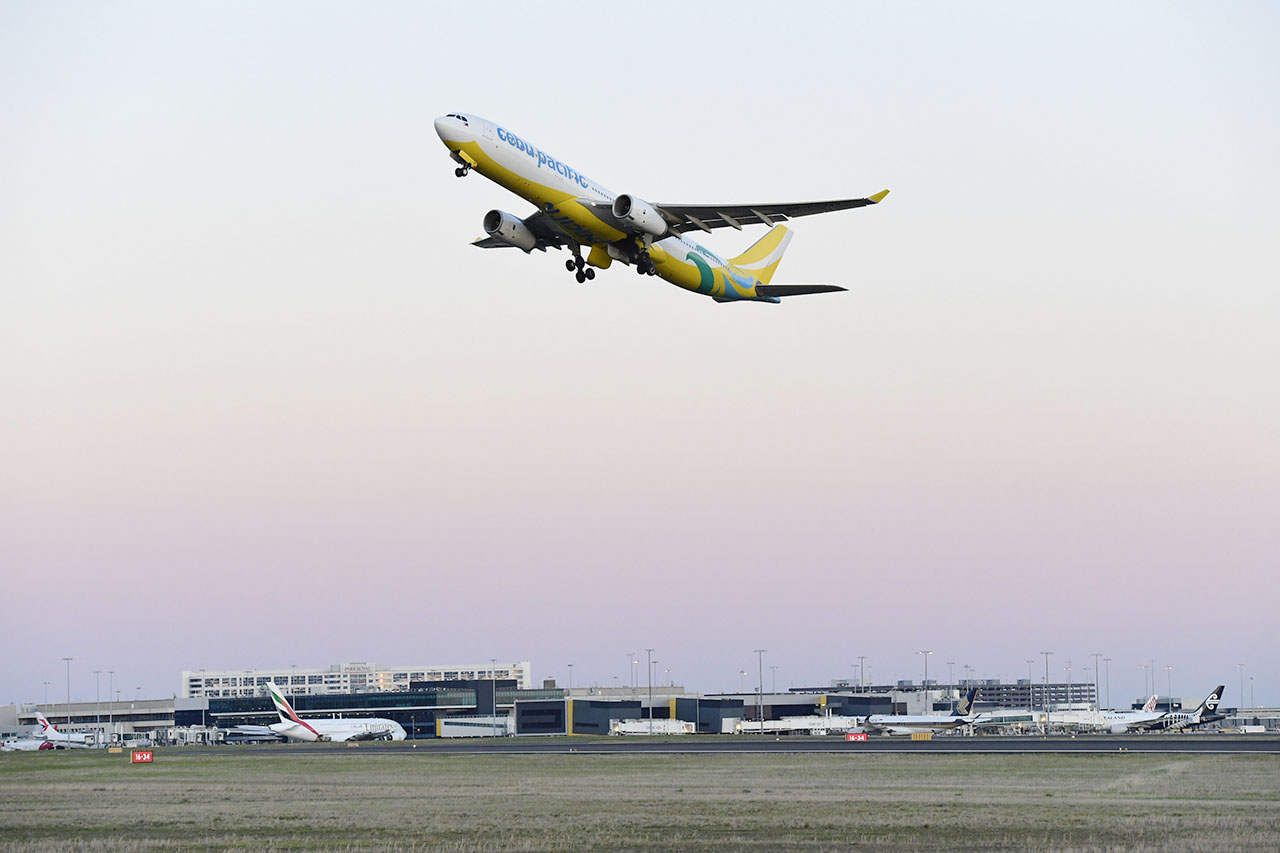
    Start the new year right by jetting off to Clark, an underrated destination in the Philippines with Cebu Pacific’s first seat sale of the year. From 10 January 2020 till 14 January 2020, all flights to the destination are on sale from as low as SGD 90 (USD 66.55), with a travel period from 1 February 2020 to 30 June 2020.

    With exciting seat sales lined up throughout the year, the carrier aims to make travel more convenient and affordable, allowing Singaporeans to enjoy quick getaways and explore new and unique destinations in the Philippines.

    Located in the heart of the Philippine’s Central Luzon region, Clark is a hidden gem that offers visitors a unique fusion of urban and cultural experiences. From teeing off on a world-class championship golf course at the Mimosa and Fontana Resort and Country Clubs, to relaxing in the thermal springs of Mount Pinatubo at Puning Hot Spring, it is just four hours away from Singapore with Cebu Pacific.

  • tBox by Posti is the “perfect” place to pick up your online orders

    tBox by Posti is the “perfect” place to pick up your online orders

    Design studio Fyra may have created the “perfect” environment for online shoppers to collect their online orders: Box by Posti, the Finnish postal service.

    The brightly colored room, which serves as a convenient drop-off for customers to pick up purchases they have made online, has a recycling area, fitting rooms, and product show space.

    The 600-locker Box by Posti space was created with the intention of making it more than just an ‘unadventurous row of lockers’. Color-coded areas are used in the space to support the different service paths and mark and clarify different functionalities.

    “The consumer behavior of the Finnish people has changed significantly,” said Posti’s head of customer experience and channels Kaisa Ilola. “Before, there was a piece missing between the online store and home. Box was created to fill in the missing piece.”

    Visitors to Box by Posti are welcome to open or pack their parcels in the green unboxing area, which contains scissors, tape and pens as well as parcels and envelopes, or in the recycling zone that features reusable packaging material. They can also arrange for refunds on unwanted items slated for return.

  • OnTheList reveals 2020 plans while marking fourth anniversary

    OnTheList reveals 2020 plans while marking fourth anniversary

    Asian cross-region flash sales platform OnTheList is celebrating its fourth anniversary.

    The firm offers apparel and other brands a subtle means quitting surplus or out-of-season stock as an alternative to scrapping it or selling at a discount in stores where it may impact sales of full-priced goods.

    This year, OnTheList says it will focus on raising awareness of sustainability in the minds of both the retail industry and consumers.

    The company will also be operating in Shanghai, Taipei, and Singapore from new permanent showrooms, alongside managing pop-ups in different Chinese cities, while further expanding the online platform to existing markets. OnTheList is also working actively on sourcing more partnerships and collaborations with brands.

    “With the new year ahead and the support from all the brands and members in Asia, together we take the initiative to bring positive social impact with our platform to raise awareness on sustainable shopping,” said co-founder Diego Dultzin.

    Launched in 2016, OnTheList moved from sporadic pop-ups to weekly flash sales in stores and online across four cities: Hong Kong, Singapore, Taipei, and Shanghai. The firm has helped more than 300 brands with excess inventory and accumulated 251,000 registered active shoppers across the four locations.

  • Singapore retail sales down, but car market exaggerates the decline

    Singapore retail sales down, but car market exaggerates the decline

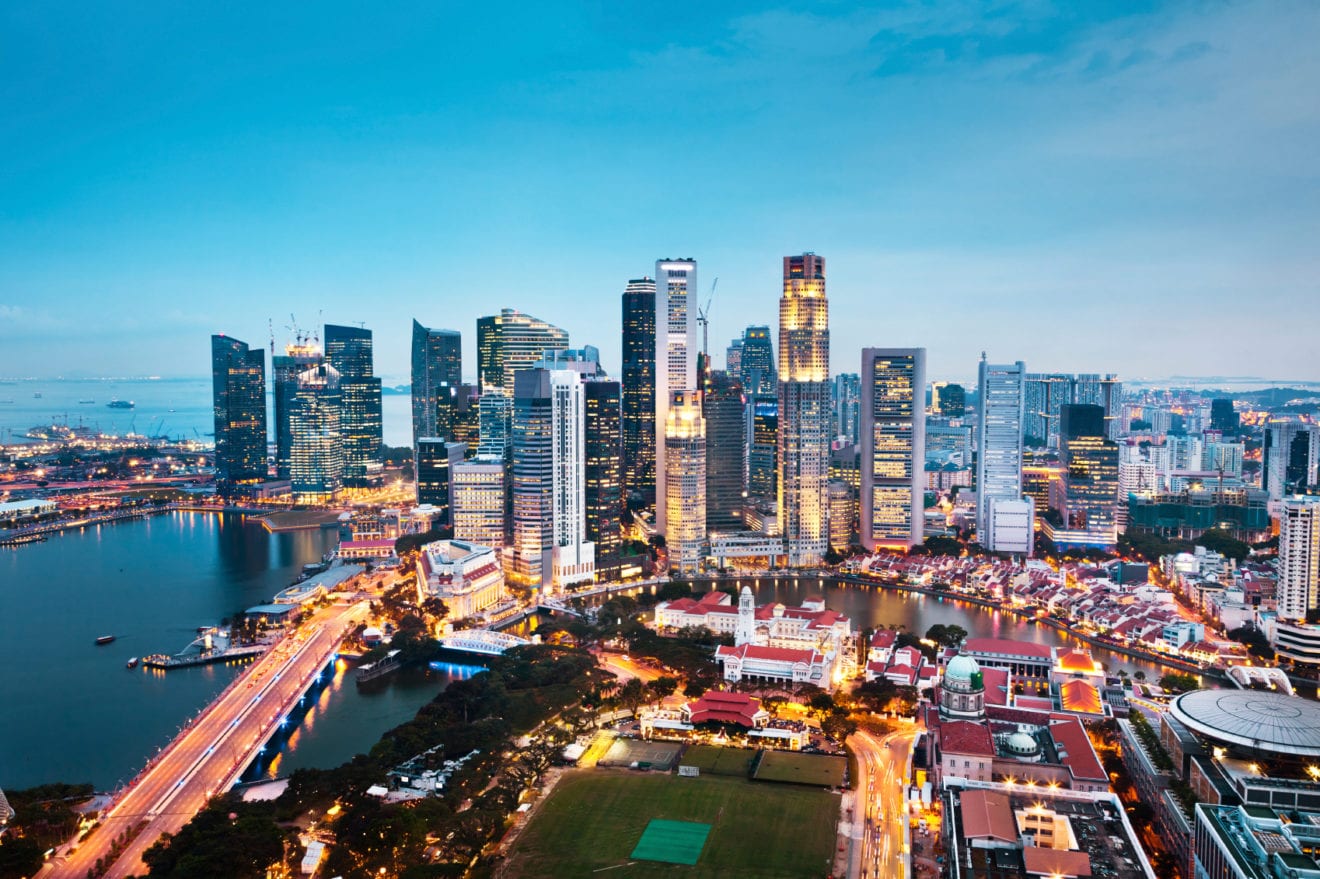
    Singapore retail sales – excluding motor vehicles – slipped by 0.6 percent year-on-year in October. Including vehicles, the headline figure was down 4.3 percent.

    Month-on-month, sales declined by 1.5 percent, excluding motor vehicles.

    Statistics Singapore estimated the city-state’s retail sales were worth about S$3.6 billion (US$2.7 billion) in October, of which about 6.1 percent were conducted online.

    The impact of car sales on the overall figure is clear: that sector declined by 22.7 percent in October, due to reduced government quotas for new vehicle registrations, while the second-worst performing category was furniture and homewares, down by 10.6 percent.

    Sales of optical goods and books fell by 2.4 percent, and of recreational goods by 6.9 percent.

    Conversely, sales of watches and jewelry industry increased 7.2 percent, largely attributed to higher demand for jewelry. Apparel and footwear sales, and trade at supermarkets, hypermarkets, mini-marts and convenience stores improved by between 1 percent and 4.7 percent.

    Food and beverage services

    Meanwhile, sales of food and beverage services grew by 4.5 percent year on year.

    The total sales value of food & beverage services in October 2019 was estimated at $893 million, compared to $854 million in October last year.

    Turnover by fast-food outlets, restaurants and cafes, food courts and ‘other eating places’ increased by between 3.3 percent and 7.9 percent.

    In contrast, sales by food caterers decreased by 1.5 percent during the period.

  • November auto sales up 3 percent

    November auto sales up 3 percent

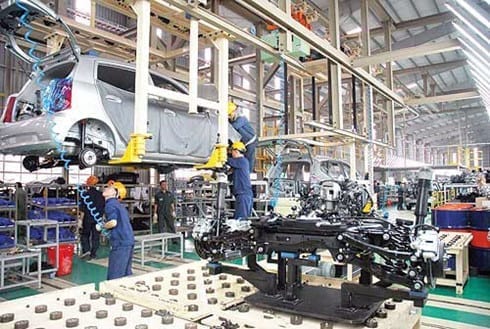
    Vietnam’s total vehicle sales increased 3 percent to 29,846 units in November from the previous month, according to the Vietnam Automobile Manufacturers’ Association (VAMA).

    Auto sales are monitored by VAMA, an association of all manufacturers in Vietnam except Hyundai TC. Including the 7,592 units sold by Huyndai, total sales rose to 35,638 vehicles.

    The most popular models sold this month were the Mitsubishi Xpander SUV, Toyota VIOS sedan, and Huyndai Accent sedan, each selling over 1,900 units, combined statistics from VAMA and Hyundai show.

    Domestic carmaker Truong Hai Auto (Thaco) retained the top in November, accounting for 28.6 percent of sales by all VAMA members. Trucks and sedans made up most of its sales.

    Toyota Motor Corp. retained its second spot, with 23.6 percent, followed by Mitsubishi and Honda, with 13.4 percent and 10.9 percent respectively.

    According to VAMA, 22,312 units sold in November were passenger cars (up 4 percent over October), 7,203 units were commercial vehicles (down 0.3 percent) and 331 units were special-purpose vehicles (up 9 percent). Total car sales last month fell 3 percent over the same month of 2018.

    Vietnam saw car sales of 289,128 units between January and November, up 14 percent over the same period last year.

  • China Auto Sales Drop For 17th Straight Month In November

    China Auto Sales Drop For 17th Straight Month In November

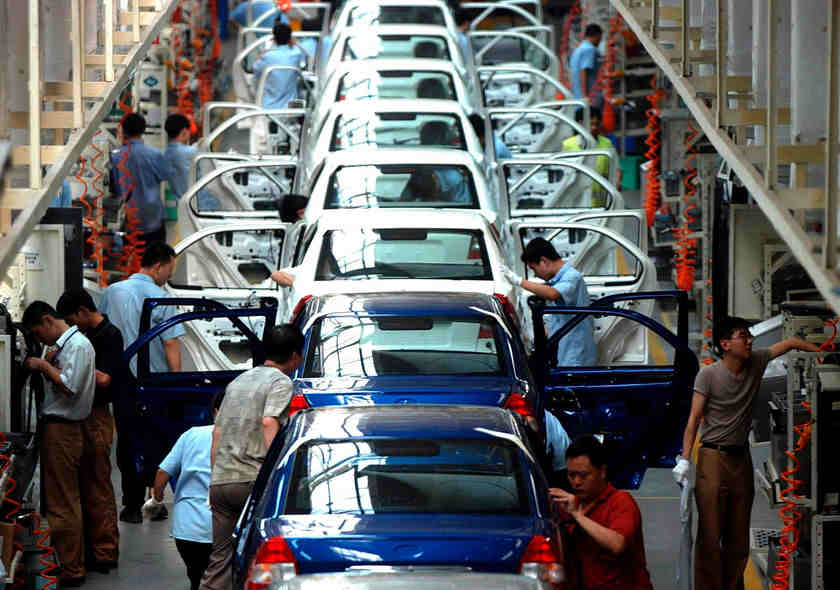
    Auto sales in China fell for a 17th consecutive month in November, with the number of new energy vehicles (NEVs) sold contracting for the fifth month in a row, data from the country’s biggest auto industry association showed on Tuesday. Total auto sales in the world’s biggest auto market fell 3.6% from the same month a year earlier, the China Association of Automobile Manufacturers (CAAM) said. That follows a drop of 4% in October and 5.2% in September.

    Car sales in the country contracted last year for the first time since the 1990s against a backdrop of slowing economic growth and a crippling Sino-U.S trade war. In November, sales of NEVs fell 43.7%, CAAM said, following a 45.6% drop in October NEV sales had jumped almost 62% last year even as the broader auto market contracted.NEVs include plug-in hybrids, battery-only electric vehicles and those powered by hydrogen fuel cells. China has been a keen supporter of NEVs and has implemented sales quota requirements for automakers.

    But it cut subsidies this year and plans to phase them out after 2020 amid criticism that some firms have become overly reliant on the funds, making NEVs costlier and dampening demand. The prolonged car sales crisis has made global carmakers from Ford to PSA cut China production plans. Geely, China’s best-known car maker globally, posted a 1% year-on-year sales growth in November while China’s biggest carmaker SAIC Motor saw a 9.6% drop due to poor performance from joint ventures with General Motors.NEV sales at both BYD and BAIC’s electric vehicle unit BluePark, in which Daimler has a stake, fell around 63% last month from a year ago.

  • Japan retail sales tumble as tax rise takes effect

    Japan retail sales tumble as tax rise takes effect

    Japan retail sales fell by 7.1 percent in October – the greatest single monthly fall in almost five years.

    The reason: the implementation of a sales-tax increase from 8 percent to 10 percent on October 1, aimed at helping reduce the country’s public debt, which is running at twice the size of its GDP.

    The headline figure was driven by a significant reduction in sales of big-ticket items such as motor vehicles and appliances. But department stores and apparel retailers also bore the brunt.

    Japan retail sales fell by 14.4 percent month on month, higher than the 13.7-per-cent month-on-month decline which followed previous sales-tax increases 1997 and 2014.

    Some analysts, however, have suggested the October decline may have been worsened by weather during the month, which included severe typhoons in the central and eastern parts of the country. There was also likely to be an element of extra spending in September as consumers tried to mitigate the tax effect.

  • Giordano sales down across China

    Giordano sales down across China

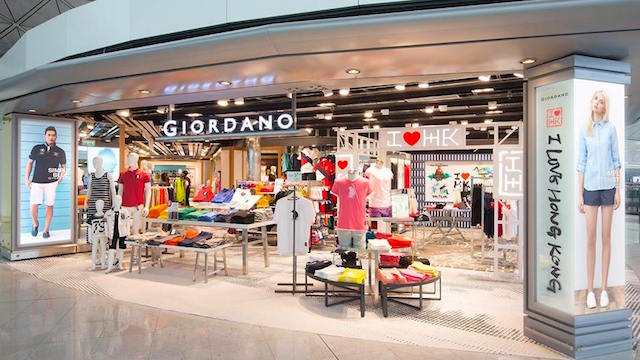
    Giordano sales slid by 8.6 percent in the three months to September, or by 7.1 percent if measured by constant exchange rates. Comparable same-store sales fell by 10.3 percent.

    The damage to Giordano sales was largely borne in Hong Kong and Mainland China, where protests have hit inbound mainland tourist numbers since June and Chinese are spending less, spooked by the ongoing Sino-US trade war.

    Giordano sales in Hong Kong and Macau fell from $226 million to $169 million and in Mainland China from $251 million to $208 million.

    However, the China decline was mitigated in part by a strong performance in Giordano’s relatively new Middle Eastern markets. Sales there rose from HK$134 million to $153 million.

    Wholesale sales were constant.

    Despite the Hong Kong sales decline, Giordano maintained a network of 75 stores in Hong Kong during the period, the same number it had a year earlier.

    Group sales for the quarter totalled $1.075 billion, down from $1.176 billion a year earlier. Year-to-date sales (for nine months) were down from $4.036 billion to $3.617 billion.

  • Hong Kong street-front rents are down

    Hong Kong street-front rents are down

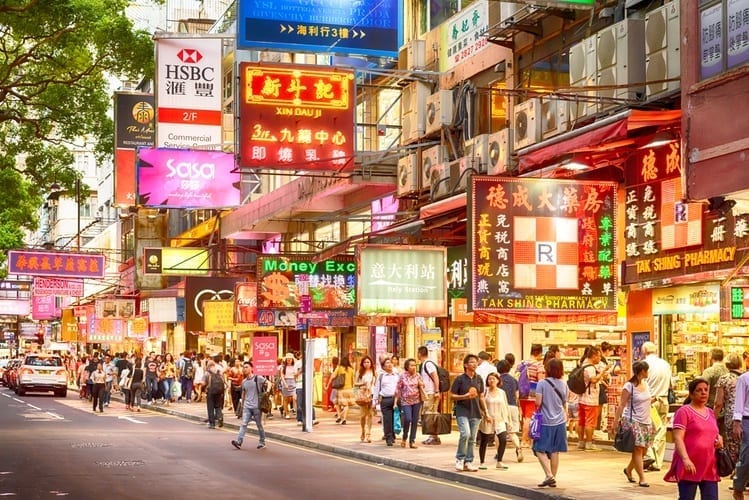
    Hong Kong street-front rents have plunged by 54 percent from their peak in the first quarter of 2013, according to data from real-estate advisor Savills.

    Much of that decline has occurred in recent months since the Sino-US trade war broke out and amidst growing social unrest on Hong Kong’s streets, triggered in June by the now-axed extradition bill.

    According to Savills, Hong Kong street-front rents in all prime areas experienced double-digit declines during the third quarter of this year. Causeway Bay was hit hardest, down 17.5 percent, as weekend and public holiday trade was disrupted by protest activities. Retail categories popular among mainlanders have seen significant retrenchment.

    Hong Kong Street-front rents in Tsim Sha Tsui and Mong Kok fell by 15 percent quarter on quarter, and in Central by 13.9 percent.

    Mall rents have also been hit hard, dropping by 14.2 percent overall. By region, Hong Kong Island mall rents were down by 13.6 percent, Kowloon by 12.7 percent and in the New Territories by 16.4 percent.

    “Amid the doom and gloom, the positive news is Sheung Shui continues to see mainland visitors, and sales in the area are down ‘only’ 10 to 20 percent in the absence of disruption,” observed Savills.

    More locally-oriented centres in Tseung Kwan O and Tuen Mun Town Plaza are also bearing up, while local restaurants are proving relatively immune, said Savills.

    ‘Difficult to see any upside’

    Simon Smith, senior director, research & consultancy at Savills, said poor macroeconomic conditions compounded by social unrest are undermining Hong Kong’s traditional role as a retail hub in Asia.

    “It is difficult to see any upside at this point.”

    With more than 10 countries and regions have issued travel advisories for Hong Kong; several major events have been canceled or postponed and August’s hotel occupancy rate dropped to 66 percent, he said.

    “But, looking ahead, it is worth noting that Hong Kong is expected to remain a key market for retailers in the region and that while the trade war has undermined local and overseas consumption, the local residential market has remained relatively resilient and interest rates remain low.”

    Savills believes that without a resolution in sight to either issue affecting Hong Kong retail, the current market conditions could prevail into next year. The negative impact of the Occupy Movement in 2014 was felt for at least 12 to 18 months, although day-trippers are expected to be the first to return when things returned to normal.

    Nick Bradstreet, MD, head of leasing at Savills, said some street-front landlords are offering short-term and ad-hoc rent relief, cutting rents by 15 to 20 percent for three months, or occasionally longer.

    “Mall landlords are less forgiving and are tending to wait and see. At Pacific Place, Swire has proved the exception, offering 10 to 30 percent reductions on a case-by-case basis,” said Bradstreet.

    As earlier reported, Hong Kong retail sales plunged by a record 23 percent in August, with the luxury goods sector hit hardest, with sales down about 50 percent year on year.

    On a more positive note, given the weaker Renminbi, lower taxes and less inclination to travel, some luxury retailers are expecting record sales in mainland China in 2019.

  • Burberry Hong Kong targets sales hit

    Burberry Hong Kong targets sales hit

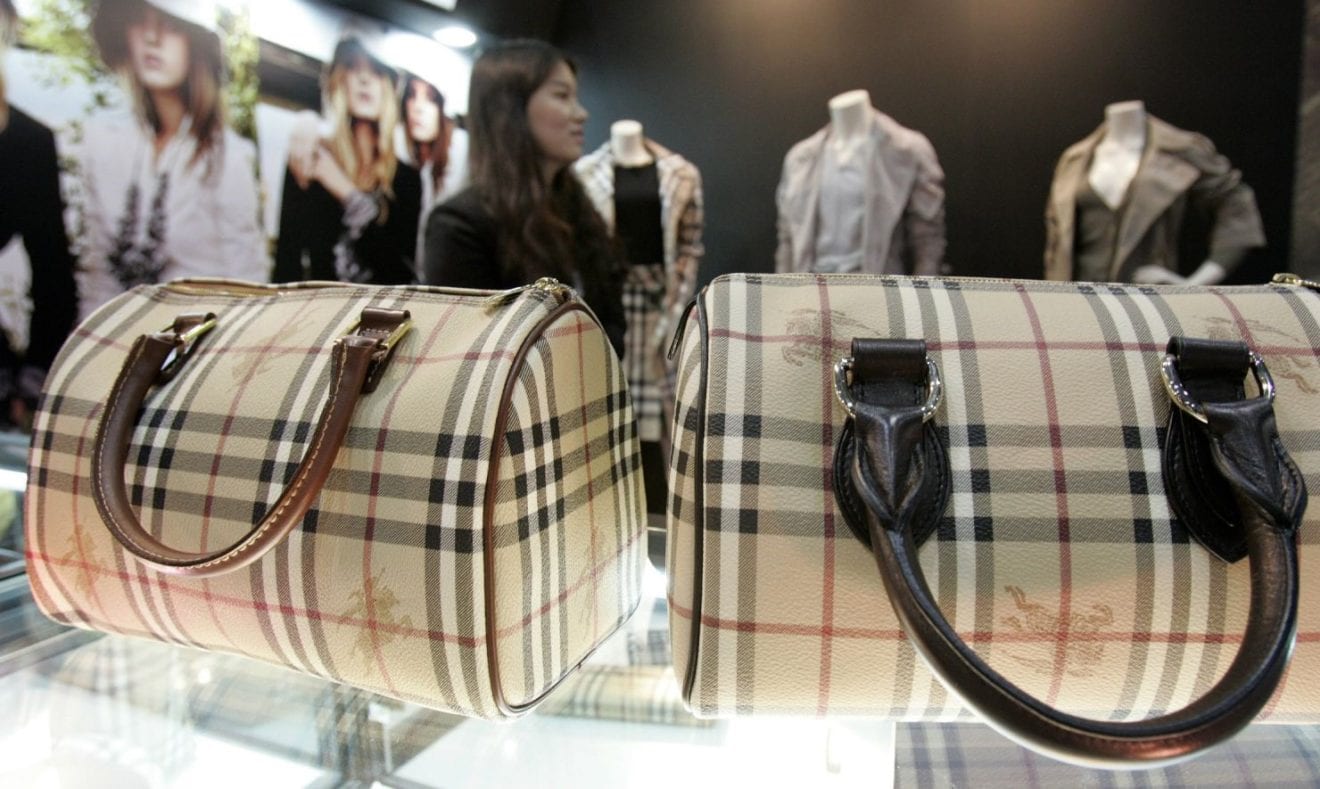
    Analysts are warning that Burberry Hong Kong is bracing for a £100 million hit on sales from the city’s ongoing disorder.

    Burberry has declined to comment on the research note issued by Jefferies and reported by The Telegraph newspaper in London, and further by Retail Gazette.

    As Hong Kong’s protests continue, retail sales have plummeted due to falling visitor numbers. The luxury sector has been hardest hit with sales down between 40 percent and 50 percent brand by brand.

    The Jefferies analysts have projected that Burberry Hong Kong sales are likely to be £100 million lower in the year to next April. However, they added that as much as 50 percent of that shortfall could be mitigated by increased sales in Europe and other parts of Asia.

    Burberry Hong Kong has 10 stores and the city accounts for about 8 percent of group sales.

    Flavio Cereda, a Jefferies analyst, said the seasonal nature of Burberry’s offer exposed it to challenges not faced by other luxury brands, such as, for example, watch houses.

    “The problem with having ready-to-wear in stores which are not shifting is that the stock is seasonal so it’s a pressing problem because it will hit markdowns pretty soon,” Cereda said.

    “You’ve got two issues; you’ve got to divert deliveries and then you’ve got to think about what to do with all the stock in the stores because it’s not selling.

    “The simple solution is don’t deliver stuff to Hong Kong anymore, there’s no point. Or if you’re going to deliver 500 jackets, then deliver 50 instead and ship the rest of them off to Mainland China.”

  • Imported car sales soar despite efforts to tighten imports

    Imported car sales soar despite efforts to tighten imports

    Consumption of imported cars has skyrocketed while that of locally-assembled ones is falling despite efforts last year to tighten imports.

    From January to August, sales of imported cars rose 178 percent year-on-year to 82,800 units, while that of locally-assembled vehicles dropped 14 percent to 119,700 units, according to the Vietnam Automobile Manufacturers’ Association (VAMA).

    The number of imported vehicles with nine seats or less in the period almost quadrupled to over 71,000, according to Vietnam Customs.

    However, the high increase in imports this year has to do with a plunge last year because of a government decree that introduced tougher conditions for car importers, requiring them to provide certain certificates to ensure quality and countries of origin. This had led to a decline of 20 percent from 2017.

    Imports started to regain traction in the second half of last year when businesses were able to meet those requirements.

    Vietnam is considering removing special consumption tax on car parts produced locally to boost local manufacturing. Some businesses are shifting their production of high-demand vehicles to the country.

    As Vietnam sees rising demand among people to switch from motorbikes to cars alongside an increase in the country’s per capita income, annual car sales could more than triple in the next five years to reach a million in 2025, according to the Ministry of Finance.

    Vietnam imported 95,900 automobiles in January-August, up 3.2 times year-on-year, 86 percent of these from Thailand and Indonesia, according to Vietnam Customs.

  • Honda To Cease Diesel Vehicle Sales In Europe By 2021

    Honda To Cease Diesel Vehicle Sales In Europe By 2021

    Honda Motor said it would phase out all diesel cars by 2021 in favor of models with electric propulsion systems, as the Japanese automaker moves to electrify all of its European cars by 2025.

    Honda is the latest automaker cutting production of diesel cars to meet stringent global emissions regulations. The plan is part of its long-term goal to make electric cars, including all battery-electric vehicles, to account for two-thirds of its line ups by 2030 from less than 10% now.

    By next year, according to European Union emission targets, CO2 must be cut to 95 gram per km for 95% of cars from the current 120.5 gram average, a figure that has increased of late as consumers spurn fuel-efficient diesels and embrace SUVs. All new cars in the EU must be compliant in 2021.

    For Honda, declining demand for diesel vehicles and tougher emissions regulations have clouded its manufacturing prospects in Europe.

    Honda said in February it would close its only British car plant in 2021 with the loss of up to 3,500 jobs.

    Japan’s No. 3 automaker has said it would cut the number of car model variations to a third of current offerings by 2025, reducing global production costs by 10% and redirecting those savings toward advanced research and development

  • Malaysian retail sales sets record in July

    Malaysian retail sales sets record in July

    Malaysian retail sales grew by 7.1 percent in July.

    Combined with the wholesale trade, a new record high of RM112.5 billion (US$26.94 billion) turnover was set for the month.

    According to Malaysia’s chief statistician Datuk Seri Dr Mohd Uzir Mahidin, the retail trade alone grew by 7.1 percent, that figure fuelled by a 10.5-per-cent growth in sales of food, beverages, and tobacco.

    This was followed by retail sales of other goods in specialized stores and retail sales in non-specialised stores which registered 8.2 percent and 8.1 percent respectively.

    For wholesale trade, sales value expanded 6.6 percent. However, sales of motor vehicles fell by 1.7 percent year on year.

    Growth on a month-on-month basis in combined wholesale and retail sales rose by 0.2 percent, with the retail trade up by 1.1 percent and wholesale transactions down by 2.3 percent.

  • More than 1 million motor vehicles will have been sold through E-commerce next year

    More than 1 million motor vehicles will have been sold through E-commerce next year

    By next year, more than 1 million motor vehicles will have been sold online, according to research from Frost & Sullivan.

    “At the current rate of adoption, online vehicle sales are expected to comprise 5 percent of global vehicle sales by 2025, with China as a leading market,” says Julia Saini, a consultant at Frost & Sullivan’s mobility division.

    In the early days of online retailing, there was skepticism that consumers would purchase big-ticket items like motor vehicles online. But in recent times, consumers have embraced the concept – provided they know what they want.

    In 2016, Alibaba sold more than 100,000 cars during its 11.11 Singles Day, ranging from Maserati sports cars to 13,000 local Chery runabouts. Few people pop online to buy a car on a whim – those are carefully researched, calculated purchases with settlements deferred until a 24-hour window to take advantage of a special deal. But they were still online sales, driven by good deals.

    Saini says the digital transformation of the global automotive retail market is driving the need for customer-centric retail strategies and innovations along with omnichannel touchpoints to further refine the customer journey.

    “Adopting disruptive new auto retail models and emerging digital KPIs by leveraging technology and data-driven approaches will be imperative for attracting new customers, enhancing customer experience, and improving customer retention,” she says.

    “With the emergence of new purchase models such as vehicle subscription and short-term leasing, increased customer-centricity in terms of offerings, services, activities, roles, and functions is expected to be the focus of OEMs and dealerships in the future.”

    Saini and her colleague Yeswant Abhimanyu will lead an interactive webinar on the topic on September 26, discussing innovative business models, growth opportunities, and insights on initiatives and trends across the automotive e-retail market in Asia, North America and Europe.

  • Hong Kong retail sales down last month

    Hong Kong retail sales down last month

    Hong Kong retail sales in July plunged by 11.4 percent as ongoing protests and the China-US trade war took their toll.

    The fall was widely expected with several large retailers projecting double-digit declines based on their own internal monitoring during the month.

    A government spokesman said the decline in retail sales reflected “weak local consumer sentiment and significant disruptions to inbound tourism and consumption-related activities arising from the recent local social incidents”.

    He said the Census and Statistics Department (C&SD) expected Hong Kong retail sales will likely stay weak in the near term, as escalated US-Mainland trade tensions and subdued economic conditions continue to dampen consumer sentiment.

    “The situation may even deteriorate further if the social incidents involving violence do not come to a stop.”

    July’s decrease followed a 6.7-per-cent decline in June when the current round of protests commenced. For the first seven months of the year, sales are down by 3.8 percent year on year.

    After netting out the effects of price changes, July’s figure was even bleaker, down 13 percent compared with a decline of 7.6 percent in June and a year-to-date 4.4 percent.

    Retail sales to visitors usually account for about 50 percent of the total market in Hong Kong, so the key category of watches, jewelry, and luxury goods – the largest category – plummeted by 24.4 percent in July.

    Apparel sales fell by 13 percent, medicines, and cosmetics by 16.1 percent, and commodities in department stores by 10.4 percent.

    Categories less reliant on visitors performed better: sales of food, alcoholic drinks, and tobacco were down by 2.3 percent, consumer goods, not classified elsewhere by 1.4 percent, and books, stationery, newspapers, and gifts by 6 percent.

    Sales of electrical goods fell by 17.4 percent, of footwear and accessories by 10.1 percent and of furniture and fixtures by 8.7 percent.

    The only category to post growth year on year was supermarket sales, which rose by a modest 1 percent.