Tag: Sales

  • Sales up for Tiffany in China, other markets struggle

    Sales up for Tiffany in China, other markets struggle

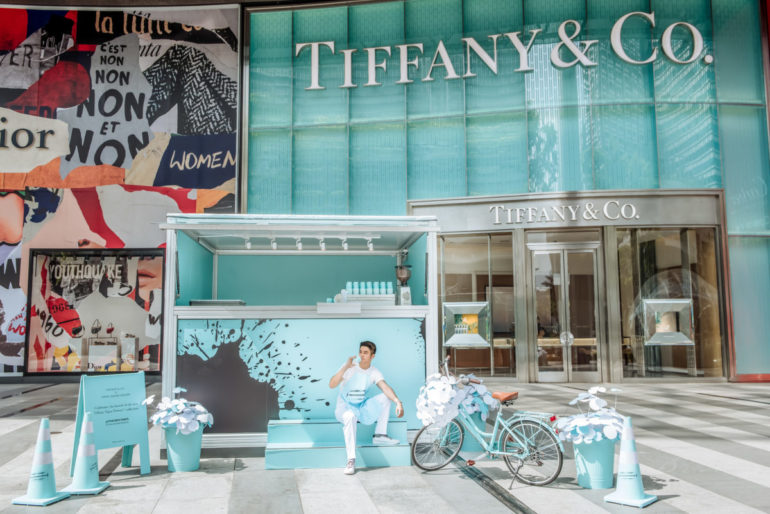
    Double-digit sales growth for Tiffany in China provided some encouragement for the US jewelry retailer in what was otherwise an unremarkable half.

    And despite the brand’s strength on the mainland, Tiffany’s CEO Alessandro Bogliolo expressed concerns about the second half, referencing the ongoing social disruption in Hong Kong.

    “As with the first quarter, we are encouraged in the second quarter by sales growth attributed to our local customer base globally, which was again led by double-digit growth in Mainland China,” he said, noting sales to tourists were softer.

    “With the tough comparison to last year’s strong performance in the first half behind us, and in spite of the headwinds of weak demand from foreign tourists, currency exchange rate pressures and continuing business disruptions in Hong Kong, we are actively managing what is in our control and positioning our brand to win – accelerating new product introductions and keeping a visible profile.”

    Across Asia-Pacific, total net sales decreased 1 per cent in both the second quarter and the first half, to US$298 million and $622 million, respectively, which included comparable sales declines of 3 per cent in the second quarter and 4 per cent in the first half, balanced by the opening of new stores and increased wholesale sales. The declines were largely due to currency changes.

    Sales performance throughout the first half reflected strong growth by Tiffany in China, softness in Hong Kong and mixed performance in other markets in the region.

    In Japan, total net sales of $155 million were unchanged in the second quarter and decreased 2 percent to $300 million in the first half, and comparable sales decreased 1 percent and 2 percent, respectively. On a constant-exchange-rate basis, sales decreased 1 percent in both quarters, while comparable sales decreased 3 percent and 2 percent, respectively.

    Neil Saunders, MD of GlobalData Retail, said that after taking into account the strong prior-year numbers the Tiffany results reflected a marked deterioration from the type of growth being achieved several quarters ago.

    “Domestic (US) demand slipped modestly, mostly among middle-income shoppers who are cutting back more on expensive, unnecessary purchases. Tiffany has not been able to entice them with its various collections in the way it was doing last year.”

    However, he said GlobalData’s research showed that while marketing efforts are not necessarily driving sales, the company is improving traction with younger shoppers.

    “From our data, brand awareness is still rising among the under 35 cohort; however, conversion among this age band has been static over the past few months, meaning that Tiffany is not doing enough to activate this group.”

    Saunders said the planned launch of a range focused on male customers provides a strong an opportunity for Tiffany, but warned it will take time before it resonates, mostly because the retailer’s overall offer remains very focused on women and men know the brand through shopping for women.

    “We do not think this initiative will be an overnight success. It will likely take a long time to change the perception of men and to get them actively shopping with the brand.”

    He concluded that while Tiffany’s sales were not yet reflecting the efforts being invested in improving the brand, it was important that the company “holds its nerve”.

    “Many of the strategies the company has put in place to refresh the brand are directionally correct and are working. There is a case for greater innovation in ranges, especially more modestly priced collections, as well as some elevated marketing over the holiday period. However, neither of these things will entirely counteract a tougher external environment – it will only take the edge off the difficulties.”

  • South Korean online shoppers still see brick-and-mortar as crucial

    South Korean online shoppers still see brick-and-mortar as crucial

    South Korean online shoppers still see offline stores as a crucial part of shopping, a recent study has shown.

    Furthermore, despite the widely held belief that consumers will engage in online shopping during lunch breaks, or before they go to bed, the study has also revealed that many shop during work hours.

    DMC Media, a South Korean media lab, reported stark differences in perception between the industry and consumers.

    Among consumers with the shopping experience in the last six months, 73.2 percent collected shopping information at offline stores, ranking second after mobile shopping (81 percent).

    About three in four consumers use offline stores rather than the web, indicating shoppers still have a desire to look at products before they buy.

    While offline stores are falling behind in the competition with e-commerce, online consumers are still acquiring shopping information through offline stores, which may indicate a path towards finding a breakthrough.

    In contrast, online marketers have been underestimating the importance of offline stores at 30.7 percent.

    Online marketers’ views differ on the time frame when most consumers engage in online shopping. While many believed consumers would not engage in online shopping during working hours (9am to 6pm), the study showed consumers consistently devote time to online shopping after 9am (15.4 percent) and online shopping activity peaks between 6pm and 9pm (46.9 percent), which shows most consumers engage in shopping activities regardless of time and work.

    When choosing an online shopping mall, consumers consider the price (29.4 percent) and product quality (23.4 percent). Coupons are a factor for 9.4 percent of consumers.

    The study also found that consumers click less on the advertisements posted on Instagram, Facebook, and other social networks (50.7 percent) than those linking to a portal website (69.1 percent).

    “Making a strong impression on consumers at offline stores through special programs will not only raise short-term profits but also increase brand loyalty and encourage them to come back,” said the DMC Media research team.

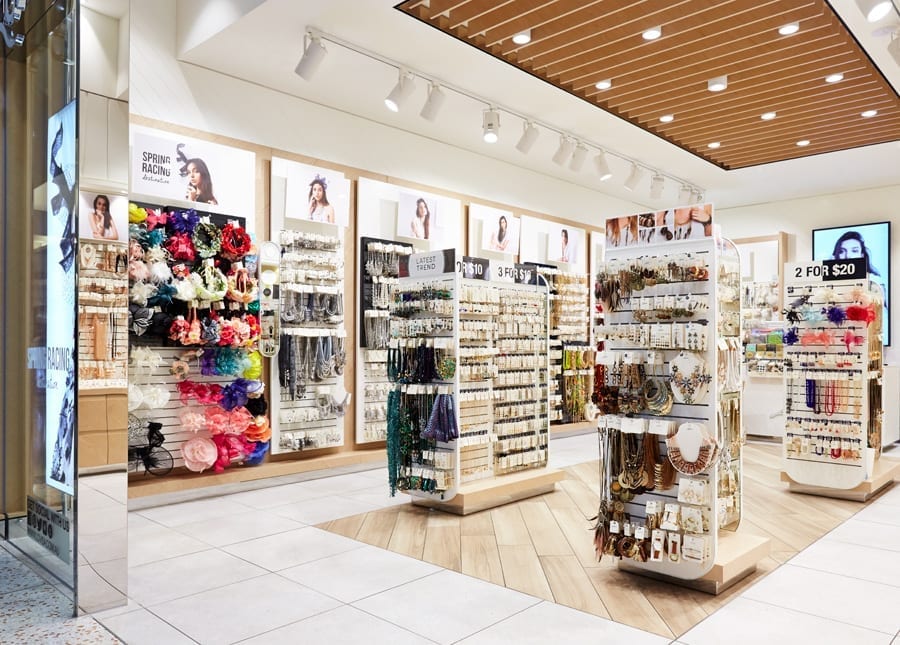
  • New stores openings deliver Lovisa good sales

    New stores openings deliver Lovisa good sales

    Lovisa managing director Shane Fallscheer told investors on Thursday he was pleased to deliver a “solid result” for FY19 in one of the more difficult trading environments the fashion jewelry retailer has experienced in recent times.

    Revenue was up 15.3 percent year on year to $250.3 million, thanks to the addition of 64 new stores in FY19. The retailer’s total store count as at June 30, 2019 was 390.

    Same-store sales, however, were down 0.5 percent on the previous corresponding. Fallscheer attributed the weak result to softer trading conditions in the first half of FY19, especially in Australia, and the lack of major trends in the fashion jewelry space, which have helped drive strong same-store sales growth in the past.

    He also noted that Lovisa “overperformed” in FY18 – especially in the first half, when same-store sales increased 7.4 percent – which made it harder to deliver comparable sales growth in FY19.

    The retailer reported an increase of 50 basis points in gross margin to 80.5 percent, thanks to higher USD hedge rates and its focus on inventory management and promotional effectiveness. Gross profit increased by 16 percent to $201.4 million.

    The hiring of several senior executives, the relocation of Lovisa’s third-party logistics hub from Hong Kong to China, the launch of e-commerce capabilities in Australia and New Zealand and continued store rollouts in new territories, however, drove up to the cost of doing business as a percentage of sales.

    The retailer reported a 2.8 percent increase in earnings before interest and tax to $52.5 million and a 3 percent increase in net profit after tax to $37 million.

    Lovisa finished the year with a cash balance of $11.2 million and a strong balance sheet, Chris Lauder, Lovisa’s CFO told investors.

    Looking ahead, the key driver of growth for Lovisa is the continued expansion of stores around the world.

    The retailer currently has 404 stores (it has opened 14 so far in FY20) in around a dozen countries, including Australia, New Zealand, Singapore, Malaysia South Africa, the UK, Spain, France, the US, the Middle East and Vietnam.

    Lovisa’s biggest market is Australia, where it has 154 stores, followed by South Africa with 61 and the UK with 38, but growth is accelerating in the US, Fallscheer said, where it currently operates 28 stores in California, Texas, Florida and Illinois.

    “The eventual size and timing of the store rollout [in the US] will depend on being able to deliver quality stores that meet criteria rather than a [specific] number target,” Fallscheer told investors.

    He noted that Lovisa is beginning to gain traction with US landlords, and that it is targeting “small wins” to offset the higher cost of doing business and currency headwinds in the market, including minimizing markdowns and looking at the price.

    “We constantly review each market, each style and how all of that interacts with each other. We’re constantly looking at the price…as we mature in the US market, there are probably some slight wins there,” Fallscheer said.

    But he admitted, “there’s going to be a gap between price increase and currency decline”.

    Same-store sales growth in FY20 so far is within the retailer’s target range of 3 to 5 percent, Fallscheer said. He attributed this to price gains and increased volumes.

  • Honda Says It Will Stop Producing Cars In Argentina In 2020

    Honda Says It Will Stop Producing Cars In Argentina In 2020

    Japan’s Honda Motor Co on Tuesday said it will stop producing automobiles in Argentina next year as part of a global shift in how it shares production between regions.

    Honda said its Campana plant in the province of Buenos Aires, which produces the HR-V model, will focus solely on making on motorcycles. Honda started making motorcycles in Argentina in 2006 and began auto production there in 2011.

    Responding to Reuters questions, Honda said in a statement the decision was part of a global reorganization of auto production and was unrelated to the results of the primary elections in Argentina on Sunday.

    Around 1,000 employees work in Honda Argentina, and the company is in talks with the local union to offer a buyout for the employees involved in the auto production, the company said.

  • US retail sales up solidly

    US retail sales up solidly

    The US Commerce Department says retail sales rose a healthy 0.7 per cent last month, a sign of consumer confidence.

    US consumers have spent more at retail stores and restaurants in July, a sign that concerns over slower global growth that have roiled financial markets haven’t dampened consumer confidence.

    The Commerce Department says retail sales rose a healthy 0.7 per cent last month, after a 0.3 per cent gain in June. Online retailers, grocery stores, clothing retailers and electronics and appliance stores all reported strong gains.

    Consumer spending, the primary driver of the US economy, remains healthy even as other sectors of the economy, such as business investment, have weakened amid growing uncertainty over the US-China trade war.

    Job growth is steady, the unemployment rate is near a 50-year low, and wages are rising modestly, which bolsters Americans’ spending power.

    Even department stores reported solid sales increases despite Wednesday’s anaemic earnings report by Macy’s.

  • Growth rate down for China retail sales in July

    Growth rate down for China retail sales in July

    Chinese retail sales in July rose at a slower rate than in June, although the decline was largely attributed to falling sales of new motor vehicles.

    Official government retail sales figures include motor vehicles, making it difficult to assess the true trend of ‘real’ retail sales in the market.

    Chinese retail sales in July rose by 7.6 per cent year on year, compared to a 9.8-per-cent increase in June. The growth rate was slower than analysts had been forecasting.

    July marked the 13th consecutive month of decline in China’s new-car market, affected by the imposition of stricter environmental controls and a generally cooling economy.

  • Strong retail interest in Asia, but very little action

    Strong retail interest in Asia, but very little action

    More than 80 percent of Australian businesses have Asia on their radar, but most are failing to generate significant revenue from Asian markets, a new report from Asialink Business has found.

    Of the businesses surveyed, 83 percent generate less than half of their annual revenue from Asia, and 55 percent generate less than 5 percent of their annual revenue from Asia. This is because they haven’t taken the necessary steps to grow.

    These include hiring staff with the right language skills and experience to operate in Asia, keeping up with Asian customers’ fast-changing preferences and having a presence on the ground – three characteristics that top performers in the Asian market share.

    “The business opportunities that exist in Asia are well known and well versed. But while many Australians businesses are including Asia as part of their strategy, we know that majority of these organizations don’t optimize their operations to maximize revenue streams,” Jonathan Yeung, head of Asian business banking at Commonwealth Bank of Australia, which sponsored the report, said.

    One business that is tapping into the Asian market successfully is Australian health and beauty brand G&M Cosmetics, which was profiled in the report.

    The Sydney-based business, which has been manufacturing and selling to national and global retailers for over 22 years, first started exporting to China in 1998, and now exports 600,000 units of skincare products to the country every week.

    CEO Zvonko Jordanov said it is crucial to understand the customer in each market you sell in.

    For instance, Emu oil-based products are best-sellers in Taiwan and Malaysia, but Lanolin is preferred in China. This changes quickly, though, and Jodanov said avocado, goat’s milk, and manuka honey products are on the rise.

    At its laboratory in Australia, G&M also looks at the suitability of certain skincare products for different markets based on local conditions, including weather and humidity.

    “We’re all humans. The number one thing is that you respect the consumer. Give them a proper product and don’t promise the impossible,” Jordanov said.

    According to the Asialink Business survey, businesses that tailor and adjust their product or service and marketing earn, on average, more than eight times the revenue from Asian markets than those that sell the same offering using the same marketing.

    Businesses that always mention these Asian language skills and experience in the Asian market in job ads earn, on average more than five times the revenue from Asia than those that do not.

    And 33 percent of businesses that earn more than 5 percent of their annual revenue from Asia undertook in-country visits at least once a month – more than double that of businesses earning less than 5 percent of their revenue from Asia.

    The businesses most likely to be doing well in Asia were professional services firms, according to the report, followed by private education and training organizations.

    China was the top Asian market for 44 per cent of respondents, followed by the ASEAN countries, which include Indonesia, Malaysia, Philippines, Singapore, Thailand, Vietnam, Laos, Brunei, Cambodia, and Myanmar, for 32 per cent of respondents.

    Overall business sentiment towards Asia remains positive, despite the ongoing China-US trade tensions, the report found.

  • Falling spend by mainland Chinese lowers Sogo sales

    Falling spend by mainland Chinese lowers Sogo sales

    Sogo department store parent Lifestyle International has been impacted by falling spending by mainland Chinese visitors and the early stages of the extradition bill protests.

    Direct sales at the group’s two stores in Causeway Bay and Tsim Sha Tsui were down 2.8 percent in the six months to June, while total gross sales, including those of concessions, fell by 2.4 percent.

    Executive director Lau Kam Shim said China’s economic slowdown and global political uncertainties cast a damper on the consumer spending during the six months to June. Sogo Causeway Bay recorded a 4.8-per-cent decline in sales after footfall decreased 3.7 percent, however, the average ticket size at the store remained stable at approximately $910. He said the anti-extradition protests that took place in June also played a part in bringing down the traffic footfall and sales revenue of the store.

    Despite the sluggish territory-wide retail sentiment, Sogo Tsim Sha Tsui achieved a 9.5-per-cent increase in sales during the period, having established itself as a popular shopping destination for tourists. Cosmetics and skincare products were the leading growth driver for the store, recording 14.3-per-cent growth.

    The Sogo Rewards program continued to gain traction, with membership increasing to 657,000 as at June 30.

    “The program has helped keep customers engaged and reinforced the group’s brand equity,” said Lau. Sales to members accounted for 55 percent of the total revenue at the Causeway Bay store during the period, up from 52 percent for all of last year.

    Lau said the launch of the massive HD LED screen on the street-facing facade of the Causeway Bay Sogo department store has proven to be an effective advertising platform, reinforcing the flagship’s position as a prominent retail landmark in Hong Kong.

    The group’s gross profit margin as a percentage of turnover remained stable at around 74 percent, and gross profit of HK$1.557 billion, was down 1.3 percent year on year. The net profit attributable to shareholders was $1.286 billion, up 44.8 percent, due to a positive investment income of $427 million being recorded during the period, compared with an investment loss of $56.2 million recorded for the same period last year.

    Lifestyle International expects a challenging second half of the year as geopolitical tussles and waning global growth momentum further undermines business confidence and dampens consumer spending across the globe.

    “Whilst prolonged China-US trade tensions and heightened economic uncertainties would pose challenges towards the Hong Kong economy, the city’s ongoing political and social unrest will cause further damage to the local economy, souring consumers’ appetites and suppressing investor sentiments in both the property and stock markets,” said Lau.

    “Moreover, the anticipated weakening of the Chinese currency would also weigh upon inbound tourism and the spending of Chinese tourists.”

  • Reebonz starts selling on Ebay

    Reebonz starts selling on Ebay

    Online luxury marketplace and Asia-Pacific platform Reebonz has launched a store on Ebay.

    The new store stocks more than 5000 new and pre-owned products, including bags, shoes, accessories, and apparel. Customers from the US, Canada, Mexico, the UK, Australia, and the European Union can purchase products and receive free shipping from the store.

    The firm has built back-end infrastructure to localise services in each country it operates to make it easy for customers to shop. The listings are localised for currency and language in their respective countries.

    To date, Reebonz has sold products from brands such as Burberry, Fendi, and Prada through its Ebay store, amongst others, and the highest-valued item sold is a pre-owned Hermes handbag worth more than US$15,000.

    “While we continue to focus primarily on Asia, it is very encouraging to be able to partner with Ebay to provide a unique collection of products to their users, and expand our customer base globally,” said Reebonz co-founder and chief marketing officer Benjamin Han.

    “They are focused on providing authentic luxury products, which complements well with our core business. Expansion into regions such as North America and other non-Asian regions will allow us to better understand user buying preferences in other parts of the world, which will allow us to create a robust database of trends globally. Insights from this data will help in many ways, including driving our pricing and margin optimisation strategy, merchandising, and others.”

  • Trade war, climate erode first-half Giordano sales

    Trade war, climate erode first-half Giordano sales

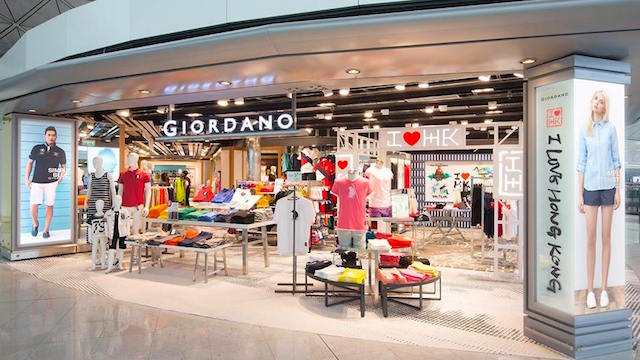
    The China-US trade war and unseasonably warm winter have been blamed for Giordano sales falling 11 percent in the first half of the year.

    Profit for the Hong Kong-headquartered apparel retailer was impacted even more, dropping 36.6 percent to HK$161 million (US$20.5 million) on revenue of $2.542 billion ($324 million).

    By market, sales in Mainland China fell 22 percent, in Hong Kong and Macau by 11.9 percent and in Taiwan by 15.2 percent.

    Giordano sales in the rest of Asia-Pacific – its largest single market accounting for 31.8 percent of revenue – were down a lighter 3.7 percent, with performances by country mixed.

    Indonesia stood out with an overall same-store growth of 2.8 percent for both Giordano and non-Giordano brands, and with operating profit increasing by 6 percent. Thailand continued to achieve stable growth, with operating profit advancing by 9.1 percent, attributable mainly to sales growth and improvement of gross margin by 1.5 percentage points from 63.7% percent to 65.2 percent, the company reported.

    Sales in Singapore and Malaysia declined by 13 percent and 8.4 percent, respectively, due to weak consumer sentiment and slow economic growth.

    In Mainland China, promotional activities were intensified to curtail falling sales and clear slow-moving stock, resulting in a 1.4 percentage-point decrease in gross profit margin.

    Chairman and CEO Peter Lau said a series of marketing programs and smart promotional activities have been launched to “galvanise customer traffic”. On the mainland, Giordano is focusing on developing its franchise business, opening 24 new stores in the first half.

    The Middle East business stabilized and rebounded, with operating profit improving by 36 percent.

    South Korea (a 48.5-per-cent joint venture under an independent management team) reported a slight decrease in sales, while its gross profit was almost flat. Net profit declined due primarily to increased marketing and logistics expenses.

    In terms of the company’s outlook, Lau said the trade war is “taking its toll” on consumer sentiment.

    “In addition, Hong Kong’s weakening retail sector continues to be exacerbated by social unrest. The global economic environment is becoming more uncertain, with signs of economic slowdown in many different parts of the world.

    “Singapore is proving challenging, although management has already taken steps to shake up the local management team and remains confident that the business can be improved. Malaysia and Taiwan failed to meet expectations in the first half, although the local teams have stabilized their businesses and are showing signs of turnaround through effective cost control and improved product mix and localized campaigns.

    “Our Middle East business is showing positive signs of recovery while our Southeast Asian markets, in particular, Indonesia and Thailand, have performed positively and will continue its momentum into the second half of 2019.”

    Lau said the company’s initiative to develop local e-commerce businesses within its existing markets will also continue, in order to offer customers a more comprehensive shopping experience and serve a wider local customer base.

    “This will require resilience and determination in the face of growing competition in this online domain, but we have sowed the seeds and will continue to pursue the opportunities that lie in this realm.

    “That being said, cost pressures remain within the industry as a result of increasing production costs in a number of traditional manufacturing hubs in the region, as well as increasing costs of front-line shop staff in a number of the markets we operate,” concluded Lau.

  • Double-digit leap for General Vietnam retail sales

    Double-digit leap for General Vietnam retail sales

    Vietnam retail sales surged by 11.6 percent in the first seven months of this year, according to figures from the nation’s government.

    According to the General Statistics Office of Vietnam, sales of goods and services reached US$120.57 billion from January through July, with 76.1 percent of that figure ($91.76 billion) spent on goods – 12.5 percent up year on year.

    In July alone, according to the government estimates, sales of retail goods and services reached $17.84 billion, 1.7 percent up on June and 12.4 percent ahead of July last year.

    By category, Vietnam retail sales of food and foodstuffs rose by 12.8 percent year to date, with clothing and textiles up by 10.7 percent.

    Accommodation and restaurant services grew 10 percent year on year to $14.51 billion. Travel services rose 12.5 percent to $1.1 billion.

  • Tata Motors To Introduce Its Next Electric Car By End Of FY2020

    Tata Motors To Introduce Its Next Electric Car By End Of FY2020

    Tata Motors will be introducing its next electric vehicle for the Indian market by the end of the financial year 2019-20. The carmaker recently announced its partnership with Tata Power to set up 300 fast chargers across 5 metros in India. Speaking to carandbike.com on the sidelines, Shailesh Chandra, President Electric Mobility Business & Corporate Strategy, Tata Motors, said that the company is currently working on electric vehicles focused towards private buyers, and will introduce a higher range Tigor EV a new model by end of this fiscal year.

    Talking about the upcoming electric vehicle, Chandra said, “We will come out with a very private focused product within this financial year, and we are doing a host of activities around it. That is the reason why we have started the charging infrastructure work now so that when we have to launch that product, in a certain number of cities that we have targeting, charging infrastructure should be visible.” Chandra further added, “We are also planning to come with a higher range version for Tigor which we will be bringing out in the market very shortly. That is the time when we intend to open it to the private buyers also.”

    Recently at the company Annual General Meeting, N Chandrasekaran, Chairman Tata Motors announced that the company aims to launch four electric models in India in the next 18 months. Chandrasekaran also confirmed that the electric version of the Tata Nexon will be one of the four new electric models. The other three will be – the Tata Altroz EV showcased at the Geneva Motor Show, the more powerful Tigor EV for private buyers, and a fourth undisclosed model.

    Talking about these upcoming electric cars, Shailesh Chandra said, “These are the products which are focused towards the private segment and there might be some more products which might come, but we are gearing up towards their development and we’ll see what the right time to launch them is. So, these two (Nexon EV and Altroz EV) special products are definitely the private buyer-focused products,” When asked whether the upcoming EV could either be the Nexon EV or the Altroz EV, he said, “Hopefully, yes”.

  • Sales Of Japanese Cars In South Korea Slump Amid Growing Diplomatic Row

    Sales Of Japanese Cars In South Korea Slump Amid Growing Diplomatic Row

    Sales of Japanese-branded autos in South Korea slumped in July amid a worsening diplomatic row between the two countries that has led to consumer boycotts and efforts by Seoul to cut the economy’s reliance on imports from Japan.

    Industry data out of South Korea on Monday showed Toyota Motor sales in the country tumbled 32% from a year earlier and Honda’s sales skidded 34%.

    Although automakers are still assessing the main factors driving the declines last month, industry participants worry declining sales would continue in August as diplomatic tensions grow.

    Japan tightened controls in July on exports to South Korea, escalating a row over wartime forced laborers and sparking a boycott by South Korean consumers of Japanese products and services, from cars, beer, and pens to tours. On Friday, Japan escalated tensions by removing South Korea from a list of export destinations approved for fast-track status.

    “Showroom visits are declining while consumers are holding off on signing contracts,” a Honda Korea official told Reuters, asking not to be identified because of the sensitivity of the matter.

    A Honda Korea spokesman said it needs to assess the reason for the July sales fall and whether it is related to Japan’s export curbs, or summer holidays. A Toyota Korea spokeswoman declined to comment on the drop.

    The data from the Korea Automobile Importers & Distributors Association (KAIDA) also showed Lexus, South Korea’s third-most imported car brand after Mercedes and BMW, saw sales down 25% from the previous month, although that was still up 33% from the previous year.

    South Korean shares fell more than 2% on Monday, tracking broader moves in Asia as the Sino-U.S. trade war intensified but also weighed by uncertainty over the diplomatic dispute between Seoul and Tokyo.

    Earlier on Monday, South Korea’s government announced plans to invest about 7.8 trillion won ($6.48 billion) in research and development for local materials, parts and equipment over the next seven years in an effort to cut the reliance on Japanese imports.

    The government on Friday said it would “step up safety measures” on Japanese tourism, food and waste, without elaborating further.

    While foreign-branded cars make up a small portion of domestic auto sales in South Korea, the business community is concerned a consumer swing away from Japanese imports for political reasons could spread to other parts of the retail market.

    Japan’s Asahi Group Holdings, whose Asahi Super Dry is the most popular import brand in South Korea, said on Thursday the spread of the South Korean consumer boycott of Japanese goods was affecting its beer sales as it lowered its profit guidance slightly.

  • Puma sales drops as 233 new stores open across China

    Puma sales drops as 233 new stores open across China

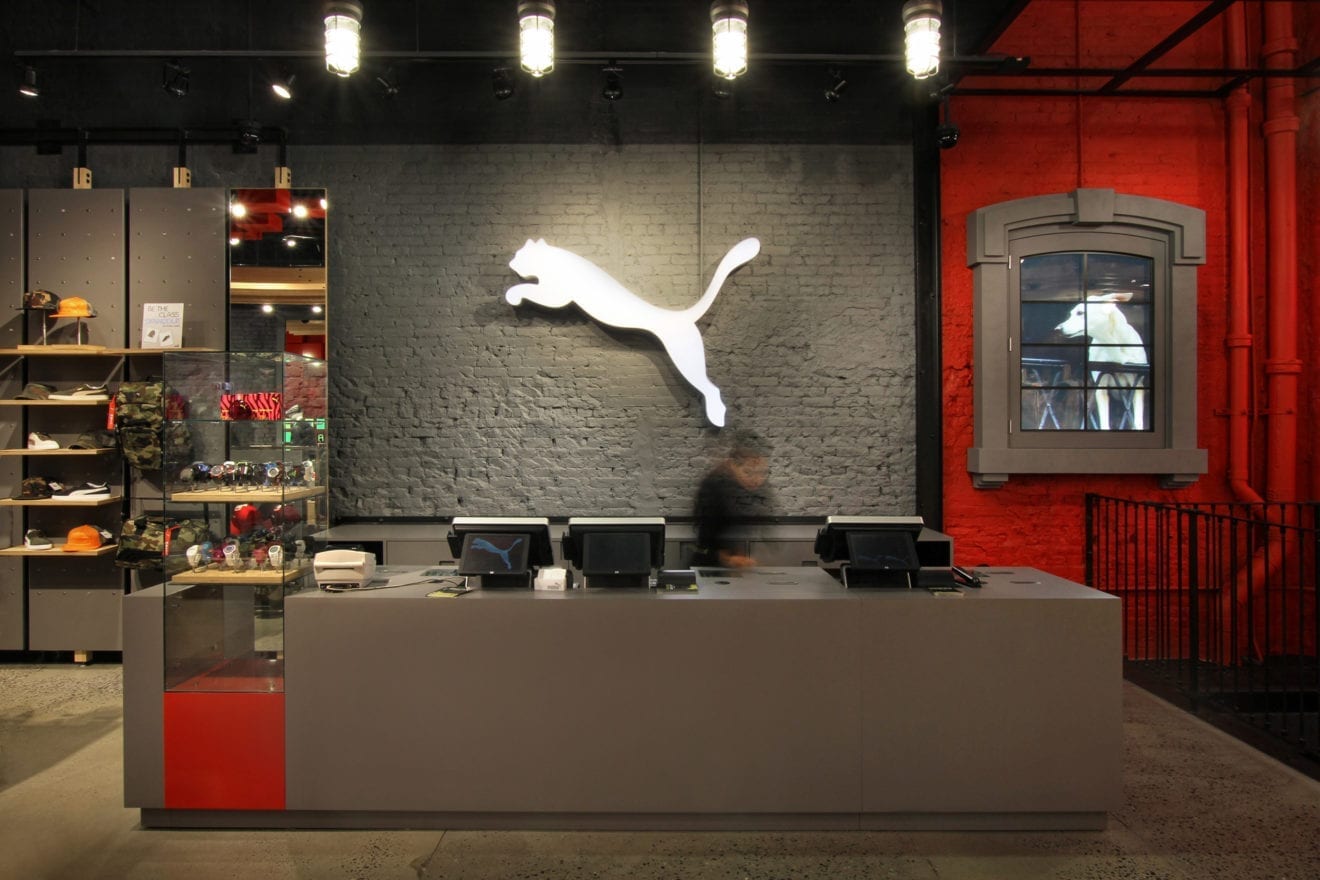
    Puma sales surged by 15.5 per cent on a currency-adjusted basis in the first half of this year, to €2.546 billion.

    The Asia-Pacific region led the way, with sales soaring 21.6 per cent in the second quarter, closely followed by the Americas, up by 19.7 per cent. Net earnings rose by 46.3 per cent to €144.1 million.

    “The second quarter of 2019 developed very positively for us, with sales growing 15.7 per cent currency-adjusted and earnings before interest and tax increasing 39 per cent,” said CEO Bjorn Gulden. “All divisions and all regions saw healthy improvement.”

    New styles of footwear sold well, apparel continued to be strong, replenishment orders for both apparel and footwear developed and the company’s direct-to-consumer business also performed well, he said.

    Within Asia, China was the main growth driver for the sportswear brand, without breaking down Puma sales figures by market.

    From a product-division perspective, the sales growth was driven by double-digit growth in apparel with an increase of 24.8 per cent as well as in footwear, which grew by 11.7 per cent.

    Wholesale continued to drive growth with an increase of 13.8 per cent currency-adjusted, supported by the strong performance of key accounts. Sales through Puma’s owned-and-operated retail sales increased by 21.5 per cent currency-adjusted to €599.6 million including e-commerce.

    In China Puma opened a net 33 owned-and-operated retail stores during the first six months and its partners a further 200.

  • Decline in Hong Kong retail sales in June less as forecasted

    Decline in Hong Kong retail sales in June less as forecasted

    Hong Kong retail sales in June fell – but not by as much as many were expecting.

    Official figures from the Census and Statistics Department (C&SD) show a 6.7 per cent decline year-on-year in June, somewhat higher than the 1.4 per cent revised figure for May, but well short of the double-digit predictions some pessimists were picking late last month.

    Year-to-date Hong Kong retail sales are down 2.6 per cent compared with a year ago.

    June was the month when rolling protests began on Hong Kong Island, particularly affecting retailers in Admiralty, Wan Chai, Central and Causeway Bay. Watsons this week confirmed some of its stores in those areas had recorded double-digit declines in sales.

    A government spokesman said that retail sales registered an enlarged decline in June, as local consumer sentiment turned more cautious and growth in visitor arrivals moderated.

    He expects sales would remain subdued in the near term, as a weakened global and local economic outlook and other headwinds continue to weigh on consumption sentiment.

    “The recent mass demonstrations, if continued, would also dent the retail business further,” he said.

    Predictably, sales of jewellery, watches and valuable gifts in June were hit the hardest, plunging 17.1 per cent. Due to their high value, that category traditionally has the greatest impact on the overall figures.

    Other categories to decline – in descending order of impact – were medicines and cosmetics (down 4.1 per cent); apparel (down 8.2 per cent); commodities in department stores (down 6 per cent); food, alcoholic drinks and tobacco (down 1.3 per cent); electrical and consumer durable goods (down 16.1 per cent); footwear and accessories (down 1.4 per cent); books, newspapers, stationery and gifts (down 4.5 per cent); Chinese drugs and herbs (down 0.1 per cent); and optical shops (down 11.9 per cent).

    In contrast, supermarket sales increased by 1.6 per cent in June, while sales of other consumer goods not elsewhere classified rose by 0.3 per cent, and furniture and fixtures rose by 1.1 per cent.

    C&SD said that after netting out the effect of price changes year-on-year Hong Kong retail sales in June decreased by 7.6 per cent and by 3.1 per cent in the year to June.